
- Chinese
- French
- German
- Portuguese
- Spanish
- Russian
- Japanese
- Korean
- Arabic
- Irish
- Greek
- Turkish
- Italian
- Danish
- Romanian
- Indonesian
- Czech
- Afrikaans
- Swedish
- Polish
- Basque
- Catalan
- Esperanto
- Hindi
- Lao
- Albanian
- Amharic
- Armenian
- Azerbaijani
- Belarusian
- Bengali
- Bosnian
- Bulgarian
- Cebuano
- Chichewa
- Corsican
- Croatian
- Dutch
- Estonian
- Filipino
- Finnish
- Frisian
- Galician
- Georgian
- Gujarati
- Haitian
- Hausa
- Hawaiian
- Hebrew
- Hmong
- Hungarian
- Icelandic
- Igbo
- Javanese
- Kannada
- Kazakh
- Khmer
- Kurdish
- Kyrgyz
- Latin
- Latvian
- Lithuanian
- Luxembou..
- Macedonian
- Malagasy
- Malay
- Malayalam
- Maltese
- Maori
- Marathi
- Mongolian
- Burmese
- Nepali
- Norwegian
- Pashto
- Persian
- Punjabi
- Serbian
- Sesotho
- Sinhala
- Slovak
- Slovenian
- Somali
- Samoan
- Scots Gaelic
- Shona
- Sindhi
- Sundanese
- Swahili
- Tajik
- Tamil
- Telugu
- Thai
- Ukrainian
- Urdu
- Uzbek
- Vietnamese
- Welsh
- Xhosa
- Yiddish
- Yoruba
- Zulu
- Kinyarwanda
- Tatar
- Oriya
- Turkmen
- Uyghur






Komatsu moldboard cutting edge
You see 'Komatsu moldboard cutting edge' on a spec sheet or a parts list, and it's easy to think it's just another wear part, a commodity. That's the first mistake a lot of people make, especially those who haven't spent hours in the dirt watching them fail. It's not just a slab of steel. The geometry of that edge, the way it's hardened, and crucially, how it mates with the moldboard and end bits, dictates everything from fuel burn to operator fatigue. I've seen sites swap to a cheaper equivalent only to find their dozer pushing capacity drop by maybe 15% because the material flow over the blade was all wrong. The Komatsu design isn't arbitrary; it's part of a system.
The OEM Reality and the Aftermarket Gap
Working directly with Komatsu channels, you get the genuine article. The fit is perfect, the metallurgy is consistent, and the wear life is predictable. But the reality on the ground, especially in remote projects or regions with complex supply chains, is that waiting for that official pipeline can halt a machine for weeks. That's where the entire ecosystem of third-party suppliers exists. The challenge is finding one that doesn't just sell a Komatsu-style edge, but understands the system it operates in.
This is where a company like Jining Gaosong Construction Machinery Co., Ltd. positions itself interestingly. They list themselves as an OEM product supplier within the Komatsu system and a third-party sales company. In practice, what that often means is they have access to genuine or OEM-spec production lines for certain components, possibly including things like moldboard cutting edges, and they leverage that to service markets where the official distribution is thin or slow. Their site, https://www.takematsumachinery.com, frames it as helping to solve parts supply challenges in certain countries. That's a very real pain point they're addressing.
The critical question for a professional isn't just is it available? but what am I actually getting? Is it a true OEM part from the same forge? Or is it a licensed production? The performance difference can be subtle at first but catastrophic over time. A poorly made edge can wear unevenly, causing the adjacent end bits to take abnormal stress and fail prematurely, turning a $500 part into a $5000 blade repair job.
Field Observations and Failure Points
Let me give you a concrete example from a mining access road project a few years back. We had a D375 dozer running hard on abrasive, rocky overburden. The official Komatsu cutting edges were lasting about 120-150 hours before needing rotation or replacement. Procurement, under pressure, brought in a set of fully certified edges from a third-party at a 30% lower cost. They looked identical, even had similar casting marks.
By hour 80, the operators started complaining the dozer was bouncing more on hard cuts. We inspected. The edges hadn't worn down more, but they had deformed. The cutting line had developed a slight concave curve, reducing ground penetration and causing the machine to ride up on the material. The hardness was there, but the toughness and resistance to deformation weren't. The core of the edge was softer, allowing it to dish under constant high load. We replaced them at hour 90, having lost efficiency for the last 10 hours. The cost saving was wiped out by lost production and the extra downtime for an unscheduled change-out.
That's the kind of detail you only learn by being there. It's not in a brochure. It's in the operator's seat-of-the-pants feel and in the micrometer measurements of wear patterns. A genuine Komatsu edge tends to wear more evenly, maintaining a better profile for longer. It's about the integrity of the steel through its entire cross-section, not just surface hardness.
The Supplier's Role: Logistics vs. Engineering
When evaluating a supplier like the one mentioned, you have to separate their two hats. The OEM product supplier hat is about logistics and authenticity. Can they get the real thing from the source? The third-party sales company hat is about engineering and manufacturing. Can they produce something that meets or functionally matches the OEM standard?
For a critical wear part like a moldboard cutting edge, I'd be probing deeply on which hat they're wearing for that specific part number. If they're acting as a logistics channel for genuine parts, that's a huge value in a supply-crunched region. If they're manufacturing, the questions become specific: What's the Brinell hardness profile from the cutting lip to the base? What's the Charpy impact test data at low temperature? How do they control the heat treatment to avoid embrittlement? A credible supplier in this space should be able to discuss these points, not just quote lead time and price.
Their stated mission of solving supply challenges is valid. I've dealt with projects in Southeast Asia and Africa where a stranded dozer because of a missing edge costs thousands per day. A reliable third-party that can deliver a quality part in 7 days versus the OEM's 6 weeks isn't just a vendor; they're a project saver. But the quality threshold is non-negotiable.
Practical Advice and the Good Enough Dilemma
So, what's the practical take? For core machines on critical, high-production tasks, I still push for genuine Komatsu parts. The total cost of ownership is almost always lower. The predictability is worth the premium and the wait, if you can plan for it.
But the world isn't perfect. For backup machines, for less severe applications (say, pushing topsoil), or in genuine emergency breakdown situations, a high-quality alternative from a technically competent supplier is a viable tool. The key is vetting. Ask for test reports. Ask for references from other sites with similar material conditions. Better yet, buy one and run a controlled comparison. Track hours, measure wear rates, monitor fuel consumption.
Don't get fooled by surface appearance. I've seen aftermarket edges that look perfect but have poor weldability when you need to build them up, or that crack at the bolt holes because of improper stress relief. The devil is in these details.
Wrapping It Back to the Blade
It all circles back to understanding that the moldboard cutting edge is a precision component. It's the interface between 80 tons of machine and the ground. Treating it as a simple wear item is a fast track to higher costs and lower productivity. The value of the OEM spec is the engineering behind it—the systemic compatibility.
Companies that operate in the space between the OEM and the end-user, like Jining Gaosong, fill a necessary niche. Their value proposition hinges entirely on which side of that line their product falls on for any given component. For us in the field, our job is to know the difference, to ask the hard questions, and to base our decisions on observed performance, not just paperwork or price. The right edge keeps the blade in the dirt, the machine moving, and the cost per cubic meter where it should be. Everything else is just talk.
Related Products
Related Products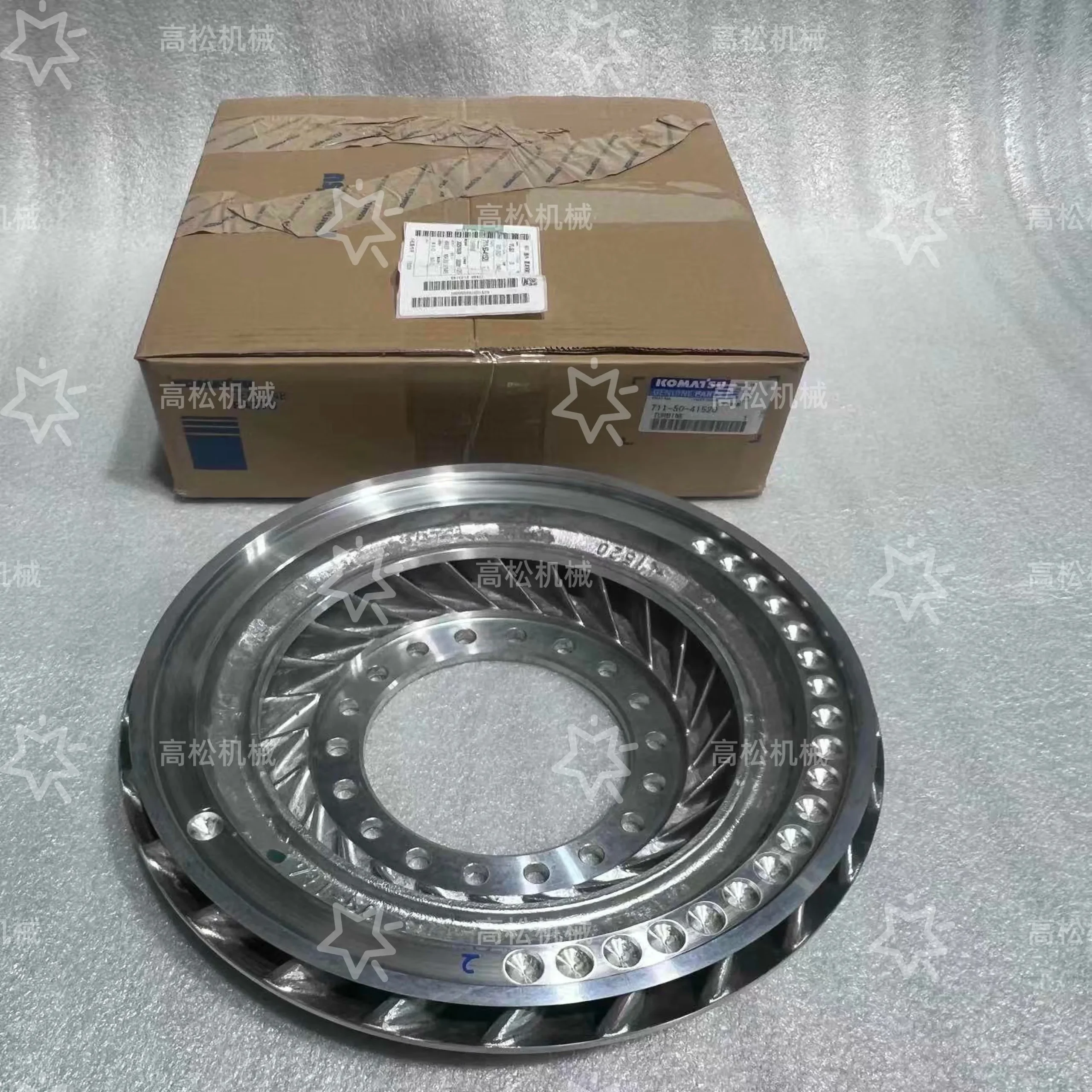

Best Selling Products
Best Selling Products-
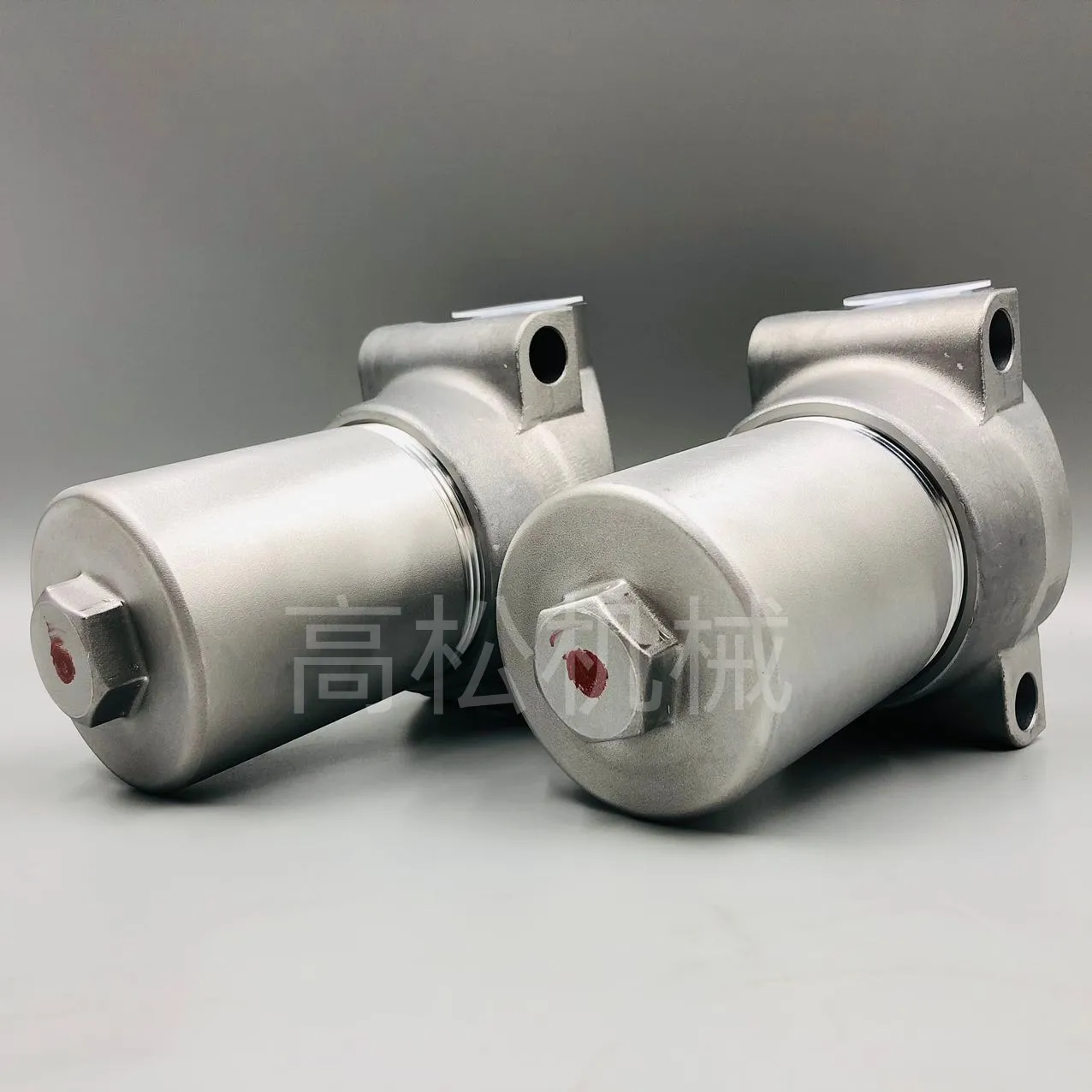 20Y-62-51681 FILTER ASS’Y-Komatsu Original Factory
 -
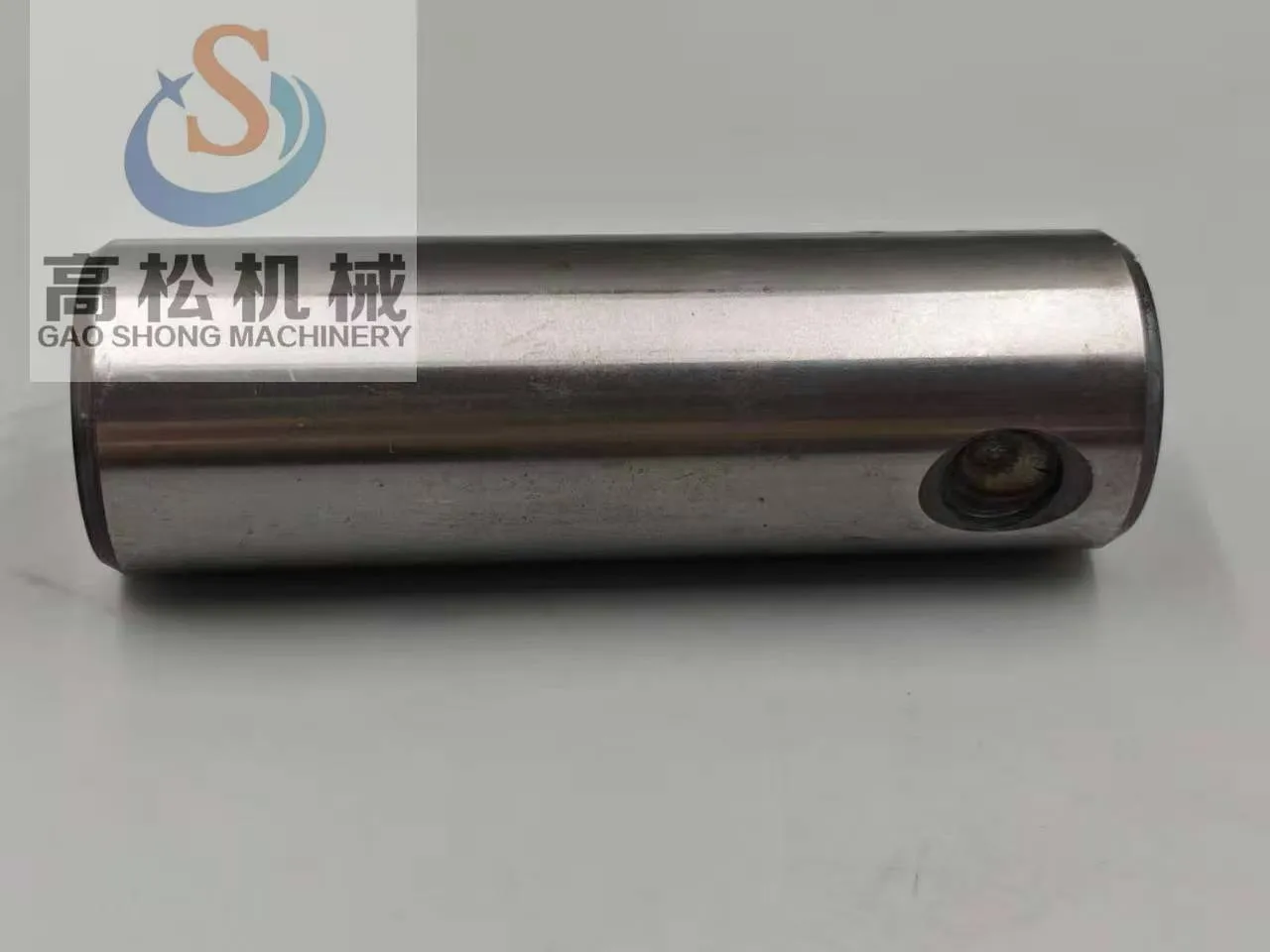 Supply excavator accessories PC1250-11 pin 21N-26-33240
 -
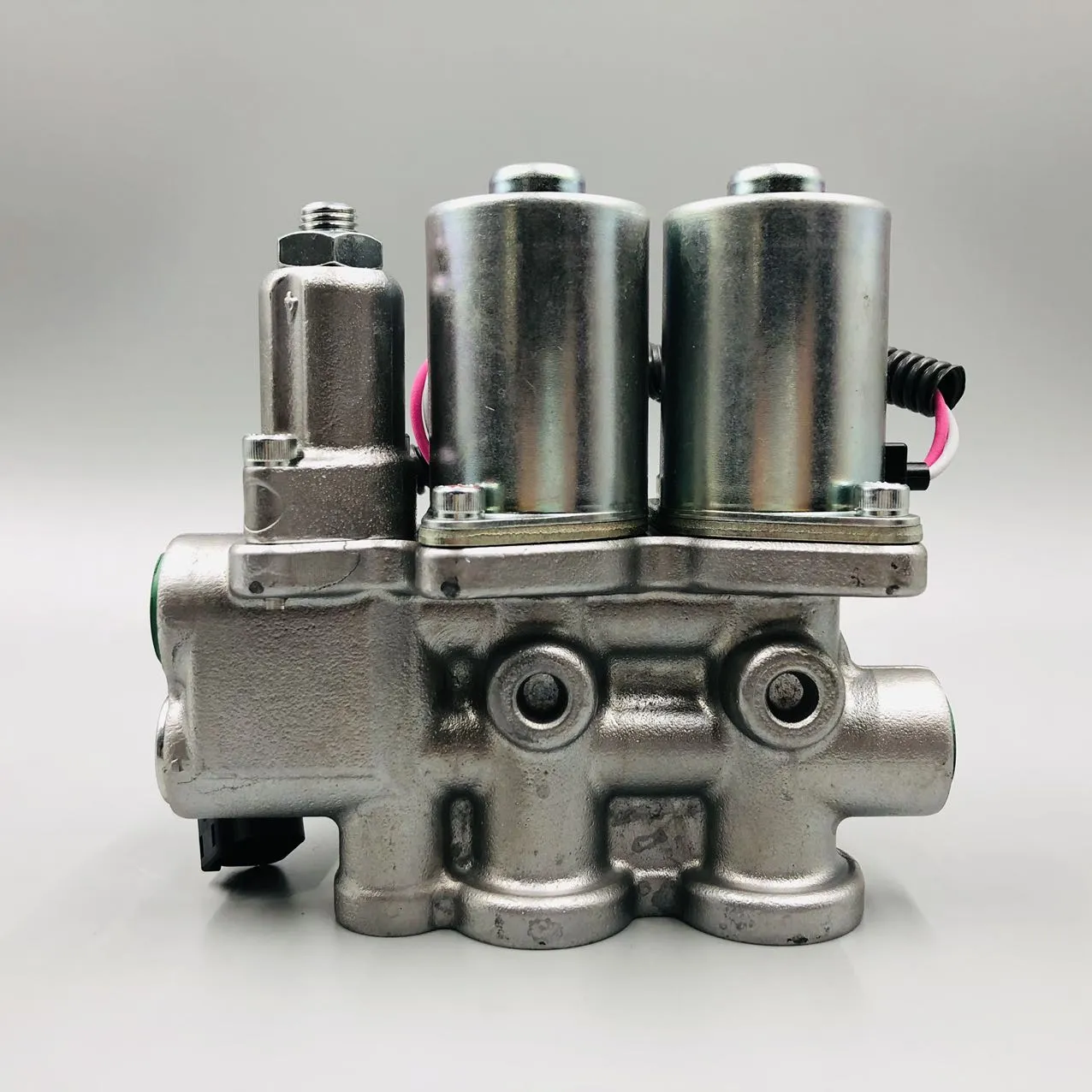 22F-60-31600Valve assembly
 -
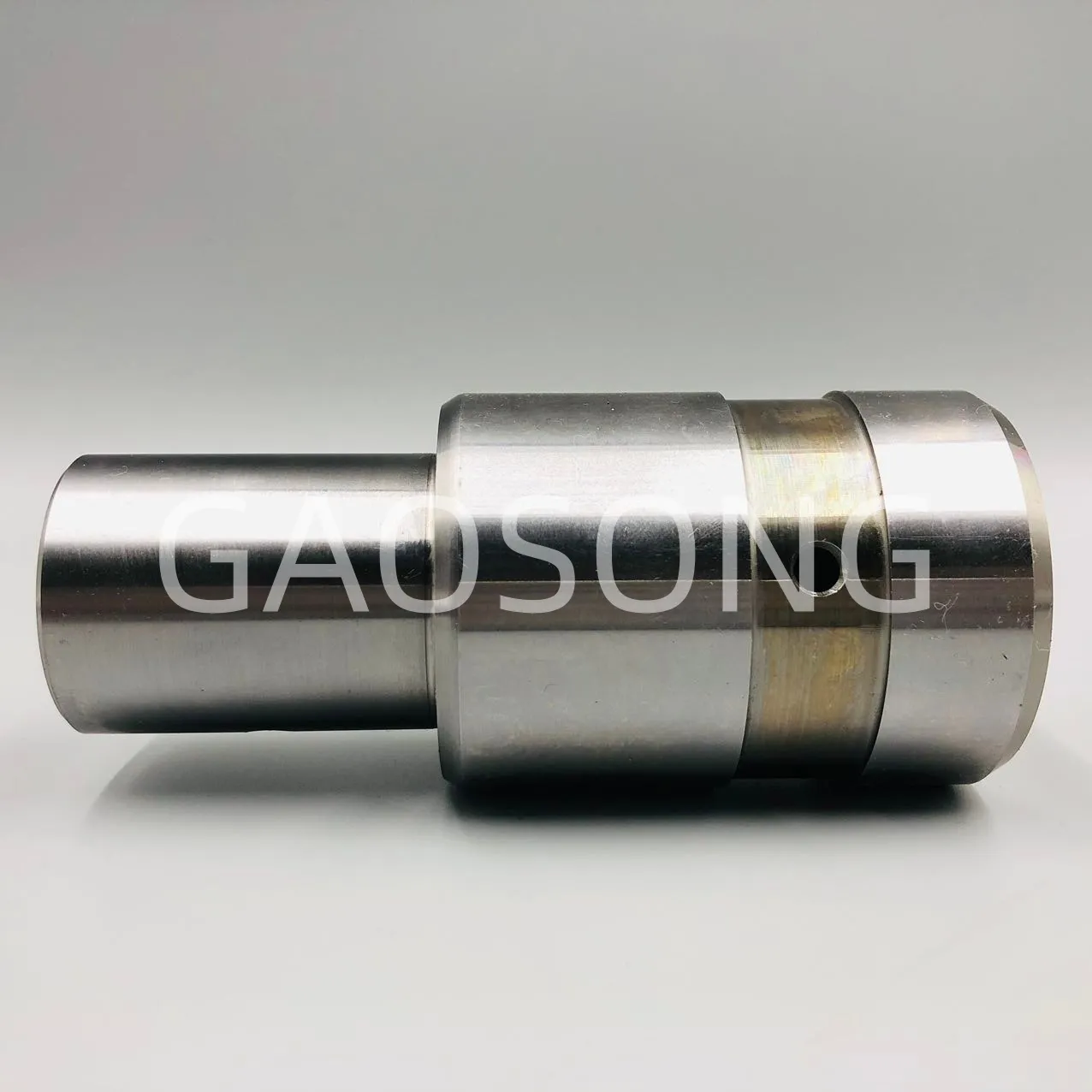 6240-61-4630 • SHAFT-Komatsu Original Factory
 -
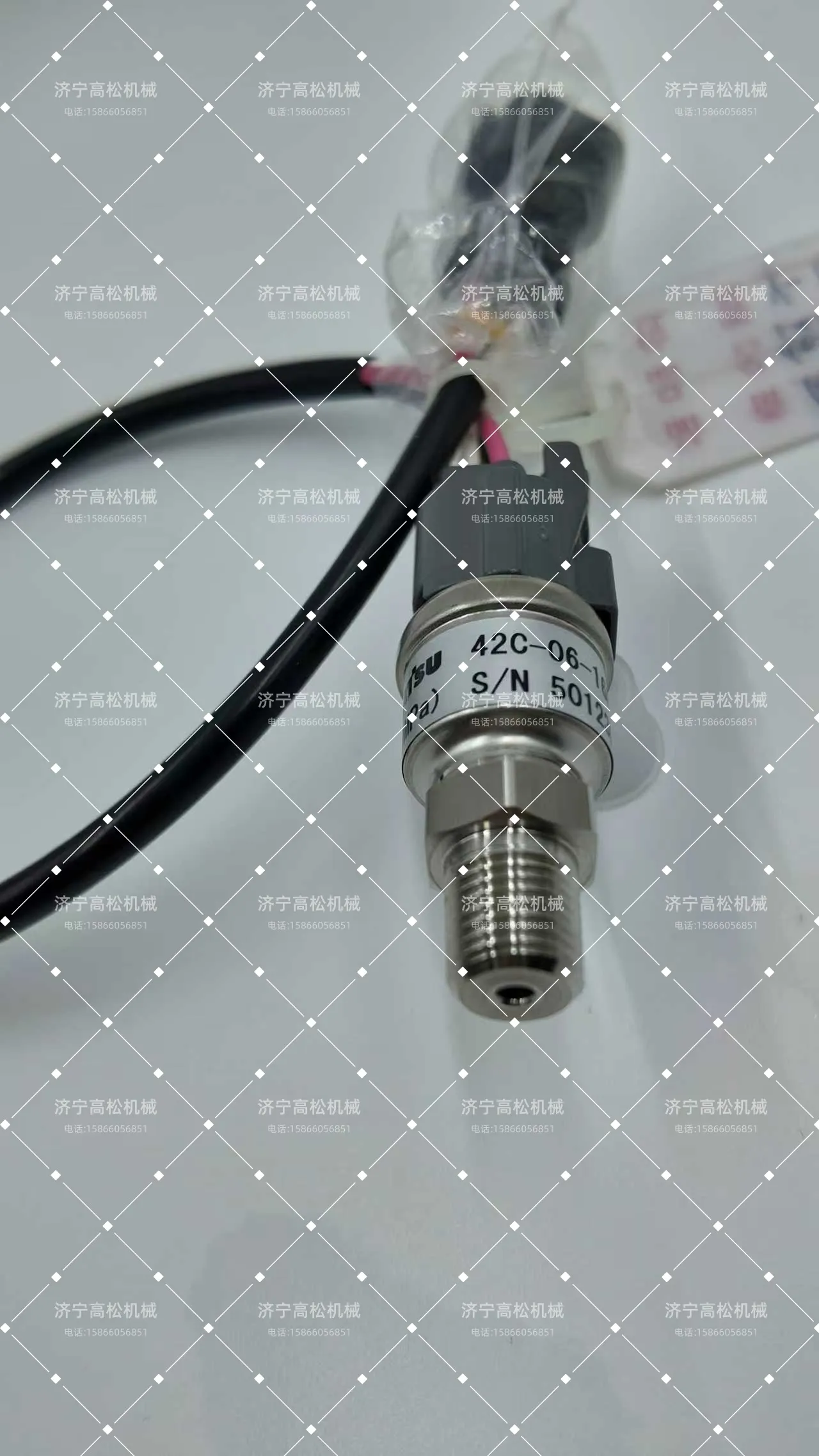 7861-93-1680 Pressure Sensor For Komatsu WA1200 SDA12V140E
 -
 56B-15-19210 RING
 -
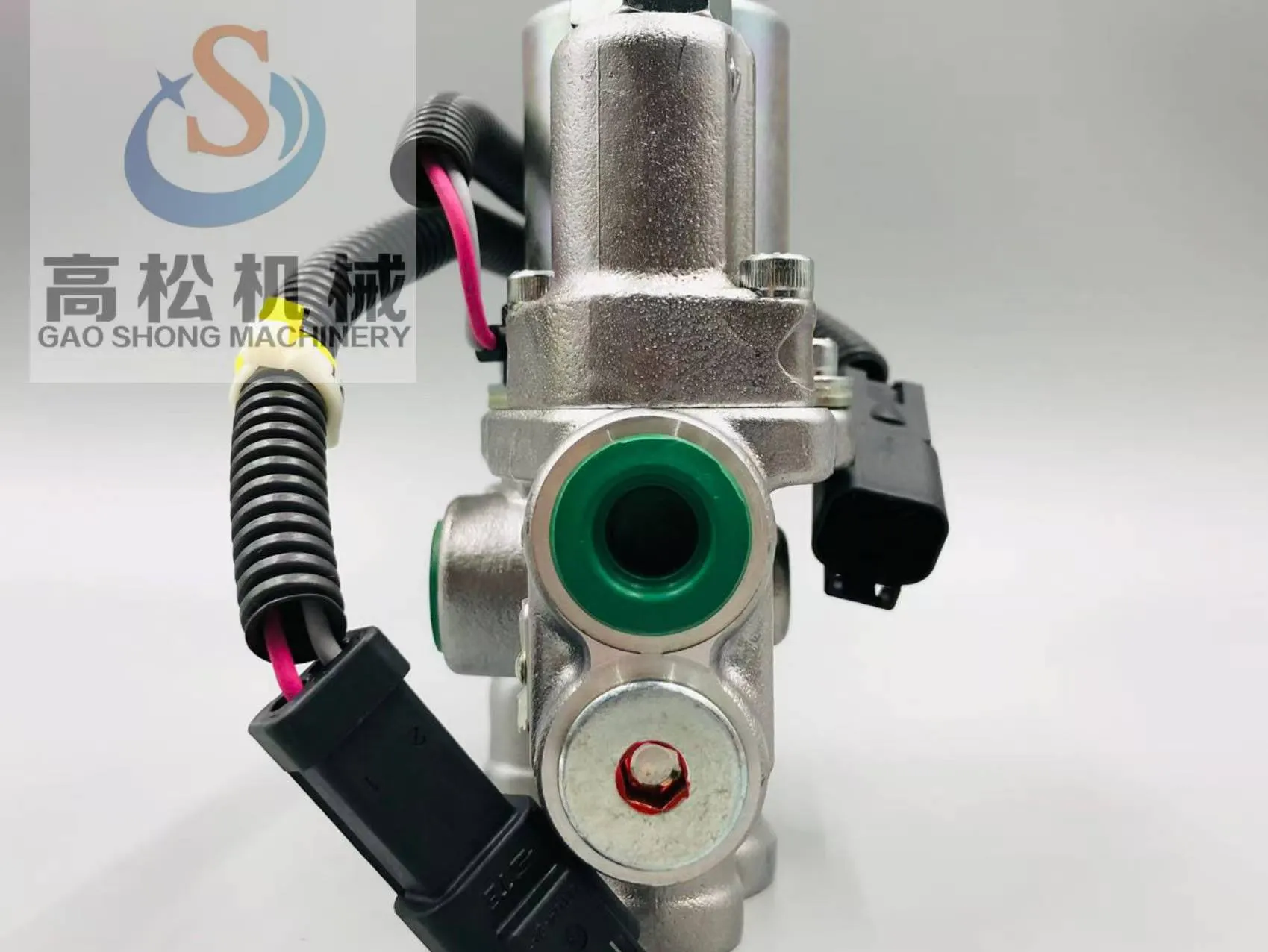 22F-60-31600/22F-60-21201 Electromagnetic valve assembly for PC40MR PC55MR PC56-7 excavator parts
 -
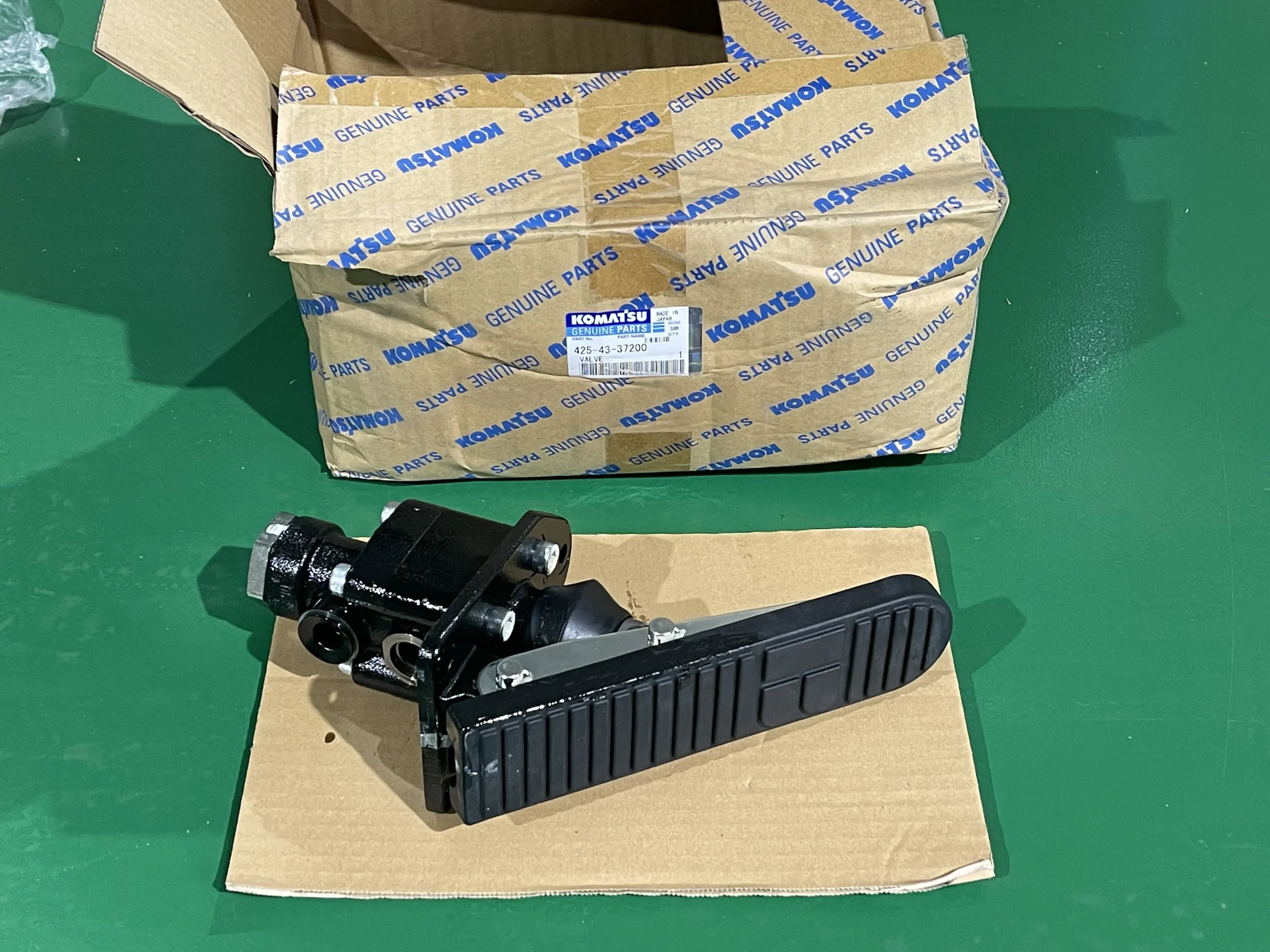 425-43-37200 Komatsu VALVE ASS’Y
 -
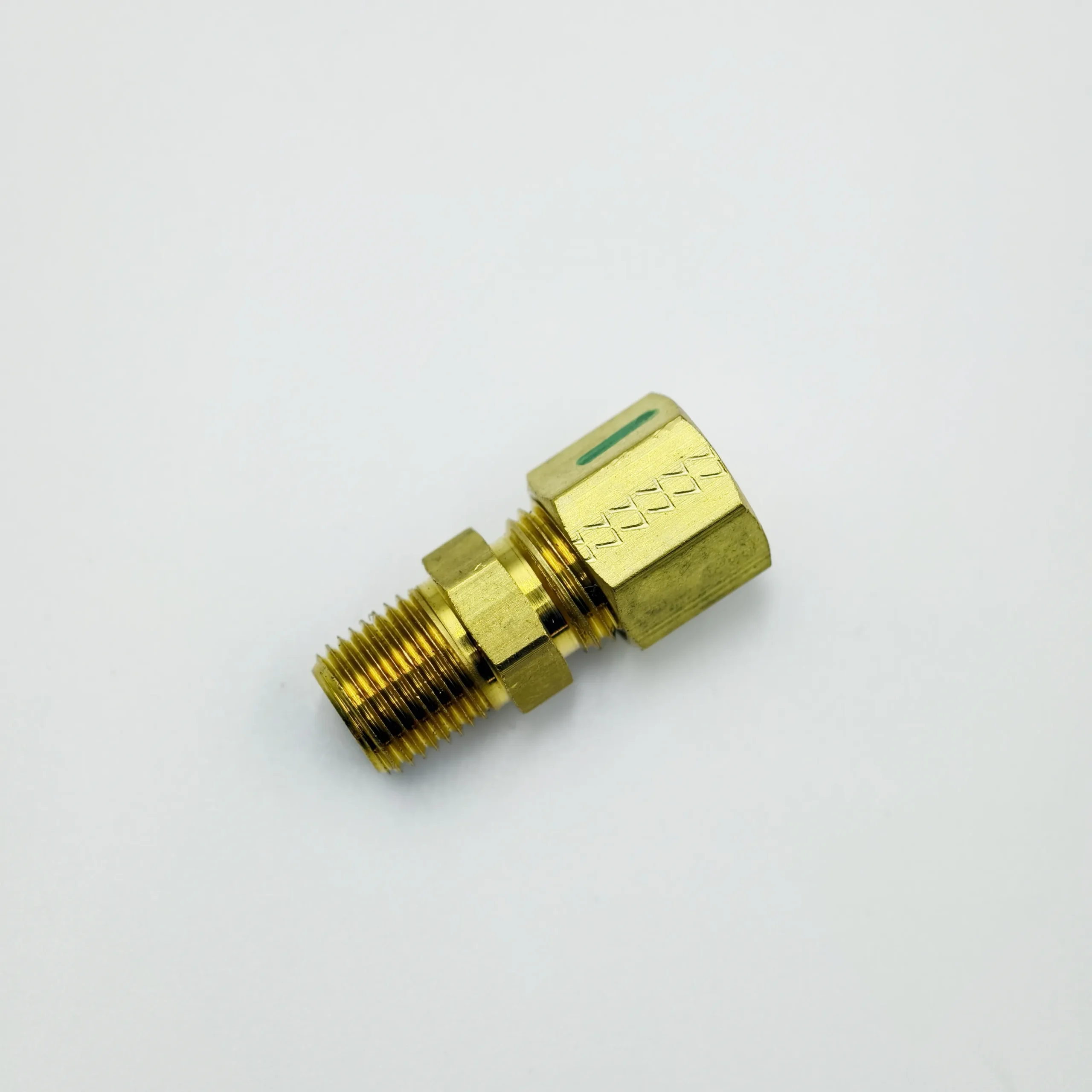 21N-68-32320 Komatsu Connector
 -
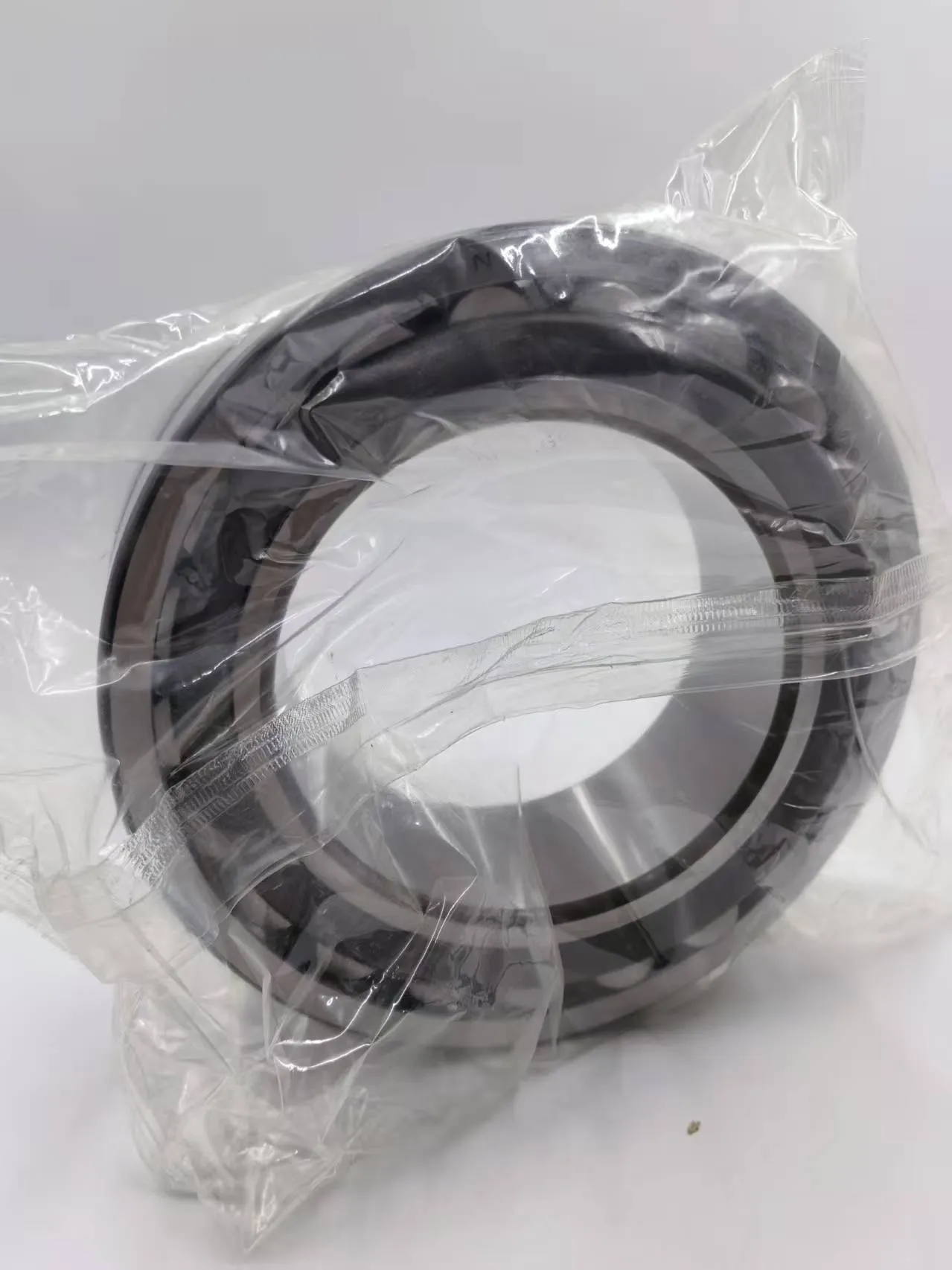 561-27-61960 for Komatsu HD785-5LC HD985-5
 -
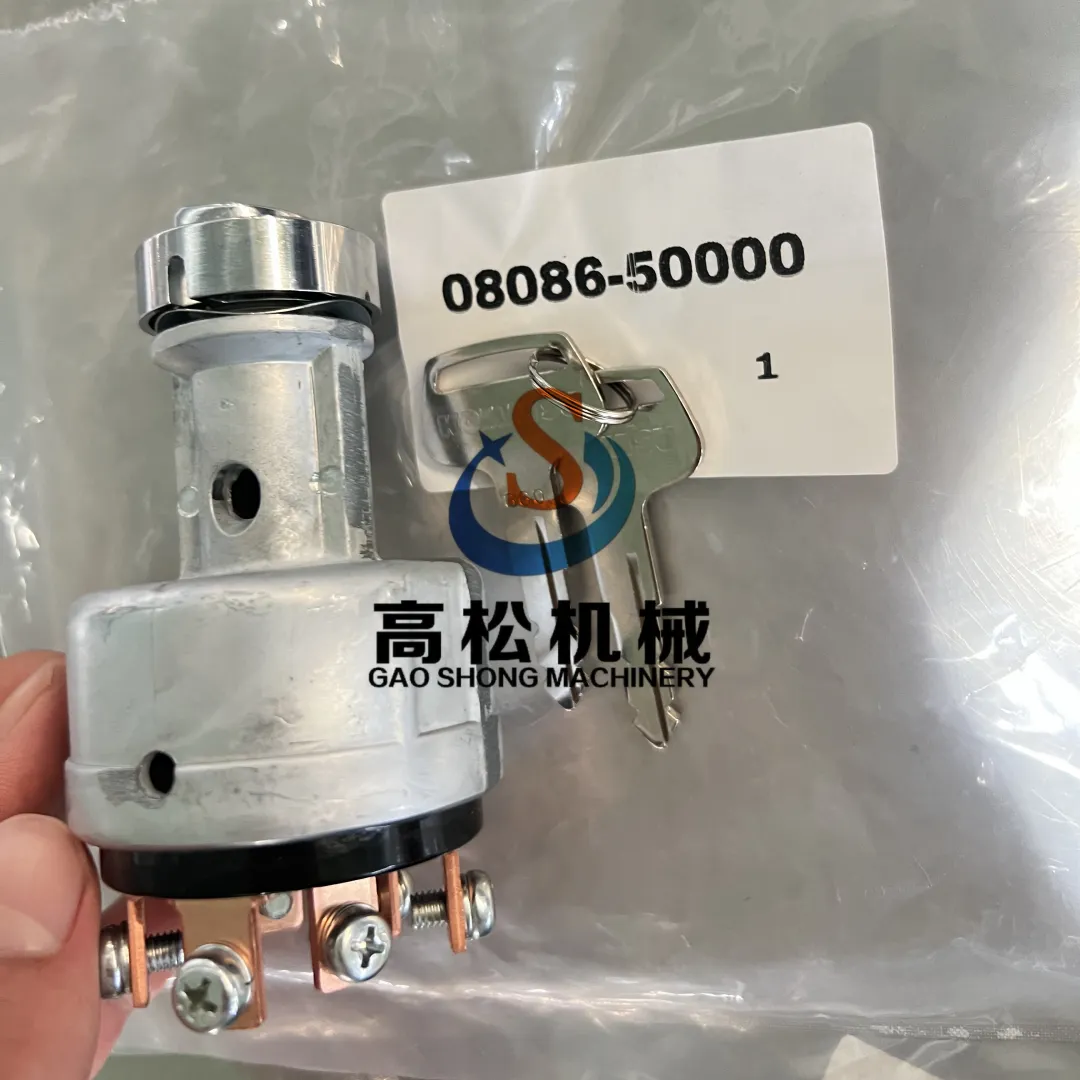 08086-50000Komatsu 08086-50000 Replacement Ignition Switch
 -
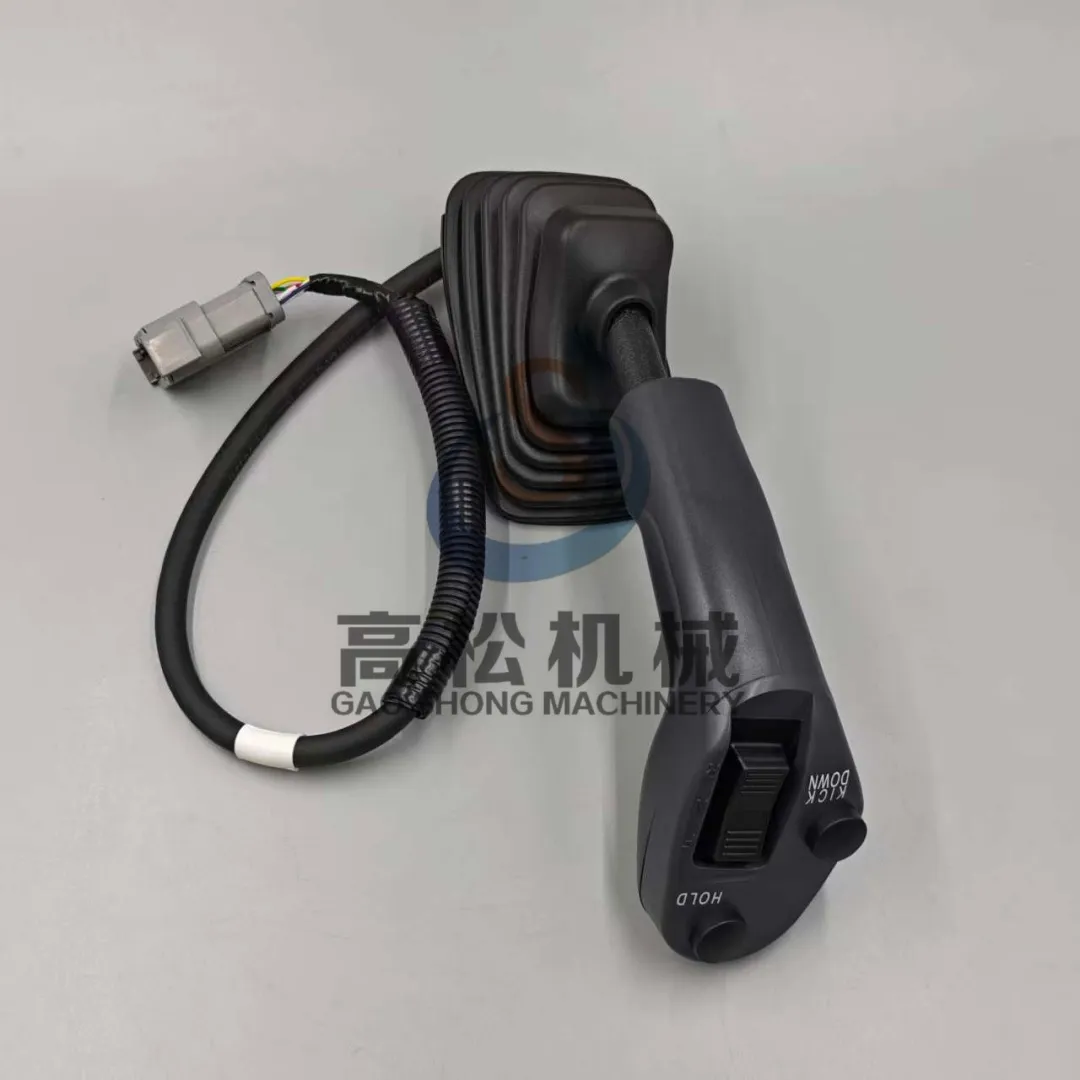 Original New Lever Assembly 423-V91-4144 Handle