
- Chinese
- French
- German
- Portuguese
- Spanish
- Russian
- Japanese
- Korean
- Arabic
- Irish
- Greek
- Turkish
- Italian
- Danish
- Romanian
- Indonesian
- Czech
- Afrikaans
- Swedish
- Polish
- Basque
- Catalan
- Esperanto
- Hindi
- Lao
- Albanian
- Amharic
- Armenian
- Azerbaijani
- Belarusian
- Bengali
- Bosnian
- Bulgarian
- Cebuano
- Chichewa
- Corsican
- Croatian
- Dutch
- Estonian
- Filipino
- Finnish
- Frisian
- Galician
- Georgian
- Gujarati
- Haitian
- Hausa
- Hawaiian
- Hebrew
- Hmong
- Hungarian
- Icelandic
- Igbo
- Javanese
- Kannada
- Kazakh
- Khmer
- Kurdish
- Kyrgyz
- Latin
- Latvian
- Lithuanian
- Luxembou..
- Macedonian
- Malagasy
- Malay
- Malayalam
- Maltese
- Maori
- Marathi
- Mongolian
- Burmese
- Nepali
- Norwegian
- Pashto
- Persian
- Punjabi
- Serbian
- Sesotho
- Sinhala
- Slovak
- Slovenian
- Somali
- Samoan
- Scots Gaelic
- Shona
- Sindhi
- Sundanese
- Swahili
- Tajik
- Tamil
- Telugu
- Thai
- Ukrainian
- Urdu
- Uzbek
- Vietnamese
- Welsh
- Xhosa
- Yiddish
- Yoruba
- Zulu
- Kinyarwanda
- Tatar
- Oriya
- Turkmen
- Uyghur






Komatsu mirror
When you hear 'Komatsu mirror', if you just think of a piece of glass on a stick, you're already off track. In our line of work, especially dealing with parts supply in regions where the official pipeline is thin, that term represents a whole category of operational headaches and, sometimes, creative solutions. It's not just a part; it's a point of failure, a compliance check, and often, the difference between a machine that's site-ready and one that's grounded.
The OEM Illusion and the Ground Reality
There's a common belief that if it's for a Komatsu, it must come from Komatsu. That's the ideal. But on the ground, especially in certain African and Southeast Asian markets where I've been involved, that's a luxury. The official supply chain for something as seemingly simple as a Komatsu mirror assembly for an older PC200-7 or a Dash-8 model can have lead times that halt an entire project. Companies like ours, Jining Gaosong, exist in that gap. We're recognized within the system for OEM production, but our real value is being that third-party bridge. The website, https://www.takematsumachinery.com, doesn't just list parts; it's a front for a logistics and compatibility puzzle we solve daily.
I remember a client in Zambia needing a left-side rearview mirror assembly for a Komatsu WA320 loader. Not the whole kit, just the housing and arm—the glass was intact. The dealer network quoted 12 weeks. Twelve weeks for a metal arm and a bracket. That's where the third-party role shifts from being a backup to being critical. We didn't just ship a generic part; we cross-referenced the specific sub-assembly code, confirmed the bolt pattern on the WA320-5 variant, and sourced an OEM-equivalent unit from our partnered factory—the same one that feeds the official line for other regions. It got there in 18 days.
The nuance here is OEM-equivalent versus will-fit. The former means it came off the same tooling line, maybe even the same shift, but isn't boxed for Komatsu's parts distribution. The latter is a pattern copy, and that's where you gamble on vibration tolerance and the quality of the swivel joint. For a Komatsu mirror, that distinction is everything. A poor swivel joint means the mirror droops after a week of haul road vibration, making it useless. We've learned to be pedantic about these details because our reputation hinges on the part not just arriving, but lasting.
Anatomy of a Failure: When the Mirror Doesn't Reflect Well
Not every story is a win. Early on, we tried to service a batch of mirror heads for Komatsu mini-excavators, the PC30MR-5 series. The request was for just the glass, the reflective element itself. Seemed straightforward. We sourced what the supplier swore was tempered, silvered glass cut to the exact oval shape. It passed the initial specs.
But in the field, in Indonesia's humidity, they failed spectacularly. Not by shattering—by delaminating. The reflective backing started to bubble and peel away from the glass within two months. The culprit? A mismatch in the sealing edge compound and the backing adhesive not rated for constant moisture. The original Komatsu part uses a specific electrochemical backing process and a rubberized seal we hadn't specified. We replaced the entire batch at our cost. That lesson was expensive: a Komatsu mirror isn't a commodity. The environmental sealing is as critical as the reflection. Now, our specs for any mirror component include salt spray test hours and UV degradation ratings.
This is the unglamorous side of parts supply. It's metallurgy, polymer science, and logistics all rolled into one. When you look at a company profile like Jining Gaosong's—helping to solve parts supply challenges—that challenge isn't just finding a part. It's verifying the grade of aluminum in the arm, the hardness of the plastic in the adjustment knob, and whether the convex curve on a wide-angle attachment meets the original's radius to prevent optical distortion for the operator.
The Compatibility Maze: More Than Model Numbers
Here's a trap for the unwary: assuming a mirror for a Komatsu PC360LC-10 will fit a PC360LC-10M0. That 'M0' suffix matters. It can indicate a different cab design or mounting point reinforcement. The online parts catalogs are a starting point, but they're not gospel on the ground. We maintain our own compatibility matrices, built from photos sent by mechanics, serial number ranges, and sometimes, physical measurements of bolt hole centers.
We once had a request for what the customer called a standard Komatsu dozer mirror for a D65EX-12. They sent a blurry photo. The mounting plate looked right, but the angle of the arm seemed off. Instead of shipping, we asked for a tracing of the mounting plate on cardboard. Glad we did. The customer had a forestry guard package installed, which added a 20mm spacer block between the cab and the mirror base. Our standard arm would have been too short. We had to source a longer arm from a different application (a D85 model) and mate it with the D65 head. It worked, but it required digging through parts diagrams most third-party sellers don't have access to.
This is where being an integrated supplier within the ecosystem pays off. Our position allows us to navigate these subtleties. We're not just a warehouse; we're a technical filter. The goal is to provide a part that doesn't just bolt on, but functions as the system intended. For a Komatsu mirror, that function is safety and operational efficiency. If the operator has to lean out the window to see, you've failed, even if the part is physically attached.
The Economics of a Simple Part
Let's talk cost. A genuine Komatsu mirror assembly for a large mining truck like the 930E can run into thousands of dollars. The price isn't just for the materials; it's for the R&D in vibration damping, the certification for impact resistance, and the global warranty logistics. Our role at Jining Gaosong is to strip that down to the essential value: providing a part with identical performance and durability, but without the brand premium and the cross-continent shipping overhead.
We do this by leveraging our OEM production channels for the core components—the stamped metal, the glass—and assembling or finishing to spec regionally. It's a hybrid model. The savings can be 40-60%, which for a fleet manager running 20 machines, is a massive operational cost reduction. But we have to be transparent: it's not always 60%. For highly complex, electro-hydraulic mirrors with heating and auto-retract functions, the savings shrink because the proprietary tech is harder to replicate ethically. We often recommend a genuine part for those, or a certified rebuilt unit. It's about the right solution, not just the cheapest one.
This economic reality defines our business. The address https://www.takematsumachinery.com is a portal to this calculus. It's not a flashy e-commerce site because the transaction is rarely that simple. It often starts with an email: Need mirror for PC138US-10, serial prefix XXXXX, working in rocky terrain. What have you got? The answer is never just a SKU and a price. It's a conversation.
Looking Forward: The Mirrors Are Getting Smarter
The future of the Komatsu mirror isn't static. We're seeing more integration with camera systems, blind-spot monitoring, and even vibration sensors that feed data into the machine's health monitoring system. The mirror is becoming a sensor platform. This complicates the aftermarket and third-party role immensely. You can't just mold a plastic housing for a camera-integrated mirror; you're dealing with optics, data connectors, and software protocols.
Our approach is to watch, learn, and specialize. We might stay focused on the mechanical mirror assemblies for the vast fleet of older and mid-life Komatsu machines that will be in operation for the next 15 years. That's a massive, ongoing need. For the new smart mirrors, we're exploring partnerships with component-level electronics manufacturers. The principle remains: provide a reliable, cost-effective alternative where the official supply is constrained or prohibitively expensive.
In the end, a mirror is a mirror until it isn't. In the world of Komatsu equipment, it's a vital, wear-prone component that speaks volumes about the complexity of global machinery support. It's a small window into the larger mission of companies like ours—to keep machines running, safely and efficiently, no matter where they are on the map. That's the real reflection.
Related Products
Related Products

Best Selling Products
Best Selling Products-
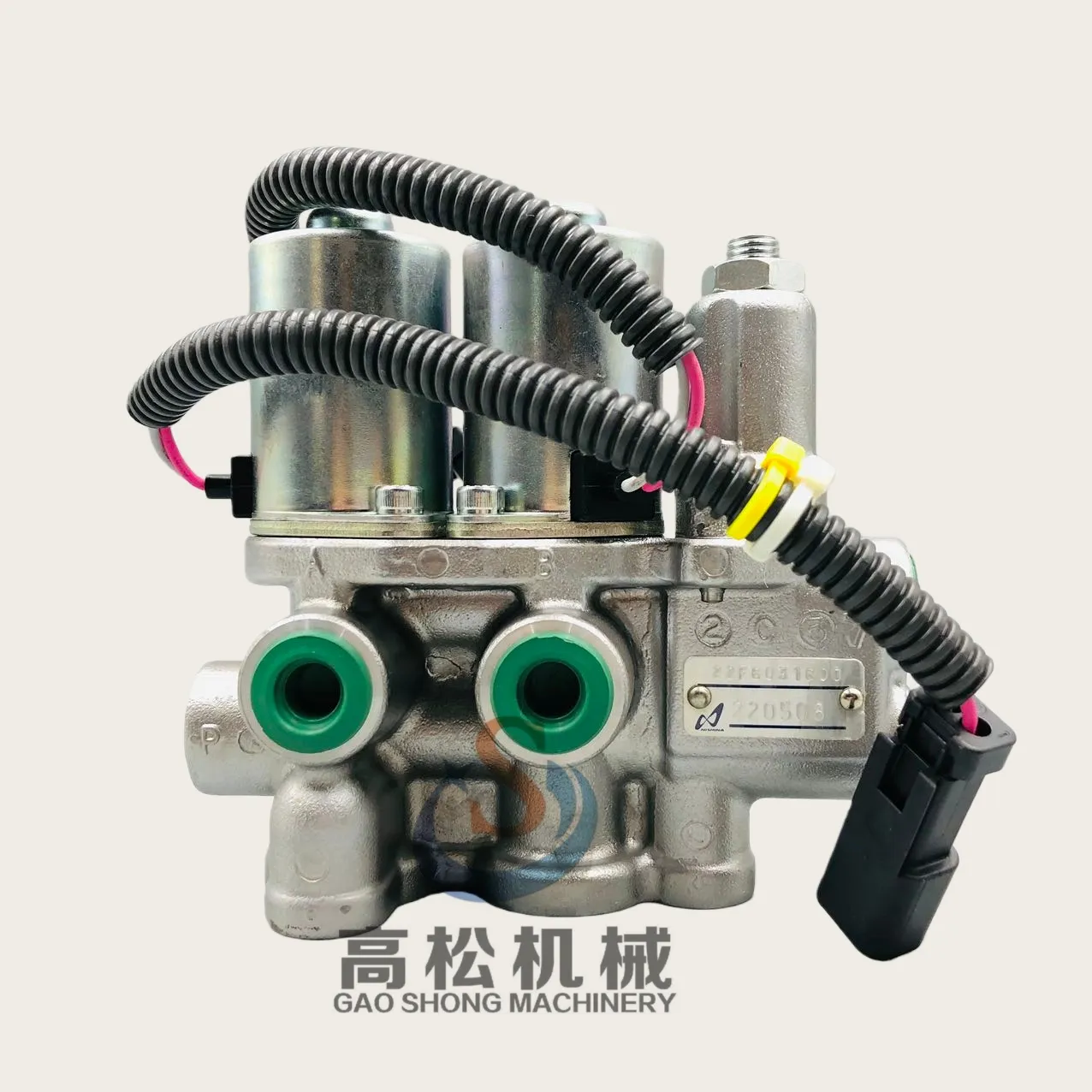 komatsu 22F-60-31600 VALVE ASS’Y PC18MR-3 PC35MR-3 PC45MR-3 PC55MR-3 MAIN VALVE
 -
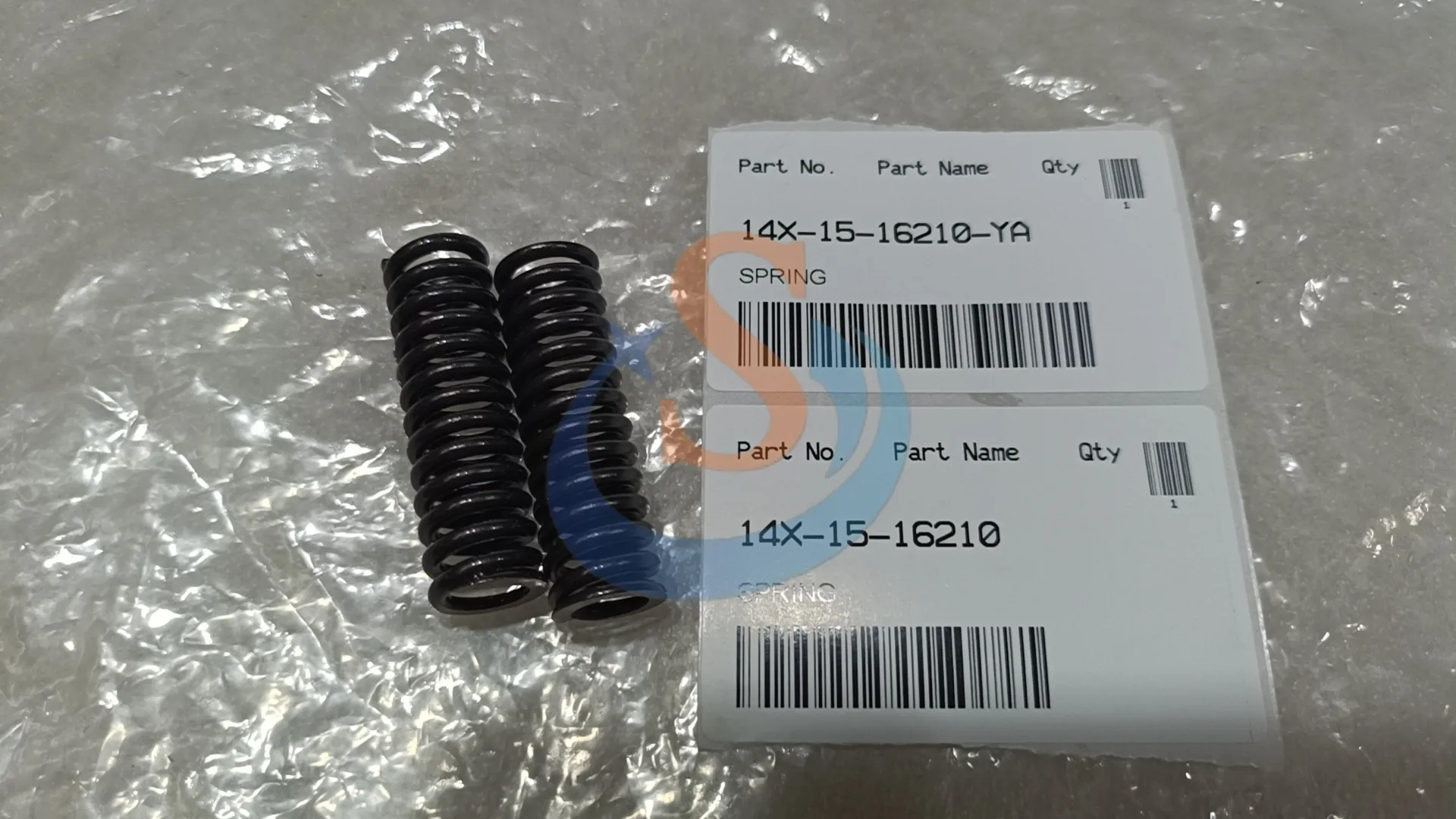 14X-15-16210 komatsu vavle WA400/WA500/WA600
 -
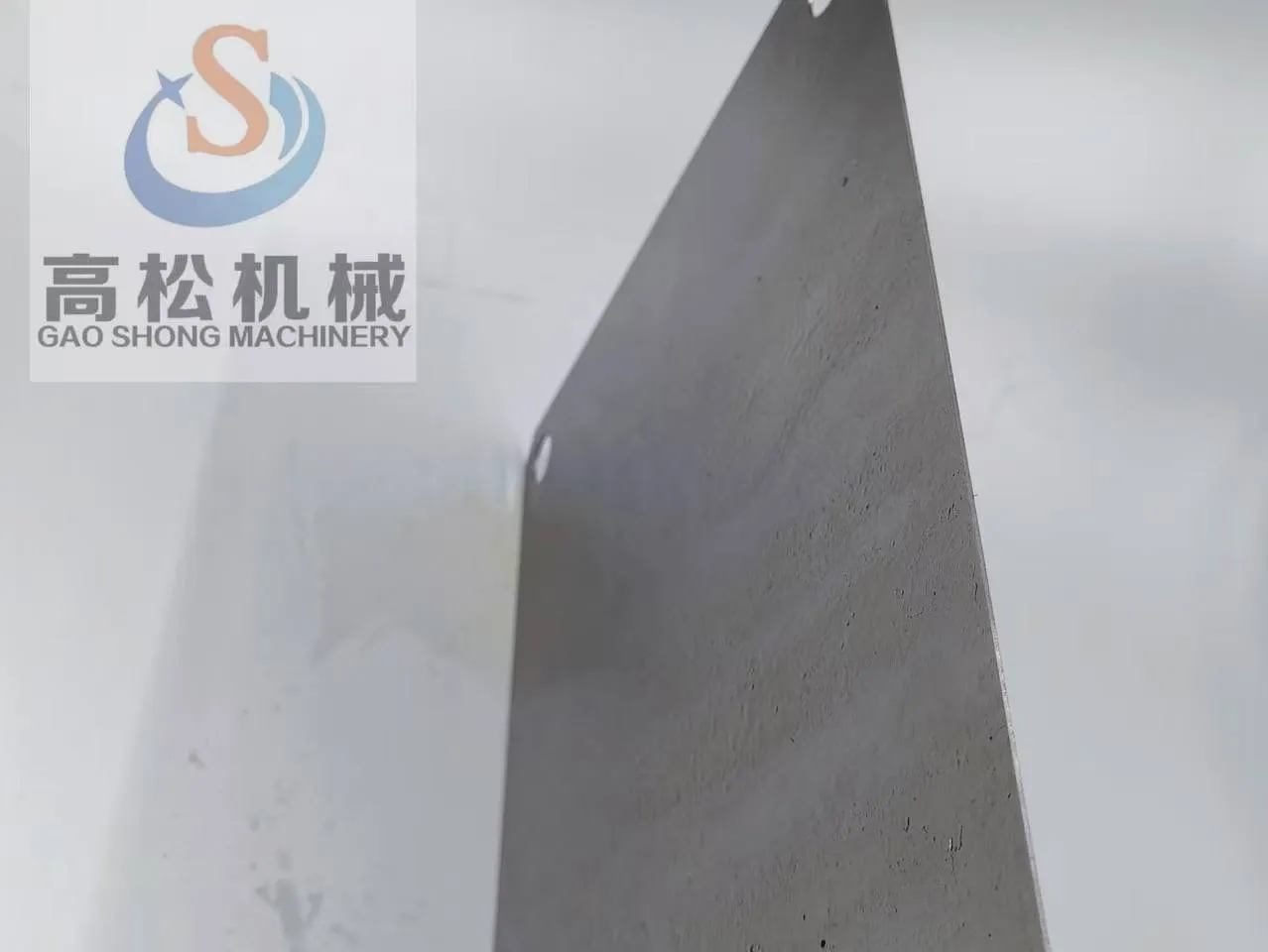 561-74-61540 Komatsu Shim Compatible Model: HD985. Available for immediate shipment.
 -
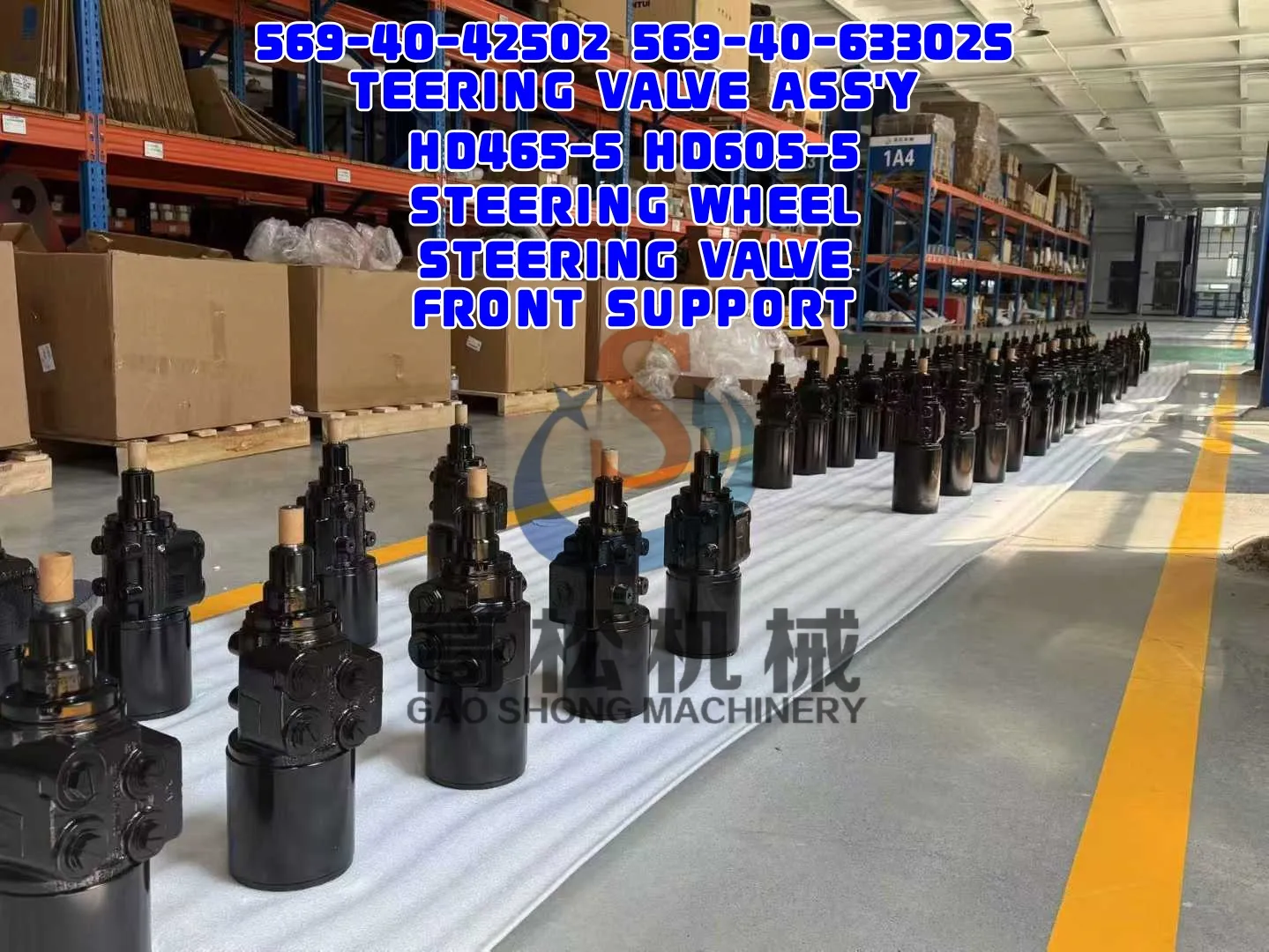 STEERING VALVE ASS’Y HD465-7 HD465-7R HD605-7E0 HD605-5 VALVE 569-40-42502 569-40-63302 FRONT SUPPORT (STEERING VALVE MOUNTING PARTS) STEERING WHEEL STEERING VALVE FRONT SUPPORT, INNER PARTS, STEERING VALVE
 -
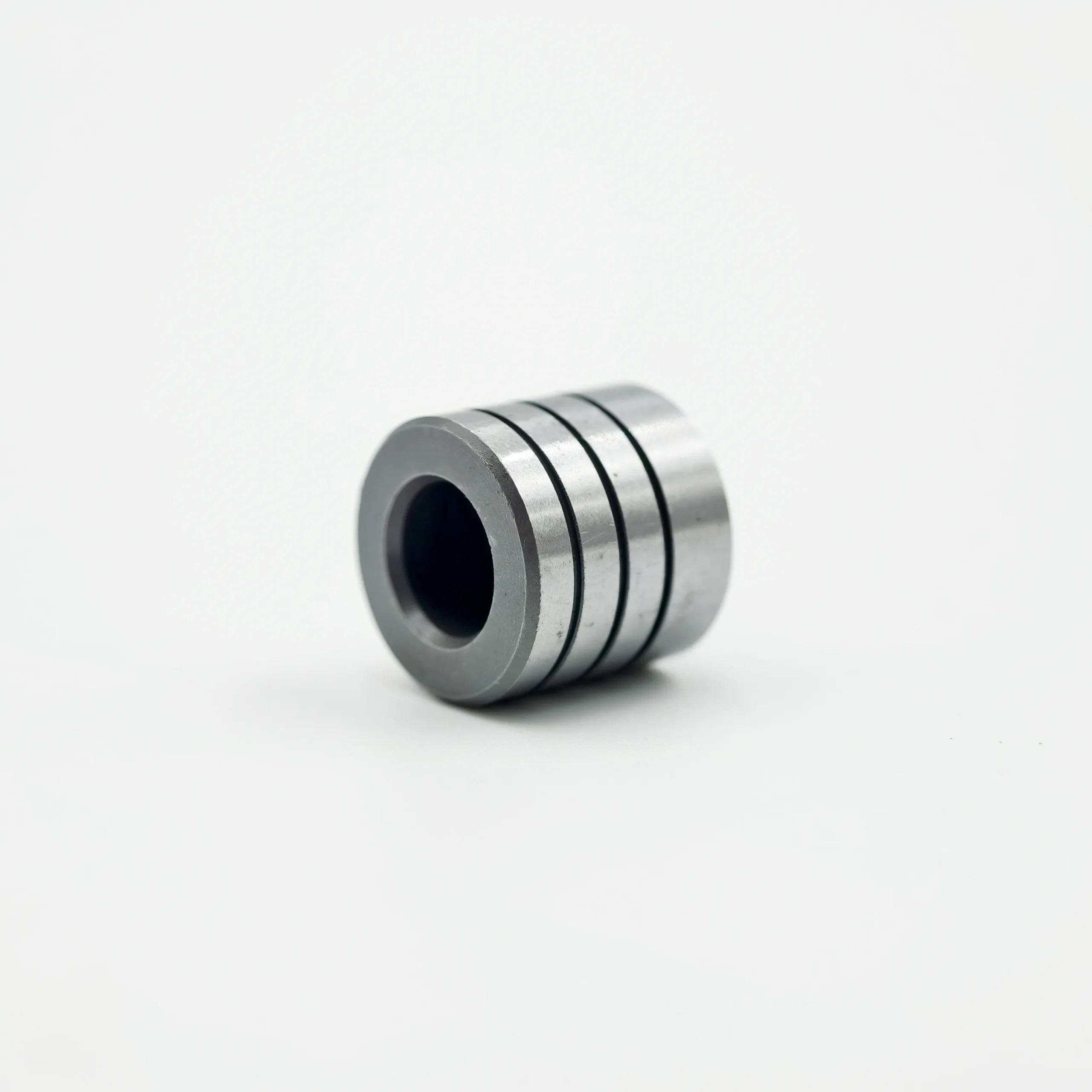 Valve 104-15-25480 – KOMATSU
 -
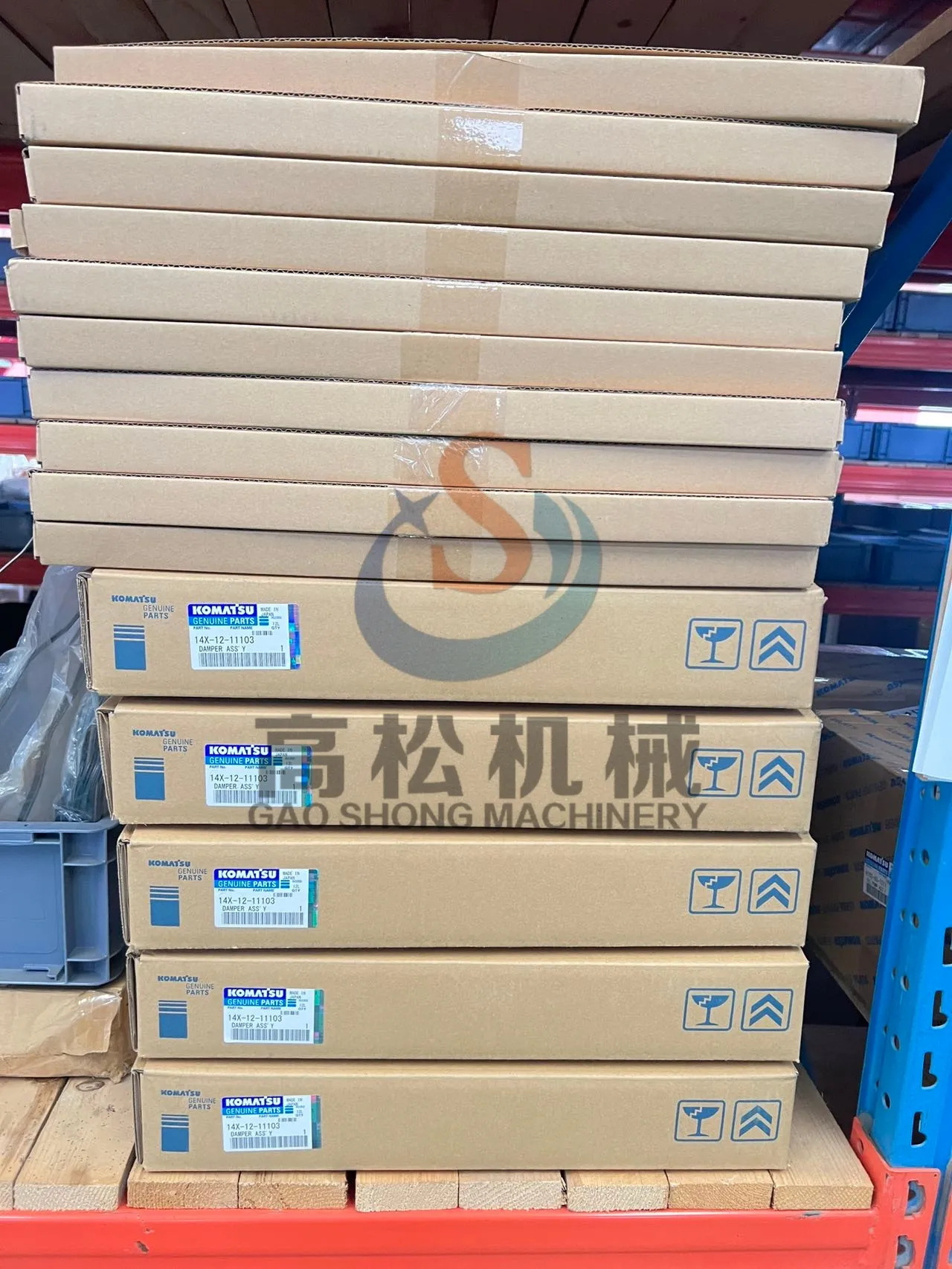 14X-12-11103 Komatsu Damper Disc Assembly
 -
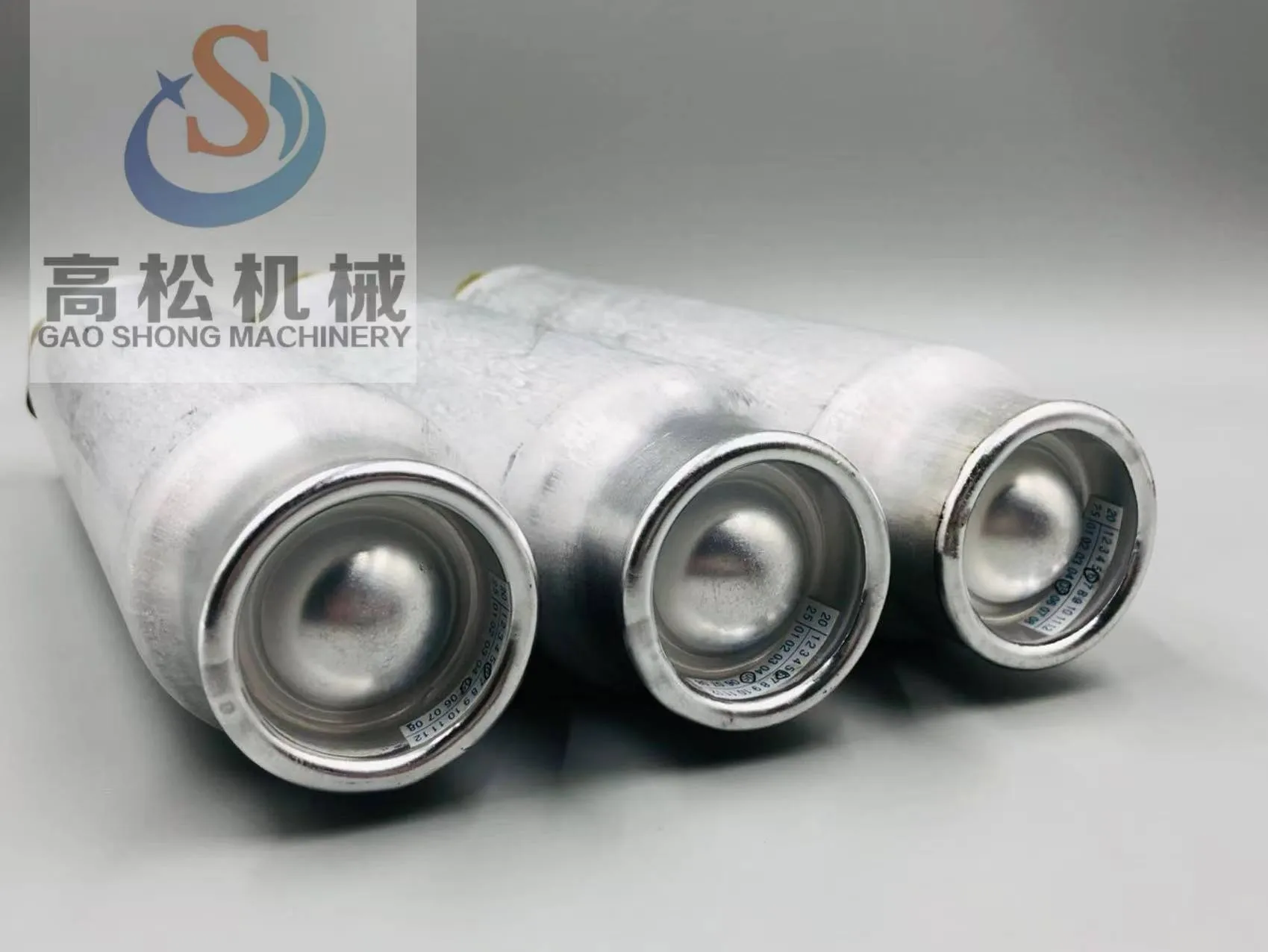 Original 20y-979-3120 receiver for pc300-7 excavators, parts of construction machinery
 -
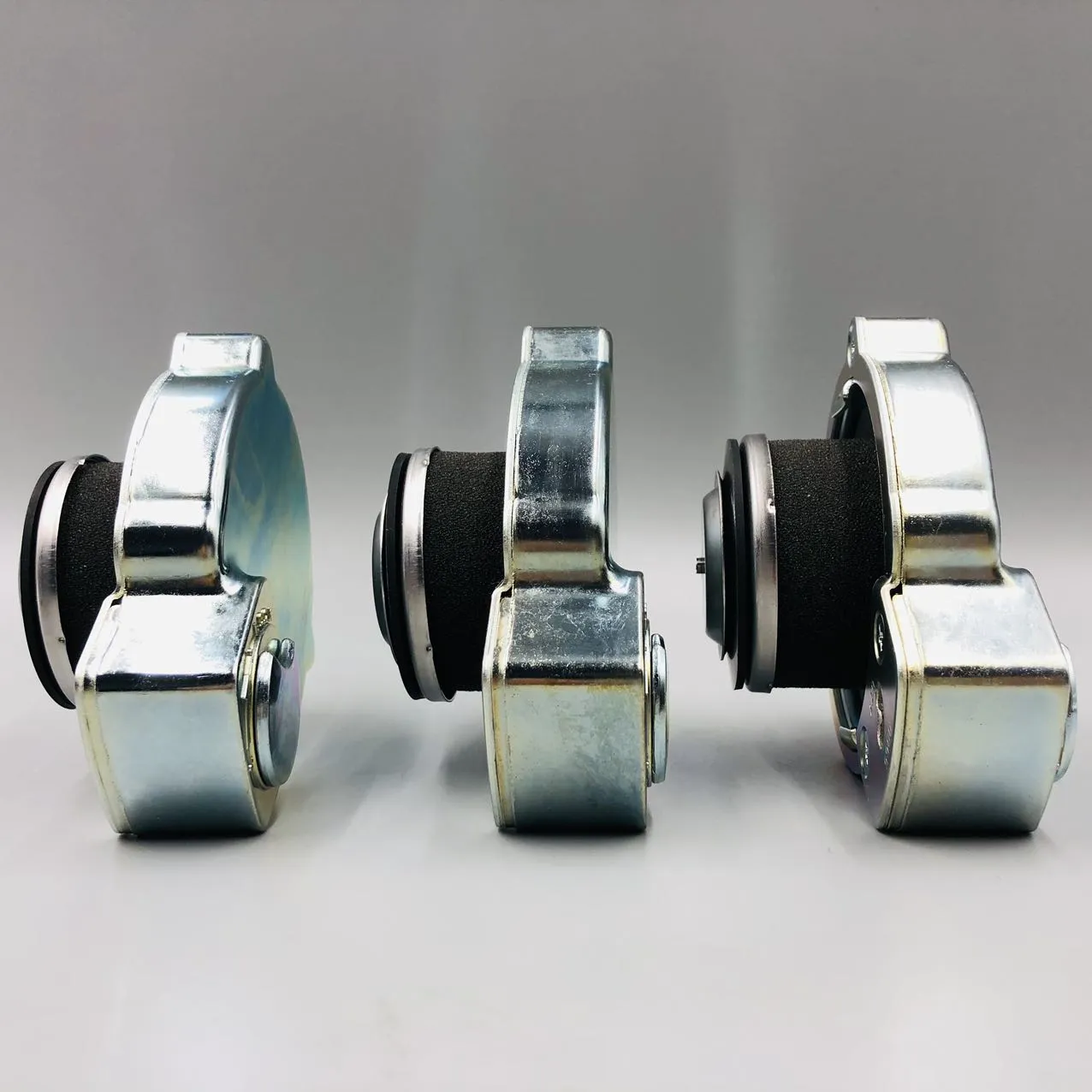 17A-60-11310Hydraulic oil cap assembly
 -
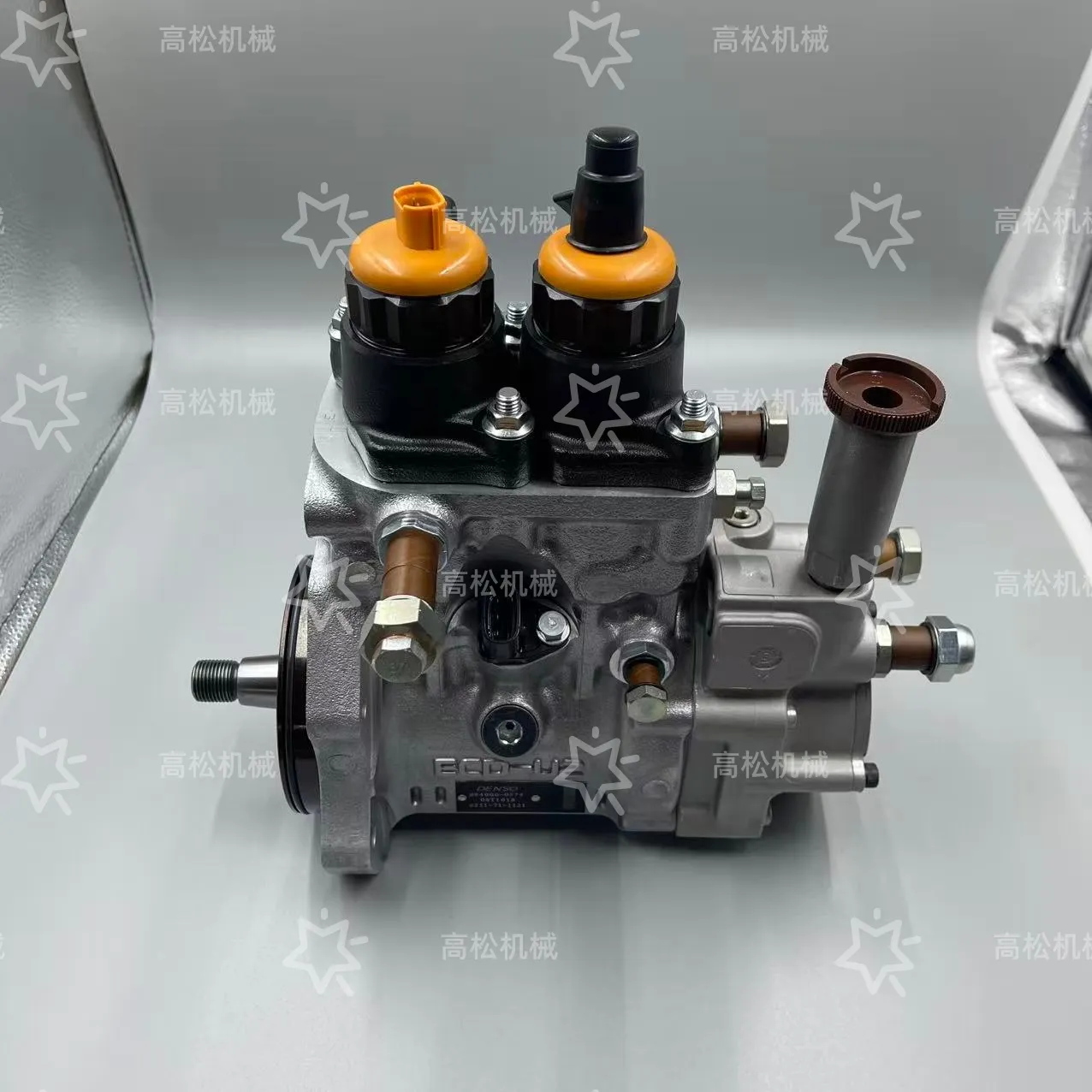 Fuel Injection Pump For Komatsu PC400-8 6251-71-1120 6251-71-1121 094000-057
 -
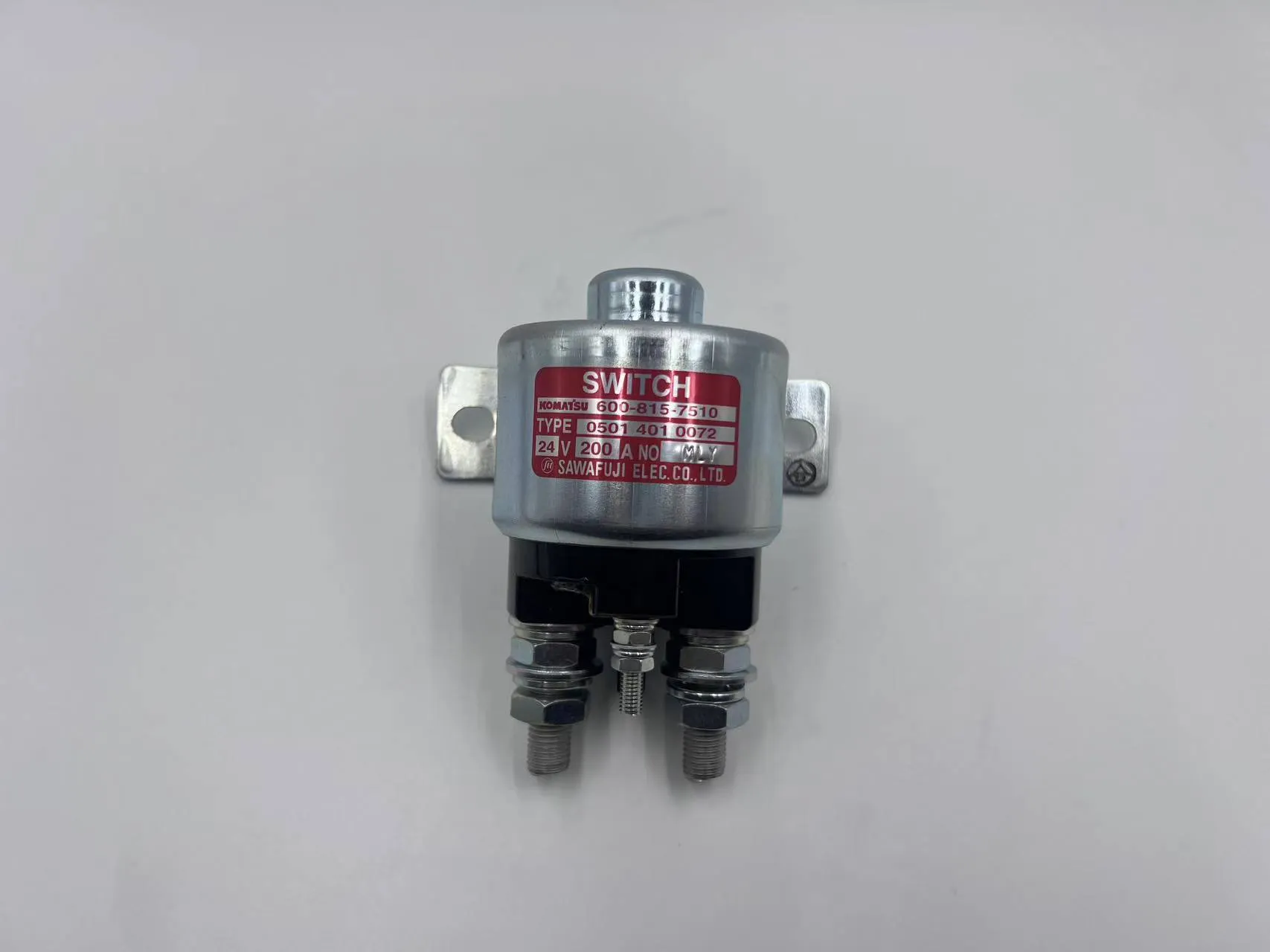 600-815-7510- SWITCH-Komatsu Original Factory
 -
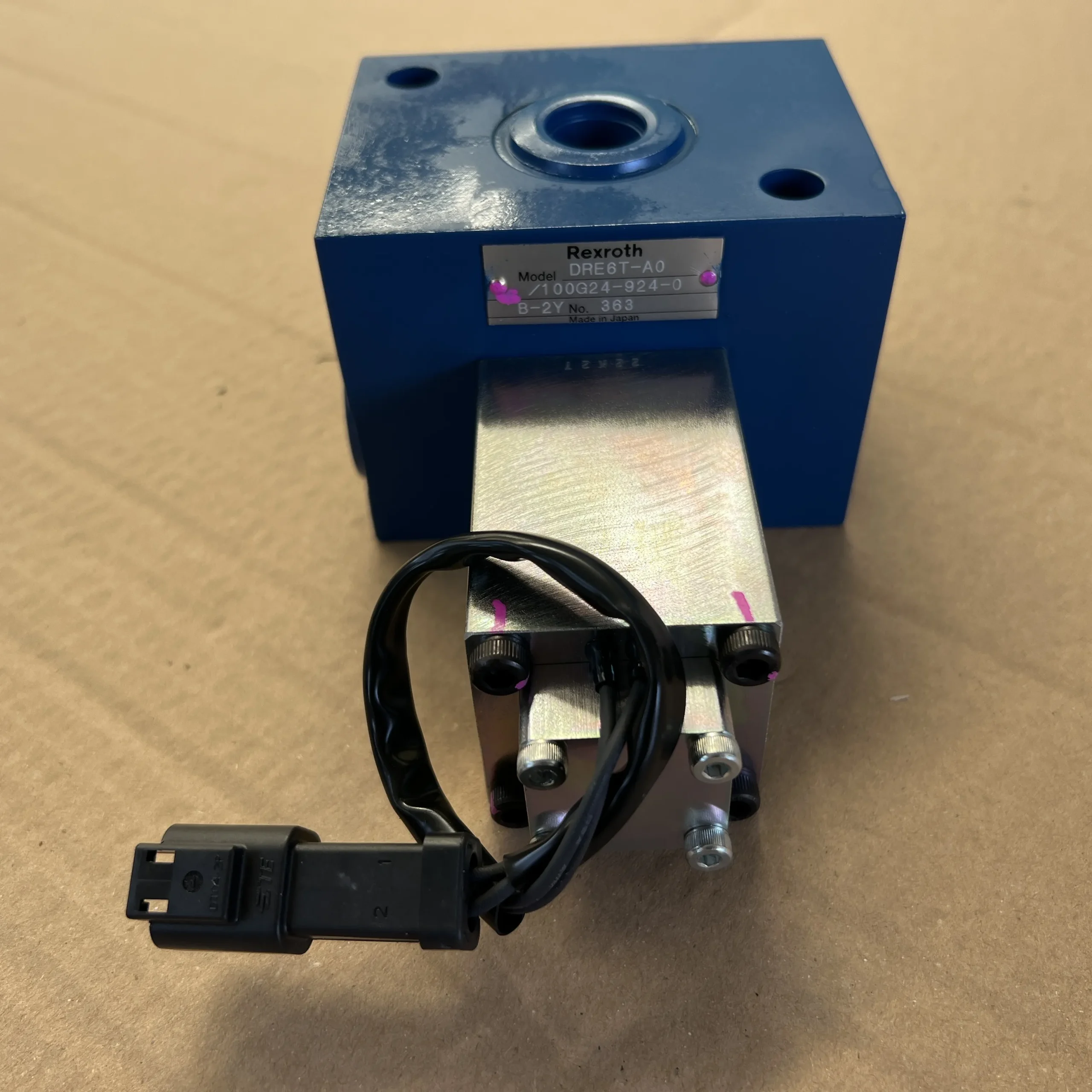 HD465-7 Proportional Solenoid Valve 569-43-83171
 -
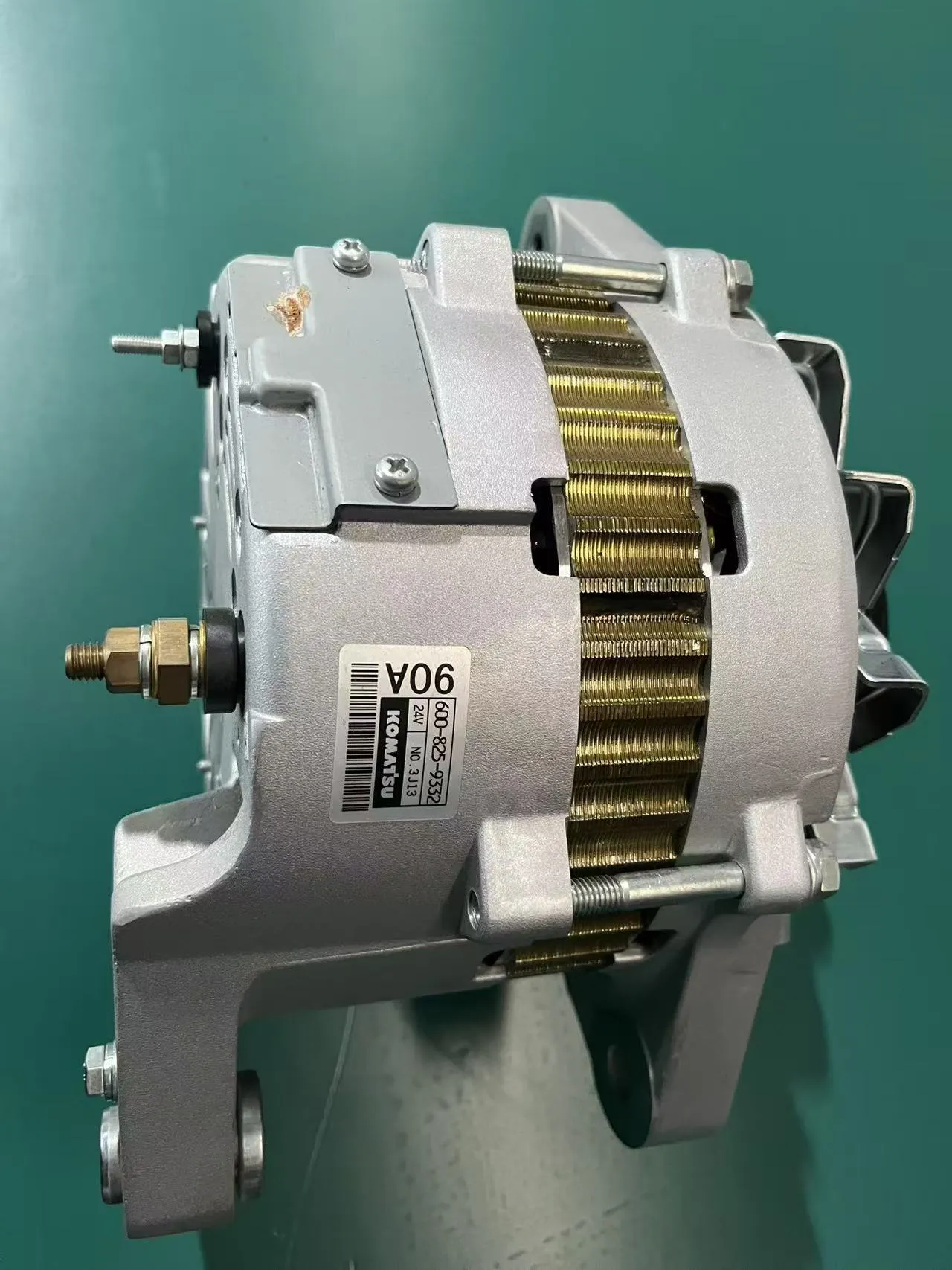 600-825-9332 alternator Generator