
- Chinese
- French
- German
- Portuguese
- Spanish
- Russian
- Japanese
- Korean
- Arabic
- Irish
- Greek
- Turkish
- Italian
- Danish
- Romanian
- Indonesian
- Czech
- Afrikaans
- Swedish
- Polish
- Basque
- Catalan
- Esperanto
- Hindi
- Lao
- Albanian
- Amharic
- Armenian
- Azerbaijani
- Belarusian
- Bengali
- Bosnian
- Bulgarian
- Cebuano
- Chichewa
- Corsican
- Croatian
- Dutch
- Estonian
- Filipino
- Finnish
- Frisian
- Galician
- Georgian
- Gujarati
- Haitian
- Hausa
- Hawaiian
- Hebrew
- Hmong
- Hungarian
- Icelandic
- Igbo
- Javanese
- Kannada
- Kazakh
- Khmer
- Kurdish
- Kyrgyz
- Latin
- Latvian
- Lithuanian
- Luxembou..
- Macedonian
- Malagasy
- Malay
- Malayalam
- Maltese
- Maori
- Marathi
- Mongolian
- Burmese
- Nepali
- Norwegian
- Pashto
- Persian
- Punjabi
- Serbian
- Sesotho
- Sinhala
- Slovak
- Slovenian
- Somali
- Samoan
- Scots Gaelic
- Shona
- Sindhi
- Sundanese
- Swahili
- Tajik
- Tamil
- Telugu
- Thai
- Ukrainian
- Urdu
- Uzbek
- Vietnamese
- Welsh
- Xhosa
- Yiddish
- Yoruba
- Zulu
- Kinyarwanda
- Tatar
- Oriya
- Turkmen
- Uyghur






komatsu mining parts
When you hear 'Komatsu mining parts', the immediate thought for most is genuine OEM, direct from the factory. That's the ideal, but the reality on the ground, especially in certain regions, is a different beast. The supply chain isn't always a straight line, and the assumption that only factory-direct parts are viable has cost operations more downtime than they'd care to admit. I've seen too many sites hold up a multi-million dollar machine waiting for a single, supposedly 'must-be-OEM' hydraulic valve block, while a functionally identical, system-approved alternative sat in a warehouse a few hundred miles away. The brand is a benchmark, no doubt, but slavish devotion to one channel can be a critical vulnerability.
The OEM Ecosystem and Its Intentional Gaps
Komatsu's OEM network is engineered for efficiency and control, which is precisely why it works so well in major markets. But that engineering creates intentional gaps. They can't, and frankly don't aim to, have seamless distribution everywhere. This is where the official system relies on a tier of recognized partners to fill the logistical and geopolitical voids. It's not a secondary market; it's an extension of the primary one. Companies operating within this space, like Jining Gaosong Construction Machinery Co., Ltd., aren't just resellers. Their role as an OEM product supplier within the Komatsu system means they handle genuine lines, but their value is in acting as a third-party conduit for those parts into areas where the standard pipeline constricts.
This setup addresses a core, often unspoken challenge: allocation. Major mines get priority. When a critical component like a PC2000-8 main pump housing is on global backorder, who gets it first? The mega-site in Chile, or the smaller contract operation in West Africa? The official channel has its hierarchy. A partner like Gaosong, with its specific focus on solving parts supply challenges in certain countries, operates in parallel, sourcing and moving inventory through different routes to meet demand where the main flow is thin. It's a pressure release valve for the system.
I recall a situation in Indonesia a few years back. A fleet of HD785-5 trucks needed swing cylinders. The local Komatsu distributor's lead time was 14 weeks—catastrophic for the production schedule. We turned to a third-party supplier in the system, which turned out to be Gaosong. They had a line on remanufactured units, built to OEM spec and certified, already in Singapore. They navigated the customs and logistics tangles specific to the region that the local distributor wasn't set up to handle urgently. The parts were on site in 10 days. The takeaway wasn't that the OEM was failing, but that the broader, multi-faceted supply web exists for a reason.
Third-Party Doesn't Mean Aftermarket
This is the biggest mental hurdle for veteran mechanics and procurement managers. In our world, third-party often equates to will-fit, generic, or reverse-engineered parts. That's a dangerous conflation when discussing entities integrated into the Komatsu system. The distinction is authorization and provenance. A company acting as a third-party sales company for Komatsu is moving genuine or system-sanctioned components. They are solving a distribution problem, not an engineering one.
The risk, of course, is verifying that status. Anyone can put a Komatsu part number on a box. The verification is in the paperwork, the traceability, and the technical support. Does the supplier have the engineering data sheets? Can they explain the minor revision change between -SE and -SF suffixes on a controller? I've had suppliers fail this test instantly. They just have a price list. Others, and I'd put a supplier like the one behind https://www.takematsumachinery.com in this category based on transactions, can drill into the details. They know the difference between a wear part like a bucket tooth adapter (where certified alternatives abound) and a proprietary logic board for a drive system (where you almost always need the real deal).
We tried a cost-saving experiment on a fleet of smaller dozers, using non-sanctioned aftermarket undercarriage parts from a local fabricator. The price was 40% lower. The result? Pin and bushing wear rates tripled, causing misalignment that prematurely wore out the final drives. The total cost of the failure, including downtime and secondary damage, dwarfed the savings. It was a hard lesson that third-party within the system is safe, but venturing outside of that recognized circle for critical components is a gamble with terrible odds.
The Nuance of Genuine vs. OEM-Spec
Not all parts in a Komatsu machine need a Komatsu logo laser-etched on them. The industry has matured in its understanding of this. A genuine Komatsu part is one sourced through its manufacturing and primary distribution chain. An OEM-spec part might be made by the original component manufacturer (say, Kayaba or Nabtesco) to the exact same drawing, but sold outside the Komatsu packaging. Then you have OEM-quality, which is a murkier term implying equivalence but lacking the traceability.
For Komatsu mining parts, the line is drawn at system-critical components. Engine ECMs, hydraulic pump rotors, swing gearboxes—you want genuine, full stop. The risk is too high. But for a hydraulic hose assembly, a filter element, a seal kit, or even a radiator core? An OEM-spec part from a certified manufacturer is often not just acceptable but smart. It increases your supply options. A good supplier will be transparent about this hierarchy. They won't try to sell you a genuine swing motor when they're actually offering a certified remanufactured unit; they'll tell you it's a certified reman, who did the work, and what warranty backs it.
I learned this nuance from a frustrated parts manager in Zambia. He insisted on only genuine everything. His warehouse was full of overpriced, locally stocked items like O-rings and gaskets, while he was out of stock on crucial planetary hub assemblies. He was tying up capital in non-critical inventory. We worked to re-categorize his stock list, pushing for OEM-spec on consumables and non-structural items, freeing up budget and space for the truly irreplaceable genuine components. His machine availability improved because he could afford to stock the right critical spares.
Logistics as the Unseen Part of the Part
The hardest part about a part is getting it from point A to point B, especially when point B is a mining camp with a dirt airstrip or a congested port with slow customs. This is where specialized suppliers earn their keep. Selling the part is the easy bit. Getting it there, cleared, and delivered is the service. The website takematsumachinery.com positions itself around solving supply challenges, and in my experience, that language is 90% about mastering logistics and local regulations.
I've been on the receiving end of nightmare shipments. A crucial pump for a WA900 loader was in transit for 8 weeks. It had been sitting in a bonded warehouse, missing documentation, accruing storage fees. The supplier was a pure trader with no logistics expertise. Contrast that with a shipment of track chains from a supplier who understood the region. They pre-cleared the items, used a freight forwarder with mining industry experience, provided real-time tracking that actually worked, and had a local agent to handle the last-mile delivery to the site gate. The part itself was identical. The service was everything.
This capability is why companies embed themselves within a system like Komatsu's but operate with autonomy. They build relationships with freight forwarders, understand incoterms, know which HS codes smooth customs, and have contacts on the ground. For a mine manager, this is often more valuable than a slight price discount. A part that arrives in 7 days is infinitely cheaper than the same part 30% cheaper that arrives in 60 days.
Building a Resilient Parts Strategy
So, what's the practical takeaway for anyone running equipment? Your Komatsu mining parts strategy shouldn't be a single-source prayer. It should be a multi-layered plan. Layer 1: Your primary, local OEM distributor for daily needs and warranty work. Layer 2: A certified, system-integrated third-party supplier for genuine and OEM-spec parts, specifically for urgent, hard-to-find, or regionally constrained items. This is where a partner focused on supply challenges, like Jining Gaosong, fits. Layer 3: A vetted list of component-specific manufacturers (for filters, hoses, wear items) for planned, bulk purchases.
The key is qualifying your Layer 2. Don't just get a price quote. Audit them. Ask for references from other mines in similar regions. Give them a test with a non-critical but time-sensitive order. Can they provide technical data? What's their process for verifying part numbers? Do they offer support if there's an installation question? Their answers will tell you if they're asset-based experts or just another website with a shopping cart.
Ultimately, it's about mitigating risk. The Komatsu brand represents engineering excellence. The global parts system is robust. But your operation's continuity depends on understanding and accessing the entire network that supports that brand, not just the most visible segment. The goal isn't to bypass Komatsu, but to intelligently engage with the full spectrum of its ecosystem to keep your machines running, regardless of where on the map they're digging.
Related Products
Related Products

Best Selling Products
Best Selling Products-
 ROLLER BEARING 170-09-13250 1700913250 for Komatsu Bulldozer D85 D80 SD32 D155 FINAL DRIVE GEAR
 -
 Komatsu 7861-93-1653 Sensor Pres
 -
 0700012021 Pack of 10 O-RING suitable for Komatsu
 -
 7861-93-1670 komatsu SENSOR
 -
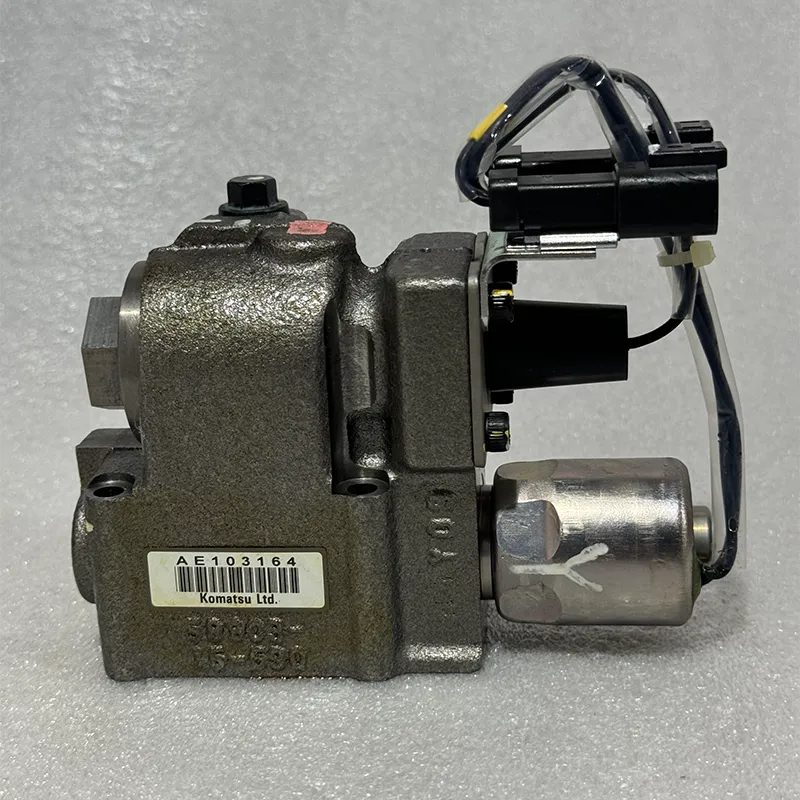 Original komatsu HD785-7 Valve 561-15-75701
 -
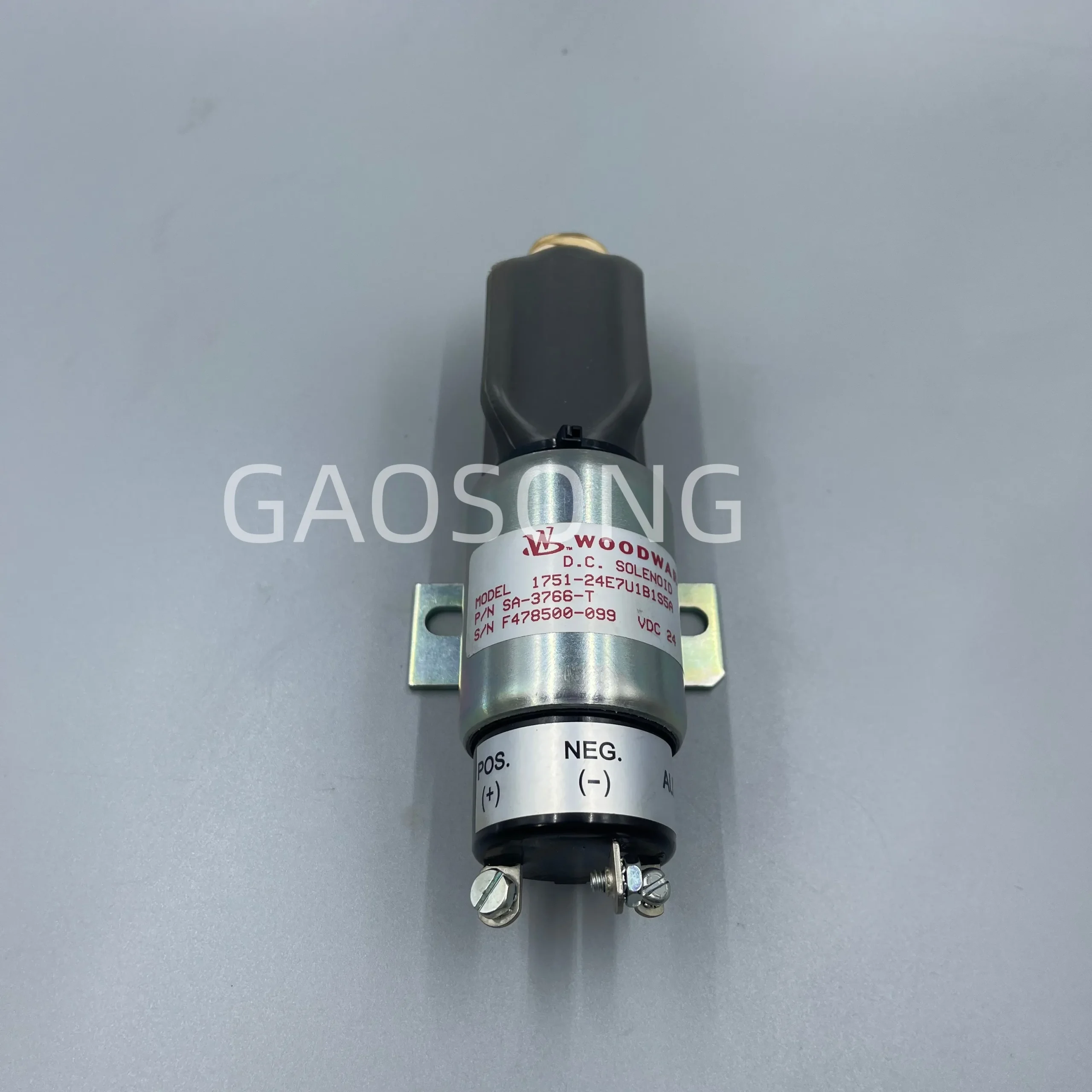 600-815-7550 SOLENOID ASS’Y–Komatsu Original Factory
 -
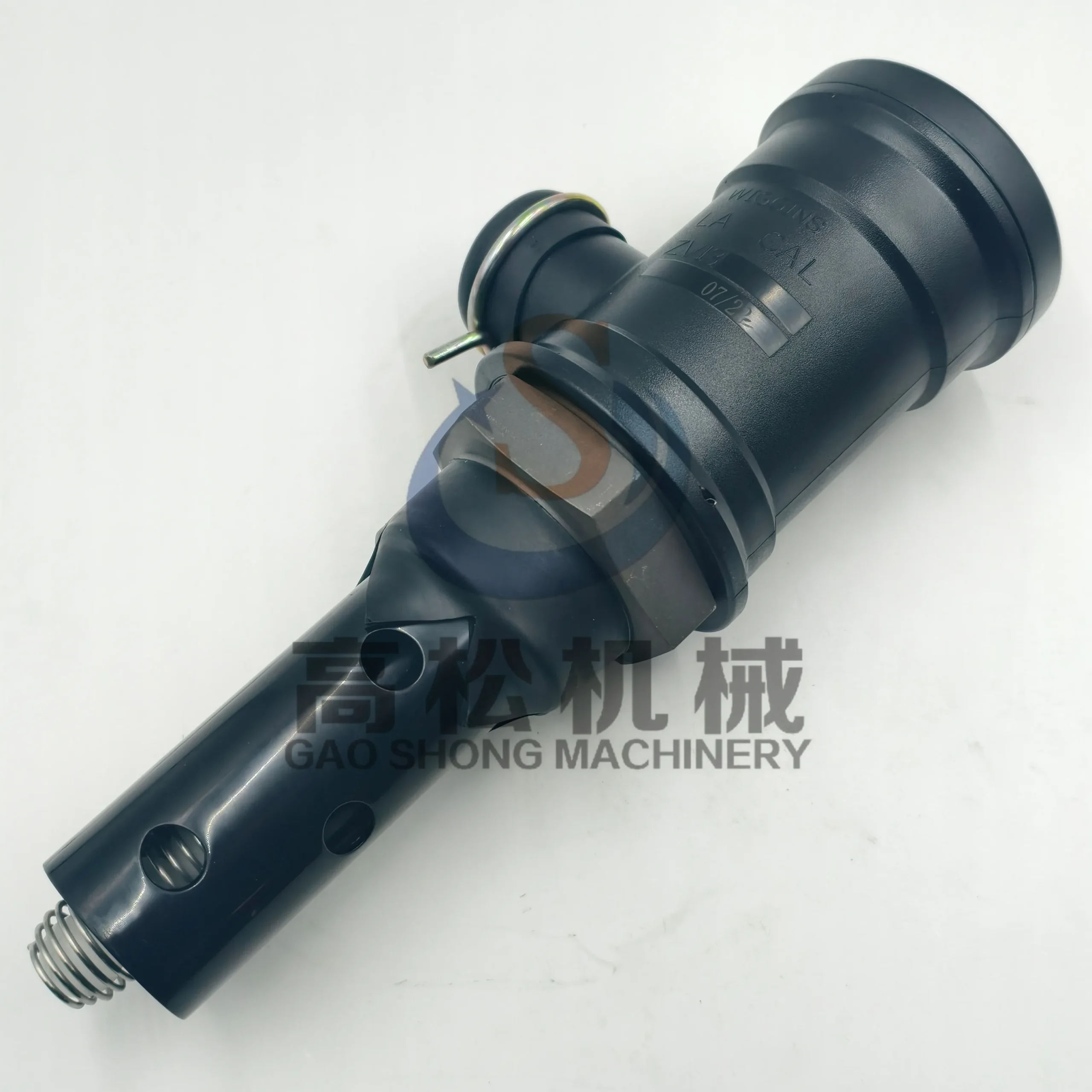 21T-04-31130 KOMATSU VENT ASSY
 -
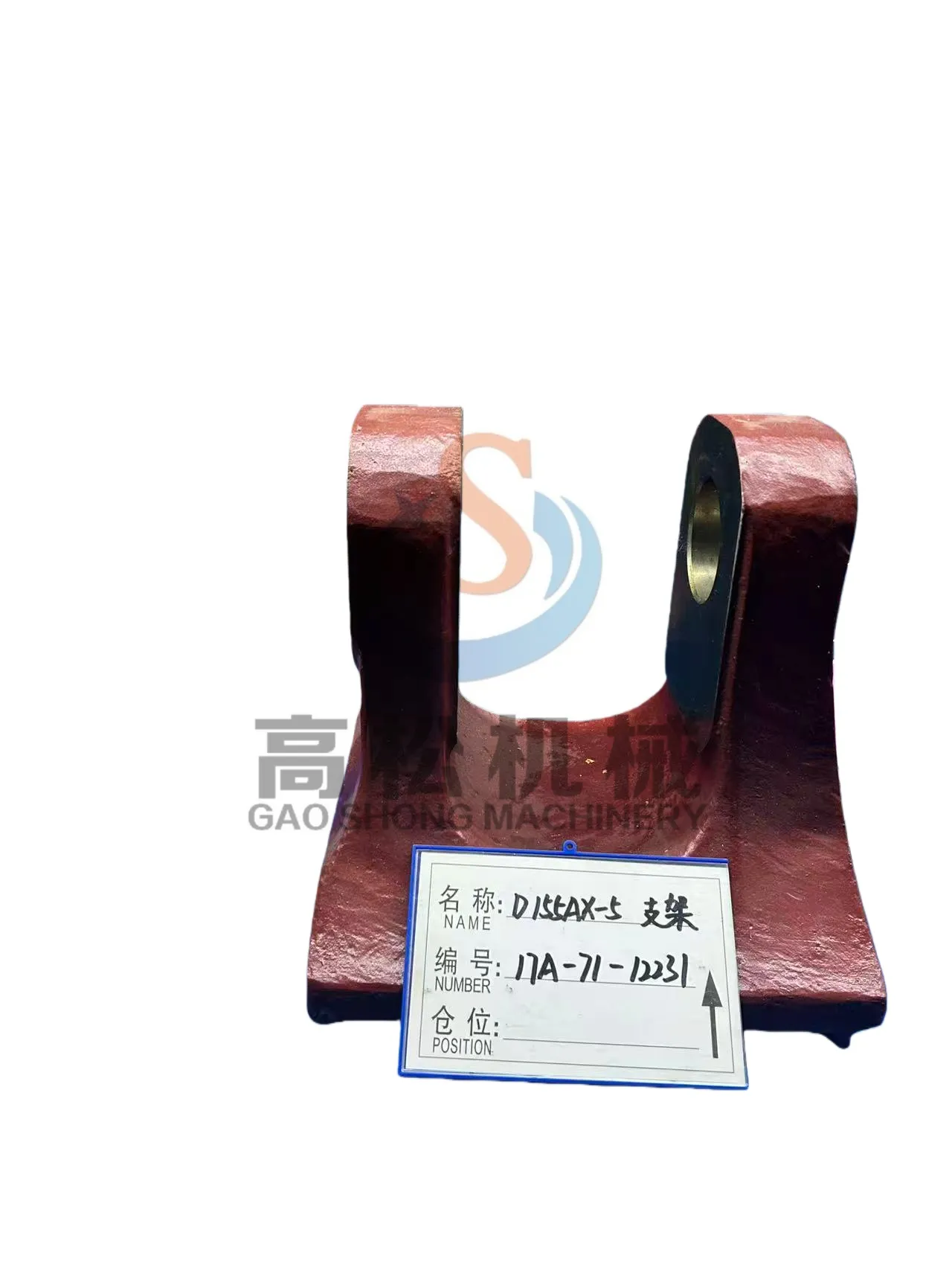 17A-71-12231 BRACKET (WELDED) D155AX-5 DOZER FRAME
 -
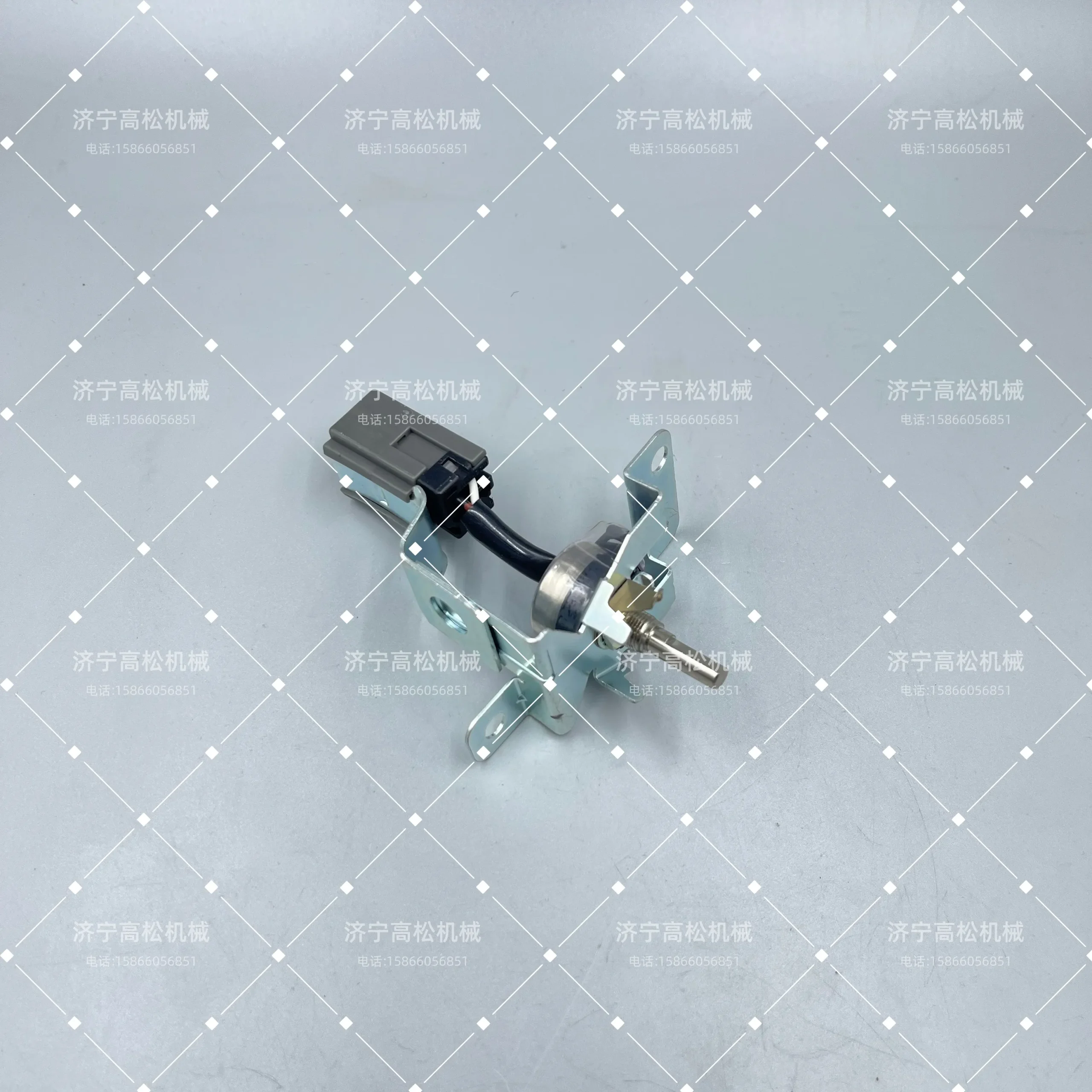 Komatsu PC200-7 PC200-8 Throttle Rotary Knob CAP 22U-06-22420
 -
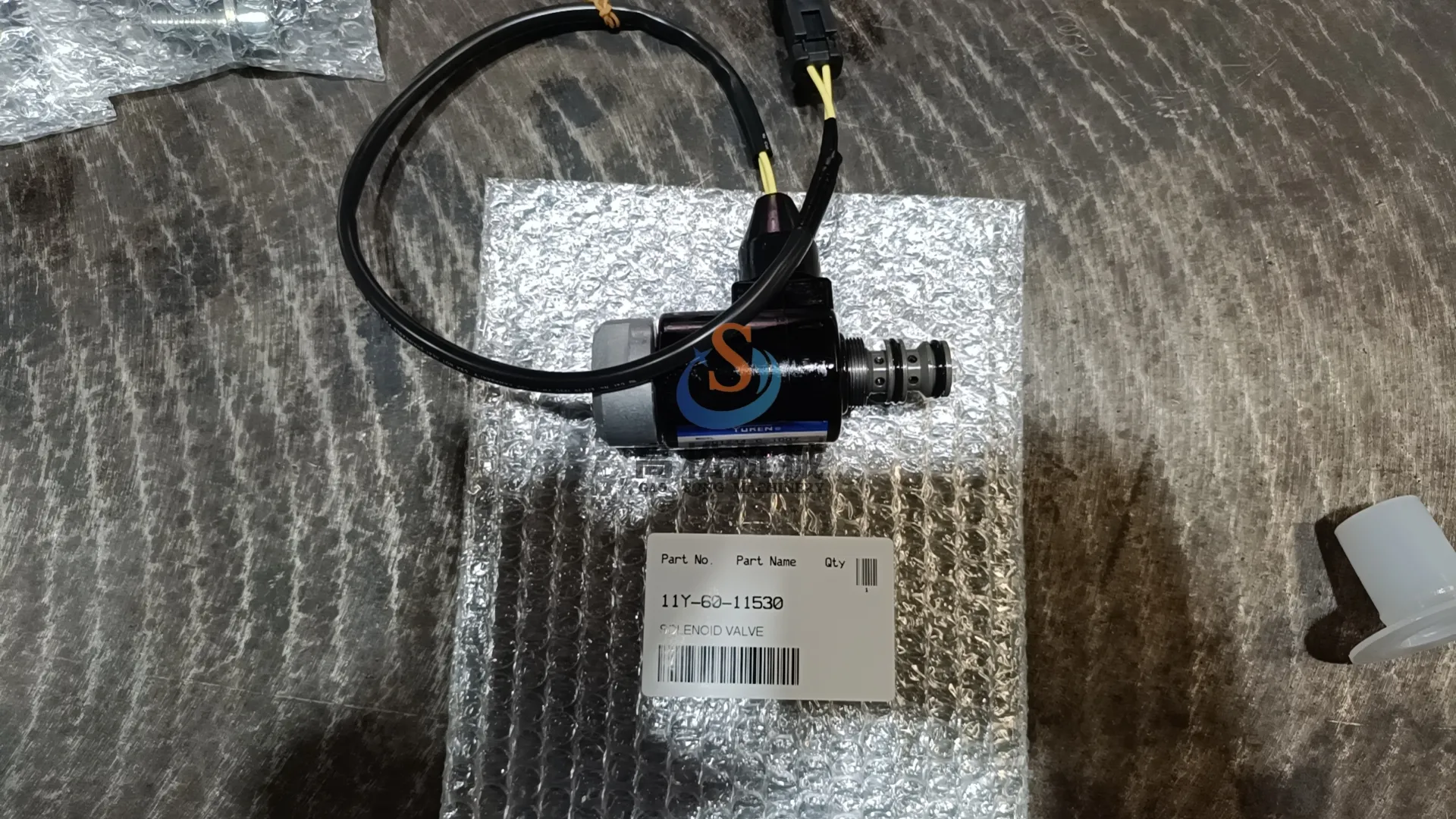 11Y-60-11530 komatsu SOLENOID VALVE
 -
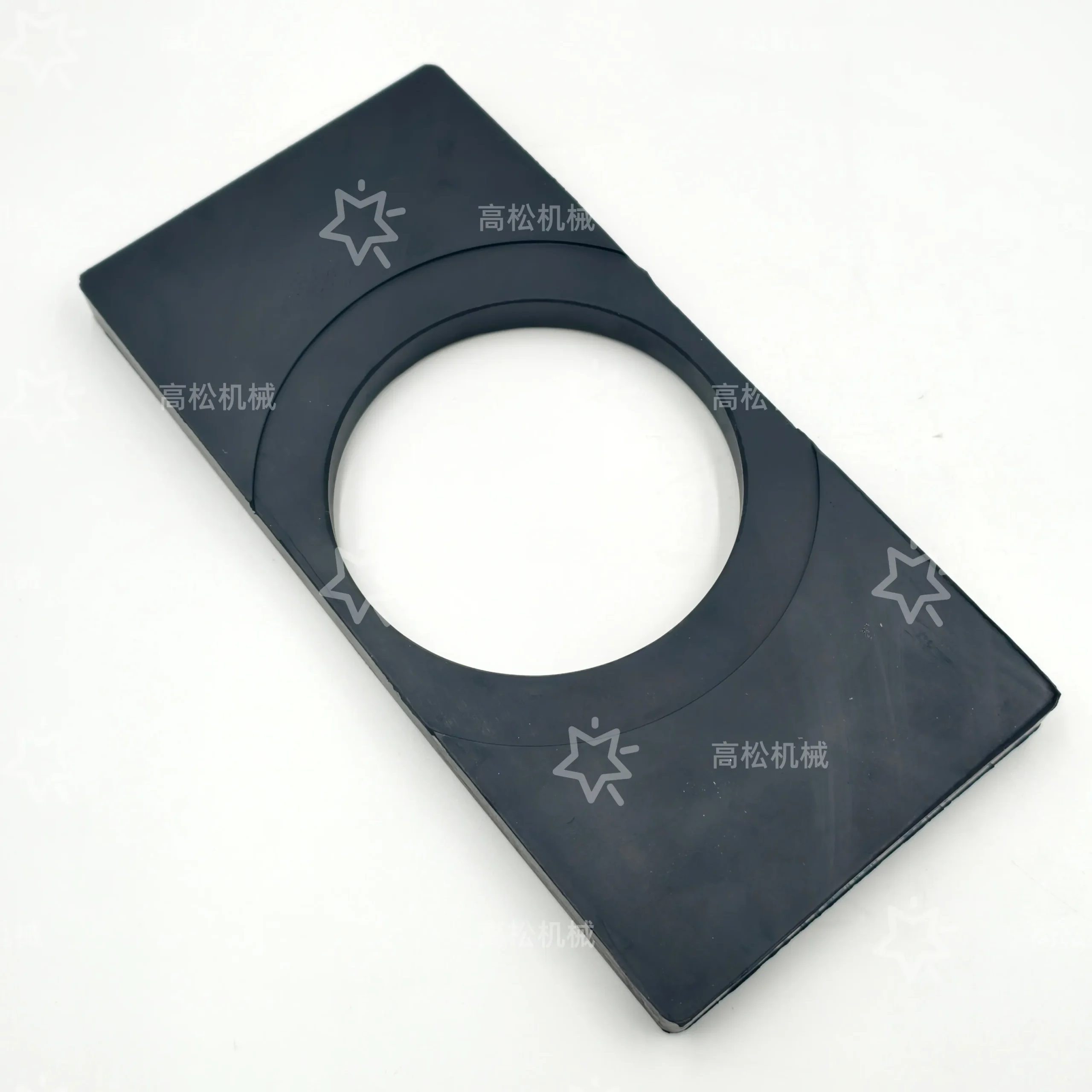 561-03-81550Shock Absorber KOMATSU HD465 HD785 PARTS for Komatsu
 -
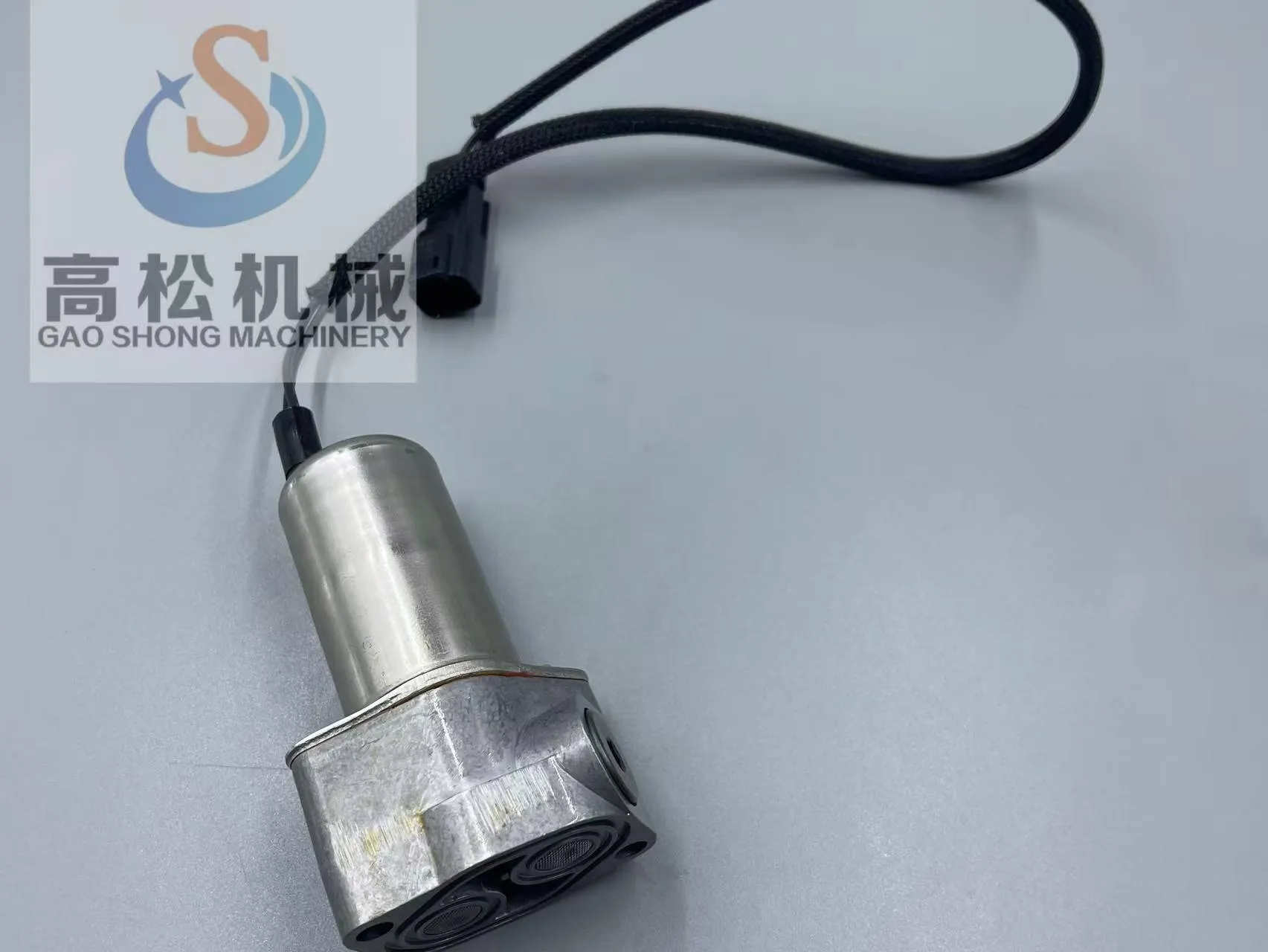 702-21-07610, 702-21-07620, 702-21-07630, 702-21-07640 are suitable for solenoid valves of PC350-8, PC200-8, PC300-8, D65, D85, D155 and Wa470