
- Chinese
- French
- German
- Portuguese
- Spanish
- Russian
- Japanese
- Korean
- Arabic
- Irish
- Greek
- Turkish
- Italian
- Danish
- Romanian
- Indonesian
- Czech
- Afrikaans
- Swedish
- Polish
- Basque
- Catalan
- Esperanto
- Hindi
- Lao
- Albanian
- Amharic
- Armenian
- Azerbaijani
- Belarusian
- Bengali
- Bosnian
- Bulgarian
- Cebuano
- Chichewa
- Corsican
- Croatian
- Dutch
- Estonian
- Filipino
- Finnish
- Frisian
- Galician
- Georgian
- Gujarati
- Haitian
- Hausa
- Hawaiian
- Hebrew
- Hmong
- Hungarian
- Icelandic
- Igbo
- Javanese
- Kannada
- Kazakh
- Khmer
- Kurdish
- Kyrgyz
- Latin
- Latvian
- Lithuanian
- Luxembou..
- Macedonian
- Malagasy
- Malay
- Malayalam
- Maltese
- Maori
- Marathi
- Mongolian
- Burmese
- Nepali
- Norwegian
- Pashto
- Persian
- Punjabi
- Serbian
- Sesotho
- Sinhala
- Slovak
- Slovenian
- Somali
- Samoan
- Scots Gaelic
- Shona
- Sindhi
- Sundanese
- Swahili
- Tajik
- Tamil
- Telugu
- Thai
- Ukrainian
- Urdu
- Uzbek
- Vietnamese
- Welsh
- Xhosa
- Yiddish
- Yoruba
- Zulu
- Kinyarwanda
- Tatar
- Oriya
- Turkmen
- Uyghur






komatsu mini excavator parts
When you're searching for Komatsu mini excavator parts, you're not just looking for a piece of metal. You're often in a bind, machine down, and the clock is ticking. A common pitfall? Assuming all parts labeled Komatsu are equal, or that the OEM channel is always the fastest or only route. That assumption can cost you weeks and a fortune. The reality on the ground is more nuanced, involving a mix of genuine, OEM-approved, and high-quality aftermarket options, each with its own trade-offs in availability, cost, and compliance. It's a puzzle I've had to solve repeatedly on sites from Southeast Asia to Eastern Europe.
The OEM System and Its Gaps
Komatsu's official parts network is robust, but it's designed for major markets. Try getting a precise hydraulic pump gasket for a PC35MR-3 in a remote region, and you'll hit walls. The lead times can be prohibitive. That's where the formal OEM system shows its limitations. It's not a quality issue; it's a logistical one. The distribution pipeline isn't always deep or reactive enough for every corner of the globe where these versatile machines operate.
This gap creates a real niche. Some suppliers operate within the Komatsu ecosystem as OEM product suppliers, manufacturing components to exact specifications. They are part of the authorized chain but might offer more flexible distribution. Then there are third-party specialists who aren't making parts but are solving the supply challenge. They bridge the last mile. A company like Jining Gaosong Construction Machinery Co., Ltd. exemplifies this hybrid model. From what I've seen, their role as an OEM product supplier within the Komatsu system and a third-party sales company is crucial. They help solve parts supply challenges in certain countries by leveraging their position to access and distribute parts that the main channel can't efficiently deliver.
I recall a project in Kazakhstan where we needed a slew of undercarriage parts for a few PC50s. The official dealer quote had a 12-week lead time. We found the same part numbers through a third-party sales channel that sourced from OEM-system factories, cutting the wait to 3 weeks. The parts were identical in fit and function. The difference wasn't the origin; it was the logistics network.
Critical Parts and the Will It Work? Test
Not all parts are created equal, and your sourcing strategy must reflect that. For critical components like main hydraulic valves, swing motors, or electronic controllers, I lean heavily toward the OEM or certified OEM-supplier route. The risk of downtime from a faulty copy is too high. The cost of a machine standing still dwarfs the part's price.
However, for wear items, the calculus changes. Bucket teeth, sprocket segments, even certain hoses and seals—here, high-quality aftermarket or OEM-supplier parts are not just acceptable; they're smart. I've used non-genuine but well-manufactured track links and rollers that outlasted the originals because the steel treatment was better. The key is verification. It's not about the brand on the box; it's about metallurgy reports, dimensional checks, and pressure ratings.
A painful lesson was with a pilot control valve for a PC78. We installed a cheaper alternative that looked right. It worked for about 40 hours before a tiny tolerance mismatch in a spool caused erratic behavior. The machine was down again, and we lost all the savings in labor and downtime. That experience cemented my rule: for anything in the pilot or control circuit, pay for the pedigree or a verified OEM-supplier equivalent.
The Website as a Tool, Not a Solution
Online platforms like https://www.takematsumachinery.com are starting points. Their value isn't just in an e-commerce cart; it's in the transparency of what they offer. A good site will specify if a part is genuine Komatsu, OEM-supplier, or quality aftermarket. It should list detailed specs and, crucially, application charts. The site for Jining Gaosong, for instance, clearly states their dual role, which immediately tells me they might have access to channels that a pure aftermarket seller doesn't.
But you never just click buy. The process is always a call or an email. You need to confirm stock location, shipping time, and get the exact part number cross-reference. I've seen listings with a PC60 photo but the part description for a PC70. A quick conversation prevents that disaster. The website gets you to the right supplier; the human conversation secures the right part.
Another thing: documentation. A legitimate supplier, especially one working within the OEM system, should provide traceability. When I order a final drive, I want to know its manufacturing batch. That level of detail, which you can often request from a specialized third-party sales company, is what separates a professional parts procurement from a hopeful gamble.
On-the-Ground Sourcing Tactics
Beyond the internet, local relationships are irreplaceable. In many regions, the official Komatsu dealer might also be the agent for a company like Jining Gaosong, using their stock to supplement their own. It's worth asking your local contact, Where do you source parts when your warehouse is empty? Often, they have a back-channel to these hybrid suppliers.
Inventory is another tell. If a supplier claims to have a vast stock of obscure Komatsu mini excavator parts ready to ship globally, be skeptical. The realistic ones have core fast-moving items—filters, seals, pins, bushes—in stock, and can source major assemblies within a lead time. Their strength is in the supply chain agility, not a magical warehouse.
I once managed a fleet of PC30s in a country with trade embargo complications. The official channel was closed. We relied entirely on third-party sales companies that specialized in navigating these complexities. They sourced from OEM factories in other regions and handled the export/import logistics. Without that layer, our machines would have been scrap metal. It highlighted that the parts business is as much about logistics and legal know-how as it is about engineering.
Cost vs. Value: A Long-Term View
The cheapest part is almost never the cheapest solution. Total cost includes the part price, shipping, installation labor, and the risk of premature failure. An OEM-supplier part might cost 20% less than genuine, but if it comes from a verified factory with proper documentation, its value is 95% of the genuine part. That's a win.
Conversely, a part that's 60% cheaper is a red flag. The savings are likely in material quality, heat treatment, or precision machining—all things that will fail at the worst time. Budgeting for parts isn't an annual exercise; it's a per-machine-hour calculation. Building a relationship with a reliable supplier, whether it's the OEM dealer or a competent third-party like those focusing on solving supply challenges, gives you predictability.
In the end, sourcing Komatsu mini excavator parts is a test of judgment. It's knowing when to insist on the official box, when to trust a certified alternative, and which supplier has the network to get it to your job site before your project manager has a meltdown. The landscape isn't just black and white—genuine vs. fake. It's a spectrum of gray where companies operating within and alongside the Komatsu system, like Jining Gaosong, provide the essential links that keep machines running in the real world, far from ideal distribution hubs. You learn to navigate that spectrum one breakdown at a time.
Related Products
Related Products

Best Selling Products
Best Selling Products-
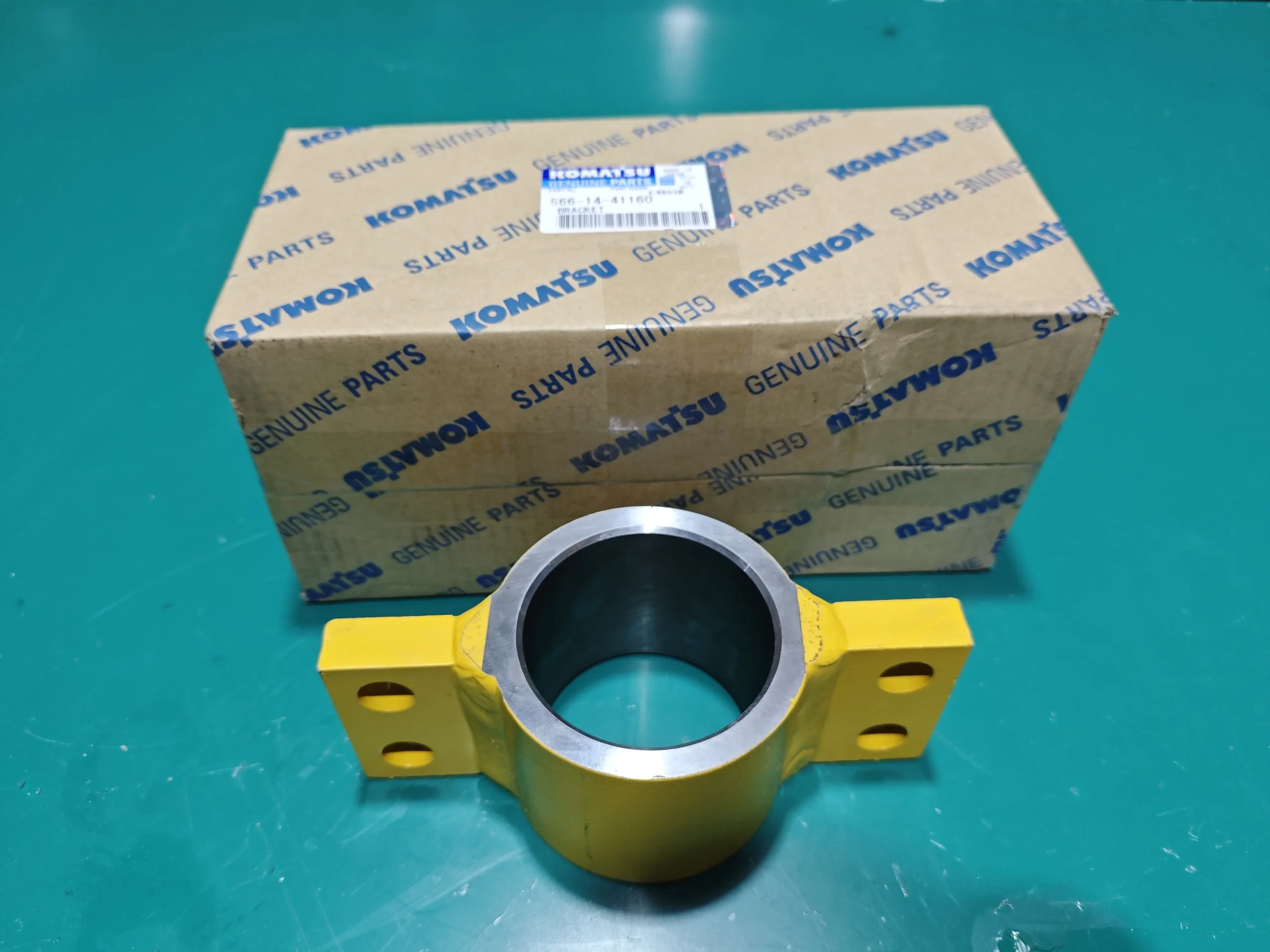 566-14-41160 Bracket
 -
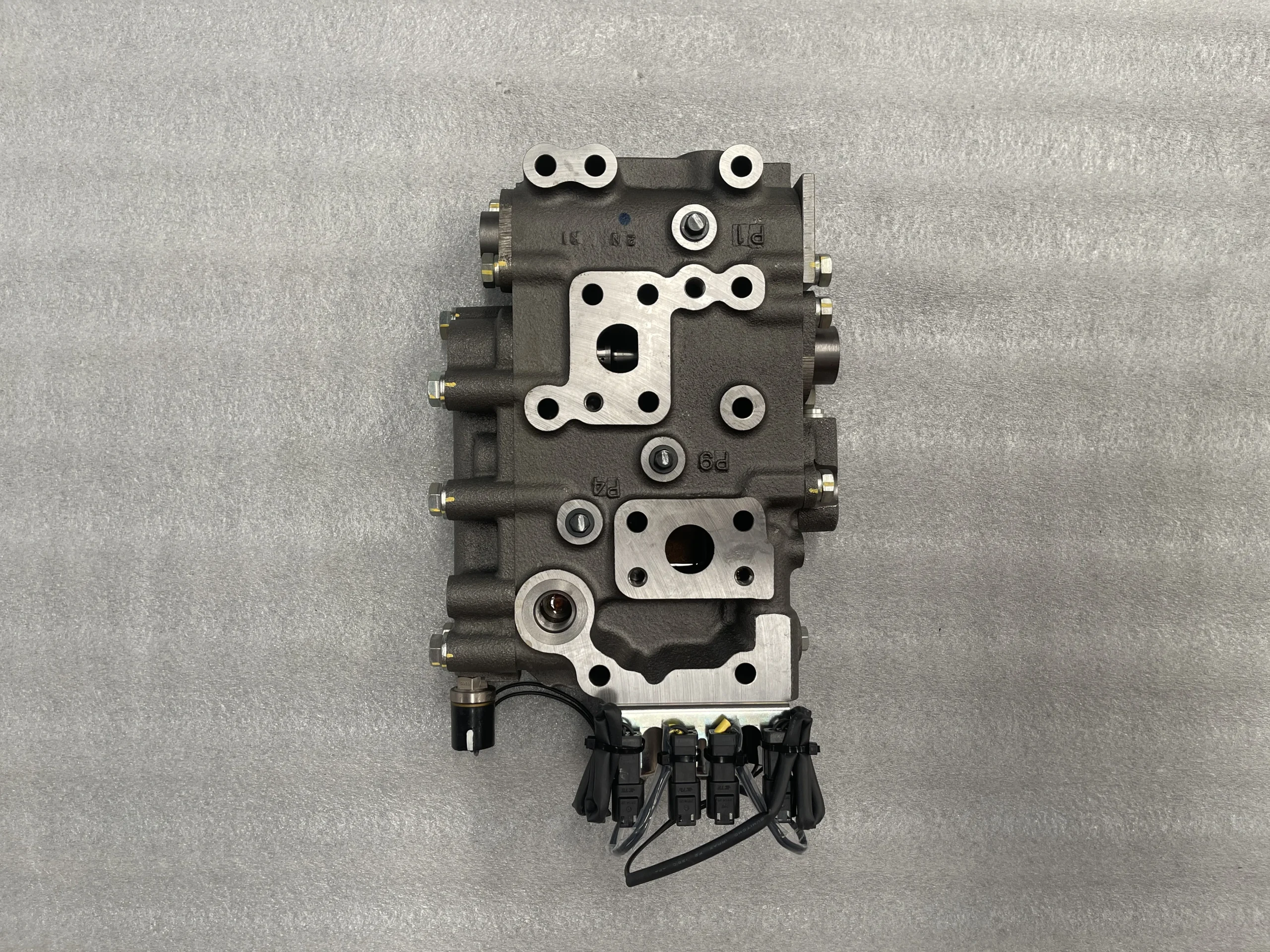 7830-62-2007 Komatsu Controller for Komatsu D85
 -
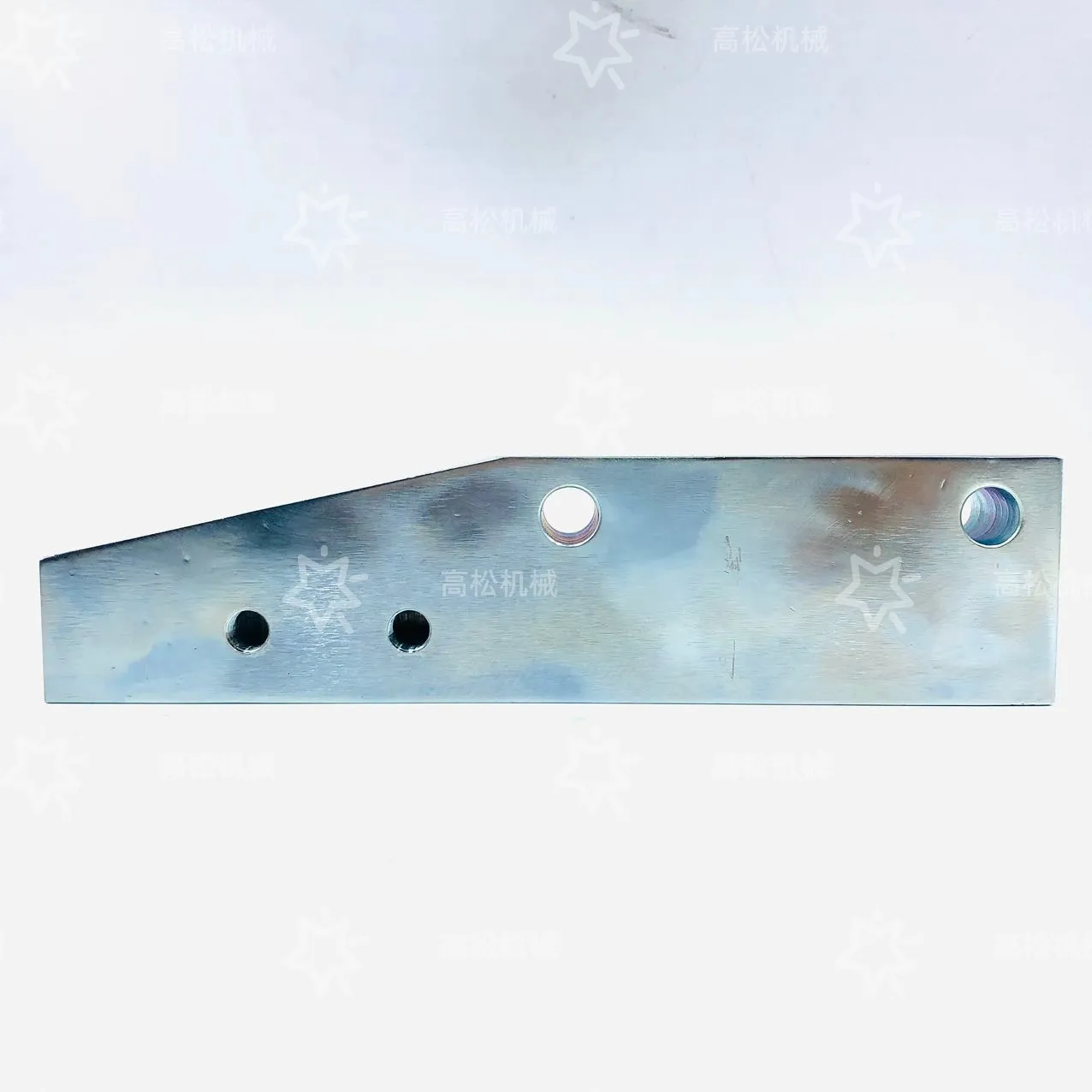 209-38-73281 BLOCK made to fit KOMATSU
 -
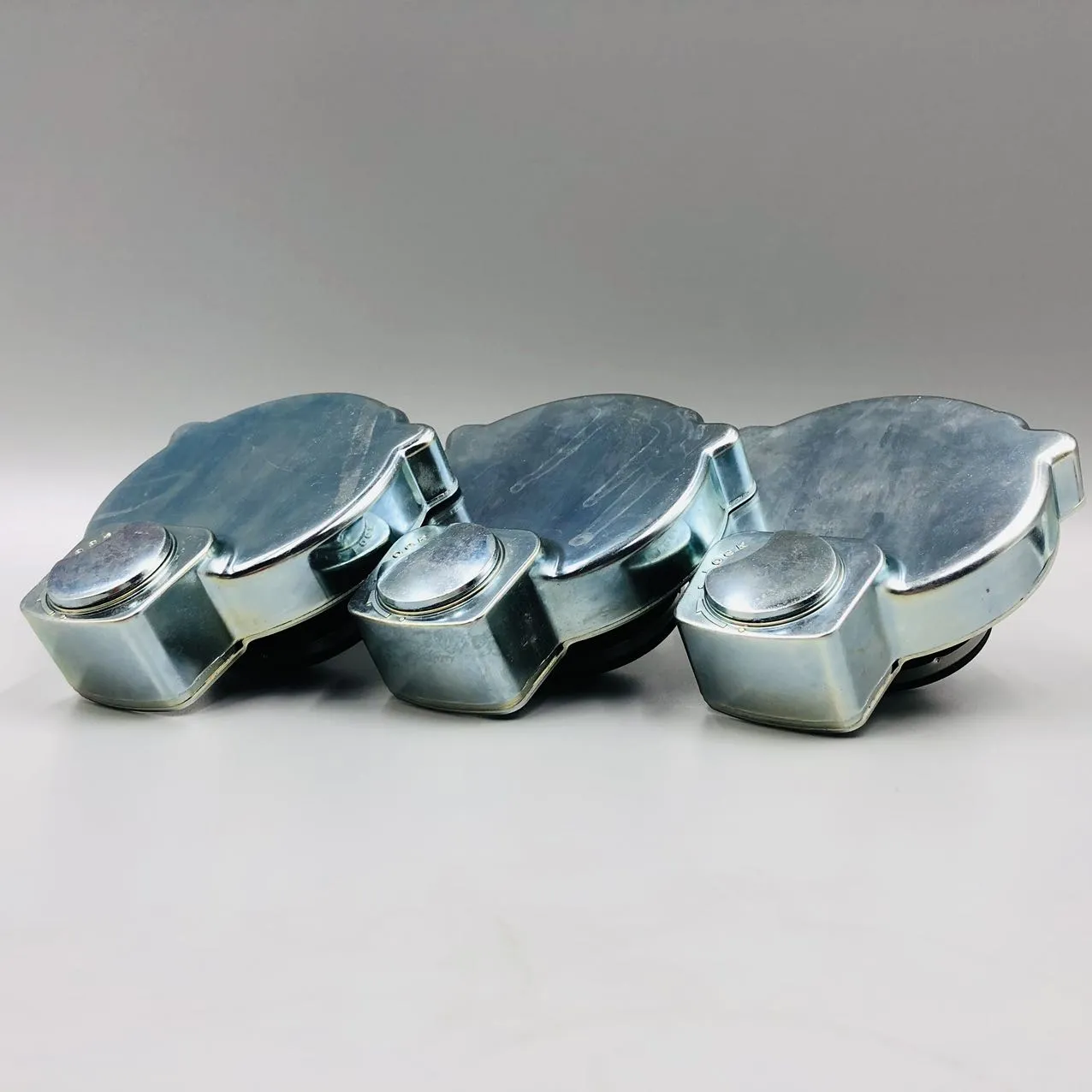 Hydraulic Oil Tank Cap 17A-60-11310 For Komatsu PC200-6 PC200-8 D155A PC400-8
 -
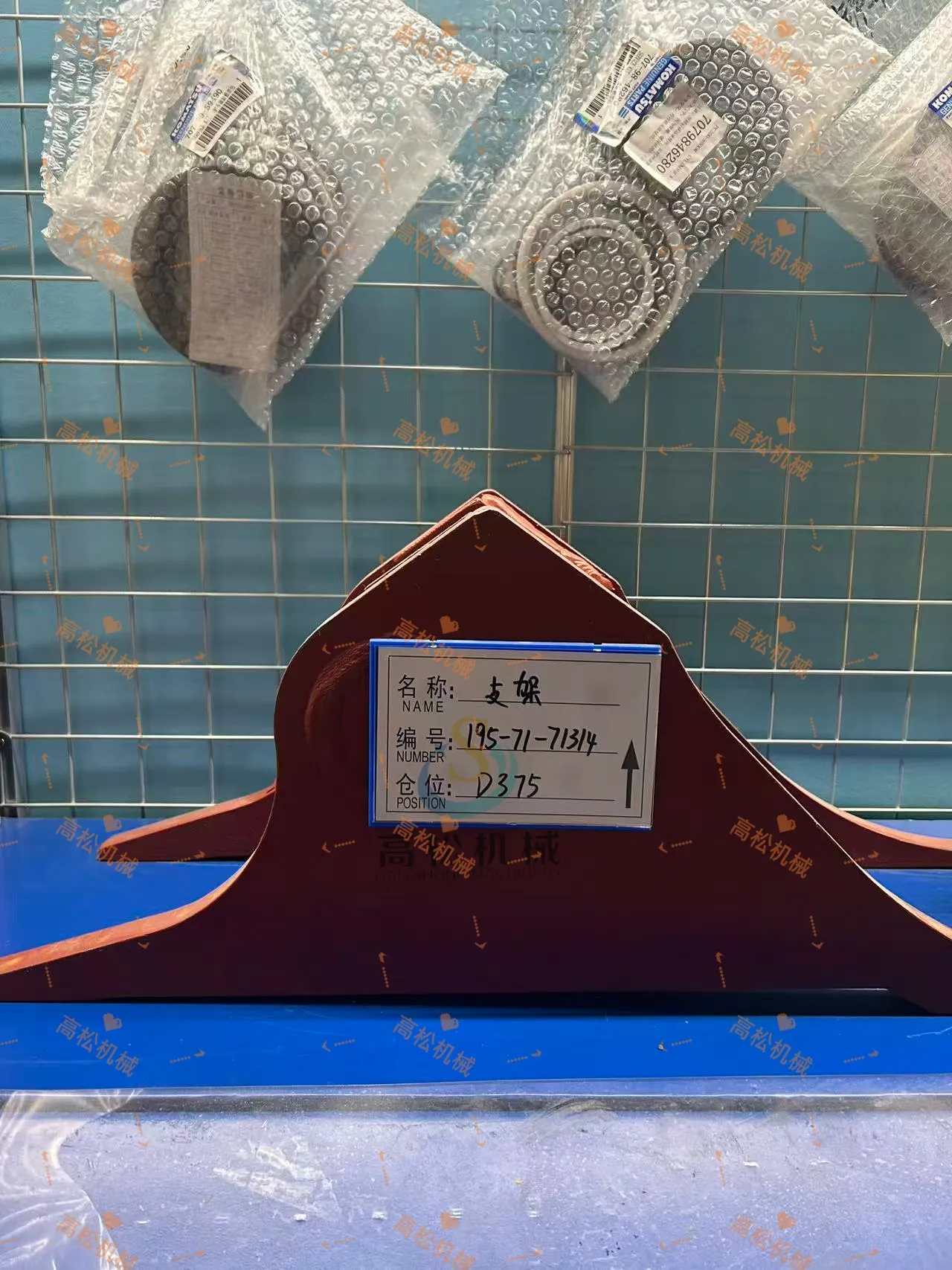 195-71-71314 BRACKET (WELDED) D375A-5 S/N 55001-UP (W/O EGR) BLADE
 -
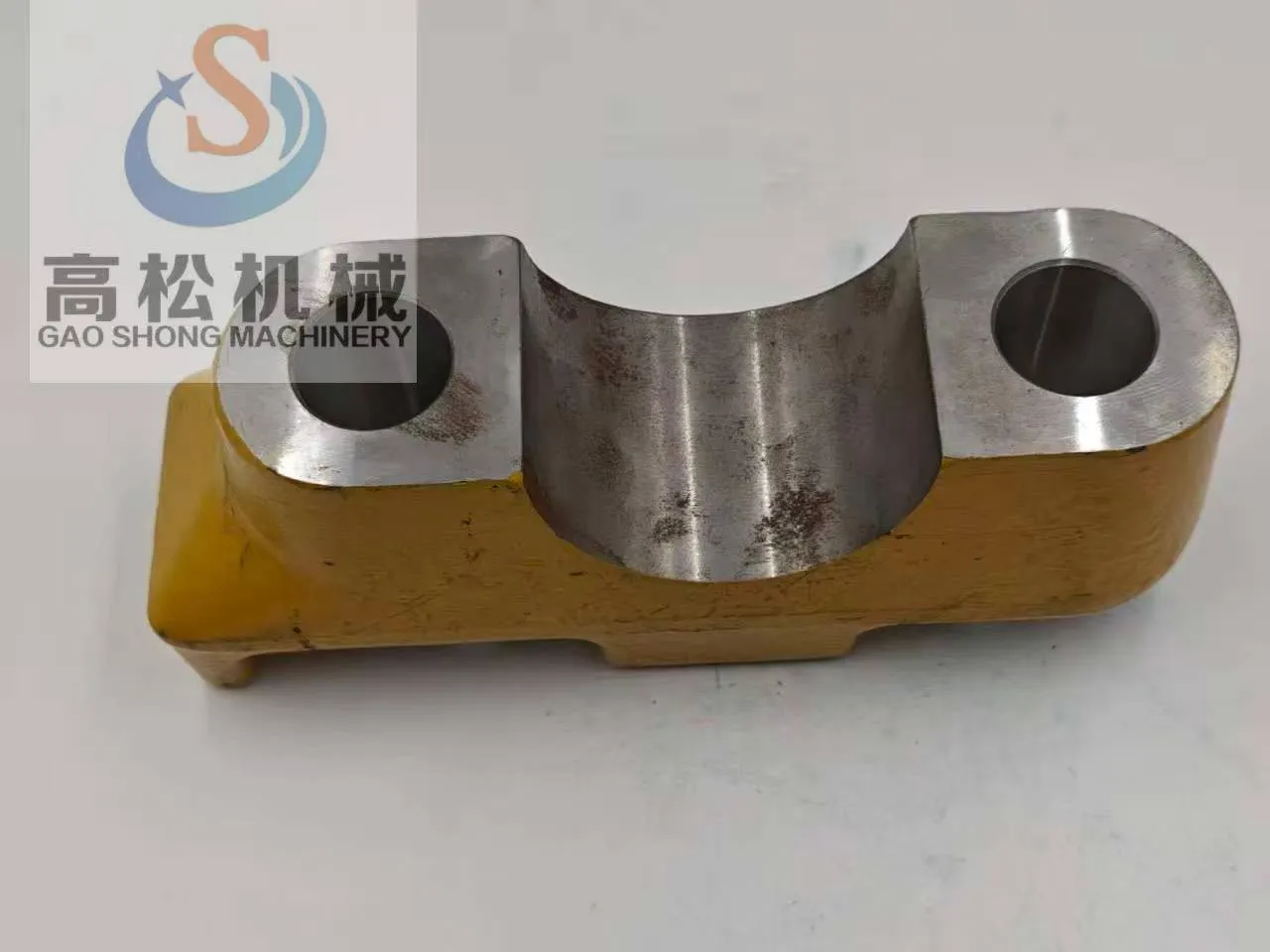 Cover 195-30-62141 for Komats bulldozer D375A
 -
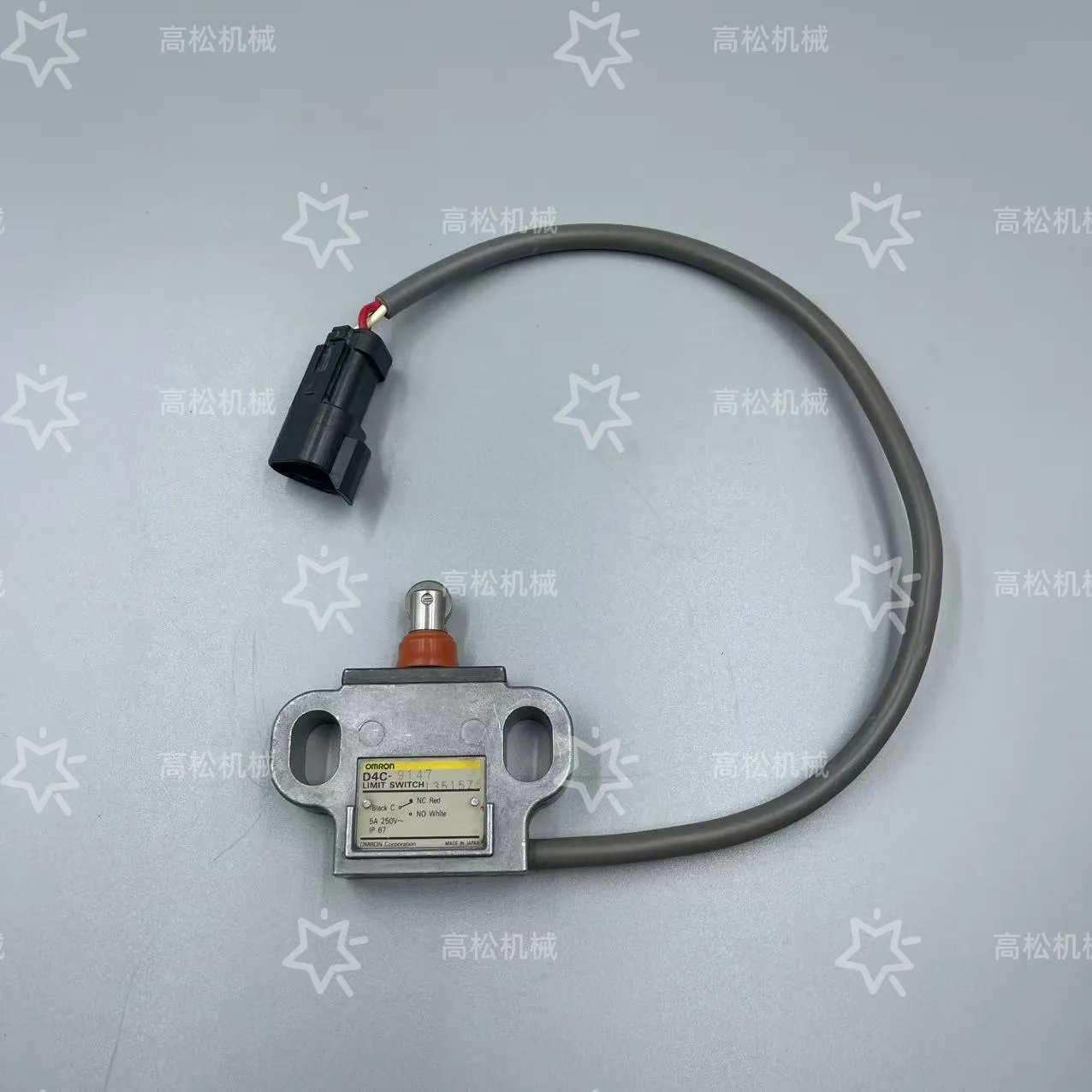 11Y-06-22150SWITCH 11Y-06-22150 for KOMATSU D65PX-16
 -
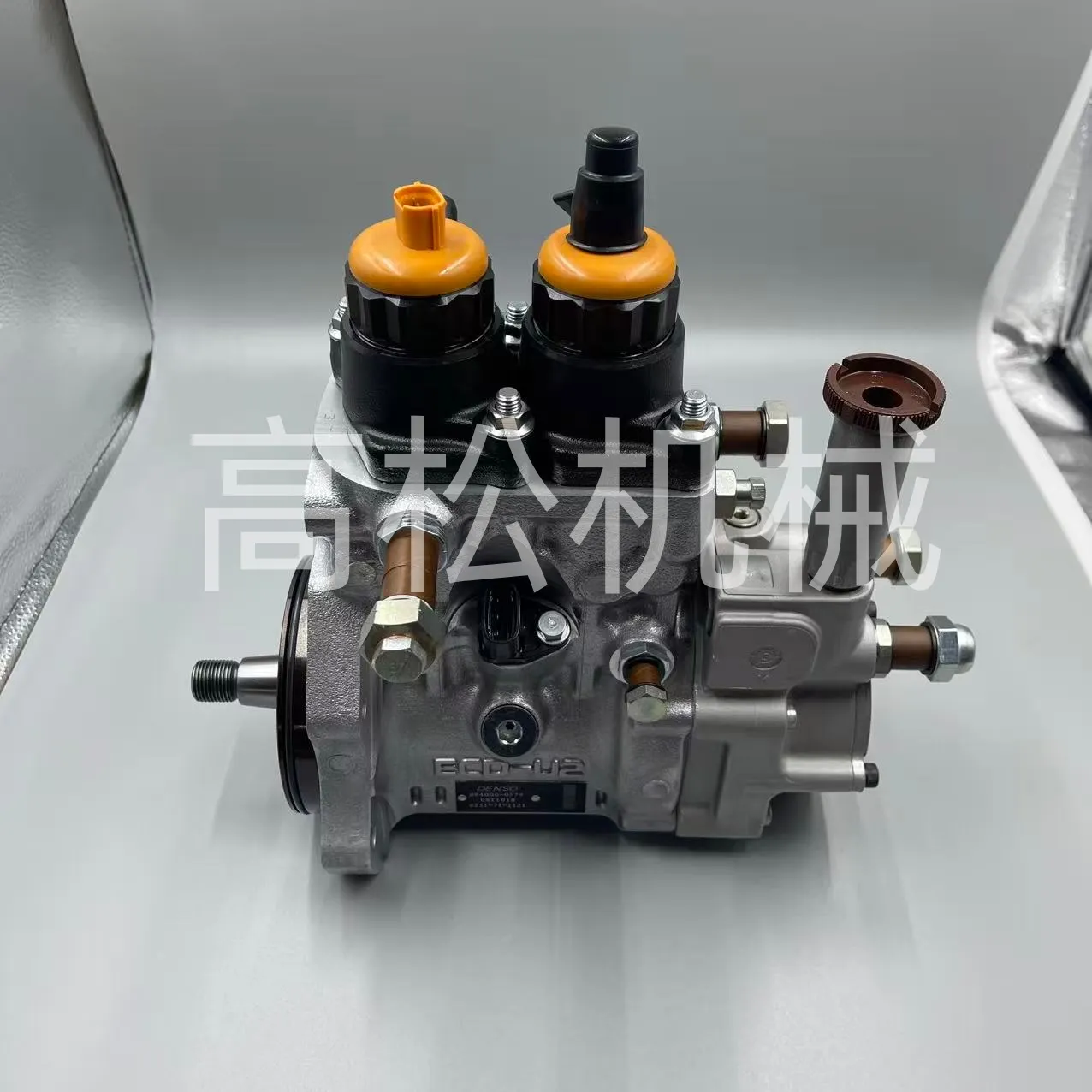 6251-71-1121 Pump Assembly, Fuel Injection-Komatsu Original Factory
 -
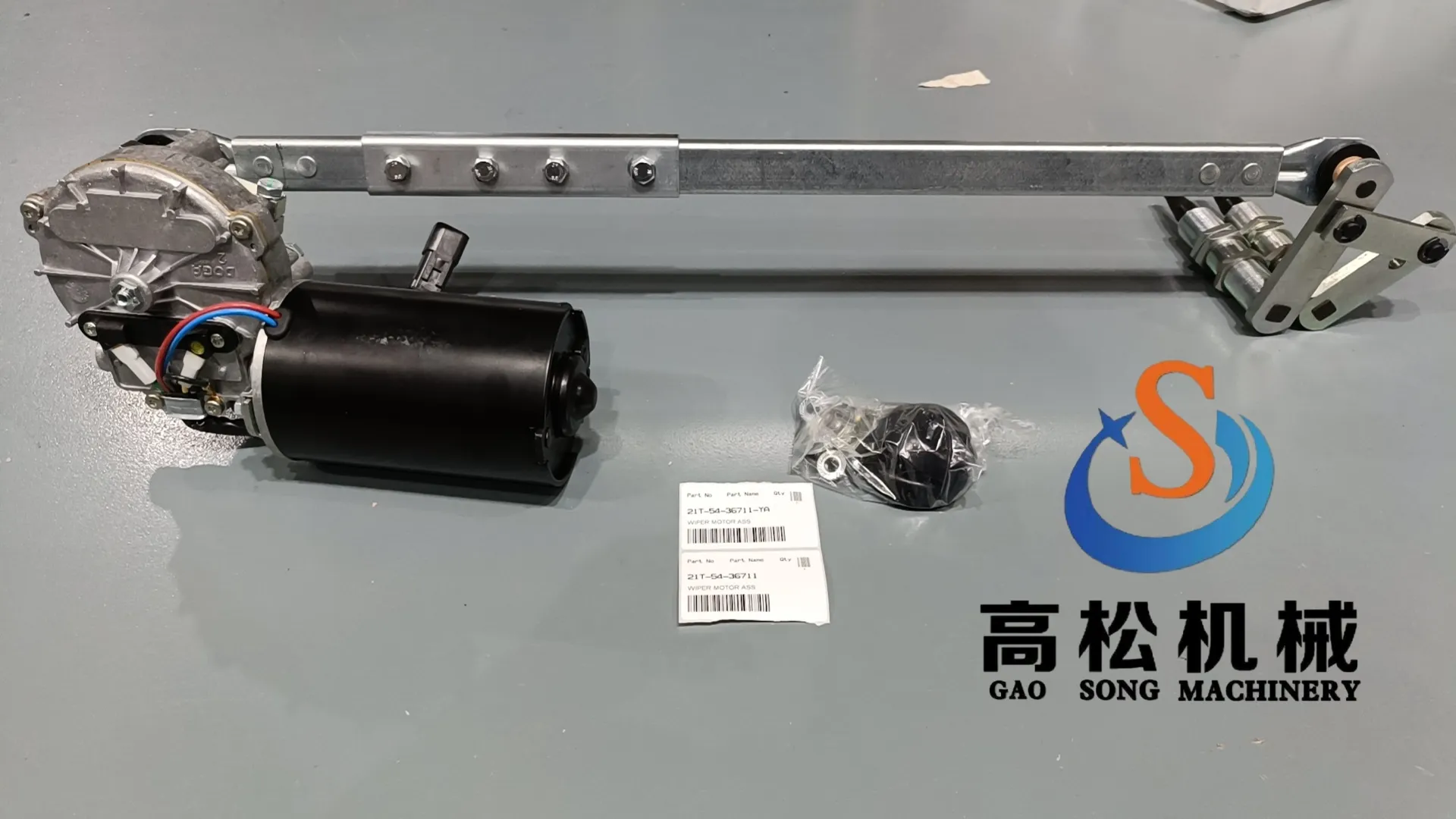 21T-54-36711 komatsu WIPER MOTOR ASS’Y
 -
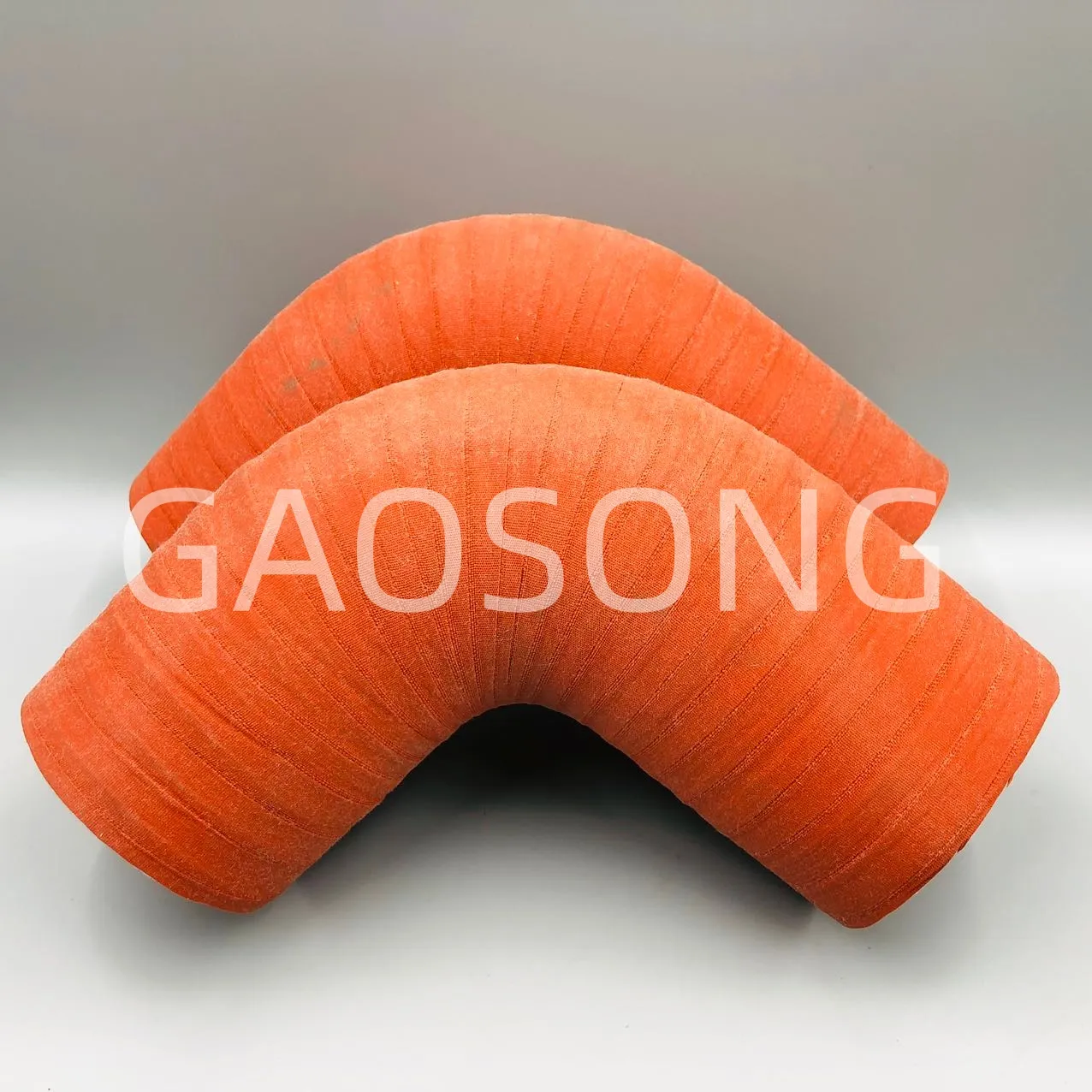 6743-11-4931 HOSE-Komatsu Original Factory
 -
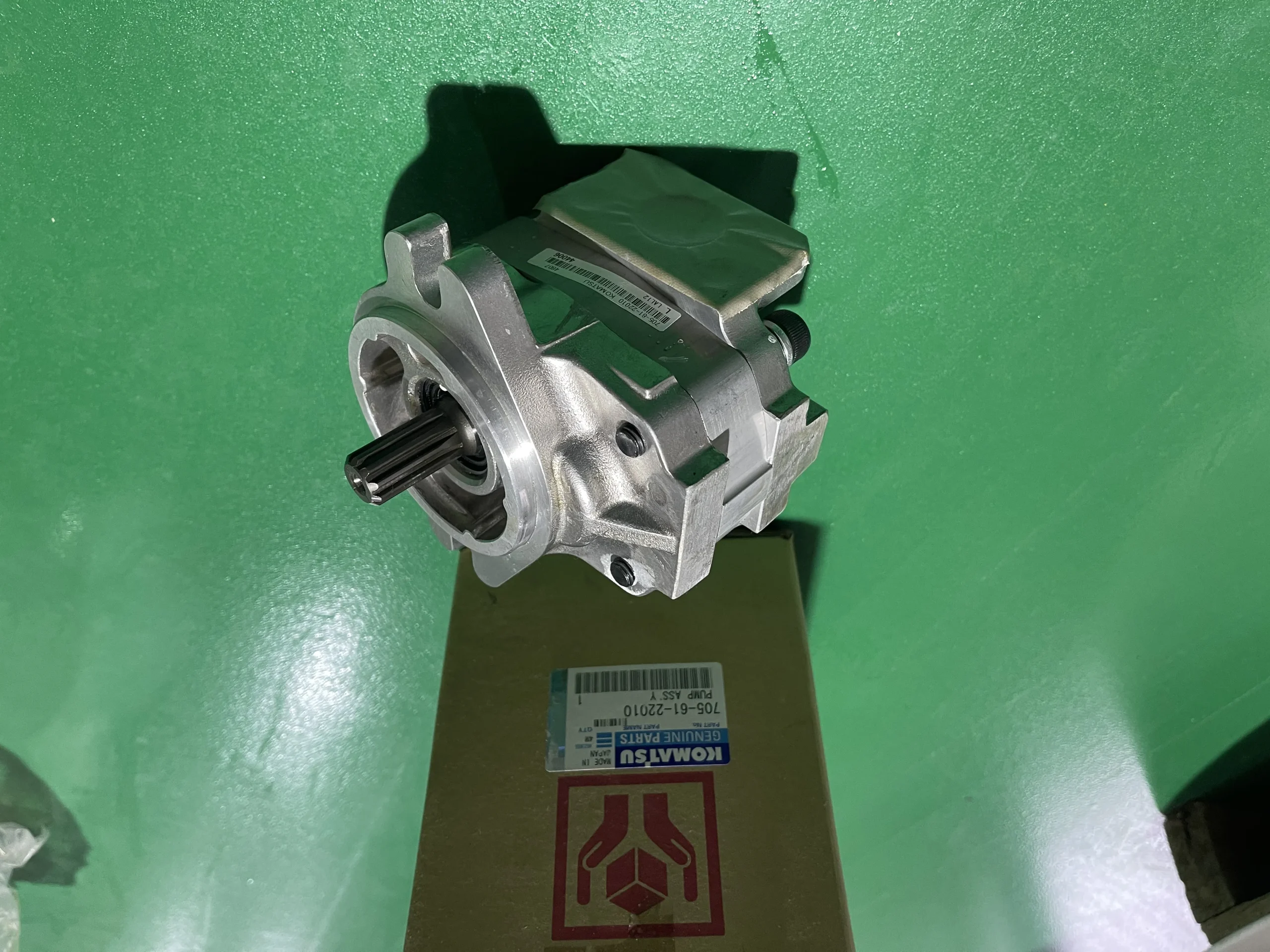 PUMP ASS’Y 705-61-22010 – KOMATSU
 -
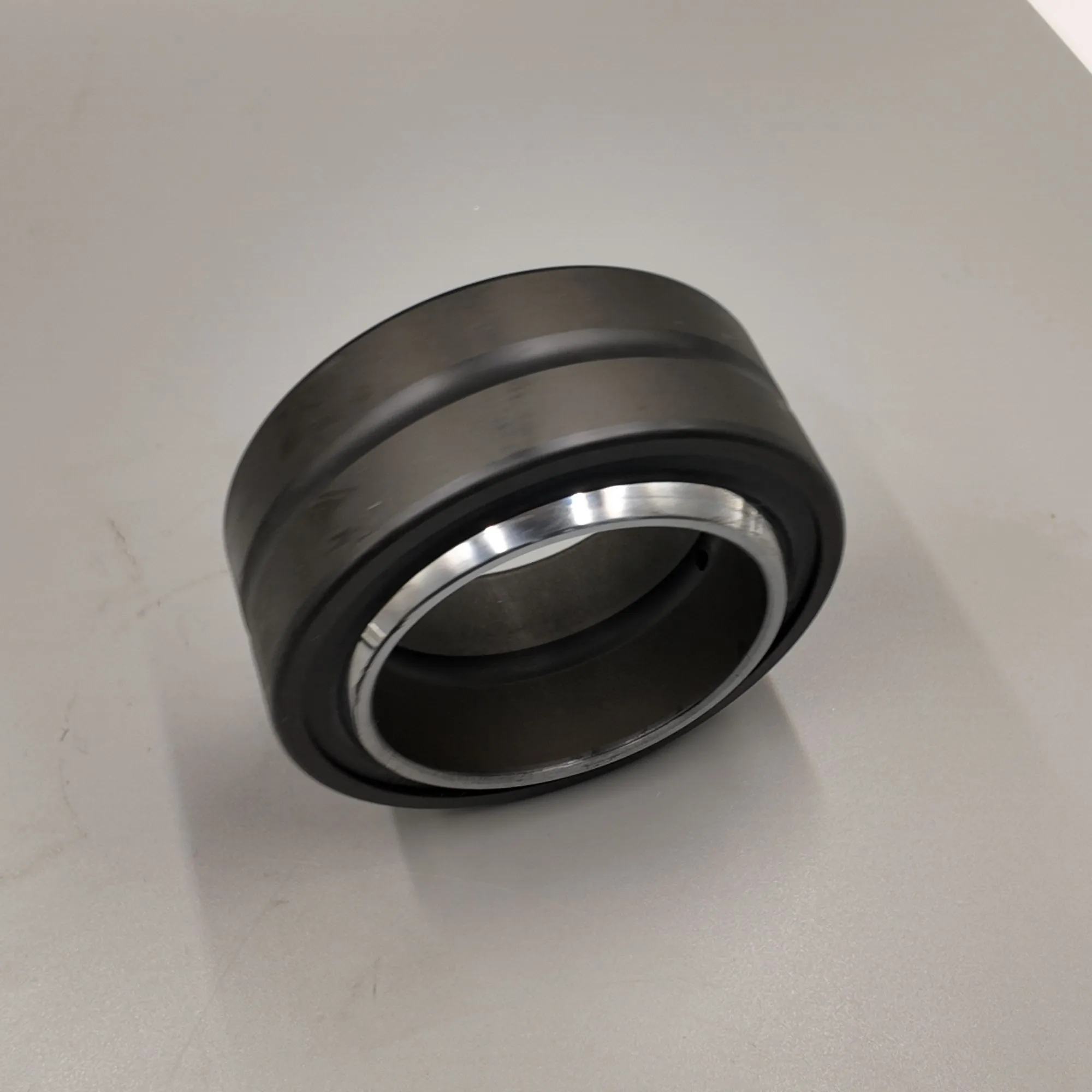 707-46-07040 • Bushing-Komatsu Original Factory