
- Chinese
- French
- German
- Portuguese
- Spanish
- Russian
- Japanese
- Korean
- Arabic
- Irish
- Greek
- Turkish
- Italian
- Danish
- Romanian
- Indonesian
- Czech
- Afrikaans
- Swedish
- Polish
- Basque
- Catalan
- Esperanto
- Hindi
- Lao
- Albanian
- Amharic
- Armenian
- Azerbaijani
- Belarusian
- Bengali
- Bosnian
- Bulgarian
- Cebuano
- Chichewa
- Corsican
- Croatian
- Dutch
- Estonian
- Filipino
- Finnish
- Frisian
- Galician
- Georgian
- Gujarati
- Haitian
- Hausa
- Hawaiian
- Hebrew
- Hmong
- Hungarian
- Icelandic
- Igbo
- Javanese
- Kannada
- Kazakh
- Khmer
- Kurdish
- Kyrgyz
- Latin
- Latvian
- Lithuanian
- Luxembou..
- Macedonian
- Malagasy
- Malay
- Malayalam
- Maltese
- Maori
- Marathi
- Mongolian
- Burmese
- Nepali
- Norwegian
- Pashto
- Persian
- Punjabi
- Serbian
- Sesotho
- Sinhala
- Slovak
- Slovenian
- Somali
- Samoan
- Scots Gaelic
- Shona
- Sindhi
- Sundanese
- Swahili
- Tajik
- Tamil
- Telugu
- Thai
- Ukrainian
- Urdu
- Uzbek
- Vietnamese
- Welsh
- Xhosa
- Yiddish
- Yoruba
- Zulu
- Kinyarwanda
- Tatar
- Oriya
- Turkmen
- Uyghur





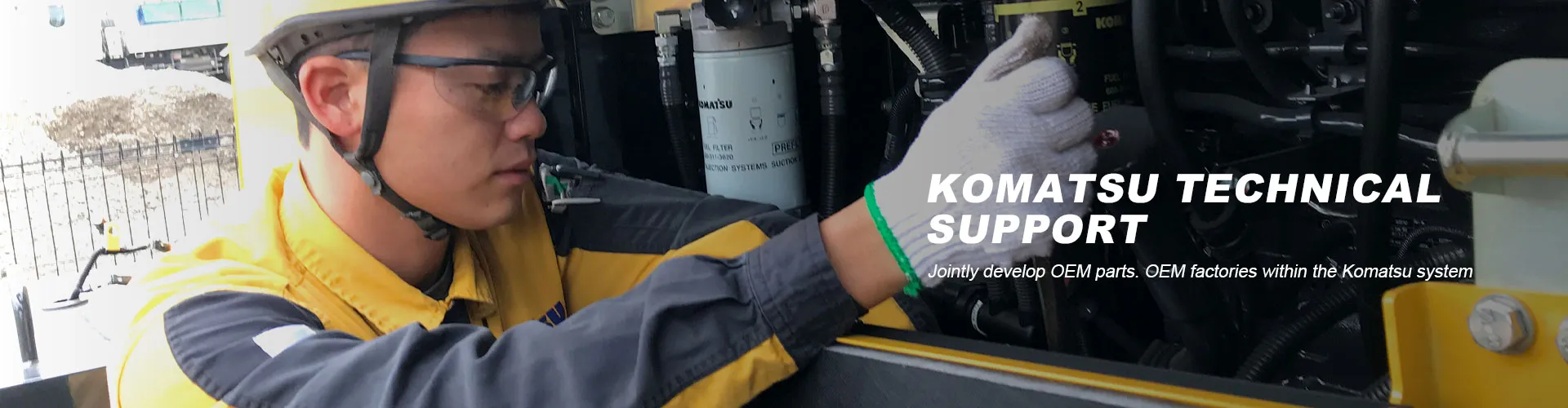
komatsu mini excavator bucket teeth
Look, if you're searching for 'komatsu mini excavator bucket teeth', you're likely either pricing replacements after a failure or spec'ing a new machine. There's a common trap here: thinking all teeth are interchangeable commodities. They're not. The difference between a genuine Komatsu tooth, a quality OEM-supplied part, and a random aftermarket piece isn't just price—it's about how the machine feels in the ground and how long your wallet stays closed. I've seen too many guys buy the cheap set, only to replace them twice as fast, not to mention the hidden wear on the adapter. Let's talk about what actually matters.
The Anatomy of a Good Tooth – It's Not Just Steel
Most discussions jump straight to material, which is critical, but it's the geometry and fit that get overlooked. A Komatsu mini, say a PC35 or PC50, operates in a specific force envelope. The tooth profile is designed to match that. A tooth that's too aggressive for the machine's hydraulic power just bounces off hard material; one that's too shallow turns the machine into a slow scooper. The OEM design balances penetration and roll-out. I remember testing a batch from a new supplier that looked perfect on paper—great hardness rating—but the tip angle was off by maybe 5 degrees. The operator complained immediately about lack of 'bite'. It felt sluggish. That's the nuance you pay for.
Then there's the lock system. The Komatsu-style pin and retainer. A sloppy fit here is a death sentence. It creates movement, which wears the adapter nose way faster than the tooth itself. I've had to replace entire adapter fronts because someone ran mismatched or poorly machined teeth for a season. The cost then isn't a few teeth, it's a major weld job or a new bucket front. The genuine parts and the proper OEM-system parts from a trusted supplier like Jining Gaosong get this right because their tooling is made to Komatsu's specifications. Their role as an OEM product supplier within the Komatsu system means their non-genuine parts often have that critical dimensional fidelity.
Material science is, of course, key. It's not just 'hard steel'. It's about the right balance of hardness for wear resistance and toughness to resist chipping. A rock tooth and a trenching tooth have different recipes. The cheap ones often just crank up hardness, making them brittle. You'll see them snap at the base on a cold morning. The good suppliers understand the application. For general use, a medium-carbon alloy with proper heat treatment is the sweet spot. You can check their metallurgy certs if they're serious.
The Real-World Cost of Savings
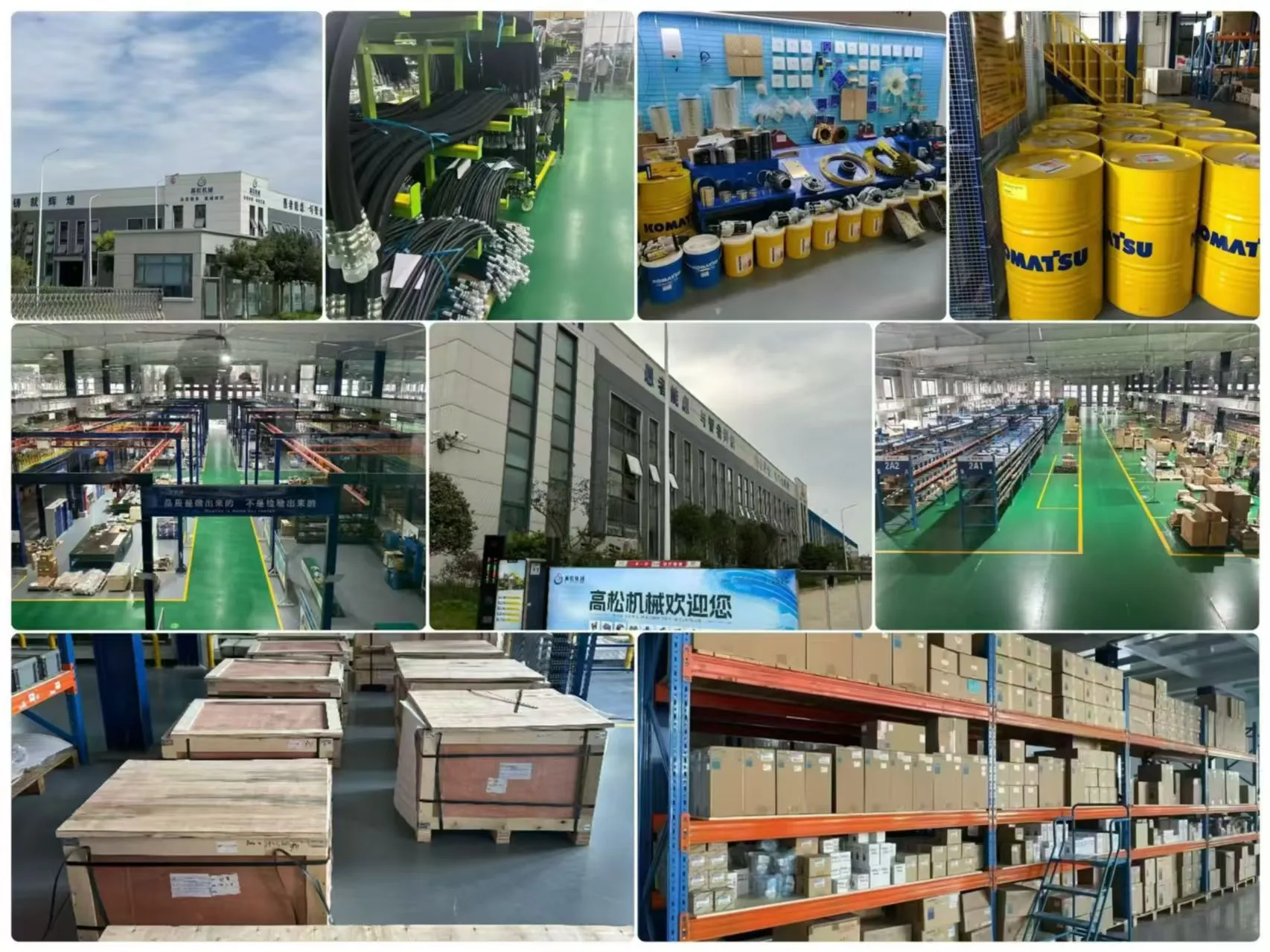
Let me give you a concrete example from a landscaping crew I worked with. They had a PC35-8 doing drainage work. The original Komatsu teeth lasted about 800 hours in mixed clay and gravel. The foreman decided to save $200 on a full set from a generic online seller. Those were shot in 300 hours. Not just worn—chipped, one broken. The downtime for replacement, the adapter wear we discovered... the 'savings' turned into a net loss of over $1500 when you factored in labor and machine idle time. This is the exact scenario companies like Jining Gaosong Construction Machinery Co., Ltd. aim to prevent. They operate as a third-party sales company for Komatsu, specifically to bridge these parts gaps with reliable alternatives.
The failure mode tells a story. Premature wear at the base? Likely a soft core or poor hardening. Chipping at the tip? Too hard/brittle material or wrong geometry for impact. Catastrophic breakage? Could be a casting flaw or severe material defect. When you buy from a source deep in the Komatsu ecosystem, even if it's not a genuine part in a Komatsu box, the failure analysis has already been done. Their business depends on not having these field failures. Their website, takematsumachinery.com, isn't just a storefront; for professionals, it's a channel to solve those parts supply challenges without gambling on quality.
Another hidden cost is efficiency. A worn or ill-fitting tooth changes the bucket's digging profile. The machine works harder, uses more fuel, and cycle times creep up. It's subtle, but over a month, it adds up. You're not just buying a wear item; you're buying a performance component.
Selection & Application – Matching the Tooth to the Task
Komatsu offers, and quality OEM suppliers mirror, a range: general duty, rock, trenching, frost. For most mini-ex work, the general duty is fine. But if you're primarily in rocky soil, the rock tooth (sharper, often with a reinforced wing) is worth it. The trenching tooth (longer, narrower) is for clean digging in dirt. The mistake is using a rock tooth in sticky clay—it'll plug up. I learned this the hard way on a site with variable strata. We started with rock teeth because of a shale layer, but once past it, we were in heavy clay. The bucket packed solid every third pass. Switched to a multi-purpose tooth with a smoother profile, problem gone.
Quantity matters. Don't just buy a full set. Keep a couple of spares on the truck. The moment you lose one tooth, the load on the adjacent ones becomes uneven, accelerating their wear. Change them as a set if possible, or at least in pairs (left/right). It seems fussy, but it extends the life of the whole cutting edge.
Also, consider the adapter. If you're buying teeth from a new source, inspect the adapter nose for wear. Putting a new, tight tooth on a worn adapter is pointless—it will loosen immediately. Sometimes, you need to build up the nose with hardfacing or even replace the adapter. It's a system.
Installation & Maintenance – The Overlooked 50%
This is where even good parts fail. The pin must be driven in cleanly, and the retainer (usually a rubber or spring type) must be fully seated. I've seen guys hammer a pin in crooked, deforming the ear of the tooth. Use the right drift punch. A dab of anti-seize on the pin isn't a bad idea, especially in corrosive environments. The goal is to make the next changeout easy.
Inspect them during your daily walk-around. Look for cracks (use a flashlight), excessive wear, and check for looseness. A loose tooth will rock; you can hear it sometimes. Tightening it isn't really an option—if it's loose, the wear has started and it's time to plan a replacement. Proactive replacement is always cheaper than reactive.
Storage of spares matters too. Keep them dry. Rust between the tooth and adapter can make them seize, turning a 10-minute job into a torch-and-sledgehammer nightmare. A simple wooden crate in the storage container is fine.
Sourcing in a Global Market – The Trust Factor
This brings us full circle to the initial search. You find a thousand sellers. Price varies wildly. The key is traceability and technical support. Can you talk to someone who knows the product, not just a sales rep? If you have a technical question about grade or fit, can they answer? This is the value of a company with a stated mission like helping to solve parts supply challenges in certain countries. They're not just moving boxes; they're providing a solution to a known pain point in the Komatsu ownership experience.
When I look at a supplier now, I check if they specialize. A company that sells everything from buckets to engine parts might not have depth on teeth. A company that lists itself as an OEM product supplier within a major system like Komatsu's has likely invested in the engineering and quality control to get it right. Their reputation hinges on it. The website Jining Gaosong presents this way—focused on the Komatsu sphere, offering an alternative supply chain. For a fleet manager or an owner-operator, that's a credible signal.
In the end, choosing komatsu mini excavator bucket teeth is a technical decision disguised as a purchasing one. It's about matching the part to the machine's capability and the job's demands, understanding the total cost of ownership, and finding a supplier you don't have to babysit. The right part keeps the machine digging as designed, and the right supplier keeps you digging instead of shopping.
Related Products
Related Products
Best Selling Products
Best Selling Products-
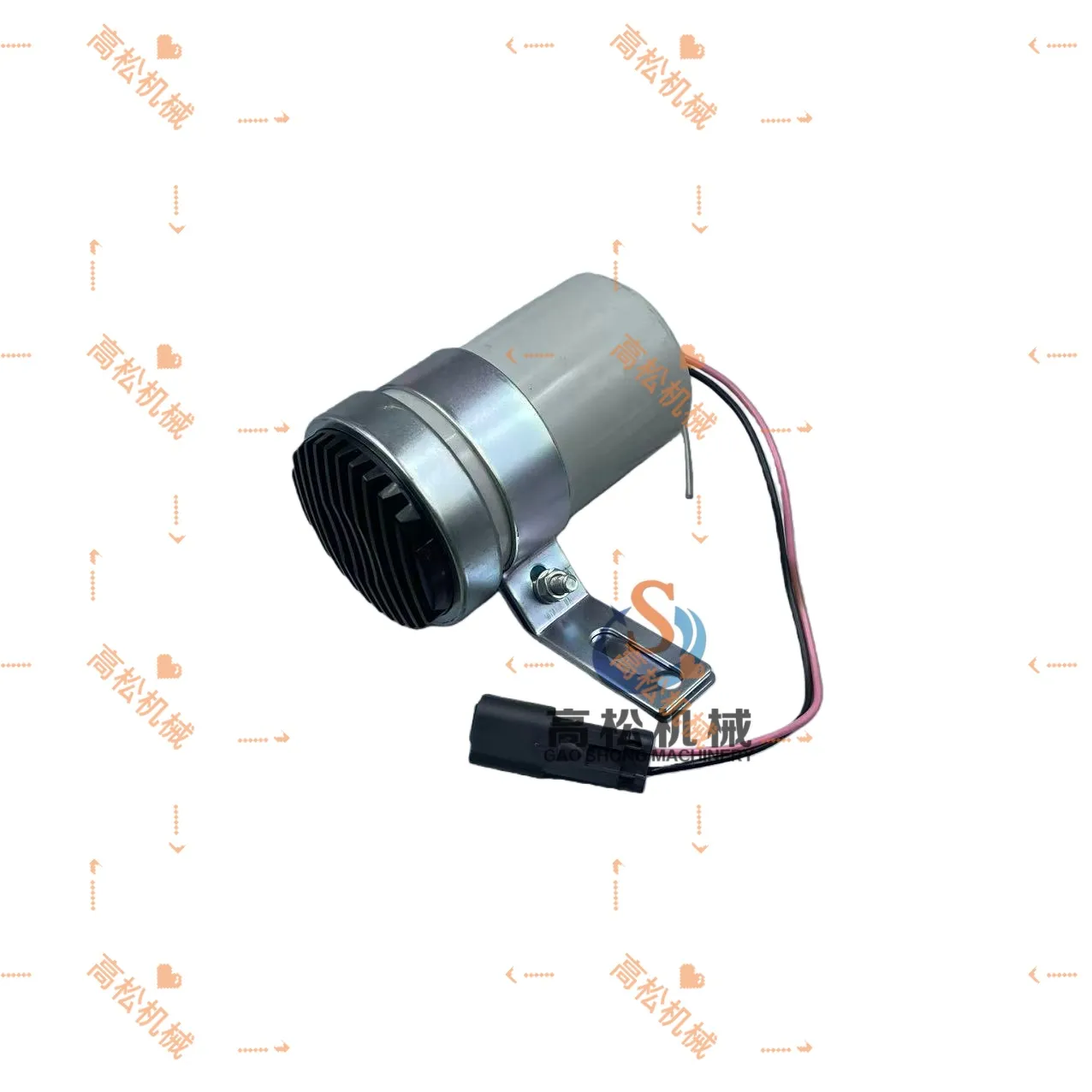 198-06-56570 BUZZER KOMATSU parts D155AX, D275A, D275AX, D375A, D475A, D475ASD, D85EX, D85MS, D85PX, DRAWBAR
 -
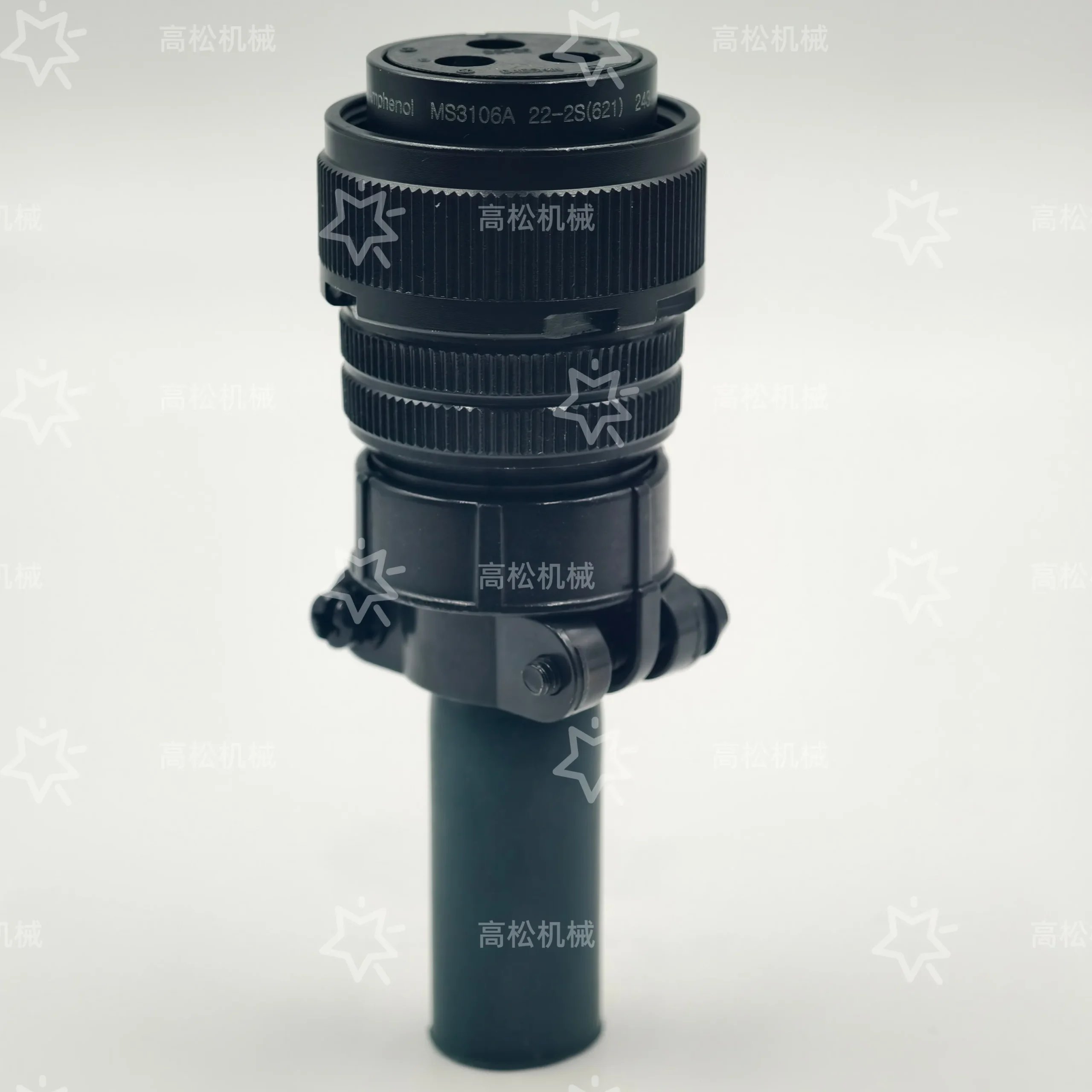 175-06-37871 komatsu Plug
 -
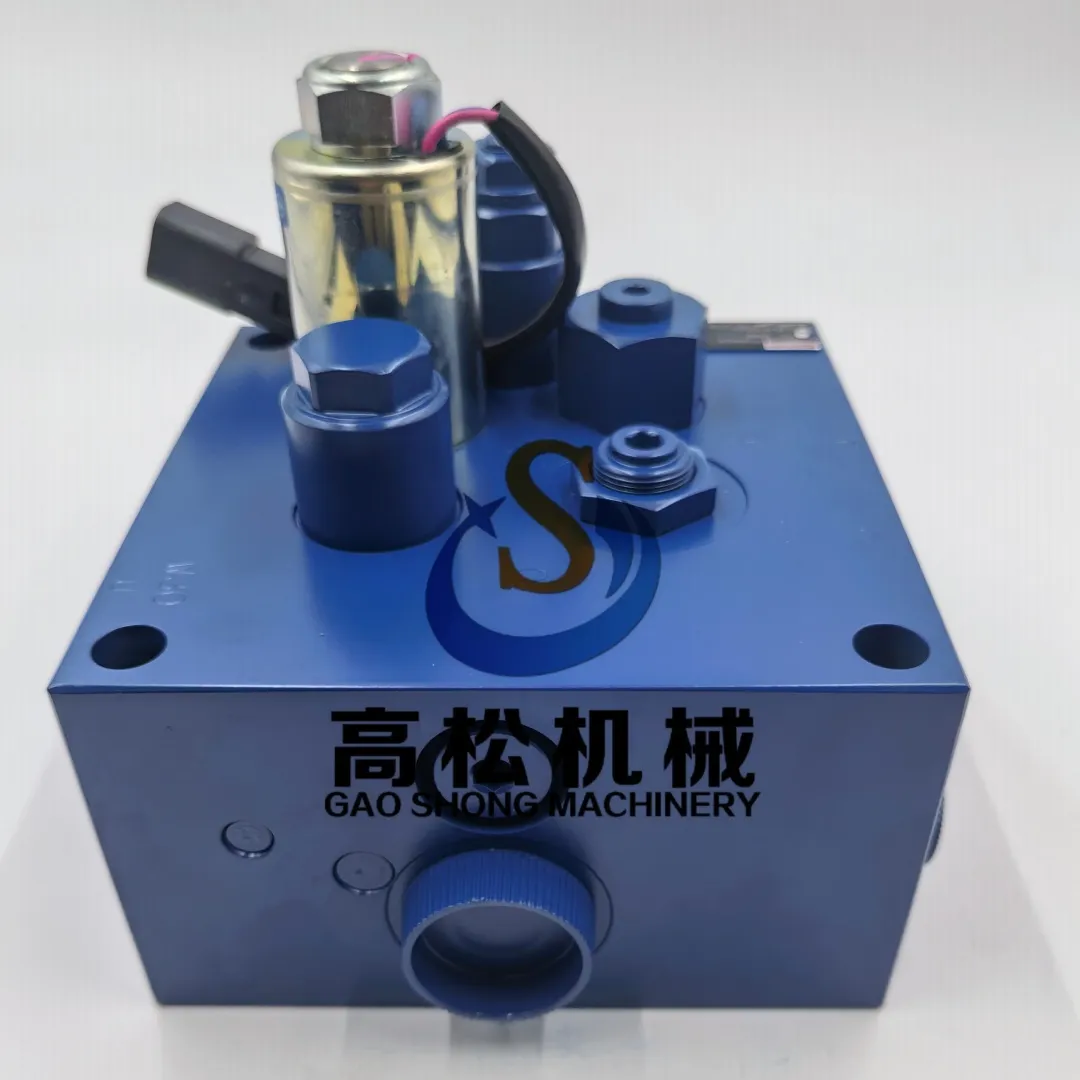 56D-43-37101Z56D-43-37101 Valve Assembly
 -
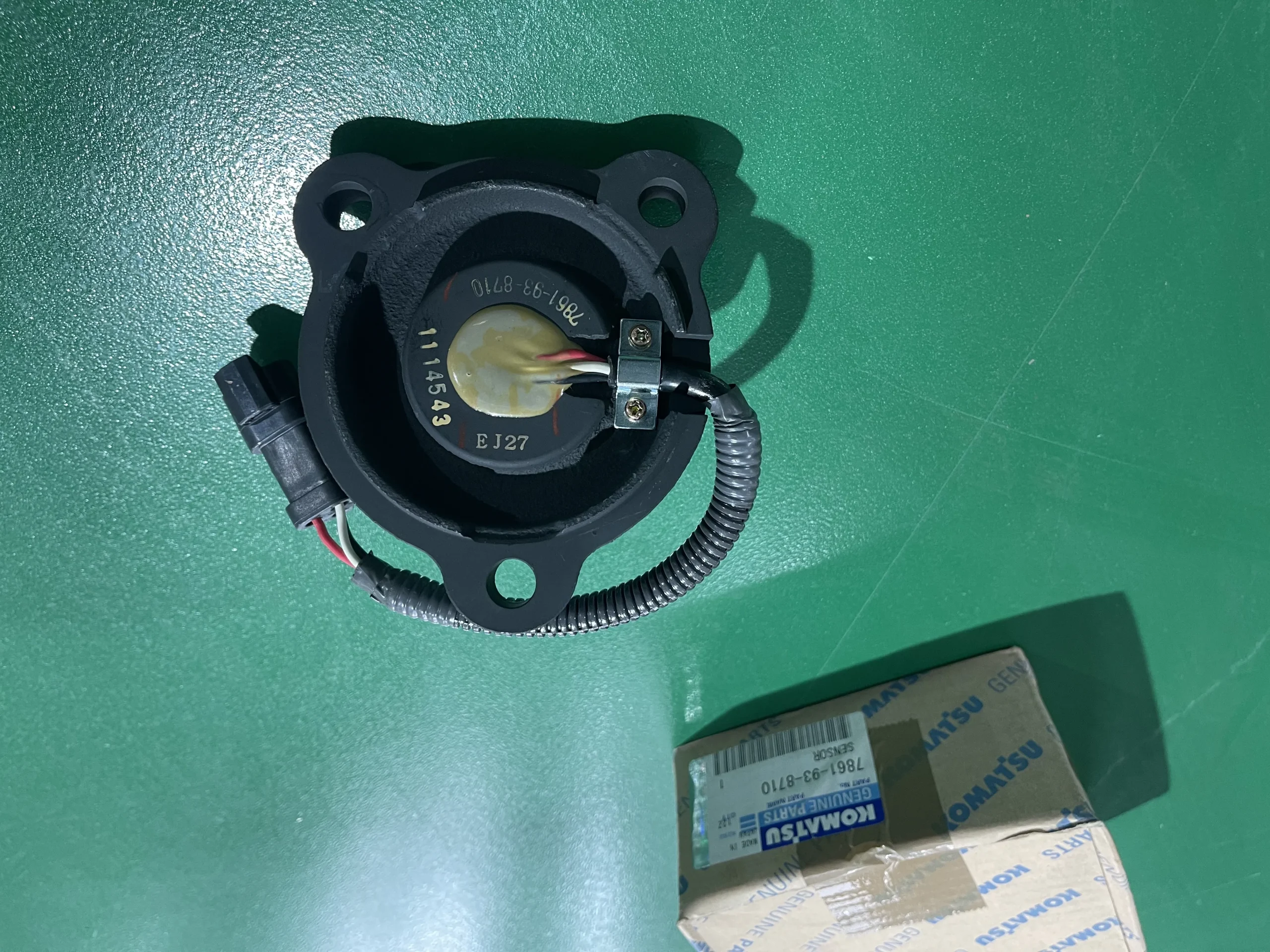 Angle Sensor 7861-93-8710 for Komatsu
 -
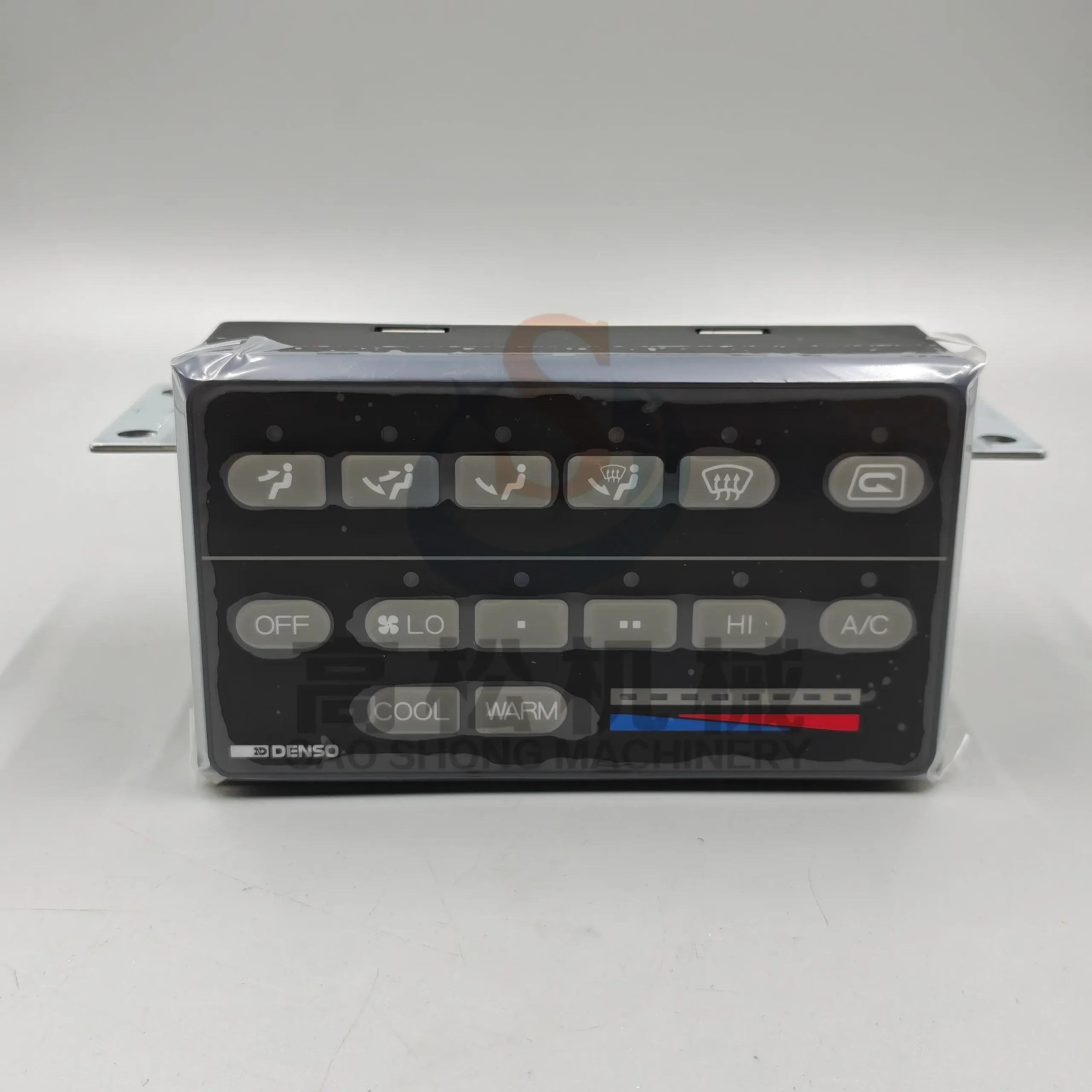 425-07-21121 Controller
 -
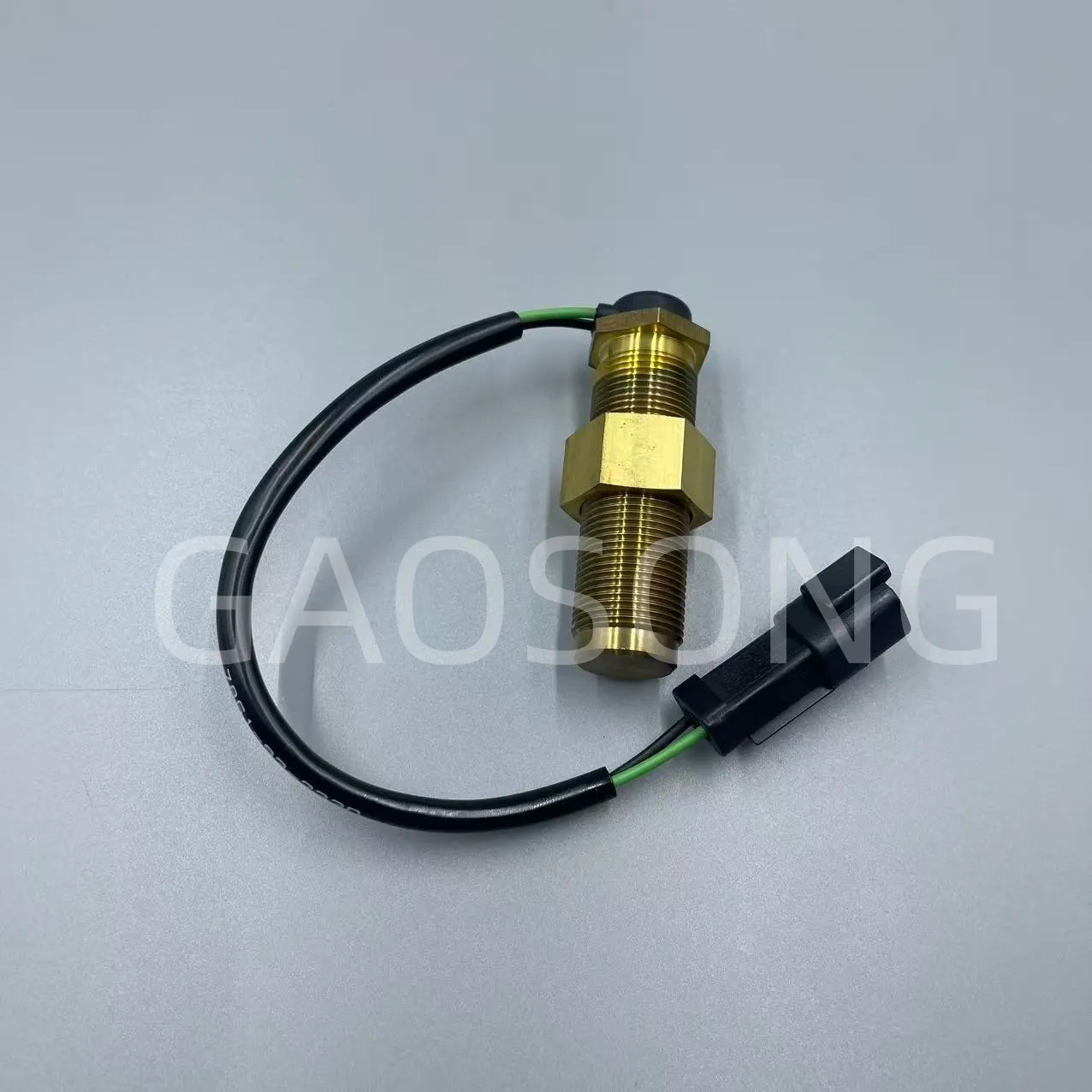 7861-93-2330 SENSOR,REVOLTION–Komatsu Original Factory
 -
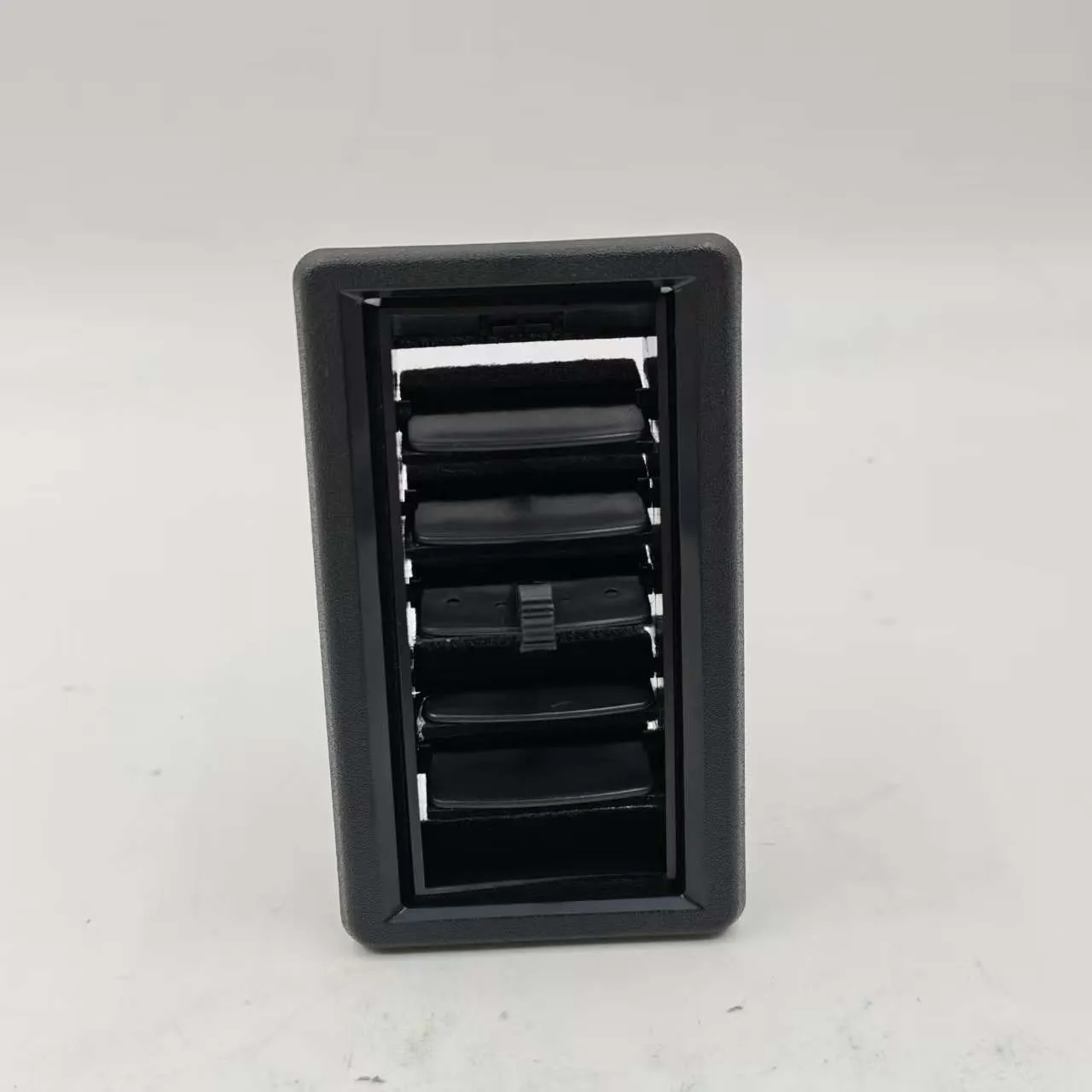 Komatsu Inside cover 17A-54-18270 for Bulldozer D155AX-5
 -
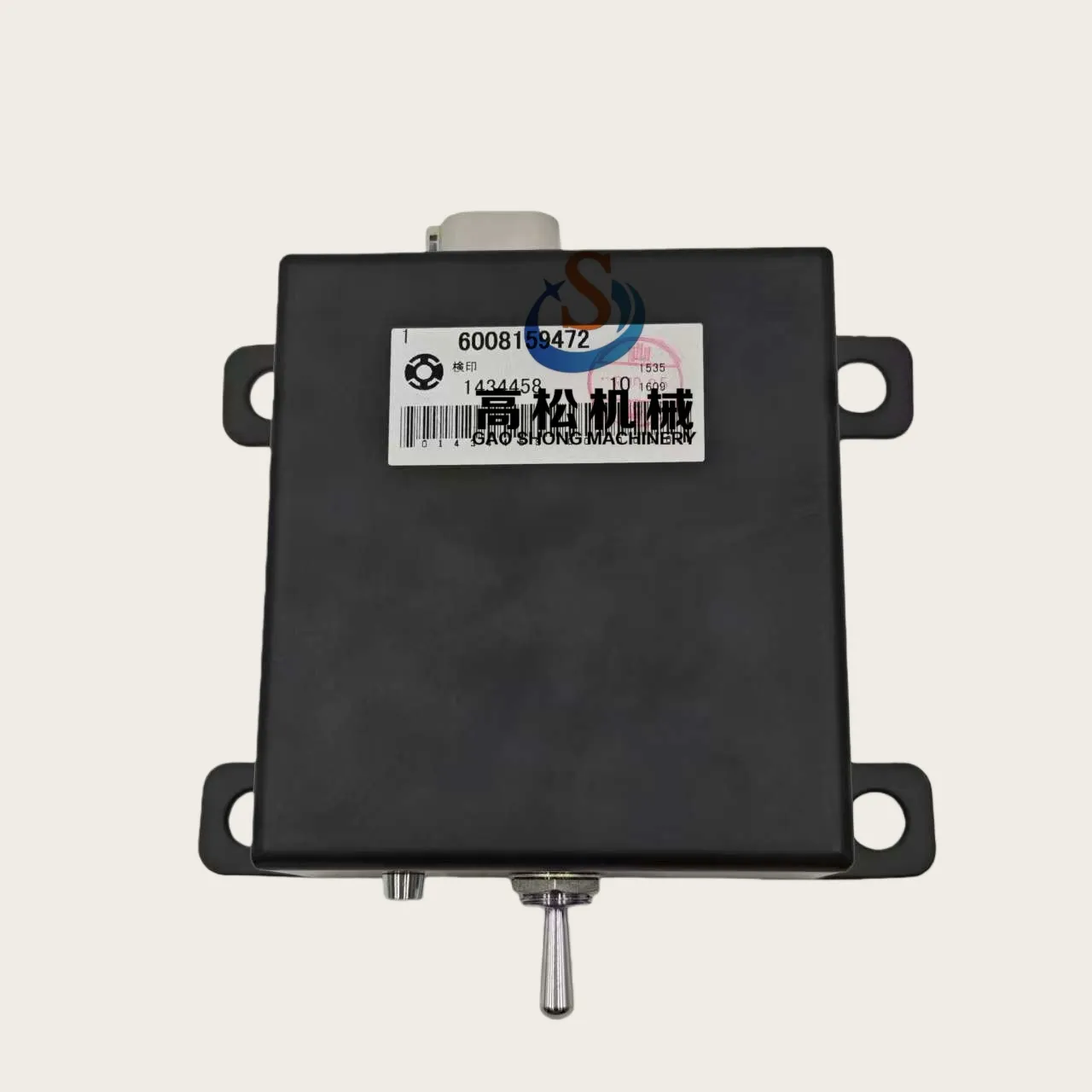 Switch 600-815-9472 D375A-6 WD600-6R HD605-7E1 HD465-7E1 HD785-7 SAA6D170E-5F ENGINE HOOD AND SIDE COVER GROUP, FUEL PRIMING PUMP SWITCH
 -
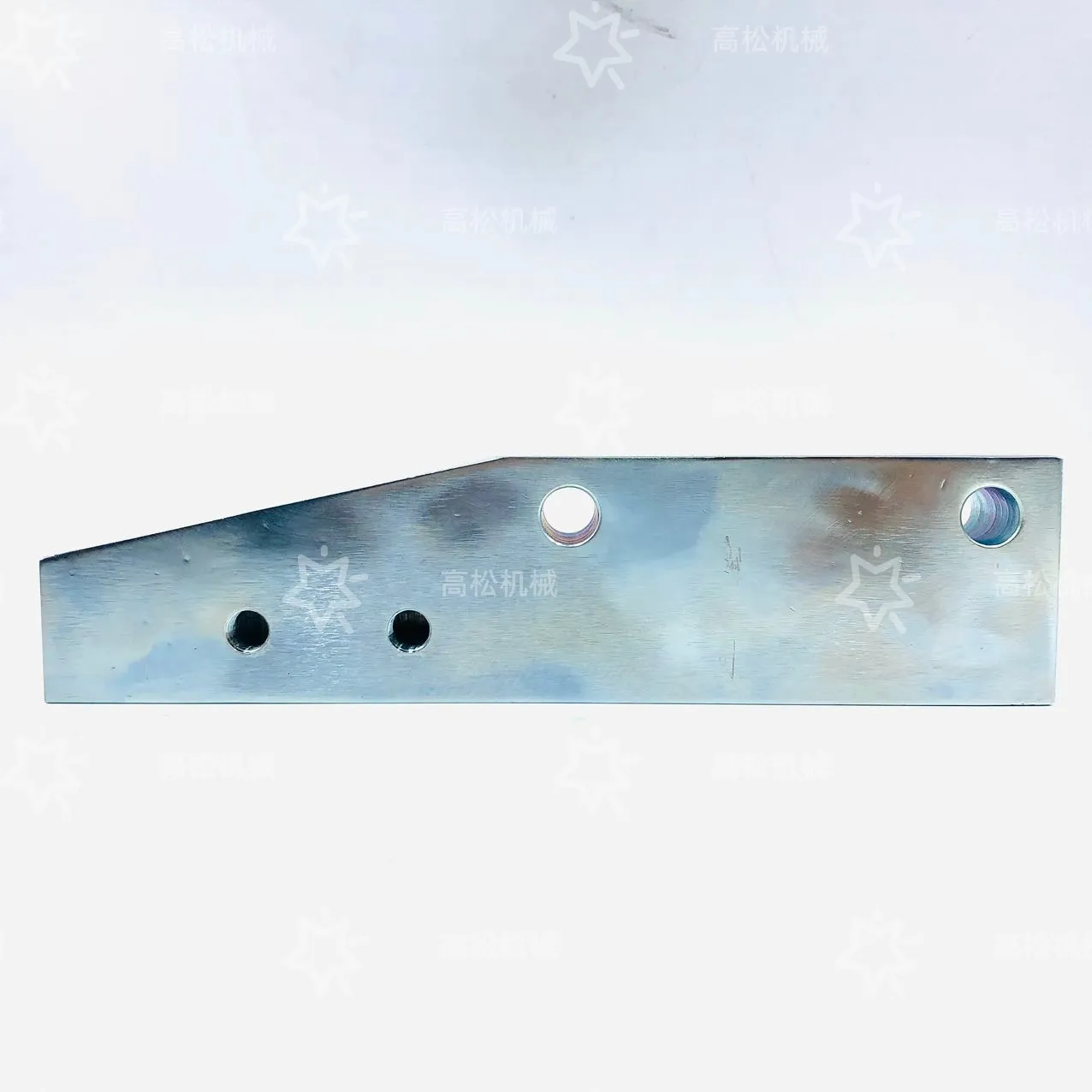 209-38-73281 BLOCK made to fit KOMATSU
 -
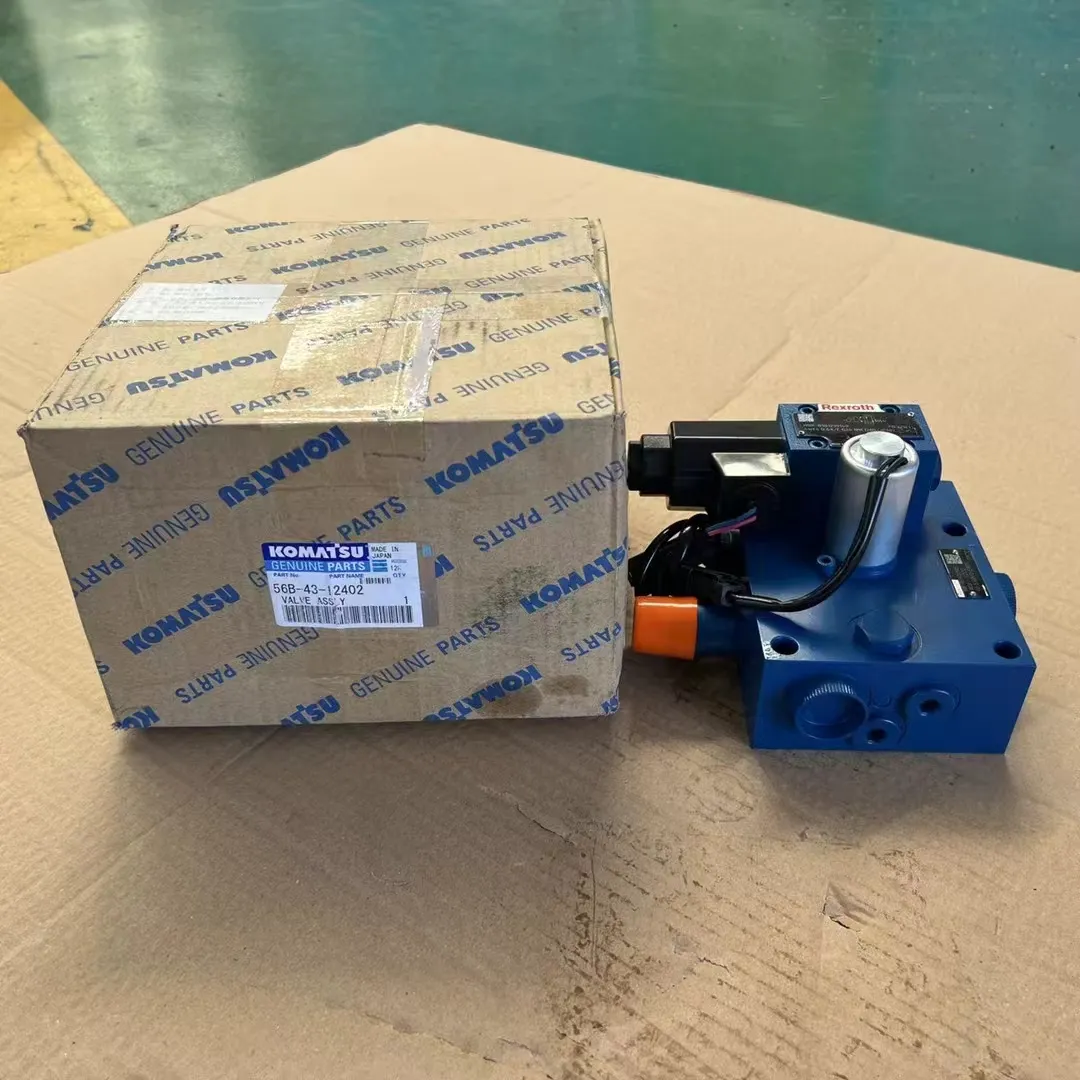 Supply Komatsu HD465-7EPC dump truck valve 56B-43-12402
 -
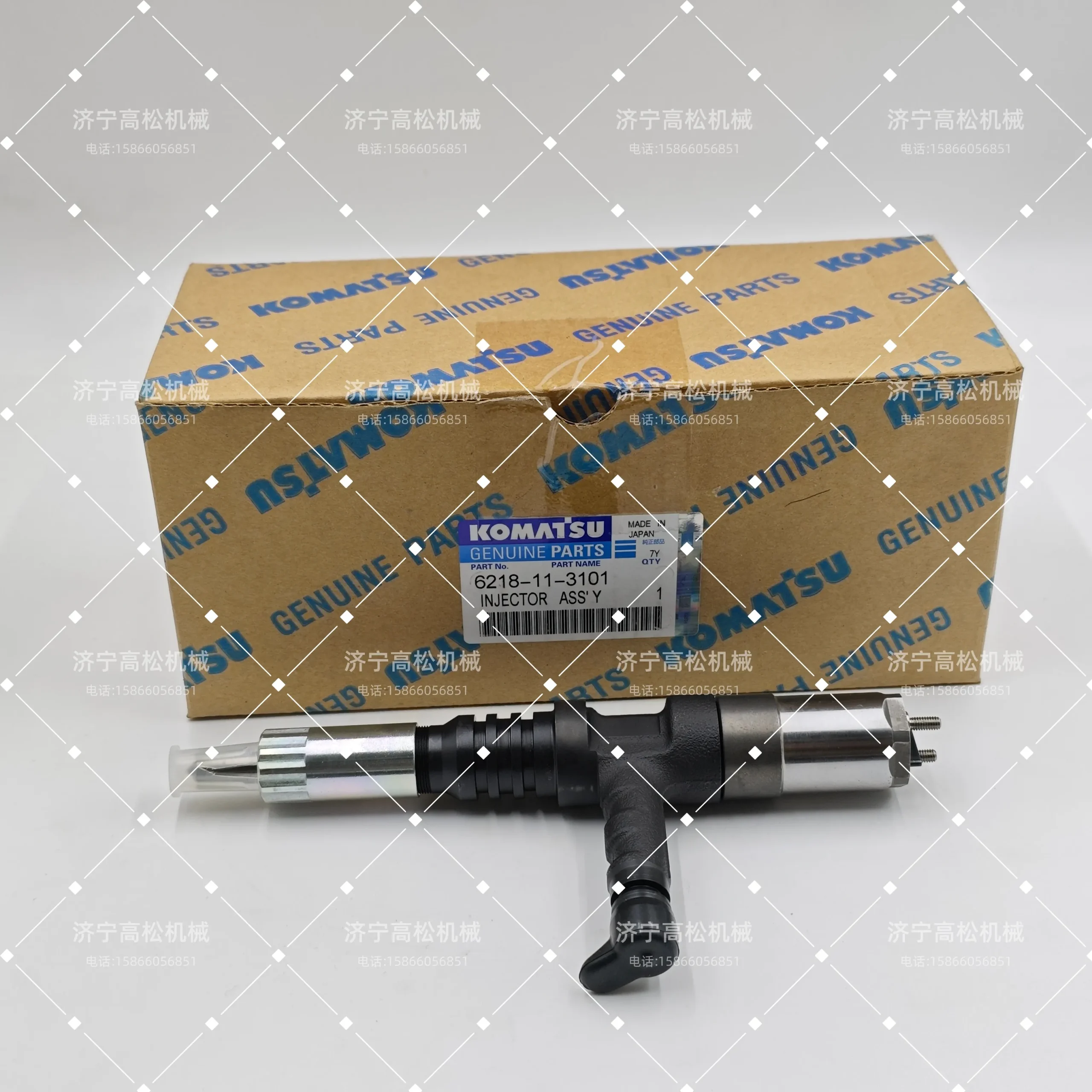 6218-11-3101 Injector Assembly
 -
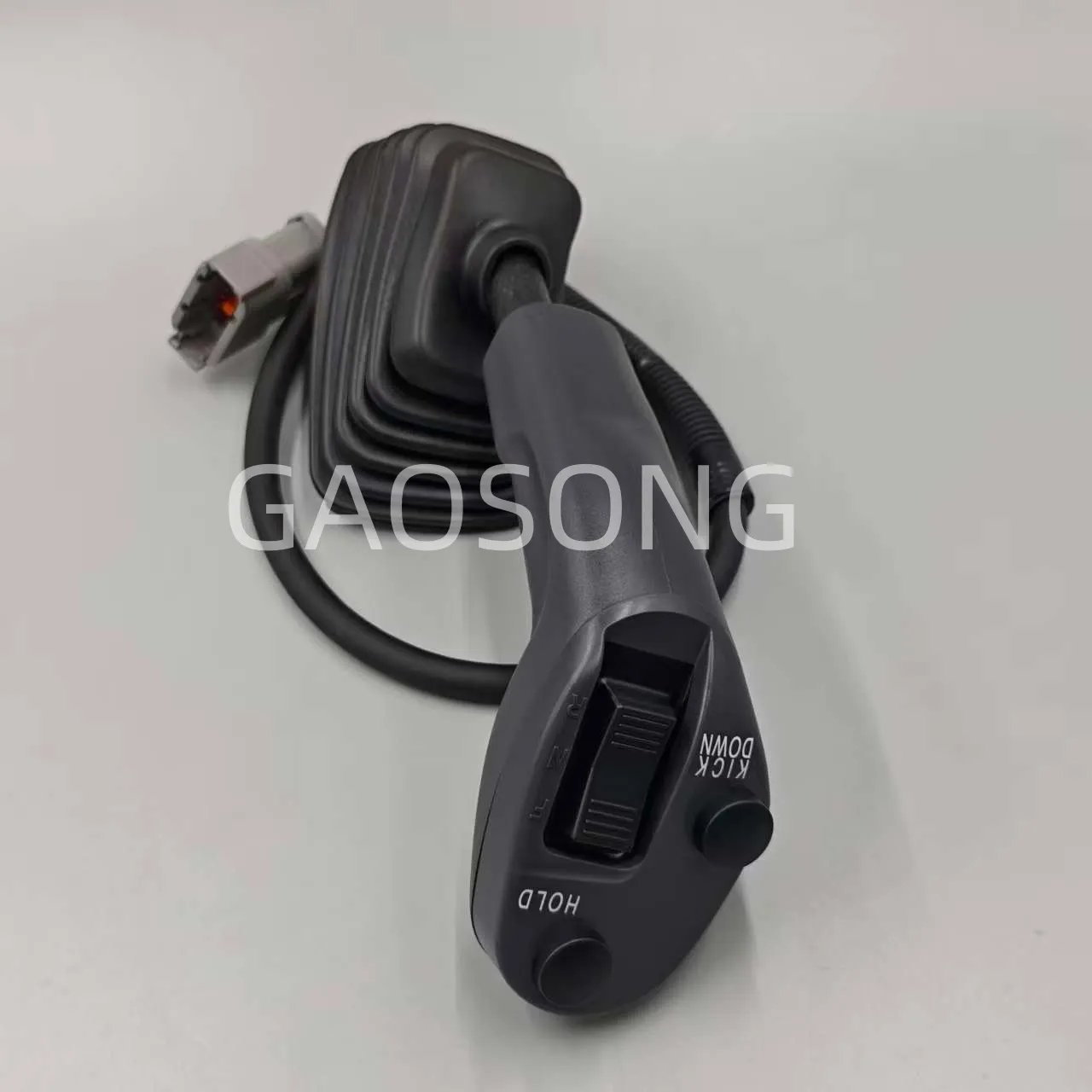 423-V91-4144 Lever Assembly-Komatsu Original Factory