
- Chinese
- French
- German
- Portuguese
- Spanish
- Russian
- Japanese
- Korean
- Arabic
- Irish
- Greek
- Turkish
- Italian
- Danish
- Romanian
- Indonesian
- Czech
- Afrikaans
- Swedish
- Polish
- Basque
- Catalan
- Esperanto
- Hindi
- Lao
- Albanian
- Amharic
- Armenian
- Azerbaijani
- Belarusian
- Bengali
- Bosnian
- Bulgarian
- Cebuano
- Chichewa
- Corsican
- Croatian
- Dutch
- Estonian
- Filipino
- Finnish
- Frisian
- Galician
- Georgian
- Gujarati
- Haitian
- Hausa
- Hawaiian
- Hebrew
- Hmong
- Hungarian
- Icelandic
- Igbo
- Javanese
- Kannada
- Kazakh
- Khmer
- Kurdish
- Kyrgyz
- Latin
- Latvian
- Lithuanian
- Luxembou..
- Macedonian
- Malagasy
- Malay
- Malayalam
- Maltese
- Maori
- Marathi
- Mongolian
- Burmese
- Nepali
- Norwegian
- Pashto
- Persian
- Punjabi
- Serbian
- Sesotho
- Sinhala
- Slovak
- Slovenian
- Somali
- Samoan
- Scots Gaelic
- Shona
- Sindhi
- Sundanese
- Swahili
- Tajik
- Tamil
- Telugu
- Thai
- Ukrainian
- Urdu
- Uzbek
- Vietnamese
- Welsh
- Xhosa
- Yiddish
- Yoruba
- Zulu
- Kinyarwanda
- Tatar
- Oriya
- Turkmen
- Uyghur






komatsu mini digger parts
When you type 'komatsu mini digger parts' into a search, you're not just looking for a pin or a seal. You're trying to keep a machine, often the backbone of a small operation, alive and earning. The immediate results? A chaotic mix. You'll see pages of generic aftermarket parts, some claiming OEM quality, and maybe a few official channels buried deep. The biggest misconception I see is the belief that all parts labeled for Komatsu are created equal. They're not. The tolerance stack-up on a cheap pump gear can cost you ten times its price in downtime. I learned this the hard way, years ago, trying to save a few bucks on a swing motor cartridge for a PC35. It lasted about 40 hours. The machine was down for a week waiting for the proper fix. That search for komatsu mini digger parts is really a search for reliability, and that path is rarely straightforward.
The OEM vs. Aftermarket Maze
Let's get into the weeds. A genuine Komatsu seal for a PC58UU-10's arm cylinder isn't just a piece of rubber. It's a compound designed for specific hydraulic fluid, temperature ranges, and pressure spikes. An aftermarket one might look identical, even feel similar, but it could swell or crack under real-world conditions. I've torn down too many cylinders where a failed aftermarket seal has scored the chromed rod—turning a $50 seal job into a $1500 rod and seal kit replacement. The official dealer network is, of course, the gold standard. But for many independent operators or workshops outside major hubs, lead times and cost can be prohibitive. That's where the landscape gets interesting.
This is where a company's positioning matters. You find entities that operate within the Komatsu ecosystem but serve a different channel. For instance, Jining Gaosong Construction Machinery Co., Ltd. presents a specific model. They note they are an OEM product supplier within the Komatsu system and act as a third-party sales channel. In practice, this often means they supply components that are manufactured to Komatsu's original specifications and drawings—true OEM parts—but are distributed through alternative pipelines to address supply gaps in certain regions. It's a crucial distinction from a pure aftermarket manufacturer. Finding their portal at https://www.takematsumachinery.com can be a solution for those facing genuine parts shortages through local dealers.
However, OEM supplier needs verification. It's not just about having a logo on a website. The proof is in the packaging, the part numbering, and most importantly, the fit and performance. I always advise checking for traceability: a proper Komatsu part number, batch codes, and material certifications. A reliable supplier in this space won't hesitate to provide some level of documentation. The parts from such a source should drop into a PC30, PC45, or PC78 without modification and perform for the expected service life. If you're getting pushback on basic specs, walk away.
Common Failure Points on Mini Machines
Mini excavators work hard for their size, and stress concentrates on specific components. Through the years, certain parts come up again and again. Undercarriage components for compact machines like the PC35MR-5 or PC50UU-2 are a constant battle, especially in abrasive conditions. Sprockets, idlers, and rollers from non-OEM sources often have inferior hardness profiles. They wear out 30-40% faster, throwing track alignment off and causing cascading damage.
Then there's the hydraulic system. The main control valve on these machines is a complex piece of kit. Seeking individual spools, springs, or seals as komatsu mini digger parts is common. Here, precision is non-negotiable. I once tried a valve repair kit from a well-known aftermarket brand. The machine moved, but the fine control was gone—it was jerky. The metering edges in the replacement spools were simply not machined to the same profile. We had to source a genuine Komatsu seal and spool kit to restore proper function. The lesson was that for hydraulic control, you almost always pay the OEM price, one way or another.
Another sneaky one is electrical components. Sensors for engine RPM, hydraulic temperature, or pressure switches. Aftermarket versions can have different resistance values or activation points, leading to phantom error codes or, worse, a failure to trigger a critical warning. It's frustrating to chase an electrical gremlin only to find it was a $20 sensor equivalent that wasn't equivalent at all.
The Sourcing Reality in the Field
On a Tuesday afternoon with a machine down, theory goes out the window. You need a part. The local dealer might be a two-day wait. Your phone or search becomes your lifeline. This is where relationships with specialized suppliers become tangible. You're not just browsing a catalog; you're calling someone who knows that the PC138US-10's joystick controller is different from the PC138USLC-10's, and has the correct part number in stock.
A platform like https://www.takematsumachinery.com from Jining Gaosong represents this kind of channel. Their stated goal of solving parts supply challenges in certain countries rings true for many contractors in regions where official distribution is thin. The value isn't just in having the part, but in having the correct OEM-spec part for your specific serial number range. I've used similar channels for older models, like the PC120-6, where dealer stock has dried up. The process is less polished than a main dealer, often involving direct emails or calls to confirm cross-references, but it gets the genuine component to your yard.
It requires a bit of diligence from your end. Always have your machine model and serial number ready. Don't just ask for a pump for a PC50. Specify if it's the PC50MR-2 or PC50UU-2. The devil is in these details. A good supplier will ask these questions. If they don't, be wary.
Cost vs. Value: A Practical Calculation
The upfront price difference between a genuine/OEM-spec part and a generic aftermarket one can be significant, sometimes 50% or more. It's tempting. But the calculation has to be total cost of ownership. Let's take a final drive assembly for a PC75UU-2. A genuine one might run $4,500. A competitive aftermarket unit might be $2,200.
However, if the aftermarket unit fails in 1,200 hours (and I've seen it happen) and takes out the mounting flange due to seal failure, your repair bill just ballooned. You're paying for the new aftermarket unit plus the labor and ancillary damage. The genuine unit, properly maintained, should last 3,000+ hours in similar duty. Suddenly, the cost-per-hour looks completely different. For non-critical, wear-and-tear items like bucket teeth or standard hoses, aftermarket can make sense. For core rotational components—pumps, motors, final drives—the risk rarely justifies the savings.
This is the core judgment call you make when sourcing komatsu mini digger parts. It's not dogma; it's economics. A supplier offering OEM-spec parts at a point between dealer-list and rock-bottom aftermarket prices is often targeting this value-conscious but risk-averse segment. They're providing an alternative to the dealer, not to the cheapest importer.
Final Thoughts on Navigating the Market
So, what's the takeaway for someone knee-deep in hydraulic oil and part numbers? First, know your machine's critical systems. Second, build a tiered supplier list. Your first call should be your local Komatsu dealer for warranty or critical components. For older machines or urgent needs where the dealer can't help, having a verified secondary source for OEM-spec parts is invaluable. A company like Jining Gaosong, operating as a third-party sales company within the Komatsu system, fits into this niche.
Always verify. Ask for previous shipping references to your country, request material certs for critical components, and start with a smaller, non-critical order to test the waters. The website is just a front; the real test is the communication and the product that arrives in a crate.
Ultimately, searching for parts is part of the job. It's a puzzle of specifications, logistics, and trust. The goal isn't just to find a part, but to find the right part that gets your Komatsu mini digger back to work, reliably, for the long haul. And that usually means looking beyond the first page of search results and understanding the layers of the supply chain that keep these machines running.
Related Products
Related Products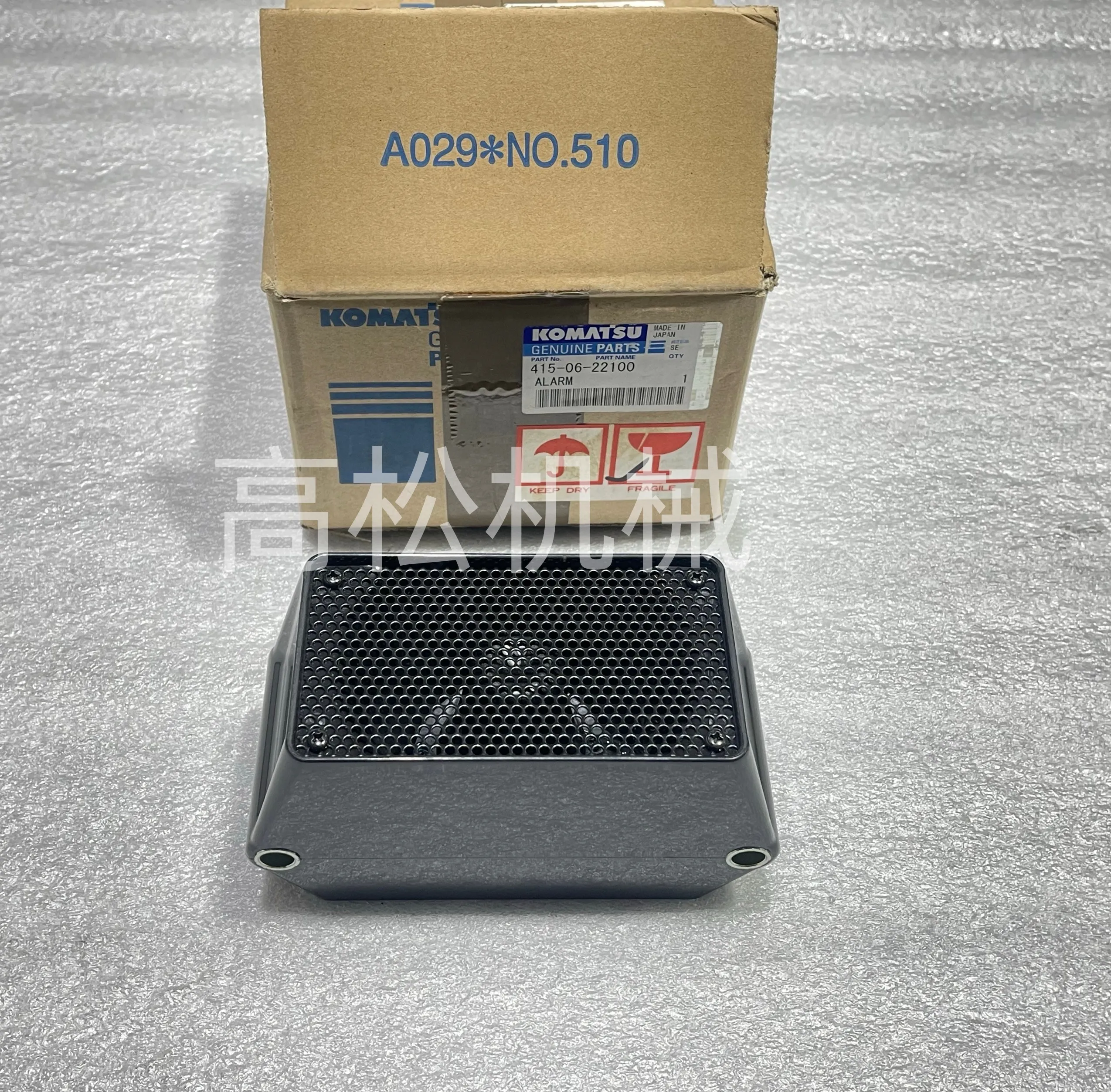
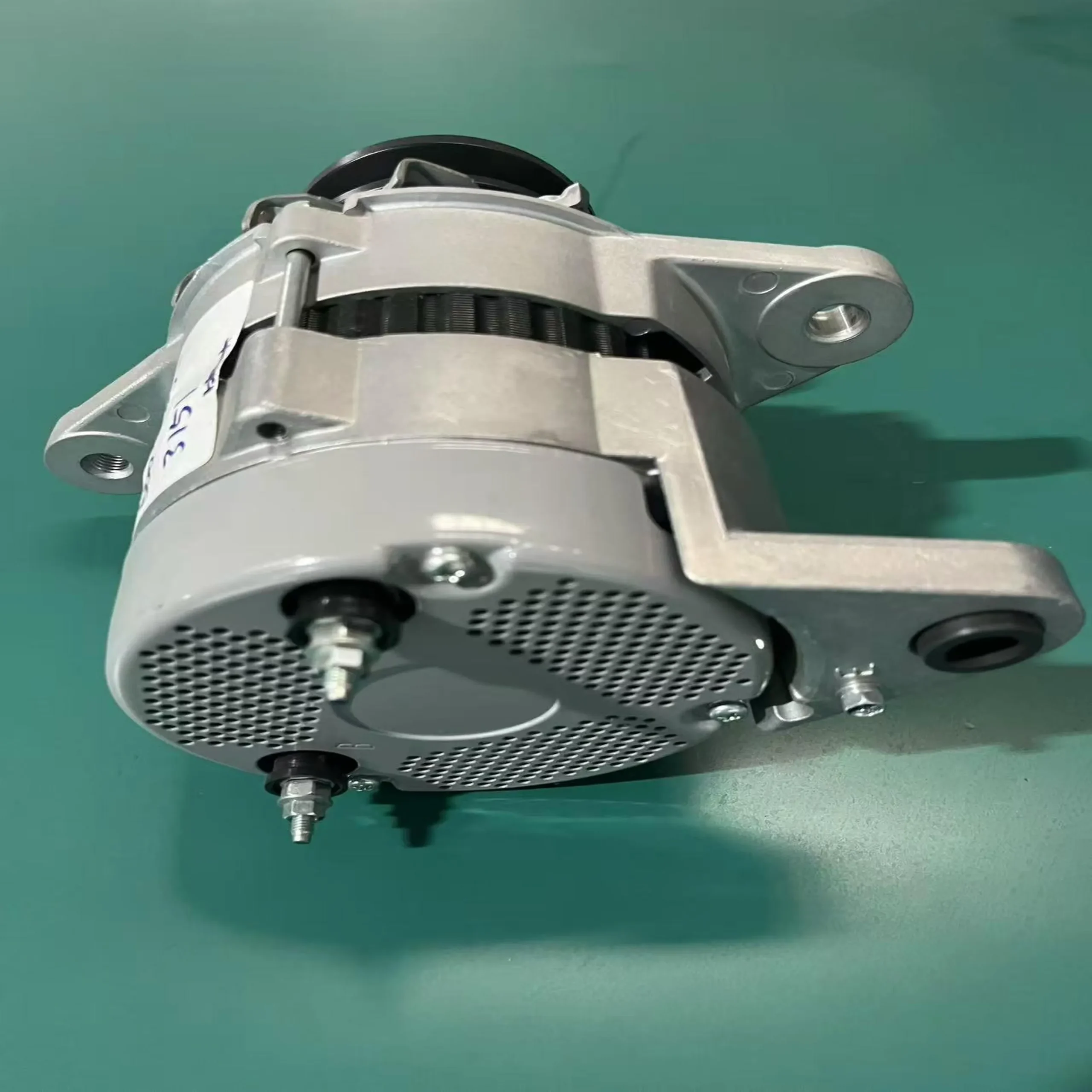
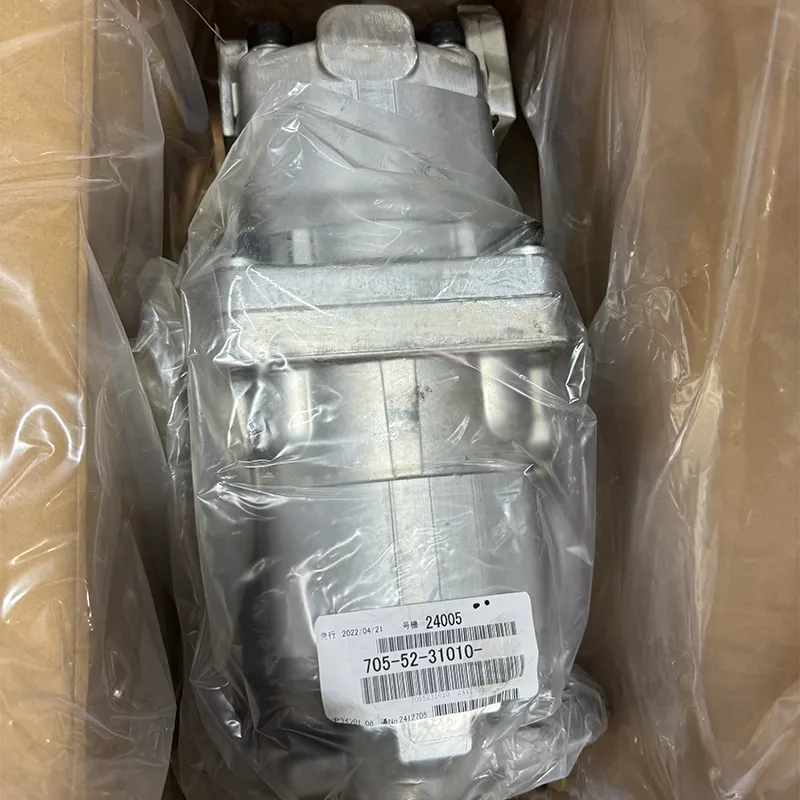
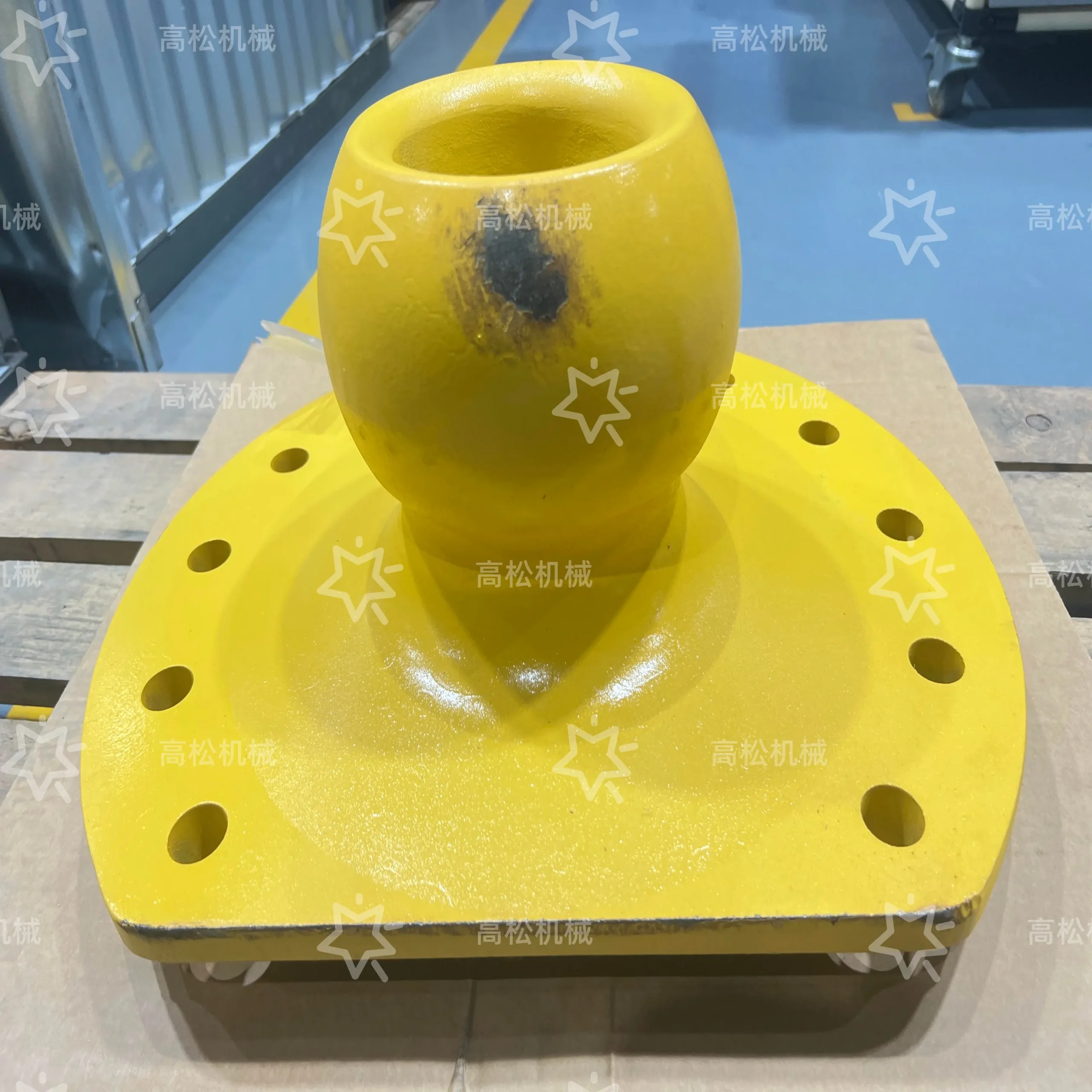

Best Selling Products
Best Selling Products-
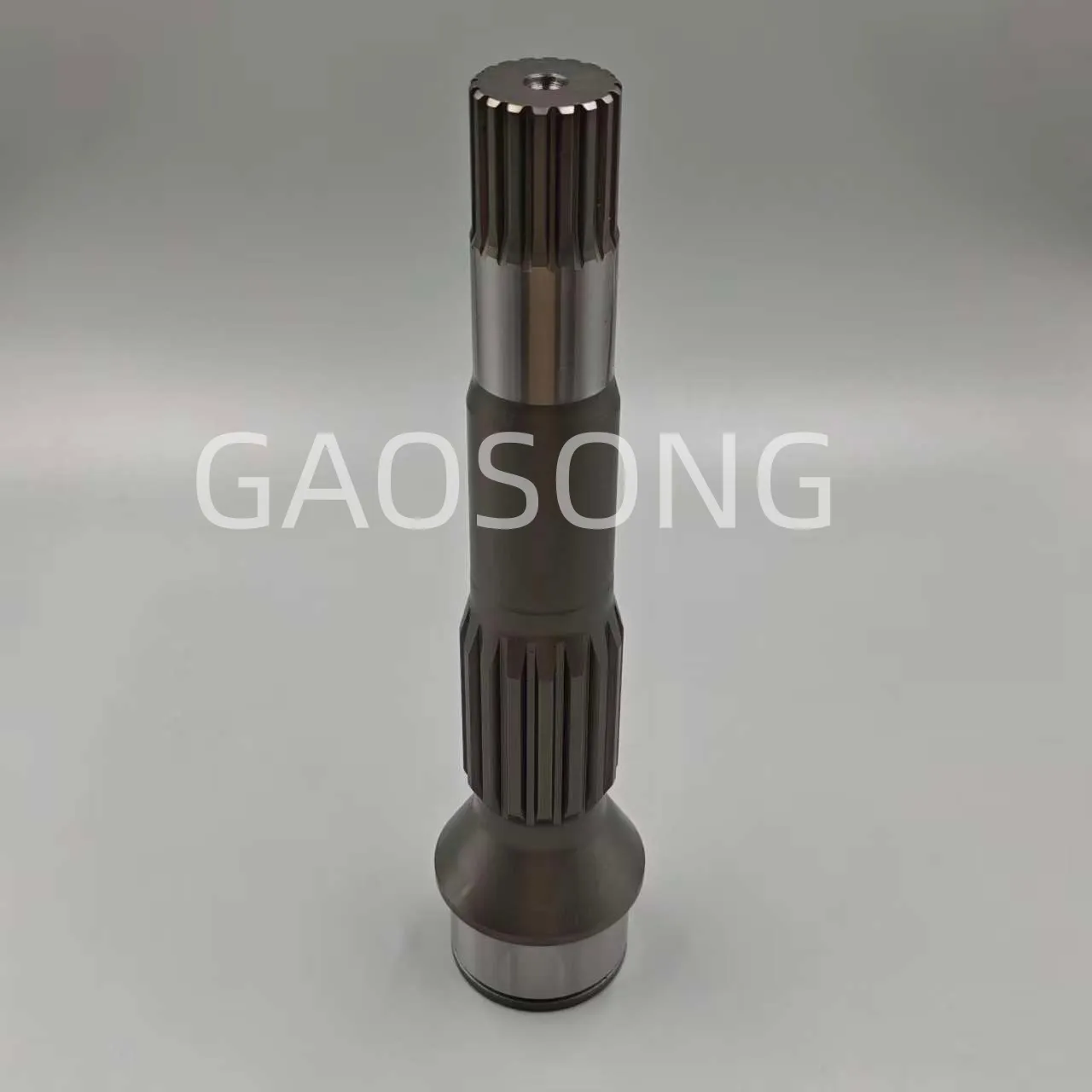 708-2G-12121 •• SHAFT-Komatsu Original Factory
 -
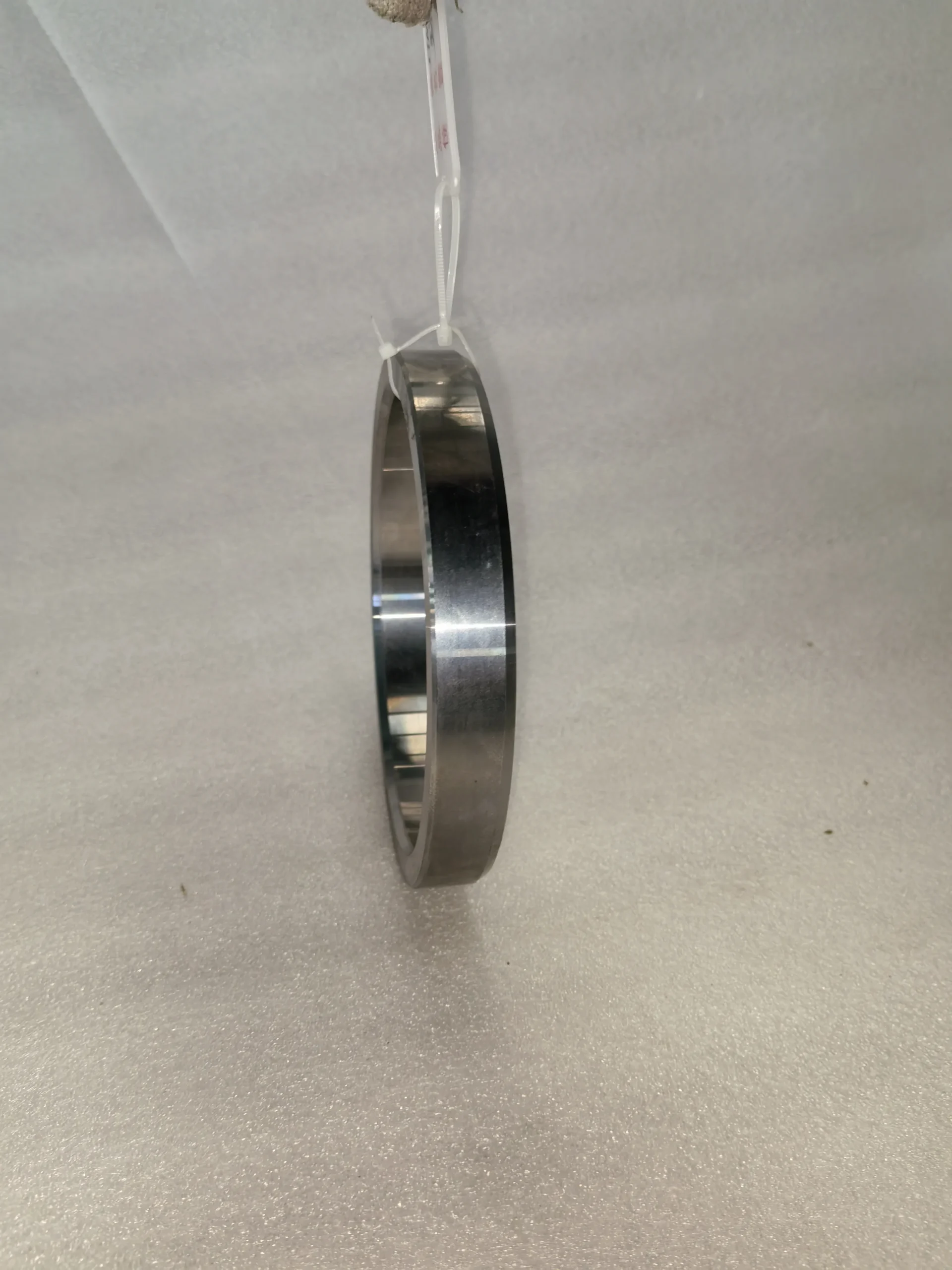 17m5041170-RING-Komatsu Original Factory
 -
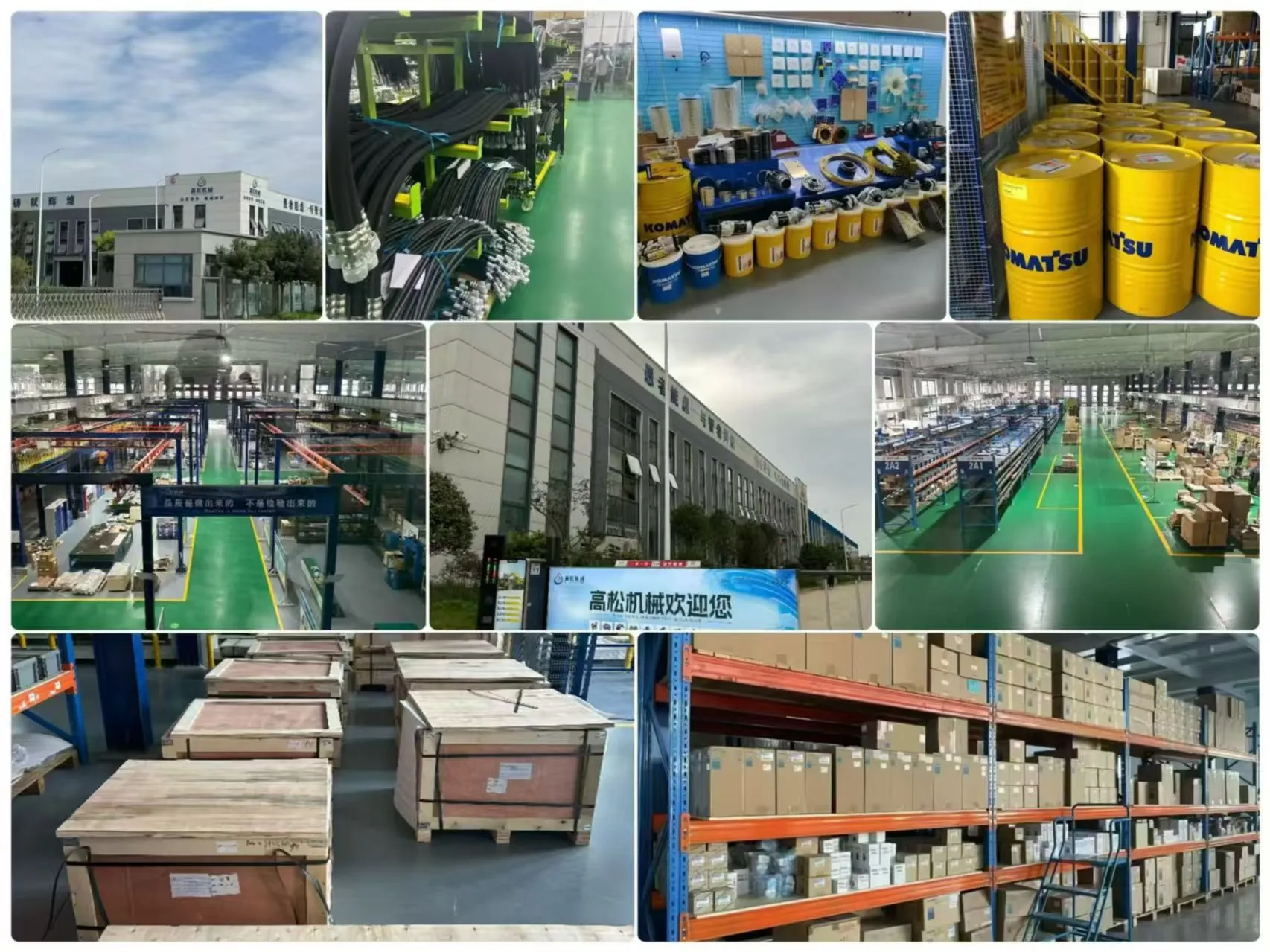 CORE ASSEMBLY 6506-21-5921, myKomatsu
 -
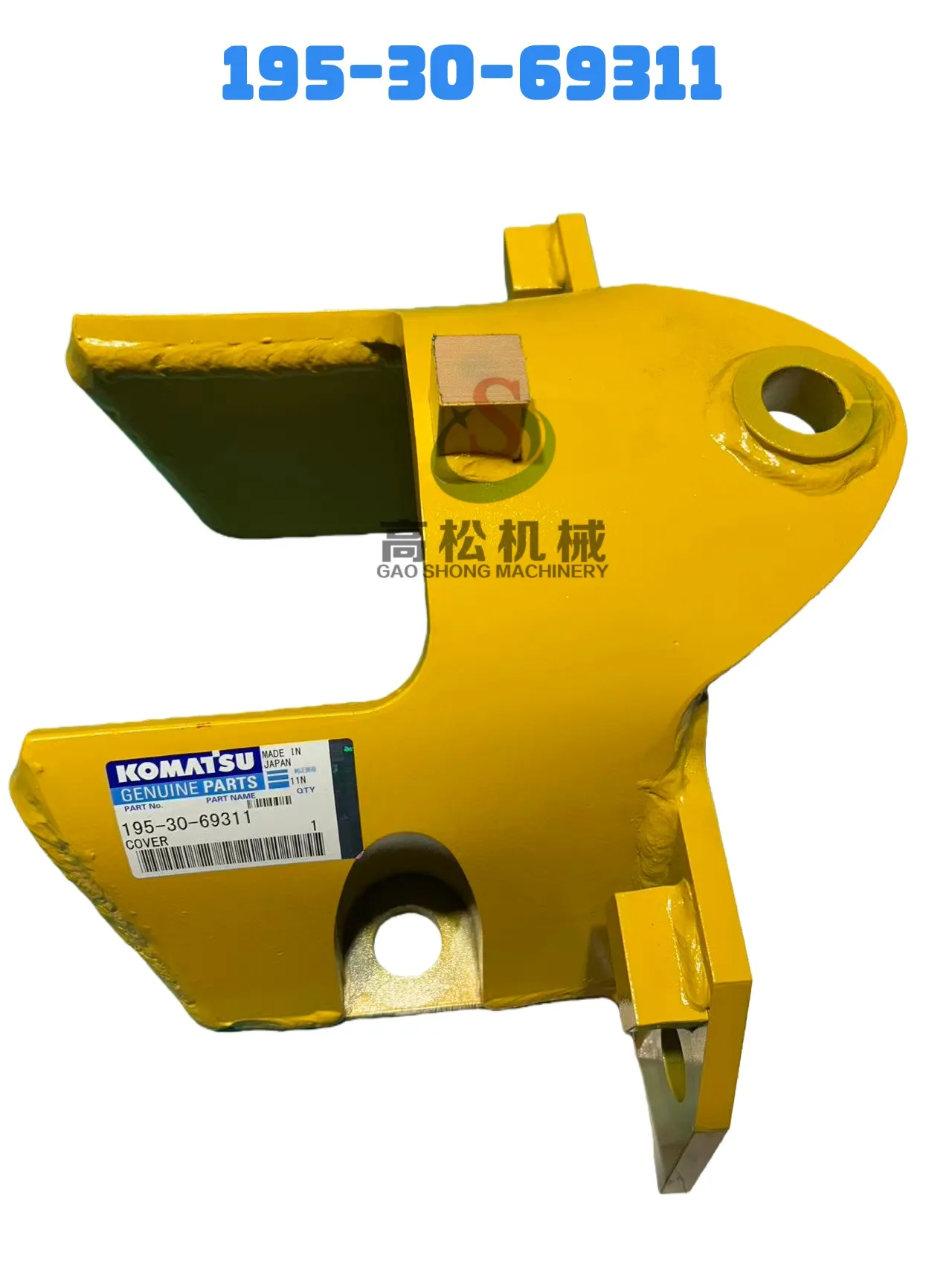 komatsu parts195-30-69311 COVER D375A-5 D375A-6 D375AI-8 D375A-8E0 TRACK FRAME
 -
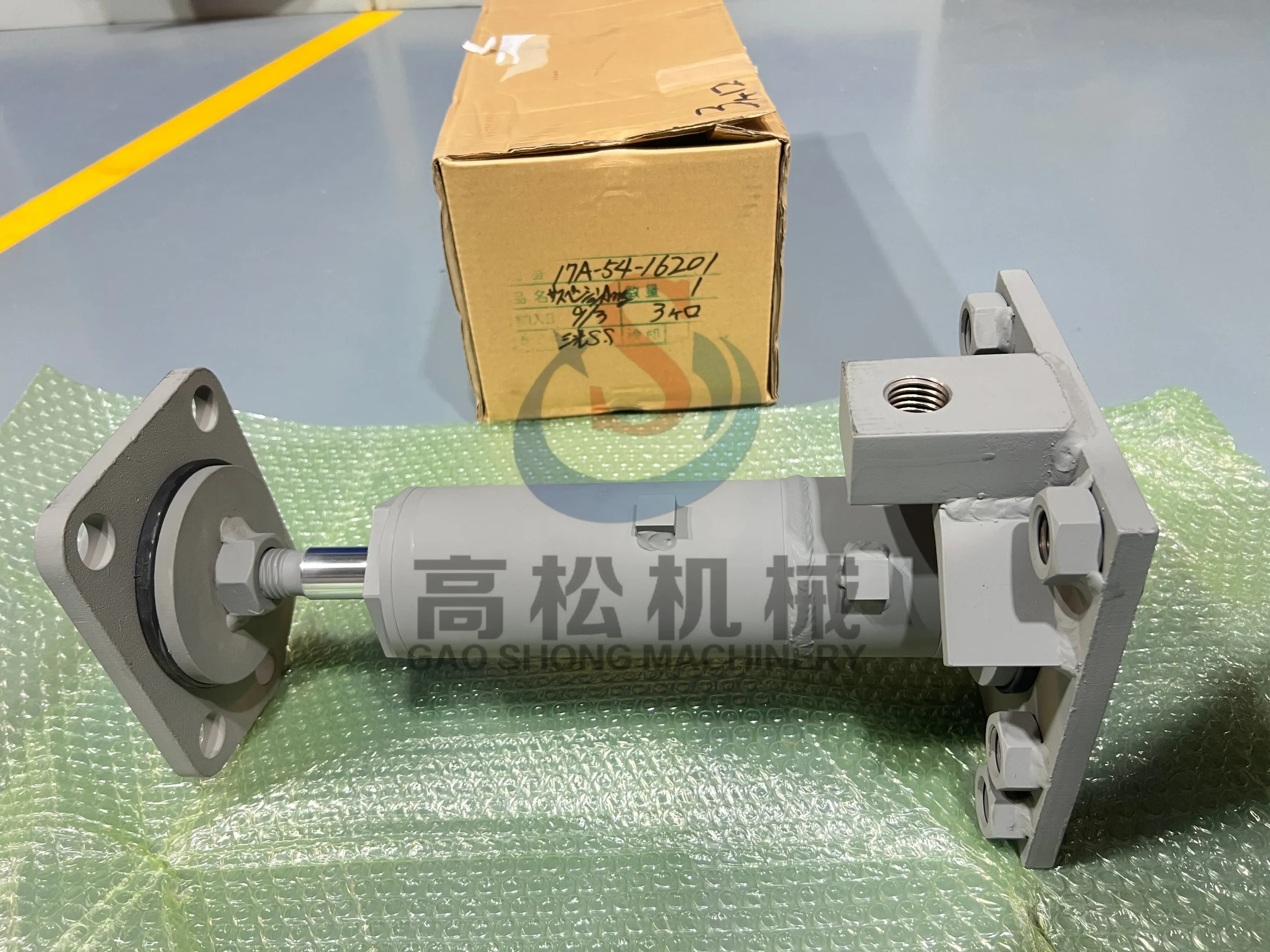 SUSPENSION ASS’Y 17A-54-16201 – KOMATSU
 -
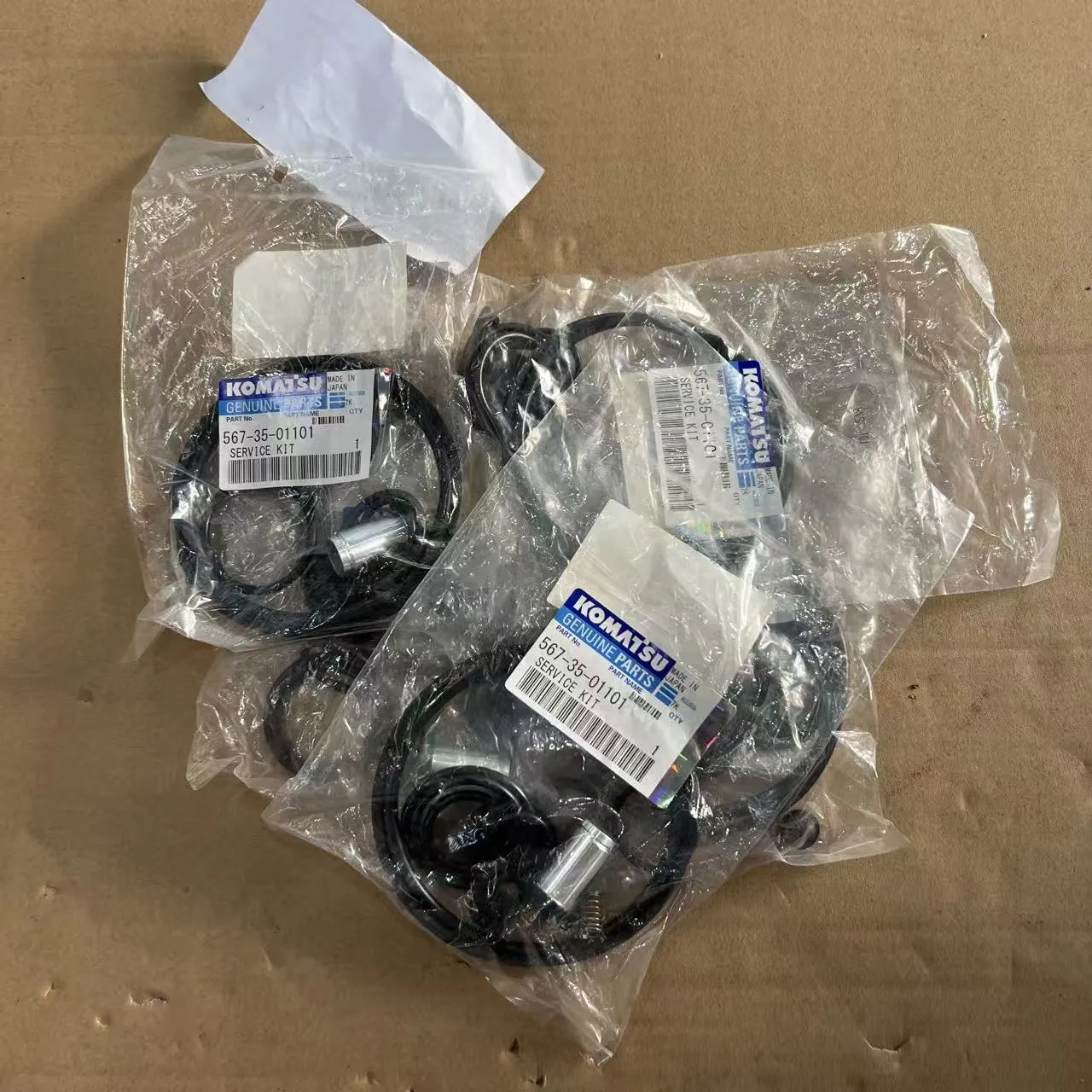 Komatsu 567-35-01101 Service Kit
 -
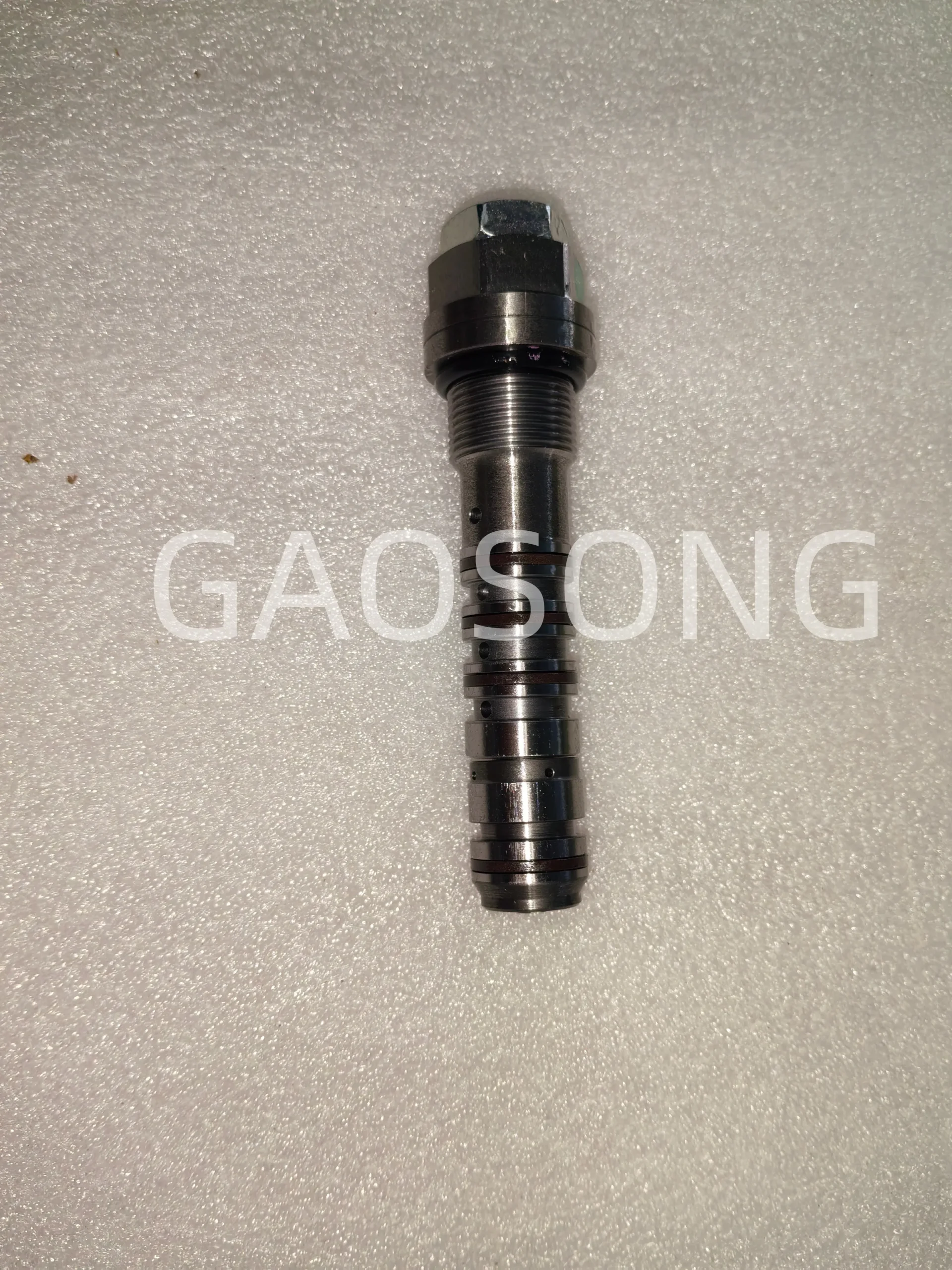 708-2G-03720 • Valve Assembly-Komatsu Original Factory
 -
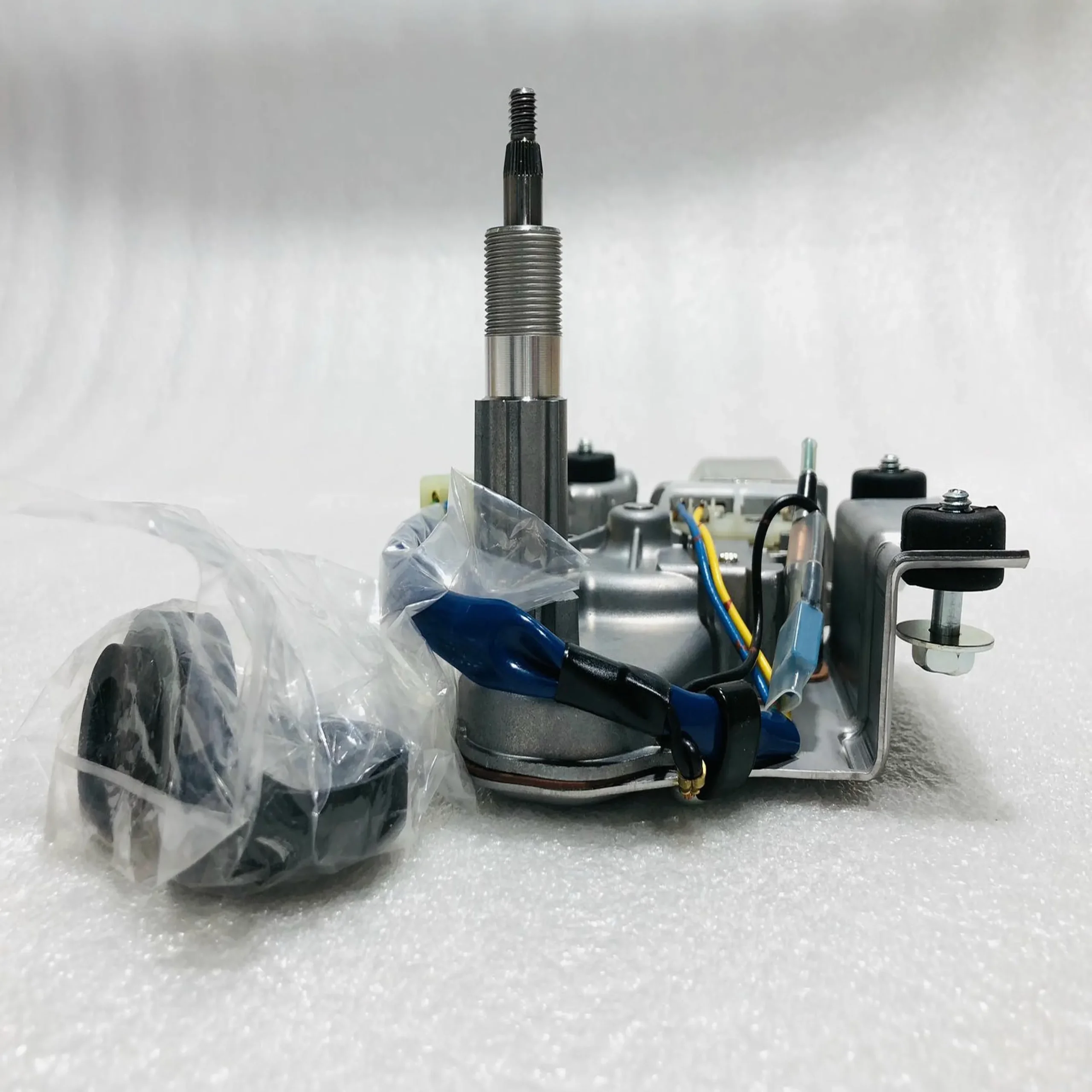 Komatsu grader GD555 wiper motor 42C-56-11391
 -
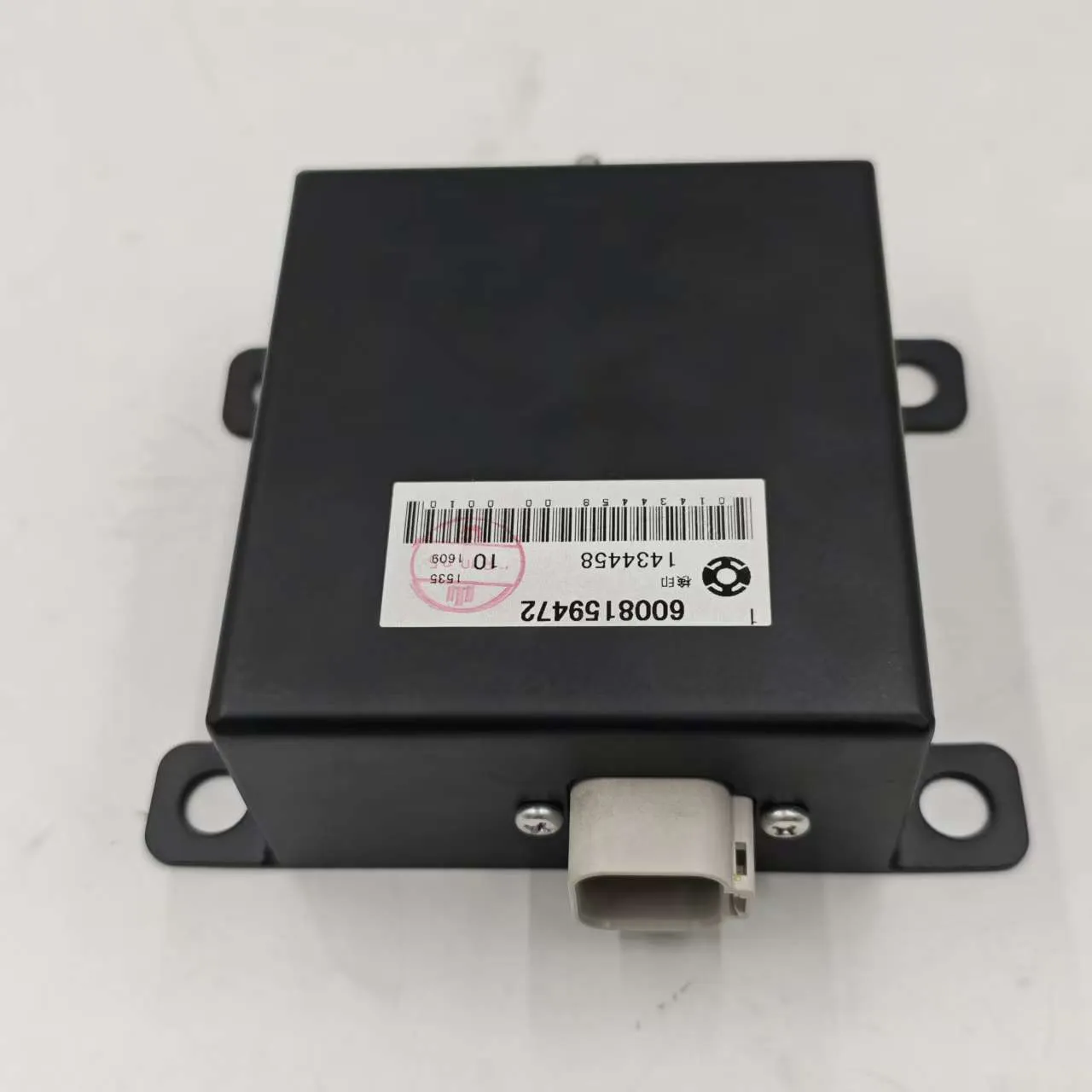 Switch 600-815-9472 HD785 Dump Truck Spare Parts
 -
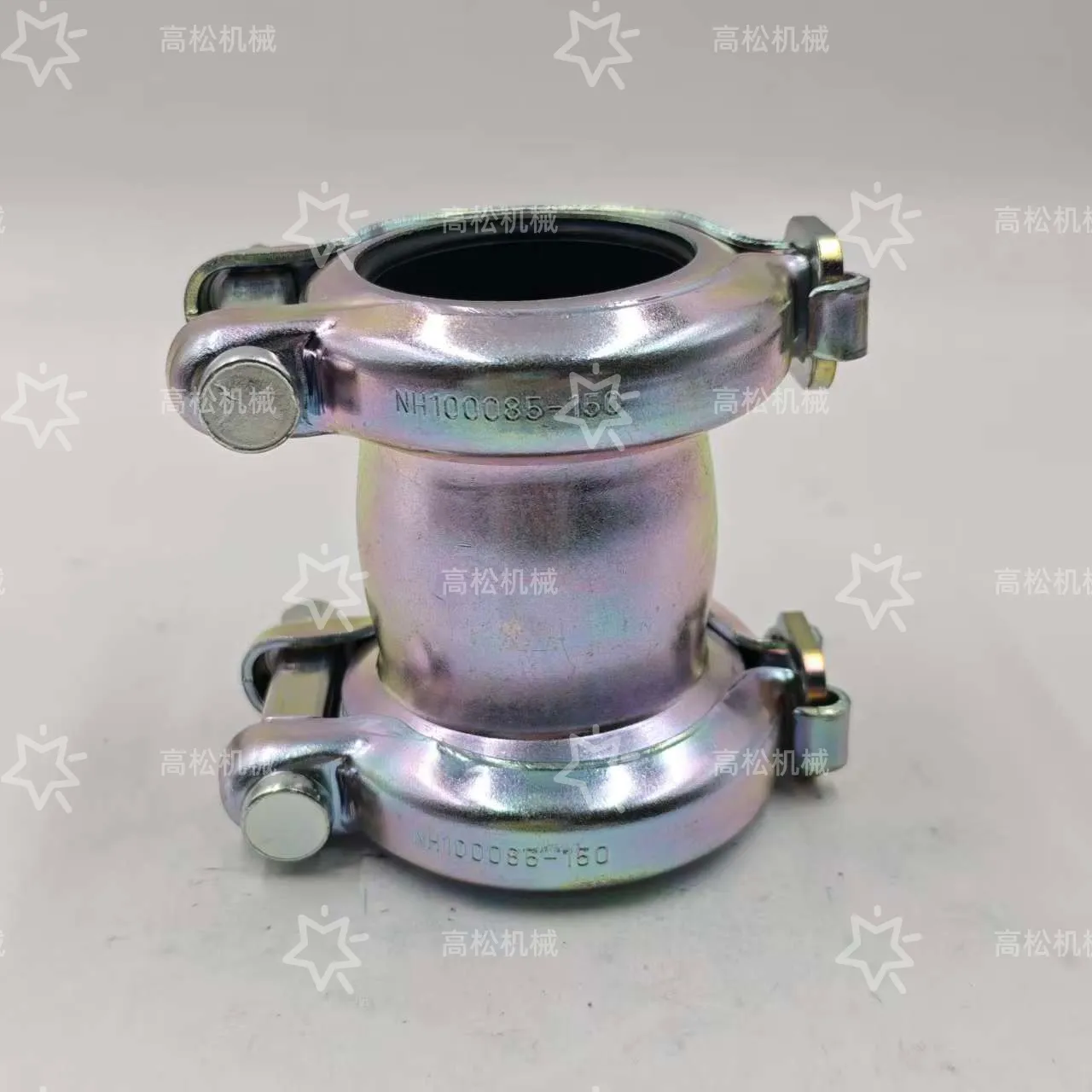 07332-01400 COUPLING for HD465 HD605 HD785 Bulldozer
 -
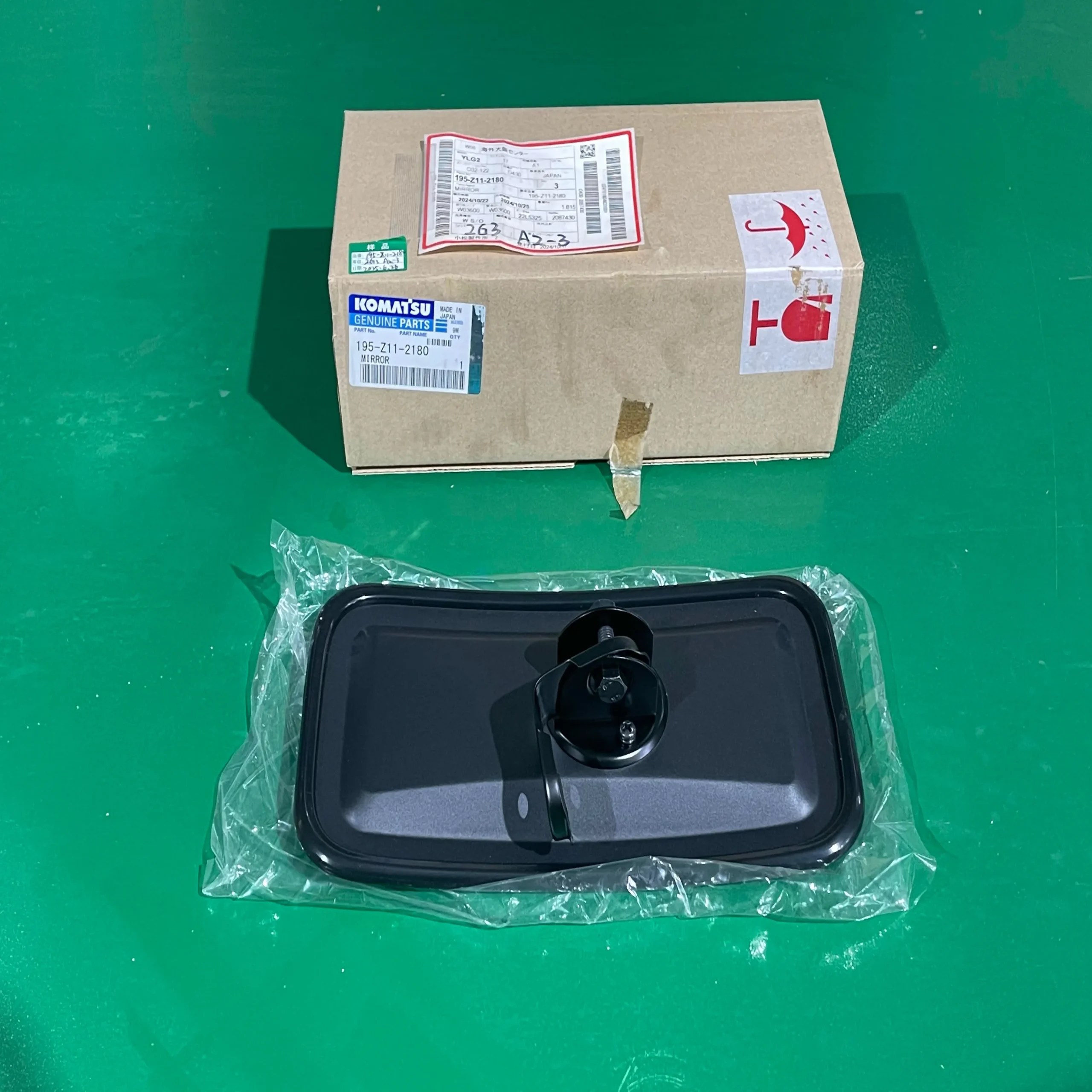 Komatsu bulldozer rearview mirror 195-Z11-2180
 -
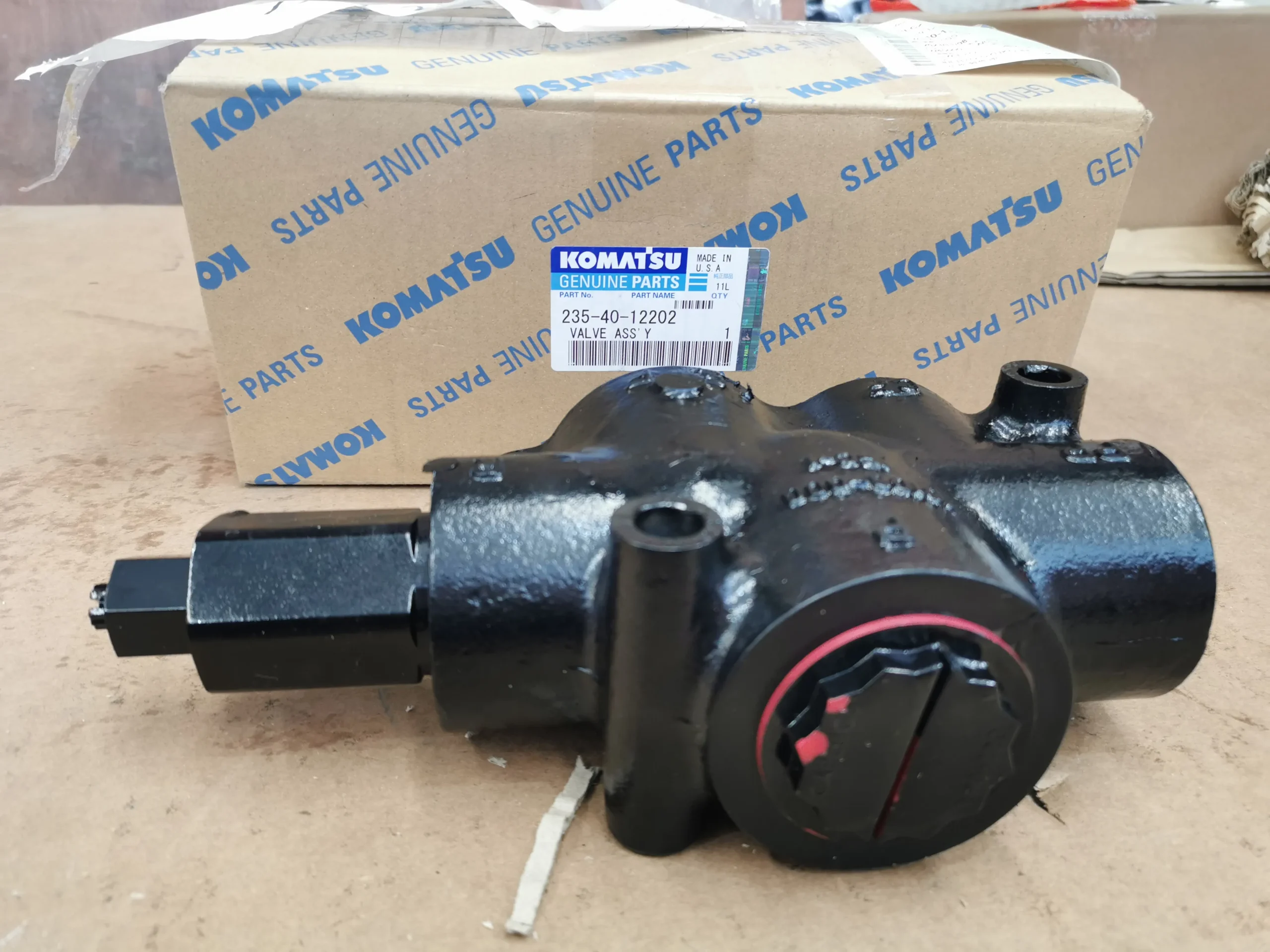 GD825A-2 valve assembly 235-40-12202