
- Chinese
- French
- German
- Portuguese
- Spanish
- Russian
- Japanese
- Korean
- Arabic
- Irish
- Greek
- Turkish
- Italian
- Danish
- Romanian
- Indonesian
- Czech
- Afrikaans
- Swedish
- Polish
- Basque
- Catalan
- Esperanto
- Hindi
- Lao
- Albanian
- Amharic
- Armenian
- Azerbaijani
- Belarusian
- Bengali
- Bosnian
- Bulgarian
- Cebuano
- Chichewa
- Corsican
- Croatian
- Dutch
- Estonian
- Filipino
- Finnish
- Frisian
- Galician
- Georgian
- Gujarati
- Haitian
- Hausa
- Hawaiian
- Hebrew
- Hmong
- Hungarian
- Icelandic
- Igbo
- Javanese
- Kannada
- Kazakh
- Khmer
- Kurdish
- Kyrgyz
- Latin
- Latvian
- Lithuanian
- Luxembou..
- Macedonian
- Malagasy
- Malay
- Malayalam
- Maltese
- Maori
- Marathi
- Mongolian
- Burmese
- Nepali
- Norwegian
- Pashto
- Persian
- Punjabi
- Serbian
- Sesotho
- Sinhala
- Slovak
- Slovenian
- Somali
- Samoan
- Scots Gaelic
- Shona
- Sindhi
- Sundanese
- Swahili
- Tajik
- Tamil
- Telugu
- Thai
- Ukrainian
- Urdu
- Uzbek
- Vietnamese
- Welsh
- Xhosa
- Yiddish
- Yoruba
- Zulu
- Kinyarwanda
- Tatar
- Oriya
- Turkmen
- Uyghur






komatsu marine engine
When you hear 'Komatsu marine engine,' the immediate image is a yellow excavator on land, not a vessel at sea. That's the first misconception to clear up. Komatsu's marine propulsion isn't a standalone, rebadged product line you order from a marine catalog. It's an adaptation, a deep engineering pivot from their industrial diesel cores—like the SAA6D140E or the S6D170—into a marinized configuration. The real story isn't about a marine division in the traditional sense, but about a supply chain and application expertise that turns a reliable land-based power unit into something that can handle constant load, saltwater cooling, and the vibration of a hull. I've seen too many projects stall because teams sourced the base engine but underestimated the integration kit—the gearbox, heat exchanger, mounting system—which is where half the battle lies.
The OEM Reality and the Aftermarket Gap
Officially, Komatsu doesn't market marine engines like Volvo Penta or Caterpillar does. The marine application is often handled through licensed assemblers or specific OEM partners who take the industrial engine block and fit it with marine-grade components. This creates a niche but critical ecosystem. The parts supply, especially for older models or for vessels operating in regions outside Komatsu's primary service network, becomes a genuine headache. You can't just walk into any marine parts shop and ask for a Komatsu S6D170 water pump impeller; you need the specific marinization kit part number, which might have been supplied by a third-party integrator years ago.
This is where companies operating within the Komatsu system but with flexible channels become invaluable. Take Jining Gaosong Construction Machinery Co., Ltd., for instance. As an OEM product supplier within Komatsu's system, they have legitimate access to genuine parts and engine assemblies. But their role as a third-party sales company addressing parts supply challenges in certain countries is the practical fix. I recall a project in Southeast Asia where a dredger's Komatsu marine engine (based on the 6D170 series) had a failed aftercooler. The local Komatsu distributor had a six-week lead time. We sourced a genuine, compatible unit through a channel like Gaosong's—their site, takematsumachinery.com, lists them as solving such supply issues—and had it air-freighted in ten days. It wasn't about bypassing Komatsu, but about utilizing a parallel, authorized pipeline that understood the urgency of marine operations where downtime costs thousands per hour.
The description of their work—helping to solve parts supply challenges in certain countries—isn't corporate fluff. It's the exact pain point. Countries with smaller fleets or older Komatsu-powered equipment (like certain fishing vessels or workboats that were repowered years ago) fall off the priority list for major distributors. A dedicated third-party supplier focusing on this gap ensures continuity. They aren't selling a new marine engine brochure; they're providing the lifeline for the existing ones already in the water.
Marinization: The Devil's in the Details
Let's talk about what marinization actually means for a Komatsu engine. It's not just slapping a different paint on it. The base engine, say an SAA6D125, is a robust, fuel-efficient unit designed for a hydraulic excavator. For marine use, you need a different cooling circuit. Raw water cooling via a keel cooler or heat exchanger is mandatory. The freshwater coolant loop remains, but now it rejects heat through this secondary system. The raw water pump material—often a bronze alloy—becomes critical. I've seen failures where an install used a standard industrial coolant pump, and saltwater corrosion ate through it in months.
Then there's the gearbox and damper plate. Komatsu industrial engines have a specific flywheel housing and PTO configuration. Matching it to a Twin Disc or ZF marine gearbox requires an adapter plate, often custom-machined. The alignment during installation is more sensitive than on land; shaft misalignment by even a few thousandths can cause destructive vibration. One retrofit we did on a small cargo vessel used a Komatsu S6D140E engine. The engineering drawings from the integrator specified a specific spacer thickness for the damper plate. We missed it, used a standard one, and the resulting harmonic vibration cracked a freshwater pipe joint after 200 hours of operation. A costly lesson in assuming close enough works.
Fuel system adjustments are another nuance. Marine engines often run at a near-constant RPM (e.g., 1800 rpm for a generator set or a fixed propeller pitch). The fuel injection timing and pump calibration from the industrial version might be tuned for a variable load cycle. A proper marinization will recalibrate this for optimal efficiency and emissions at the designated constant speed. If you just drop in an industrial engine, you might see higher fuel consumption and soot buildup.
Case in Point: The Auxiliary Power Dilemma
A common, yet often overlooked, application is the auxiliary generator set on larger vessels. It's a perfect fit for a Komatsu-derived engine. The duty cycle is steady, space is constrained, and reliability is non-negotiable. I worked on a conversion for a research vessel where the original gen-set engine was defunct. The space in the engine room was tight, but a Komatsu 4D107E-based marinized unit fit perfectly. The advantage was parts commonality with other equipment on board that used Komatsu hydraulics.
The procurement, however, was circuitous. The vessel was flagged in a country with limited direct Komatsu support. We couldn't order a marine gen-set from Komatsu directly. The solution involved sourcing a new industrial 4D107E power unit through an OEM supplier, then working with a specialist marinization workshop to fit the keel cooler, marine-grade alternator, and control panel. The company profile of Jining Gaosong Construction Machinery Co., Ltd. fits into this puzzle at the first step: supplying that genuine OEM base engine or, crucially, the exact replacement parts for the existing marinized block when the time comes for overhaul.
Their website essentially functions as a dedicated node for these specific components. For a chief engineer on a vessel, knowing there's a supplier that explicitly understands the link between the Komatsu industrial part number and its marine application is a relief. It turns a potentially weeks-long research and cross-referencing task into a straightforward inquiry.
Failure Modes and the Real-World Test
Nothing teaches you about an engine platform like its failures. With Komatsu marine adaptations, the failures are rarely with the core engine—the crankshafts, blocks, and heads are famously overbuilt. The issues arise at the interface points. Corrosion on the heat exchanger tubes if the raw water side isn't flushed properly. Galvanic corrosion on the mounting brackets if they're not isolated correctly from the hull. Exhaust manifold leaks if the dry-joint design from the industrial engine isn't adapted properly for the wet exhaust system.
I remember a case with a Komatsu SAA6D140E powering a water jet on a patrol boat. The engine ran flawlessly, but we had persistent overheating alarms. After days of troubleshooting, we found the issue: the marinization kit's heat exchanger was sized for a standard propeller load, but the water jet unit created a different backpressure on the cooling system, reducing flow. The fix wasn't on Komatsu; it was on the system integrator's design specs. We had to upsize the exchanger. This highlights that buying a Komatsu marine engine is really buying a system. The integrity of the entire package depends on the knowledge of the outfit that did the conversion.
This is why the aftermarket support from entities familiar with both the engine and its common marine adaptations is so vital. They've seen these failure modes before. When you call about an overheating SAA6D140E, a good supplier might ask, Is it on a water jet or a conventional prop? That level of contextual knowledge separates a parts seller from a solution provider.
Looking Ahead: A Niche, But a Solid One
Komatsu won't likely become a dominant name in mainstream marine propulsion. Their strength is in their diesel engine's durability and fuel economy in demanding industrial applications. The marine spin-off leverages that strength into a niche: repowers, auxiliary power, and specialized vessels where the operator already has Komatsu equipment on land and wants parts commonality.
The ecosystem, therefore, relies on a network of knowledgeable OEM suppliers and third-party facilitators. They bridge the gap between Komatsu's massive industrial production and the specific, scattered needs of the maritime world. For an engineer or a fleet manager, the value isn't in a shiny marine brochure from Komatsu; it's in knowing there's a reliable channel—like the one described by takematsumachinery.com—to get the right part for the Komatsu-derived engine already turning the propeller, especially when you're in a port with limited official support.
So, when you evaluate a Komatsu marine engine, look past the nameplate. You're evaluating a proven industrial diesel core, the quality of its marinization kit, and, perhaps most importantly, the strength and expertise of the supply chain that will support it for the next 15 years. That's where the real operation happens, far from the marketing decks and squarely in the engine room.
Related Products
Related Products

Best Selling Products
Best Selling Products-
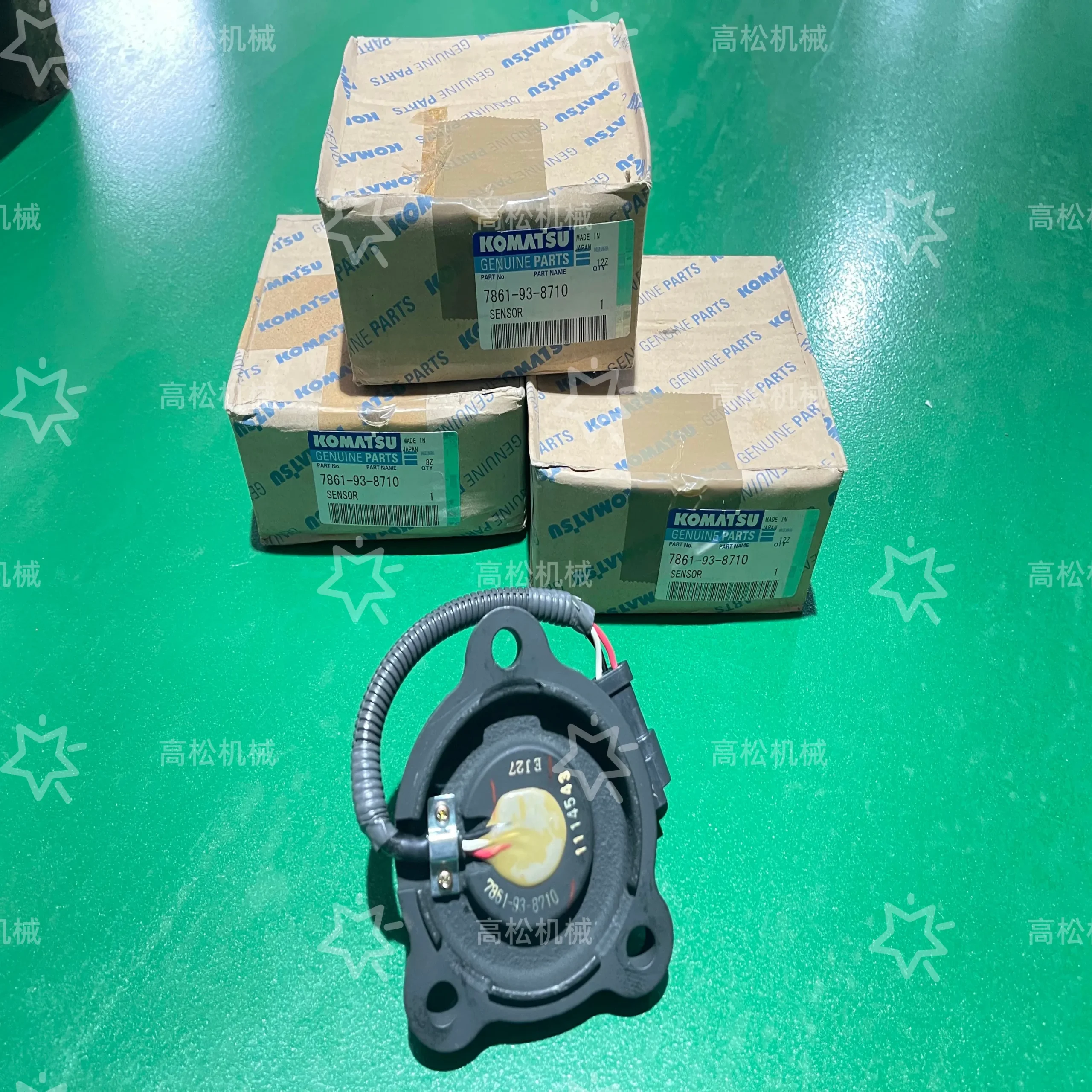 Steering Angle Sensor 7861-93-8710 Compatible with Komatsu HD325-7 HD405-7 HD465-7E0 HD605-7E0 HD785-7 HM300-1 HM300-2 HM350-2 HM400-2 PC228US-3N-W1 PC228USLC-3N-W1 PC58UU-3-N PC78MR-6-N
 -
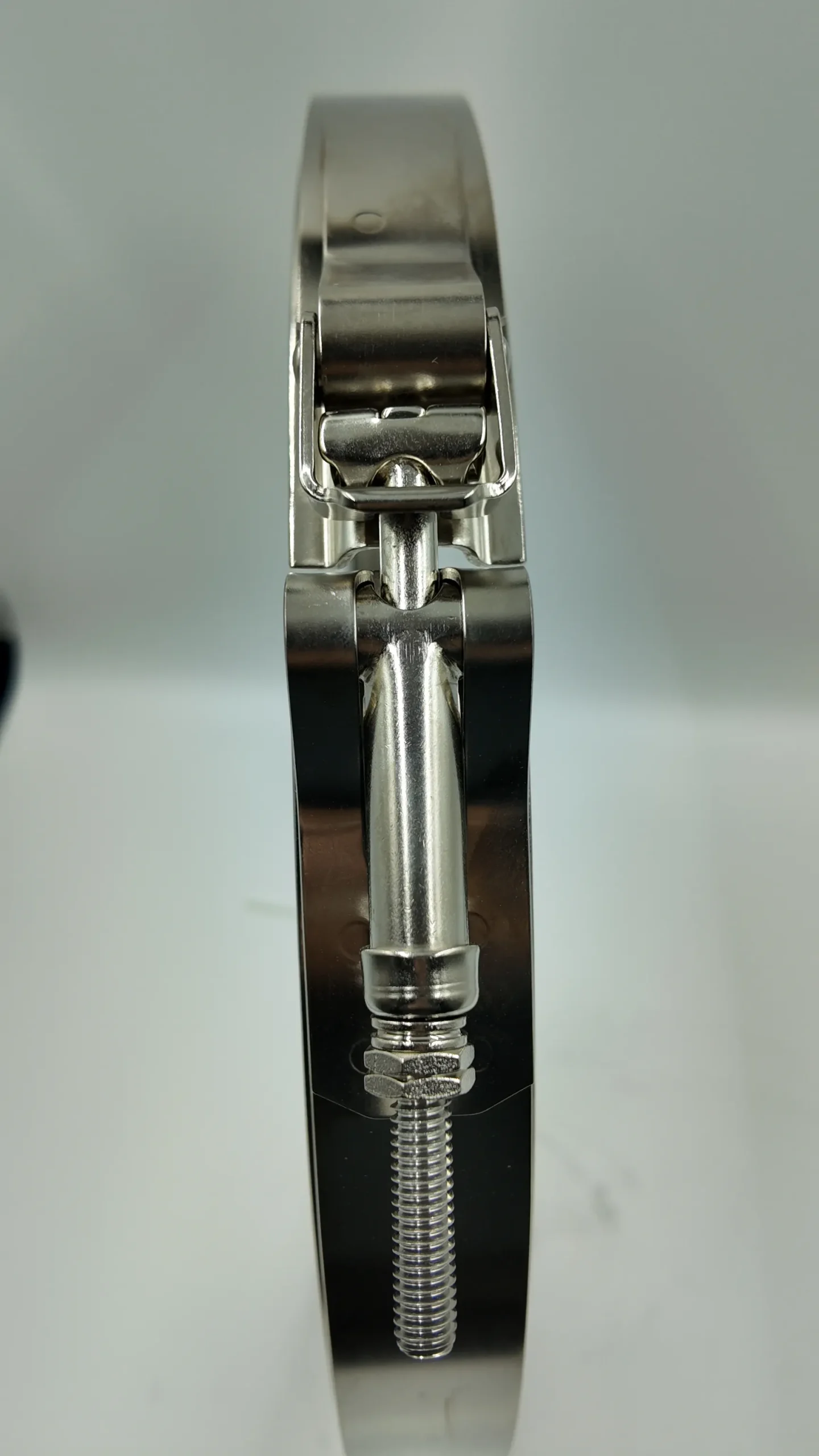 195-21-32821 COUPLING HEAVY DUTY Komatsu
 -
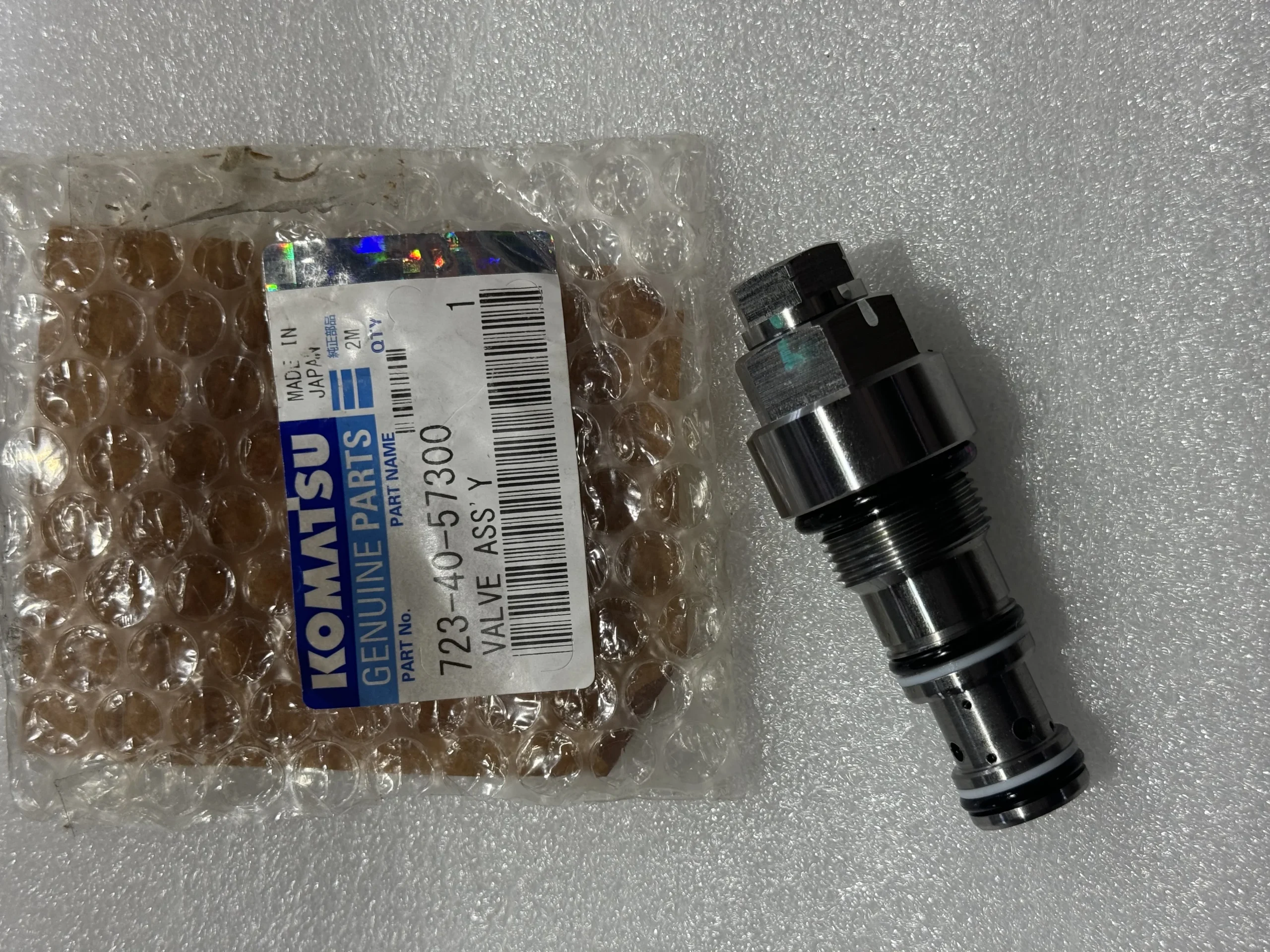 WA480-6 Main Valve 723-40-57300
 -
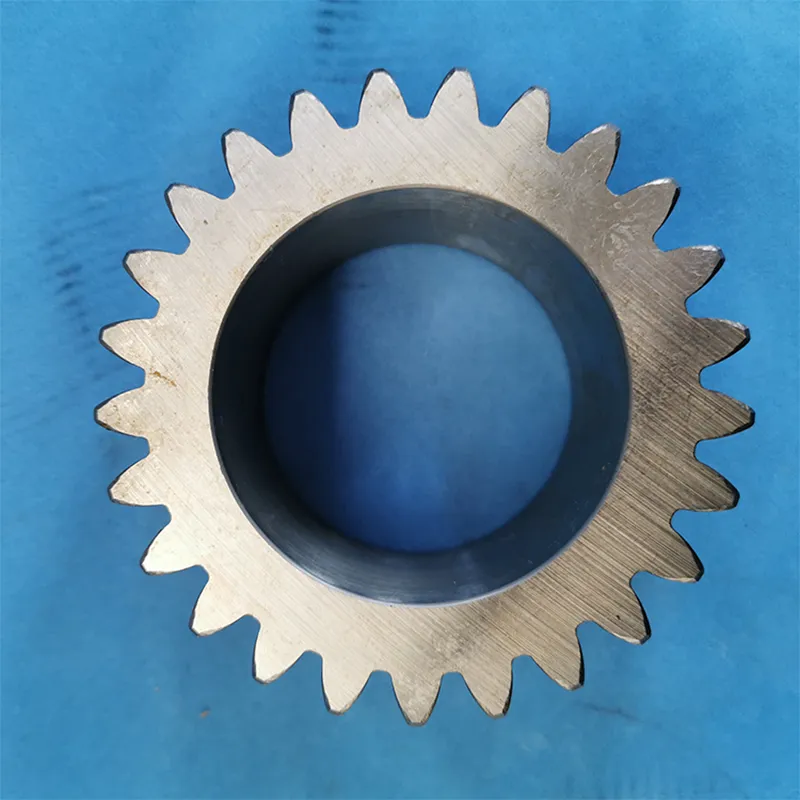 Komatsu original D155A-3 Valve Assembly 17A-49-21100
 -
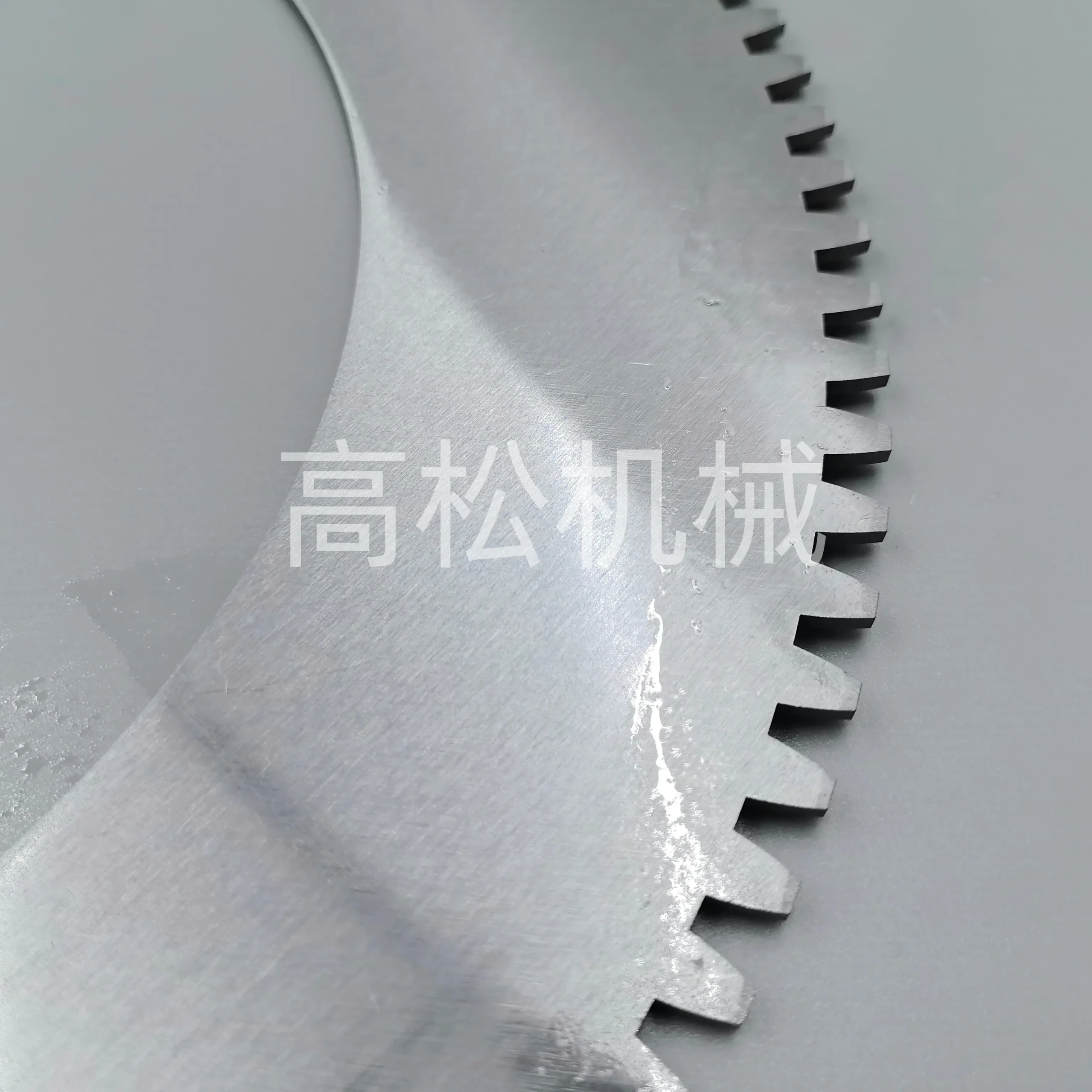 235-22-11550 •• PLATE-Komatsu Original Factory
 -
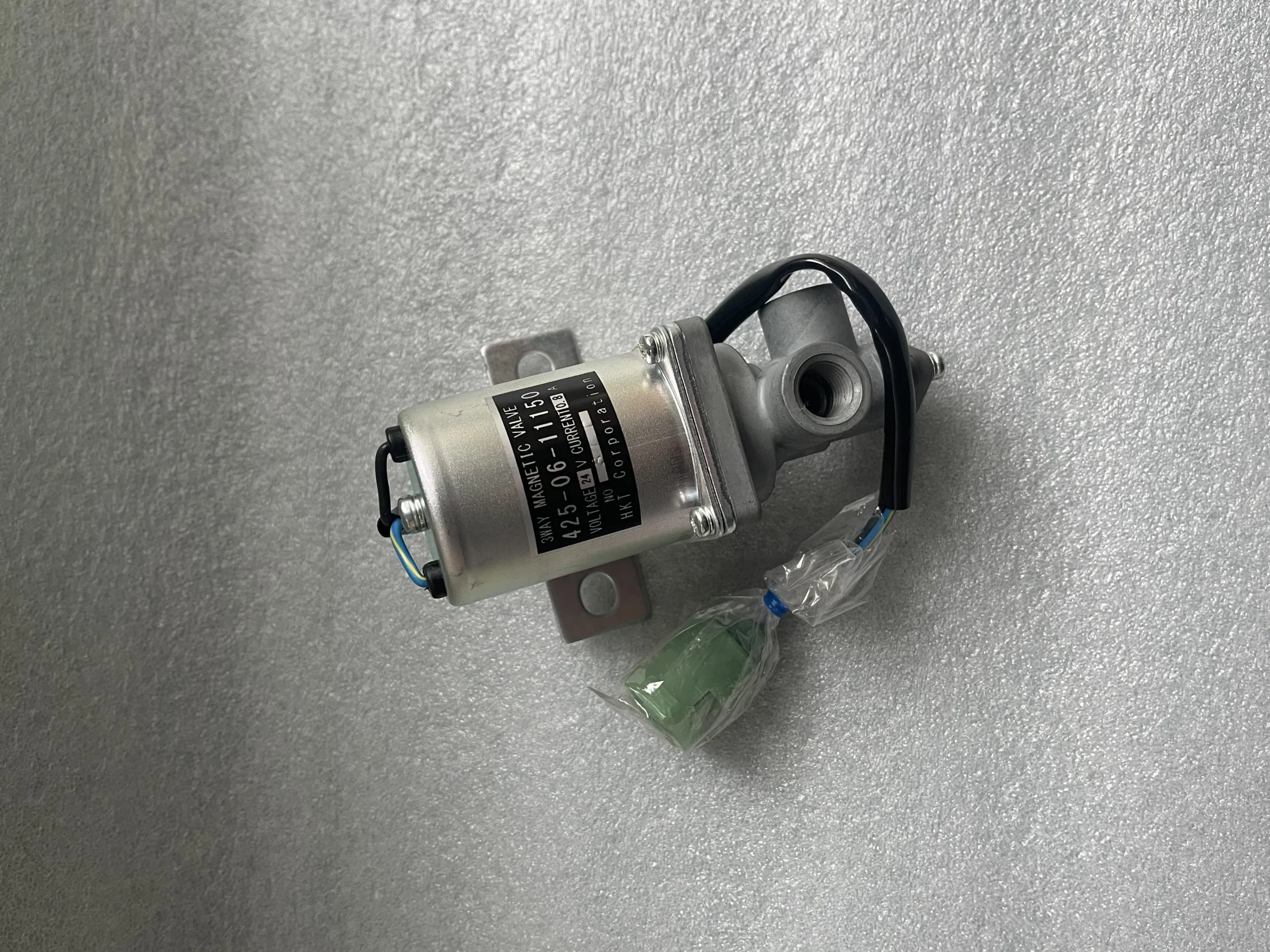 Valve,Parking brake425-06-11150
 -
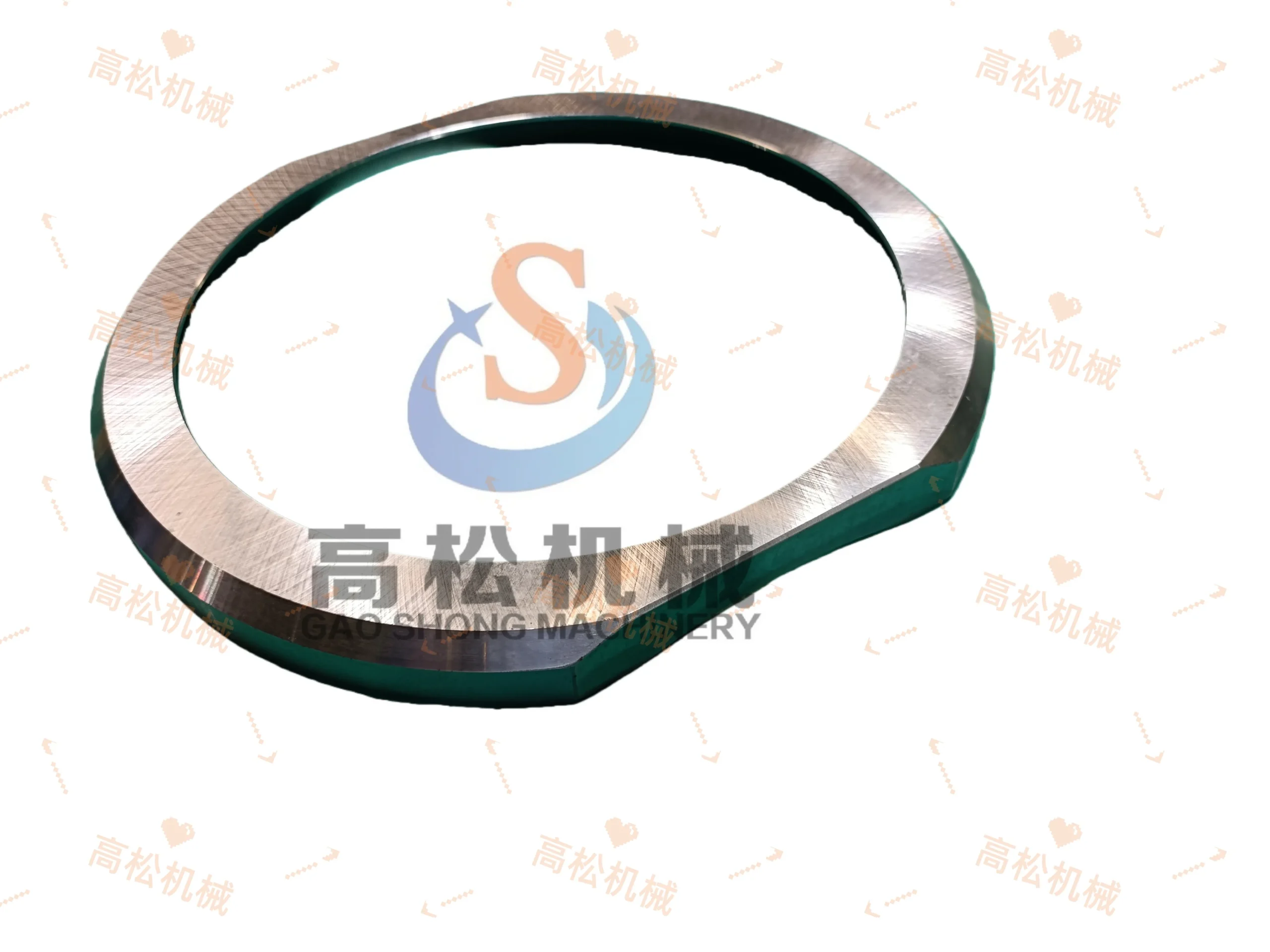 2A8-70-13410 Seal PC500LC-10M0 2A8-70-13420 Seal PC500LC-10R 2A8-70-13680Spacer PC500LC-10M0 2A8-70-13690Spacer PC500LC-10M0 2W71-21380 2WT27-72350
 -
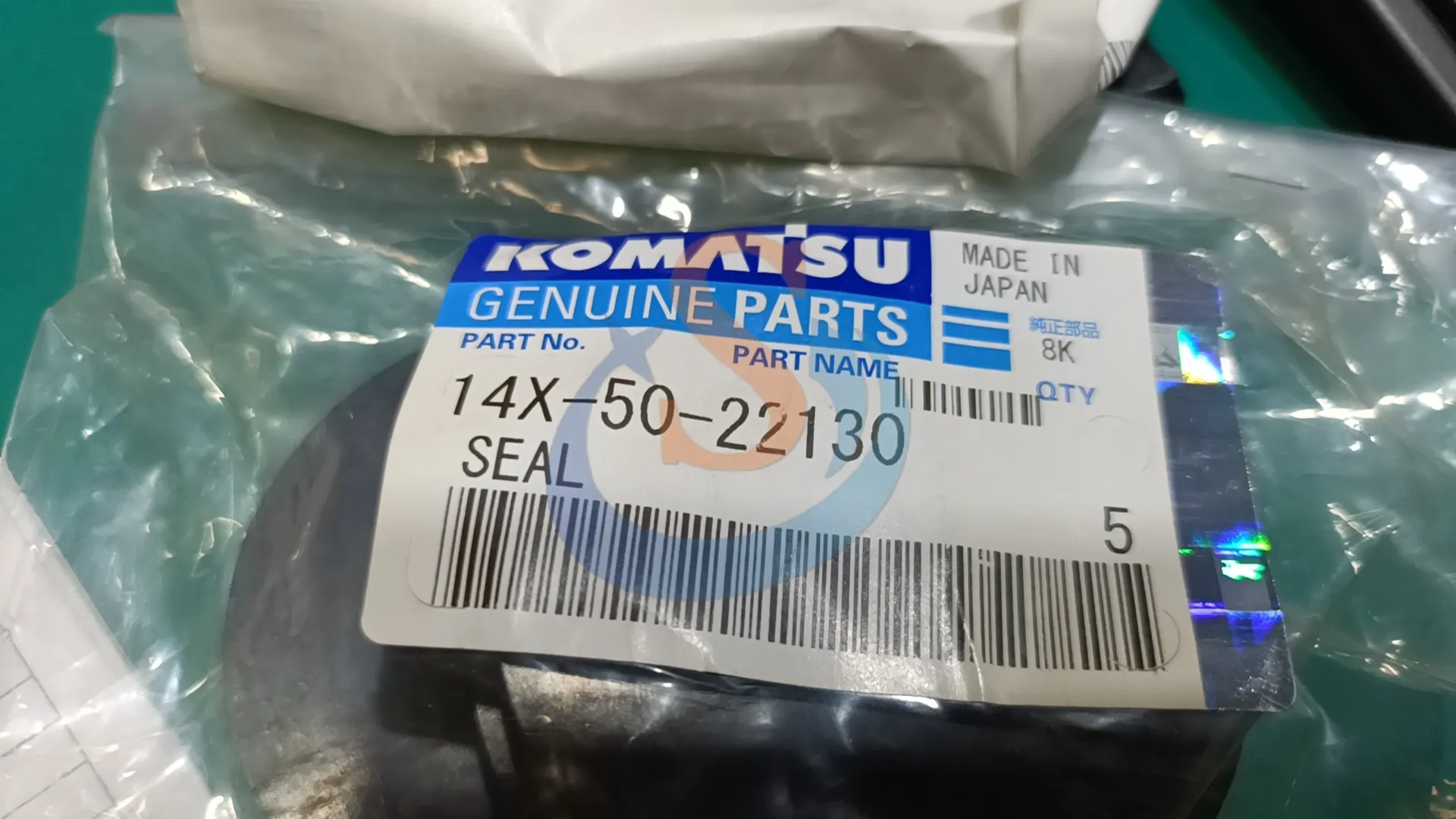 14X-50-22130,SEAL,D65PX,D65E,D85E
 -
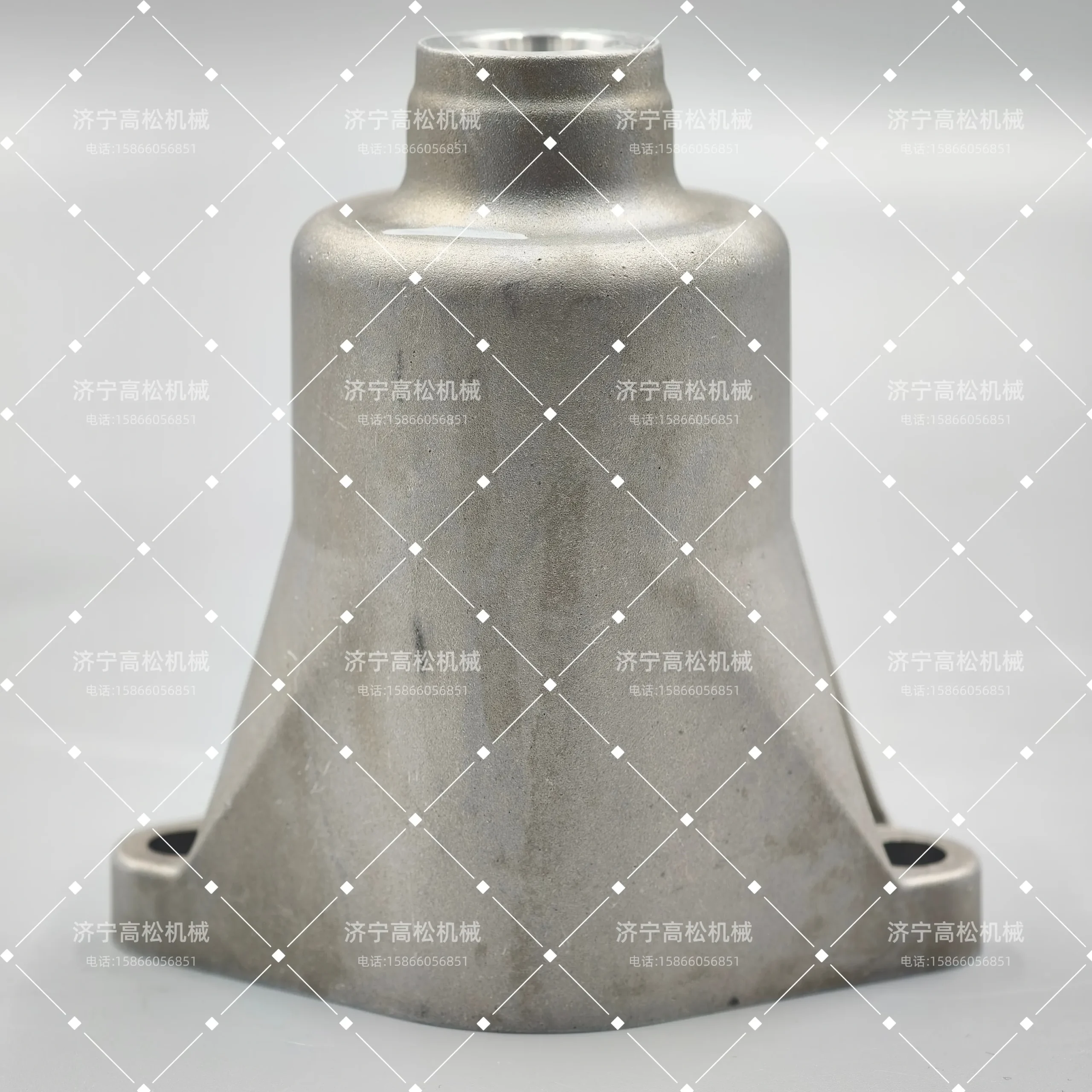 Excavator Valve Case 723-46-15111: Parts Search, High Quality…
 -
 RING 234-15-29220
 -
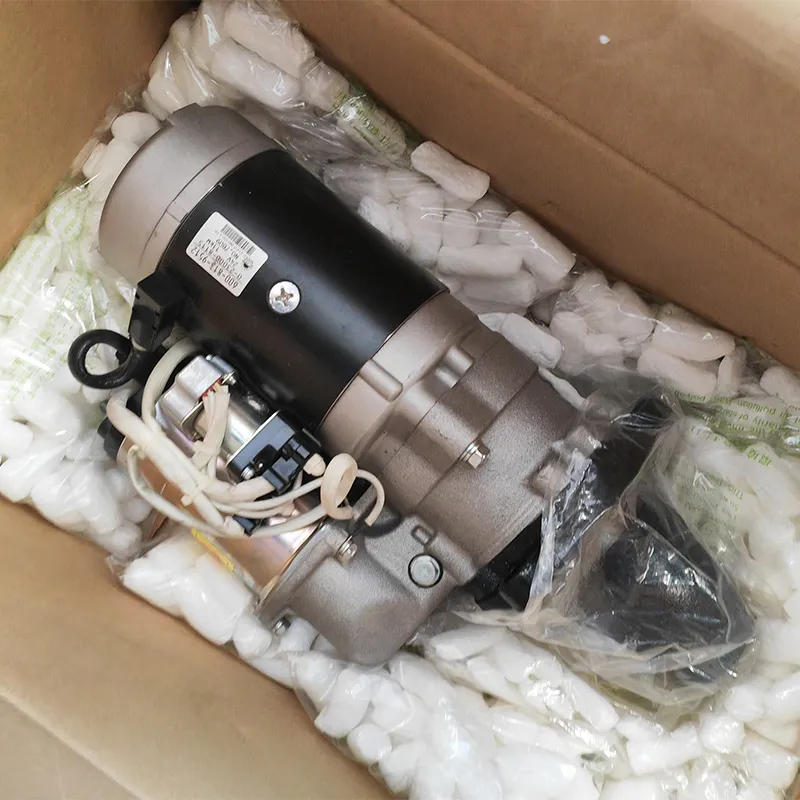 600-813-9512 Original komatsu Starter Motor for PC1250-8 D375-6 WA600-8
 -
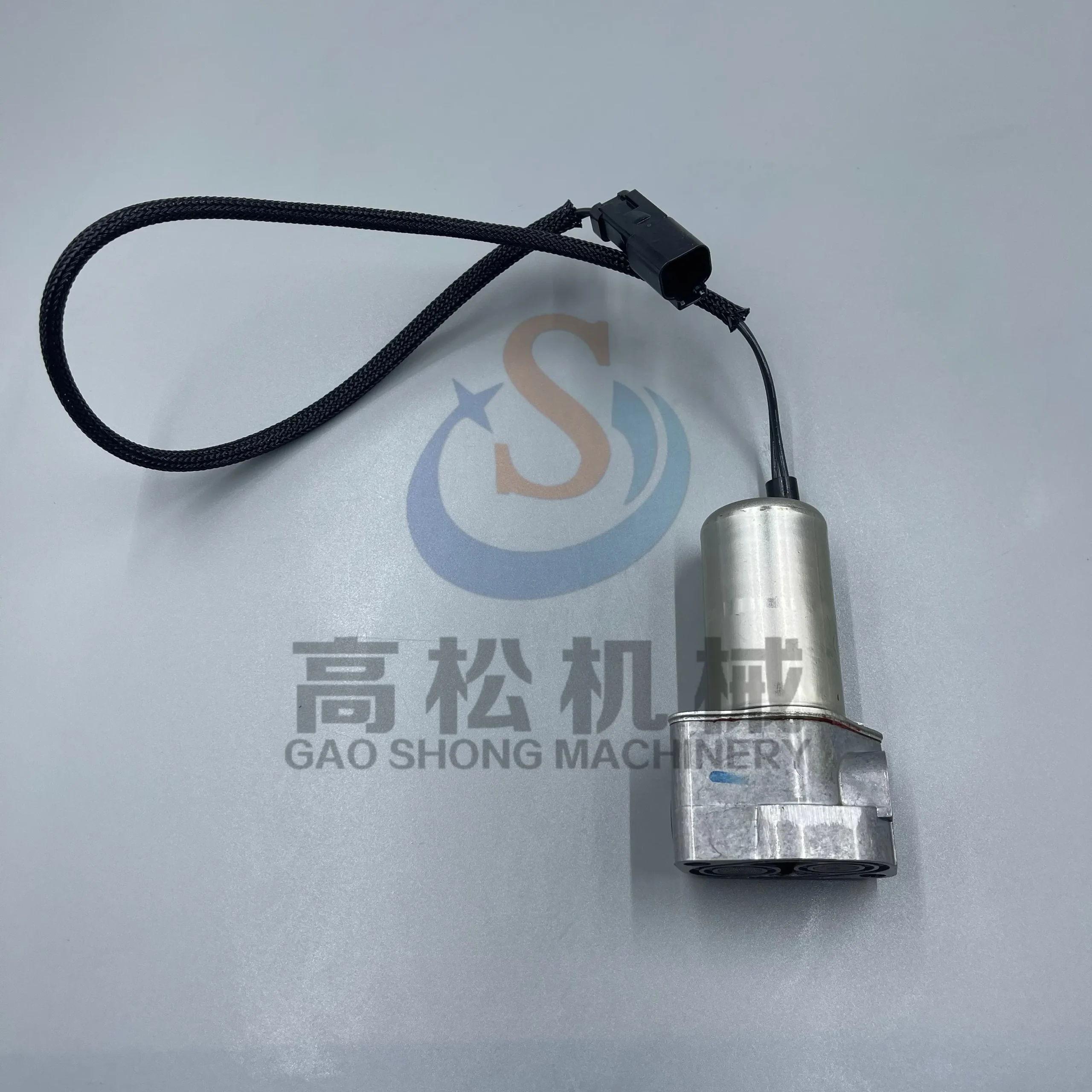 702-21-07620 SOLENOID VALVE (Komatsu)