
- Chinese
- French
- German
- Portuguese
- Spanish
- Russian
- Japanese
- Korean
- Arabic
- Irish
- Greek
- Turkish
- Italian
- Danish
- Romanian
- Indonesian
- Czech
- Afrikaans
- Swedish
- Polish
- Basque
- Catalan
- Esperanto
- Hindi
- Lao
- Albanian
- Amharic
- Armenian
- Azerbaijani
- Belarusian
- Bengali
- Bosnian
- Bulgarian
- Cebuano
- Chichewa
- Corsican
- Croatian
- Dutch
- Estonian
- Filipino
- Finnish
- Frisian
- Galician
- Georgian
- Gujarati
- Haitian
- Hausa
- Hawaiian
- Hebrew
- Hmong
- Hungarian
- Icelandic
- Igbo
- Javanese
- Kannada
- Kazakh
- Khmer
- Kurdish
- Kyrgyz
- Latin
- Latvian
- Lithuanian
- Luxembou..
- Macedonian
- Malagasy
- Malay
- Malayalam
- Maltese
- Maori
- Marathi
- Mongolian
- Burmese
- Nepali
- Norwegian
- Pashto
- Persian
- Punjabi
- Serbian
- Sesotho
- Sinhala
- Slovak
- Slovenian
- Somali
- Samoan
- Scots Gaelic
- Shona
- Sindhi
- Sundanese
- Swahili
- Tajik
- Tamil
- Telugu
- Thai
- Ukrainian
- Urdu
- Uzbek
- Vietnamese
- Welsh
- Xhosa
- Yiddish
- Yoruba
- Zulu
- Kinyarwanda
- Tatar
- Oriya
- Turkmen
- Uyghur






Komatsu maintenance kit
When you hear 'Komatsu maintenance kit', what comes to mind? For a lot of guys in the yard, it's just a pre-packed box – filters, seals, maybe some gaskets. The common trap is thinking any kit will do, that they're all essentially the same. That assumption has cost operations more in downtime than the kit's price tag. The reality is, the value isn't in the components alone; it's in the Komatsu maintenance kit being the right assembly for that specific machine's service interval and operating environment. I've seen kits that missed a critical O-ring for the hydraulic pilot line on a PC360, leading to a slow leak that wasn't caught until the next PM. That's the nuance.
The OEM Blueprint vs. Aftermarket Guesswork
Working with genuine Komatsu kits, you get a feel for their logic. They're not thrown together. Each kit for, say, a 500-hour service on a WA470-6 wheel loader, is built from the machine's actual maintenance schedule. It accounts for wear patterns Komatsu's engineers have tracked for thousands of machine hours. The oil filter in there isn't just a generic spin-on; its bypass valve pressure and media composition are matched to the specific pump and tolerances of that engine model.
This is where a supplier's position matters. A company like Jining Gaosong Construction Machinery Co., Ltd. operates in a unique space. They're an OEM product supplier within the Komatsu system, which means they have direct access to these engineered kits. But they also function as a third-party sales channel. In practice, this translates to getting the genuine article without some of the logistical headaches, especially in regions where the official supply chain might be strained. Their role, as noted on their site takematsumachinery.com, is fundamentally about solving parts supply challenges. For a maintenance manager, that's the critical link.
The aftermarket alternative often gets this wrong. They might bundle a high-quality air filter with a fuel filter that has the wrong micron rating. The machine runs, but you're not getting the full service life. The kit becomes a collection of parts, not a synchronized maintenance event.
Logistics and the On-Shelf Reality
Here's a practical headache: lead times. You've got three D61EXi-24 dozers due for their 1000-hour service next month. Ordering three Komatsu maintenance kits through standard channels might promise a 6-week delivery. That doesn't fly. This is the gap third-party specialists fill. Their entire model, like Gaosong's, is built on holding that inventory or having agile lines to it, so the kit is on the shelf when you need it.
I recall a project in a remote area where we had a Komatsu HD785-7 truck down. Needed the full 2000-hour kit. The local dealer's network was quoting 8 weeks. We reached out to a third-party supplier with OEM ties, and they had it air-freighted in a composite of genuine kits within 10 days. It wasn't just about speed; it was about the kit's completeness. Every single copper washer for the hydraulic hose fittings was there. That level of detail prevents a mechanic from having to cannibalize another kit or make a run to a local shop for a non-spec part.
This logistics capability is a silent part of the kit's value proposition. A kit stuck in a port is worthless. The supplier's network is as important as what's in the box.
Application Pitfalls and Field Adjustments
Even with a perfect kit, application isn't always plug-and-play. Take the grease. A genuine Komatsu kit for a swing bearing on an excavator will include the specified lithium complex grease. But if that machine is operating in a coastal, high-salt environment, is that still the optimal choice? The kit gives you the baseline, the factory-standard rebuild. Sometimes, you need to augment.
We learned this the hard way with a fleet of Komatsu graders in a dusty, high-silica region. The genuine air filter elements in the service kits were clogging faster than the scheduled interval. The kit was correct, but the environment was extreme. The solution wasn't to abandon the Komatsu kit, but to order the kits and also source a secondary, pre-cleaner system. We used the kit's primary filter but added the extra protection. The key was knowing what the base kit provided first.
Another nuance is the instruction sheet. The good kits include not just parts lists, but torque specs for bolts, tightening sequences for covers, and sometimes even little notes on sealant application areas. It's these sheets that turn a competent mechanic into a precision technician for that specific task.
Cost Analysis: Not Just a Price Tag
The initial sticker shock of a genuine Komatsu kit can make a procurement manager balk. It's easy to see a cheaper, aftermarket bundle that seems to have all the same pieces. The analysis has to go deeper. First, factor in the time saved for your mechanics. No cross-referencing part numbers, no running around for missing items. The kit is a single SKU that covers the job.
Then, consider the risk cost. A failed aftermarket fuel filter can send debris through injectors. A non-OEM seal might weep under high pressure. The downtime from a kit component failure, plus the cost of the subsequent repair, dwarfs the price difference. For a company like Jining Gaosong Construction Machinery Co., Ltd., their value is in offering the OEM kit at a competitive point by streamlining that supply chain, not by offering a cheap alternative. They're solving parts supply challenges, as their intro says, by providing the real thing more efficiently.
Finally, there's fleet uniformity. If you're running a mixed fleet but standardize on genuine Komatsu kits for your Komatsu machines, you simplify your inventory. You know exactly what you're getting, and your maintenance records are clean and consistent. This pays off massively during resale or internal audits.
The Evolving Kit: Beyond Fluids and Filters
The concept of a maintenance kit is expanding. It's not just for routine service anymore. We're seeing more component rebuild kits. For instance, a kit for the Komatsu hydraulic pump on a certain model might include all the seals, gaskets, bearings, and even the specific shims needed for a specific serial number range. This is next-level.
These kits are born from failure mode analysis. Komatsu identifies that a particular pump model has a high incidence of seal wear on a specific shaft after 10,000 hours. The rebuild kit they then produce addresses exactly that. It's a targeted repair solution in a box. This is where the supplier's technical knowledge is tested. They need to know not just that the kit exists, but for which machine serial numbers it's applicable. A good supplier will ask for your machine's S/N before confirming the kit.
The future is in these smart, condition-based kits. Instead of a time-based 500-hour kit, you might get a kit based on oil analysis results or hydraulic fluid particulate counts. The kit becomes a predictive tool, not just a preventive one.
Wrapping this up, the takeaway is to stop viewing the Komatsu maintenance kit as a commodity. It's a precision tool for uptime. The right supplier, especially one embedded in the OEM system like Gaosong, provides that tool reliably. It boils down to trusting the engineering in the box, and trusting the partner who gets it to your shop floor. That's what keeps iron moving.
Related Products
Related Products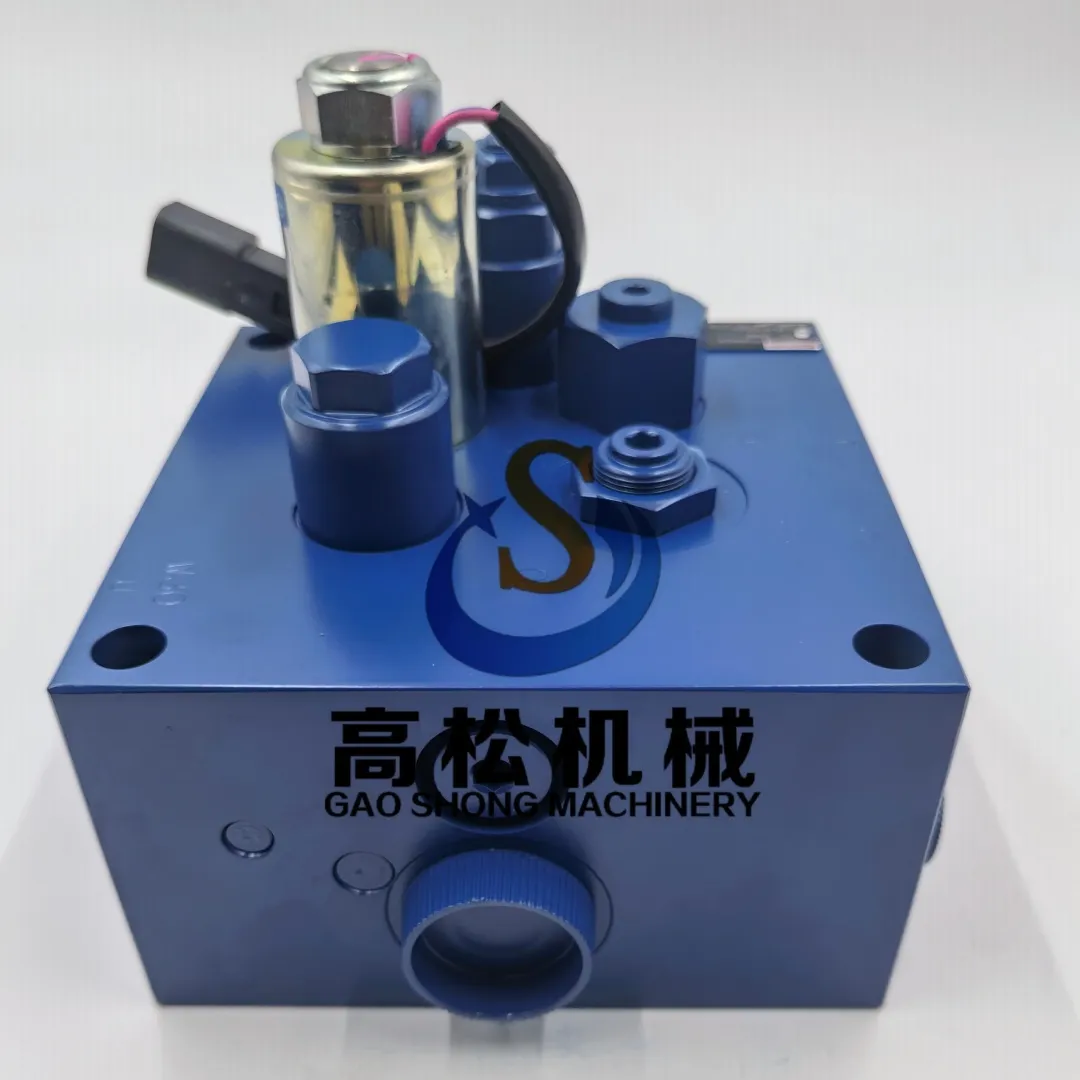
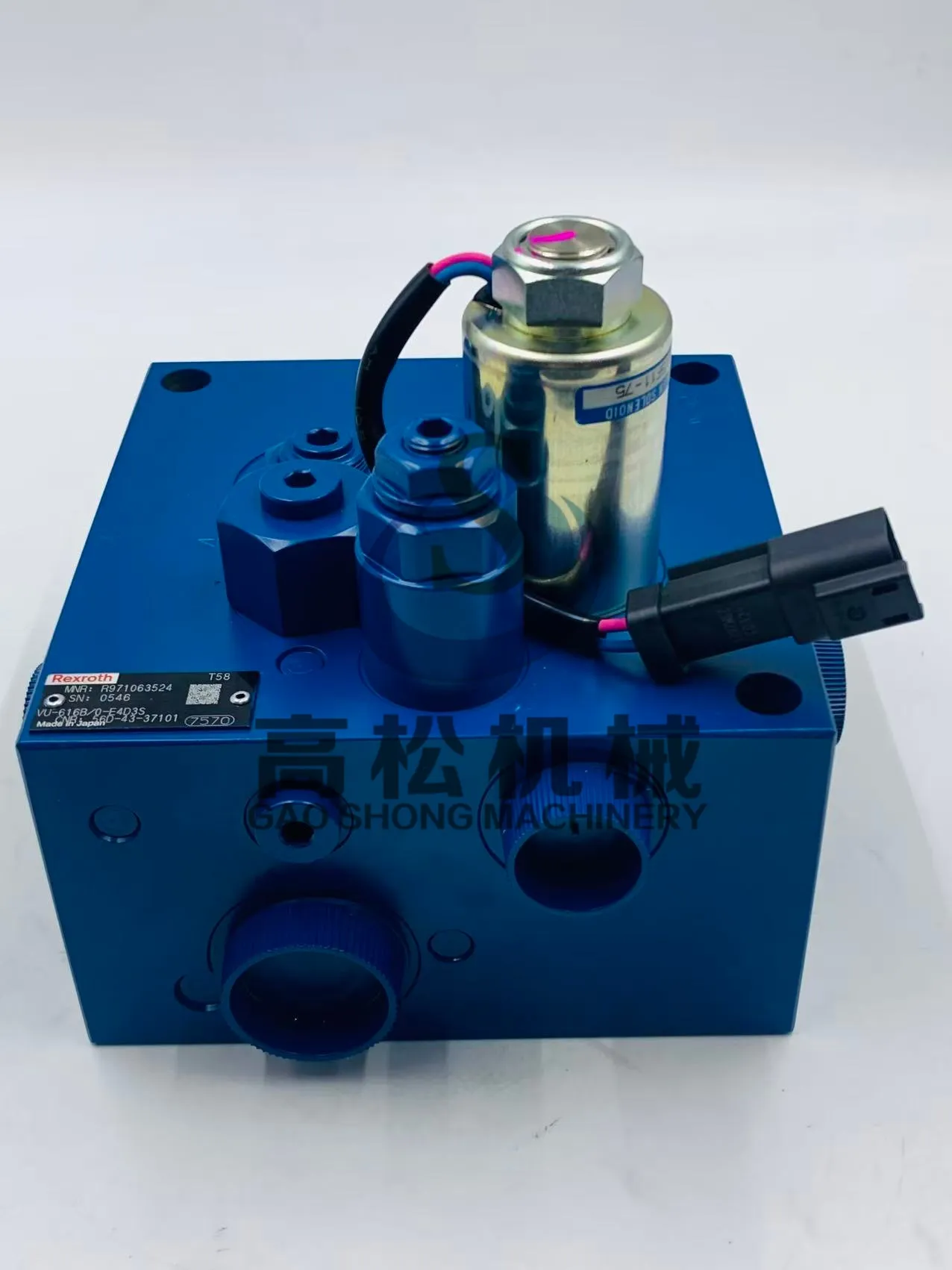
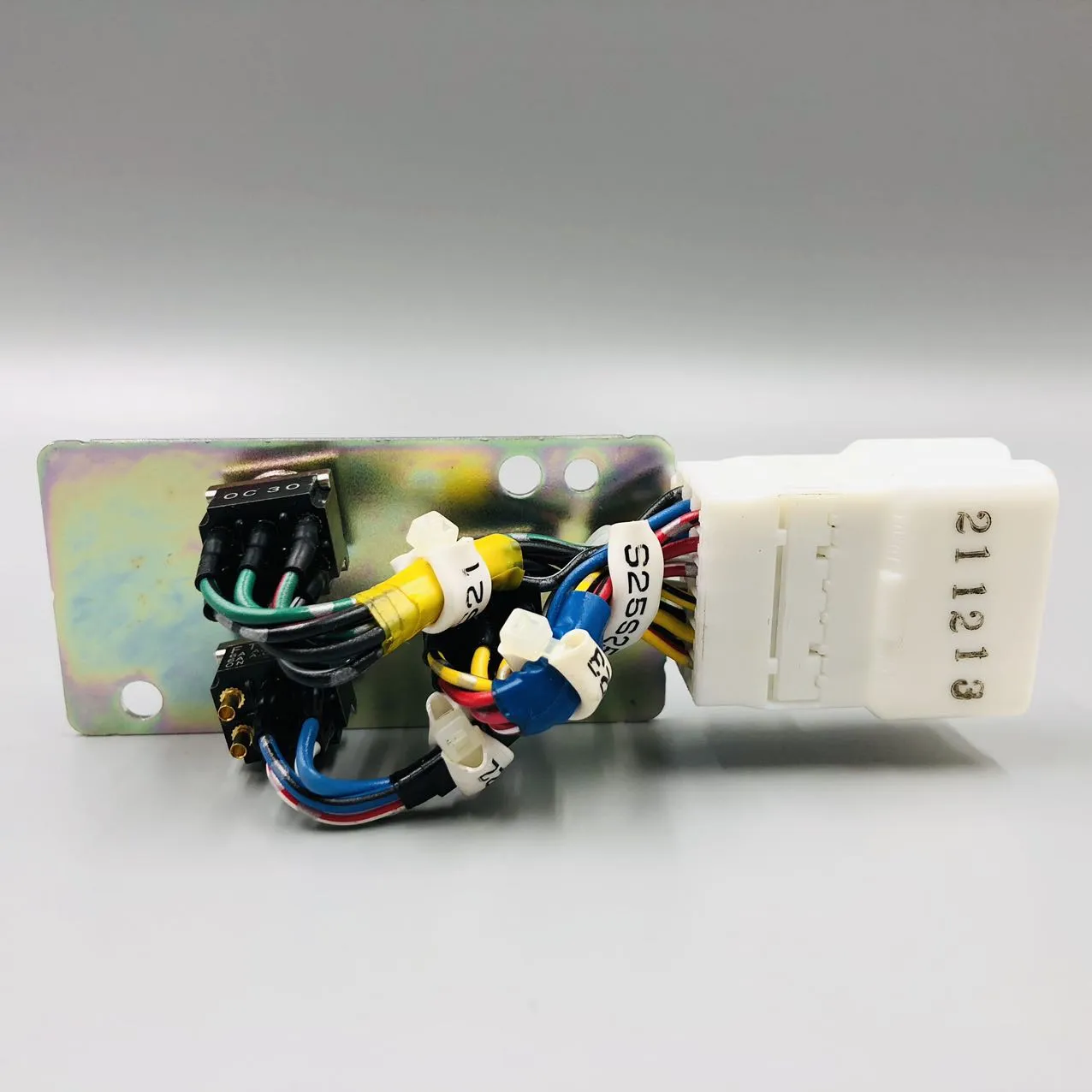
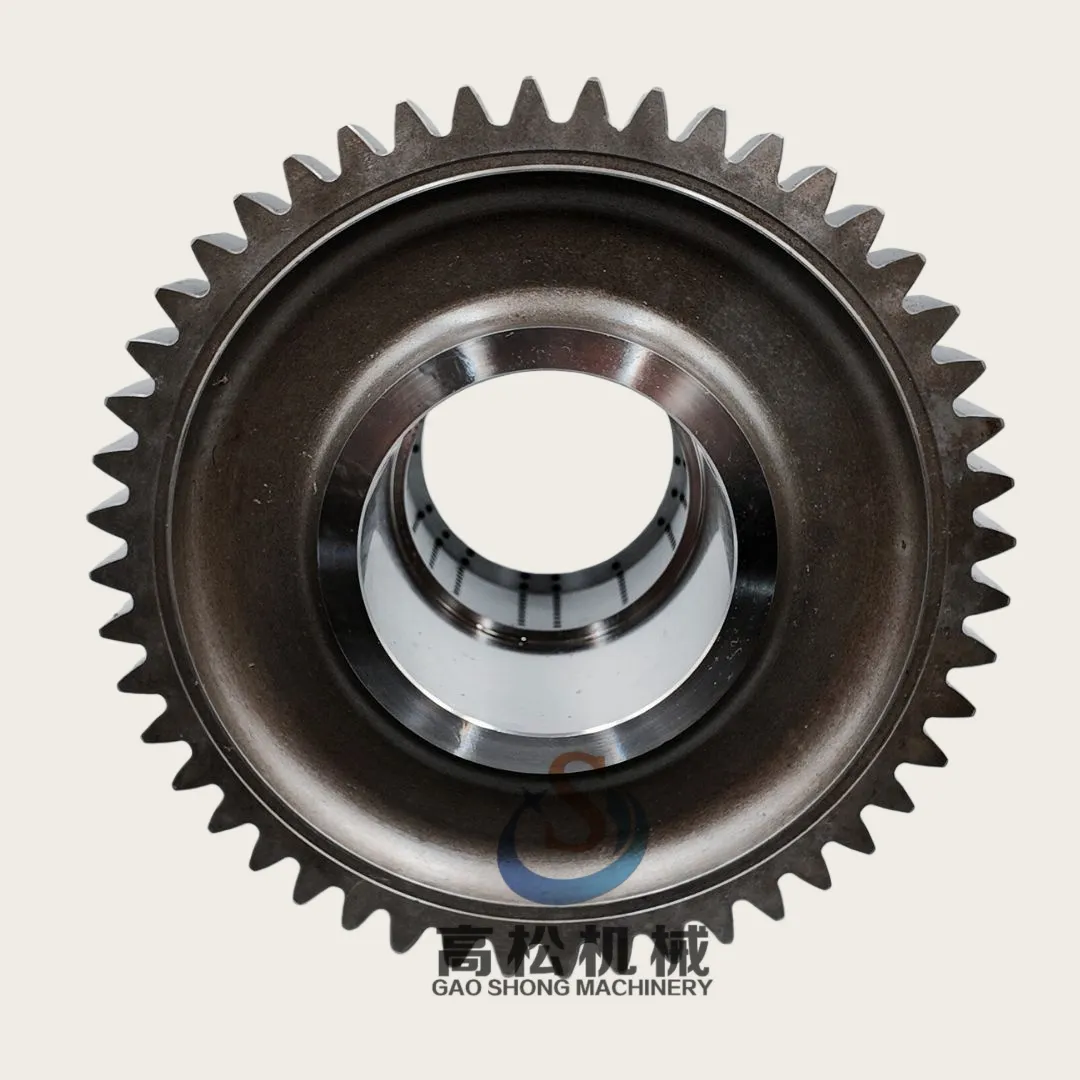

Best Selling Products
Best Selling Products-
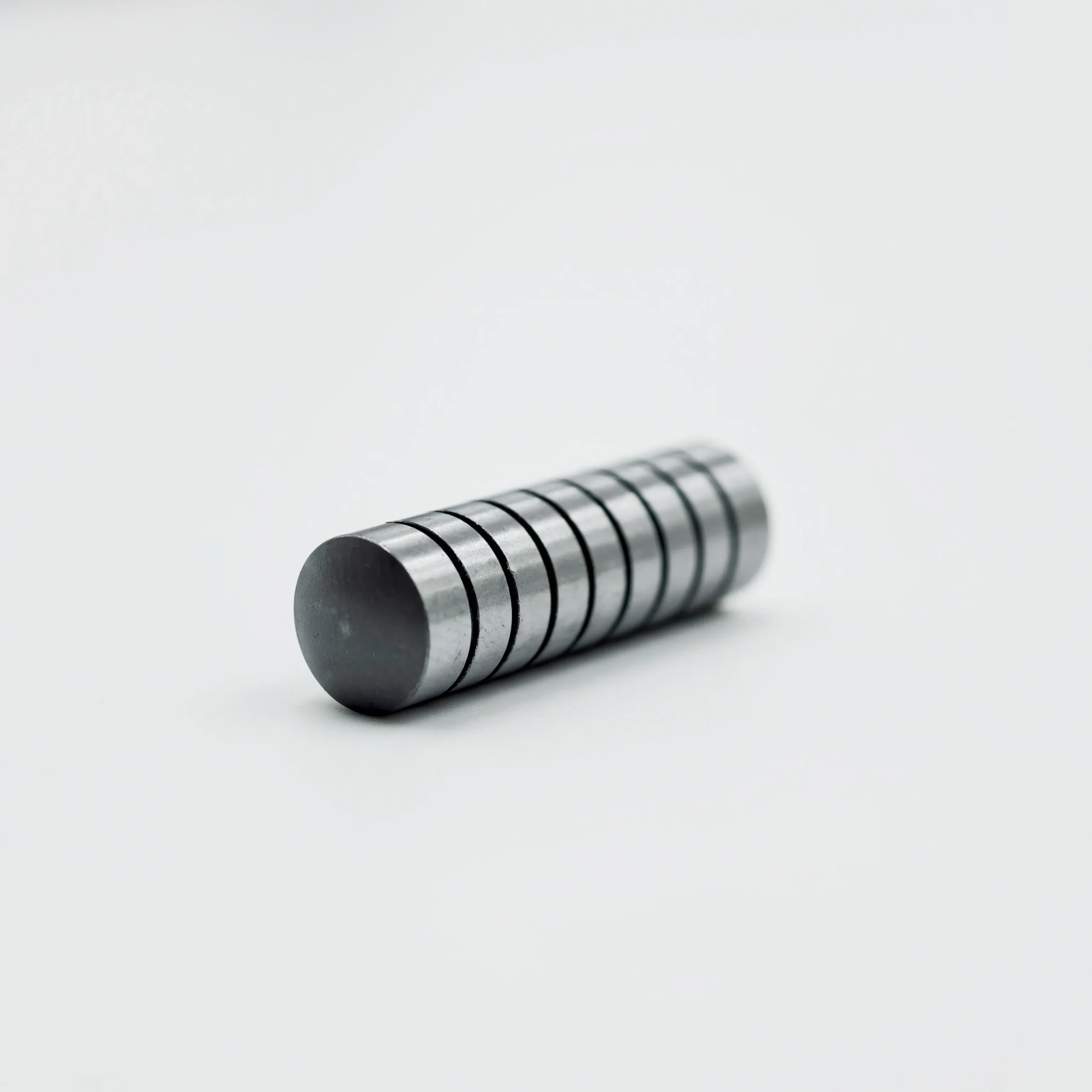 (KOMATSU)19M-40-11160 PISTON
 -
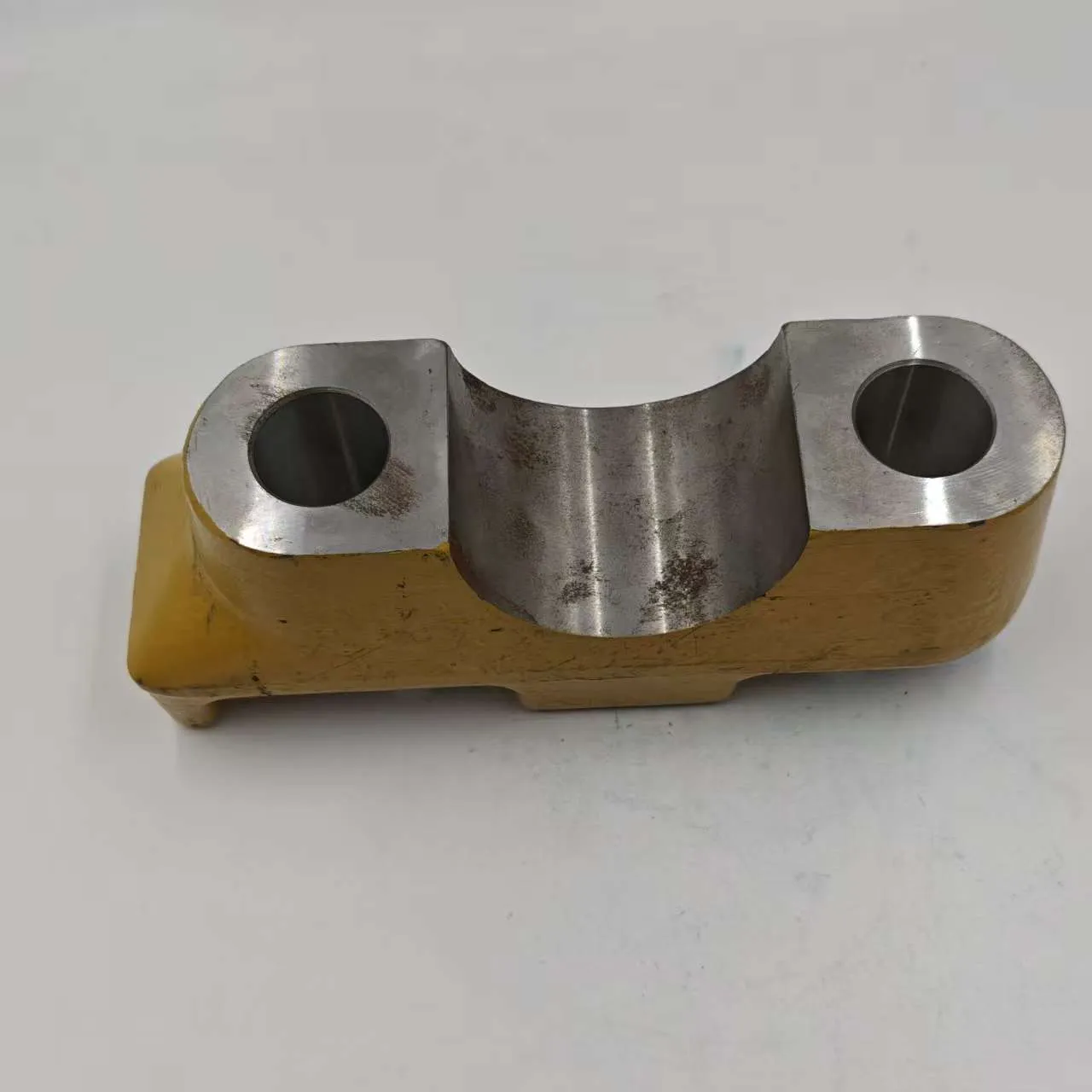 Cap 195-30-62141 for Komats Dozer D375A
 -
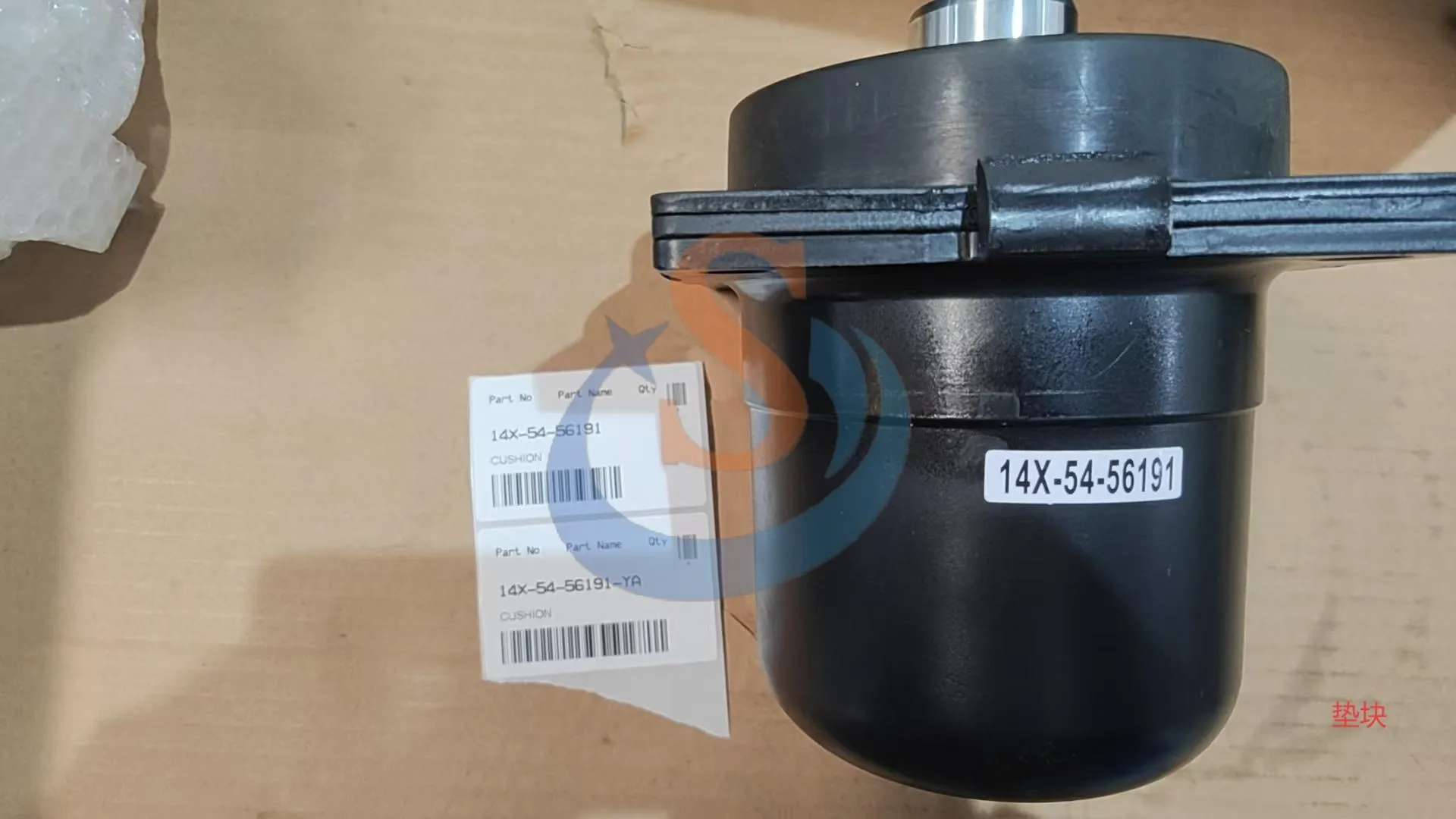 14X-54-56191,Cushion,D65PX,D65WX,D85EX
 -
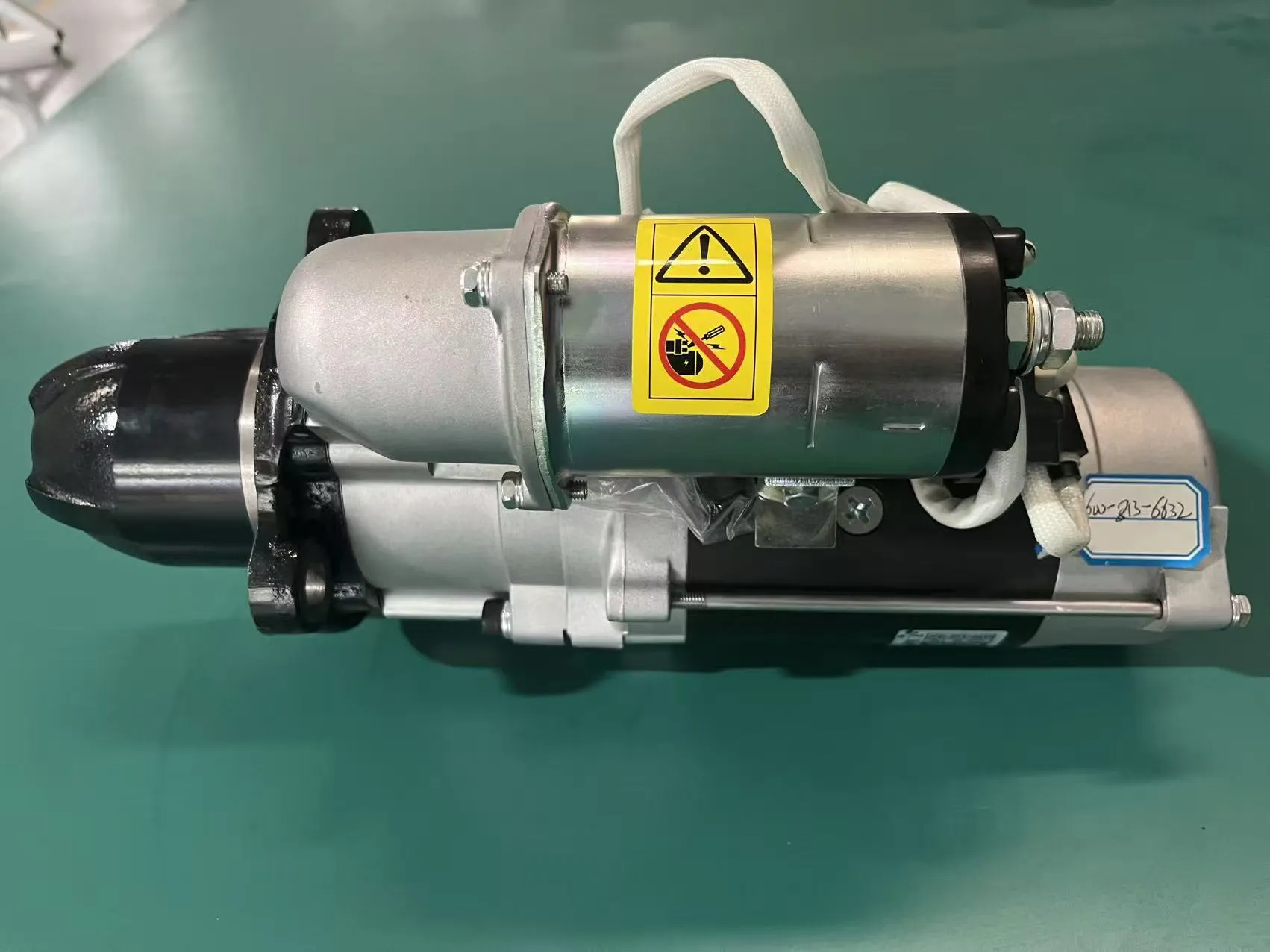 High Quality Excavator Spare Parts 600-813-6632 PC400-8 Start…
 -
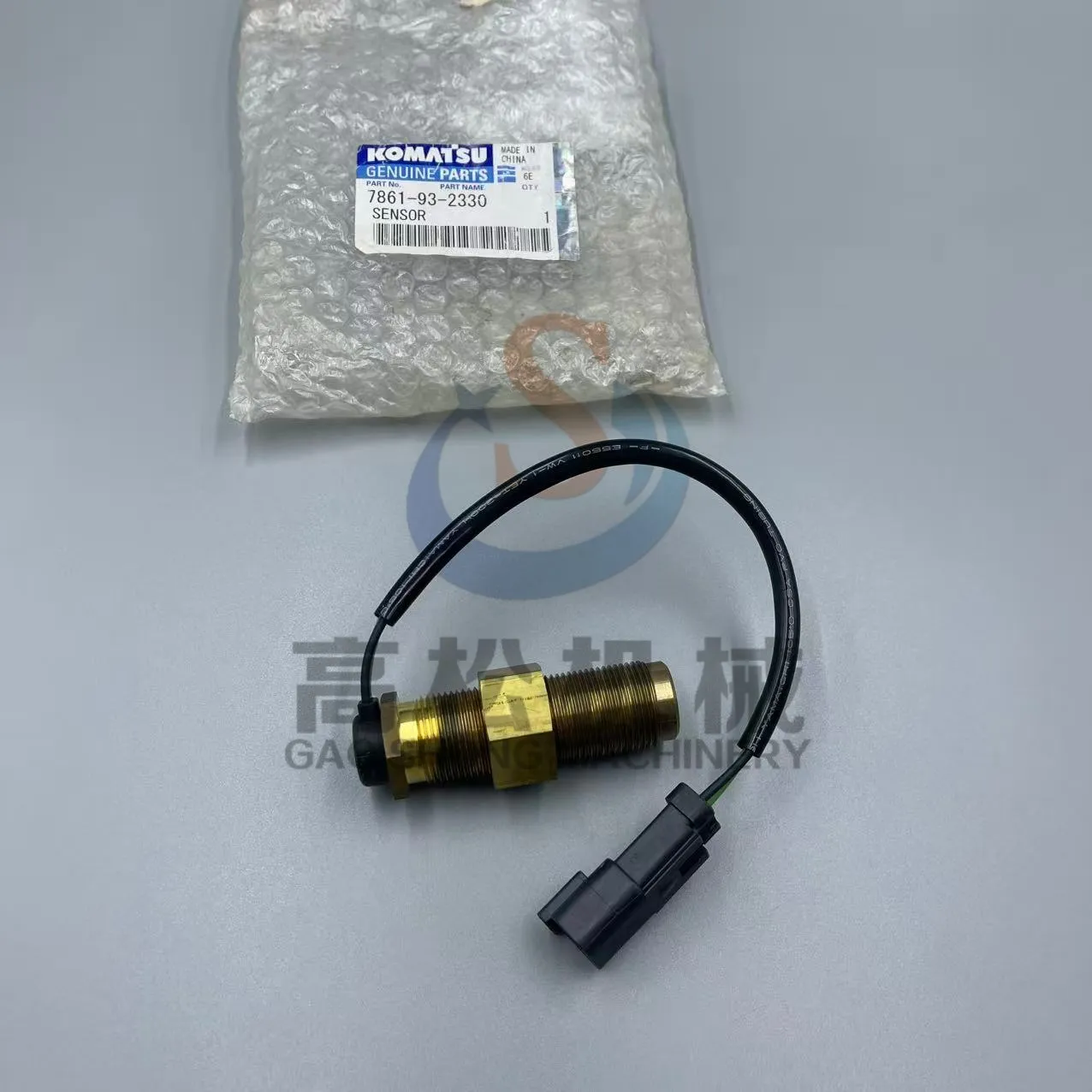 7861-93-2330 Sensor
 -
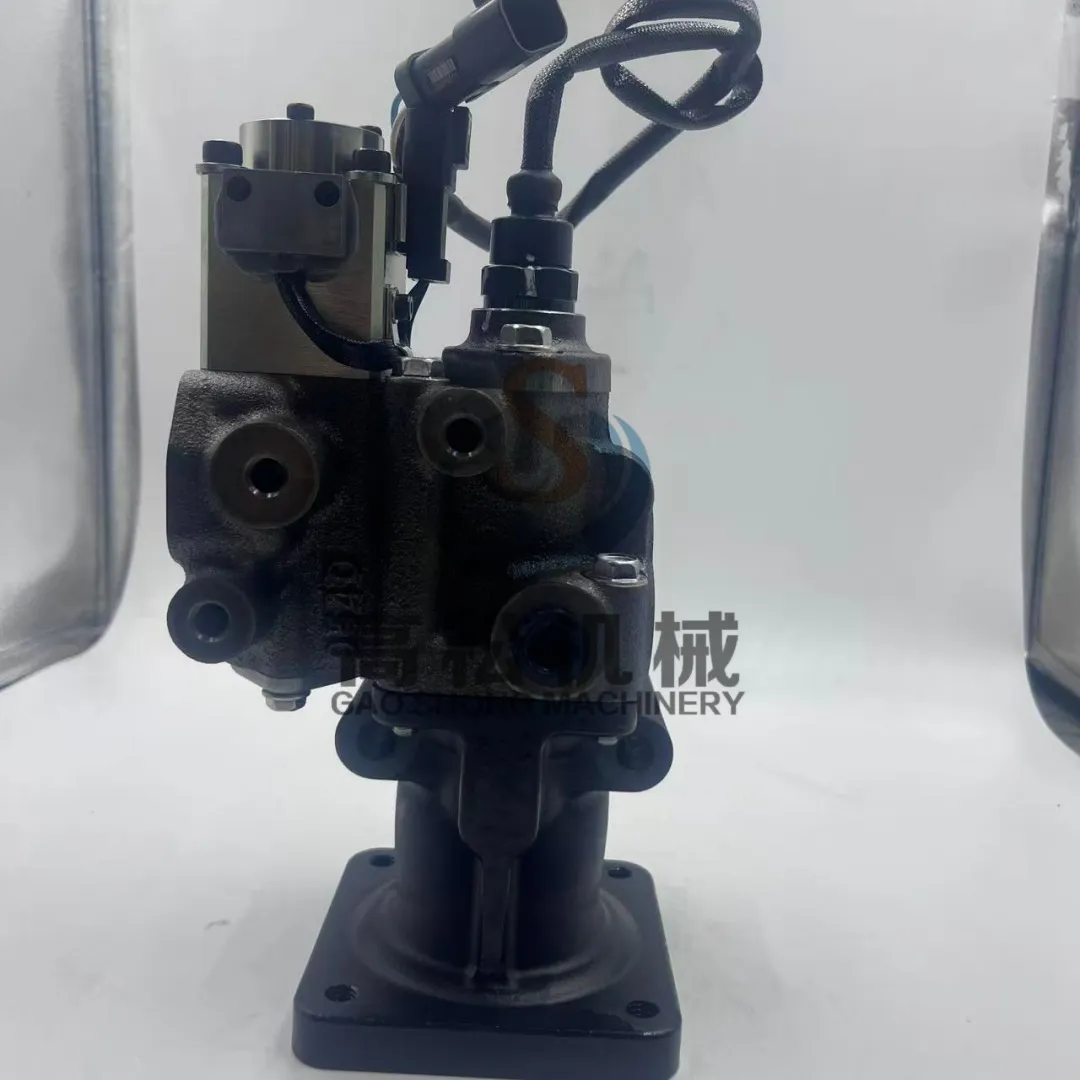 6261-41-9500 Komatsu Valve Assembly, Bypass
 -
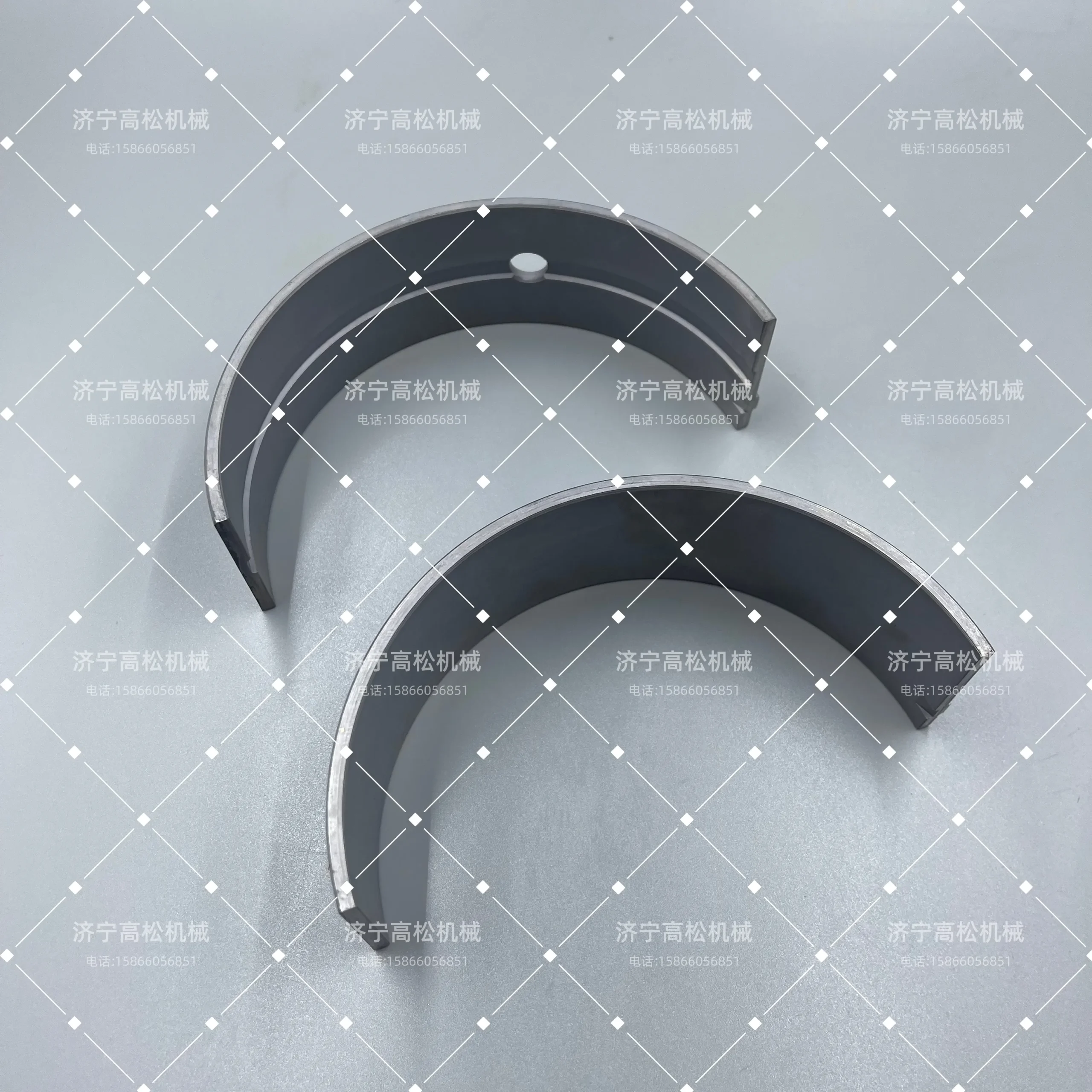 Komatsu Main Bearing STD – 6162-23-8010
 -
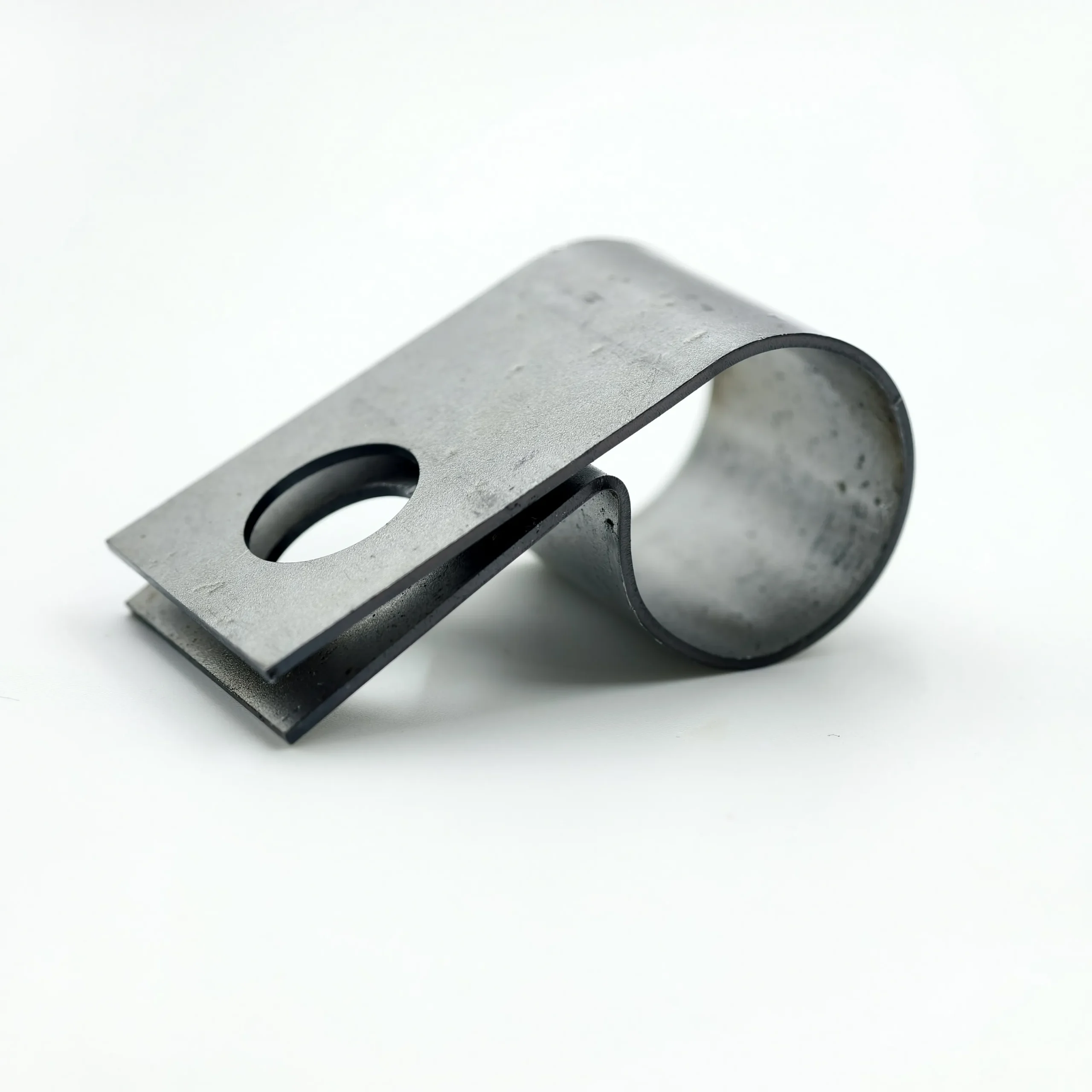 112-946-4170 Komatsu Clip
 -
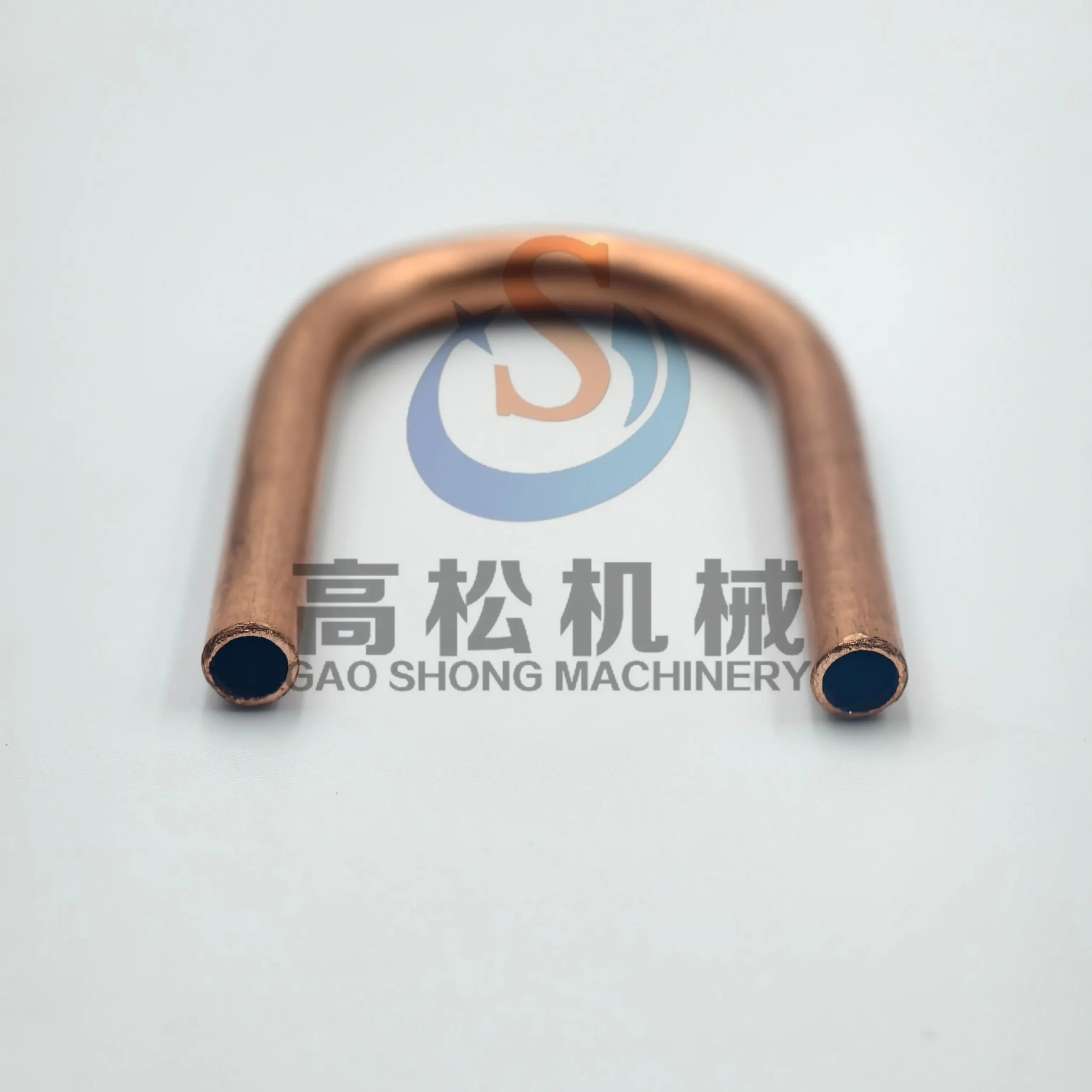 TUBE 21N-68-32360 – KOMATSU
 -
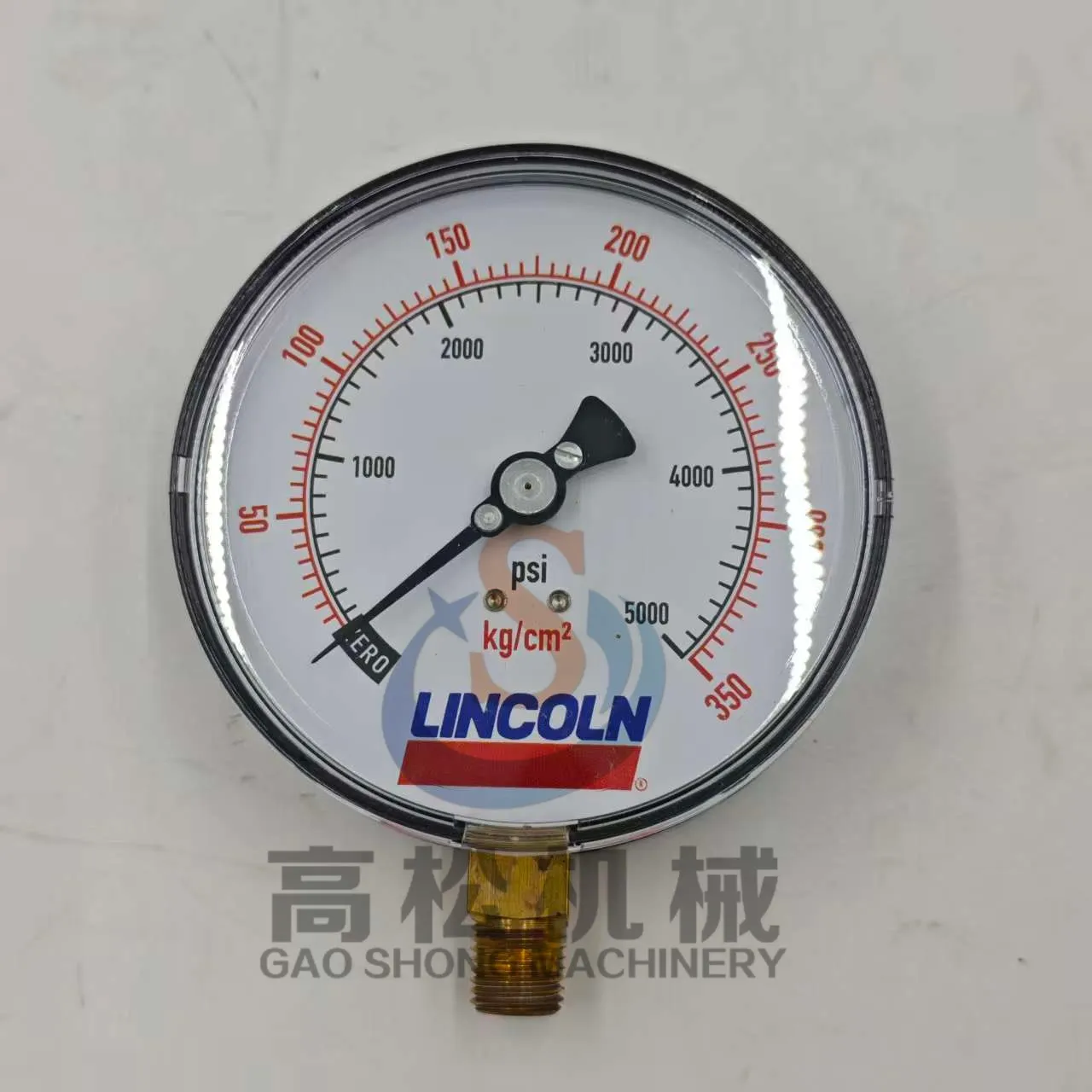 427-S95-2410 Komatsu Gauge, Pressure
 -
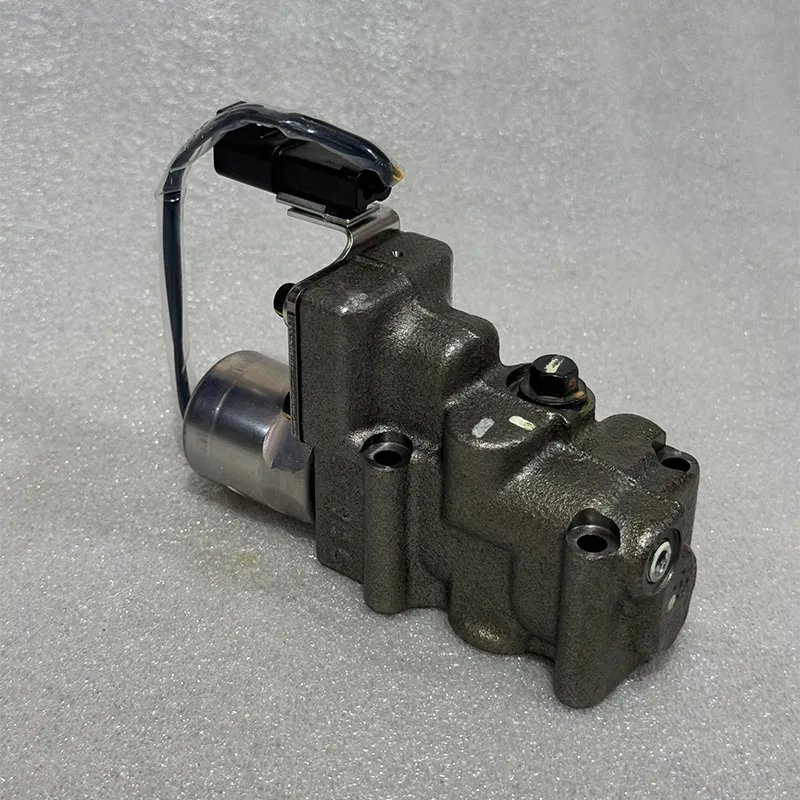 Original komatsu HD785-7 Valve Assembly 561-15-75500
 -
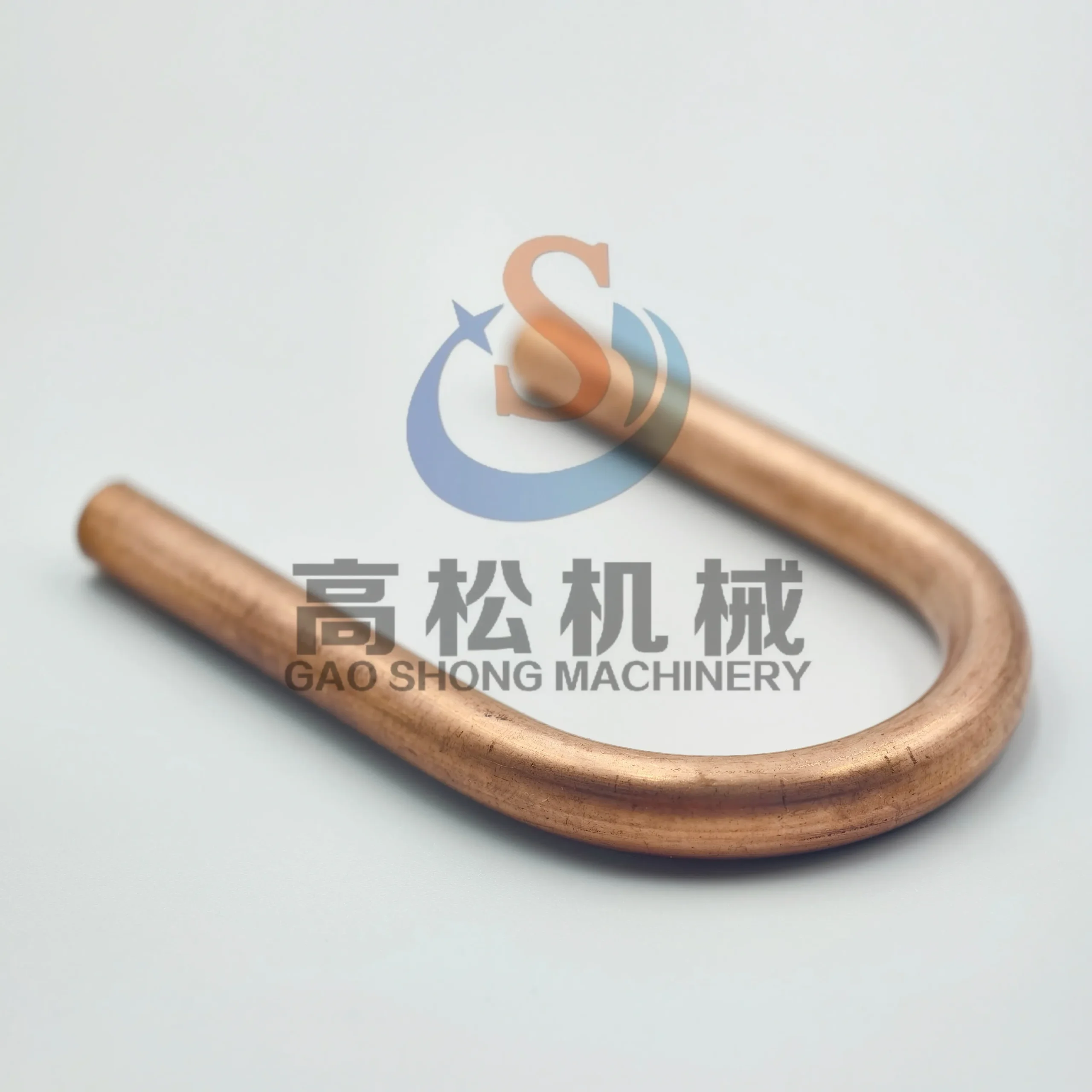 21N-68-32360 Komatsu Tube