
- Chinese
- French
- German
- Portuguese
- Spanish
- Russian
- Japanese
- Korean
- Arabic
- Irish
- Greek
- Turkish
- Italian
- Danish
- Romanian
- Indonesian
- Czech
- Afrikaans
- Swedish
- Polish
- Basque
- Catalan
- Esperanto
- Hindi
- Lao
- Albanian
- Amharic
- Armenian
- Azerbaijani
- Belarusian
- Bengali
- Bosnian
- Bulgarian
- Cebuano
- Chichewa
- Corsican
- Croatian
- Dutch
- Estonian
- Filipino
- Finnish
- Frisian
- Galician
- Georgian
- Gujarati
- Haitian
- Hausa
- Hawaiian
- Hebrew
- Hmong
- Hungarian
- Icelandic
- Igbo
- Javanese
- Kannada
- Kazakh
- Khmer
- Kurdish
- Kyrgyz
- Latin
- Latvian
- Lithuanian
- Luxembou..
- Macedonian
- Malagasy
- Malay
- Malayalam
- Maltese
- Maori
- Marathi
- Mongolian
- Burmese
- Nepali
- Norwegian
- Pashto
- Persian
- Punjabi
- Serbian
- Sesotho
- Sinhala
- Slovak
- Slovenian
- Somali
- Samoan
- Scots Gaelic
- Shona
- Sindhi
- Sundanese
- Swahili
- Tajik
- Tamil
- Telugu
- Thai
- Ukrainian
- Urdu
- Uzbek
- Vietnamese
- Welsh
- Xhosa
- Yiddish
- Yoruba
- Zulu
- Kinyarwanda
- Tatar
- Oriya
- Turkmen
- Uyghur






Komatsu main pump
When you hear 'Komatsu main pump', most people immediately think of the PC200 or PC300 series, maybe the specs on the data plate. But that's just the surface. The real story is in the pressure ripple, the swashplate wear pattern you only see after 8,000 hours, and the subtle difference in performance between a genuine unit and a high-quality OEM alternative. That's where the challenges, and the real knowledge, actually live.
The Core of the Machine and Its Misconceptions
Let's be clear: the main pump isn't just a component; it's the heart. It dictates everything from cycle time to fuel efficiency. A common mistake is treating all pumps under the Komatsu name as equal. The Komatsu main pump on a Dash-8 model operates under a completely different control logic than a Dash-5. Swapping them without understanding the controller communication is a fast track to a machine that's either sluggish or over-revving. I've seen it happen.
Another persistent myth is that once the pump starts losing power, it's immediately a catastrophic failure. More often than not, it's a gradual degradation. You'll notice the machine struggles to lift and swing simultaneously, or the travel seems lazy. That's rarely the entire pump assembly failing. It's usually the servo pistons getting scored or the charge pump pressure dropping below spec. Jumping to a full replacement is a $20k decision when a $2k seal kit and a precision rebuild might buy another 5,000 hours.
This is where the distinction between genuine, OEM, and aftermarket becomes critical. For a fleet manager in a region with supply chain gaps, waiting 12 weeks for a genuine pump from Japan isn't an option. The machine needs to run. This is the precise gap that companies operating within the Komatsu ecosystem, like Jining Gaosong Construction Machinery Co., Ltd., aim to fill. They are an OEM product supplier within the Komatsu system, which means their pumps are built to the original design and tolerances, but they help solve those acute parts supply challenges.
Practical Realities and Rebuild Pitfalls
Okay, so you've decided to rebuild. The workshop manual gives you torque values and assembly order, but it doesn't tell you about the feel. Installing the cylinder barrel without properly soaking it in hydraulic oil first? That's a guaranteed scuff on start-up. The manual won't warn you that the spring for the swashplate control needs to be checked for fatigue not just by length, but by its load curve—a detail you learn after a rebuild fails in 50 hours.
Calibration is the real make-or-break. You can put everything together perfectly, but if the pump stroke sensor isn't calibrated to the main controller, you'll get fault codes for days. The tech needs the right software and, more importantly, the experience to interpret the feedback. I recall a PC360-7 where we chased an intermittent power loss for weeks. We replaced sensors, cleaned lines. The issue? A tiny, almost invisible crack in the pump casing that only leaked under high pressure and high temperature, letting the main pump case drain flow exceed limits and trick the system. It wasn't in any troubleshooting guide.
Using OEM-spec parts from a supplier like Gaosong can mitigate some of these rebuild risks. Because they are part of the Komatsu system, their components are engineered to interface correctly with the machine's electronic control. It's not just about the physical fit; it's about the data exchange. A cheap aftermarket pump might bolt on, but if its displacement control solenoid has a slightly different current draw, the machine's computer will know, and it will derate performance to protect itself.
Case in Point: The Supply Chain Workaround
Here's a real scenario. A mining contractor in Southeast Africa had two Komatsu HD785-7 trucks down with pump failures. The lead time for genuine parts was quoted at 14 weeks. Project was stalled. They sourced Komatsu main pump assemblies through a third-party sales channel that specializes in these gaps—like the service mentioned by Jining Gaosong. The pumps arrived in 3 weeks.
The installation was straightforward, but the post-installation tuning was key. The site mechanics had to perform a pump zero-point calibration and a learning procedure for the transmission. It took a senior tech a full day per truck. The result? The trucks returned to full productivity. The cost was significant but less than the genuine part, and the downtime savings were enormous. The pumps have been running for over 12,000 hours now with normal maintenance. This isn't an anomaly; it's a standard operating procedure in many markets where direct supply is constrained.
This approach isn't without its critics. Some purists insist only genuine parts ensure longevity. But in the field, the calculus is different. It's about total cost of ownership including downtime. A reliable OEM alternative that gets the machine earning money again, backed by a company that understands the Komatsu system, is often the most professional business decision available.
Observations on Failure Patterns
You start to see patterns after a while. For example, in sandy environments, the main pump's case drain filter clogs much faster than the manual suggests. If it's not changed early, it causes backpressure that blows shaft seals. It's a $50 filter preventing a $5,000 repair. Yet, it's often overlooked in maintenance schedules.
Another pattern is related to fluid quality. Komatsu pumps are incredibly sensitive to water contamination. That milky oil doesn't just degrade lubrication; it attacks the bronze alloy used in the valve plates and cylinder barrels, causing pitting. Once pitting starts, the pump's efficiency plummets. I've opened up pumps where the valve plate looked like the surface of the moon. The operator swore they changed the oil regularly, but they never checked for water ingress through worn breather caps.
These observations aren't theoretical. They directly inform the advice you give when supplying a pump. It's not just here's the part. It's here's the part, and make sure you check the case drain line for kinks and change your hydraulic filters before you install this, because the new pump will have tighter clearances. That's the value of practical, hands-on experience that informs the work of suppliers who are deep in the trenches of parts and service.
Final Thoughts on the Ecosystem
The Komatsu main pump discussion ultimately leads you to a broader view of the equipment ecosystem. It's a technically superb component, but it doesn't exist in a vacuum. Its performance and lifespan are tied to maintenance culture, operational environment, and the quality of everything from the hydraulic hoses to the tech's calibration laptop.
This is why the role of specialized third-party suppliers is so nuanced. They aren't just parts vendors. To be effective, especially as an OEM product supplier within the Komatsu framework, they need to possess and disseminate this level of granular, practical knowledge. They need to understand that selling a pump might also mean guiding a customer through a filtration upgrade or a controller software update.
So, when you're next troubleshooting a hydraulic issue, look beyond the pump itself. Consider the system, the support network available to you, and the total cost of getting the machine back to 100%. Sometimes the best solution isn't on the official parts list, but it comes from within the same technical ecosystem, built on the same standards, designed to keep the iron moving when the clock is ticking. That's the real-world meaning of a Komatsu main pump.
Related Products
Related Products

Best Selling Products
Best Selling Products-
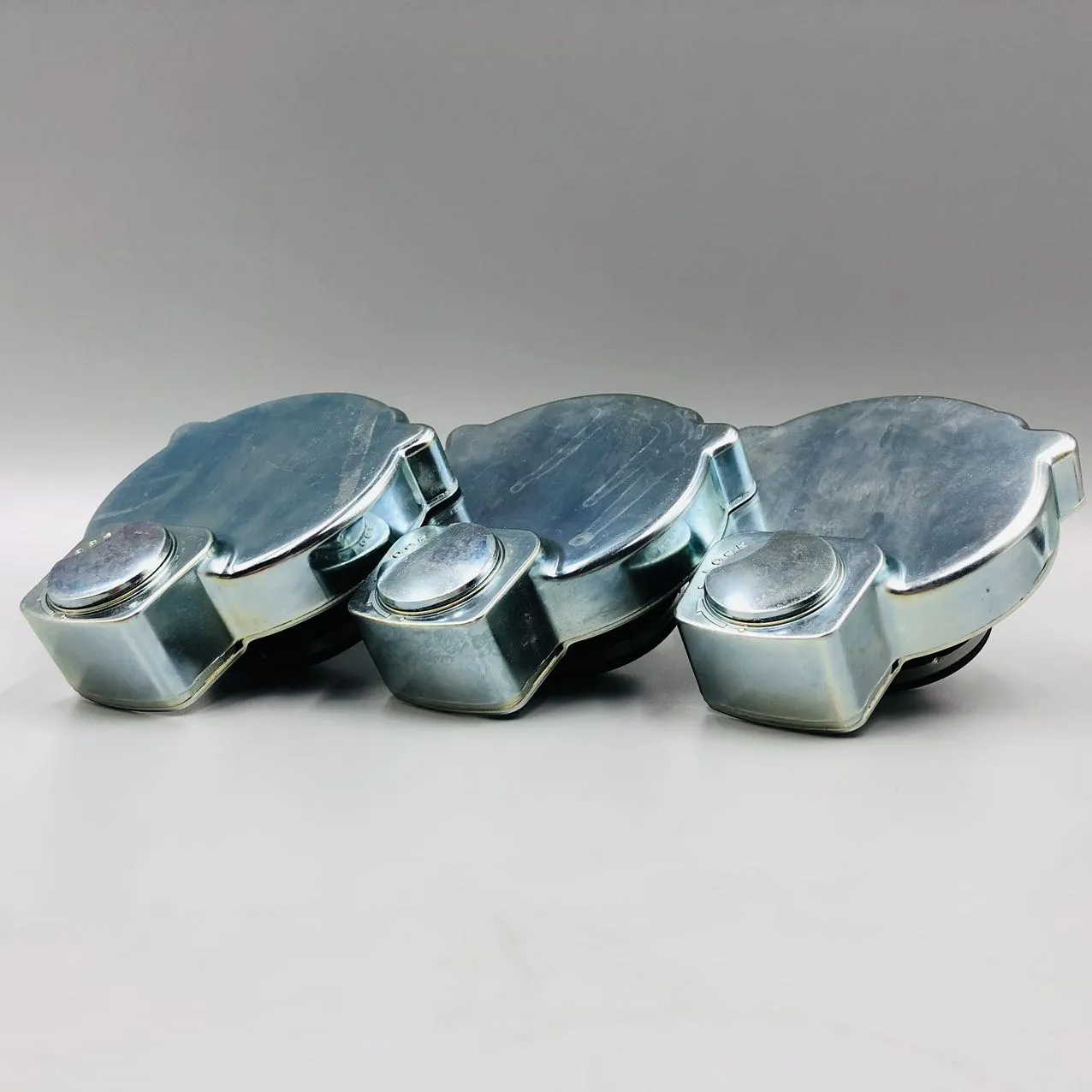 Hydraulic Oil Tank Cap 17A-60-11310 For Komatsu PC200-6 PC220-6 Parts
 -
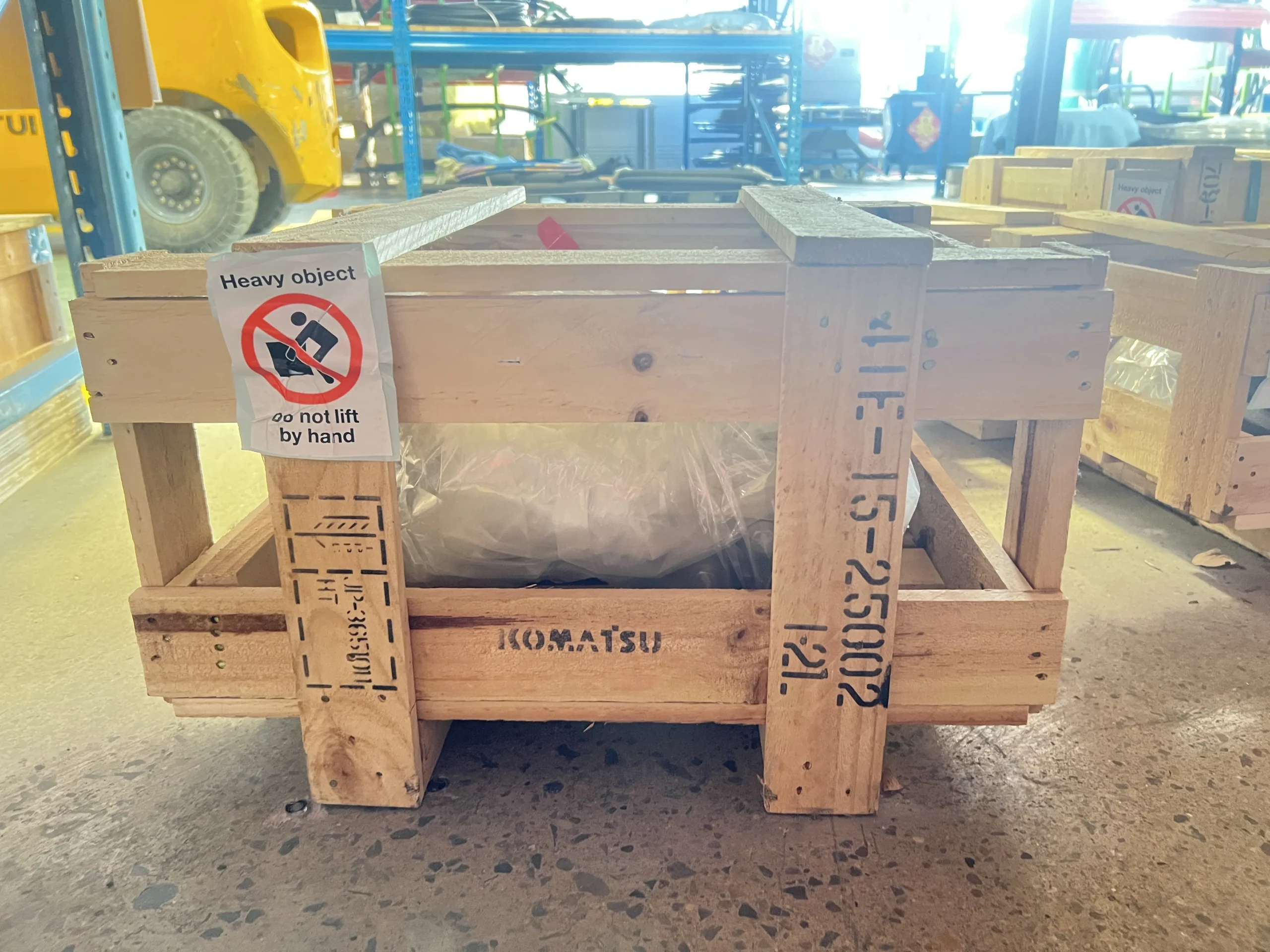 WD600-3 Control Valve Assembly 41E-15-25002
 -
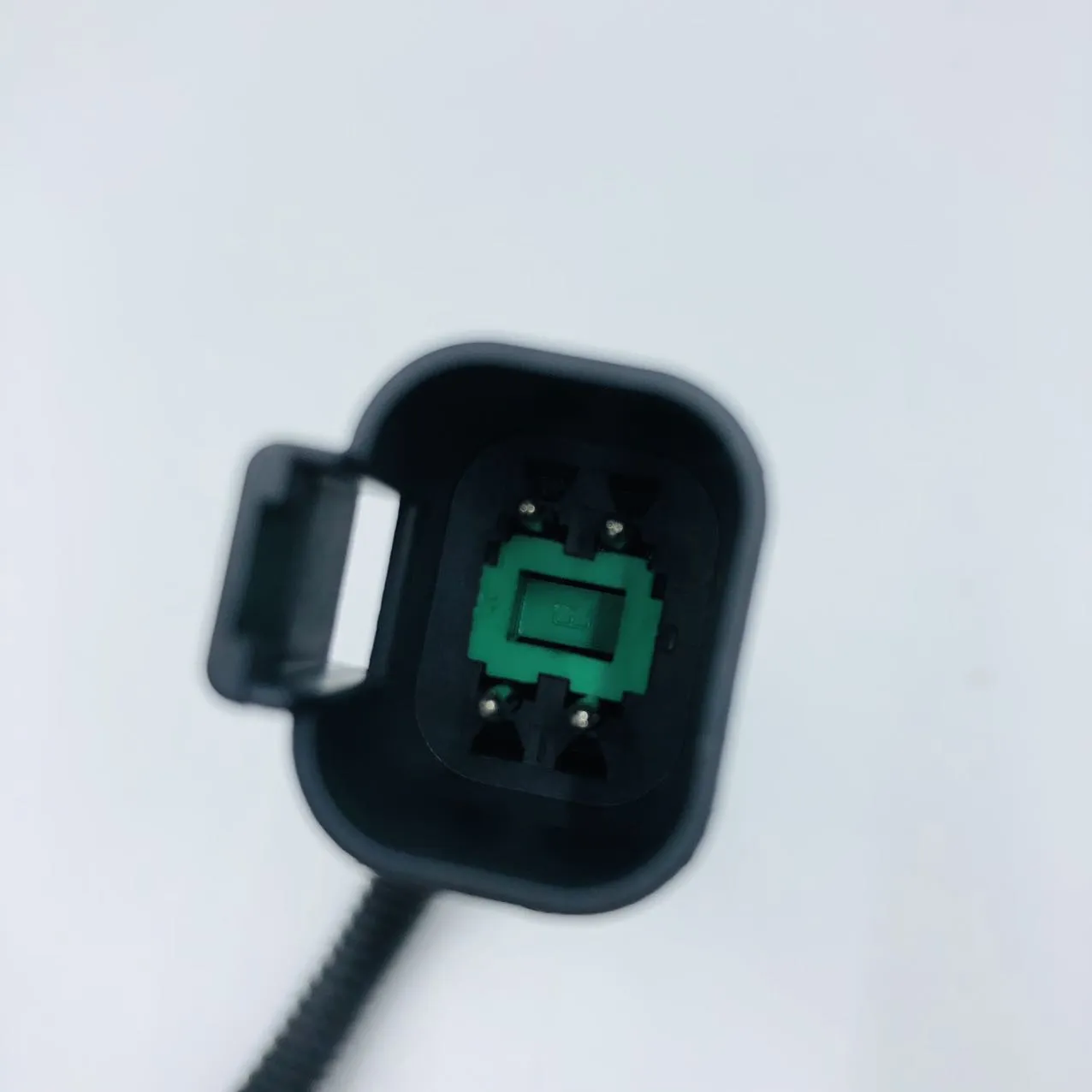 7861-93-5410Komatsu Acceleration Sensor, 7861-93-5410
 -
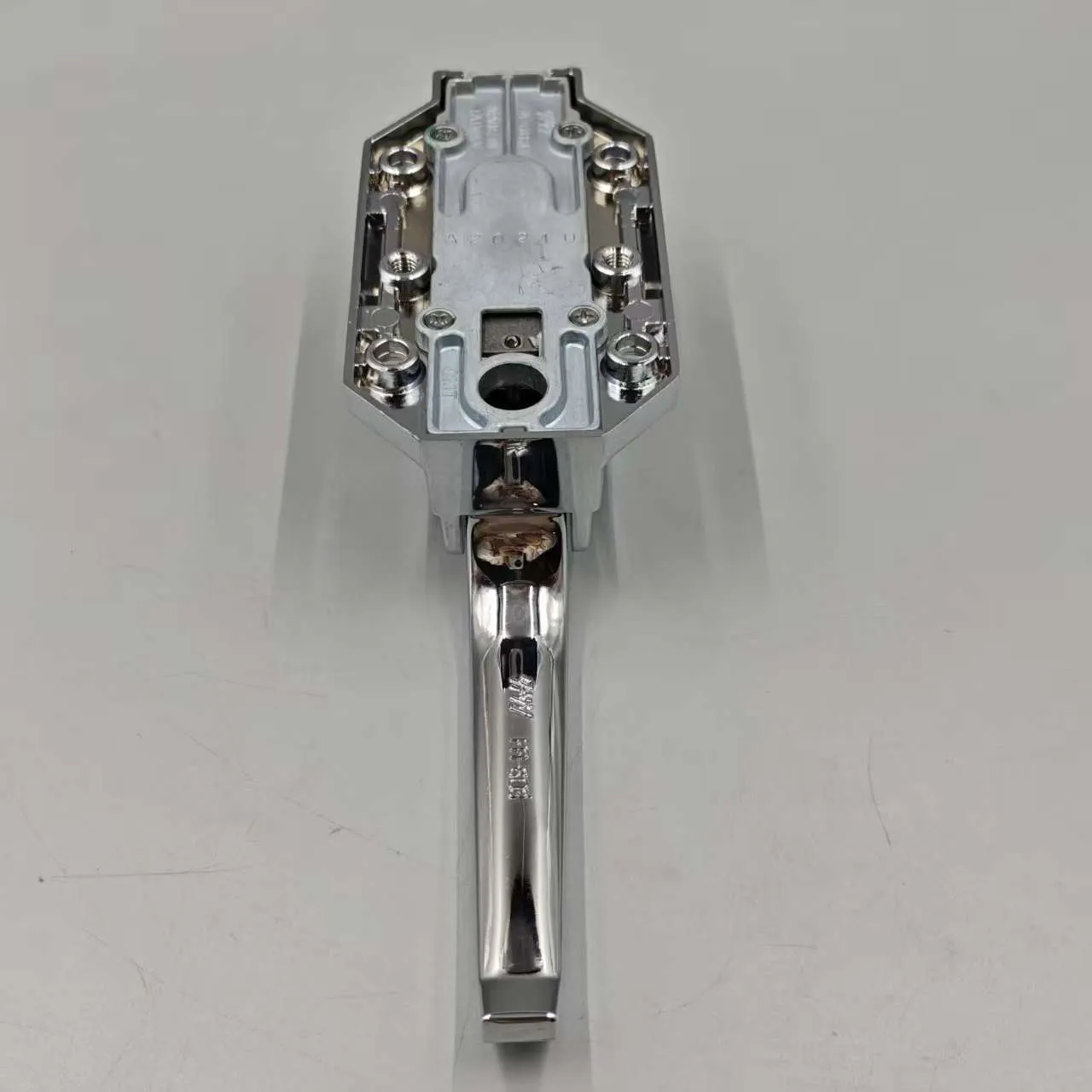 21T-54-35421 Komatsu Handle
 -
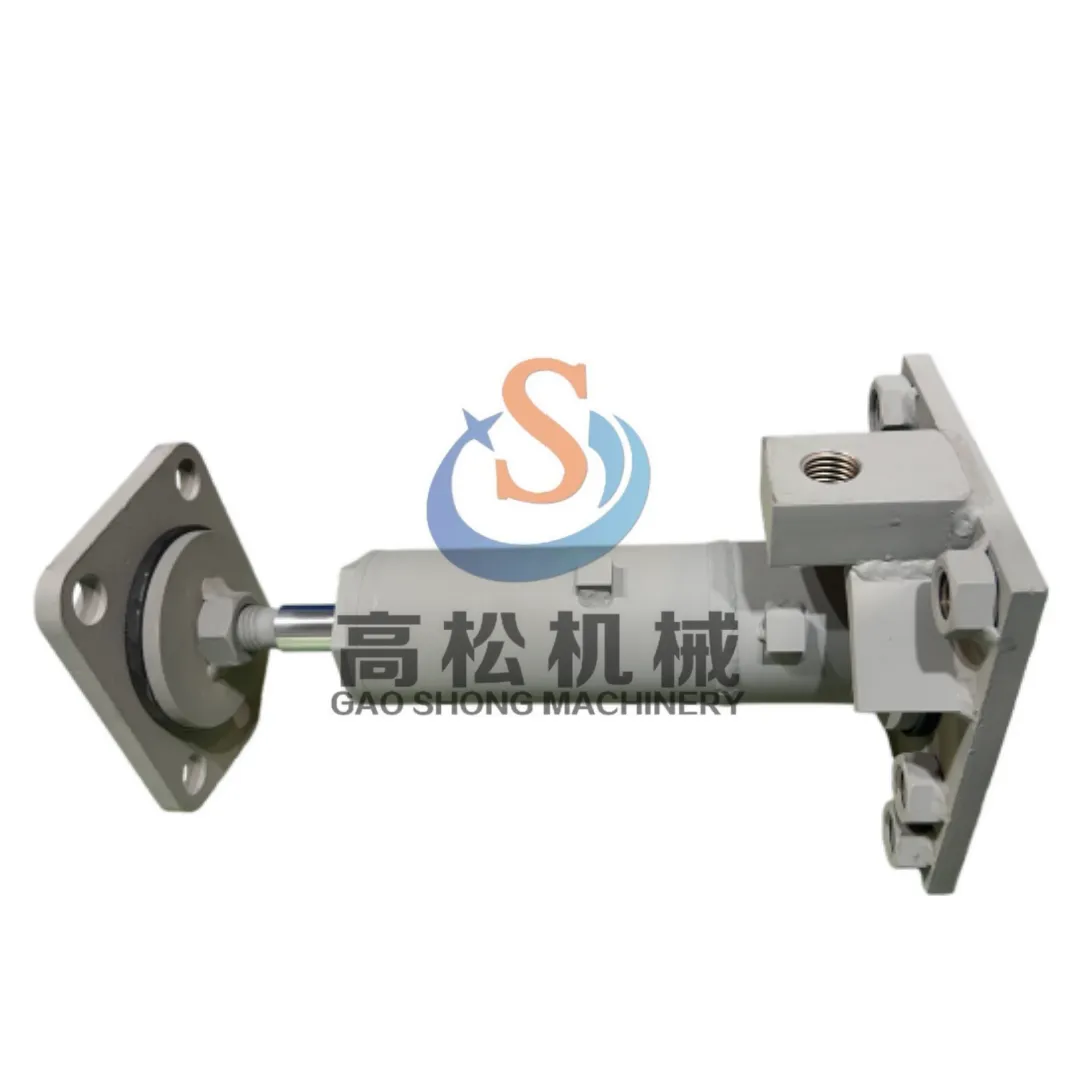 suspension ass’y 17a-54-16201 – komatsu
 -
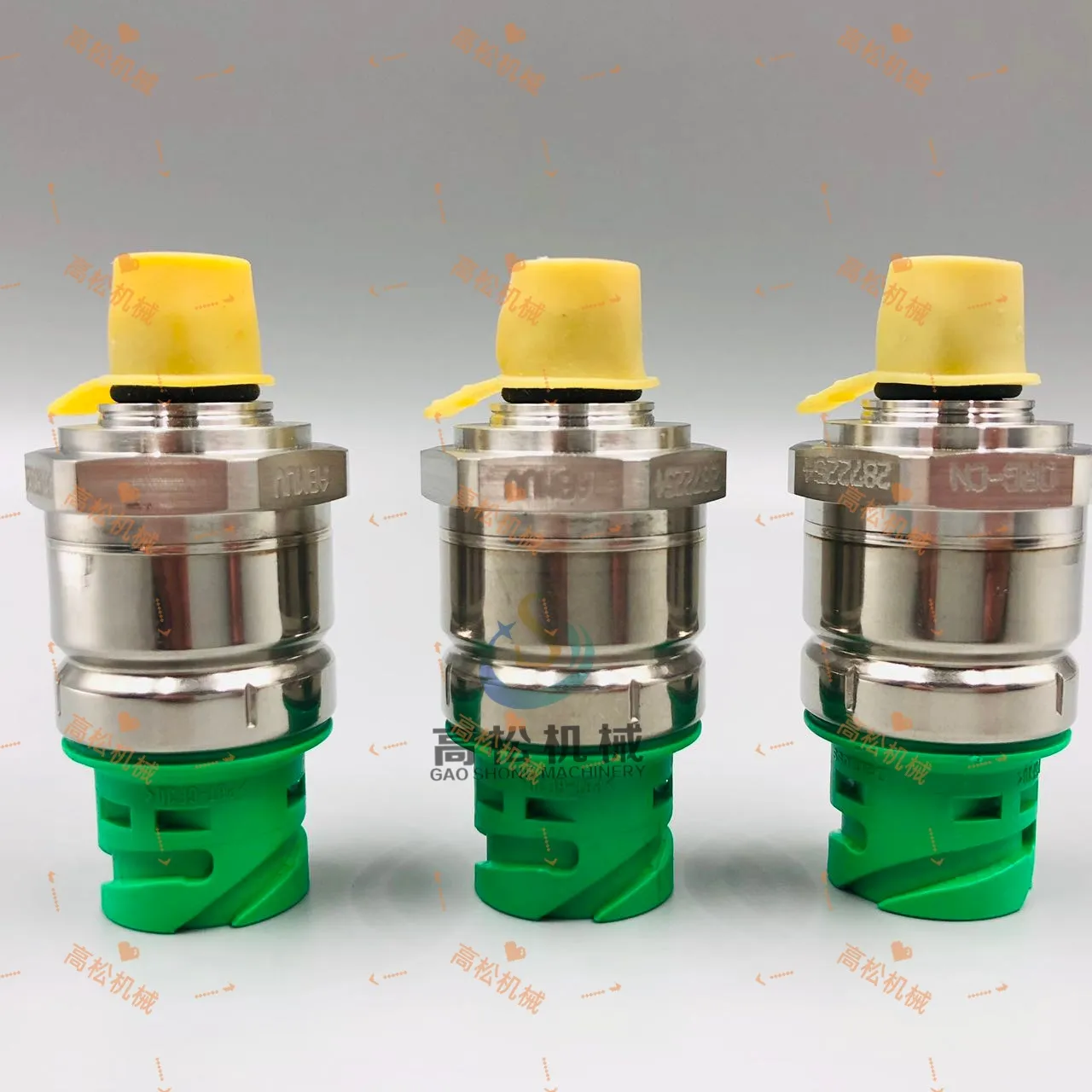 Komatsu, Sensor 6560-61-7202 Komatsu HM400 SAA6D140E WA500
 -
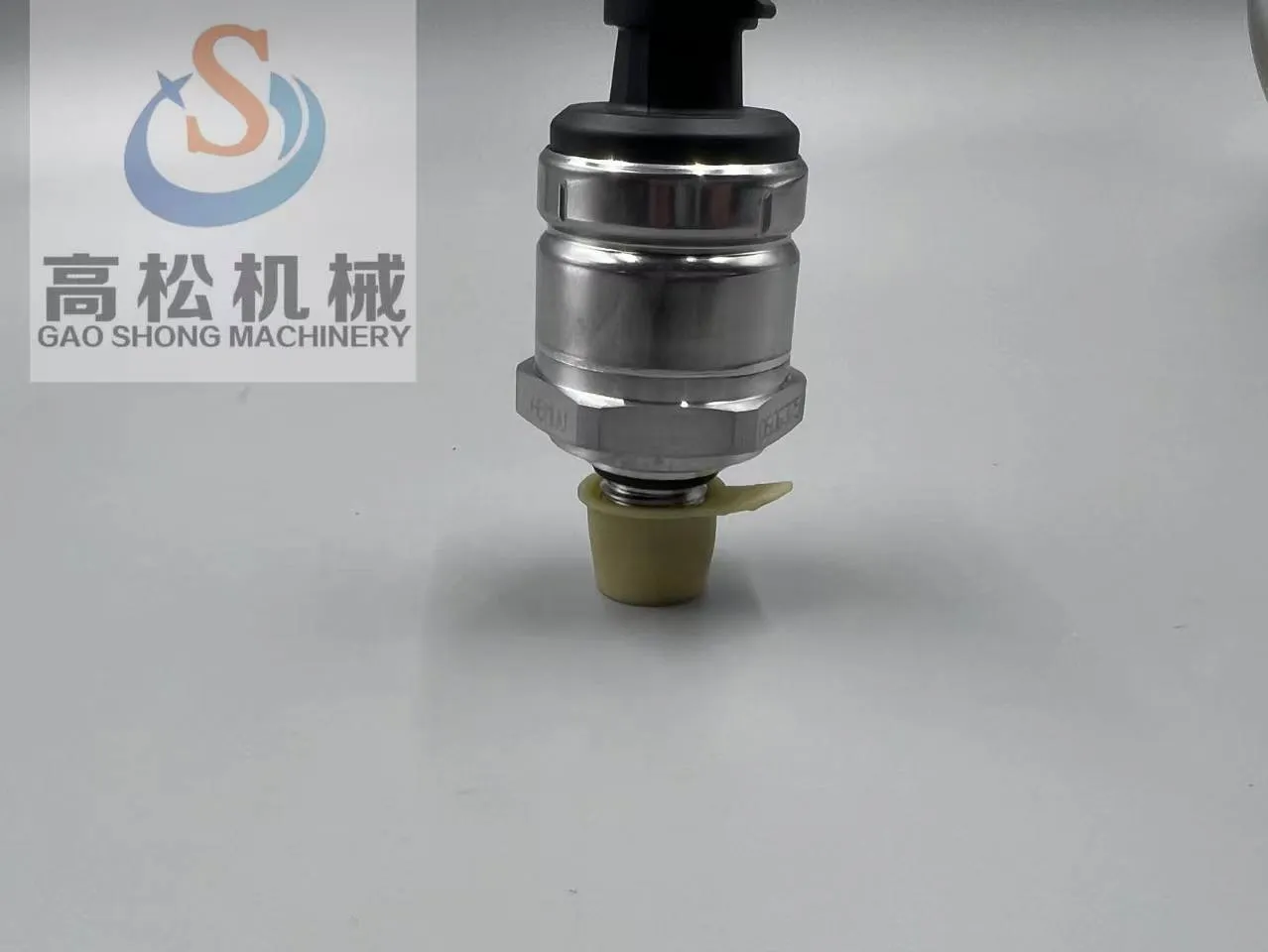 New fuel adjustment sensor sa6d170e-3 6560-51-6201 for komatsu heavy machinery spare parts
 -
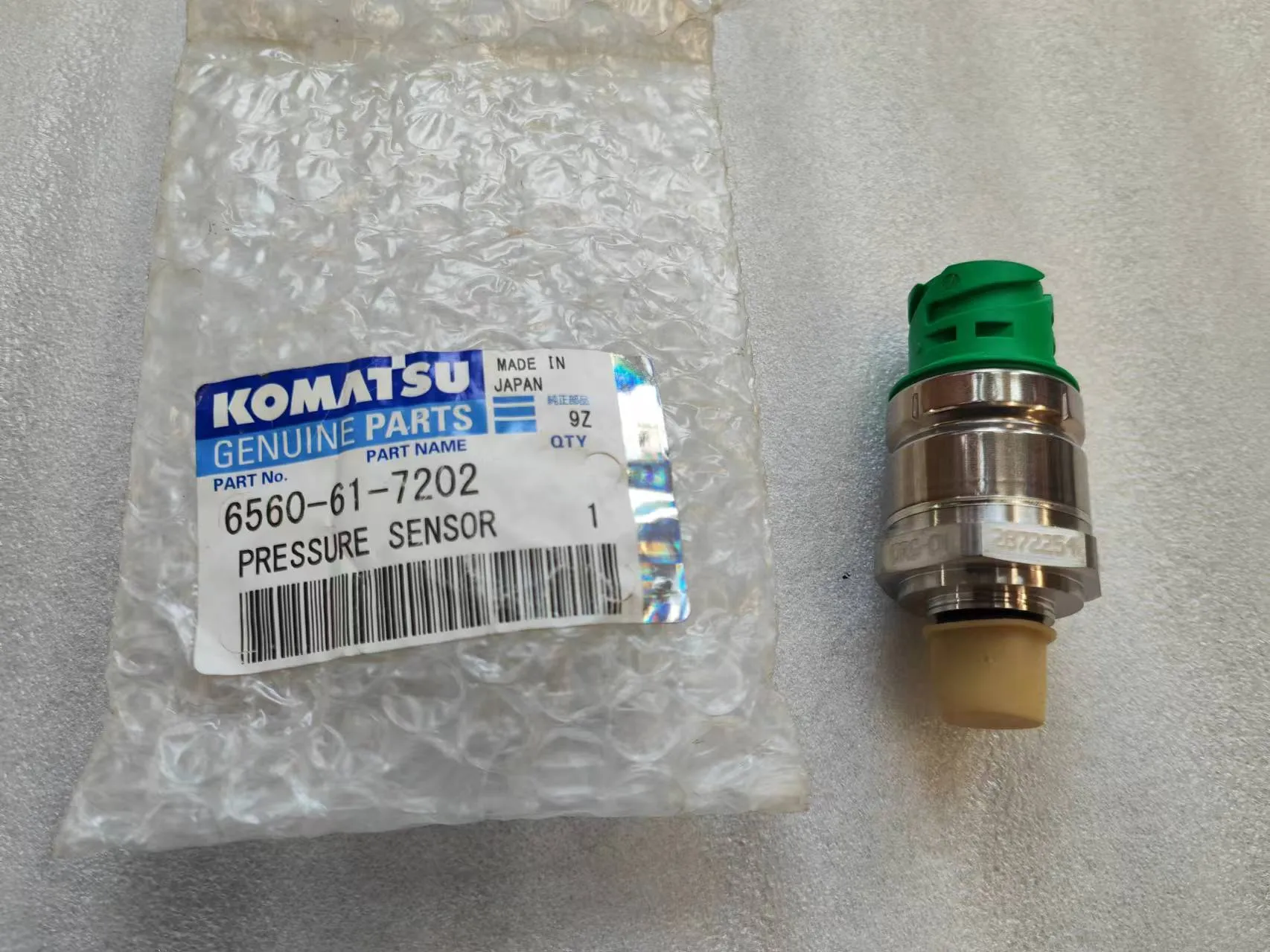 D155AX-6 Pressure Sensor 6560-61-7202
 -
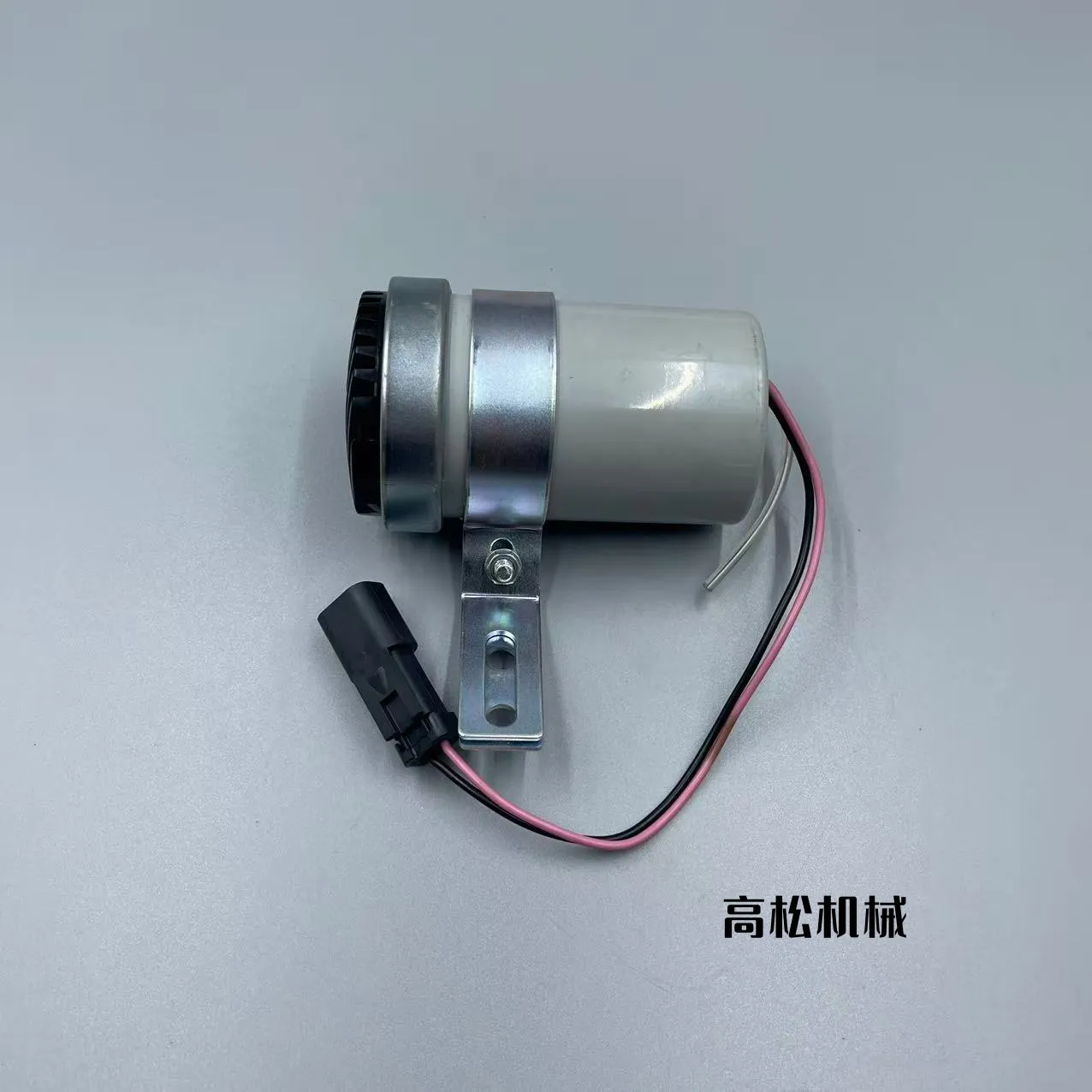 198-06-56570 BUZZER-Komatsu Original Factory
 -
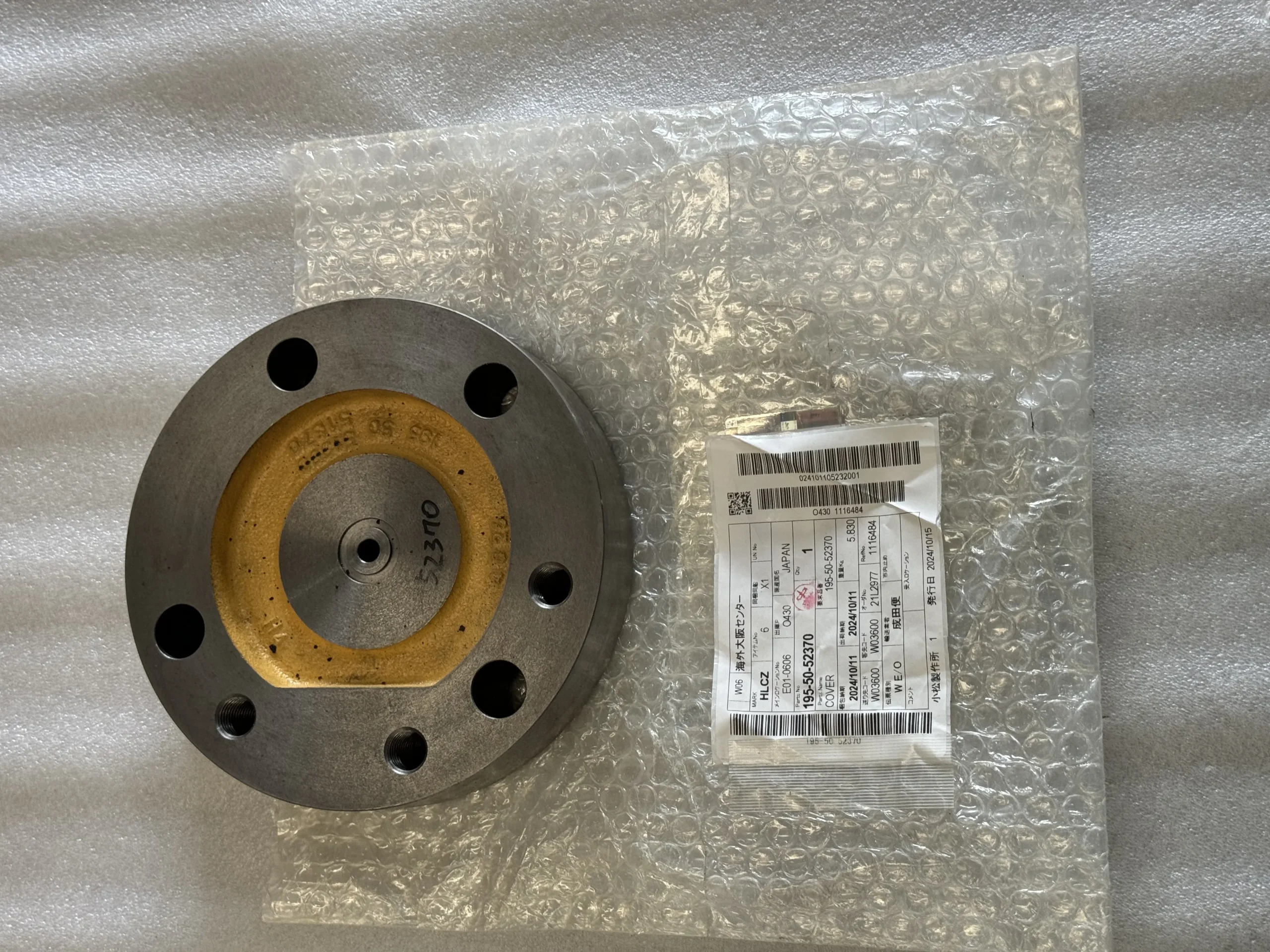 D375A-5 Cover 195-50-52370
 -
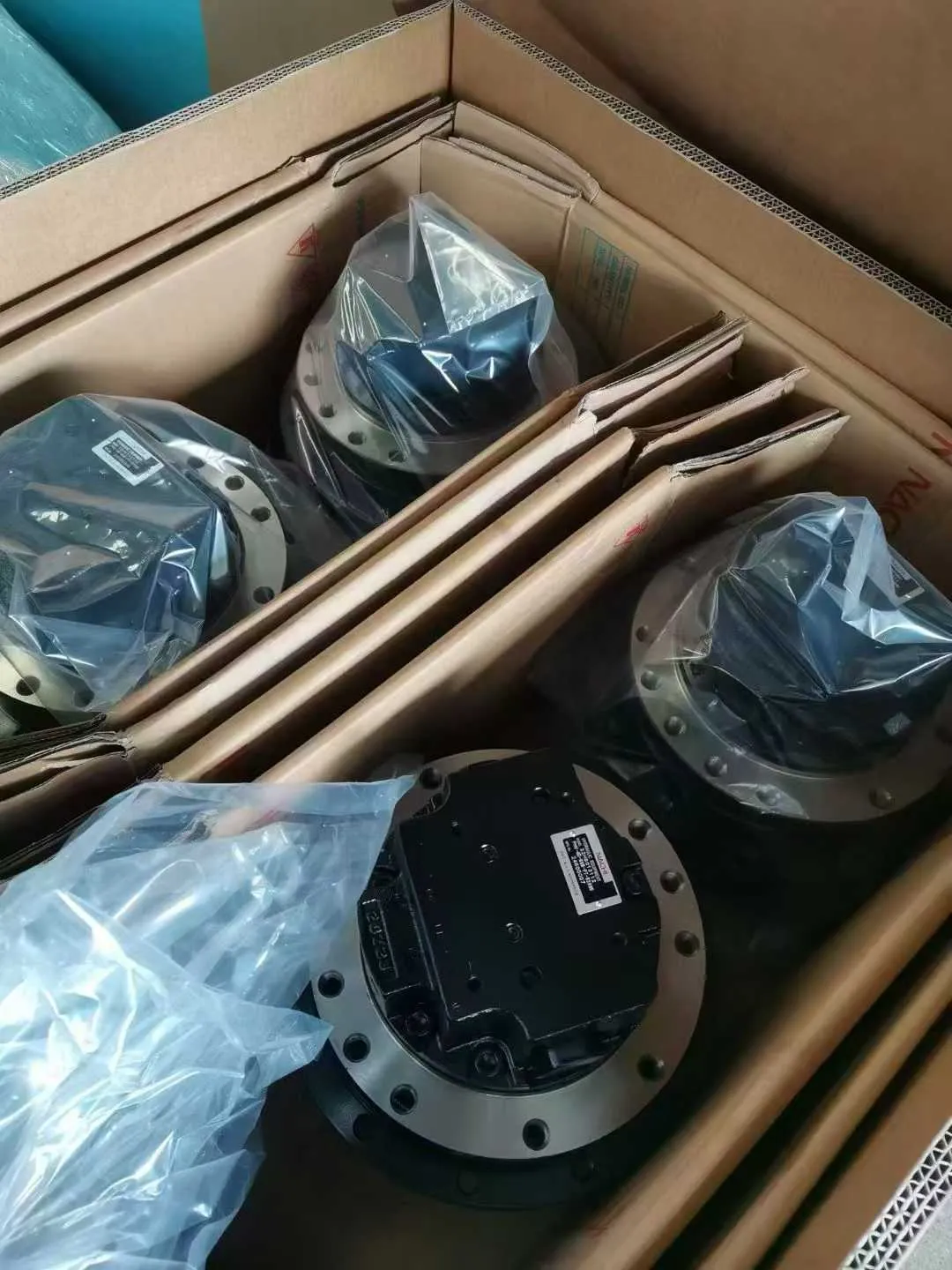 PC57-7 traveling motor assembly 22H-60-13112 in stock for sale #komatsu #komatsuparts #komatsuexcavator #pc57-7 #22H6013112
 -
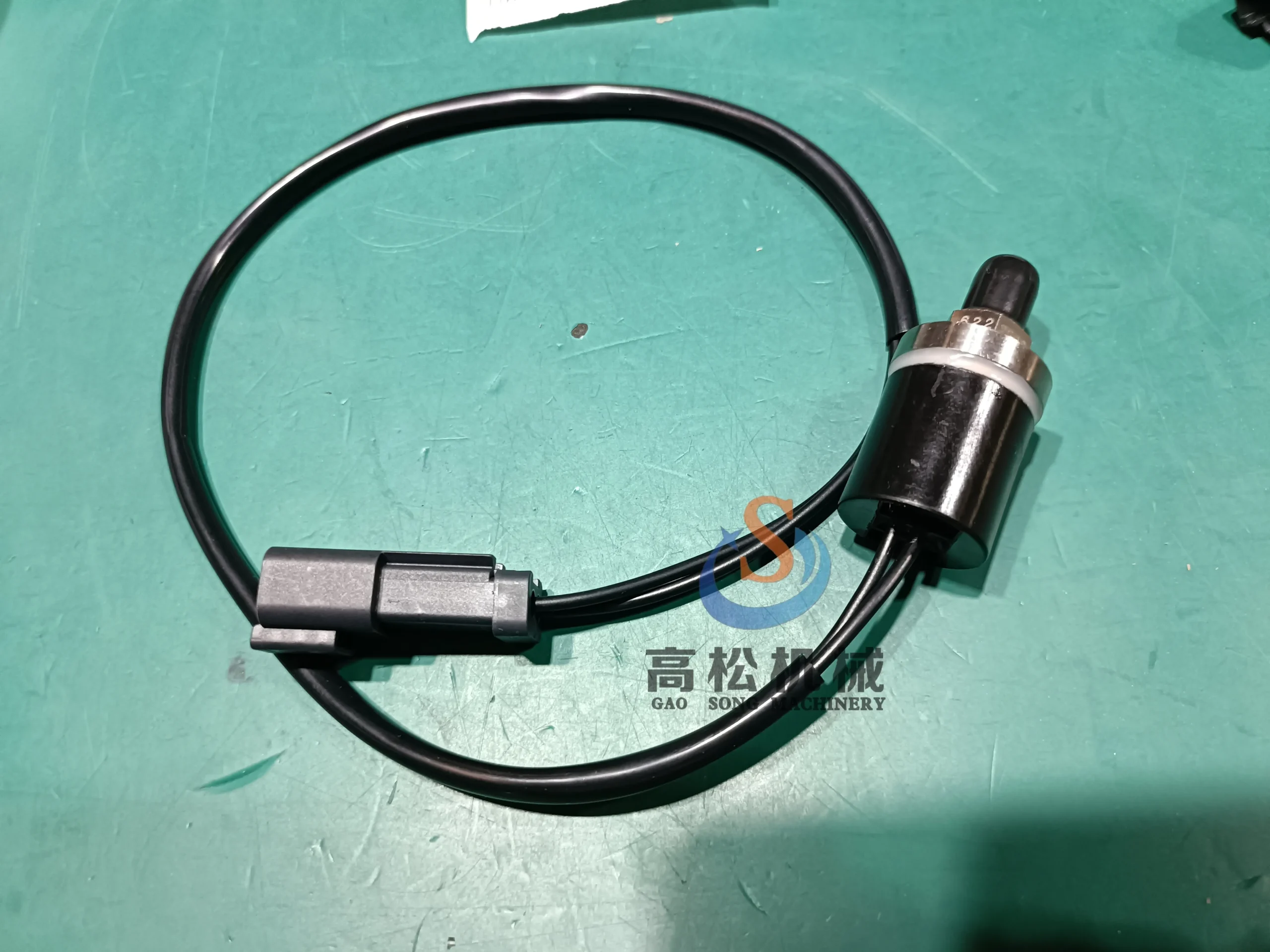 42C-06-15121 komatsu SWITCH-WA380/WA400/WA900