
- Chinese
- French
- German
- Portuguese
- Spanish
- Russian
- Japanese
- Korean
- Arabic
- Irish
- Greek
- Turkish
- Italian
- Danish
- Romanian
- Indonesian
- Czech
- Afrikaans
- Swedish
- Polish
- Basque
- Catalan
- Esperanto
- Hindi
- Lao
- Albanian
- Amharic
- Armenian
- Azerbaijani
- Belarusian
- Bengali
- Bosnian
- Bulgarian
- Cebuano
- Chichewa
- Corsican
- Croatian
- Dutch
- Estonian
- Filipino
- Finnish
- Frisian
- Galician
- Georgian
- Gujarati
- Haitian
- Hausa
- Hawaiian
- Hebrew
- Hmong
- Hungarian
- Icelandic
- Igbo
- Javanese
- Kannada
- Kazakh
- Khmer
- Kurdish
- Kyrgyz
- Latin
- Latvian
- Lithuanian
- Luxembou..
- Macedonian
- Malagasy
- Malay
- Malayalam
- Maltese
- Maori
- Marathi
- Mongolian
- Burmese
- Nepali
- Norwegian
- Pashto
- Persian
- Punjabi
- Serbian
- Sesotho
- Sinhala
- Slovak
- Slovenian
- Somali
- Samoan
- Scots Gaelic
- Shona
- Sindhi
- Sundanese
- Swahili
- Tajik
- Tamil
- Telugu
- Thai
- Ukrainian
- Urdu
- Uzbek
- Vietnamese
- Welsh
- Xhosa
- Yiddish
- Yoruba
- Zulu
- Kinyarwanda
- Tatar
- Oriya
- Turkmen
- Uyghur






Komatsu machinery parts
When you hear 'Komatsu machinery parts,' the immediate assumption is often a direct pipeline to the factory floor in Japan. That's the first misconception I had to unlearn. In the field, especially in markets with complex supply chains, that label encompasses a much wider ecosystem—OEM, genuine, aftermarket, compatible, and frankly, some outright fakes. The real challenge isn't just finding a part; it's verifying its provenance and understanding which tier of that ecosystem actually fits the operational need and budget. I've seen too many projects stall because someone insisted on only genuine parts for a 15-year-old PC300, not realizing the lead times and cost, when a high-quality OEM-spec alternative from a certified supplier would have kept the machine running for another 10,000 hours without a hiccup.
The OEM Niche and the System's Gray Areas
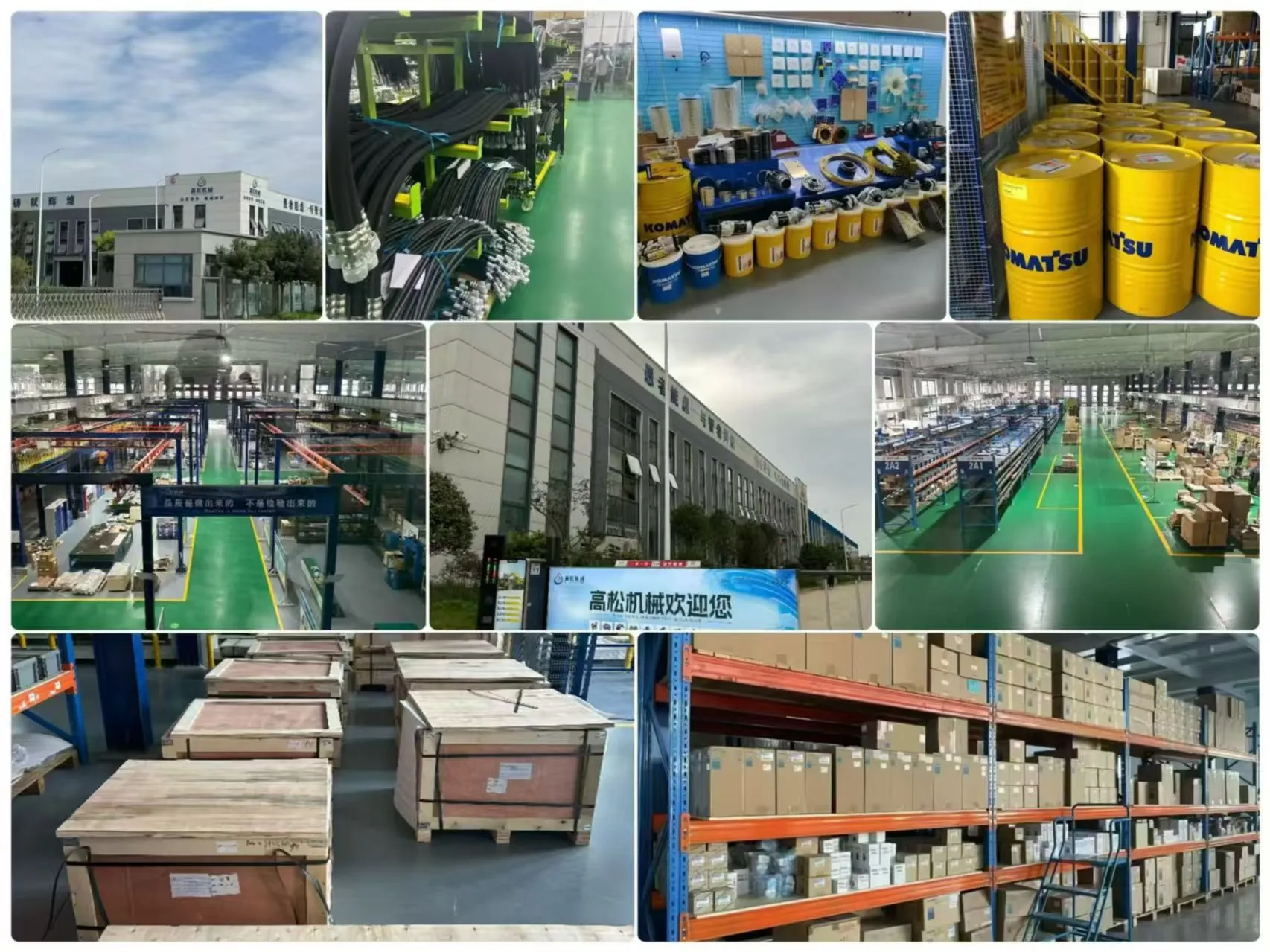
This is where companies operating within the Komatsu system, but not as the direct brand, become critical. Take Jining Gaosong Construction Machinery Co., Ltd., for instance. Their position is a perfect case study. They describe themselves as an OEM product supplier within the Komatsu system and a third-party sales company. In practice, this means they manufacture components to the original engineering specifications—the blueprints, tolerances, material grades—that Komatsu approves for its production lines. These aren't aftermarket guesses; they are the same parts, often from the same forging presses or casting molds, just without the final Komatsu paint and logo. For a fleet manager, this is a crucial distinction. You're getting the engineering integrity, but the supply chain is more agile.
Their role as a third-party seller, helping solve parts supply challenges in certain countries, speaks directly to a major pain point. I've dealt with regions where official distribution is thin or politically complicated. Getting a genuine seal on a D375A-8 track link might take 12 weeks through official channels. A supplier like Gaosong, with their base at https://www.takematsumachinery.com, can often navigate that local logistics web more effectively. They aren't bypassing Komatsu; they're filling the gaps in the global system that the primary network can't always reach efficiently. It's a symbiotic, if sometimes unofficially acknowledged, relationship.
The skepticism, of course, is natural. OEM within the system can sound like marketing speak. The verification is in the cross-referencing. When we first tested parts from such a supplier, we didn't just throw them on. We did side-by-side metallurgical checks on a cylinder rod, measured gear tooth profiles on a swing drive assembly. The deviations were within microns—well within wear limits. The failure point, interestingly, wasn't the part itself once, but a batch of inferior O-rings they had sourced from a sub-supplier. That was the real lesson: even with perfect OEM specs, the entire bill of materials matters. A good supplier audits their own supply chain as rigorously as you audit them.
On-the-Ground Failures and the Fit Imperative
Let me digress into a failure that shaped my view. We had a Komatsu WA470 wheel loader with recurring hydraulic overheating. We replaced the main pump with a high-quality compatible part. It worked, but the efficiency was off, just enough to keep the system at a higher baseline temperature. The issue wasn't durability; it was marginal performance mismatch. We eventually sourced an OEM-spec pump from a supplier like Gaosong. The fit was exact, the port sizes and displacement matched the original design intent, not just the bolt pattern. The problem vanished. That experience cemented that for core hydraulic and drivetrain components, compatible isn't enough. You need that OEM-level specification.
However, for other components, the calculus changes. Wear parts like bucket teeth, liner plates, or even certain hoses? The premium for a system-OEM part is harder to justify if a reputable aftermarket brand with proven field data is available. The key is tiering your parts strategy. Critical, geometry-sensitive components? Lean towards the OEM-spec route from trusted system suppliers. High-wear, consumable items? A robust aftermarket testing program often makes more sense. Blindly applying one standard to all Komatsu machinery parts is a quick way to blow a maintenance budget.
Another practical snag is the cross-reference. Komatsu part numbers are king, but the same component might have a dozen numbers across different models and years. A good supplier's website isn't just a catalog; it's a translation tool. When https://www.takematsumachinery.com provides clear interoperability charts or has a tech team that can confirm yes, this pump body fits both the PC360-7 and the PC400-7 despite the different suffix numbers, it saves days of downtime. That operational knowledge is as valuable as the part in the box.
The Third-Party Role in Legacy Machine Support
This is arguably their most vital function. Komatsu, like all majors, phases out support for older models. Try getting a genuine controller for a 1990s-era Dash-3 series excavator. It's nearly impossible. Specialized third-party companies within the ecosystem often step in to reverse-engineer, reproduce, or stockpile these legacy components. Their business model is built on supporting the long tail of the machine population that the primary network no longer prioritizes.
I remember sourcing a final drive planetary carrier for an old HD465-1 truck. The official line was obsolete. A third-party specialist had a small batch manufactured based on the original drawings. It wasn't cheap, but it was the only option short of scrapping a mechanically sound frame. This isn't about counterfeiting; it's about preservation. These suppliers provide a bridge that keeps capital assets alive, which in many developing economies is the backbone of industry.
The risk here is quality fade over time. The first production run of a legacy part might be perfect. The fifth run, years later, if the original tooling is worn or material sourcing changes, might not be. It requires a proactive relationship. You can't just buy and forget. You need to ask: Is this from the original batch, or a new production? Have the material certs changed? The onus is on the buyer to maintain that dialogue.
Evaluating a Supplier: Beyond the Website
A slick website like Takematsu Machinery is a starting point, but it's the offline verification that counts. When I evaluate a supplier claiming OEM status within a system, I ask for three things: 1) Certifications or audit reports from recognized bodies (not just their own word), 2) Sample parts for dimensional inspection before a large order, and 3) References from other fleet operations in similar environments. The last one is gold. A conversation with a mine manager in Chile or a port operator in Indonesia who's used their parts for two years tells you more than any spec sheet.
Also, probe their failure response. Do they have a technical team that understands machine systems, or just order processors? If a pump fails prematurely, will they work through the root cause with you (was it cavitation? contamination?) or just send a replacement? The latter is a parts vendor. The former is a partner. Companies like Jining Gaosong position themselves as problem-solvers for supply challenges, and that promise is tested entirely in these scenarios.
Price is, of course, a factor. But the cheapest part is almost never the cheapest solution. The total cost includes downtime, labor for installation (and potential re-installation), and machine reliability. An OEM-spec part from a system supplier typically sits at a 20-40% discount to full genuine, but at a premium to generic aftermarket. That's the sweet spot for critical components: you're paying for engineering assurance and traceability, but not for the brand premium and the extensive global logistics of the main corporation.
Concluding Thoughts: A Pragmatic Ecosystem
So, navigating Komatsu machinery parts is less about finding a single source and more about mapping a reliable ecosystem. The official distributor is your anchor for warranty work, major component exchanges under service agreements, and the latest model support. But a competent, transparent OEM-system supplier and third-party specialist is your essential partner for cost-effective lifecycle management, legacy support, and navigating localized supply bottlenecks.
It requires a shift from a passive order-from-catalog mindset to an active engineering and procurement partnership. You have to build your own qualified supplier list, validate tiers of parts for different applications, and maintain technical oversight. The goal isn't to have every part in a Komatsu box. The goal is to have every machine at peak availability and productivity. Sometimes that part comes from Japan. Often, it comes from a knowledgeable partner within the broader system who understands that the real value isn't in the label, but in the machine hours it delivers.
In the end, the industry runs on trust built through validated performance. Whether it's a company like Gaosong or any other, their long-term viability hinges on that simple, brutal metric: do the parts work, reliably, in the real world? All the OEM claims and third-party solutions distill down to that. And that's a judgment you can only make with a caliper in one hand, a service log in the other, and a healthy dose of field-tested skepticism.
Related Products
Related Products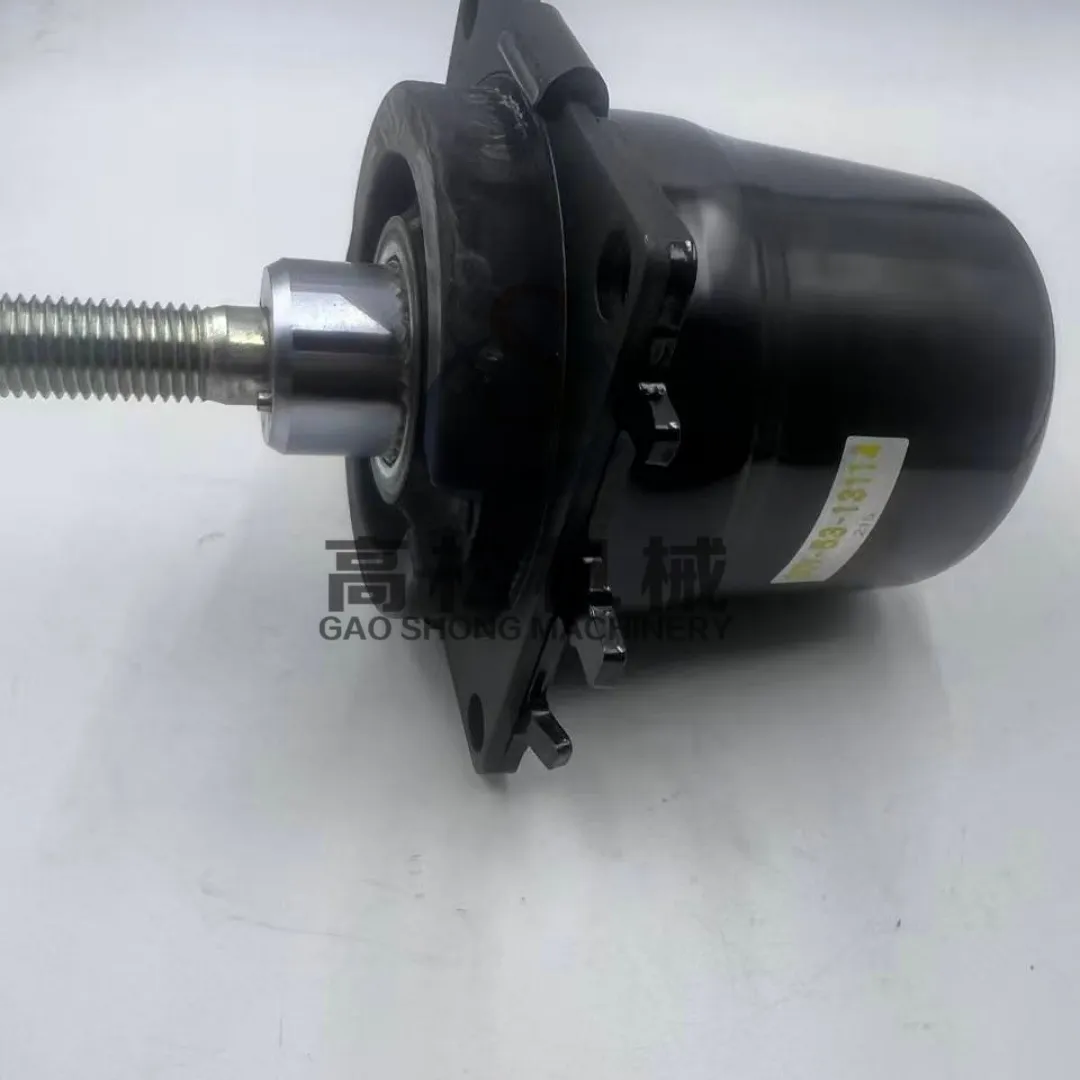
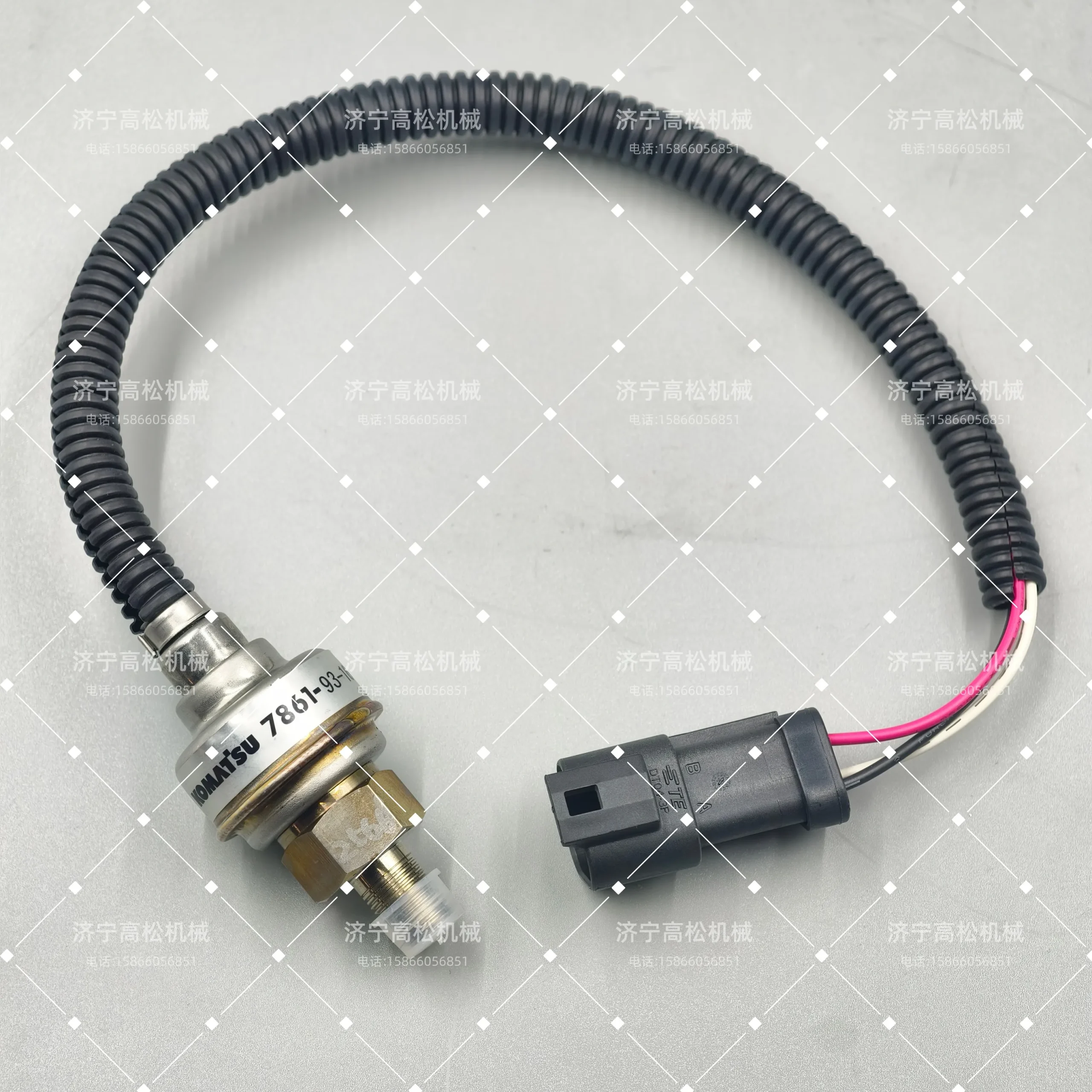

Best Selling Products
Best Selling Products-
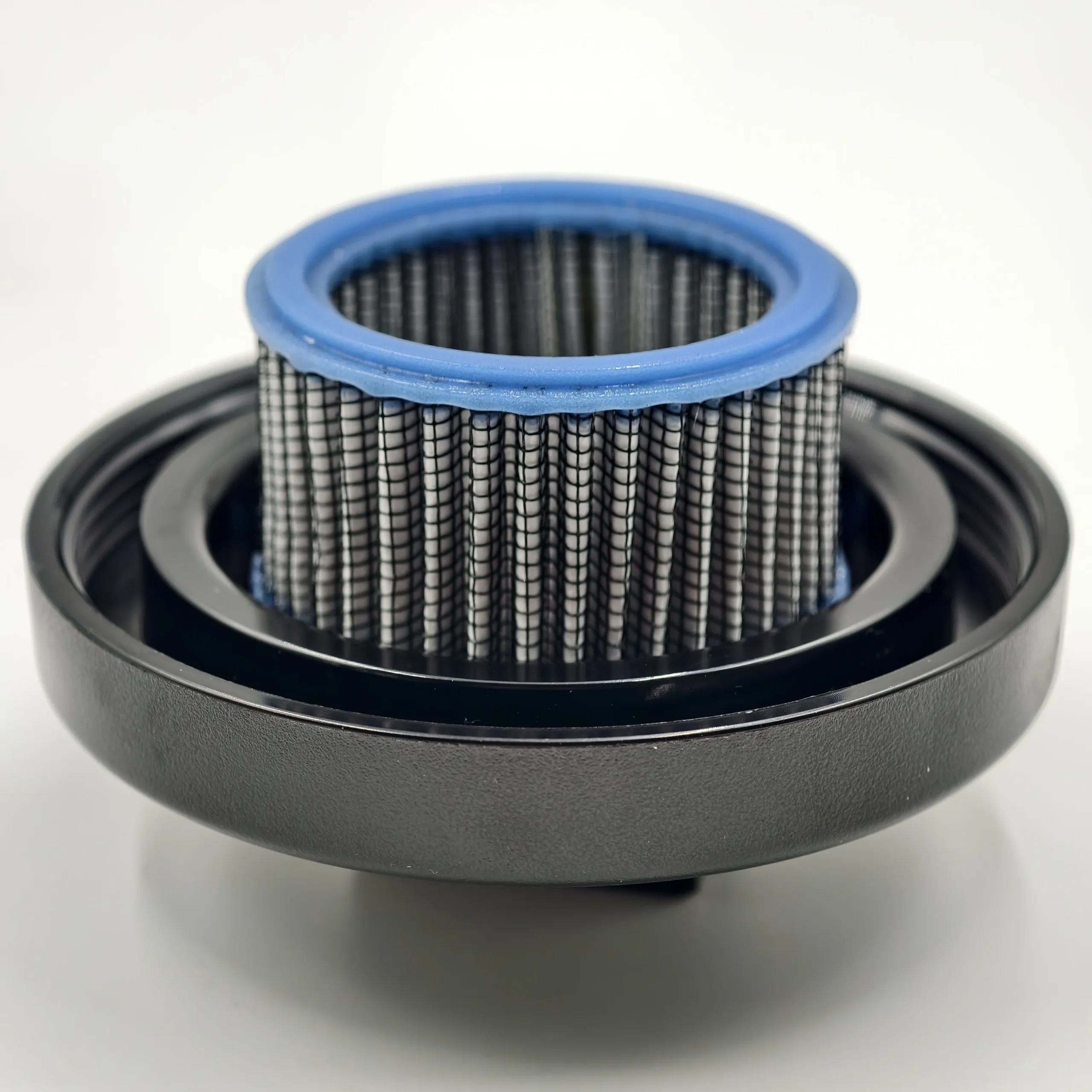 Komatsu21T-04-31170 Cap Assembly
 -
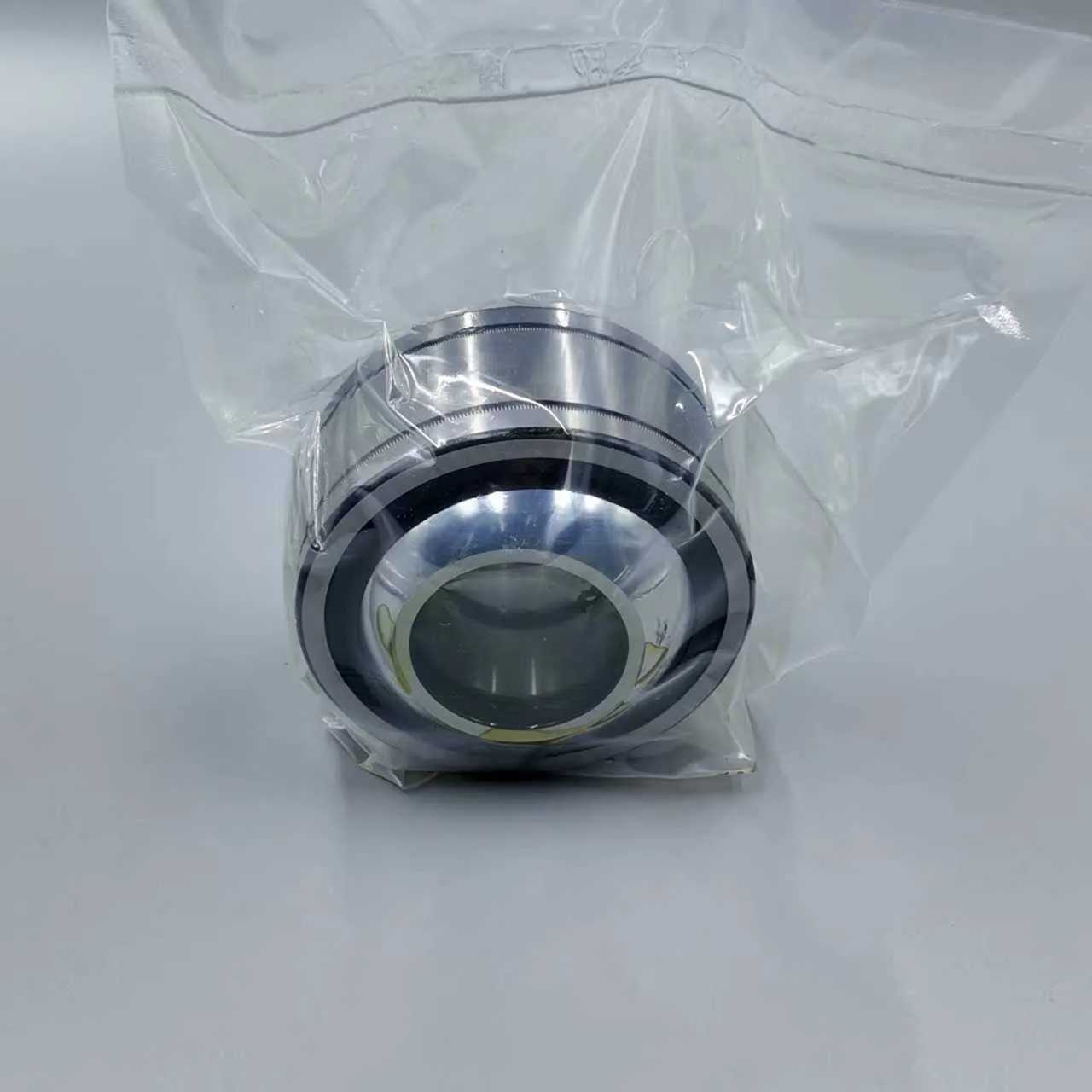 07137-04006 • BUSHING-Komatsu Original Factory
 -
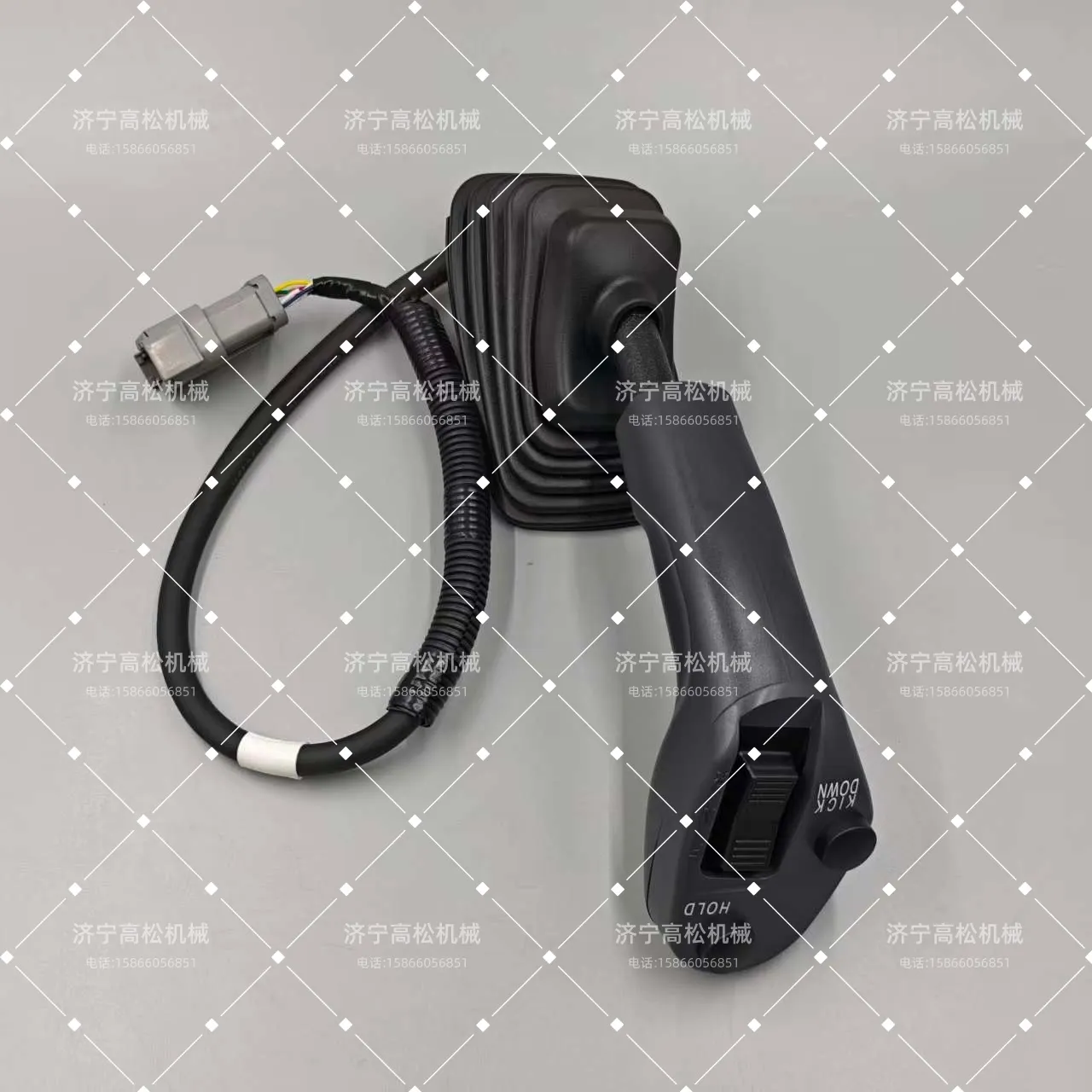 Original Brand New LEVER ASSEMBLY 423-V91-4144 for Komatsu…
 -
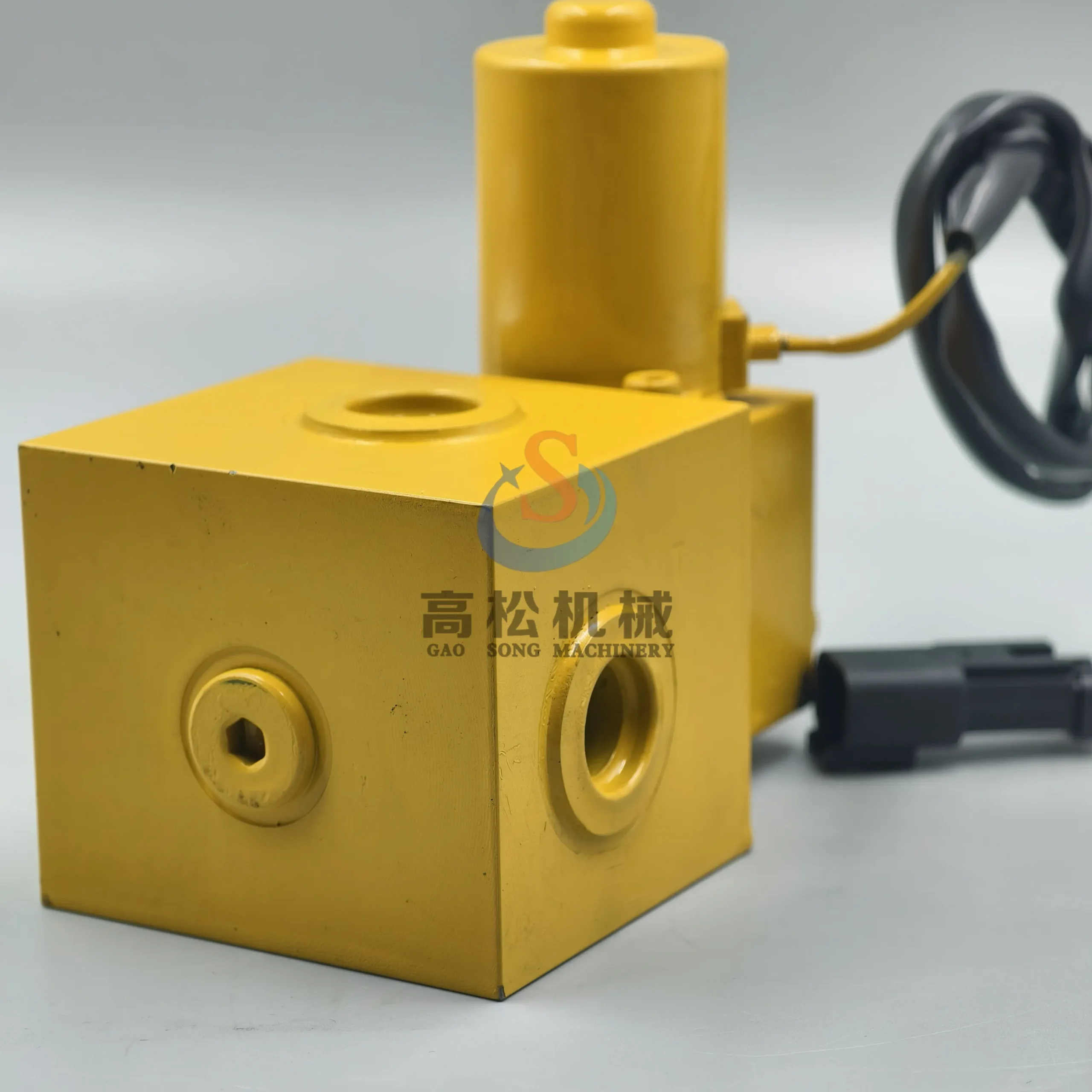 209-60-77220 komatsu vavle-PC600/PC700
 -
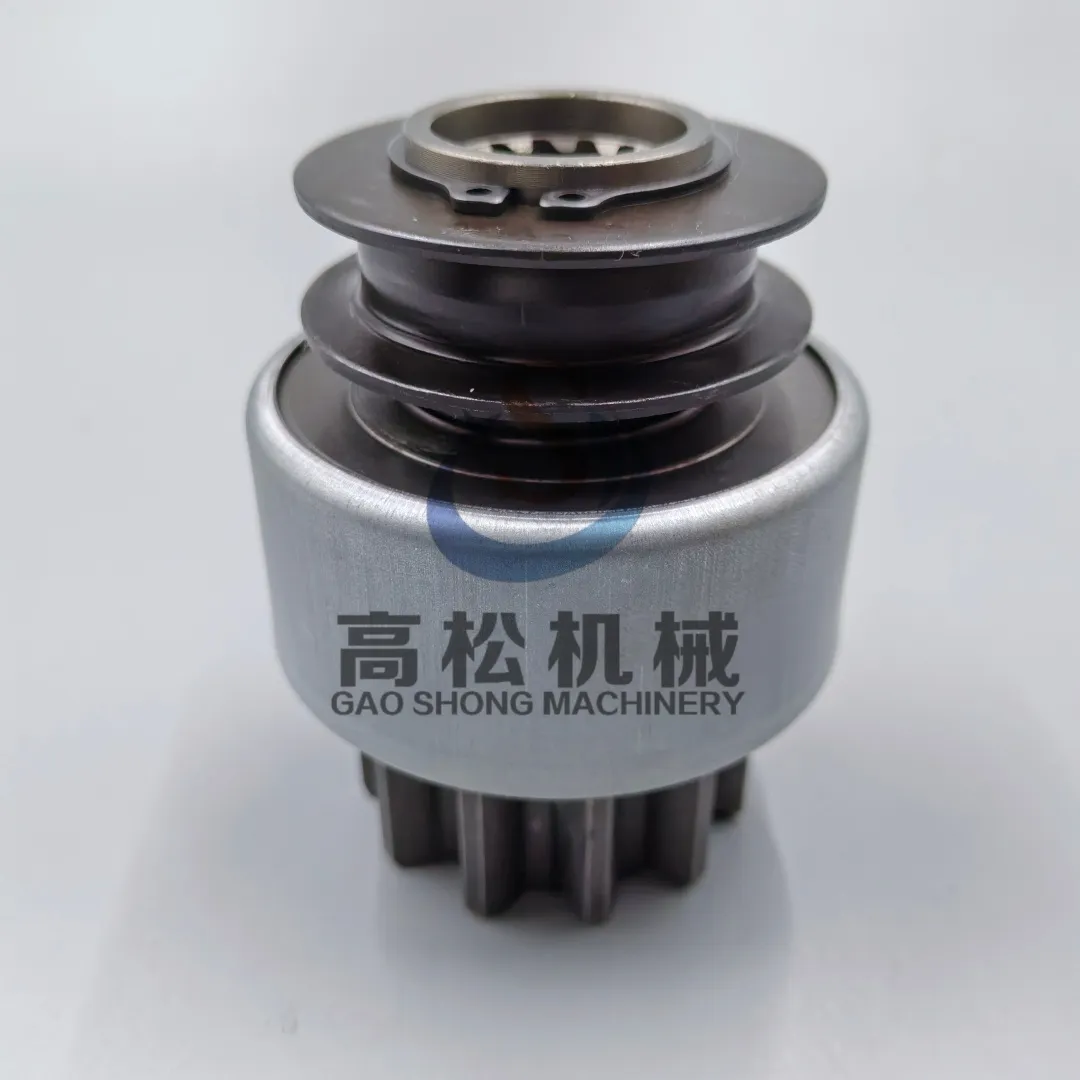 KD0-23500-1024 Komatsu CLUTCH ASS’Y
 -
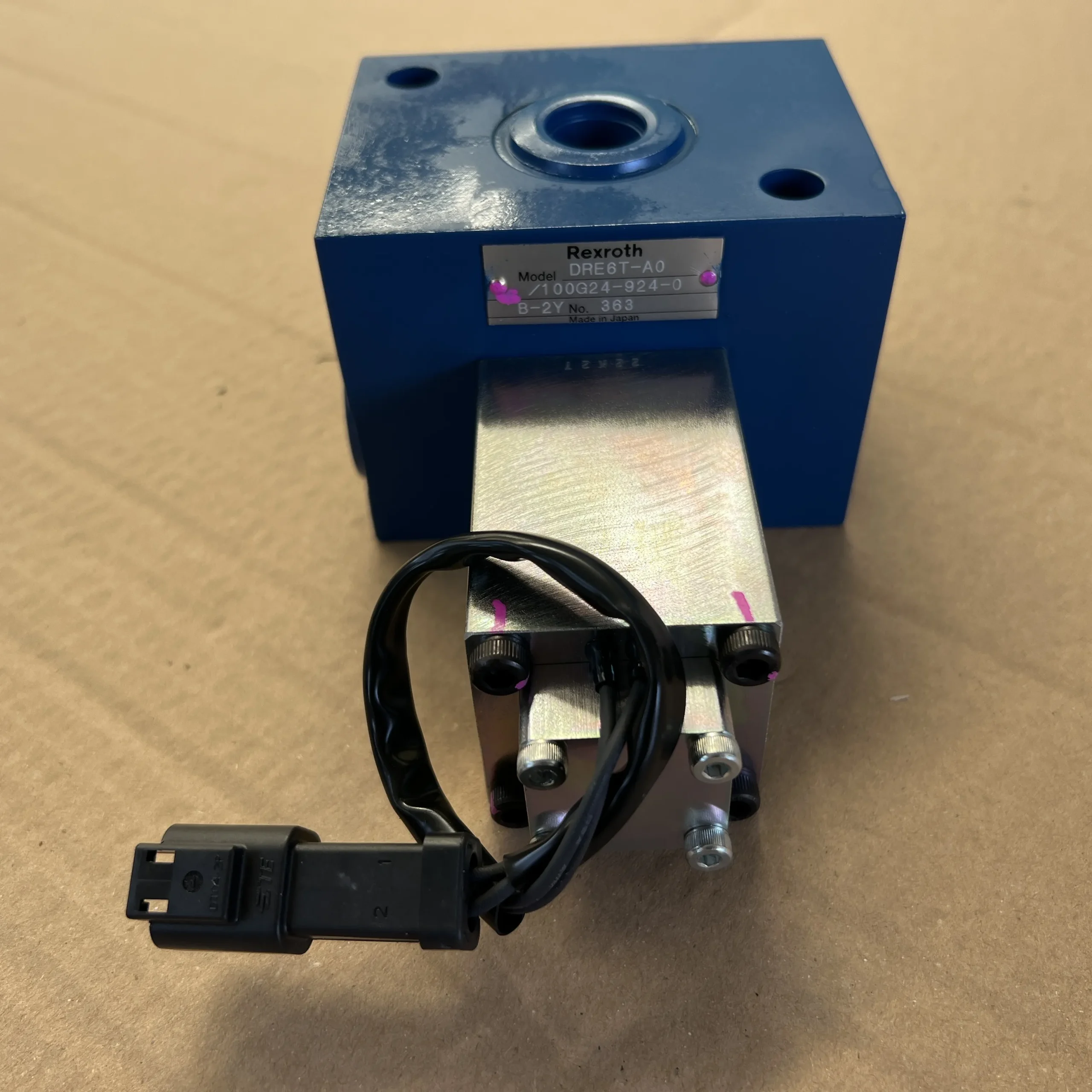 HD465-7 Proportional Solenoid Valve 569-43-83171
 -
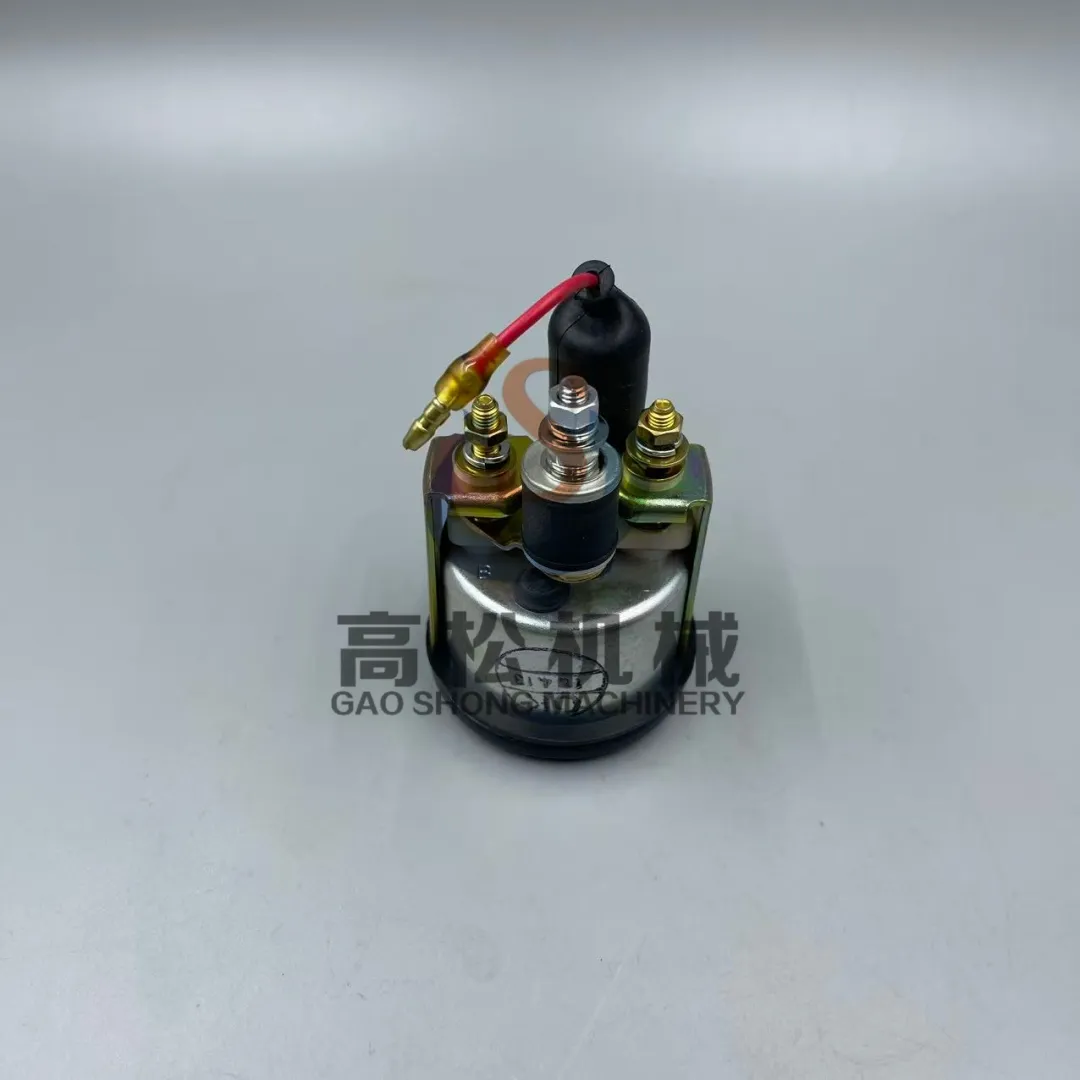 195-06-23110 – GAUGE, WATER TEMP 1950623110 fits KOMATSU
 -
 21N-30-14170 21N3014170 Spare Ring for Komatsu Excavator PC1250 PC1250SP
 -
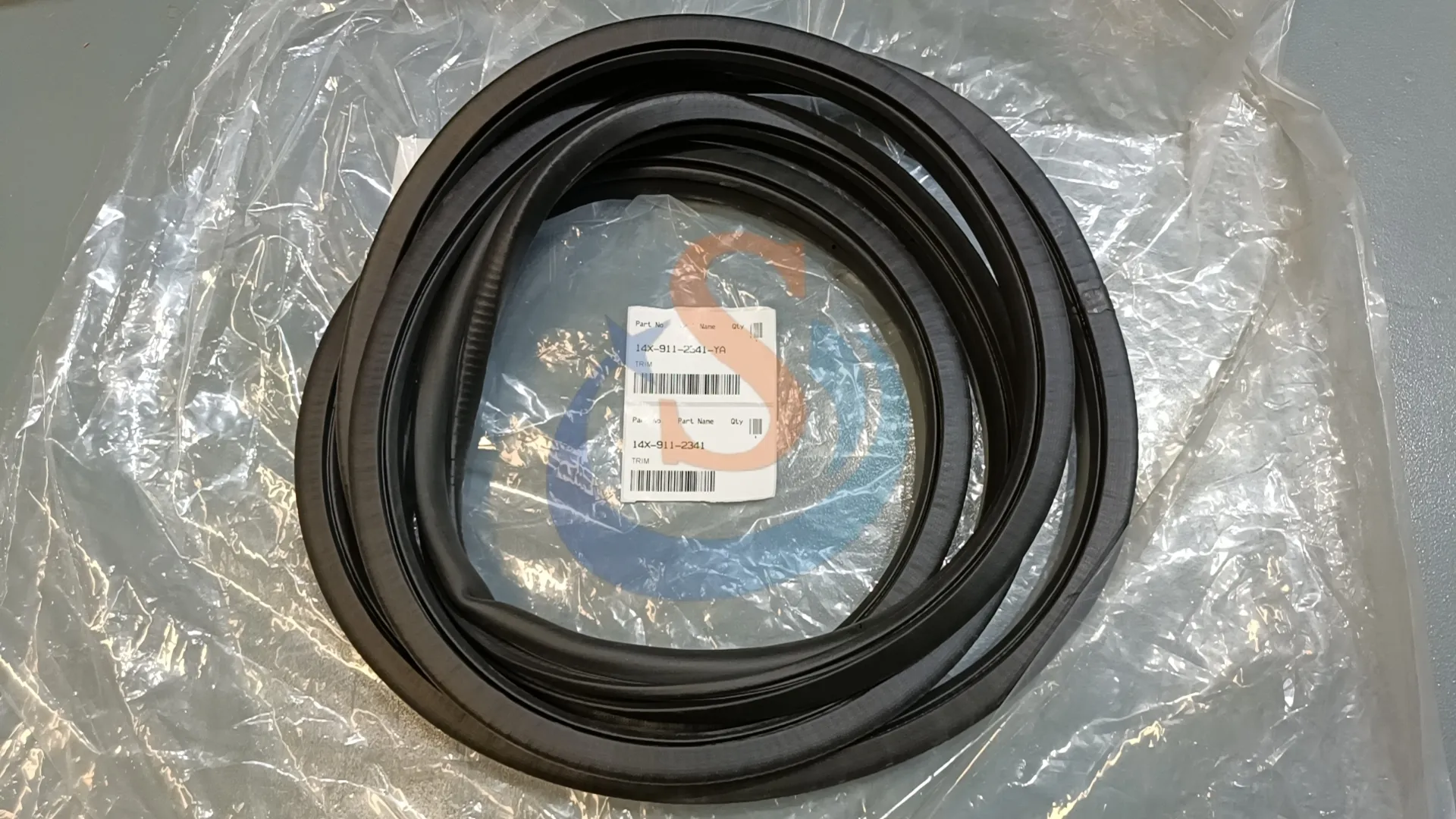 14X-911-2341,TRIM,D155A,D375A,D61EX
 -
 CORE ASSEMBLY 6506-21-5921, myKomatsu
 -
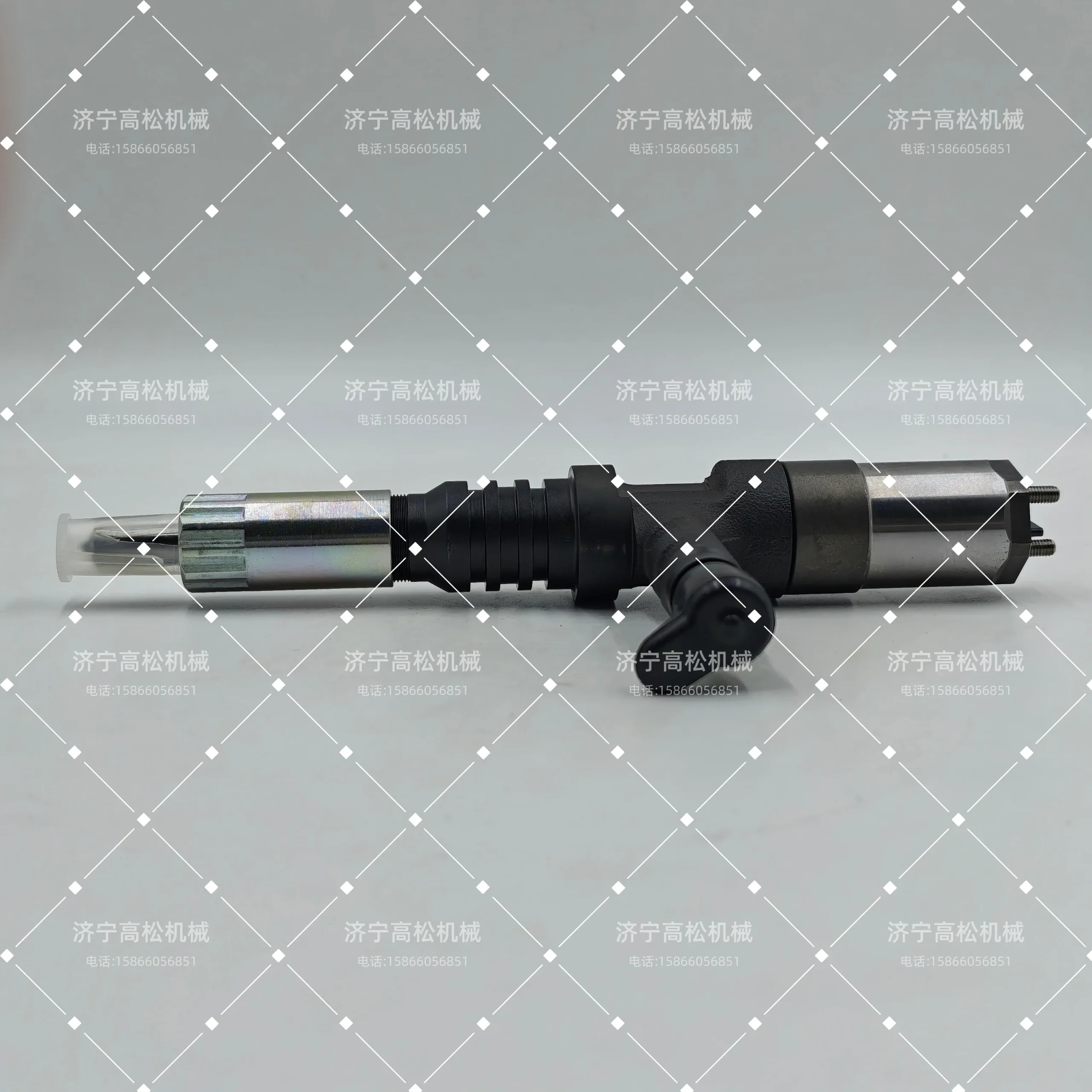 Original Injector Assembly 6218-11-3101 6218-11-3100 for Diesel…
 -
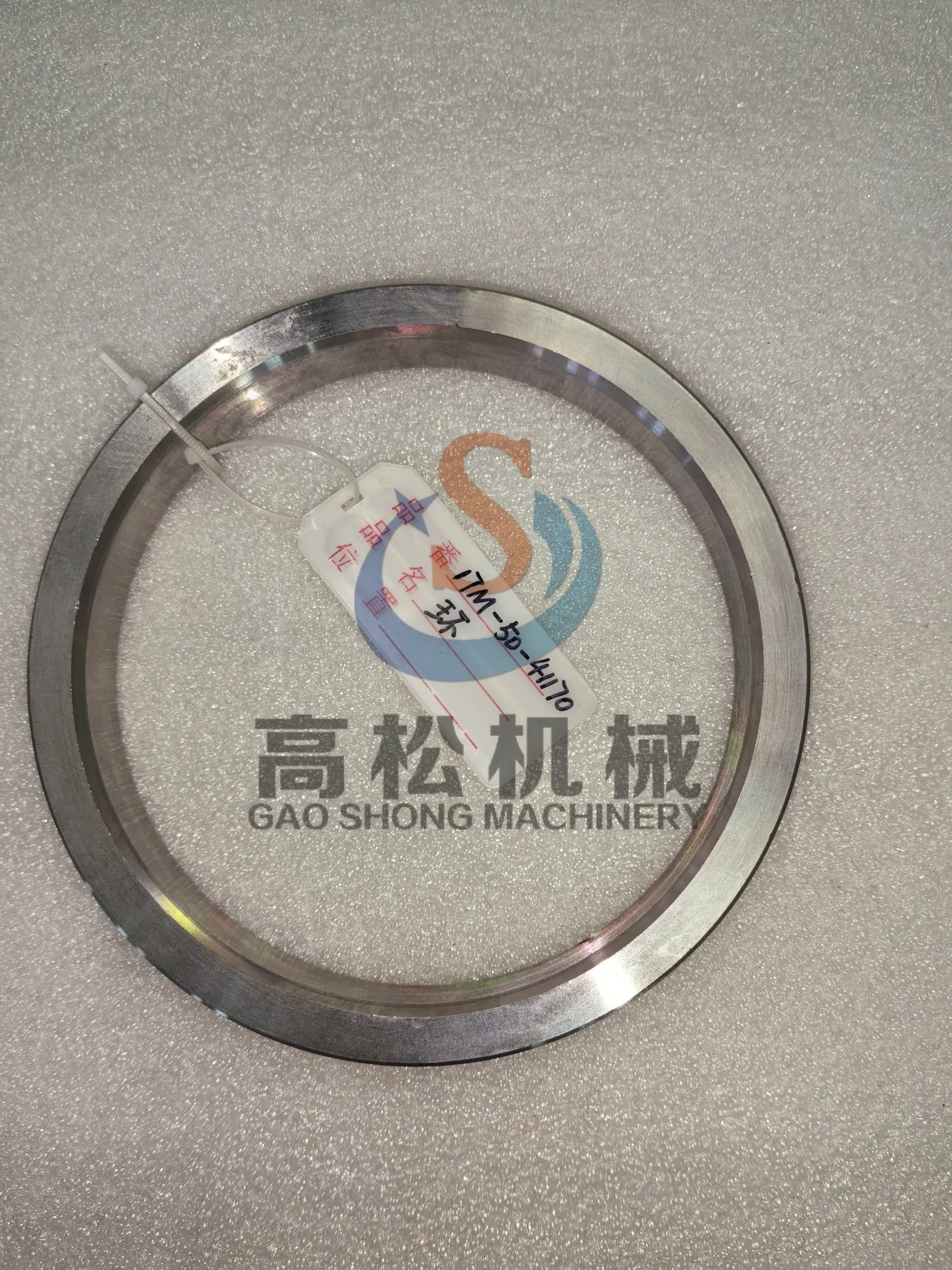 RING 17M-50-41170 – KOMATSU