
- Chinese
- French
- German
- Portuguese
- Spanish
- Russian
- Japanese
- Korean
- Arabic
- Irish
- Greek
- Turkish
- Italian
- Danish
- Romanian
- Indonesian
- Czech
- Afrikaans
- Swedish
- Polish
- Basque
- Catalan
- Esperanto
- Hindi
- Lao
- Albanian
- Amharic
- Armenian
- Azerbaijani
- Belarusian
- Bengali
- Bosnian
- Bulgarian
- Cebuano
- Chichewa
- Corsican
- Croatian
- Dutch
- Estonian
- Filipino
- Finnish
- Frisian
- Galician
- Georgian
- Gujarati
- Haitian
- Hausa
- Hawaiian
- Hebrew
- Hmong
- Hungarian
- Icelandic
- Igbo
- Javanese
- Kannada
- Kazakh
- Khmer
- Kurdish
- Kyrgyz
- Latin
- Latvian
- Lithuanian
- Luxembou..
- Macedonian
- Malagasy
- Malay
- Malayalam
- Maltese
- Maori
- Marathi
- Mongolian
- Burmese
- Nepali
- Norwegian
- Pashto
- Persian
- Punjabi
- Serbian
- Sesotho
- Sinhala
- Slovak
- Slovenian
- Somali
- Samoan
- Scots Gaelic
- Shona
- Sindhi
- Sundanese
- Swahili
- Tajik
- Tamil
- Telugu
- Thai
- Ukrainian
- Urdu
- Uzbek
- Vietnamese
- Welsh
- Xhosa
- Yiddish
- Yoruba
- Zulu
- Kinyarwanda
- Tatar
- Oriya
- Turkmen
- Uyghur





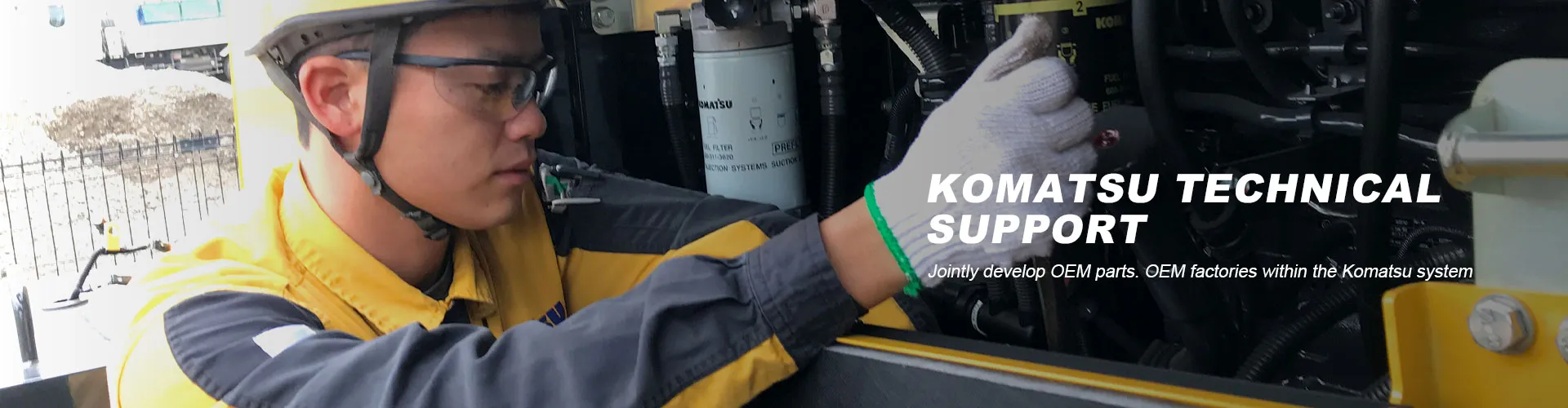
Komatsu loader spare parts
When you hear 'Komatsu loader spare parts', the immediate assumption for many is that it's all about OEM boxes with the genuine logo, sourced directly from Komatsu's primary distribution channels. That's the ideal, but the ground reality, especially in markets outside Japan or North America, is far more textured. There's a persistent misconception that any part not coming through the official regional distributor is automatically inferior or counterfeit. In my experience, that binary thinking causes more operational headaches than it solves. The real challenge isn't just finding a part; it's finding the right part that matches your machine's serial number, your budget timeline, and the actual availability, which is where the whole ecosystem of suppliers within the Komatsu system comes into play.
The OEM Ecosystem and the Third-Party Bridge
Komatsu's manufacturing network is vast, involving numerous licensed factories that produce components to their specifications. These are OEM products. A company operating within this system, like Jining Gaosong Construction Machinery Co., Ltd., has a distinct advantage. They're not just resellers; they have access to these production lines. I've dealt with situations where a standard Komatsu WA320-5 loader needed a complete hydraulic pump assembly. The official channel quoted a 12-week lead time from Japan. That's a machine down for a quarter of a year.
This is where a supplier positioned as both an OEM product supplier within the Komatsu system and a third-party sales company becomes critical. They can often source that same pump, manufactured to Komatsu's blueprint, from a different point in the supply web, potentially cutting the wait to 3-4 weeks. The part isn't aftermarket in the traditional sense; it's often from the same factory that supplies Komatsu's assembly line, just packaged differently. The website takematsumachinery.com frames this role well – helping to solve parts supply challenges in certain countries. It's not about bypassing Komatsu, but about supplementing a global system that can have local bottlenecks.
I recall a project in Southeast Asia where we had two PC200-8 excavators down for undercarriage work. The local Komatsu dealer had the rollers but not the track links. A third-party supplier with OEM links managed to put together a matched set from different factory batches. The key was their ability to cross-reference the Komatsu part number and confirm material certifications. It fit perfectly. The lesson was clear: the pedigree of a Komatsu loader spare part is proven by its fit and performance, not solely by the box it comes in.
Serial Numbers: The Non-Negotiable Starting Point
If there's one thing you must drill into your team, it's this: never, ever order a major component without the machine's full serial number. I've seen expensive mistakes—a cylinder ordered for a Komatsu WA380 that arrived, only for us to find the pin diameter was off by 5mm because the buyer didn't specify it was a WA380-5L, not a WA380-6. The part diagrams differ subtly between dash numbers.
Professional suppliers, like the one mentioned, will always ask for this first. Their catalogs are built around these serial breaks. When you provide it, you're not just getting a part; you're getting the exact iteration of that part for your specific machine's build. This is where the professional judgement comes in. A good parts person will sometimes call back and say, Looking at your S/N, that transmission valve was actually updated mid-production. Are you experiencing X specific fault code? That level of detail saves weeks of trial and error.
For common wear items like filters or seals, the serial number is less critical but still good practice. But for pumps, controllers, and hydraulic valves, it's the law. A supplier who doesn't insist on it is a red flag.
The Quality Spectrum and Practical Verification
Let's be blunt: not all parts labeled for Komatsu are equal. The market has a pyramid: Genuine Komatsu (in the official box), OEM-Quality (from licensed factories, identical spec), Premium Aftermarket (reverse-engineered, often with improvements), and then the dubious copies. Our policy has been to use OEM-quality for most wear-and-tear and mechanical components. The cost saving versus genuine can be 30-40%, with negligible difference in service life.
How do you verify? It's not just paperwork. When a shipment of loader spare parts for a Komatsu WA600 arrives, we do physical checks. The casting marks on a valve body, the finish on a gear tooth, the branding on a seal—OEM parts will have the subtleties. A genuine Komatsu piston ring might have a specific, almost invisible, laser etching. The OEM version might have a different code, but the metallurgy feels identical. We once weighed a competitor's aftermarket idler wheel against an OEM-sourced one; the weight difference was over 2kg, indicating a potential casting density or material issue. The OEM one matched the original's weight exactly.
Suppliers like Jining Gaosong, by virtue of their stated position, typically deal in the top two tiers. Their business relies on being a reliable third-party sales company for Komatsu, not a seller of short-lived copies. Their reputation hinges on the part lasting the expected interval.
Logistics and the Certain Countries Challenge
The phrase solve parts supply challenges in certain countries is the core of this business. Certain countries often means places with complex import duties, underdeveloped dealer networks, or political hurdles that disrupt standard supply chains. I've managed fleets in such regions. The official distributor might be 2000 miles away, with no local warehouse.
A specialized supplier fills that gap by maintaining strategic stock or having agile logistics partnerships. They understand how to clear customs quickly, what documentation is needed, and which ports are efficient. For instance, getting a Komatsu loader spare parts kit into a remote mining site in Africa isn't about the part cost; it's about the landed, duty-paid cost and the time to site. A good supplier provides a single CIF (Cost, Insurance, Freight) quote to the nearest port, handling the complexities. This is an immense value-add that a standard online parts store cannot offer.
We once had a critical engine ECM fail in South America. The local dealer had no ETA. A third-party supplier with a global network located one in a warehouse in Singapore, air-freighted it with pre-cleared customs paperwork, and had it to us in 5 days. The machine was a Komatsu, the part was OEM, but the solution was delivered by a nimble specialist company.
When Things Don't Fit: The Realities of Problem-Solving
Even with the right serial number and a trusted supplier, issues arise. Maybe a hose routing is slightly different, or a sensor plug has an extra pin. This is where the relationship with the supplier matters. A transactional website just sells you a part. A professional partner helps you solve the problem.
I remember installing an OEM-sourced steering metering pump on a Komatsu WA470. It bolted on, but the pressure port was clocked 15 degrees differently than the old one. Was it wrong? Not necessarily. It could have been a running design change our machine didn't have. We sent photos to the supplier. Their technical team checked and confirmed it was the correct part for our serial, but we needed to slightly re-route a hard line. They provided the updated diagram. Problem solved. This collaborative troubleshooting is what separates a parts vendor from a parts partner.
It also highlights why you need a supplier with technical depth, not just a sales team. They need to have seen these machines in the field, understand common failures, and have access to technical bulletins. This is the construction machinery expertise implied in a company name like Jining Gaosong Construction Machinery Co., Ltd.. It suggests a background in the equipment itself, not just the parts trade.
Concluding Thoughts: A Pragmatic Approach
So, navigating the world of Komatsu loader spare parts requires a pragmatic lens. The goal is machine uptime. Genuine parts are excellent but not always practical due to cost or availability. The smart approach is to build a relationship with a capable, knowledgeable supplier who operates within Komatsu's broader OEM framework. Verify their claims, start with smaller orders, and always, always use your serial number.
Companies that explicitly state they are an OEM product supplier within the Komatsu system are advertising a specific and valuable access level. It means they can often provide a functionally identical solution faster and sometimes at a better cost, which is the core of solving supply challenges. It’s not a silver bullet—due diligence on quality checks remains your responsibility—but it expands your toolkit immensely. In the end, the best part is the one that gets your loader back to work, reliably, without breaking the bank or waiting for months. That's the real-world metric that matters on any job site.
Related Products
Related Products
Best Selling Products
Best Selling Products-
 Komatsu 21N-03-32360 Connector, price for original… — Pricing.Parts
 -
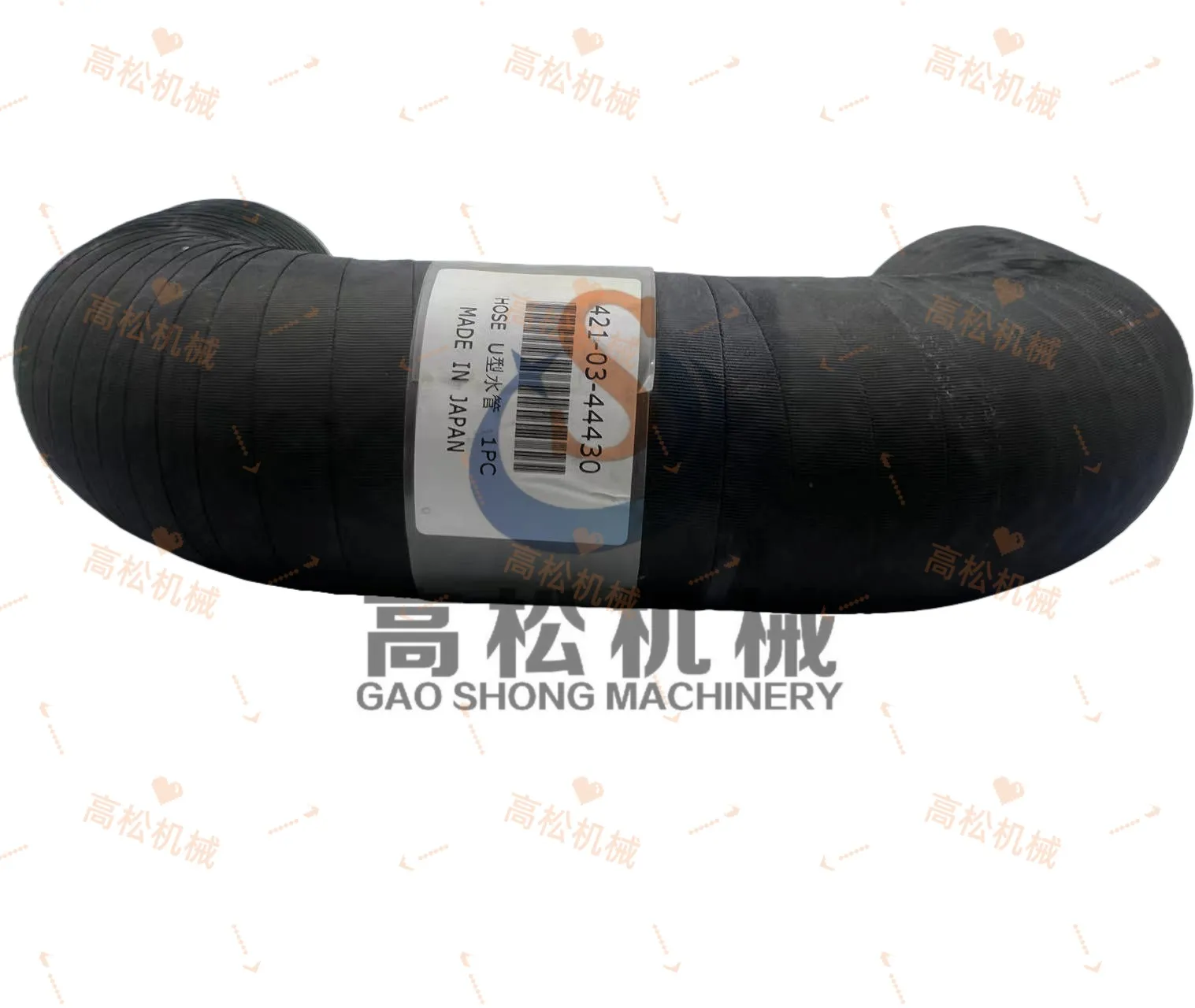 421-03-44430 HOSE WA480-6 S/N H60051 – H60462 RADIATOR Construction Machines Excavator Hose 421-03-44430 For WA380 WA450 WA470 WA480 Radiator
 -
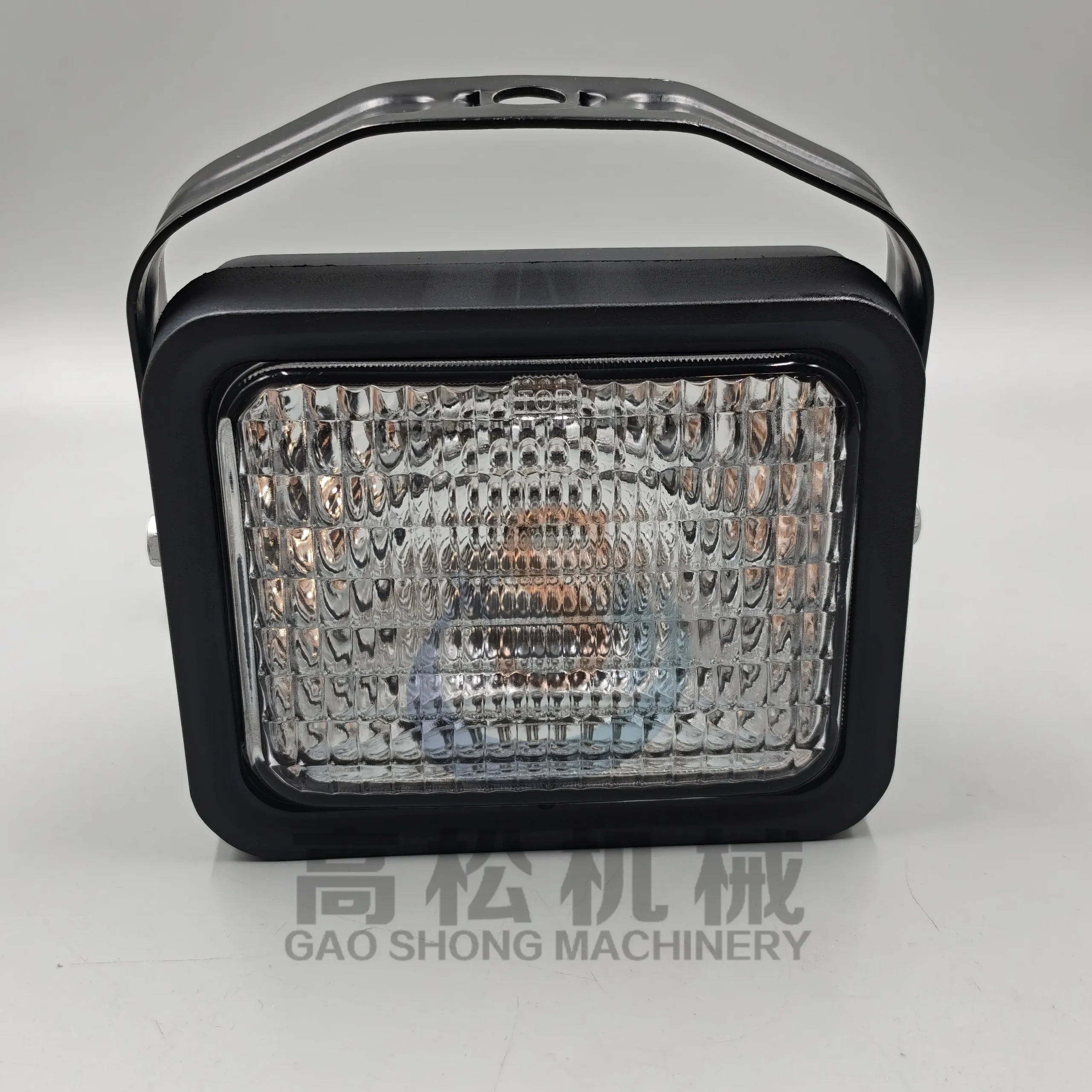 Lamp 421-06-23310 426-56-23360 Compatible for Komatsu WA500-3 WA800-3 WA420-3L HD785-7 HD325-7 HM250-2
 -
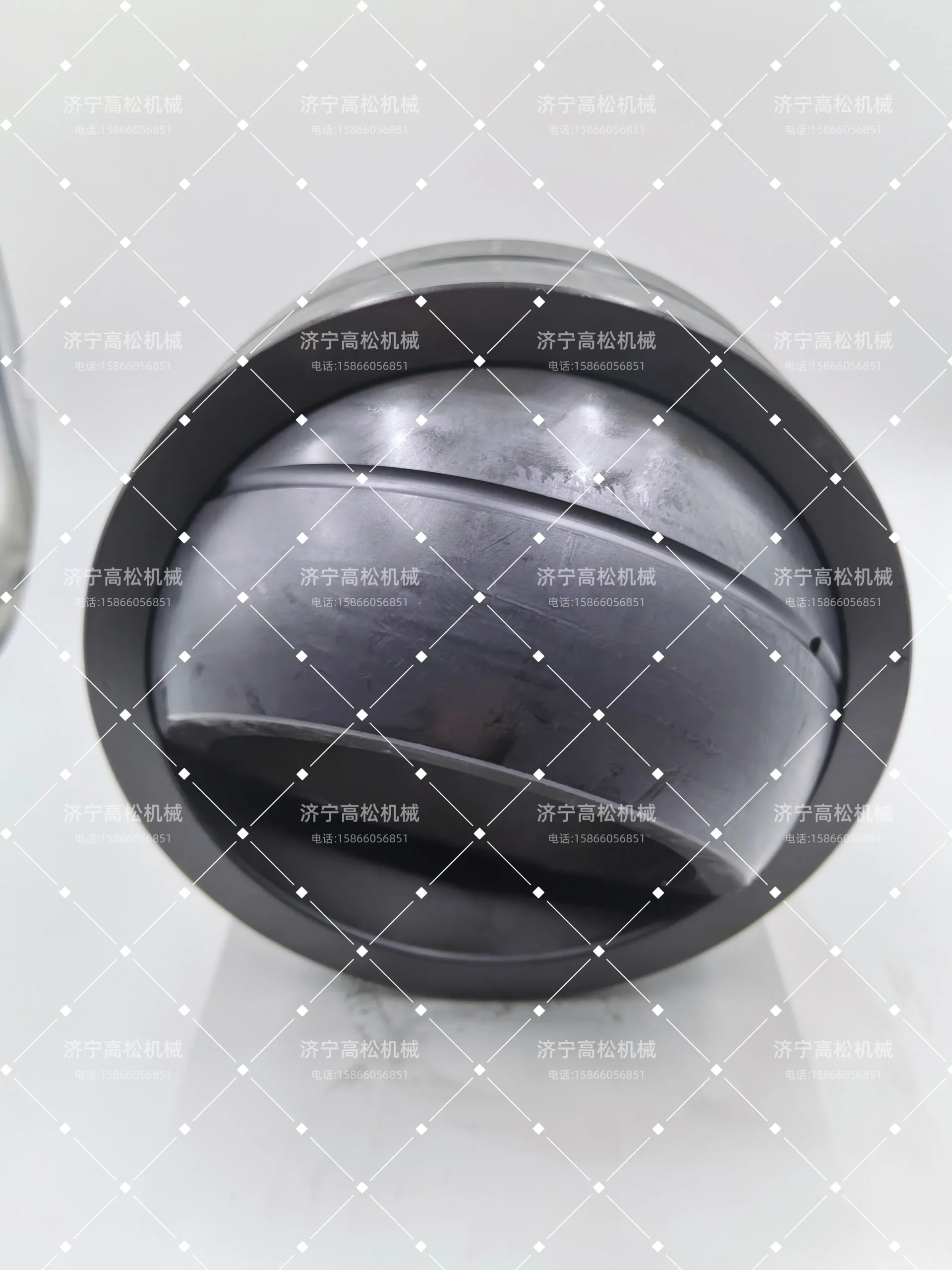 707-46-14010 Spherical Bearing for Komatsu Equipment…
 -
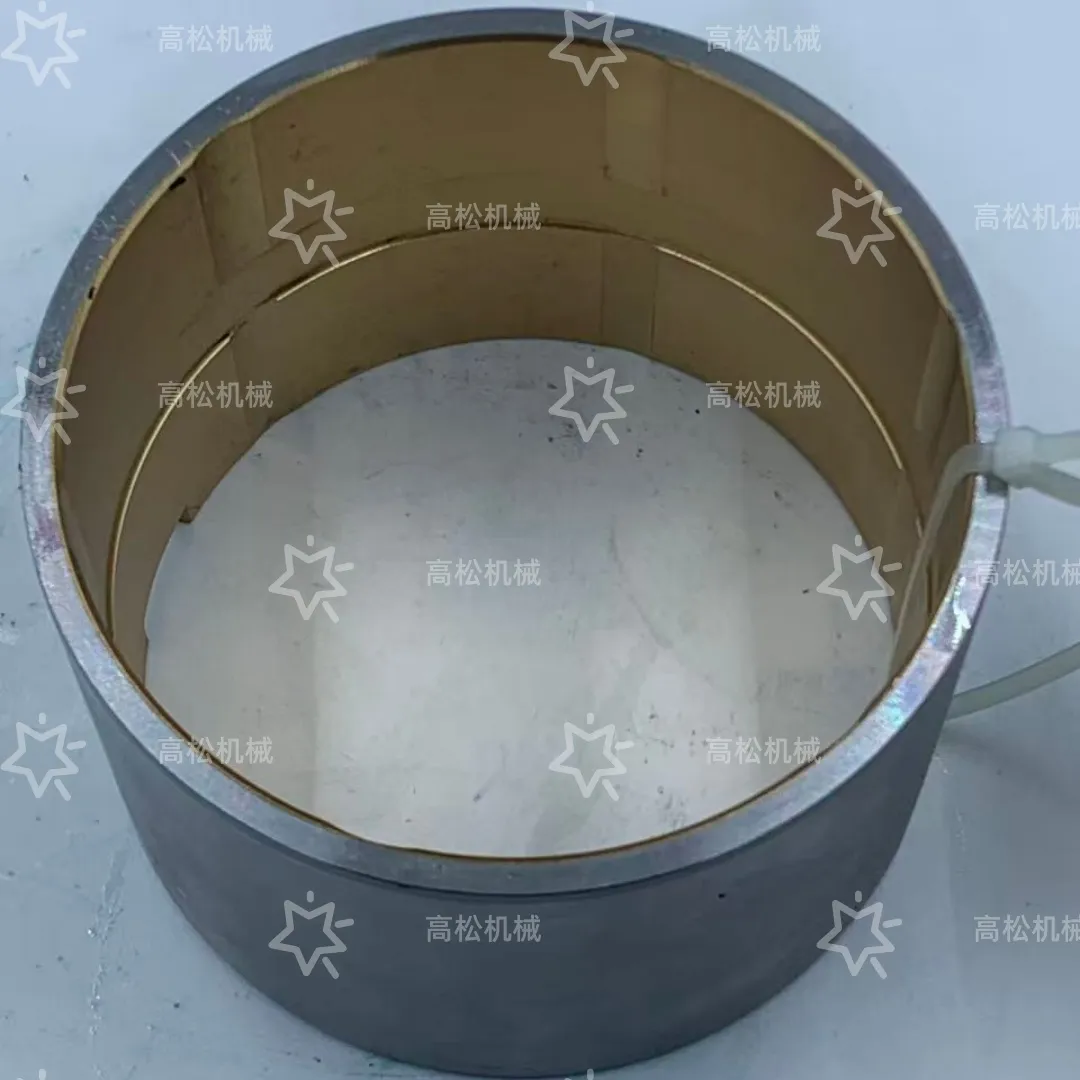 Bulldozer D375A-1 Bushing 195-61-41160 1956141160
 -
 6156-71-1131 6156-71-1132 Fuel Injection Pump Compatible For Komatsu PC450-8 Excavator
 -
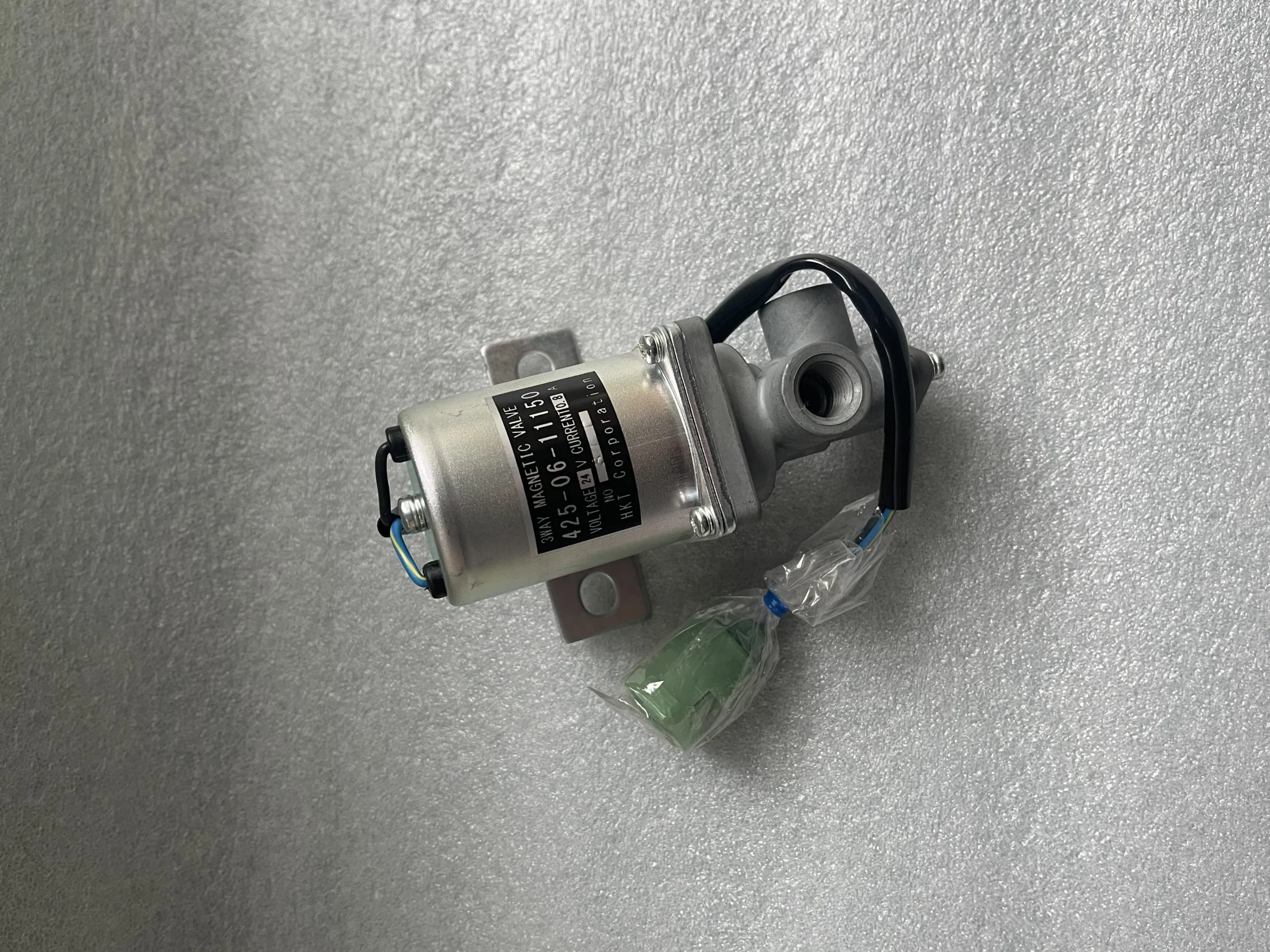 Valve,Parking brake425-06-11150
 -
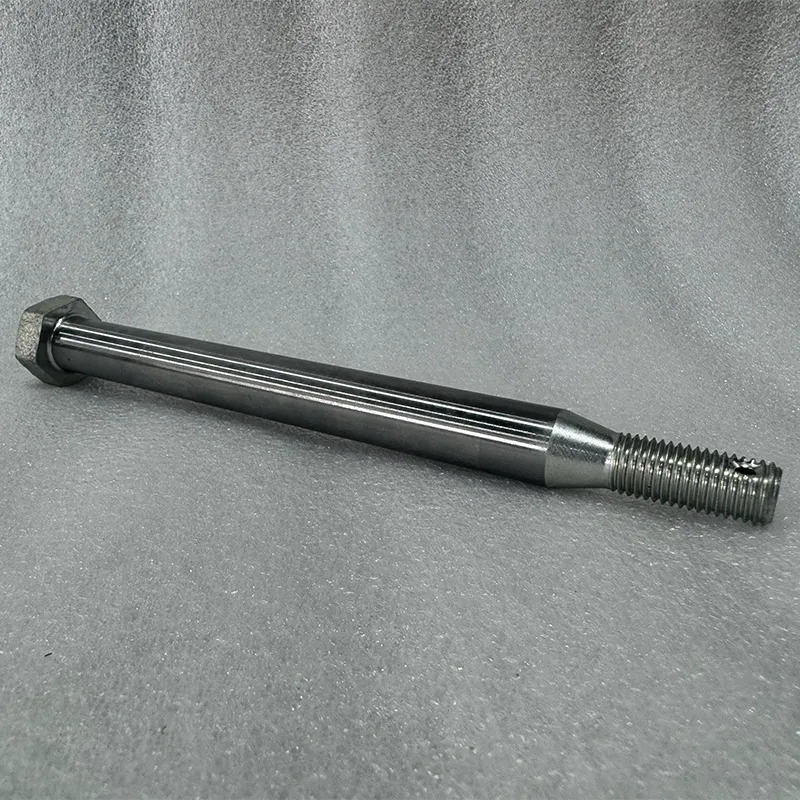 Original komatsu GD825A-2 Bolt 235-27-11360
 -
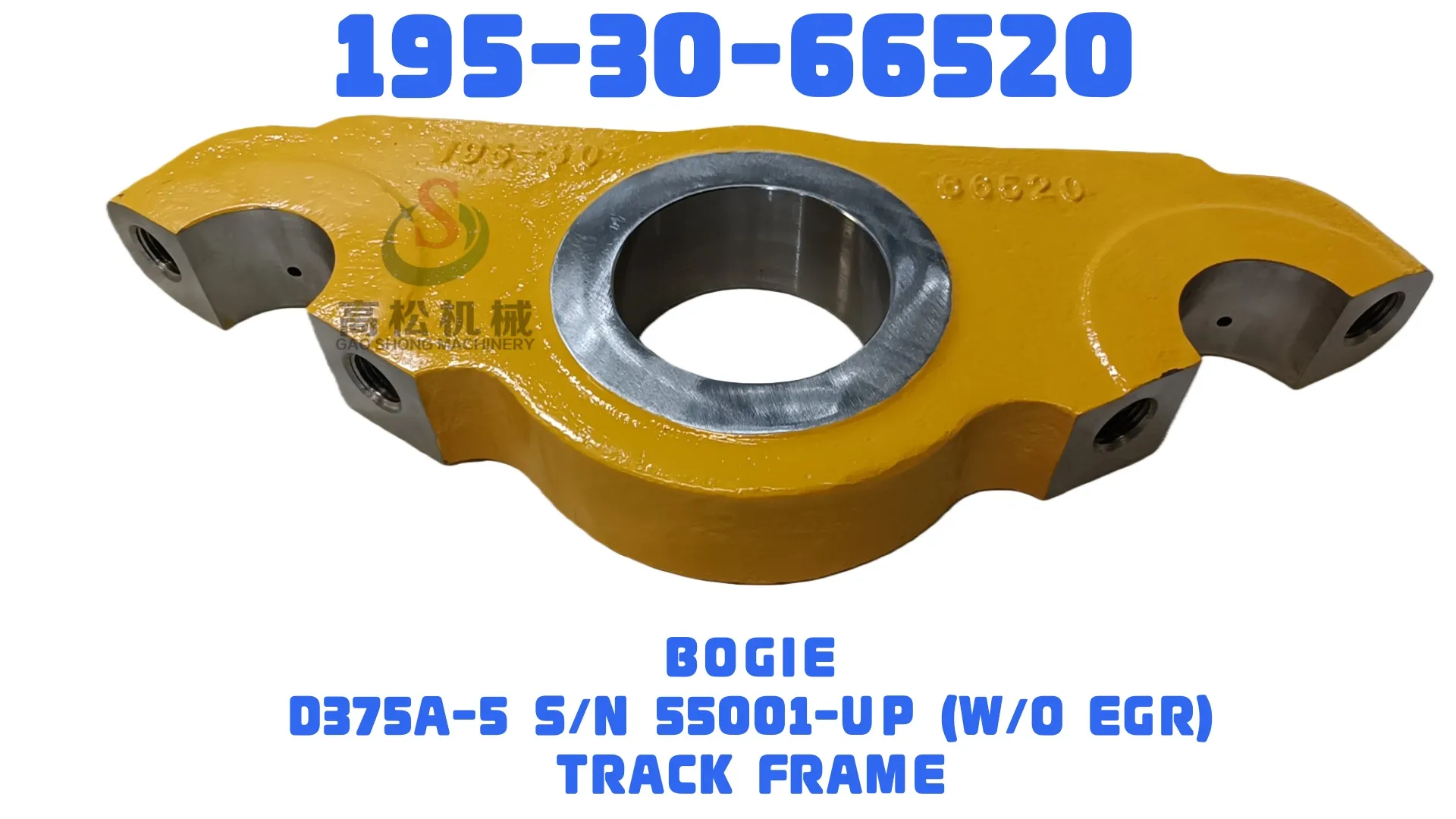 komatsu-part-195-30-66520 BOGIE D375A-5 D375A-5D D375A-6 D375A-6R TRACK FRAME TRACK FRAME, BOGIE
 -
 Komatsu 711-50-41520 Impeller for WA380-3 Wheel loader
 -
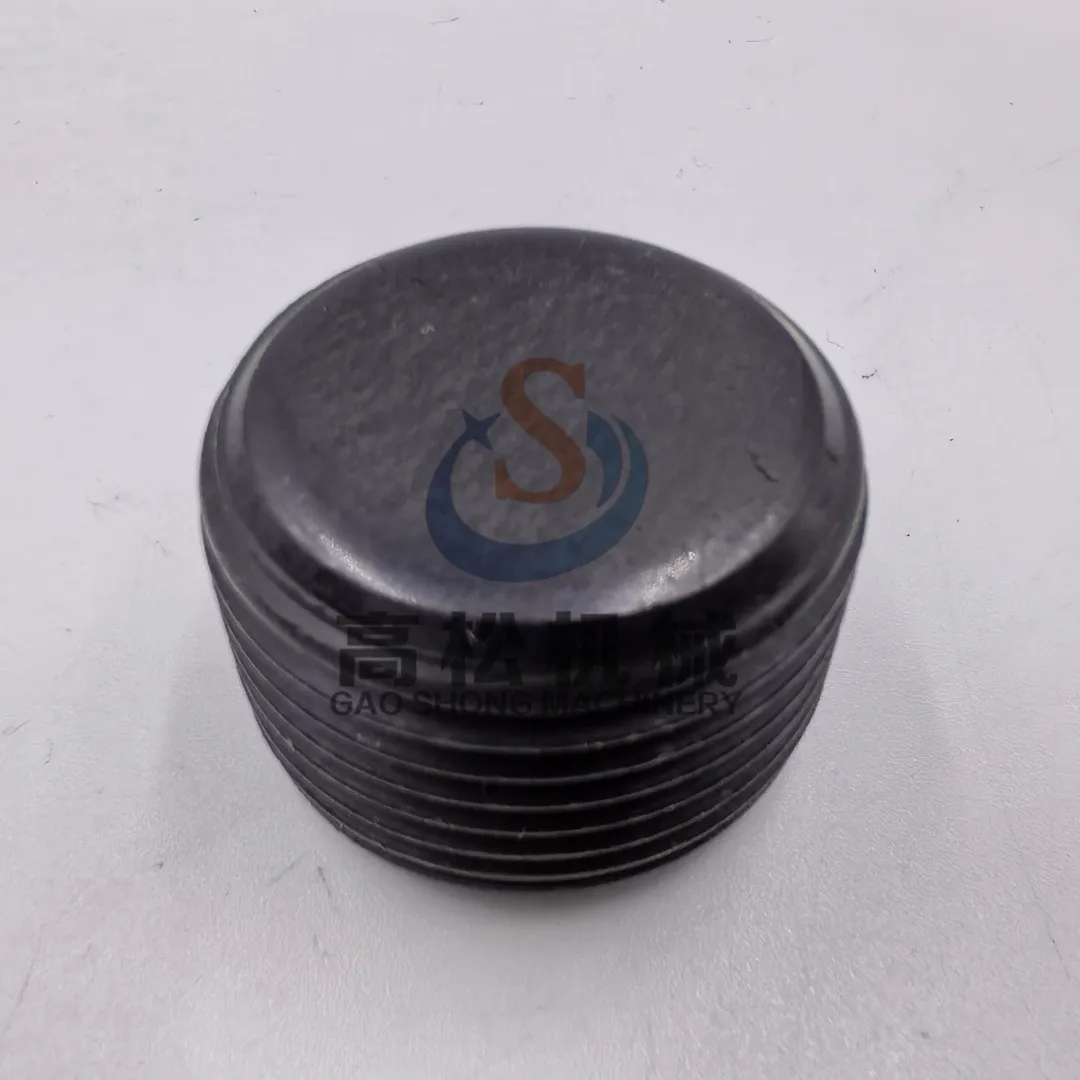 07043-00617 Komatsu Plug Komatsu originnal
 -
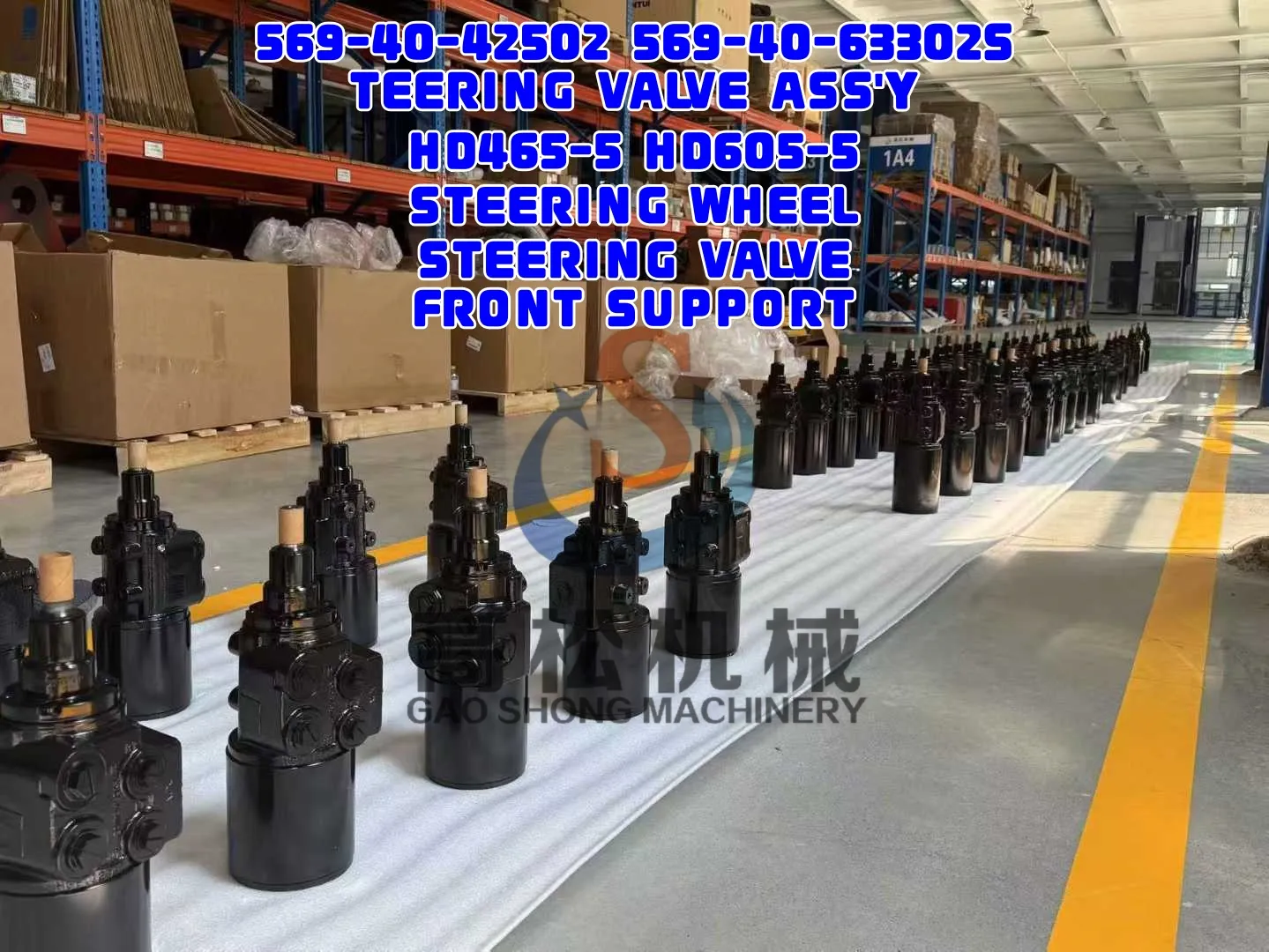 HD465-7-komatsu-part-569-40-42502 569-40-63302 STEERING VALVE ASS’Y HD465-5 HD465-7 HD605-7 HD605-5 FRONT SUPPORT (STEERING VALVE MOUNTING PARTS) STEERING WHEEL STEERING VALVE