
- Chinese
- French
- German
- Portuguese
- Spanish
- Russian
- Japanese
- Korean
- Arabic
- Irish
- Greek
- Turkish
- Italian
- Danish
- Romanian
- Indonesian
- Czech
- Afrikaans
- Swedish
- Polish
- Basque
- Catalan
- Esperanto
- Hindi
- Lao
- Albanian
- Amharic
- Armenian
- Azerbaijani
- Belarusian
- Bengali
- Bosnian
- Bulgarian
- Cebuano
- Chichewa
- Corsican
- Croatian
- Dutch
- Estonian
- Filipino
- Finnish
- Frisian
- Galician
- Georgian
- Gujarati
- Haitian
- Hausa
- Hawaiian
- Hebrew
- Hmong
- Hungarian
- Icelandic
- Igbo
- Javanese
- Kannada
- Kazakh
- Khmer
- Kurdish
- Kyrgyz
- Latin
- Latvian
- Lithuanian
- Luxembou..
- Macedonian
- Malagasy
- Malay
- Malayalam
- Maltese
- Maori
- Marathi
- Mongolian
- Burmese
- Nepali
- Norwegian
- Pashto
- Persian
- Punjabi
- Serbian
- Sesotho
- Sinhala
- Slovak
- Slovenian
- Somali
- Samoan
- Scots Gaelic
- Shona
- Sindhi
- Sundanese
- Swahili
- Tajik
- Tamil
- Telugu
- Thai
- Ukrainian
- Urdu
- Uzbek
- Vietnamese
- Welsh
- Xhosa
- Yiddish
- Yoruba
- Zulu
- Kinyarwanda
- Tatar
- Oriya
- Turkmen
- Uyghur






komatsu loader parts
When you hear 'Komatsu loader parts', the immediate thought for most fleet managers is 'OEM or bust'. There's this ingrained belief that anything not coming directly from Komatsu is a compromise. I get it, I used to think that way too. But after years on the ground, dealing with machine downtime in remote sites, that black-and-white view starts to grey out pretty fast. The real challenge isn't just getting a part; it's getting the right part, at the the right time, without crippling your operational budget. And sometimes, the official channels in certain regions just can't keep up, creating a gap that needs a different kind of solution.
The OEM Promise and the On-Site Reality
Let's be clear: Komatsu makes excellent machines, and their genuine parts are engineered to a specific standard. For critical components like hydraulic pumps or main control valves, I'd rarely advise looking elsewhere. The precision matters. But here's the rub: what happens when you're running a fleet in a country where the official distributor's warehouse doesn't stock that specific cylinder seal kit for your WA470? You're looking at a 6-week lead time, minimum. The machine is a revenue-generating asset, and it's just sitting there. This is the daily puzzle for contractors.
This is where the landscape gets interesting. You start exploring the ecosystem around Komatsu. There are companies that operate within the Komatsu system but offer a more flexible supply chain. I've worked with a supplier called Jining Gaosong Construction Machinery Co., Ltd.. Their setup is pragmatic: they are an OEM product supplier within Komatsu's own system, but they also function as a third-party sales channel. Their stated goal is to solve parts supply challenges in certain countries, which isn't just marketing speak—it addresses a real, painful bottleneck. You can check their approach at their portal, https://www.takematsumachinery.com.
The nuance is in the 'OEM product supplier' status. It doesn't mean they manufacture every Komatsu part, but it implies a formal relationship and access to genuine supply lines or approved manufacturing specs for certain components. For a site manager, this distinction is crucial. It means you might source a compatible undercarriage component or a wear part like a bucket tooth adapter that meets the spec without the logistical nightmare. It's about having another credible option when the primary one is blocked.
Judging Quality Beyond the Brand Stamp
So, you're considering a non-direct source for, say, a Komatsu loader radiator or a set of hoses. The first thing I do, and tell others to do, is abandon the binary 'genuine vs. counterfeit' mindset. Think in tiers: Genuine Komatsu, OEM-spec (from a system supplier like Gaosong), and then aftermarket. The middle tier is where the value often lies for non-safety-critical parts.
I remember a case with a WA320 loader where we had a recurring issue with the fan belt tensioner. The genuine part was expensive and had the same failure mode. We sourced an OEM-spec tensioner through a third-party supplier. It wasn't in a Komatsu box, but the casting marks and metallurgy were identical. Lasted just as long, at about 60% of the cost. The lesson? Knowing what you're buying is more important than the box it comes in. You need to ask for material certifications, country of origin, and if possible, compare the physical part with a worn-out genuine one.
This requires building a relationship with your supplier. A quick look at a company profile like the one for Jining Gaosong, which explicitly mentions its role within the Komatsu system and third-party sales, gives you a starting point for that conversation. You can ask them: For this WA480 wheel bearing, is this from your OEM supply line or a partnered manufacturer? Their ability to answer that transparently tells you everything.
Logistics: The Unseen Cost Driver
People fixate on the price per part but often forget the total cost of ownership, which includes downtime and logistics. A cheap aftermarket idler that fails in 200 hours is far more expensive than a proper one that lasts 2000. But similarly, a genuine part stuck in customs for a month is a disaster.
Suppliers who focus on specific regional challenges, as mentioned in the intro for Gaosong, typically have worked out more efficient shipping and customs clearance pathways for their target markets. They've felt the pain points themselves. I've found that a supplier who can get me a critical seal or gasket kit in 3 days via a dedicated air freight route they've negotiated is worth a slight premium over the official distributor's sea freight timeline of 3 weeks. Their entire business model is built on solving that delay, which is a different value proposition than just selling a cheaper part.
It's not always smooth. I've had shipments where the paperwork wasn't in order, causing delays anyway. Or times when the part number was a slight variant, leading to a fitment issue. These are the risks. You mitigate them by starting with small, non-critical orders—filters, seals, pins, and bushings—to test the supplier's reliability and part quality before you trust them with a turbocharger or a transmission clutch pack.
The Pitfalls and How to Avoid Them
Let's talk about failures. Early on, I got burned on a set of Komatsu loader bucket cylinders. The price was too good to be true, and it was. The chrome plating on the rod was substandard, it pitted within weeks, and took out the seal, causing a total failure. The supplier vanished. That was a classic aftermarket gamble, not an OEM-system purchase. The difference is accountability.
A legitimate supplier within the Komatsu ecosystem, even as a third-party seller, has a reputation and a business relationship to uphold. They are far more likely to stand behind their parts. The key is documentation. Always get a detailed commercial invoice with clear, accurate part descriptions and numbers. If a part is marketed as OEM quality or Komatsu compatible, ask what standard that claim is based on. A reputable company will have an answer, even if it's we source this from the same foundry that supplies Komatsu's subcontractor.
This is why I pay attention to how a company presents itself. A site like takematsumachinery.com that clearly states its dual role as an OEM-system supplier and a third-party solver of supply challenges is setting a specific expectation. It's a more professional pitch than the countless generic we have all parts websites. It suggests they understand the complexity of the market.
Building a Sustainable Parts Strategy
Ultimately, managing Komatsu loader parts isn't about finding one magic supplier. It's about building a resilient, multi-source strategy. Your official distributor is your anchor for warranty work, critical engine and transmission components, and technical support. But they shouldn't be your only option.
A company like Jining Gaosong Construction Machinery represents a strategic secondary source. Their model is built for the scenarios where the primary channel is slow, doesn't stock older models, or is prohibitively expensive for certain wear items. They fill the gap. My strategy now is to maintain a list of 2-3 validated suppliers for different part categories. For high-wear items like cutting edges and bucket teeth, I might use the OEM-system third-party. For a final drive motor, I go genuine.
It comes down to risk management and total cost. You need the expertise to judge which part category falls where. There's no one-size-fits-all answer, which is why this industry still relies heavily on experienced judgment. You learn by getting parts in hand, comparing them, installing them, and tracking their life. It's messy, imperfect work, but that's what keeps the machines—and the projects—moving.
Related Products
Related Products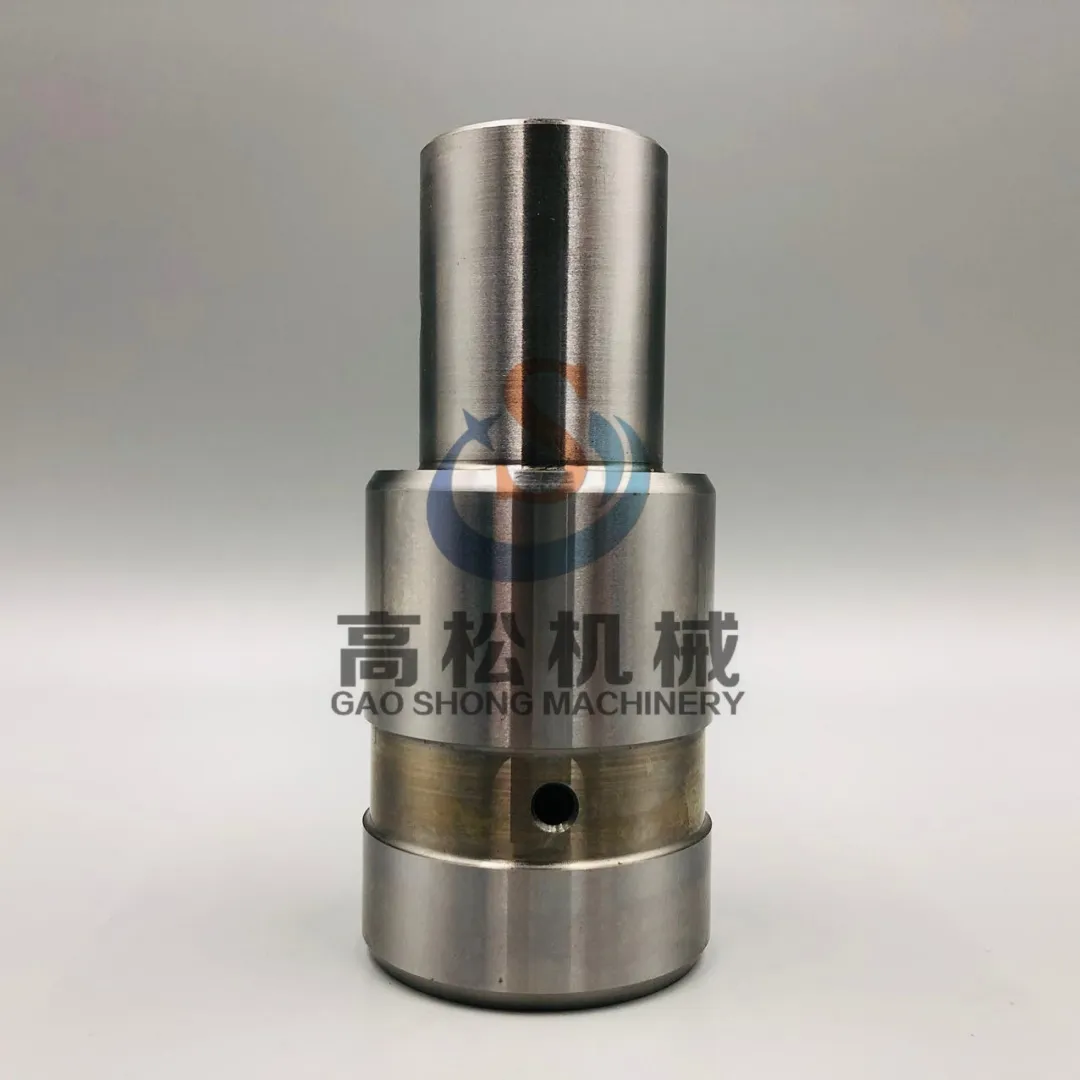
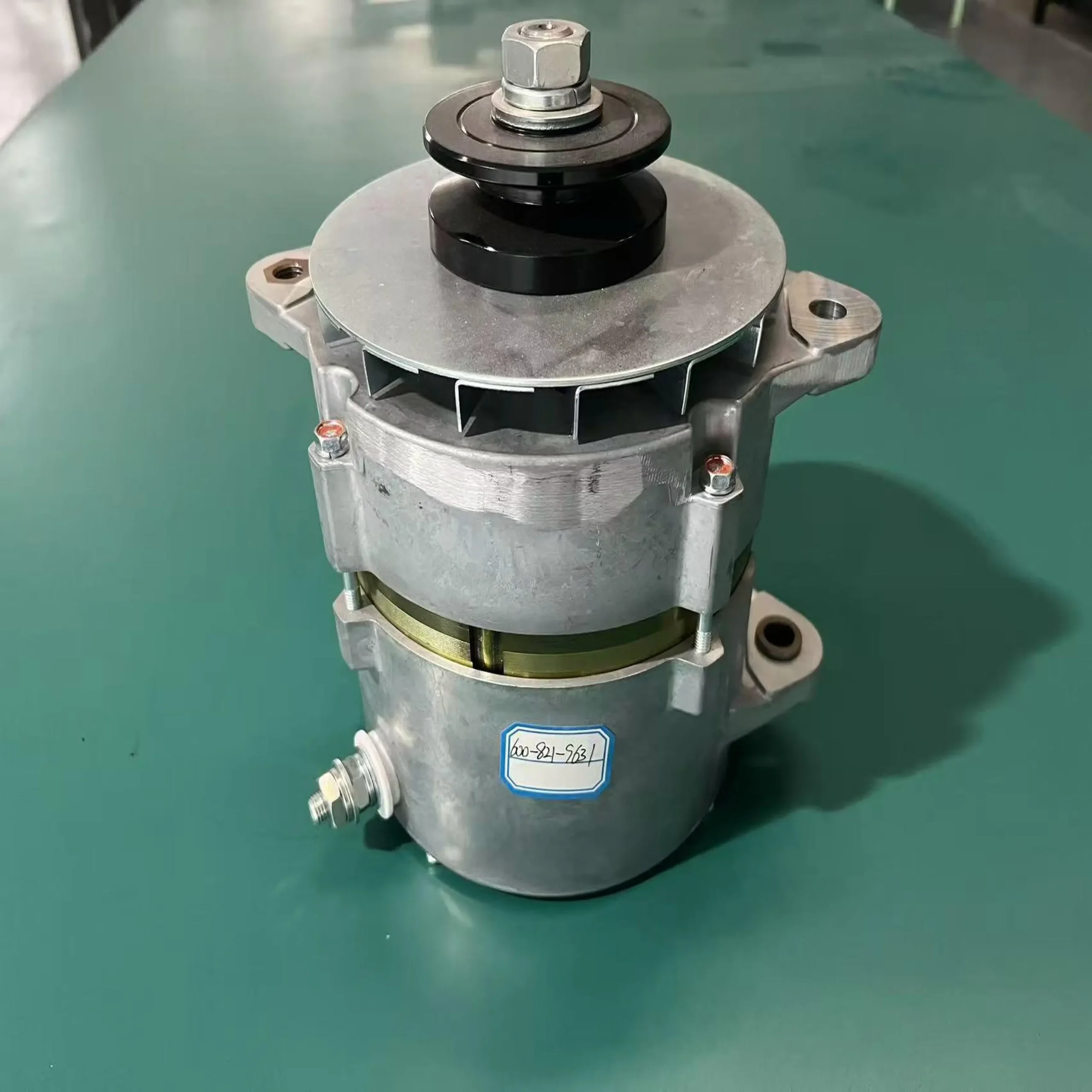
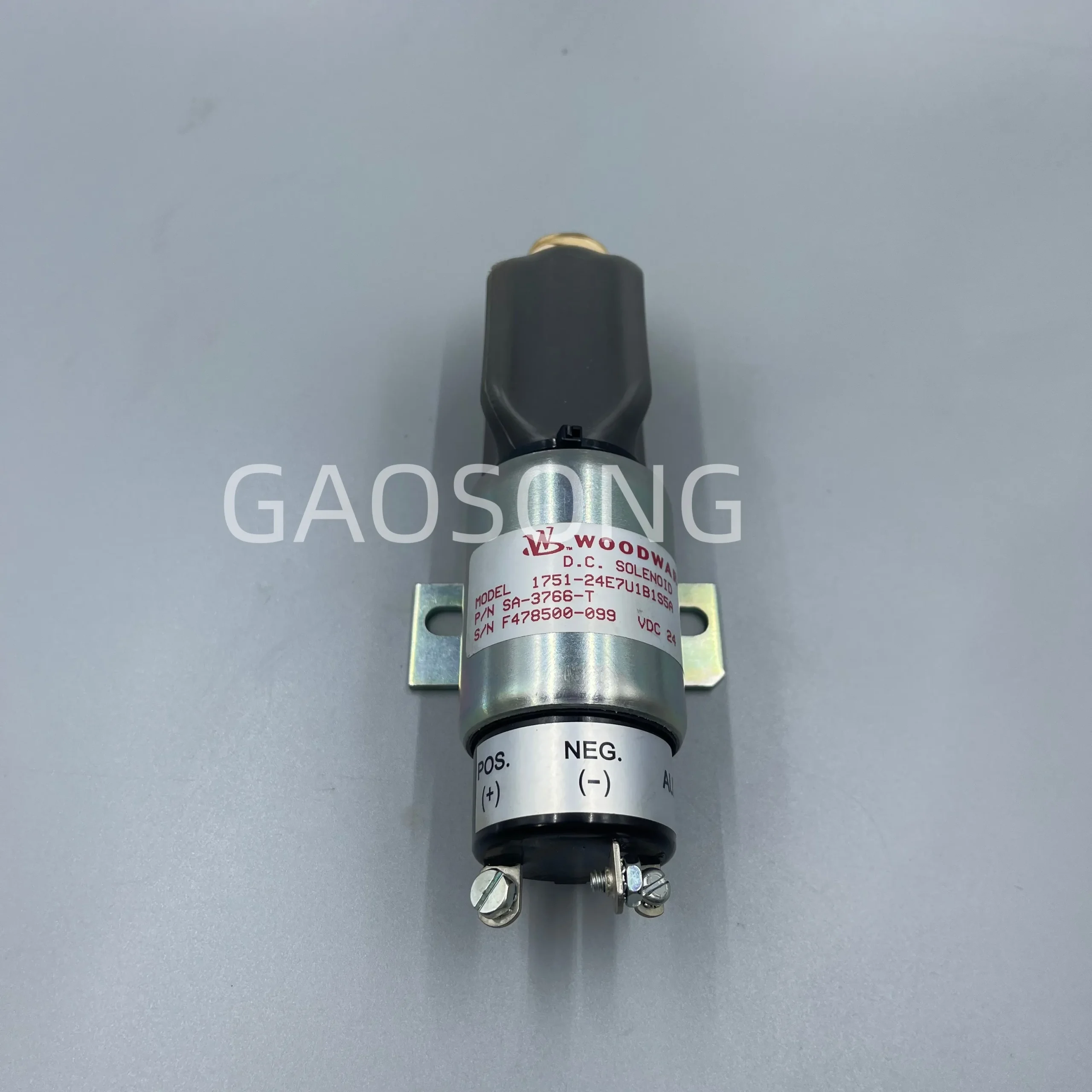
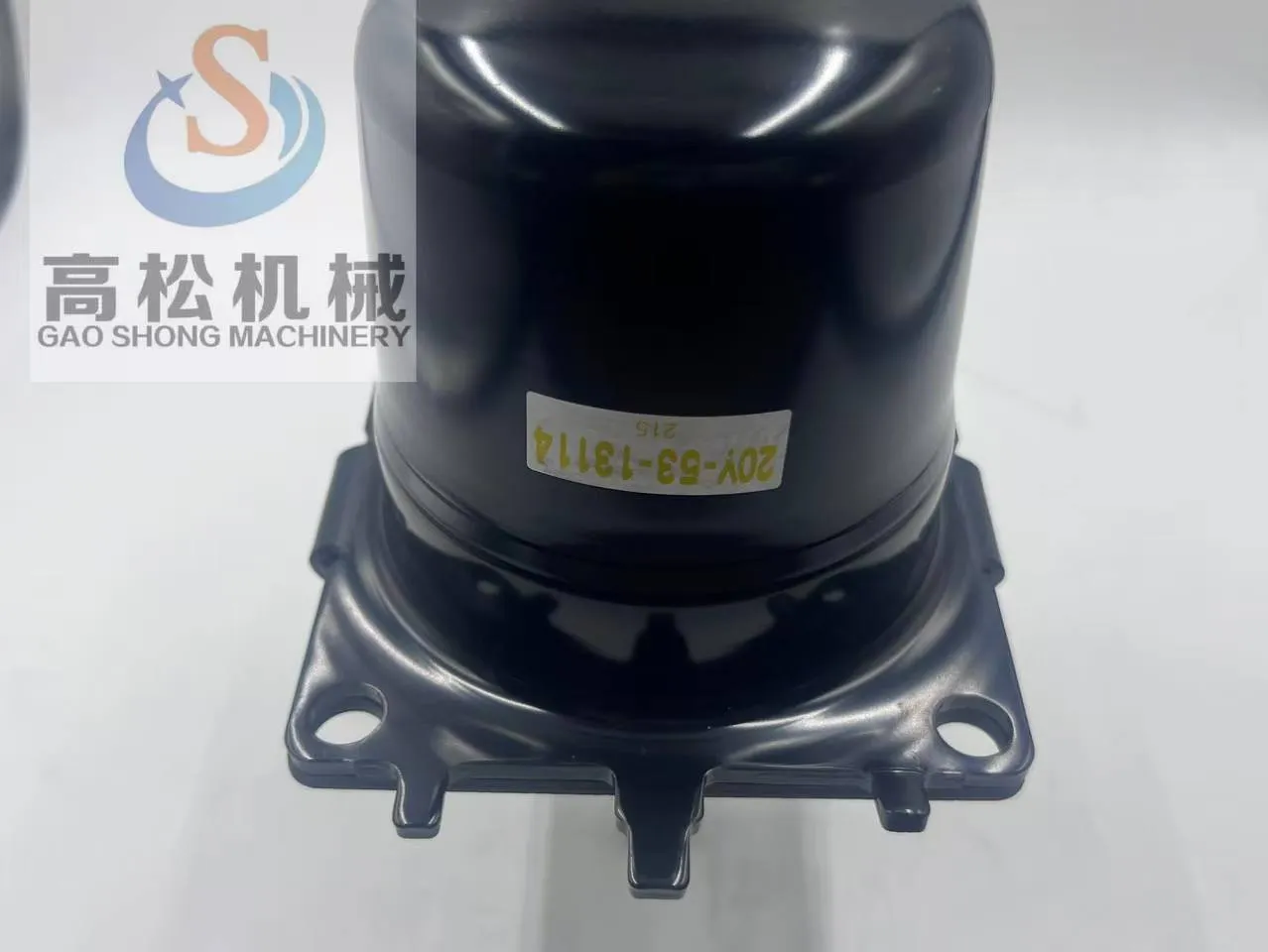

Best Selling Products
Best Selling Products-
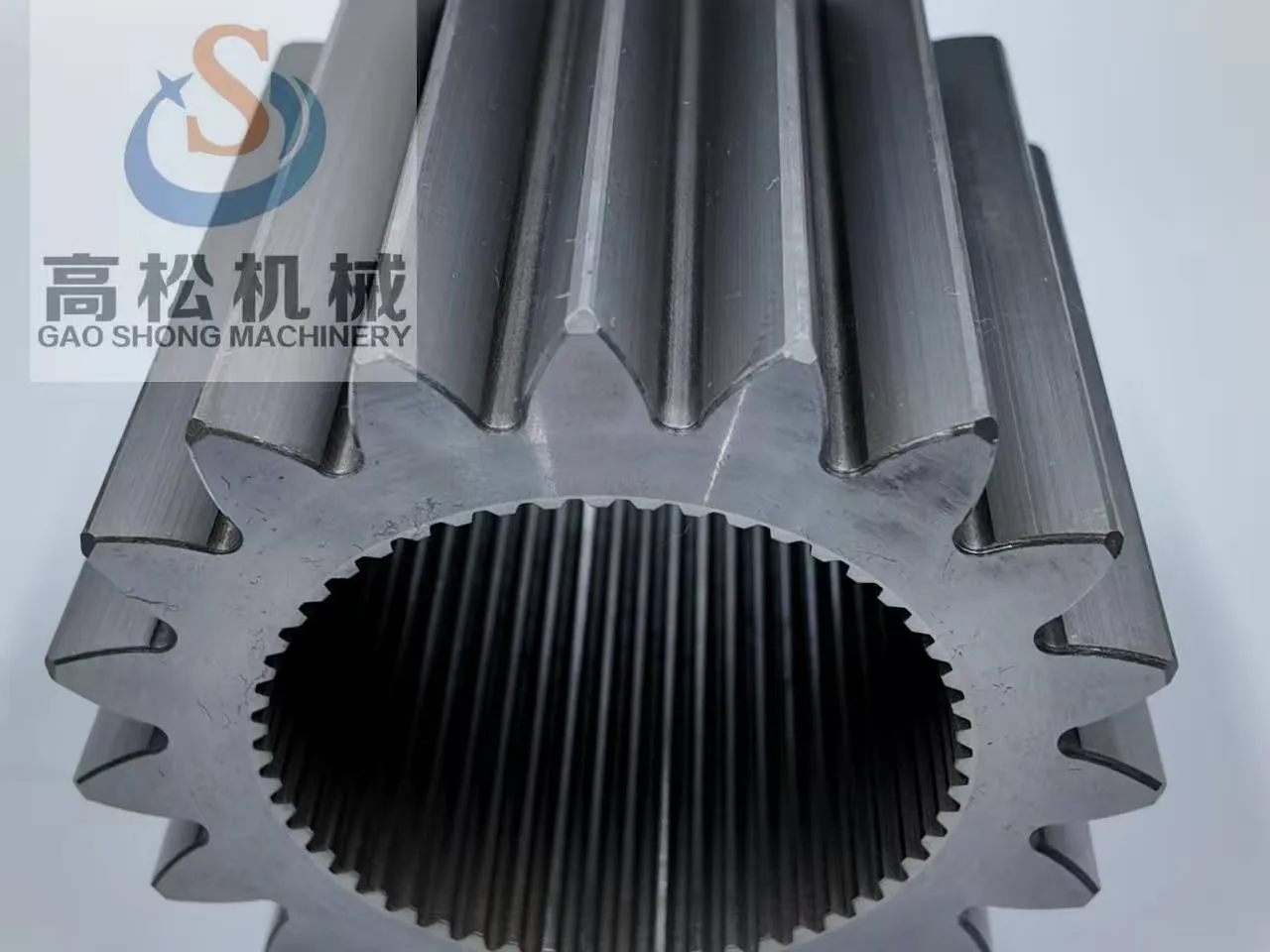 Part No. 426-22-12421 is a Komatsu genuine gear designed for the WA600 model. We have it in stock and can offer a competitive price
 -
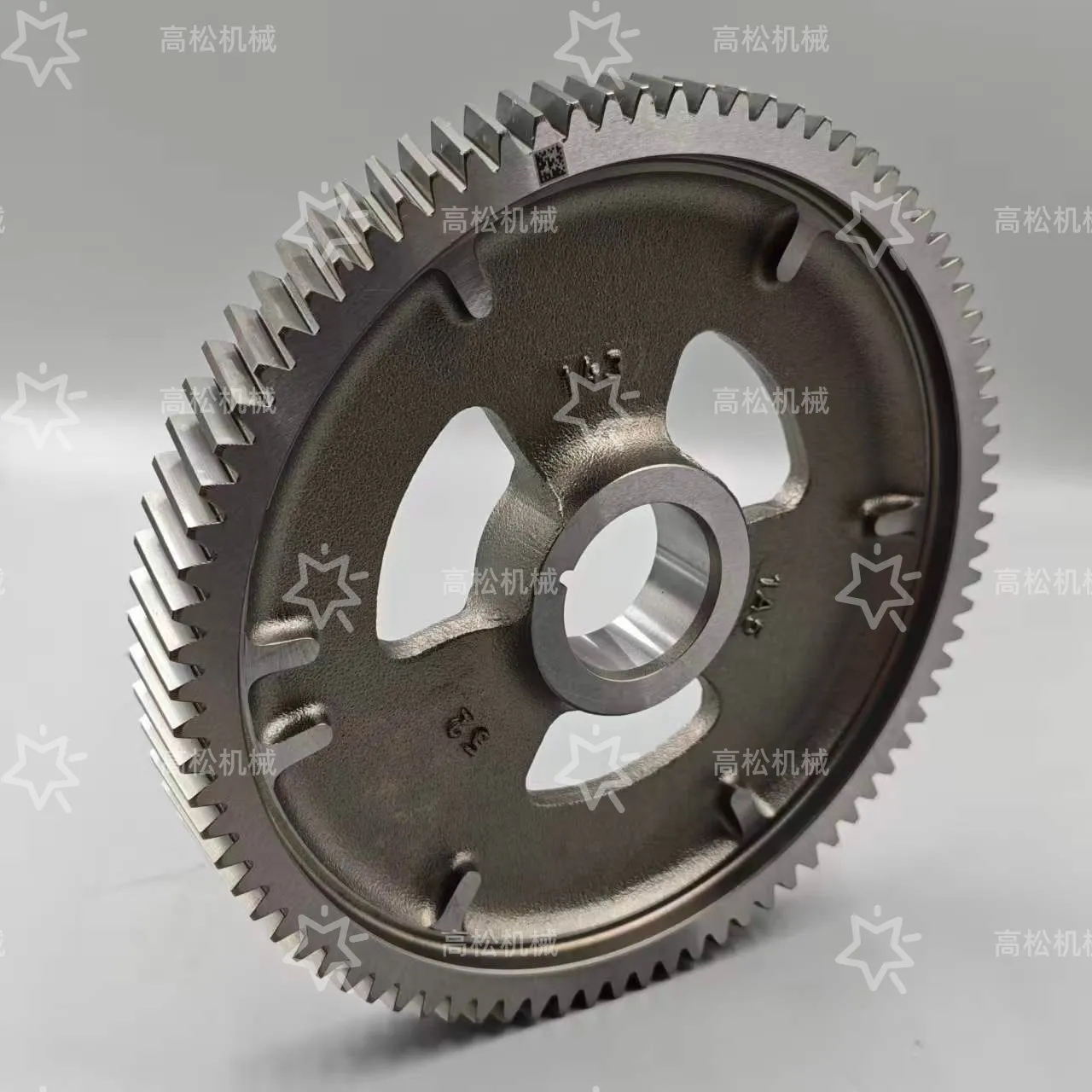 6745-41-1131 GEAR – CAMSHAFT Suitable for komatsu
 -
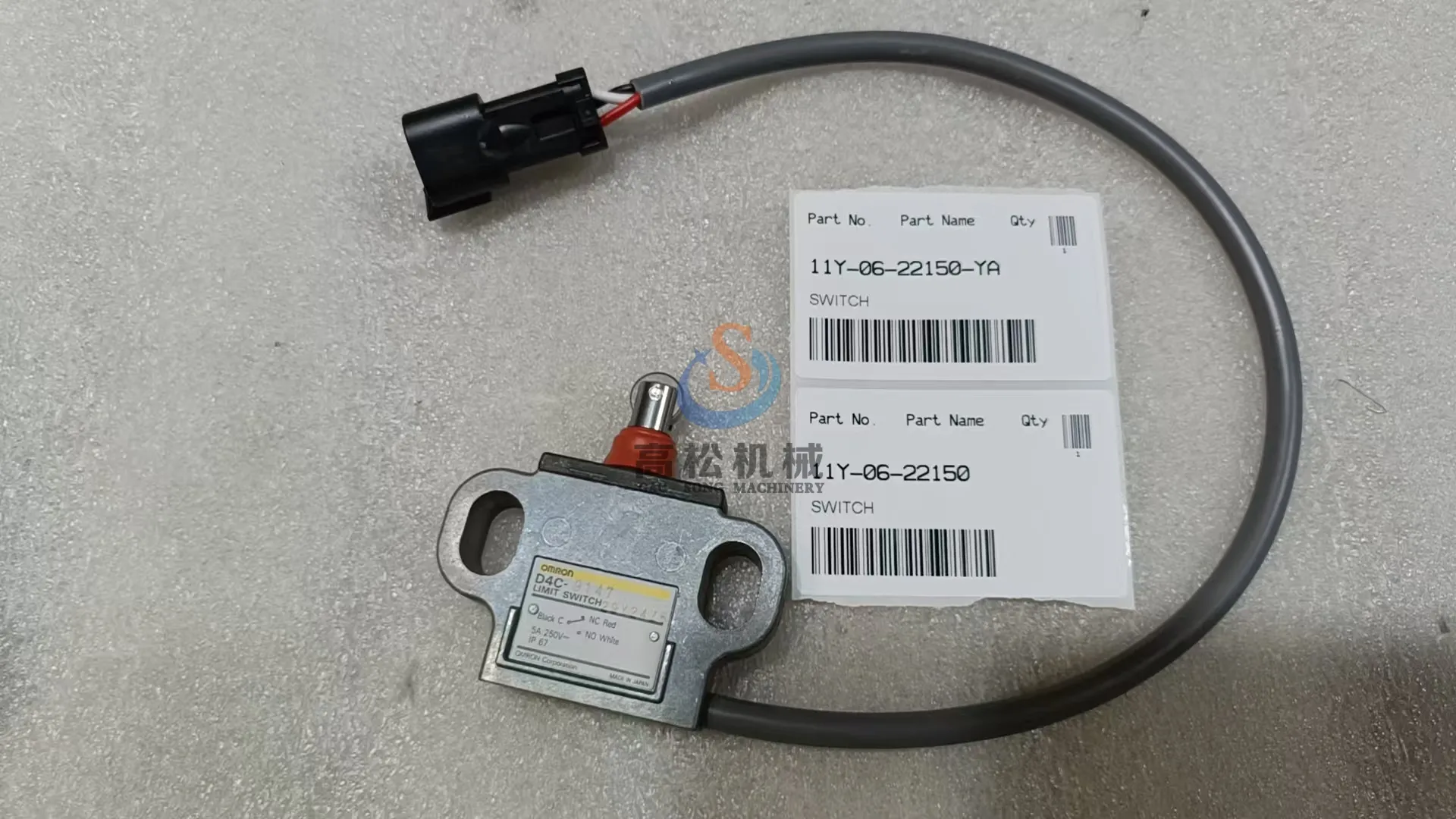 11Y-06-22150 komatsu SWITCH-D155/D275A
 -
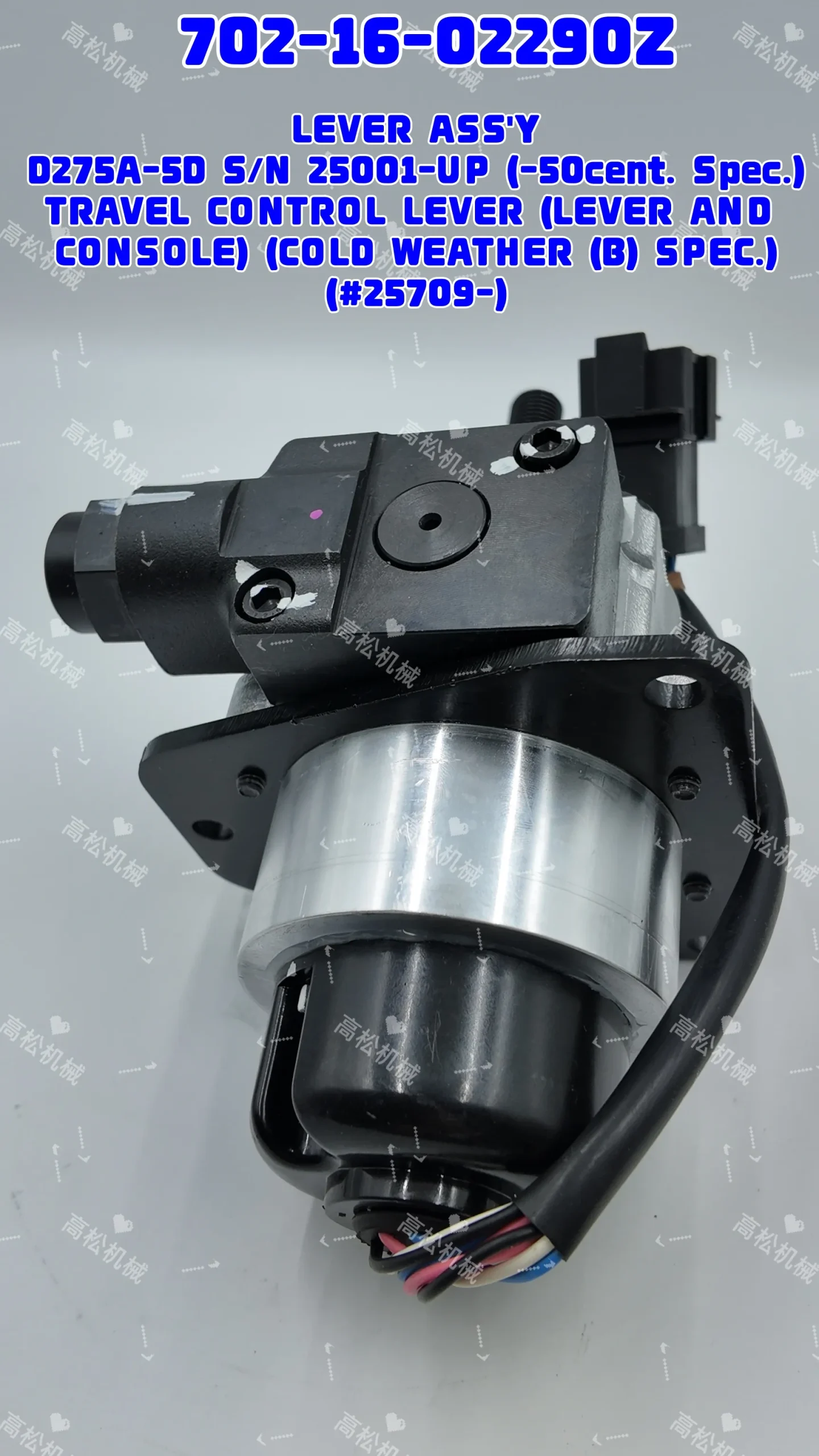 702-16-02290 Original Lever Assy for Bulldozer D275A-5r D65ex-16 D65px D155ax-6 in Stock
 -
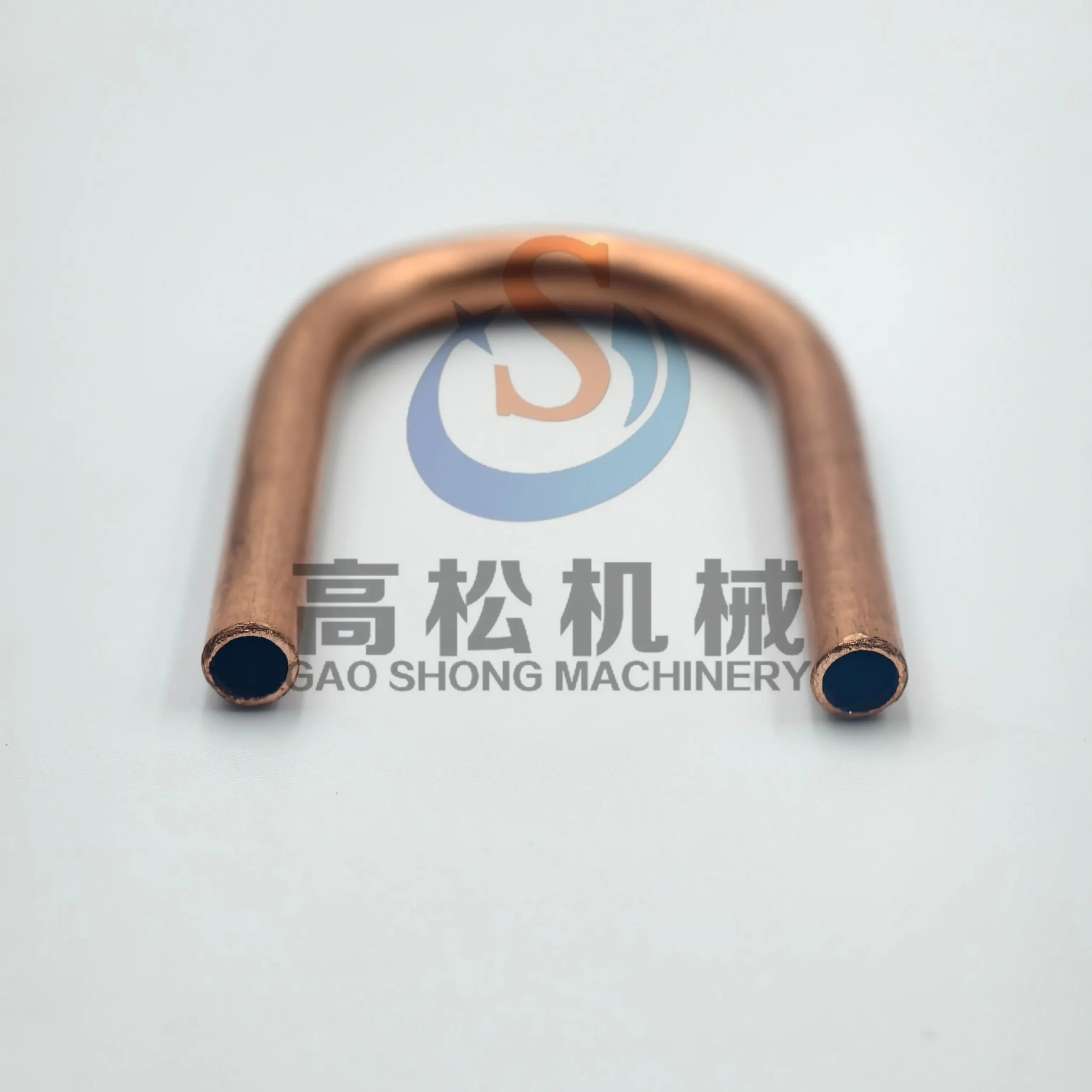 TUBE 21N-68-32360 – KOMATSU
 -
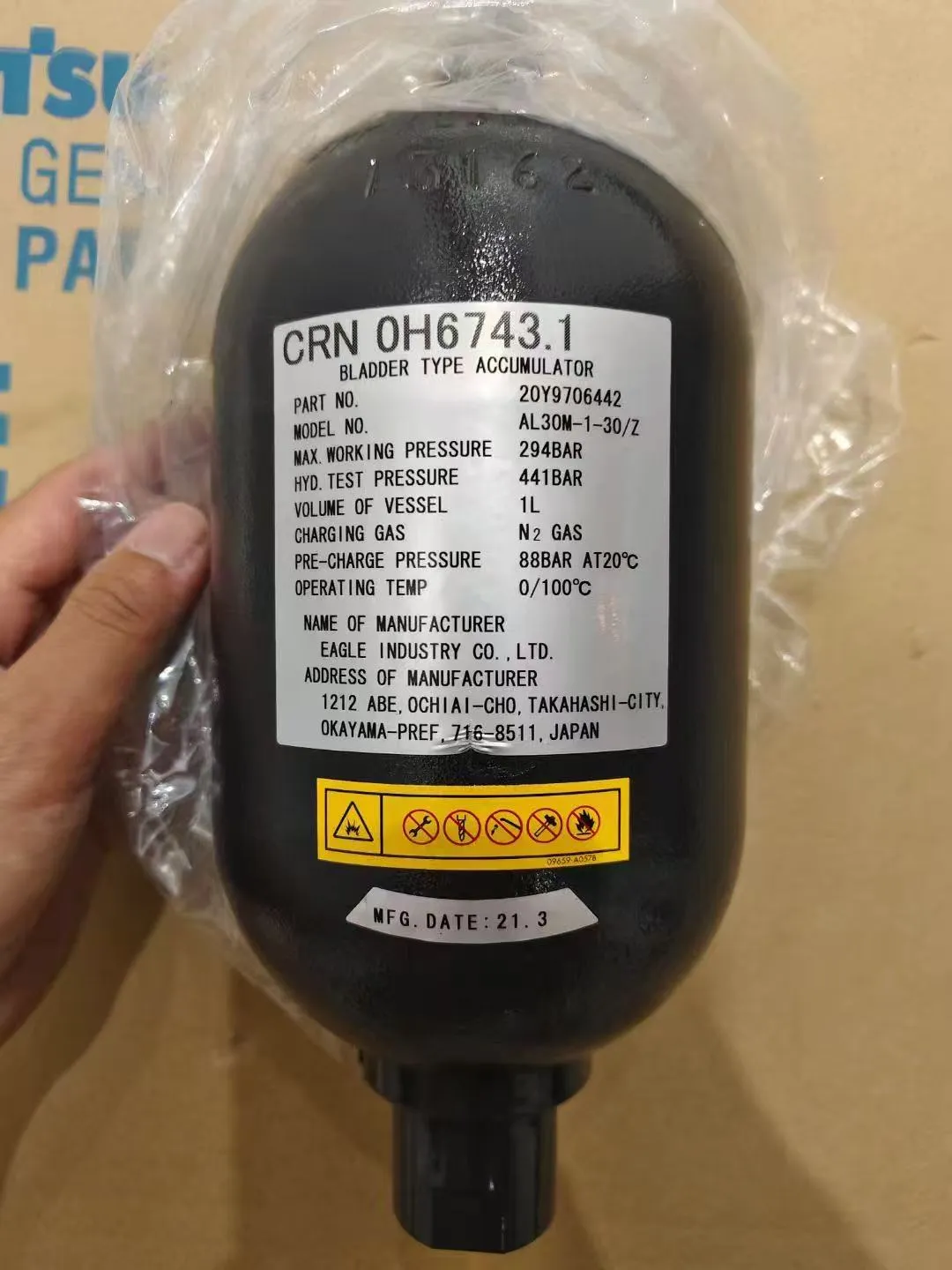 20Y-970-6442 Komatsu Accumulator Assembly
 -
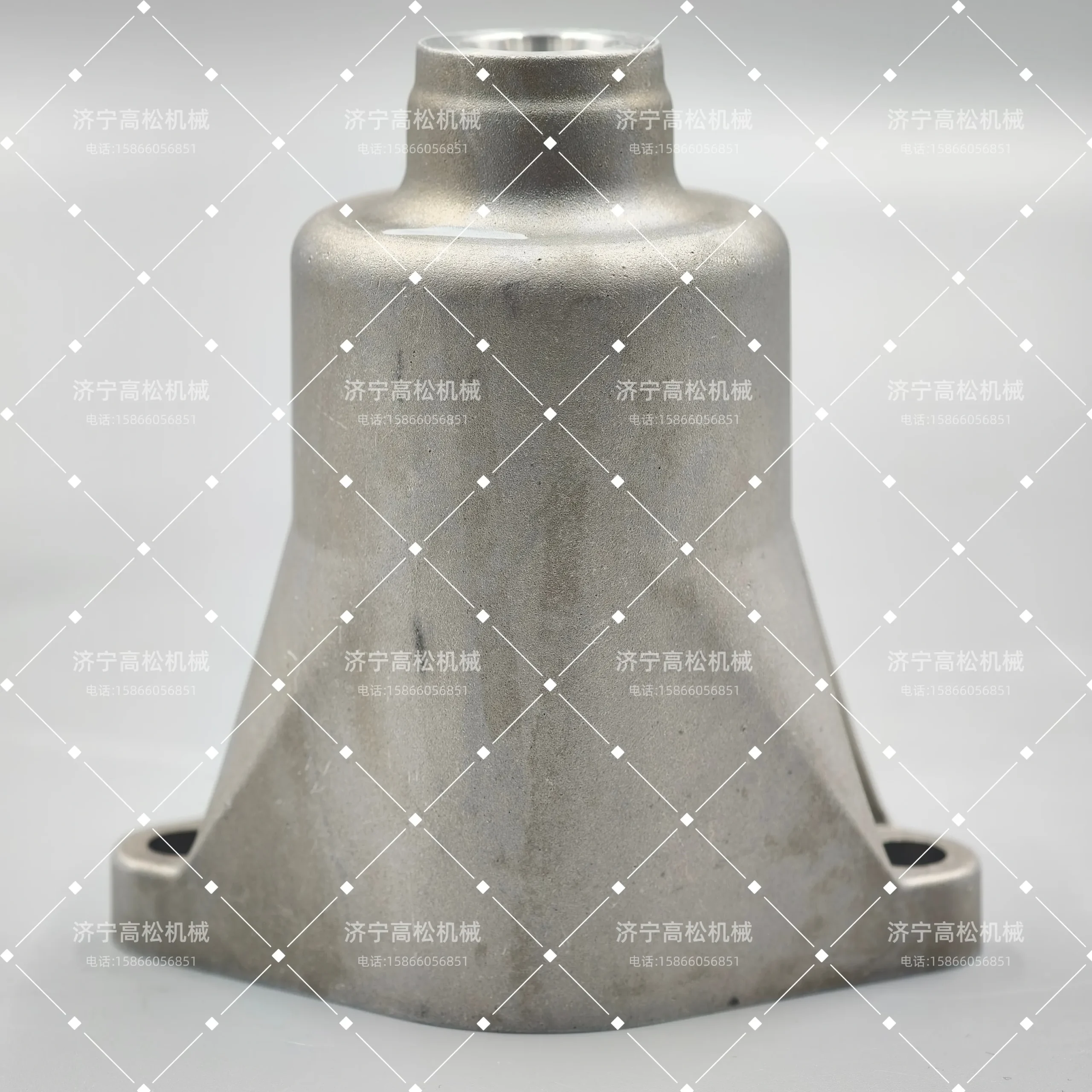 Excavator Valve Case 723-46-15111: Parts Search, High Quality…
 -
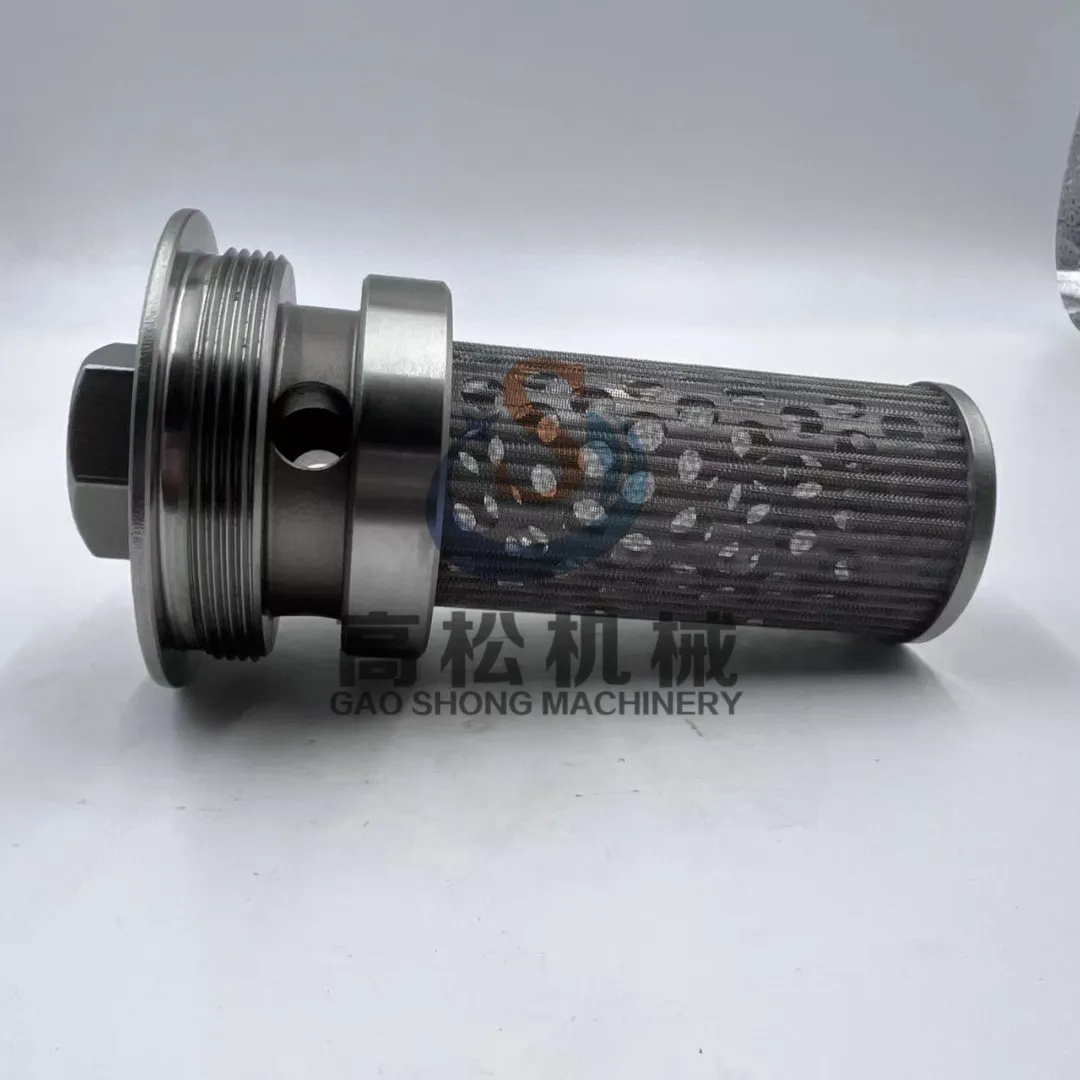 Komatsu 195-04-11150 Strainer 195041150
 -
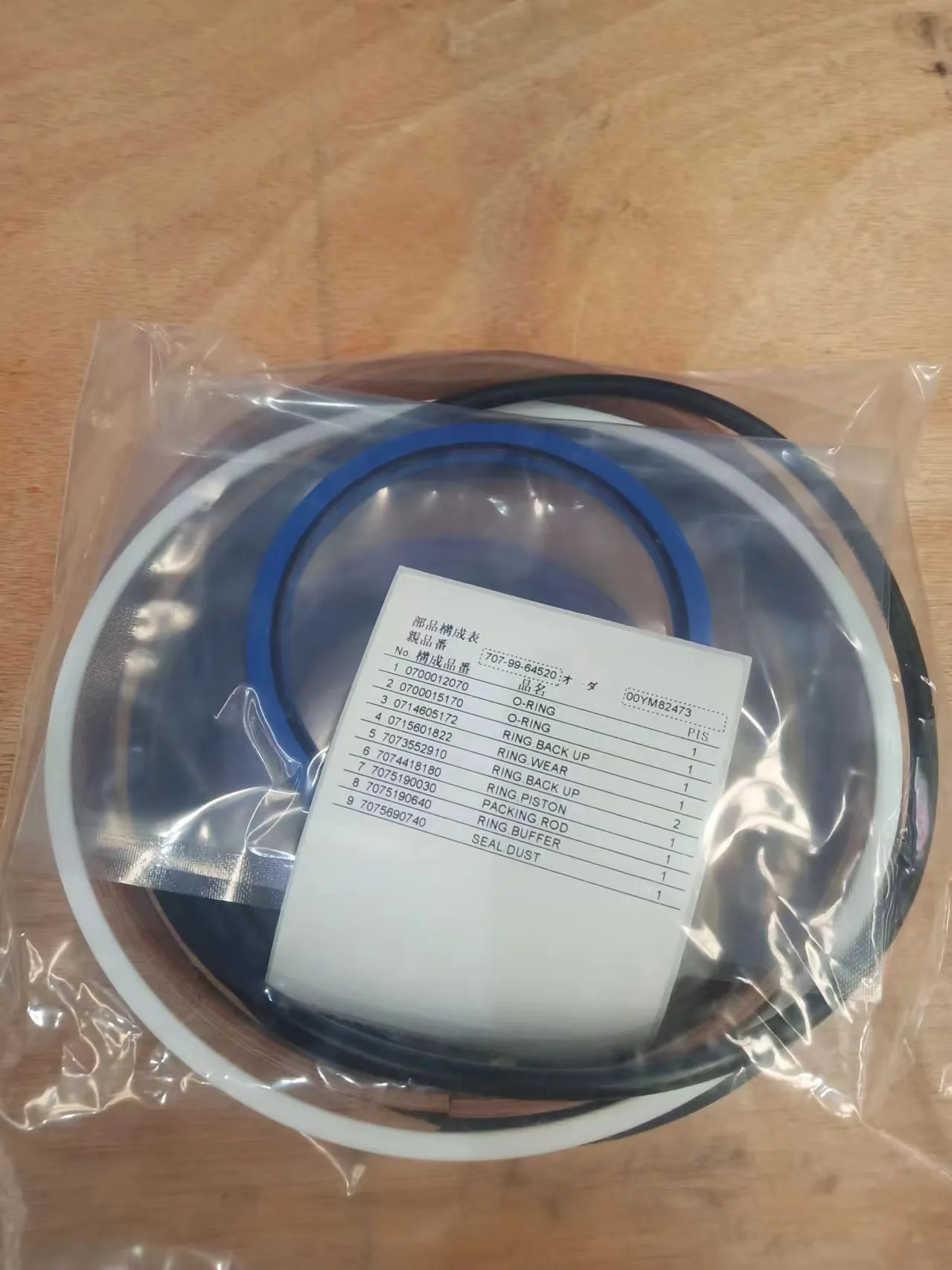 WA380-3 Repair Kit 707-99-64520
 -
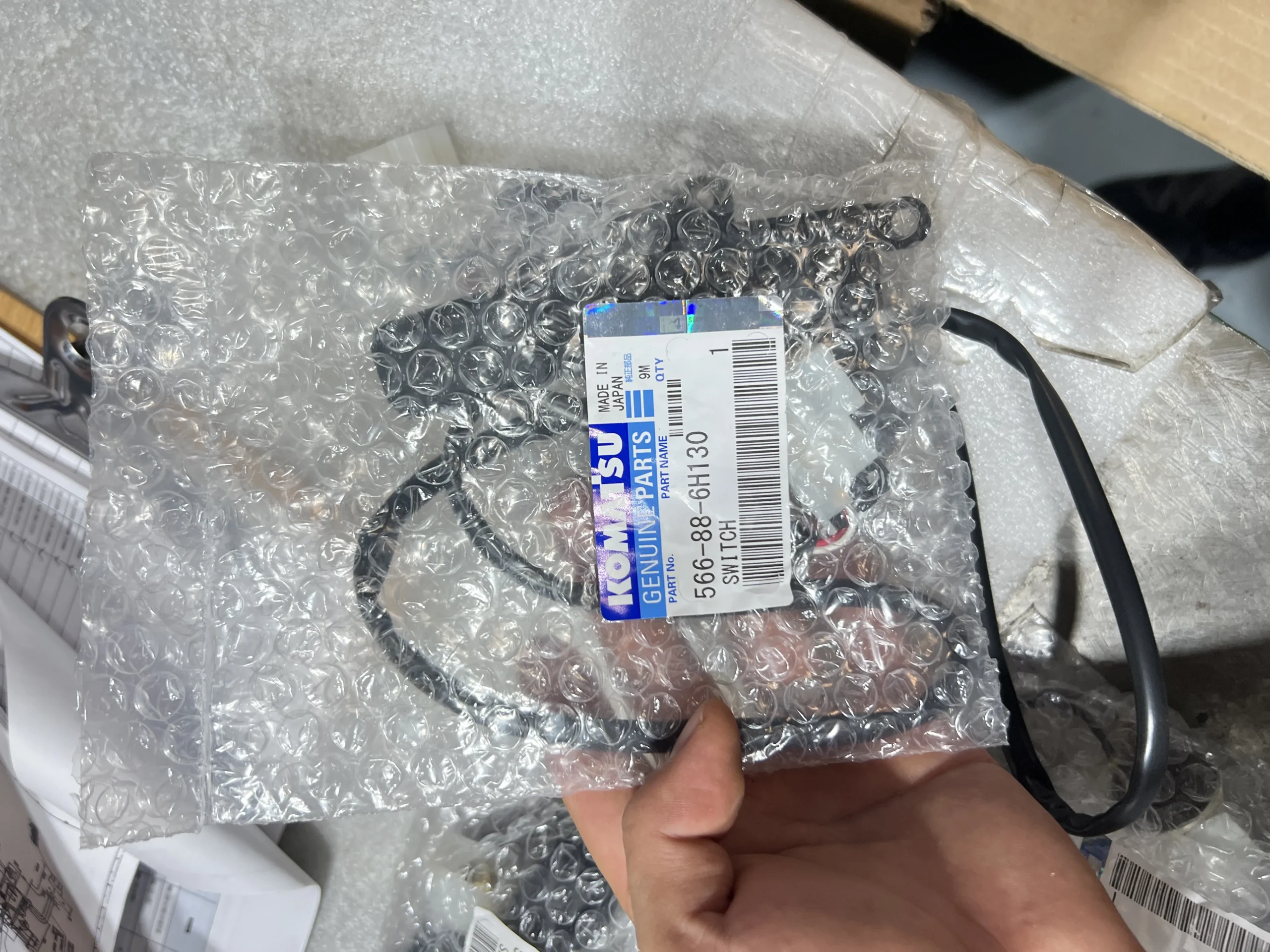 566-88-6H130 Komatsu Switch, Retarder
 -
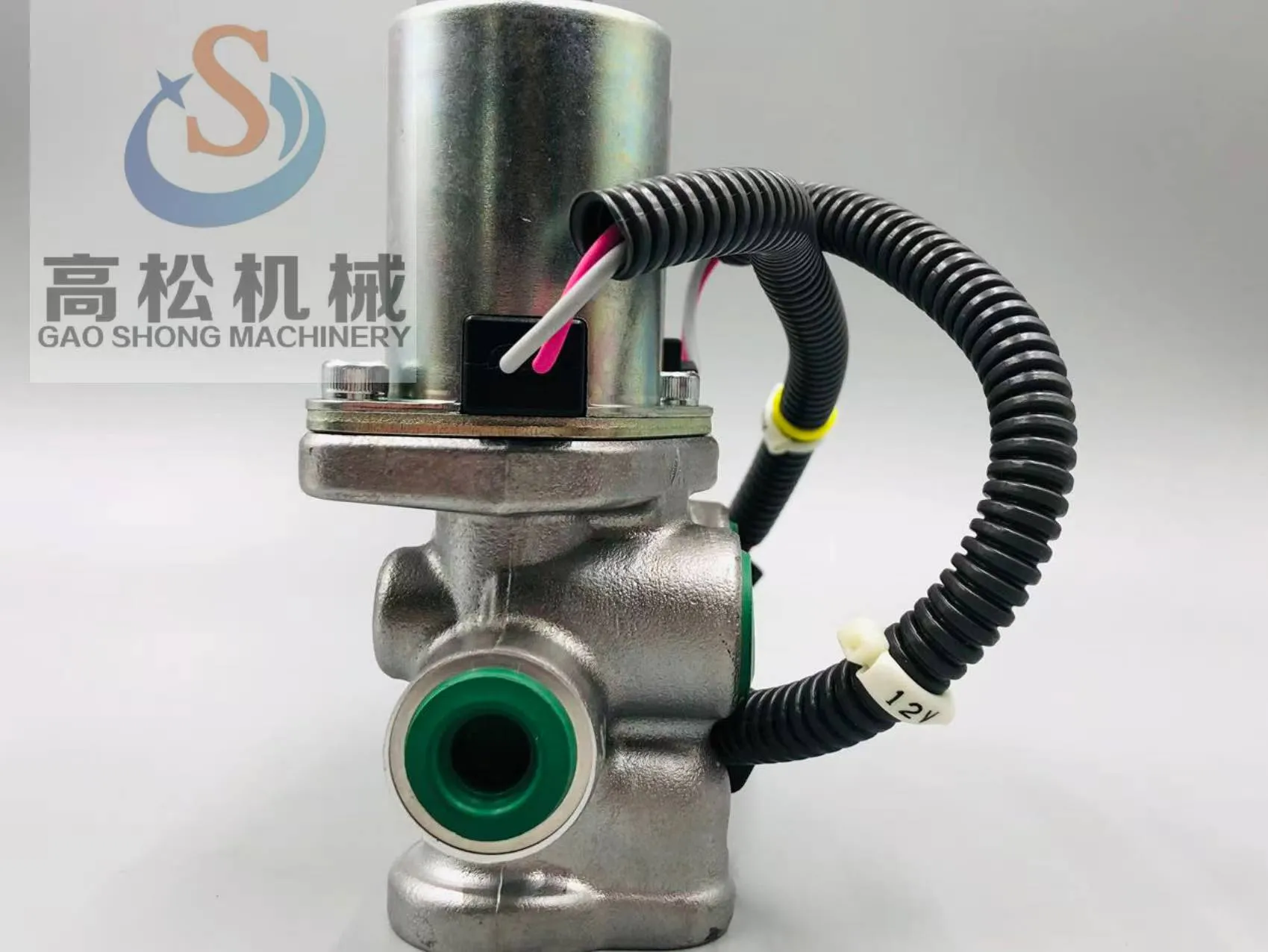 22F-60-21201 22F-60-31600 Solenoid Valve PC56-7 PC55MR-2
 -
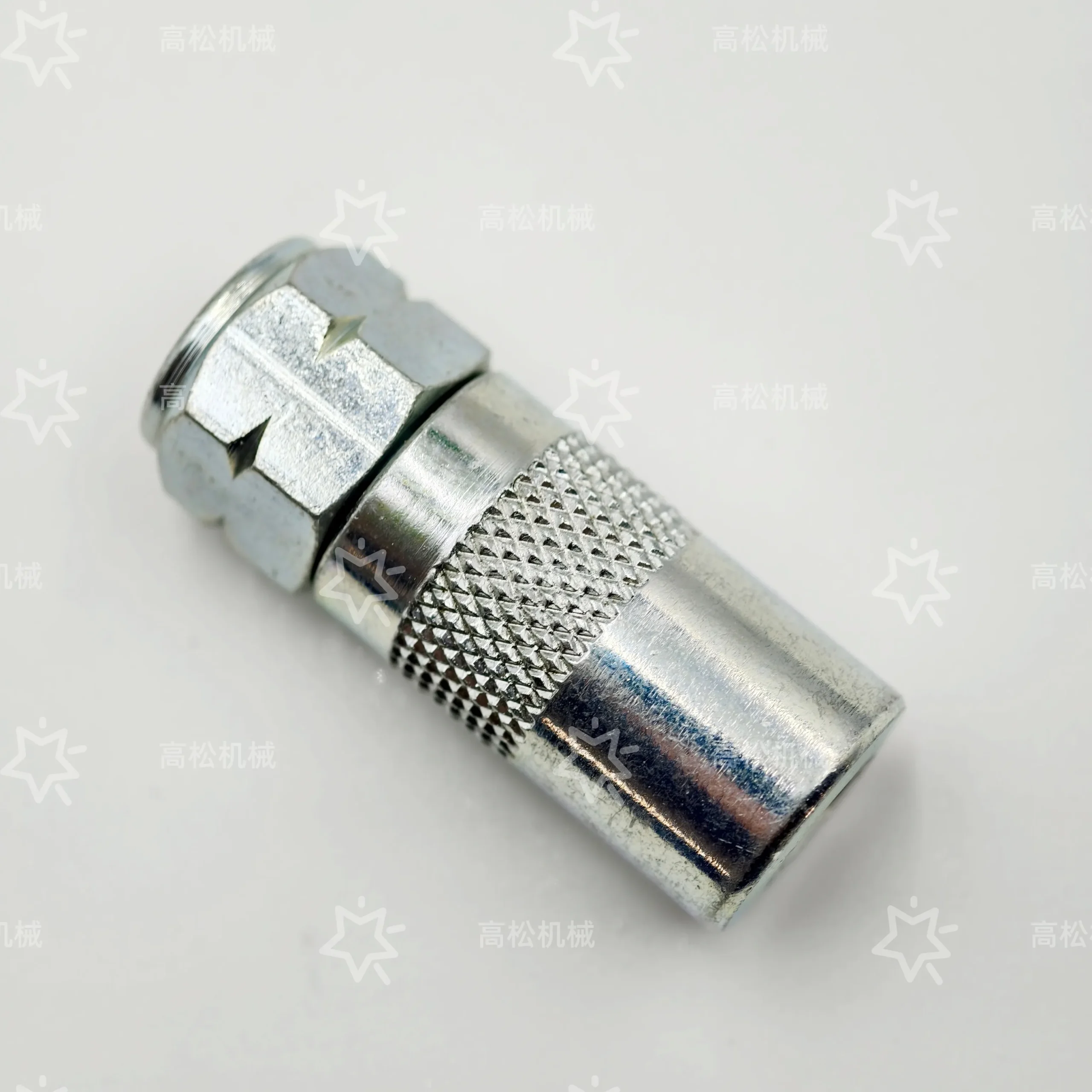 209-68-11640 Komatsu Coupling Assembly