
- Chinese
- French
- German
- Portuguese
- Spanish
- Russian
- Japanese
- Korean
- Arabic
- Irish
- Greek
- Turkish
- Italian
- Danish
- Romanian
- Indonesian
- Czech
- Afrikaans
- Swedish
- Polish
- Basque
- Catalan
- Esperanto
- Hindi
- Lao
- Albanian
- Amharic
- Armenian
- Azerbaijani
- Belarusian
- Bengali
- Bosnian
- Bulgarian
- Cebuano
- Chichewa
- Corsican
- Croatian
- Dutch
- Estonian
- Filipino
- Finnish
- Frisian
- Galician
- Georgian
- Gujarati
- Haitian
- Hausa
- Hawaiian
- Hebrew
- Hmong
- Hungarian
- Icelandic
- Igbo
- Javanese
- Kannada
- Kazakh
- Khmer
- Kurdish
- Kyrgyz
- Latin
- Latvian
- Lithuanian
- Luxembou..
- Macedonian
- Malagasy
- Malay
- Malayalam
- Maltese
- Maori
- Marathi
- Mongolian
- Burmese
- Nepali
- Norwegian
- Pashto
- Persian
- Punjabi
- Serbian
- Sesotho
- Sinhala
- Slovak
- Slovenian
- Somali
- Samoan
- Scots Gaelic
- Shona
- Sindhi
- Sundanese
- Swahili
- Tajik
- Tamil
- Telugu
- Thai
- Ukrainian
- Urdu
- Uzbek
- Vietnamese
- Welsh
- Xhosa
- Yiddish
- Yoruba
- Zulu
- Kinyarwanda
- Tatar
- Oriya
- Turkmen
- Uyghur






Komatsu light
When you hear 'Komatsu light,' most people immediately picture the standard halogen work lamp bolted onto an excavator's boom. That's the surface-level view. In my years dealing with parts and aftermarket support, I've seen that term cause more confusion than clarity. It's not a single part number; it's a category, and its application, compatibility, and the supply chain around it are where the real story is. Many assume it's a trivial component, until a machine is down at night because of a failed seal or a voltage mismatch.
The OEM System and the Grey Areas
Working within the Komatsu OEM network, you learn the official specs inside out. A genuine Komatsu light assembly for, say, a PC200-8, isn't just a bulb and a housing. It's a specific voltage rating, a precise IP rating for dust and water, and a mounting bracket engineered for that machine's vibration profile. The OEM provides the blueprint for reliability. But here's the practical hiccup: the official global parts network isn't always seamless. For a dealer in a remote region or a country with complex import regulations, getting that exact assembly under time pressure can be a logistical nightmare. The machine downtime costs far exceed the part's price.
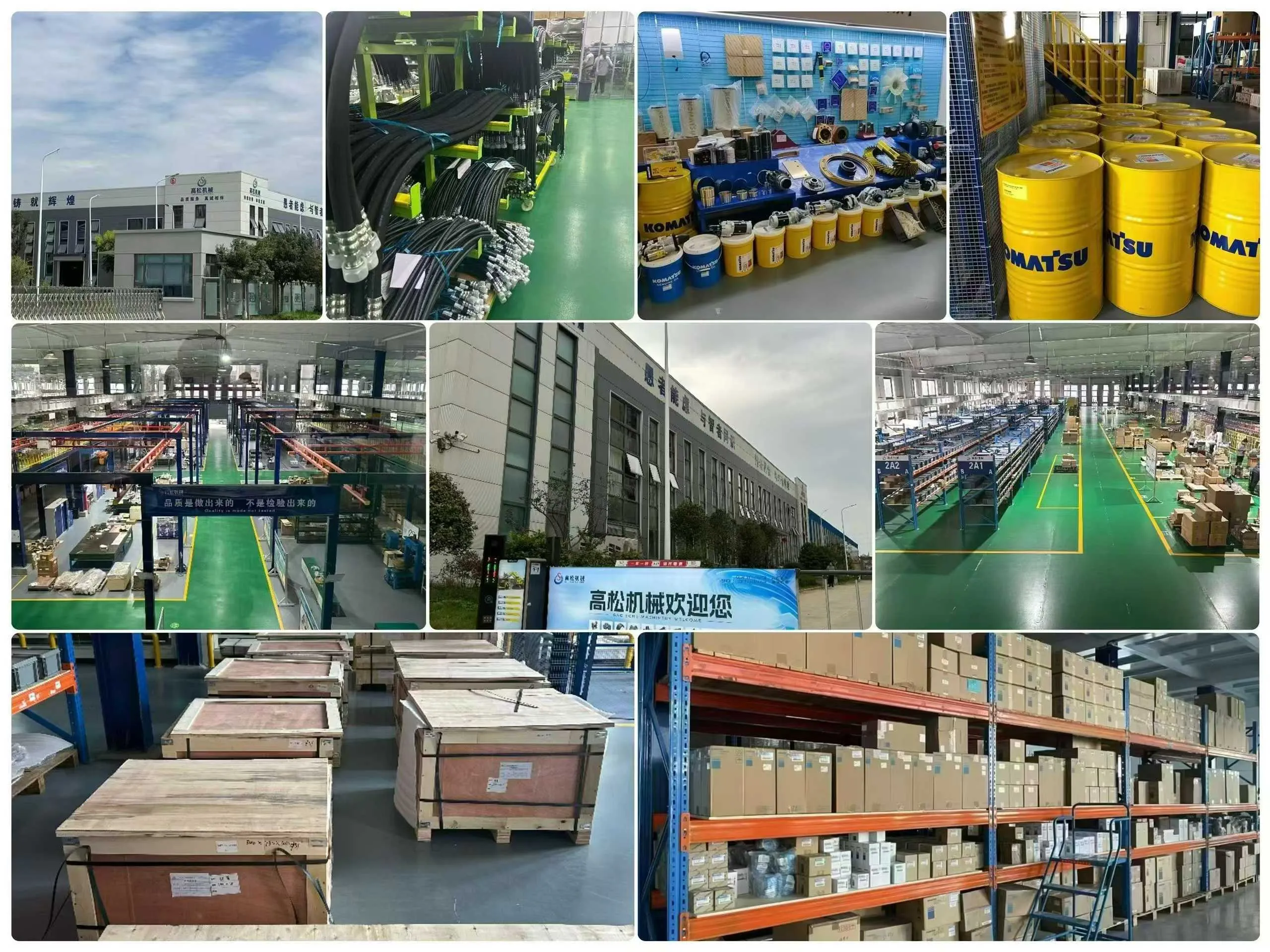
This is where the role of a specialized supplier becomes critical. A company like Jining Gaosong Construction Machinery Co., Ltd. operates in that crucial space. As they note on their site https://www.takematsumachinery.com, they are an OEM product supplier within the Komatsu system and a third-party sales company. In practice, this means they understand the OEM specifications but are also structured to navigate the parts supply challenges that official channels can sometimes create in certain markets. They aren't just selling a generic lamp; they're providing a pathway to a compliant part when the standard pipeline is constrained.
I recall a case where a mining operation in Southeast Asia needed a complete lighting kit for a Komatsu dozer. The official lead time was weeks. They sourced a functionally identical assembly through a third-party channel that adhered to Komatsu's OEM standards, getting the machine back online in days. The takeaway? Komatsu light often signifies a performance standard, not solely a point of purchase. The ecosystem requires these agile, knowledgeable partners to keep fleets running.
Third-Party Reality: Fit, Form, and Function
Now, the term 'third-party' can raise eyebrows. It shouldn't, if it's done right. The goal isn't to copy but to match the fit, form, and function. A proper third-party Komatsu light module will have the same plug connector, the same bolt pattern, and equivalent lumen output and durability. The difference might be in the sourcing of the lens polycarbonate or the gasket material, but the end performance meets the operational need. The challenge for the buyer is discernment—separating those who understand engineering parity from those who just sell a vaguely similar-looking housing.
We tried a batch of aftermarket lights for a fleet of wheel loaders years ago. They were cheaper, by a lot. The failure point wasn't the light itself; it was the bracket. It fatigued and cracked within months under normal vibration, something the OEM design had calculated for. That was a lesson in total system compatibility. A true specialist supplier gets this. They're not just box-movers; they've seen the field failures and know which components are critical to replicate exactly and where there might be room for equivalent material substitution without compromising duty cycle.
Looking at a supplier's focus, like Gaosong's stated mission of solving parts supply challenges, tells you they're targeting a specific pain point. They're not a general auto parts store. Their value is in knowing which Komatsu light assemblies are most prone to supply gaps or are commonly needed for legacy models, and having a reliable source that meets the necessary criteria. It's a practical, problem-solving layer on top of the pure manufacturing specification.
On the Ground: Installation and Voltage Quirks
Let's get practical. Even with the correct part, installation has pitfalls. The biggest one I see is voltage. Older machines might be 24V, newer ones 12V. You'd be surprised how often a technician assumes and fries a new lamp. A proper supplier will know to ask for the machine model or serial number range to specify the correct unit. It's a small detail that causes major headaches.
Then there's the wiring harness. Corrosion at the connector is a chronic killer of lights, not the bulb burning out. A quality replacement assembly should come with a new sealed connector or at least detailed instructions on cleaning the existing contacts. Sometimes, the aftermarket solution improves on this by offering a connector with a better environmental seal than the original—a practical enhancement born from field observation.
When you're on a site as the sun is going down, trying to get a final trench graded, a working Komatsu light isn't an accessory; it's a safety and productivity necessity. The choice isn't always OEM vs. non-OEM. It's often available and reliable vs. waiting. Having a trusted channel that provides a technically sound part quickly is the real-world solution. That's the service tier companies in this niche fill.
The Economics of Downtime vs. Part Cost
Fleet managers often hyper-focus on the unit cost of a component like a work lamp. It's a line item. But the calculus should be on total cost of ownership, which is dominated by machine availability. If a non-OEM sourced light from a reputable technical supplier gets the machine back to work 48 hours faster and lasts 80% as long as the OEM part, it's often the economically superior choice. You run the numbers based on the machine's hourly rate.
This is the unspoken reasoning behind the third-party market's existence. It's not about undercutting Komatsu's quality—their engineering is the benchmark. It's about providing a viable, reliable alternative for situations where the primary supply chain isn't the optimal solution due to time, location, or cost constraints for that particular repair. A supplier acting as an OEM partner within the system, like the mentioned company, understands this balance. They're not undermining the brand; they're extending its support network in a pragmatic way.
I've advised clients to stock critical wear-and-tear items like lights and filters from these alternative but qualified channels, while reserving the official pipeline for major structural or hydraulic components. It's a hybrid approach that optimizes uptime and budget. The key is the qualification of the channel. Does their Komatsu light come with material certifications? Do they provide cross-reference charts? That's what separates a professional solution from a parts gamble.
Looking Ahead: LEDs and Evolving Standards
The conversation is shifting from halogen to LED. The term Komatsu light increasingly refers to these solid-state units. They draw less power, last longer, and are more resistant to vibration. But they introduce new compatibility checks: current draw, PWM (Pulse Width Modulation) compatibility with the machine's electrical system, and heat sink design. An inferior LED can cause electrical feedback or overheat in an enclosed space.
The aftermarket and third-party sector is racing to catch up here. The good ones are offering LED retrofit kits that are plug-and-play, with built-in resistors to simulate the load of a halogen bulb and avoid can-bus errors. The laggards are selling bright but electrically noisy assemblies that can interfere with other machine electronics. It's a new frontier of fit and function.
Suppliers who are entrenched in the Komatsu ecosystem are better positioned to develop these solutions because they have access to the machine interface specifications. Their development is informed, not imitative. For the end user, the question evolves from Is it a Komatsu light? to Does this LED assembly perform reliably on my Komatsu machine without causing issues? The answer lies increasingly with specialists who bridge the OEM knowledge and flexible supply.
Related Products
Related Products

Best Selling Products
Best Selling Products-
 56B-15-19210 RING
 -
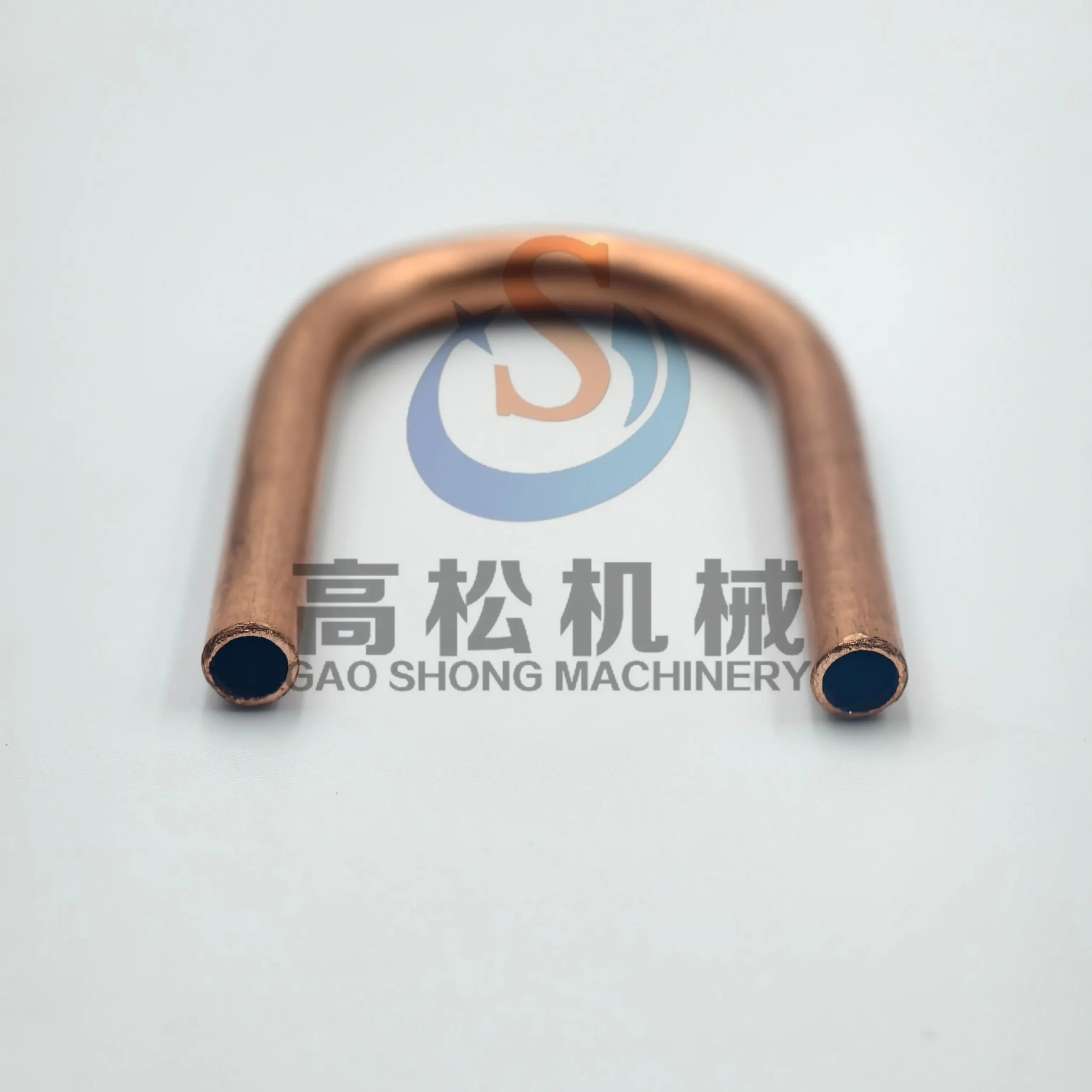 TUBE 21N-68-32360 – KOMATSU
 -
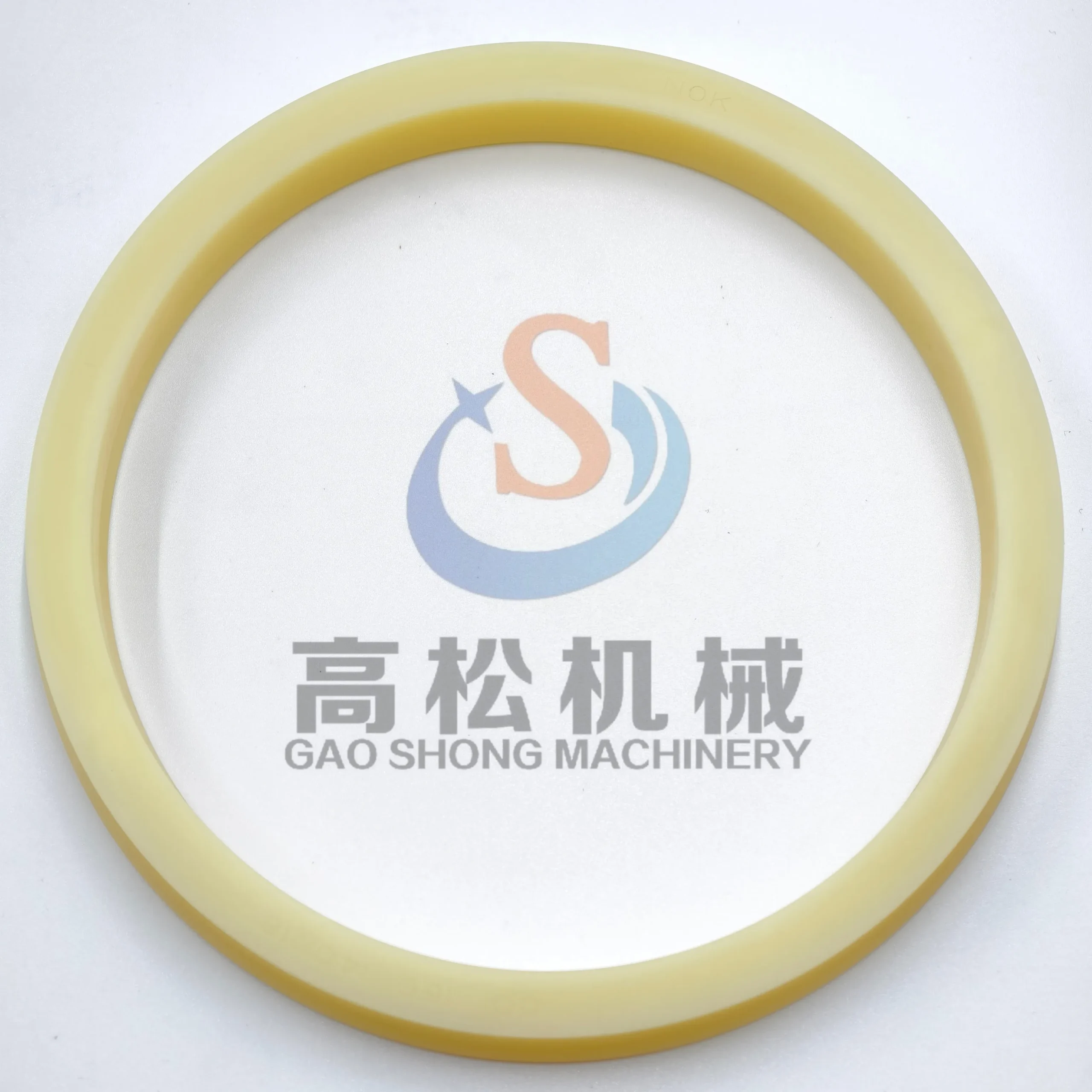 21N-30-14160 PACKING (Komatsu)
 -
 6156-71-1131 6156-71-1132 Fuel Injection Pump Compatible For Komatsu PC450-8 Excavator
 -
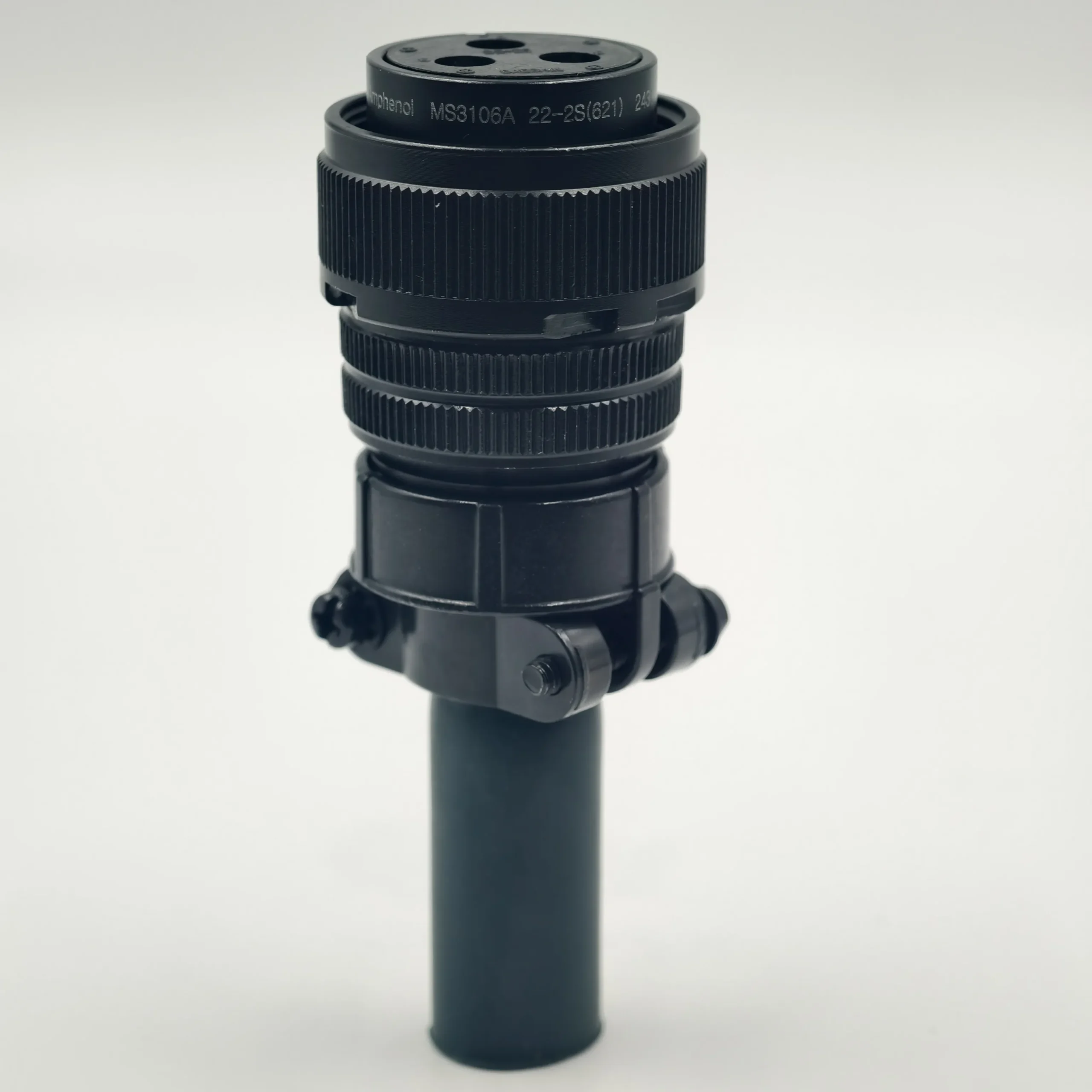 175-06-37871 PLUG(WITH HEATER) (Komatsu)
 -
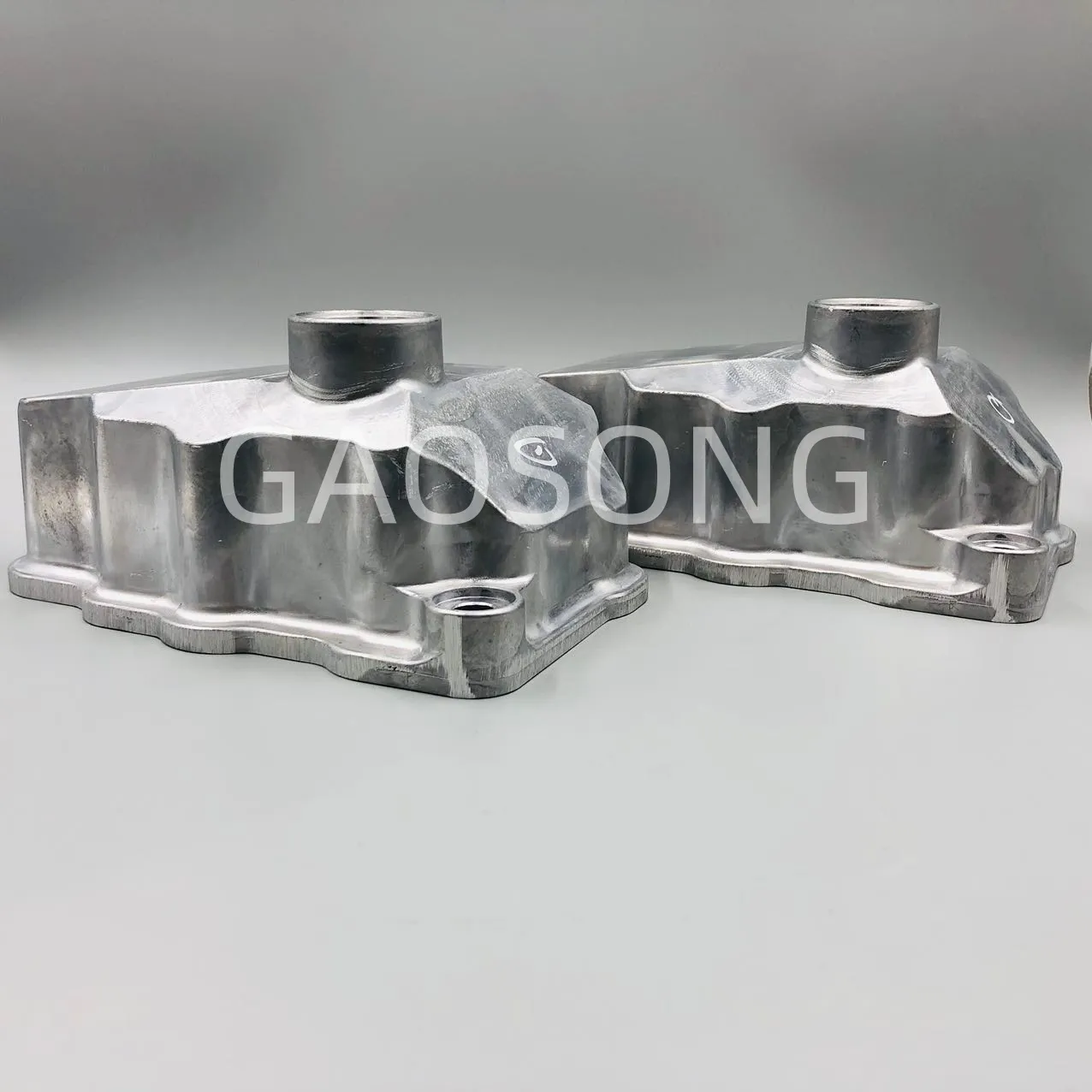 6251-11-8150 Komatsu Cover, Rocker Arm Housing
 -
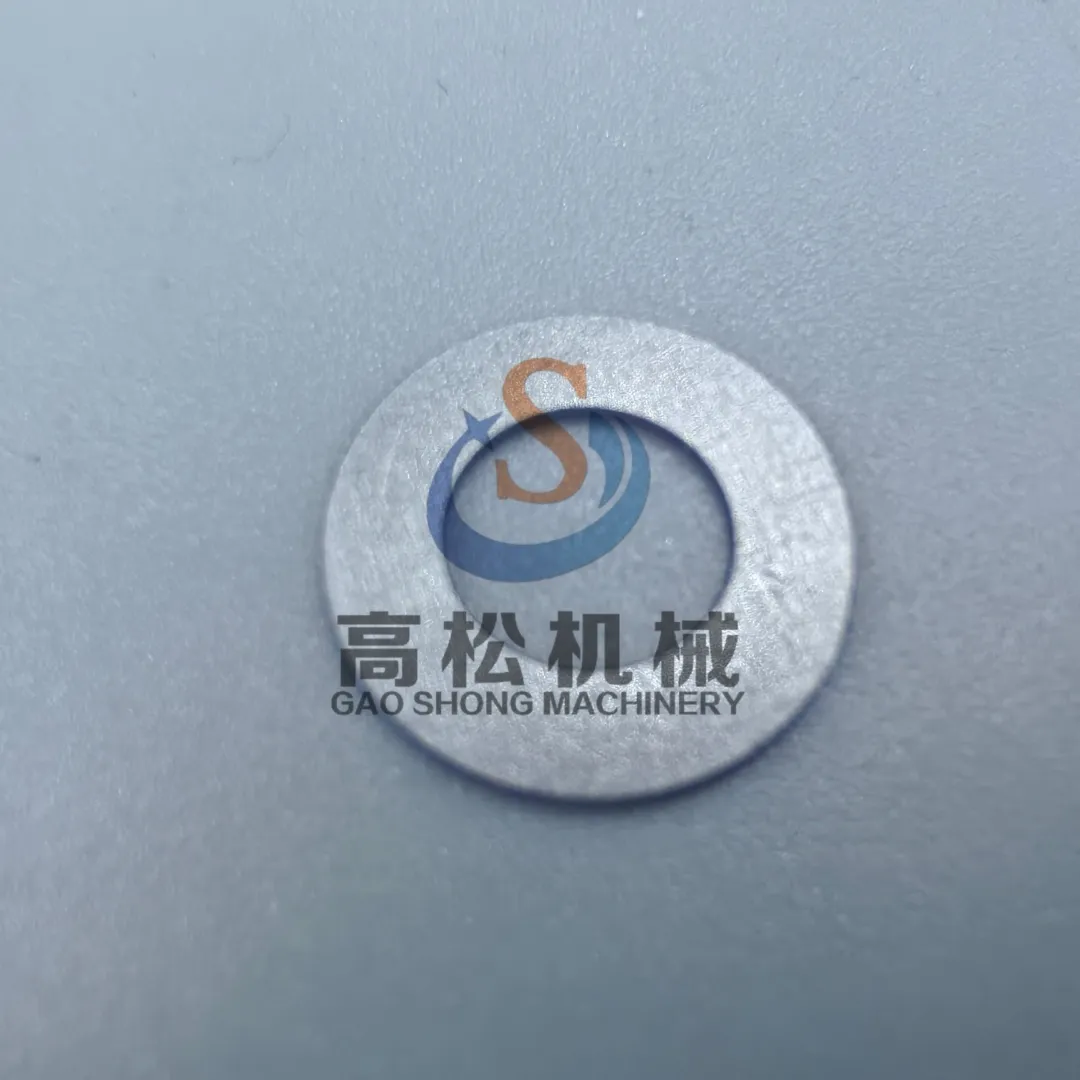 424-15-16410 Komatsu SHIM, 0.5mm
 -
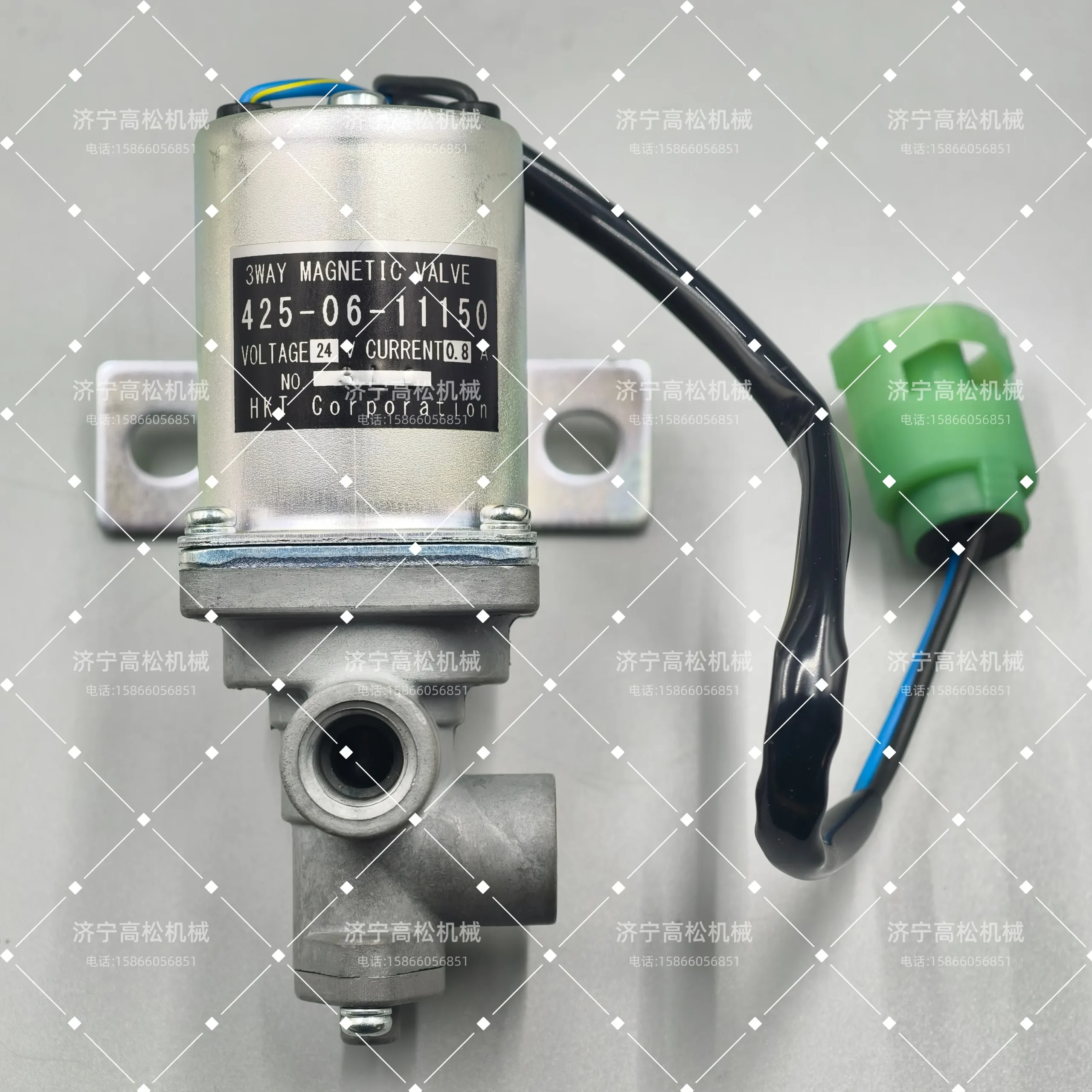 425-06-11150 Komatsu VALVE, PARKING BRAKE
 -
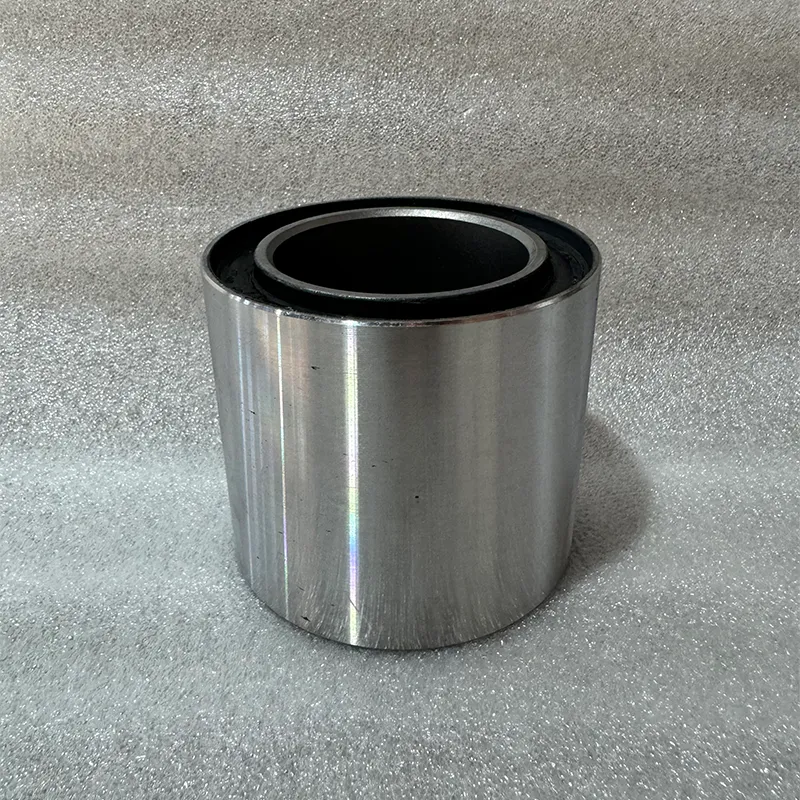 Original komatsu WA900-3 pad 569-14-41130
 -
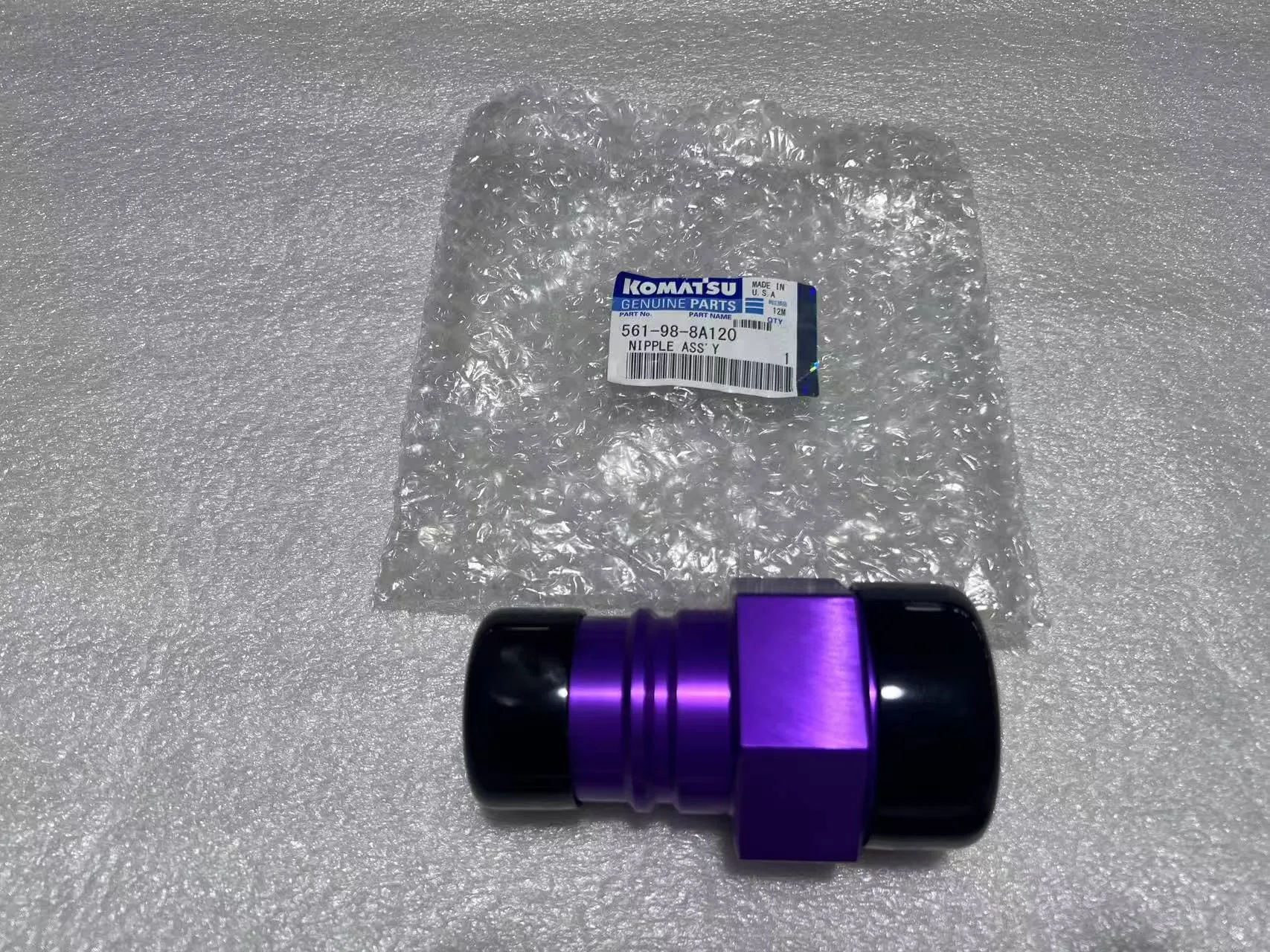 561-98-8A120 Spot # Komatsu # Komatsu Machinery Parts 2026
 -
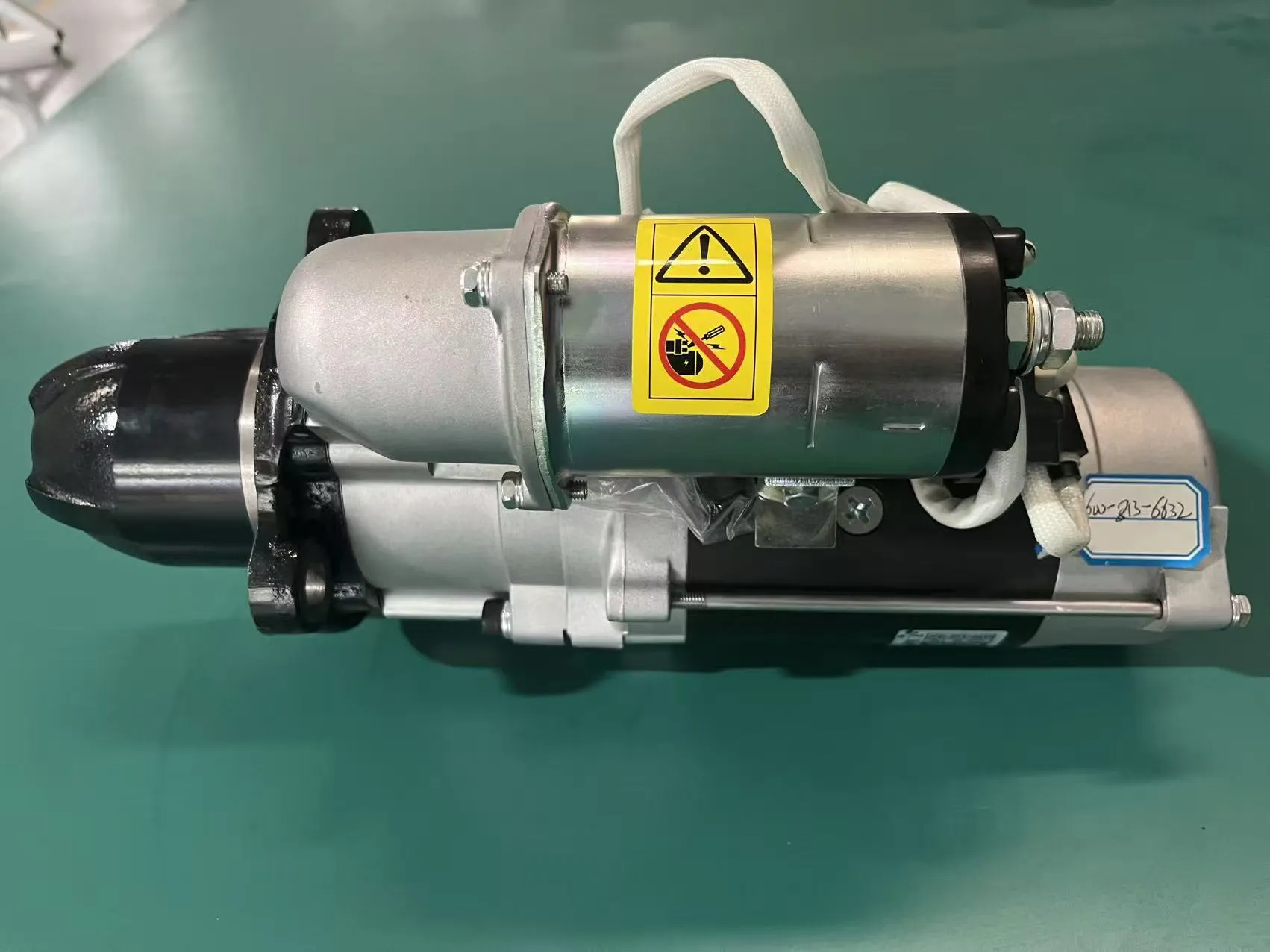 High Quality Excavator Spare Parts 600-813-6632 PC400-8 Start…
 -
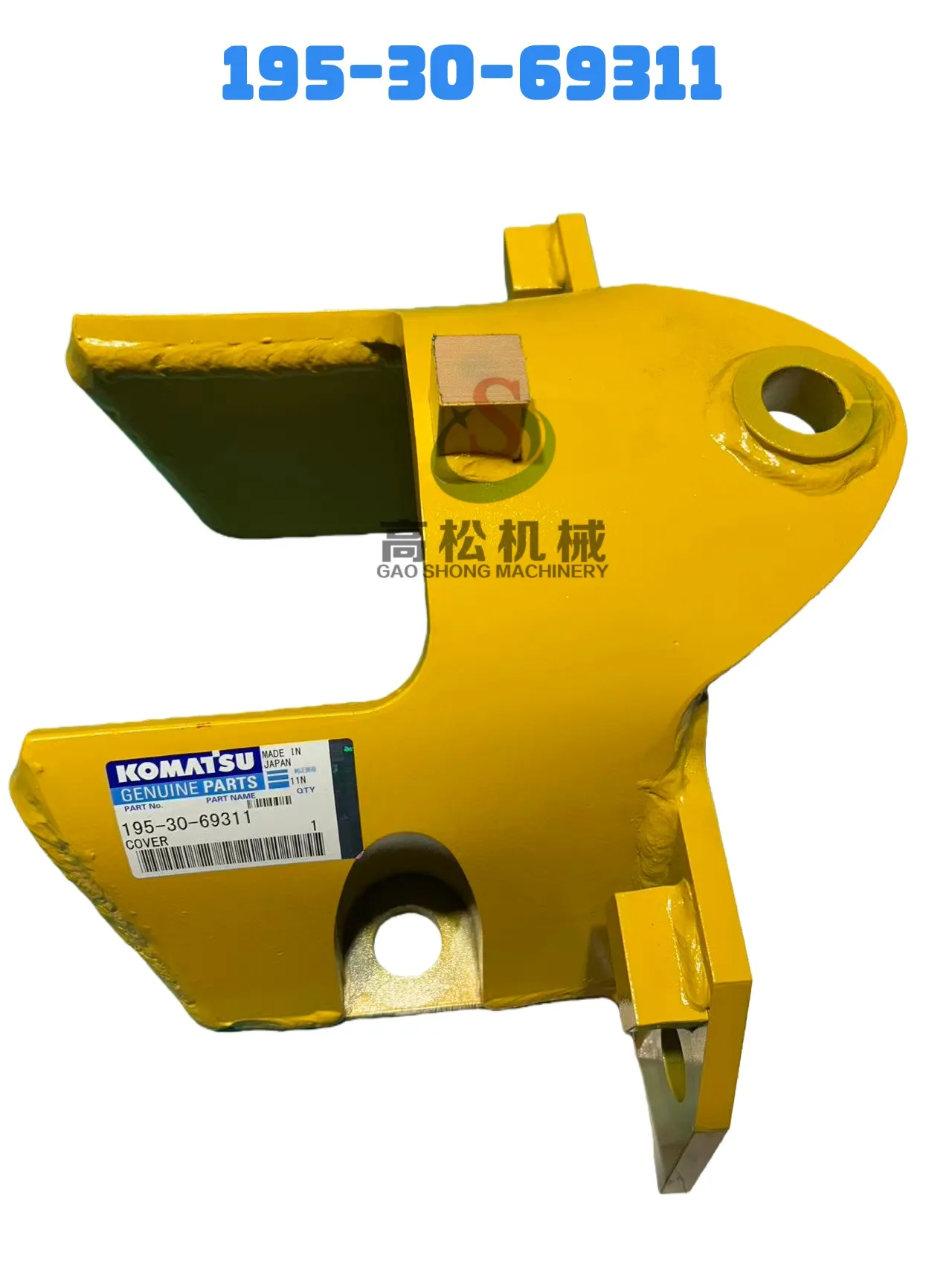 komatsu parts195-30-69311 COVER D375A-5 D375A-6 D375AI-8 D375A-8E0 TRACK FRAME
Related Search
Related Search- OEM AND ORIGINAL KOMATSU BRACKET 17A-71-12231
- OEM AND ORIGINAL KOMATSU WIRING HARNESS 569-15-55820
- 17A-30-00173
- komatsu pc200 engine
- OEM AND ORIGINAL KOMATSU LEVER ASSY 423-V91-4144
- komatsu parts book 777
- Komatsu wiring harness
- Komatsu wheel loader parts
- 6245-51-6120
- OEM AND ORIGINAL KOMATSU VALVE ASSY 419-43-27401