
- Chinese
- French
- German
- Portuguese
- Spanish
- Russian
- Japanese
- Korean
- Arabic
- Irish
- Greek
- Turkish
- Italian
- Danish
- Romanian
- Indonesian
- Czech
- Afrikaans
- Swedish
- Polish
- Basque
- Catalan
- Esperanto
- Hindi
- Lao
- Albanian
- Amharic
- Armenian
- Azerbaijani
- Belarusian
- Bengali
- Bosnian
- Bulgarian
- Cebuano
- Chichewa
- Corsican
- Croatian
- Dutch
- Estonian
- Filipino
- Finnish
- Frisian
- Galician
- Georgian
- Gujarati
- Haitian
- Hausa
- Hawaiian
- Hebrew
- Hmong
- Hungarian
- Icelandic
- Igbo
- Javanese
- Kannada
- Kazakh
- Khmer
- Kurdish
- Kyrgyz
- Latin
- Latvian
- Lithuanian
- Luxembou..
- Macedonian
- Malagasy
- Malay
- Malayalam
- Maltese
- Maori
- Marathi
- Mongolian
- Burmese
- Nepali
- Norwegian
- Pashto
- Persian
- Punjabi
- Serbian
- Sesotho
- Sinhala
- Slovak
- Slovenian
- Somali
- Samoan
- Scots Gaelic
- Shona
- Sindhi
- Sundanese
- Swahili
- Tajik
- Tamil
- Telugu
- Thai
- Ukrainian
- Urdu
- Uzbek
- Vietnamese
- Welsh
- Xhosa
- Yiddish
- Yoruba
- Zulu
- Kinyarwanda
- Tatar
- Oriya
- Turkmen
- Uyghur






komatsu lift truck parts
When you hear 'Komatsu lift truck parts', the immediate thought is often just about ordering a replacement. But that's where the real conversation starts, not ends. In my years dealing with this, I've seen too many operations get tripped up thinking it's a simple catalog game. The reality is more about understanding the ecosystem—knowing what's truly OEM, what can be cross-referenced, and where the genuine bottlenecks are, especially in regions where the official supply chain thins out. It's not just a part; it's a piece of a much larger operational puzzle.
The OEM Illusion and the Third-Party Reality
Let's get this straight: not every part stamped or sold as Komatsu-compatible comes from Komatsu's direct line. That's the first hurdle. Many buyers, especially in cost-sensitive markets, face a confusing mix. You have the pure Komatsu lift truck parts from the OEM channels, then you have the licensed manufacturers, and then a whole sea of aftermarket options. The problem isn't always quality—some aftermarket manufacturers are excellent—it's traceability and fit. I've seen a perfectly good-looking hydraulic hose fail because the fitting thread was a half-pitch off from the Komatsu spec. It looked right, it almost worked, but it caused a slow leak that grounded a truck for two days. That's lost money no one budgets for.
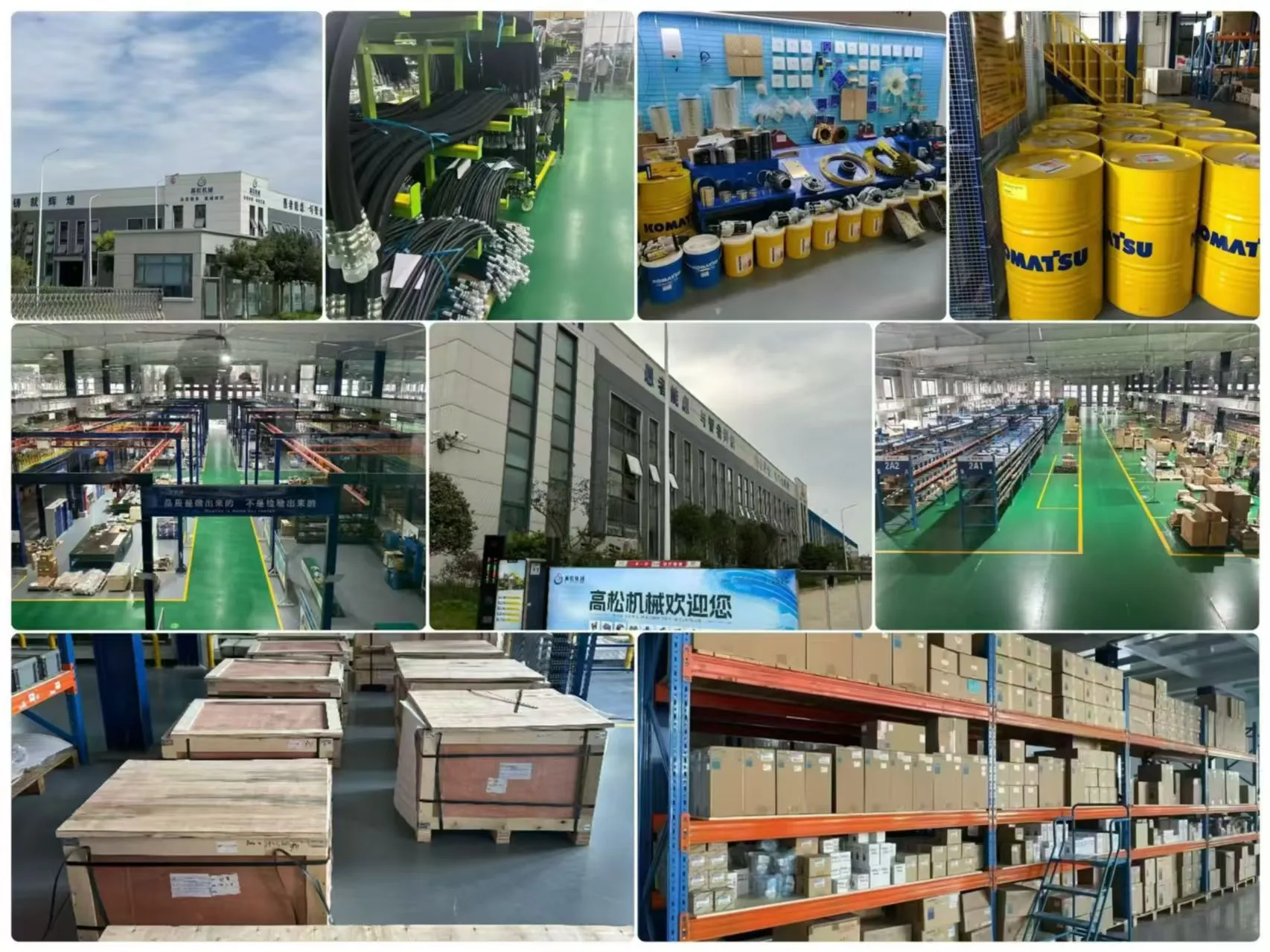
This is where entities that operate in a dual role become critical. Take a company like Jining Gaosong Construction Machinery Co., Ltd.. Their setup is interesting because they're embedded within the system as an OEM product supplier, but they also function as a third-party sales channel. Visiting their portal at https://www.takematsumachinery.com, you get a sense of this hybrid model. They're not just an alternative; they're a bridge. Their stated goal of solving parts supply challenges in certain countries isn't marketing fluff—it addresses the exact gap I'm talking about. In places where Komatsu's regional warehouse might be out of stock on a common mast roller or brake spring, a supplier with this kind of access can mean the difference between a 48-hour fix and a 3-week shutdown.
The nuance is in their position as an OEM product supplier within the Komatsu system. This typically means they manufacture or supply specific components that go into the original build or the official spare parts network. So, when they sell as a third-party, they're often moving the same or equivalently-spec'd parts, but through a more flexible, regionally-adapted logistics chain. For a maintenance manager, this translates to a viable alternative for non-safety-critical parts, or a lifeline when the official pipeline is dry. You learn to ask not just is it OEM? but what is the source of this specific component?
Where the Real Challenges Hide: Beyond the Catalog Number
Everyone focuses on the big items—engines, transmissions, mast assemblies. The real headaches, the ones that cause chronic downtime, are often in the so-called trivial parts. Think about the Komatsu lift truck parts like solenoid valves for the hydraulic control block, or the sensors on the exhaust regeneration system in newer models. These aren't items you stock in bulk, but when they fail, the truck is dead. The official lead time for some of these electronic or precision components can be staggering if you're not in a major industrial hub.
I recall a situation with a Komatsu 20-ton diesel forklift. It kept throwing a sporadic error code. The local dealer's diagnosis pointed to a proprietary pressure sensor. Official ETA: 6 weeks, air freight from Japan. That was unacceptable. We had to dig deeper. By cross-referencing the part number and working with a technical contact at a third-party supplier who had Komatsu system knowledge, we identified that the sensor's core was actually a generic Japanese industrial sensor repackaged by Komatsu. We sourced the generic equivalent, had to fabricate a small bracket adapter, and got the truck running in four days. The cost was 30% of the official part. This isn't about cutting corners; it's about practical problem-solving with deep technical knowledge.
This is the supply challenge companies like the one mentioned earlier help solve. They have the diagrams, the cross-reference lists, and the practical experience of what fails and where. Their value isn't just in having a warehouse; it's in having the technical insight to say, For that model, the pilot valve in the lift circuit is the same as used in these older models, and we have a stock of those. That kind of knowledge comes from being in the trenches, not just reading a parts manual.
The Cost of Genuine vs. The Risk of Compatible
This is the eternal debate. For critical load-bearing or safety components—mast channels, fork heels, brake components—I almost always push for the genuine Komatsu lift truck parts. The metallurgy and heat treatment specs are non-negotiable. I've seen aftermarket forks develop hairline cracks because the steel grade wasn't quite right. The liability isn't worth the 40% savings.
But for other categories, the calculation changes. Wear items like seals, gaskets, and standard bearings? High-quality aftermarket from a reputable maker is often identical. The key is reputable. It's not about finding the cheapest listing online; it's about building a relationship with a supplier who understands the application. A company that operates as an OEM supplier has already passed certain quality gates. If they offer a seal kit for a Komatsu transmission, it's likely because they are the ones who make it for the OEM kit anyway. Their website, Takematsu Machinery, positions them exactly in this space—leveraging their OEM role to fill third-party gaps.
The failure mode here is assuming all non-genuine parts are equal. They're not. We tried a batch of aftermarket ignition coils for a fleet of Komatsu gas trucks from a random supplier. Failure rate was 50% within three months. Switched to a source recommended by a specialist (one with clear Komatsu system ties), and the failure rate dropped to standard levels. The lesson was that the compatible label is meaningless without context. The context is the supplier's depth of integration with the original equipment technology.
Logistics and the Last-Mile Problem in Parts Supply
Having the part is one thing. Getting it to the broken truck in a remote port or a manufacturing plant with a just-in-time schedule is another. This is where the traditional model breaks down. Official distributors are optimized for major channels. A third-party with a focus on solving supply challenges often has more agile, and sometimes creative, logistics solutions.
I've worked with suppliers who, because they are smaller and more focused on specific regions, will consolidate orders or use alternative freight forwarders to get parts into countries with complex customs barriers. They might break down a large assembly into smaller shipments to avoid duties or delays. For example, instead of shipping a complete rebuilt torque converter, they'd ship the core components and the seal/gasket kit separately, with instructions. It's more work on our end, but it gets the job done weeks faster.
This logistical flexibility is a hidden feature of specialized third-party suppliers. Their entire business model, as hinted at in Jining Gaosong's mission, is built around navigating these very obstacles. They aren't just selling a part; they're selling a solution to the delivery problem. When your production line is stopped, that's what you're really buying.
Building a Sustainable Parts Strategy
So, what's the takeaway for someone managing a fleet of Komatsu lift trucks? Don't have a single-source strategy. That's asking for trouble. The smart play is to develop a tiered sourcing matrix. Tier 1: Genuine Komatsu for all safety-critical and high-stress components. Build a relationship with your local dealer for this. Tier 2: Certified or OEM-aligned suppliers for wear items, filters, and non-critical hydraulics. This is where a supplier with a profile like OEM product supplier within the Komatsu system is perfect. They provide reliability at a potentially better cost and availability. Tier 3: A vetted list of general aftermarket for very generic items (bulbs, common fasteners, universal hoses).
This requires upfront work. You need to audit your parts usage, identify the failure-prone items on your specific models, and build relationships with suppliers in each tier. It's not passive. You have to be proactive, ask potential suppliers about their manufacturing sources, request material certifications for critical parts, and maybe even visit their operation if the volume justifies it.
The goal is resilience. The keyword Komatsu lift truck parts represents a need. Your strategy should be about fulfilling that need with the right balance of cost, speed, and reliability. Relying solely on the official channel can be slow and expensive. Relying solely on the gray market can be risky and unreliable. The middle path—using specialized, knowledgeable intermediaries who understand both the product and the real-world pressure of downtime—is often where operational efficiency is found. It's less about buying a part and more about buying confidence in your supply chain.
Related Products
Related Products

Best Selling Products
Best Selling Products-
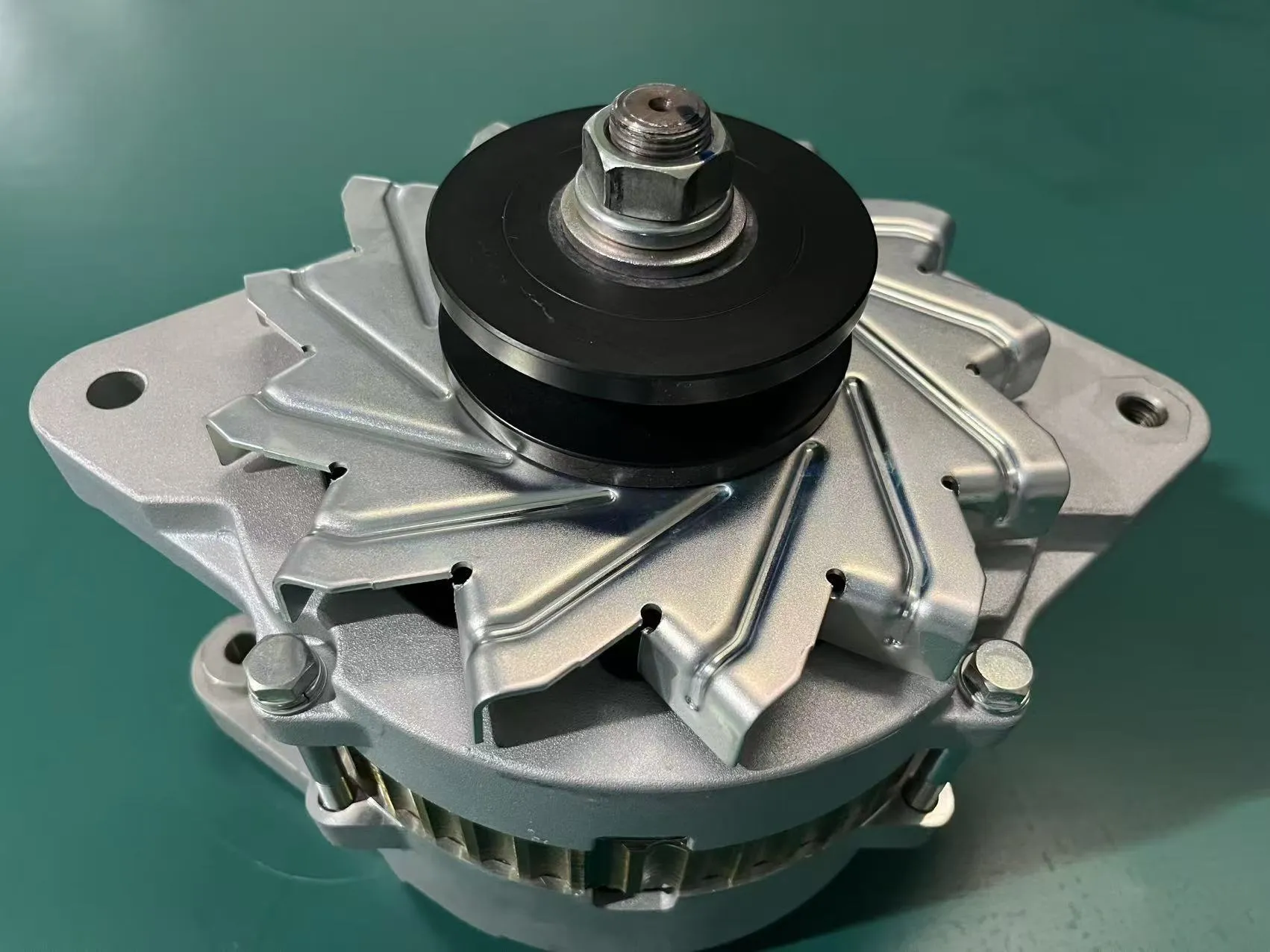 600-825-9332 Komatsu Alternator
 -
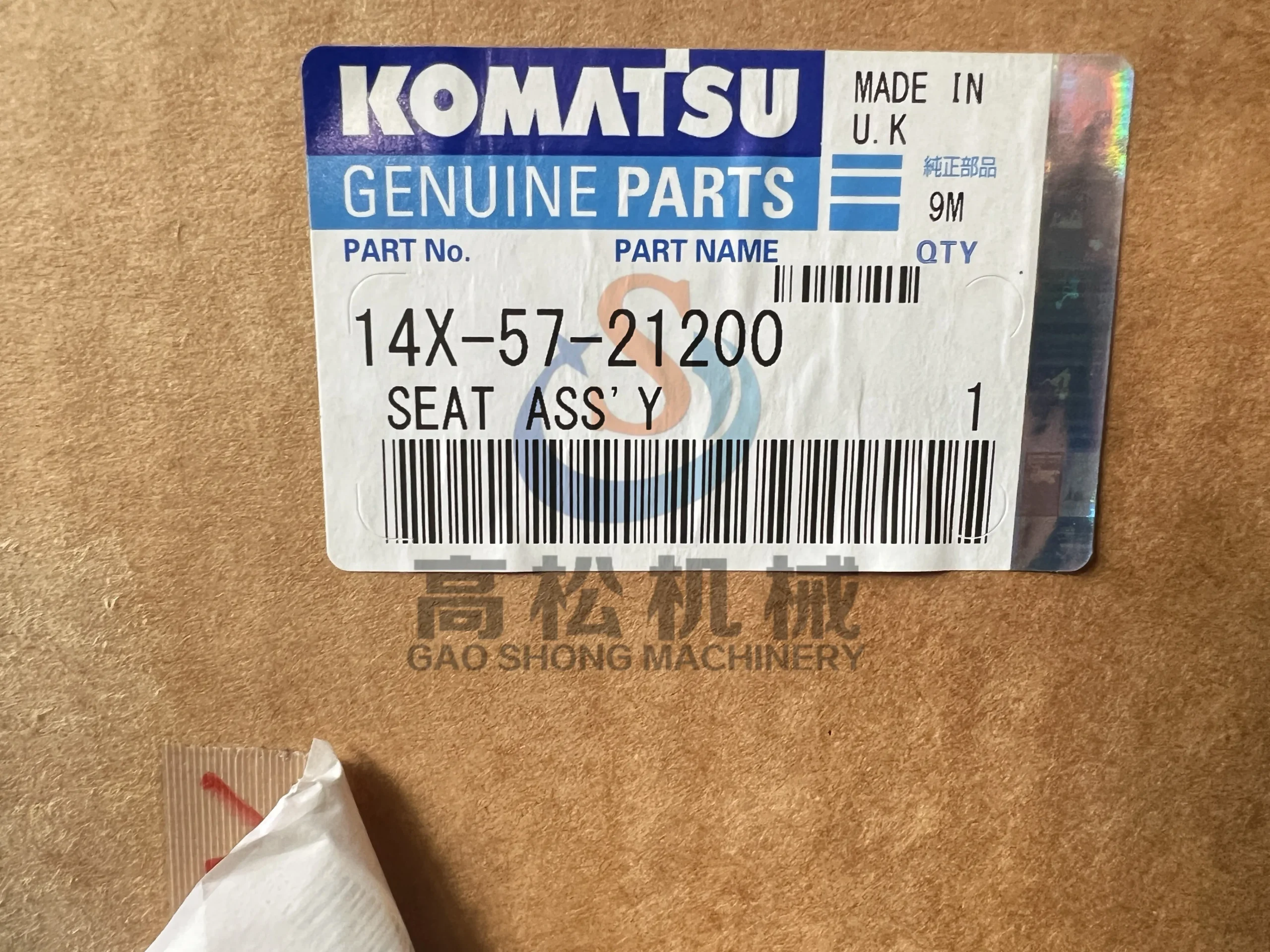 14X-57-21200 Komatsu SEAT ASS’Y,LEATHER
 -
 Original New PC400-7 Excavator Parts – Control Valve 708-2H-03411
 -
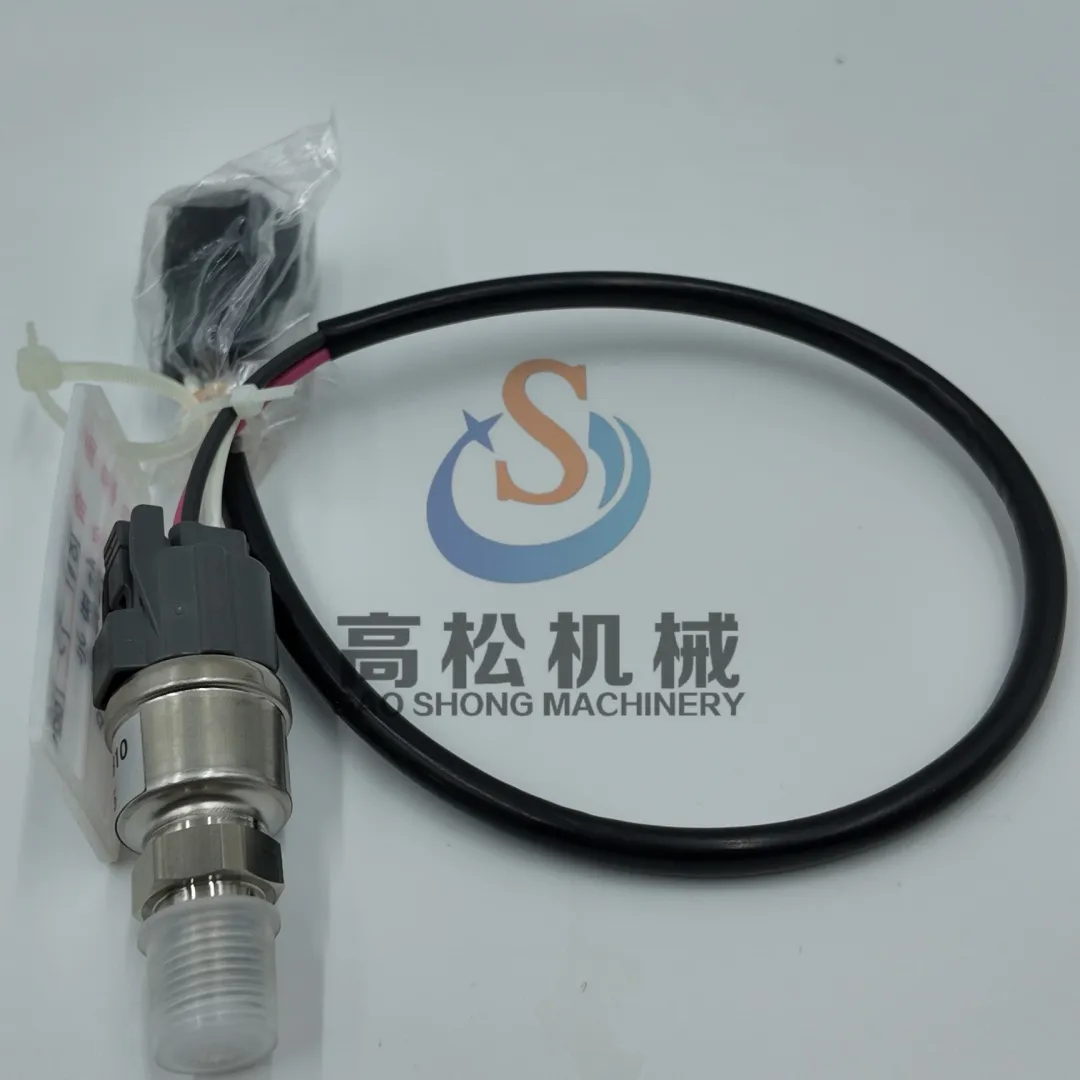 7861-93-1680 Pressure Sensor For Komatsu WA1200 SDA12V140E
 -
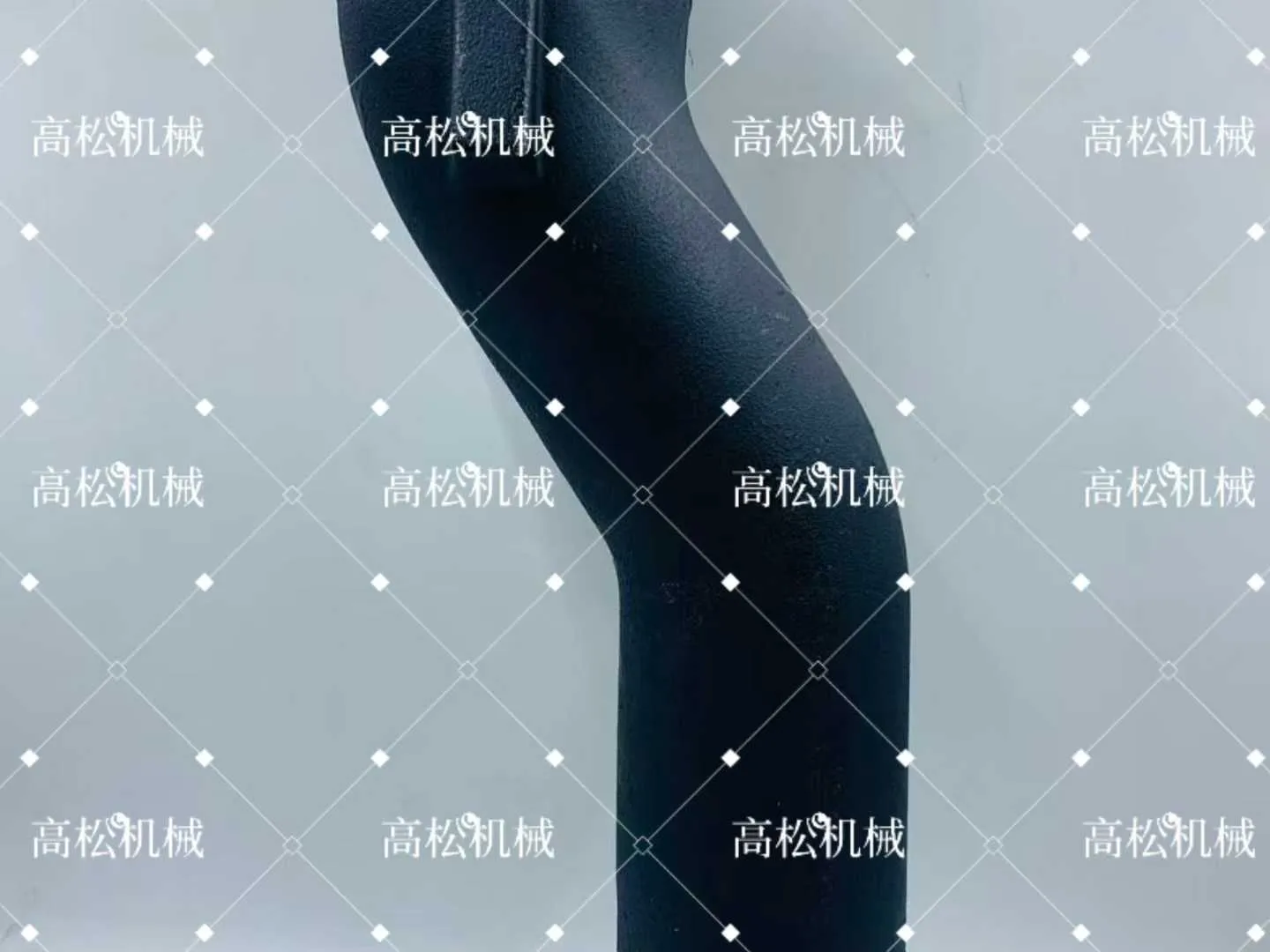 Connector Hose 6156-11-5521 for SAA6D125E Engine, PC400-7 Excavator Spare Part
 -
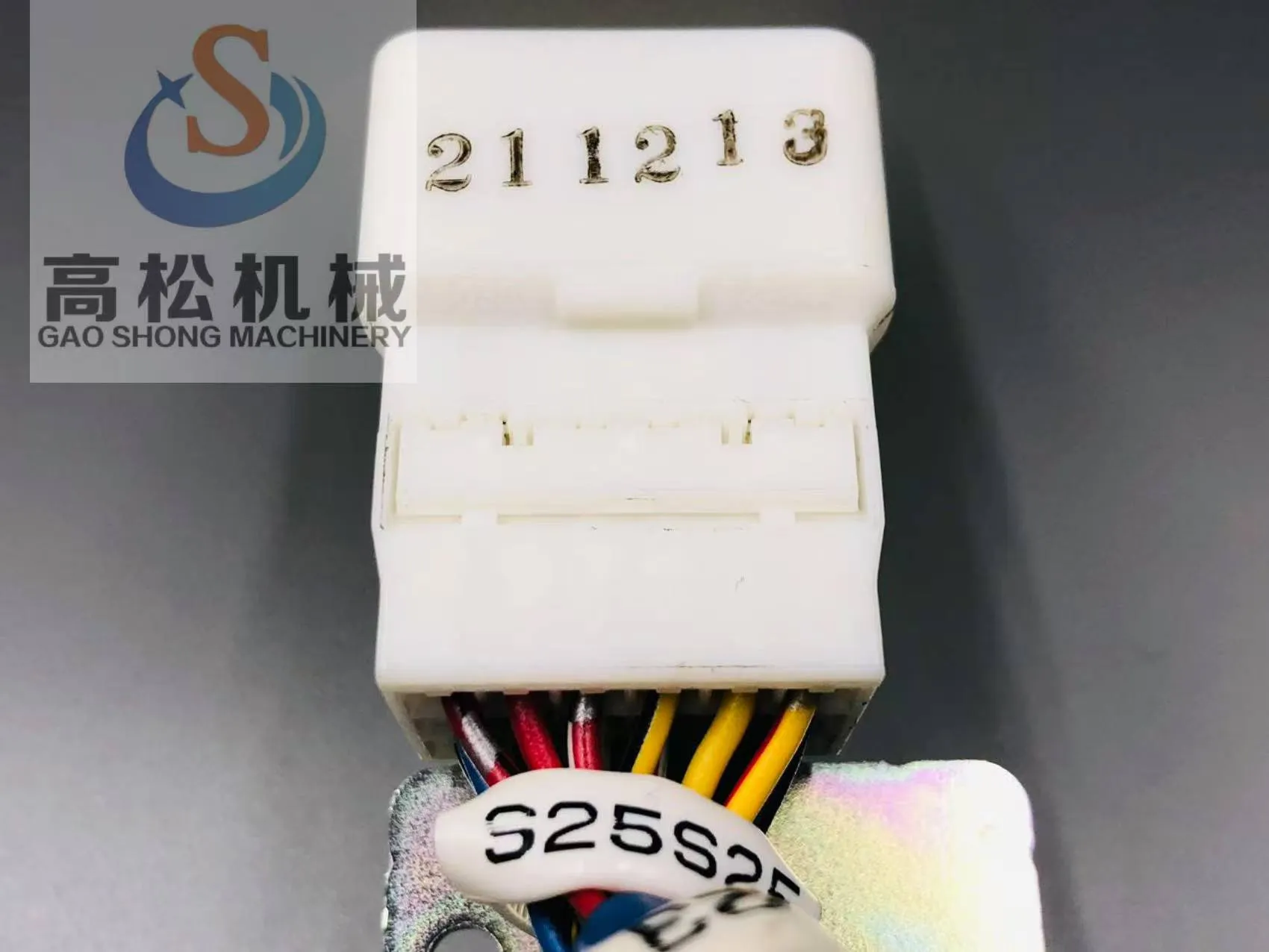 Factory wholesale of low-price 22U-06-22370 switch assemblies, suitable for Komatsu PC300LC, PC340LC, PC380LC construction machinery parts
 -
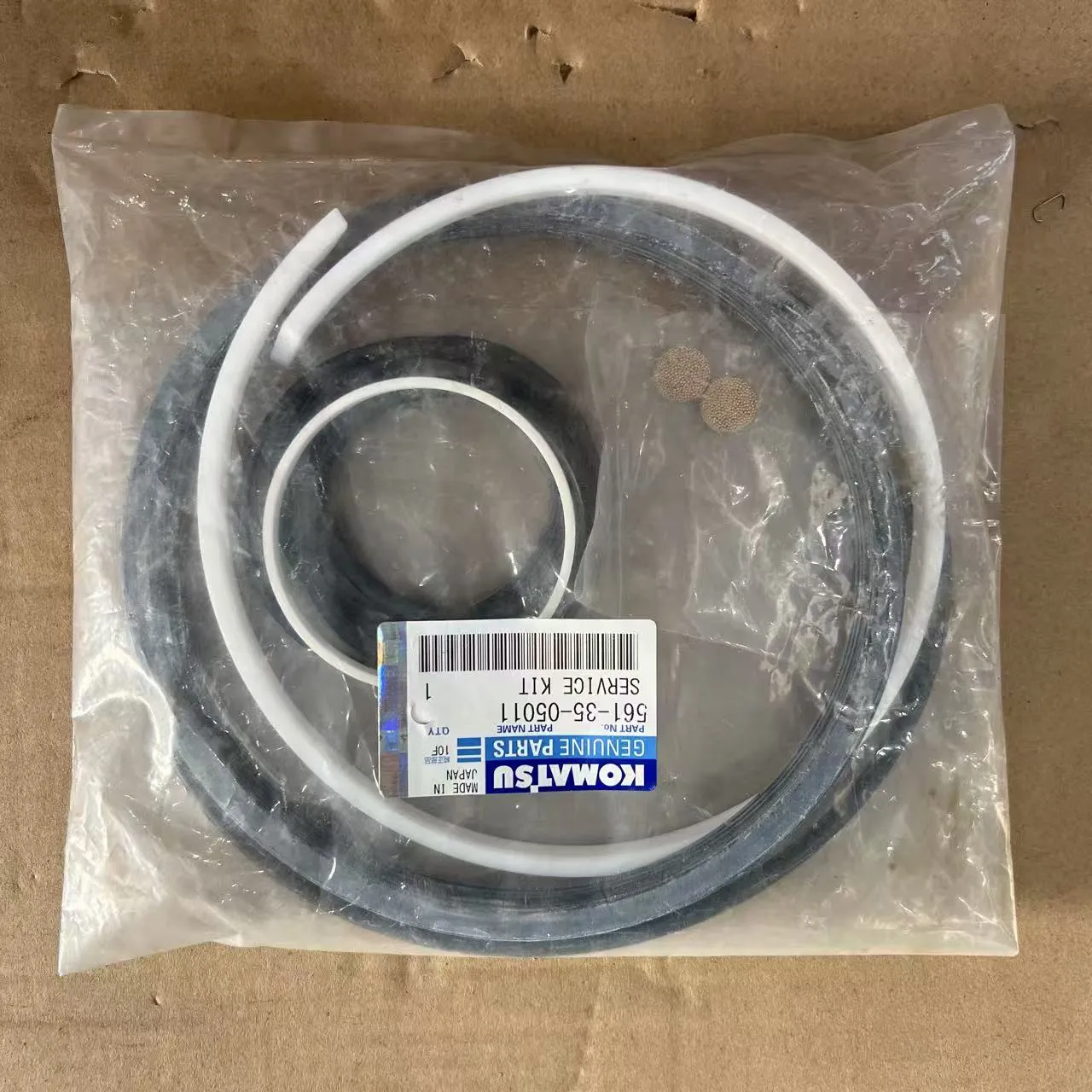 SERVICE KIT – 561-35-05011
 -
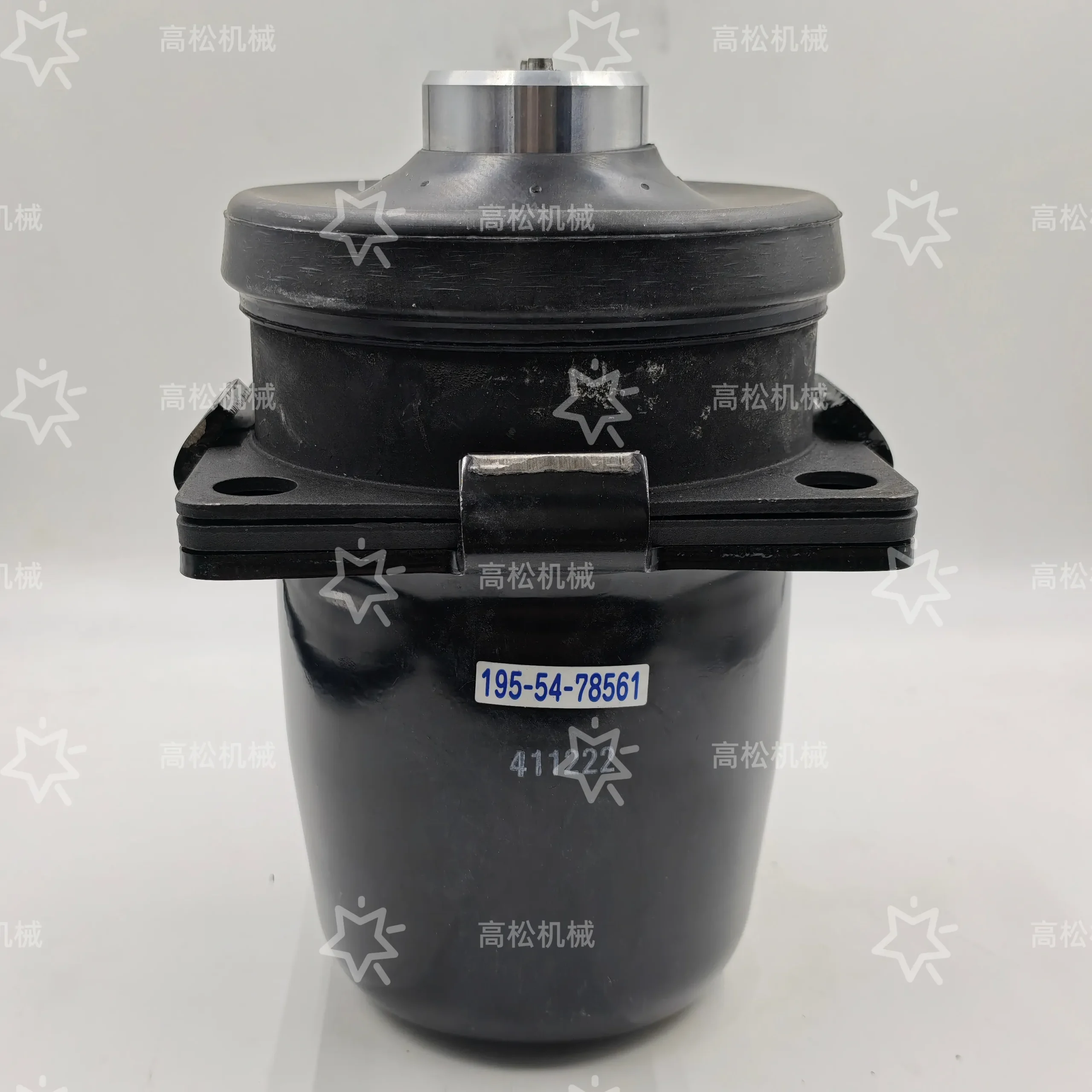 195-54-78561 Engine Cushion for D275A D375A Bulldozer
 -
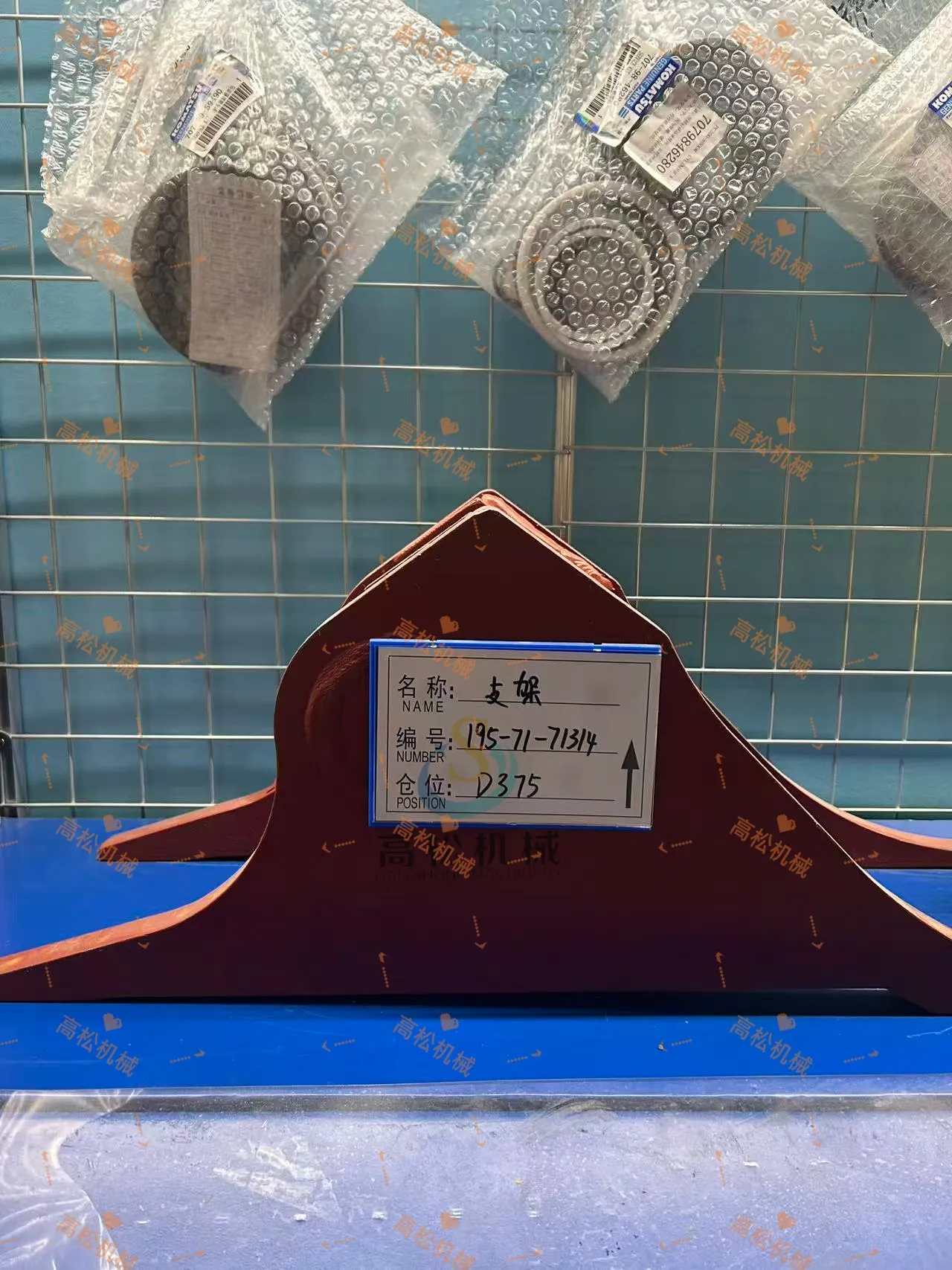 195-71-71314 BRACKET (WELDED) D375A-5 S/N 55001-UP (W/O EGR) BLADE
 -
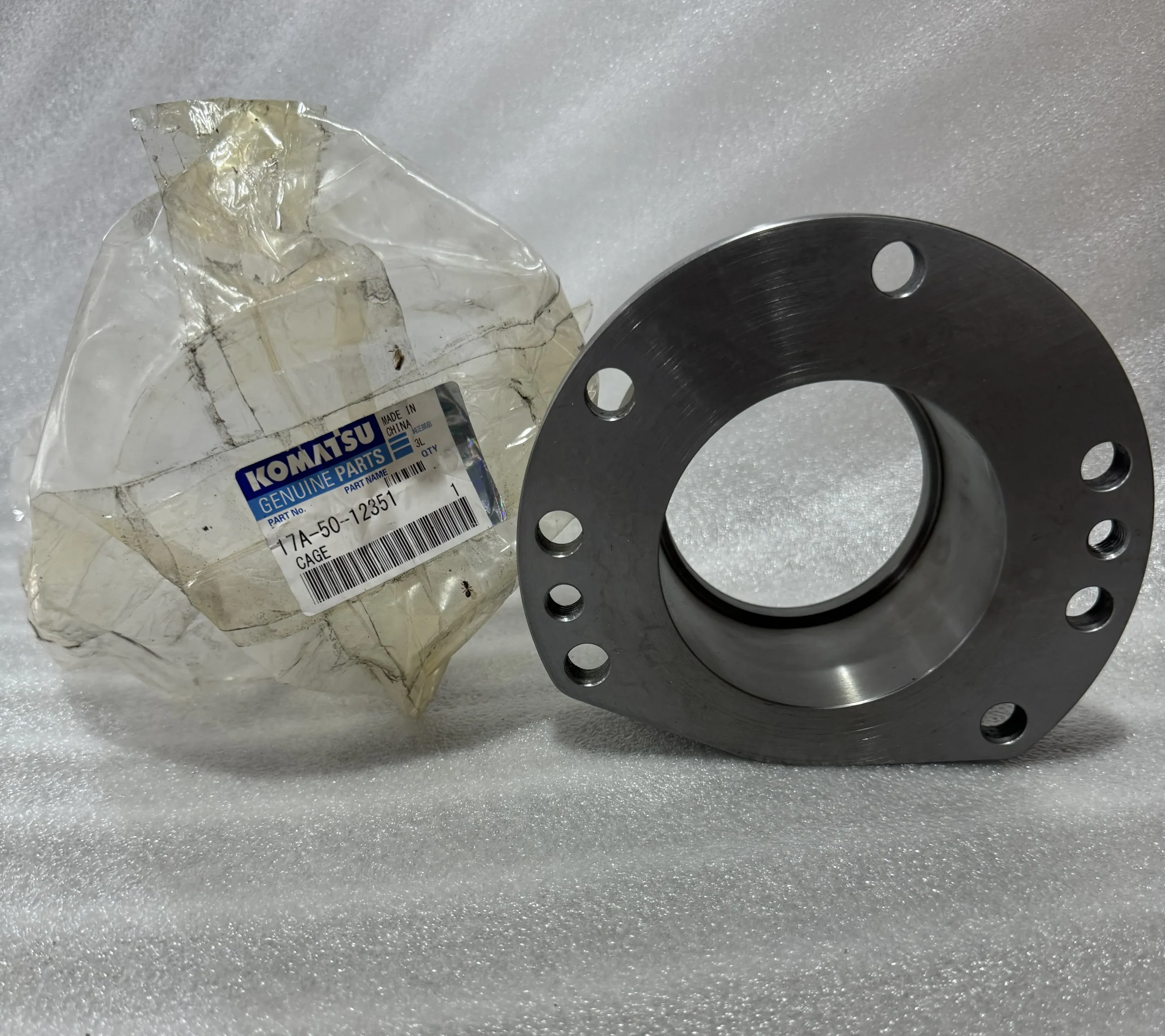 D155AX-3 Bearing Housing 17A-50-12351
 -
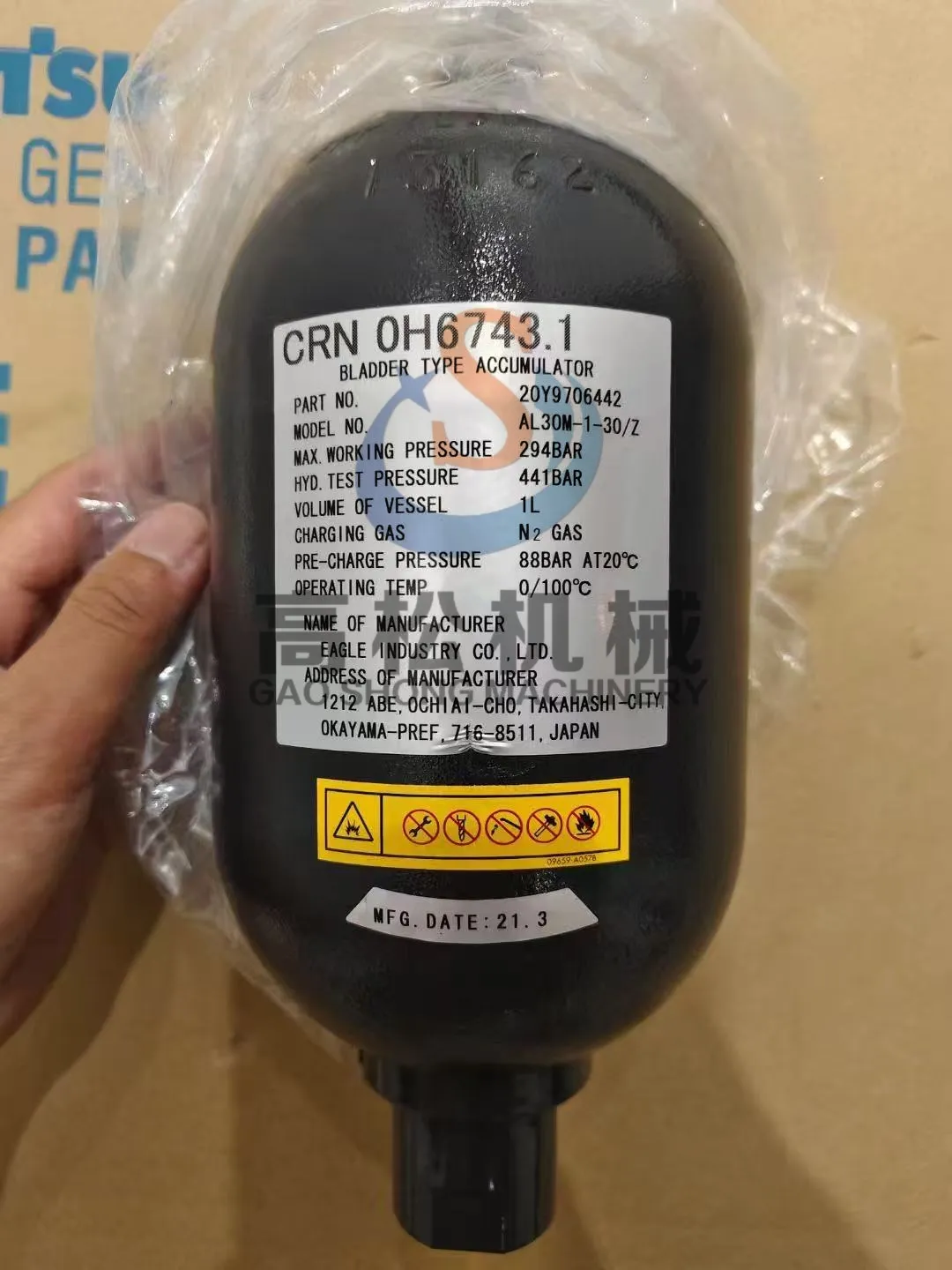 20Y-970-6442 Komatsu Accumulator Assembly
 -
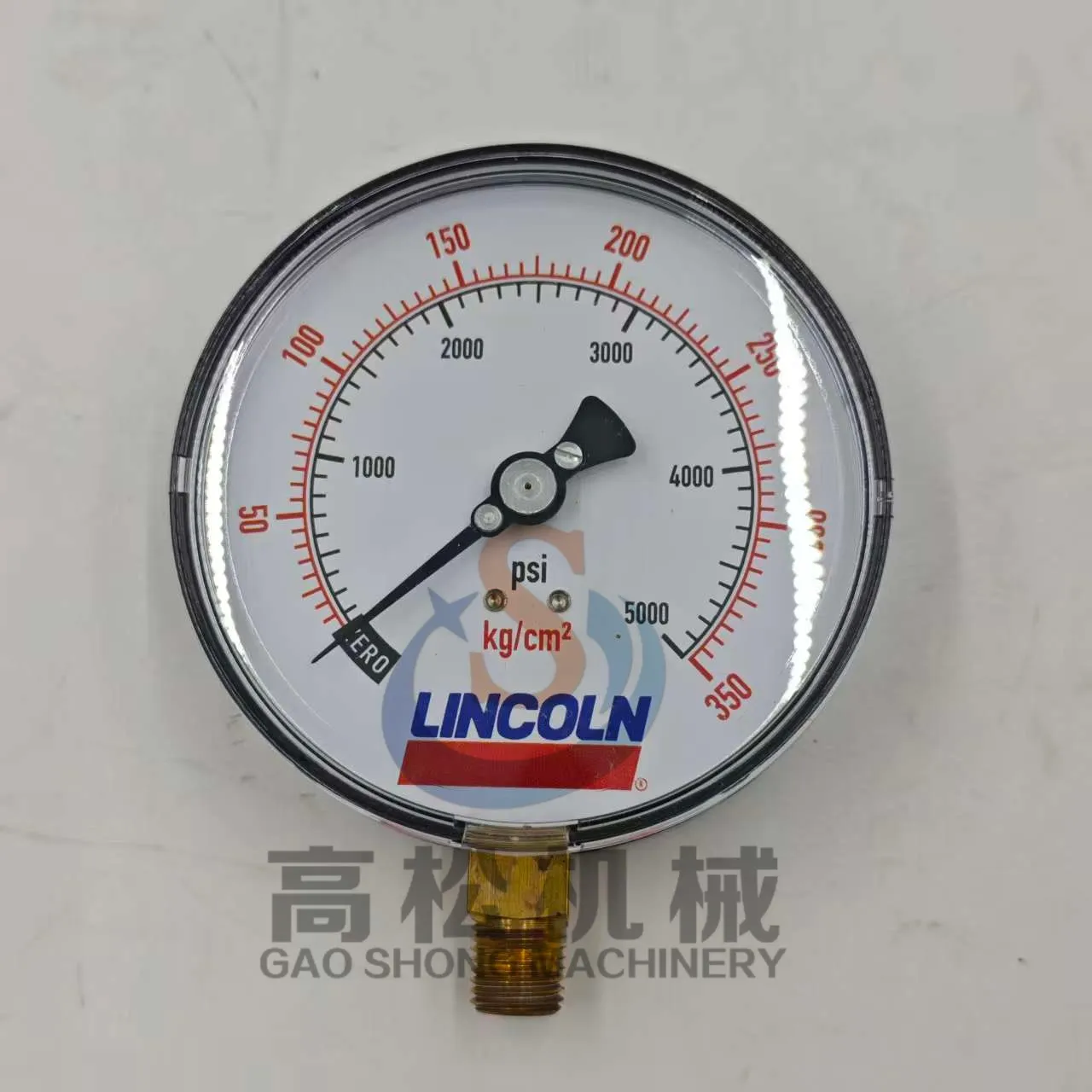 427-S95-2410 Komatsu Gauge, Pressure