
- Chinese
- French
- German
- Portuguese
- Spanish
- Russian
- Japanese
- Korean
- Arabic
- Irish
- Greek
- Turkish
- Italian
- Danish
- Romanian
- Indonesian
- Czech
- Afrikaans
- Swedish
- Polish
- Basque
- Catalan
- Esperanto
- Hindi
- Lao
- Albanian
- Amharic
- Armenian
- Azerbaijani
- Belarusian
- Bengali
- Bosnian
- Bulgarian
- Cebuano
- Chichewa
- Corsican
- Croatian
- Dutch
- Estonian
- Filipino
- Finnish
- Frisian
- Galician
- Georgian
- Gujarati
- Haitian
- Hausa
- Hawaiian
- Hebrew
- Hmong
- Hungarian
- Icelandic
- Igbo
- Javanese
- Kannada
- Kazakh
- Khmer
- Kurdish
- Kyrgyz
- Latin
- Latvian
- Lithuanian
- Luxembou..
- Macedonian
- Malagasy
- Malay
- Malayalam
- Maltese
- Maori
- Marathi
- Mongolian
- Burmese
- Nepali
- Norwegian
- Pashto
- Persian
- Punjabi
- Serbian
- Sesotho
- Sinhala
- Slovak
- Slovenian
- Somali
- Samoan
- Scots Gaelic
- Shona
- Sindhi
- Sundanese
- Swahili
- Tajik
- Tamil
- Telugu
- Thai
- Ukrainian
- Urdu
- Uzbek
- Vietnamese
- Welsh
- Xhosa
- Yiddish
- Yoruba
- Zulu
- Kinyarwanda
- Tatar
- Oriya
- Turkmen
- Uyghur






komatsu kmax teeth
When you hear 'komatsu kmax teeth', most guys immediately think of the bolt-on tips for the larger mining shovels. That's not wrong, but it's a starting point that misses the nuance. The real story isn't just the tooth itself; it's the entire wear system—adapters, locks, the specific alloy composition for the material you're digging—and how it interacts with the Kmax bucket design philosophy. I've seen too many sites just order Kmax teeth from any catalog and then wonder why their wear life is half of what the OEM projected. The mismatch often isn't in the tooth profile, but in the base metal and the locking mechanism's integrity under cyclical loading.
The OEM Spec vs. The On-Ground Reality
Komatsu's Kmax system is engineered for a specific balance of penetration and durability. The OEM teeth are fantastic, but their supply chain isn't always agile, especially in remote regions or markets with complex import regulations. This is where the gap between the blueprint and the reality of keeping a machine running appears. You can't have a 980E-4 haul truck waiting because a set of teeth is stuck in customs. The pressure to find an alternative is immense.
This is precisely the scenario where a company like Jining Gaosong Construction Machinery Co., Ltd. becomes critical. They operate in that interesting space. As they note on their site, https://www.takematsumachinery.com, they're an OEM product supplier within the Komatsu system but also a third-party specialist. That dual role means they understand the original tolerances and metallurgy, but their core mission is solving real-time parts supply challenges. For a mine manager, that's often more valuable than theoretical perfection.
I recall a copper mine in South America where we were testing a batch of aftermarket Kmax-style teeth. The profile was a near-perfect visual match. They failed catastrophically in under 40 hours in abrasive overburden. The failure wasn't at the tip; it was a crack propagating from the inside of the nose where it mates with the adapter. The lesson? The geometry might be copyable, but the internal casting quality and heat treatment are what you're actually paying for with the OEM or a truly qualified supplier.
Judging Quality Beyond the Hardness Test
Everyone asks for the HRC (Rockwell hardness) number. It's the first spec thrown around. But a high HRC in a substandard alloy makes for a brittle tooth that can shatter on impact. The real trick is the toughness, the ability to absorb energy without cracking. A genuine Komatsu Kmax tooth or a high-tier equivalent from a specialist supplier will have a carefully balanced chemistry—chromium, molybdenum, boron levels—that isn't always disclosed on a spec sheet. You judge it by performance, by how it wears down. Does it maintain a sharp-ish edge as it wears, or does it deform and mushroom over the adapter, making removal a nightmare with a 20-pound sledgehammer?
I've had better luck with parts from suppliers who are transparent about their position in the ecosystem. For instance, the straightforward description from Jining Gaosong about being an integrated supplier within the Komatsu framework suggests they likely have access to legitimate OEM-grade material streams or have engineered their third-party offerings to meet those functional benchmarks, specifically to address the supply gaps they mention. It's a different value proposition than a generic foundry.
The locking system is the other silent hero. The Kmax wedge-and-lock pin design is simple genius when it works. But a slightly out-of-spec lock or a worn adapter pocket will cause wallowing and premature loss. We once tracked a 30% increase in tooth life just by replacing the adapters and locks alongside the new teeth, using a matched kit from a single source. It underlined that you're managing a system, not just consumable items.
Application Specifics: Where Theory Meets Dirt
You wouldn't use the same tooth for ripping cemented gravel as you would for loading blasted rock. Yet, I've seen it happen. The Kmax lineup has variations—rock, severe duty, general purpose. The choice matters immensely. In a high-impact loading application, like feeding a primary crusher with large, jagged boulders, the tooth needs that toughness to resist breaking. In highly abrasive, fine material, you want a harder, more wear-resistant grade.
A practical problem often overlooked is the fit-up. Even with quality teeth, if the adapter noses are worn beyond a certain point, the new tooth will never seat correctly. It'll have micro-movement, which accelerates wear and leads to loss. The best practice, which is often sacrificed on the altar of short-term cost, is to measure adapter wear and plan for replacement cycles. A good supplier should be able to guide on that, not just sell you the shiny new teeth.
This is where the operational knowledge from a company focused on solving parts supply challenges becomes tangible. They've presumably seen the downstream effects of mismatched components and can advise on the full wear package needed to get a machine back to optimal performance, not just ship a box of teeth.
The Cost-Per-Hour Calculus
Focusing solely on the purchase price per tooth is the biggest mistake in this business. The real metric is cost per operating hour, which includes the labor to change them, the machine downtime, and the risk of collateral damage from a failed part. A cheaper tooth that lasts 150 hours versus a premium one that lasts 300 hours isn't half the cost if it requires two full change-outs with associated downtime and labor.
My own failure was early in my career, pushing for a budget option on a fleet of loading shovels. The savings on the P.O. were wiped out in two months by increased mechanic overtime and a couple of missed production targets due to unscheduled changes. The teeth weren't bad, they were just sub-optimal for the specific duty cycle. We switched to a more robust spec, and the overall operating cost dropped, even with a higher unit price.
Reliable supply is a direct component of cost-per-hour. An unexpected outage waiting for parts is infinitely more expensive. The value of a supplier that can consistently deliver the right spec, like those positioning themselves as solution providers for supply chain issues, is in minimizing that catastrophic downtime risk. It's about predictability.
Final Thoughts on the Ecosystem
So, komatsu kmax teeth is really a search for a reliable wear system solution. It's not a commodity. It's a technical component that demands understanding its context: the machine model, the material, the condition of the supporting hardware, and the operational cost model. The ideal source isn't necessarily the cheapest or the most branded; it's the one that provides the correct technical specification with a reliable supply chain behind it.
Companies that explicitly bridge the OEM and third-party space, such as Jining Gaosong Construction Machinery Co., Ltd., fill a necessary niche. They aren't just vendors; they're potential partners in uptime. Their stated role suggests they get that the challenge is logistical as much as it is technical. In the end, whether the tooth comes in a Komatsu box or from a qualified system supplier, the proof is on the machine. Does it last? Does it stay on? Does it let the operator dig efficiently without worry? That's the only test that matters, and it's a test run every single shift, in the dirt.
The key is to move beyond the part number and think about the system. Your digging profile, your maintenance schedule, and your supplier's depth of understanding are all part of the equation. Getting the teeth right is a small victory that pays dividends in productivity every day.
Related Products
Related Products

Best Selling Products
Best Selling Products-
 Original Brand New LEVER ASSEMBLY 423-V91-4144 for Komatsu…
 -
 195-71-51191Trunnion 195-71-51191 for Bulldozer D375A-1/3/5/6
 -
 Solenoid Valve 600-815-7550 For Komatsu D41pf-6, High Quality…
 -
 708-2G-12121 •• SHAFT-Komatsu Original Factory
 -
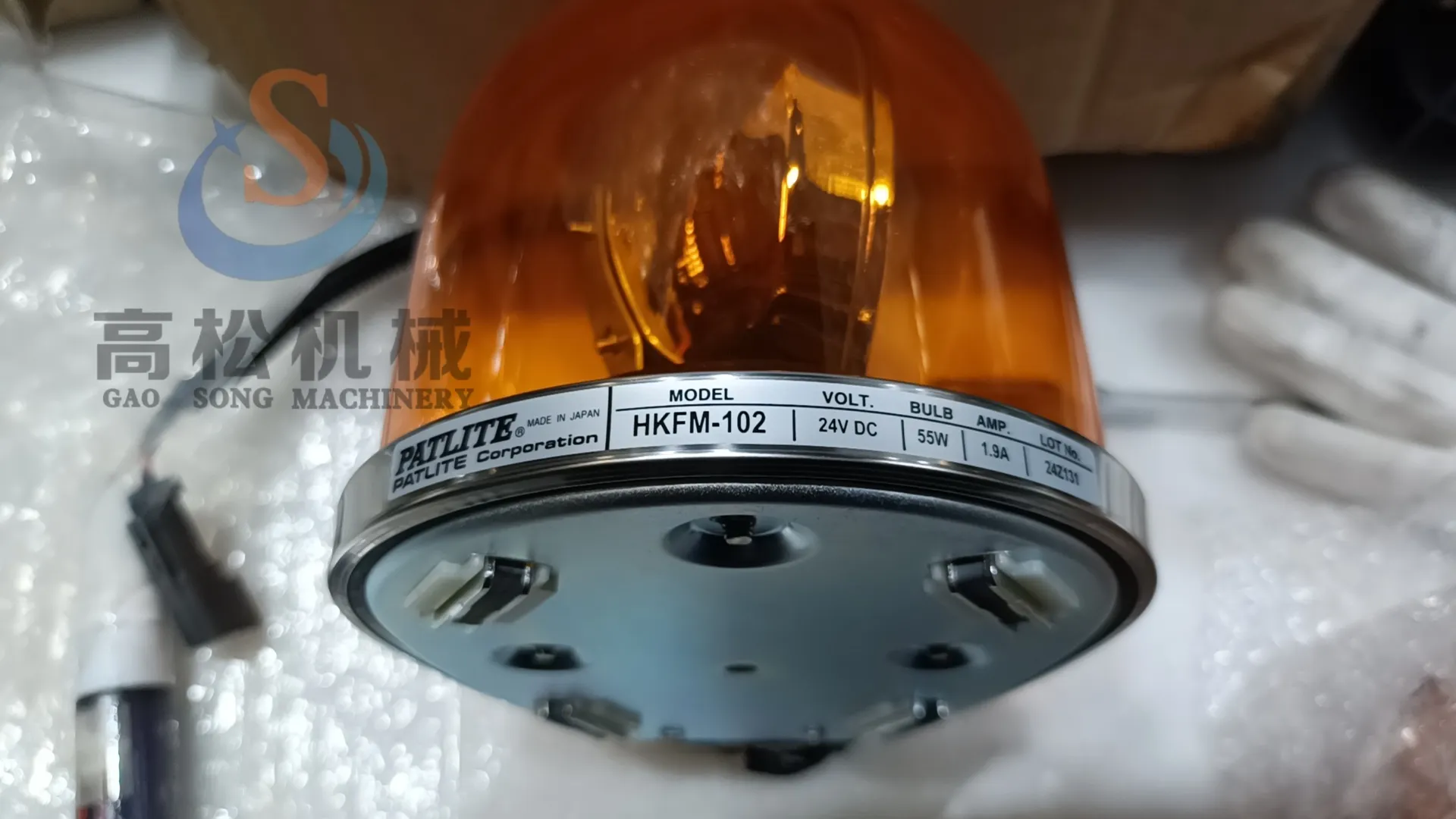 22B-54-17612 komatsu LAMP-PC200/PC300/PC400
 -
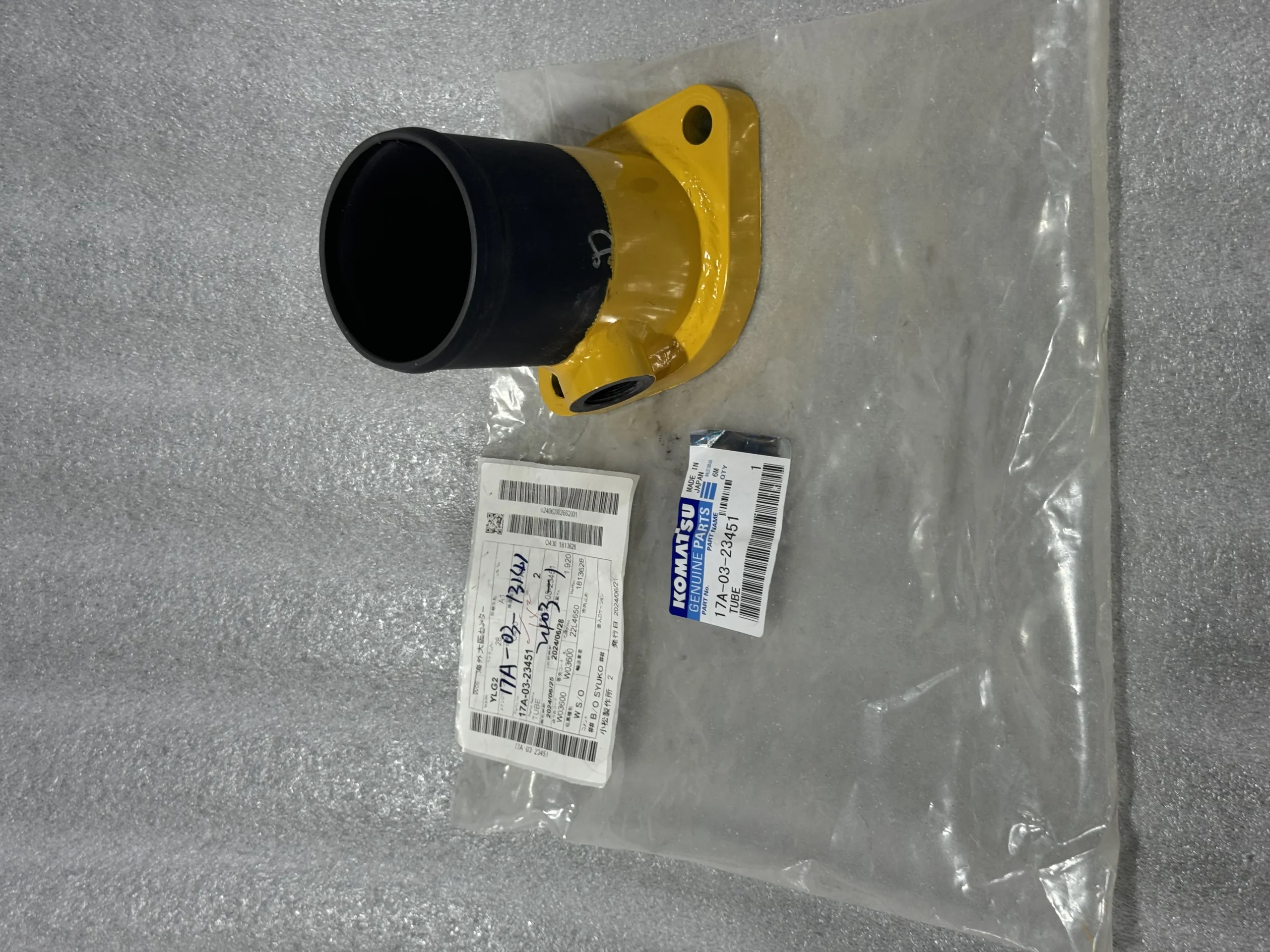 D155AX-5 Tube 17A-03-23451
 -
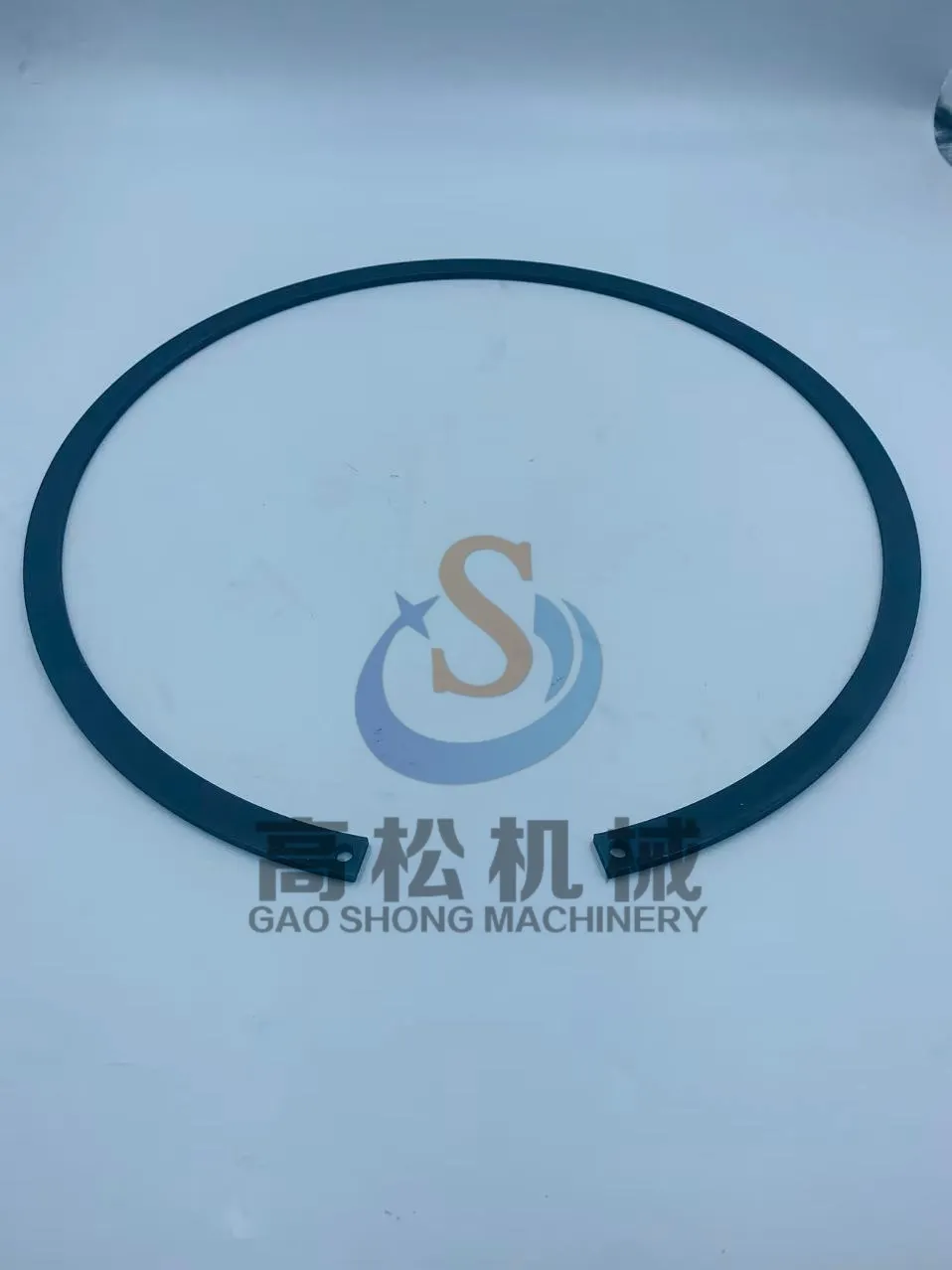 SNAP RING – 21T-26-11270
 -
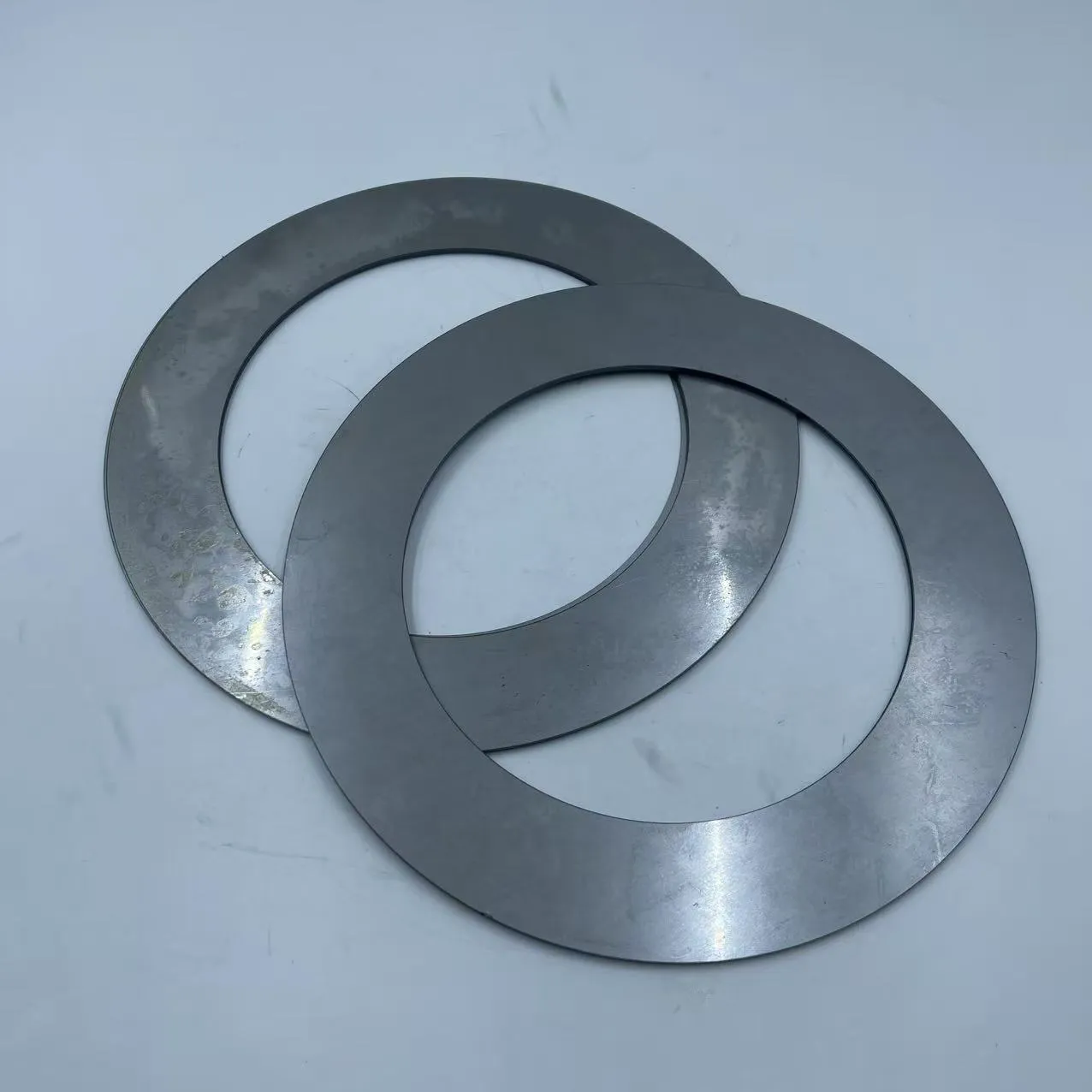 209-939-0070 Komatsu Shim Assembly PC800SE-8EO PC850SE-8EO
 -
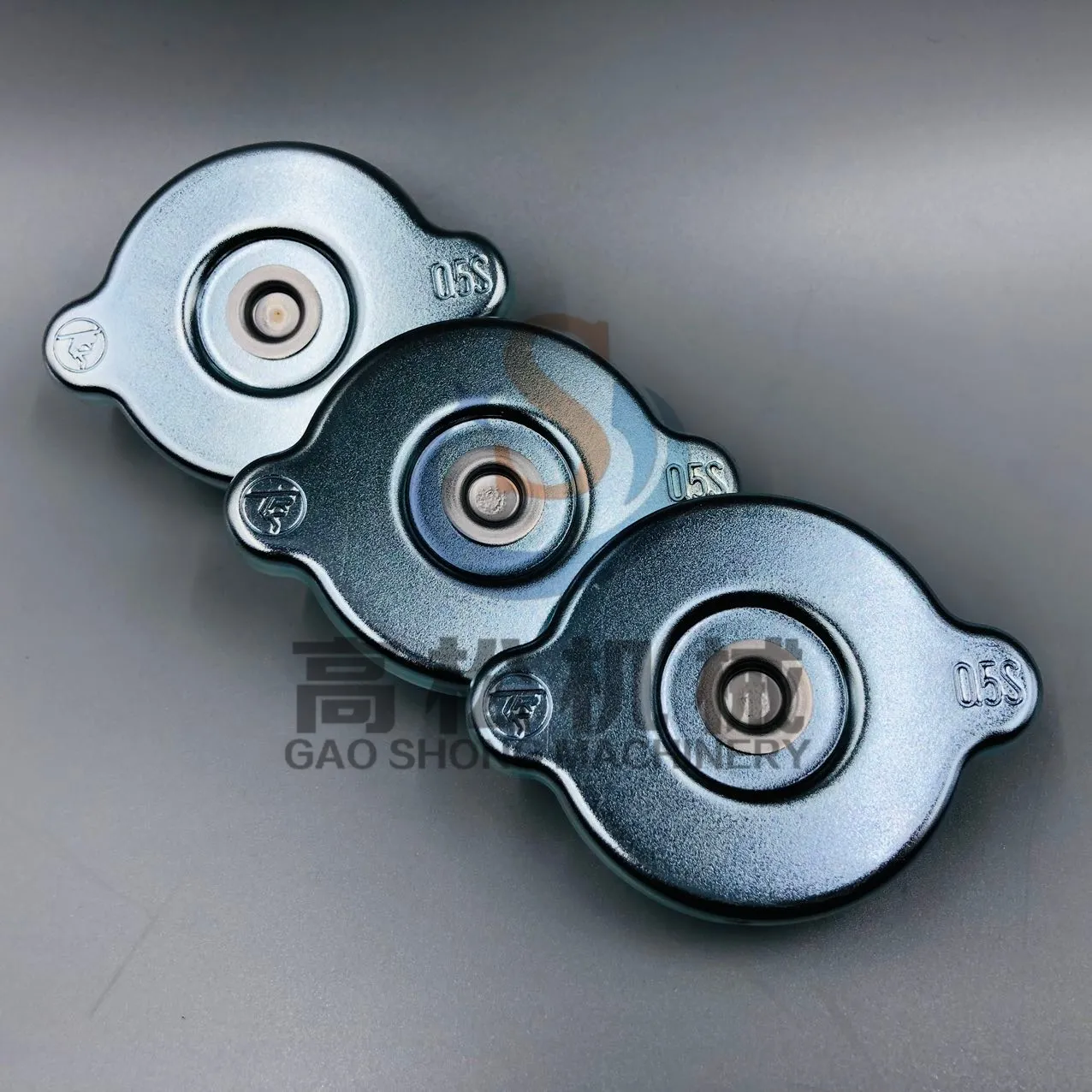 Water Tank Radiator Cover 20Y-03-22110
 -
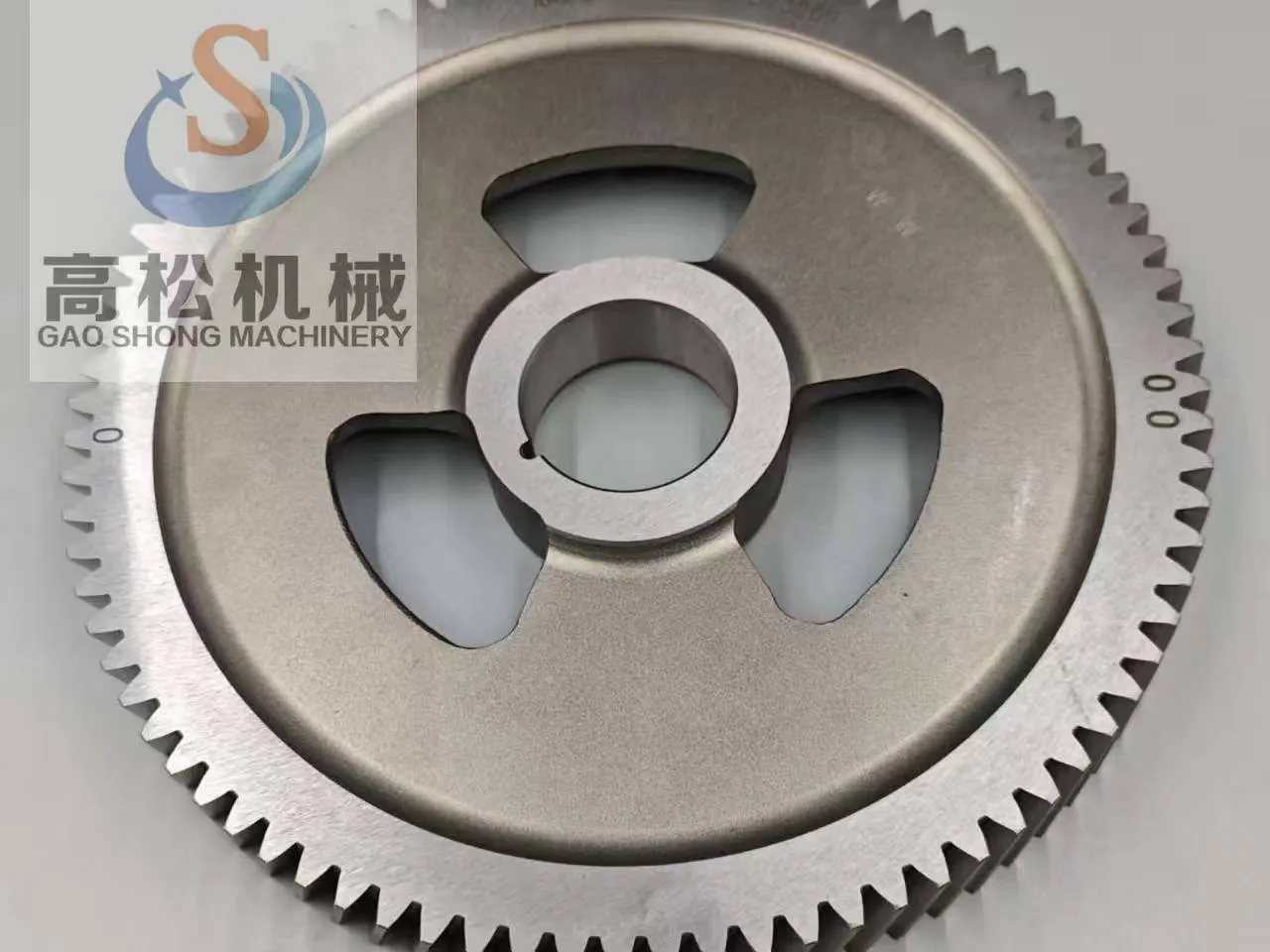 Gear 6745-41-1130 6745411130 6745-41-1131 for excavator PC300 PC350 WA430
 -
 17M-50-24360 Seal (Komatsu)
 -
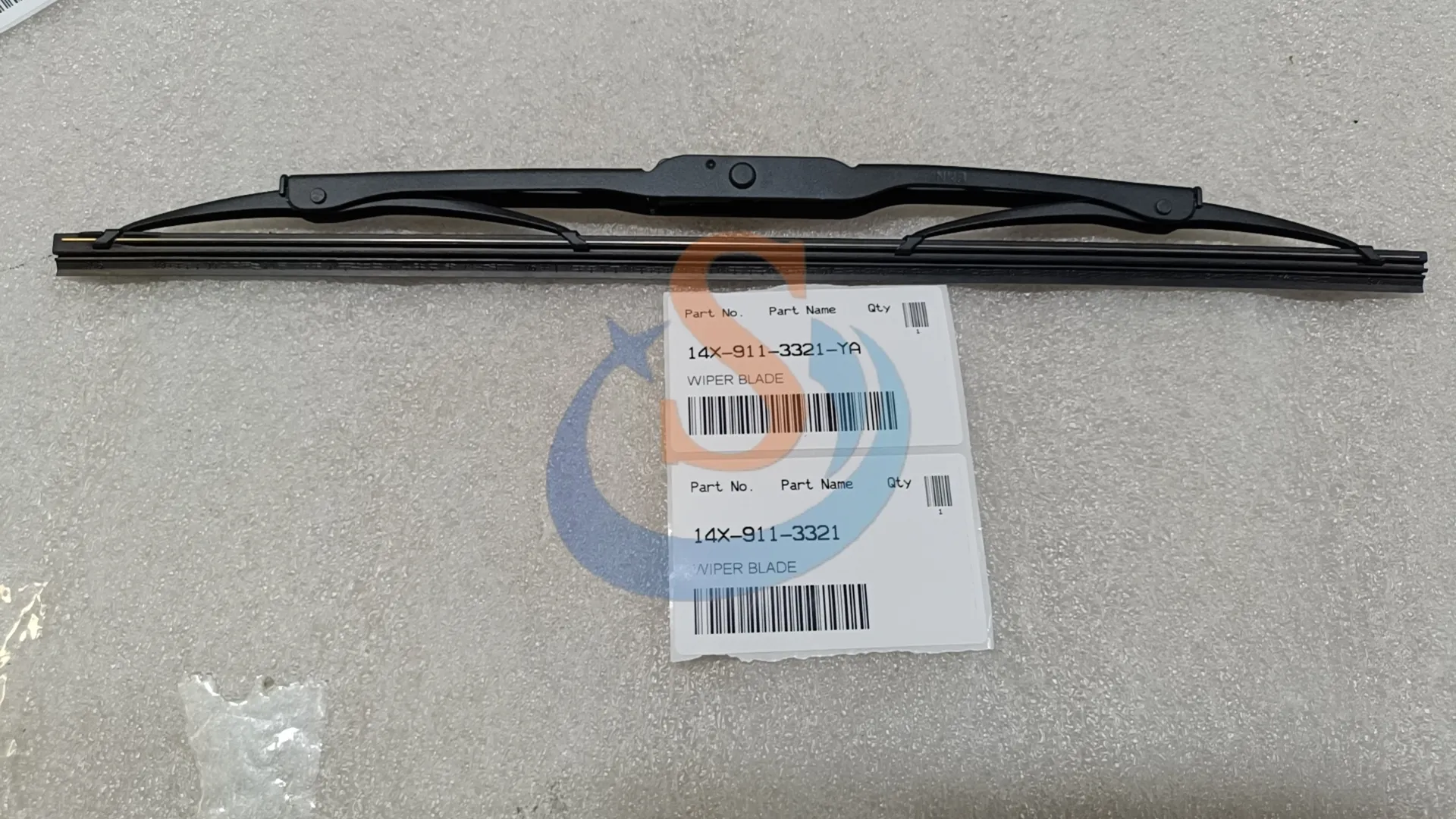 14X-911-3321,BLADE,D68ESS,D65PX,D155AX,D275A,D375A