
- Chinese
- French
- German
- Portuguese
- Spanish
- Russian
- Japanese
- Korean
- Arabic
- Irish
- Greek
- Turkish
- Italian
- Danish
- Romanian
- Indonesian
- Czech
- Afrikaans
- Swedish
- Polish
- Basque
- Catalan
- Esperanto
- Hindi
- Lao
- Albanian
- Amharic
- Armenian
- Azerbaijani
- Belarusian
- Bengali
- Bosnian
- Bulgarian
- Cebuano
- Chichewa
- Corsican
- Croatian
- Dutch
- Estonian
- Filipino
- Finnish
- Frisian
- Galician
- Georgian
- Gujarati
- Haitian
- Hausa
- Hawaiian
- Hebrew
- Hmong
- Hungarian
- Icelandic
- Igbo
- Javanese
- Kannada
- Kazakh
- Khmer
- Kurdish
- Kyrgyz
- Latin
- Latvian
- Lithuanian
- Luxembou..
- Macedonian
- Malagasy
- Malay
- Malayalam
- Maltese
- Maori
- Marathi
- Mongolian
- Burmese
- Nepali
- Norwegian
- Pashto
- Persian
- Punjabi
- Serbian
- Sesotho
- Sinhala
- Slovak
- Slovenian
- Somali
- Samoan
- Scots Gaelic
- Shona
- Sindhi
- Sundanese
- Swahili
- Tajik
- Tamil
- Telugu
- Thai
- Ukrainian
- Urdu
- Uzbek
- Vietnamese
- Welsh
- Xhosa
- Yiddish
- Yoruba
- Zulu
- Kinyarwanda
- Tatar
- Oriya
- Turkmen
- Uyghur






komatsu kccv filter
When you hear 'Komatsu KCCV filter', most people in the parts game immediately think of the canister on the hydraulic tank for a large mining shovel or excavator. That's not wrong, but it's a surface-level understanding that can lead to costly mistakes. The real story isn't just the filter itself; it's the system it protects—the Komatsu Closed Center Valve system—and the operational philosophy behind it. I've seen too many guys treat it like a standard hydraulic return filter, leading to premature pump failures and confusing pressure drops that shut down a 400-ton machine for days. The KCCV circuit is the heart of Komatsu's precise control in their larger equipment, and the filter is its kidney. If that gets clogged or bypasses, you're not just looking at a dirty oil sample; you're looking at a cascade of valve spool wear and erratic implement response. It's one of those parts where using a non-OEM equivalent is a genuine gamble, not just corporate posturing.
The Anatomy of a System, Not Just a Canister
Let's break down why this specific filter is critical. The KCCV system operates at a constant high pressure, with variable flow directed by the control valves. The filter, often a Komatsu KCCV filter with a specific micron rating and bypass valve setting, sits on the case drain line from the main pump and the valve bank. Its job is to catch fine metallic particles generated from normal wear in this high-pressure, closed-center environment. If the bypass valve cracks open prematurely due to a clog or cold oil, unfiltered debris circulates directly back to the pump's case, acting as an abrasive slurry. I recall a PC2000-8 where the operator ignored the slight delay in swing movement. By the time we pulled the filter, the element was collapsed, and the bypass was stuck open. The subsequent oil analysis showed silicon and iron counts off the charts. The fix wasn't just a new filter; it was a full system flush and a pump teardown for inspection—a week's downtime.
This is where the supplier's role becomes paramount. You need a source that understands the system pressure specs and the exact bypass cracking pressure for your model. A generic equivalent might fit the threads but have a bypass set 10 PSI lower, which means it's bypassing during normal cold-start cycles, letting contaminants through every morning. I've had this debate with maintenance managers trying to cut costs. The math never works out. The risk of a $20,000 pump repair versus the extra $150 for the genuine or a truly qualified OEM-spec part is a no-brainer. Companies that specialize in Komatsu systems, like Jining Gaosong Construction Machinery Co., Ltd., operate in this space. They're not just parts sellers; as an OEM product supplier within the Komatsu system, they have the technical specs and cross-reference data to ensure the filter they send matches the machine's hydraulic philosophy, not just its parts diagram.
Another nuance is the sensor. Many later-model KCCV filters come with or have a port for a differential pressure switch. This isn't an optional extra; it's a critical early warning system. When that warning light comes on, you have a small window—maybe 50 hours—to schedule a change before the bypass becomes the primary flow path. Ignoring it is essentially telling the machine to run its pump on a diet of fine metal. I've made it a practice during PM services to not only change the filter but to manually check that the pressure switch is functional by temporarily inducing a restriction upstream and watching for the monitor alert. It's a five-minute check that has saved several clients from major failures.
Real-World Supply Chain and Application Pitfalls
In certain regions, getting genuine Komatsu parts can be a logistical nightmare, with lead times stretching into months. This is where the third-party role of companies like Jining Gaosong becomes essential. They help solve parts supply challenges in certain countries by providing authentic OEM-spec components or certified alternatives that bridge the gap without compromising the machine's integrity. I've worked with them on a project in a remote mining site where the official channel had a 12-week lead time for a KCCV filter kit. They had a compatible, high-quality alternative that met the exact flow and pressure specs air-freighted to site in 10 days. The key was their understanding that compatible meant engineering equivalence, not just physical fit.
But not all stories are successes. Early in my career, I learned a hard lesson about assuming all filters are created equal. We had a Komatsu 930E haul truck (which uses a variation of the KCCV principle in its steering system) down for a filter change. The shop used a visually similar filter from a general supplier. The machine ran for about 200 hours before the steering began to feel sluggish and then erratic. The culprit? The replacement filter's media was cellulose, not the synthetic glass micro-fiber of the OEM part. It broke down under the constant high pressure and temperature, sending pulp and debris into the priority valve block. The repair bill dwarfed any savings from the cheaper filter. Now, I always verify the media material and ISO cleanliness code compliance before anything goes on a critical system.
The application also varies. A KCCV filter on a Dash-8 model is different from one on a Dash-11 or the newer Dash-12 generation, with changes in flow rates and connection types. It sounds obvious, but under pressure, people grab what's on the shelf. I keep a detailed cross-reference list, and I know suppliers who do the same are worth their weight in gold. It's not about having the biggest inventory; it's about having the right inventory with verified technical data. When you're dealing with a system as integral as the KCCV, guessing is not an option. You need a partner who knows that the part number for a PC3000-6 is entirely different from that of a PC2000-8, even if the cans look identical to the untrained eye.
Beyond the Change Interval: Condition Monitoring
The manual says change the filter every 1000 hours. That's a guideline, not a law. The actual lifespan of a Komatsu KCCV filter is dictated by oil cleanliness, system wear, and operating conditions. In a dusty quarry, you might need to halve that interval. I advocate for regular oil analysis with particle counting. Trend the data. If you see a gradual increase in ISO code particles between 4 and 6 microns, your filter is doing its job. A sudden spike? That's a red flag for an internal component failure, and the filter is the canary in the coal mine. Changing it then is just treating a symptom; you need to find the source of the sudden contaminant generation.
During changes, the procedure matters. Never just spin off the old and spin on the new. You have to pre-fill the filter housing with clean oil to avoid a dry start, which can momentarily cavitate the pump. Torque it to spec—over-tightening can distort the sealing gasket and cause a leak or crack the housing. I use a torque wrench every time, no exceptions. It seems fussy until you've had to clean up 50 gallons of hydraulic oil from a shop floor because a filter loosened from vibration.
Also, inspect the old filter. Cut it open. Look for unusual debris: bronze flakes (from bushings), shiny steel slivers (from pump or motor wear), or rubber fragments (from hose lining). The pattern of debris on the pleats can tell a story. Concentrated on one side? Might indicate a flow issue. This hands-on forensic work turns a routine maintenance task into a diagnostic tool. It's something you learn by doing, not by reading a manual.
Integration with Modern Machine Health Systems
On newer Komatsu machines with Komtrax or other telematics, the KCCV filter condition is often integrated into the health monitoring. The system can track differential pressure over time and alert for a gradual increase, predicting the need for a change. This is the future. But it relies on the filter being the correct one with the proper sensor interface. Using a filter without the correct electrical connector or with a non-compatible pressure switch will create a fault code and blind you to a critical data stream. It's frustrating to see a machine throw a filter sensor malfunction code because someone used a blanking plug instead of the proper switch.
Working with suppliers who understand this integration is crucial. When I order from a specialist, I specify not just the part number but the machine serial number and whether it needs the sensor port. They should be able to confirm compatibility. For instance, when sourcing through a channel like Takematsu Machinery's platform, the expectation is that their position as an OEM supplier within Komatsu's ecosystem means they get these technical nuances right. It saves hours of diagnostic headaches later.
Ultimately, managing these filters is a perfect example of proactive versus reactive maintenance. It's a small, relatively inexpensive part that guards against the most expensive component failures. Stocking them, sourcing them correctly, and interpreting their condition is a core competency for anyone running late-model Komatsu heavy equipment. It's not glamorous work, but getting it wrong is a surefire way to turn a profitable machine into a money pit. And in this business, your reputation lives and dies by keeping those machines moving.
Related Products
Related Products

Best Selling Products
Best Selling Products-
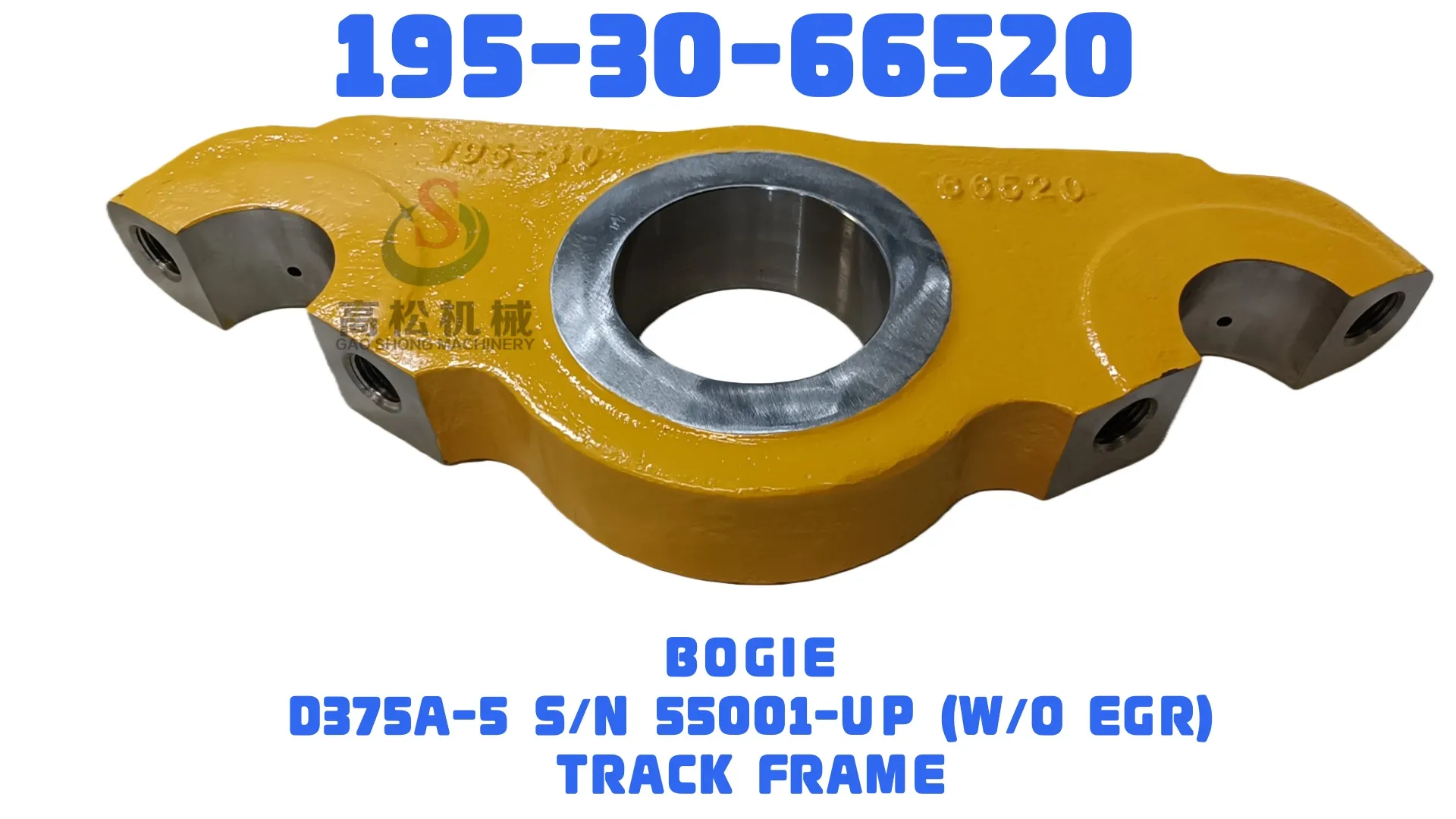 komatsu-part-195-30-66520 BOGIE D375A-5 D375A-5D D375A-6 D375A-6R TRACK FRAME TRACK FRAME, BOGIE
 -
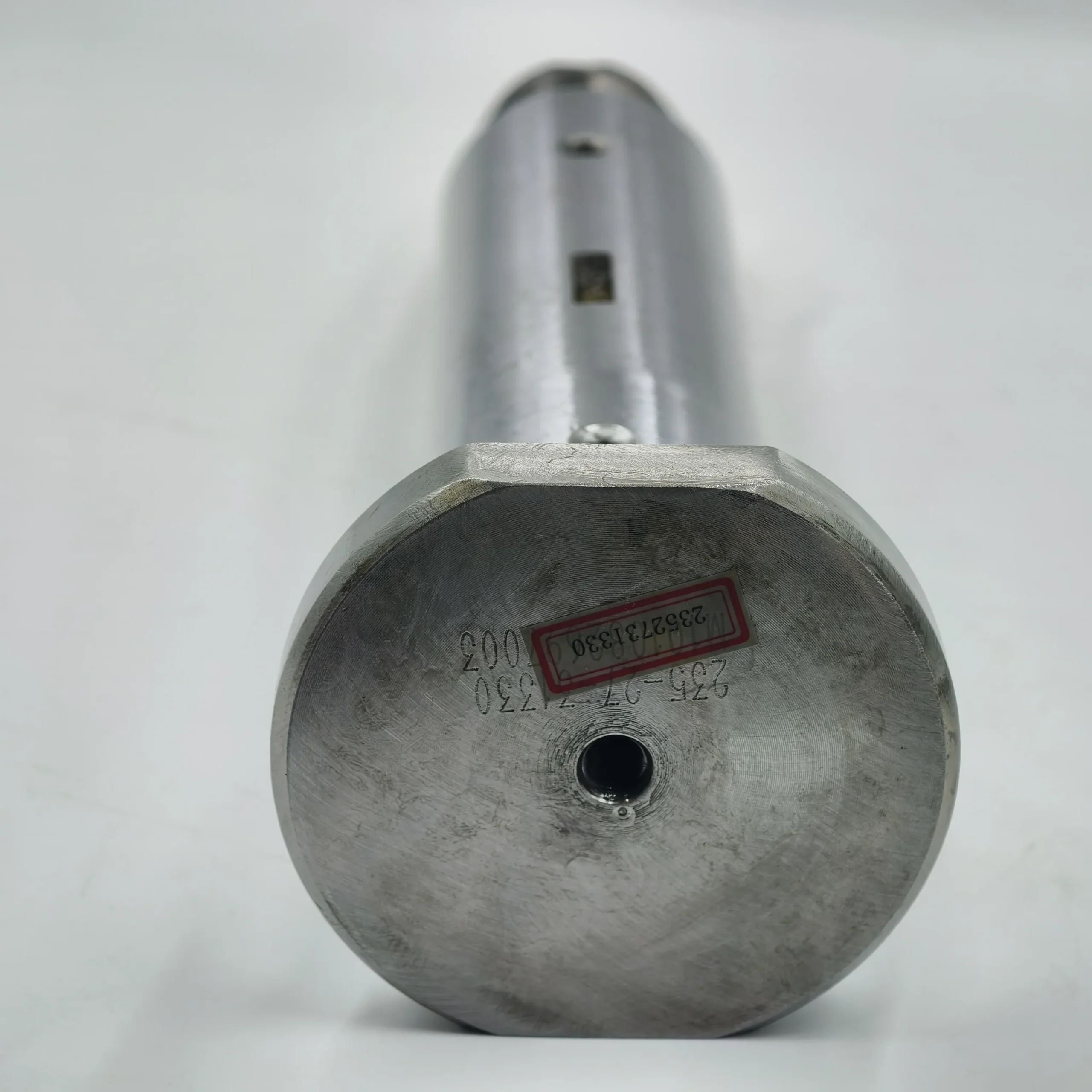 Komatsu GD825A-2 Pin 235-27-31330
 -
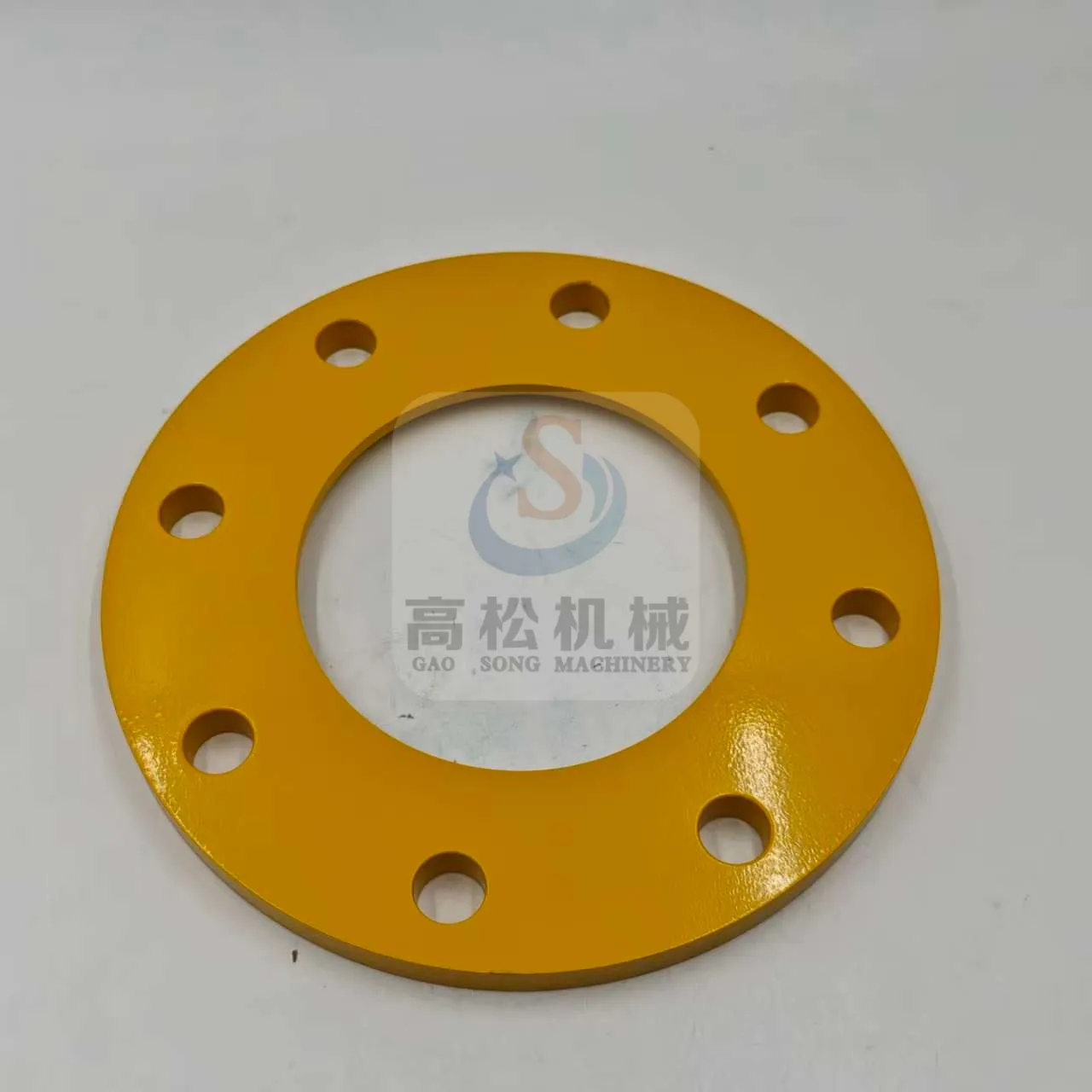 Plate 41E-70-15461 is used for Komatsu WD600-6
 -
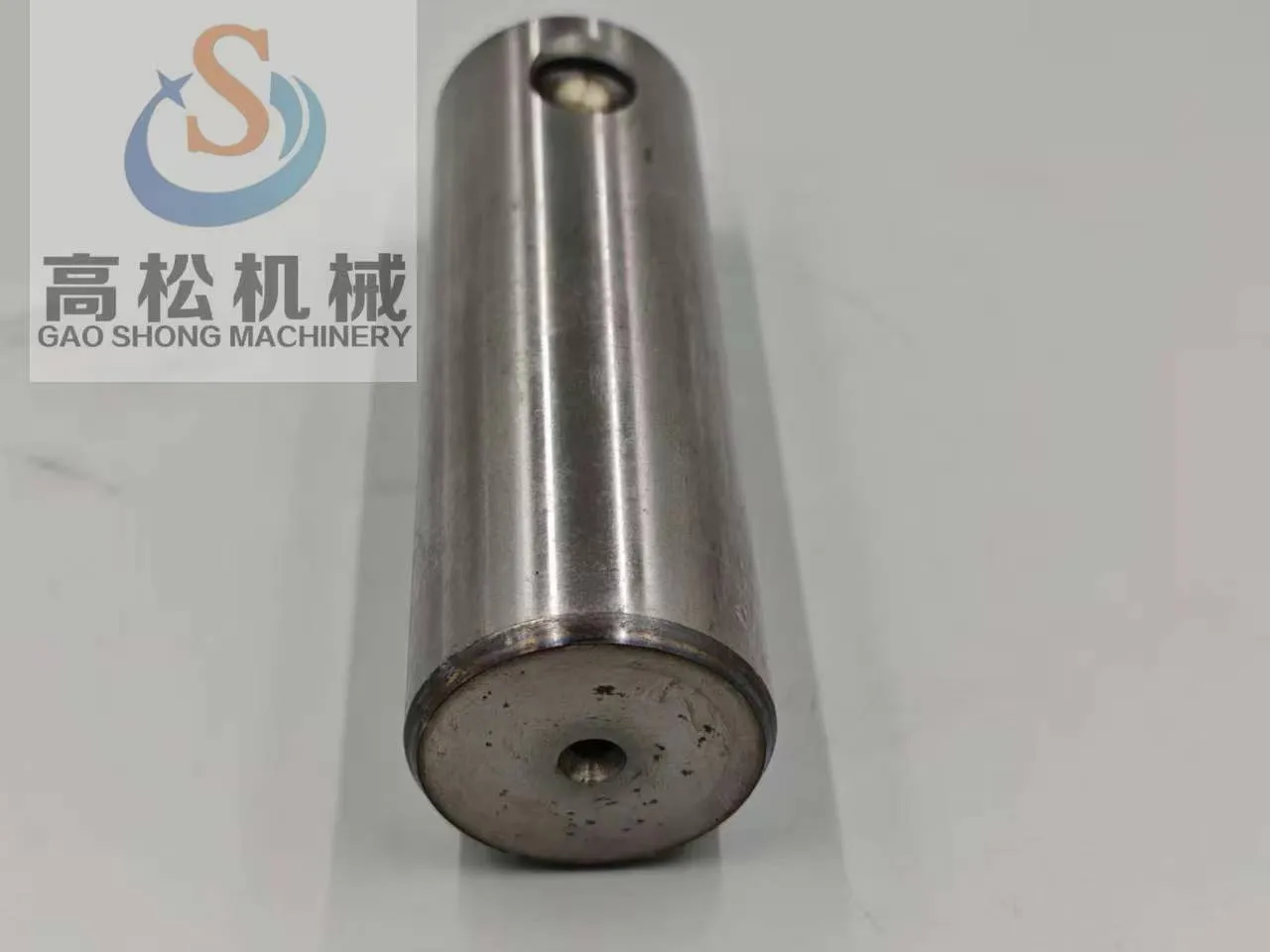 High quality new finger – pin 424-22-12510 for komatsu hm350-2 hm400-2 articulated dump truck
 -
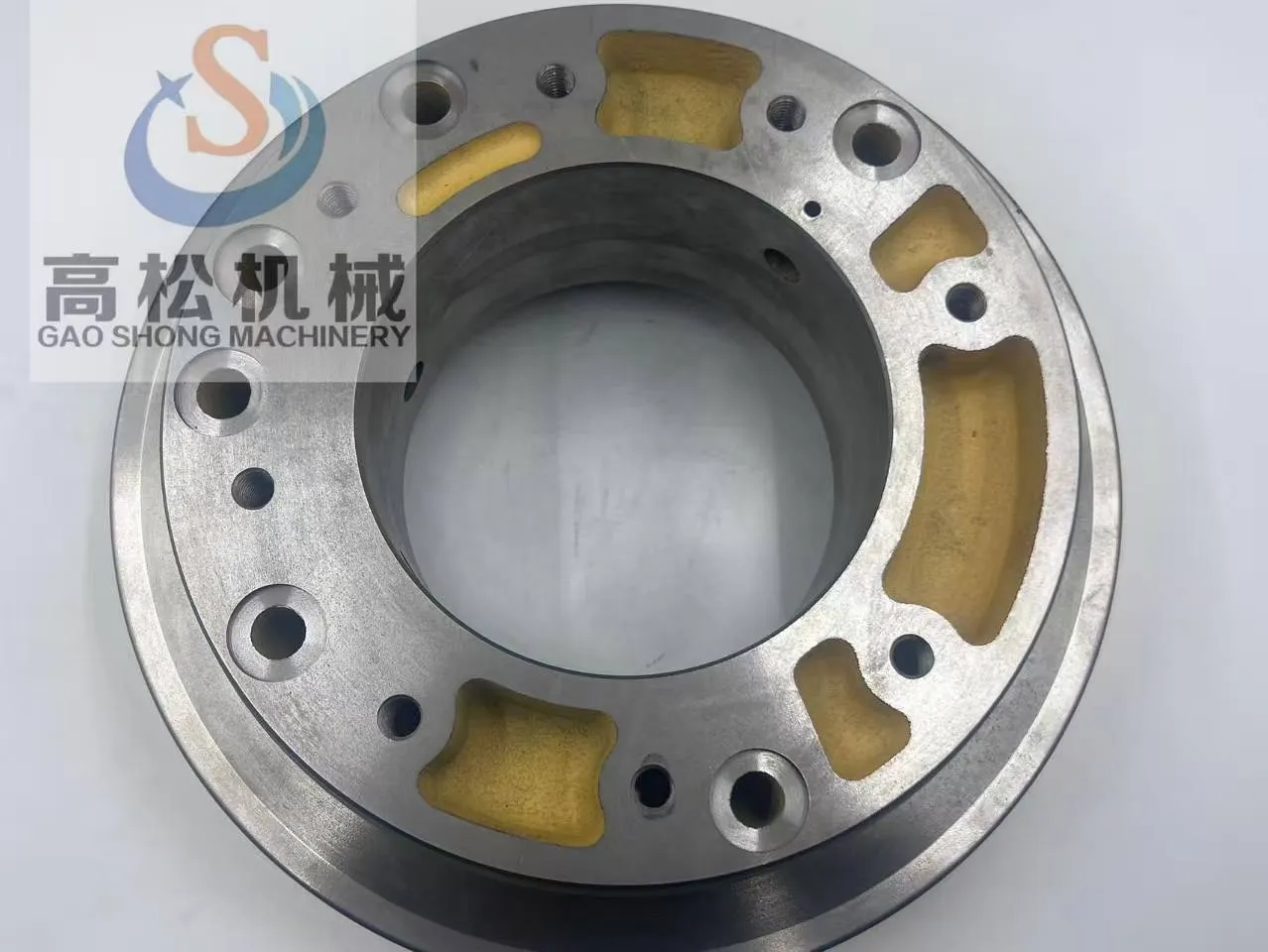 Komatsu D155A-5 cylinder 17A-22-11132
 -
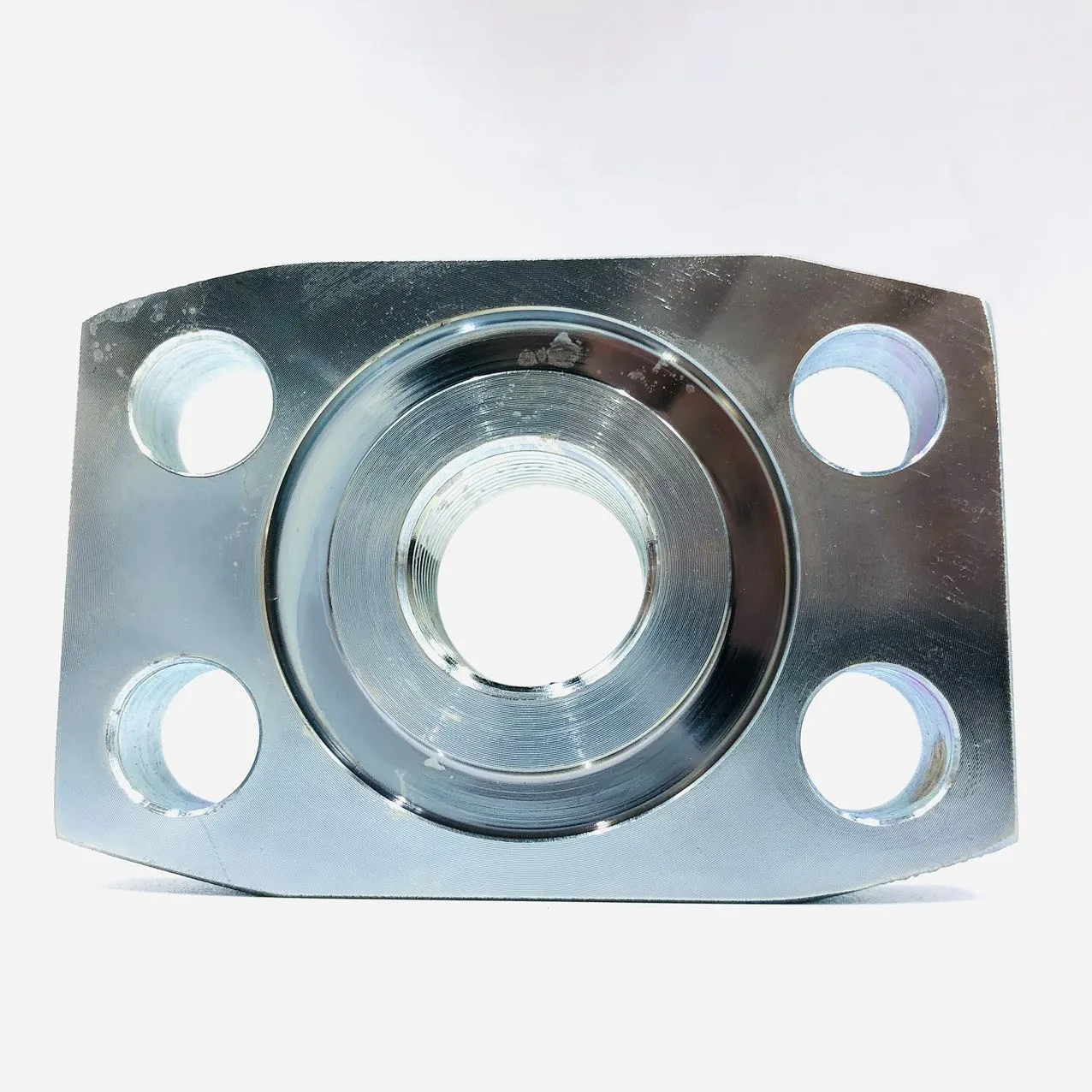 21N-38-12310 Flange (Komatsu)
 -
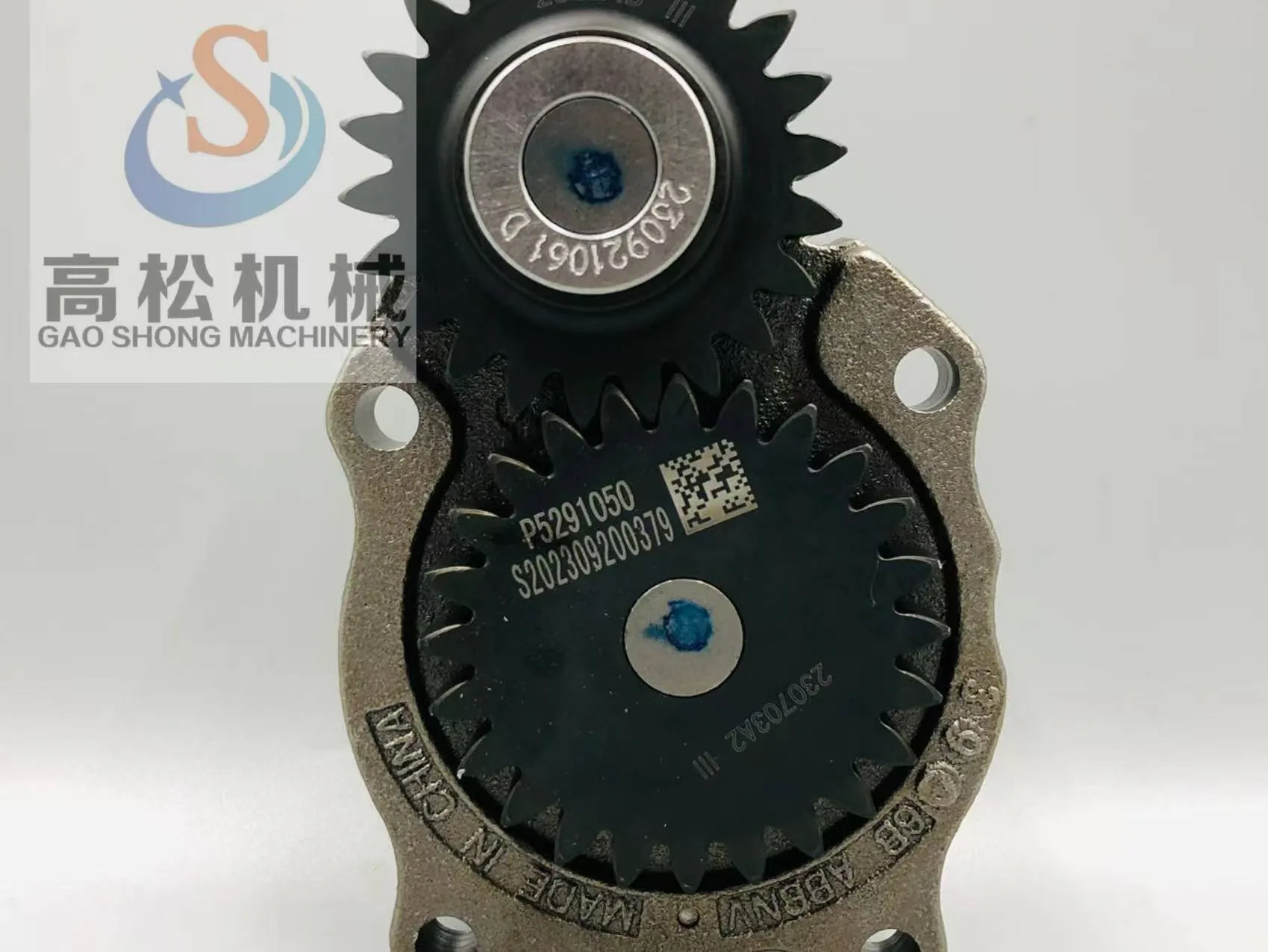 Oil pumps of models 6754-51-1111 and 6754-51-1110 suitable for Komatsu SAA6D107 2 engine
 -
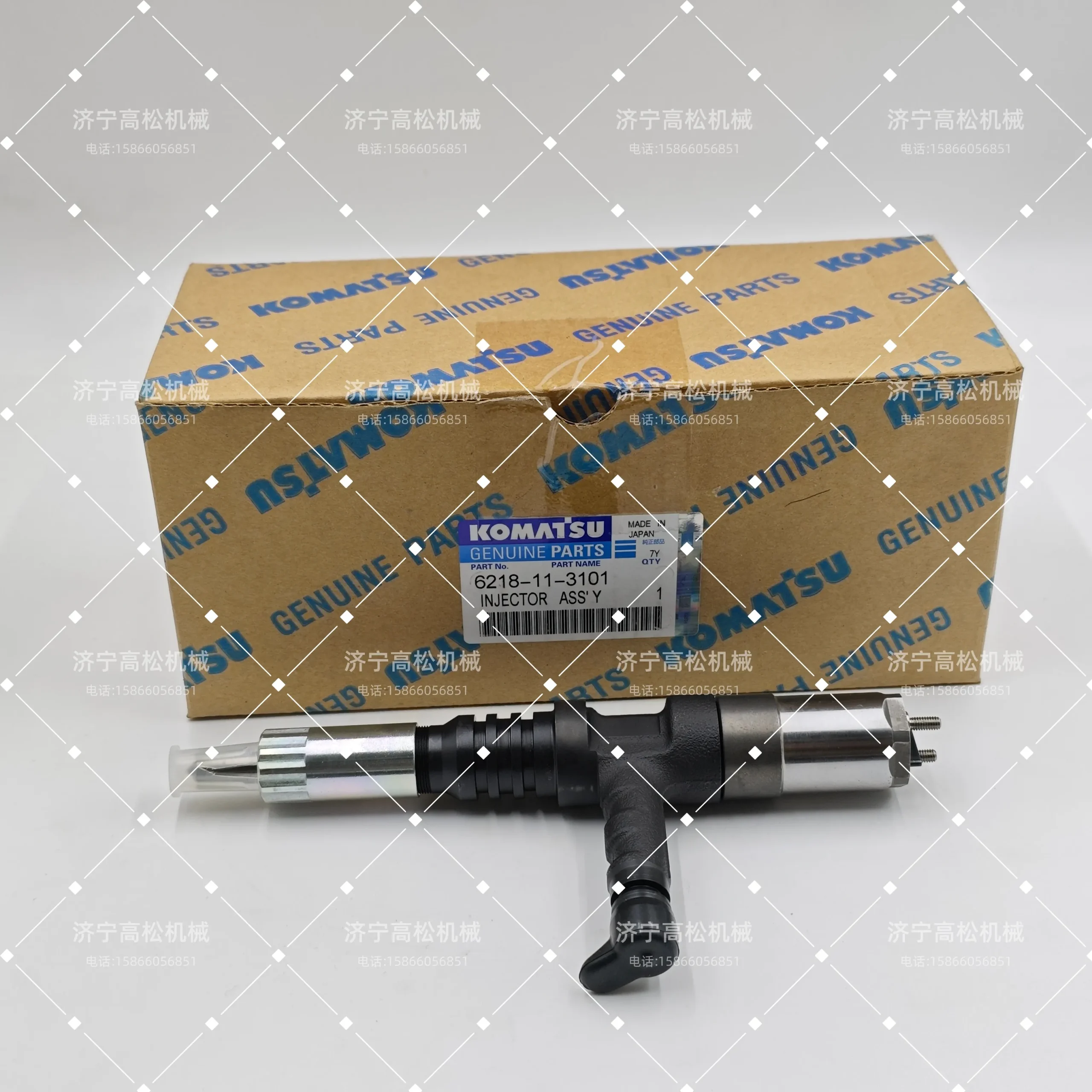 6218-11-3101 Injector Assembly
 -
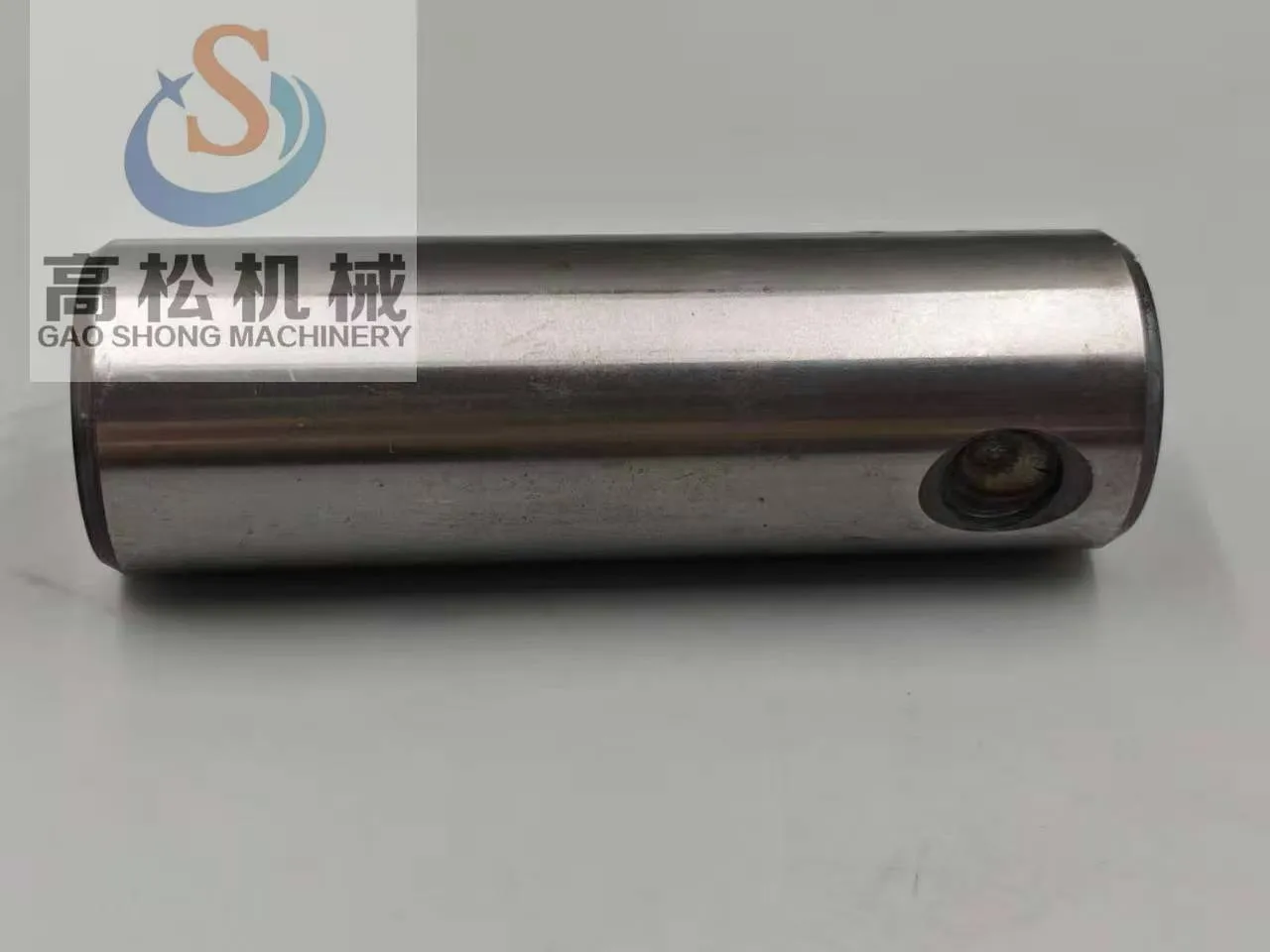 Supply excavator accessories PC1250-11 pin 21N-26-33240
 -
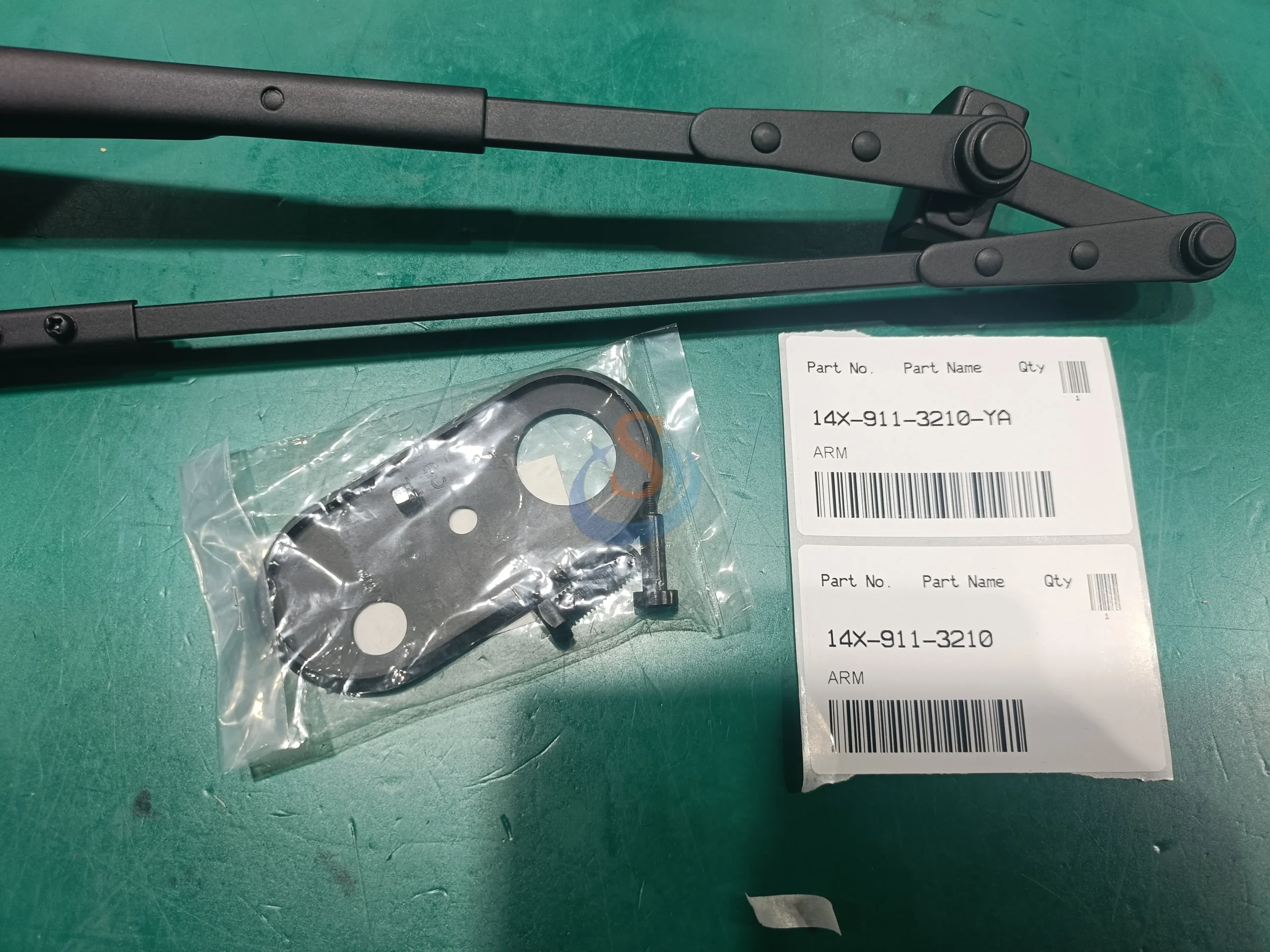 14X-911-3210,ARM,D65PX,D155A,D275A,D375A
 -
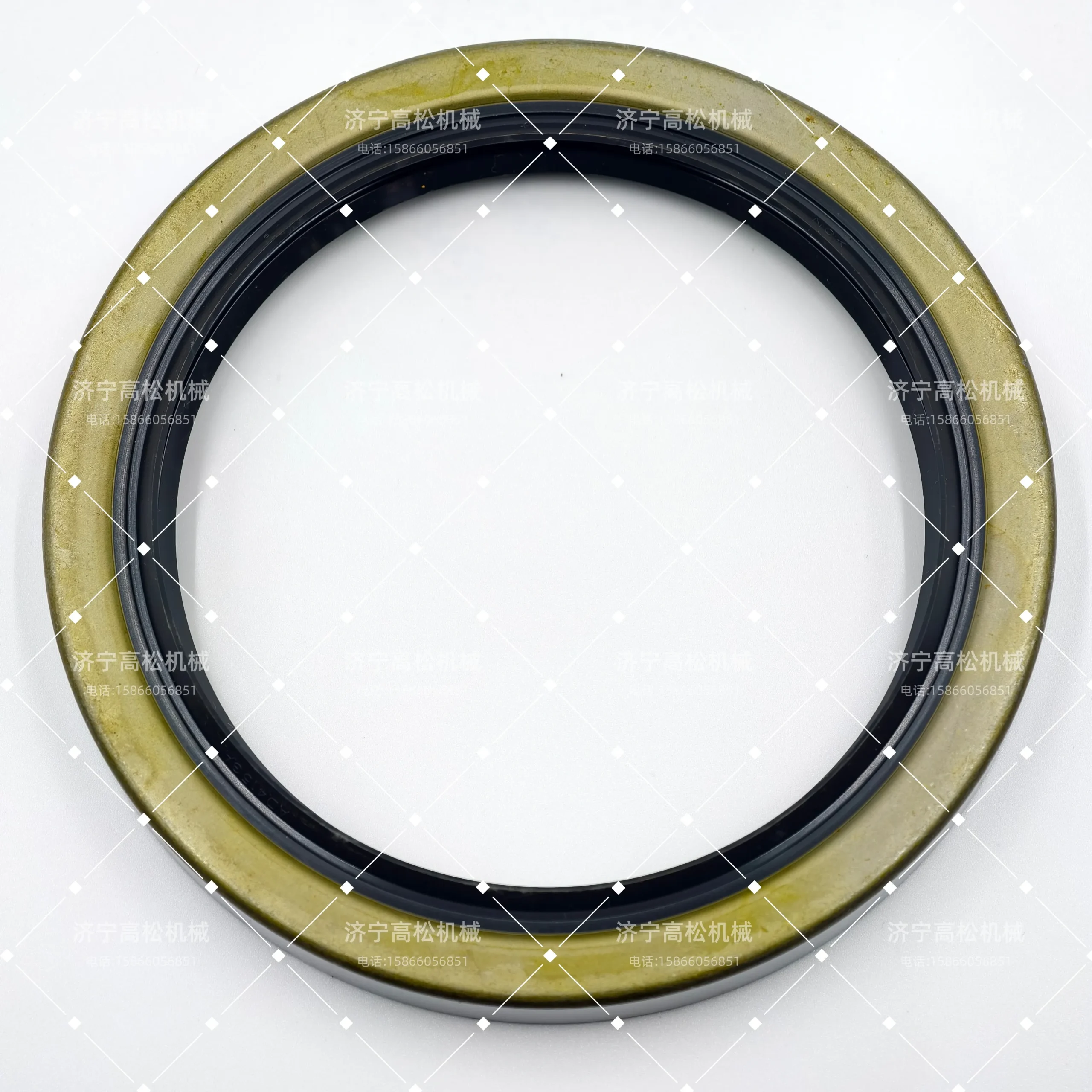 WA500-3 Oil Seal 425-20-15740 China Manufacturers Suppliers…
 -
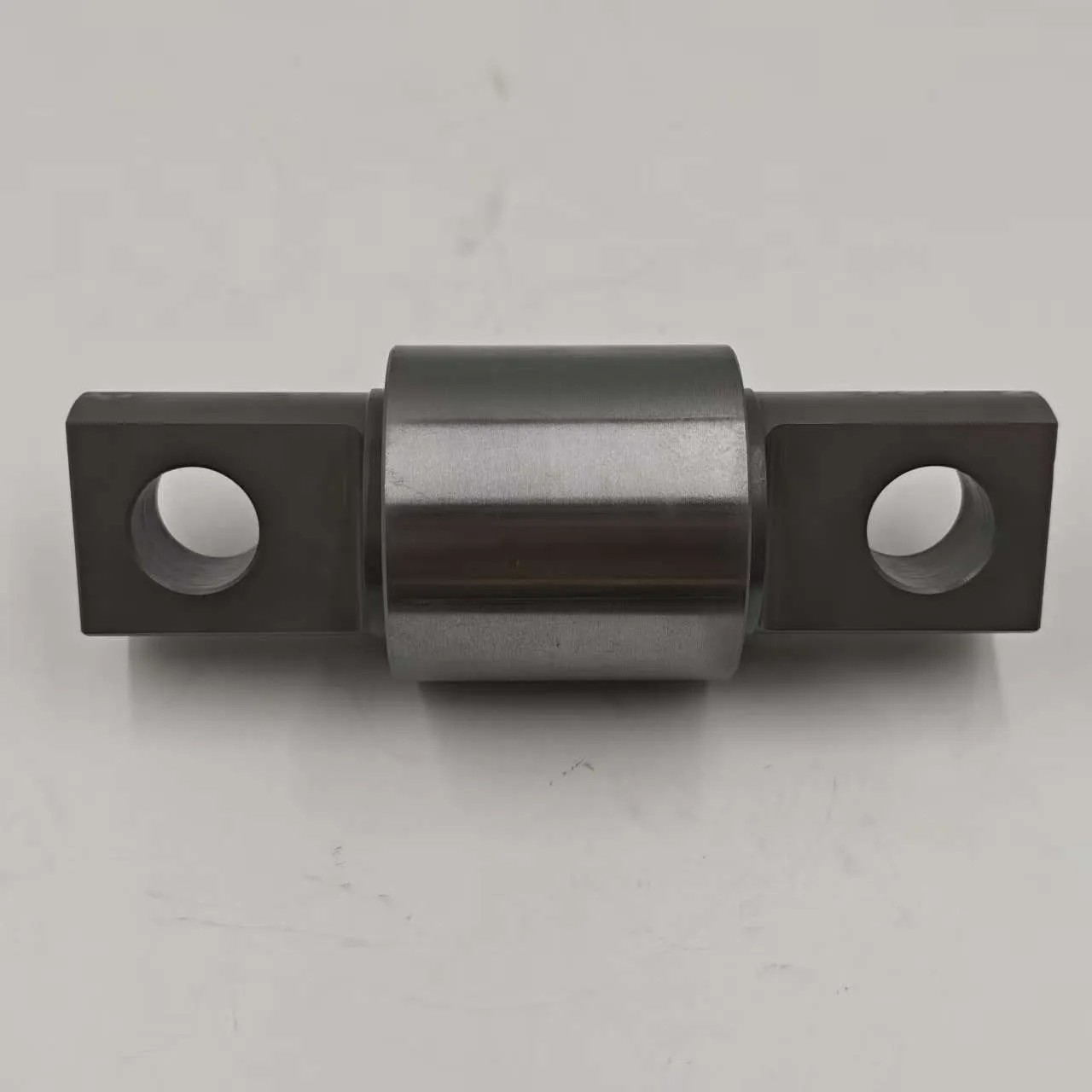 CUSHION 56B-16-11211 ORIGINAL (56B1611211) – Neopart…