
- Chinese
- French
- German
- Portuguese
- Spanish
- Russian
- Japanese
- Korean
- Arabic
- Irish
- Greek
- Turkish
- Italian
- Danish
- Romanian
- Indonesian
- Czech
- Afrikaans
- Swedish
- Polish
- Basque
- Catalan
- Esperanto
- Hindi
- Lao
- Albanian
- Amharic
- Armenian
- Azerbaijani
- Belarusian
- Bengali
- Bosnian
- Bulgarian
- Cebuano
- Chichewa
- Corsican
- Croatian
- Dutch
- Estonian
- Filipino
- Finnish
- Frisian
- Galician
- Georgian
- Gujarati
- Haitian
- Hausa
- Hawaiian
- Hebrew
- Hmong
- Hungarian
- Icelandic
- Igbo
- Javanese
- Kannada
- Kazakh
- Khmer
- Kurdish
- Kyrgyz
- Latin
- Latvian
- Lithuanian
- Luxembou..
- Macedonian
- Malagasy
- Malay
- Malayalam
- Maltese
- Maori
- Marathi
- Mongolian
- Burmese
- Nepali
- Norwegian
- Pashto
- Persian
- Punjabi
- Serbian
- Sesotho
- Sinhala
- Slovak
- Slovenian
- Somali
- Samoan
- Scots Gaelic
- Shona
- Sindhi
- Sundanese
- Swahili
- Tajik
- Tamil
- Telugu
- Thai
- Ukrainian
- Urdu
- Uzbek
- Vietnamese
- Welsh
- Xhosa
- Yiddish
- Yoruba
- Zulu
- Kinyarwanda
- Tatar
- Oriya
- Turkmen
- Uyghur






komatsu k parts
When you hear 'Komatsu K parts', the immediate thought is genuine, direct-from-OEM components. That's the ideal, but the reality on the ground, especially in markets with supply chain gaps, is far more nuanced. There's a common misconception that if it's not in a sealed Komatsu box from an official distributor, it's automatically inferior or counterfeit. That mindset can paralyze operations when the official channel is backlogged for months. The truth is, the ecosystem around these parts is complex, involving certified OEM suppliers, third-party solutions, and a whole lot of gray area in between that requires practical judgment, not just a parts manual.
The OEM Supplier Reality and Third-Party Bridge
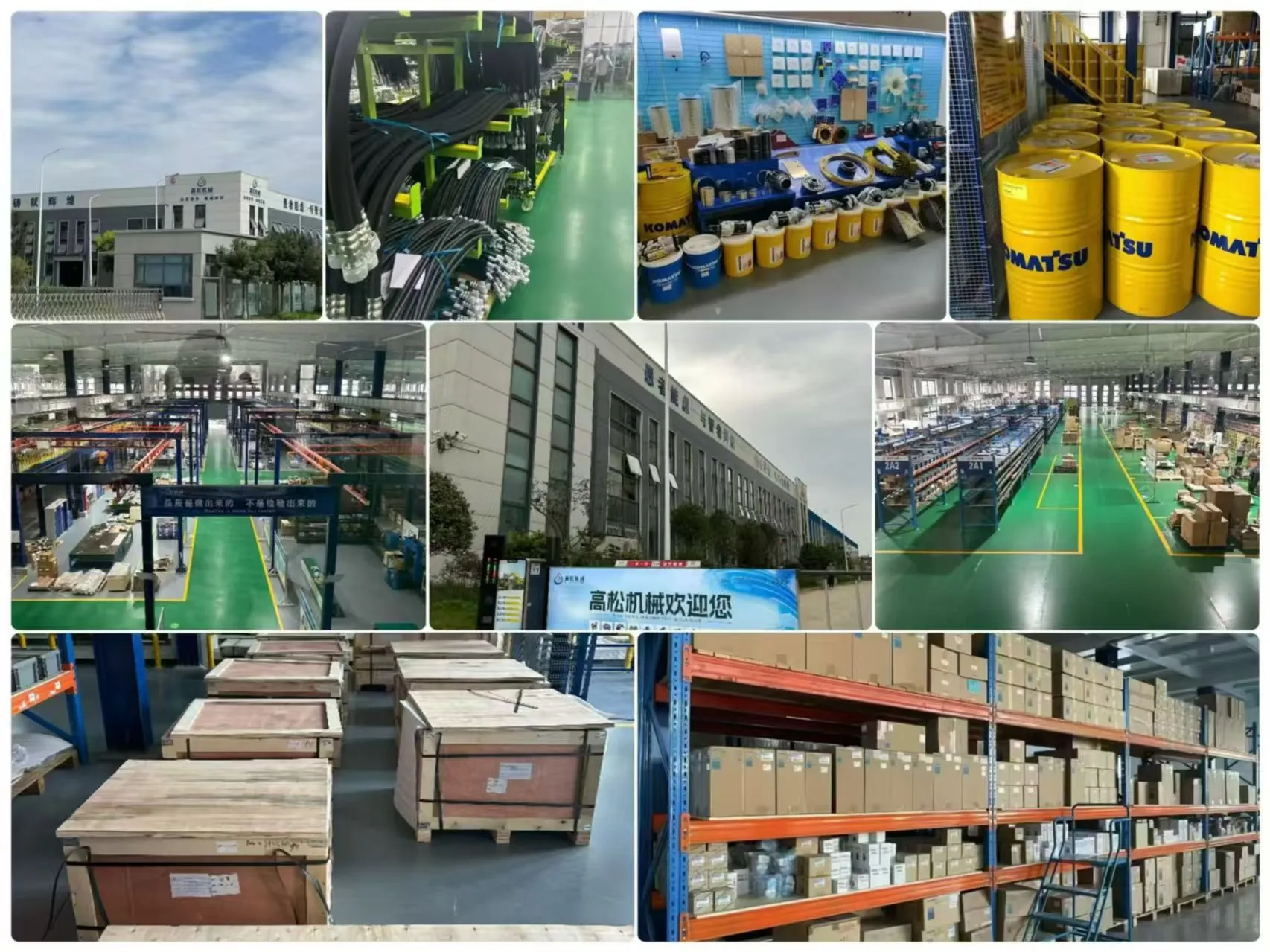
My experience has shown that being an OEM product supplier within the Komatsu system, like Jining Gaosong, signifies a specific tier of quality. It means the factory is producing to Komatsu's engineering drawings, tolerances, and material specs. These aren't aftermarket interpretations; they're the same parts, often from the same production lines, but destined for a different supply path. The critical difference is the branding and packaging—or lack thereof. You might receive a part in a plain box, but the casting marks, machining finish, and metallurgy should tell the real story.
This is where a company's role expands. Jining Gaosong, for instance, operates dually as an OEM supplier and a third-party sales company for Komatsu. This hybrid model is crucial. It means they can leverage their direct manufacturing access to help solve parts supply challenges in certain countries where the primary distribution network is thin or slow. They aren't just brokers; they're plugged into the manufacturing source, which changes the quality and traceability equation entirely.
I recall a project in Southeast Asia where we needed a final drive assembly for a PC360. The official lead time was 14 weeks. Through a channel like this, we sourced a K-series component set that was verifiably from an OEM supplier. It wasn't about cutting corners; it was about maintaining uptime with a part that met the original design intent. The installation was seamless, and the performance data matched the machine's history. It validated that the source mattered more than the box it came in.
Identifying True K-Parts: Beyond the Part Number
So, how do you separate the wheat from the chaff? The part number is just the starting point. Anyone can stamp a number. The devil is in the details—literally. For a hydraulic pump part, examine the machining grooves. Genuine K parts have a specific finish, often with consistent tooling marks that cheaper copies can't replicate without significant cost. The heat treatment is another tell; the color and hardness of a gear or shaft are subtle indicators.
I've been burned before, early on. A genuine K-series seal kit arrived with perfect packaging. But the rubber compound felt off—slightly less pliable. Under heat and pressure, it failed prematurely, causing a minor leak that led to a major pump cavitation. The lesson was expensive: packaging is the easiest thing to fake. Now, we cross-reference with known-good samples or, when possible, use simple field tests. A magnet test on stainless steel components, a precise micrometer check on bearing races—these are the low-tech, high-judgment checks that matter.
This is why a supplier's transparency is key. A reliable source will provide manufacturing batch codes, material certifications (even if from their internal lab), and crucially, they won't shy away from technical questions about the part's provenance. If they claim OEM-supplier status, they should be able to explain, in practical terms, what that means for the specific component you're holding.
Solving On-the-Ground Supply Challenges
The core value of a specialized third-party supplier isn't just price; it's logistics and localization. In several African and South American markets, the official parts pipeline can be a bottleneck. A supplier focusing on solving parts supply challenges builds a different network—often using air freight for critical items, maintaining strategic regional stock, and understanding local customs hurdles.
We had a fleet of HD785 trucks down due to a batch of faulty OEM-sourced wheel hub seals (ironically). The global replacement was on a container ship somewhere. A supplier with a focused mission sourced equivalent K-spec seals from their OEM partner inventory in Asia, air-freighted them directly to the port, and handled the clearance. The machines were back in 10 days instead of 60. The part cost was higher due to air freight, but the cost of downtime was astronomical. They solved for availability, not just inventory.
This requires a deep, almost intuitive understanding of which parts are critical path items. Engine ECMs, pump housings, final drive planetary gears—these are the items that need strategic stockpiling. A good partner doesn't just sell you a list; they help you identify your fleet's specific vulnerability points based on machine models and duty cycles.
The Gray Area and Professional Judgment
Let's be frank: not every part needs to be a pristine K part. For certain non-safety-critical, non-precision items, a high-quality aftermarket alternative might be a perfectly rational economic choice. The professional judgment lies in knowing where to draw the line. A cabin filter bracket? Probably fine. The main hydraulic valve spool for a PC7000? Don't even think about it.
The risk with Komatsu K parts in the gray market is inconsistency. One shipment might be genuine surplus, the next might be a high-grade copy. This is where a long-term relationship with a transparent supplier pays off. You're not just buying a part; you're buying their sourcing integrity. I prefer suppliers who are upfront about what is OEM-line product and what is a certified alternative, allowing me to make the risk assessment.
I've found that companies like the one mentioned, with a stated dual role, often have clearer lines. Their OEM side anchors them to the genuine standard, while their third-party side gives them the flexibility to offer solutions. It forces a level of honesty in their catalog; they can't afford to jeopardize their OEM supply relationship by passing off counterfeits.
Conclusion: A Practical Ecosystem
Ultimately, navigating the world of Komatsu K parts is about understanding the practical ecosystem. The official distributor is the primary artery, but specialized third-party suppliers like Jining Gaosong function as critical capillaries, reaching areas the main network can't efficiently service. They fill a vital niche by leveraging direct OEM manufacturing access.
The key for any equipment manager is to develop a qualified supplier shortlist. Verify their claims, audit a sample order of non-critical parts, and build a relationship based on technical dialogue. Ask where they source specific components like Komatsu K parts for undercarriages or hydraulic systems. The answer should be precise.
It comes down to this: reliability is built on the quality of the part in the machine, not the logo on the invoice. In a perfect world, every part comes from the main dealer. In our world, having a credible, technically sound partner who understands both the engineering and the supply chain chaos is what keeps fleets moving. That's the real value beyond the catalog listing.
Related Products
Related Products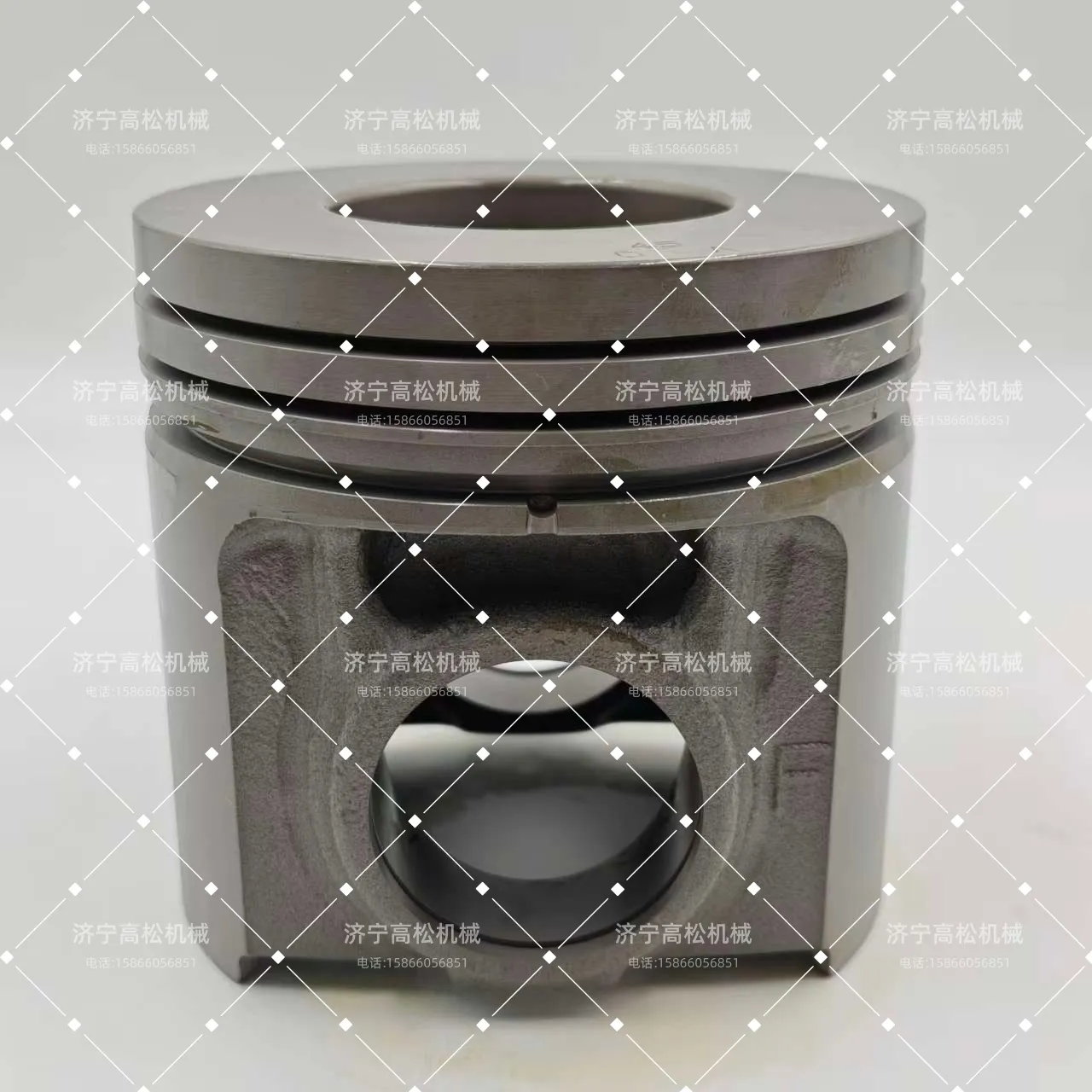

Best Selling Products
Best Selling Products-
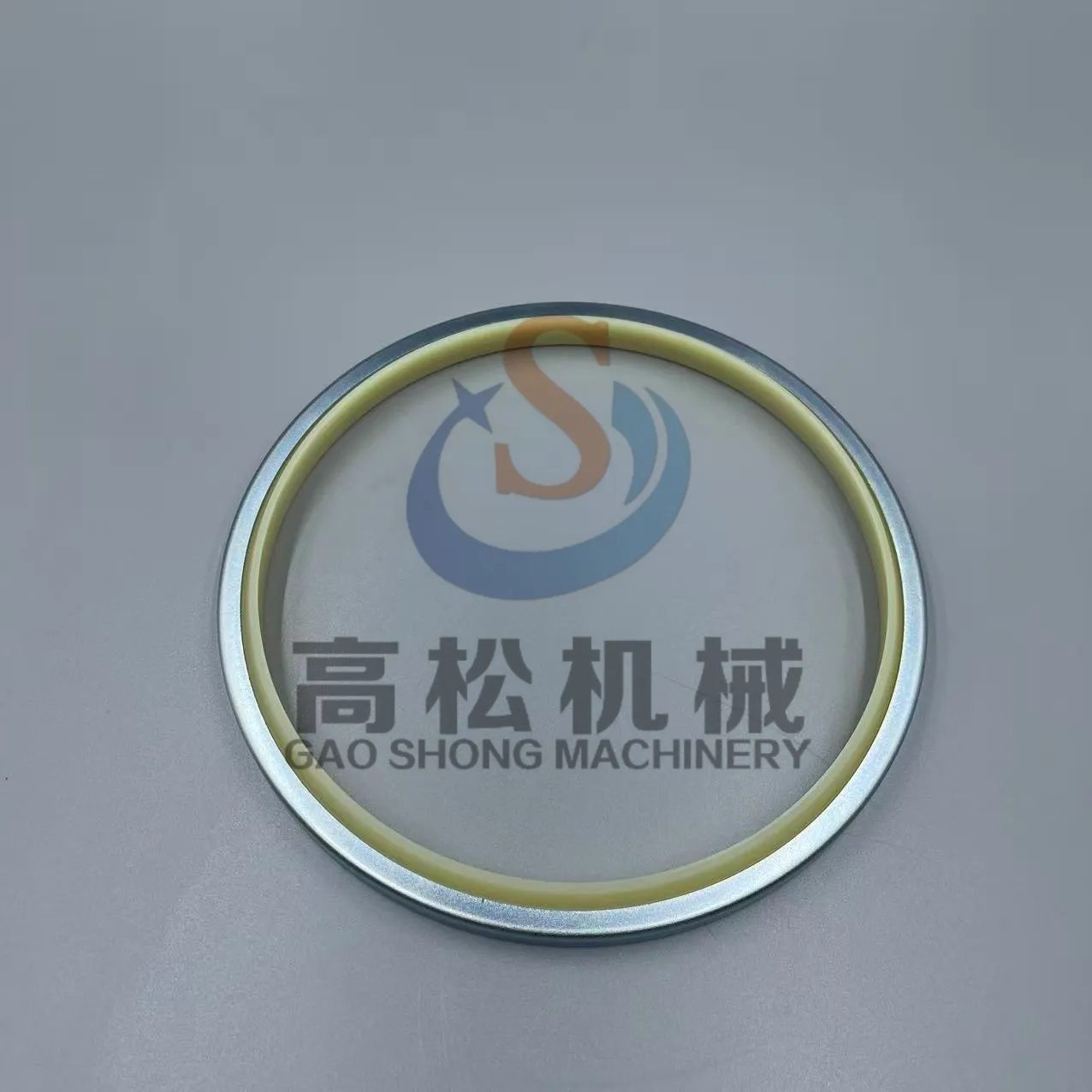 Seal 21N-30-14180 – KOMATSU
 -
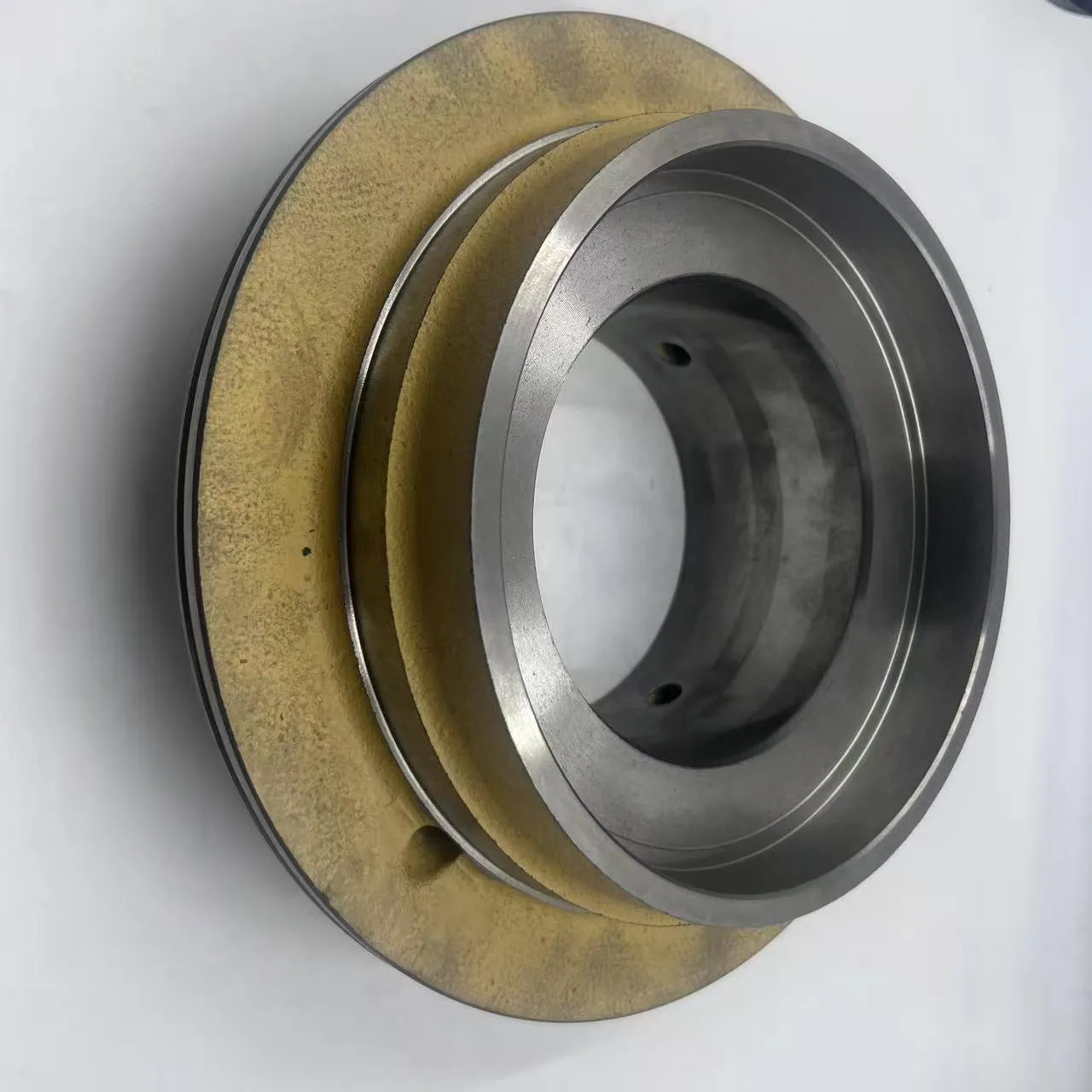 17A-22-11132 Komatsu Cylinder
 -
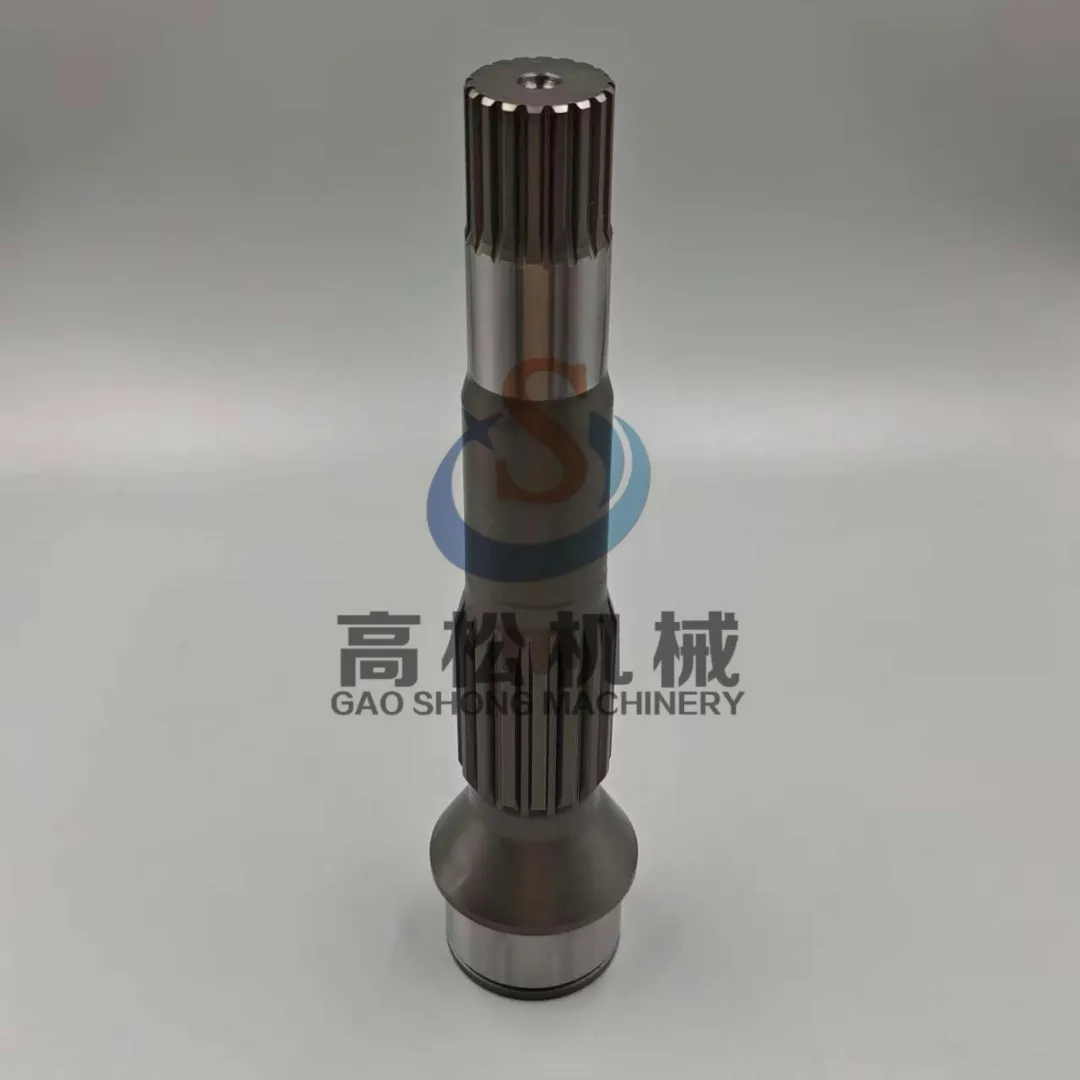 708-2G-12121 Shaft Drive L Fits Komatsu PC300-7 PC360-7 PC350-7 HPV140 Pump
 -
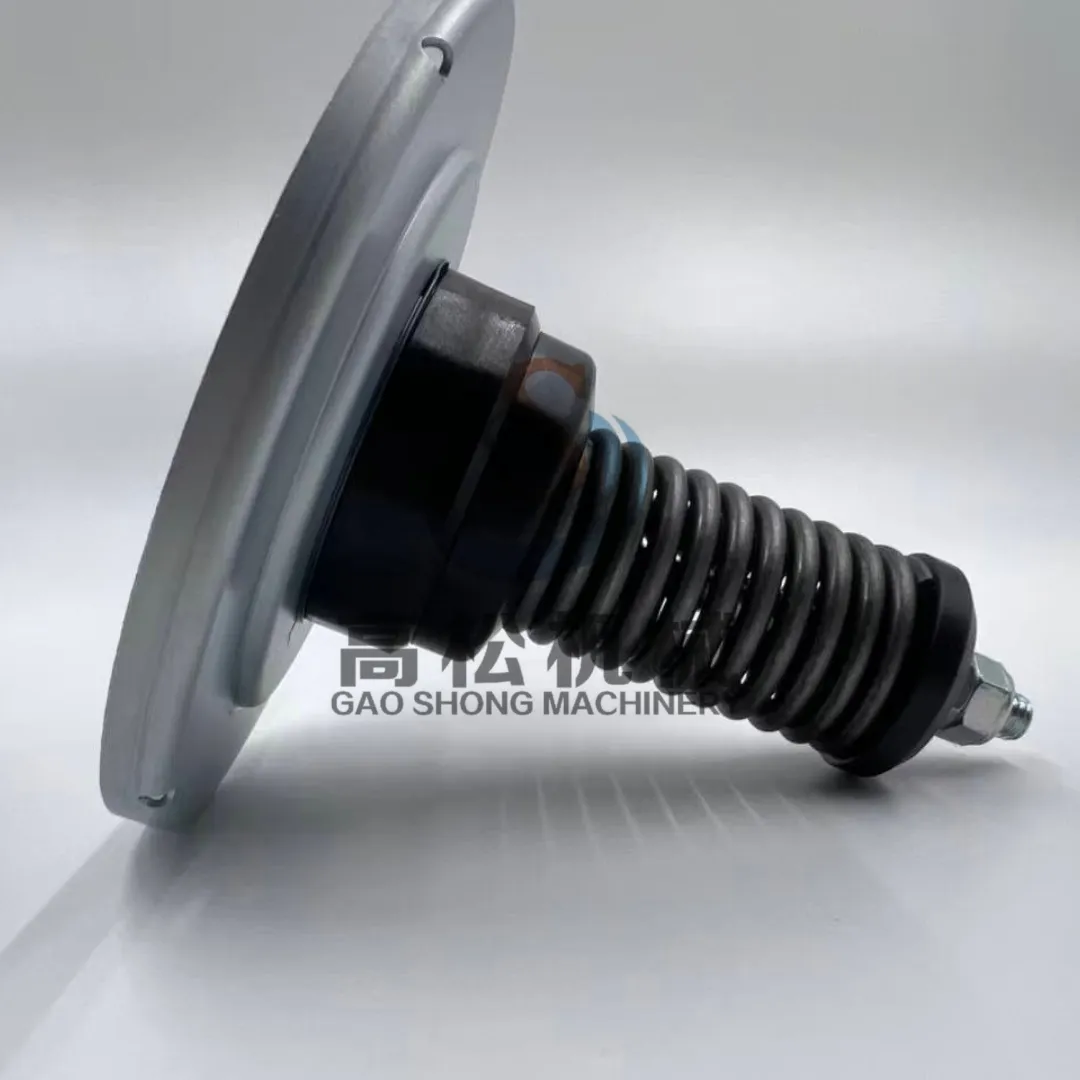 20Y-60-31450 Valve Assembly Komatsu For Hydraulic Tank PC300-8MO Excavator Parts
 -
 6240-61-2120 Cover for Engine SAA6D170E-3F-8 Parts – Komatsu
 -
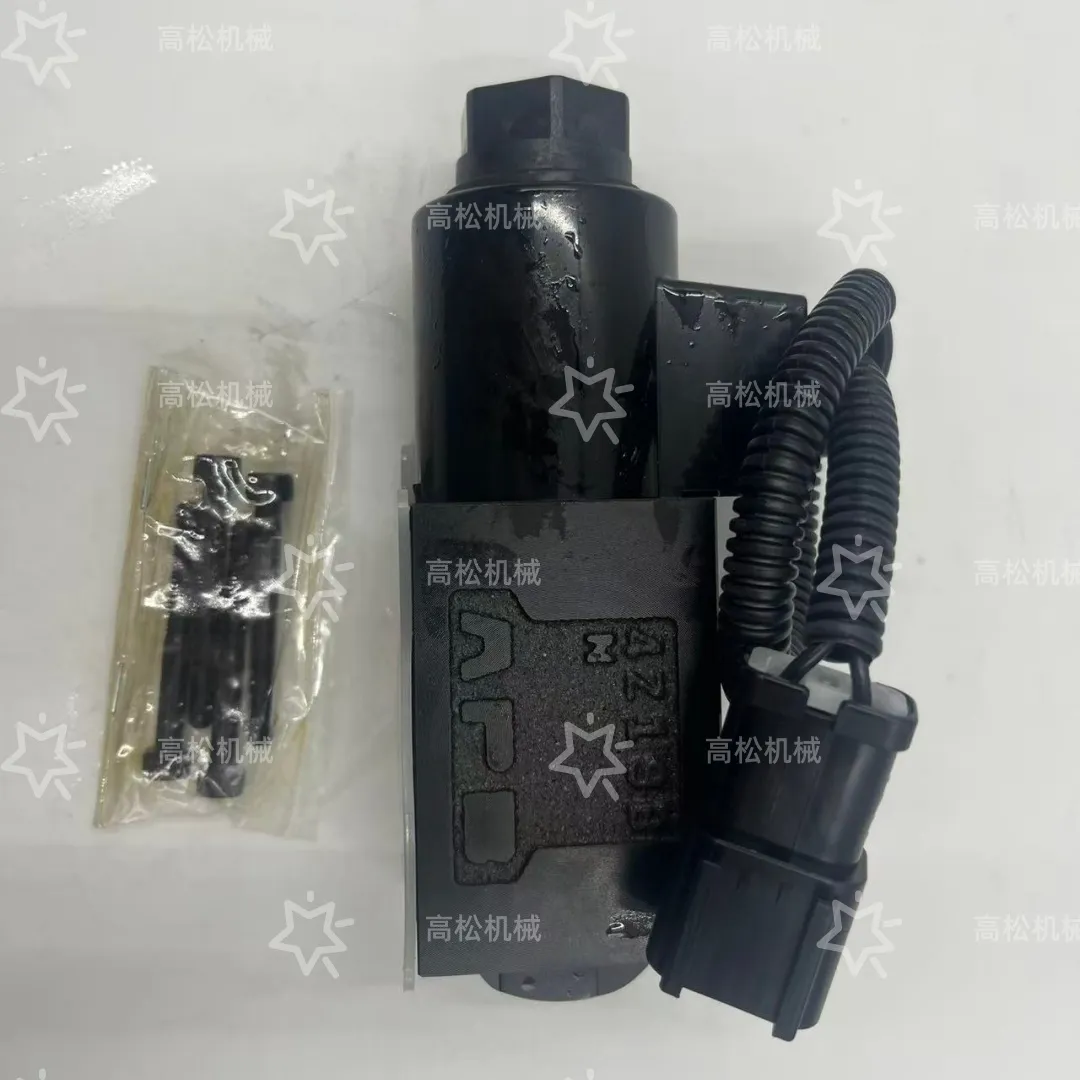 23W-60-28230 VALVE ASSEMBLY,SOLENOID – Komatsu
 -
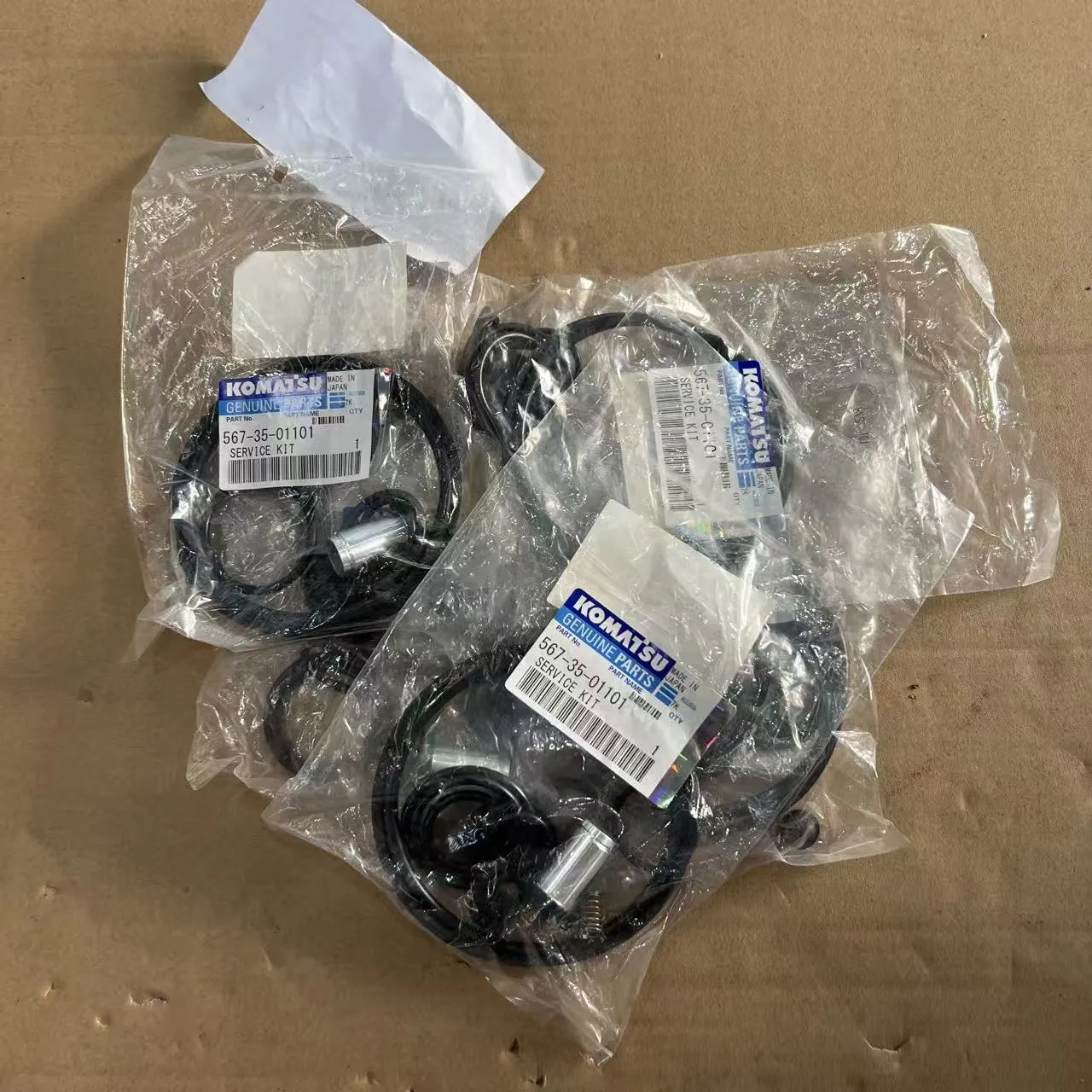 Komatsu 567-35-01101 Service Kit
 -
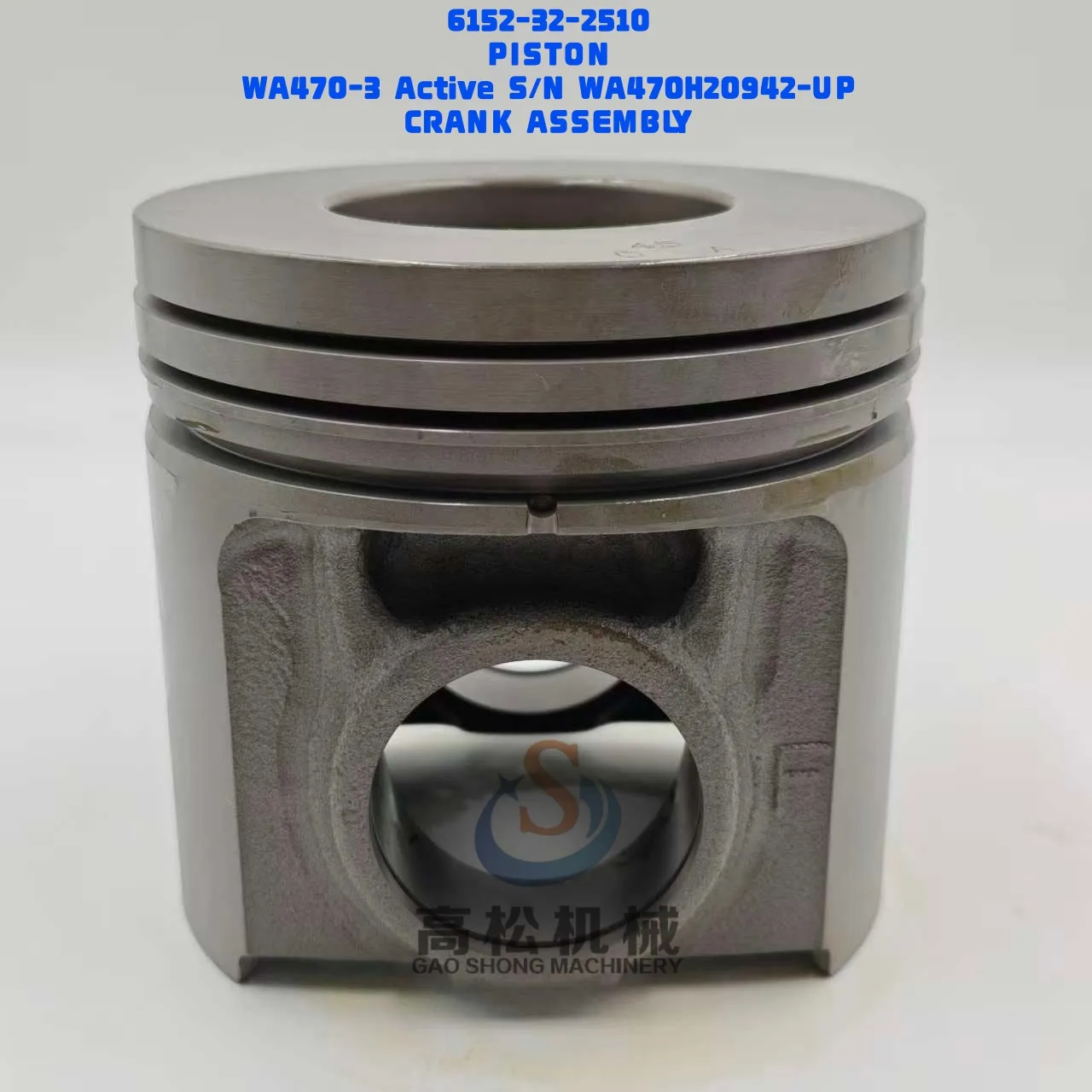 6152-32-2510 PISTON KOMATSU parts D87E, D87P, DCA, EGS360,380, PC400, PW400MH, S6D125E, SA6D125E, SAA6D125E, WA450, WA470, WA480
 -
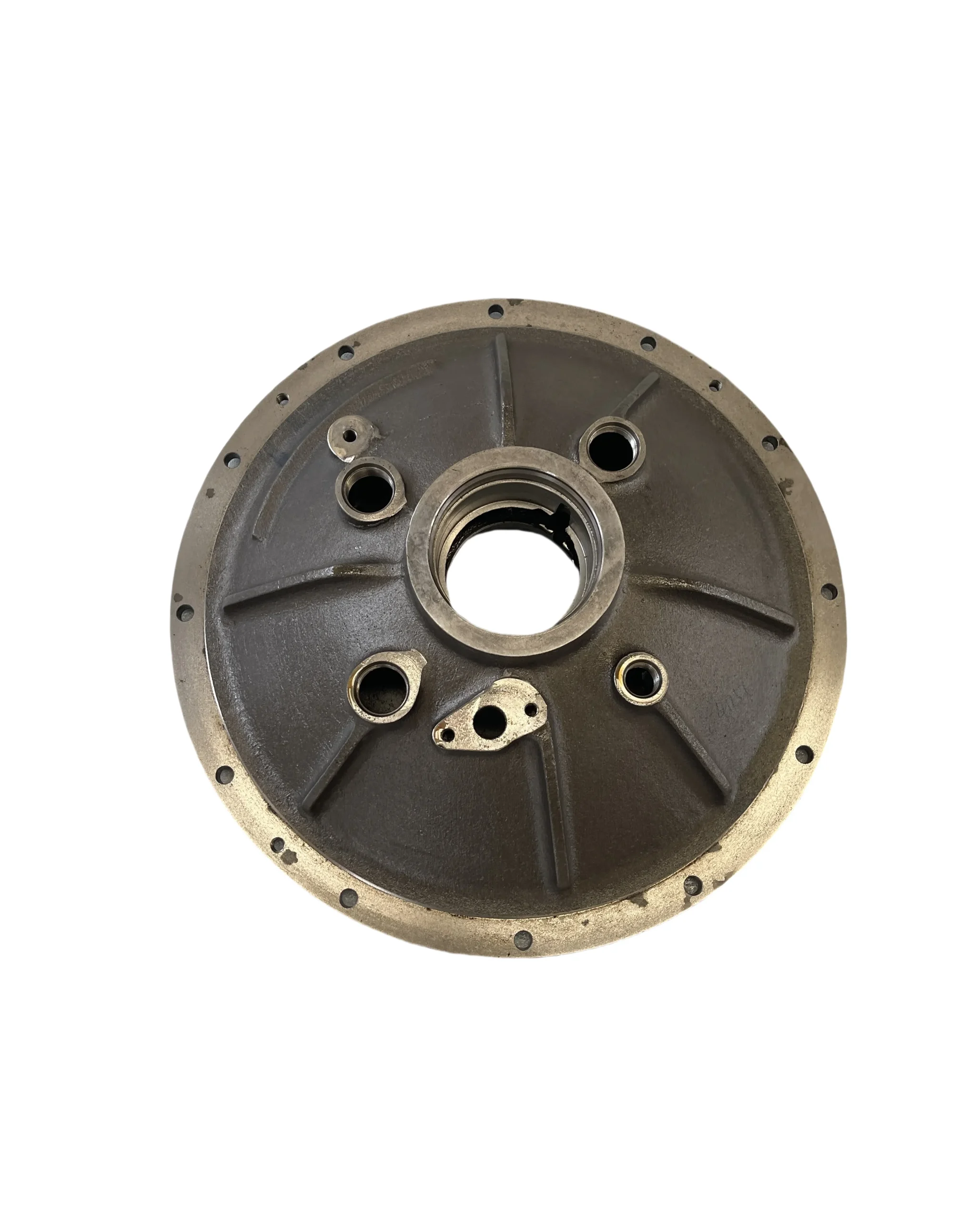 17M-12-41150 cover for Komatsu D275A-5
 -
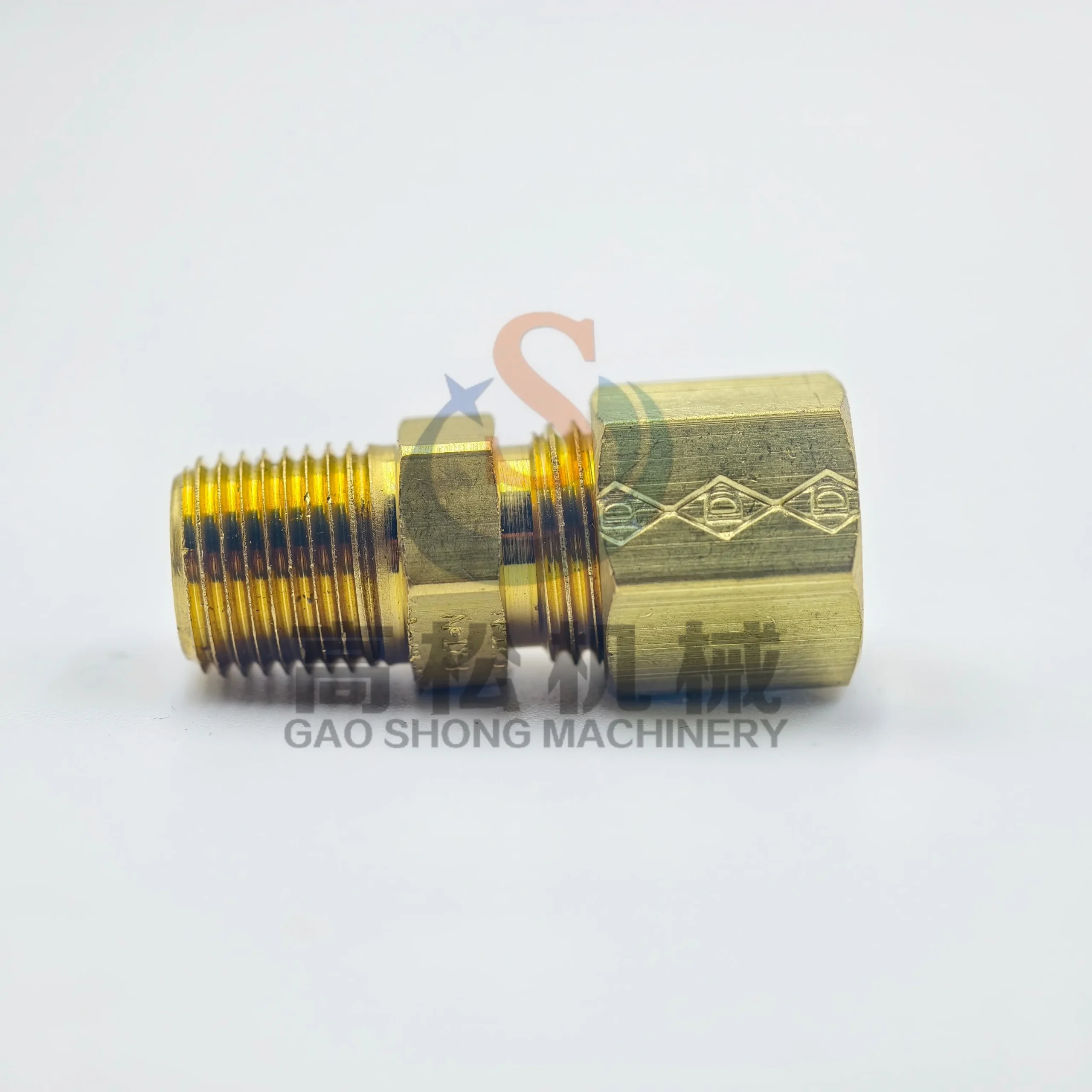 PC1250-8 Connector 21N-68-32320 For Auto Grease
 -
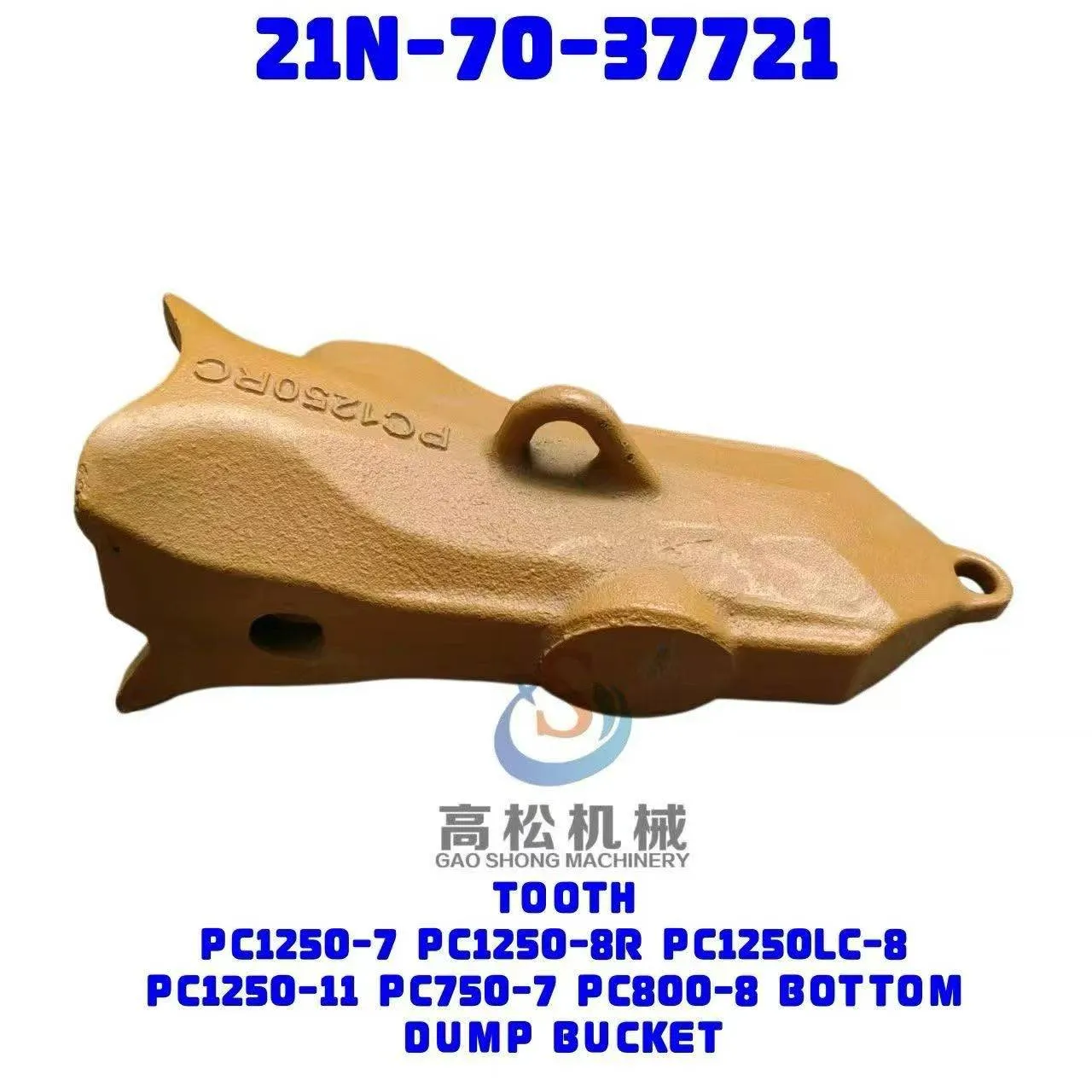 21n-70-37721 Bucket teeth, suitable for the following vehicle models. PC1250-7 PC1250-8R PC1250LC-8 PC1250-11 PC750-7 PC800-8 BOTTOM TOOTH PC1250-7 PC1250-8R PC1250LC-8 PC1250-11 PC750-7 PC800-8 BOTTOM DUMP BUCKET
 -
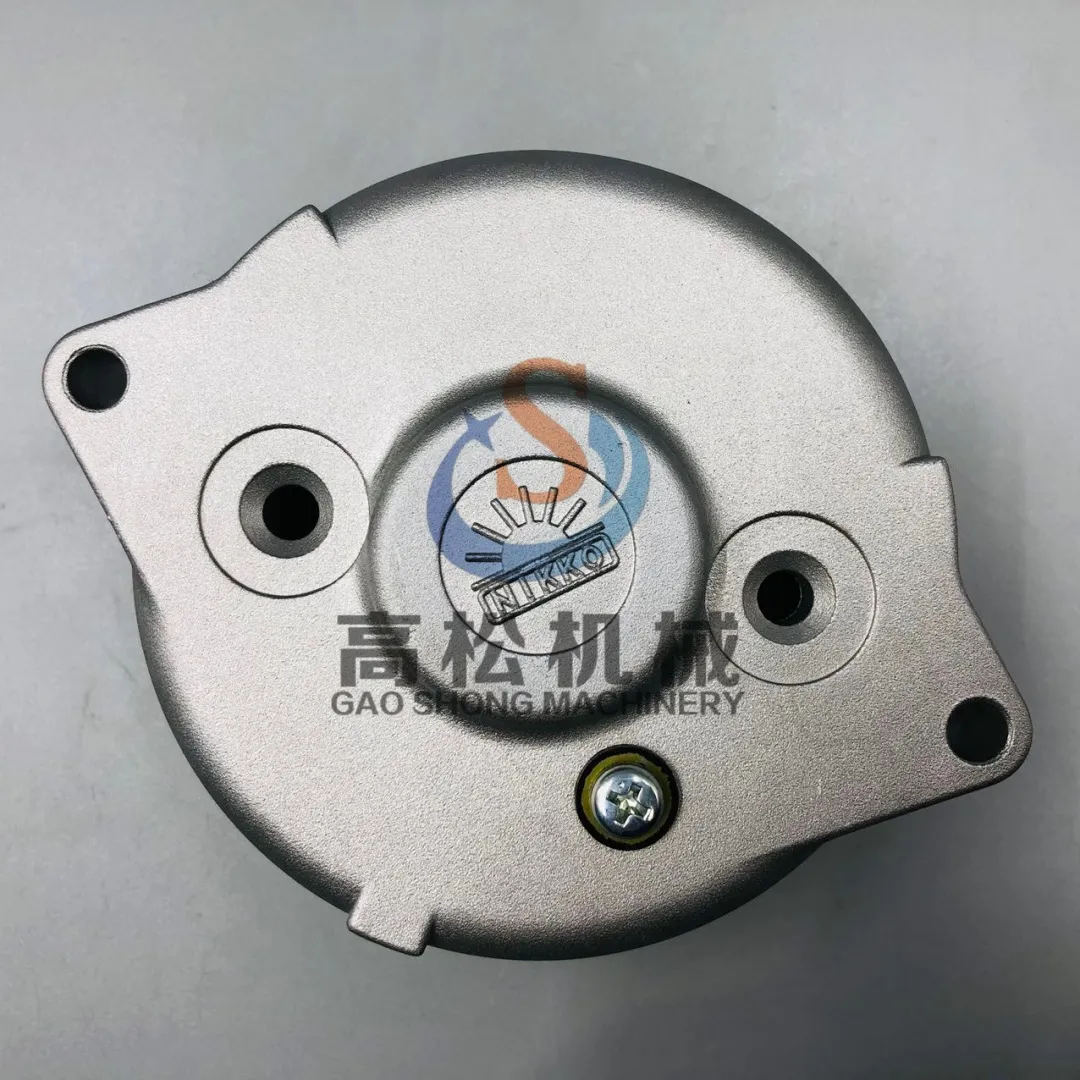 KD0-23700-0130 REAR BRACKET ASS’Y,REAR (Komatsu)
Related Search
Related Search- Komatsu grader blade bolt
- OEM AND ORIGINAL KOMATSU TUBE 562-02-3B141
- OEM AND ORIGINAL KOMATSU CAP 195-71-61291
- komatsu excavator parts manual
- komatsu pc40 parts
- komatsu cummins engine cross reference
- Komatsu controller
- komatsu cabin air filter
- OEM AND ORIGINAL KOMATSU BRACKET 17M-71-41951
- Komatsu piston and liner kit