
- Chinese
- French
- German
- Portuguese
- Spanish
- Russian
- Japanese
- Korean
- Arabic
- Irish
- Greek
- Turkish
- Italian
- Danish
- Romanian
- Indonesian
- Czech
- Afrikaans
- Swedish
- Polish
- Basque
- Catalan
- Esperanto
- Hindi
- Lao
- Albanian
- Amharic
- Armenian
- Azerbaijani
- Belarusian
- Bengali
- Bosnian
- Bulgarian
- Cebuano
- Chichewa
- Corsican
- Croatian
- Dutch
- Estonian
- Filipino
- Finnish
- Frisian
- Galician
- Georgian
- Gujarati
- Haitian
- Hausa
- Hawaiian
- Hebrew
- Hmong
- Hungarian
- Icelandic
- Igbo
- Javanese
- Kannada
- Kazakh
- Khmer
- Kurdish
- Kyrgyz
- Latin
- Latvian
- Lithuanian
- Luxembou..
- Macedonian
- Malagasy
- Malay
- Malayalam
- Maltese
- Maori
- Marathi
- Mongolian
- Burmese
- Nepali
- Norwegian
- Pashto
- Persian
- Punjabi
- Serbian
- Sesotho
- Sinhala
- Slovak
- Slovenian
- Somali
- Samoan
- Scots Gaelic
- Shona
- Sindhi
- Sundanese
- Swahili
- Tajik
- Tamil
- Telugu
- Thai
- Ukrainian
- Urdu
- Uzbek
- Vietnamese
- Welsh
- Xhosa
- Yiddish
- Yoruba
- Zulu
- Kinyarwanda
- Tatar
- Oriya
- Turkmen
- Uyghur






Komatsu idler
When most people think about a Komatsu dozer or excavator, they picture the engine, the hydraulics, the blade. Almost nobody outside of a parts yard or a maintenance bay thinks about the Komatsu idler. That's the first mistake. These components are absolutely critical for track tension and alignment, and a failure here doesn't just stop the machine—it can cause catastrophic damage to the entire undercarriage. The common misconception is that any idler that fits is good enough, but that's a shortcut that leads straight to a very expensive repair bill down the line.
The OEM Reality vs. The Aftermarket Gamble
Having been in the parts supply chain for years, I've seen the full spectrum. There's a world of difference between a genuine OEM Komatsu idler and an aftermarket copy. It's not just about the steel grade, though that's a huge part of it. It's the hardening process, the precision of the bore, the quality of the seal journals. A pattern part might look identical on the outside, but the internal tolerances and heat treatment are often where they cut corners. I've seen pattern idlers wear out in half the time, or worse, develop hairline cracks around the flange because the material couldn't handle the cyclical stress.
This is where the role of a dedicated supplier within the Komatsu system becomes crucial. A company like Jining Gaosong Construction Machinery Co., Ltd. operates in a specific niche. They are an OEM product supplier within Komatsu's own system. This isn't just a distributor badge; it means the components they supply for Komatsu machines are produced to the original engineering specifications and quality protocols. For a maintenance manager, sourcing from such a channel provides a level of certainty that's hard to put a price on.
The alternative is a constant gamble. I recall a contractor who bought a set of cheap idlers for a D65. They saved maybe 40% upfront. Six months later, uneven wear threw the track out of alignment, which then accelerated sprocket wear. The total cost of the subsequent undercarriage rebuild was more than triple the initial savings. That's the hidden math of off-spec parts.
Solving the Global Parts Puzzle
One of the biggest headaches in this industry isn't just quality—it's availability. Official channels can be slow or non-existent in certain regions, leading to massive machine downtime. This is the other side of the coin that companies like Jining Gaosong address. As a third-party sales company for Komatsu, they help solve parts supply challenges in certain countries. Their model is pragmatic: they leverage their position and logistics to get genuine or OEM-equivalent parts, like Komatsu idlers, to markets where the traditional pipeline is clogged or overpriced.
I've worked with projects in remote areas where waiting for a part through standard channels meant a 12-week shutdown. A supplier functioning in this third-party capacity can often cut that to 2-3 weeks by accessing different regional warehouses or production slots. It's not magic; it's just having the right connections and a deep understanding of the global parts network. Their stated mission of helping to solve parts supply challenges is exactly what it says on the tin—it's a logistics and access play.
This doesn't mean it's a free-for-all. A reputable supplier in this space still prioritizes OEM-spec quality. The goal is to bridge a gap, not flood the market with inferior alternatives. You might get a part that was originally destined for a different regional market, but it should still have the same part number, the same material certification. The value is in the movement, not in diluting the standard.
Field Observations and Installation Pitfalls
Let's get practical. Even with a perfect OEM Komatsu idler in hand, installation is where many fail. The most overlooked step is cleaning the mating surfaces on the track frame. Any old grit or paint left on can misalign the idler by a few tenths of a millimeter. That's enough. Over hundreds of hours, that misalignment will scrub the bushings and seals on one side, leading to premature grease loss and wear.
Another detail is the torque sequence for the mounting bolts. It's not in the general service manual for every model; sometimes you have to dig into the undercarriage-specific guide. Criss-cross pattern, incremental torque steps—it sounds basic, but skipping this can warp the idler bracket or create uneven clamping force. I've had to redo jobs where a crew just zipped the bolts down with an impact gun. The idler was true, but the way it was fastened put it under stress from day one.
Then there's the seal. The double-lip seal on a quality idler is its lifeblood. You must never pry against the sealing surface during installation. Using the proper sleeve tool or a generous wrap of plastic tape over the threads is non-negotiable. I keep a bag of cheap plastic sandwich bags in my toolbox specifically for this—slide it over the shaft to protect the seal as you slide the idler on. A 5-cent bag saving a $2000 component is the kind of trade we live for.
The Material Science Behind the Scenes
Why does a genuine part last longer? It often comes down to metallurgy and process control. The forged steel used for a Komatsu idler isn't a standard off-the-shelf alloy. It's formulated for high impact resistance and abrasion resistance. The hardening process, often a combination of through-hardening and induction hardening on the wearing surface, creates a tough core with an extremely hard exterior. Pattern parts might achieve a similar surface hardness, but the core can be brittle or too soft.
I once cut open a failed aftermarket idler and a worn-out OEM one. The OEM showed a consistent, fine-grained structure from the bore to the rim. The aftermarket part had a porous center and a hardened case that was too thin, which had spalled off. The failure wasn't from wear; it was from subsurface fatigue. This is why visual inspection before installation is key. Look for any inconsistencies in the machining, discoloration from uneven heating, or pitting on the seal surface.
This level of quality is what an OEM product supplier within the Komatsu system is committed to. Their business hinges on the part performing identically to the one that left the Komatsu factory. For them, a failure reflects directly on their standing within that system, not just on a single sale.
Conclusion: A Matter of Total Cost
So, when you're looking at a Komatsu idler, you're not just buying a piece of metal. You're buying engineered material, precision manufacturing, and, if you source smartly, a supply chain solution. The initial price tag is the smallest part of the equation. The real cost is measured in machine uptime, avoidance of secondary damage, and the labor to install it once, not twice.
Companies that fill the gaps, like Jining Gaosong, understand this calculus. They aren't just selling a part; they're selling reliability and access. In an industry where downtime is measured in thousands per hour, that's the only metric that truly matters. It's why, after all these years, I still insist on tracking down the right part from the right channel, even if it takes a few extra calls. The machine, and the project budget, will thank you for it.
The bottom line is trust your undercarriage. And trust the provenance of the parts that keep it running. Everything else is just noise and a future repair order waiting to happen.
Related Products
Related Products

Best Selling Products
Best Selling Products-
 7861-93-5410Komatsu Acceleration Sensor, 7861-93-5410
 -
 Komatsu Original Factory Brand New PC1250-8 Excavator Rotary Motor 21N-26-00110
 -
 56B-15-19210 RING
 -
 195-04-11150 STRAINER Suitable For Komatsu
 -
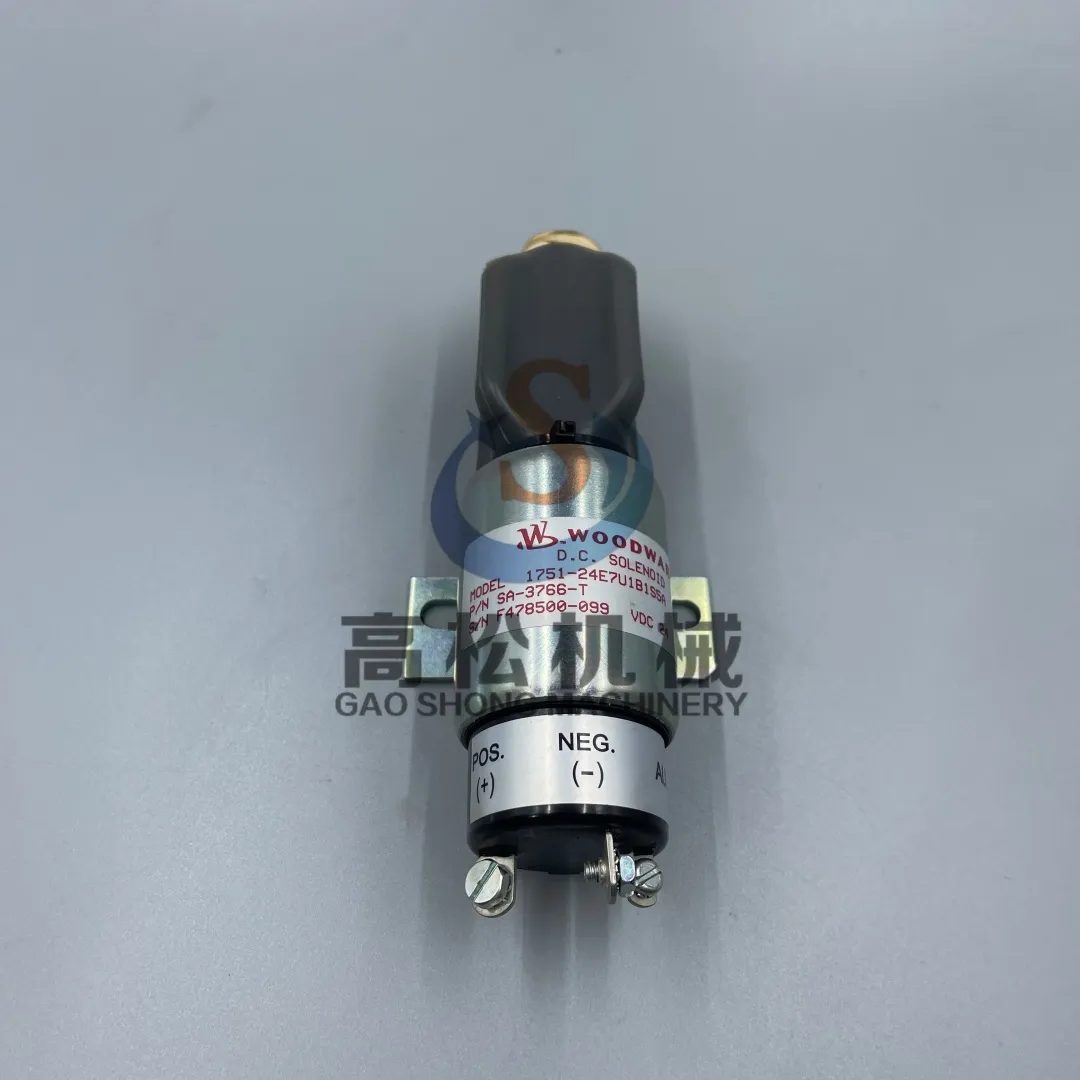 600-815-7550 Fuel Stop Solenoid Valve For Komatsu PC75UU-3 PC200LC-6 PC228UU-1
 -
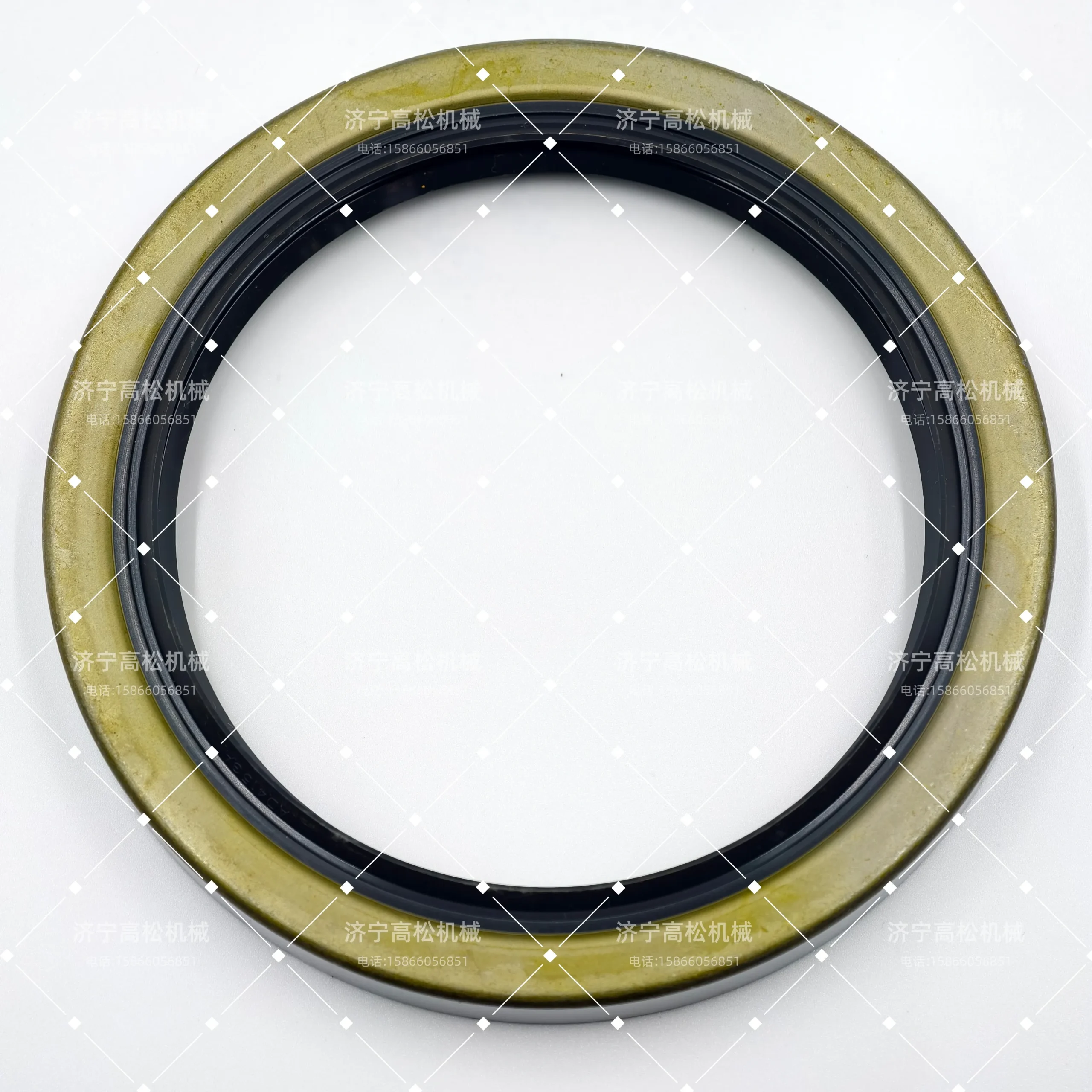 WA500-3 Oil Seal 425-20-15740 China Manufacturers Suppliers…
 -
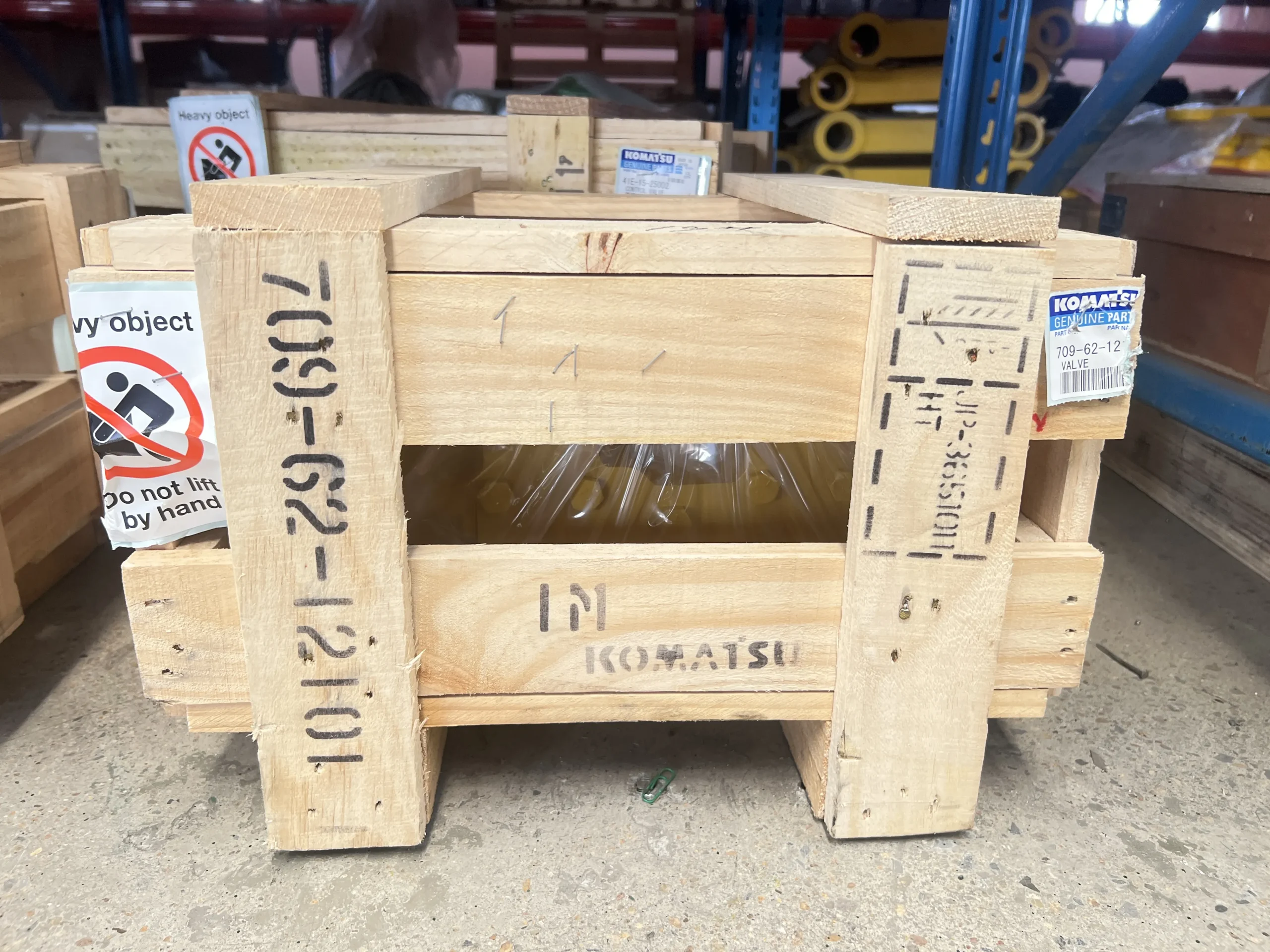 D375A-5E0 Valve Assembly 709-62-12101
 -
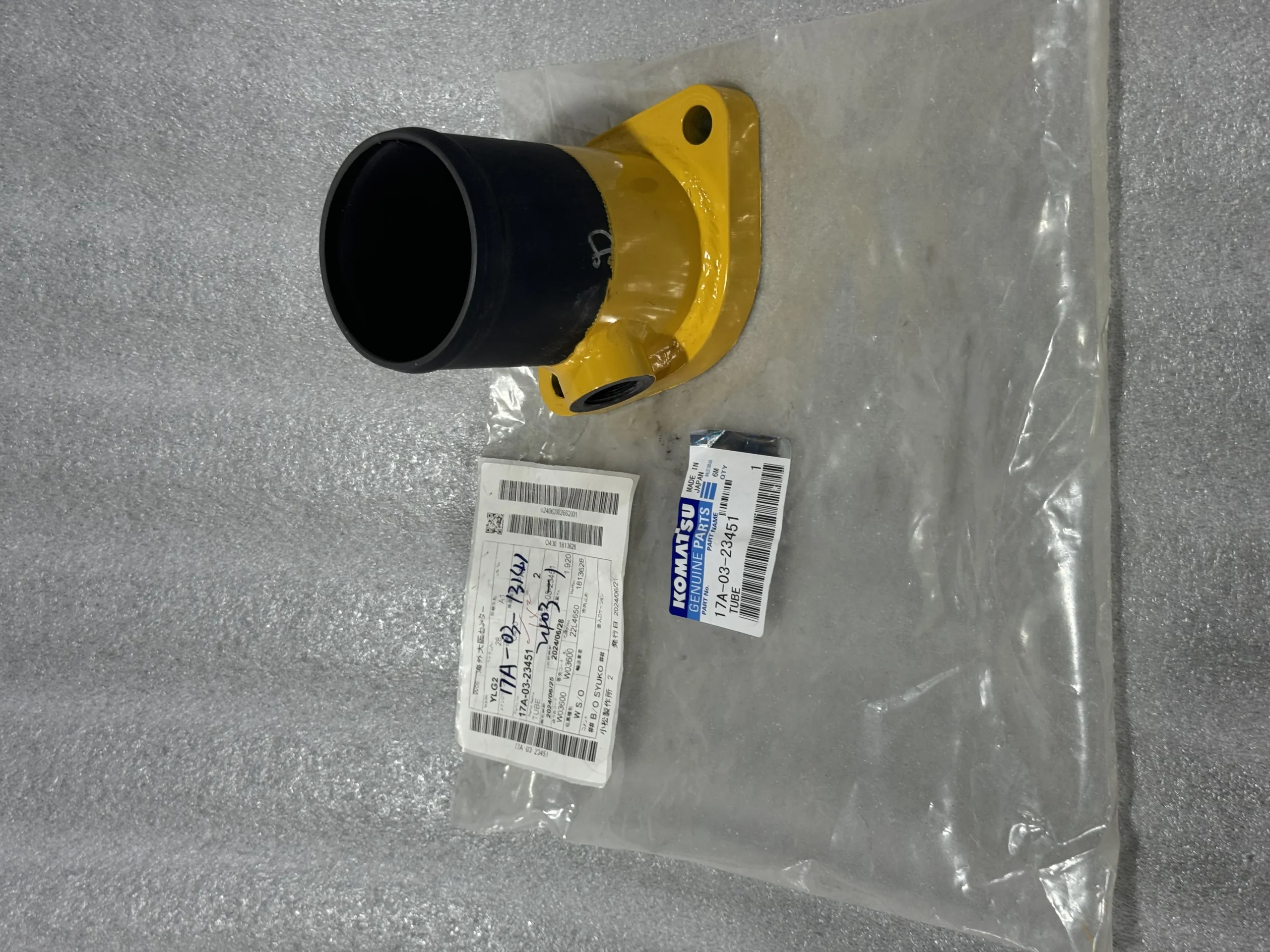 D155AX-5 Tube 17A-03-23451
 -
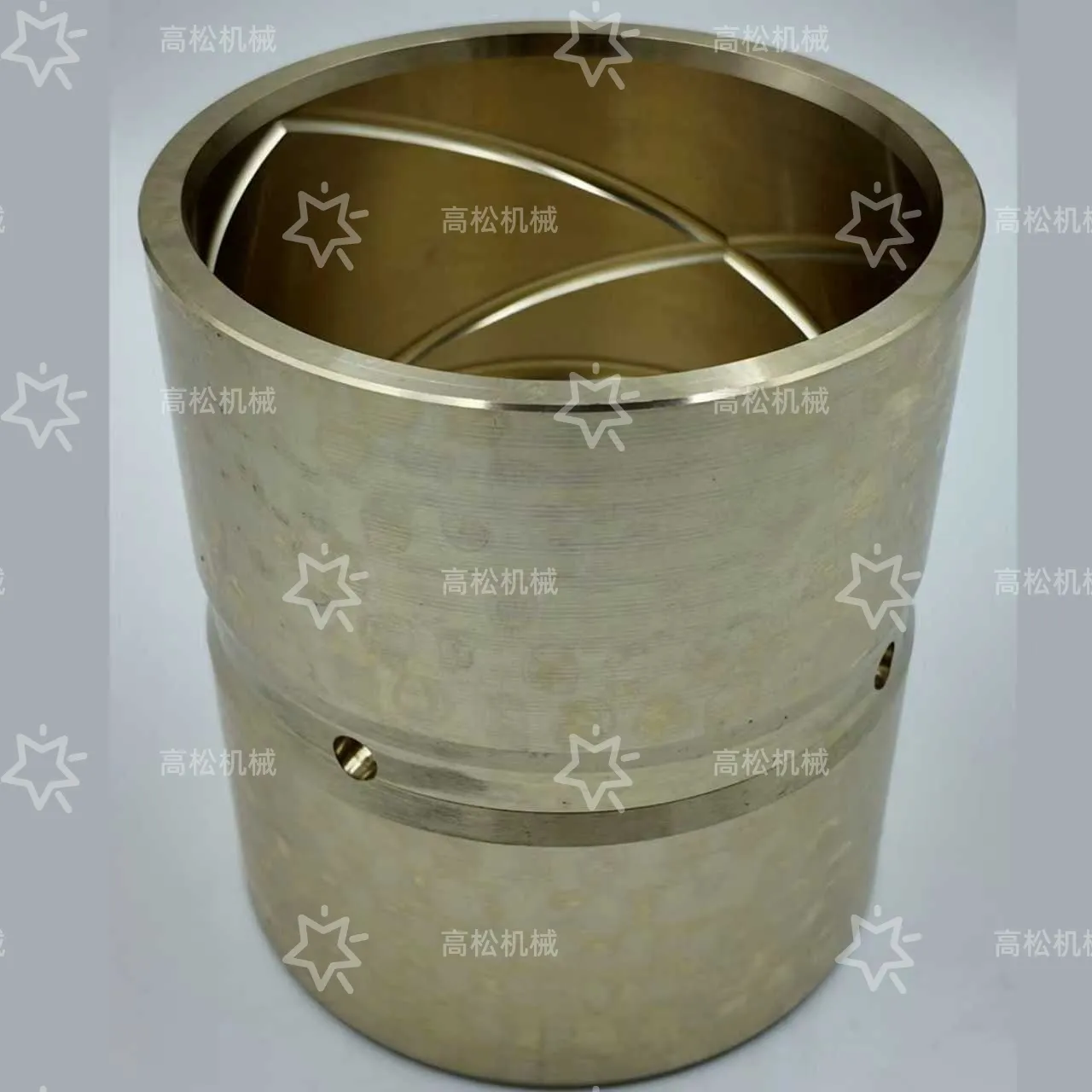 BUSHING 207-70-61610 for KOMATSU PC350-7 PC300LC-7 PC300-8 PC300LC-7L PC300-7
 -
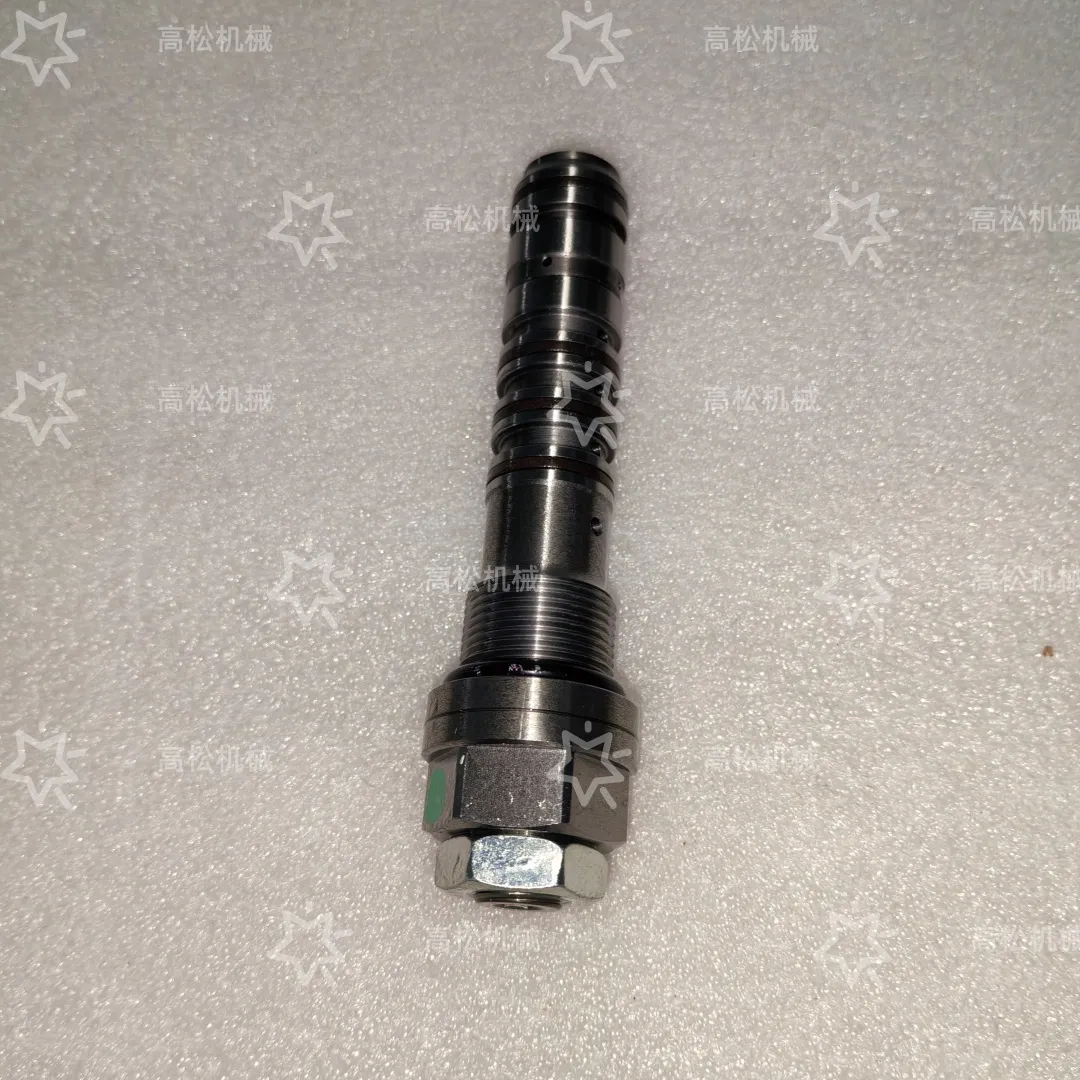 EXCAVATOR 708-2G-03720 7082G03720 VALVE ASSEMBLY 0.4KG for PC300 PC350 PC360 PC390 PC390LL CONSTRUCTION MACHINERY PARTS
 -
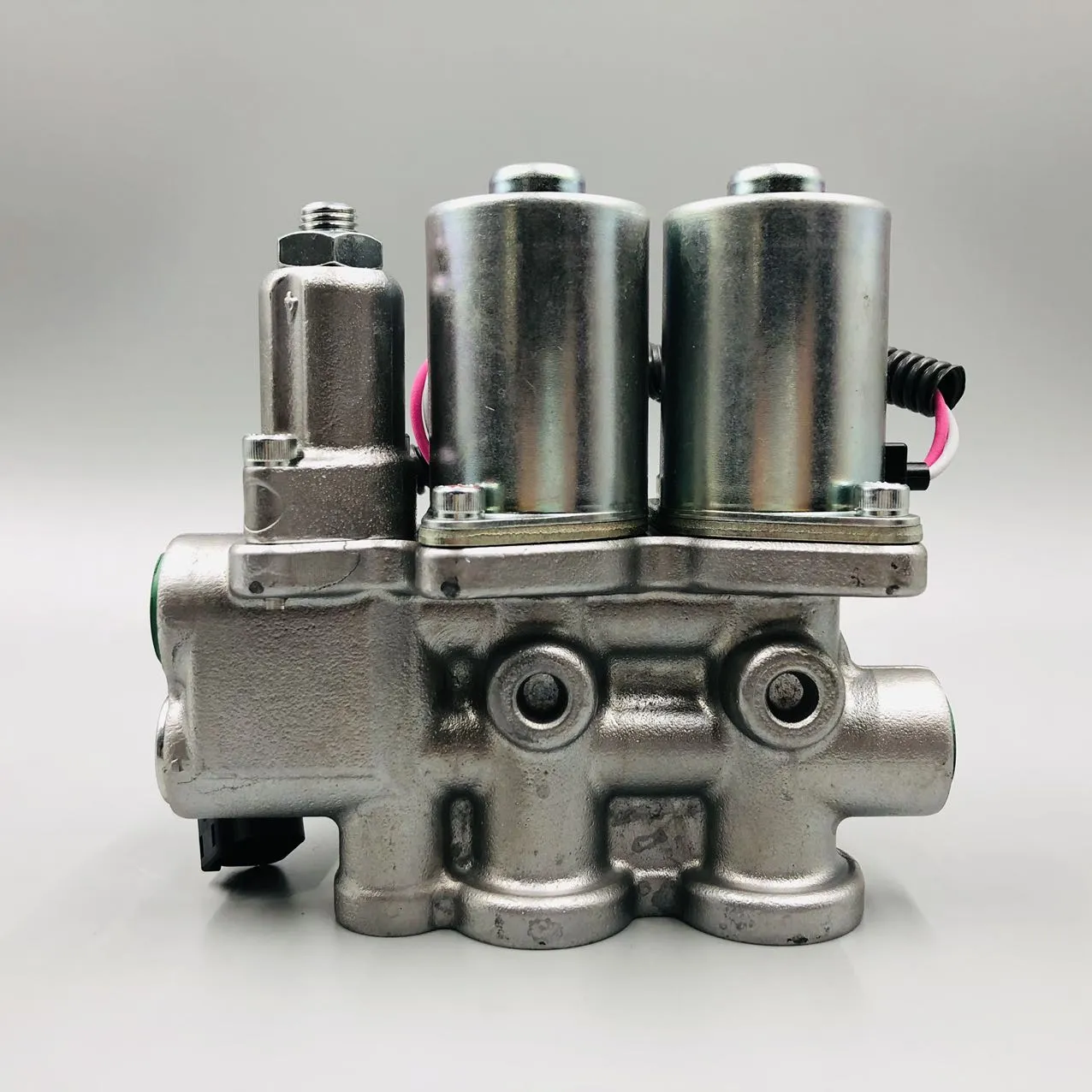 22F-60-31600Valve assembly
 -
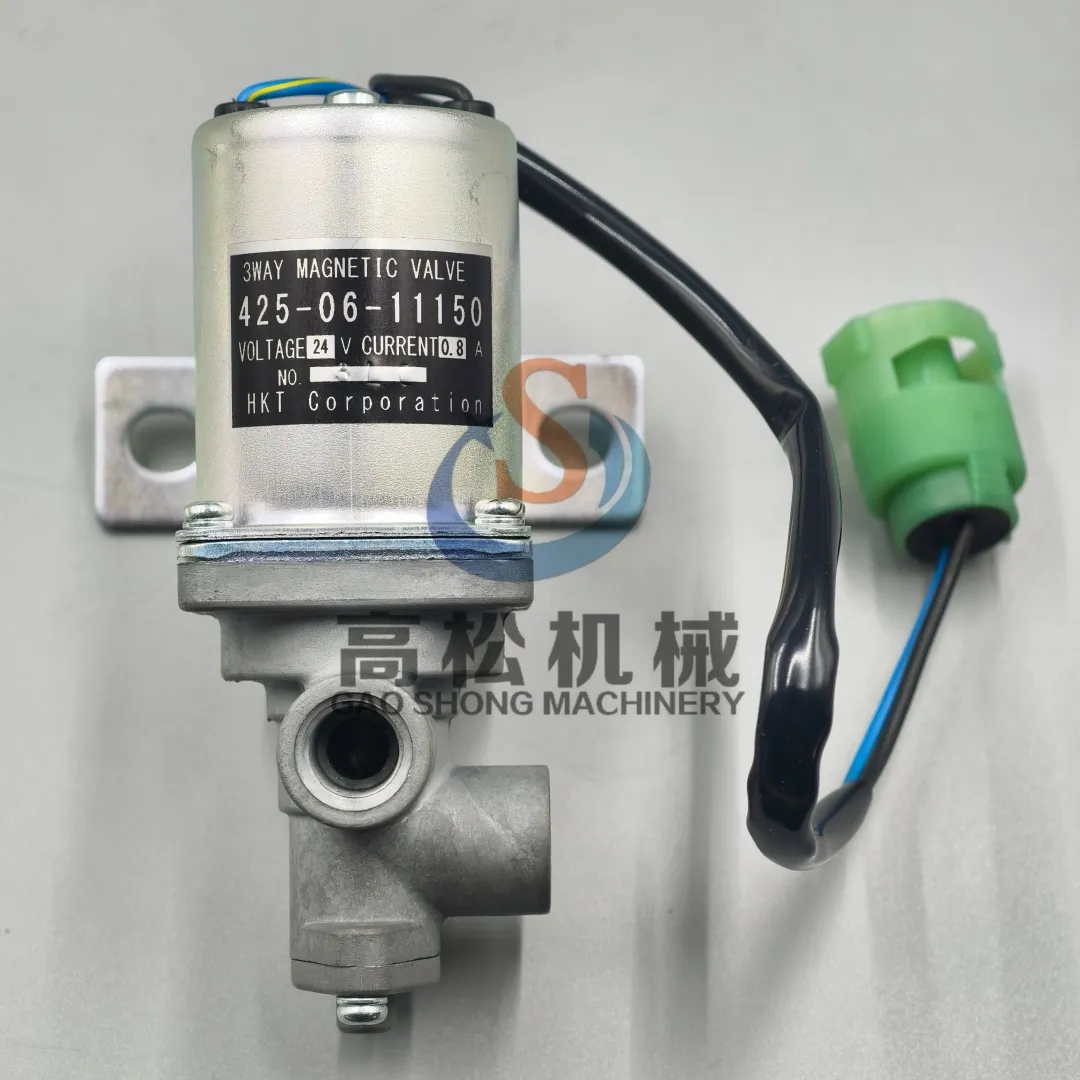 Komatsu Relay 425-06-11150 for Wheel loader WA600-1 12V