
- Chinese
- French
- German
- Portuguese
- Spanish
- Russian
- Japanese
- Korean
- Arabic
- Irish
- Greek
- Turkish
- Italian
- Danish
- Romanian
- Indonesian
- Czech
- Afrikaans
- Swedish
- Polish
- Basque
- Catalan
- Esperanto
- Hindi
- Lao
- Albanian
- Amharic
- Armenian
- Azerbaijani
- Belarusian
- Bengali
- Bosnian
- Bulgarian
- Cebuano
- Chichewa
- Corsican
- Croatian
- Dutch
- Estonian
- Filipino
- Finnish
- Frisian
- Galician
- Georgian
- Gujarati
- Haitian
- Hausa
- Hawaiian
- Hebrew
- Hmong
- Hungarian
- Icelandic
- Igbo
- Javanese
- Kannada
- Kazakh
- Khmer
- Kurdish
- Kyrgyz
- Latin
- Latvian
- Lithuanian
- Luxembou..
- Macedonian
- Malagasy
- Malay
- Malayalam
- Maltese
- Maori
- Marathi
- Mongolian
- Burmese
- Nepali
- Norwegian
- Pashto
- Persian
- Punjabi
- Serbian
- Sesotho
- Sinhala
- Slovak
- Slovenian
- Somali
- Samoan
- Scots Gaelic
- Shona
- Sindhi
- Sundanese
- Swahili
- Tajik
- Tamil
- Telugu
- Thai
- Ukrainian
- Urdu
- Uzbek
- Vietnamese
- Welsh
- Xhosa
- Yiddish
- Yoruba
- Zulu
- Kinyarwanda
- Tatar
- Oriya
- Turkmen
- Uyghur





komatsu hydraulic pump parts
When you're deep in a rebuild or facing downtime, Komatsu hydraulic pump parts isn't just a search term—it's a problem statement. The immediate assumption is to go straight to the OEM channel, which is correct for core assemblies or under-warranty machines. But the reality on the ground, especially for older models like the PC200-6 or the PC300-7, is that the official pipeline can be slow, prohibitively expensive, or simply list the part as obsolete. That's where the whole ecosystem of suppliers, rebuild kits, and compatibility claims gets messy. I've seen too many mechanics order a genuine swashplate or piston assembly only find out it's a high-quality clone, or worse, a part that doesn't match the serial number break. The keyword itself is a gateway into a world of nuance.
The OEM Promise vs. The Field Reality
Let's be clear: nothing beats a genuine Komatsu part for a machine in its prime. The metallurgy, the tolerances, the seal quality—it's all engineered as a system. I remember a PC360LC-10 where we used an aftermarket main control valve seal kit. It held pressure for about 200 hours before a slight weep started. Not a catastrophic failure, but enough to trigger a fault code and annoy the operator. When we finally put the OEM kit in, the difference was in the compound of the O-rings; they were just slightly more pliable yet durable. That's the kind of detail you pay for.
But here's the rub. For a pump from a mid-2000s machine, the OEM might only sell the complete rotating group or even the entire pump assembly. You can't just get the nine individual pistons for a PV series pump anymore; they'll sell you the barrel assembly as one unit. This turns a $1500 rebuild into a $7000 replacement. That's where the aftermarket and specialist suppliers carve their space. They reverse-engineer and manufacture those individual components—the valve plates, the cylinder barrels, the shaft splines. The quality spectrum is vast, from junk that'll grenade in 50 hours to parts that arguably match OEM specs.
This is why a company's stated position matters. A supplier like Jining Gaosong Construction Machinery Co., Ltd. explicitly notes they are an OEM product supplier within the Komatsu system and a third-party sales company. That phrasing is key. It means they likely have access to genuine channels for some items (maybe filters, seals, or specific components for newer models) but also provide alternative solutions for discontinued or hard-to-find parts. Their site, https://www.takematsumachinery.com, positions them to solve parts supply challenges in certain countries, which directly speaks to the real-world bottleneck many of us face: geographic supply chain gaps.
Identifying the Critical Wear Components
Not all pump parts are created equal. When you crack open a Komatsu hydraulic pump, you're looking for specific failure points. The valve plate (also called the port plate) is usually the first to show wear—those crescent-shaped scoring marks are telltale. Then you check the cylinder barrel and piston shoes. The pistons themselves can wear, but often it's the shoe's ball socket that gets loose. I keep a magnetic base dial indicator just to check piston-to-barrier clearance; sometimes the barrel itself is salvageable if you can get a matched set of oversized pistons, but that's a precision job.
The bi-directional pump used in many Komatsu excavators adds another layer. The servo piston and its bore in the pump housing wear, leading to poor response and drift. Sourcing just that servo piston as a standalone part is nearly impossible from OEM for older units. You often have to find a machine shop that can re-sleeve the housing and match a new piston. Suppliers that understand this don't just sell parts; they sell solutions—sometimes a kit that includes the piston, seals, and maybe a bushing.
Then there's the shaft and its bearings. A worn shaft seal area will leak, but a scored shaft means replacement. Aftermarket shafts can be a gamble. I had one for a PC130 that was case-hardened just a bit too shallow; it wore prematurely where the DU bushing rode. The lesson? For rotating, load-bearing components, you either go genuine or you go with a supplier that provides full material certifications. A good test is to ask about the source of their bearing assemblies—if they name-drop brands like SKF or NTN, that's a better sign than a no-name part.
The Rebuild Kit Trap and Compatibility Nuances
The market is flooded with complete rebuild kits for Komatsu pumps. They're tempting—one SKU, supposedly everything you need. But they're also where most mistakes happen. First, the kit must be specific to the pump model and the serial number. A kit for a PV140-7A pump might not fit a PV140-7B; the seal sizes or the valve plate geometry could be off by a millimeter. I've wasted a day tearing down a pump only to find the supplied servo cover gasket was the wrong ID.
Second, what's complete? Many kits include all seals, gaskets, O-rings, and maybe the valve plate. But they rarely include the major wear items: the cylinder barrel, pistons, or swashplate. You need to diagnose before you order. I now always do a full disassembly, lay every component on a clean bench, measure, and then make a parts list. It's slower upfront but saves time and money.
This is where a supplier's technical support is invaluable. Can you call them with the pump serial number and get a confirmation on fitment? Do they ask for photos of the worn components? The website for Jining Gaosong Construction Machinery mentions solving supply challenges. In practice, that should translate to having the technical data to cross-reference parts across machine serial numbers, not just a generic catalog. A good supplier acts as a filter against incorrect parts.
Sourcing and the Genuine Alternative
Let's talk sourcing strategy. For critical, high-wear items in the main pressure circuit—like the valve plate and cylinder barrel pair—I still lean towards OEM if available and budget allows. The risk of premature failure is too high. For seal kits, gaskets, and bearings, a high-quality aftermarket from a reputable source is often perfectly adequate. The seals might be from NOK or Parker, which are OEM-grade anyway.
The OEM product supplier within the Komatsu system claim by a company like Gaosong is interesting. It suggests they might have access to overstock, regional inventory, or even parts produced under Komatsu's tiered supply system that are otherwise not exported. This can be a goldmine for specific components. For example, finding a genuine Komatsu hydraulic pump drive shaft seal for a D65EX-12 might be possible through such a channel when the local dealer says it's NLA (No Longer Available).
Their role as a third-party seller fills the gap. They can offer a new, non-OEM cylinder barrel that's been manufactured to spec. The key is transparency. Is the part sold as OEM-equivalent or genuine? The former is an honest aftermarket part; the latter should be in a Komatsu box. Blurring that line is a red flag. A reliable supplier will be upfront about the origin of each part number they list.
Practical Takeaways and a Final Thought
So, when you next search for Komatsu hydraulic pump parts, move beyond the keyword. Start with the exact pump model and serial number from the machine's tag or service manual. Diagnose thoroughly before ordering. Prioritize OEM for critical rotating group components if feasible. For seals, bearings, and gaskets, a trusted aftermarket source is smart economics.
Consider suppliers that operate in both worlds, like the mentioned Jining Gaosong Construction Machinery Co., Ltd.. Their dual role means they potentially offer a one-stop shop: genuine parts where it counts, and vetted alternatives where the OEM option is gone or unrealistic. Their value isn't just in inventory, but in the technical knowledge to navigate Komatsu's complex parts history and regional availability issues.
Ultimately, it's about mitigating risk and cost. A pump rebuild is a significant investment in labor and machine downtime. The right part, from the right source, isn't just a purchase—it's insurance. Don't just buy a component; buy from a source that understands the consequences if that component fails. That's the real difference between a parts seller and a partner in maintenance.
Related Products
Related Products
Best Selling Products
Best Selling Products-
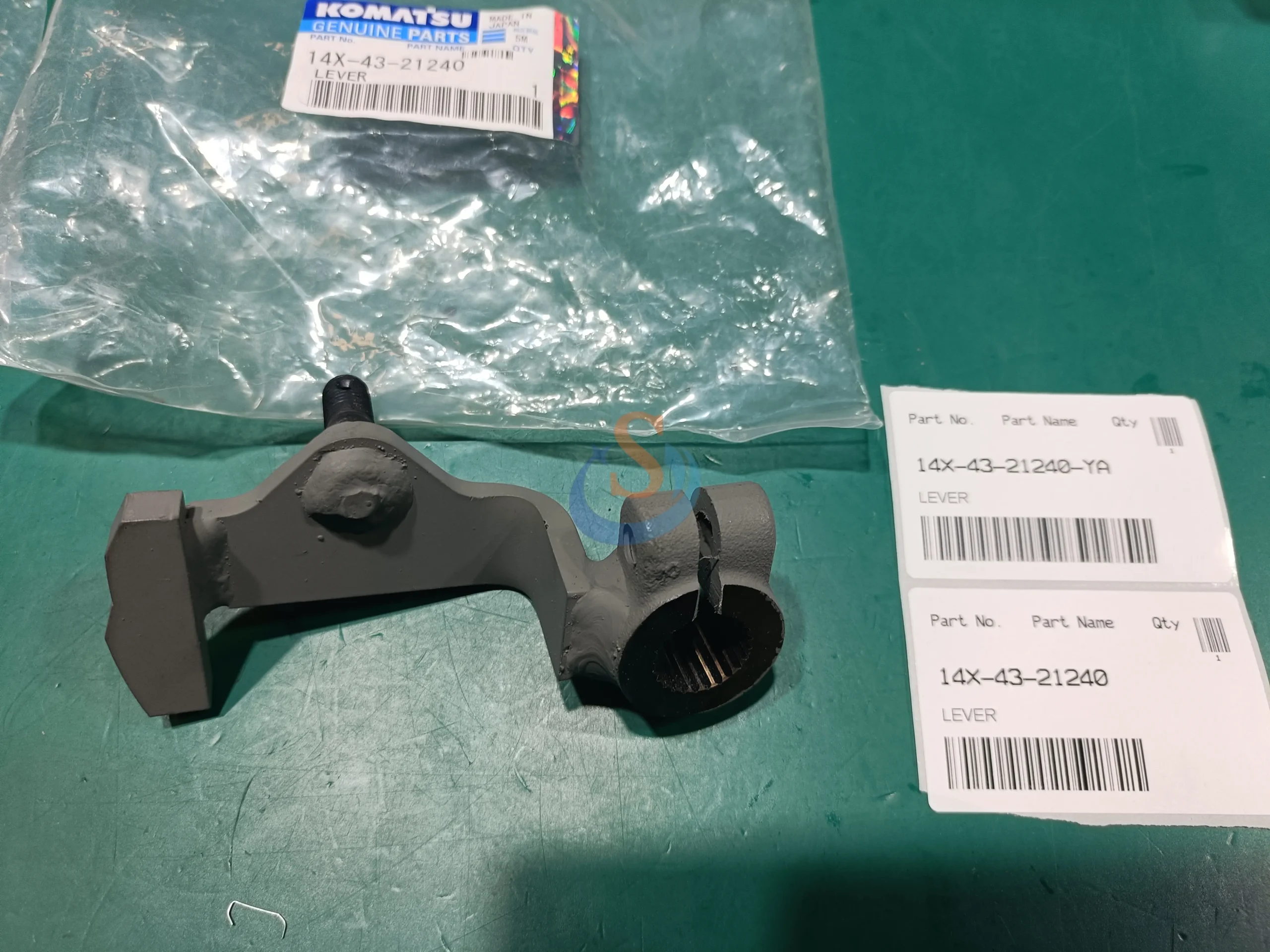 14X-43-21240,LEVER
 -
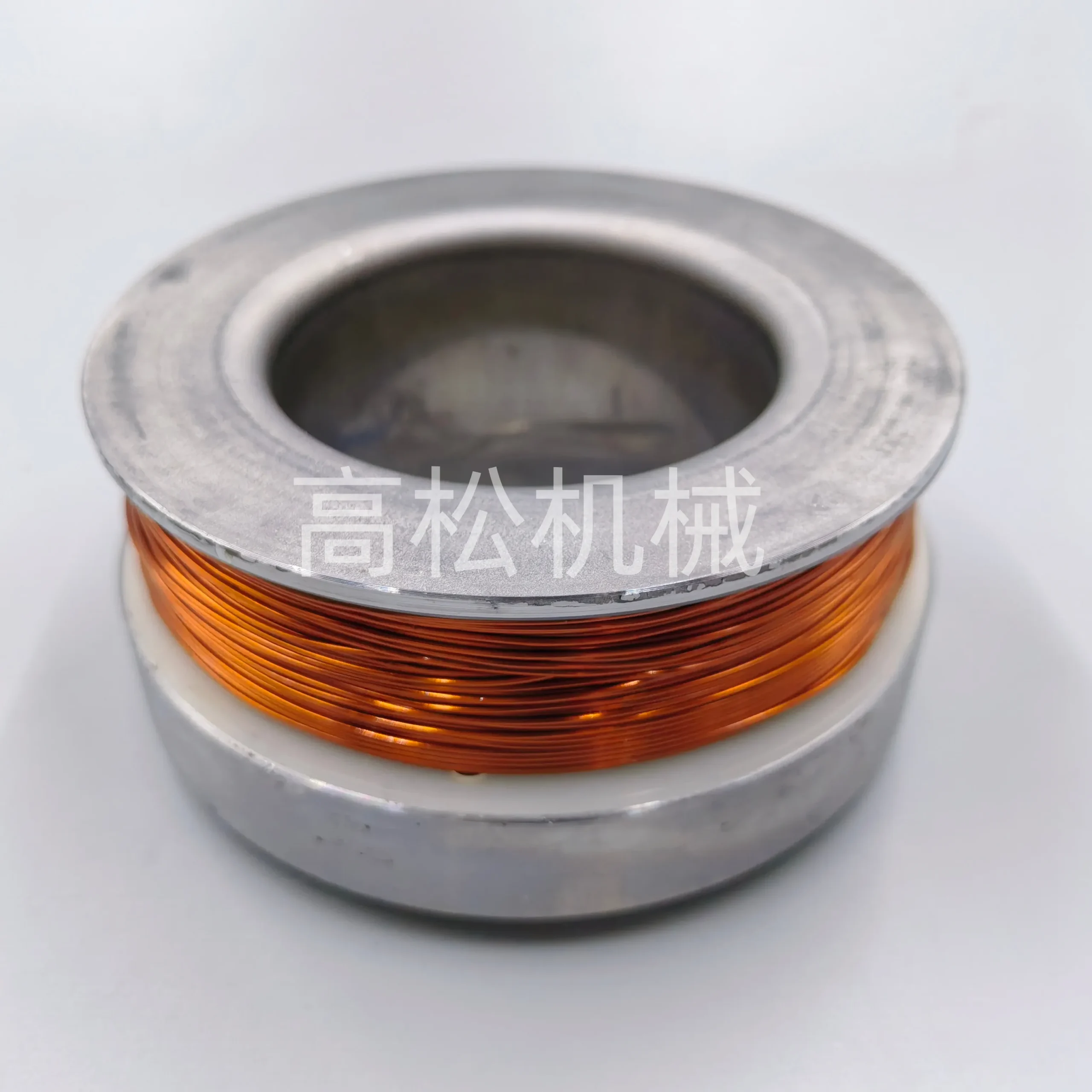 Komatsu KD0-35120-0250 FIELD COIL ASS’Y, price… — Pricing.Parts
 -
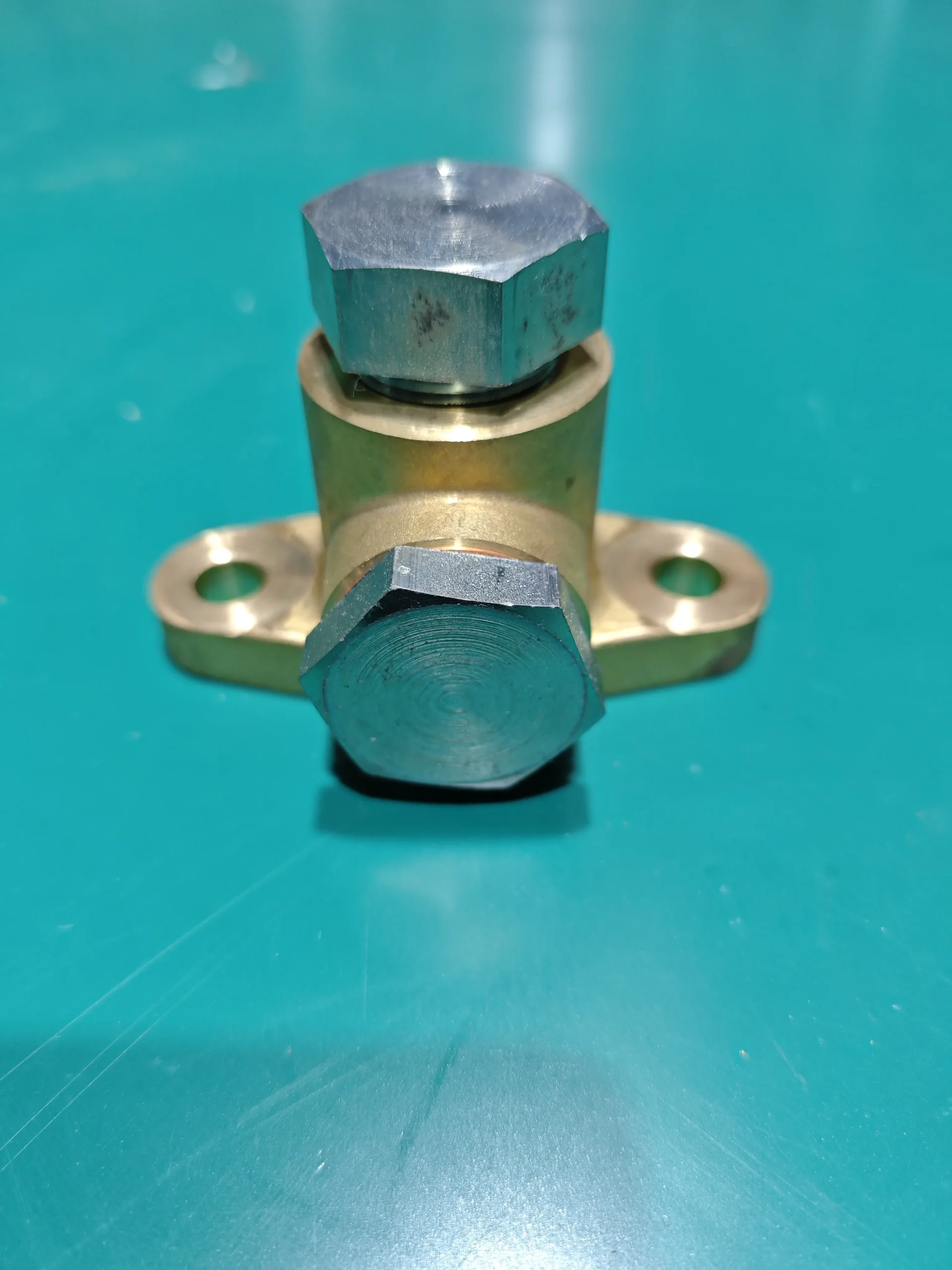 6693-22-5600 VALVE ASS’Y,OIL PAN DRAIN (Komatsu)
 -
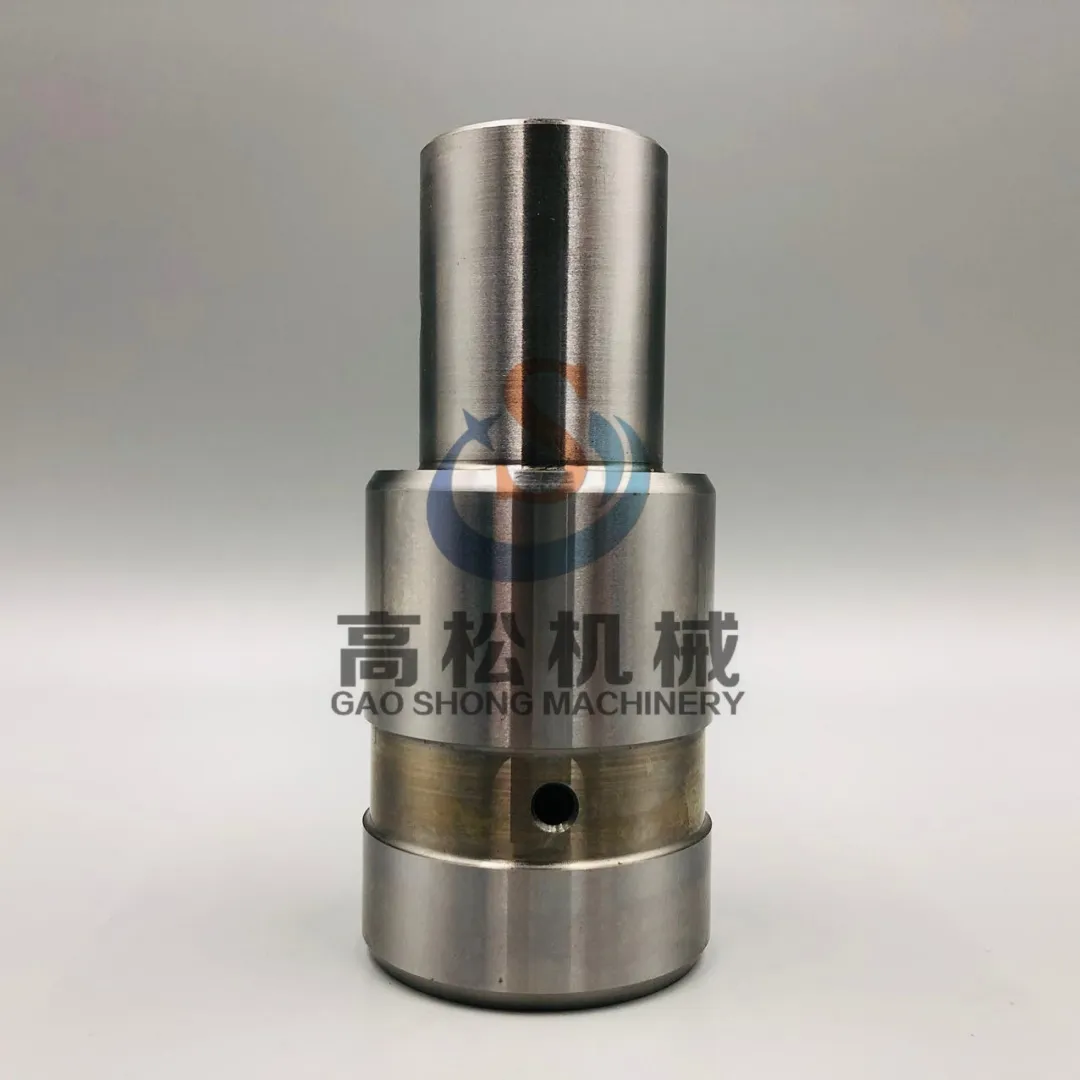 komatsu 6240-61-4630 shaft komatsu original
 -
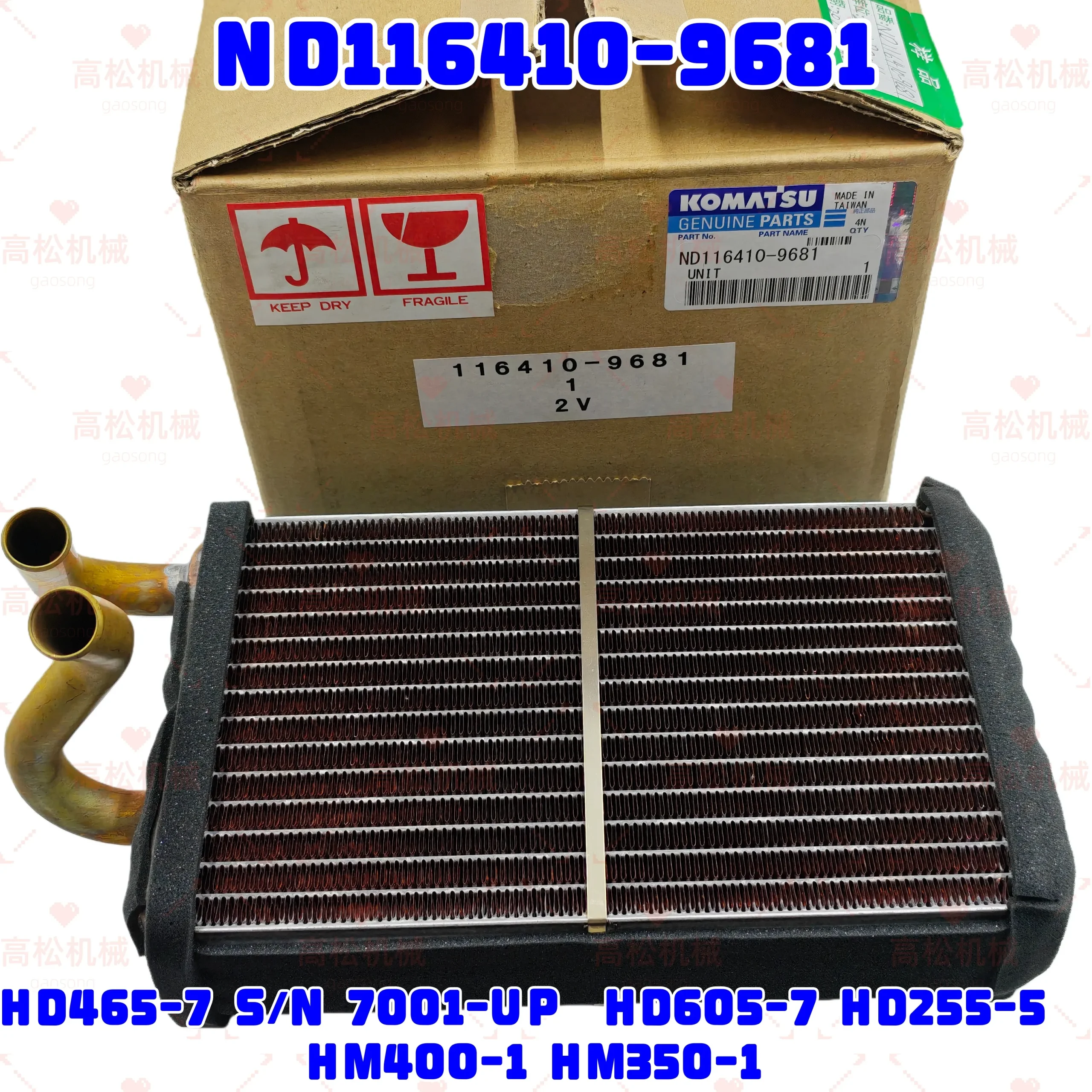 IMIFAFTAbT 702-16-02290 702-16-02210 Lever Assembly Fits for Komatsu D65EX-16 D65PX-16 D65WX-16 D275A-5R D155AX-6 Bulldozer
 -
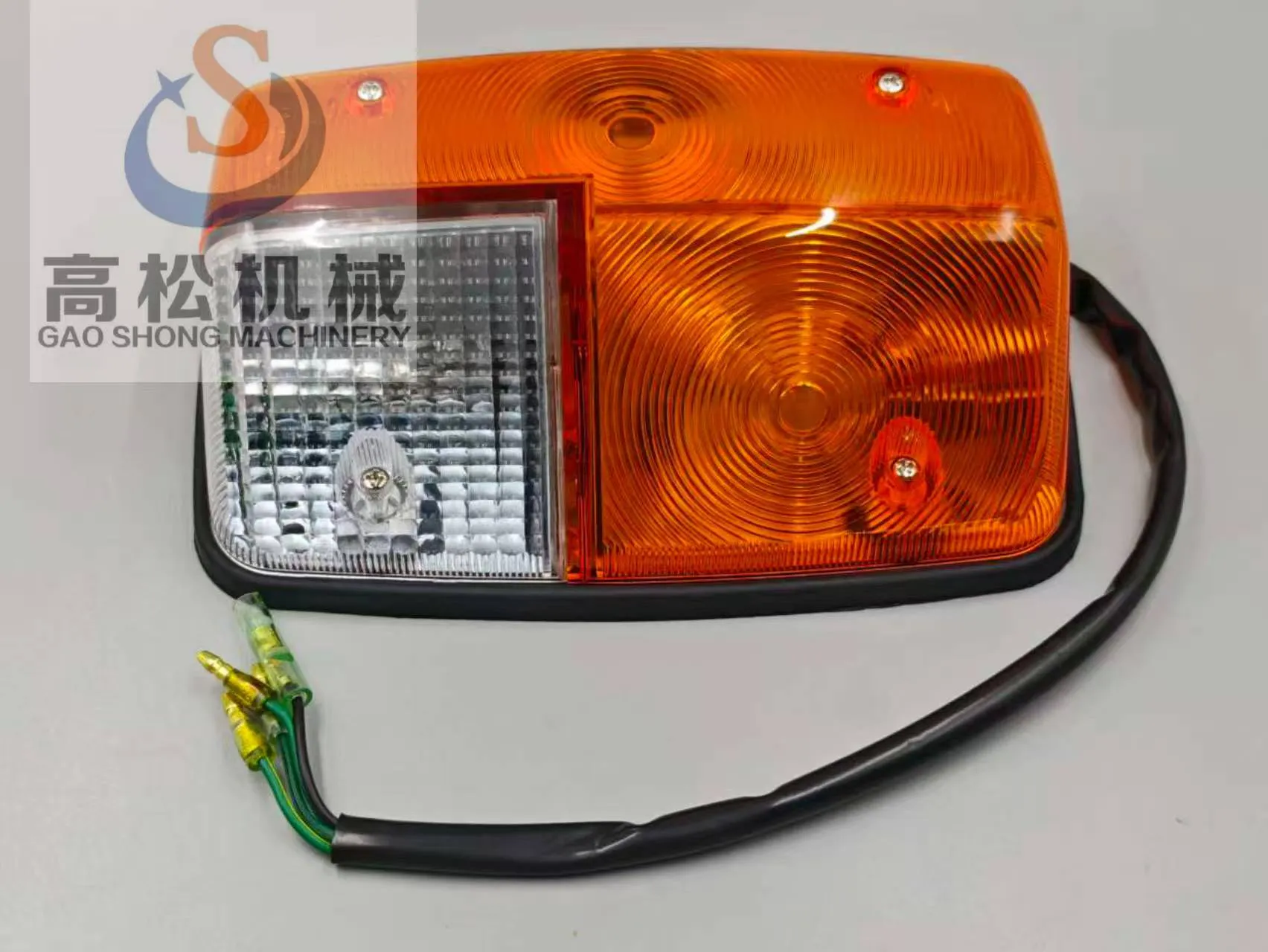 High quality, sales leader, light assembly 421-06-13401 421-06-13301, light assembly for komatsu gd405a-2 hd785-5lc 542 558
 -
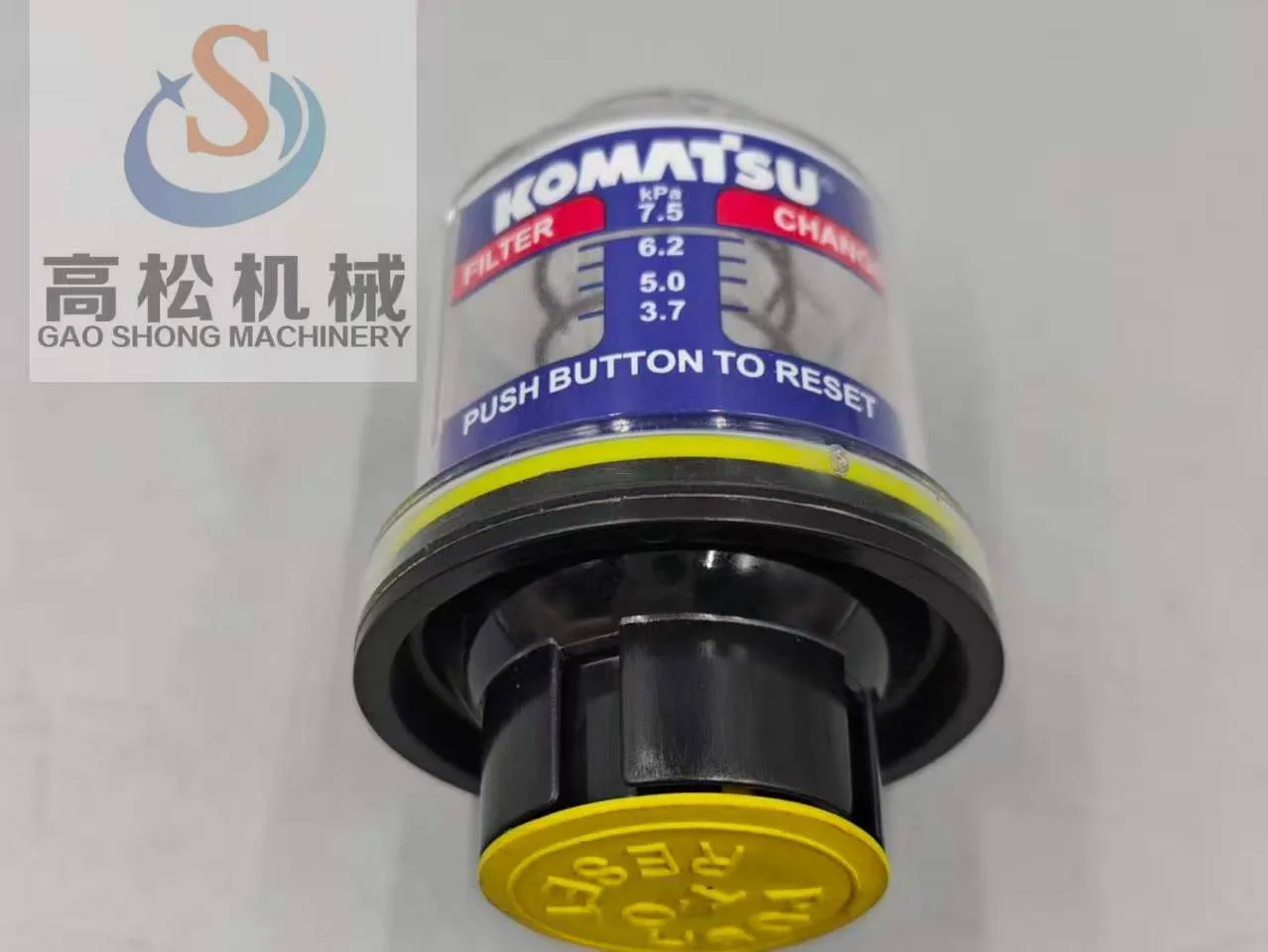 Komatsu GD405A-3 6D125E engine original factory engineering parts Indicator 08672-01000
 -
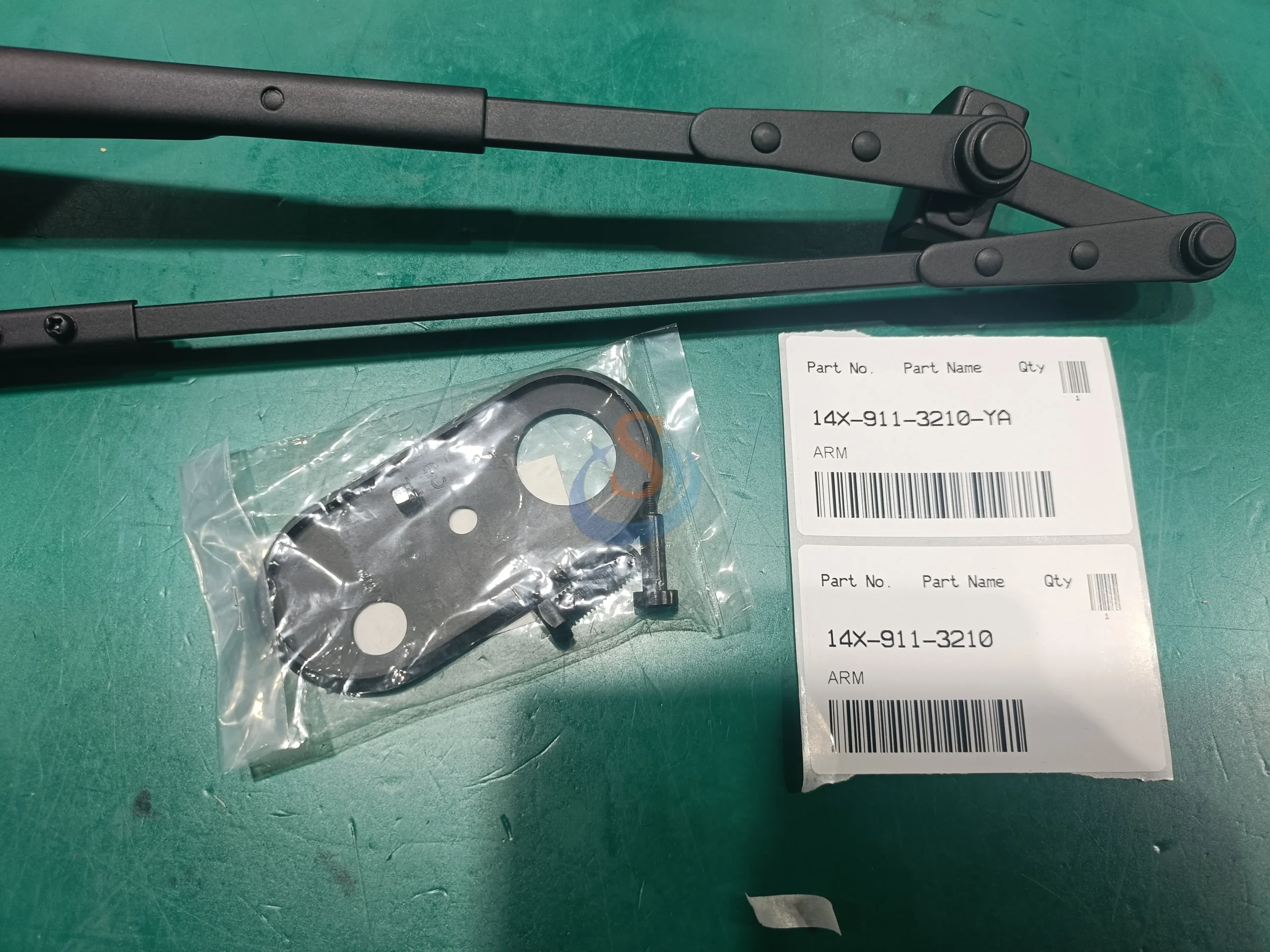 14X-911-3210,ARM,D65PX,D155A,D275A,D375A
 -
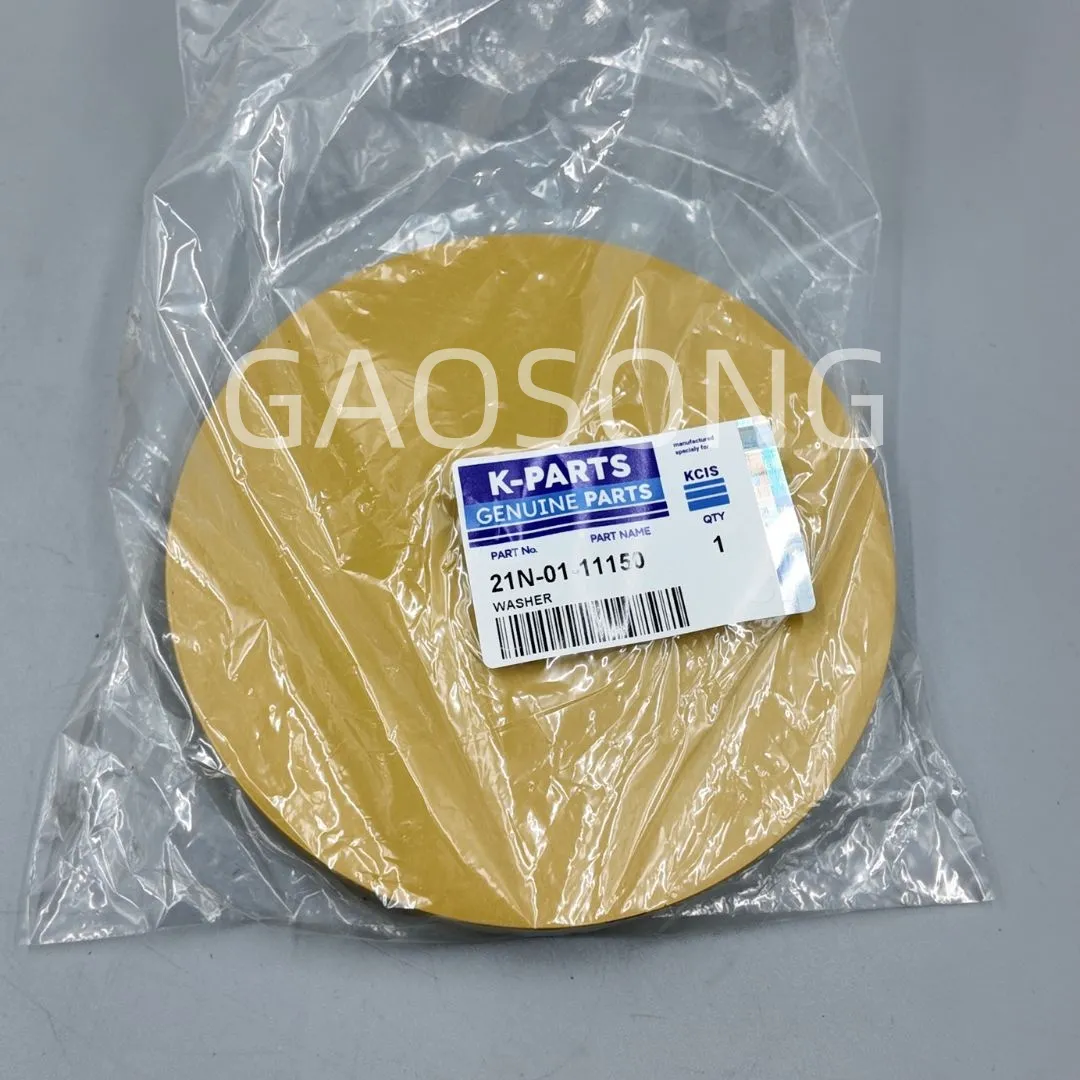 21N-01-11150 WASHER-Komatsu Original Factory
 -
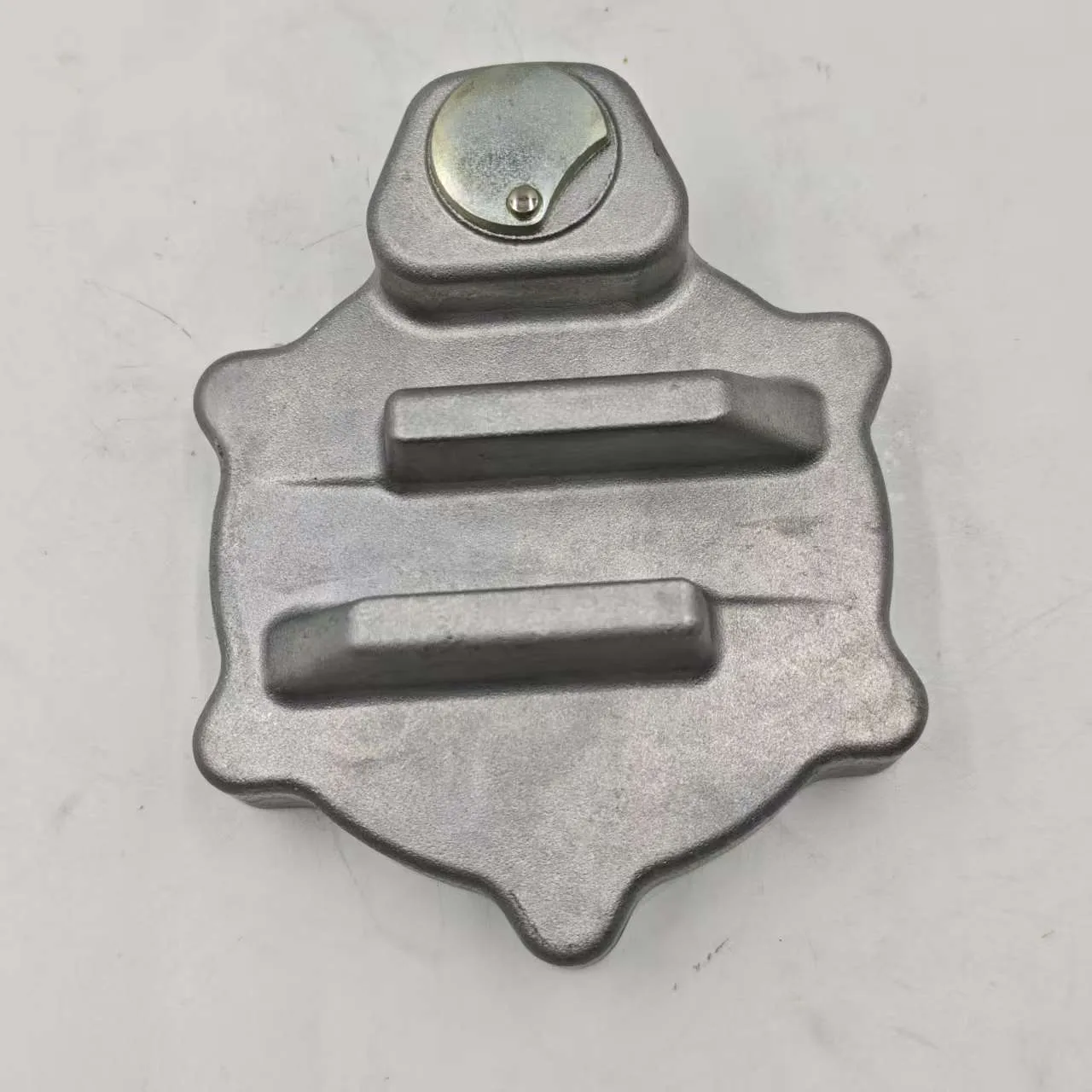 07053-10000 Cap-Radiator Fits KOMATSUU Models
 -
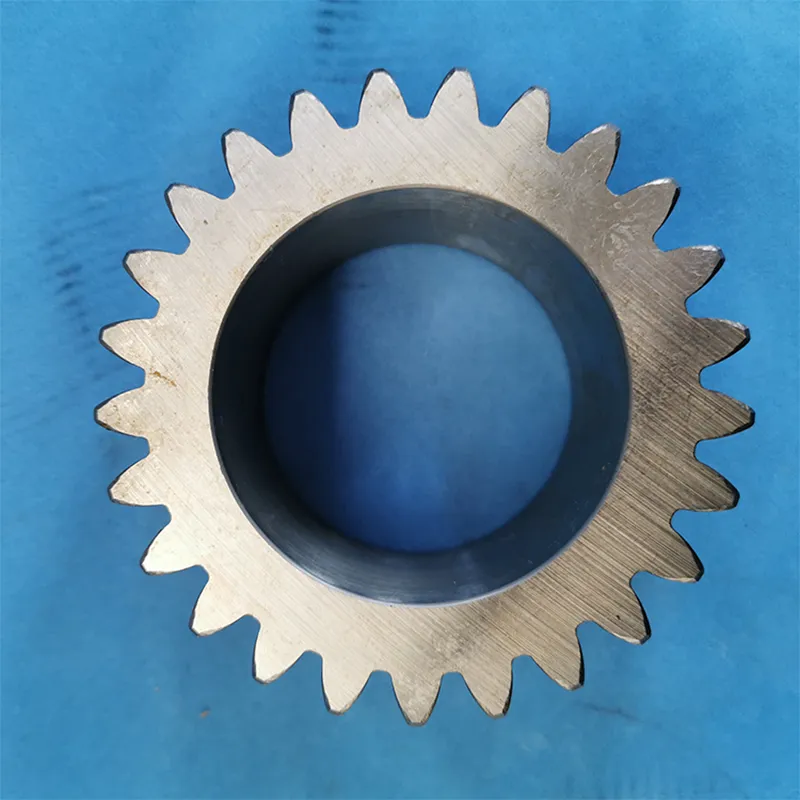 Komatsu original D155A-3 Valve Assembly 17A-49-21100
 -
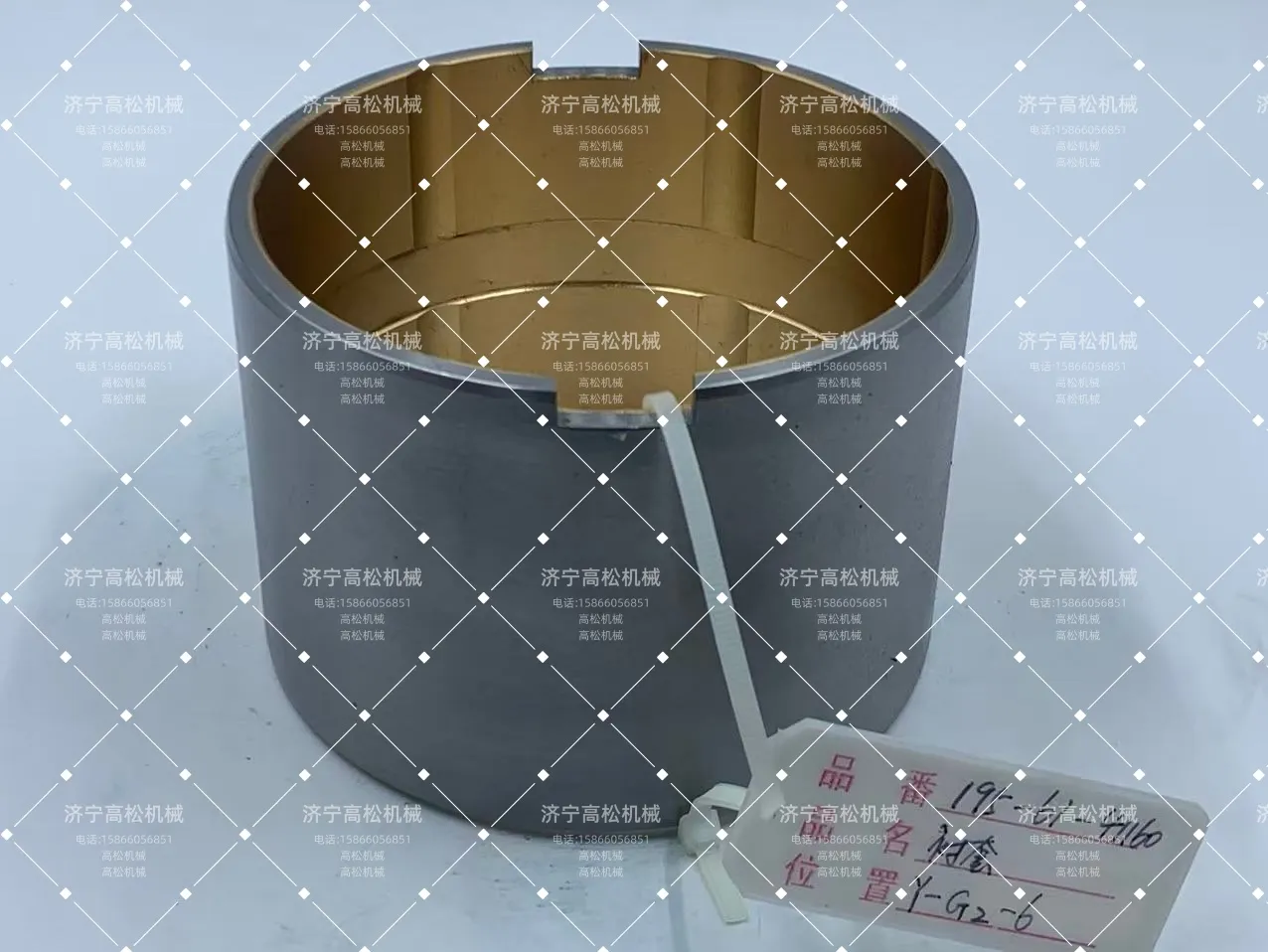 Komatsu original D375A-1 Sleeve 195-61-41160 – Jining Gaosong…