
- Chinese
- French
- German
- Portuguese
- Spanish
- Russian
- Japanese
- Korean
- Arabic
- Irish
- Greek
- Turkish
- Italian
- Danish
- Romanian
- Indonesian
- Czech
- Afrikaans
- Swedish
- Polish
- Basque
- Catalan
- Esperanto
- Hindi
- Lao
- Albanian
- Amharic
- Armenian
- Azerbaijani
- Belarusian
- Bengali
- Bosnian
- Bulgarian
- Cebuano
- Chichewa
- Corsican
- Croatian
- Dutch
- Estonian
- Filipino
- Finnish
- Frisian
- Galician
- Georgian
- Gujarati
- Haitian
- Hausa
- Hawaiian
- Hebrew
- Hmong
- Hungarian
- Icelandic
- Igbo
- Javanese
- Kannada
- Kazakh
- Khmer
- Kurdish
- Kyrgyz
- Latin
- Latvian
- Lithuanian
- Luxembou..
- Macedonian
- Malagasy
- Malay
- Malayalam
- Maltese
- Maori
- Marathi
- Mongolian
- Burmese
- Nepali
- Norwegian
- Pashto
- Persian
- Punjabi
- Serbian
- Sesotho
- Sinhala
- Slovak
- Slovenian
- Somali
- Samoan
- Scots Gaelic
- Shona
- Sindhi
- Sundanese
- Swahili
- Tajik
- Tamil
- Telugu
- Thai
- Ukrainian
- Urdu
- Uzbek
- Vietnamese
- Welsh
- Xhosa
- Yiddish
- Yoruba
- Zulu
- Kinyarwanda
- Tatar
- Oriya
- Turkmen
- Uyghur






komatsu hydraulic pump for sale
When you type 'komatsu hydraulic pump for sale' into a search bar, you're immediately thrown into a world of chaos. The price spread is insane, from suspiciously cheap to eye-wateringly high. A lot of guys just assume Komatsu means genuine, factory-new, but that's where the first trap is. There's the official OEM channel, the so-called OEM system suppliers, and then a vast ocean of aftermarket copies, rebuilds, and frankly, some junk. I've seen too many people buy a pump based on a model number match and price alone, only to have it fail in 200 hours because the internal tolerances were off or the materials couldn't handle the pressure. The label said for Komatsu PC200, but that's not the whole story.
The Real Meaning of OEM within the Komatsu System
This is a term you hear a lot, and it's often misunderstood. It doesn't automatically mean the part is coming off the same assembly line as the one installed at Komatsu's main factory. In my experience, it often refers to licensed manufacturers who produce specific components to Komatsu's exact engineering drawings and quality protocols. They are part of the authorized supply chain. The value here is consistency. I've worked with a supplier that fits this description, Jining Gaosong Construction Machinery Co., Ltd.. They position themselves as an OEM product supplier within the Komatsu system. What that translates to on the ground is parts that meet the spec. You're not getting a reverse-engineered guess; you're getting the blueprint.
The practical difference? I once compared a pump from such a system supplier against a top-tier aftermarket unit. The aftermarket one looked perfect externally, even had better surface finishing. But under a micrometer, the gear shaft diameters varied just outside tolerance. It ran, but it was noisier and generated more heat over time, which kills the oil. The system supplier part matched the worn-out genuine pump I took off, bolt-hole for bolt-hole, down to the casting marks. That's the kind of reliability you're paying for.
Their role as a third-party sales company for Komatsu is also key. It's not just about selling parts; it's about filling gaps. In some regions, getting a genuine pump through official channels can take months due to logistics or local distributor issues. Companies like Gaosong operate in that space, helping to solve parts supply challenges. You can find them at https://www.takematsumachinery.com. It's a specific solution for a specific problem—when you need a Komatsu-spec part faster than the traditional pipeline can deliver.
Decoding the For Sale Listings: Model Numbers Are Just the Start
PC200-8, PC300, PC360... everyone leads with the machine model. But for hydraulic pumps, that's only half the battle. The serial number of your machine, or better yet, the part number stamped on the old pump housing, is king. Komatsu makes running changes. A pump for an early PC200-8 might have a different valve plate or swashplate design than one for a late-model -8. I learned this the hard way years ago. We ordered a PC300-6 pump, installed it, and it worked... but the hydraulic response was sluggish. Turns out we had a machine with an optional high-flow configuration. The standard replacement pump couldn't deliver. We lost a week of downtime.
Now, I always cross-reference. I'll take the part number from the old unit and check it against the supplier's list. A good supplier won't just ask for your machine model; they'll drill down into the serial number or the component code. The listings on Takematsu Machinery's site often have these detailed application charts, which is a good sign. It shows they understand the nuance.
Then there's the condition: New, Remanufactured, Used. New from a system supplier is your best bet for a like-new lifespan. Remanufactured is a minefield. A proper reman process should involve stripping the pump completely, replacing all seals, bearings, and any worn components, grinding or replacing the valve plate and cylinder block, and testing under load. A cheap reman might just be a clean-and-paint job with new seals. Always ask for the rebuild sheet and warranty terms. A one-year warranty on a reman pump is standard for a quality job.
The On-Site Reality: Installation Isn't Plug-and-Play
Even with the perfect pump in hand, the job isn't done. The biggest mistake is slapping a new pump onto a system full of contaminated oil. It's a death sentence. I always insist on a full hydraulic oil change and filter replacement, and I mean all the filters, including the suction strainer that everyone forgets. If the old pump failed catastastically, sending metal through the system, you need to flush. No shortcuts.
Another real-world hiccup is the alignment and coupling. The pump doesn't mount directly to the engine; there's a coupling in between. If that coupling is worn or the alignment is out, you'll get vibration and premature wear on the new pump's shaft. I've seen a brand-new pump develop a shaft seal leak in under 50 hours because the old, slightly distorted coupling was reused. Now, it's a standard check on my list: inspect the coupling for wear and check the runout.
Priming the pump is another simple but critical step. Before you fire up the engine, fill the pump case with clean hydraulic oil through the drain port. A dry start, even for a few seconds, can score the internals. It's a basic step, but in the rush to get a machine back online, it's often overlooked by less experienced crews.
Cost vs. Value: The Total Downtime Equation
The initial price tag on a Komatsu hydraulic pump for sale is just one line item. The real cost is Total Downtime: part cost + shipping time + installation labor + risk of failure. A $3,000 aftermarket pump that fails in 6 months and takes 2 weeks to source a replacement is far more expensive than a $5,500 system supplier pump that runs for the expected 10,000-hour lifecycle.
This is where the value of a reliable supplier chain becomes tangible. If a company like Jining Gaosong can reliably supply OEM-system parts and cut the shipping wait from 12 weeks to 2-3 weeks, they're not just selling a pump; they're selling productivity. For a contractor with a key machine down, that time saving is worth a premium. Their stated mission of helping to solve parts supply challenges in certain countries directly addresses this pain point.
You also have to factor in ancillary costs. A failing pump can send debris into the entire hydraulic system, damaging valves, cylinders, the main control block. That's a $20,000+ repair bill. Using a pump of known, verifiable quality is a form of insurance. It's about protecting the rest of the machine's most expensive systems.
When to Consider Alternatives (And When Not To)
There are scenarios where a non-genuine pump might be a calculated risk. For an older machine, say a Komatsu PC220-3, where the resale value is low and it's on light-duty tasks. A quality remanufactured pump from a trusted rebuilder can be a cost-effective choice. The key is trusted. You need a rebuilder with a reputation, not a random online seller.
However, for newer, Tier 4 Final or electric-controlled machines, straying from OEM or system-supplier parts is extremely risky. The pump on these machines isn't a standalone component; it's integrated with the engine ECU and the machine's monitoring systems. The wrong pump can cause communication errors, derate the engine, or trigger constant fault codes. The savings evaporate instantly when the machine is stuck in limp mode.
It always comes back to due diligence. Whether you're looking at a listing from a global marketplace or a specialized site like https://www.takematsumachinery.com, the questions are the same: Can you verify the source? Can you get technical support? What's the exact part number compatibility? What's the real-world lead time? The answer to 'komatsu hydraulic pump for sale' isn't a single product; it's a process of matching the right source to your specific machine, situation, and tolerance for risk. Getting that right is what separates a quick fix from a lasting repair.
Related Products
Related Products

Best Selling Products
Best Selling Products-
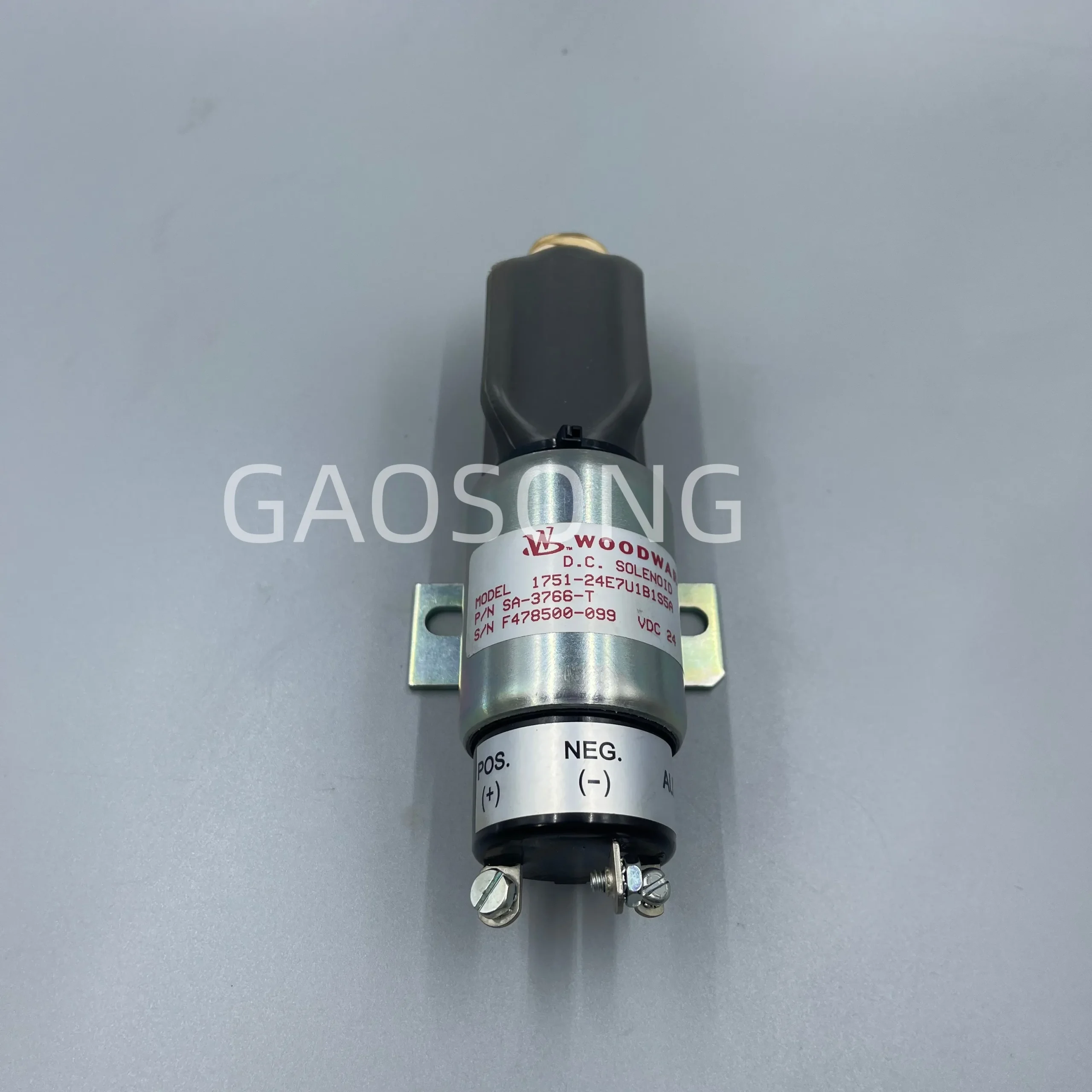 600-815-7550 SOLENOID ASS’Y–Komatsu Original Factory
 -
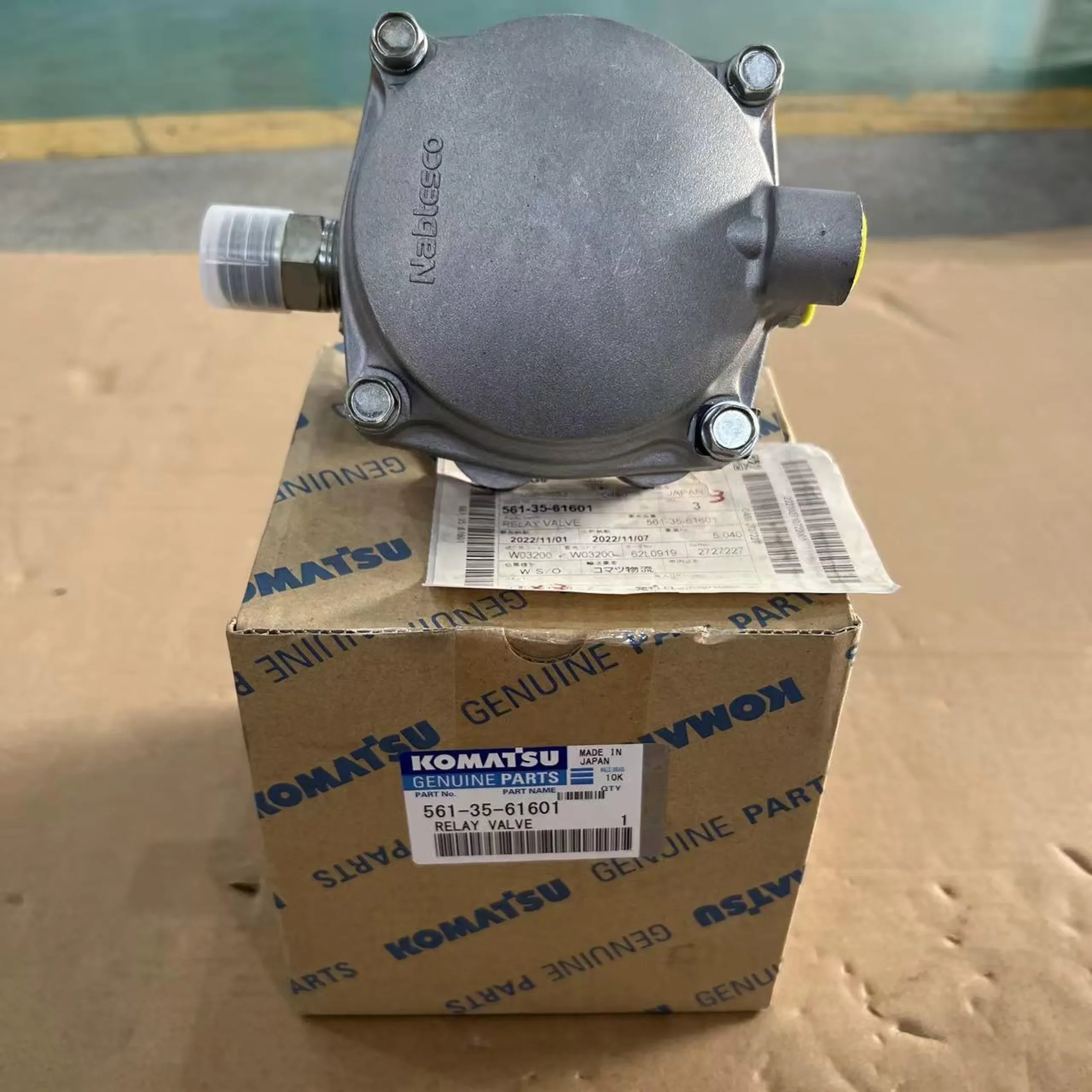 KOMATSU Relay Valve 561-35-61601 NIB
 -
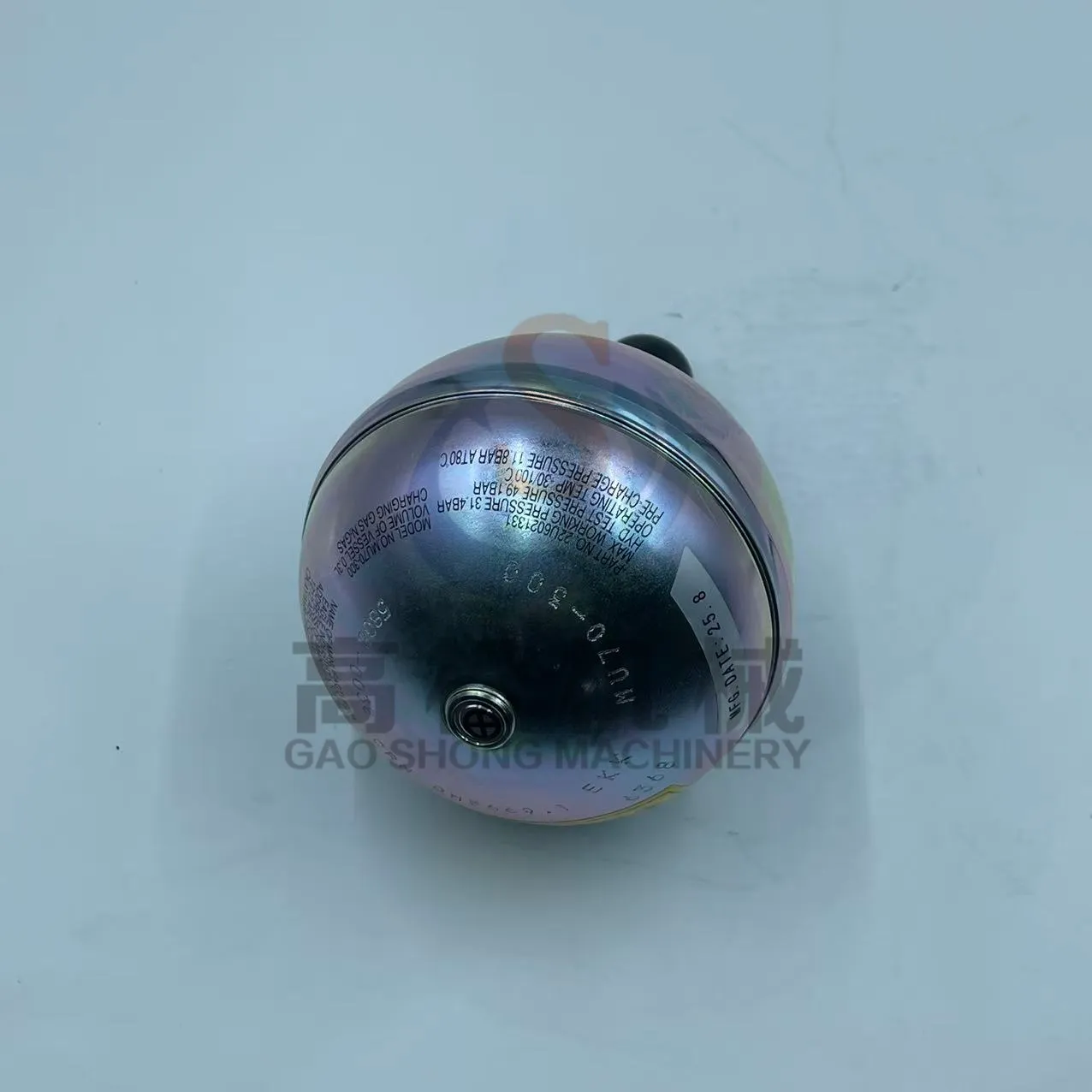 PC210 Excavator Accumulator 22U-60-21331 22U6021331 for Excavator PC300-8 PC350-8 PC130-8 PC200-8 PC220LC-8
 -
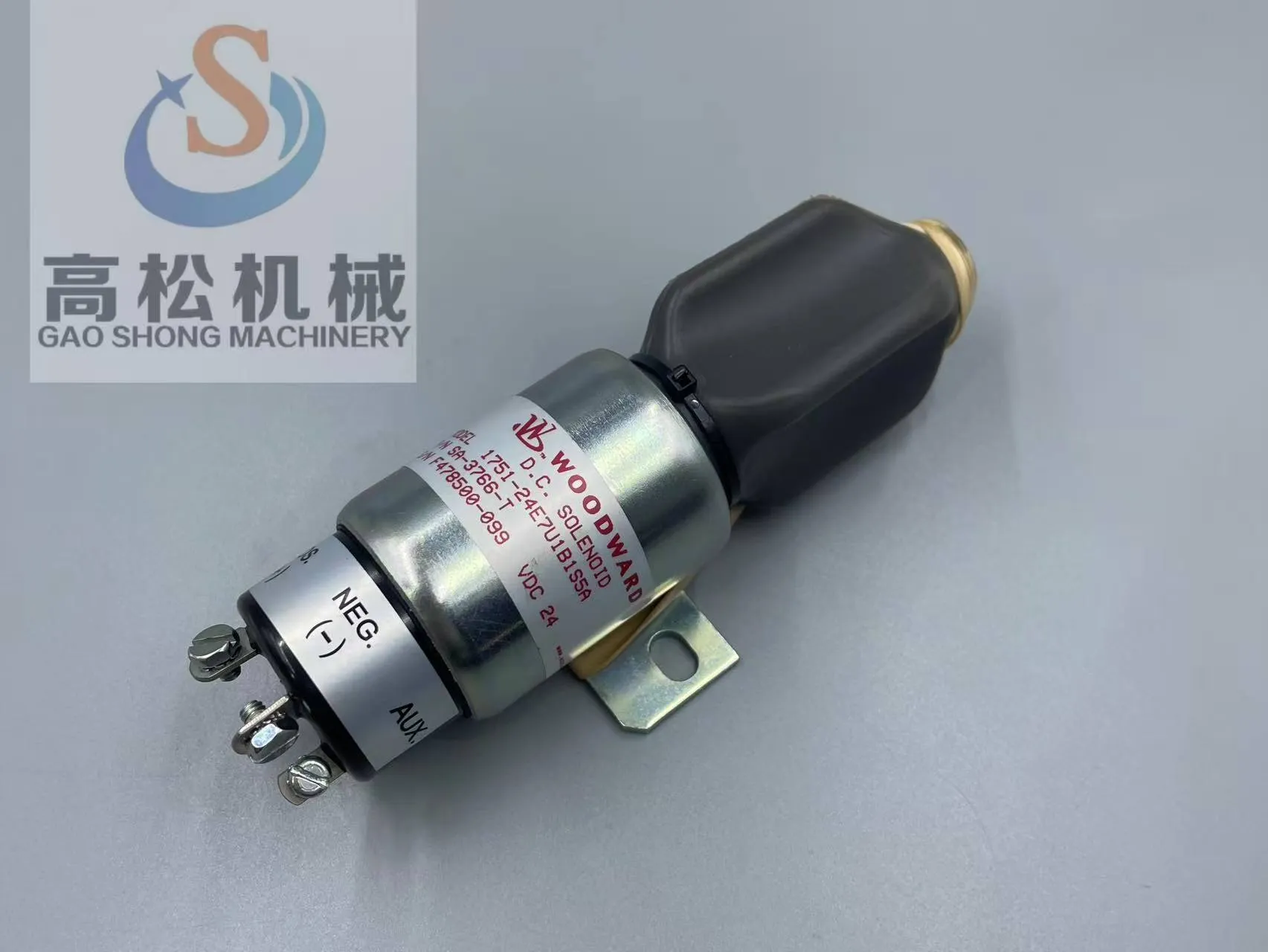 12v high quality electromagnetic stop valve for excavators pc75uu-3, pc78us-5, pc60-7e, pc78uu-6 with 4d95 engine (part number 600-815-7550)
 -
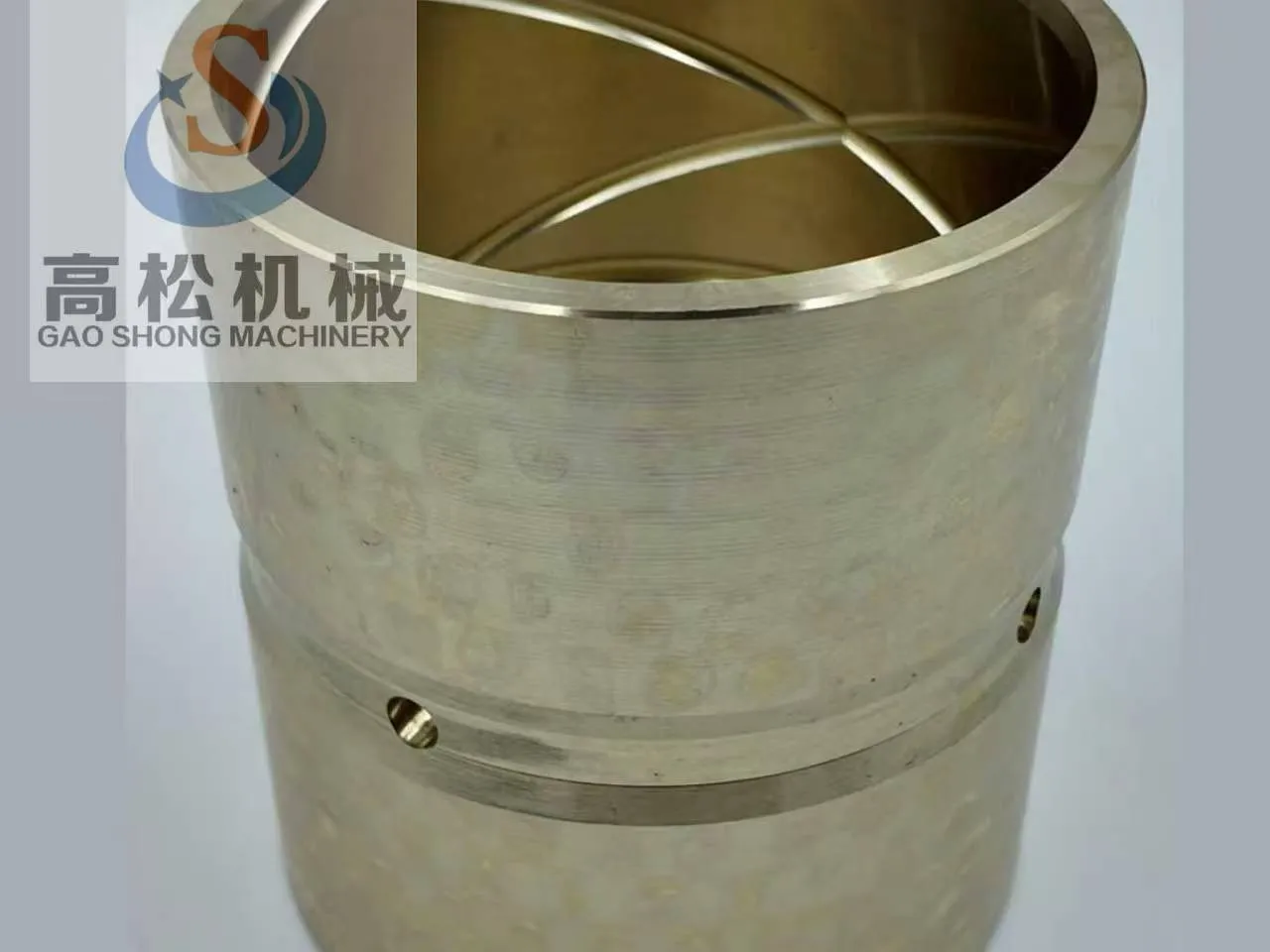 207-70-61610 Bushing For Excavator Komatsu PC300LC-7 PC300-8 PC300LC-7L PC300-7 PC350-7
 -
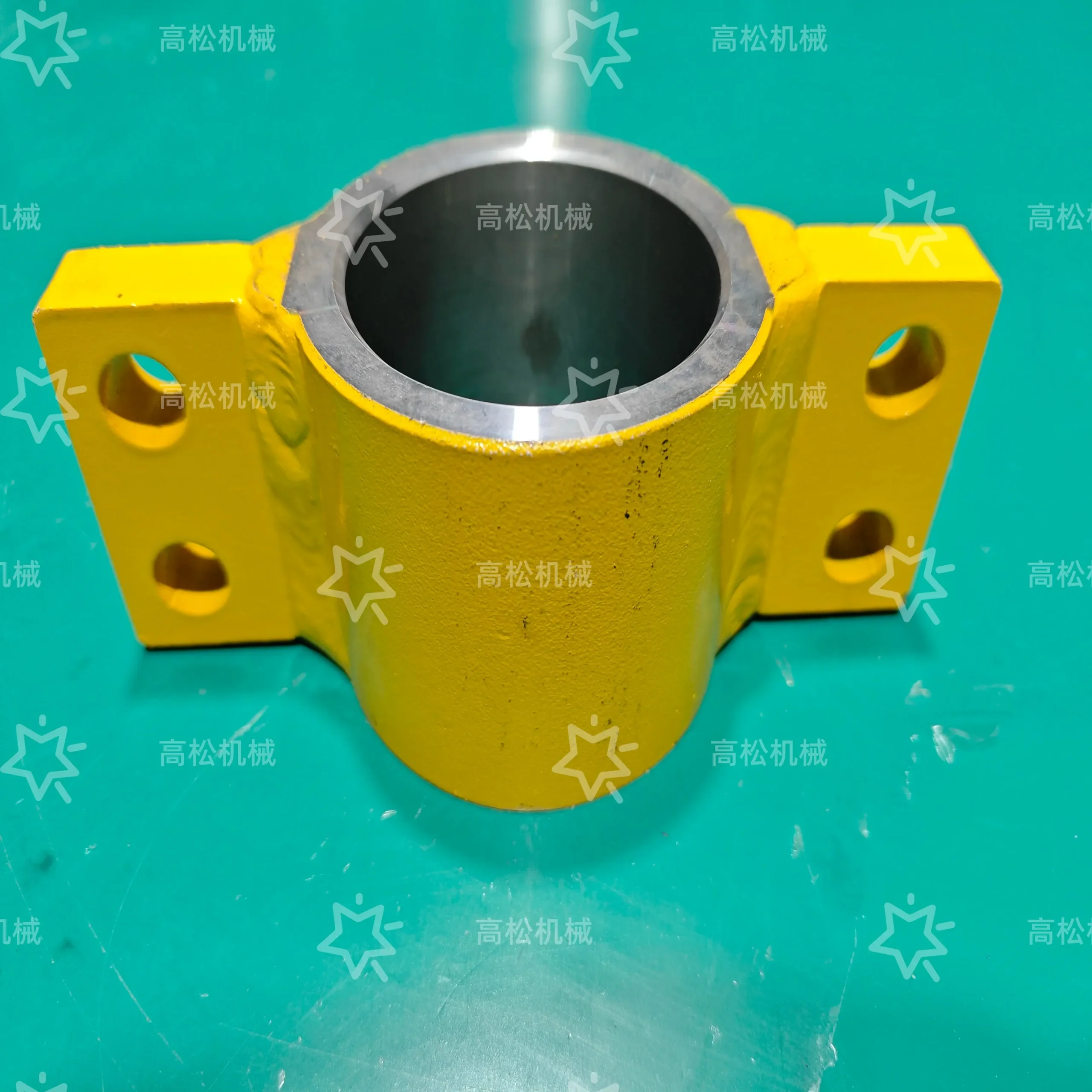 Komatsu Push± Machine Parts 195-20-35100
 -
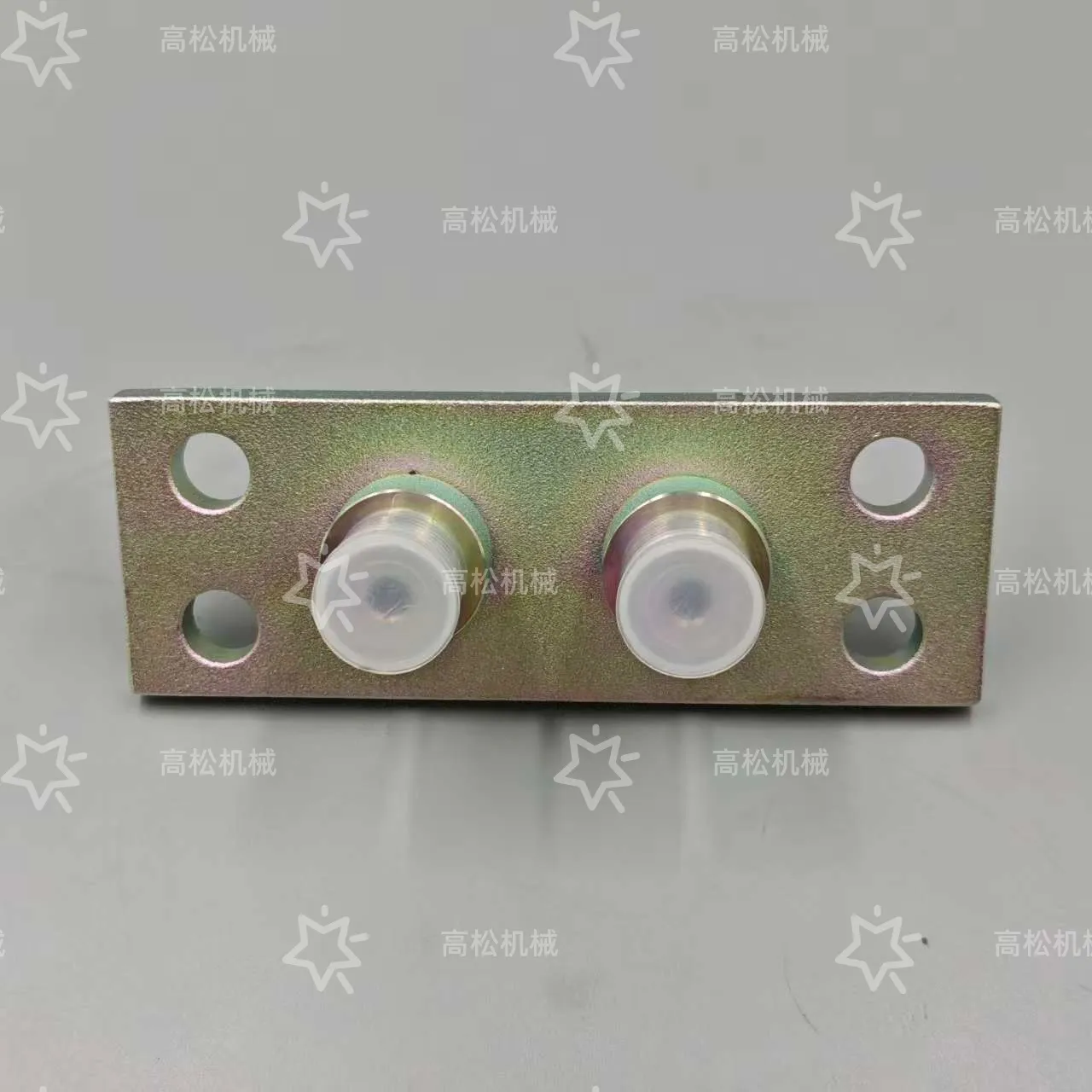 14Y-62-31411 BRACKET made to fit KOMATSU
 -
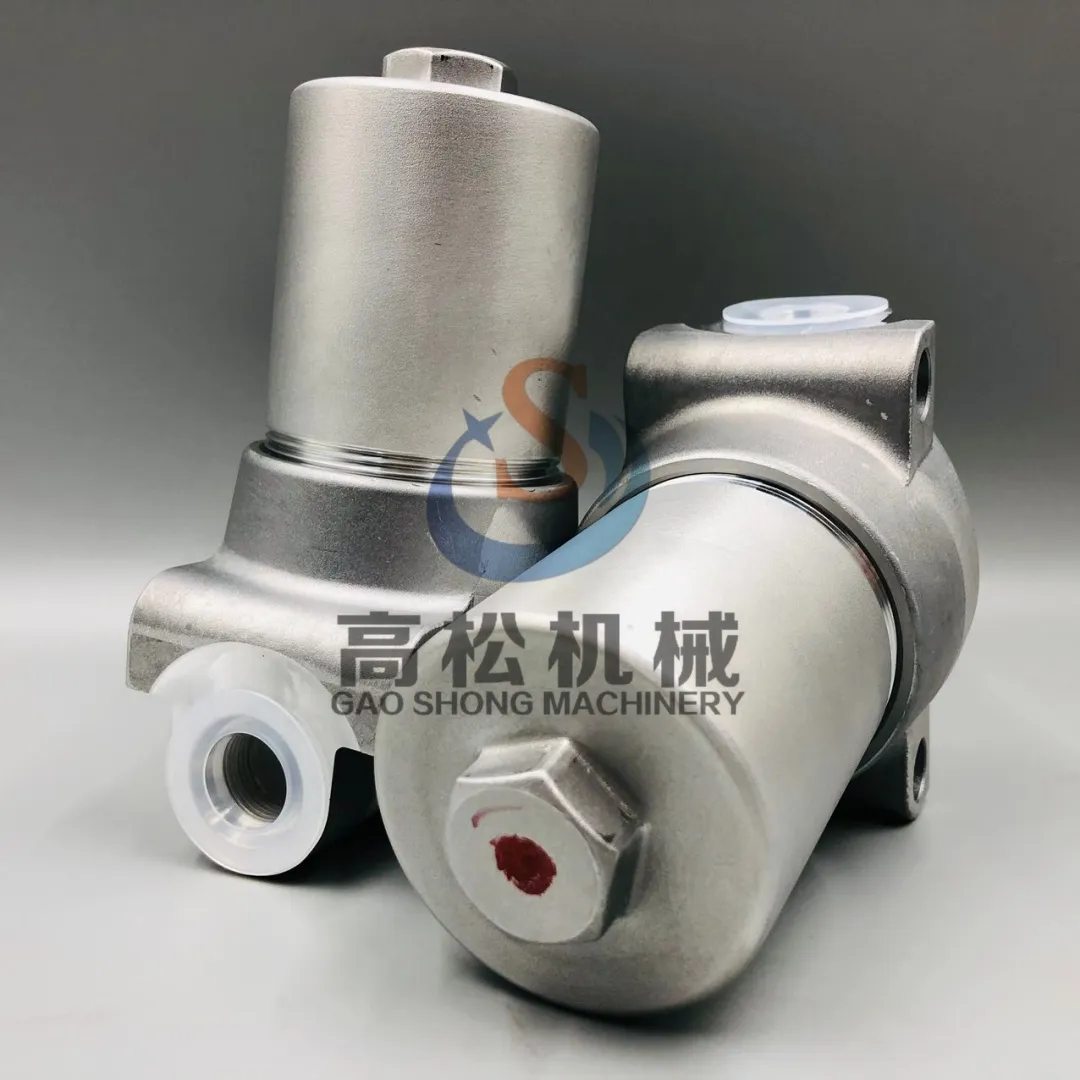 20Y-62-51681Filter Assembly 20Y-62-51681 – KOMATSU
 -
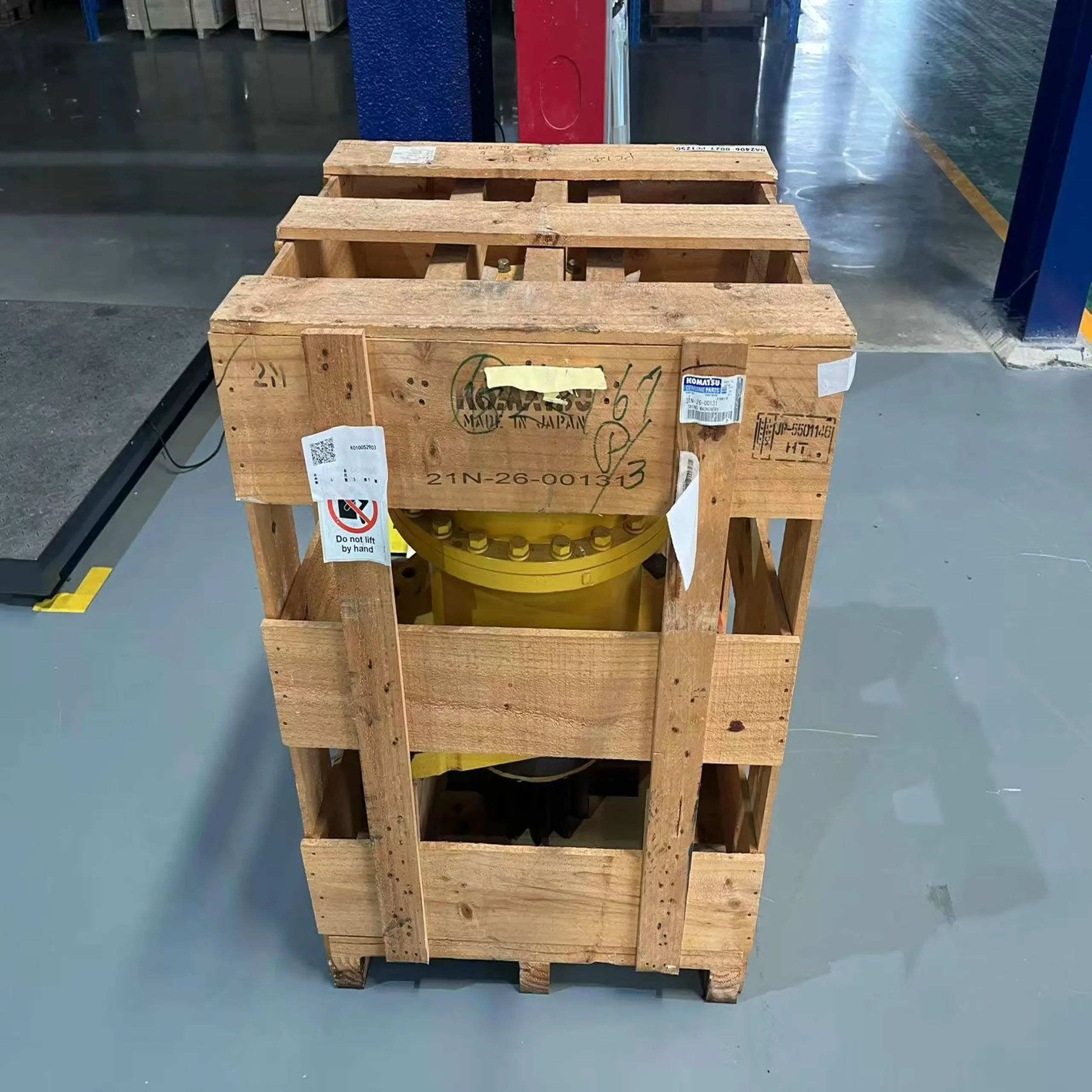 Komatsu Original Factory Brand New PC1250-8 Excavator Rotary Motor 21N-26-00110
 -
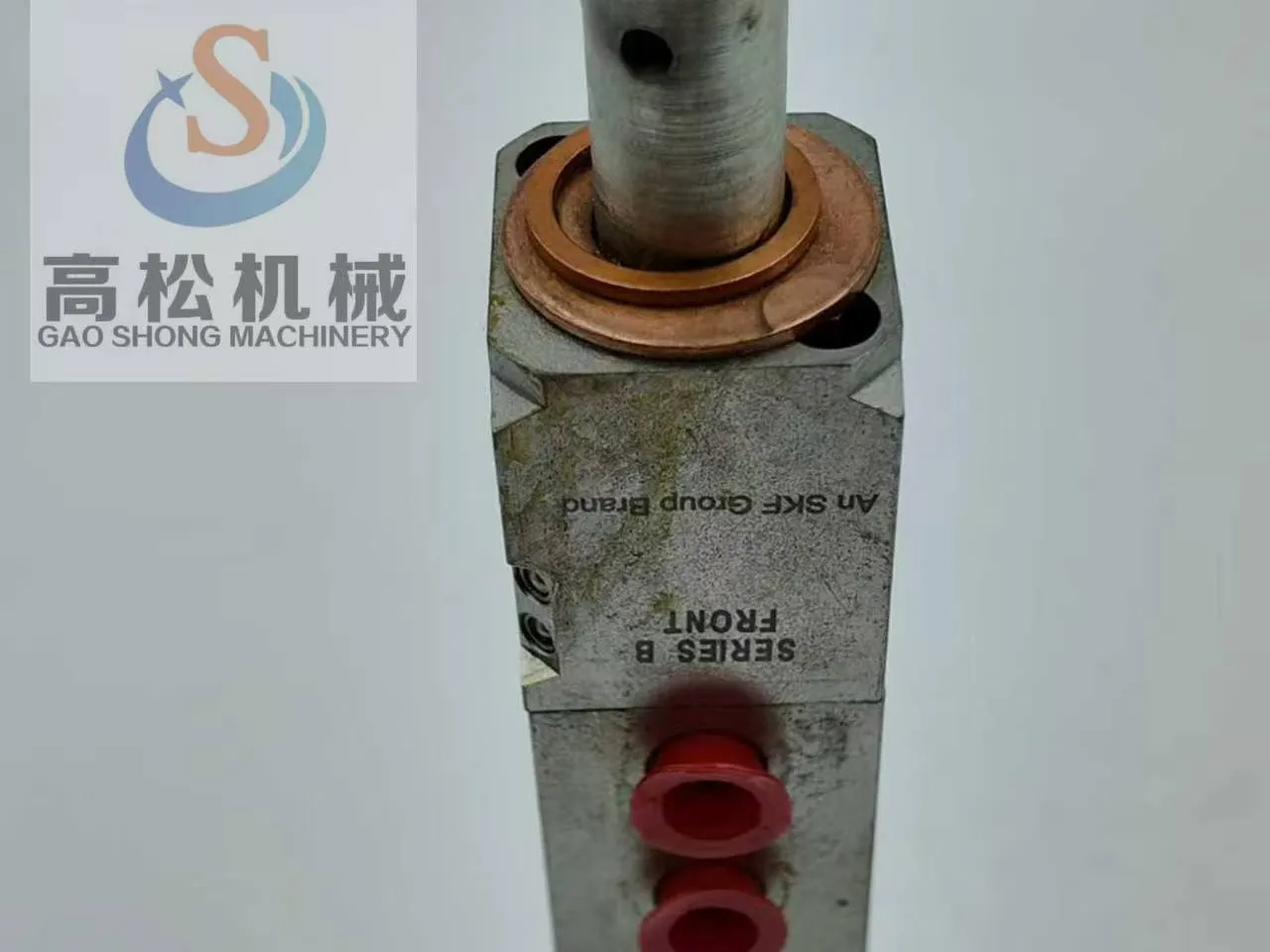 561-95-83030 561-95-84080 injector assembly for hd785-7 injectors
 -
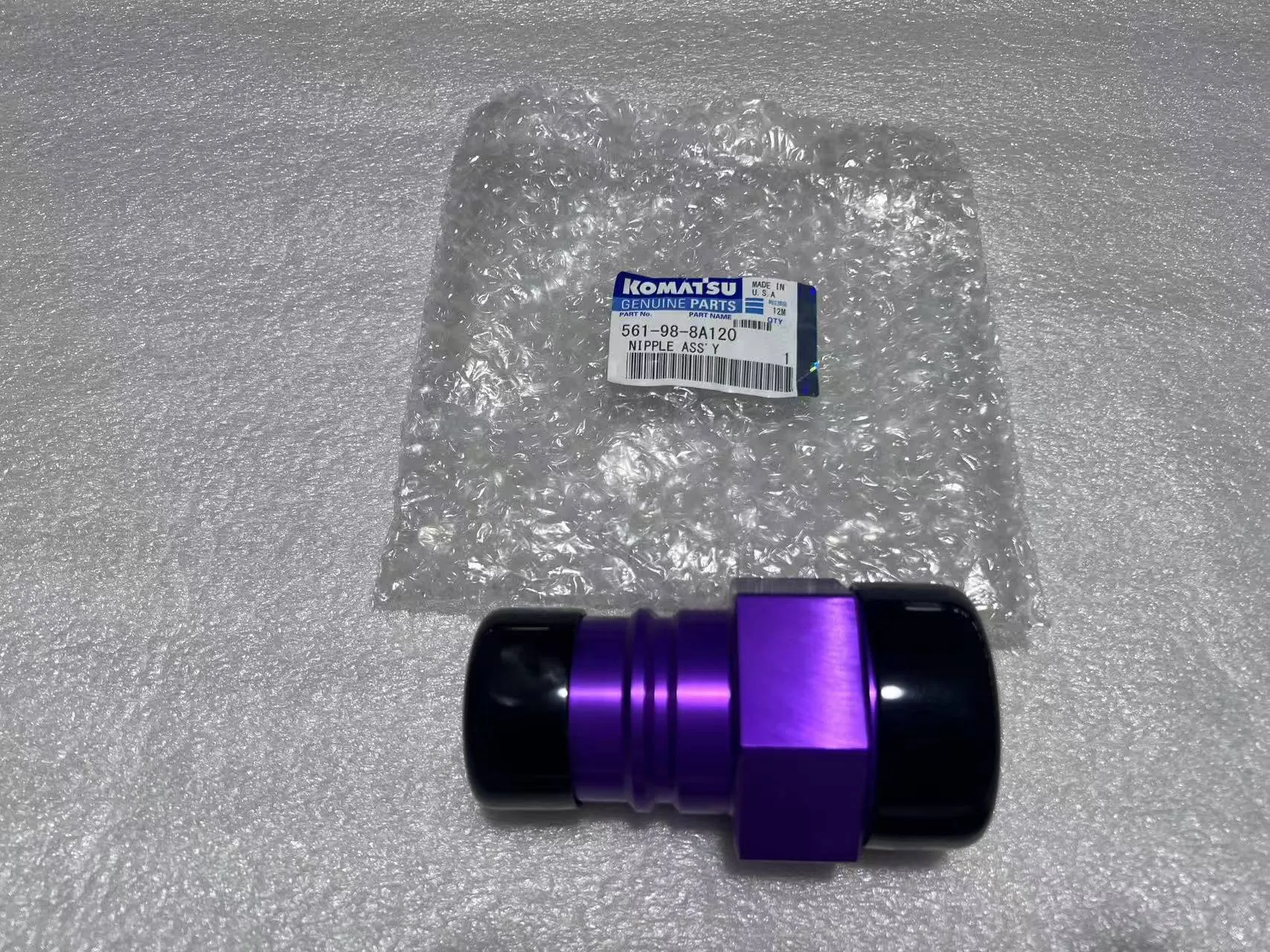 Joint component561-98-8A120
 -
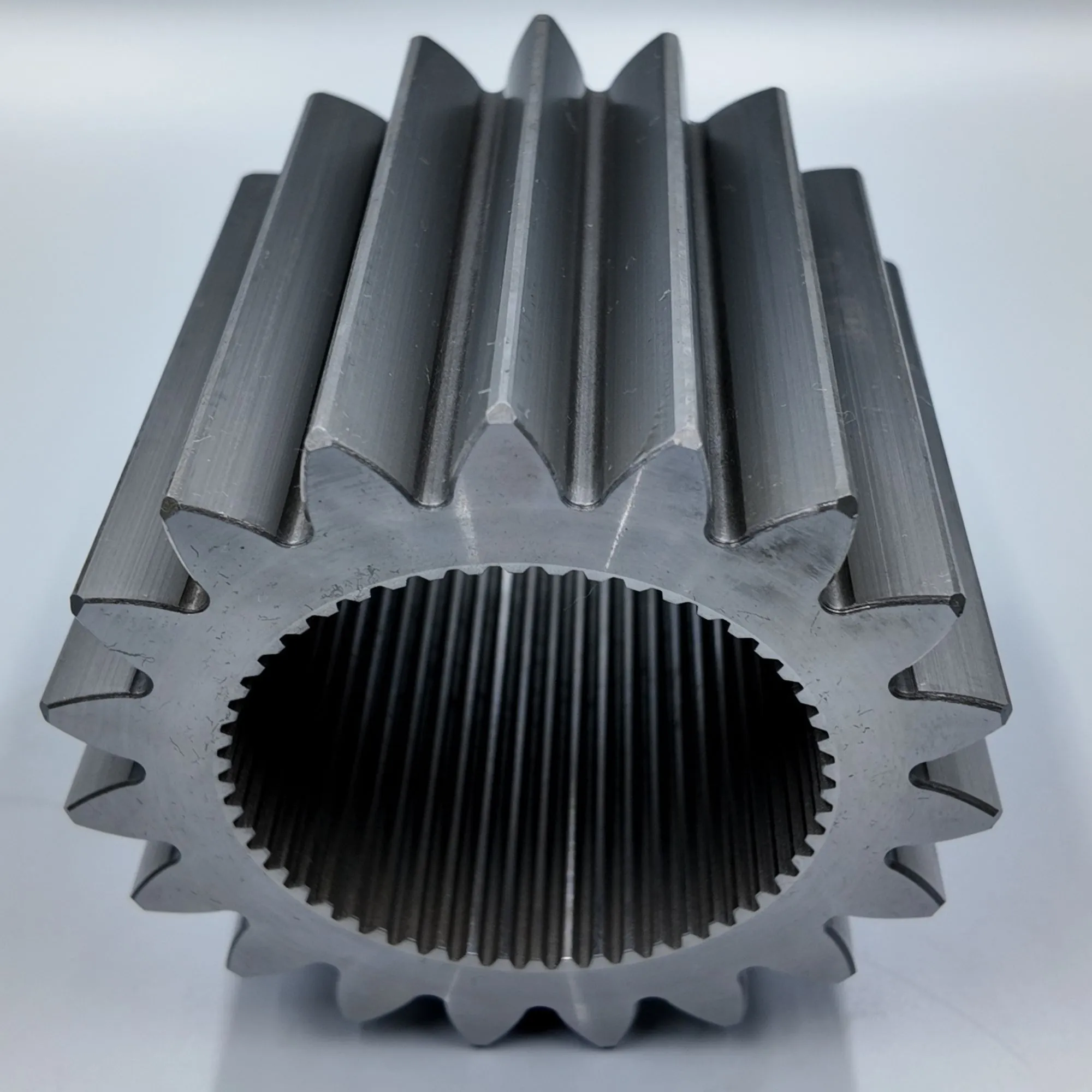 426-22-12421 •• GEAR-Komatsu Original Factory