
- Chinese
- French
- German
- Portuguese
- Spanish
- Russian
- Japanese
- Korean
- Arabic
- Irish
- Greek
- Turkish
- Italian
- Danish
- Romanian
- Indonesian
- Czech
- Afrikaans
- Swedish
- Polish
- Basque
- Catalan
- Esperanto
- Hindi
- Lao
- Albanian
- Amharic
- Armenian
- Azerbaijani
- Belarusian
- Bengali
- Bosnian
- Bulgarian
- Cebuano
- Chichewa
- Corsican
- Croatian
- Dutch
- Estonian
- Filipino
- Finnish
- Frisian
- Galician
- Georgian
- Gujarati
- Haitian
- Hausa
- Hawaiian
- Hebrew
- Hmong
- Hungarian
- Icelandic
- Igbo
- Javanese
- Kannada
- Kazakh
- Khmer
- Kurdish
- Kyrgyz
- Latin
- Latvian
- Lithuanian
- Luxembou..
- Macedonian
- Malagasy
- Malay
- Malayalam
- Maltese
- Maori
- Marathi
- Mongolian
- Burmese
- Nepali
- Norwegian
- Pashto
- Persian
- Punjabi
- Serbian
- Sesotho
- Sinhala
- Slovak
- Slovenian
- Somali
- Samoan
- Scots Gaelic
- Shona
- Sindhi
- Sundanese
- Swahili
- Tajik
- Tamil
- Telugu
- Thai
- Ukrainian
- Urdu
- Uzbek
- Vietnamese
- Welsh
- Xhosa
- Yiddish
- Yoruba
- Zulu
- Kinyarwanda
- Tatar
- Oriya
- Turkmen
- Uyghur






Komatsu hydraulic pump
When you hear 'Komatsu hydraulic pump', most guys immediately think of that genuine, factory-sealed unit with the pristine yellow and black label. That's the gold standard, sure. But in the real world, especially in markets with supply chain gaps, that's only half the story. The reality is more nuanced, involving a whole ecosystem of OEM suppliers, remanufactured cores, and compatibility puzzles that can make or break a machine's uptime. I've seen too many people just chase the part number without understanding the system context, leading to premature failures that get blamed on 'poor quality' when it was really a misapplication or a missed detail during installation.
The OEM Supplier Reality and System Integration
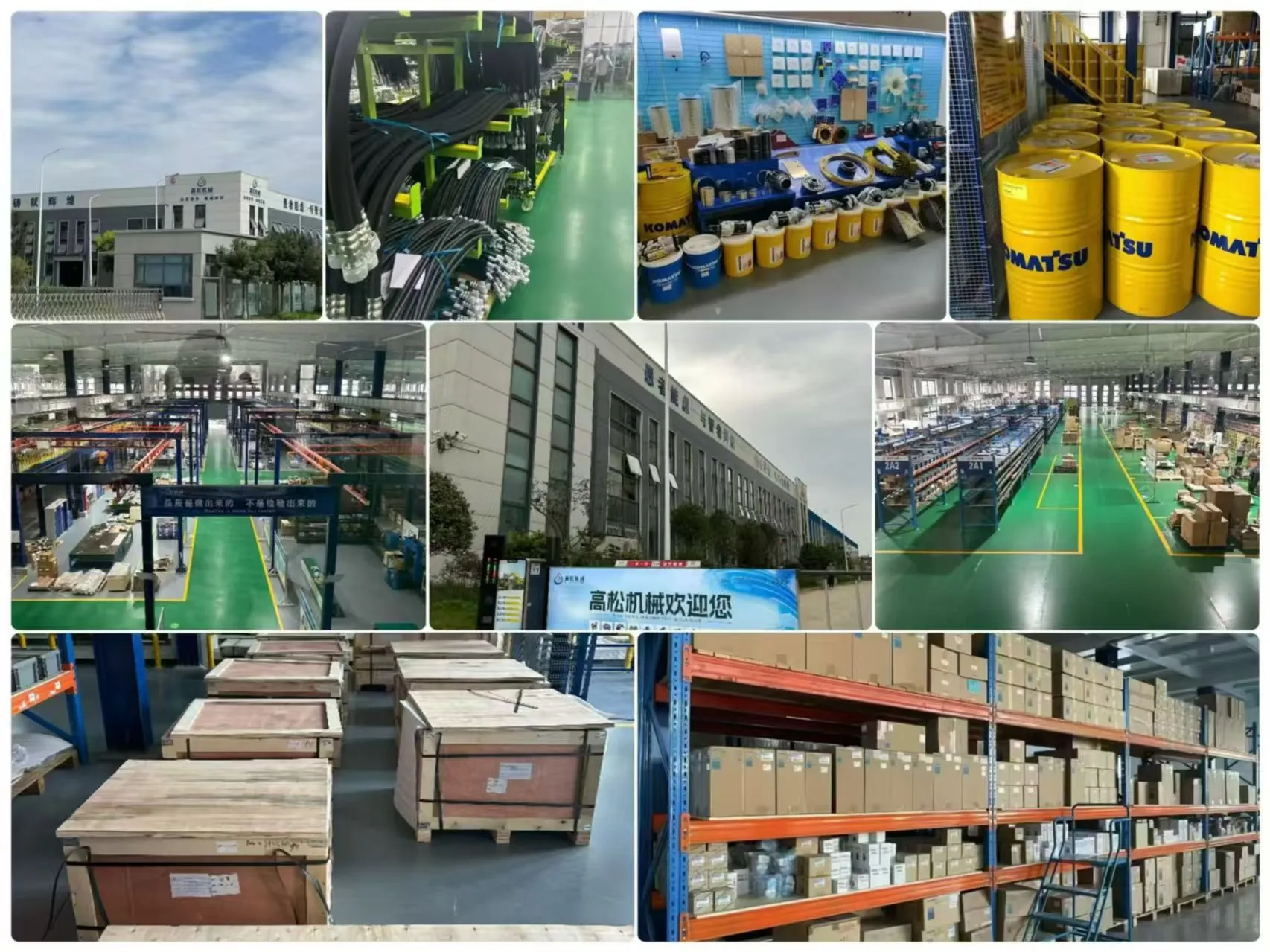
This is where the distinction gets critical. A true OEM product supplier within the Komatsu system, like Jining Gaosong Construction Machinery Co., Ltd., operates differently than a generic parts reseller. They're not just boxing up pumps; they're building to Komatsu's engineering specifications and tolerances. The pump has to be a drop-in fit, not just physically, but in its performance curve. I recall a project where we used a pump from a reputable third-party that almost matched the specs. It ran, but the machine's implement cycle was just slightly off—maybe half a second slower. The operator felt it, complained about lag, and we eventually traced it back to a subtle difference in the pump's swashplate control response. The lesson? Komatsu hydraulic pump specs are a tightly integrated system. Deviate, even a little, and the whole machine's 'feel' can change.
Their role, as hinted on their site https://www.takematsumachinery.com, is fascinating. They bridge that gap. They are an OEM supplier, meaning they produce components that likely end up in the genuine parts stream, but they also function as a third-party sales channel. This dual role is key for solving parts challenges in certain countries. It means they understand the sanctity of the original design but are also pragmatic about getting reliable components into the field when the official pipeline is clogged or prohibitively expensive.
The practical takeaway? When sourcing, especially for older models or in remote regions, a supplier with this profile can be a lifesaver. But you have to vet them. Ask not just for the part, but for the test data sheets. A good one will have them, showing flow rates at various pressures, hysteresis curves for the control system. If they hesitate, that's a red flag.
Failure Patterns and the Installation Ritual
Let's talk about why these pumps really fail. Cavitation is the silent killer, and it's often installer-induced. I've cracked open too many returned Komatsu hydraulic pump units where the failure was blamed on 'bad bearings' or 'weak seals,' but the real evidence was on the inlet side of the housing—that tell-tale frosted, pitted appearance. Someone didn't pay attention to the suction line. A slight kink in that hose, a clogged filter bypassed 'temporarily,' or using a hose with a lower pressure rating but thinking 'it's just suction, it's fine'—these are death sentences. The pump starves, vapor bubbles form and collapse, and it eats itself from the inside out.
The installation ritual is non-negotiable. Cleanliness is godliness. I don't just mean wiping off dirt. I mean a full system flush if you're replacing a failed pump, because that failure sent metal throughout the entire hydraulic circuit. Skipping that step is like putting a new heart into a body with clogged arteries. You also need to pre-fill the pump case with clean fluid before you bolt it on. It's a simple step, often in the manual, but constantly skipped in the rush to get the machine back online. That dry start, even for a few seconds, is brutal on the internals.
Then there's the commissioning. You can't just fire it up and go to work. You need to bleed the air. Crack the high-side fittings at the pump outlet slightly (with the system off and depressurized, of course), start the engine, let it idle, and tighten as fluid seeps out. That purges the air. If you don't, you get spongy operation and that air gets compressed in the oil, generating insane heat and degrading the fluid prematurely.
The Remanufacturing Gray Zone and Core Assessment
This is a huge part of the market. A 'reman' pump can be as good as new or a total time bomb, and the difference is in the process. A proper remanufacturer for a Komatsu hydraulic pump doesn't just replace seals and gaskets and paint it. They should be measuring everything: cam ring wear, piston shoe clearance, swashplate surface finish, shaft runout. The valve plate is often the deciding factor. If it's scored beyond a certain spec, it must be replaced or reground to a mirror finish. I've seen cheap remans where they just flip the valve plate over. It works... for a while. Then the new wear pattern meets the old, and it fails catastrophically.
When you get a core back from the field for exchange, the first thing you do is a forensic teardown. Why did this one fail? The pattern on the components tells a story. Uniform wear on the pistons and cylinder block? That's often just age and high hours. Localized scoring on one side of the valve plate? That points to contamination—maybe a filter failure. A shattered piston? That's usually cavitation or extreme over-pressurization from a stuck relief valve. Understanding this story is what allows a company like Gaosong to supply a reliable replacement, not just a parts-swapped unit. They're solving a supply challenge by providing a solution that understands the failure root cause.
The risk with some third-party remans is the use of non-OEM grade sub-components. A bearing might be to 'standard' size but not have the same dynamic load rating. A seal might be the right dimension but the wrong elastomer compound for Komatsu's recommended hydraulic oil. These are the details that separate a field-tested solution from a warehouse filler.
Pressure Settings and System Synergy
Here's another classic mistake. You slap in a new or reman pump, and the machine is weak. The instinct is to crank up the main system relief pressure. Bad move. The Komatsu hydraulic pump is designed to work in harmony with the entire hydraulic system—the valves, the cylinders, the motors. Arbitrarily increasing pressure puts undue stress on every other component. Hoses, fittings, the control valve spools—they're all rated for a specific pressure band. You might get more power for a week, then blow a hose or crack a valve body.
The correct way is to put gauges on the pump output and at various function ports. Verify what the actual pressure is under load. Compare it to the service manual spec. If it's low, then you adjust, but in small increments. And you must check the pump's own compensator or pressure cutoff settings. Sometimes the issue isn't the main relief, but the pump's internal control is out of whack. On variable displacement pumps, this is a delicate dance between flow, pressure, and the control piston's response. I've spent hours with a service manual, a multimeter, and a pressure gauge tweaking a pump on a PC300 to get the dig force and swing speed balanced just right. It's not a plug-and-play operation.
This system synergy is why simply buying a pump with the right mounting flange and port threads isn't enough. You need the right control configuration. Is it a negative flow control system? A load-sensing system? Getting that wrong means the pump and the main control valve are talking different languages, resulting in inefficiency, heat, and poor performance.
Practical Sourcing and Long-Term Reliability
So, how do you navigate this? For critical machines with high utilization, the genuine part is still the lowest-risk path, if you can get it and afford it. For other situations, a trusted OEM-aligned supplier becomes invaluable. Their value isn't just in the part, but in the technical support. Can you call them and describe a weird noise—a high-pitched whine under load versus a low growl at idle? A good technical contact will know what that likely indicates. They've seen it before.
Looking at a company like Jining Gaosong, their stated mission of solving parts supply challenges suggests they're set up for this. They're not just a website with a shopping cart. They likely have engineers who speak the language of hydraulic systems and can cross-reference not just part numbers, but machine serial number ranges and application notes. That's the kind of resource that turns a parts order into a reliability solution.
In the end, dealing with Komatsu hydraulic pumps is about respecting the complexity. It's a precision component, not a commodity. Whether it's a new unit from an OEM partner, a properly remanufactured core, or even troubleshooting an existing one, success hinges on understanding its role in the system, the rituals of installation, and sourcing from partners who share that depth of understanding. The badge matters, but the knowledge behind it matters more.
Related Products
Related Products

Best Selling Products
Best Selling Products-
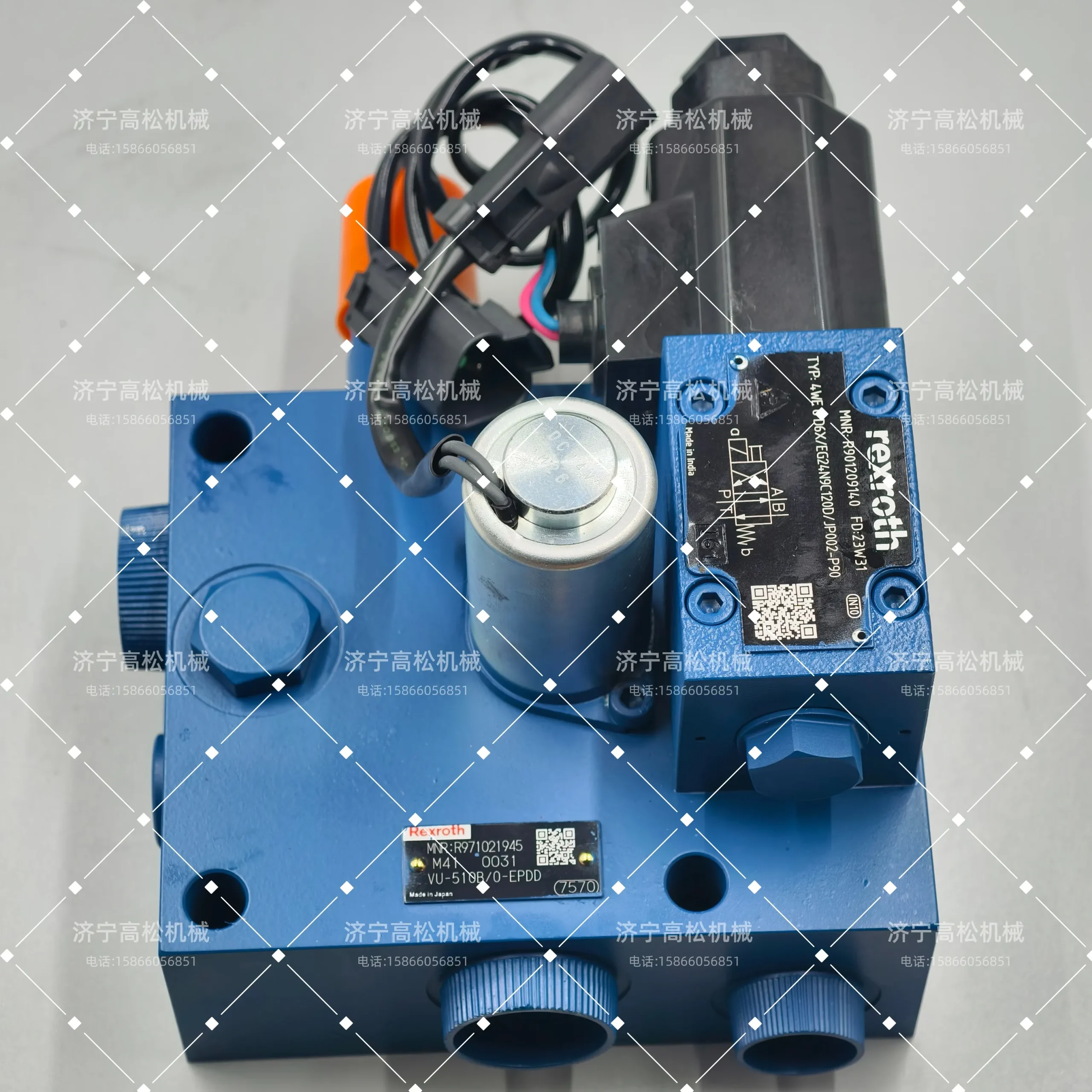 Dump Truck HD465-7EPC Valve Ass’y 56b-43-12402 56b4312402…
 -
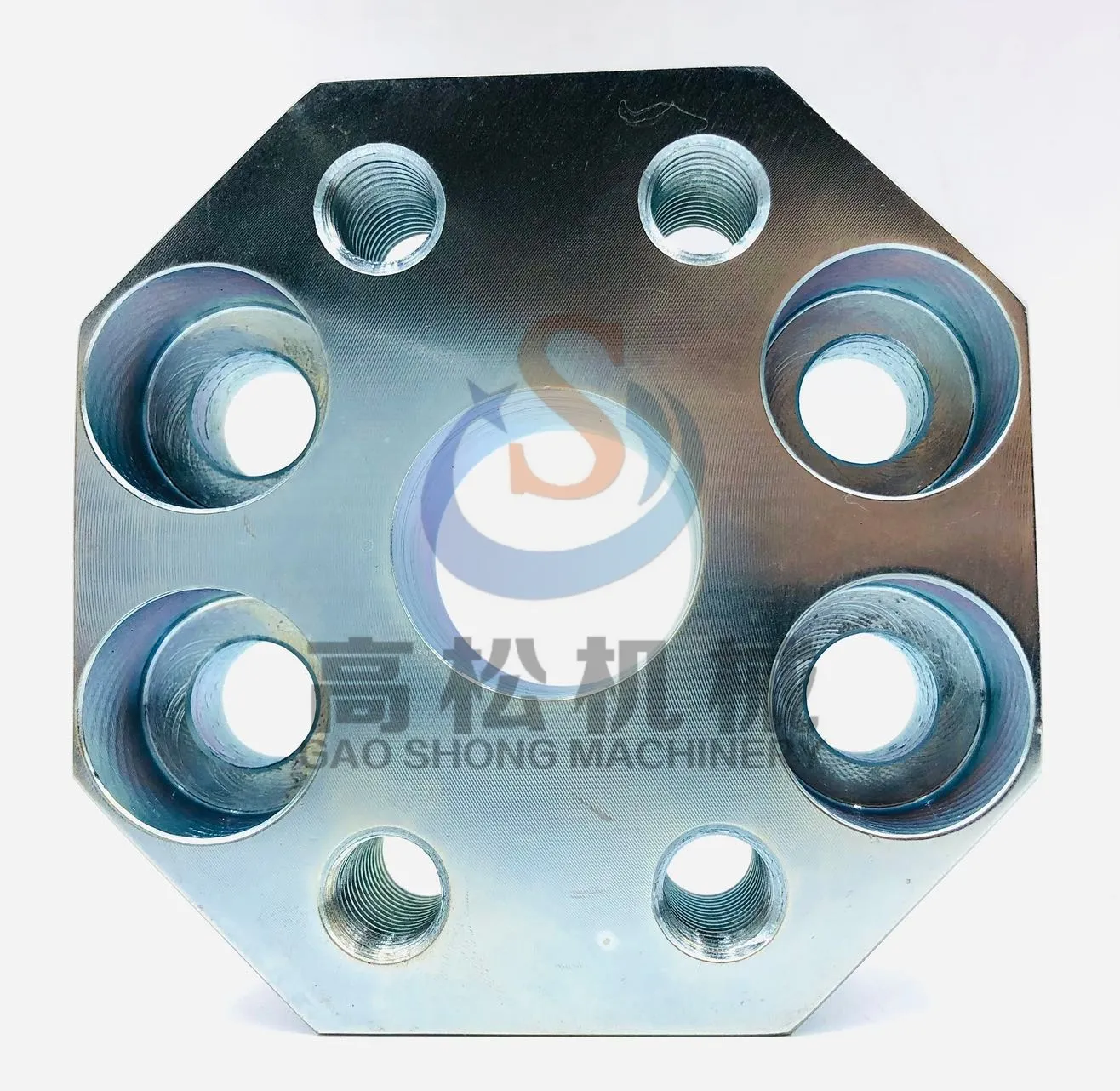 Komatsu excavator PC1250 flange 21N-62-11361
 -
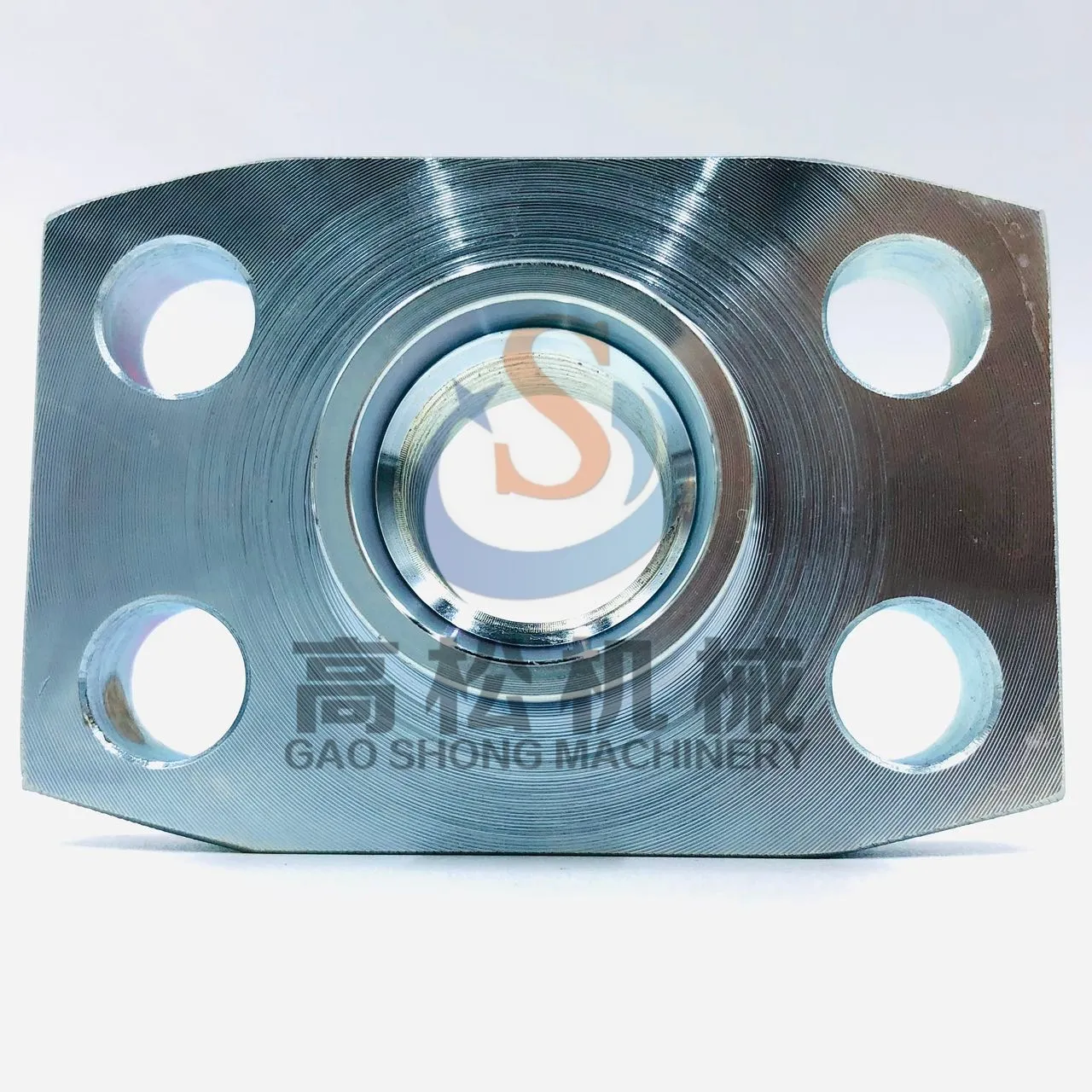 Komatsu excavator PC1250 flange 21N-38-12310
 -
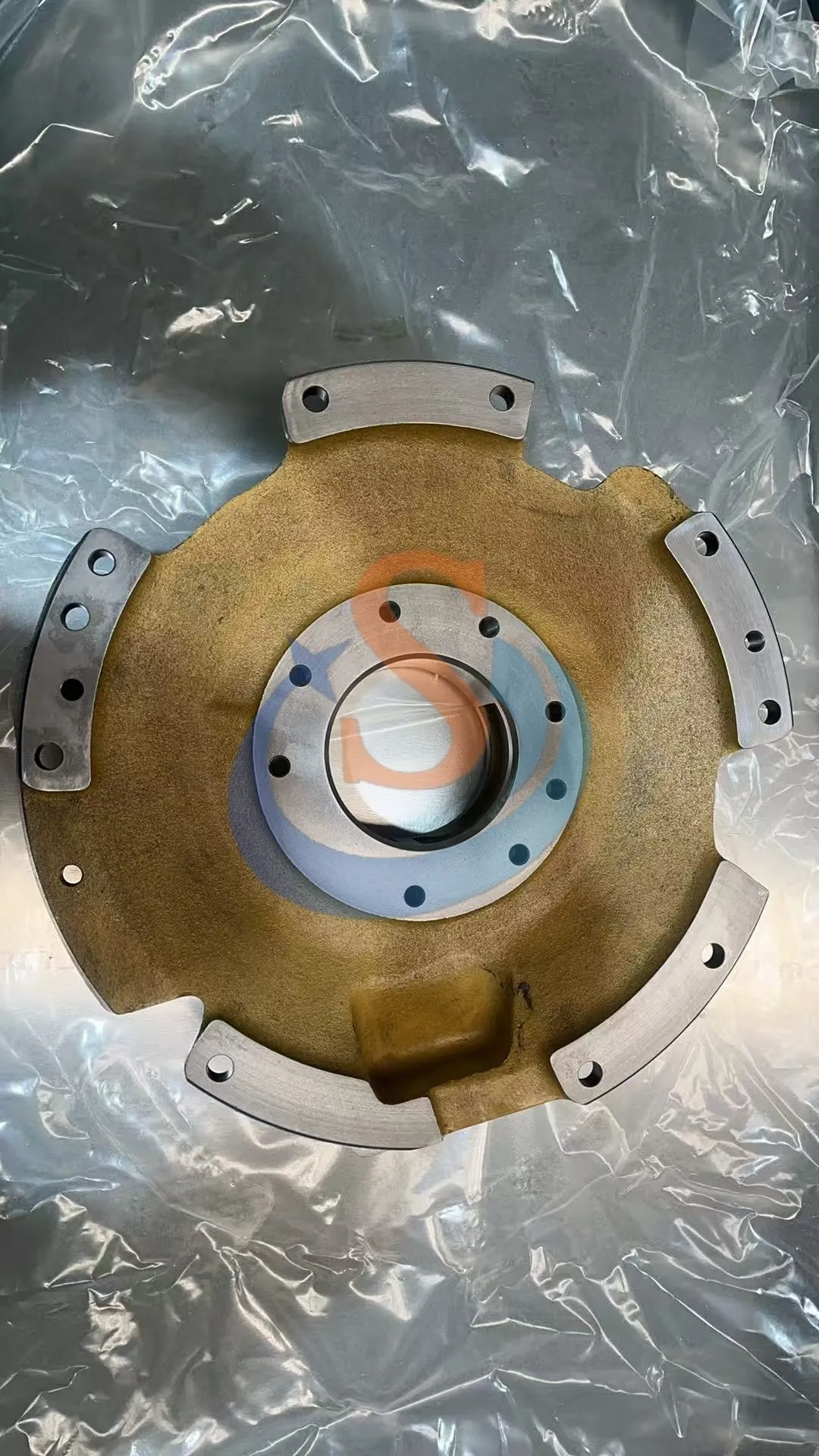 14X-13-54411 Housing D65PX/D65WX/D65EX
 -
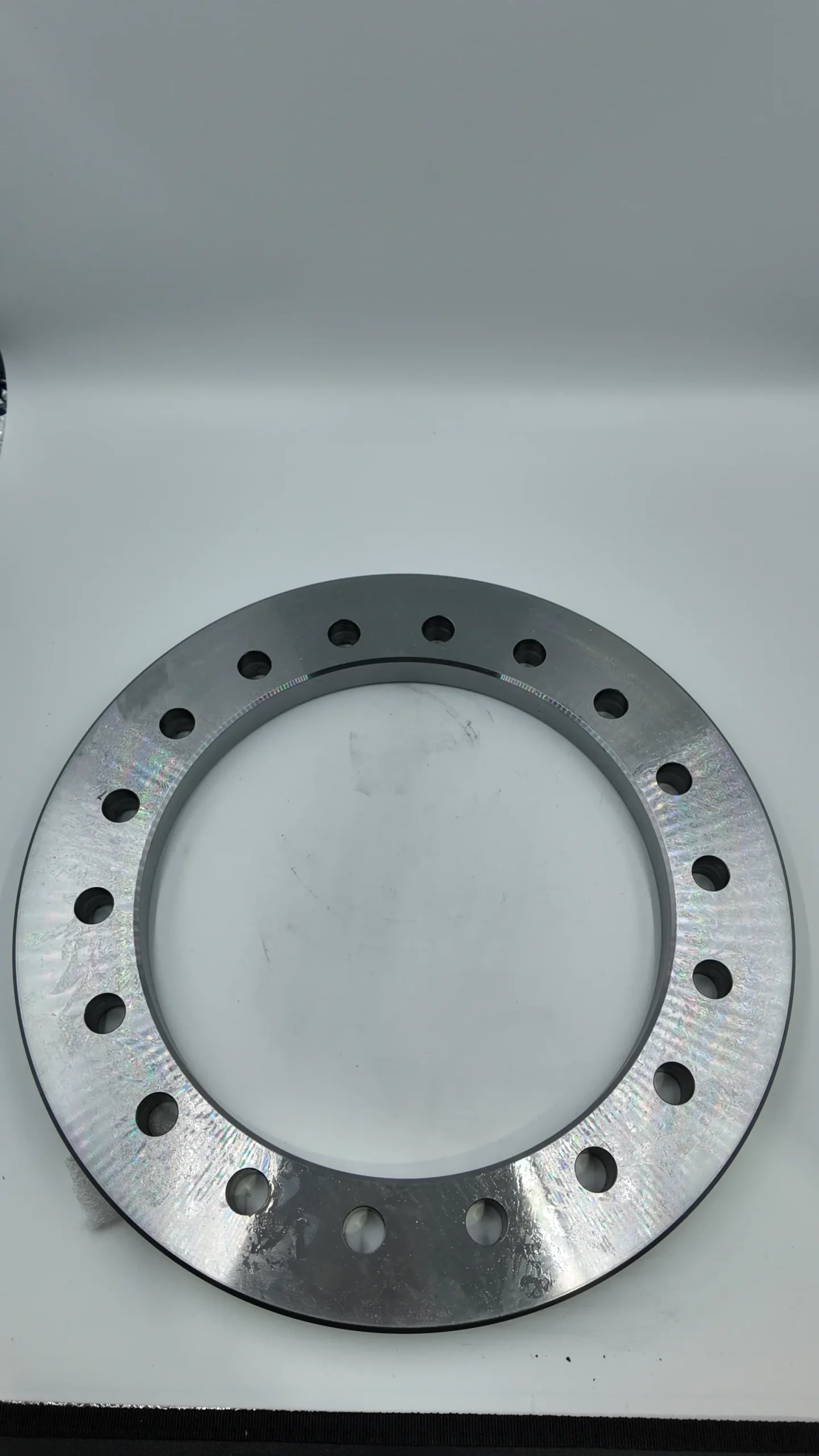 Komatsu Holder 195-27-31390
 -
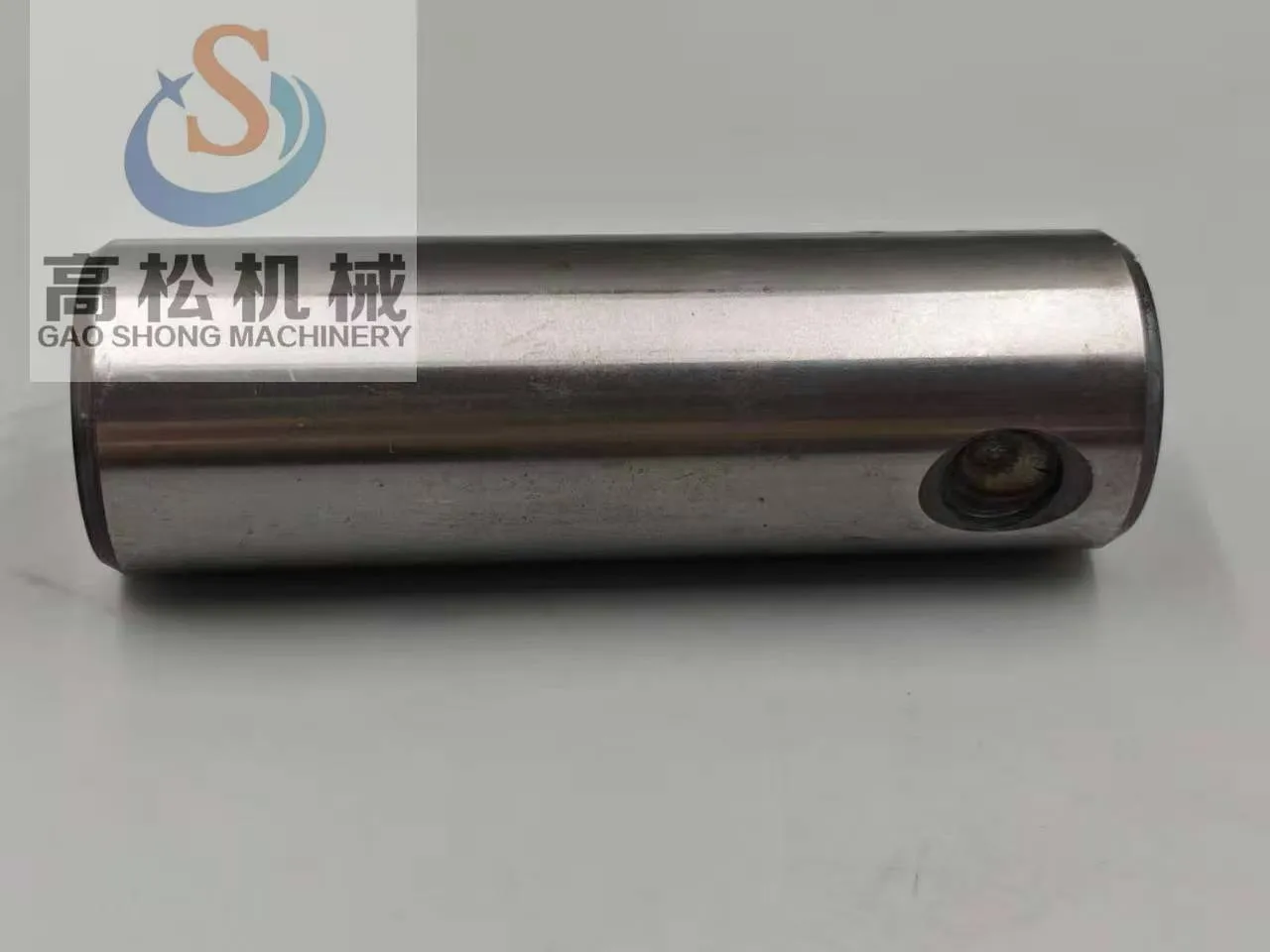 Supply excavator accessories PC1250-11 pin 21N-26-33240
 -
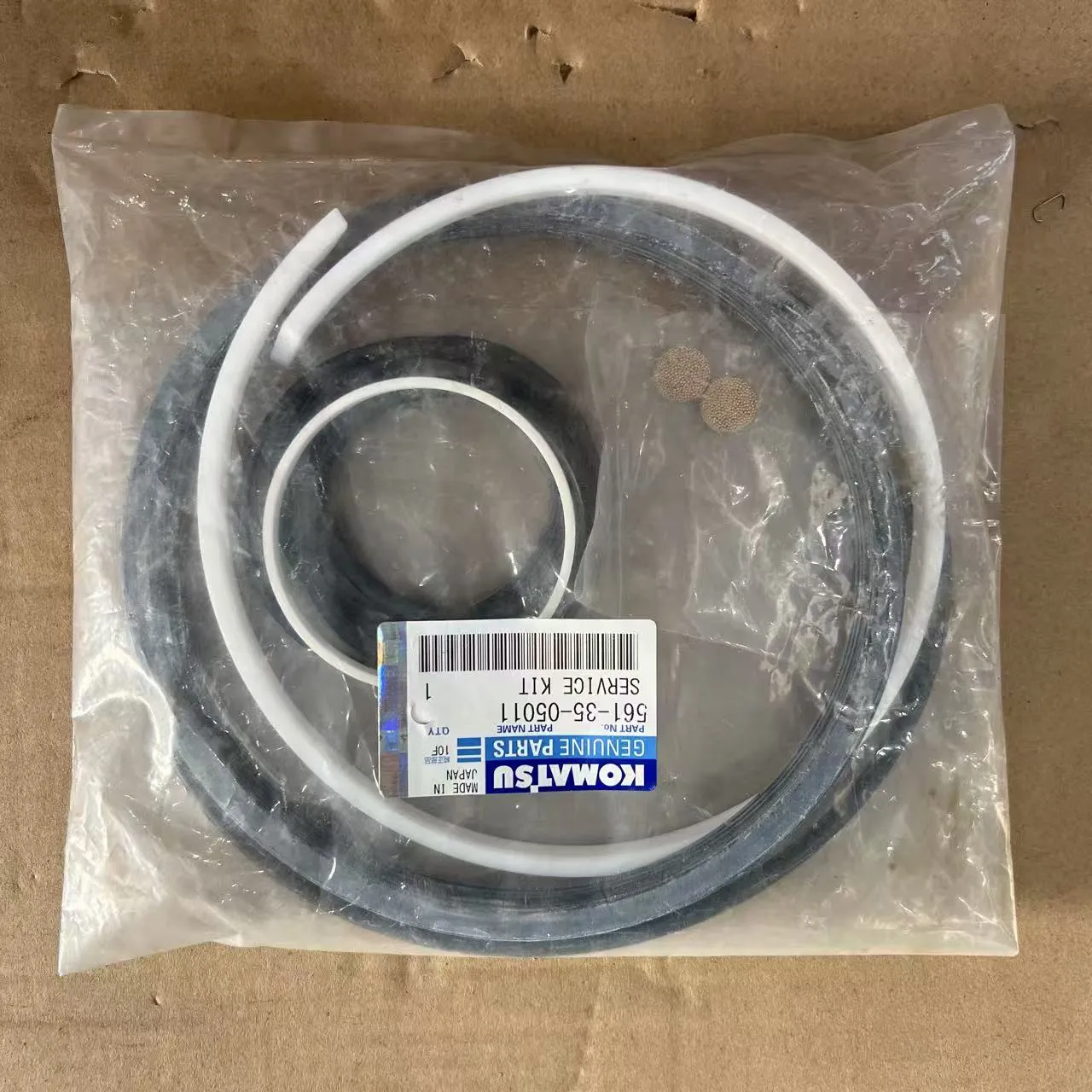 SERVICE KIT – 561-35-05011
 -
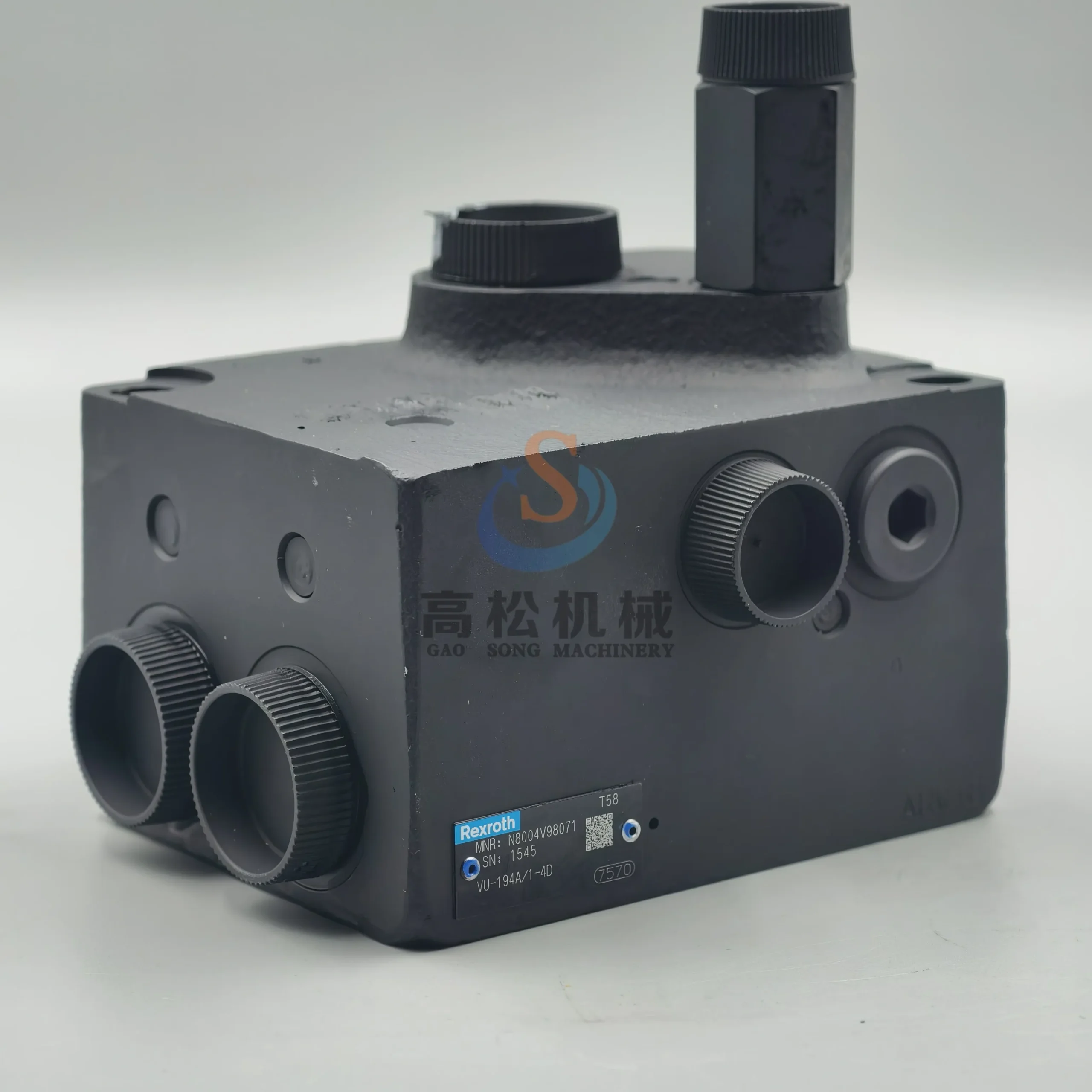 419-43-27401 komatsu vavle-WA400/WA300
 -
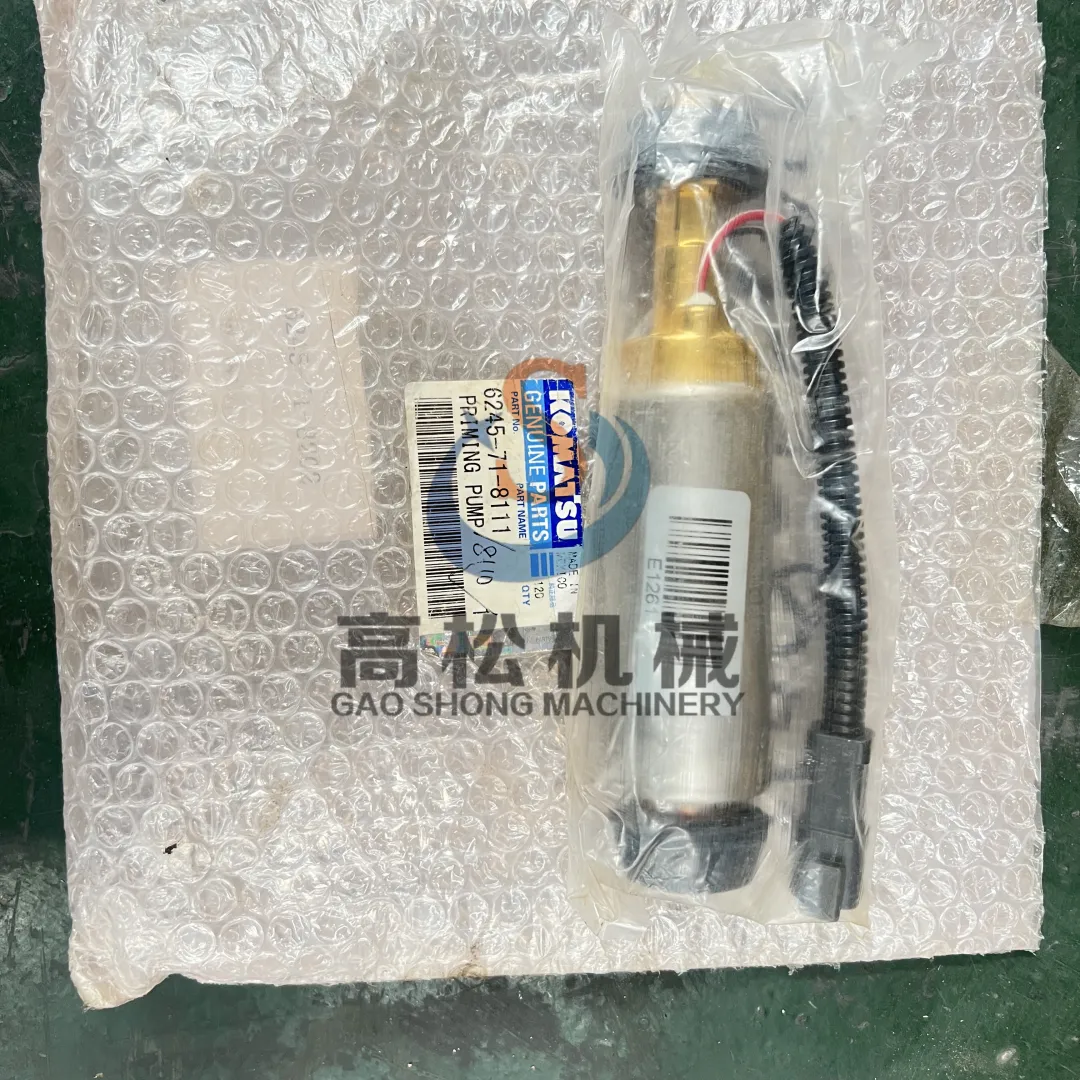 6245-71-8111 Komatsu Pump Assembly, Priming komatsu original
 -
 6240-61-2120 Cover for Engine SAA6D170E-3F-8 Parts – Komatsu
 -
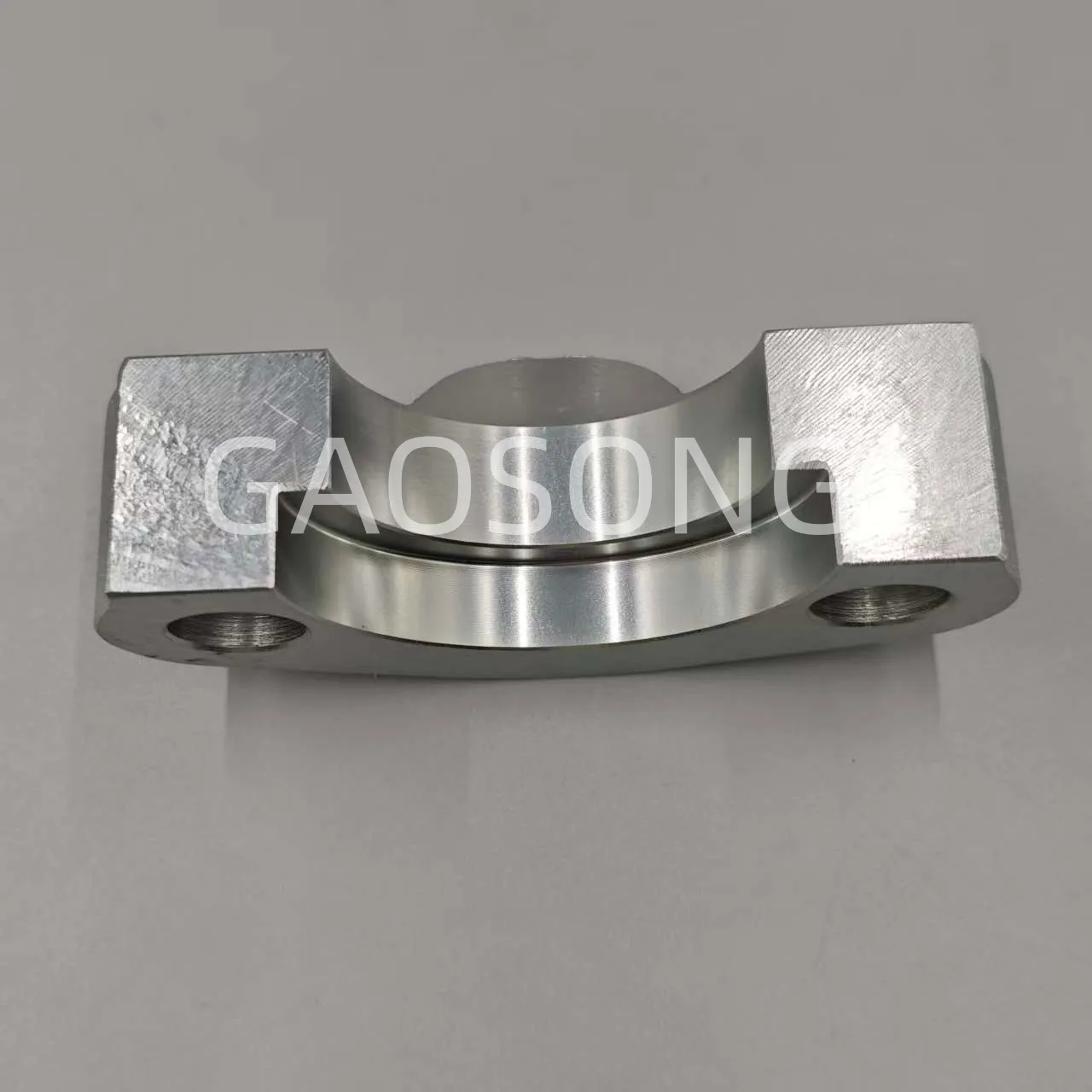 07371-51470 FLANGE-Komatsu Original Factory
 -
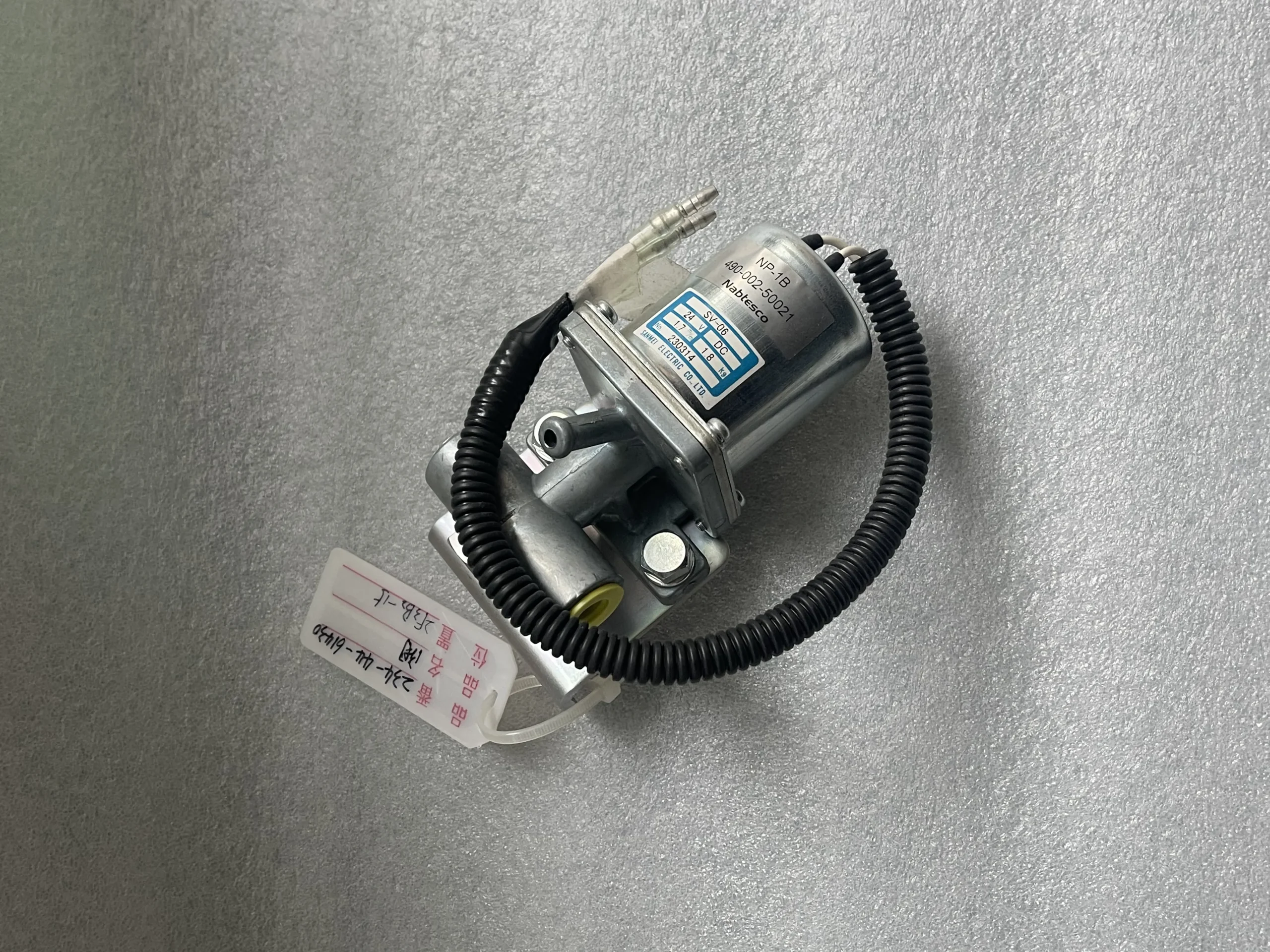 SOLENOID VALVE 234-44-61430 for GD705/825
Related Search
Related Search- Komatsu parts online
- komatsu 4d95 engine
- 566-50-11290
- komatsu forklift spare parts
- OEM AND ORIGINAL KOMATSU ROD 195-70-51152
- OEM AND ORIGINAL KOMATSU VALVE ASSY 709-61-11701
- OEM AND ORIGINAL KOMATSU BUSHING 707-46-14010
- OEM AND ORIGINAL KOMATSU UNIVERSAL JOINT 195-20-33000
- komatsu d20p engine
- OEM AND ORIGINAL KOMATSU BEARING 566-22-12190