
- Chinese
- French
- German
- Portuguese
- Spanish
- Russian
- Japanese
- Korean
- Arabic
- Irish
- Greek
- Turkish
- Italian
- Danish
- Romanian
- Indonesian
- Czech
- Afrikaans
- Swedish
- Polish
- Basque
- Catalan
- Esperanto
- Hindi
- Lao
- Albanian
- Amharic
- Armenian
- Azerbaijani
- Belarusian
- Bengali
- Bosnian
- Bulgarian
- Cebuano
- Chichewa
- Corsican
- Croatian
- Dutch
- Estonian
- Filipino
- Finnish
- Frisian
- Galician
- Georgian
- Gujarati
- Haitian
- Hausa
- Hawaiian
- Hebrew
- Hmong
- Hungarian
- Icelandic
- Igbo
- Javanese
- Kannada
- Kazakh
- Khmer
- Kurdish
- Kyrgyz
- Latin
- Latvian
- Lithuanian
- Luxembou..
- Macedonian
- Malagasy
- Malay
- Malayalam
- Maltese
- Maori
- Marathi
- Mongolian
- Burmese
- Nepali
- Norwegian
- Pashto
- Persian
- Punjabi
- Serbian
- Sesotho
- Sinhala
- Slovak
- Slovenian
- Somali
- Samoan
- Scots Gaelic
- Shona
- Sindhi
- Sundanese
- Swahili
- Tajik
- Tamil
- Telugu
- Thai
- Ukrainian
- Urdu
- Uzbek
- Vietnamese
- Welsh
- Xhosa
- Yiddish
- Yoruba
- Zulu
- Kinyarwanda
- Tatar
- Oriya
- Turkmen
- Uyghur






komatsu hydraulic parts
When you hear 'Komatsu hydraulic parts', the immediate thought for most is genuine OEM seals and pumps. But that's where the first mistake happens. In the field, the real challenge isn't just identifying a part number; it's understanding the system pressure ripple that wore out that Komatsu hydraulic pump in the first place, or why a batch of aftermarket hydraulic cylinders failed on PC200-8 models specifically in high-silt environments. The label 'Komatsu' guarantees a baseline, but the application dictates the lifespan.
The OEM Illusion and the Third-Party Reality
There's a dogma that only parts flowing directly from Komatsu distributors are viable. I've seen that belief cost operations thousands in downtime. An OEM product supplier within the Komatsu system, like Jining Gaosong Construction Machinery Co., Ltd., operates in a crucial niche. They have the specs, the material certifications, and often, the same production line as the 'genuine' part hitting the dealer shelf. The difference? The supply chain. Their website, https://www.takematsumachinery.com, frames it well: they help solve parts supply challenges in certain countries. That's a polite way of saying they bridge the gap when local distributors have six-month backorders on a critical main control valve.
I recall a site in Indonesia where three PC360 excavators were down, all waiting for a proprietary pilot valve manifold. The local dealer's timeline was 16 weeks. We sourced a functionally identical component through a channel like Gaosong, which was essentially the same OEM-spec part without the Komatsu logistics markup. It was air-freighted and installed in 10 days. The machine ran for over 12,000 hours without issue. The takeaway? 'Genuine' is a supply status, not always a quality one.
This isn't to say all third-party is equal. The key is the OEM product supplier within the Komatsu system designation. It implies a formal manufacturing agreement. These parts aren't reverse-engineered; they're blueprinted. The risk shifts from quality to documentation—sometimes the packaging is plain, and the paperwork needs extra verification. You trade some bureaucracy for massive lead-time reduction.
Pressure, Contamination, and the Real Killers
Focusing solely on the part is like treating a symptom. The majority of hydraulic component failures I've autopsied stem from systemic issues. A classic one is thermal degradation. A Komatsu WA600 wheel loader kept chewing through hydraulic pumps. The initial fix was just replacing the pump. The real fix was finding a partially collapsed return line hose downstream, causing excessive backpressure and cavitation. The pump was the victim, not the culprit.
Contamination is another silent killer. I'm not just talking about dirty oil. Water ingress in tropical climates is a specific nightmare. It leads to microbial growth, which creates acids that pit the finely machined surfaces inside a swing motor. You can install a perfect new motor, but if you don't address the tank breather location and implement regular water separation checks, it'll fail again in a year. The part is rarely the problem; the system hygiene is.
Then there's the issue of specification drift. A Komatsu D155 dozer might have its hydraulic system updated mid-model run. The part number for a valve spool might stay the same, but the metallurgy or the clearance tolerance could be tightened. A supplier not deeply embedded in the OEM update loops might ship the old spec. It'll fit, it might even work, but its service life will be half of expected. This is where a supplier's active connection to the Komatsu system is non-negotiable.
The Cost of Misdiagnosis: A Personal Blunder
Early in my field days, I fell for the obvious. A PC300 excavator had weak arm power. The diagnostics pointed to low pressure at the arm cylinder port. I assumed a worn pump. Replaced the main hydraulic pump—a massive, expensive job. The problem persisted. After two more days of troubleshooting, we found a hairline crack in the arm cylinder piston rod. It wasn't leaking oil externally, but it was flexing enough under load to bleed off pressure. The pump was fine all along. I'd wasted a $15,000 part and 40 hours of labor because I didn't isolate the circuit properly. The lesson was brutal: always test the simplest, most contained component first. Never assume the most complex part is at fault.
This is where having a reliable parts partner matters beyond price. A good technical liaison at a company like the one mentioned will often ask diagnostic questions before shipping a part. Have you checked the case drain flow? What's the temperature differential across the cooler? They've seen the same failures patterns and can save you from your own haste.
Another misstep is ignoring hose assemblies. A new Komatsu hydraulic pump installed with old, fatigued hoses is asking for trouble. The pulsation from the new pump can cause an old hose to fail prematurely, sending a shockwave through the entire system. It's a rookie error, but I see seasoned mechanics do it to save half a day's work. Always replace the hose assemblies feeding a critical new component.
Beyond the Part Number: Sourcing and Verification
The online catalog is a starting point, not a bible. Serial number breaks are everything with Komatsu. A PC210LC-10 might use a different main control valve after a certain serial number due to a mid-production emission update. You must cross-reference the machine's serial number against the parts system. Suppliers like Jining Gaosong Construction Machinery Co., Ltd. typically excel here because their operation hinges on precise specification matching, not just broad category sales.
Verification upon receipt is critical. For a hydraulic cylinder, check the rod finish for micro-scratches (indicative of poor handling), and measure the port threads. For a pump or motor, the most important check is often the shaft splines or keyway. Any burr or wear here means it was test-run or installed incorrectly before. Don't just look at the part; inspect the shipping container. Damage there often tells a story.
I've also learned to be wary of universal fit or upgraded claims for core Komatsu hydraulic parts. The system is engineered as an integrated loop. A high-flow pump might overwhelm the valve stack's designed metering characteristics. Stick to the OEM specification unless you're doing a full system redesign. The role of a dedicated third-party sales company in the Komatsu ecosystem is to provide the correct spec, not an unverified alternative.
The Future: Reman, Data, and Systemic Thinking
The landscape is shifting. Quality remanufactured units from certified shops are becoming a dominant force for components like hydraulic pumps and swing motors. A proper reman process involves stripping, magniflux inspection, replacing all seals and bearings, machining worn surfaces, and full-performance testing. Often, these units come with a better warranty than a new part because the failure modes are known and addressed. It's a smart path for high-cost items.
Data from machine health monitoring systems is starting to predict hydraulic failures. Trending pump case drain flow or valve spool actuation time can signal wear months before a catastrophic failure. This changes the parts game from reactive to planned. Your supplier needs to be ready for this—providing parts on a planned schedule, not an emergency basis.
Ultimately, dealing with Komatsu hydraulic parts is a practice in systems thinking. The part is a node in a network of fluid, pressure, and control. Choosing the right part—whether through an OEM-aligned supplier like Gaosong, a distributor, or a reman center—requires understanding its role in that network. It's not a commodity purchase. It's a technical decision that directly impacts uptime and total cost of ownership. The goal isn't just to fix the machine; it's to understand why it broke and ensure the fix lasts.
Related Products
Related Products

Best Selling Products
Best Selling Products-
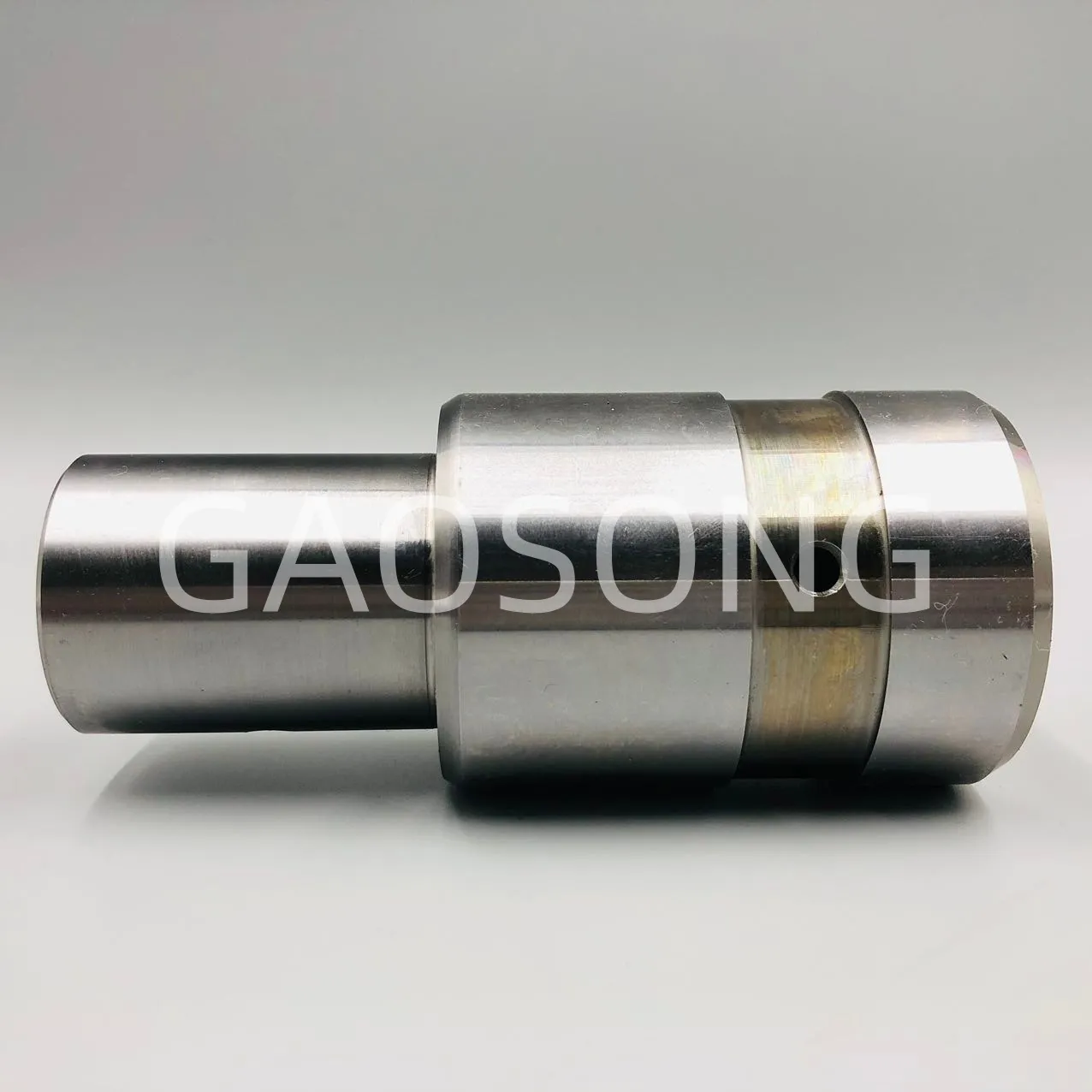 6240-61-4630 • SHAFT-Komatsu Original Factory
 -
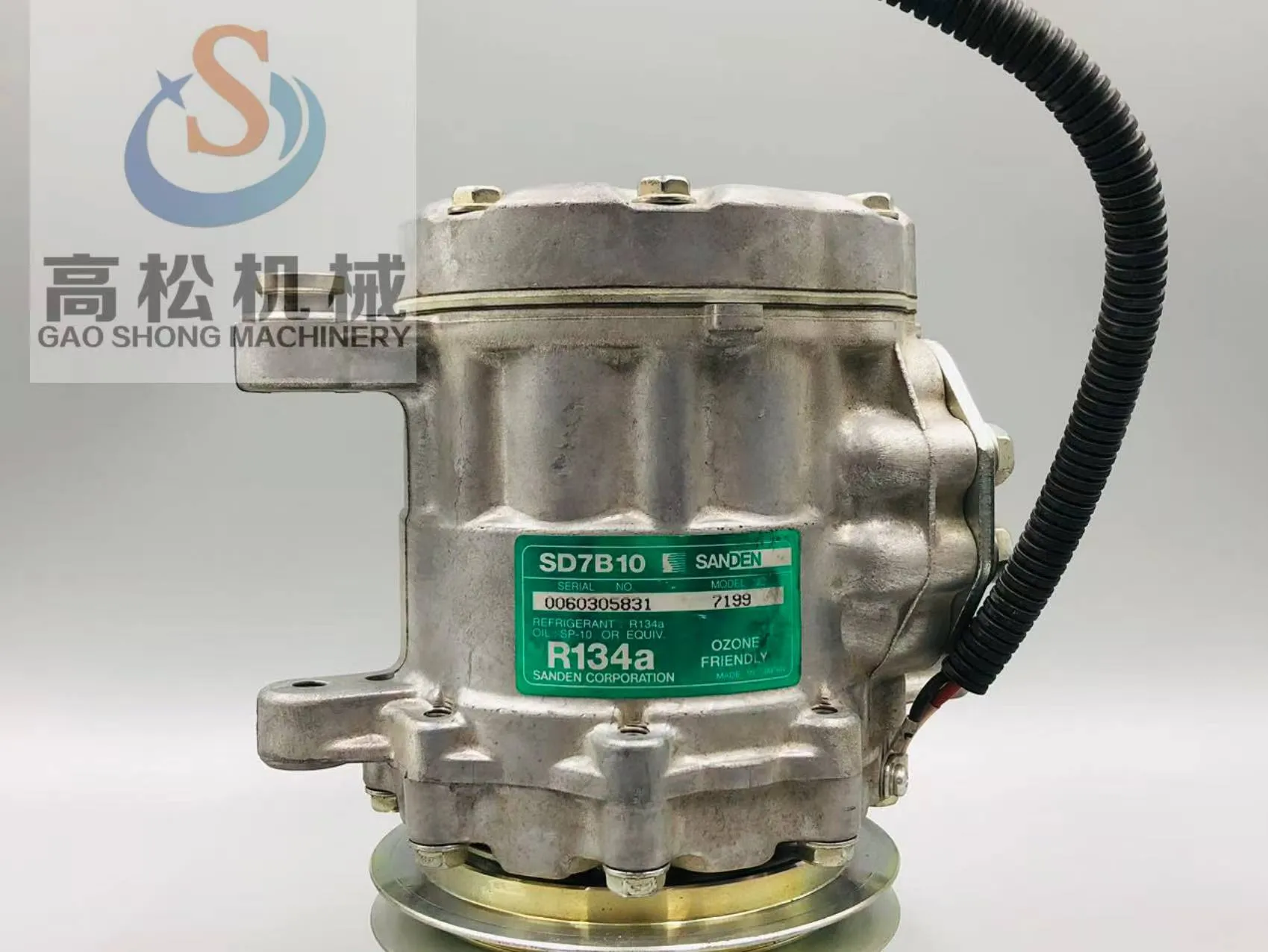 PC55MR PC56-7 Excavator Compressor PC45MR Air Conditioning 22L-979-2200 Compressor Ass’y
 -
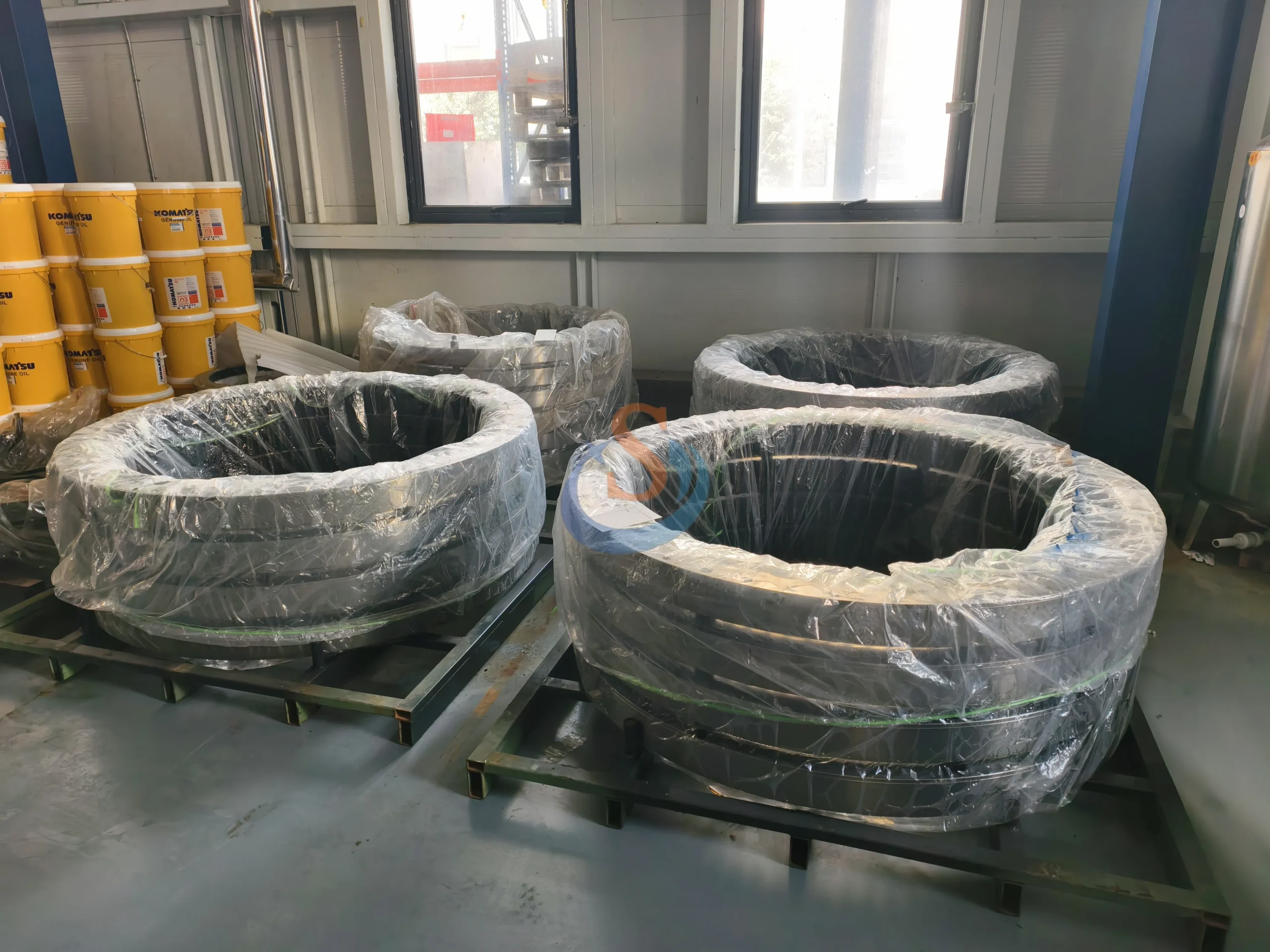 207-25-61100, SWING CIRCLE ASS’Y,PC300,PC360,PC350
 -
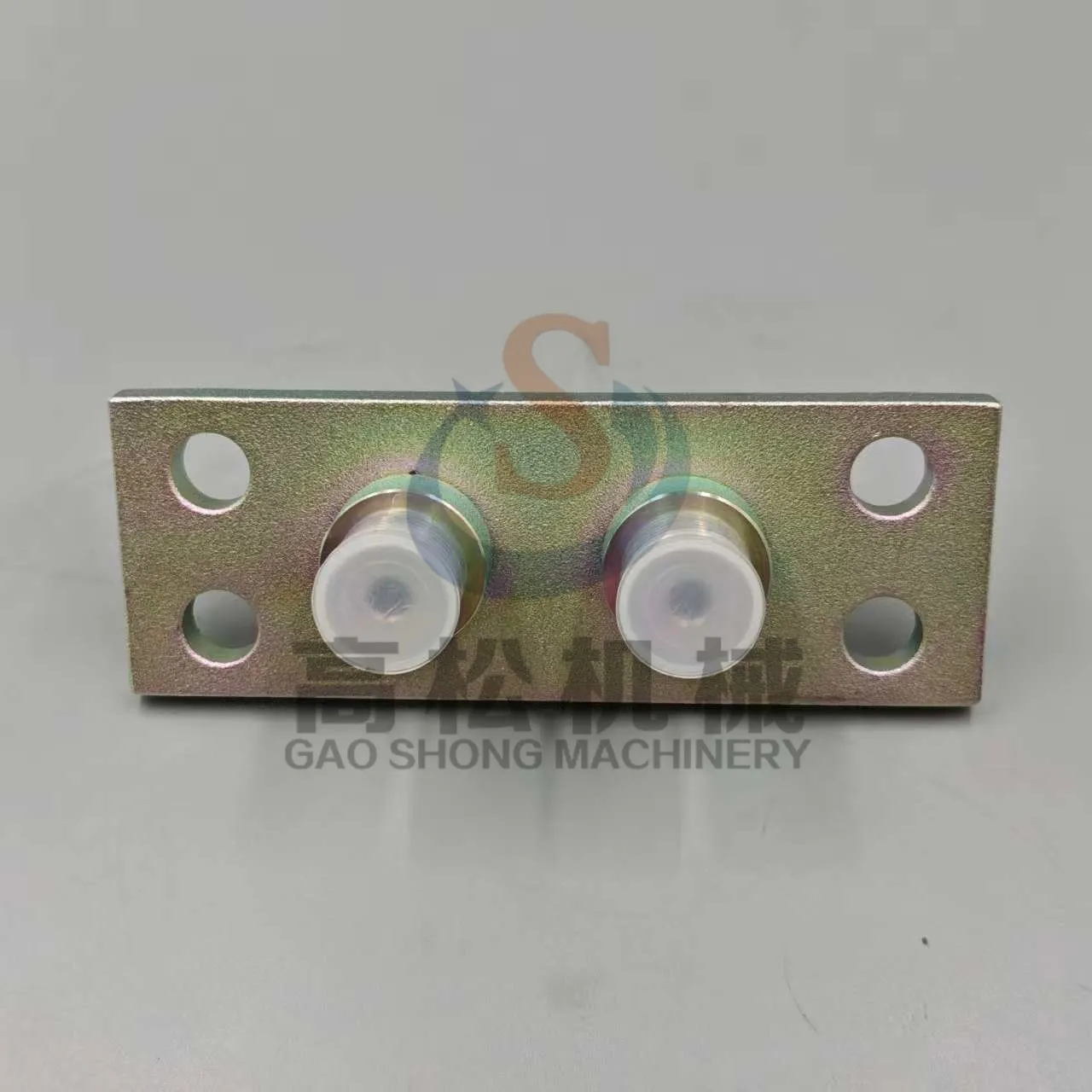 BRACKET 14Y-62-31411 – KOMATSU
 -
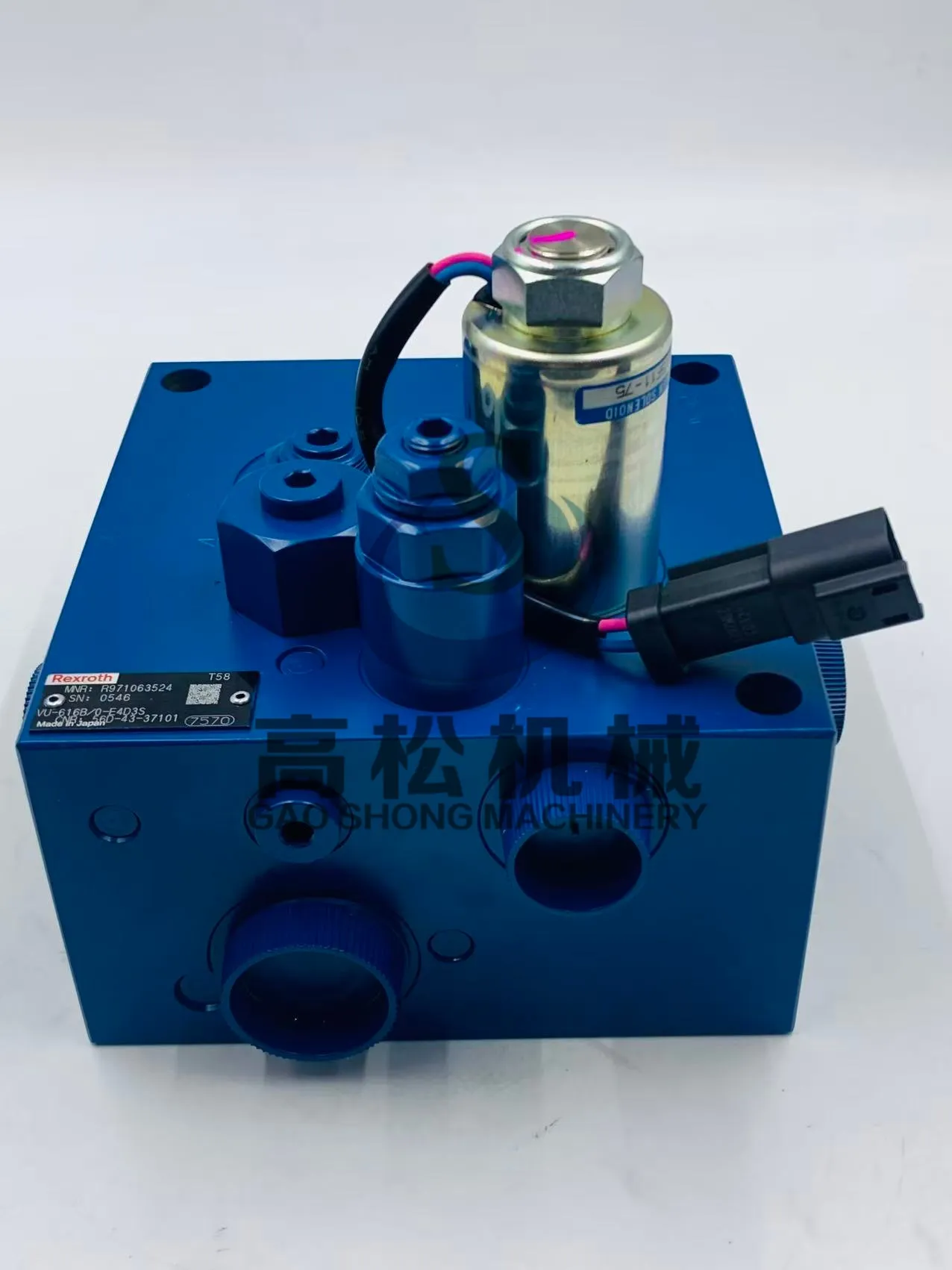 56D-43-37101 Komatsu Valve Assembly
 -
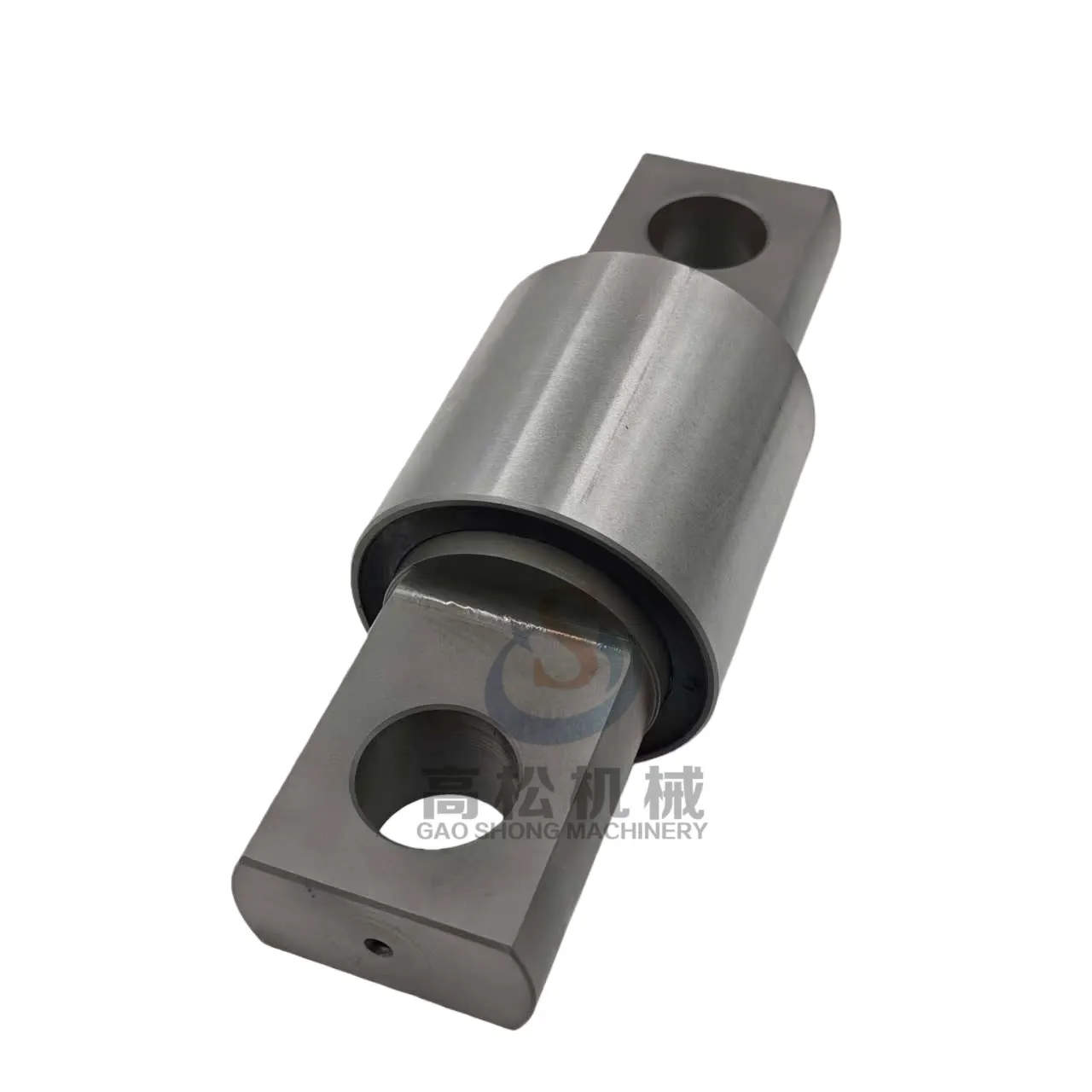 CUSHION HM400 DUMP TRUCK 56B-16-11211
 -
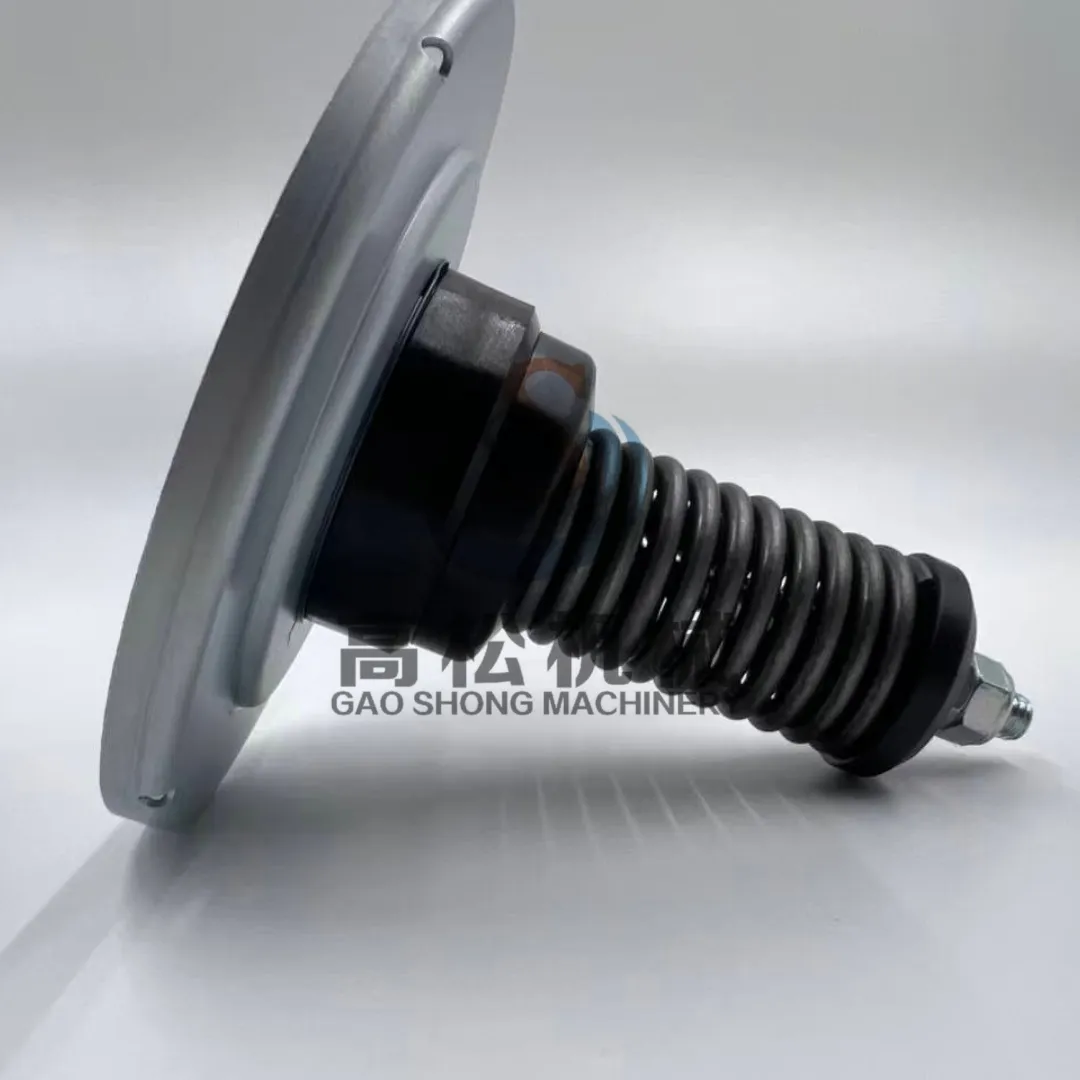 20Y-60-31450 Valve Assembly Komatsu For Hydraulic Tank PC300-8MO Excavator Parts
 -
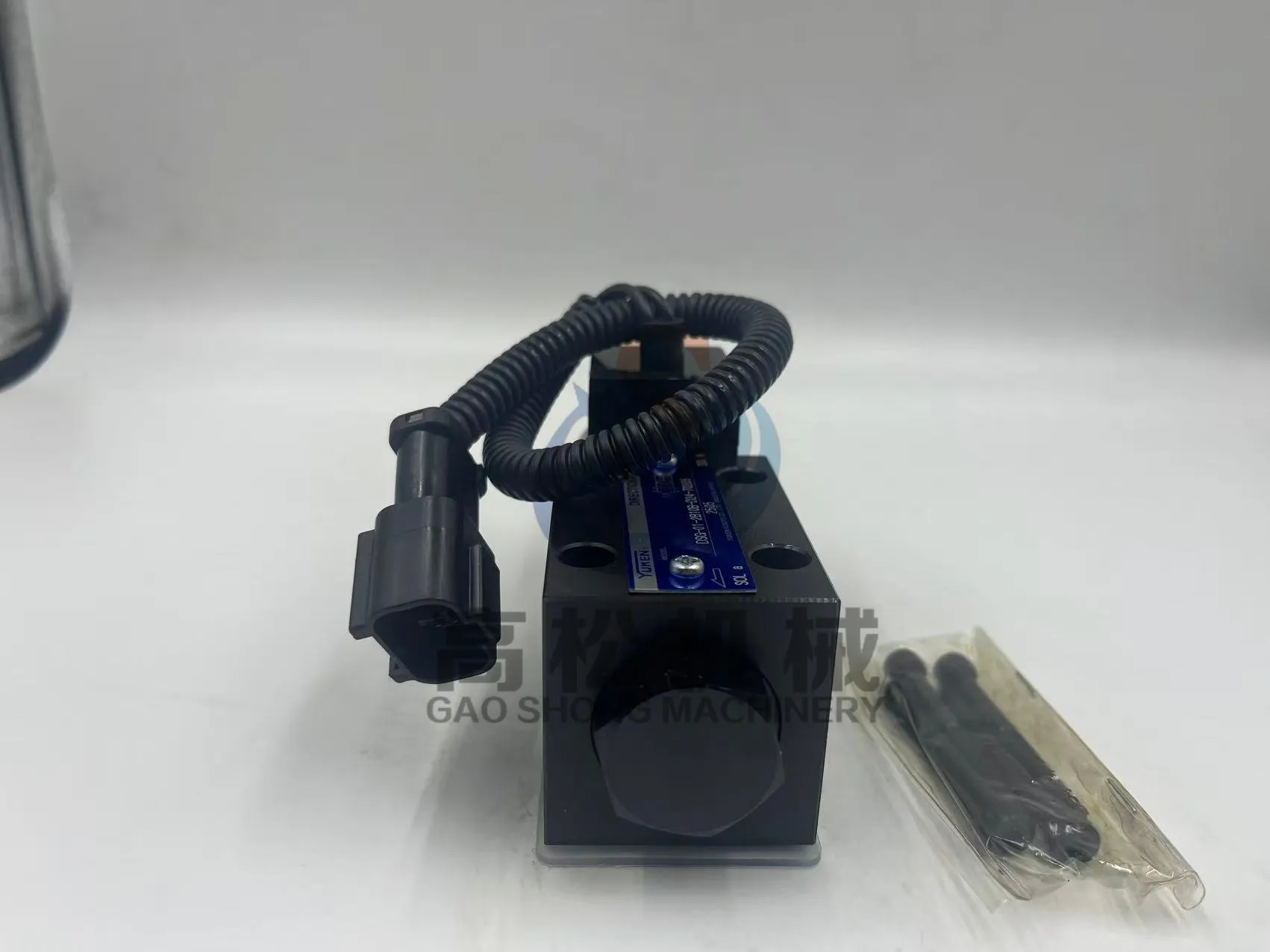 VALVE ASS’Y 23W-60-28230 – KOMATSU
 -
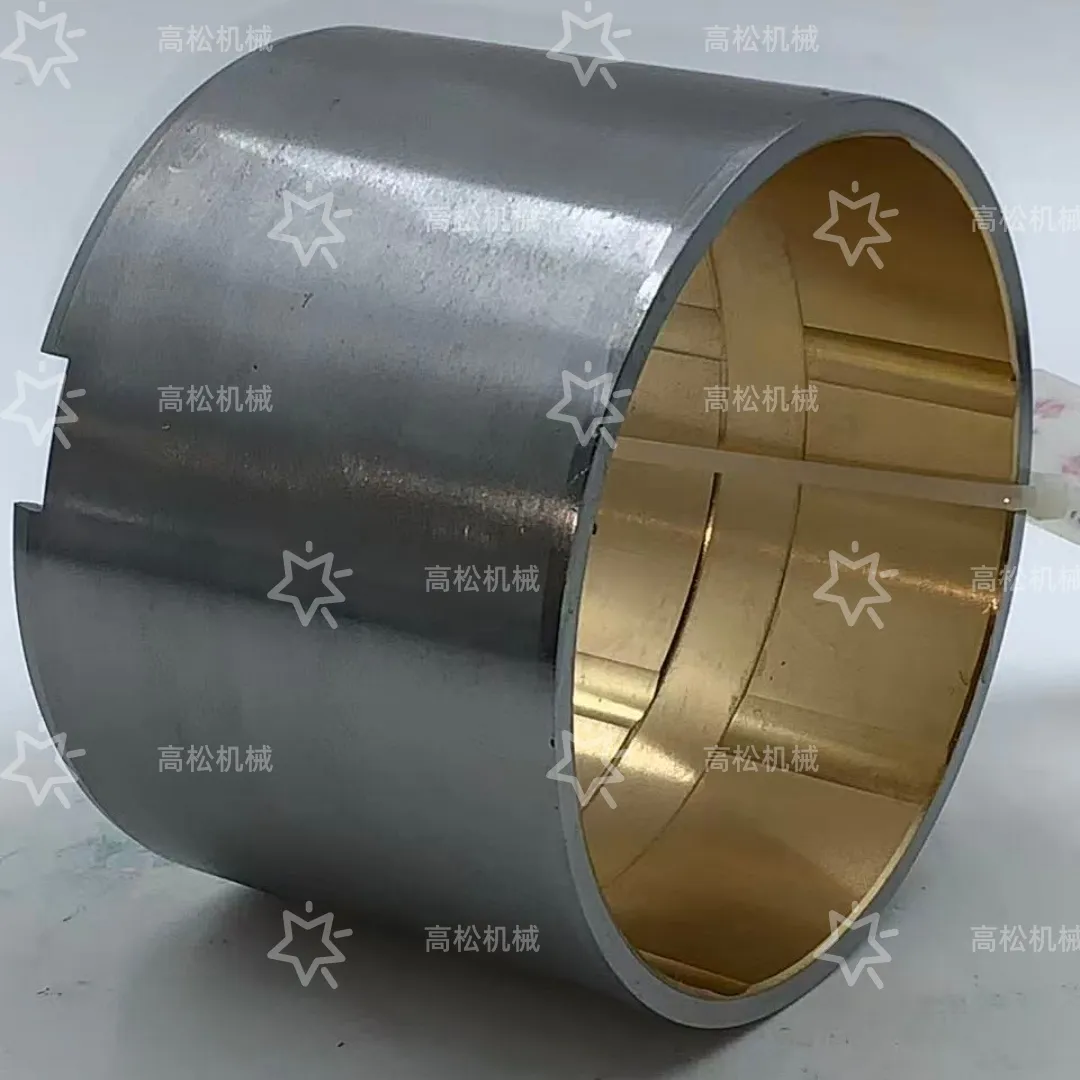 BUSHING 195-61-41160, myKomatsu – Buy Komatsu Parts
 -
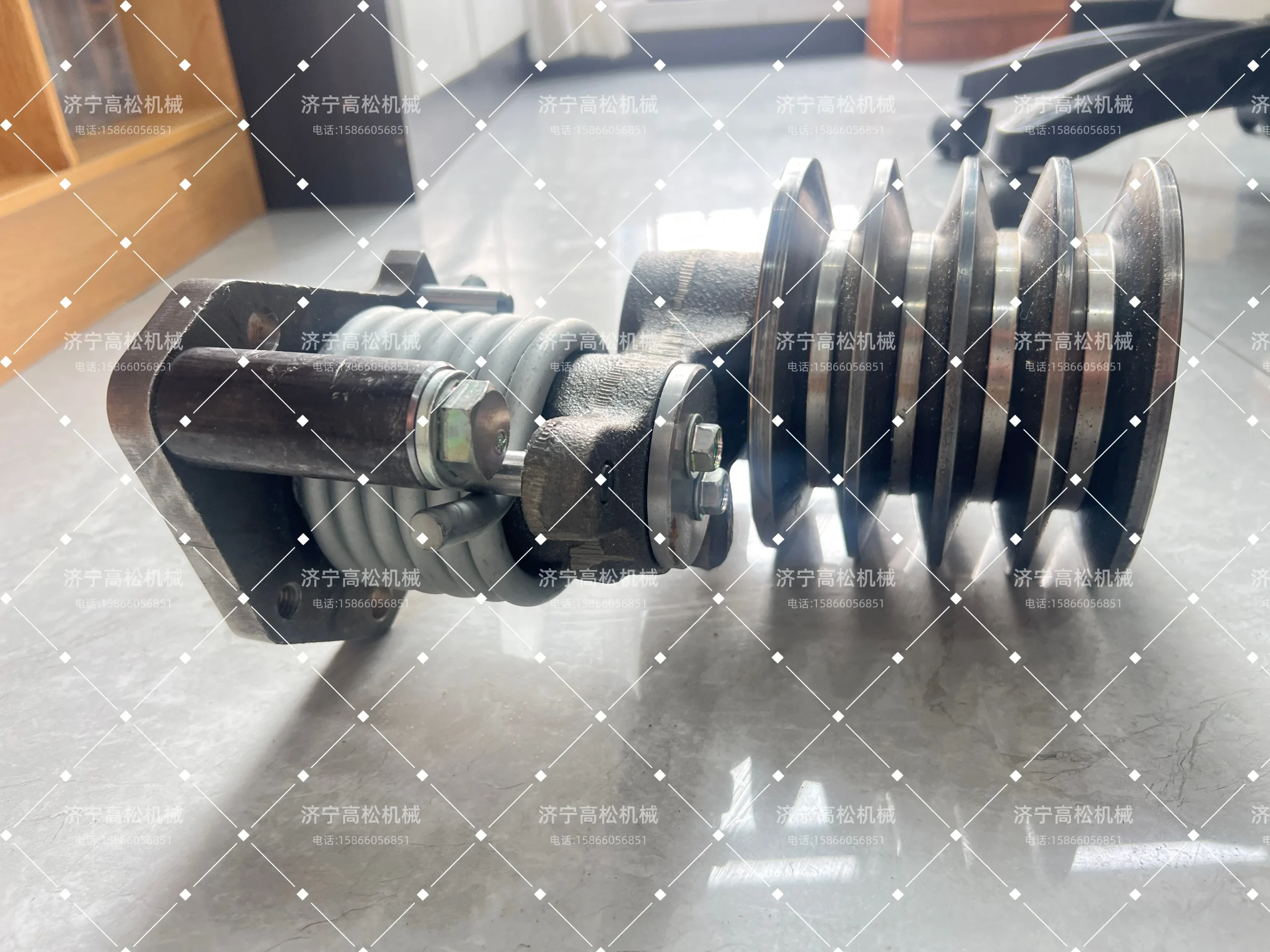 Original Hot Sale TENSION PULLEY ASS’Y 6240-61-4500 TENSION…
 -
21N-25-31130 Komatsu harness – Komatsu
-
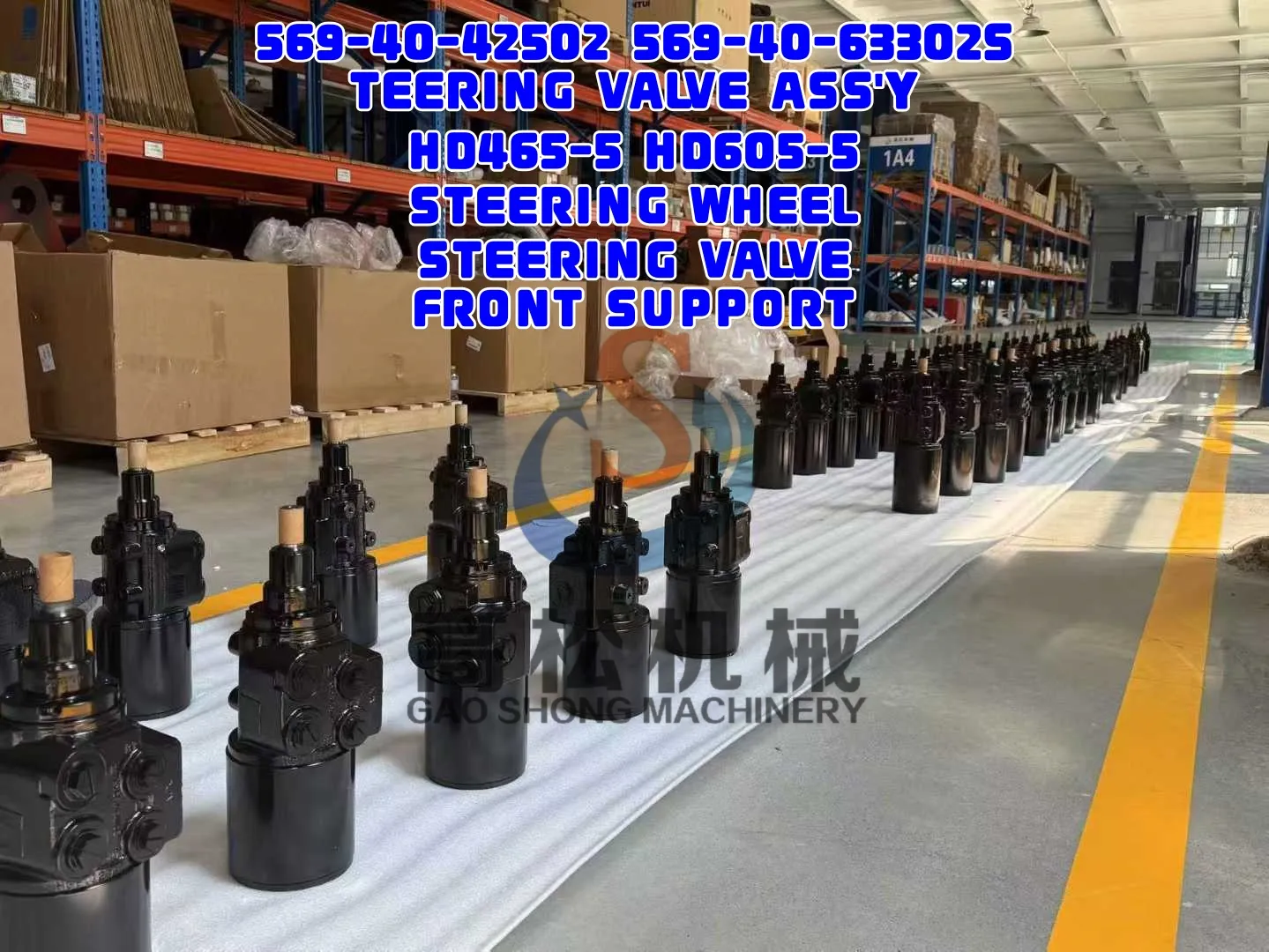 HD465-7-komatsu-part-569-40-42502 569-40-63302 STEERING VALVE ASS’Y HD465-5 HD465-7 HD605-7 HD605-5 FRONT SUPPORT (STEERING VALVE MOUNTING PARTS) STEERING WHEEL STEERING VALVE