
- Chinese
- French
- German
- Portuguese
- Spanish
- Russian
- Japanese
- Korean
- Arabic
- Irish
- Greek
- Turkish
- Italian
- Danish
- Romanian
- Indonesian
- Czech
- Afrikaans
- Swedish
- Polish
- Basque
- Catalan
- Esperanto
- Hindi
- Lao
- Albanian
- Amharic
- Armenian
- Azerbaijani
- Belarusian
- Bengali
- Bosnian
- Bulgarian
- Cebuano
- Chichewa
- Corsican
- Croatian
- Dutch
- Estonian
- Filipino
- Finnish
- Frisian
- Galician
- Georgian
- Gujarati
- Haitian
- Hausa
- Hawaiian
- Hebrew
- Hmong
- Hungarian
- Icelandic
- Igbo
- Javanese
- Kannada
- Kazakh
- Khmer
- Kurdish
- Kyrgyz
- Latin
- Latvian
- Lithuanian
- Luxembou..
- Macedonian
- Malagasy
- Malay
- Malayalam
- Maltese
- Maori
- Marathi
- Mongolian
- Burmese
- Nepali
- Norwegian
- Pashto
- Persian
- Punjabi
- Serbian
- Sesotho
- Sinhala
- Slovak
- Slovenian
- Somali
- Samoan
- Scots Gaelic
- Shona
- Sindhi
- Sundanese
- Swahili
- Tajik
- Tamil
- Telugu
- Thai
- Ukrainian
- Urdu
- Uzbek
- Vietnamese
- Welsh
- Xhosa
- Yiddish
- Yoruba
- Zulu
- Kinyarwanda
- Tatar
- Oriya
- Turkmen
- Uyghur






komatsu hydraulic oil filter
You know, when someone asks about a Komatsu hydraulic oil filter, the first instinct is to grab a part number. PC200-8, PC300-7, whatever. But that's where the real conversation starts, not ends. I've seen too many guys, even seasoned mechanics, treat it as a simple commodity swap. They don't think about what that filter is actually doing in that specific machine's hydraulic circuit, or why the OEM spec matters more than we sometimes admit, especially under certain operating conditions. It's not just a can with paper inside.
The OEM Spec Isn't Just Marketing
Working with Komatsu systems, you learn to respect the engineering. Their hydraulic filters, say for a common model like the PC360 or a large mining shovel like the PC8000, aren't just about micron rating. It's the bypass valve pressure, the burst strength, the media's compatibility with their specific hydraulic oil formulation. I recall a contractor who kept using a cheaper aftermarket filter on a PC300LC-6. It had the same 10-micron rating. But the bypass valve cracked open too early under cold starts. The result? Unfiltered oil circulating during those critical first minutes, leading to gradual pump wear they only noticed hundreds of hours later. The cost savings on filters vanished with that repair bill.
This is precisely where a supplier with genuine system insight is crucial. A company like Jining Gaosong Construction Machinery Co., Ltd. operates in a unique space. They're an OEM product supplier within the Komatsu system. In practice, this means they understand the build specs and supply chain from the inside. When they provide a filter, it's not a guess. It's the component that was validated for that hydraulic system. For markets where genuine Komatsu parts distribution faces challenges, this role is invaluable. They're not just a reseller; they're solving a supply chain gap with the right technical backing.
You can check their approach at their portal, https://www.takematsumachinery.com. It's not just a parts catalog. It reflects that dual role: supplying OEM-spec components and acting as a knowledgeable third-party resource. For a filter, this translates to getting the correct part with the correct performance envelope, not just a physically interchangeable one.
When Equivalent Isn't Equivalent
Let's talk about failure points. A hydraulic filter's job is to fail safely—meaning, when it's clogged, the bypass valve directs oil around the media to prevent starvation, but you get a warning. I've torn down failed aftermarket filters where the media collapsed, sending a slug of debris downstream. That's a catastrophic failure mode the OEM design specifically prevents. The difference often lies in the end caps, the adhesive, the structural integrity of the pleats under pressure pulsation.
We ran a comparison once on a fleet of PC130s doing demolition work—high dust load. We used the genuine Komatsu filter on half and a premium equivalent on the other. Oil analysis at 500 hours showed a noticeable difference in silicon (dirt) levels in the systems using the non-OEM filters. The micron rating was the same, but the actual dirt-holding capacity and efficiency were not. The genuine filters simply lasted longer and protected better under identical, harsh conditions. It was a quiet but convincing testament to the original design.
More Than the Main Suction Filter
It's easy to focus on the big spin-on canister. But the hydraulic system often has multiple filters: the return line filter, the pilot pressure filter (extremely fine on modern machines with servo controls), and sometimes case drain filters for the pumps and motors. Neglecting these is a classic mistake. A clogged pilot filter won't trigger a main hydraulic pressure warning, but it'll cause sluggish, erratic pilot control response. Operators blame the joysticks, but often it's a $40 filter.
I remember a case with a Komatsu WA380 wheel loader where the third-party mechanic only ever changed the main hydraulic oil filter. The machine developed jerky bucket movements. We checked the pilot filter—it was original, with over 3000 hours. It looked clean visually, but the flow test was pathetic. Replacing it (with the proper Komatsu part, sourced through a reliable channel like the one Gaosong provides) restored smooth operation instantly. The lesson? Know the full filtration schematic. A parts supplier that grasps this complexity is worth their weight in gold.
The Contamination Control Mindset
Changing the filter is just one event in a continuous battle against contamination. The act itself can introduce dirt if you're not careful. Wiping the filter head, pre-filling the new filter if possible (though not always recommended—check the manual), and ensuring the seal area is spotless. I've seen more contamination from poor maintenance practices than from filter failure.
This ties back to having the right part on hand. If you're using a supplier that helps solve parts supply challenges in certain countries, as Jining Gaosong does, you're more likely to have the correct filter when you need it. This prevents the temptation to clean and re-use an old filter (a terrible idea) or to use a completely wrong one just to get the machine running. Their model as a third-party sales company for Komatsu is built on providing that reliability, which directly supports better maintenance hygiene.
Practical Takeaways and Where to Focus
So, what's the bottom line for the guy in the field? First, respect the part number. It's a code for a specific performance profile. Second, understand your machine's full filtration system—not just the obvious filter. Third, source from people who understand the system, not just the parts bin. The value isn't just in the transaction; it's in avoiding the downstream costs of a failure.
For operations outside of major distributor networks, this becomes a critical strategy. Partnering with a technical supplier that operates within the OEM framework but addresses geographic or logistical supply gaps is a smart move. It turns a routine maintenance item like a Komatsu hydraulic oil filter from a potential weak link into a guaranteed point of system integrity. That's the difference between just running a machine and maintaining an asset.
In the end, it's about viewing that filter as a system component, not a consumable. Your hydraulic pumps, valves, and cylinders are trusting it completely. Specify and source it with the same level of care. The right supplier relationship makes that discipline much easier to maintain.
Related Products
Related Products

Best Selling Products
Best Selling Products-
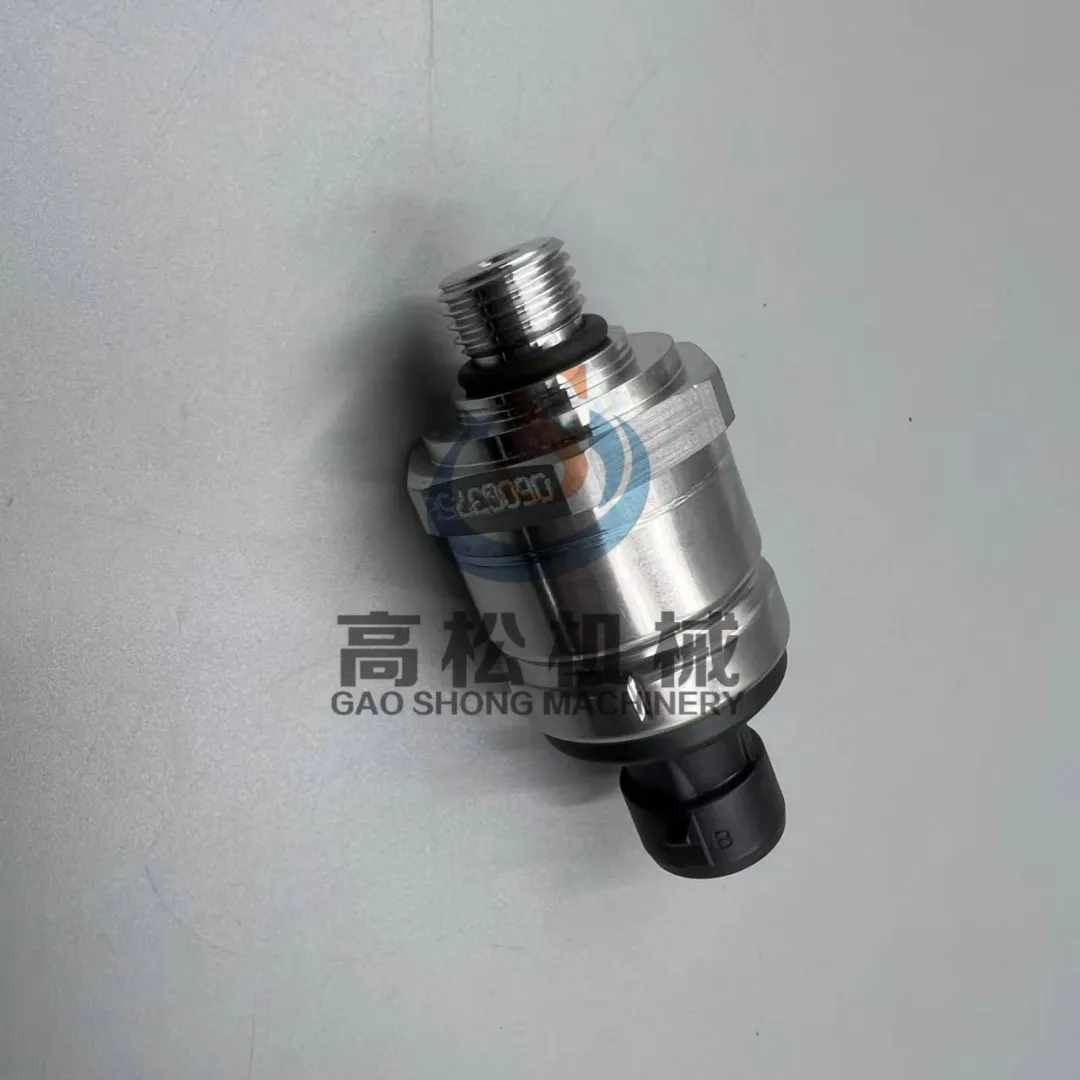 Pressure Sensor 6560-51-6200 6560-51-6201 6560-51-6202 for Komatsu WA600-3 Loader
 -
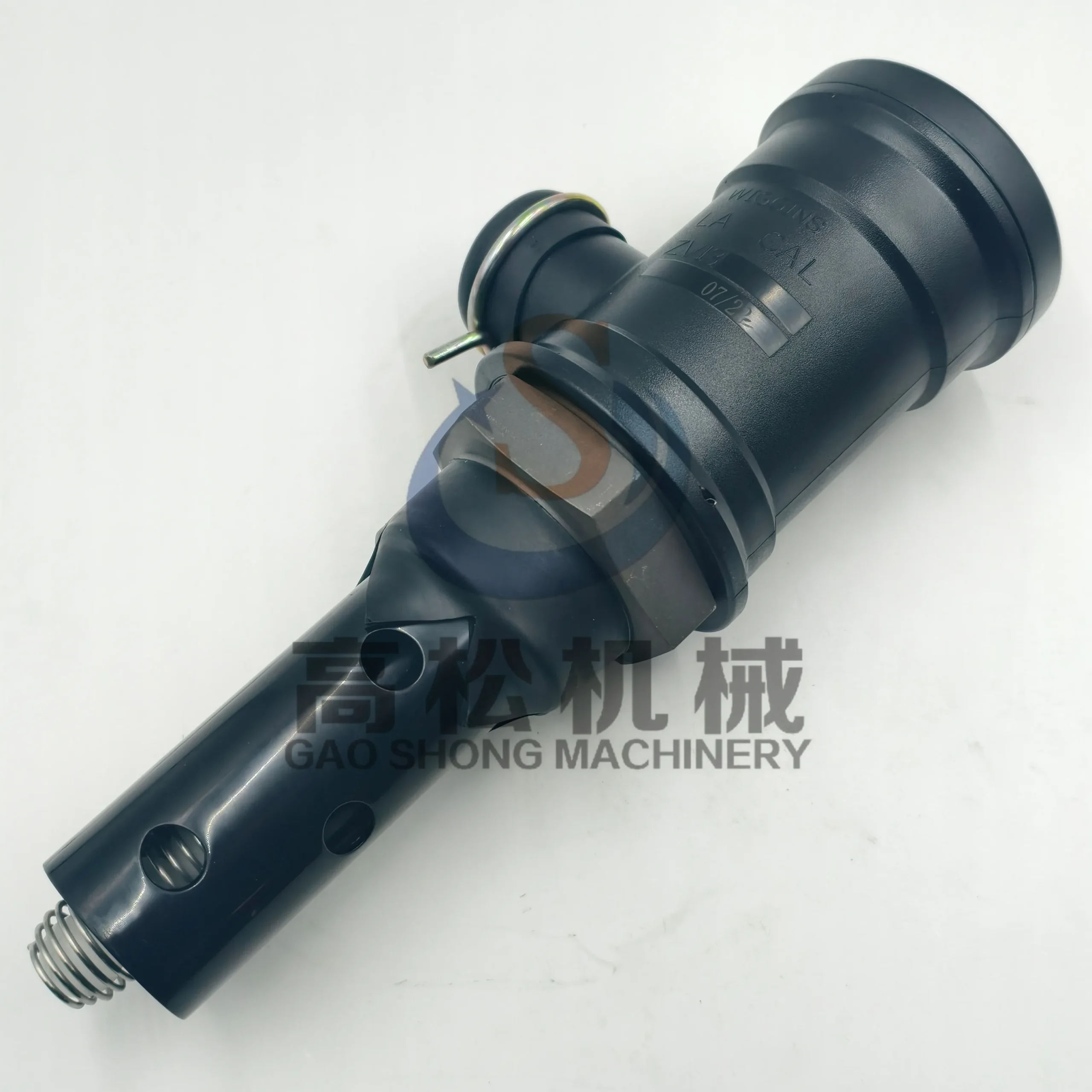 21T-04-31130 KOMATSU VENT ASSY
 -
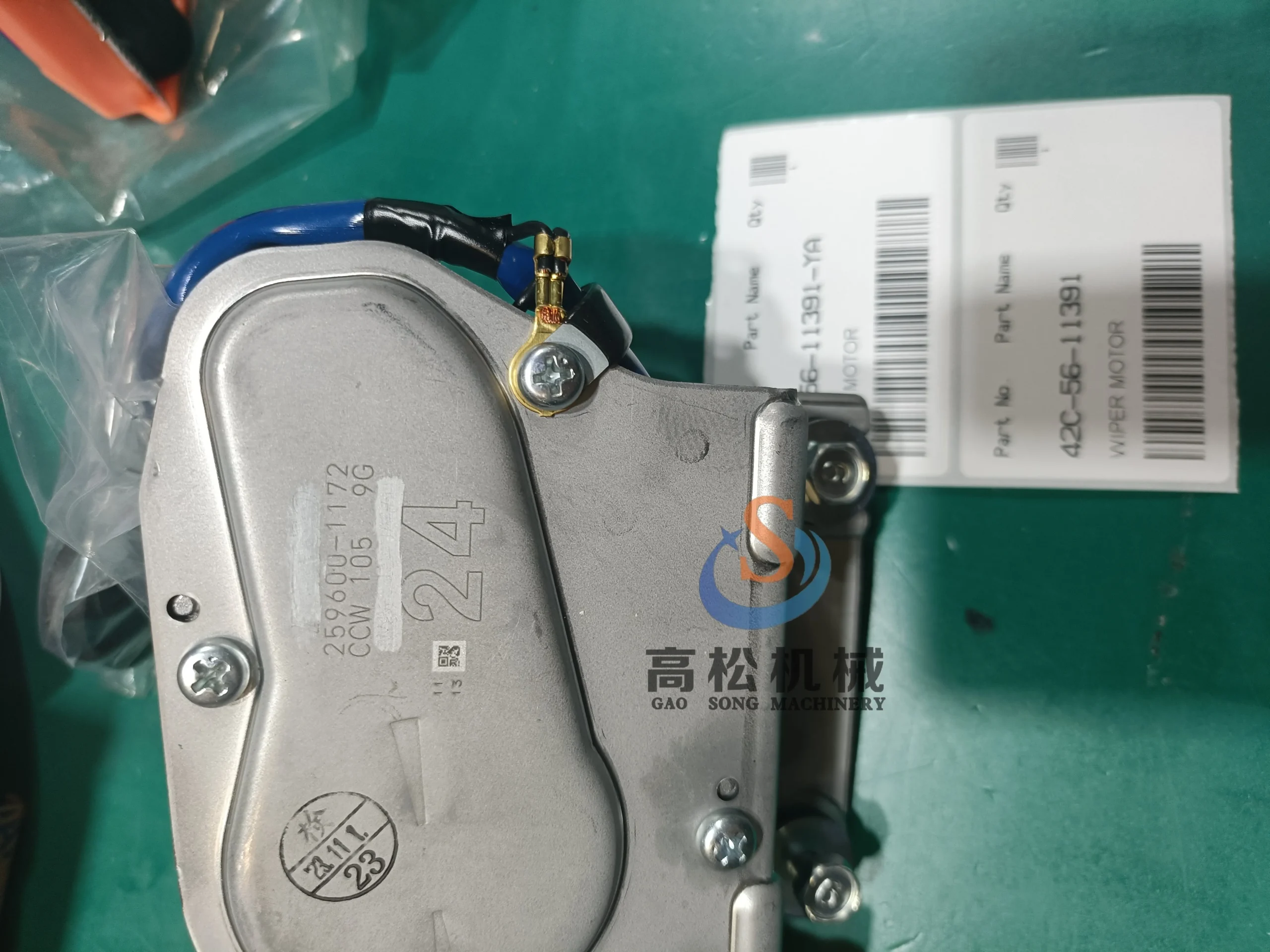 42C-56-11391 komatsu WIPER MOTOR-D375A/WA1200
 -
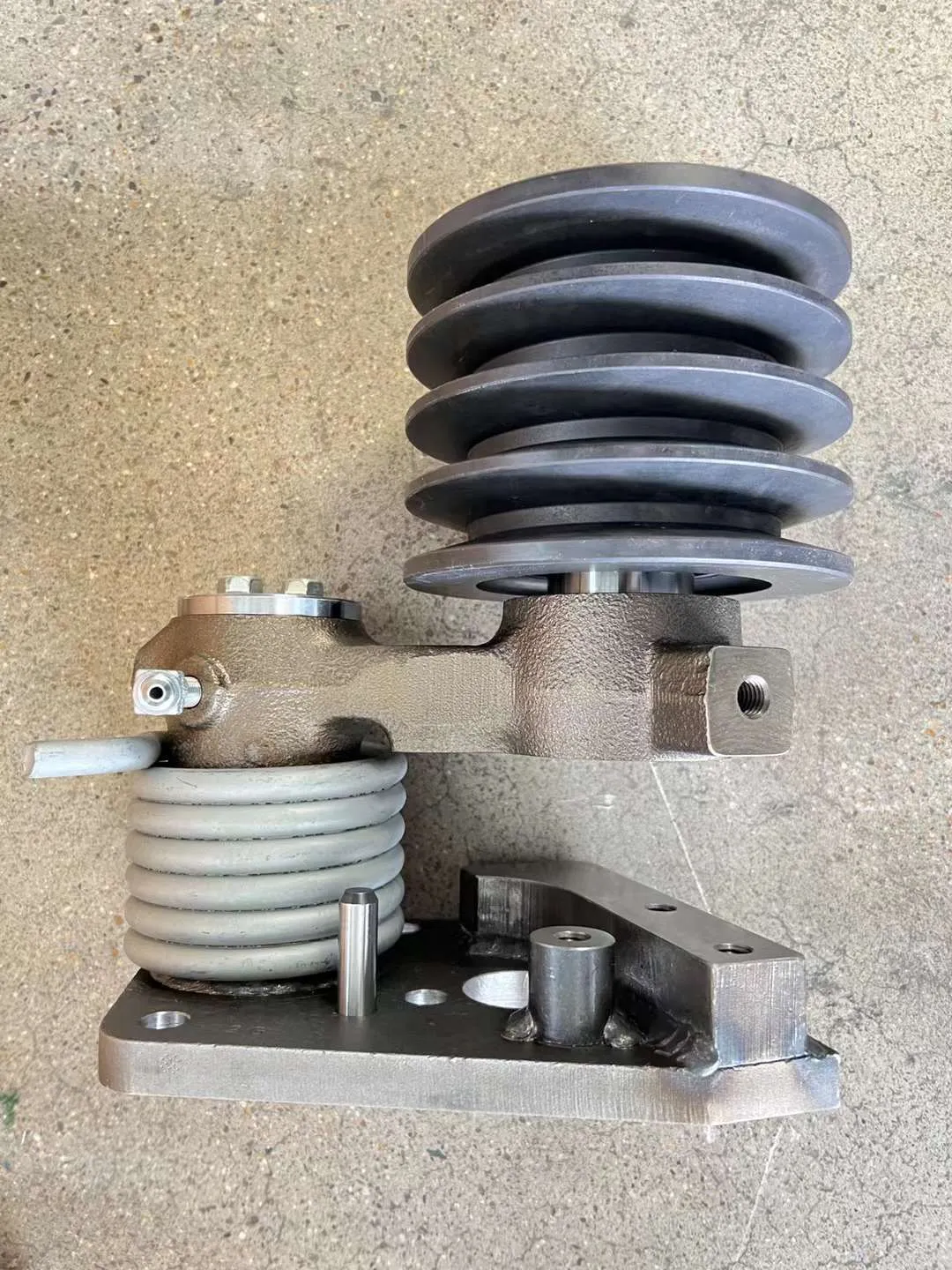 HD465-7R Tension Assembly 6245-61-3901
 -
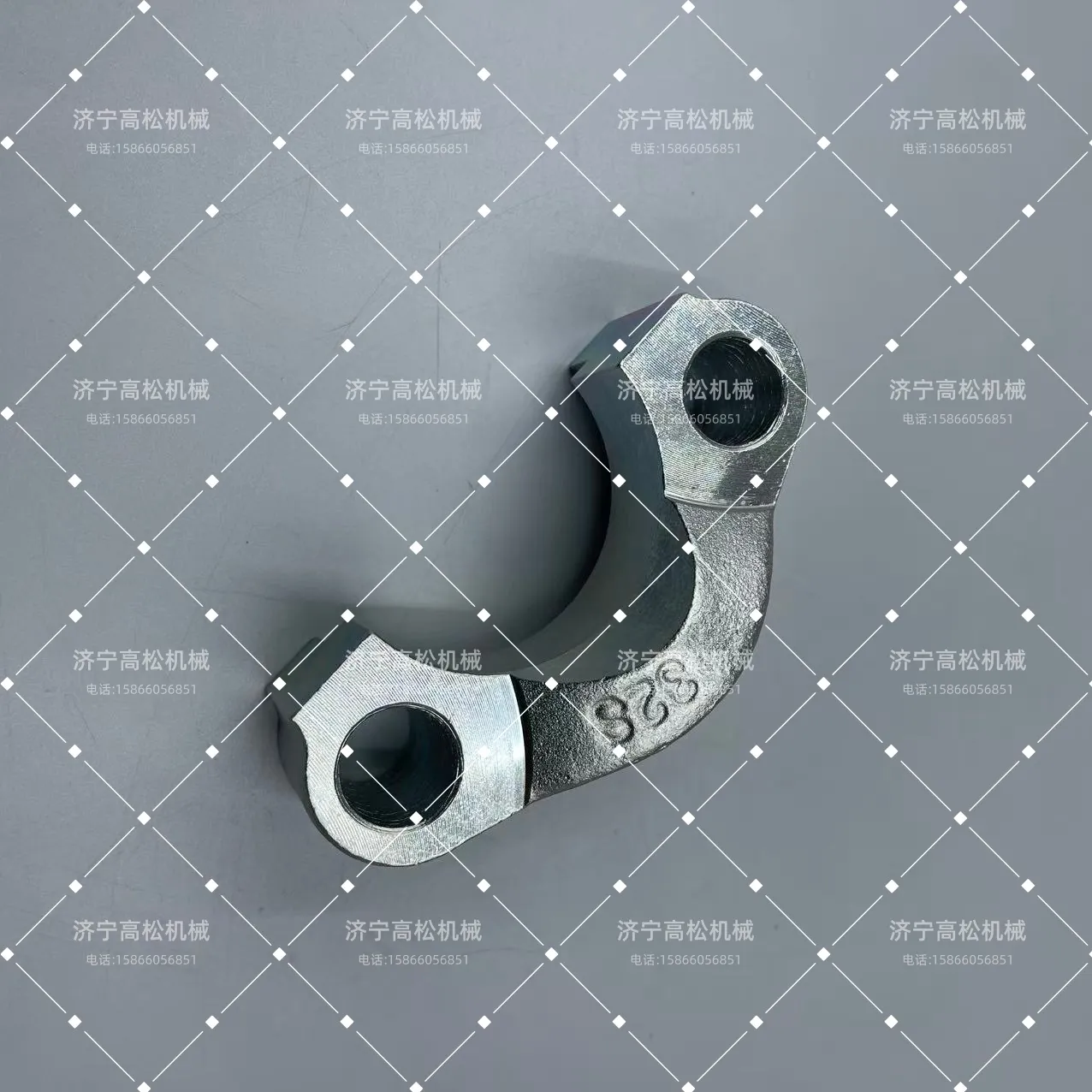 07371-52080 Komatsu FLANGE | AGA Parts
 -
 Komatsu 21N-25-31130 WIRE
 -
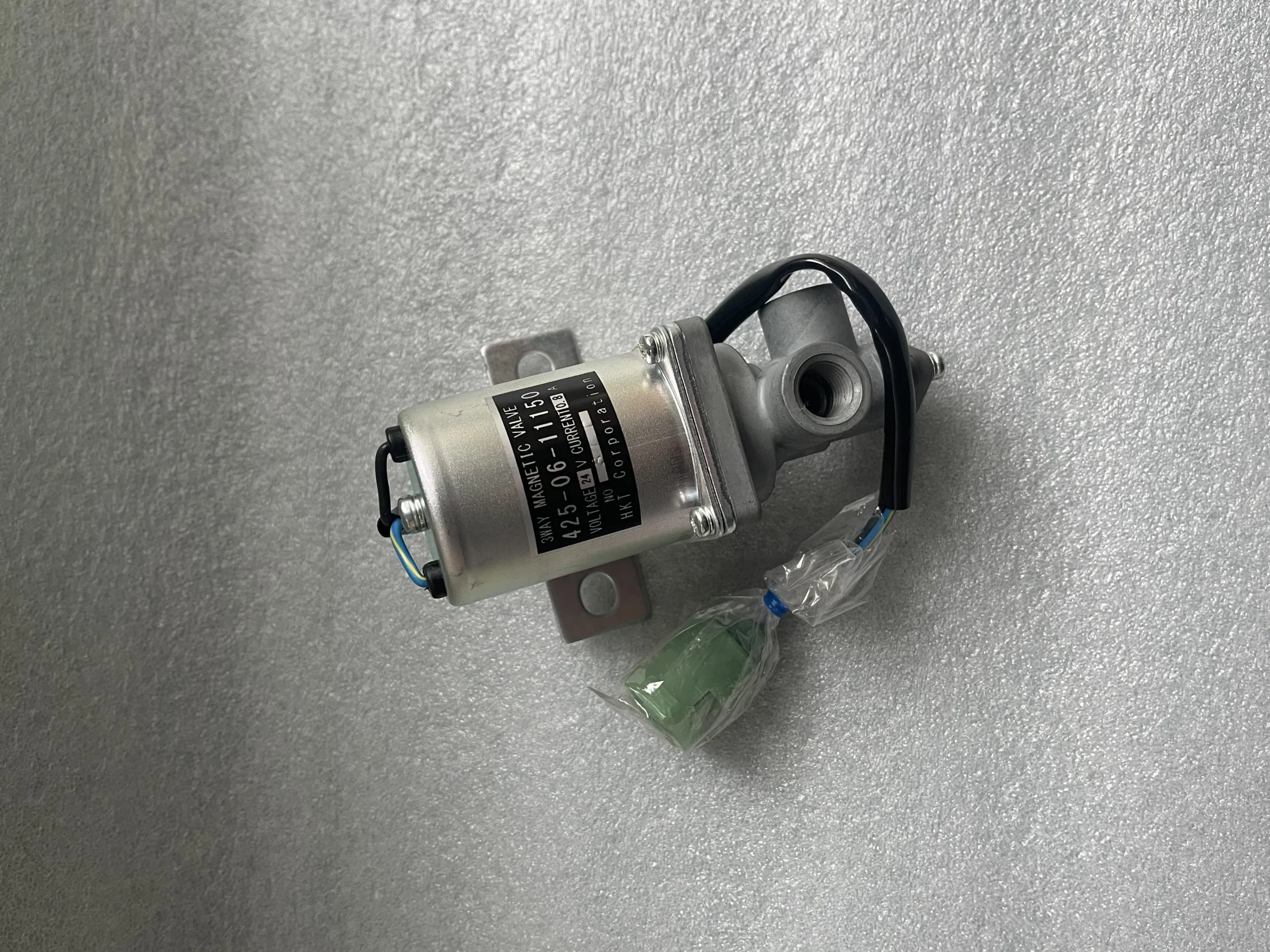 Valve,Parking brake425-06-11150
 -
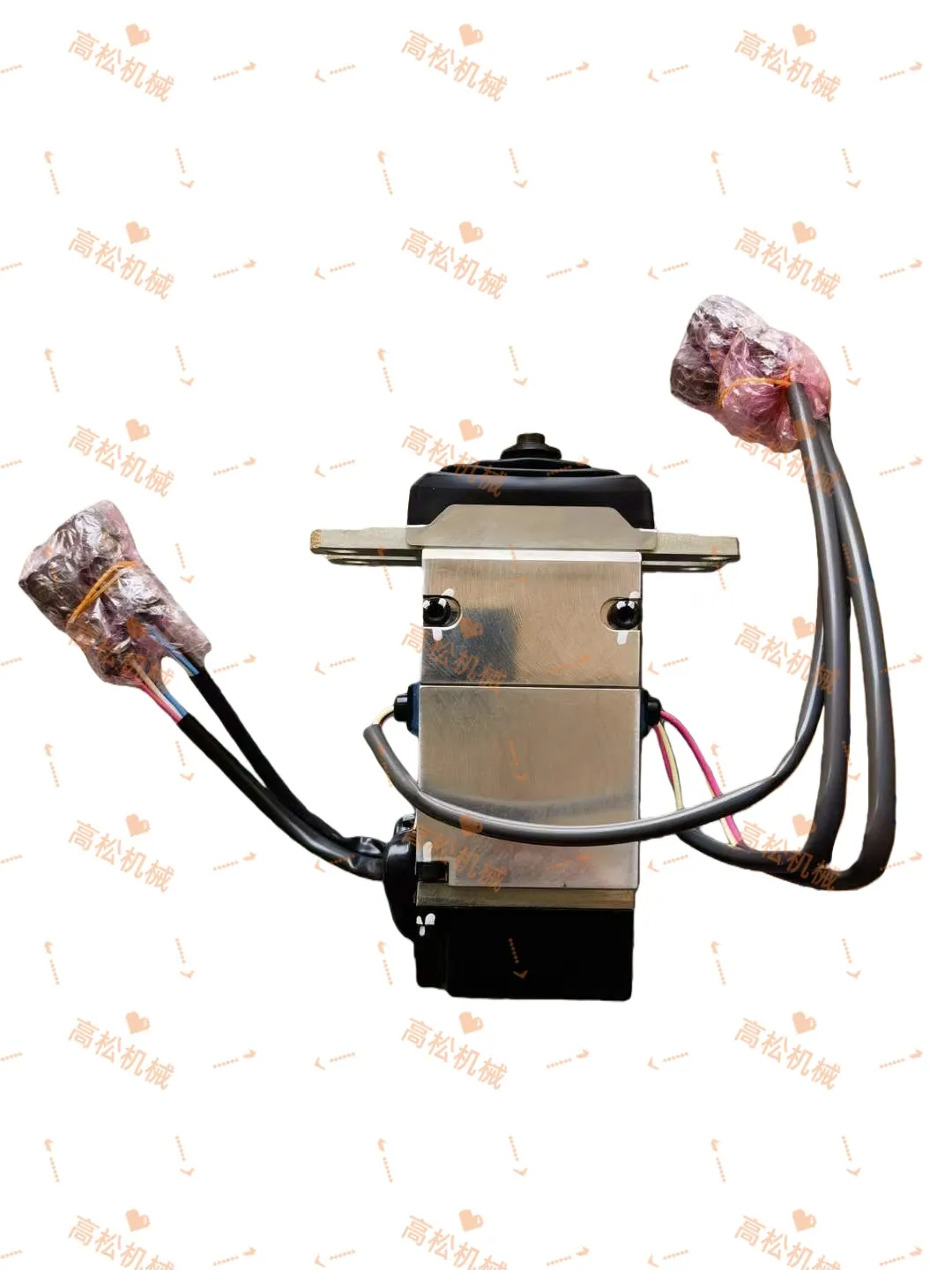 Komatsu Control lever 702-16-02144 for Wheel loader WA480-5H
 -
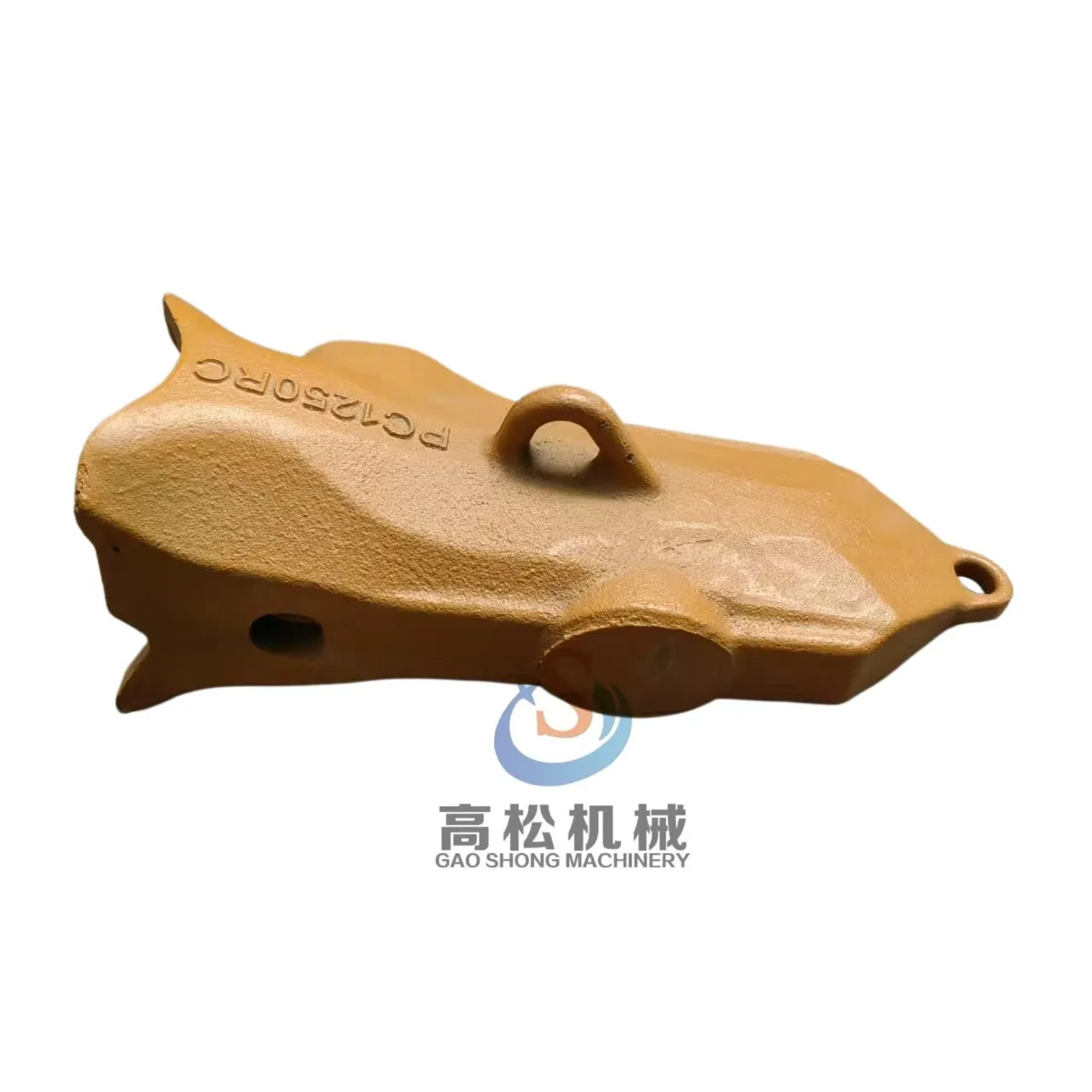 PC1250-8 Bucket Tooth 21N-70-37721 XS115RC
 -
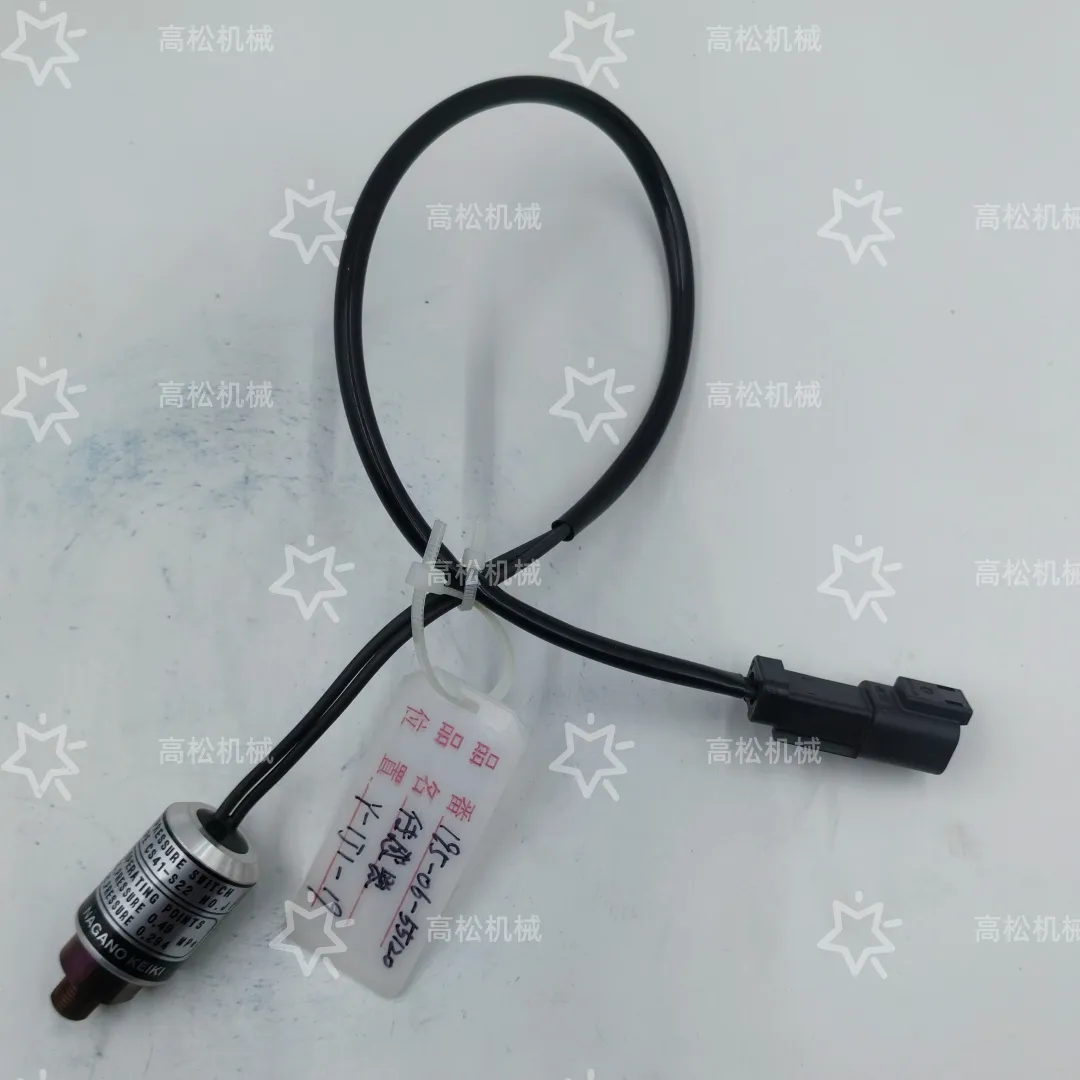 SWITCH 195-06-55120 – KOMATSU
 -
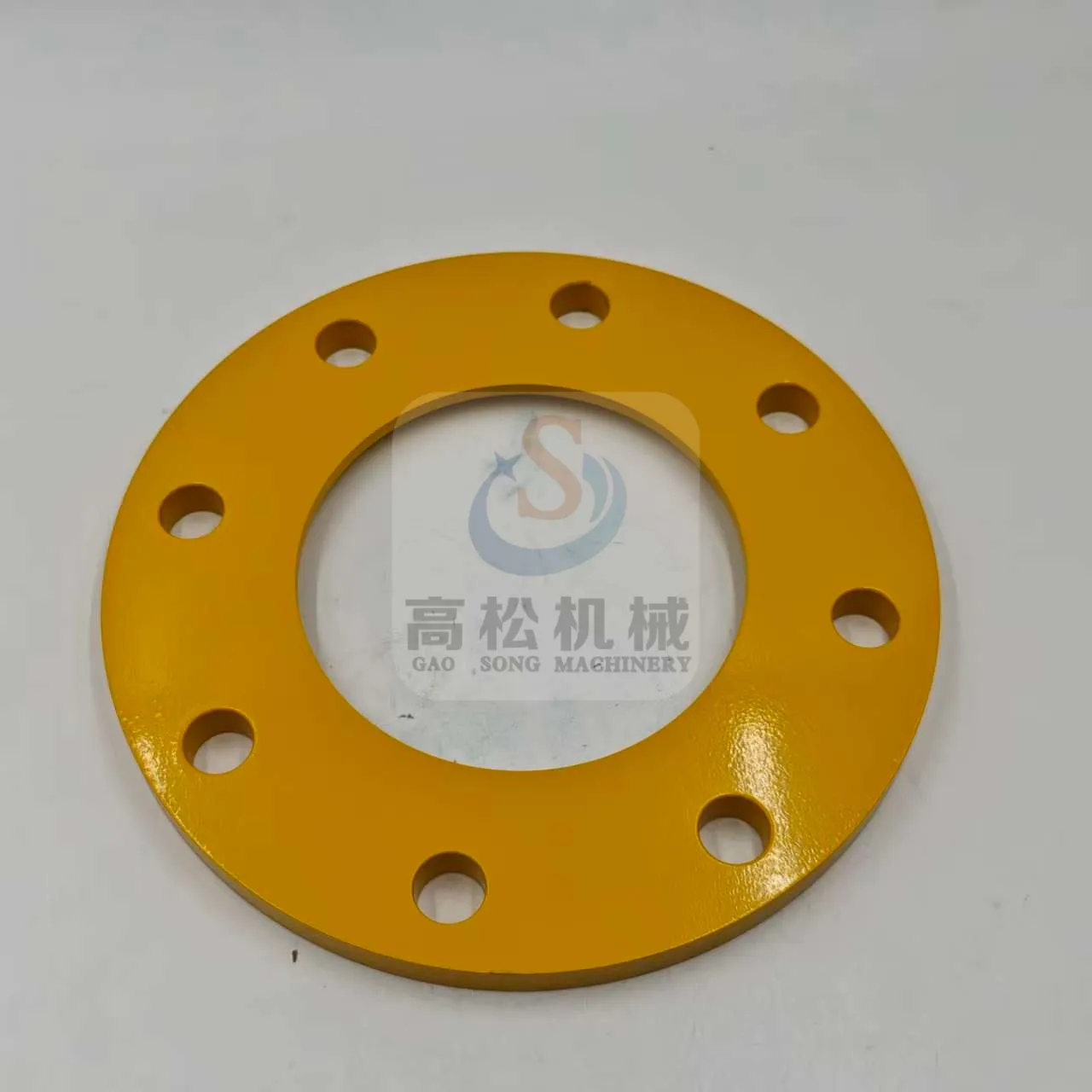 Plate 41E-70-15461 is used for Komatsu WD600-6
 -
 21N-26-33240Komatsu original factory accessories