
- Chinese
- French
- German
- Portuguese
- Spanish
- Russian
- Japanese
- Korean
- Arabic
- Irish
- Greek
- Turkish
- Italian
- Danish
- Romanian
- Indonesian
- Czech
- Afrikaans
- Swedish
- Polish
- Basque
- Catalan
- Esperanto
- Hindi
- Lao
- Albanian
- Amharic
- Armenian
- Azerbaijani
- Belarusian
- Bengali
- Bosnian
- Bulgarian
- Cebuano
- Chichewa
- Corsican
- Croatian
- Dutch
- Estonian
- Filipino
- Finnish
- Frisian
- Galician
- Georgian
- Gujarati
- Haitian
- Hausa
- Hawaiian
- Hebrew
- Hmong
- Hungarian
- Icelandic
- Igbo
- Javanese
- Kannada
- Kazakh
- Khmer
- Kurdish
- Kyrgyz
- Latin
- Latvian
- Lithuanian
- Luxembou..
- Macedonian
- Malagasy
- Malay
- Malayalam
- Maltese
- Maori
- Marathi
- Mongolian
- Burmese
- Nepali
- Norwegian
- Pashto
- Persian
- Punjabi
- Serbian
- Sesotho
- Sinhala
- Slovak
- Slovenian
- Somali
- Samoan
- Scots Gaelic
- Shona
- Sindhi
- Sundanese
- Swahili
- Tajik
- Tamil
- Telugu
- Thai
- Ukrainian
- Urdu
- Uzbek
- Vietnamese
- Welsh
- Xhosa
- Yiddish
- Yoruba
- Zulu
- Kinyarwanda
- Tatar
- Oriya
- Turkmen
- Uyghur






Komatsu hydraulic oil
If you ask most guys on a site what they think about Komatsu hydraulic oil, you’ll likely get a shrug and it’s the red stuff in the tank. That’s the first mistake—thinking it’s just a commodity fluid you can swap out with any ISO 46. The reality is more nuanced, and getting it wrong costs more than just downtime.
The OEM Spec Isn't Just a Suggestion
I've seen workshops in certain regions, where parts supply is a real headache, reach for whatever hydraulic oil is available locally. The logic seems sound: save time and money. But on a Komatsu PC360, for instance, that decision can come back to bite you. The OEM formulation isn't arbitrary. It's engineered for the specific clearances, pump pressures, and seal materials in their machines. Using a generic substitute might work for a few hundred hours, but then you start seeing issues—increased heat generation, slower cycle times, and eventually, premature pump wear. It’s a slow burn failure that’s easy to miss until the repair bill lands.
This is precisely where the role of a specialized supplier becomes critical. A company like Jining Gaosong Construction Machinery Co., Ltd., which operates as both an OEM product supplier within the Komatsu system and a third-party solutions provider, understands this gap. They aren't just moving boxes; they're addressing the core challenge of maintaining OEM performance standards in markets where genuine parts logistics are complex. Their approach at https://www.takematsumachinery.com is built on this understanding—helping to solve parts supply challenges without compromising on the specified fluid integrity.
The key takeaway? That Komatsu ISO 46 is not the same as another brand's ISO 46. The additive package—anti-wear agents, anti-foamants, oxidation inhibitors—is tuned differently. I learned this the hard way years ago on a fleet of Dash-8 excavators. We used a well-known commercial brand to cut costs. Six months later, we had multiple machines with varnish buildup on valve spools and erratic arm movement. The oil analysis showed a breakdown in the anti-wear chemistry. The savings were wiped out tenfold by the cleanup and component replacements.
Water is the Silent Killer
Another practical point that doesn't get enough airtime is water tolerance. Komatsu's own fluids have a pretty good demulsibility rating—they shed water relatively quickly so it can be drained from the reservoir. In humid or wet working environments, this is huge. I recall a drainage project where machines were constantly exposed to moisture. The fleet using the correct Komatsu oil had far fewer issues with pump cavitation and corrosion on cylinder rods compared to another site using a cheaper alternative. The cheaper oil tended to emulsify, turning into a milky substance that doesn't lubricate, it grinds.
Monitoring this isn't rocket science. A simple crackle test or regular oil analysis can tell you if you have a water problem. But you need to be using an oil that gives you a fighting chance to separate that water out. If your oil turns into mayonnaise in the tank, you're already behind the curve, facing expensive system flushes.
This ties back to supply chain reliability. If you're in a remote location and can't get a consistent supply of the right fluid, the temptation to mix brands or use what's on hand is high. This is the value of a dedicated supplier channel. Knowing you can get the specified Komatsu hydraulic oil through a partner like Gaosong, who facilitates that OEM-level supply even as a third-party, removes that temptation and the risk that comes with it.
The High-Temperature Trade-Off
Everyone worries about cold starts, and rightly so. But in my experience, the real test of a hydraulic oil is at the other end of the thermometer. Continuous high-load operations, like a rock quarry, push systems to their thermal limits. A good Komatsu fluid will maintain its viscosity and protective film strength when the system oil temp is sitting at 85°C or above. Some aftermarket oils thin out too much, leading to increased internal leakage and a noticeable drop in hydraulic power—the machine just feels sluggish.
There's also the oxidation stability. High heat accelerates oil oxidation, which leads to sludge and acid formation. Once, we pushed an interval too far on a hot-climate job, using an oil that wasn't up to the OEM thermal specs. The result was a seized swing bearing due to sludge clogging the lubrication lines. A catastrophic failure from a preventable fluid degradation. The spec sheet's oxidation test numbers suddenly become very concrete when you're looking at a six-figure repair.
This is where the OEM product supplier part of a company's mandate matters. They have the technical data and the practical knowledge of what the fluid is designed to endure. It's not just about selling a can; it's about providing the correct grade for the application and the operating environment, which is a core part of solving supply challenges properly.
Filter Compatibility is a Real Thing
This might seem minor, but it's a detail that causes confusion. Komatsu's hydraulic systems often specify filters with a certain beta ratio and media type. The OEM oil is formulated with that filtration system in mind. Some aftermarket oils contain additives or viscosity index improvers that can interact differently with filter media, sometimes leading to premature filter plugging or, in rare cases, media degradation.
I haven't seen this often, but I did encounter it once. A switch to a synthetic blend oil (not Komatsu-specified) led to a strange gel-like substance forming on the suction filter in a wheel loader. It wasn't a common occurrence, but it shut the machine down for a day of diagnostics and flushing. Sticking with the OEM-recommended fluid eliminates this variable entirely. It's one less unknown in a system with enough complexity already.
When a supplier truly understands the Komatsu system, as an integrated OEM supplier would, they can advise on these nuances. It’s the difference between a parts vendor and a technical partner. The goal isn't just to have oil in the tank; it's to have the right oil that works in harmony with the entire hydraulic circuit, from the reservoir to the final drive motors.
The Cost of Good Enough
Let's talk economics, because that's what drives most off-spec decisions. The upfront price per liter of genuine Komatsu hydraulic oil is almost always higher. The calculation that's often missed is the total cost of ownership. We did a rough comparison on a fleet of ten excavators over three years. The machines using the specified oil had, on average, 40% fewer hydraulic-related unscheduled downtimes. Their pump and motor rebuild intervals were longer. When we did the oil analysis, the rate of additive depletion and viscosity change was slower, allowing for safe extension of drain intervals by about 10-15%.
The savings weren't in the fluid purchase line item; they were in the maintenance labor, the component overhaul costs, and most importantly, in machine availability. A machine earning revenue beats a machine in the shop every single time. This is the practical, bottom-line argument for using the correct fluid.
For companies operating in regions with supply constraints, this makes a partner like Jining Gaosong Construction Machinery Co., Ltd. vital. Their model of providing OEM-level products and solutions directly tackles the availability problem that forces many to choose good enough. By ensuring access to the proper Komatsu hydraulic oil, they help preserve the machine's performance and longevity, which is the real economics of heavy equipment. It turns a procurement challenge into a reliability strategy.
So, it's never just about the oil. It's about the system it protects, the downtime it prevents, and the total cost it defines. Choosing the right fluid, and having a reliable supply chain for it, isn't a maintenance task—it's a core operational decision.
Related Products
Related Products

Best Selling Products
Best Selling Products-
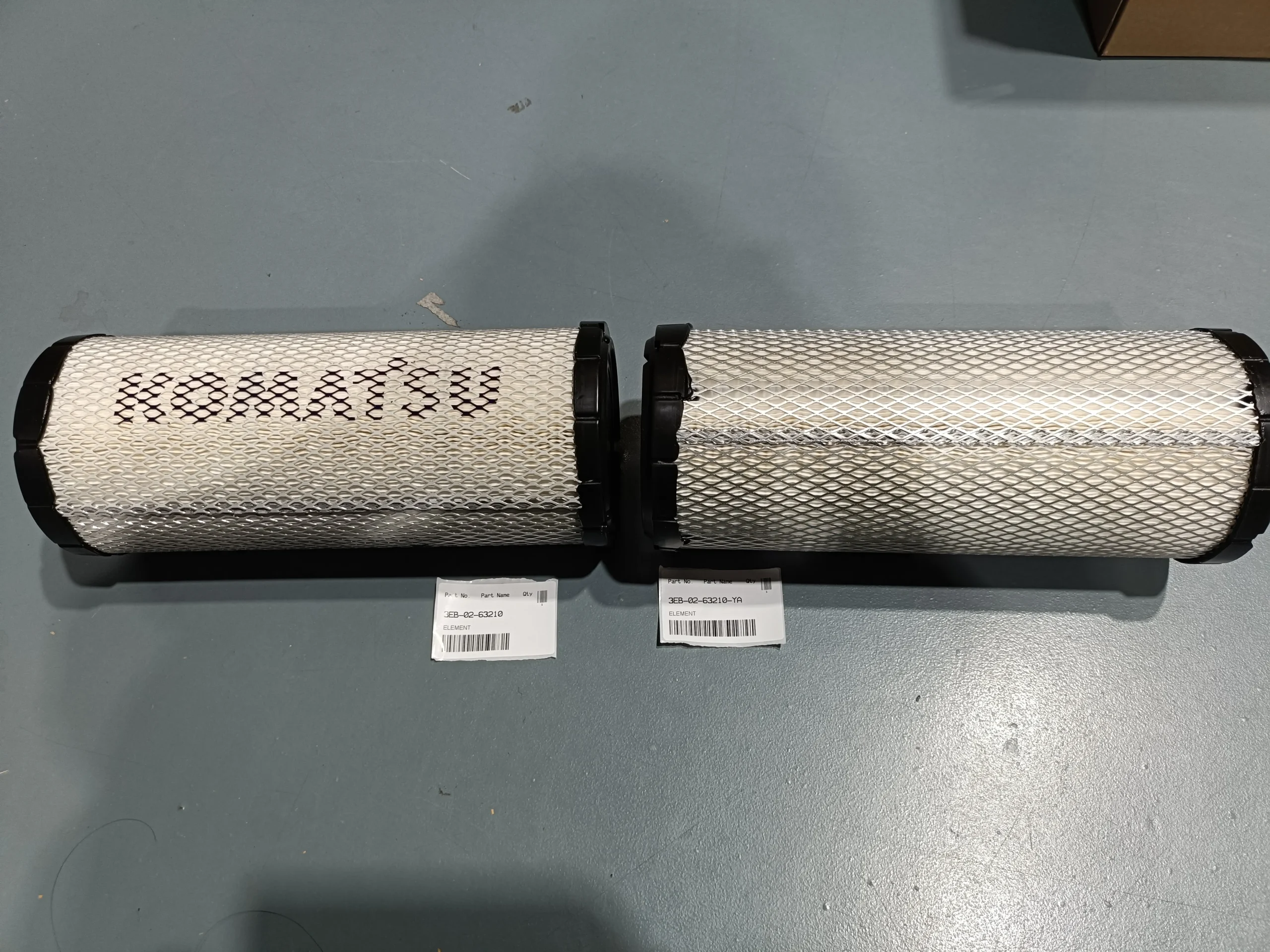 3EB-02-63210 komatsu ELEMENT-PC45MR/PC55MR
 -
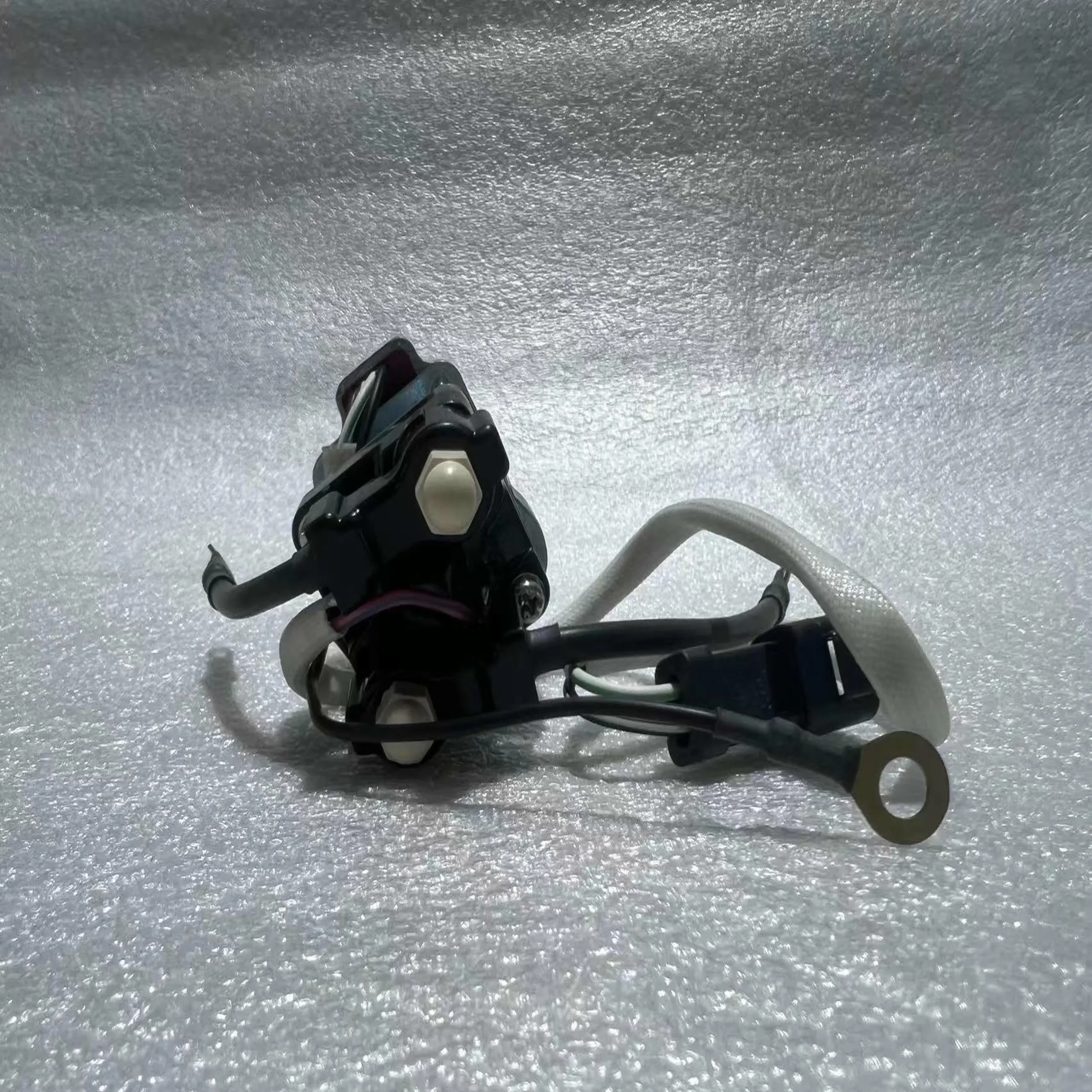 SWITCH ASSEMBLY KD0-25000-8332 – KOMATSUD61EX, D61PX, HM300, HM350, HM400, PC300, PC300HD, PC300LL, PC350LL, PC360, PC400, PC450, PC490, S6D125E, SA6D114E, SA6D125E, SA6D140E, SAA12V140E, SAA6D114E, SAA6D125E, SAA6D140E
 -
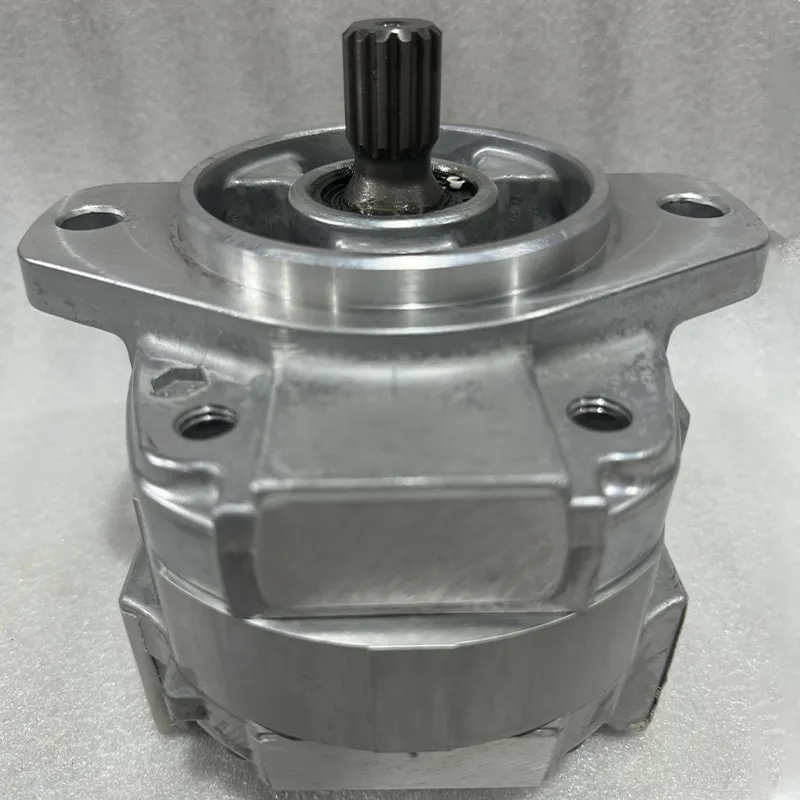 6156-71-1131 6156-71-1132Pump Compatible For 6D125 SA6D125E Engine Komatsu PC450-8 Excavator
 -
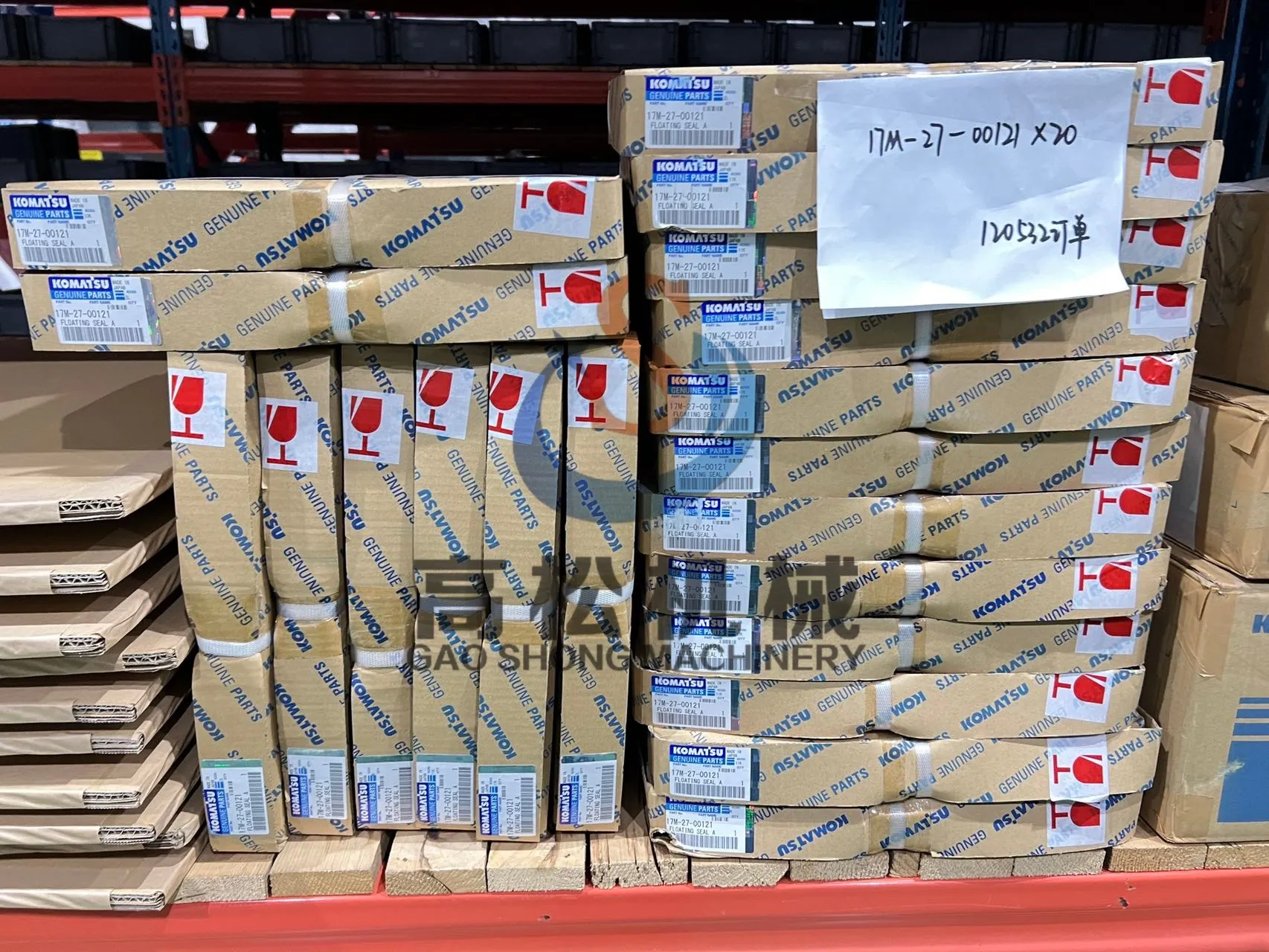 17M-27-00121 FLOATING SEAL ASSY
 -
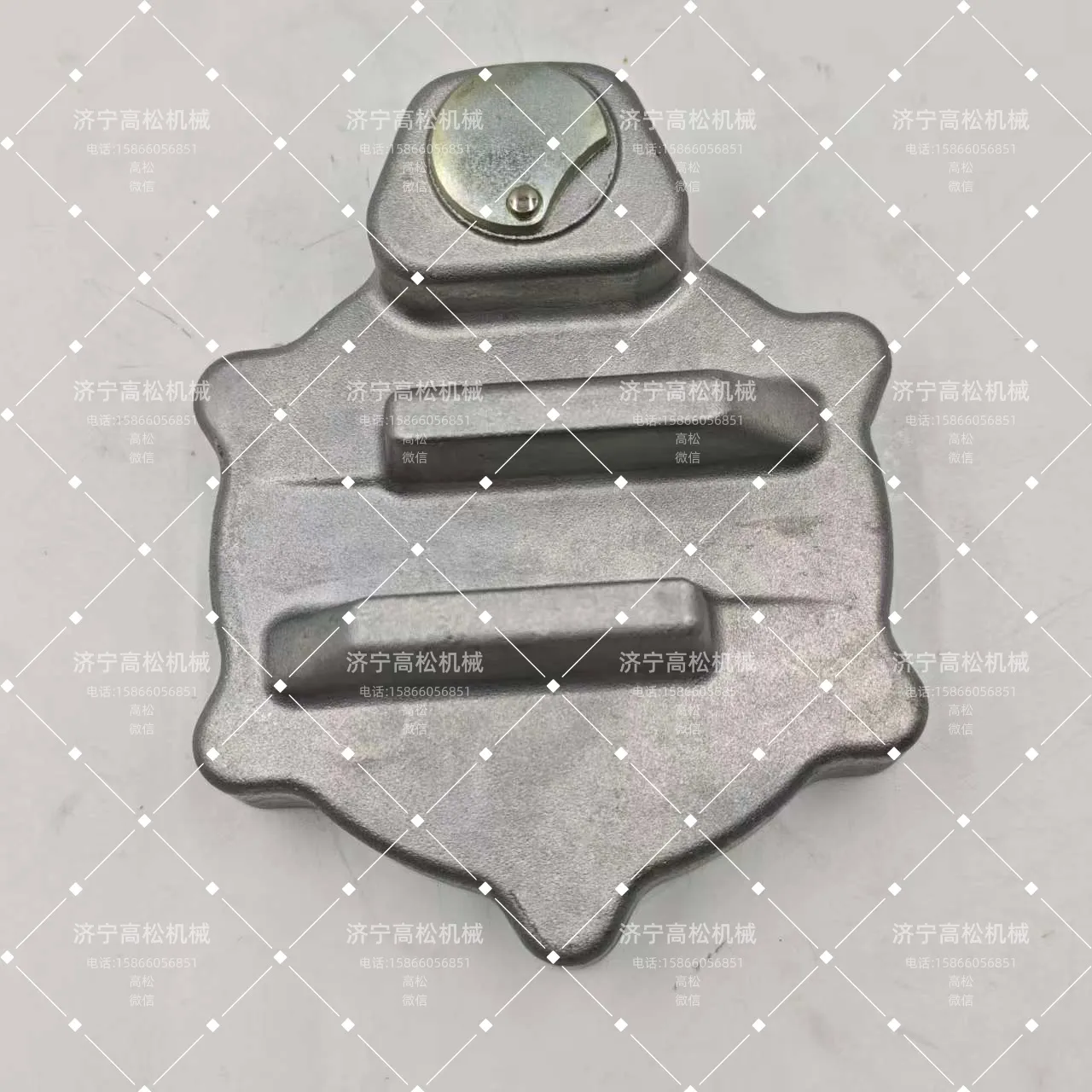 07053-10000 Cap-Radiator Fits KOMATSUU Models
 -
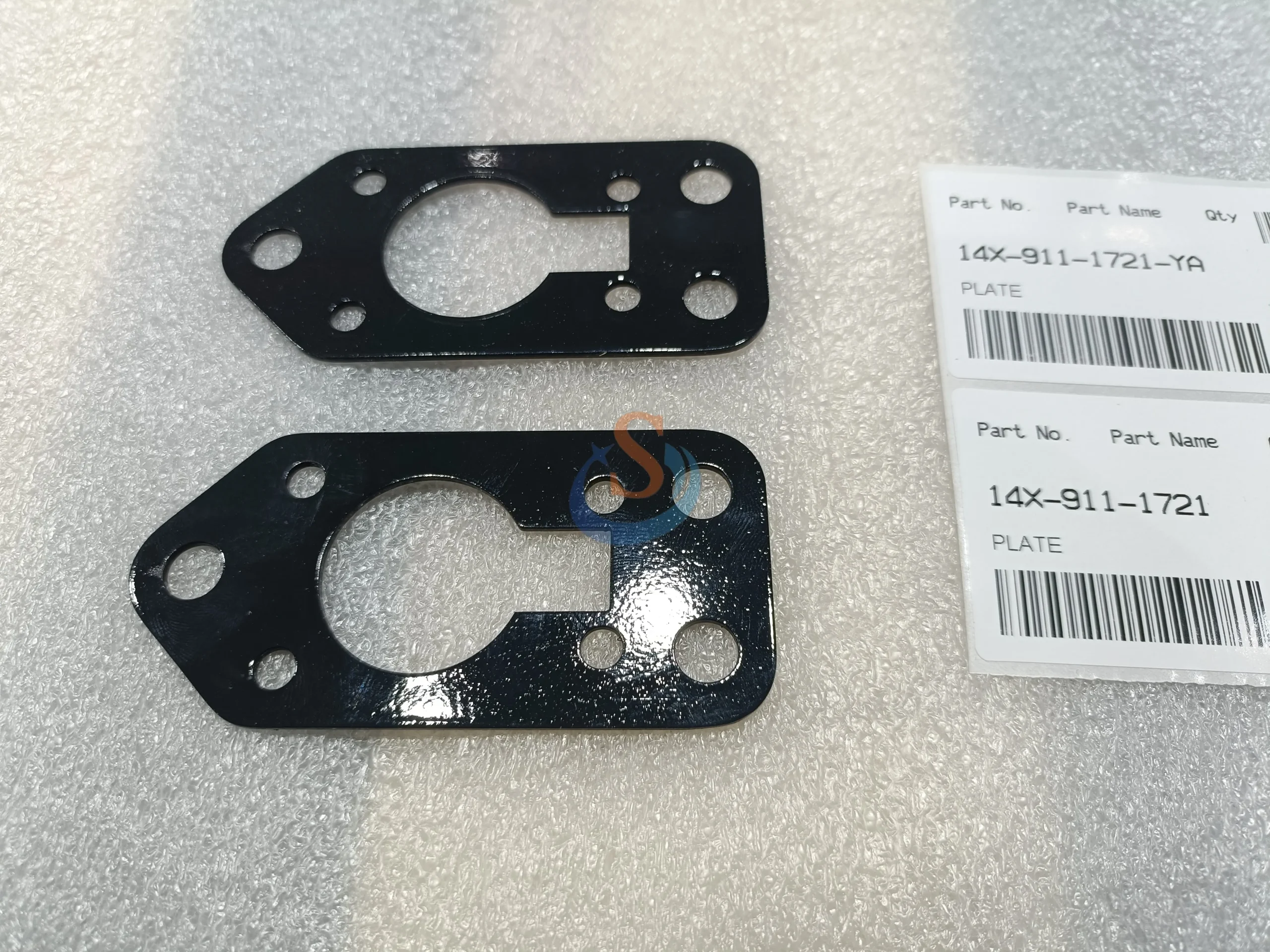 14X-911-1721,PLATE,D65E,D61PX,D155A,D375A
 -
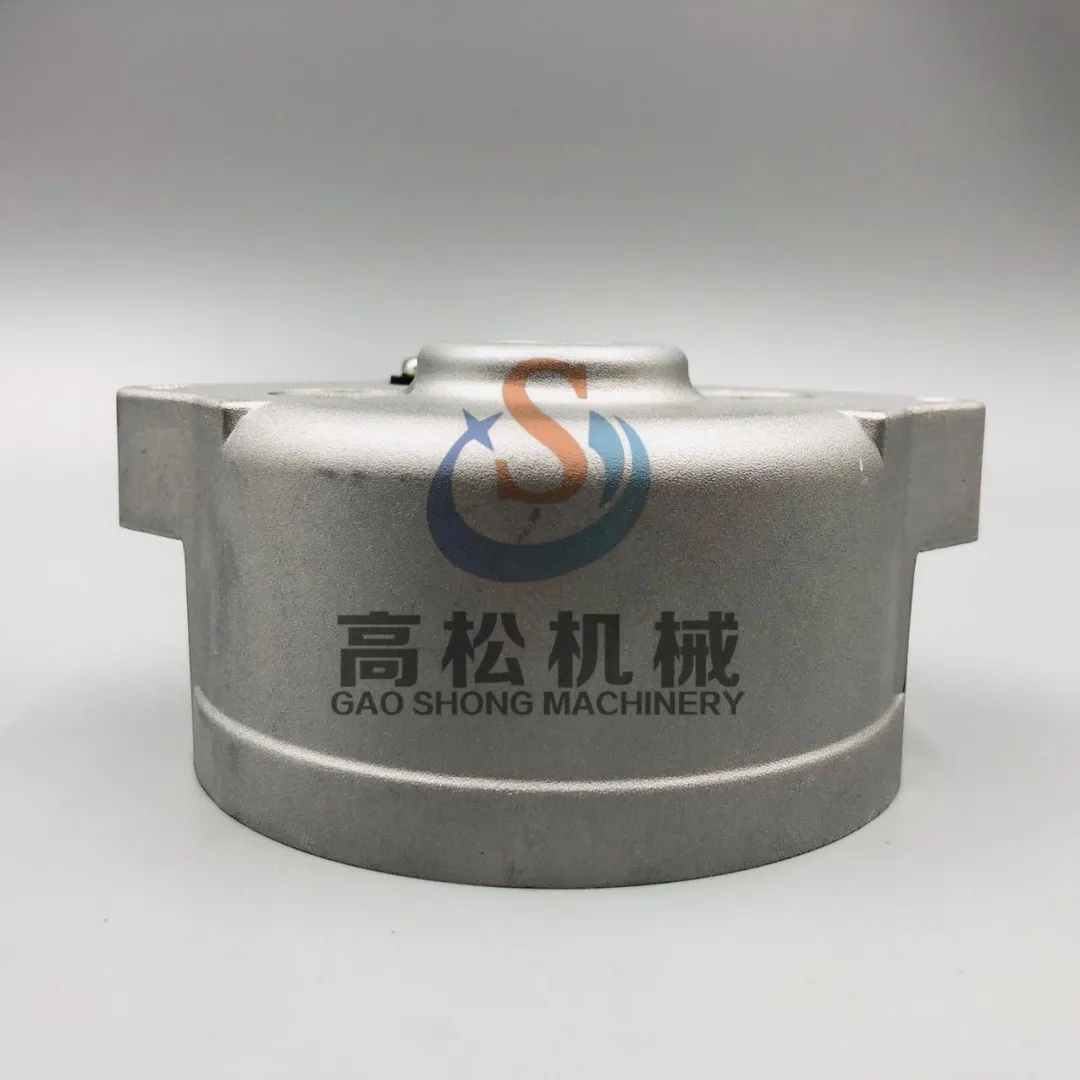 Komatsu KD0-23700-0130 Bracket
 -
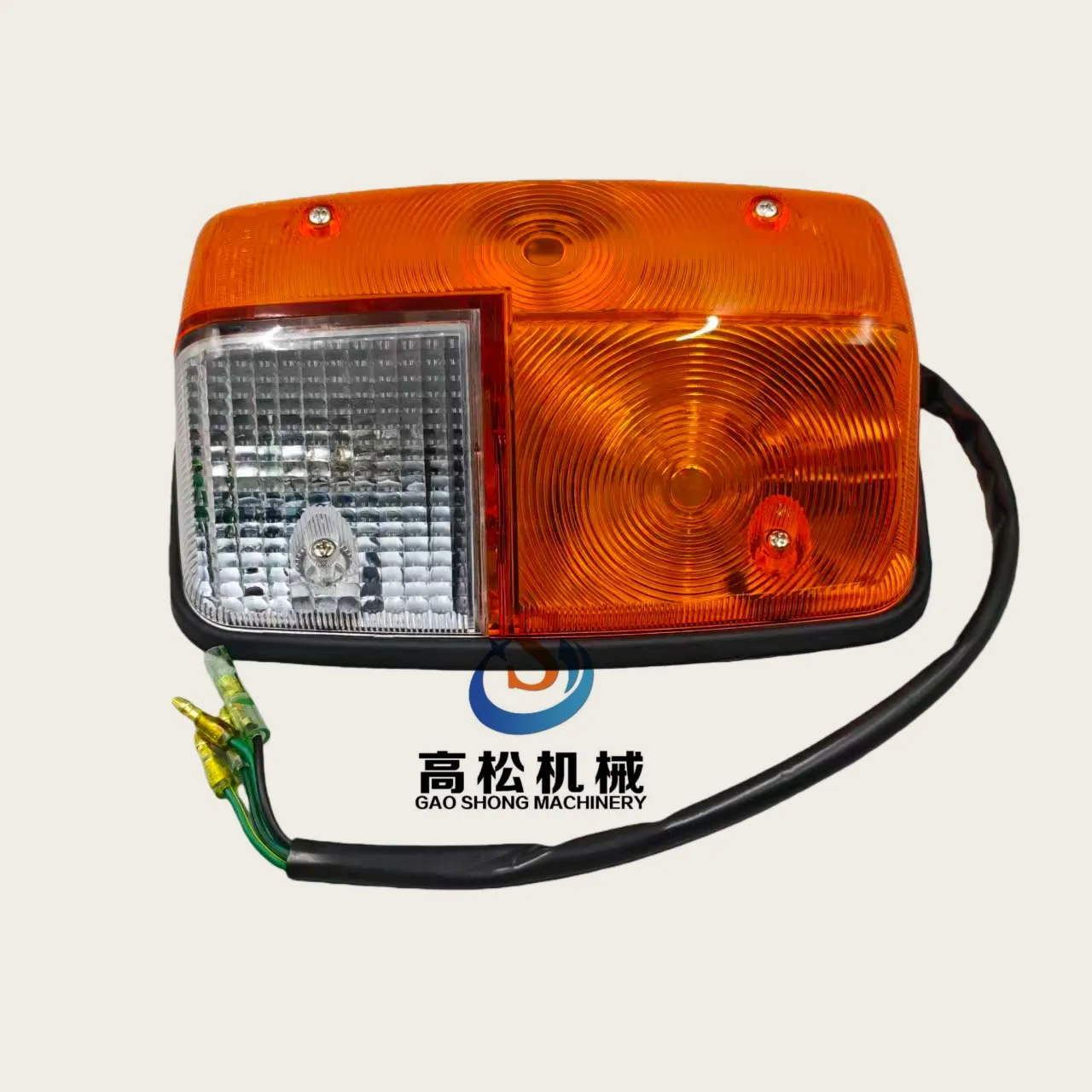 421-06-13401 Komatsu TURN SIGNAL AND PARKING
 -
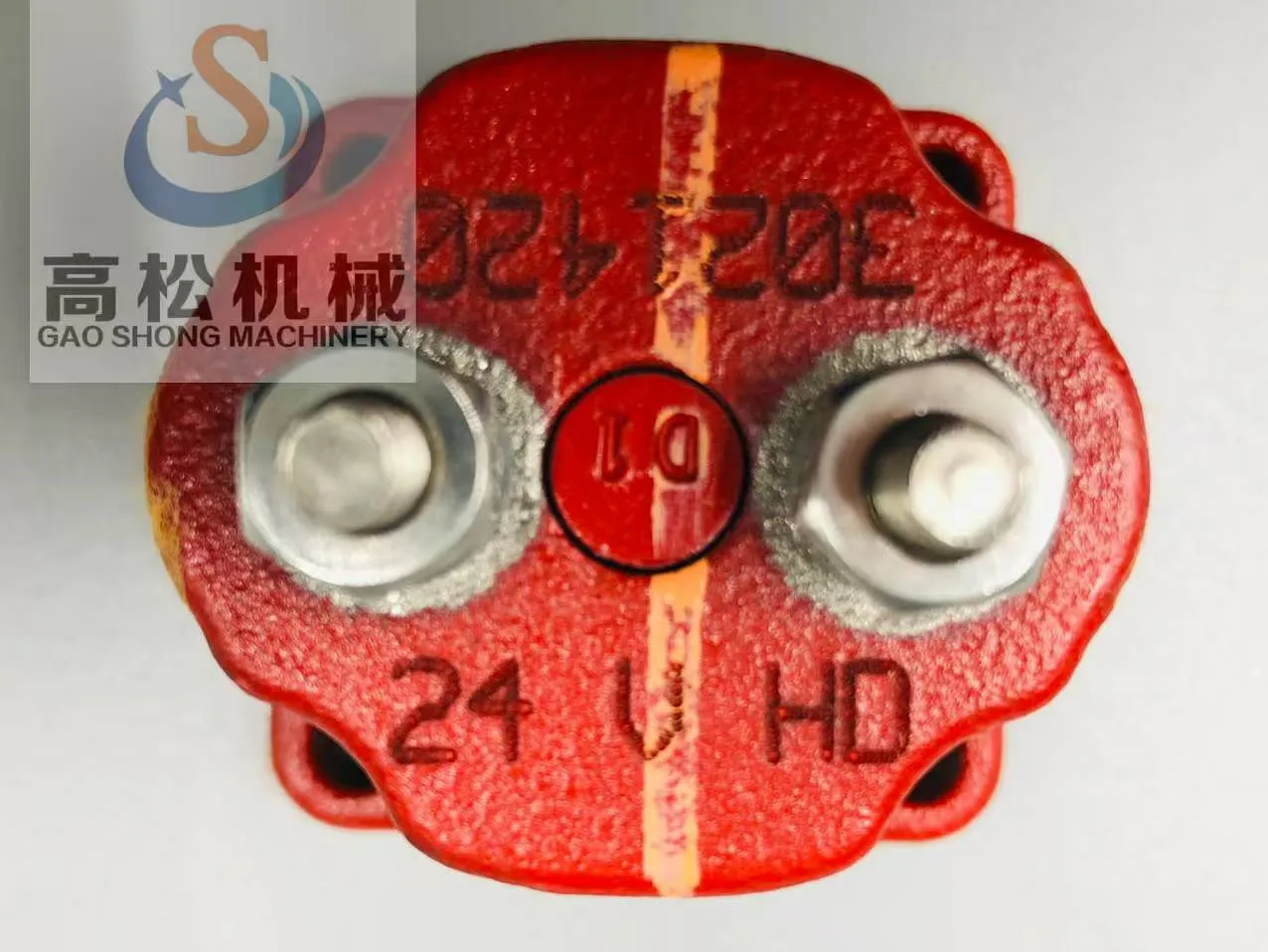 6560-51-1510 Fuel pump shut-off electromagnetic valve, suitable for PC1250LC-7, PC1250LC-8, WA600-3, SAA6D170E-3.
 -
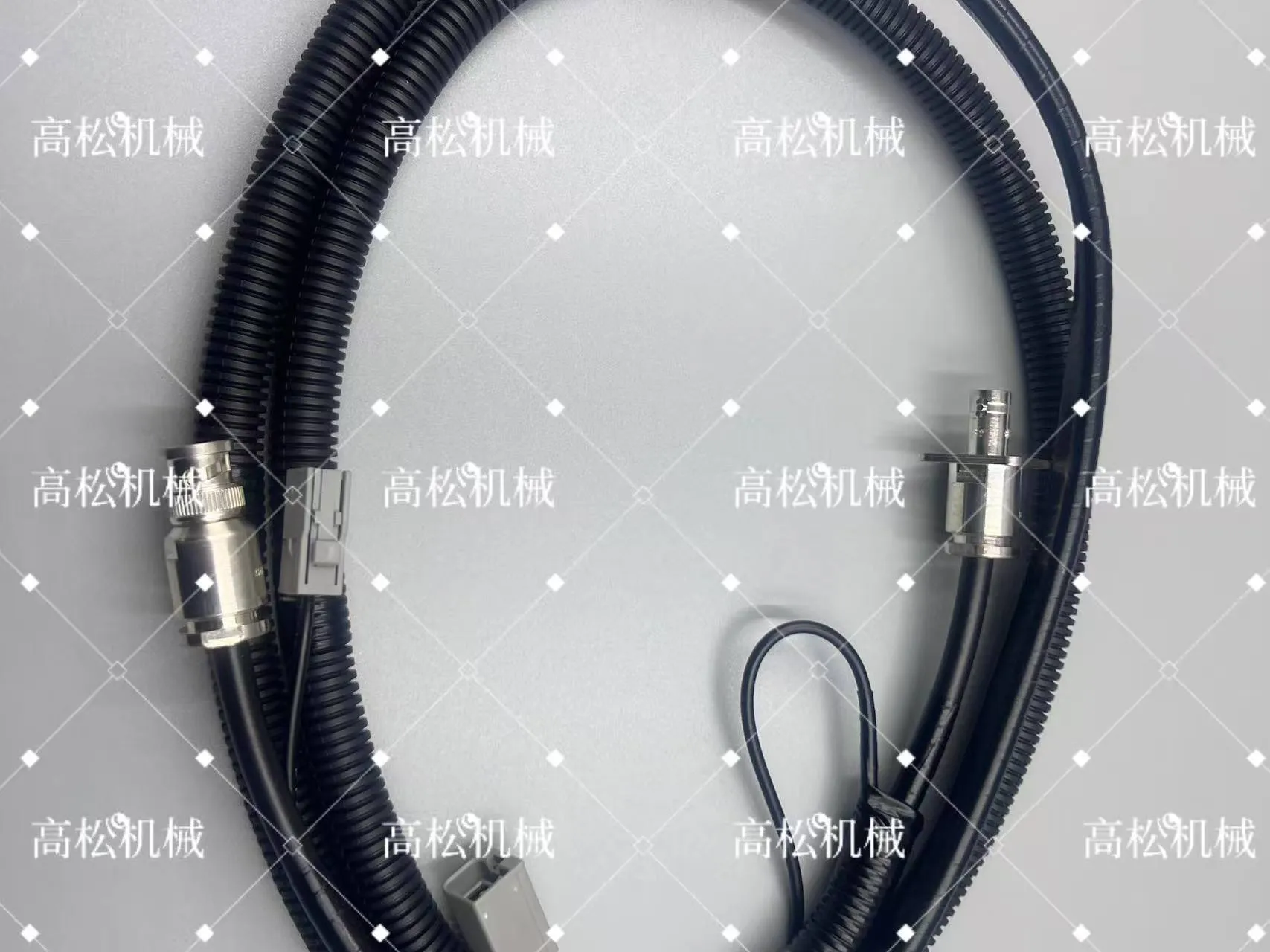 426-06-33750 Komatsu Wiring Harness Parts WA600, WD600
 -
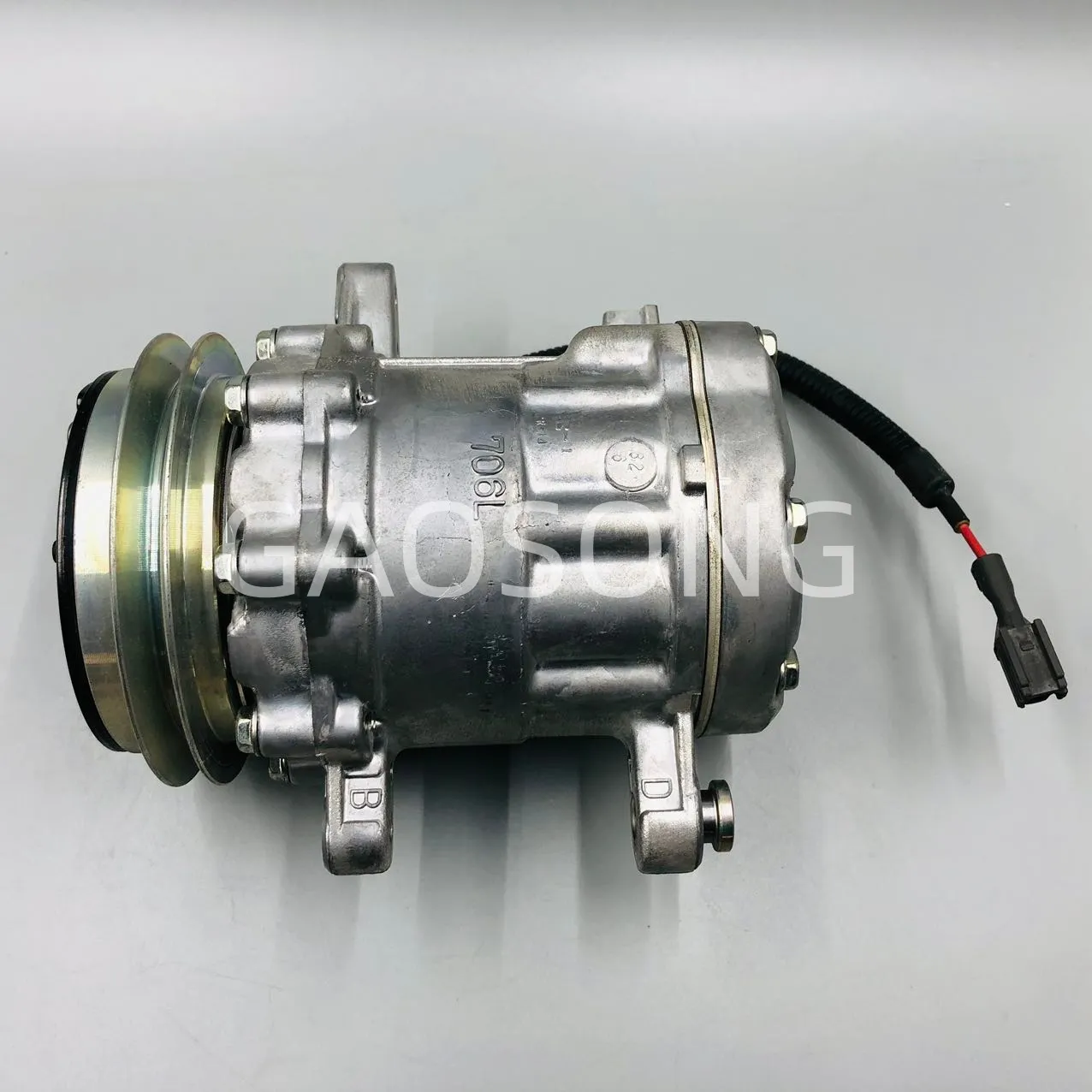 22L-979-2200 • COMPRESSOR-Komatsu Original Factory
 -
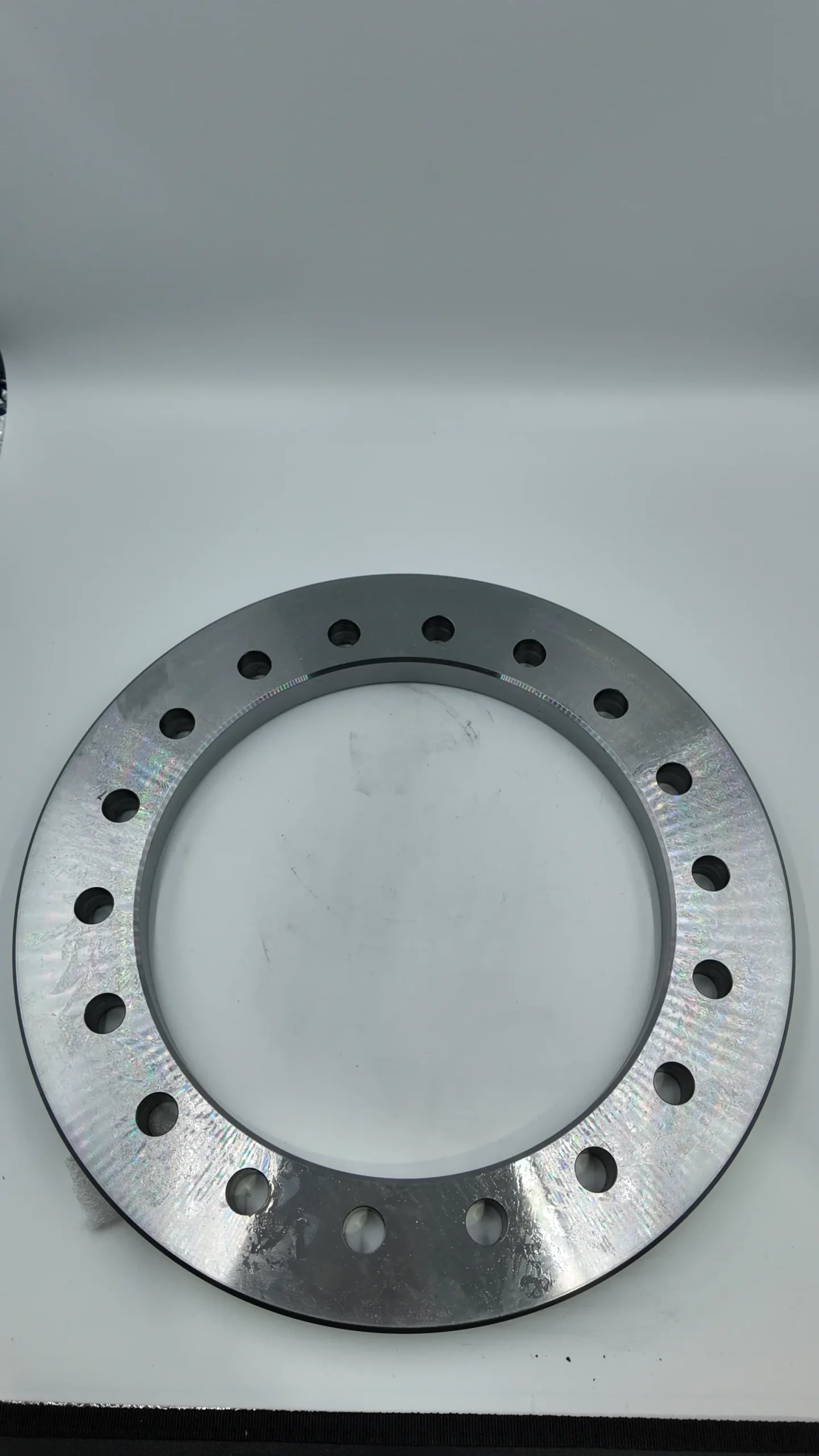 Komatsu Holder 195-27-31390