
- Chinese
- French
- German
- Portuguese
- Spanish
- Russian
- Japanese
- Korean
- Arabic
- Irish
- Greek
- Turkish
- Italian
- Danish
- Romanian
- Indonesian
- Czech
- Afrikaans
- Swedish
- Polish
- Basque
- Catalan
- Esperanto
- Hindi
- Lao
- Albanian
- Amharic
- Armenian
- Azerbaijani
- Belarusian
- Bengali
- Bosnian
- Bulgarian
- Cebuano
- Chichewa
- Corsican
- Croatian
- Dutch
- Estonian
- Filipino
- Finnish
- Frisian
- Galician
- Georgian
- Gujarati
- Haitian
- Hausa
- Hawaiian
- Hebrew
- Hmong
- Hungarian
- Icelandic
- Igbo
- Javanese
- Kannada
- Kazakh
- Khmer
- Kurdish
- Kyrgyz
- Latin
- Latvian
- Lithuanian
- Luxembou..
- Macedonian
- Malagasy
- Malay
- Malayalam
- Maltese
- Maori
- Marathi
- Mongolian
- Burmese
- Nepali
- Norwegian
- Pashto
- Persian
- Punjabi
- Serbian
- Sesotho
- Sinhala
- Slovak
- Slovenian
- Somali
- Samoan
- Scots Gaelic
- Shona
- Sindhi
- Sundanese
- Swahili
- Tajik
- Tamil
- Telugu
- Thai
- Ukrainian
- Urdu
- Uzbek
- Vietnamese
- Welsh
- Xhosa
- Yiddish
- Yoruba
- Zulu
- Kinyarwanda
- Tatar
- Oriya
- Turkmen
- Uyghur






Komatsu hydraulic motor
When you hear 'Komatsu hydraulic motor,' the first thing that comes to mind for most is pure, brute reliability. That's not wrong, but it's an incomplete picture. In my years dealing with these systems, I've seen too many people treat them as black boxes—install them, expect them to run forever, and then get blindsided when performance drops or a failure occurs. The reality is more nuanced. Yes, the core design from Komatsu is engineered for endurance, but the real-world performance hinges on a dozen factors the spec sheet never mentions: fluid cleanliness, the specific model of the main pump it's paired with, even the ambient temperature swings on a job site. I've ordered them for projects where they were the obvious choice, and for others where we had to talk a client out of it because their application needed a different displacement or torque curve. That's the gap between catalog knowledge and field experience.
The OEM Core and the Aftermarket Reality
Working with an OEM supplier within the Komatsu system, like Jining Gaosong, gives you a different perspective. You're not just buying a part; you're accessing the original engineering intent. For critical applications—think the swing motor on a PC360 or the travel motor on a WA500—there's no substitute. The tolerances, the material specs, the way the Komatsu hydraulic motor interfaces with the main valve body, it's all designed as a cohesive system. I recall a rebuild project on an older Dash-6 excavator where the client had used a pattern part for the travel motor. It fit, it worked, but the machine never tracked quite straight under heavy load and burned through fluid faster. We sourced a genuine unit through a system supplier, and the issue resolved. It wasn't just the motor; it was how its internal leakage characteristics matched the original pump output.
But here's the practical side: genuine OEM for every single replacement isn't always feasible, especially in regions with supply chain gaps. This is where the role of a company that is both an OEM supplier and a third-party solutions provider becomes critical. They aren't just box-shifters. Their value is in knowing when the OEM part is non-negotiable and when a certified, high-quality alternative can keep a machine running without compromising the next 5,000 hours of its life. It's about solving the parts challenge, not just selling a unit. I've leaned on partners like this to navigate long lead times for a specific Komatsu hydraulic motor model, where they provided a vetted cross-reference or a reliable refurbished core to avoid weeks of downtime.
The biggest misconception? That all motors with the same part number are identical. Even within the OEM network, there are manufacturing batches, subtle revisions. A good supplier tracks these. I learned this the hard way early on, installing a 'new' motor that had been on a shelf for a decade. The seal compounds had slightly degraded, and it failed prematurely. Now, the first question I ask is about manufacture date or shelf life, not just price and availability.
Failures That Aren't the Motor's Fault
Probably 60% of the 'failed' Komatsu hydraulic motors I've been asked to diagnose weren't faulty at all. The motor was the symptom. The classic is contamination. I've pulled apart motors where the geroler or piston tracks were scored not from wear, but from a single cascade failure upstream—a pump bearing letting go, sending metal throughout the system. Replacing the motor alone was a waste of money; the new one would be dead in 50 hours. The real fix was a full system flush, new filters, and finding the primary source.
Another common culprit is pressure. Not just maximum system pressure, but case drain pressure and charge pressure. I remember a winch application on a custom rig where the motor kept overheating. We checked everything on the motor itself. Finally, we put a gauge on the case drain line and found the backpressure was way too high due to a restricted return line. The motor was fighting itself, generating internal heat. A simple line reroute solved it. The lesson? Always diagnose the circuit, not just the component.
Then there's thermal shock. In cold climates, if you jump a machine straight to high RPM with cold, thick oil, you can literally crack the motor's port plate. I've seen it on a forestry processor in Sweden. The protocol now is always to idle, to let the system warm up gradually. The motor is tough, but it's not immune to physics.
The Nuance of Sourcing and Verification
Sourcing a Komatsu motor isn't a simple web search. For a company like Jining Gaosong Construction Machinery Co., Ltd., their dual role means they have to navigate two worlds. The OEM side requires strict adherence to Komatsu's supply chain protocols. The third-party side requires deep market knowledge to identify reliable alternatives when the official channel is blocked or too slow. Their website, https://www.takematsumachinery.com, often becomes a starting point for these conversations, not necessarily an end-point for direct purchase.
When I'm verifying a part, especially for a critical machine, I go beyond the part number. I need the serial number of the machine, sometimes the prefix of the main pump. I need to know if there were any field modifications to the hydraulic circuit. A supplier who understands this will ask these questions proactively. The ones who just quote a price and a shipping date are to be avoided. I've had suppliers send me photos of the actual motor in their warehouse, the shipping label, even the test bench results for a rebuilt unit. That transparency builds trust.
There's also the issue of counterfeit parts. They're out there, and they're good. The only reliable defense is the supply chain. Using an authorized OEM channel or a deeply reputable third-party that has a direct relationship with Komatsu, like the entity described, mitigates this risk immensely. It's cheaper to pay a 20% premium for certainty than to pay for a machine breakdown and a second, correct repair.
Application Stories: Where Theory Meets Dirt
Let's talk about a specific case: a Komatsu HD325 dump truck with a complaint of weak dump cycle speed. The initial diagnosis pointed to the piston motor that drives the hoist pump. Before we ordered a costly replacement, we did some legwork. We checked the pump output pressure (fine), the control valve spool (free), and finally, we measured the motor's case drain flow at operating temperature. It was far above spec. This indicated excessive internal wear, allowing too much oil to bypass doing useful work. This was a genuine motor failure. We sourced a replacement through a trusted partner who could confirm it was for the specific truck series (early vs. late production mattered). The repair was successful because the diagnosis was precise.
Contrast that with a mini-excavator where the swing motor was 'jumpy.' It turned out the issue was a worn swing gearbox bearing, causing axial play that the motor's spline drive was absorbing. The motor was fine. Replacing it would have done nothing. These are the moments where generic advice fails. You need the context of the entire machine.
Sometimes, the right move isn't repair or replace, but to upgrade. On some older models, the original Komatsu hydraulic motor design might have a known weakness—say, a seal that's prone to extrusion. A knowledgeable supplier might offer a later revision of the motor or a kit that addresses this flaw. This is where their role in 'solving parts supply challenges' goes beyond logistics into technical evolution.
Final Thoughts: It's a System, Always
So, what's my bottom line on Komatsu hydraulic motors? They're superb components, but they're not magic. Their longevity is a product of the system they live in. The value of a specialist supplier isn't just in having the part in stock; it's in having the technical depth to advise on whether it's the right part, to help diagnose if it's truly the problem, and to provide options—OEM, certified rebuilt, or a technically sound alternative—based on the real-world situation: downtime cost, machine criticality, budget.
Companies that operate in the space Jining Gaosong describes, bridging the OEM and aftermarket worlds, fill a crucial niche. They help translate Komatsu's engineering excellence into practical, on-the-ground solutions, especially in markets where the official distribution network is thin. For a field mechanic or a fleet manager, that kind of partner is worth far more than a lowest-bidder parts website.
Next time you're looking at a hydraulic motor issue, slow down. Think system. Check the simple stuff first—filters, fluid, lines, pressures. And when you do need that motor, find a source that asks as many questions as you do. That's usually a sign they know what they're doing, beyond just selling a product.
Related Products
Related Products

Best Selling Products
Best Selling Products-
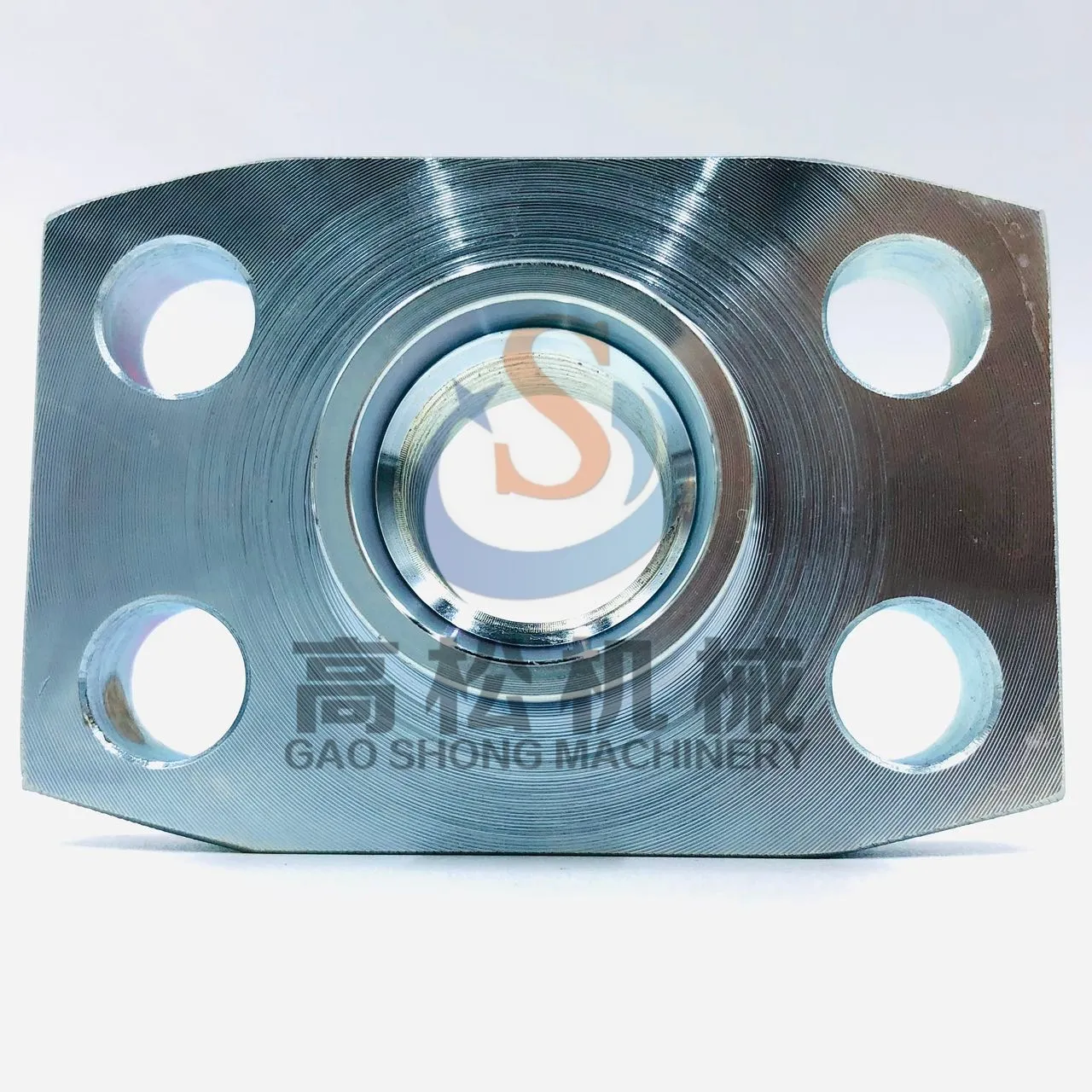 Komatsu excavator PC1250 flange 21N-38-12310
 -
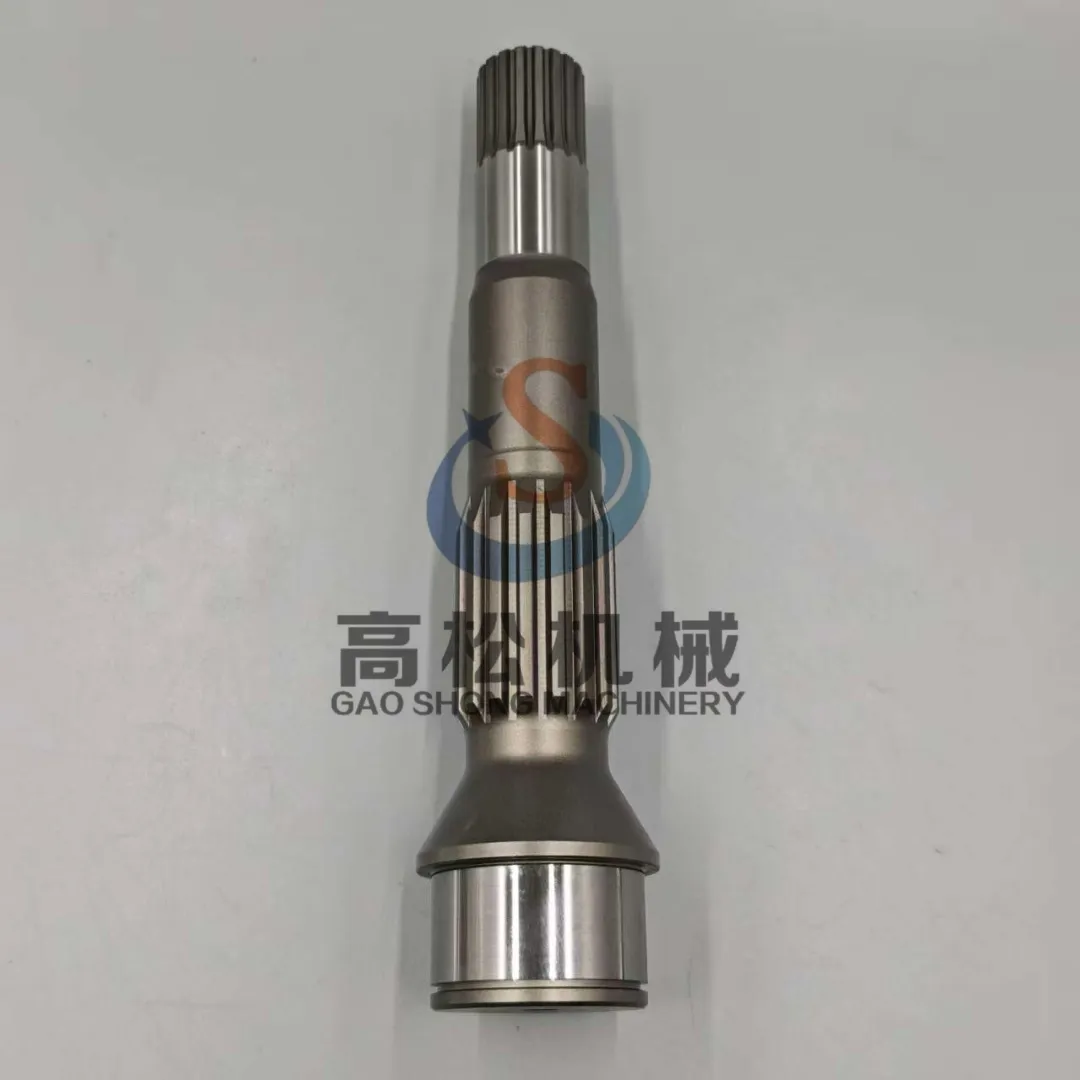 708-2G-12121 Shaft Drive L Fits Komatsu PC300-7 PC360-7 PC350-7 HPV140 Pump
 -
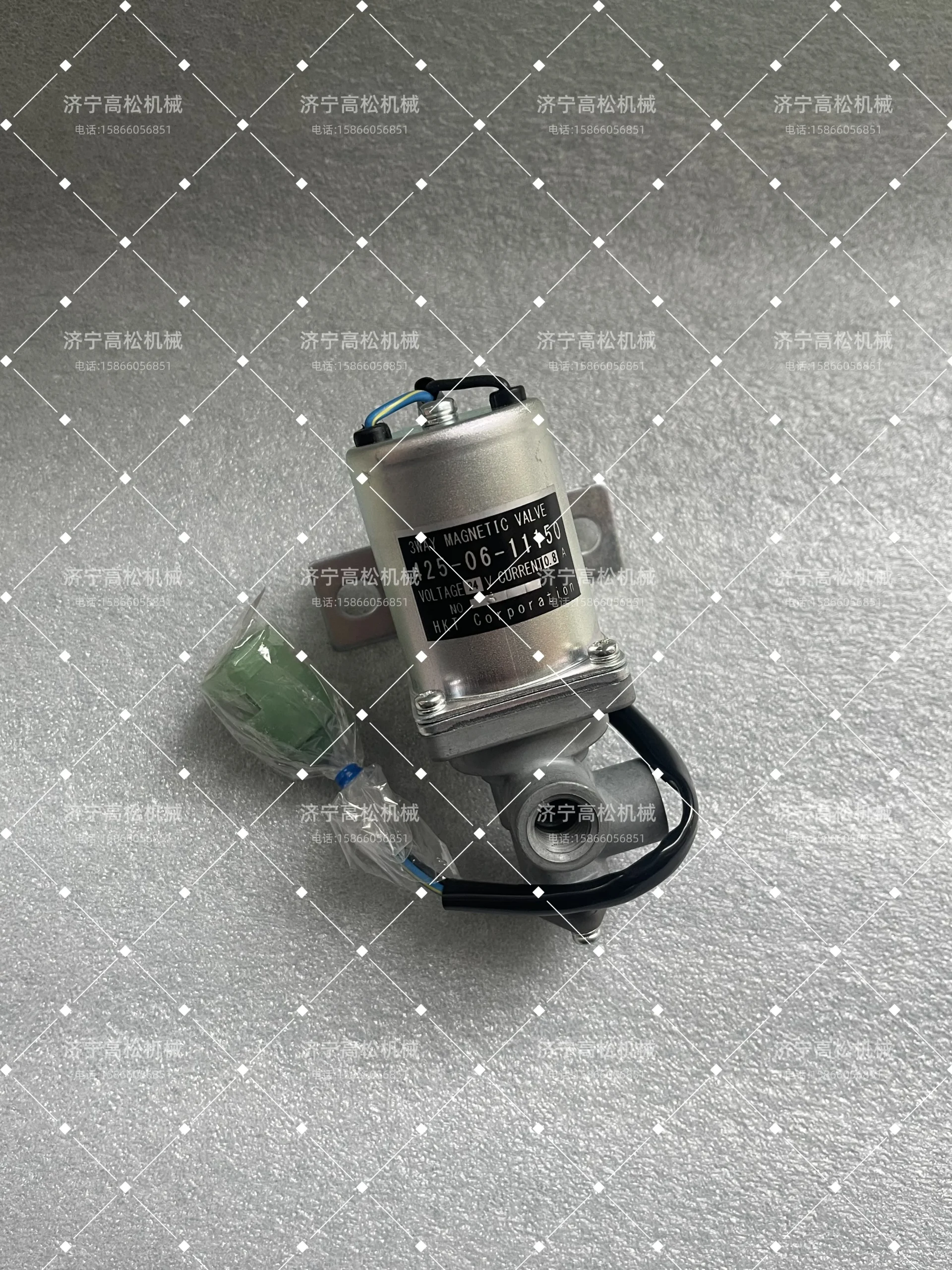 Reliable Cost-Effective Original New 425-06-11150 VALVE for…
 -
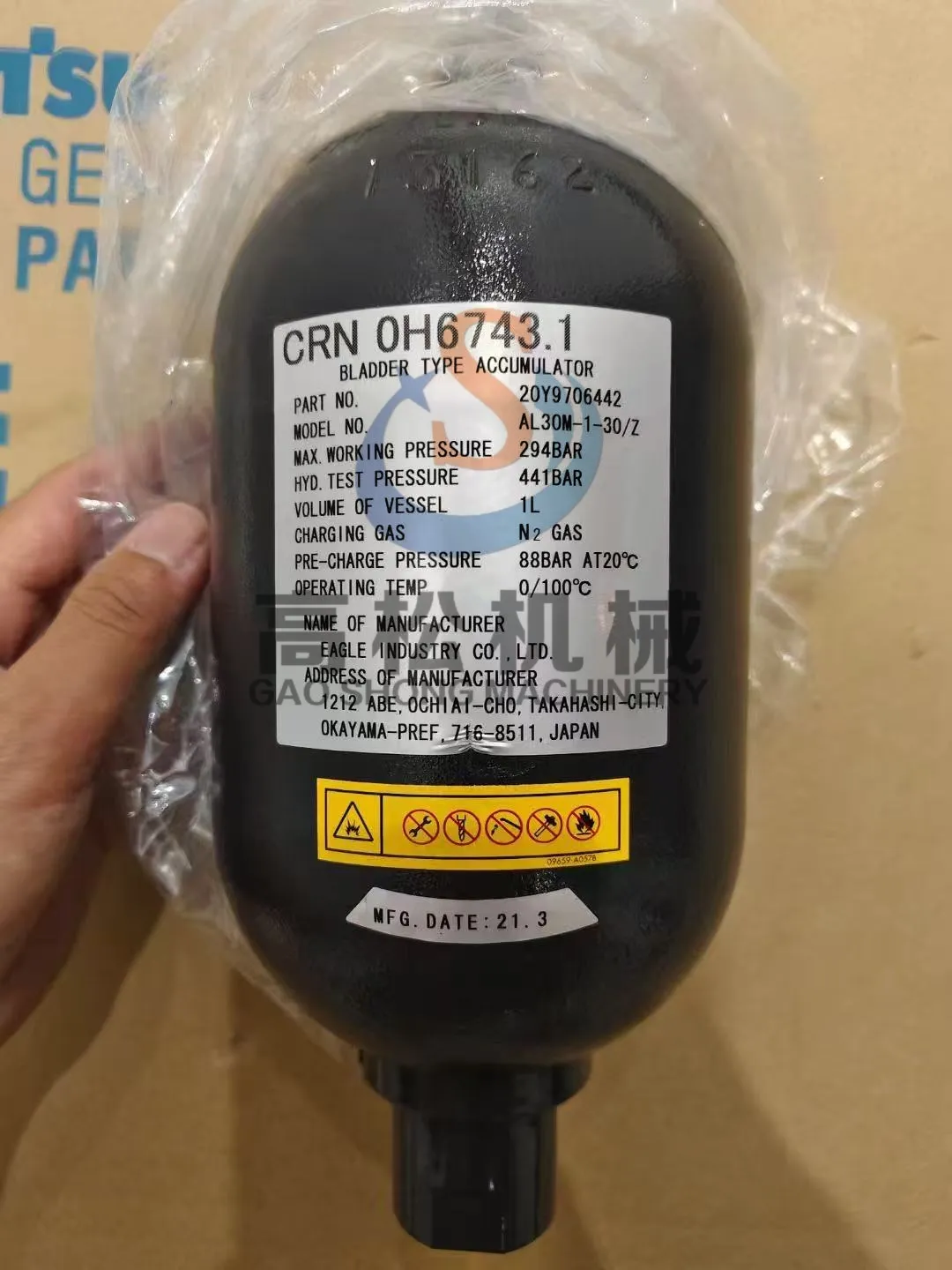 20Y-970-6442 Komatsu Accumulator Assembly
 -
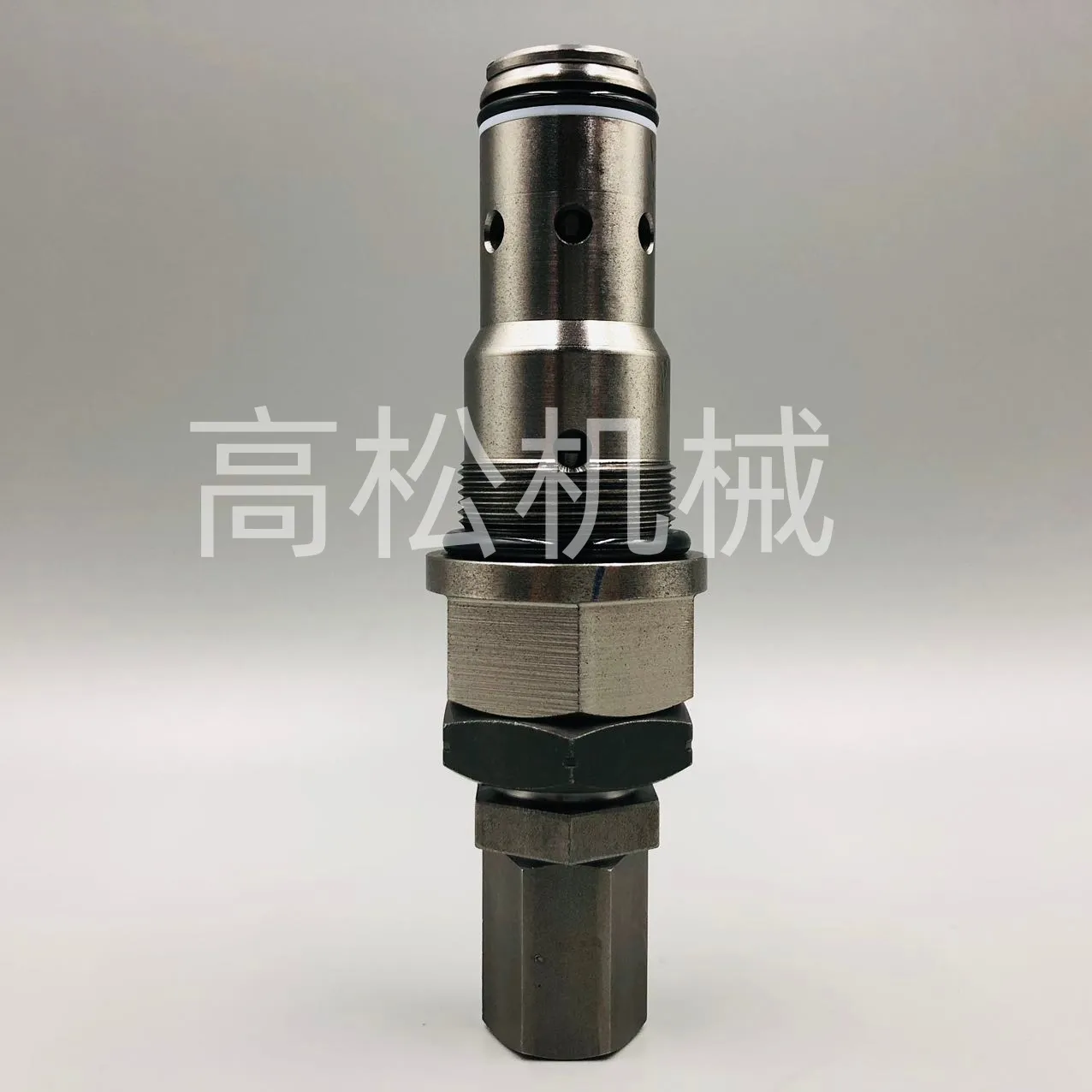 700-89-66000 Komatsu RELIEF VALVE
 -
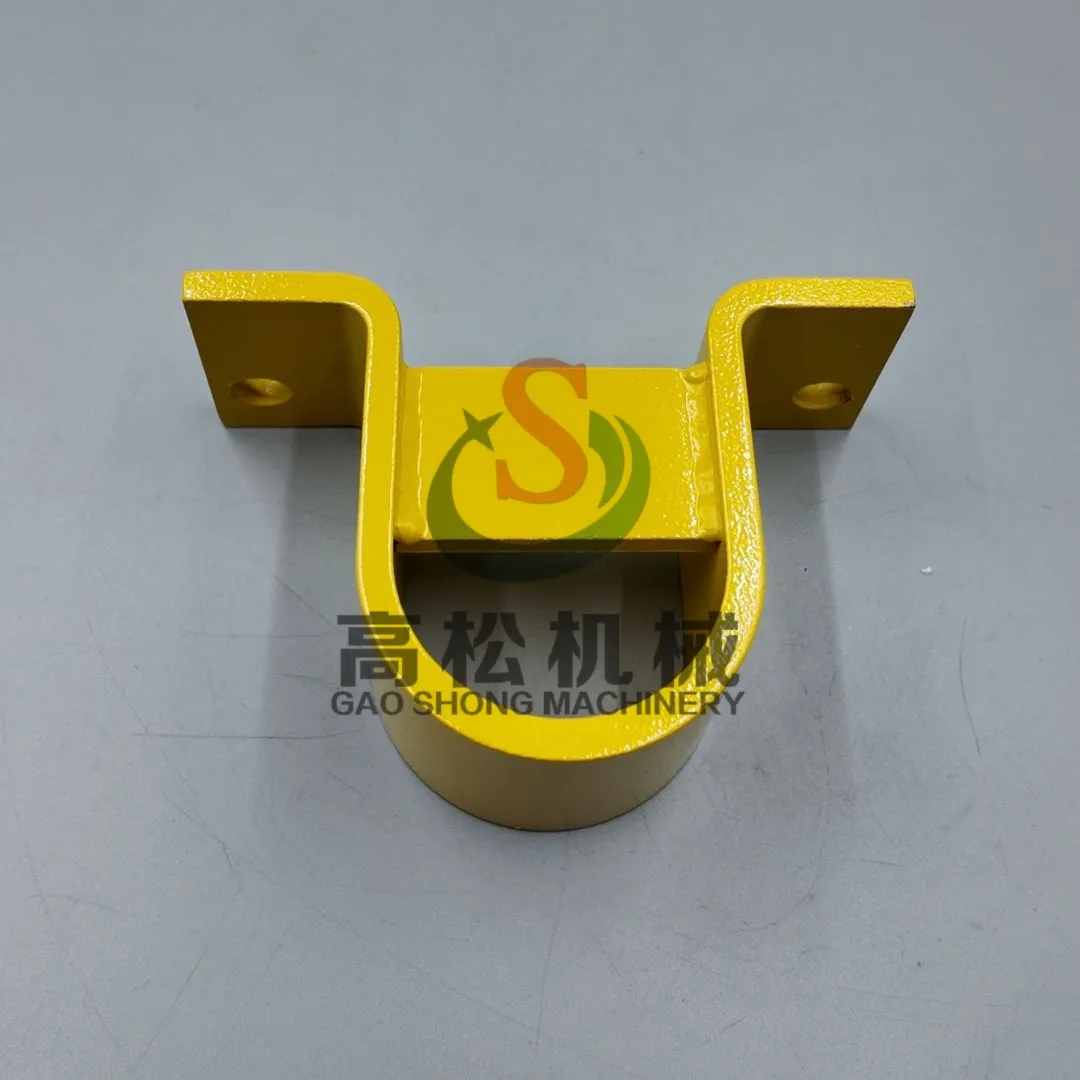 COVER 425-04-21430 for a WA500-3 komatsu original
 -
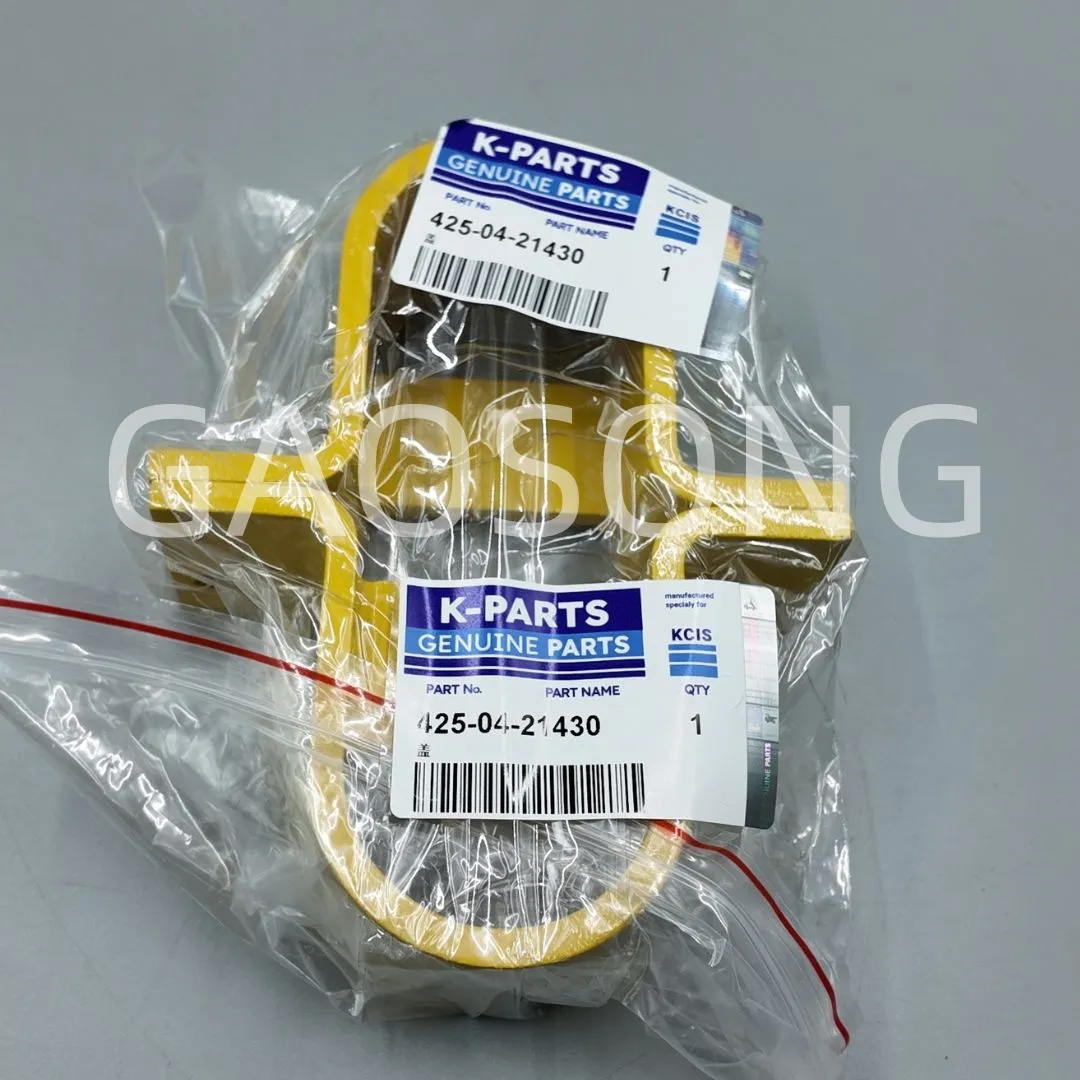 425-04-21430 COVER-Komatsu Original Factory
 -
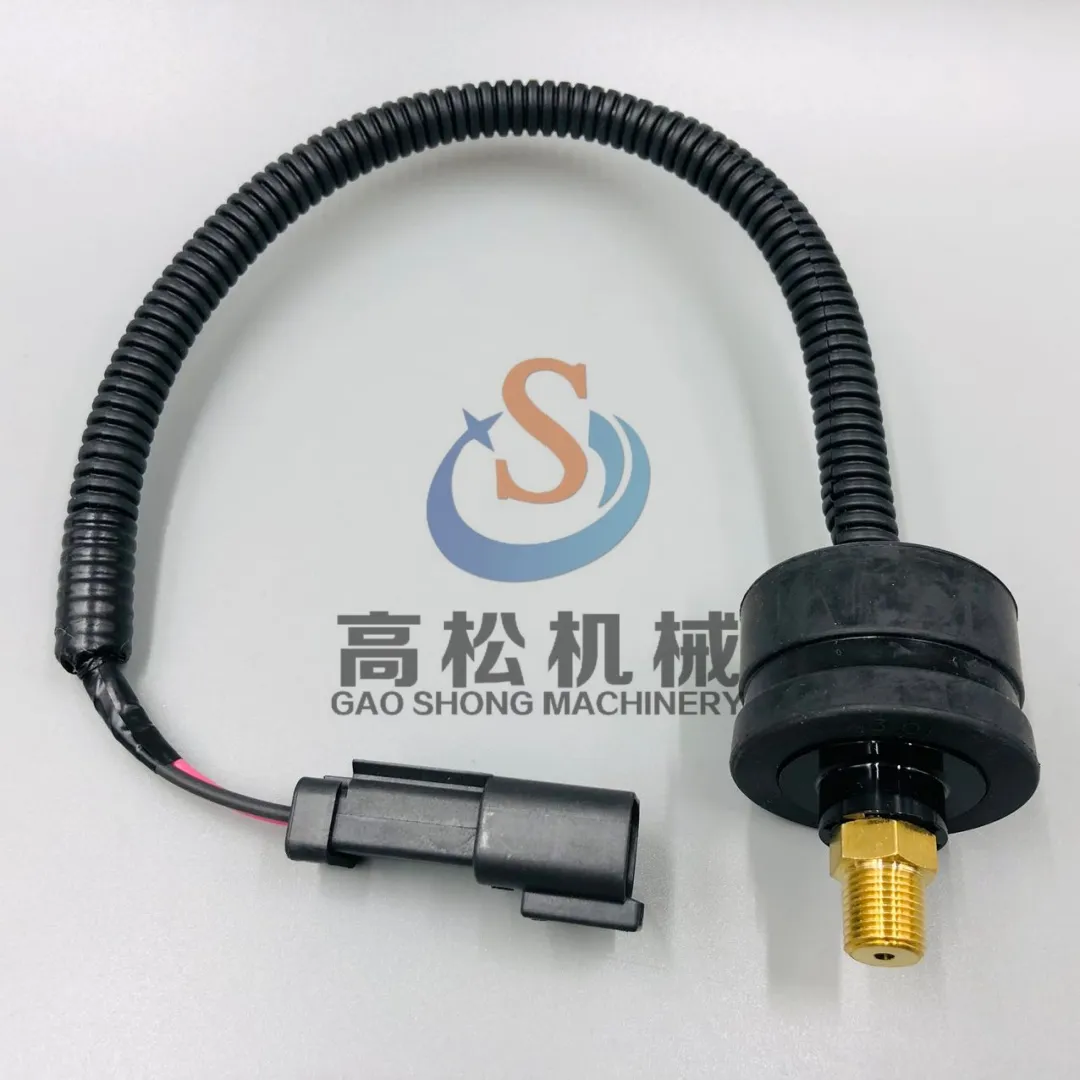 For Komatsu PC200 210 PC300 PC130-8 PC-8 air filter Pressure sensor 7861-93-1430
 -
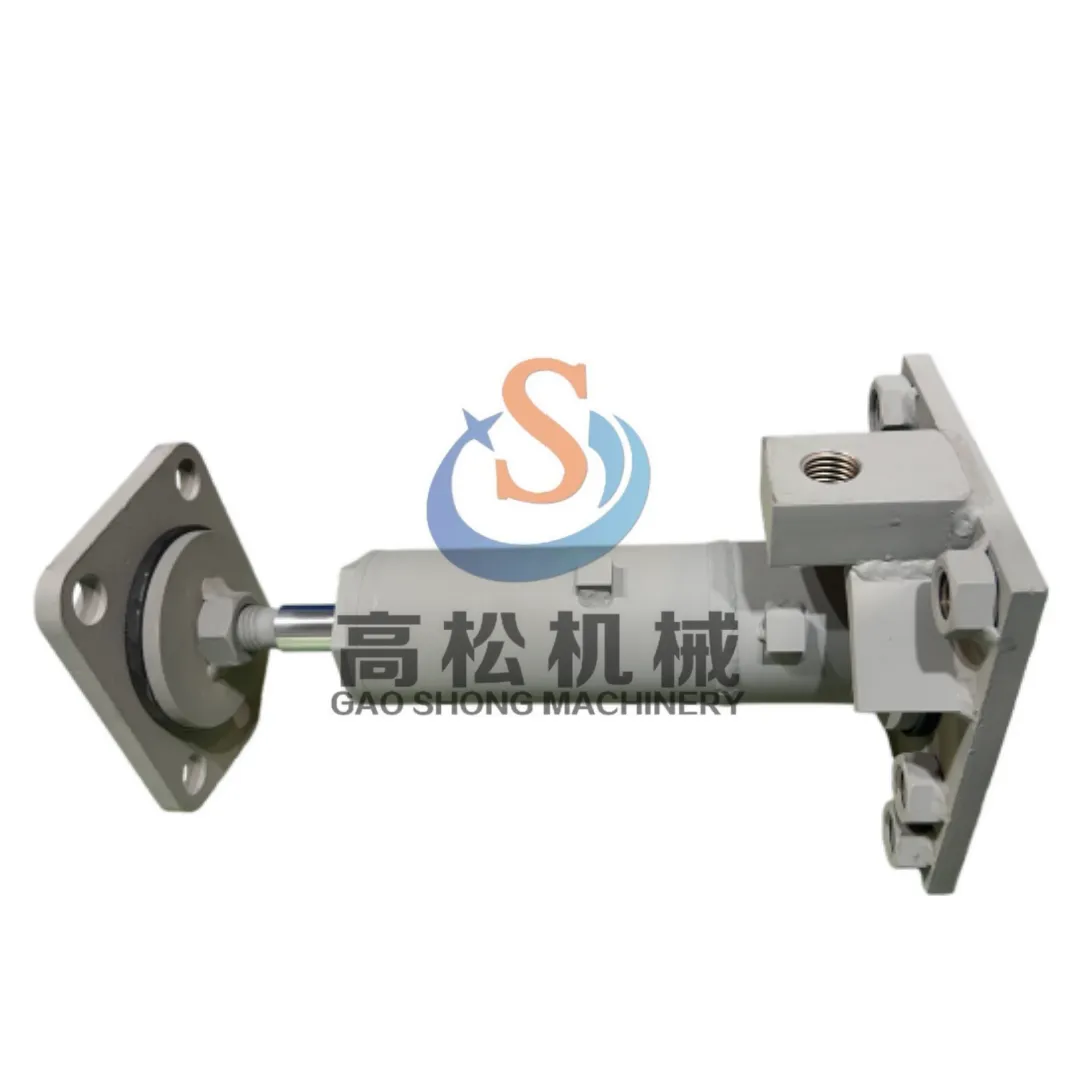 suspension ass’y 17a-54-16201 – komatsu
 -
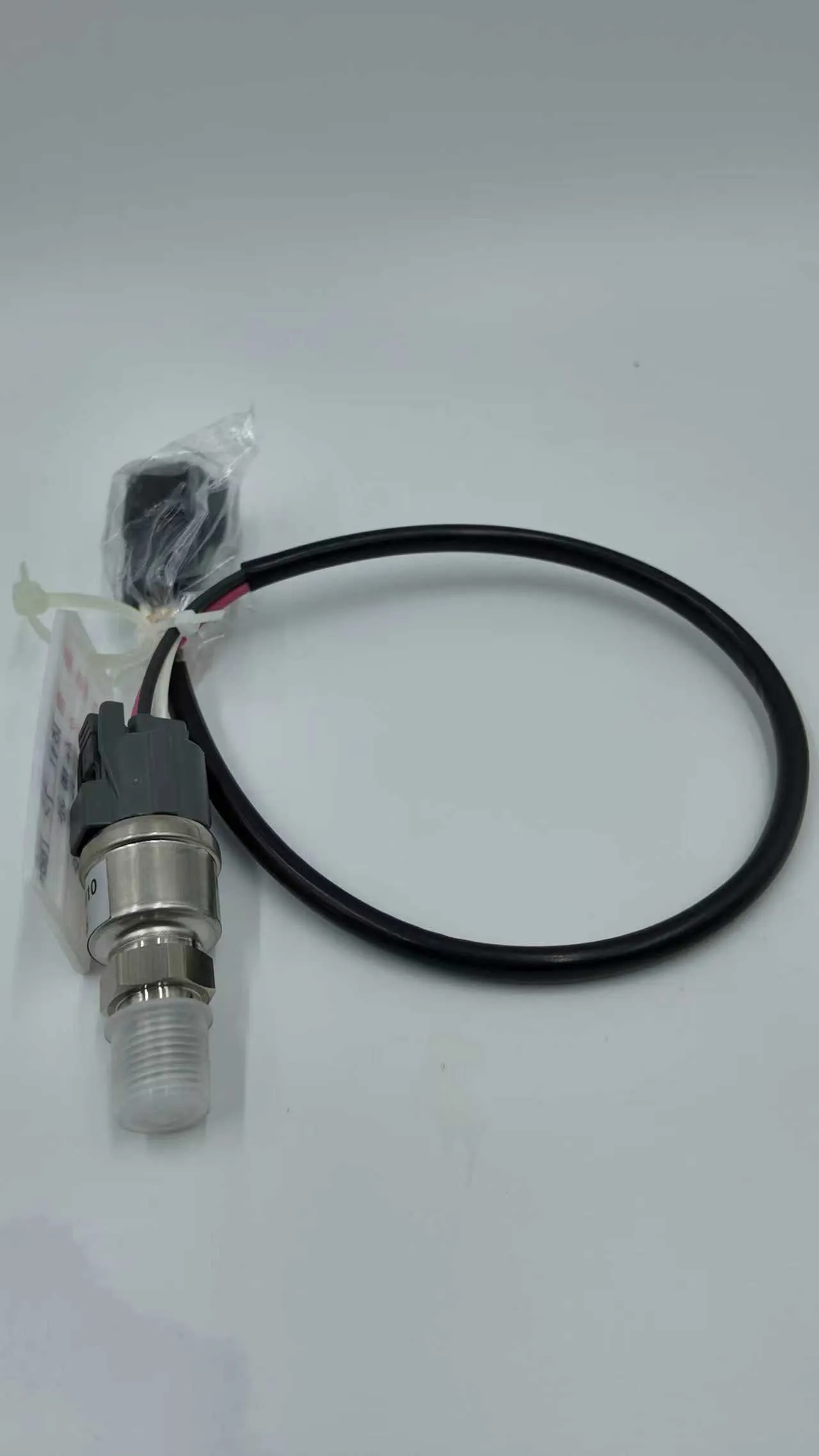 7861-93-1680-SENSOR-Komatsu Original Factory
 -
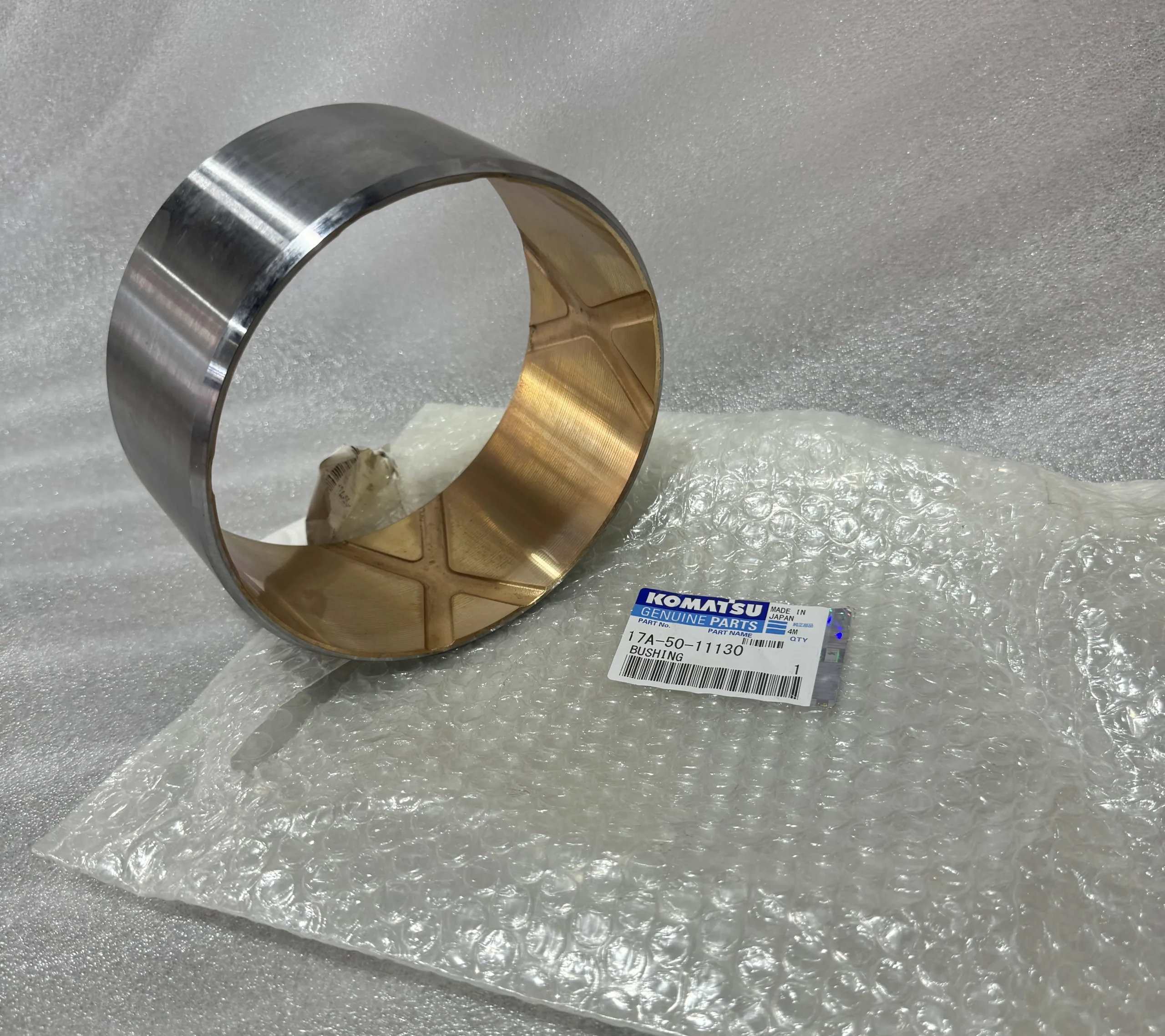 D155AX-3 Bushing 17A-50-11130
 -
 Original New PC400-7 Excavator Parts – Control Valve 708-2H-03411