
- Chinese
- French
- German
- Portuguese
- Spanish
- Russian
- Japanese
- Korean
- Arabic
- Irish
- Greek
- Turkish
- Italian
- Danish
- Romanian
- Indonesian
- Czech
- Afrikaans
- Swedish
- Polish
- Basque
- Catalan
- Esperanto
- Hindi
- Lao
- Albanian
- Amharic
- Armenian
- Azerbaijani
- Belarusian
- Bengali
- Bosnian
- Bulgarian
- Cebuano
- Chichewa
- Corsican
- Croatian
- Dutch
- Estonian
- Filipino
- Finnish
- Frisian
- Galician
- Georgian
- Gujarati
- Haitian
- Hausa
- Hawaiian
- Hebrew
- Hmong
- Hungarian
- Icelandic
- Igbo
- Javanese
- Kannada
- Kazakh
- Khmer
- Kurdish
- Kyrgyz
- Latin
- Latvian
- Lithuanian
- Luxembou..
- Macedonian
- Malagasy
- Malay
- Malayalam
- Maltese
- Maori
- Marathi
- Mongolian
- Burmese
- Nepali
- Norwegian
- Pashto
- Persian
- Punjabi
- Serbian
- Sesotho
- Sinhala
- Slovak
- Slovenian
- Somali
- Samoan
- Scots Gaelic
- Shona
- Sindhi
- Sundanese
- Swahili
- Tajik
- Tamil
- Telugu
- Thai
- Ukrainian
- Urdu
- Uzbek
- Vietnamese
- Welsh
- Xhosa
- Yiddish
- Yoruba
- Zulu
- Kinyarwanda
- Tatar
- Oriya
- Turkmen
- Uyghur






Komatsu hydraulic hose
Look, when most people hear 'Komatsu hydraulic hose,' they immediately think of a catalog number, a price, and maybe a vague sense of 'genuine is best.' That's the surface. The reality is more about pressure spikes, compatibility tangles, and the real cost of downtime. It's not just a tube; it's a system's lifeline, and treating it as a simple commodity is where a lot of shops, even experienced ones, quietly lose money and machine hours. I've seen too many 'fits' that fail under real load because the spec sheet only tells half the story.
The OEM Promise and the On-Ground Reality
Working with genuine Komatsu parts channels sets a baseline. You get the exact SAE 100R2AT or R12 specification, the correct fitting orientation, and the assurance it was tested for that specific pump or cylinder's duty cycle. The Komatsu hydraulic hose assembly you pull from the sealed bag is a known quantity. But here's the catch that isn't in the brochure: lead time and availability. In certain regions, waiting for that sealed bag can mean a 330 excavator sitting dead for weeks. That's where the model of a company like Jining Gaosong Construction Machinery Co., Ltd. becomes relevant. They operate within the Komatsu system as an OEM product supplier, which means they understand the engineering specs intimately, but their role in solving parts supply challenges in certain countries adds a crucial layer of practicality. It's not just about having a part; it's about having the right part when the official pipeline is clogged.
I recall a situation with a PC360-8 where we had a main pump supply line blow. The local Komatsu dealer had the hose, but the crimped fittings were on backorder from Japan. The machine was on a tight foundation job. We had the hose number, but sourcing a compatible, crimp-ready fitting locally was a nightmare. The tolerances were off by just a fraction, leading to a weep we didn't catch until after reassembly. Lost a full day redoing it. This is the gap between theory and wrench time. A supplier that can provide the complete, ready-to-install assembly, not just components, is solving the actual problem.
This is why the distinction on their site, https://www.takematsumachinery.com, about being both an OEM supplier and a third-party sales company is more than jargon. It speaks to a hybrid approach. They can likely provide the genuine Komatsu-hosed assembly if that's what's needed and available, but they also have the channel knowledge to source or produce a technically equivalent alternative that meets the Komatsu performance envelope without the logistical wait. For a fleet manager, that's operational intelligence, not just a parts list.
Compatibility Isn't Just Thread Pitch
The biggest mistake I see is assuming compatibility is only about thread match (e.g., Komatsu's common use of 60° cone fittings). It's about the full envelope. A Komatsu hydraulic hose for a swing motor isn't the same as one for a travel motor, even if they share the same end fittings. The impulse fatigue rating is different. The swing circuit sees constant, rapid pressure cycling. A hose built for a more static application will fail prematurely there, and I've cut open enough failed hoses to see the tell-tale internal wire fatigue.
You have to consider the fluid compatibility. Komatsu's own BIO HFDU fluid is less aggressive than some aftermarket mineral oils, but if a machine has been topped up with something else, the inner tube of a replacement hose needs to handle that mix. An OEM-spec hose will, but a cheap generic might swell or degrade. I always check service records now before just slapping in a hose. What's been running through it?
Then there's routing. This sounds trivial, but it's critical. A replacement hose that's even 2cm too long can chafe against a frame. Too short, and it puts constant stress on the fittings during full cylinder extension. The OEM hose comes with those bends and lengths precisely calculated. A good third-party supplier doesn't just sell you a length of hose and two fittings; they should have the routing diagrams or the experience to know the exact assembled length and bend configuration. If you're just getting raw hose, you're taking on engineering risk.
The Failure Points No One Talks About
It's rarely the hose body that fails first if it's spec'd correctly. It's almost always the crimp or the fitting. Improper crimp die setting is a silent killer. The crimp needs to be tight enough to hold under peak system pressure (which can be 2-3 times the working pressure during a spike) but not so tight it bites into and weakens the hose reinforcement. I've started using a go/no-go gauge on every aftermarket hose assembly now, a lesson learned from a blown hose on a cold morning that turned out to be an under-crimp.
Another hidden point is the fitting's seat. Komatsu's flared fittings rely on a clean, undamaged mating surface. If you're re-using an old fitting on a new hose (a common cost-saving move), you must inspect that seat for hairline cracks or galling. A microscopic defect can lead to a persistent, hard-to-find leak. Sometimes, the cost of a brand-new, complete assembly from a knowledgeable supplier is cheaper than the labor spent chasing a leak from a re-used fitting.
Environmental factors get overlooked. A hose that runs near the exhaust manifold needs a high-temp sleeve. One that's exposed to constant rock abrasion needs a spiral wrap. The original Komatsu design usually accounts for this. When sourcing a replacement, you have to replicate that protection, not just the hose itself. I've seen a perfectly good hose get cut open by a sharp edge because the original protective clamp was missing after a repair.
When Genuine Isn't an Option: The Judgment Call
There are scenarios where waiting for a genuine part is a luxury you don't have. In remote locations or for older, phased-out models, you need a reliable alternative. This is where professional judgment comes in. You're not just looking for a hydraulic hose. You're looking for a hose that matches the original's ID, pressure rating, impulse rating, temperature range, and fitting type.
My process is to pull the original Komatsu part number, decode its specs, and then cross-reference to a quality manufacturer like Gates, Parker, or Manuli. The key is to match or exceed the SAE standard. If the original is a 100R2AT with a 4,000 psi working pressure, you don't go down to a R1AT just because it threads on. Suppliers that understand this, like those positioned in the Komatsu ecosystem, are invaluable. They can tell you, For that PC200-7 swing hose, we use this Gates equivalent because it has the same 250,000 impulse cycle rating, instead of just selling you a generic high-pressure hose.
I keep a log of these substitutions. For instance, we found a reliable alternative for the Komatsu hydraulic hose on a D65EX dozer's lift cylinder from a local supplier, but only after verifying its MSHA rating for the underground dust and comparing its bend radius. It lasted 90% of the OEM lifecycle at 60% of the cost and was available in 48 hours. That's a win. But it required validation, not guesswork.
Operational Cost vs. Part Price
This is the core of it all. The conversation about Komatsu hydraulic hose cannot be just about the price on the invoice. It's about Total Cost of Ownership for that component. A $300 genuine hose that keeps a $350,000 excavator running for 5,000 hours is cheap. A $150 hose that fails at 1,000 hours and causes $5,000 in downtime and contaminated fluid damage is astronomically expensive.
You have to factor in the installation time, the risk of collateral damage if it fails catastrophically (a blown hose can spray fluid onto hot surfaces or other components), and the machine's revenue generation. A supplier that helps you optimize this equation—by providing either the genuine part quickly or a validated, reliable alternative—is a strategic partner. Their role, as hinted at by Jining Gaosong's description of solving supply challenges, is to minimize machine-off time, which is the single largest cost in this business.
Finally, documentation. Whether you use OEM or an approved alternative, stamp the service log. Note the part number, source, installation date, and hours. This data is gold. It tells you which hoses are chronic failures (maybe pointing to a bigger system issue) and which replacements are proving durable. It turns a simple hose swap from a reactive repair into a piece of proactive fleet management data. That's how you move from just fixing machines to running them profitably.
Related Products
Related Products

Best Selling Products
Best Selling Products-
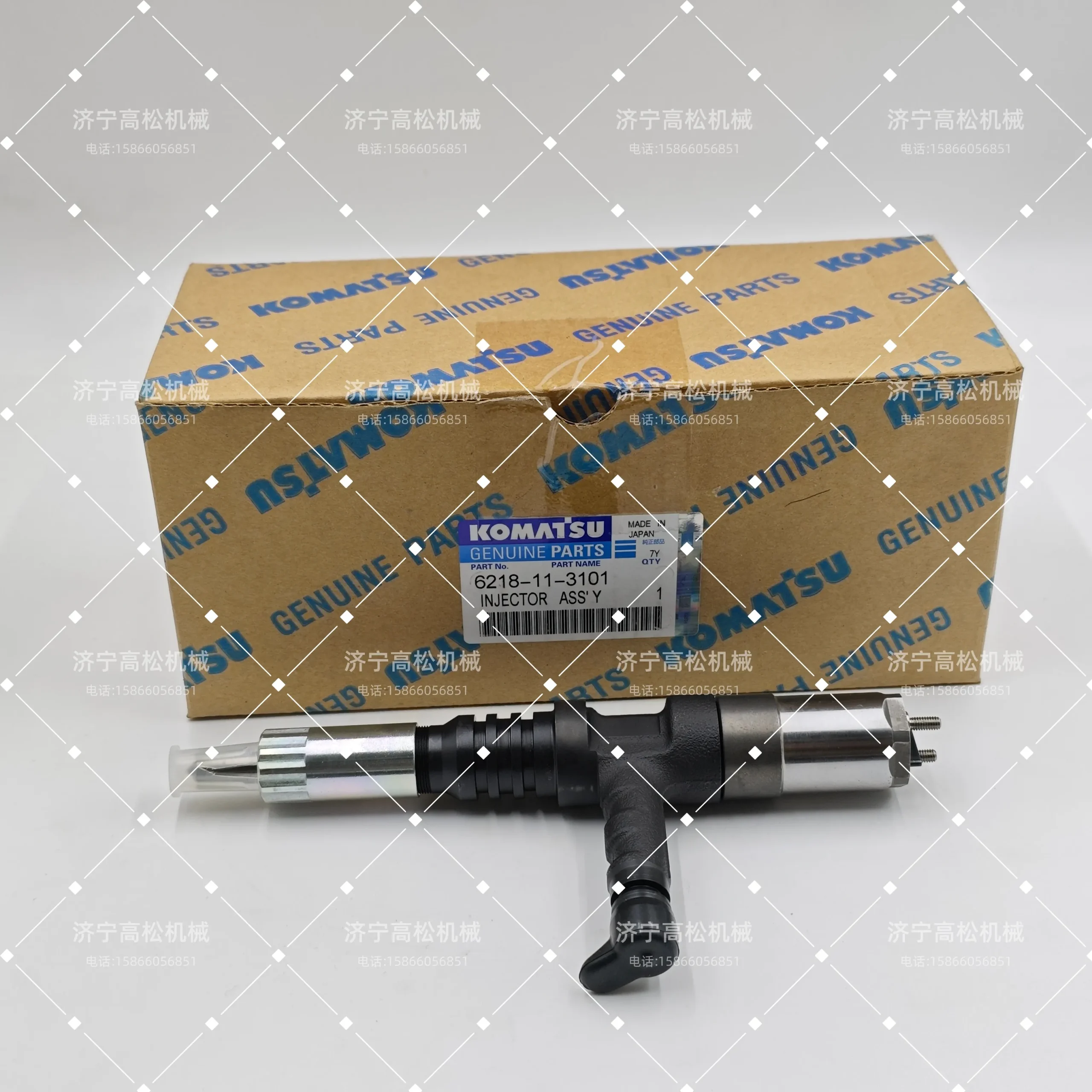
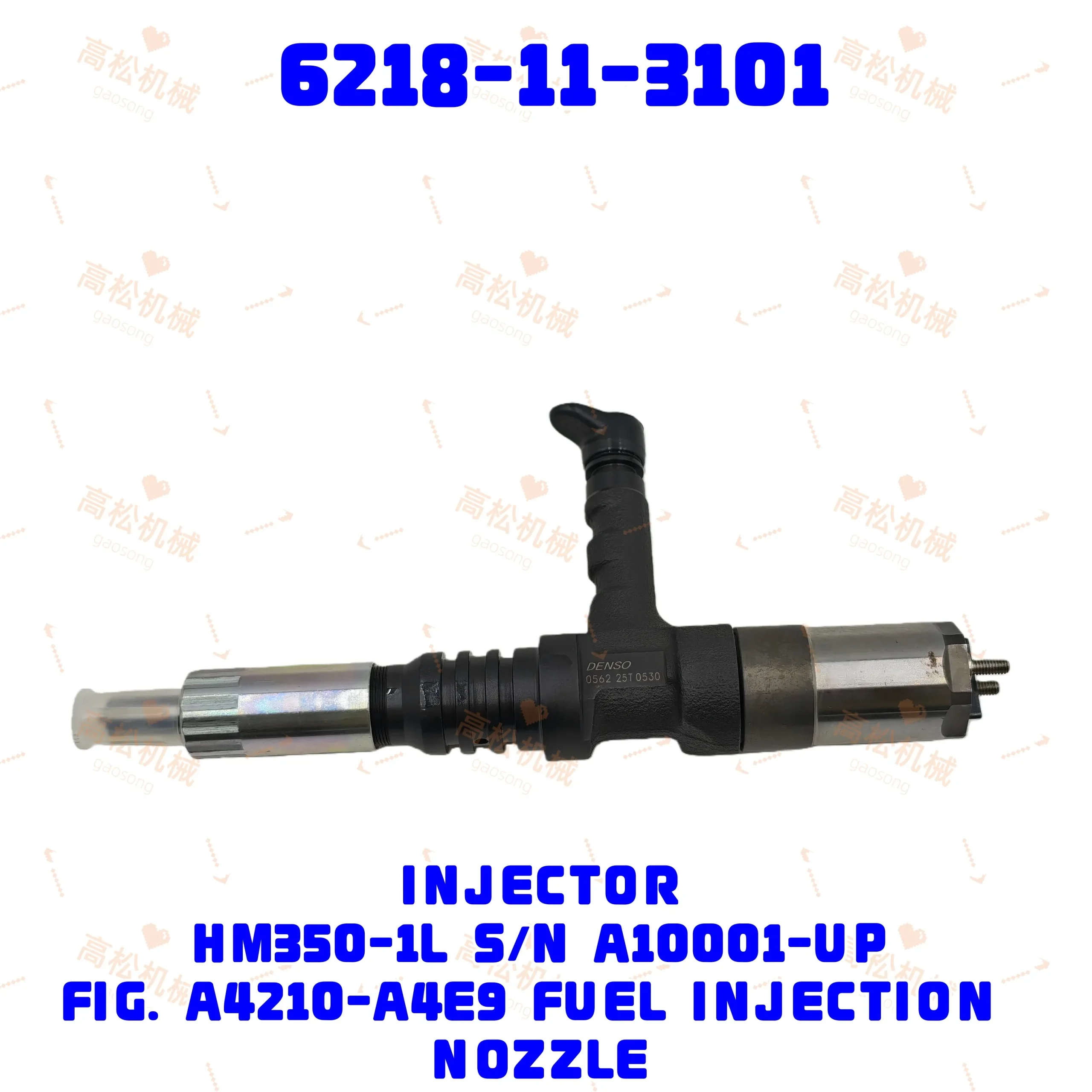 komatsu-part-6218-11-3101 6127-11-3104 6734-11-3110 6732-11-3300 6738-11-3090 6209-11-3100 6743-11-3320 6215-11-3620 6211-12-3520 6211-12-3500 INJECTOR ASS’Y SA6D140E-3J-7 SA6D140E-3CM-7 SA6D140E-3H-7 SA6D140E-3G-7 HM350-1L FUEL INJECTOR FUEL INJECTOR
 -
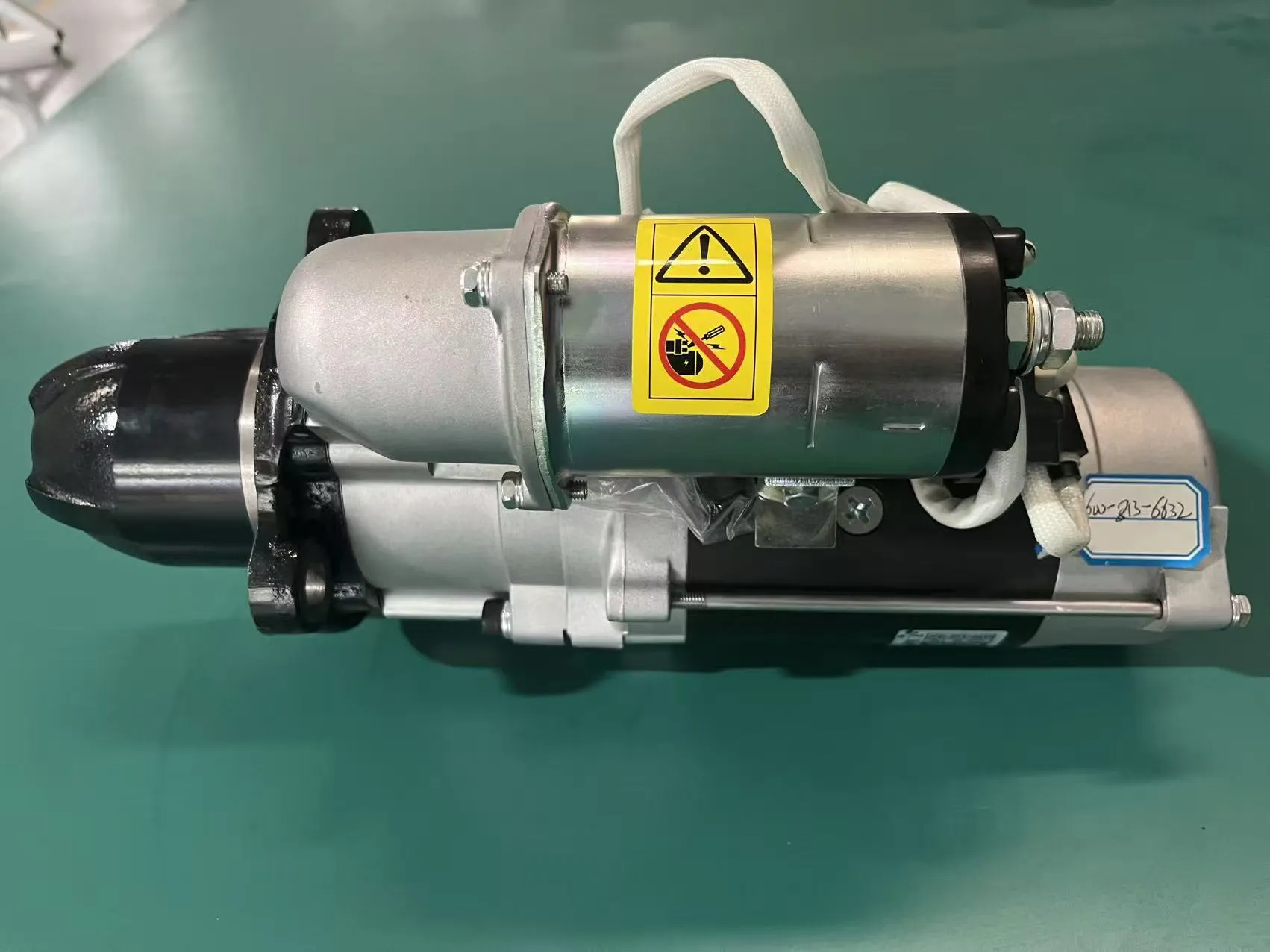 High Quality Excavator Spare Parts 600-813-6632 PC400-8 Start…
 -
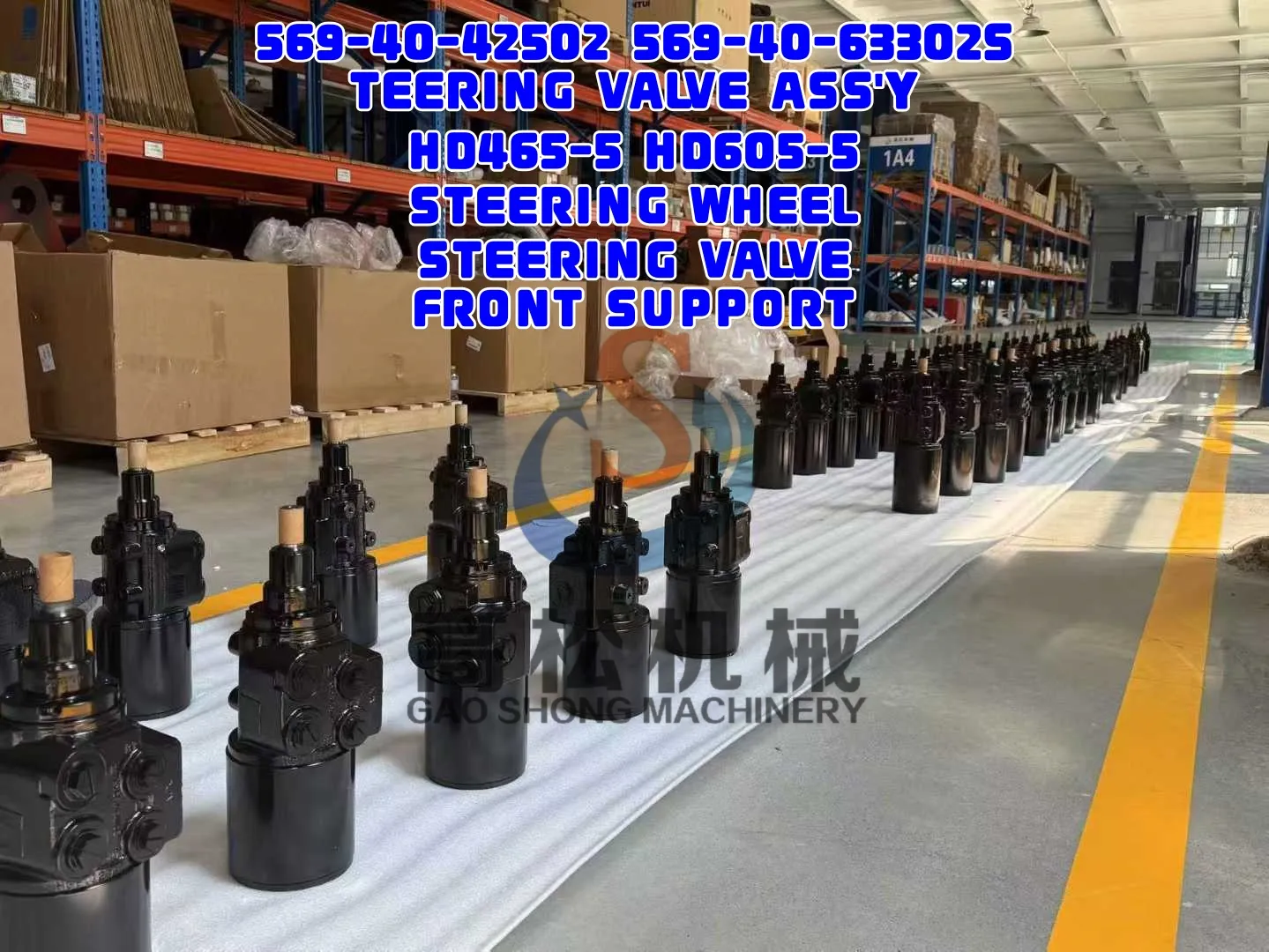 HD465-7-komatsu-part-569-40-42502 569-40-63302 STEERING VALVE ASS’Y HD465-5 HD465-7 HD605-7 HD605-5 FRONT SUPPORT (STEERING VALVE MOUNTING PARTS) STEERING WHEEL STEERING VALVE
 -
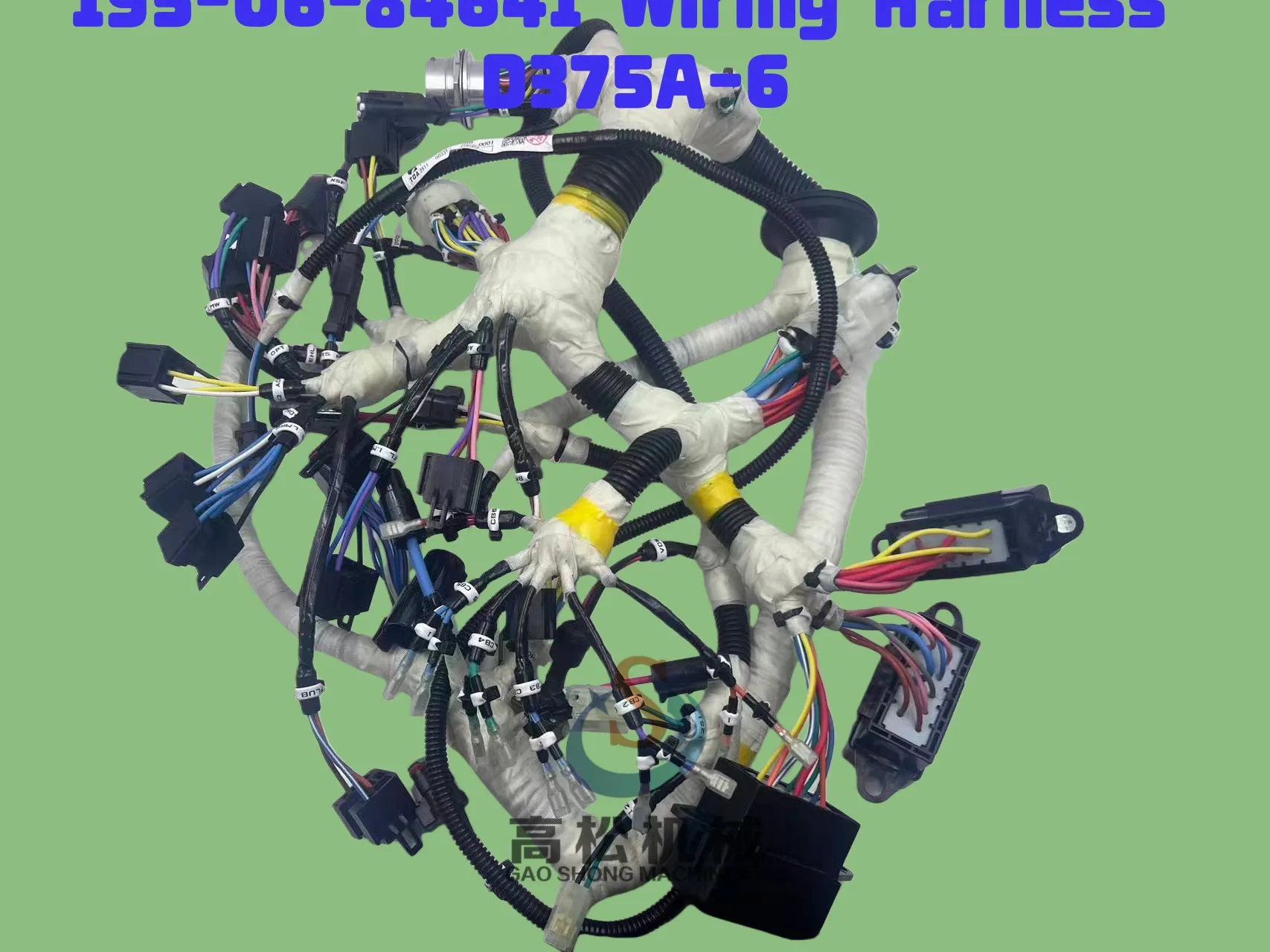 Wiring Harness 195-06-84641 D375A-6 S/N 60001-UP (Extreme Cold Area Arrangement (-40 deg C)) FLOOR FRAME, FUSE BOX AND RELAY
 -
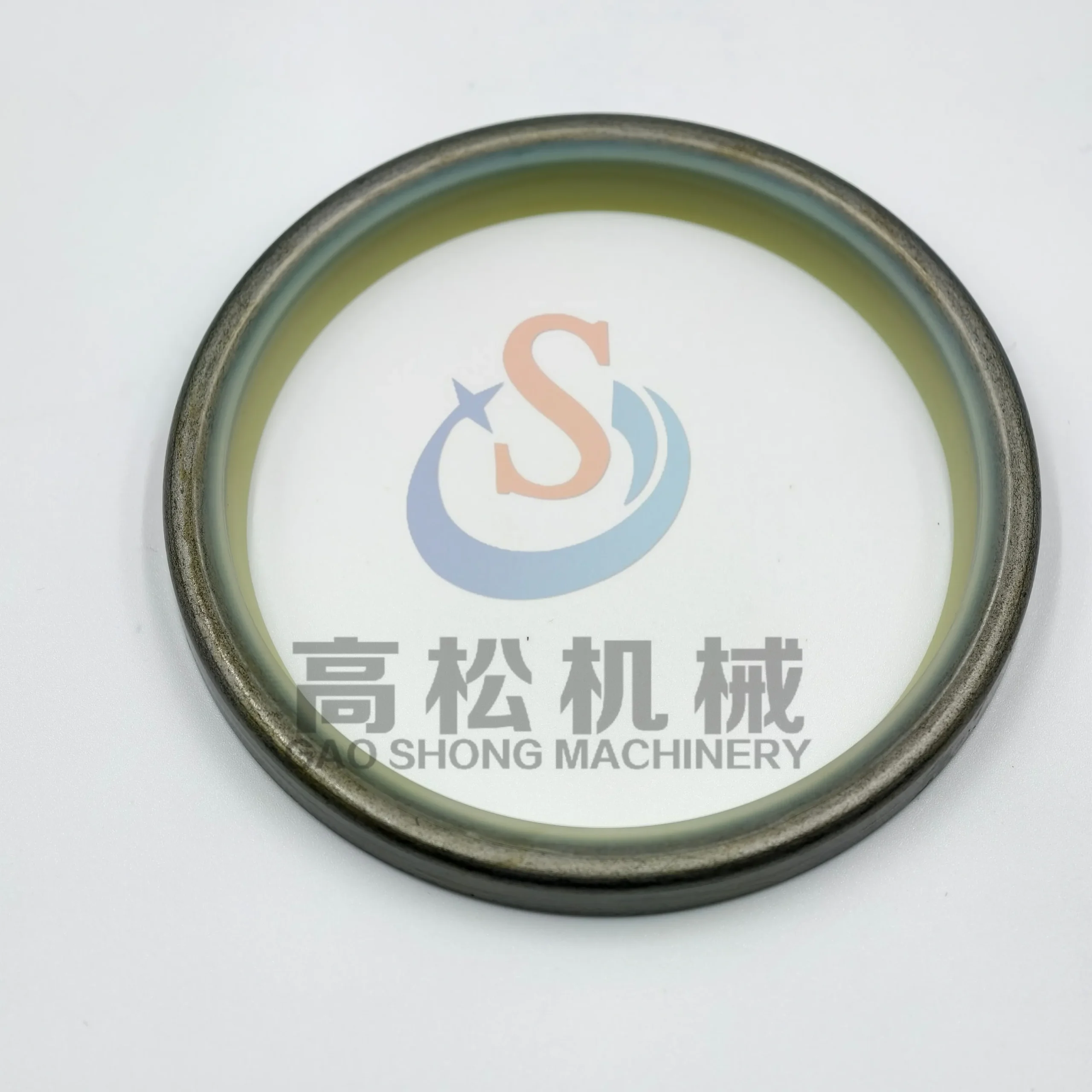 17M-50-24360 Seal (Komatsu)
 -
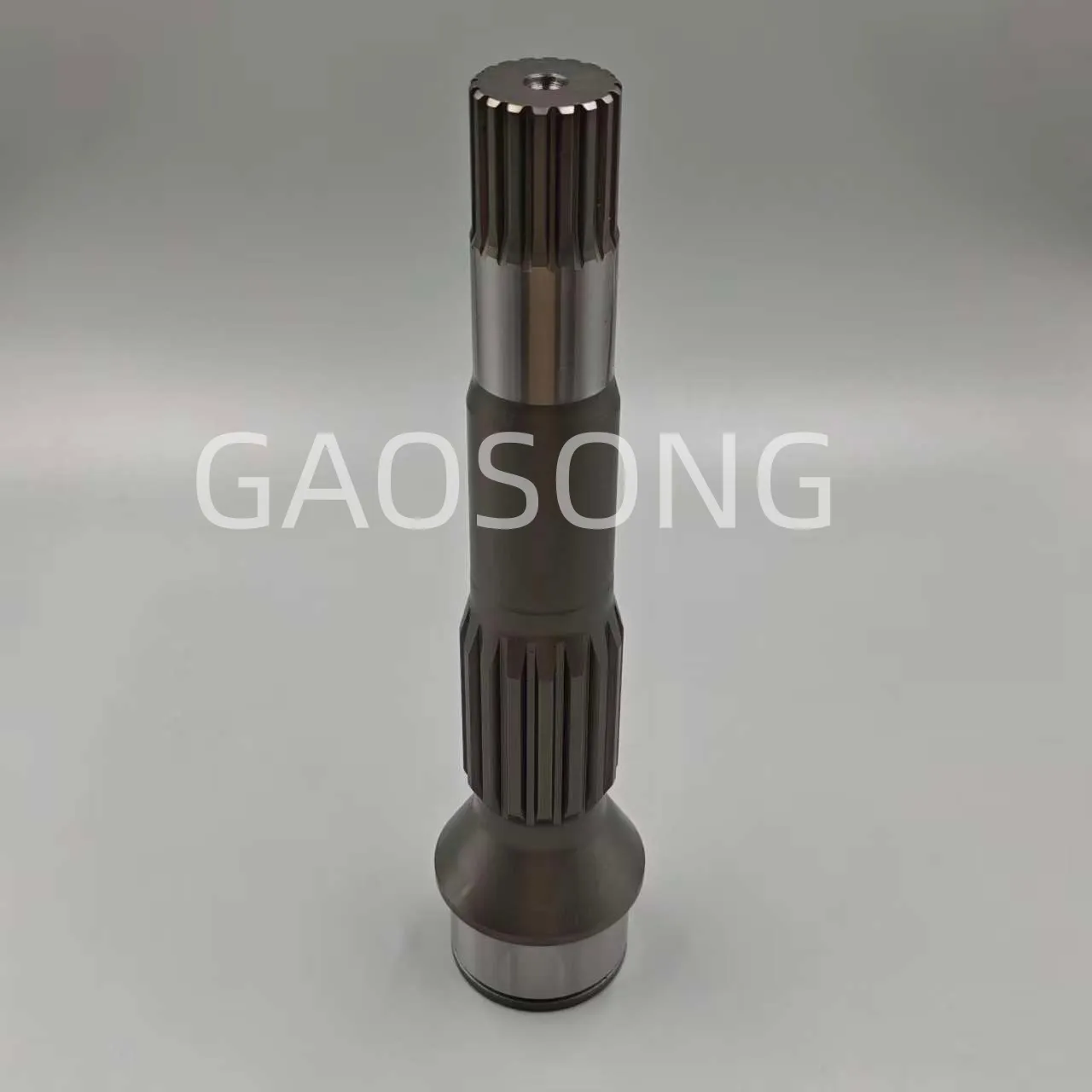 708-2G-12121 •• SHAFT-Komatsu Original Factory
 -
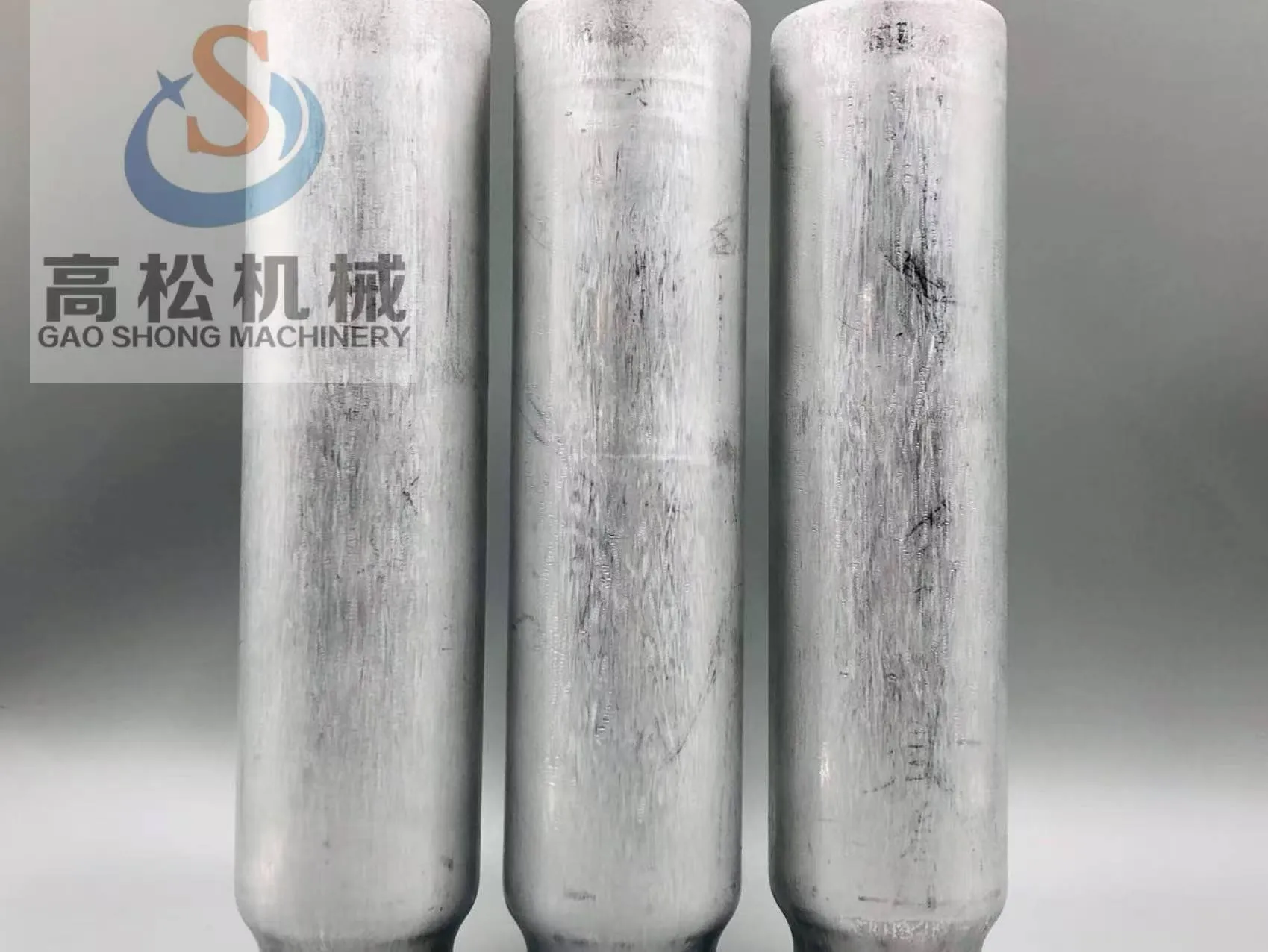 Air conditioning receiver dryer 20Y-979-3120 suitable for Komatsu
 -
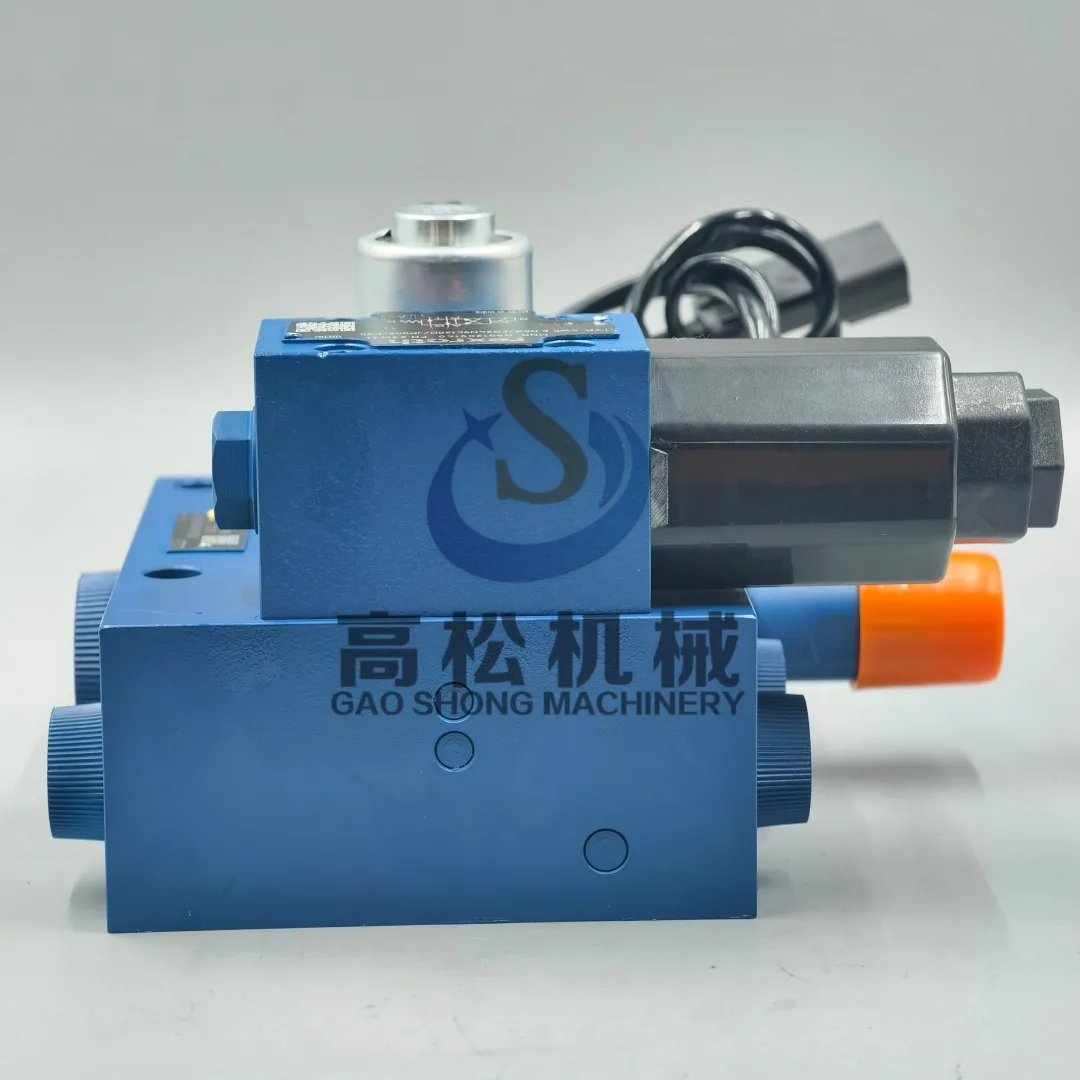 Komatsu 56B-43-12402 Valve for machines model HD405-7
 -
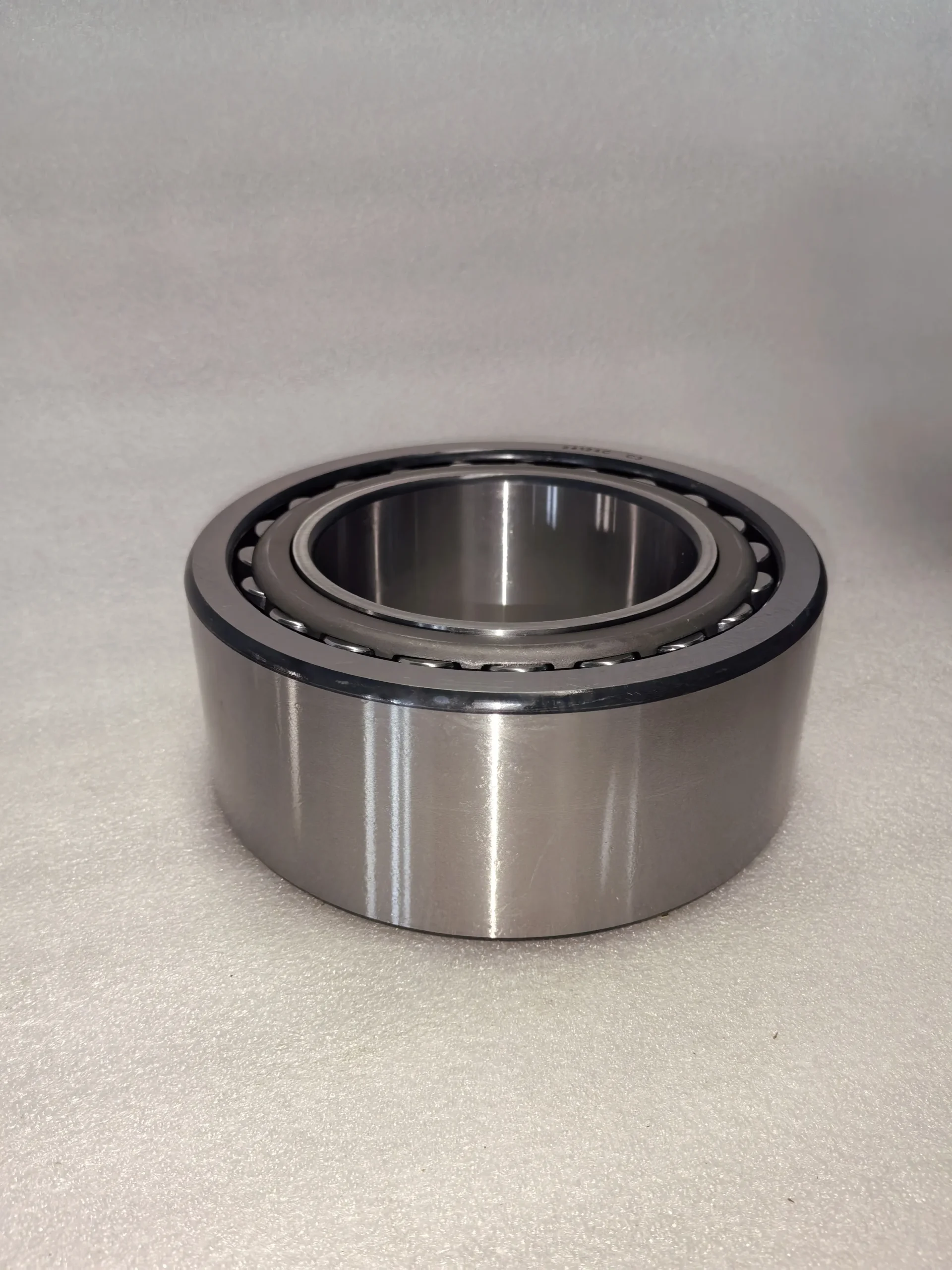 170-09-13250 Komatsu Bearing – Komatsu
 -
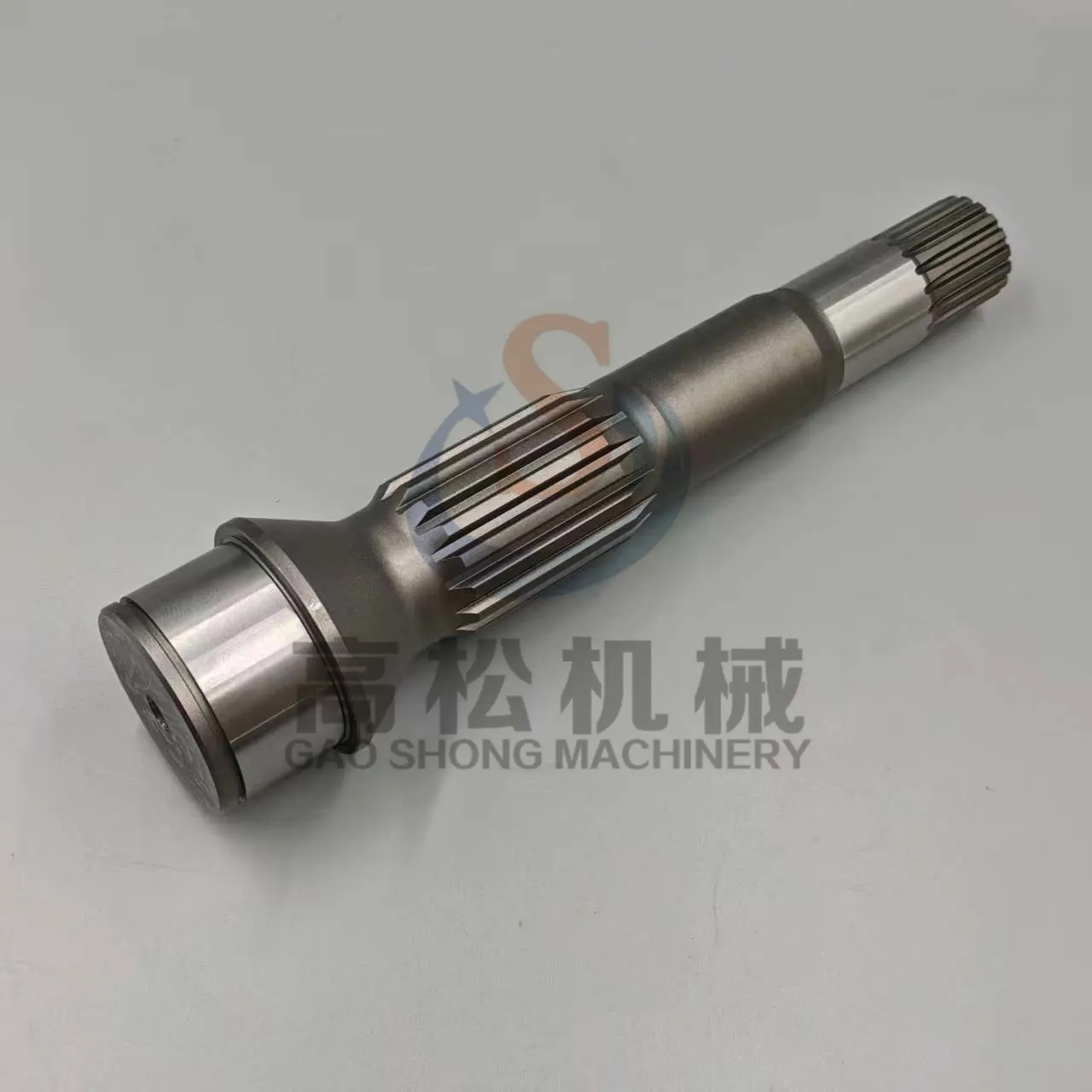 SHAFT 708-2G-12121 – KOMATSU
 -
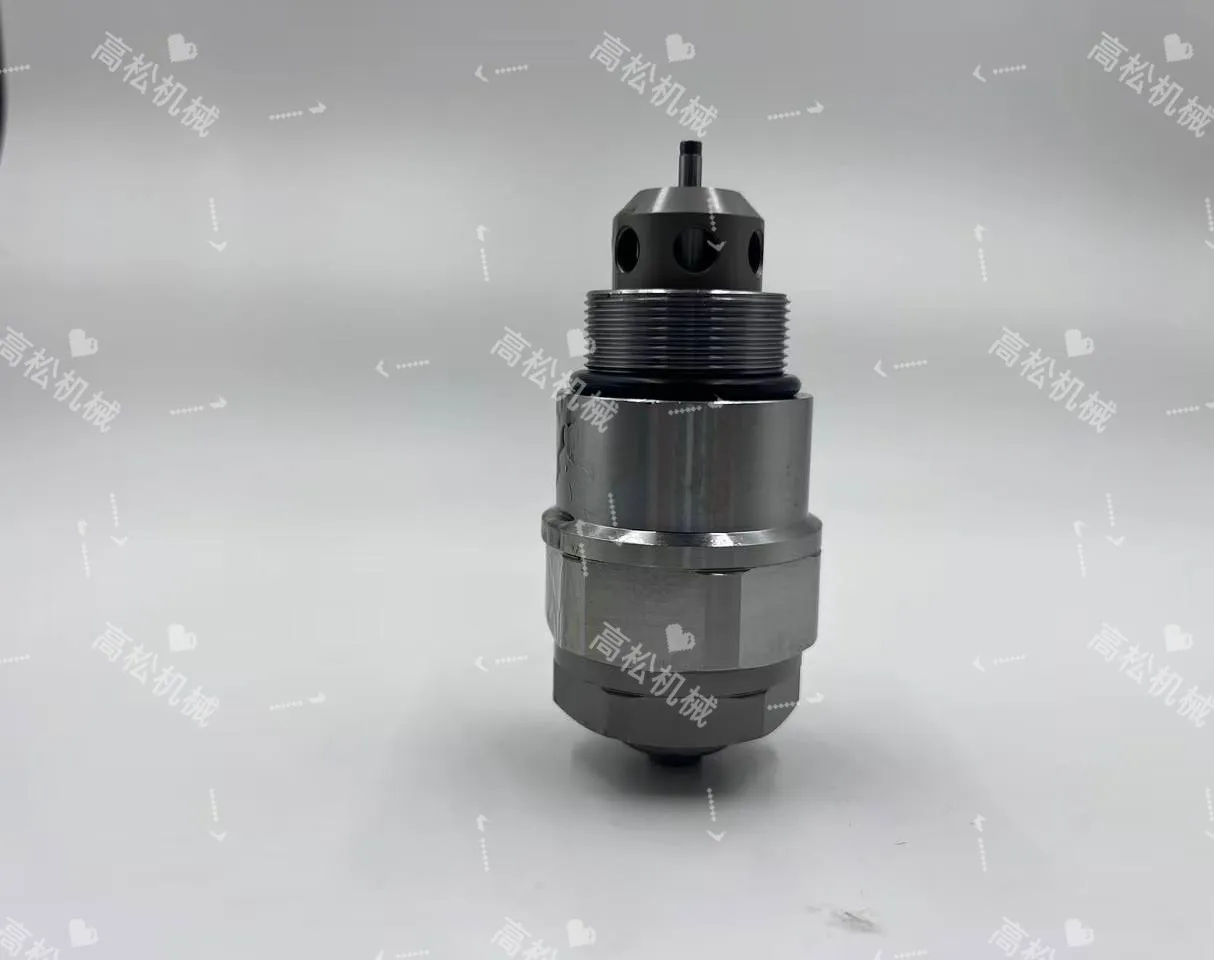 709-90-71700VALVE ASS’Y,SUCTION AND SAFETY D155A-2A CONTROL VALVE VALVE ASS’Y,SUCTION AND SAFETY PC1250SP-8R MAIN VALVE
 -
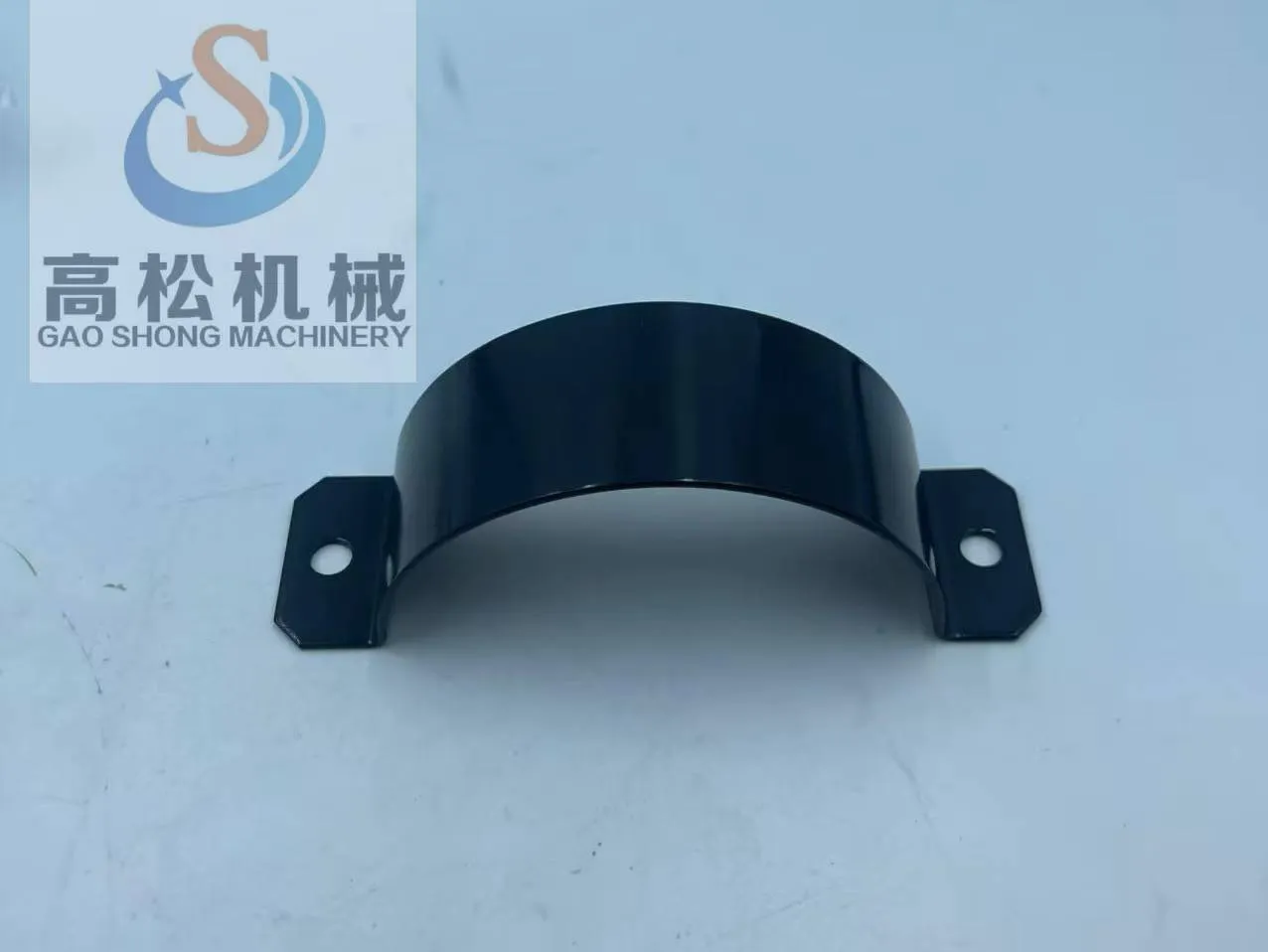 569-40-83470 Komatsu Genuine Bracket, Applicable Model: HD405-7, In-stock Promotional Price