
- Chinese
- French
- German
- Portuguese
- Spanish
- Russian
- Japanese
- Korean
- Arabic
- Irish
- Greek
- Turkish
- Italian
- Danish
- Romanian
- Indonesian
- Czech
- Afrikaans
- Swedish
- Polish
- Basque
- Catalan
- Esperanto
- Hindi
- Lao
- Albanian
- Amharic
- Armenian
- Azerbaijani
- Belarusian
- Bengali
- Bosnian
- Bulgarian
- Cebuano
- Chichewa
- Corsican
- Croatian
- Dutch
- Estonian
- Filipino
- Finnish
- Frisian
- Galician
- Georgian
- Gujarati
- Haitian
- Hausa
- Hawaiian
- Hebrew
- Hmong
- Hungarian
- Icelandic
- Igbo
- Javanese
- Kannada
- Kazakh
- Khmer
- Kurdish
- Kyrgyz
- Latin
- Latvian
- Lithuanian
- Luxembou..
- Macedonian
- Malagasy
- Malay
- Malayalam
- Maltese
- Maori
- Marathi
- Mongolian
- Burmese
- Nepali
- Norwegian
- Pashto
- Persian
- Punjabi
- Serbian
- Sesotho
- Sinhala
- Slovak
- Slovenian
- Somali
- Samoan
- Scots Gaelic
- Shona
- Sindhi
- Sundanese
- Swahili
- Tajik
- Tamil
- Telugu
- Thai
- Ukrainian
- Urdu
- Uzbek
- Vietnamese
- Welsh
- Xhosa
- Yiddish
- Yoruba
- Zulu
- Kinyarwanda
- Tatar
- Oriya
- Turkmen
- Uyghur






Komatsu hydraulic filter
When you say 'Komatsu hydraulic filter', most guys in the yard just think of a black canister with a number on it. That's the first mistake. It's not just a part; it's the kidney for a PC200 or a D65. The real conversation starts when you realize that the OEM filter and a dozen 'equivalent' ones on the market don't always play the same game, even if they screw on. I've seen machines with perfect service records start showing weak hydraulics, and nine times out of ten, the root was a switch to a cheaper filter that didn't match the OEM's spec for beta ratio or bypass valve pressure. It's a classic false economy.
The Core Difference: OEM vs. 'Will-Fit'
Let's get specific. A genuine Komatsu hydraulic filter, say for a Dash-8 series excavator, isn't just about micron rating. Komatsu engineers those canisters with a specific media area and a very particular bypass valve setting. The system pressure is designed to work with that valve cracking open at a precise PSI. Throw in a generic filter with a slightly lower bypass setting? Under a cold start or high load, the valve opens prematurely, sending unfiltered oil straight into your pumps and valves. The damage isn't immediate; it's a slow grind.
I remember a contractor running three PC130s. To cut costs, he sourced a local 'compatible' filter. Six months later, all three machines showed increased noise in the hydraulic system and slower cycle times. We tore down one pump as a sample. The scoring on the valve plate was textbook abrasive wear. The filter's micron rating was the same, but the media collapsed under pressure differential, and particles got through. The fix cost multiples of what he saved on filters.
This is where a supplier's role gets critical. A company like Jining Gaosong Construction Machinery Co., Ltd. sits in a unique spot. Being an OEM product supplier within the Komatsu system, they have access to the genuine parts stream. But as a third-party sales company, they also see the supply gaps in certain countries. Their value isn't just in stocking the part, but in knowing which genuine filter or a rigorously validated alternative fits the actual supply and operational challenge on the ground. You can check their inventory and approach at their portal, https://www.takematsumachinery.com.
Field Realities and Contamination Control
Another layer is the on-site environment. A filter change isn't a sterile procedure. How many times have you seen a new filter pulled from its box, left on a dusty bench, and then installed? The O-ring gets nicked, the interior gets dusted. You've just introduced the first batch of contaminants. The filter itself, even a perfect Komatsu hydraulic filter, is only one link in the chain.
We implemented a simple 'clean hands, clean port' rule with a fleet owner. It meant using a cap for the hydraulic tank port the moment the old filter is off, wiping down the mounting base, and lubricating the new O-ring with system oil, not grease. The particle count analysis from their next oil sample showed a dramatic drop. The filter could finally do its job because we didn't sabotage it during installation.
Then there's the oil itself. Putting a premium filter on degraded, water-contaminated oil is pointless. The media can handle solids, but water changes the game, promoting oxidation and sludge. Sometimes, the best diagnostic tool is a simple blotter test from the old oil. If it shows a dense, black center, the filter was fighting a losing battle, and just changing it won't solve the root problem.
When Equivalent Might Work (And When It Won't)
I'm not dogmatically against all alternatives. In some remote operations, waiting 8 weeks for an OEM part is a non-starter. The key is validated equivalence. It's not about the dimensions; it's about the performance curves. A good third-party supplier will have the data sheets to prove their filter's beta ratio (βx≥200) matches or exceeds the OEM's, and that the bypass valve, anti-drain back valve, and burst pressure are all on spec.
I worked with a mining outfit in a region with complex import rules. Their solution, facilitated by a supplier with a network like Gaosong's, was to use a major-brand aftermarket filter (like Donaldson or Fleetguard) that had been cross-referenced and field-tested specifically for their Komatsu fleet. The supplier's role was crucial—they weren't just selling a box; they were providing the technical cross-reference and assuming the liability for fit and function. That's a different proposition from buying a no-name filter off a marketplace.
The absolute red line is for machines still under warranty or those with highly sensitive, electronically controlled hydraulic systems (think the latest Komatsu SmartConstruction gear). Here, deviating from the OEM Komatsu hydraulic filter is asking for trouble. The dealer's diagnostic software can flag pressure anomalies that might be linked to filtration, and that's an easy way to void a costly warranty claim.
The Cost Equation: Total Cost of Ownership
This is the heart of the debate. The sticker price of the filter is irrelevant. The cost is measured in uptime, component life, and hydraulic oil life. A genuine filter might cost 50% more upfront, but if it extends oil change intervals by 10% and protects a $15,000 hydraulic pump, the math is obvious.
We did a rough calculation for a mid-sized excavator running 2,000 hours a year. The difference between a cheap filter and a proper OEM or validated alternative was about $200 per year in parts cost. The risk mitigation, however, was in avoiding one minor hydraulic repair, which easily starts at $2,000. It's not insurance you hope to use; it's reliability you're buying.
Suppliers that understand this, like the mentioned Jining Gaosong Construction Machinery Co., Ltd., frame their service around solving parts supply challenges, not just moving boxes. Their pitch should be about ensuring machine availability, not just a price list. For a fleet manager, that's the relevant conversation.
Practical Takeaways and a Final Thought
So, what's the drill? First, know your machine's exact filter spec, not just the number. Get the data sheet if you can. Second, source from a technical supplier, not just a parts broker. Ask them for the performance specs of the filter they're selling. Third, treat the filter change as a critical contamination control event. Make it clean.
If you're in a region where genuine Komatsu supply is tight, align with a supplier that has the OEM connection and the third-party flexibility to navigate that. Their website, https://www.takematsumachinery.com, states their dual role clearly—that's the kind of outfit that can often find a legitimate solution when you're in a bind.
Ultimately, the Komatsu hydraulic filter is a small component with an outsized impact. It's one of the few wear items where paying more attention—and sometimes more money—pays back directly in machine health. Don't let it be an afterthought. Your hydraulic system's silence, its speed, its reliability, is the feedback you get on that choice.
Related Products
Related Products
Best Selling Products
Best Selling Products-
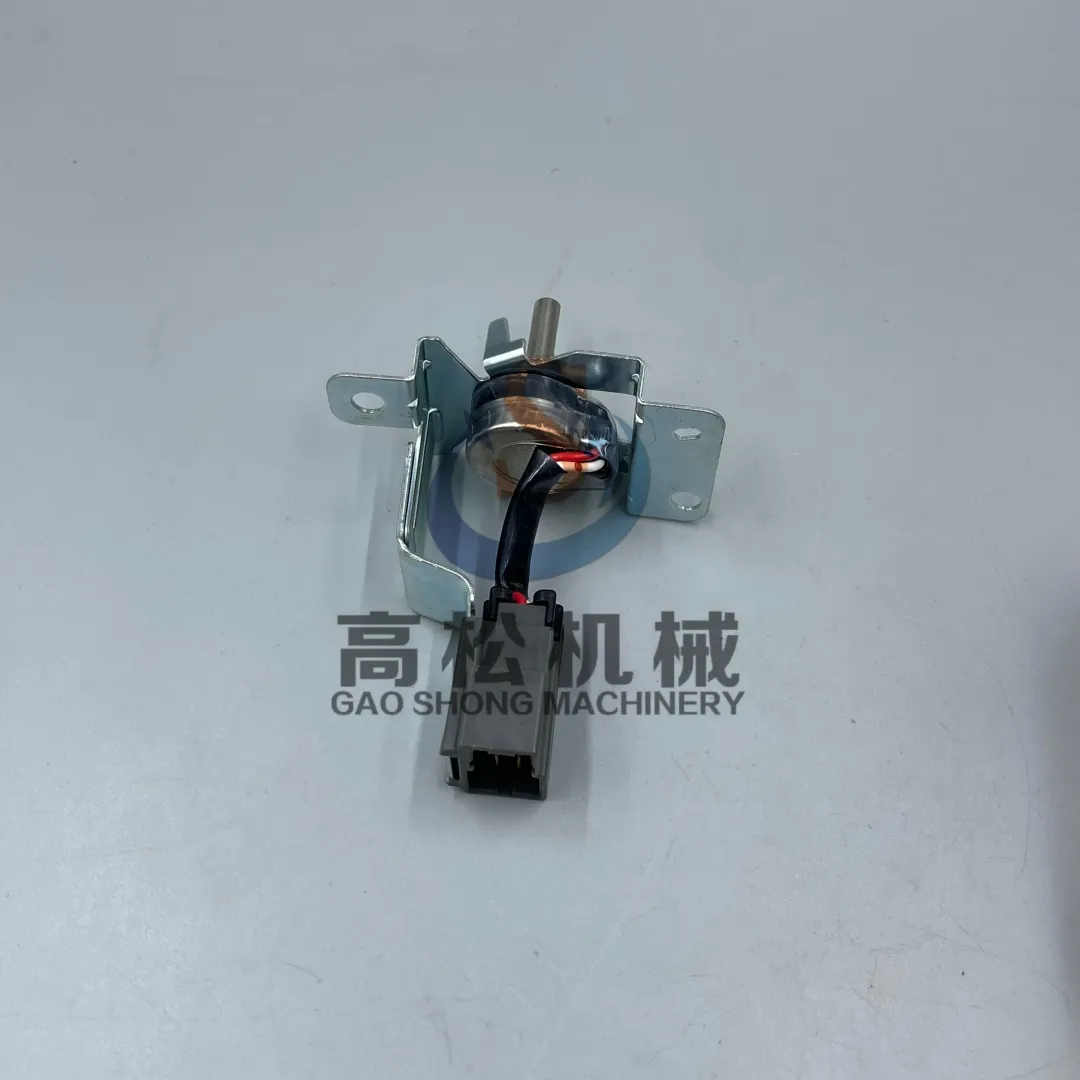 Komatsu original throttle knob 21T-26-11270 stop washer
 -
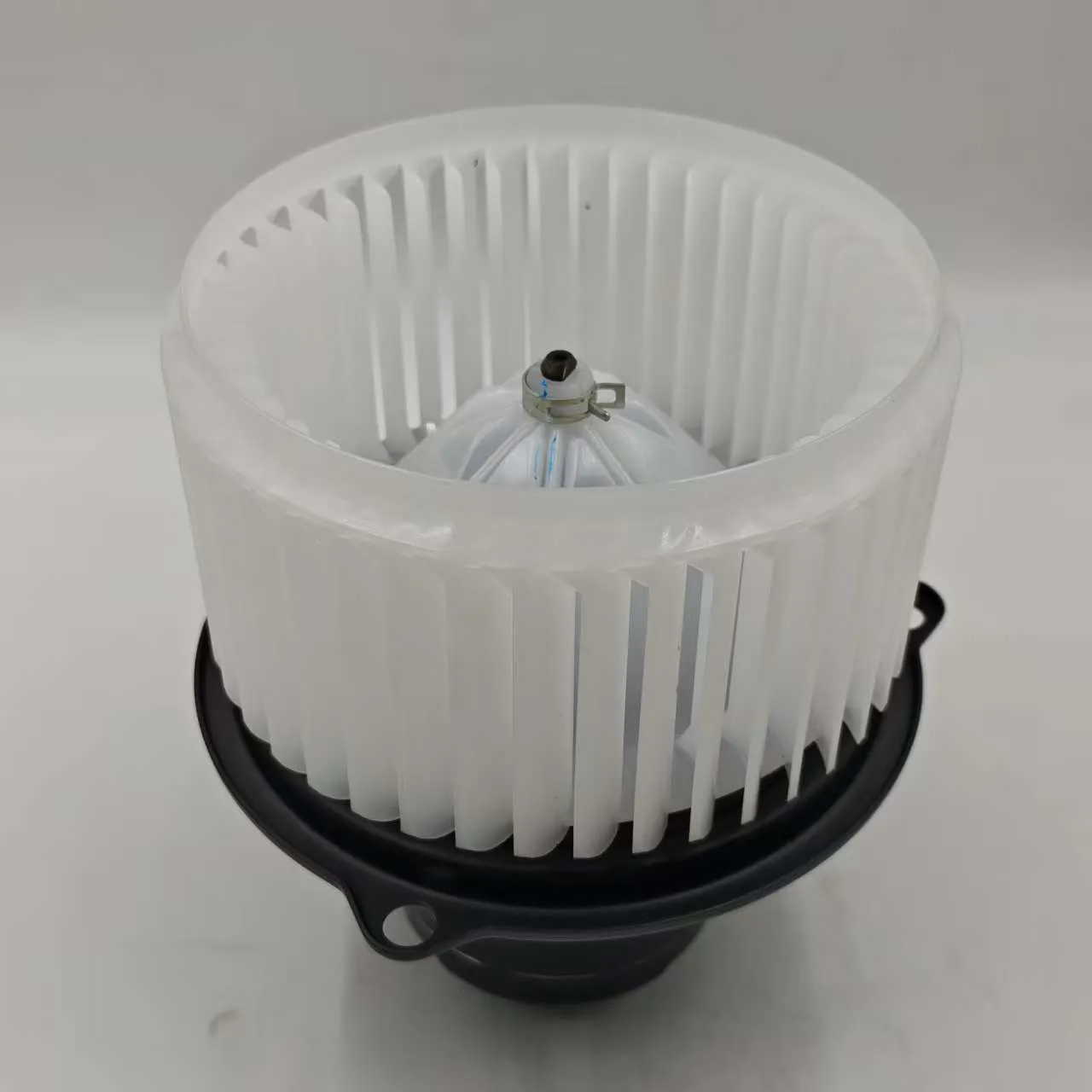 ND116340-3860 ND116340-3320 Compatible With Komatsu PC270LC-7 PC210 Blower Motor PC220 PC230 Excavators(12V)
 -
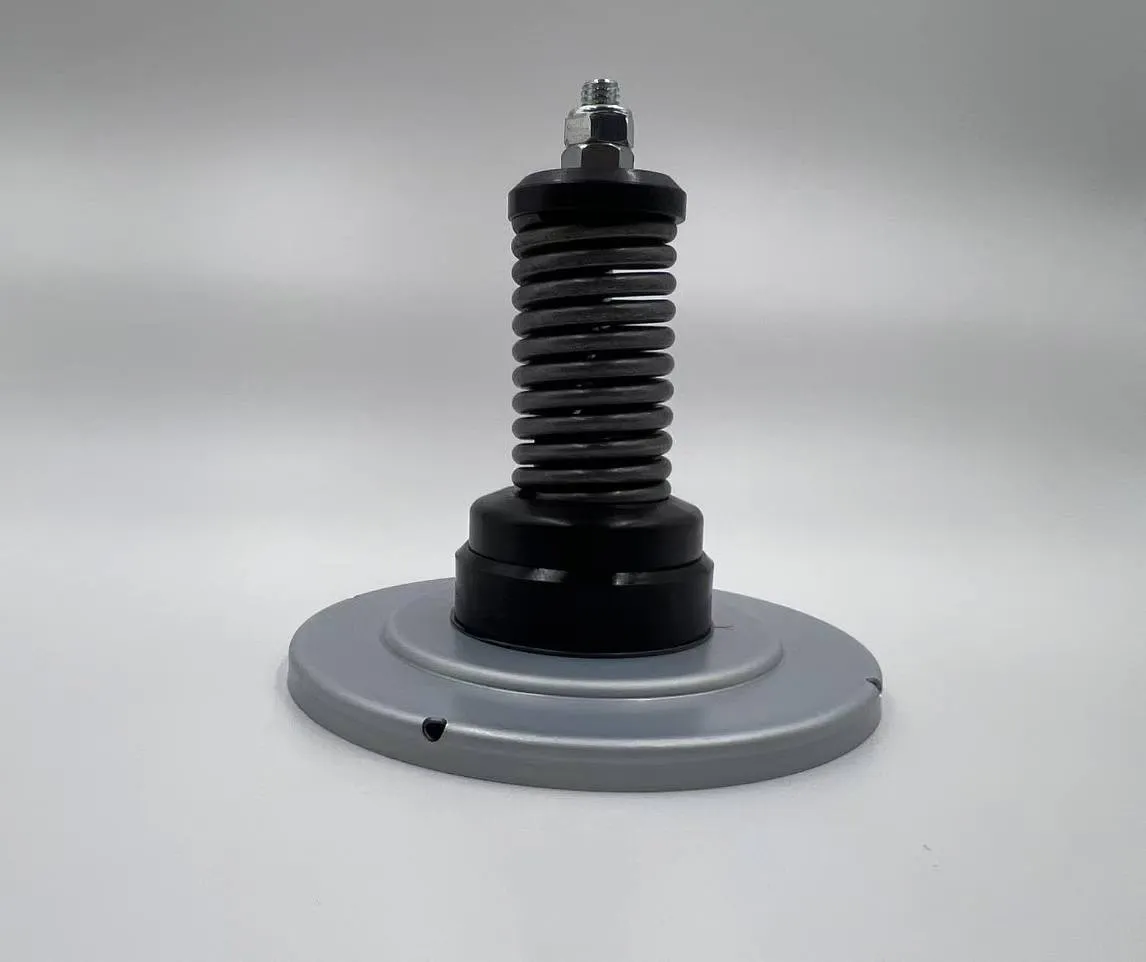 Valve Assembly 20Y-60-31450 – KOMATSU
 -
 PLATE – 195-04-42170
 -
 56B-16-11211CUSHION HM400 DUMP TRUCK 56B-16-11211
 -
 HD785-7 Temperature Sensor 6219-11-8810
 -
 V-BELT – 6219-61-3420
 -
 Original komatsu PC360LC-10 Ring 702-75-11830
 -
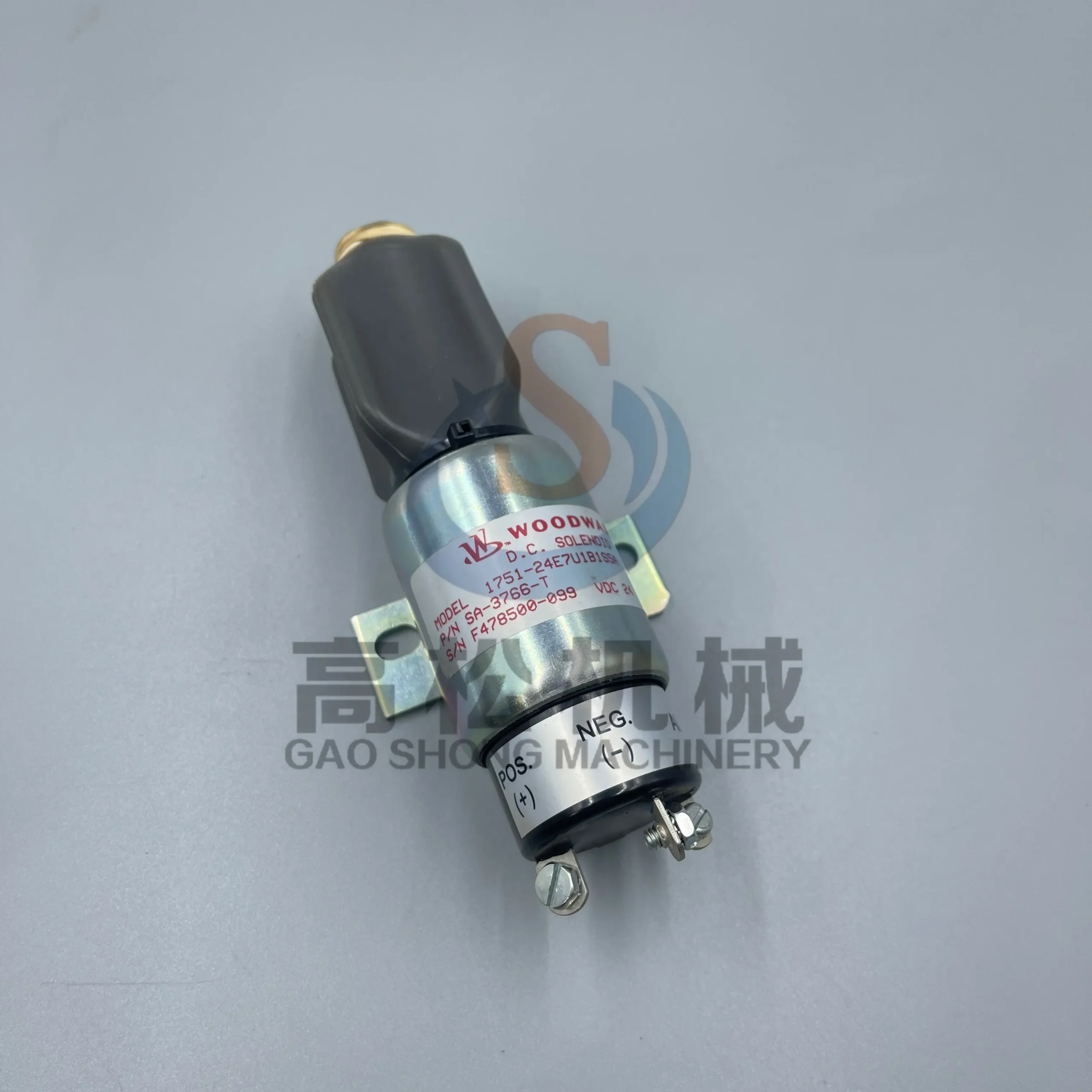 Stop Solenoid 600-815-7550
 -
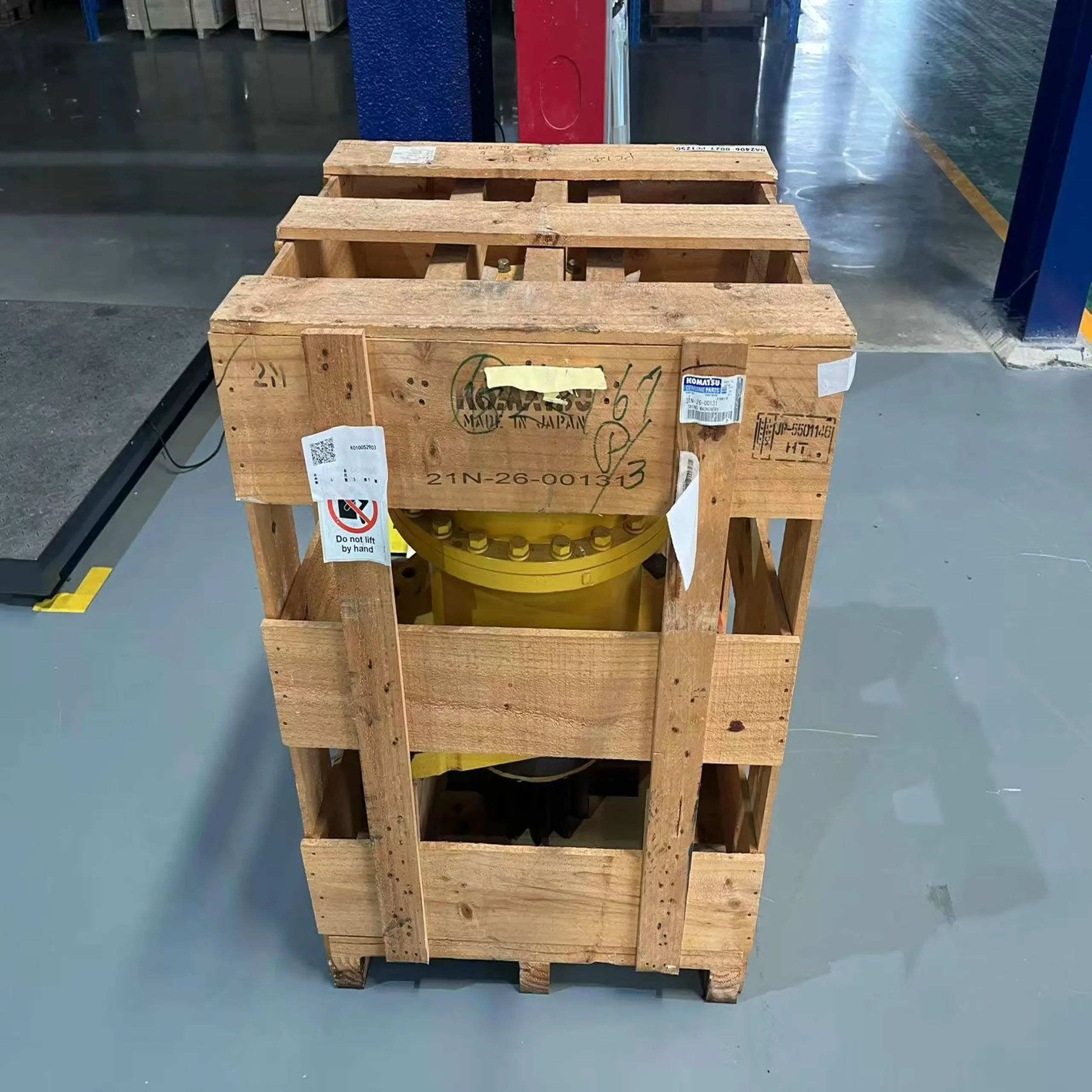 21N-26-00131 Rotary reducer, suitable for PC1250-11 #komatsu #komatsuparts #PC1250 #komatsurotaryreducer
 -
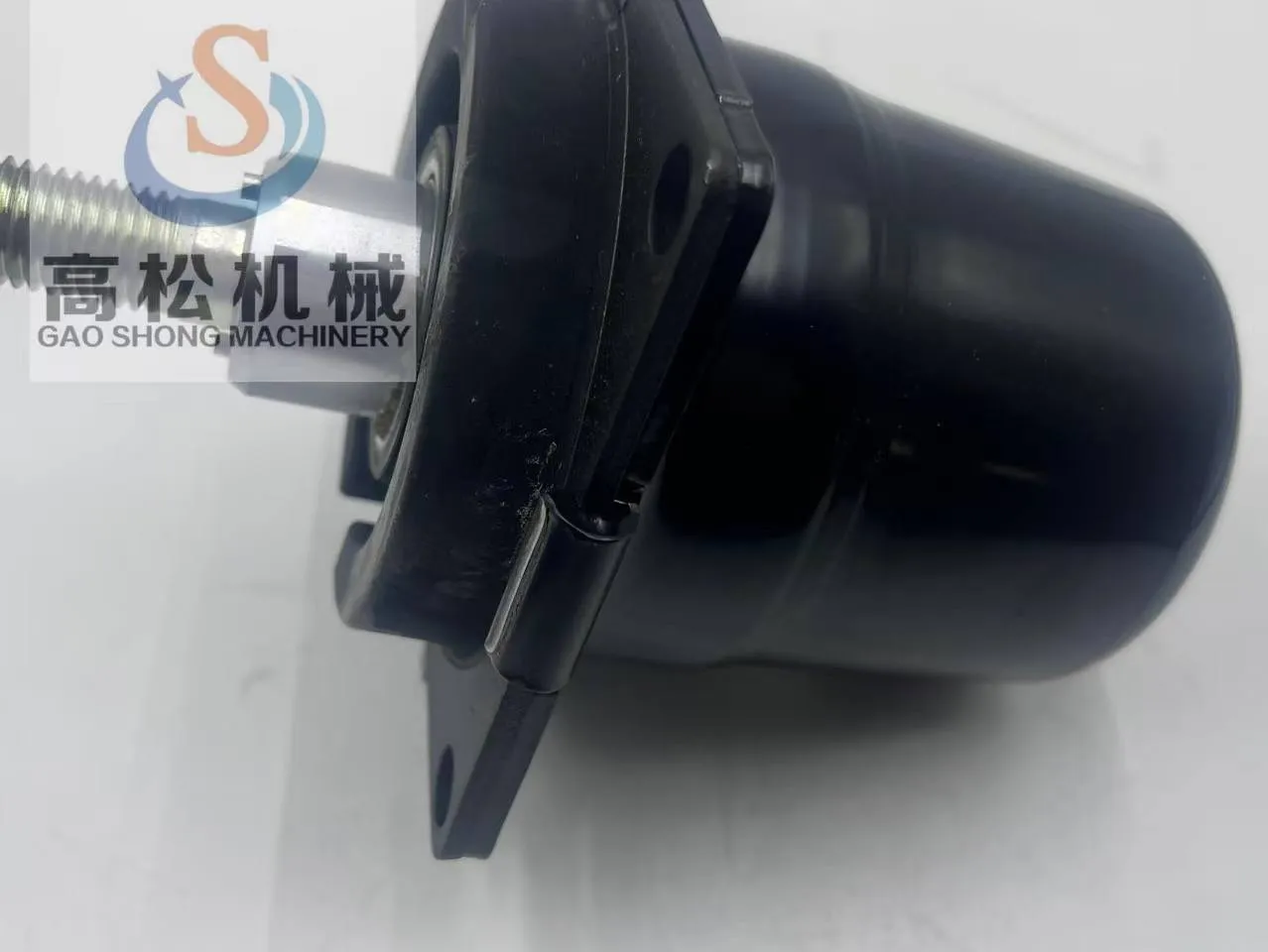 D275 /D375/D475 Cab Cushion 195-54-78410 195-54-78561
 -
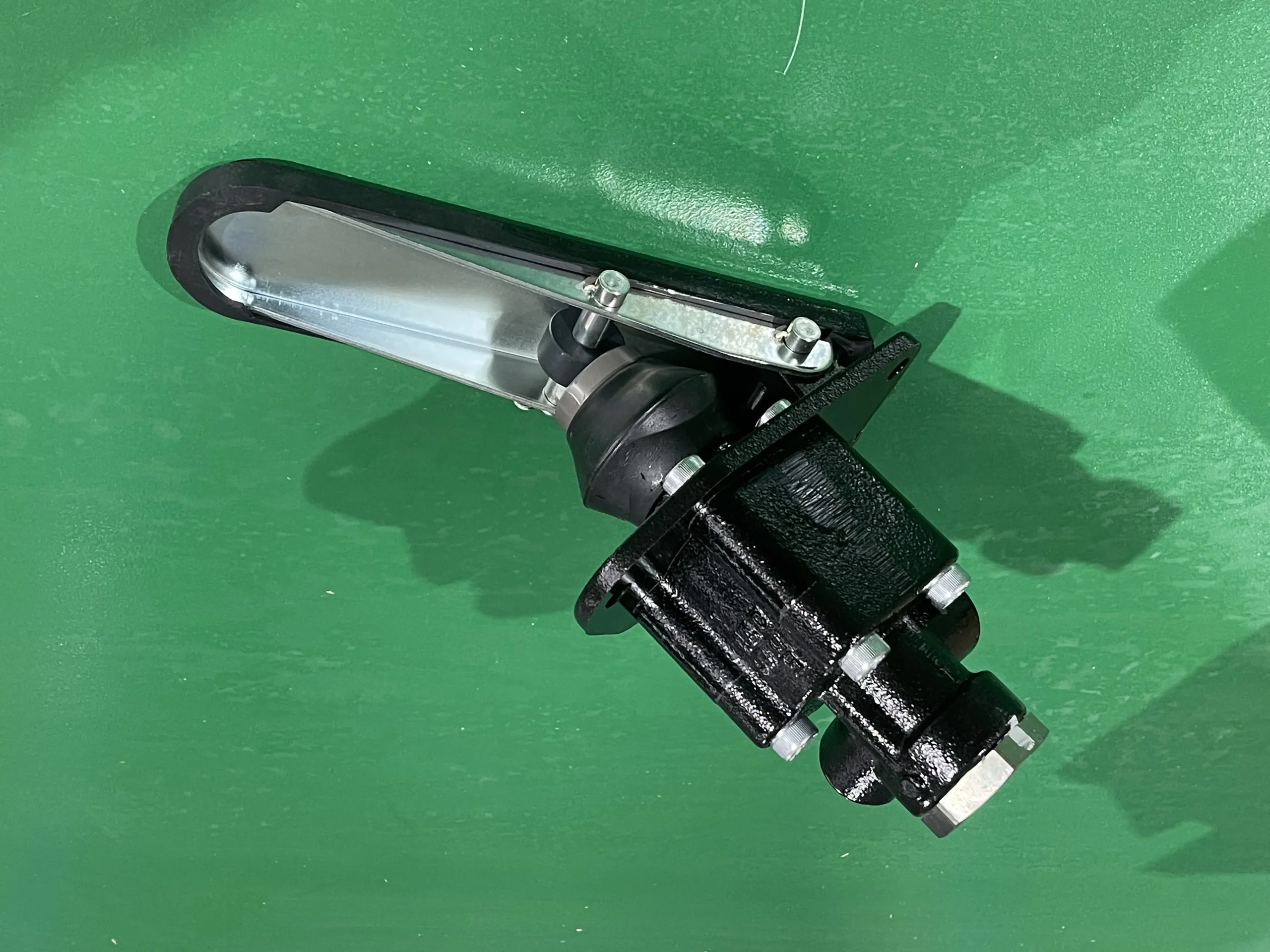 425-43-37200 Komatsu VALVE ASS’Y