
- Chinese
- French
- German
- Portuguese
- Spanish
- Russian
- Japanese
- Korean
- Arabic
- Irish
- Greek
- Turkish
- Italian
- Danish
- Romanian
- Indonesian
- Czech
- Afrikaans
- Swedish
- Polish
- Basque
- Catalan
- Esperanto
- Hindi
- Lao
- Albanian
- Amharic
- Armenian
- Azerbaijani
- Belarusian
- Bengali
- Bosnian
- Bulgarian
- Cebuano
- Chichewa
- Corsican
- Croatian
- Dutch
- Estonian
- Filipino
- Finnish
- Frisian
- Galician
- Georgian
- Gujarati
- Haitian
- Hausa
- Hawaiian
- Hebrew
- Hmong
- Hungarian
- Icelandic
- Igbo
- Javanese
- Kannada
- Kazakh
- Khmer
- Kurdish
- Kyrgyz
- Latin
- Latvian
- Lithuanian
- Luxembou..
- Macedonian
- Malagasy
- Malay
- Malayalam
- Maltese
- Maori
- Marathi
- Mongolian
- Burmese
- Nepali
- Norwegian
- Pashto
- Persian
- Punjabi
- Serbian
- Sesotho
- Sinhala
- Slovak
- Slovenian
- Somali
- Samoan
- Scots Gaelic
- Shona
- Sindhi
- Sundanese
- Swahili
- Tajik
- Tamil
- Telugu
- Thai
- Ukrainian
- Urdu
- Uzbek
- Vietnamese
- Welsh
- Xhosa
- Yiddish
- Yoruba
- Zulu
- Kinyarwanda
- Tatar
- Oriya
- Turkmen
- Uyghur






Komatsu hydraulic cylinder
When you hear 'Komatsu hydraulic cylinder,' the immediate thought is OEM quality, a plug-and-play solution. That's not wrong, but it's incomplete. The reality on the ground, especially in markets with supply chain gaps, is more nuanced. The cylinder itself is just one part of the story; the sourcing, the application context, and the long-term support often matter just as much. I've seen too many projects stall because someone ordered a cylinder by part number alone, without considering the machine's service history or the actual operating conditions. The Komatsu stamp guarantees a certain standard, but it doesn't automatically solve every field problem.
The OEM Promise and the Aftermarket Reality
There's a firm belief that only a cylinder in a Komatsu box is the 'real' one. In an ideal world, yes. But the world isn't ideal. For older models, or machines operating in regions Komatsu's primary network doesn't prioritize, getting that genuine part can take months. That's where the ecosystem of authorized and specialized suppliers comes in. Companies like Jining Gaosong Construction Machinery Co., Ltd. operate in this space. They're not just resellers; their role as an OEM product supplier within the Komatsu system and a third-party sales channel is critical. It means they have access to the same manufacturing pipelines or approved equivalents, but with the flexibility to address urgent supply challenges. I've worked with their team before; the value isn't just in the part, it's in their ability to cross-reference and confirm compatibility for non-standard situations.
I recall a case with a PC360-8. The main boom cylinder was scored. The official lead time was 14 weeks. The machine was on a critical slope stabilization project. We sourced a cylinder through a third-party channel that was verified as OEM-spec. The saving wasn't just time; it was the entire project's viability. The cylinder performed identically. This isn't about circumventing the system, but about understanding its layers. The website takematsumachinery.com outlines this dual role clearly—OEM supplier and third-party solver. That's an accurate description of the niche they fill.
The key is verification. Not all third-party options are equal. You need suppliers who understand the metallurgy, the sealing technology (like the specific Komatsu rod seal design that handles constant pulsation), and the honing finish required for the Komatsu hydraulic fluid profile. A bad cylinder won't just fail; it can contaminate the entire system with metal particles, turning a $5k repair into a $25k overhaul.
Failure Points You Don't Read in the Manual
Manuals talk about pressure ratings and cycle times. Field experience talks about side-loading, contamination ingress, and seal compatibility. The most common point of failure I see on Komatsu excavator cylinders isn't the barrel or the piston—it's the rod gland area. Especially on machines doing a lot of demolition or rock work where fine, abrasive dust is everywhere. The wiper seal fails, dust gets behind it, and it acts as lapping paste on the rod and the primary seal. Once the chrome is scored, it's a ticking time bomb.
When specifying a replacement, whether from the primary OEM network or a specialized supplier like Gaosong, you have to ask about the gland assembly. Is it a direct OEM copy, or has it been modified for a harsher environment? Sometimes, a third-party supplier can offer a slight upgrade here, like a double-wiper setup or a different seal compound, if they have deep application knowledge. This is where their role as a problem-solver, as mentioned in their company intro, becomes tangible.
Another subtle point is port threads and hose adapters. Komatsu often uses metric parallel threads (like JIS) or specific flanges. I've received 'compatible' cylinders where the ports were NPT. Forcing an adapter in is a leak waiting to happen. A professional supplier will confirm these details upfront. It sounds basic, but you'd be surprised how often it's overlooked in the rush to get a part.
The Rebuild vs. Replace Calculus
This is a constant debate. A new Komatsu hydraulic cylinder is expensive. A rebuild is cheaper, but not always wiser. The decision tree is complex. For a cylinder with a bent rod or a deeply scored tube? Replace. No question. The structural integrity is compromised. For a cylinder with seal failure but perfect machining surfaces? Rebuild is viable, but only with a proper kit and a skilled shop.
The trap is using non-OEM seal kits. The dimensions might match, but the compound's durometer, temperature tolerance, and extrusion resistance might not. I've seen rebuilt cylinders fail in a week under high dynamic loads because the piston seals were a fraction softer than spec and extruded. A reliable supplier should be able to provide genuine or OEM-equivalent seal kits for rebuilds, which is a service as important as selling the whole unit. Their value is in offering the right solution for the context, not just pushing a new cylinder sale.
Sometimes, the cost-benefit leans towards a new or OEM-quality remanufactured cylinder. If the machine's residual value is high and downtime costs are extreme, the premium for a guaranteed part is justified. For an older machine, a high-quality rebuild with verified components is the economic choice. Suppliers who understand this calculus, and can provide both options, are the ones you stick with.
Case in Point: The D61PX-12 Dozer Cylinder
Let's get specific. The tilt cylinder on a D61PX-12. It's a high-stress component. We had one that developed an internal leak. The machine was in a remote mining site. The diagnosis pointed to worn piston seals. Simple, right? A rebuild kit was sourced locally, but the leak returned almost immediately. Upon teardown, we found slight wear in the tube that the new seals couldn't compensate for. The local shop suggested sleeving, which is risky for heat dissipation.
We engaged with a specialist supplier, referencing the specific Komatsu part number. Their technical review suggested that for this application, with the tube wear present, a replacement cylinder body was the only reliable fix. They had the component in a bonded warehouse, which cut shipping time from 10 weeks to 10 days. The cylinder was a perfect match. The lesson was that a superficial diagnosis (just seals) missed the secondary damage. A knowledgeable supplier looks at the system—the part number is the start of the conversation, not the end. This aligns with the problem-solving approach you see outlined on sites like takematsumachinery.com.
This case also highlights the importance of technical dialogue. A good supplier will ask for photos of the failed component, the machine serial number, and the symptoms. They're diagnosing, not just order-taking.
Looking Beyond the Cylinder: System Integration
Finally, a cylinder doesn't work in isolation. Installing a new, perfect Komatsu hydraulic cylinder into a system with degraded oil, a failing pump, or contaminated lines is a waste of money. The first thing I do before installing any major cylinder is check the system fluid for particulate count and acidity. If the oil is shot, the new cylinder's life will be measured in hours.
Any reputable supplier, whether OEM or third-party, should emphasize this. It's in their interest, too—a cylinder failure due to system contamination leads to warranty disputes and unhappy customers. The best partnerships I have with suppliers involve them asking, Have you checked the rest of the circuit? before they ship the part. It shows they're thinking about the repair's long-term success.
In essence, the keyword 'Komatsu hydraulic cylinder' represents a standard of engineering excellence. But in practical terms, it represents a supply chain, a set of technical challenges, and a need for expert judgment. The part is crucial, but the knowledge and logistical support behind it—the kind provided by integrated companies operating within and alongside the official system—are what ultimately get the machine back to work, reliably. That's the real-world picture.
Related Products
Related Products

Best Selling Products
Best Selling Products-
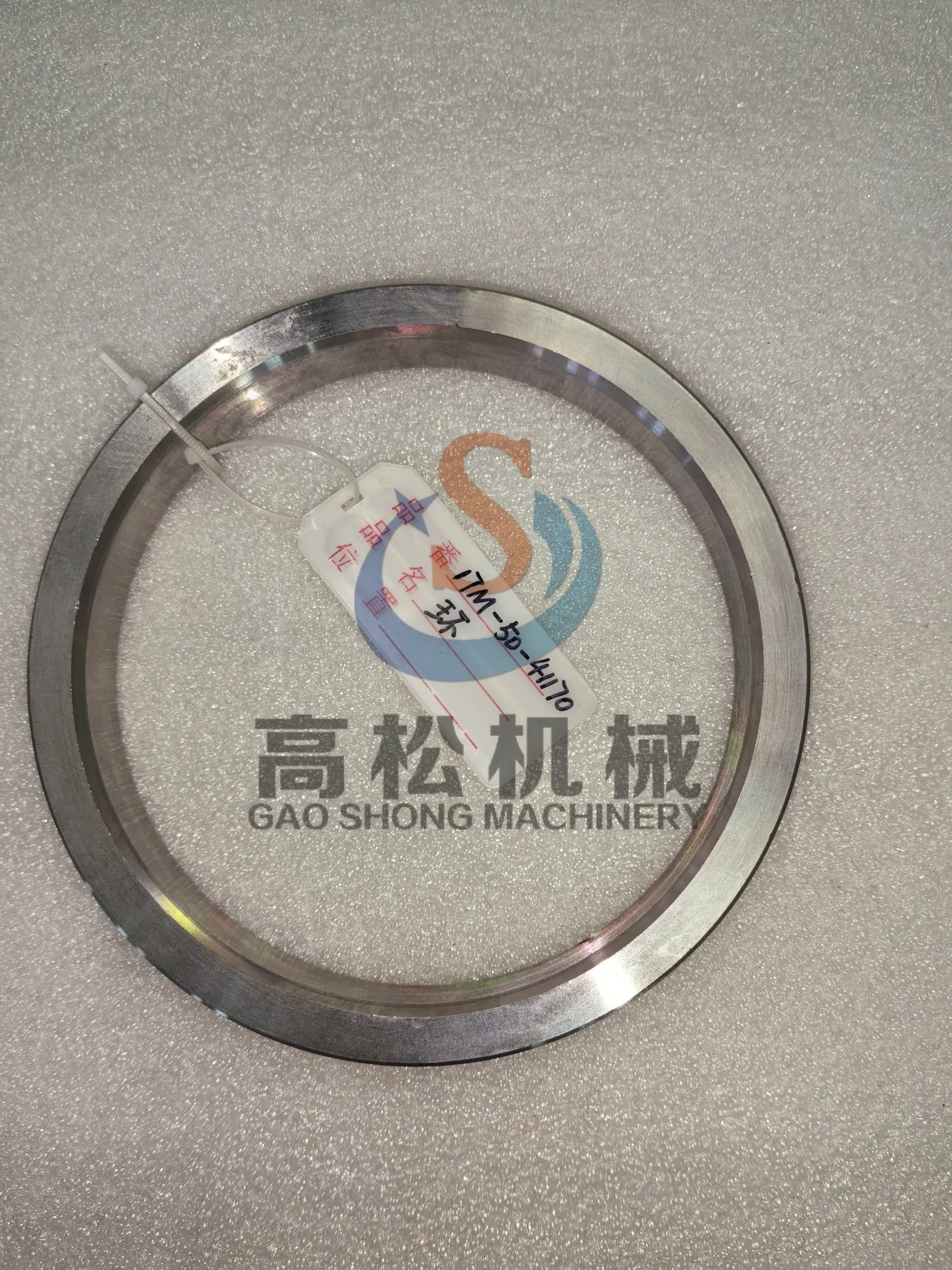 RING 17M-50-41170 – KOMATSU
 -
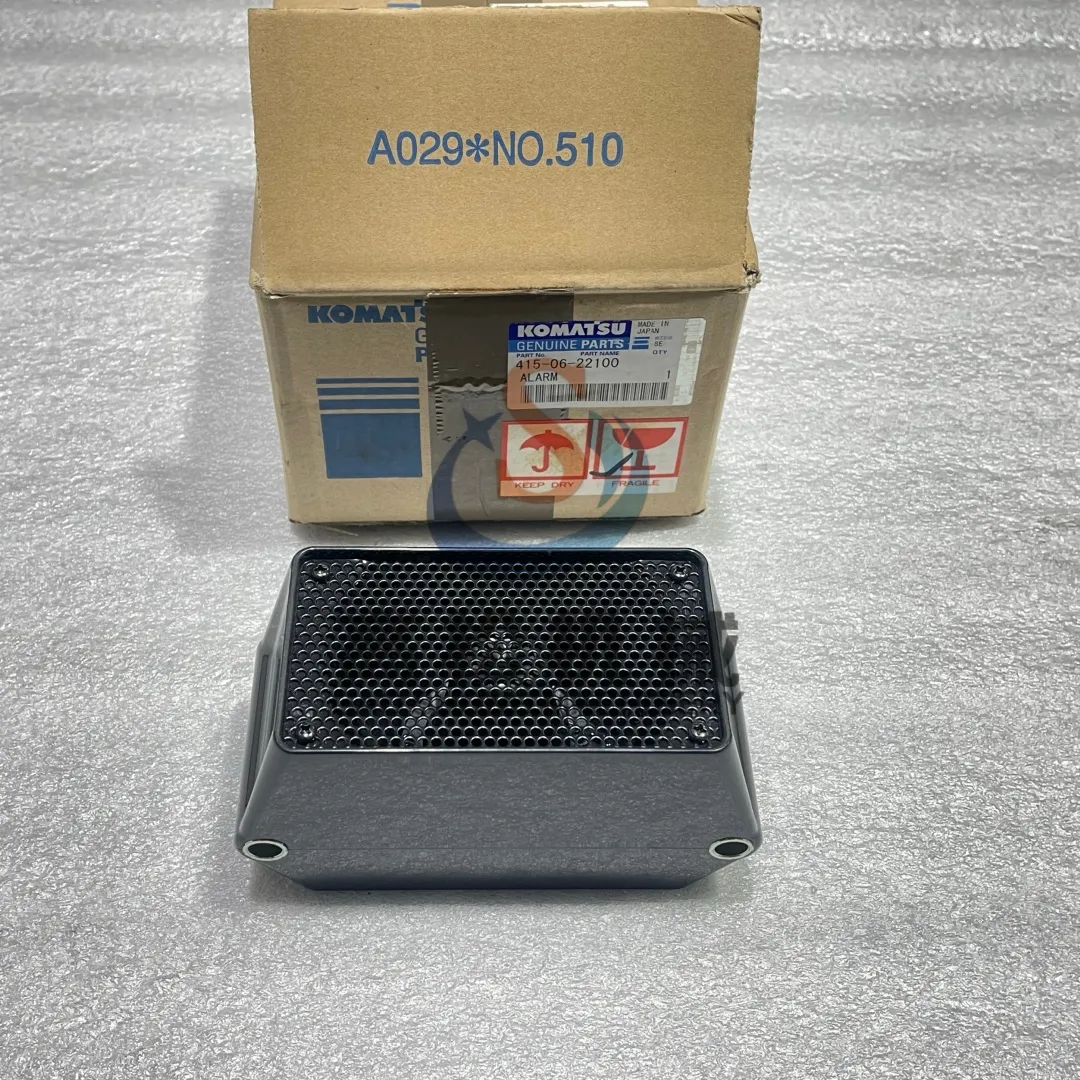 alarm 415-06-22100 – komatsu
 -
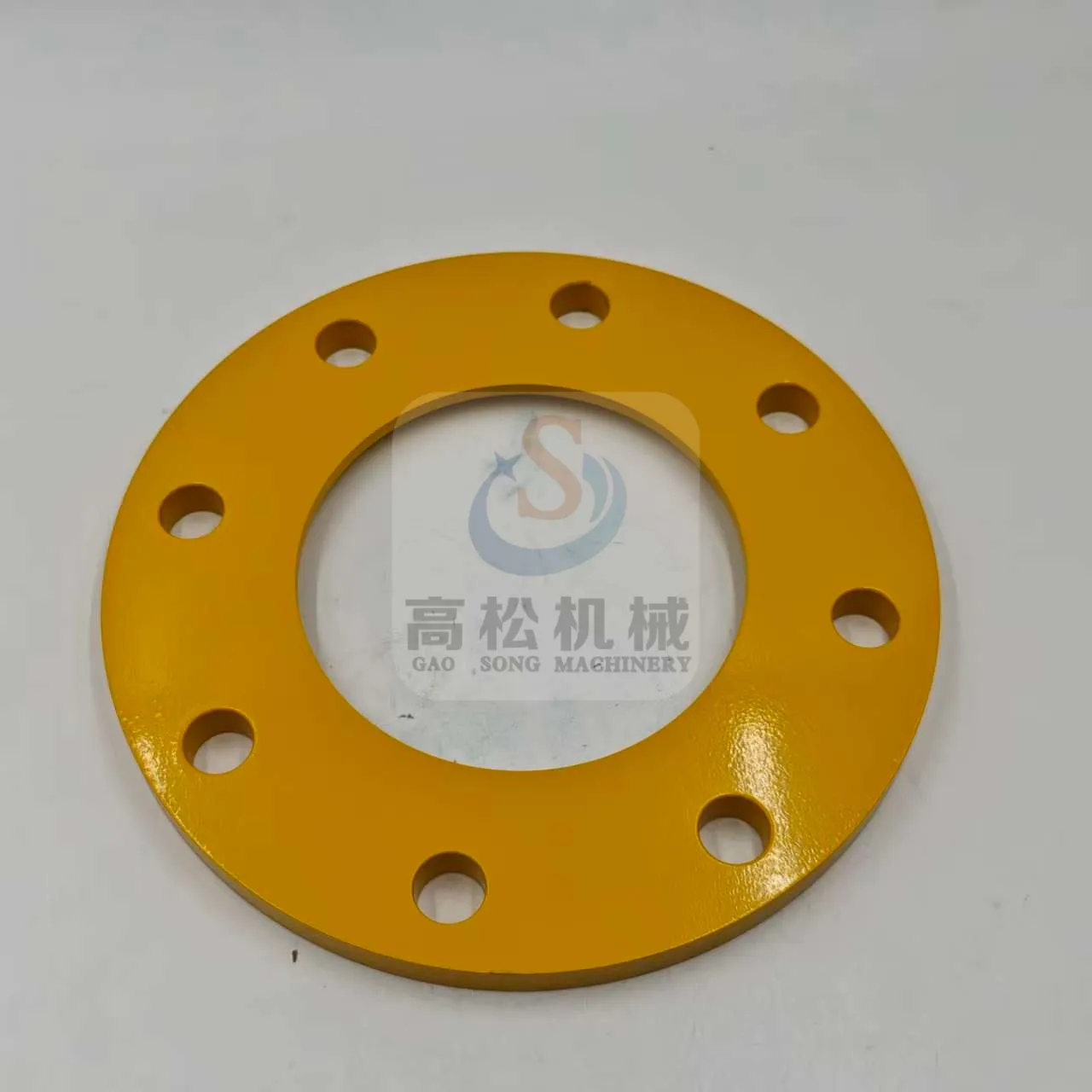 Plate 41E-70-15461 is used for Komatsu WD600-6
 -
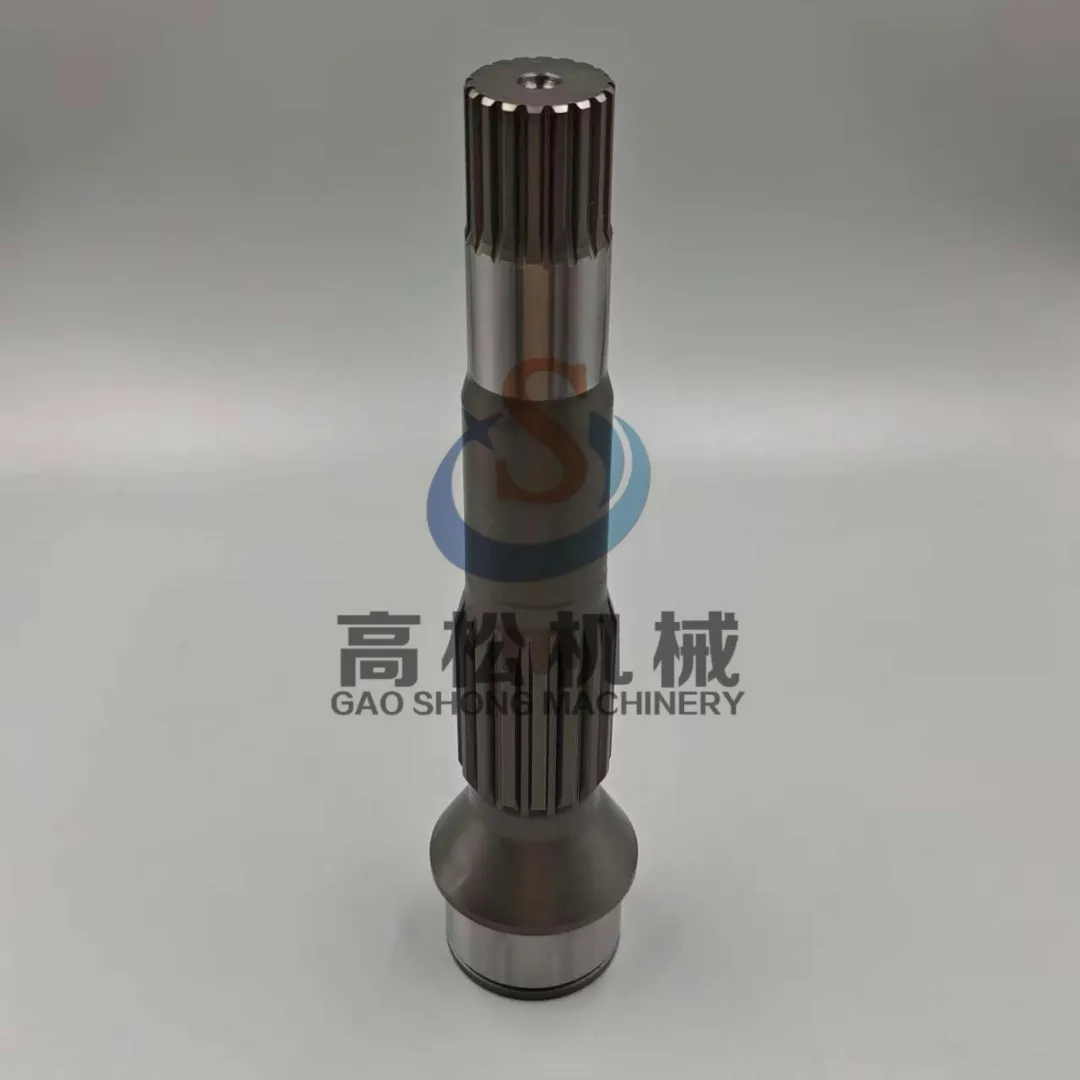 708-2G-12121 Shaft Drive L Fits Komatsu PC300-7 PC360-7 PC350-7 HPV140 Pump
 -
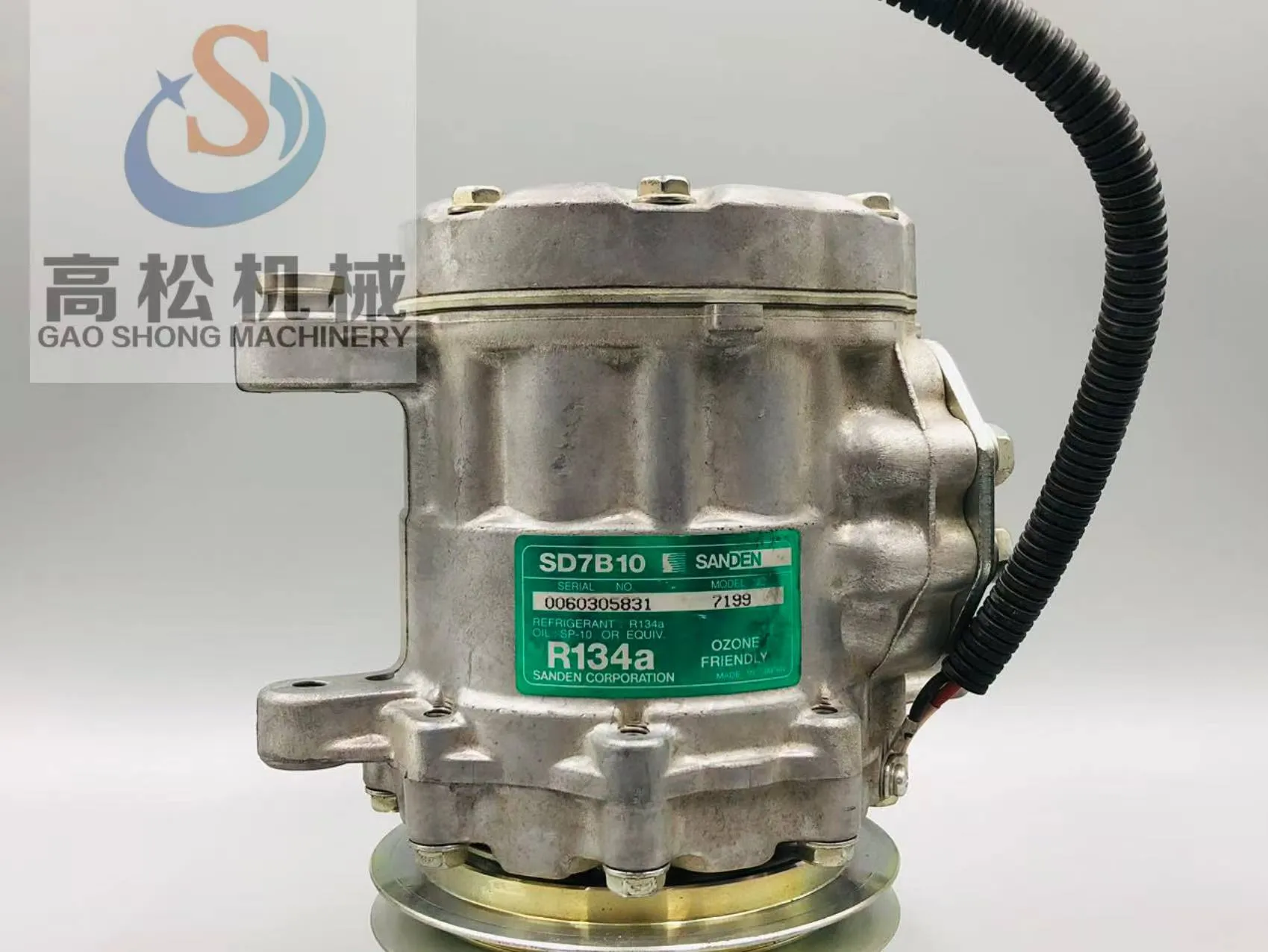 PC55MR PC56-7 Excavator Compressor PC45MR Air Conditioning 22L-979-2200 Compressor Ass’y
 -
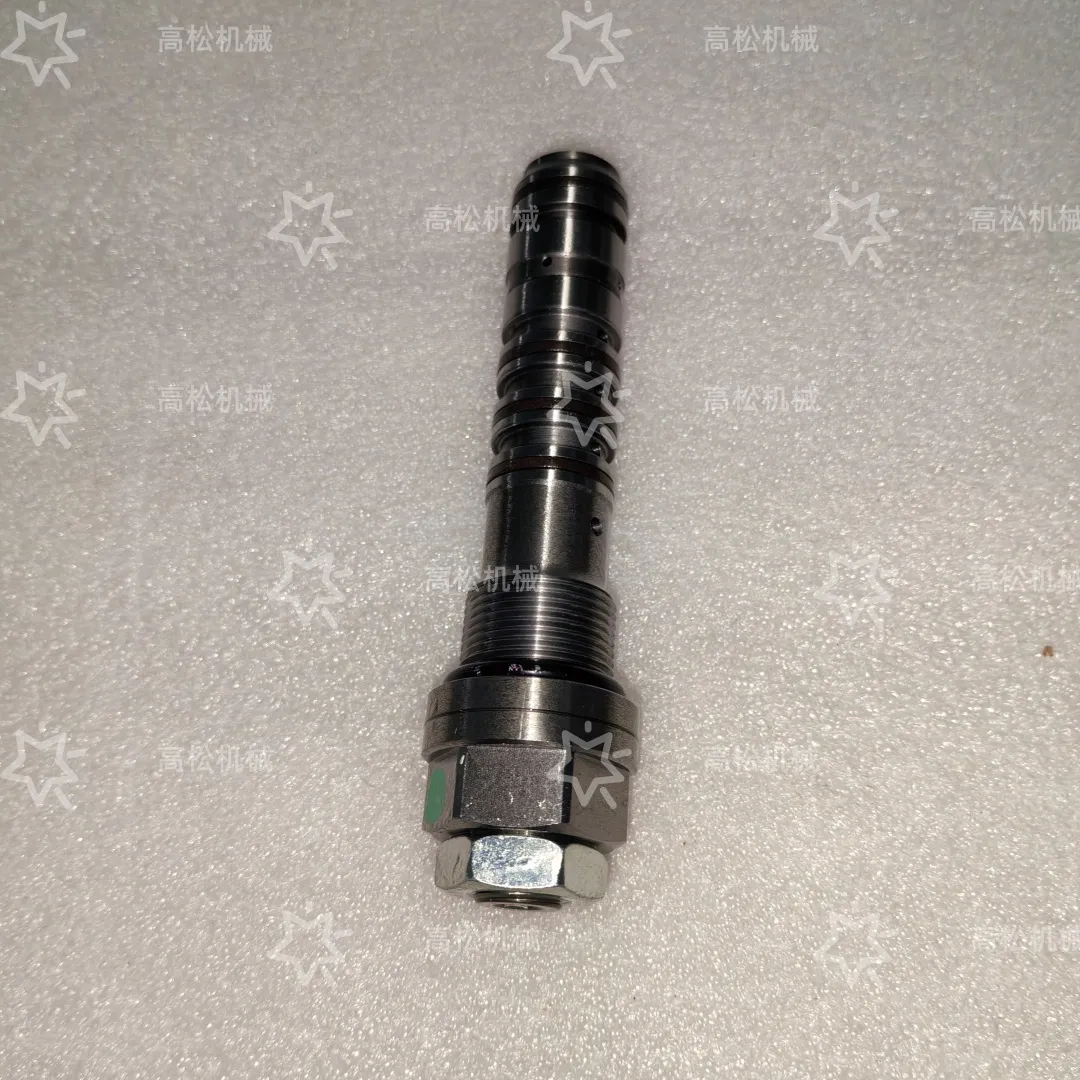 EXCAVATOR 708-2G-03720 7082G03720 VALVE ASSEMBLY 0.4KG for PC300 PC350 PC360 PC390 PC390LL CONSTRUCTION MACHINERY PARTS
 -
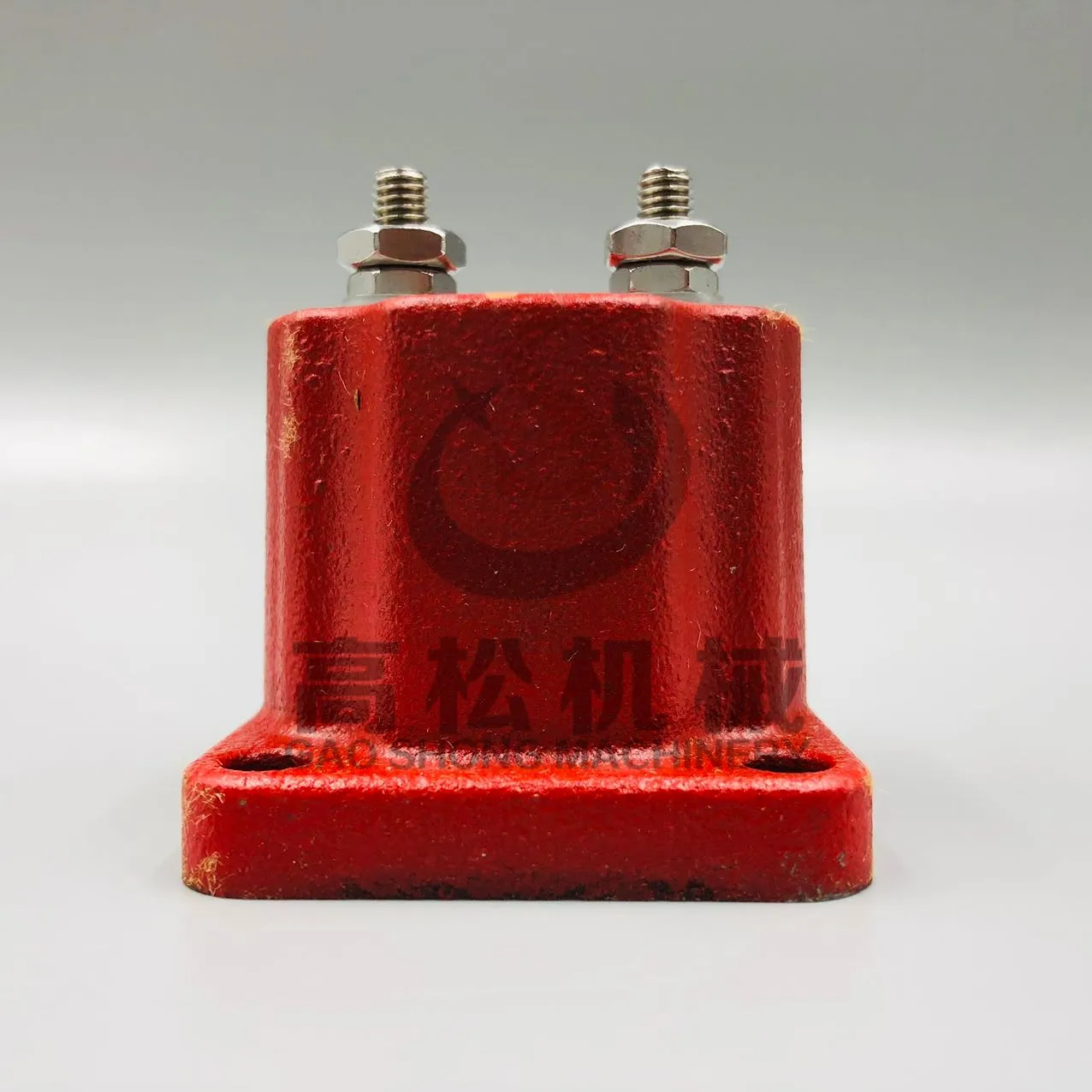 6560-51-1510 SOLENOID (Komatsu)
 -
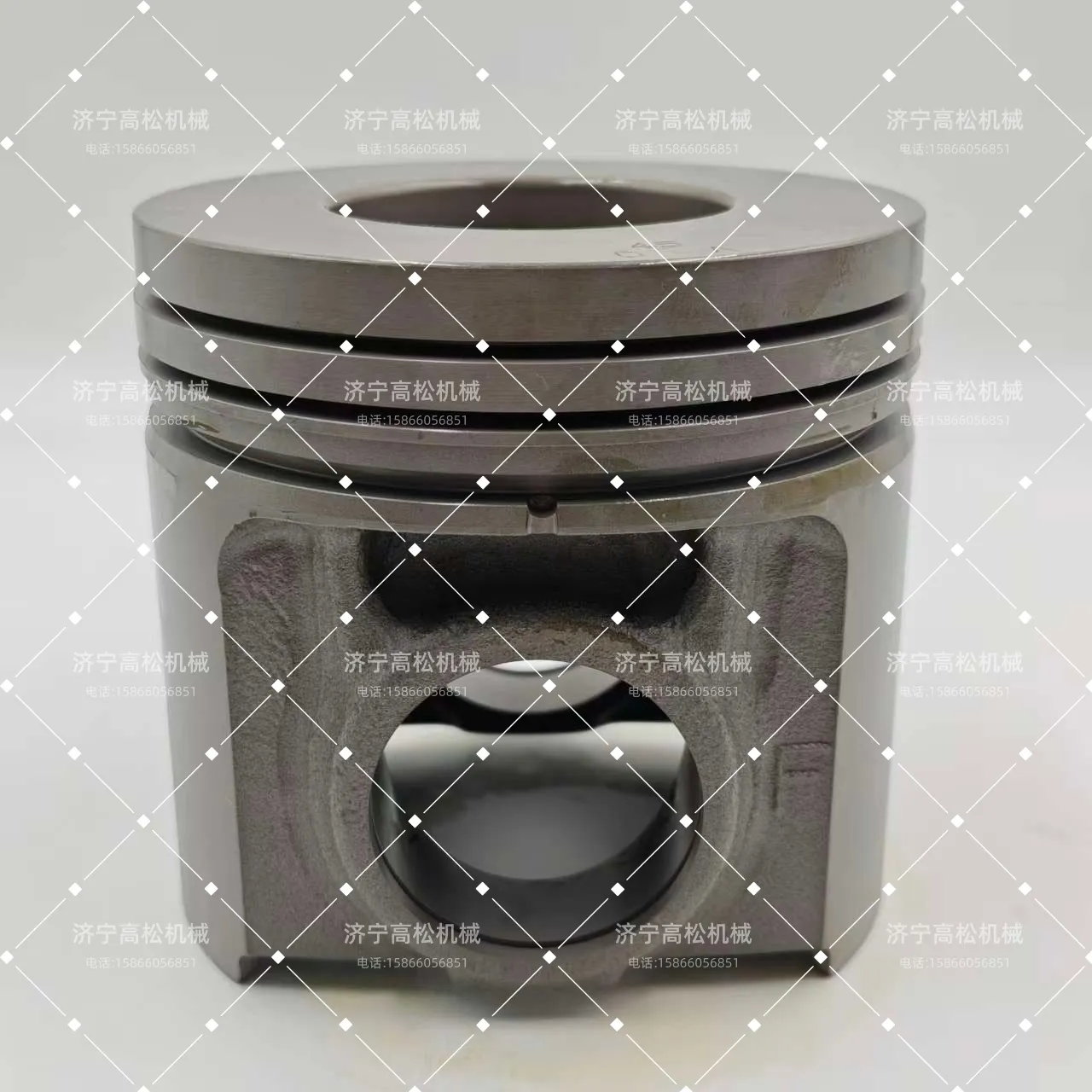 6152-32-2510 Piston for…
 -
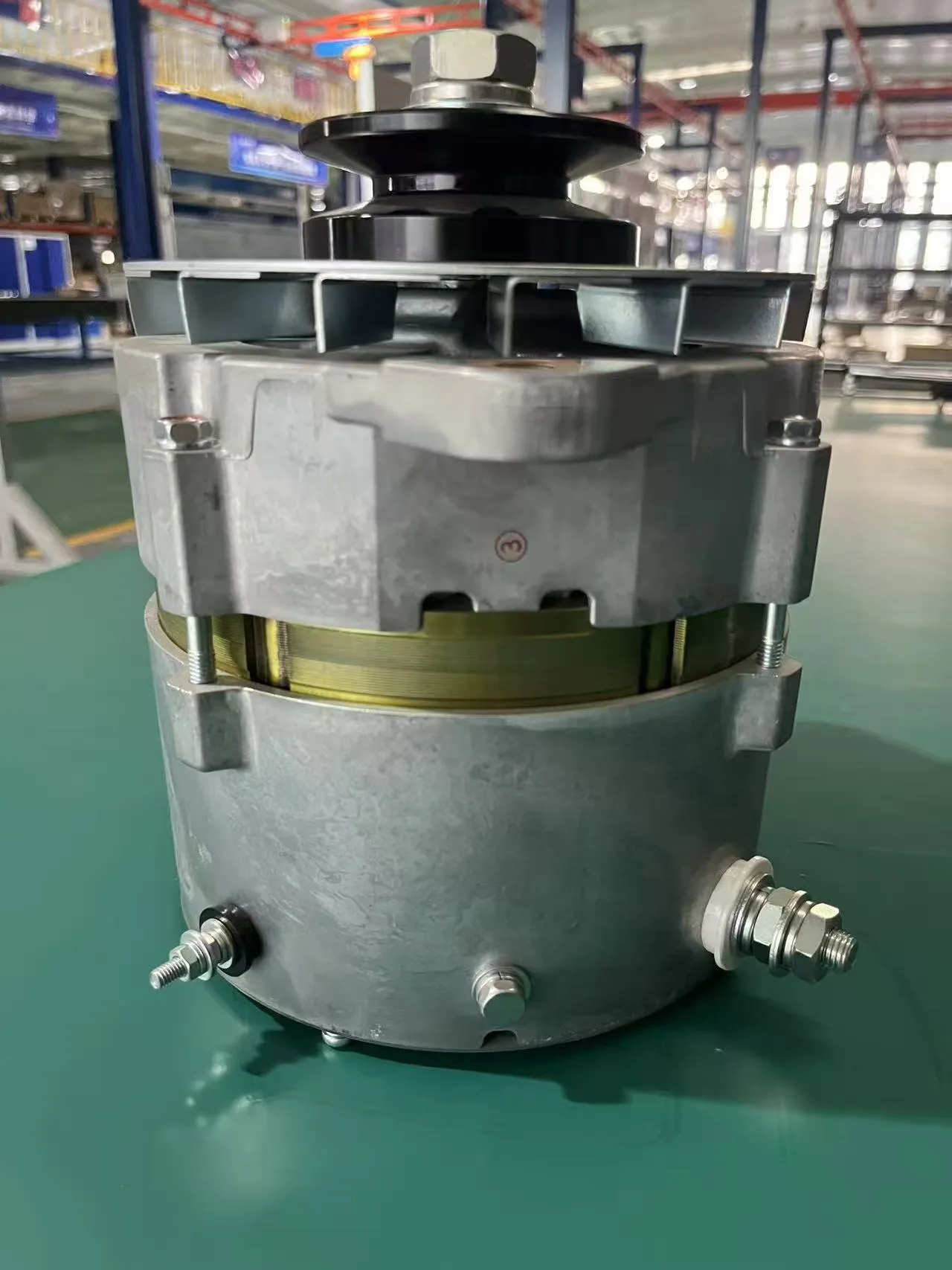 Hd 6d170 12v140 Engine Alternator Parts 600-821-9631…
 -
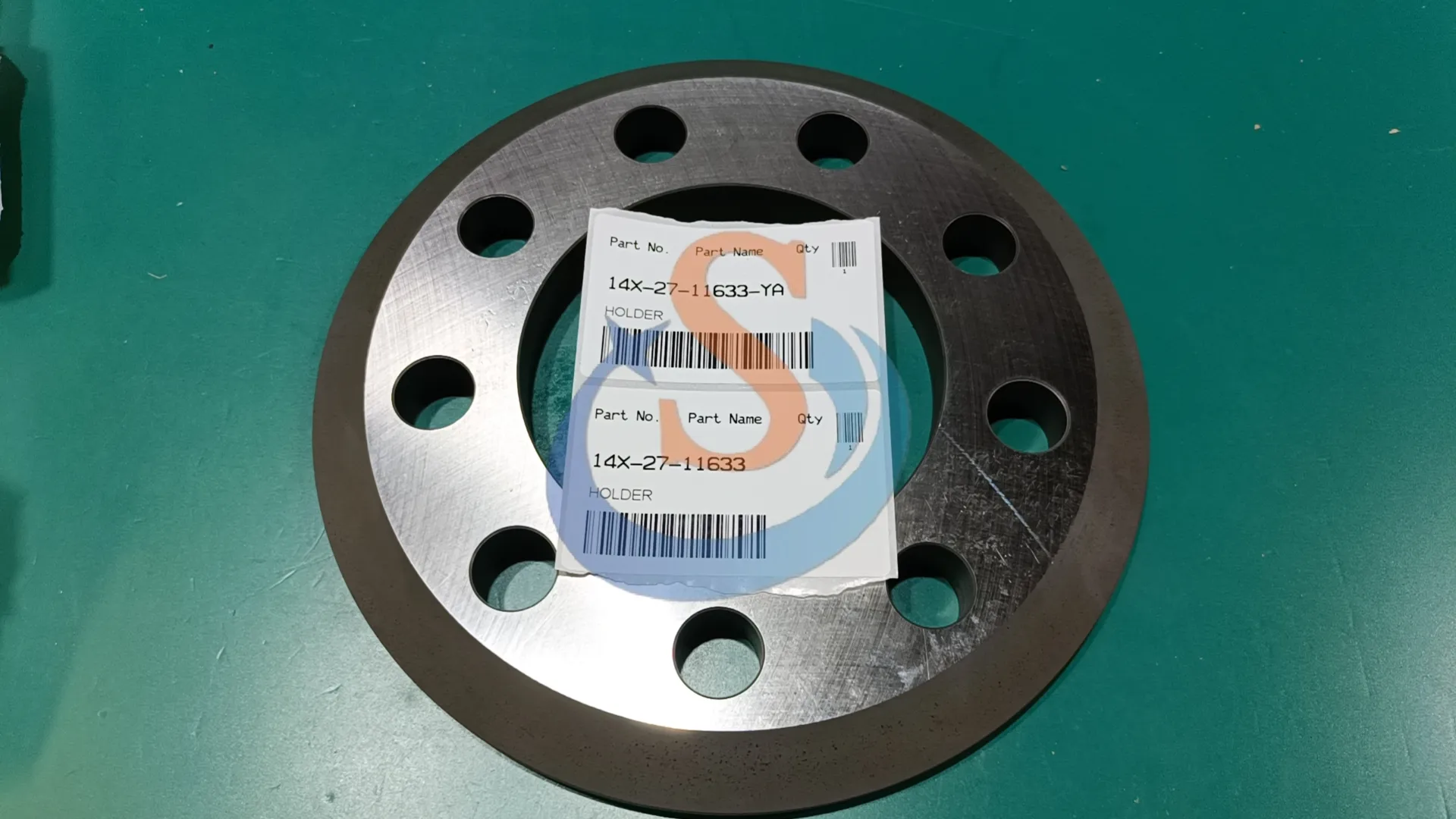 14X-27-11633,HOLDER,D65EX,D65WX,D85E
 -
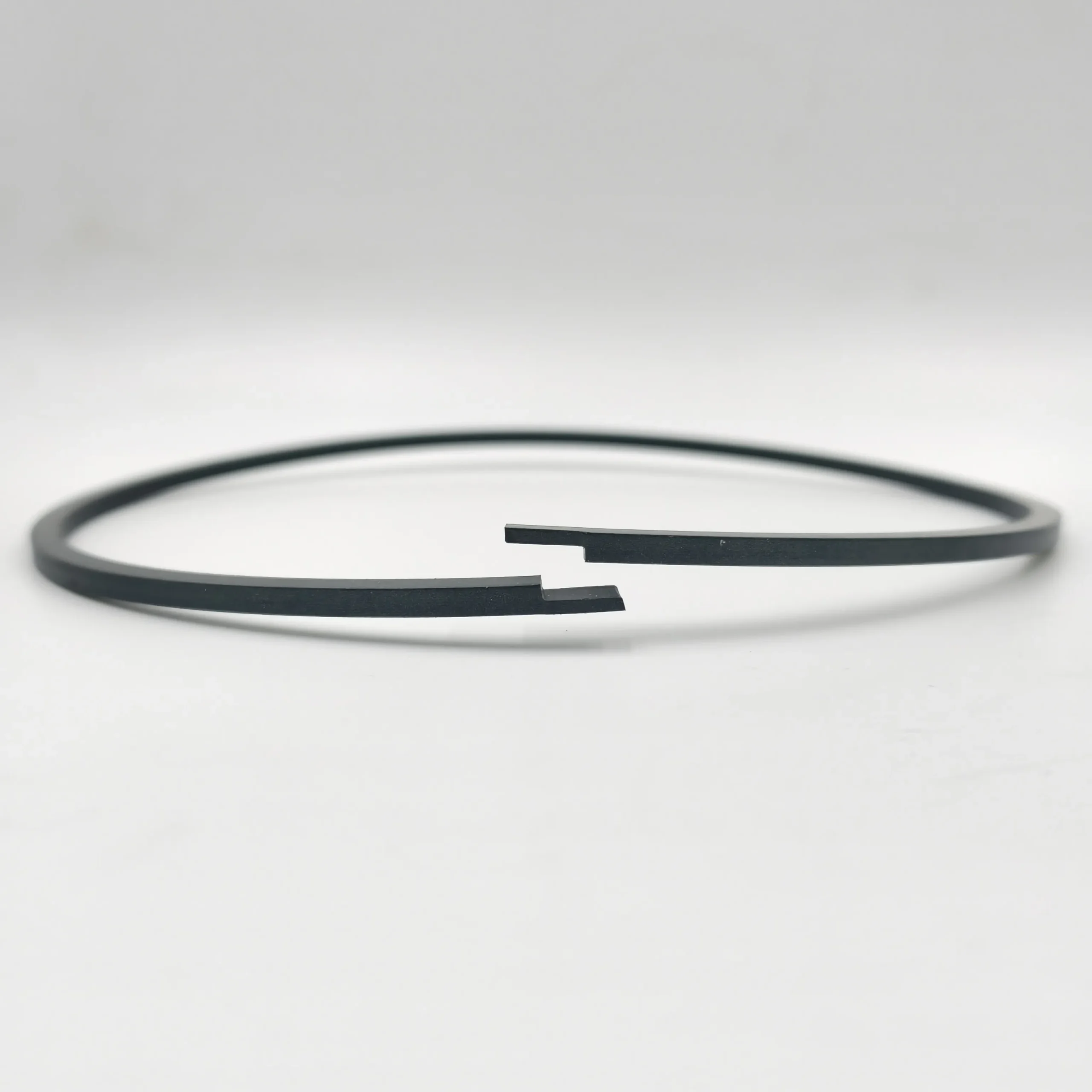 14X-15-29210 SEAL RING
 -
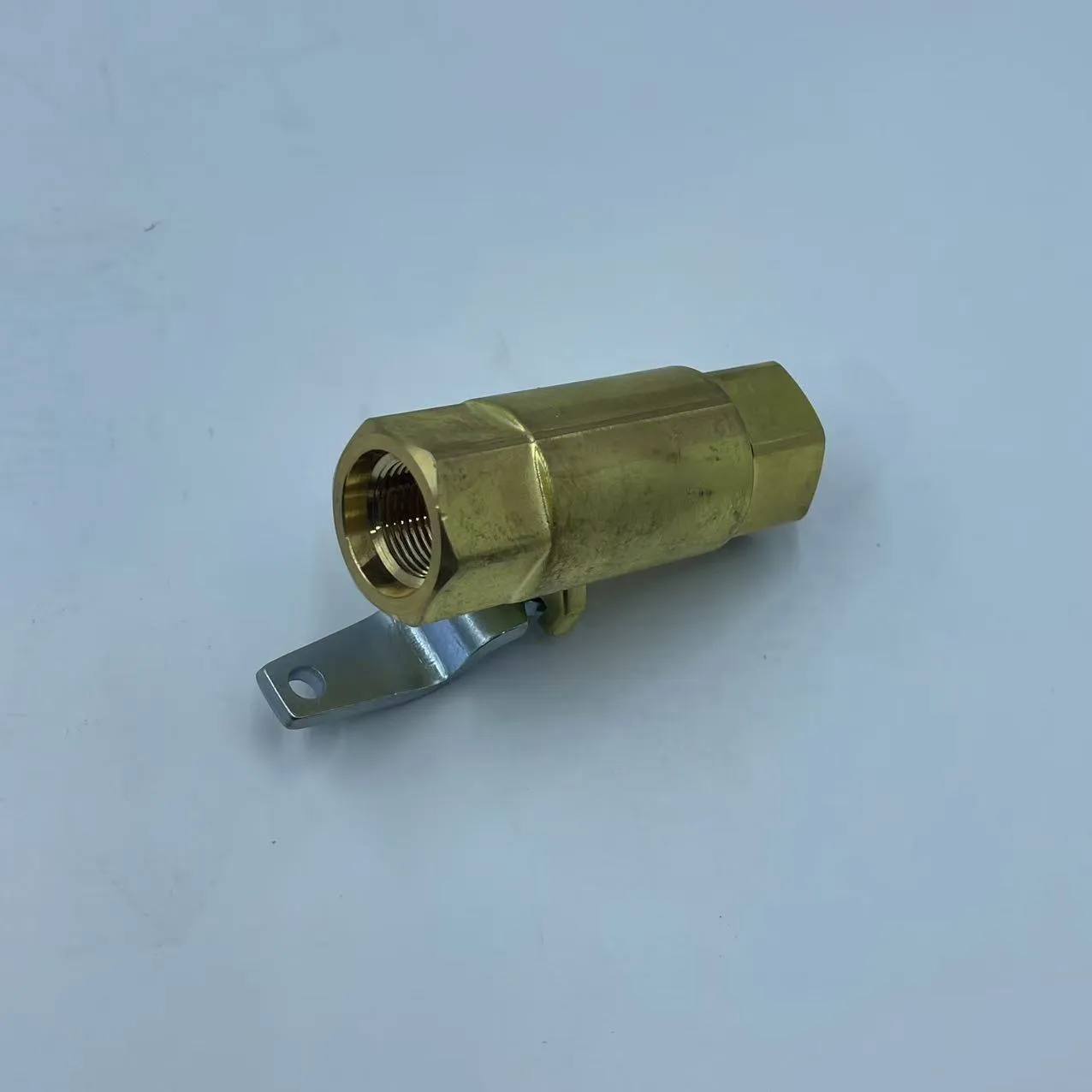 KOMATSU-VALVE 20Y-62-15651 –