
- Chinese
- French
- German
- Portuguese
- Spanish
- Russian
- Japanese
- Korean
- Arabic
- Irish
- Greek
- Turkish
- Italian
- Danish
- Romanian
- Indonesian
- Czech
- Afrikaans
- Swedish
- Polish
- Basque
- Catalan
- Esperanto
- Hindi
- Lao
- Albanian
- Amharic
- Armenian
- Azerbaijani
- Belarusian
- Bengali
- Bosnian
- Bulgarian
- Cebuano
- Chichewa
- Corsican
- Croatian
- Dutch
- Estonian
- Filipino
- Finnish
- Frisian
- Galician
- Georgian
- Gujarati
- Haitian
- Hausa
- Hawaiian
- Hebrew
- Hmong
- Hungarian
- Icelandic
- Igbo
- Javanese
- Kannada
- Kazakh
- Khmer
- Kurdish
- Kyrgyz
- Latin
- Latvian
- Lithuanian
- Luxembou..
- Macedonian
- Malagasy
- Malay
- Malayalam
- Maltese
- Maori
- Marathi
- Mongolian
- Burmese
- Nepali
- Norwegian
- Pashto
- Persian
- Punjabi
- Serbian
- Sesotho
- Sinhala
- Slovak
- Slovenian
- Somali
- Samoan
- Scots Gaelic
- Shona
- Sindhi
- Sundanese
- Swahili
- Tajik
- Tamil
- Telugu
- Thai
- Ukrainian
- Urdu
- Uzbek
- Vietnamese
- Welsh
- Xhosa
- Yiddish
- Yoruba
- Zulu
- Kinyarwanda
- Tatar
- Oriya
- Turkmen
- Uyghur






Komatsu heavy equipment parts
When you hear 'Komatsu heavy equipment parts', most people immediately think of the official dealer network. That's the first misconception. In the field, especially on projects in remote areas or in markets with complex import regulations, the official channel isn't always the accessible or timely solution. The reality is more layered, involving a mix of OEM-supplied, aftermarket, and what we call 'system-approved' third-party options. The real challenge isn't just finding a part; it's finding the right balance between authenticity, cost, and lead time for a machine that's costing you thousands per day in downtime.
The OEM Myth and the On-Ground Reality
There's an almost religious belief in pure OEM parts. I get it. You buy a Komatsu, you want Komatsu parts. But here's the thing I've seen from managing fleets: the global parts distribution system has gaps. Major hubs are covered, but what about a mining site in West Africa or a infrastructure project in Southeast Asia? The official shipment might be tied up in customs for weeks. That's where the practical need for alternative, yet reliable, pipelines comes in. It's not about circumventing Komatsu, but about complementing their system to keep machines running.
This is where entities operating within the Komatsu ecosystem but with a different focus become critical. Take Jining Gaosong Construction Machinery Co., Ltd., for instance. Their setup is interesting. They position themselves as an OEM product supplier within the Komatsu system. That phrasing is key—it suggests a formal recognition or a supply agreement, not just a random parts reseller. Their parallel role as a third-party sales company for Komatsu specifically to solve supply challenges in certain countries directly addresses the pain point I just mentioned. It’s a hybrid model.
I haven't ordered from them personally, but their stated mission on their site at https://www.takematsumachinery.com rings true to a common scenario. They're targeting those specific market bottlenecks. For a site manager, knowing there's a supplier that potentially has a more agile logistics chain into, say, some African or South American markets can be a game-changer. You're not just buying a pump; you're buying a solution to a logistical deadlock.
Judging Quality Beyond the Box
So, you're considering a non-dealer source. The immediate fear is quality. Is it a counterfeit? A used part repackaged? My rule of thumb has always been documentation and traceability. A reputable supplier in this space should be able to provide more than just a sales pitch. They should offer manufacturing origin details, material certifications for critical components like cylinder rods or pump housings, and ideally, some form of warranty that doesn't require you to ship the part back to another continent.
For example, a common failure point we dealt with was the swing drive on a PC360. We once tried a non-OEM gear set from a supplier who promised OEM-equivalent specs. The price was 40% lower. It failed in under 200 hours. The post-mortem showed inferior case hardening on the gears. The lesson wasn't never use non-OEM, but verify the equivalence claim. A proper supplier should explain how their part meets or exceeds the original—detailing the steel grade, the heat treatment process, the bearing tolerances.
This is where a company's stated role matters. An OEM product supplier implies they might be sourcing from the same Tier 1 or Tier 2 factories that feed Komatsu's assembly lines, perhaps even with slight variations or surplus stock. That's a different proposition from a generic aftermarket manufacturer. It warrants a different set of questions: Which component line do you supply to Komatsu? Can you supply the Komatsu part number alongside your own? Their ability to answer these confidently separates the real players from the catalog resellers.
The Nuance of Genuine vs. Compatible
The industry is obsessed with the word genuine. But let's break that down. A genuine Komatsu part typically means it came through Komatsu's branded packaging and distribution. However, many components—think seals, filters, hydraulic hoses, even some brackets—are manufactured by external specialists. The genuine tag is about the supply chain path, not always exclusive manufacture. This grey area is where third-party suppliers with OEM relationships operate.
I recall a situation with a D61EX dozer's track rollers. The official lead time was 12 weeks. A supplier, similar to Gaosong in concept, offered rollers with identical dimensions and specifications, claiming they were produced for Komatsu's regional distribution in another market. They provided the factory audit reports. We took a chance on two rollers. They matched perfectly and outlasted the official ones we installed later. It taught me that compatible can sometimes mean identical, just without the Komatsu logo stamped on the box, provided you've done the due diligence.
The risk, of course, is in critical electronic components (ECUs, controllers) or highly engineered items like complete hydraulic pumps. Here, I'm far more hesitant to deviate from the official channel. The integration is too tight, and the risk of machine-wide issues is high. For these, even a specialized third-party sales company might just be facilitating faster access to the real OEM part, which is a valuable service in itself.
Logistics and the True Cost of a Part
Price is just one line item. The total cost includes downtime, shipping, import duties, and the labor to install it twice if it fails. A cheaper part that arrives late can bankrupt a project. This is the core value proposition of companies focusing on parts supply challenges in certain countries. They've presumably navigated the customs codes, built relationships with freight forwarders, and understand the local clearance hurdles.
We learned this the hard way on a port project in South America. We ordered a genuine Komatsu engine sensor through standard channels. It sat in customs for 3 weeks due to incorrect paperwork from the shipping agent. The machine was dead. A local third-party agent, who likely operates much like Gaosong describes, had an equivalent sensor air-freighted in through a specialized channel in 4 days. It cost 50% more for the part, but saved us over $80k in project delays. That's the calculus.
Therefore, when evaluating a supplier's website like takematsumachinery.com, I'm not just looking for a parts catalog. I'm looking for evidence of their logistical expertise. Do they specify key service countries? Do they mention Incoterms or have local support contacts? Their brief intro suggests they've structured their business around this problem-solving niche, which is more telling than a list of thousands of part numbers.
Building a Reliable Supply Network
You don't rely on one source. You build a network. The official dealer is your anchor. But for critical path items with long lead times, you need validated alternates. A supplier in the Komatsu system as an OEM partner is a strong candidate for that alternate list. The relationship suggests a level of accountability and technical alignment you won't get from the open market.
The process is iterative. Start with non-critical, high-wear items: bucket teeth, cutting edges, seal kits. Test the part quality, the packaging, the accuracy of the shipment, and the documentation. Then, assess the supplier's communication. When there's a problem (and there will be), how do they handle it? A good technical partner will want the feedback and will have engineers to discuss failure modes, not just a sales team to process returns.
Ultimately, managing Komatsu heavy equipment parts is about risk management. It's understanding that the perfect, by-the-book supply chain often doesn't exist in the field. Solutions come from hybrid models—companies that can bridge the gap between Komatsu's global standards and a specific country's messy reality. Their value isn't in replacing the dealer, but in providing a pragmatic, knowledgeable workaround when the standard routes are blocked. That's the insight you only get from having a machine down, with a project manager breathing down your neck, and a clock ticking. That's when you truly learn what parts supply really means.
Related Products
Related Products

Best Selling Products
Best Selling Products-
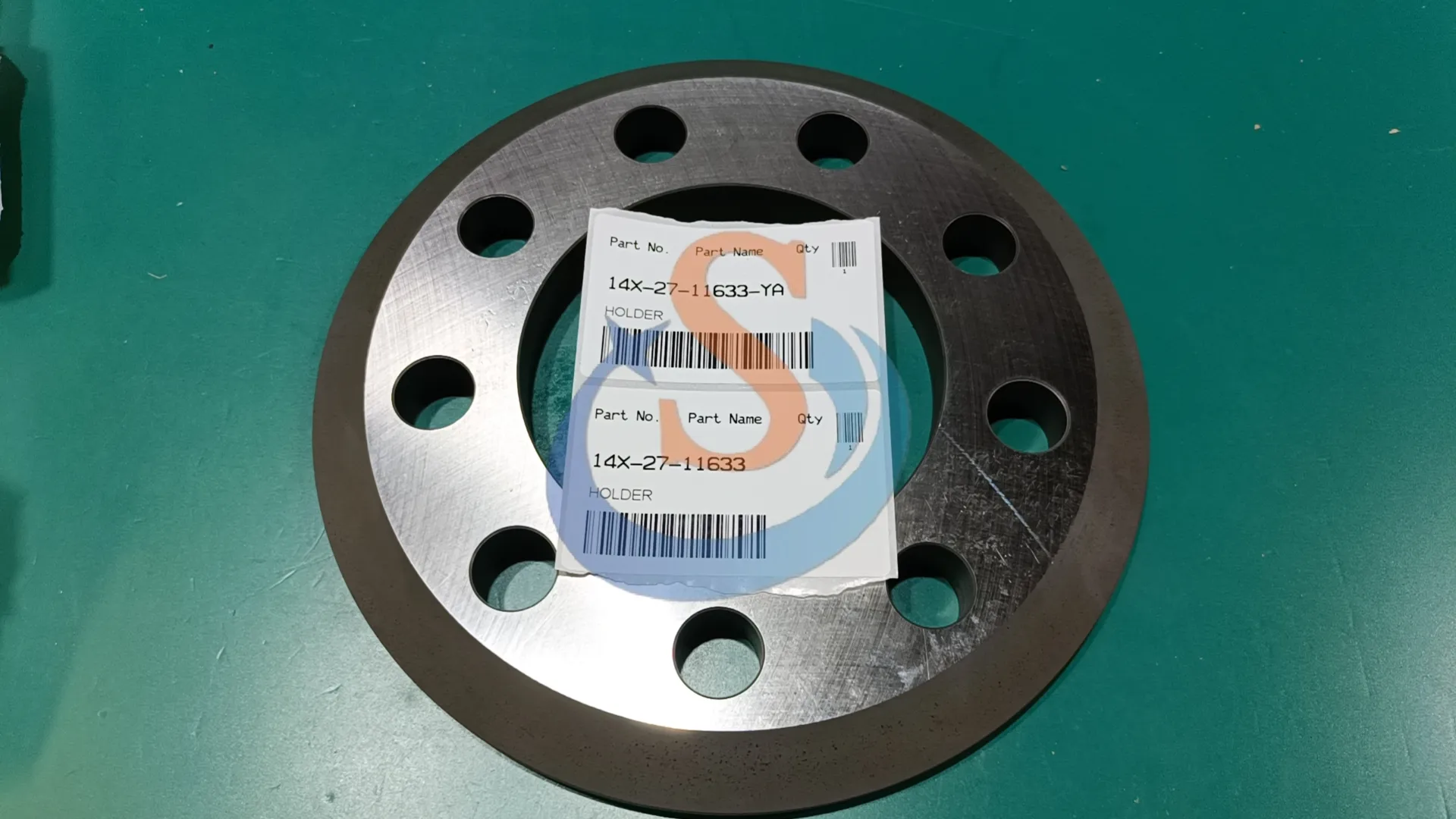 14X-27-11633,HOLDER,D65EX,D65WX,D85E
 -
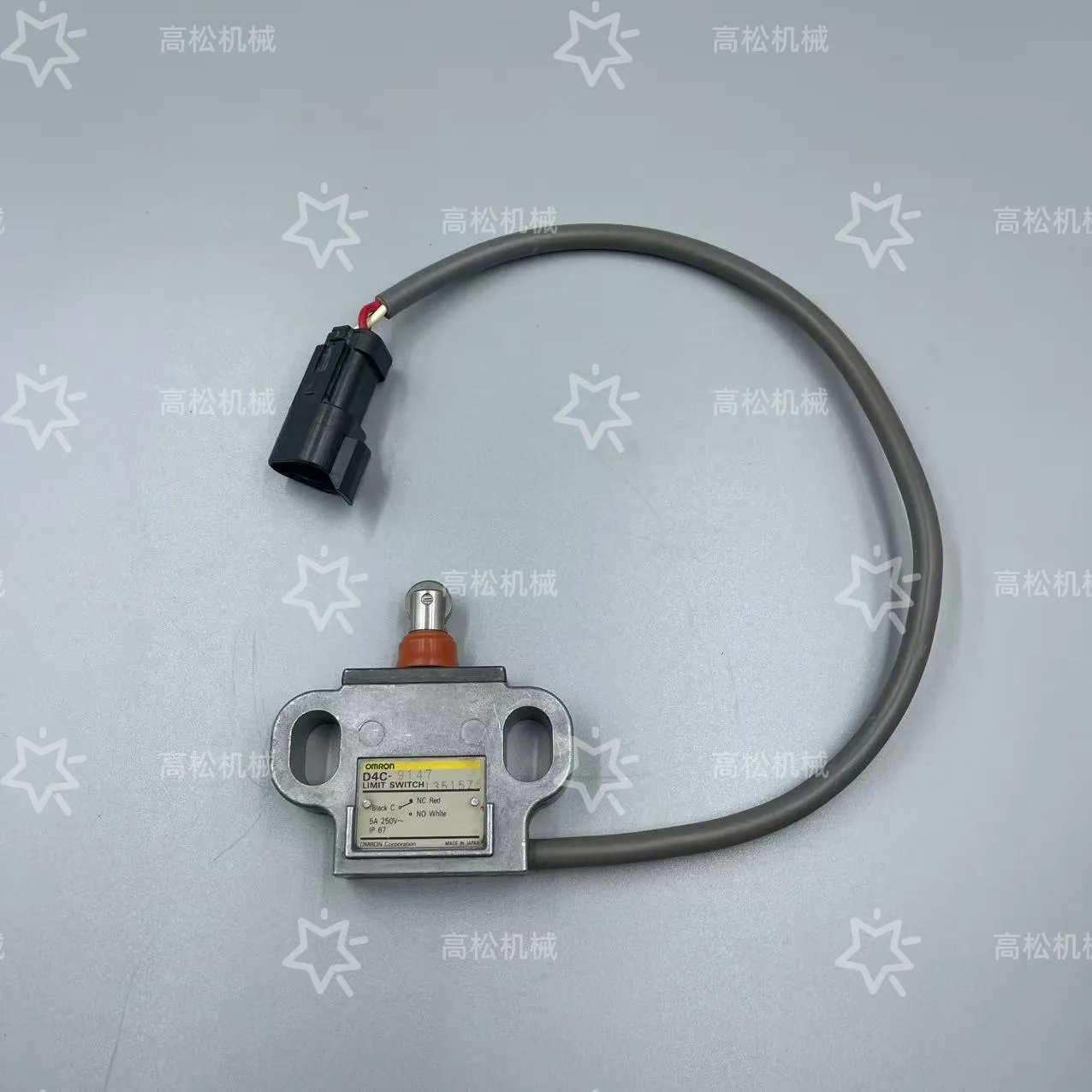 11Y-06-22150SWITCH 11Y-06-22150 for KOMATSU D65PX-16
 -
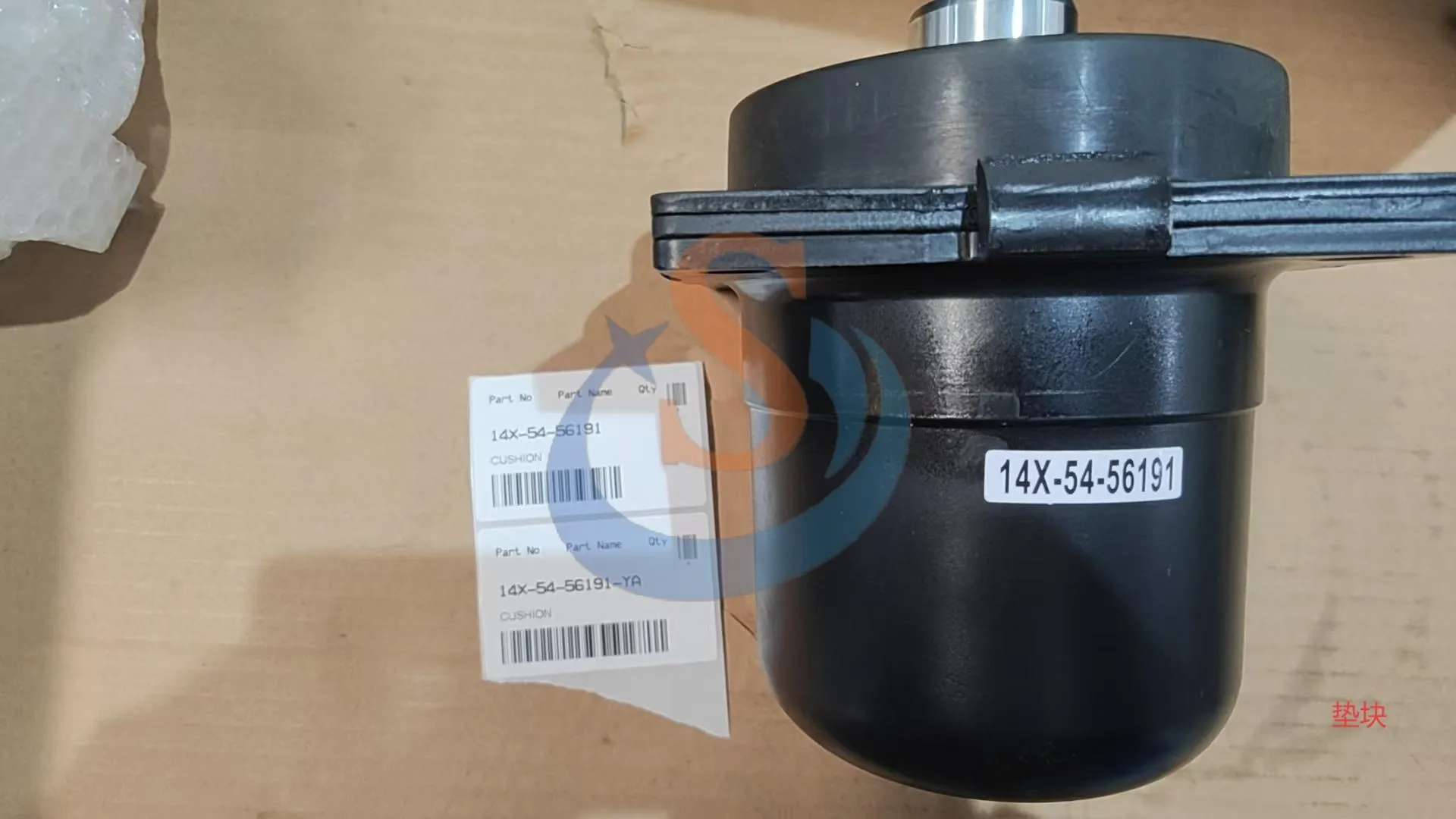 14X-54-56191,Cushion
 -
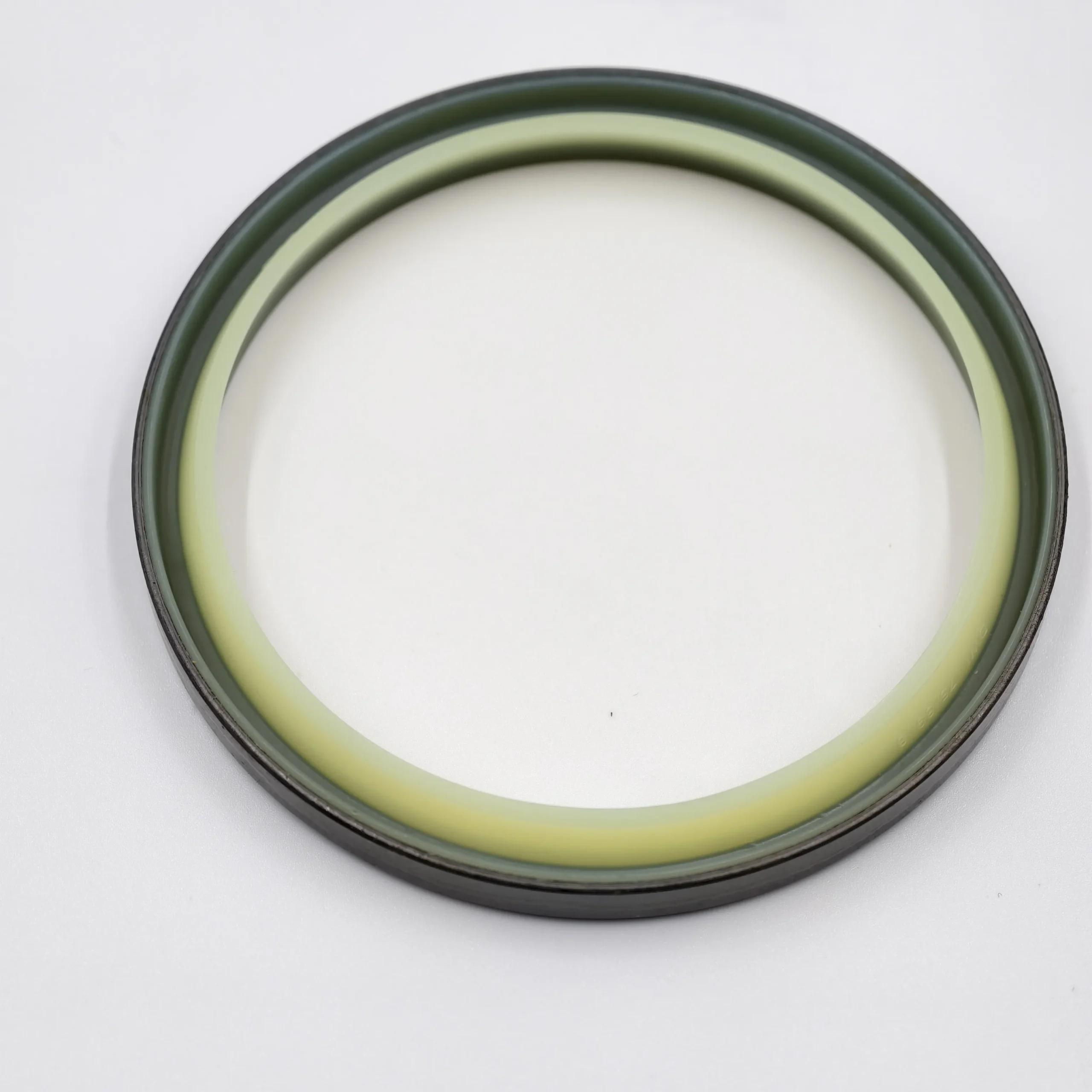 Seal 17M-50-24360 for Komatsu Dozer D275A-2 D61EX-12 D61PX-12 D61PX-23 D61PX-24 D61PXI-23 D61PXI-24 D63E-12 D68ESS-12 D68ESS-12E0komatsu
 -
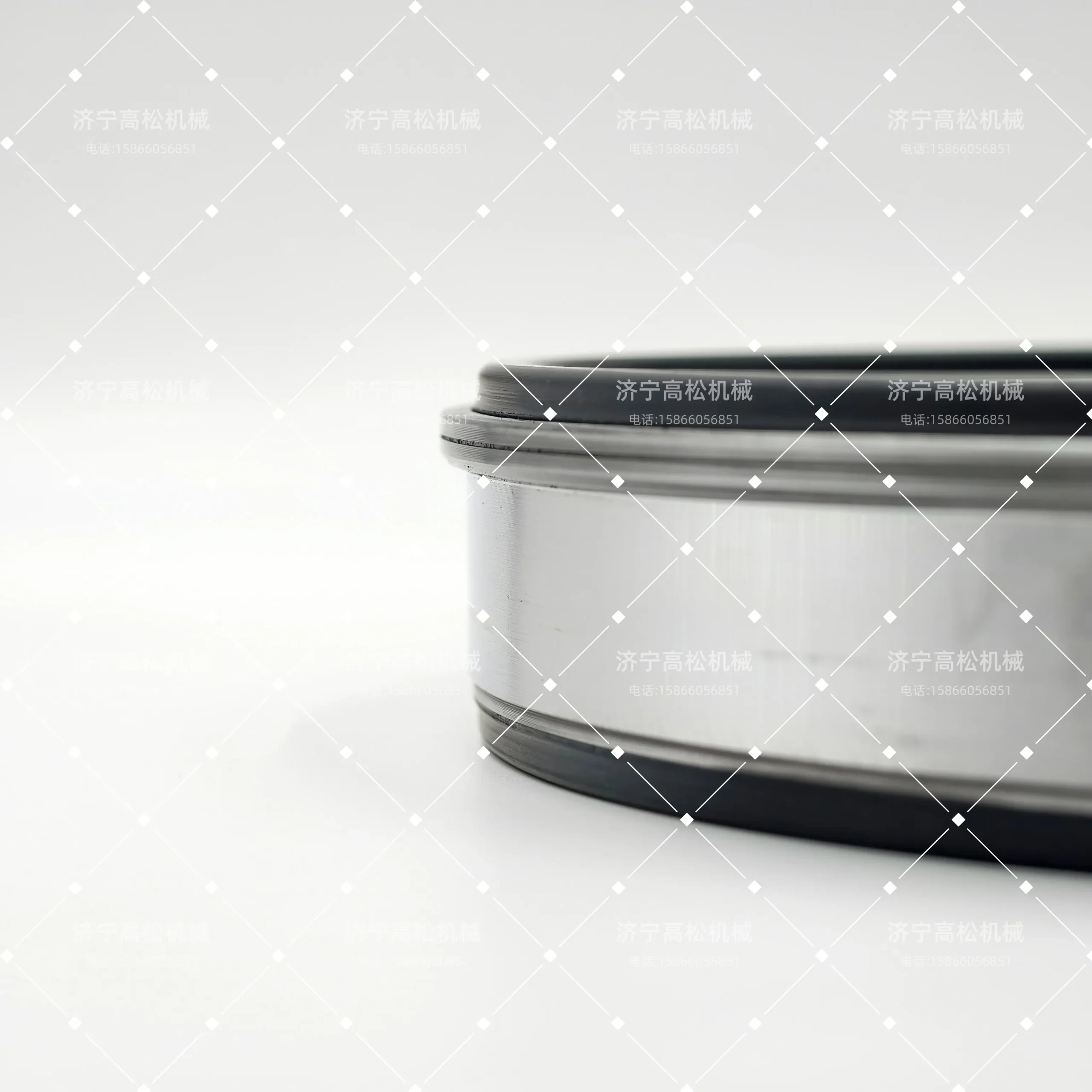
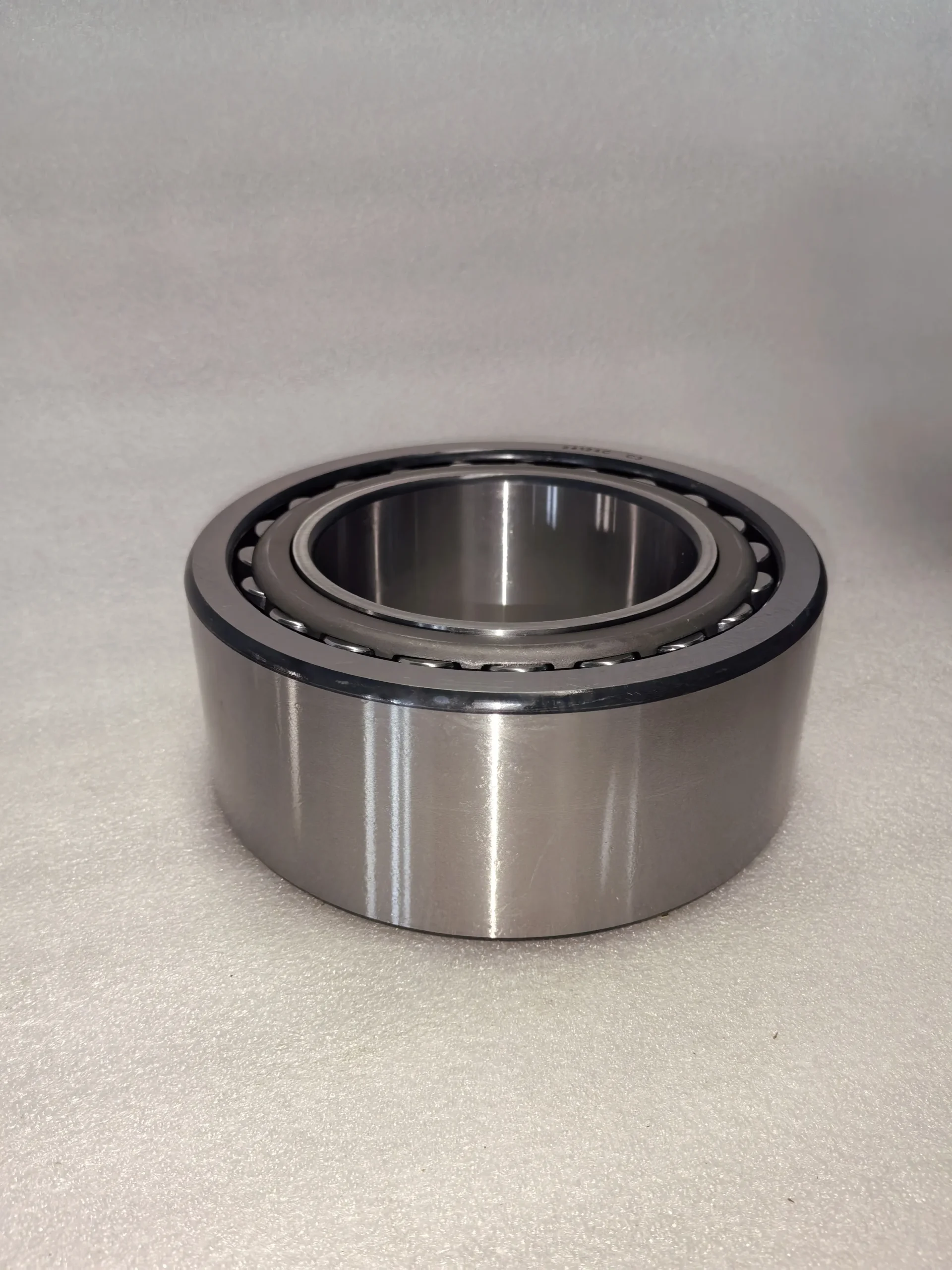 170-09-13250 Komatsu Bearing – Komatsu
 -
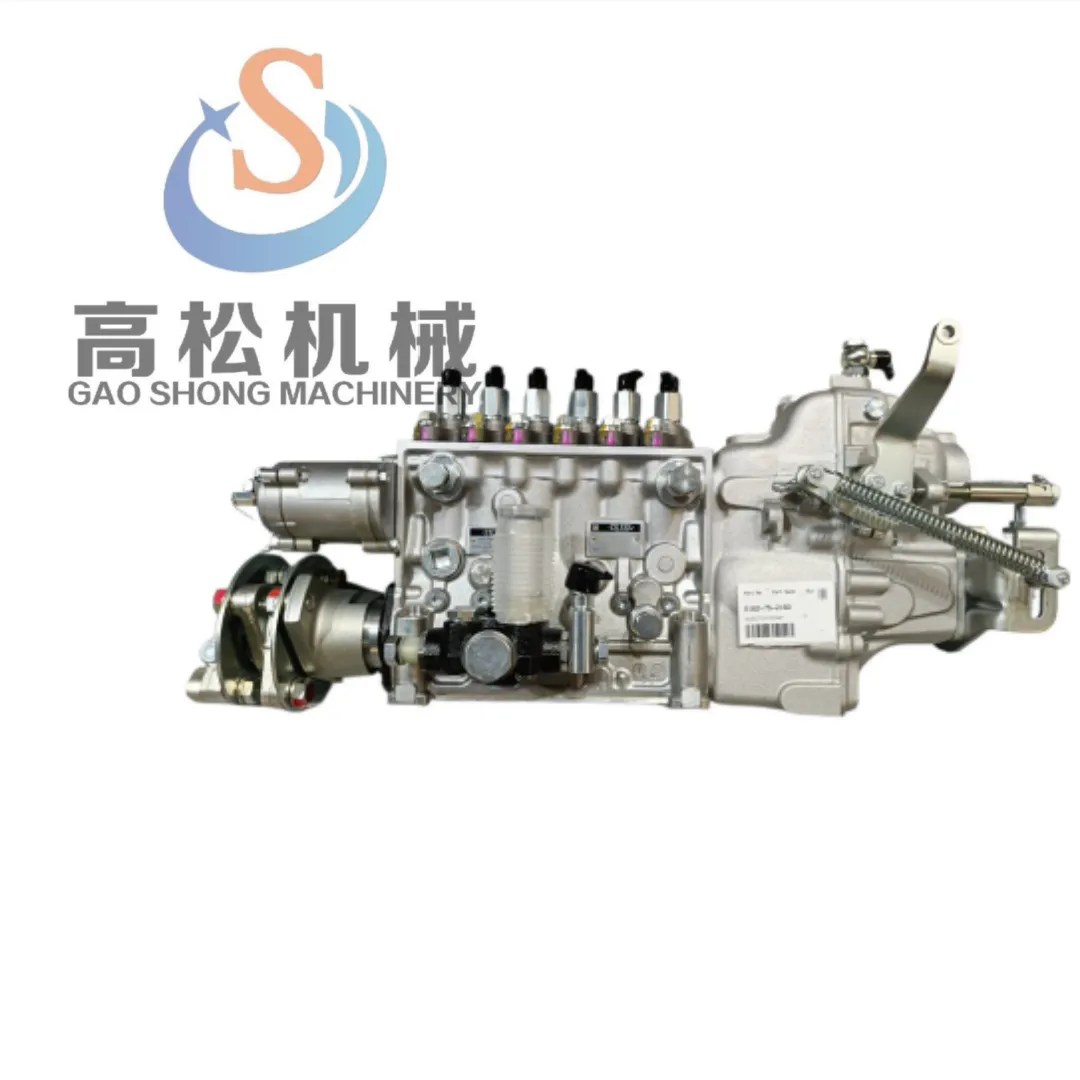 Engine Fuel Injection Pump 6162-75-2160 for SA6D170E
 -
 14Y-21-13242 Chainsaw Drive Sprocket Kit Alloy Steel 7-Tooth for…
 -
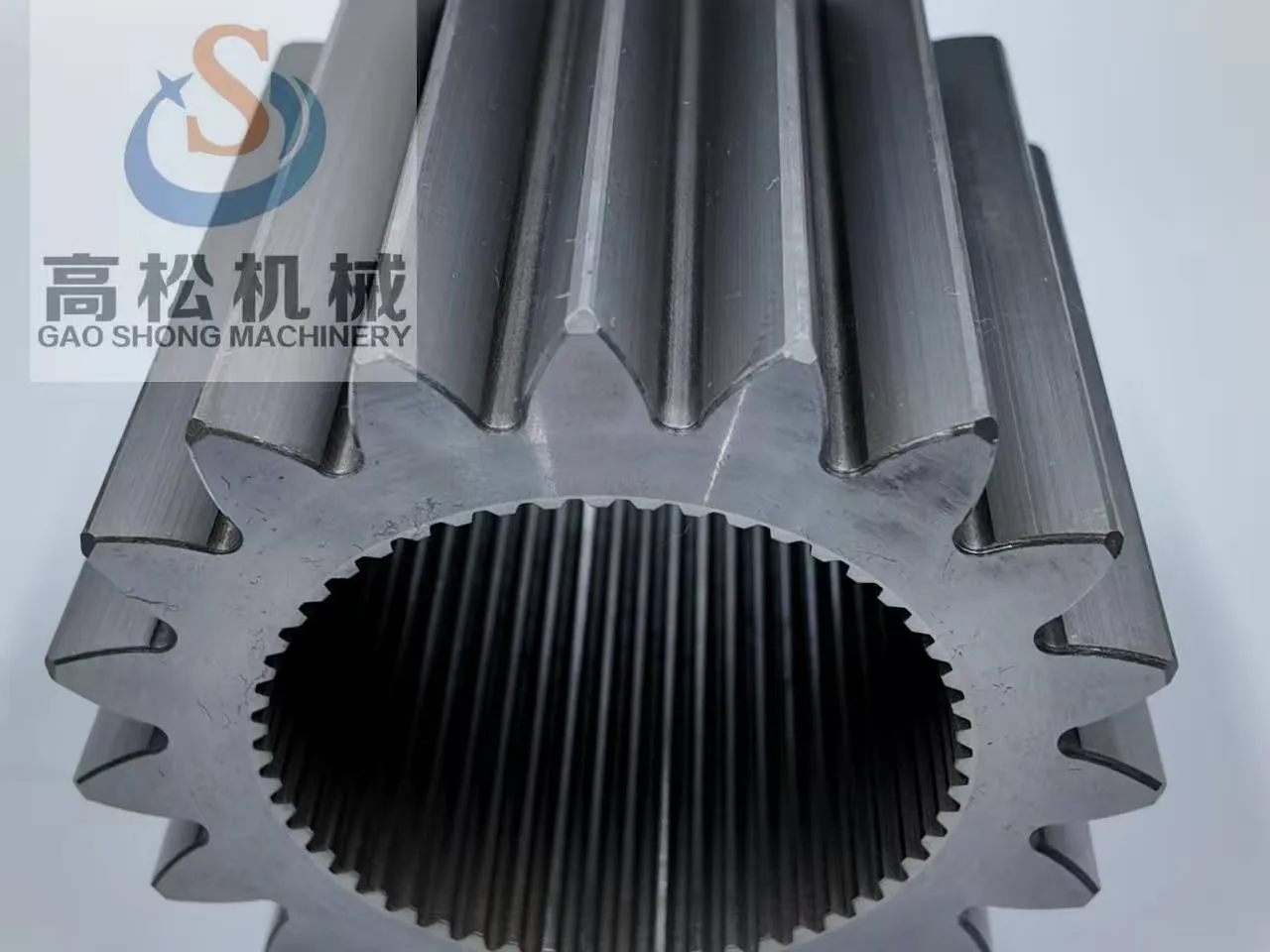 Part No. 426-22-12421 is a Komatsu genuine gear designed for the WA600 model. We have it in stock and can offer a competitive price
 -
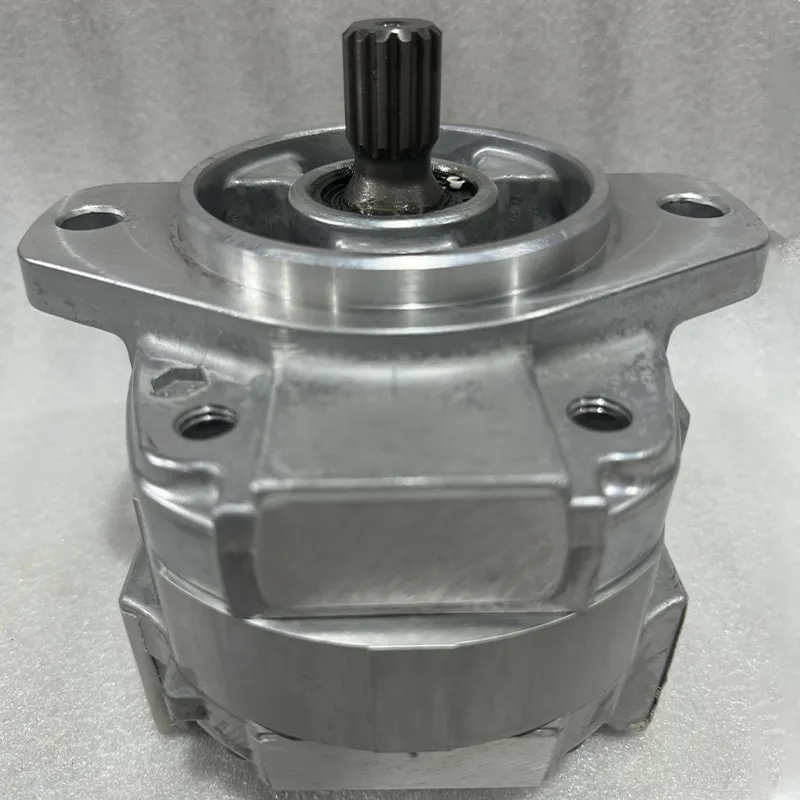 6156-71-1131 6156-71-1132Pump Compatible For 6D125 SA6D125E Engine Komatsu PC450-8 Excavator
 -
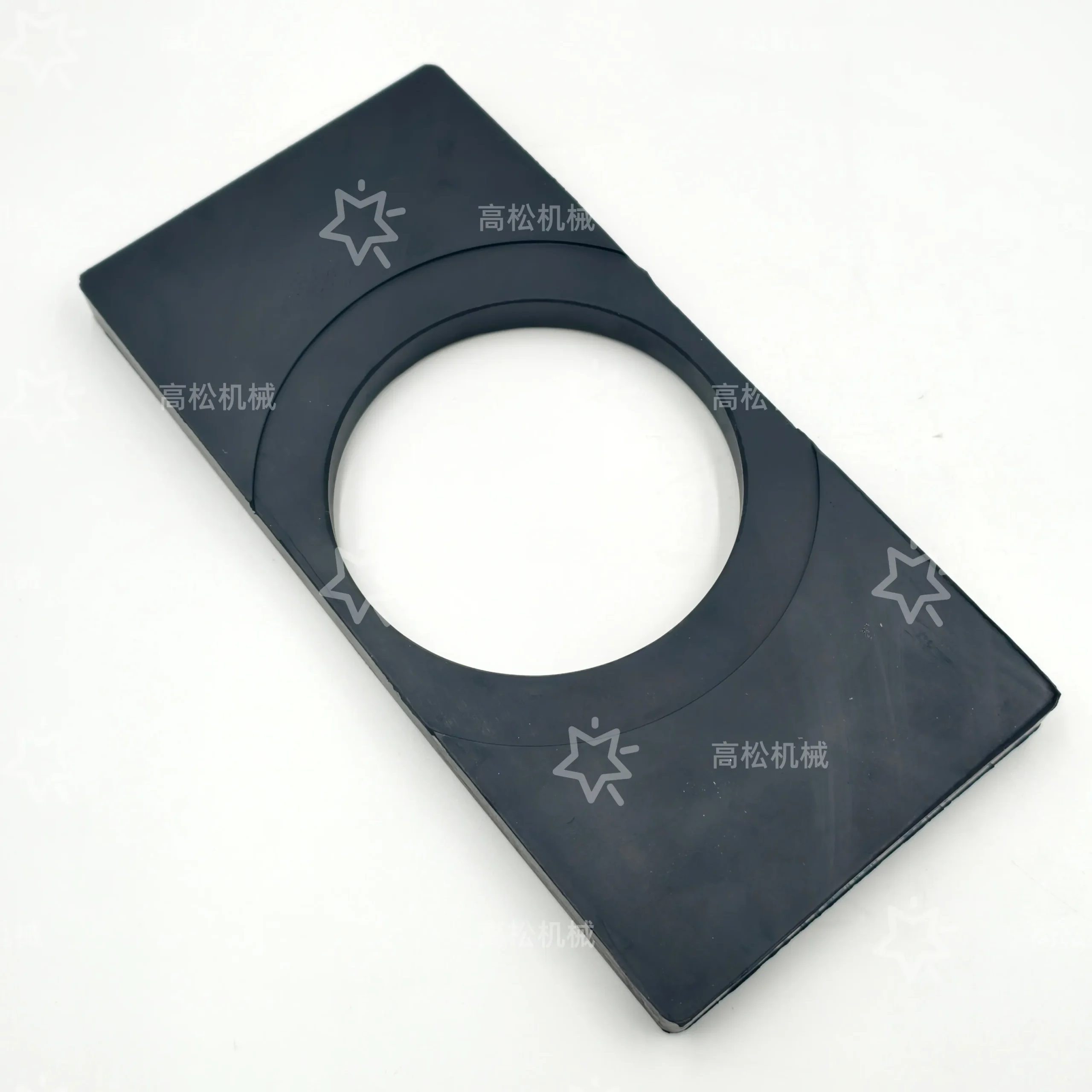 561-03-81550Shock Absorber KOMATSU HD465 HD785 PARTS for Komatsu
 -
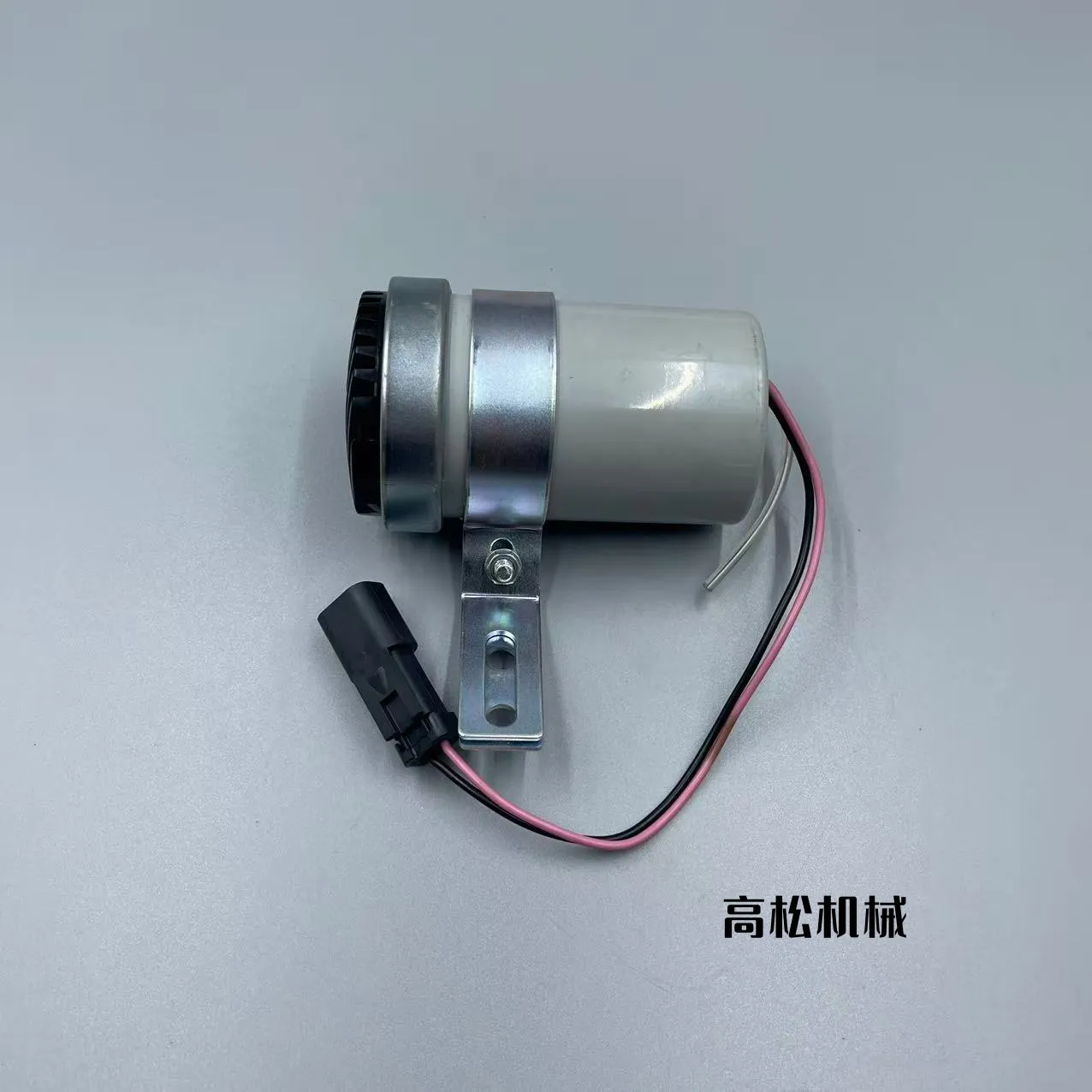 198-06-56570 BUZZER-Komatsu Original Factory
 -
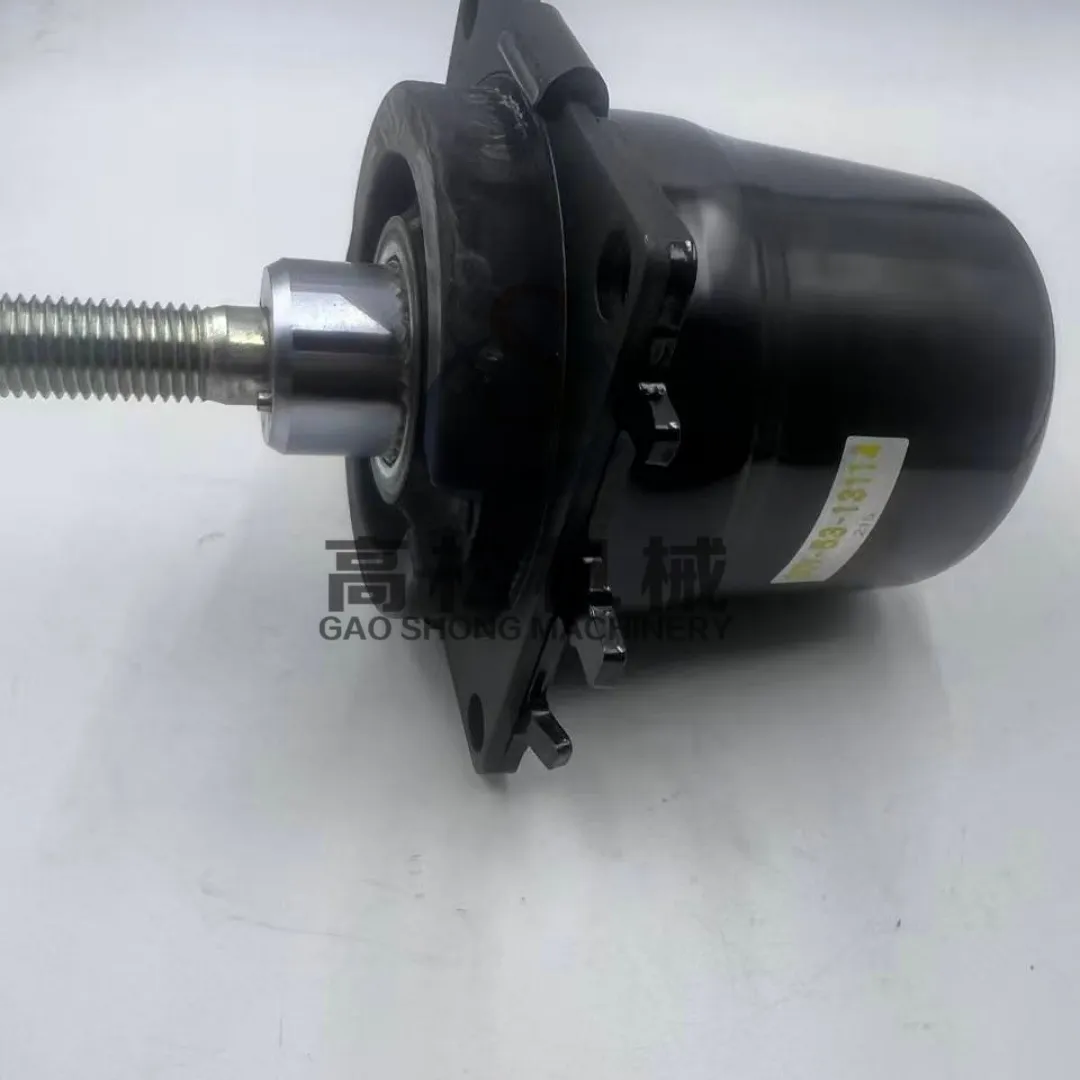 20Y-53-13114 SILENTBLOCK komatsu parts