
- Chinese
- French
- German
- Portuguese
- Spanish
- Russian
- Japanese
- Korean
- Arabic
- Irish
- Greek
- Turkish
- Italian
- Danish
- Romanian
- Indonesian
- Czech
- Afrikaans
- Swedish
- Polish
- Basque
- Catalan
- Esperanto
- Hindi
- Lao
- Albanian
- Amharic
- Armenian
- Azerbaijani
- Belarusian
- Bengali
- Bosnian
- Bulgarian
- Cebuano
- Chichewa
- Corsican
- Croatian
- Dutch
- Estonian
- Filipino
- Finnish
- Frisian
- Galician
- Georgian
- Gujarati
- Haitian
- Hausa
- Hawaiian
- Hebrew
- Hmong
- Hungarian
- Icelandic
- Igbo
- Javanese
- Kannada
- Kazakh
- Khmer
- Kurdish
- Kyrgyz
- Latin
- Latvian
- Lithuanian
- Luxembou..
- Macedonian
- Malagasy
- Malay
- Malayalam
- Maltese
- Maori
- Marathi
- Mongolian
- Burmese
- Nepali
- Norwegian
- Pashto
- Persian
- Punjabi
- Serbian
- Sesotho
- Sinhala
- Slovak
- Slovenian
- Somali
- Samoan
- Scots Gaelic
- Shona
- Sindhi
- Sundanese
- Swahili
- Tajik
- Tamil
- Telugu
- Thai
- Ukrainian
- Urdu
- Uzbek
- Vietnamese
- Welsh
- Xhosa
- Yiddish
- Yoruba
- Zulu
- Kinyarwanda
- Tatar
- Oriya
- Turkmen
- Uyghur






Komatsu heater
When most folks hear 'Komatsu heater', they immediately think of the cab blower—that thing you crank up to defog the windshield on a chilly morning. That's part of it, sure, but it's a surface-level view that misses the critical engineering layered into these systems. In our line of work, supplying parts and solutions within the Komatsu ecosystem, we see the confusion firsthand. People often treat the heater as a simple comfort item, a secondary component. The reality is, its role in machine health, especially for cold-start protection in hydraulic and engine systems, is where the real cost of neglect or misunderstanding shows up. It's not just about keeping the operator warm; it's about preventing thousands in potential damage from congealed fluids and thermal stress on seals and metals.
The Core Distinction: Cab Comfort vs. Machine Vital Systems
Let's break this down. Komatsu integrates several heating circuits. The one everyone knows is the Komatsu heater for the operator's compartment. Usually an electric or coolant-fed air heater. But the more vital ones, in my view, are the immersion heaters or circulating heaters for the engine block and, crucially, the hydraulic tank. I've seen machines in Northern Chinese sites or Canadian operations where they only bothered with the cab heater. The operator was toasty, but the machine groaned and strained on startup, hydraulic pumps whining as they tried to push near-sludge through the lines. That whine is the sound of money leaving your pocket.
This is a common oversight. A site manager might approve a parts order for a new cab Komatsu heater core because the operator complained, but never think to check if the hydraulic tank pre-heater element is even functional. The latter is buried, out of sight. We get calls from companies like Jining Gaosong Construction Machinery Co., Ltd. not just for OEM cab parts, but often for these underlying system components when a machine finally fails in the cold. Their role as an OEM supplier within the Komatsu system means they have the precise specs for these less-glamorous parts, which is invaluable.
I recall a specific case with a Komatsu PC360LC-11 working in a Mongolian winter project. The machine had persistent slow operation for the first hour each day. The local mechanic kept checking the cab heater—it worked fine. The problem was traced to a failed thermostat in the hydraulic tank heating circuit. The Komatsu heater element was on, but it was heating a tiny loop, not the main tank volume. The fix wasn't the heater itself, but a $50 thermostat. Diagnosing that required knowing the system layout, not just swapping parts. That's the practical knowledge gap we often help bridge.
Practical Failures and the Third-Party Reality
Here's where the theory meets the mud, literally. The ideal is a fully functional OEM system. But in the field, especially in regions with supply chain hiccups, you make do. I've seen all sorts of field modifications. Electric blanket-style pads strapped to hydraulic tanks, makeshift diesel-fired air heaters pointed at the engine bay—risky stuff that introduces fire hazards. The demand for reliable, compatible heating components is constant.
This is precisely the challenge that entities like Jining Gaosong address. Being an OEM product supplier within Komatsu's system gives them access to the genuine diagrams and part numbers for every heater circuit on a model, from the WA600 wheel loader to the D375 dozer. But their parallel role as a third-party sales company is arguably more critical in certain markets. When the official channel for a specific Komatsu heater control module is backlogged for months, they can often provide a vetted, compatible alternative or a refurbished OEM unit that gets the machine back online. They're not just selling a part; they're selling a solution to an operational stoppage.
A failure I learned from involved an aftermarket coolant heater installed incorrectly on a Komatsu excavator. The installer tapped into the wrong hose, creating an air pocket that led to localized overheating and a cracked pipe. The machine didn't just lose heat; it lost coolant and overheated the engine. The repair bill dwarfed the savings from the non-OEM heater. The lesson? Even with heating systems, integration matters. The Komatsu design accounts for flow rates, pressure, and material compatibility. Deviating from it without deep understanding is a gamble.
Diagnostic Nuances and Operator Interface
It's not always a hardware failure. Sometimes, it's a misunderstanding of the control logic. On newer Komatsu machines with advanced monitors, the heater controls can be buried in sub-menus. An operator might think the system is automatic and fail to manually activate the hydraulic pre-heat function when needed, assuming the cab heat is the totality of the heater system. We've had to provide simple pictorial guides for operators, translating the manual's technical jargon into press this sequence when the ambient temp is below 5°C.
The electrical side is another pain point. Corroded connectors on Komatsu heater elements are rampant in salty or wet environments. You'll get a heater fault code on the dashboard. The knee-jerk reaction is to replace the entire heater assembly. More often than not, it's just the connector or a blown fuse in a separate box. A multimeter and a wiring diagram—which suppliers focused on system knowledge can provide—save a lot of time and money.
Then there's the issue of capacity mismatch. A machine originally spec'd for Texas might find itself in Norway. The factory-installed heater capacity might be insufficient. Uprating is possible—installing a higher-wattage immersion heater or a more powerful coolant heater—but it requires checking the alternator's spare capacity and the wiring gauge. It's a calculation, not a simple swap. We've consulted on several such retrofits, ensuring the upgrade doesn't create a new electrical problem.
The Supply Chain Lens and Long-Term Value
From a parts supply perspective, heaters are interesting. They are wear items, but not on a predictable schedule like filters. They fail from corrosion, vibration, or electrical surge. You can't stock every variant for every model. This is where the model of a company like the one behind https://www.takematsumachinery.com makes sense. They operate within the Komatsu framework but with the flexibility to cross-reference and source solutions for certain countries where logistics are tangled. They understand that a down machine in winter isn't just waiting for a part; it's burning project margin every hour.
The long-term value of a properly maintained heating system is in residual health. A machine that starts easily in the cold, with fluids at operating viscosity, experiences less wear on starter motors, batteries, pumps, and internal engine components. It's a compounding benefit. Selling this idea is harder than selling a fan belt, but it's the real conversation. It's about total cost of ownership, not just the price of the Komatsu heater part itself.
In the end, it comes down to viewing the heater not as an accessory, but as an integral part of the machine's climate management system. Whether it's the OEM part from the main line or a validated solution from a specialized third-party supplier, the goal is the same: to preserve both the operator's efficiency and the machine's iron. The next time you see that heater symbol on the dash, think beyond the cab. It's a signpost for a whole network of systems keeping that capital asset alive in harsh conditions.
Related Products
Related Products

Best Selling Products
Best Selling Products-
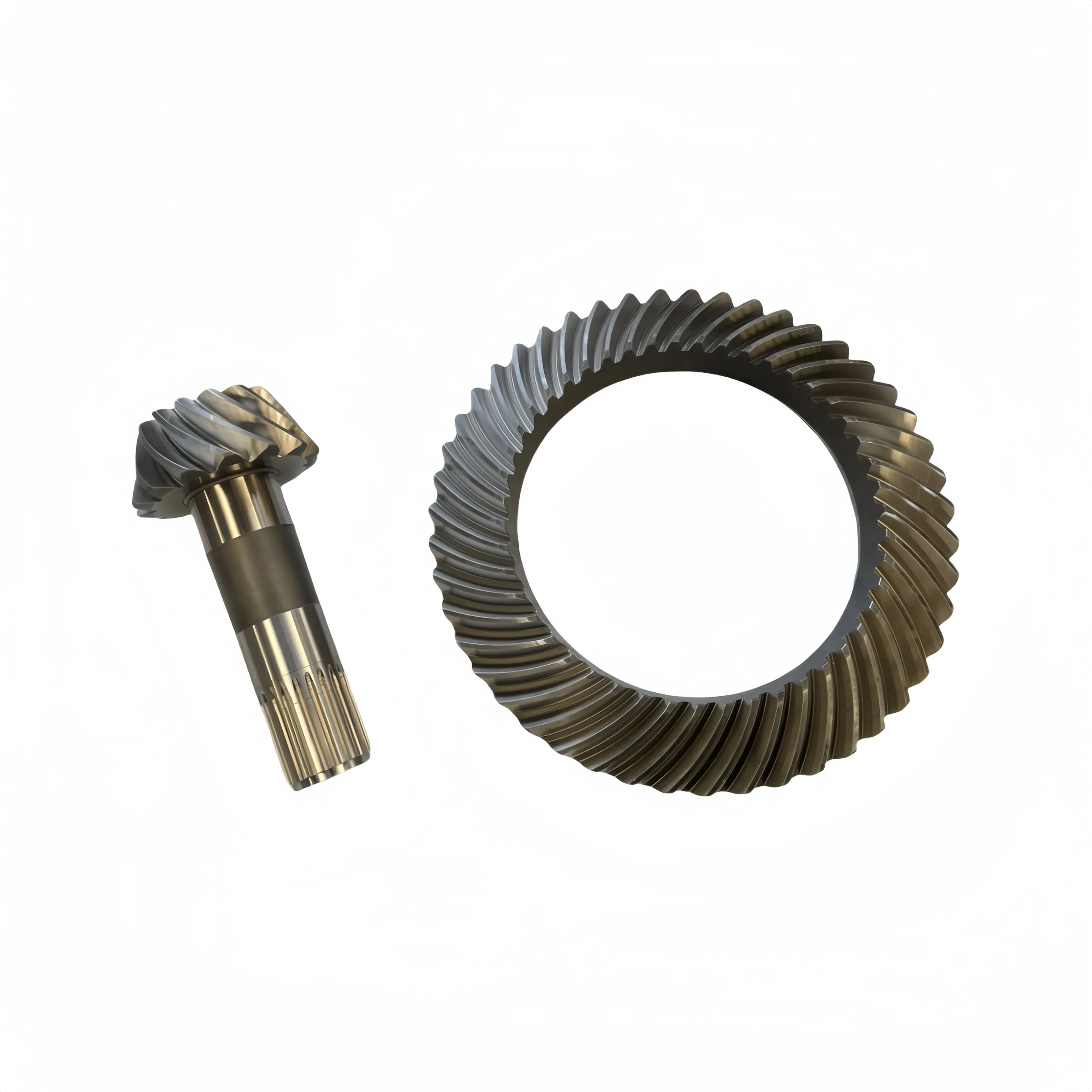 561-22-71207 Gear for komatsu HD785-7
 -
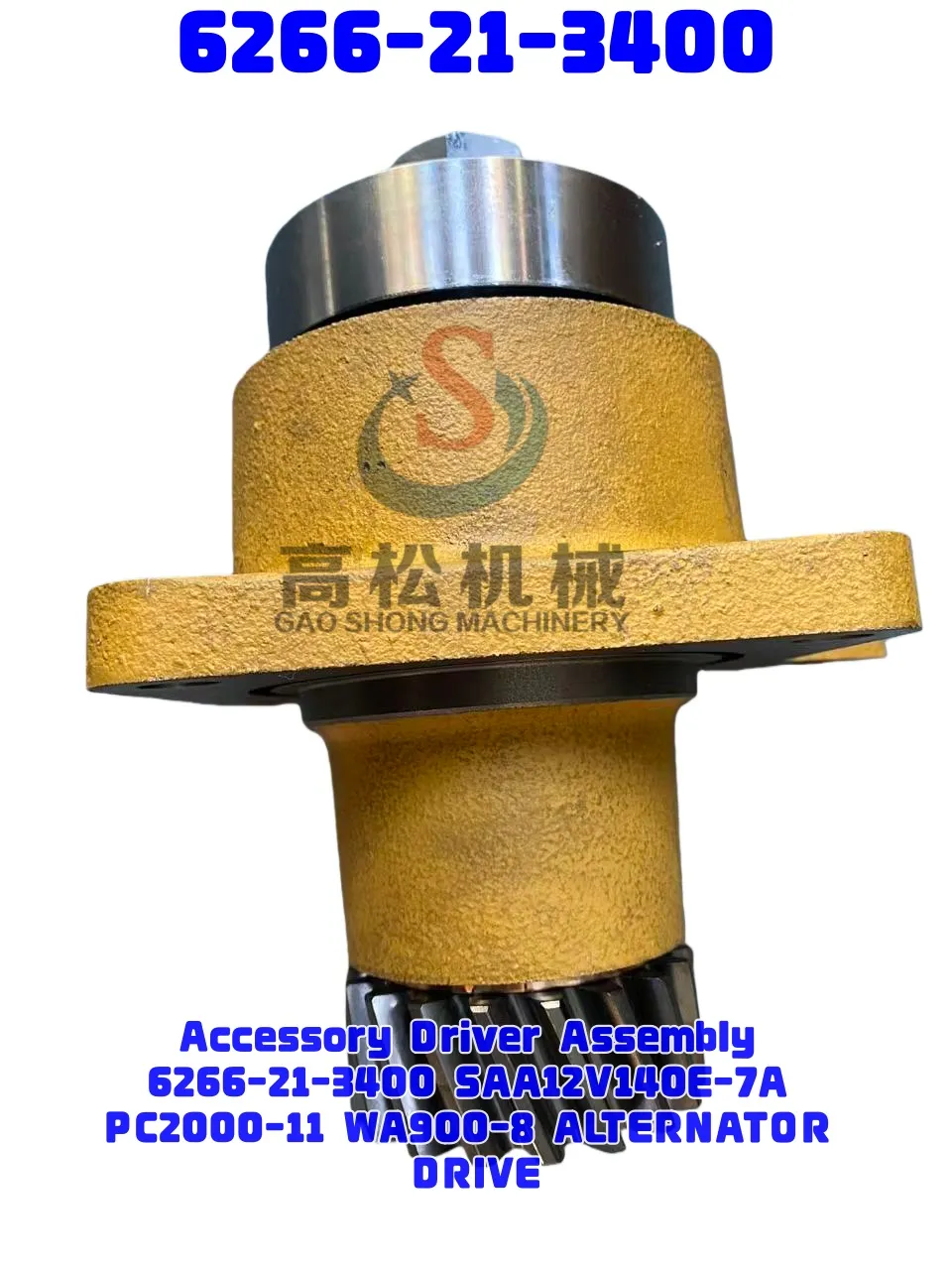 Accessory Driver Assembly 6266-21-3400 SAA12V140E-7A PC2000-11 WA900-8 ALTERNATOR DRIVE
 -
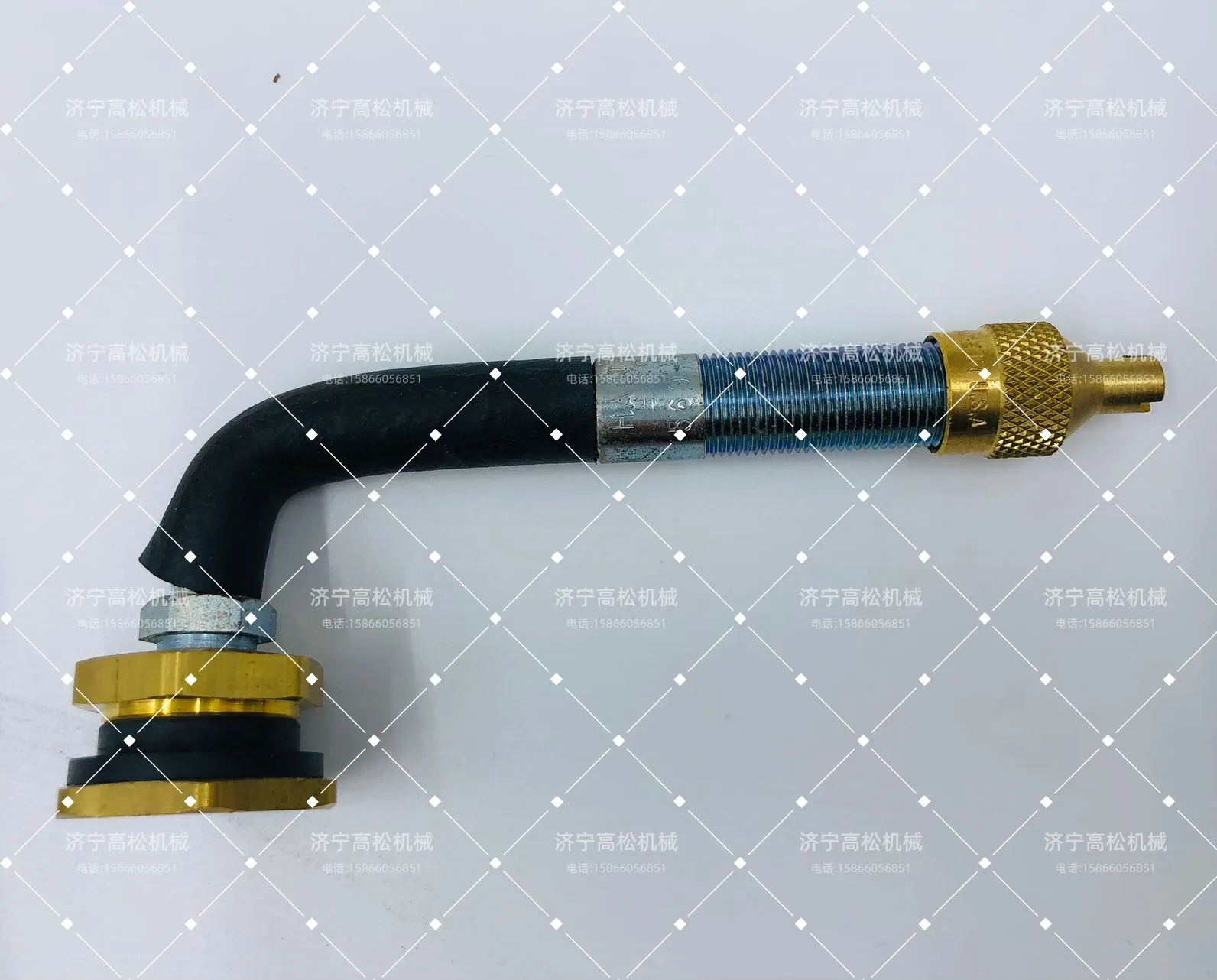 569-30-11600 Komatsu VALVE ASS’Y
 -
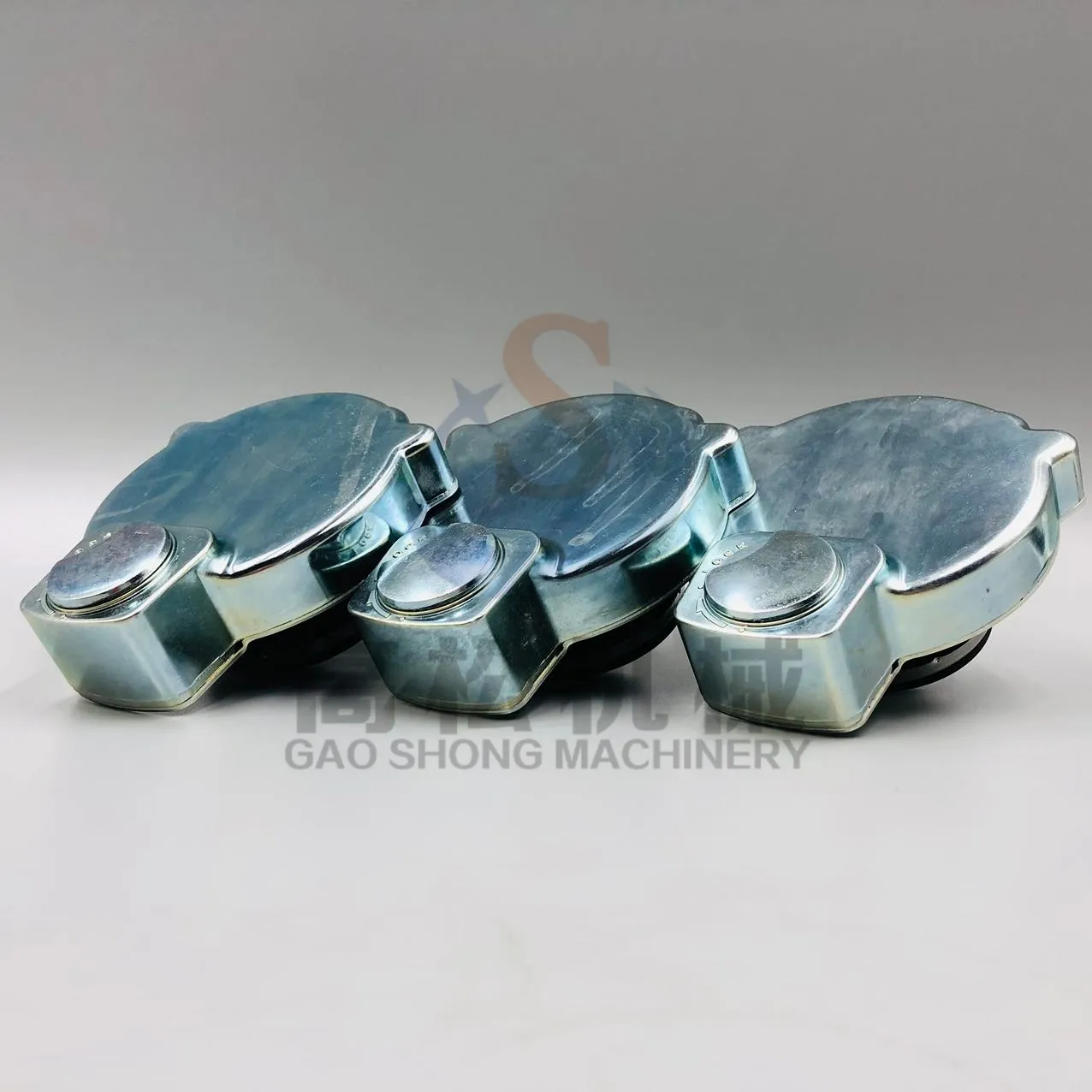 CAP ASS’Y 17A-60-11310 – KOMATSU
 -
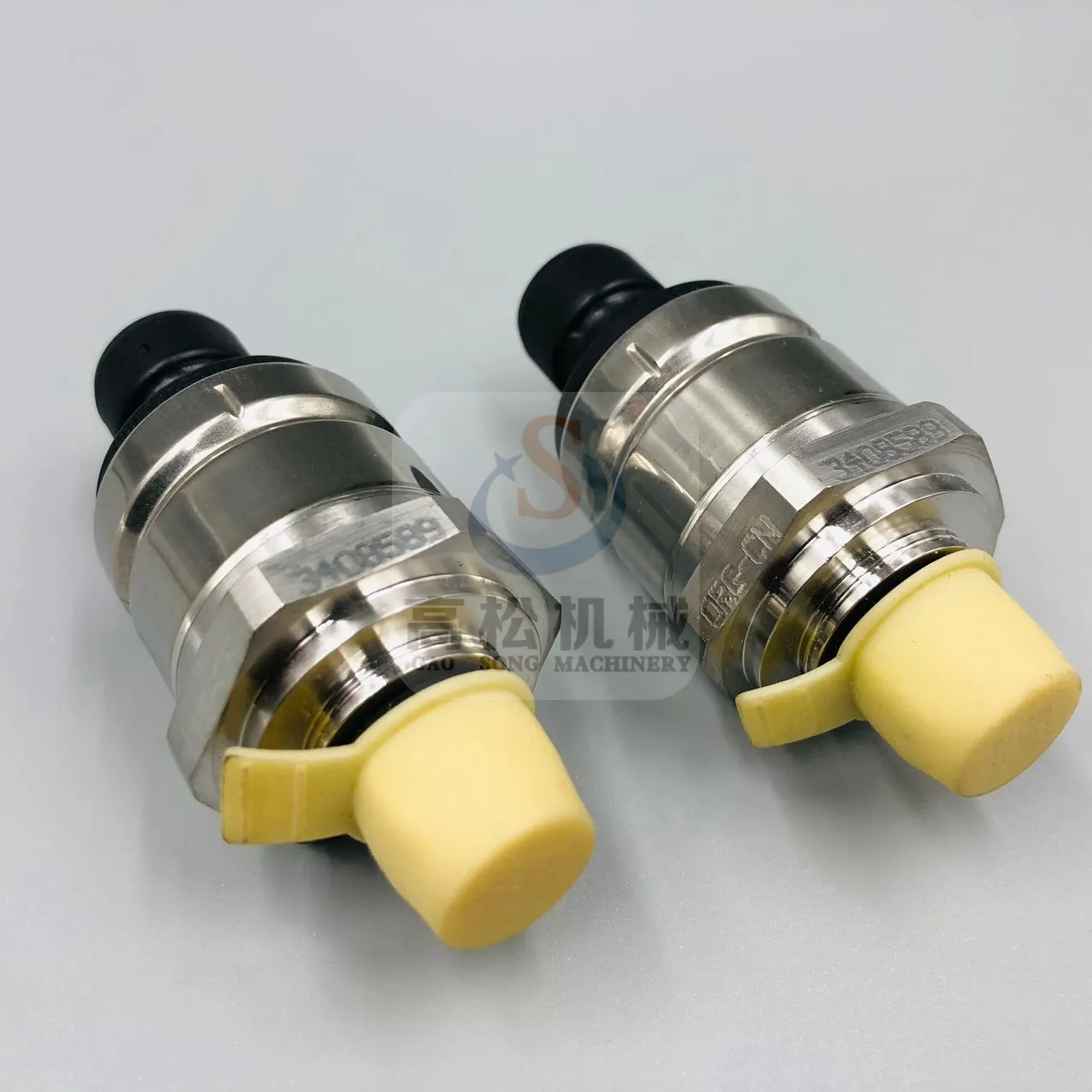 6560-61-7102 pressure sensor for Komatsu WA600-3
 -
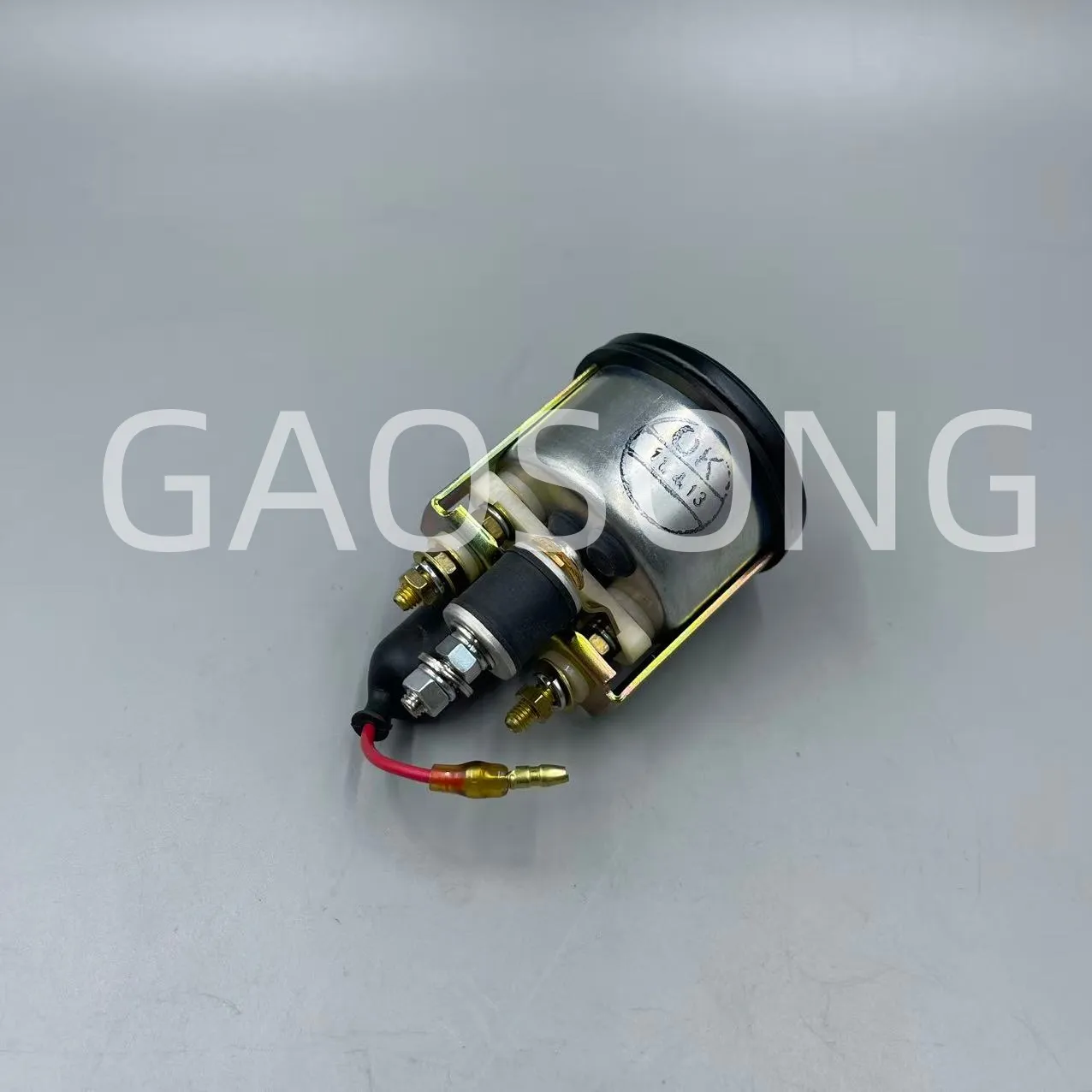 195-06-23110 GAUGE,WATER TEMPERATURE-Komatsu Original Factory
 -
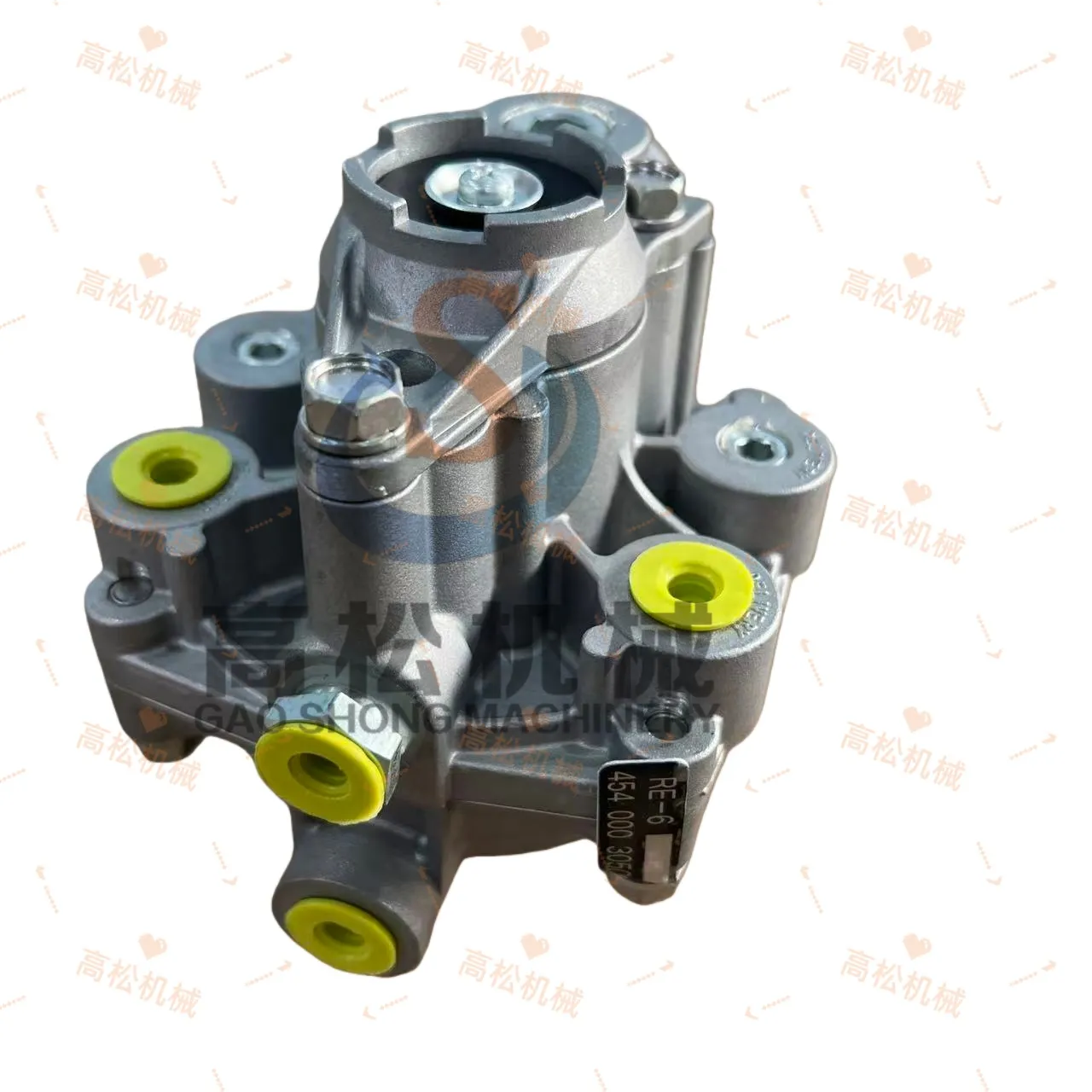 HD785 HD985HD465 HD605-5 HD255-5 561-35-61601RELAY VALVE ASS’Y
 -
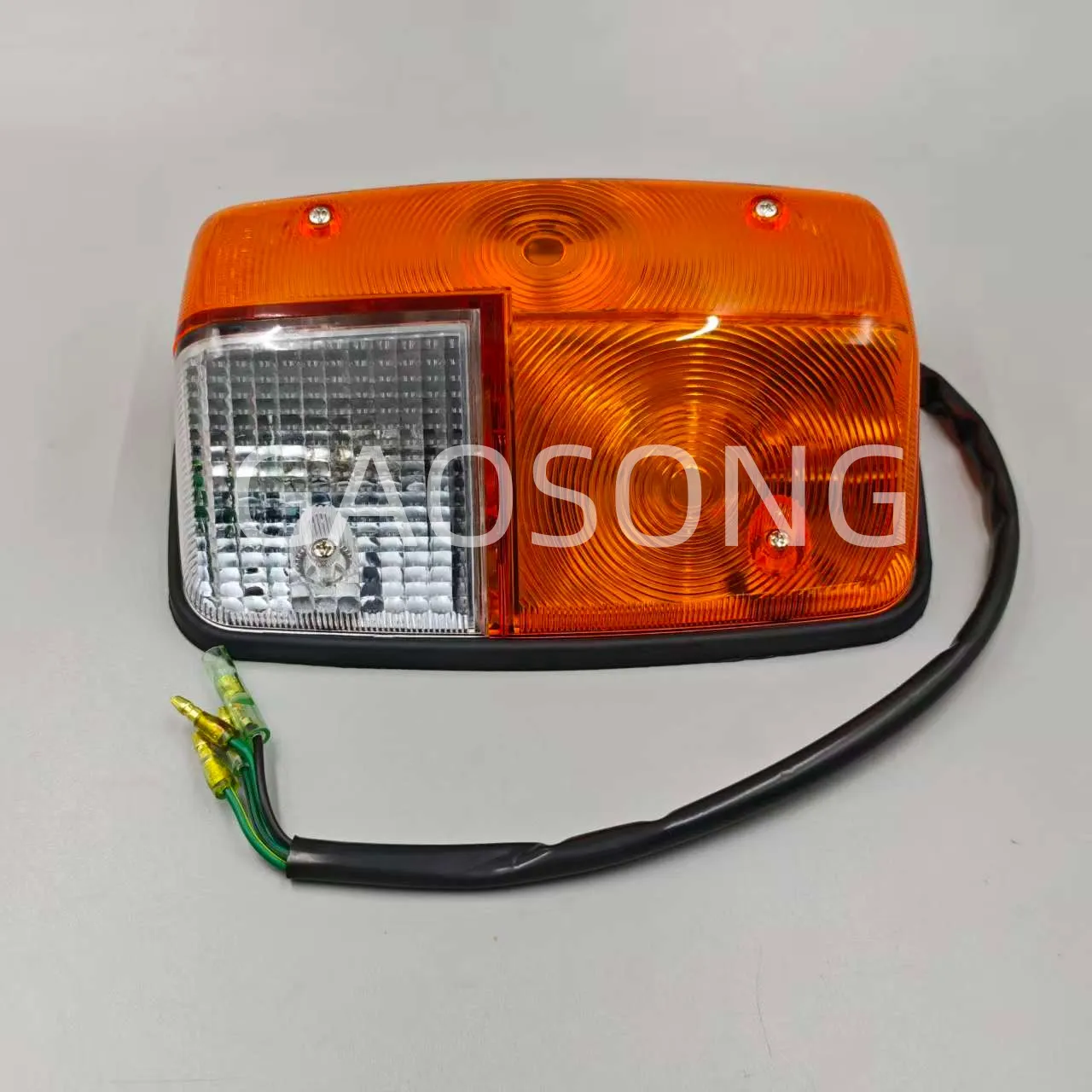 421-06-13401 LAMP ASS’Y,R.H.-Komatsu Original Factory
 -
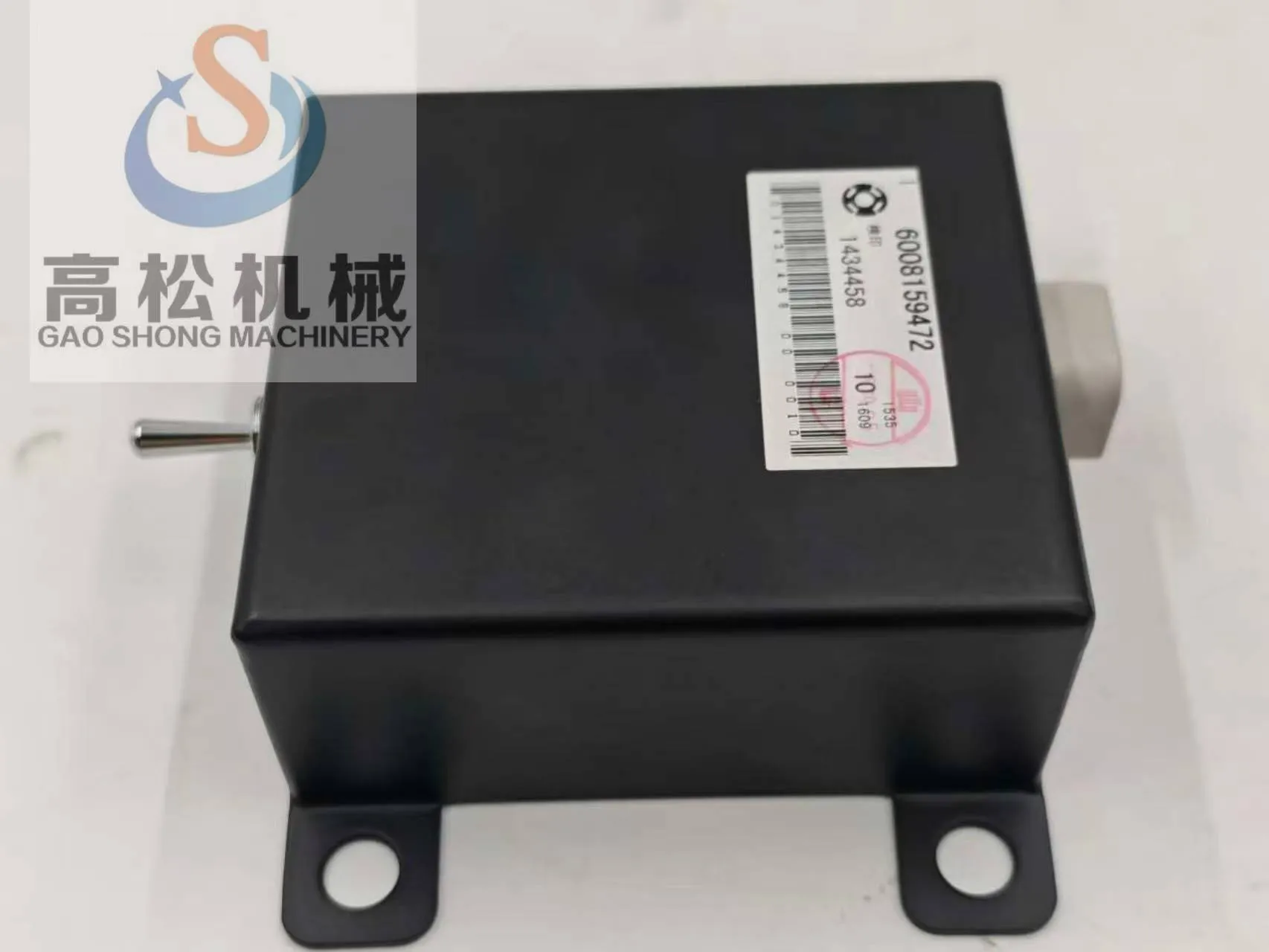 Original new switch 600-815-9472 for d375a-6 bulldozer komatsu pc1250sp-8r hd785-7 dump truck
 -
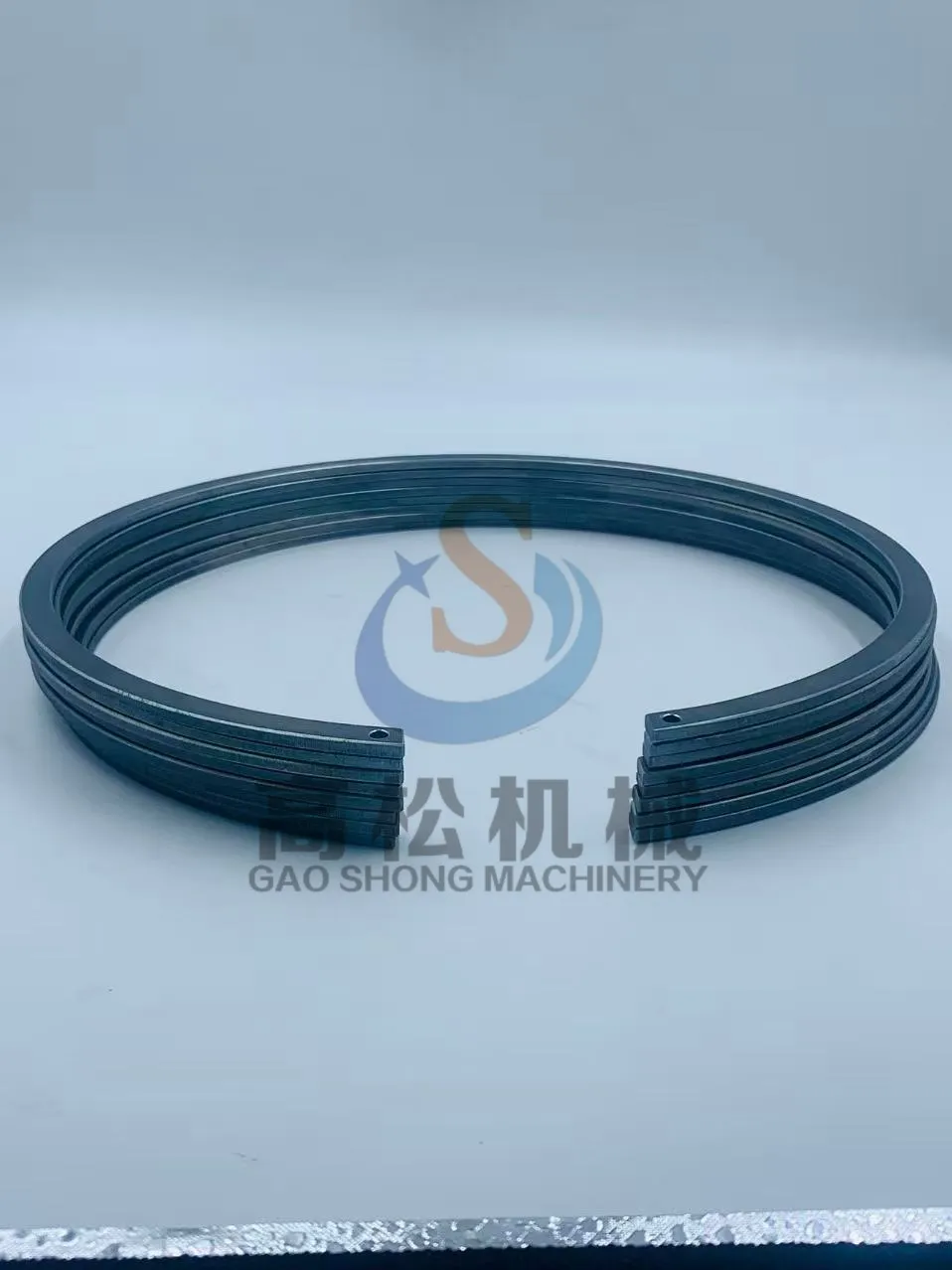 426-13-48281 SNAP RING KOMATSU
 -
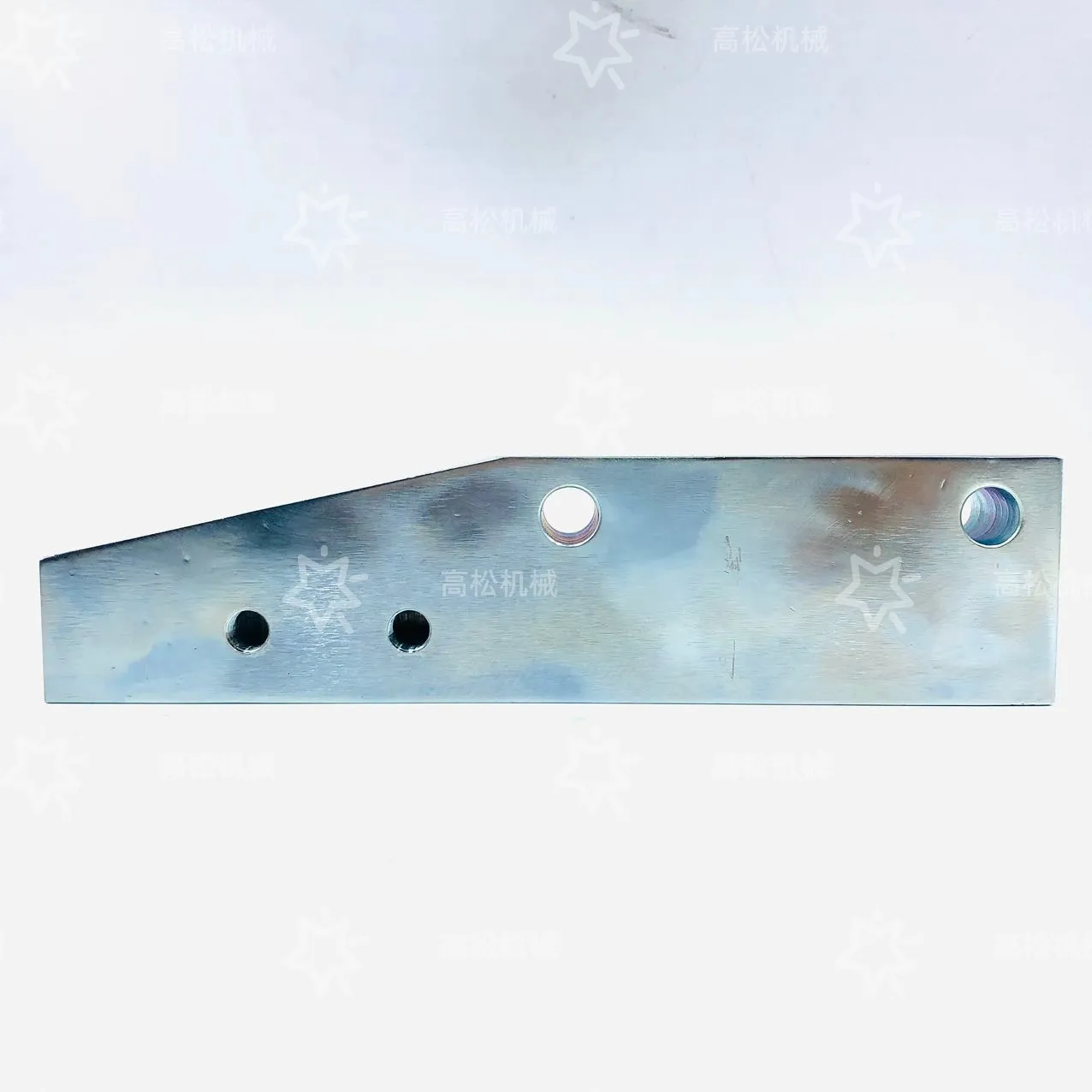 209-38-73281 BLOCK made to fit KOMATSU
 -
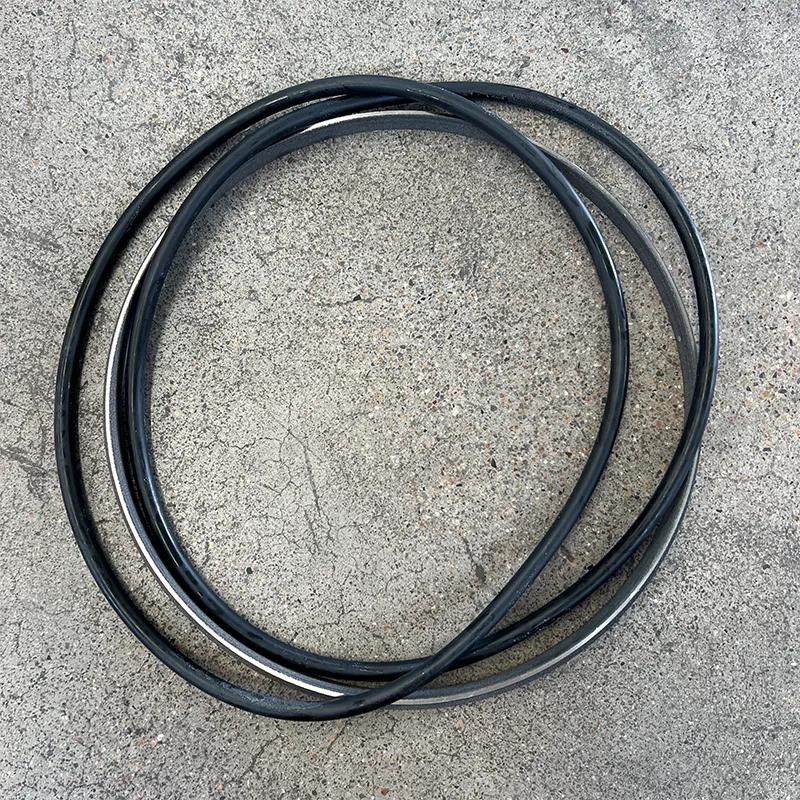 Original komatsu 425-33-00111 Floating oil seal WA600-6