
- Chinese
- French
- German
- Portuguese
- Spanish
- Russian
- Japanese
- Korean
- Arabic
- Irish
- Greek
- Turkish
- Italian
- Danish
- Romanian
- Indonesian
- Czech
- Afrikaans
- Swedish
- Polish
- Basque
- Catalan
- Esperanto
- Hindi
- Lao
- Albanian
- Amharic
- Armenian
- Azerbaijani
- Belarusian
- Bengali
- Bosnian
- Bulgarian
- Cebuano
- Chichewa
- Corsican
- Croatian
- Dutch
- Estonian
- Filipino
- Finnish
- Frisian
- Galician
- Georgian
- Gujarati
- Haitian
- Hausa
- Hawaiian
- Hebrew
- Hmong
- Hungarian
- Icelandic
- Igbo
- Javanese
- Kannada
- Kazakh
- Khmer
- Kurdish
- Kyrgyz
- Latin
- Latvian
- Lithuanian
- Luxembou..
- Macedonian
- Malagasy
- Malay
- Malayalam
- Maltese
- Maori
- Marathi
- Mongolian
- Burmese
- Nepali
- Norwegian
- Pashto
- Persian
- Punjabi
- Serbian
- Sesotho
- Sinhala
- Slovak
- Slovenian
- Somali
- Samoan
- Scots Gaelic
- Shona
- Sindhi
- Sundanese
- Swahili
- Tajik
- Tamil
- Telugu
- Thai
- Ukrainian
- Urdu
- Uzbek
- Vietnamese
- Welsh
- Xhosa
- Yiddish
- Yoruba
- Zulu
- Kinyarwanda
- Tatar
- Oriya
- Turkmen
- Uyghur






Komatsu HD785 parts
When you hear 'Komatsu HD785 parts', the immediate thought for many is just to source the cheapest or fastest option. That's a quick way to find trouble. The reality is more about navigating a landscape of genuine OEM, will-fit, and outright counterfeit components, where the wrong choice on a single pin or bushing can cascade into weeks of downtime. It's not just about the part itself, but the entire ecosystem of supply chains, documentation, and field-proven compatibility that separates a smooth operation from a logistical nightmare.
The OEM Illusion and the Third-Party Reality
There's a pervasive belief that only parts flowing directly from Komatsu's primary channels are safe. While that's the ideal, the global reality for many mines and contractors, especially in regions with complex import duties or limited official distributor networks, is different. The supply chain can be choked. This is where competent third-party suppliers within the Komatsu system become critical. They aren't just resellers; they understand the engineering specs and often help bridge the gap when official channels are slow or non-existent for certain regions.
I recall a project in West Africa where the official lead time for a HD785 final drive assembly was quoted at 14 weeks. The site couldn't wait. We turned to a supplier that operated as an OEM partner, like Jining Gaosong Construction Machinery Co., Ltd.. Their role is specific: they are an OEM product supplier within the Komatsu system and act as a third-party sales channel to solve parts supply challenges in certain countries. They provided the same OEM-spec assembly, with traceable documentation, in 3 weeks. It wasn't about bypassing Komatsu, but leveraging their alternative, approved network. The site ran. That's the practical value.
The key is verification. A legitimate partner in this space won't hide their relationship. You can check their standing, and a visit to a site like https://www.takematsumachinery.com should clearly state this dual role. If it's vague, be wary. Their company intro stating they help solve parts supply challenges in certain countries is exactly the niche they fill—it's a recognition of the market's imperfections.
Beyond the Part Number: The Fitment Gambit
Even with a genuine part, the job isn't done. The HD785 has had its runs and updates. A piston pump for a late-series-5 machine might physically bolt onto a series-3, but the pressure settings or internal porting could be subtly different. I've seen mechanics force-fit a Komatsu HD785 turbocharger from a different sub-model, only to battle persistent over-boosting and engine derates for weeks. The part number was close, but not correct.
This is where catalogues fail and experience talks. The best suppliers don't just read a number; they ask for your machine's serial number prefix, the hour meter reading, and sometimes even the previous component's casting marks. They're building a story. A good example is sourcing lift cylinder rods. The diameter might be consistent, but the hardening process or the thread specification for the eye end can differ. A supplier who just ships the most common variant is a liability.
We learned this through a costly mistake. Ordered a set of wheel hub assemblies based on model year alone. They arrived, looked perfect, but the internal bearing pre-load spacers were 2mm thinner. It wasn't visible until assembly. Result? Premature bearing failure within 400 hours. The supplier, to their credit, took it back, but the downtime cost was ours. Now, the serial number is the first thing we exchange.
The Aftermarket Gray Zone: When to Consider Alternatives
Let's be honest: not every component needs the OEM stamp. Wear items like bucket teeth, some hydraulic hoses, and standard ISO pins can be sourced from quality aftermarket manufacturers without significant risk. The calculus changes with precision, load-bearing, or system-critical parts. An engine ECM? Always OEM or a certified reman from a trusted source. A seat cushion? You have more leeway.
For the HD785, I'm cautious with anything in the powertrain and hydraulic control circuit. But for the cab's AC condenser or non-critical bracketry, approved aftermarket can offer real cost savings without compromising uptime. The trick is having a vetted list of alternative manufacturers whose metallurgy and QC you trust. This isn't about buying cheap; it's about buying smart for the specific application. A Komatsu parts strategy should be hybrid, not dogmatic.
I worked with a fleet manager who insisted on 100% OEM for everything. His maintenance budget was blown, often waiting for simple items. We analyzed the bill of materials and identified 30+ components that were generic or could be sourced from Tier-1 aftermarket suppliers. We switched those, kept OEM for the core systems, and his availability improved while costs dropped. It's a strategic filter, not an all-or-nothing game.
Logistics and the Hidden Cost of Availability
A part being in stock is meaningless if it's sitting in a warehouse on another continent without a clear shipping path. For regions with challenges, the promise of availability is often the biggest lie. This is the core problem companies like Jining Gaosong aim to solve. Their model is predicated on holding strategic inventory or having agile access to it within the Komatsu ecosystem for these specific, hard-to-service markets.
The real test is in the crisis. When a haul truck goes down with a failed transmission modulator on a Friday afternoon, the paperwork for customs clearance is as important as the part itself. A good supplier handles the Incoterms, the commercial invoice details, and has forwarders who understand machinery parts. I've had shipments of HD785 parts stuck for days because the description was vague, inviting customs inspection. Now, we pre-align on HTS codes and exact product descriptions with the supplier before anything ships.
Their website should be a tool, not just a brochure. A site like Takematsu Machinery's should allow you to check not just stock, but estimated door-to-door timelines for your country. If it doesn't, that's a red flag. The modern parts game is 50% logistics.
The Human Factor: Building a Relationship, Not Just a Contact
In the end, this industry runs on trust and accumulated proof. Your parts supplier should be a technical resource. When you call about a strange noise in the Komatsu HD785 steering system, a good contact will ask follow-up questions about the oil temperature and whether you've checked the priority valve, not just read a part number for the gear pump. They become diagnostic partners.
This relationship turns a transaction into a solution. I have a go-to contact who, when I described an intermittent brake cooling issue, suggested we look at the brake piston seal kits from a specific batch that had a known compound flaw—a detail not in any service bulletin. That saved us from replacing the entire, costly brake assembly. That insight comes from being embedded in the system, seeing patterns across multiple clients.
It's why I value suppliers who are transparent about their position. Knowing that Jining Gaosong operates as an OEM supplier and a third-party solver sets clear expectations. They're not a generic parts house; they're a specialist channel. You're not just buying a component; you're buying their access and their accumulated field intelligence. That's the intangible that no online catalogue can ever provide. The next time you search for a part, look for that depth behind the listing.
Related Products
Related Products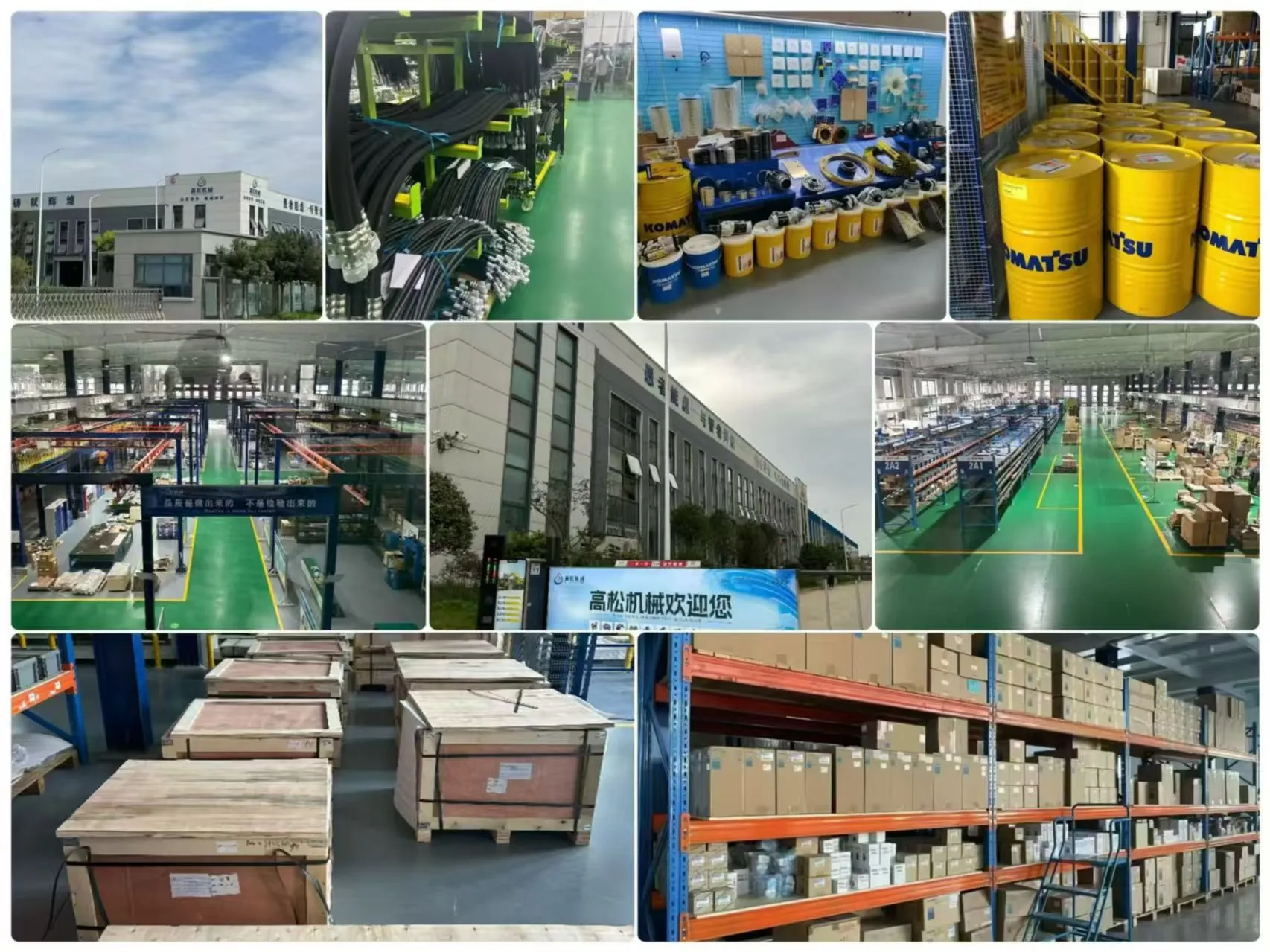

Best Selling Products
Best Selling Products-
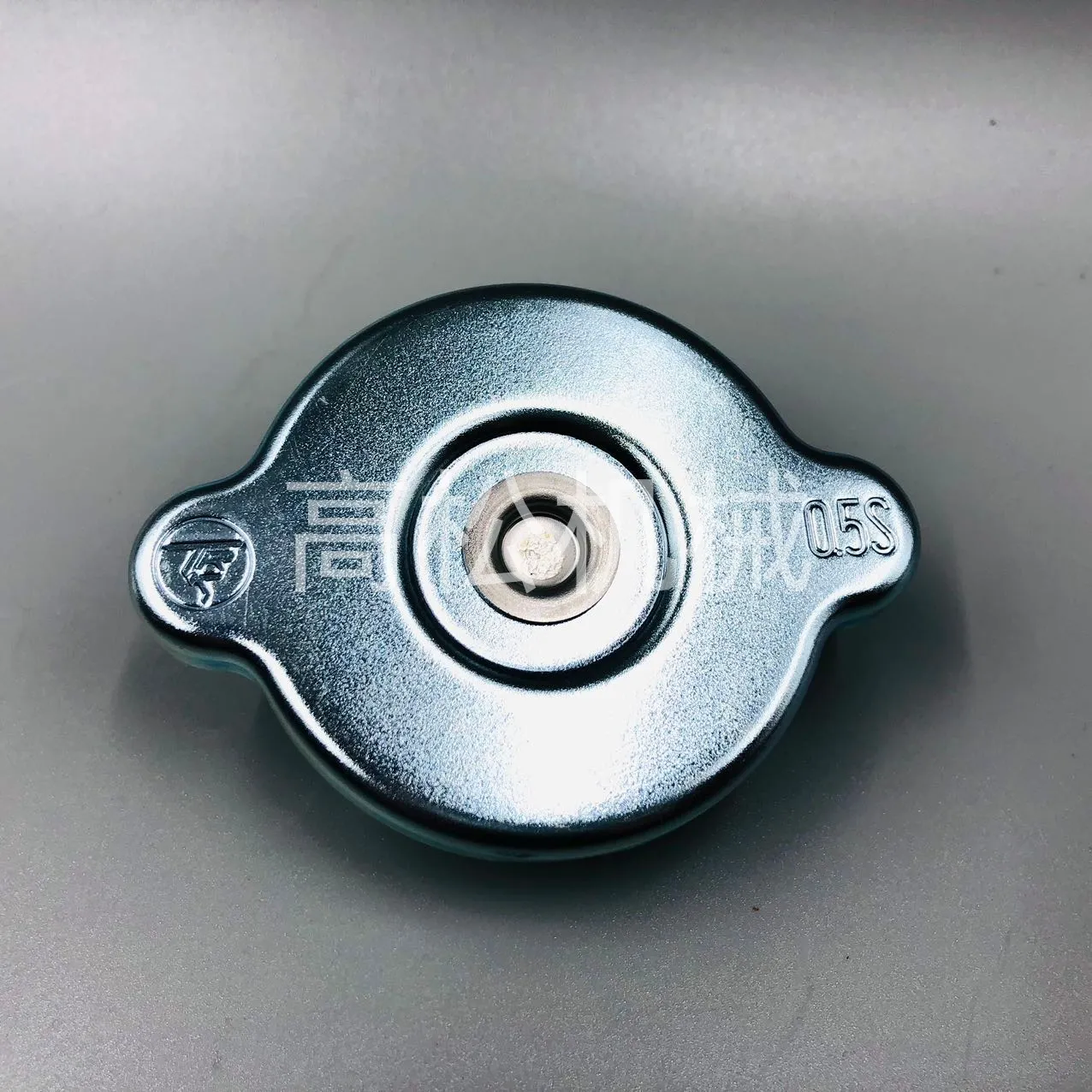 20Y-03-22110-CAP-Komatsu Original Factory
 -
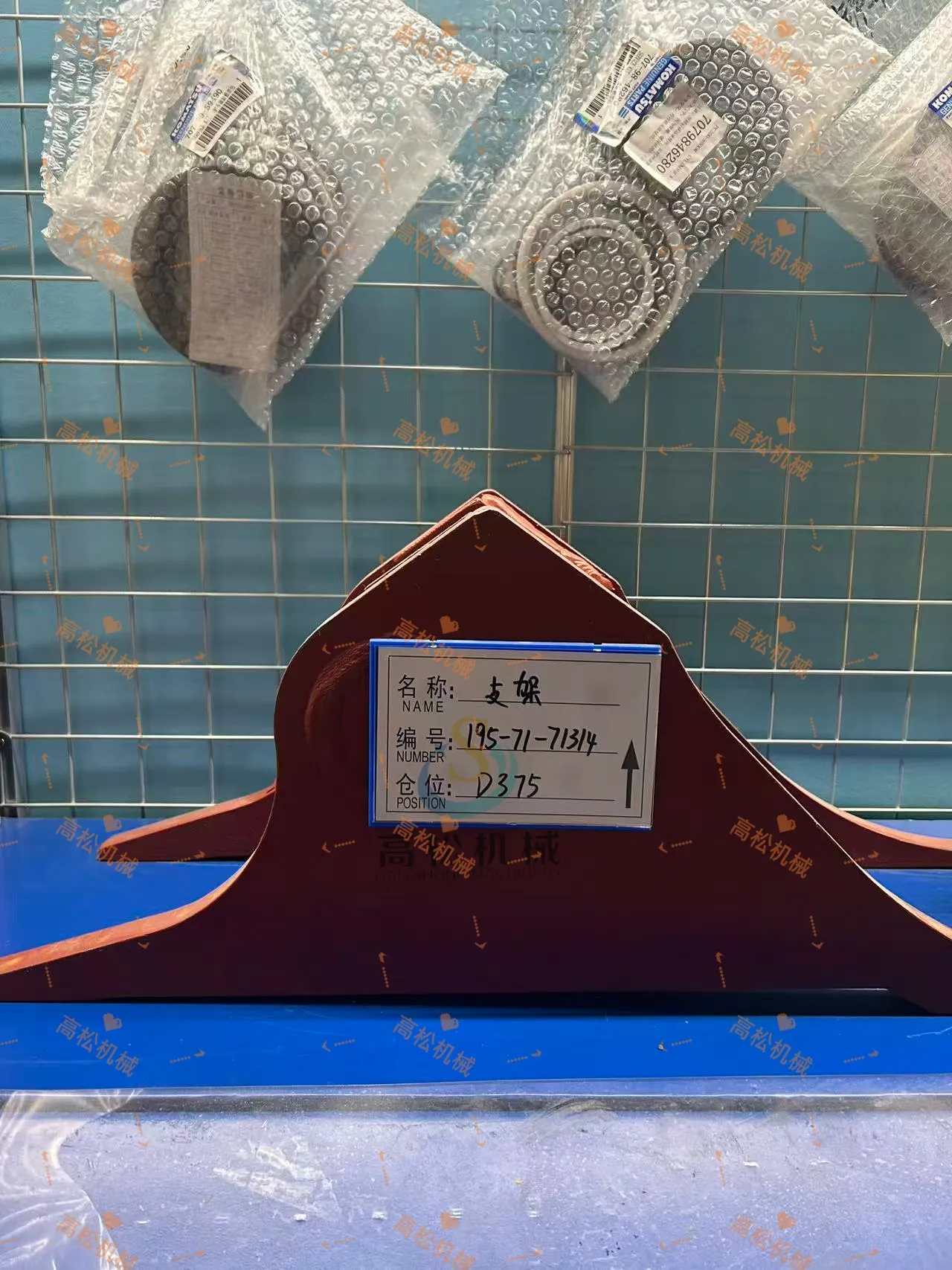 195-71-71314 BRACKET (WELDED) D375A-5 S/N 55001-UP (W/O EGR) BLADE
 -
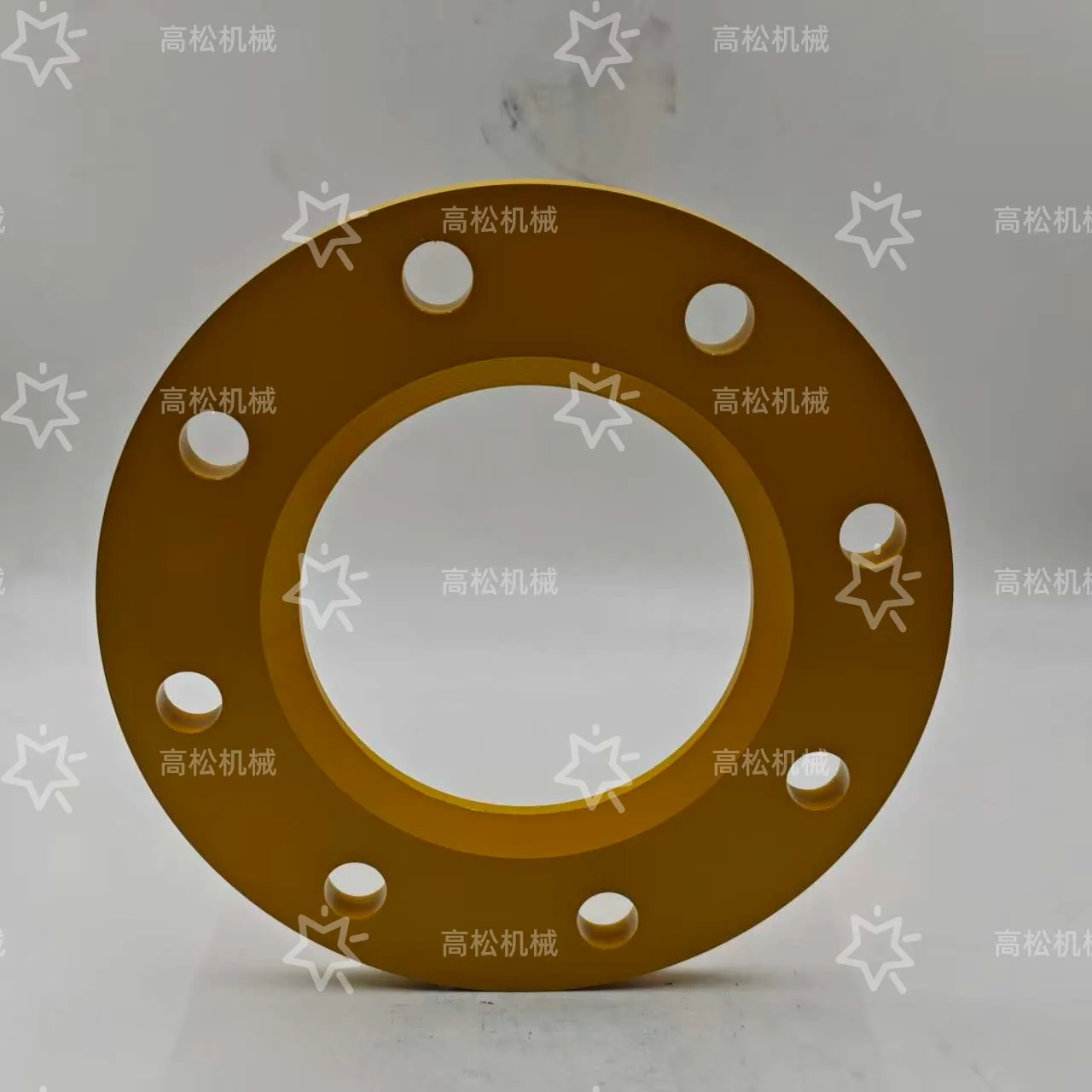 Komatsu 41E-70-15461 board
 -
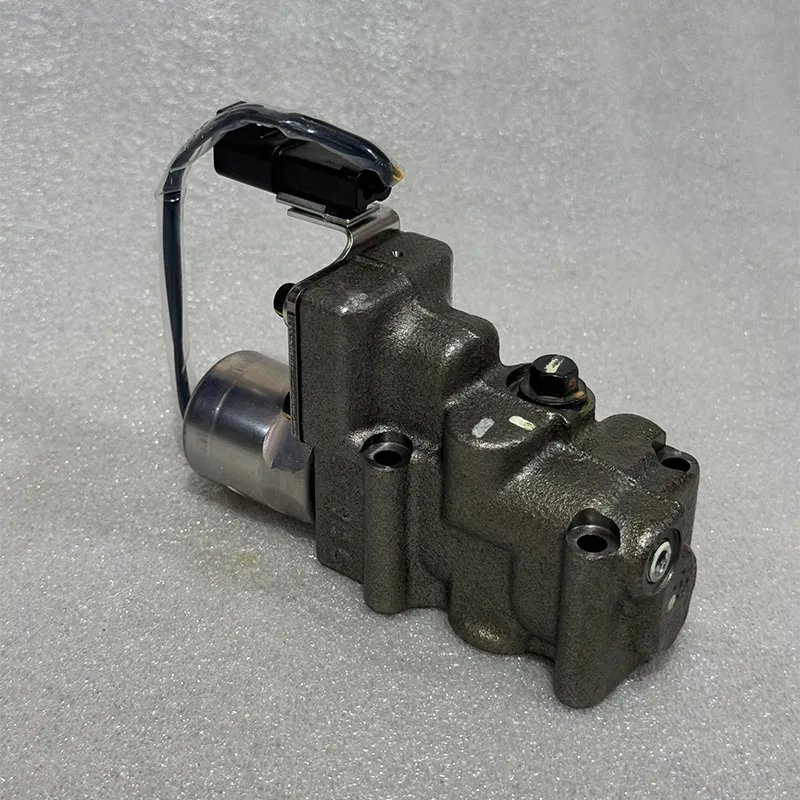 Original komatsu HD785-7 Valve Assembly 561-15-75500
 -
 HD785-7 Temperature Sensor 6219-11-8810
 -
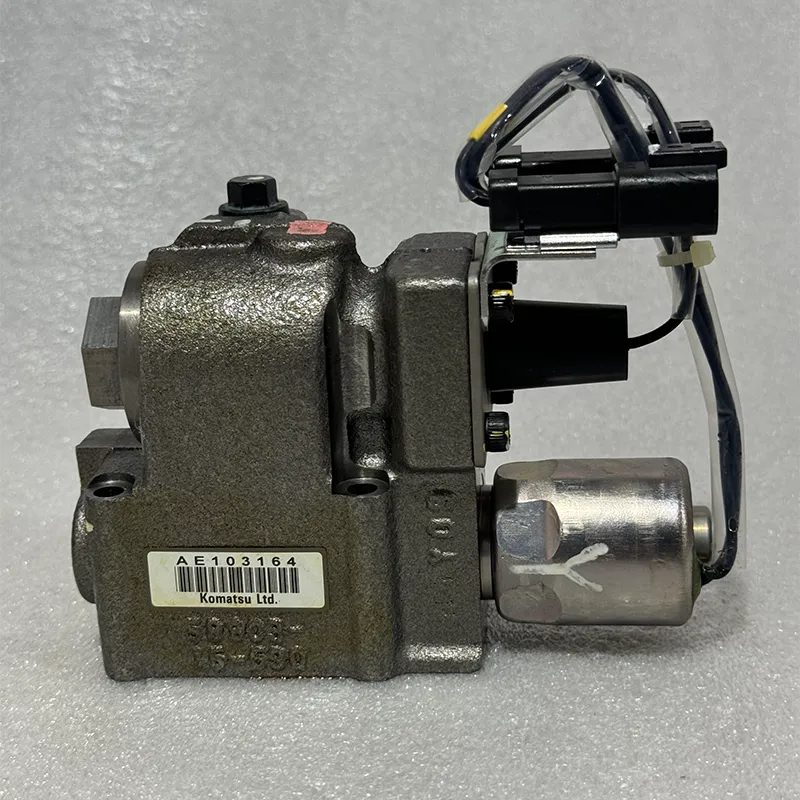 Original komatsu HD785-7 Valve 561-15-75701
 -
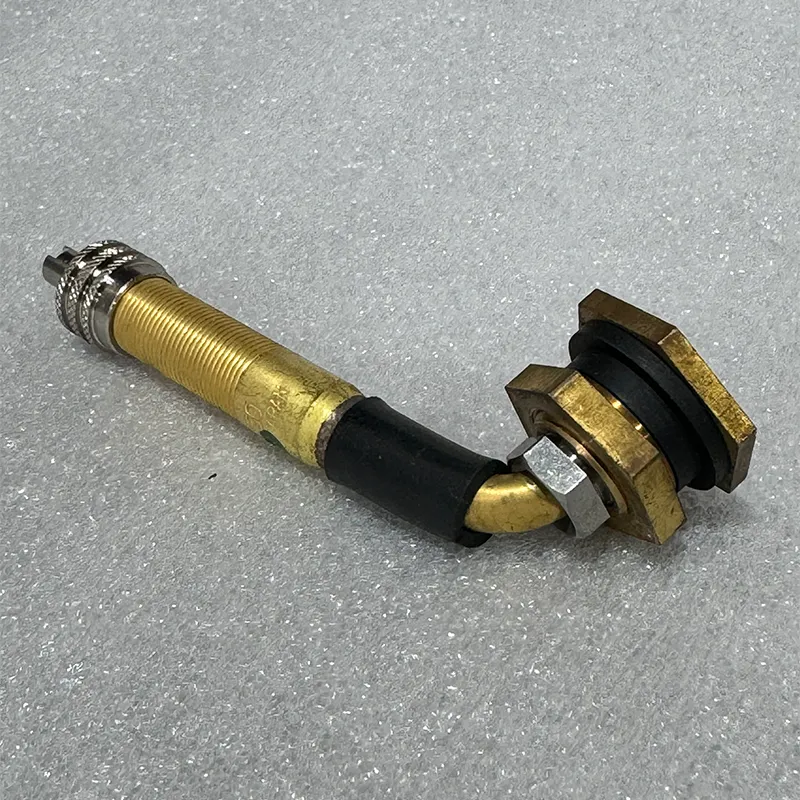 Original komatsu HD1200-1 Valve Assembly 581-30-21401
 -
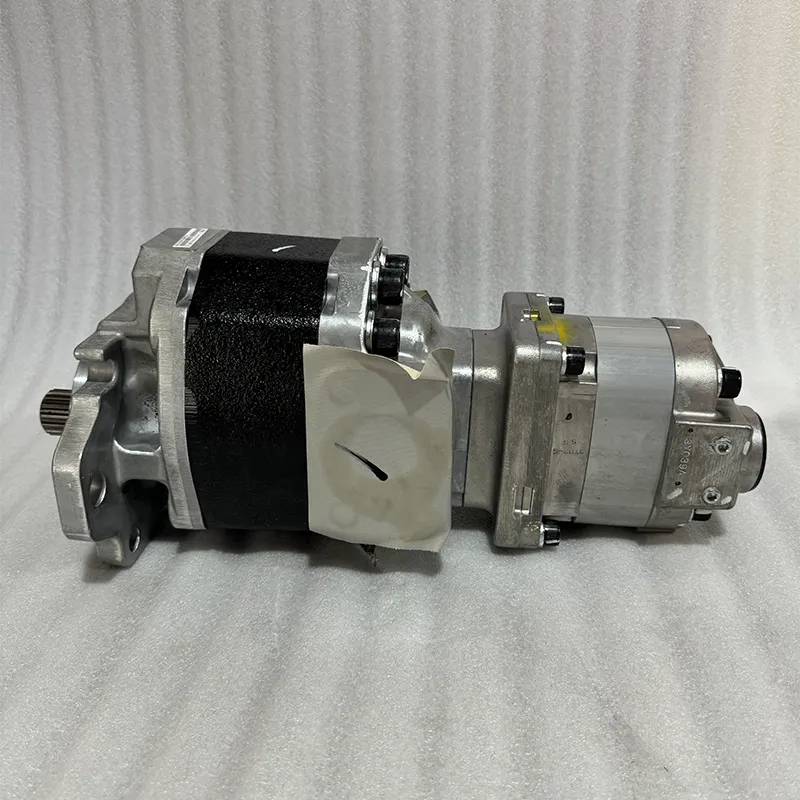 Original komatsu HD605-7R Gear Pump 705-95-05140
 -
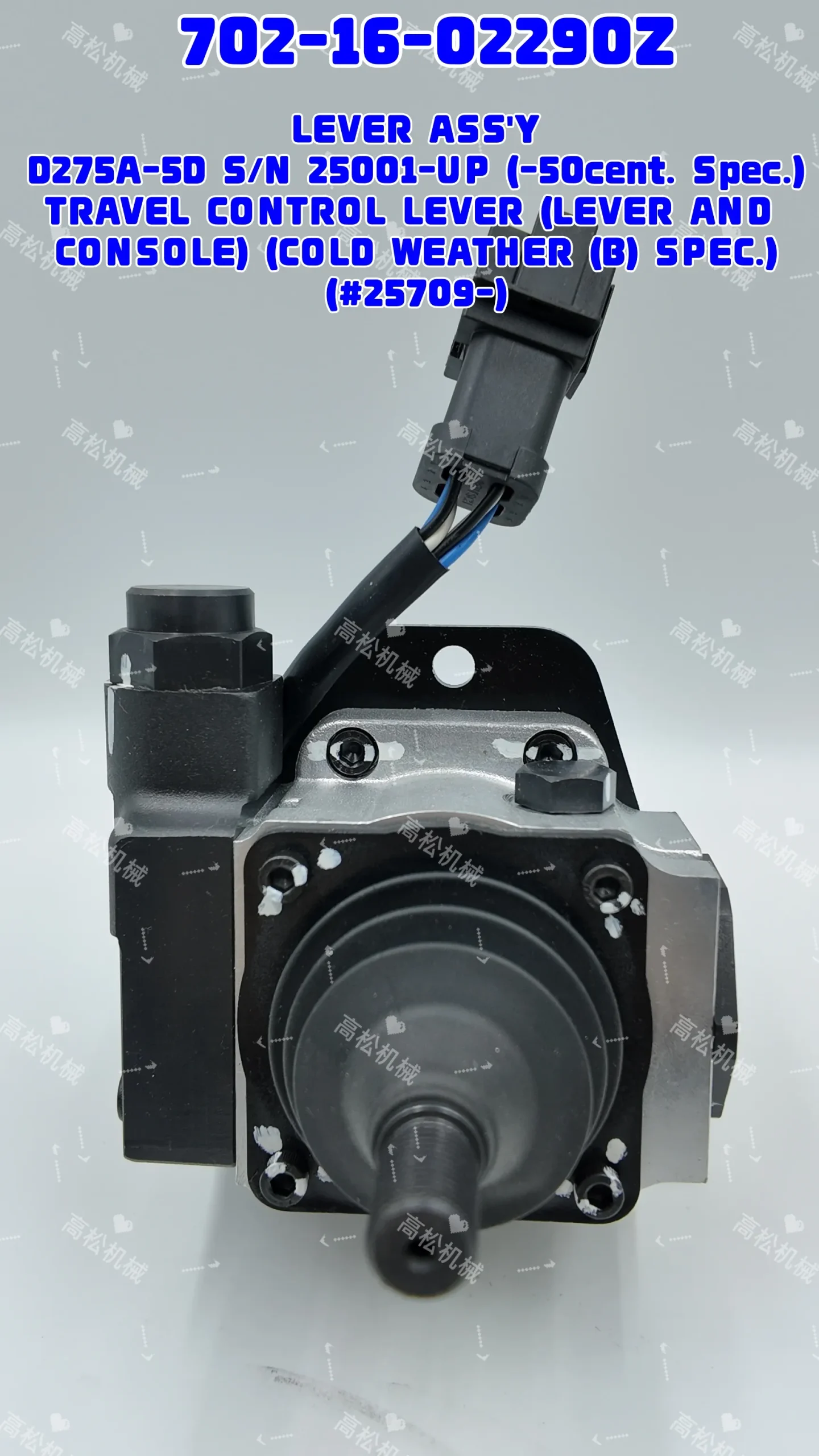 komatsu-part-702-16-02290 LEVER ASS’Y D65PX-15E0 D155AX-6 D155AX-8 D275A-5R D85EXI-18 FLOOR FRAME, TRAVEL CONTROL LEVER FLOOR FRAME, LEVER ROPS CAB, PCCS (PALM COMMAND CONTROL SYSTEM) LEVER
 -
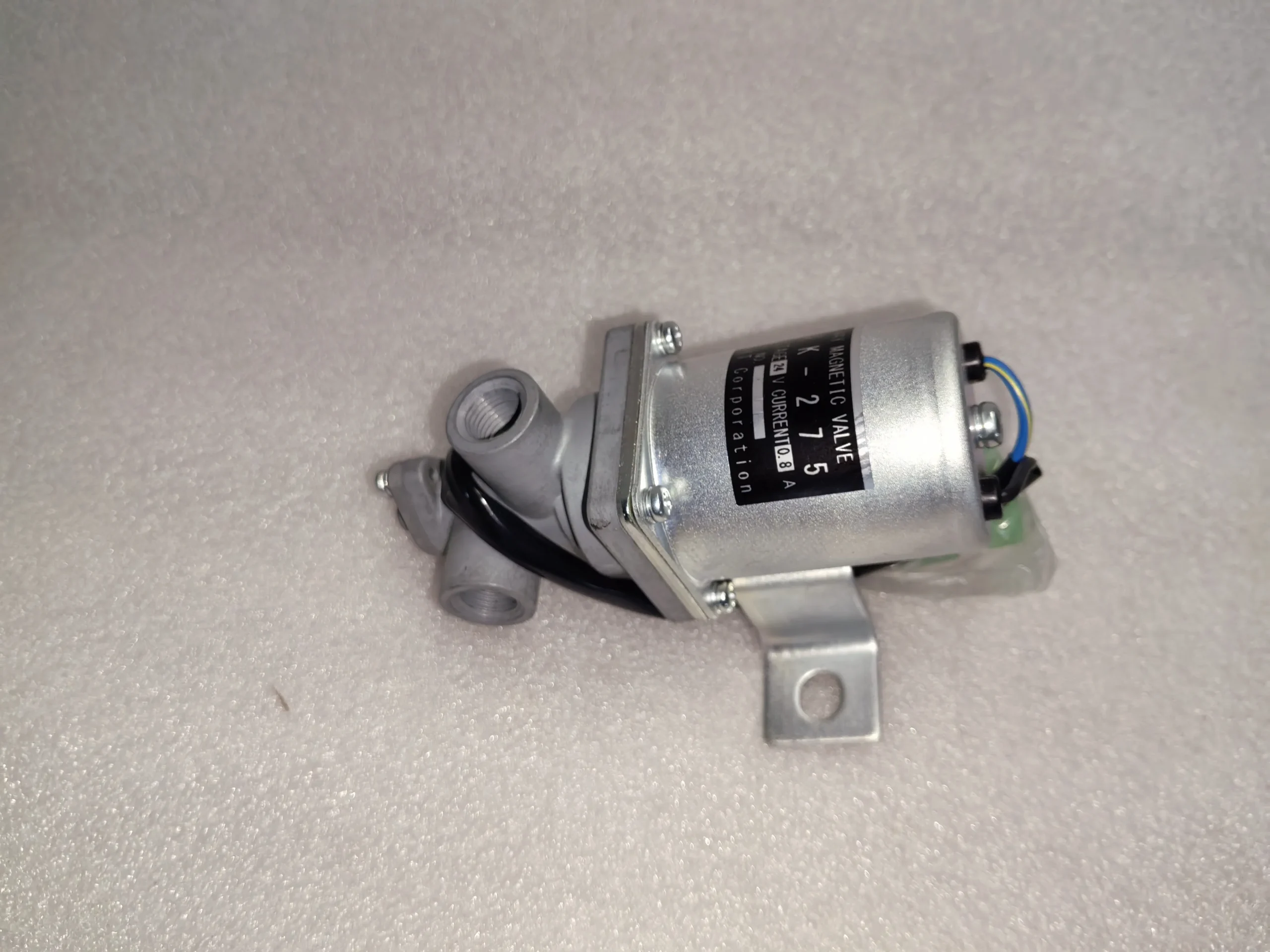 425-06-11150 VALVE Komatsu Original Factory
 -
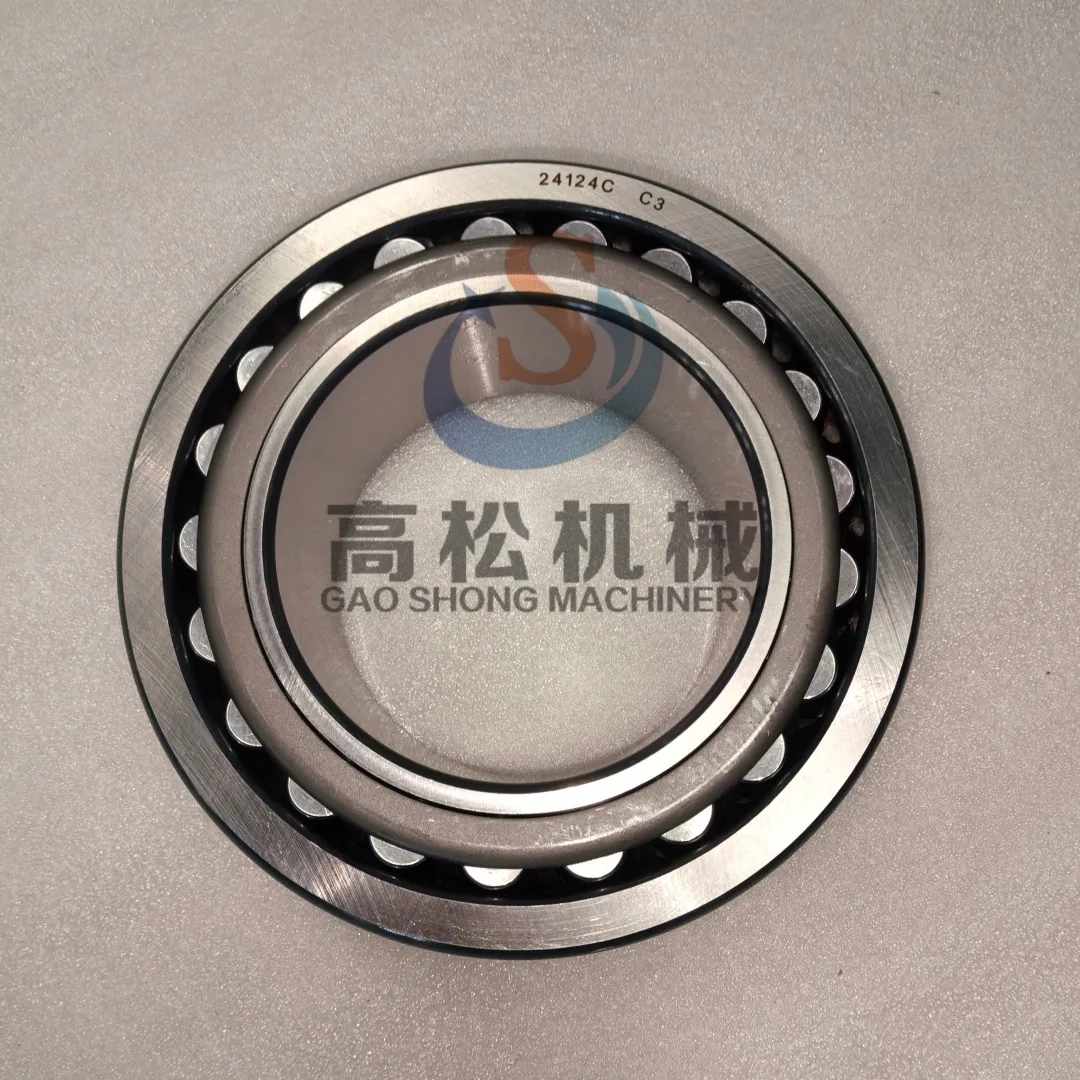 ROLLER BEARING 170-09-13250 1700913250 for Komatsu Bulldozer D85 D80 SD32 D155 FINAL DRIVE GEAR
 -
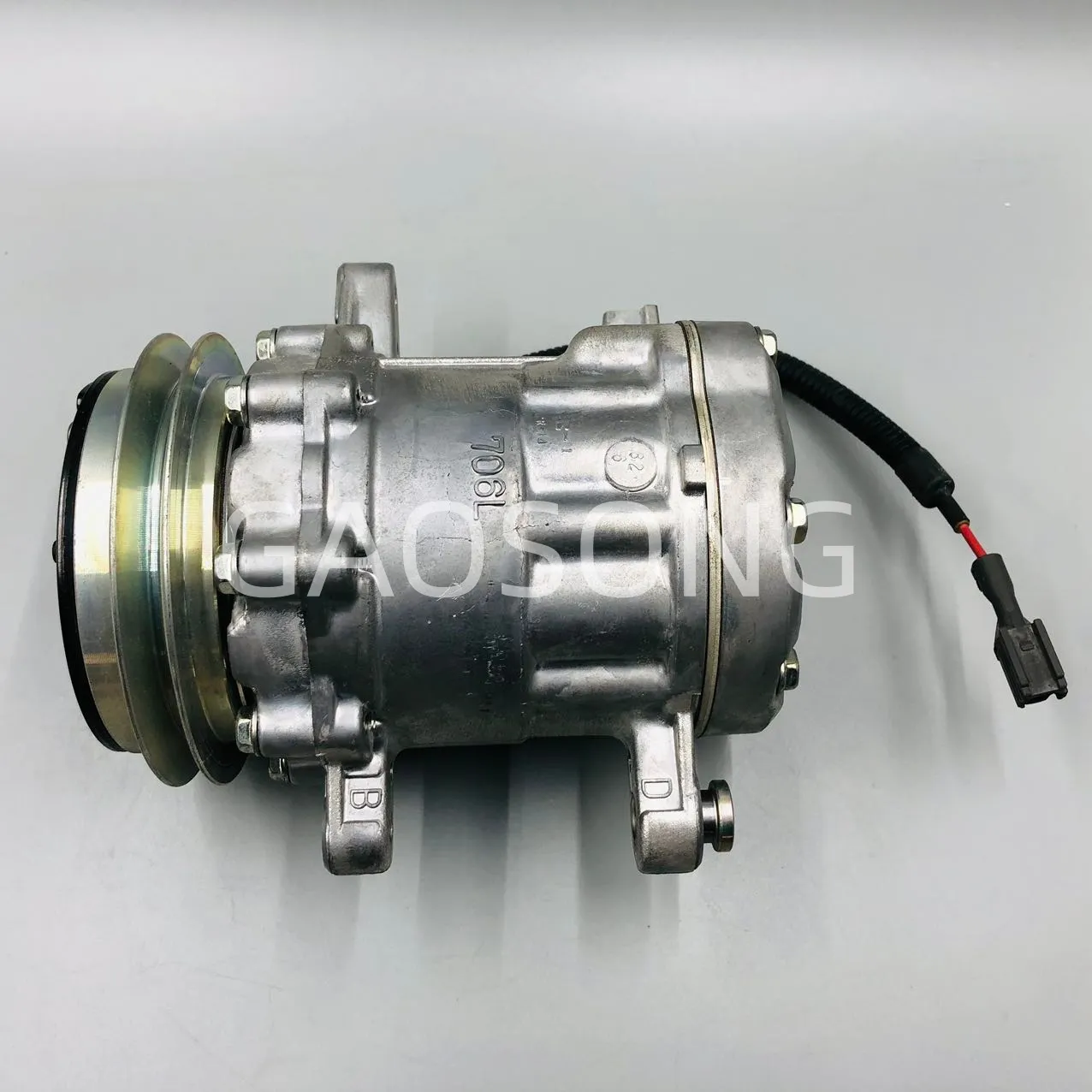 22L-979-2200 • COMPRESSOR-Komatsu Original Factory