
- Chinese
- French
- German
- Portuguese
- Spanish
- Russian
- Japanese
- Korean
- Arabic
- Irish
- Greek
- Turkish
- Italian
- Danish
- Romanian
- Indonesian
- Czech
- Afrikaans
- Swedish
- Polish
- Basque
- Catalan
- Esperanto
- Hindi
- Lao
- Albanian
- Amharic
- Armenian
- Azerbaijani
- Belarusian
- Bengali
- Bosnian
- Bulgarian
- Cebuano
- Chichewa
- Corsican
- Croatian
- Dutch
- Estonian
- Filipino
- Finnish
- Frisian
- Galician
- Georgian
- Gujarati
- Haitian
- Hausa
- Hawaiian
- Hebrew
- Hmong
- Hungarian
- Icelandic
- Igbo
- Javanese
- Kannada
- Kazakh
- Khmer
- Kurdish
- Kyrgyz
- Latin
- Latvian
- Lithuanian
- Luxembou..
- Macedonian
- Malagasy
- Malay
- Malayalam
- Maltese
- Maori
- Marathi
- Mongolian
- Burmese
- Nepali
- Norwegian
- Pashto
- Persian
- Punjabi
- Serbian
- Sesotho
- Sinhala
- Slovak
- Slovenian
- Somali
- Samoan
- Scots Gaelic
- Shona
- Sindhi
- Sundanese
- Swahili
- Tajik
- Tamil
- Telugu
- Thai
- Ukrainian
- Urdu
- Uzbek
- Vietnamese
- Welsh
- Xhosa
- Yiddish
- Yoruba
- Zulu
- Kinyarwanda
- Tatar
- Oriya
- Turkmen
- Uyghur






komatsu hd785 7 engine
When you hear 'Komatsu HD785-7 engine', most folks immediately think of the SAA6D170E-7. That's correct, of course, but that's just the starting point. The real conversation begins when you move past the model number and into the actual behavior of that power unit under load, in different climates, and after a few thousand hours. There's a common misconception that because it's a Komatsu, it's bulletproof. In my experience, that's only true if you understand its specific quirks and the support chain behind it. That's where the reality of keeping these trucks running hits home, especially in regions where a genuine Komatsu parts depot might be a continent away.
The Heart of the Matter: SAA6D170E-7 Deep Dive
Let's talk about the SAA6D170E-7 itself. It's a 15.2L turbocharged and aftercooled diesel. Rated at 783 kW, yes, but the interesting part is the torque curve and how it interfaces with the Komatsu POWERTRAIN controller. I've seen sites where they treat it like any other big-bore diesel, but it's the integration that matters. The engine doesn't just produce power; it's constantly talking to the transmission and the body controller. When you get a derate or an inexplicable loss of power, nine times out of ten it's not the mechanical internals—it's a sensor or a communication fault code that gets missed because someone just plugged in a generic scanner.
One specific detail often overlooked is the high-pressure fuel pump. It's a precise piece of kit. We had a case where a mine was experiencing intermittent power loss. They'd changed filters, checked lines, the usual. The problem turned out to be microscopic wear in the pump's internal rotor, not enough to fail a basic test but enough to cause pressure drops under peak load. It wasn't a 'failed' part by standard metrics, but it was failing in operation. Diagnosing that required knowing the expected rail pressure data at specific RPMs under load—information that comes from experience, not just the manual.
Then there's cooling. The HD785-7's cooling system is sized for a specific thermal load. In high-altitude operations, or where the ambient temperature is consistently above 40°C, the margin shrinks. I've witnessed radiators getting clogged not with dirt, but with a fine dust that acts like an insulator. The engine would run hot, the ECM would pull back timing, and productivity would drop. The fix wasn't a bigger radiator, but a different fan shroud design and a stricter cleaning regimen. It's these operational nuances that define an engine's real-world performance.
The Parts Puzzle and the OEM Ecosystem
This is where theory meets the gritty reality of downtime. You can have the best diagnostic skills, but if you can't get the right part within a reasonable timeframe, the truck is just a very expensive paperweight. Komatsu's official network is excellent, but it's not omnipresent. In certain countries, lead times for specific components—like that high-pressure fuel pump or a certified ECM—can stretch into weeks. This is a critical supply challenge that directly impacts a site's bottom line.
This is precisely the gap that companies operating within the Komatsu support ecosystem aim to fill. For instance, Jining Gaosong Construction Machinery Co., Ltd. positions itself as an interesting player. They describe themselves as an OEM product supplier within the Komatsu system and a third-party sales company. In practice, what this often means is they provide an alternative channel for Komatsu HD785-7 parts and support. Their value proposition hinges on solving those supply chain bottlenecks in regions where the official pipeline is slow or clogged.
I haven't personally used their services, but the model makes sense. The key question for any operation would be about provenance. Are the parts they supply truly OEM-equivalent, or are they aftermarket? There's a big difference. An OEM product supplier within the Komatsu system suggests a more direct lineage than a generic aftermarket manufacturer. For critical components like fuel injection parts or gasket sets, that distinction is everything. It's the difference between a repair that lasts 10,000 hours and one that fails in 500.
Case in Point: A Fuel System Saga
I recall a situation at a quarry in Southeast Asia. They had two HD785-7 trucks. One started showing error codes for multiple cylinder misfires. The local mechanic swapped injectors from the 'good' truck to the 'bad' truck. The problem followed the injectors. Obvious, right? Bad injectors. They ordered a set from a local supplier, claiming to be Komatsu-compatible. Installed them, and the truck ran… but poorly. Fuel consumption spiked by 15%, and a low-power code persisted.
It turned out the replacement injectors had the wrong flow rate calibration. They physically fit, but the ECM was expecting a different fuel delivery profile. The truck was running, but it was in a constant state of minor compensation, hurting efficiency and likely causing long-term carbon issues. The solution was to source the correct, serial-number-matched injectors. This took three weeks through standard channels. A supplier like Jining Gaosong, if they truly have direct OEM access, could theoretically expedite such a niche but critical part, turning weeks of downtime into days. That's their promised value.
The lesson was brutal: not all parts that bolt on are created equal. For the HD785-7 engine, the calibration of components is as important as the component itself. This experience made me deeply skeptical of any non-OEM source for electronic or precision mechanical parts. It also highlighted the desperate need for reliable, fast-track supply lines for genuine parts.
Maintenance Mindset vs. Repair Mindset
Too many operations run these engines on a repair-to-failure basis. With the HD785-7, that's a costly strategy. Its engine management system is packed with predictive data if you know how to read it. Trend analysis of oil sample reports isn't optional; it's essential. I've seen iron and chromium levels creep up months before a liner and piston ring issue became catastrophic. The SAA6D170E-7 is generally robust, but it doesn't forgive neglect.
Coolant analysis is another one. The use of Komatsu's approved LLC (Long Life Coolant) is specified for a reason. Its chemistry works with the seals and metallurgy of the system. I've walked onto sites where they used a generic ethylene glycol mix and wondered why they had recurring water pump seal failures and slight overheating. Cross-referencing the maintenance logs with the coolant change records told the story. It seems minor, but these deviations from spec accumulate.
Proactive maintenance on the air intake system is non-negotiable. A tiny leak post-filter allowing unfiltered air in is a death sentence for the turbocharger and cylinder walls over time. The dust ingestion we found during one inspection wasn't dramatic—no huge holes—just a poorly seated clamp on a junction hose. The dust pattern inside the intake manifold told a story of months of slow contamination. This is the kind of hands-on, detail-oriented check that keeps the Komatsu HD785-7 engine running for its full design life.
Concluding Thoughts: The Engine in Context
So, the 'Komatsu HD785-7 engine' is more than an assembly of iron and silicon. It's a system that depends on precise parts, informed maintenance, and a viable support network. Its performance is directly tied to the quality of the components you put into it and the data-driven care you provide.
Companies that facilitate access to authentic parts, like Jining Gaosong Construction Machinery Co., Ltd. in their stated role, address a real pain point in the industry. Their effectiveness, of course, depends entirely on the authenticity and traceability of their inventory. For a fleet manager, the decision to use such a channel comes down to verification and trust—can they deliver the real thing faster?
Ultimately, mastering this engine is about respecting its integrated design. You can't just throw parts at it. You need to understand its language—the fault codes, the pressure readings, the trend data—and you need a reliable source for the pieces that keep that conversation going. It's a powerful and capable workhorse, but its longevity is a partnership between the operator's knowledge and the quality of the support ecosystem behind it.
Related Products
Related Products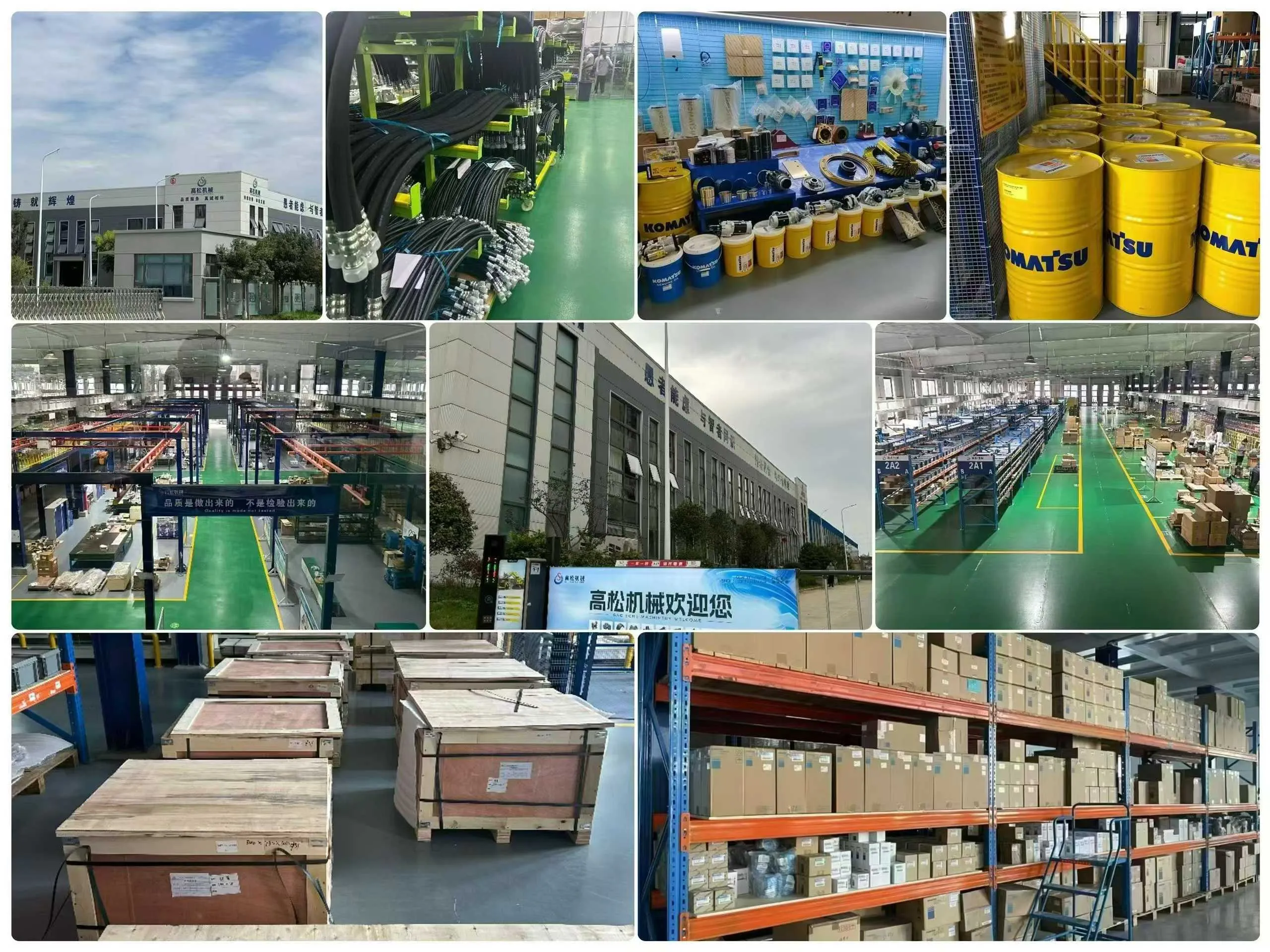

Best Selling Products
Best Selling Products-
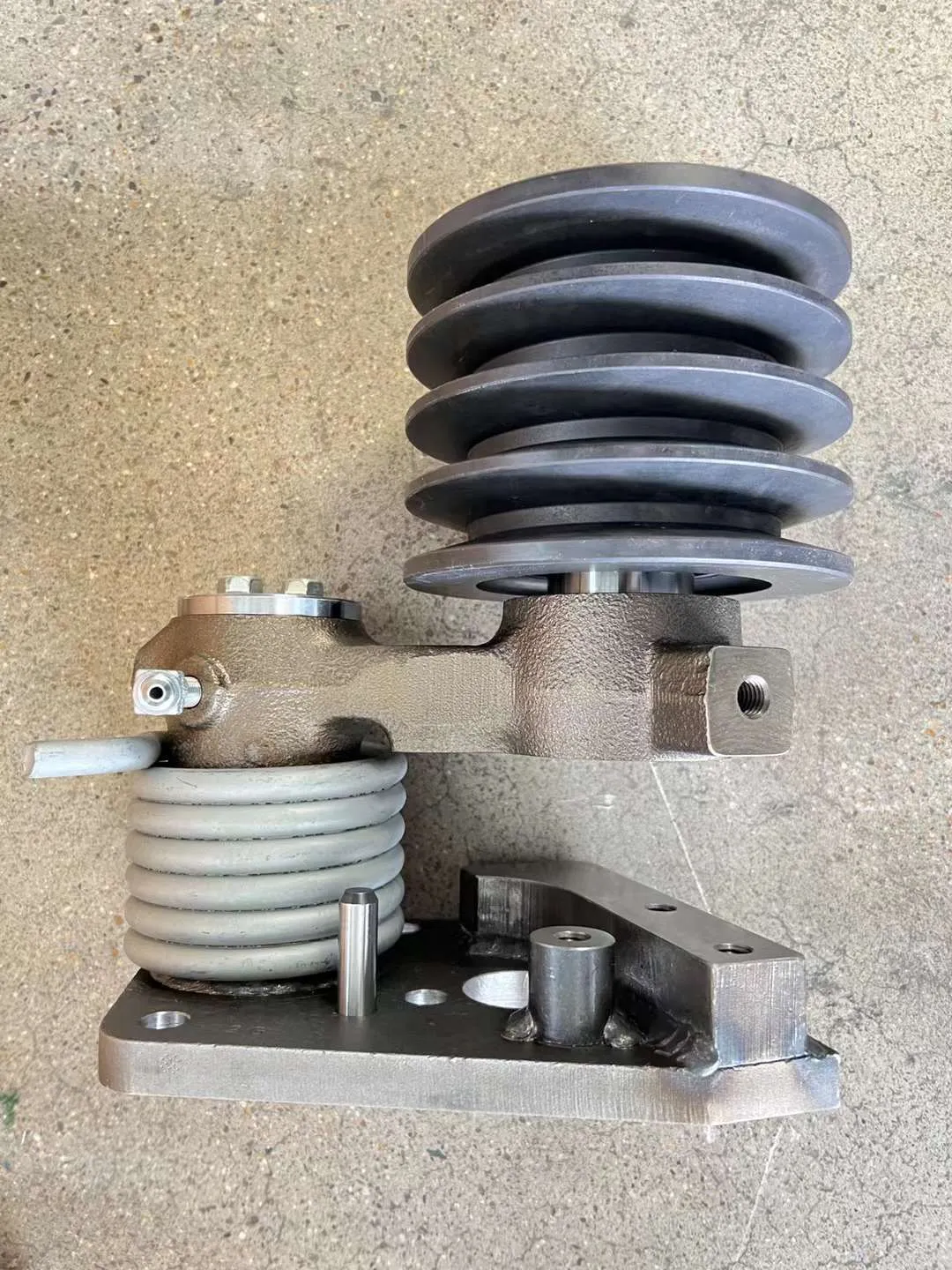 HD465-7R Tension Assembly 6245-61-3901
 -
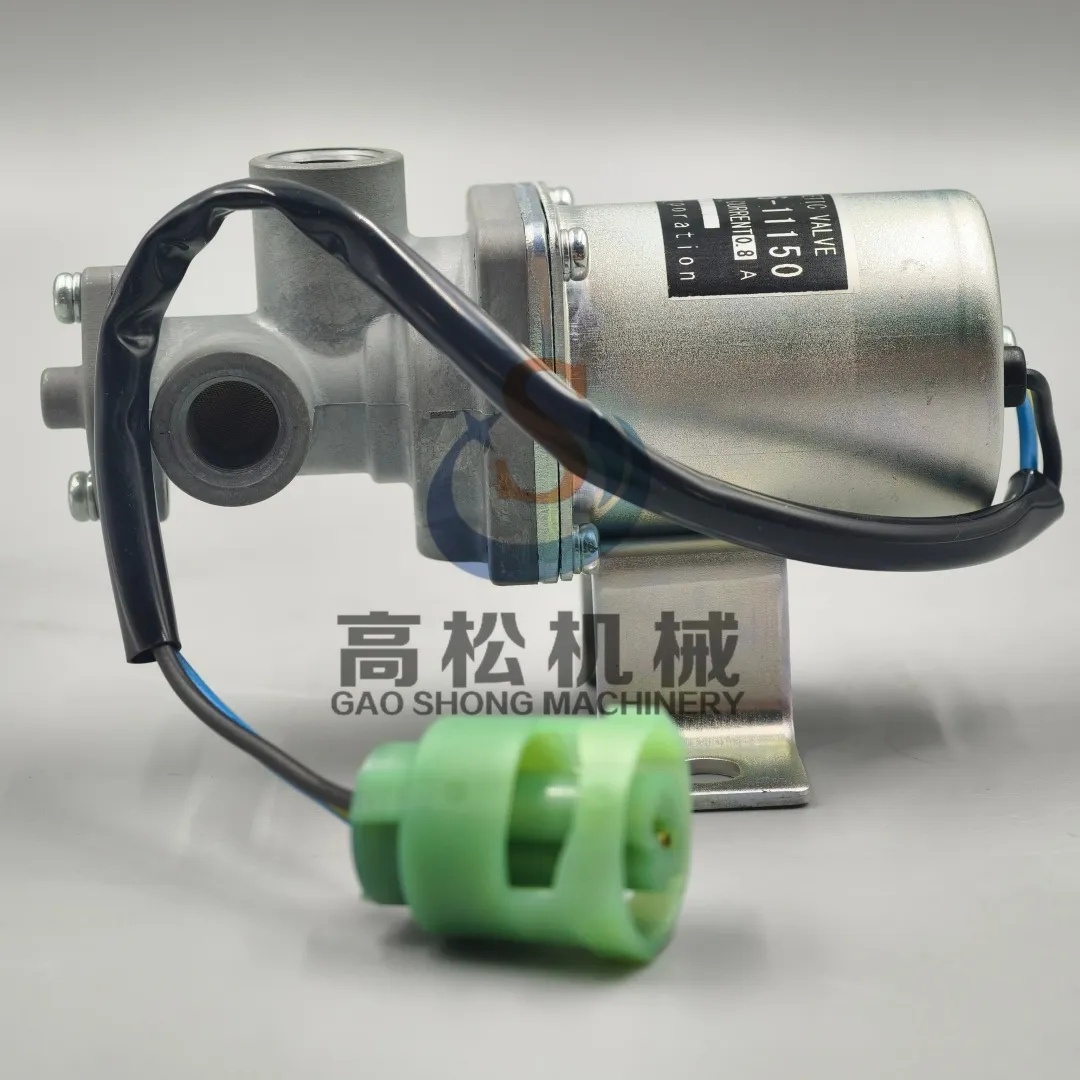 Komatsu Relay 425-06-11150 for Wheel loader WA600-1
 -
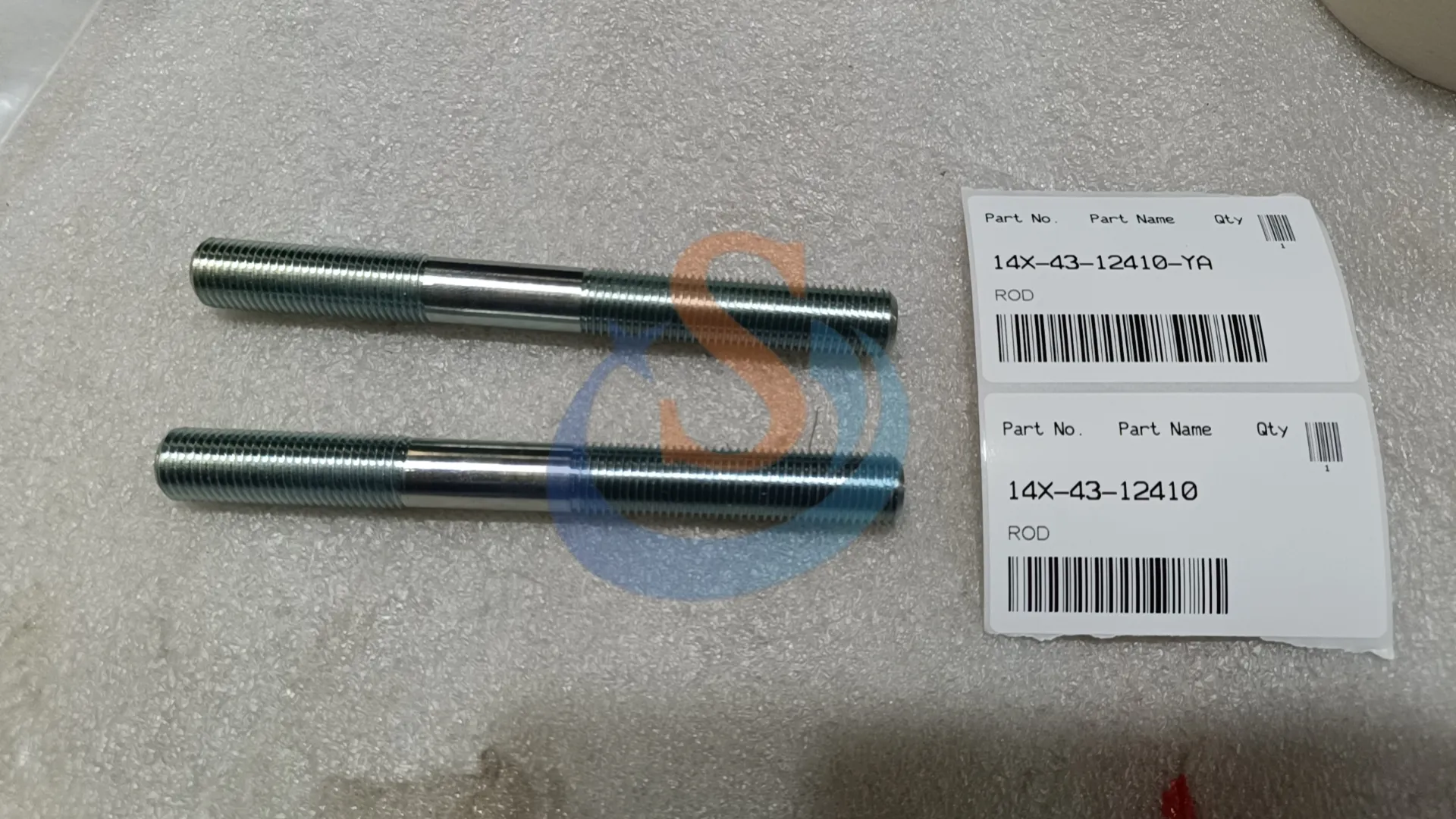 14X-43-12410,ROD,komatsu,D155A,D375A,D275A
 -
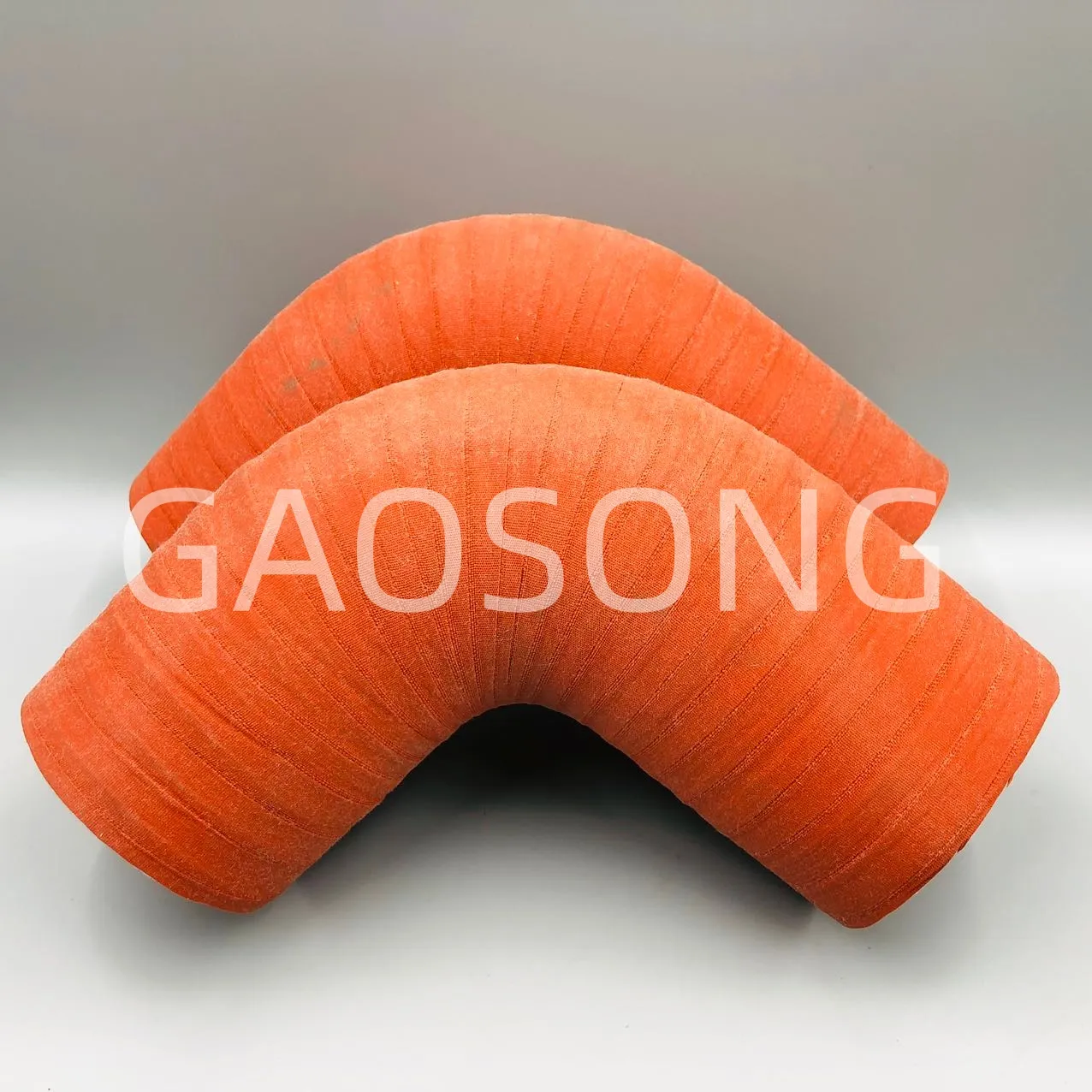 6743-11-4931 Komatsu HOSE
 -
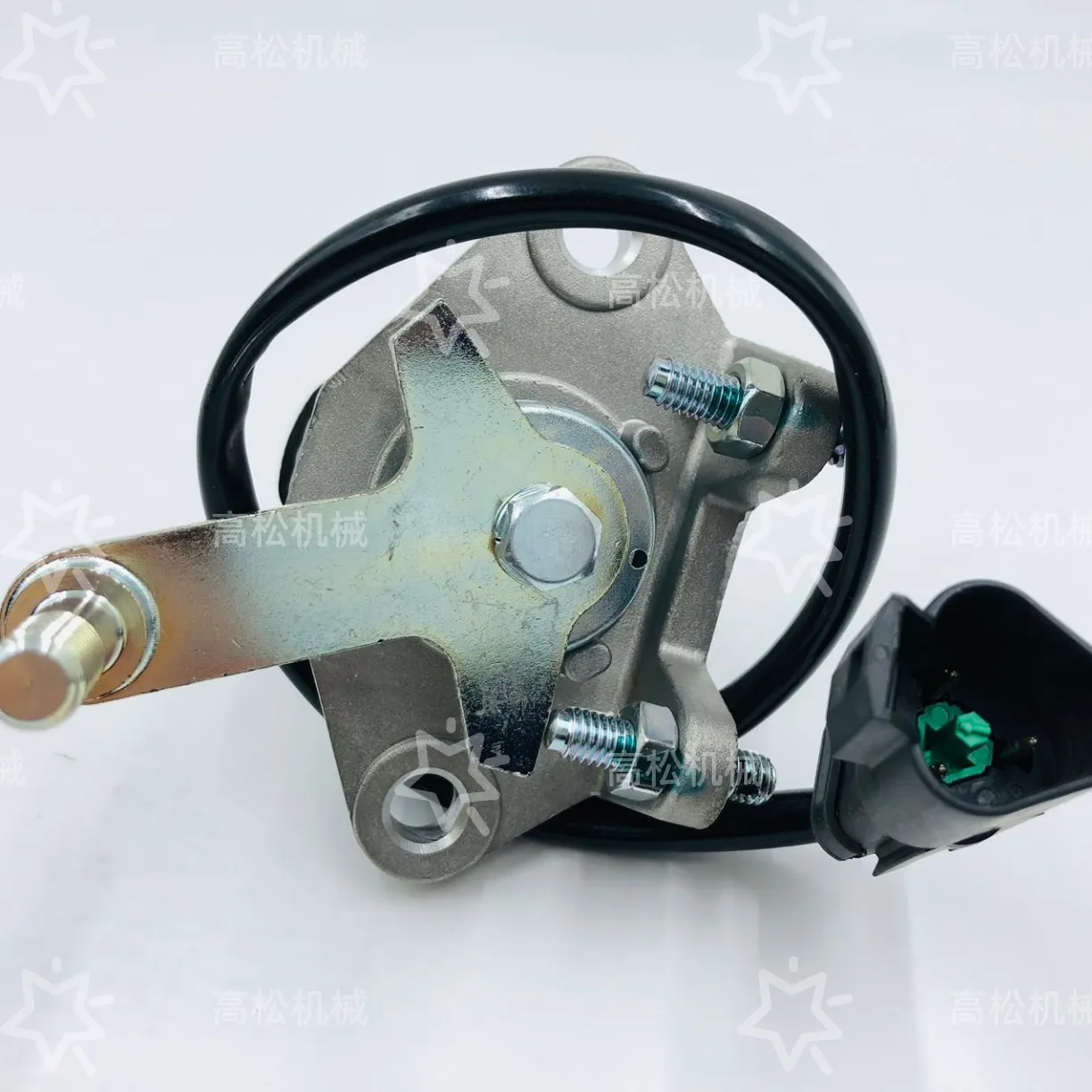 7861-93-4040 Bulldozer D275 D375 Sensor
 -
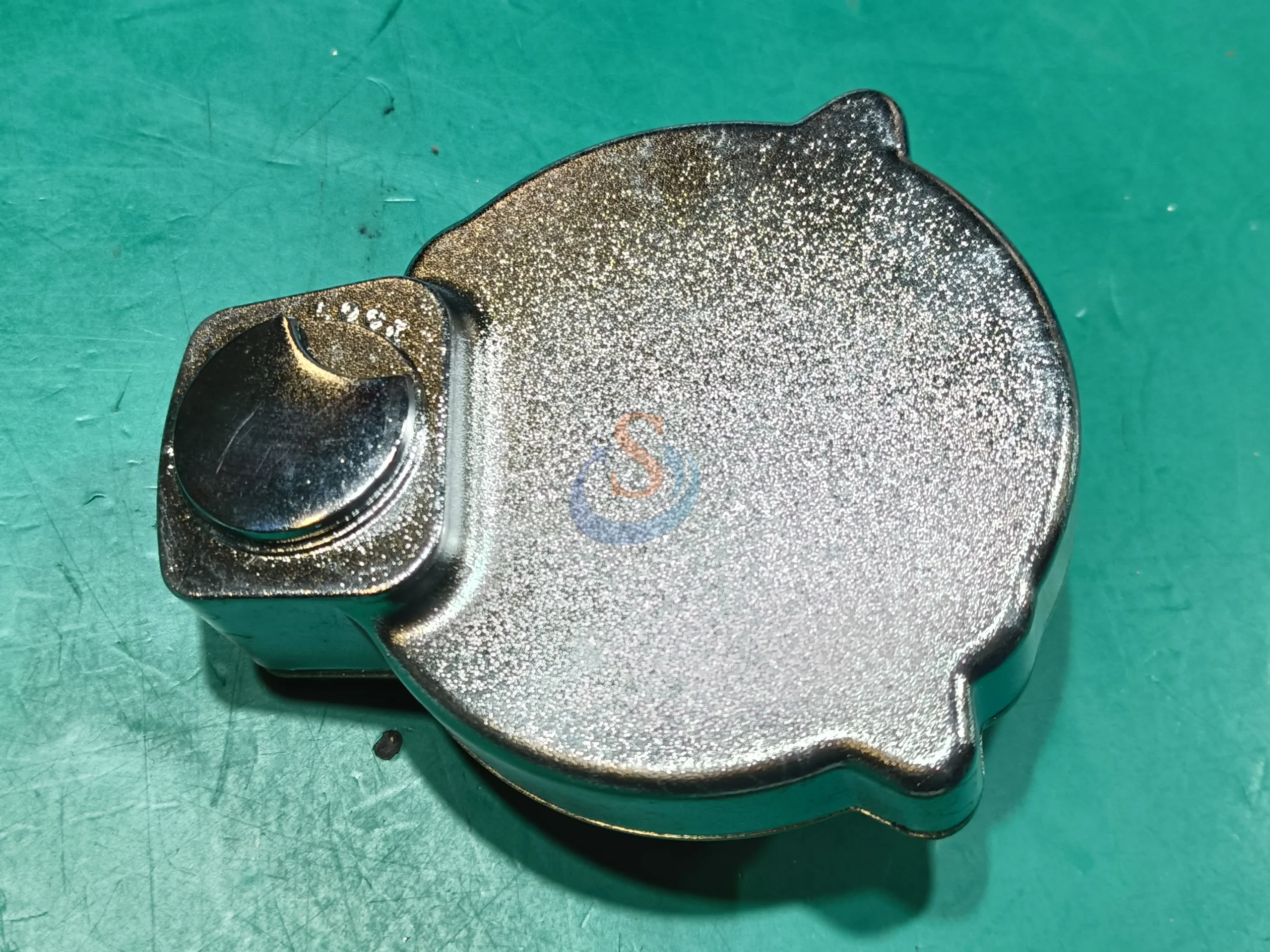 14X-60-31130,CAP,D31EX,D37EX,D65WX,D65PX,PC70
 -
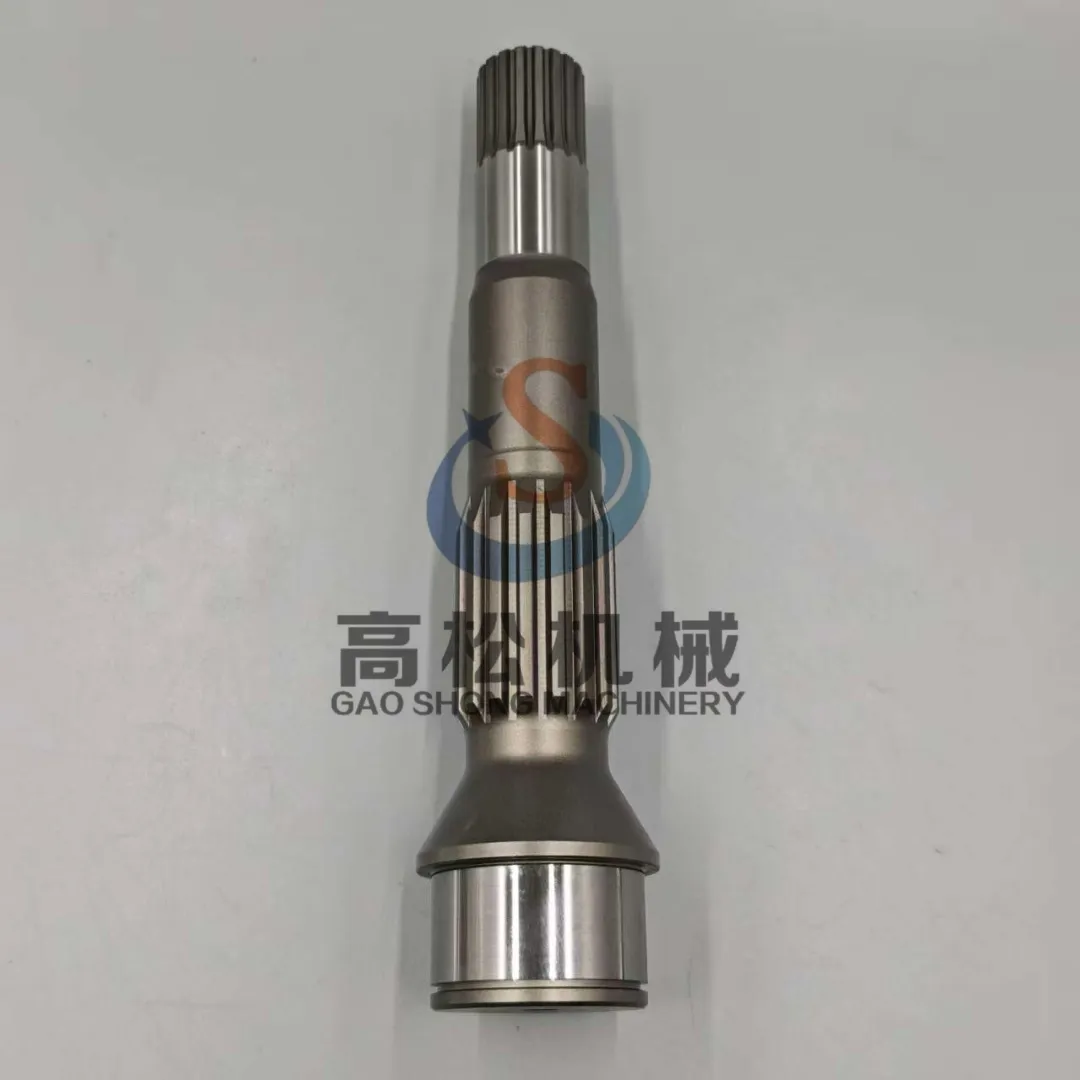 708-2G-12121 Shaft Drive L Fits Komatsu PC300-7 PC360-7 PC350-7 HPV140 Pump
 -
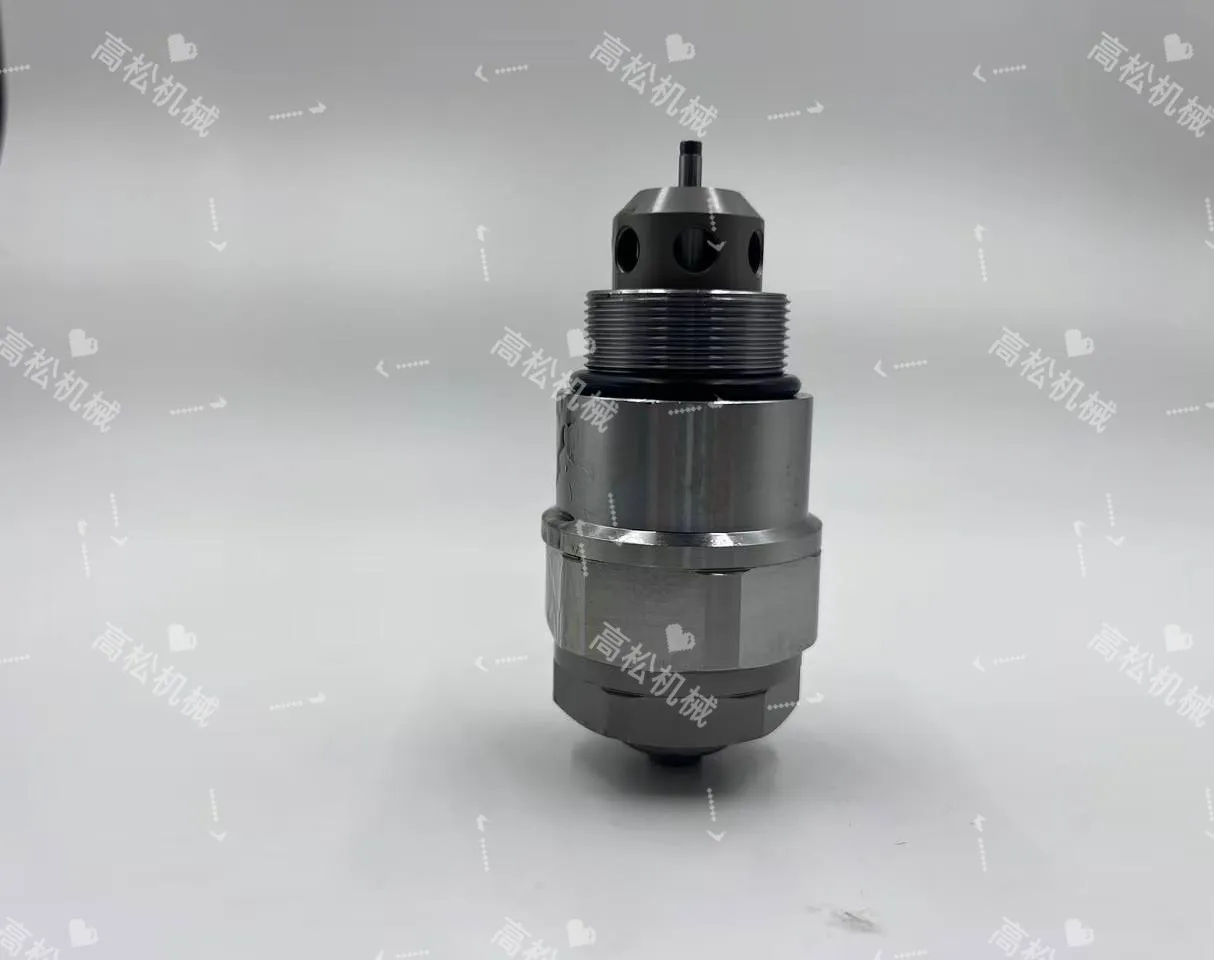 709-90-71700VALVE ASS’Y,SUCTION AND SAFETY D155A-2A CONTROL VALVE VALVE ASS’Y,SUCTION AND SAFETY PC1250SP-8R MAIN VALVE
 -
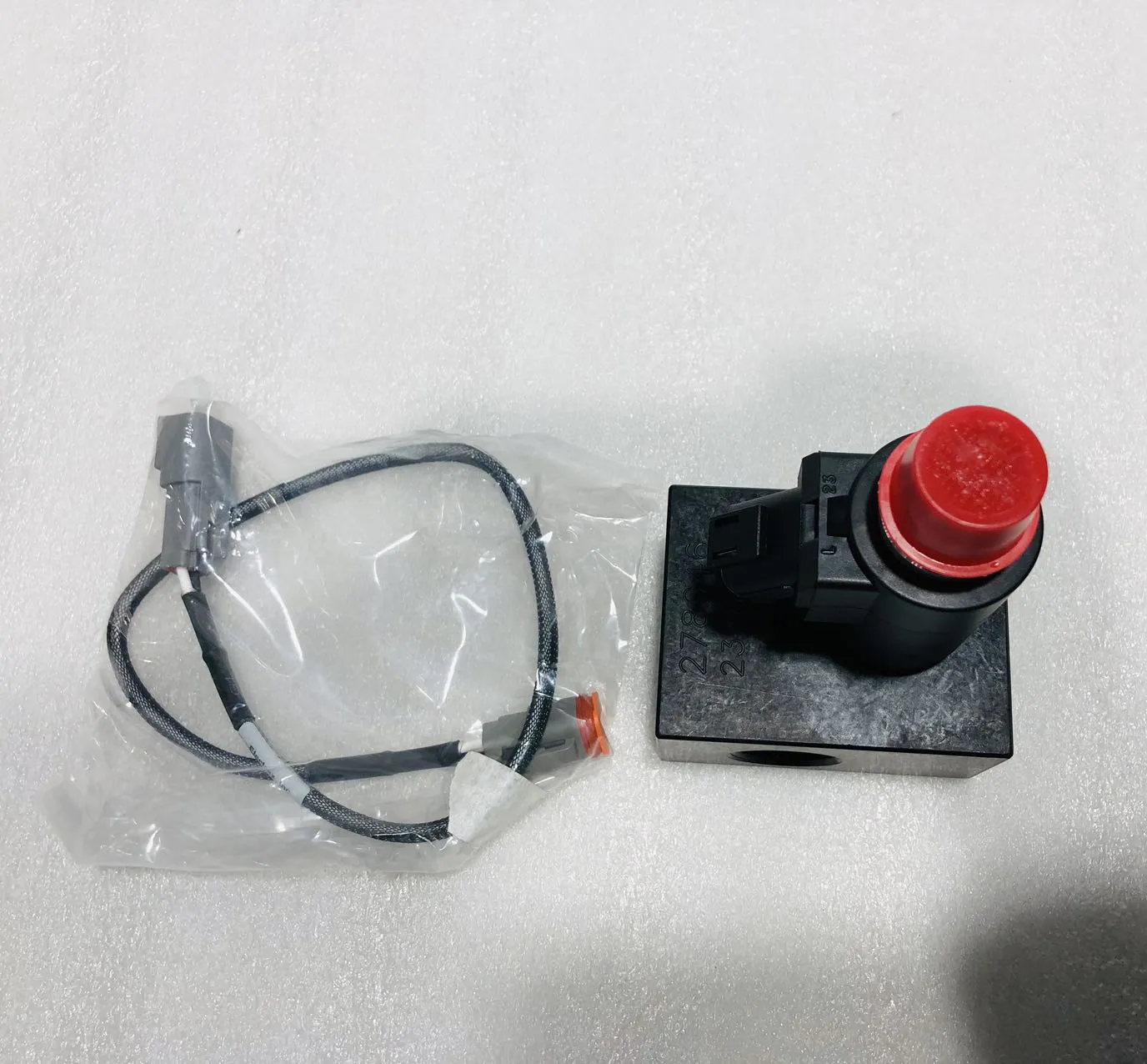 Komatsu 561-95-8A540 VALVE… — Pricing.Parts
 -
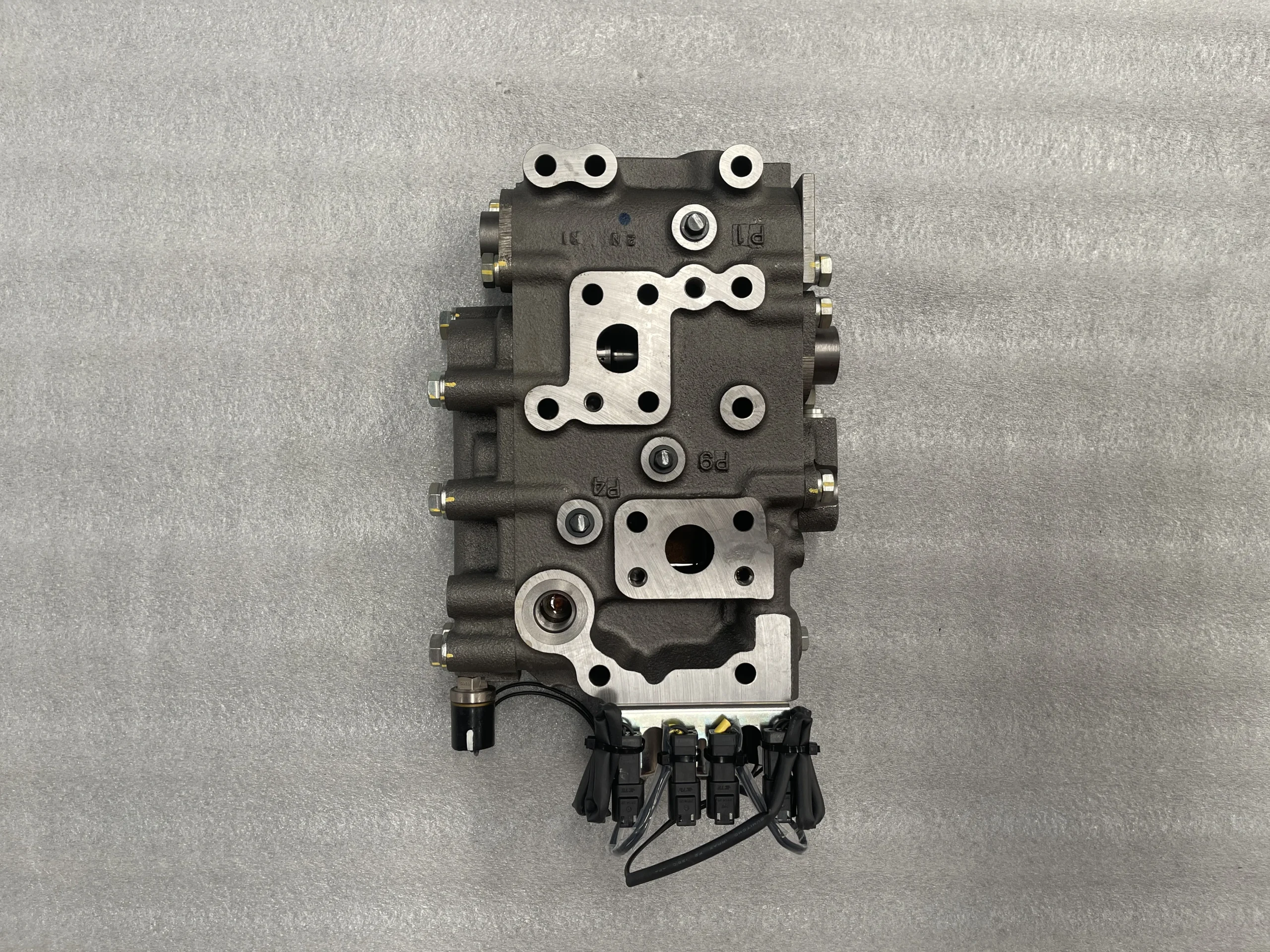 HD785-7 converter valve 561-13-76700
 -
 144-15-22881 Komatsu Seal Ring
 -
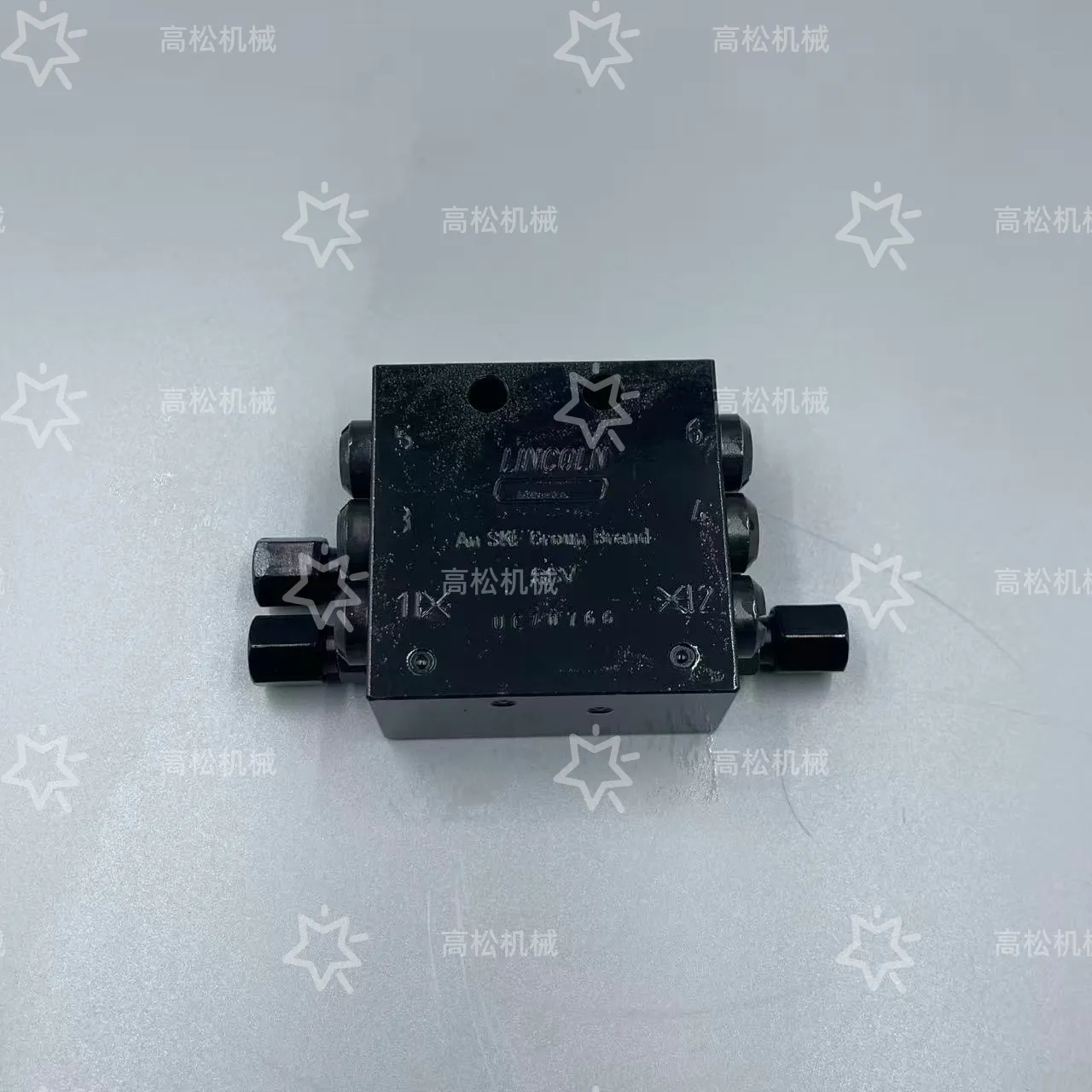 21T-68-67940 Komatsu Valve Assembly