
- Chinese
- French
- German
- Portuguese
- Spanish
- Russian
- Japanese
- Korean
- Arabic
- Irish
- Greek
- Turkish
- Italian
- Danish
- Romanian
- Indonesian
- Czech
- Afrikaans
- Swedish
- Polish
- Basque
- Catalan
- Esperanto
- Hindi
- Lao
- Albanian
- Amharic
- Armenian
- Azerbaijani
- Belarusian
- Bengali
- Bosnian
- Bulgarian
- Cebuano
- Chichewa
- Corsican
- Croatian
- Dutch
- Estonian
- Filipino
- Finnish
- Frisian
- Galician
- Georgian
- Gujarati
- Haitian
- Hausa
- Hawaiian
- Hebrew
- Hmong
- Hungarian
- Icelandic
- Igbo
- Javanese
- Kannada
- Kazakh
- Khmer
- Kurdish
- Kyrgyz
- Latin
- Latvian
- Lithuanian
- Luxembou..
- Macedonian
- Malagasy
- Malay
- Malayalam
- Maltese
- Maori
- Marathi
- Mongolian
- Burmese
- Nepali
- Norwegian
- Pashto
- Persian
- Punjabi
- Serbian
- Sesotho
- Sinhala
- Slovak
- Slovenian
- Somali
- Samoan
- Scots Gaelic
- Shona
- Sindhi
- Sundanese
- Swahili
- Tajik
- Tamil
- Telugu
- Thai
- Ukrainian
- Urdu
- Uzbek
- Vietnamese
- Welsh
- Xhosa
- Yiddish
- Yoruba
- Zulu
- Kinyarwanda
- Tatar
- Oriya
- Turkmen
- Uyghur






komatsu hd605 engine
When you hear 'Komatsu HD605 engine', most folks immediately jump to the SA6D170E-3 tag. That's the heart of it, sure, but if you're just looking at the displacement and horsepower on paper, you're already missing half the story. I've seen too many service bulletins and field reports where the issue wasn't the core block design, but how the entire system—cooling, fuel, aftertreatment—integrates around that engine in the rigid dump truck's punishing environment. It's a power unit built for endurance, not just peak output, and that distinction matters more on a haul road than in a brochure.
The OEM Core and the Real-World Parts Puzzle
Working with genuine Komatsu parts for the HD605 is the ideal path, everyone knows that. The tolerances, the material specs, the calibration—it's all synchronized. But here's the rub that Jining Gaosong Construction Machinery deals with daily: ideal isn't always on the table. In certain regions, supply chains get tangled. You've got a truck down, waiting weeks for a single sensor or a fuel rail. That's where the practical understanding of the system becomes critical. It's not about slapping on any alternative part, but knowing which components are hyper-sensitive and which have a bit more wiggle room if you source from a trusted, quality-audited third-party supplier. The Komatsu HD605 engine has its non-negotiables, like the common-rail injectors. Get those wrong, and you'll burn a piston crown faster than you can say scrapped.
I recall a case from a mining operation in Southeast Asia. They had an HD605 with recurring fault codes for turbo boost pressure. The local team kept chasing the turbocharger itself, even after a rebuild. The real culprit? It was a slightly out-of-spec MAP sensor from a non-OEM batch. It wasn't failing outright, just reading a few millibars off. The ECU was constantly trying to adjust fuel mapping, stressing the entire system. The lesson wasn't always use OEM, but rather, know which signals are mission-critical for the ECU's logic. For pressure and temperature sensors feeding the main control logic, cutting corners is a fast track to secondary damage.
This is the niche where a company positioned like Jining Gaosong comes in. Being an OEM product supplier within the Komatsu system means they have the pipeline for genuine SA6D170E parts when needed. But their role as a third-party sales company addressing supply challenges is what keeps fleets running. It's about having the technical discernment to vet alternative components for non-critical paths, or providing reliable remanufactured cores for exchanges, so downtime is measured in days, not months. Their site, takematsumachinery.com, isn't just a parts catalog; it's a potential lifeline for operations stuck in logistical limbo.
Cooling System: The Make-or-Break Auxiliary
If I had to pick one system that gets underestimated on the HD605, it's the cooling circuit. That big-bore diesel generates a phenomenal amount of heat, and the rigid frame of the 605 doesn't offer the luxury of endless space. The radiator matrix is huge, and the fan draws serious power. We've seen engines running hot not because of a faulty water pump, but due to airflow blockage. In dusty conditions, the front cores get packed. But more insidiously, the oil cooler for the transmission and the hydraulic system cooler are stacked in there. A slight leak in one can coat the others in fluid and dirt, drastically cutting efficiency.
The factory design is robust, but in retrofit or repair scenarios, the quality of hoses and clamps matters immensely. A burst lower radiator hose isn't just a coolant loss event; it's often an immediate engine shutdown and a high risk of severe thermal stress. Using hose brands that can handle the vibration and the ethylene glycol mix long-term is a detail that separates a planned rebuild from an emergency field repair. It's these ancillary components around the HD605 engine that often dictate its ultimate lifespan.
Fuel Quality and Filtration: The Silent Assassin
Komatsu's specs for fuel are non-negotiable, yet it's the most common compromise on remote sites. The SA6D170E's high-pressure common-rail system is precision engineering. The pumps and injectors operate at insane pressures. Contaminated fuel doesn't just cause wear; it can lead to catastrophic, instantaneous failure. The primary and secondary filters are there for a reason, and their service interval isn't a suggestion—it's a function of fuel cleanliness.
A hard-learned lesson was with a fleet that switched to a new local fuel supplier. They kept the same filter change schedule. Within 200 hours, multiple units started showing power loss and erratic idle. The issue? The new fuel had higher water content and microbial growth. It bypassed the filters' capacity quickly and started corroding the fine surfaces in the injector control valves. The fix was a full system flush, replacing all filters with ones offering better water separation, and adjusting the change-out hours. The engine itself was sound, but its most critical input was poisoned. This is where operator and mechanic education is as important as the hardware.
Aftertreatment and the Modern Reality
Later models of the HD605 engine incorporate exhaust aftertreatment systems to meet emissions tiers. This adds a layer of complexity. The Diesel Particulate Filter (DPF) needs to regenerate, which requires the engine to run at a certain load and temperature cycle. In stop-start, low-load haul cycles sometimes seen in quarry work, the truck might not hit the conditions for passive regeneration. This leads to forced regenerations or, worse, clogging.
I've dealt with operators who just want to delete the system. Bad idea. The engine ECU is tuned for it. Removing it without proper recalibration can lead to back-pressure issues and faulty sensor readings that put the engine into a derate. The smarter approach is to manage the duty cycle if possible, or ensure the regeneration process is understood and monitored. Ignoring the aftertreatment isn't ignoring a green add-on; it's ignoring a integrated component that the engine's computer is constantly talking to. A blocked DPF is a choked engine.
Rebuild Philosophy: Assembly as Important as Parts
Finally, a thought on overhauls. Getting a complete overhaul kit for the SA6D170E is one thing. Executing the rebuild is another. The torque sequences, the cleaning procedures for the block galleries, the precise measurement of bearing clearances—these are the craftsman's steps that no parts list provides. I've seen freshly rebuilt engines fail on first startup because of a missed step in priming the high-pressure fuel system, leading to a scored pump.
It's not a car engine. The scale and weight of components demand specific tools and rigging. The value of a quality remanufactured long-block from a source that does this daily, like an OEM-aligned supplier, often outweighs the perceived savings of a piecemeal in-shop rebuild unless your shop specializes in these giants. The Komatsu HD605 platform is forgiving of hard work, but it's intolerant of poor assembly. The goal is another 20,000 hours of life, not just getting it off the stand and running. That requires a respect for the system as a whole, not just a collection of impressive parts.
Related Products
Related Products

Best Selling Products
Best Selling Products-
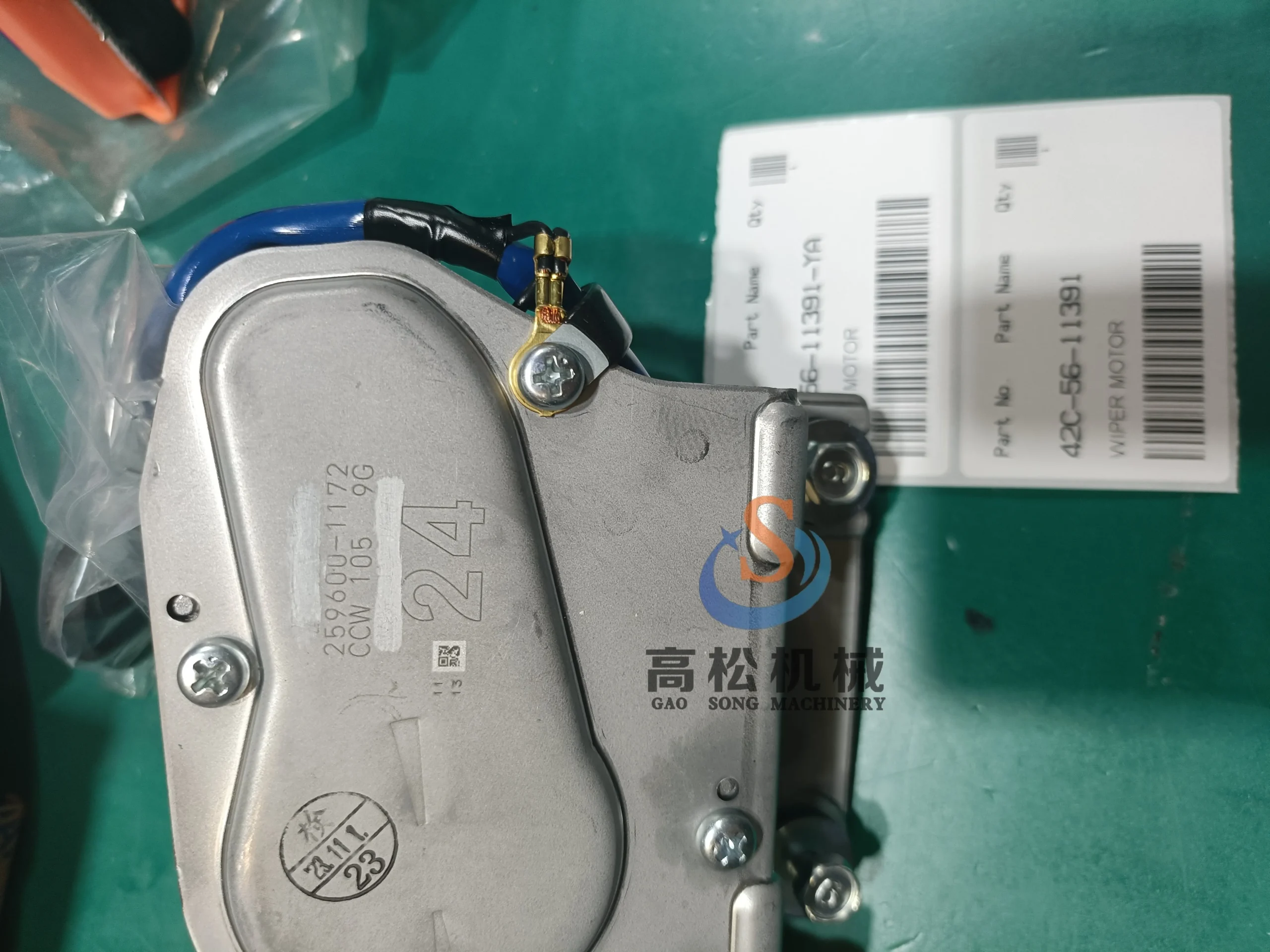 42C-56-11391 komatsu WIPER MOTOR-D375A/WA1200
 -
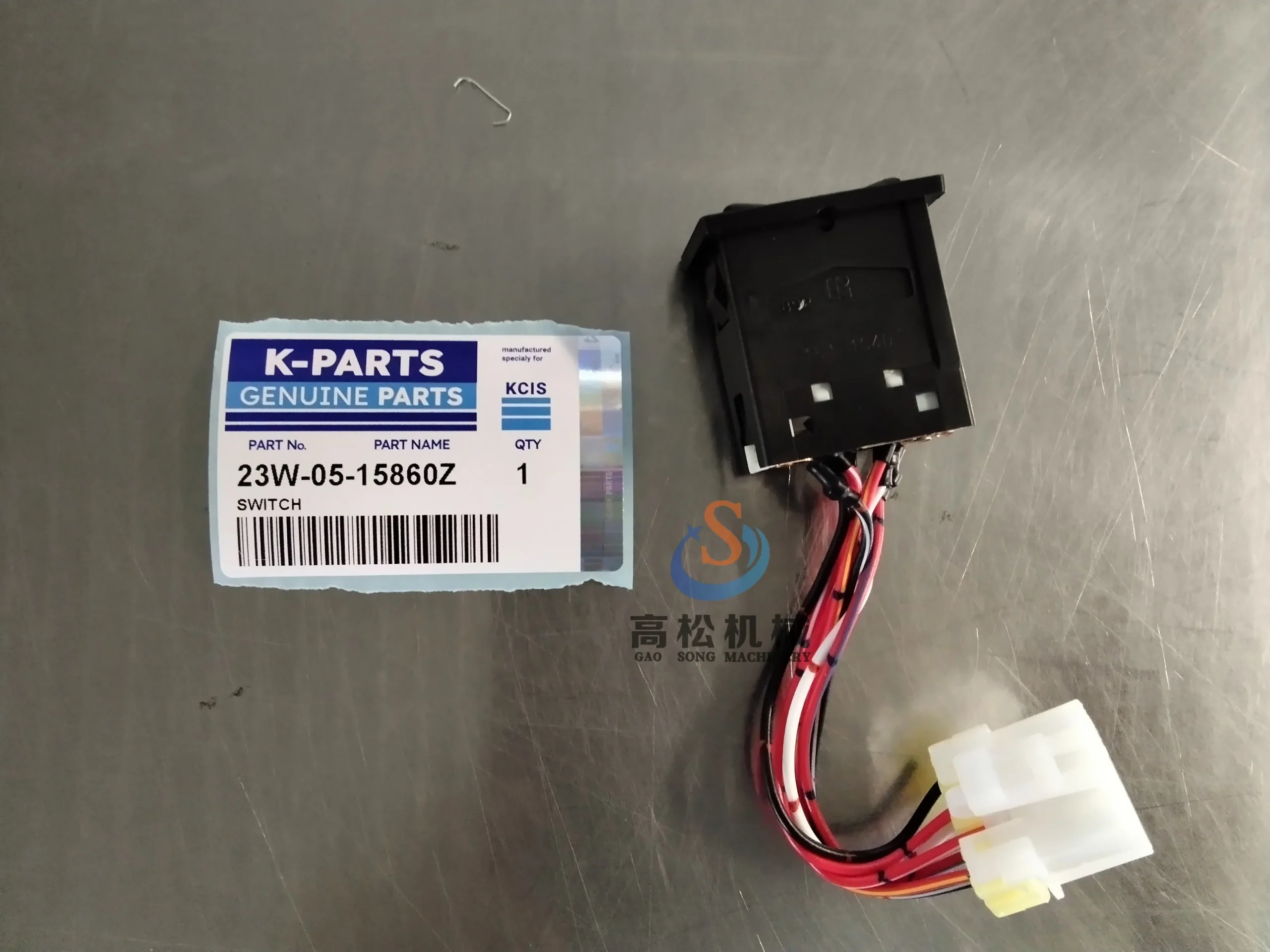 23W-05-15860 komatsu switch-HM300/HD325/HM400
 -
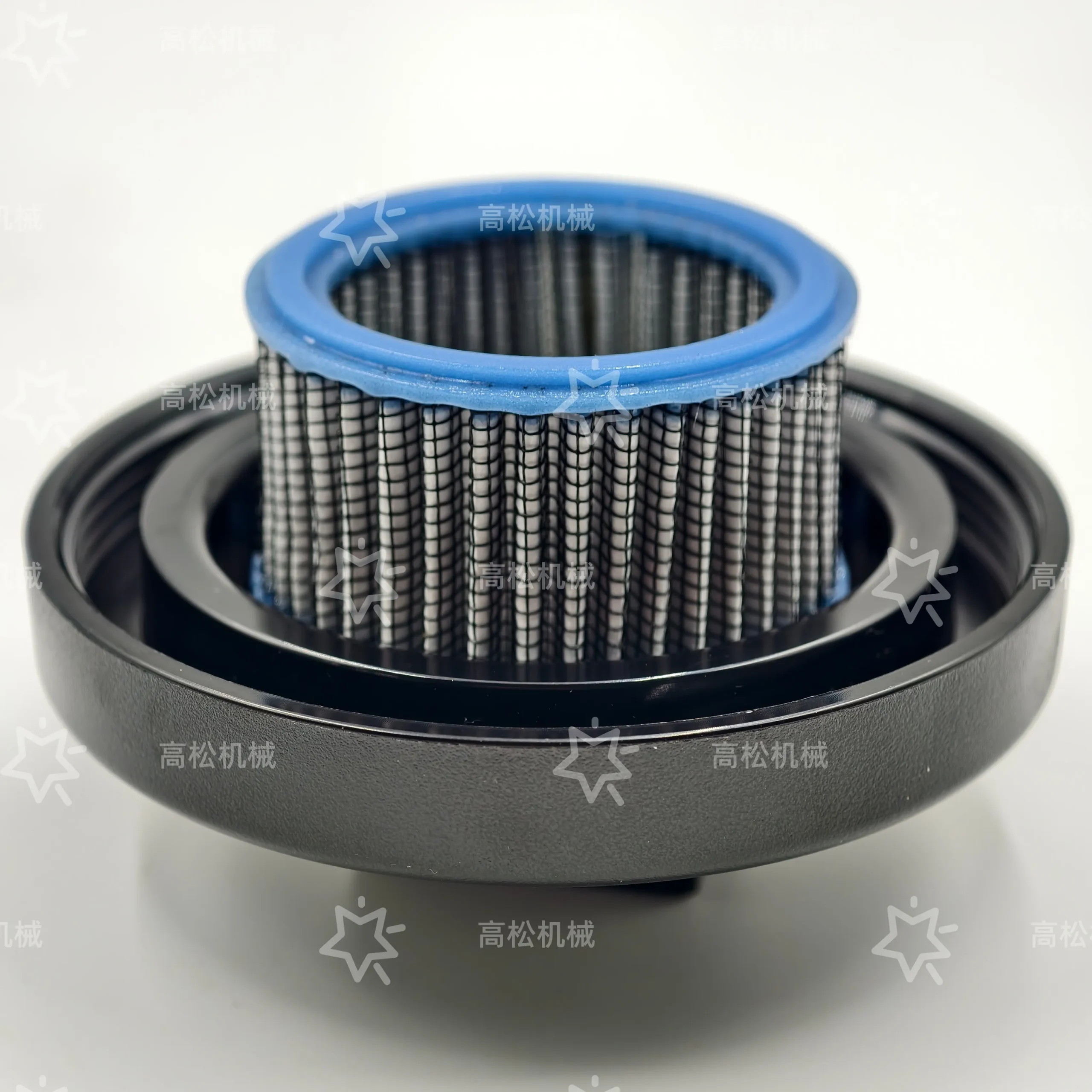 21T-04-31170 Komatsu Cap Assembly
 -
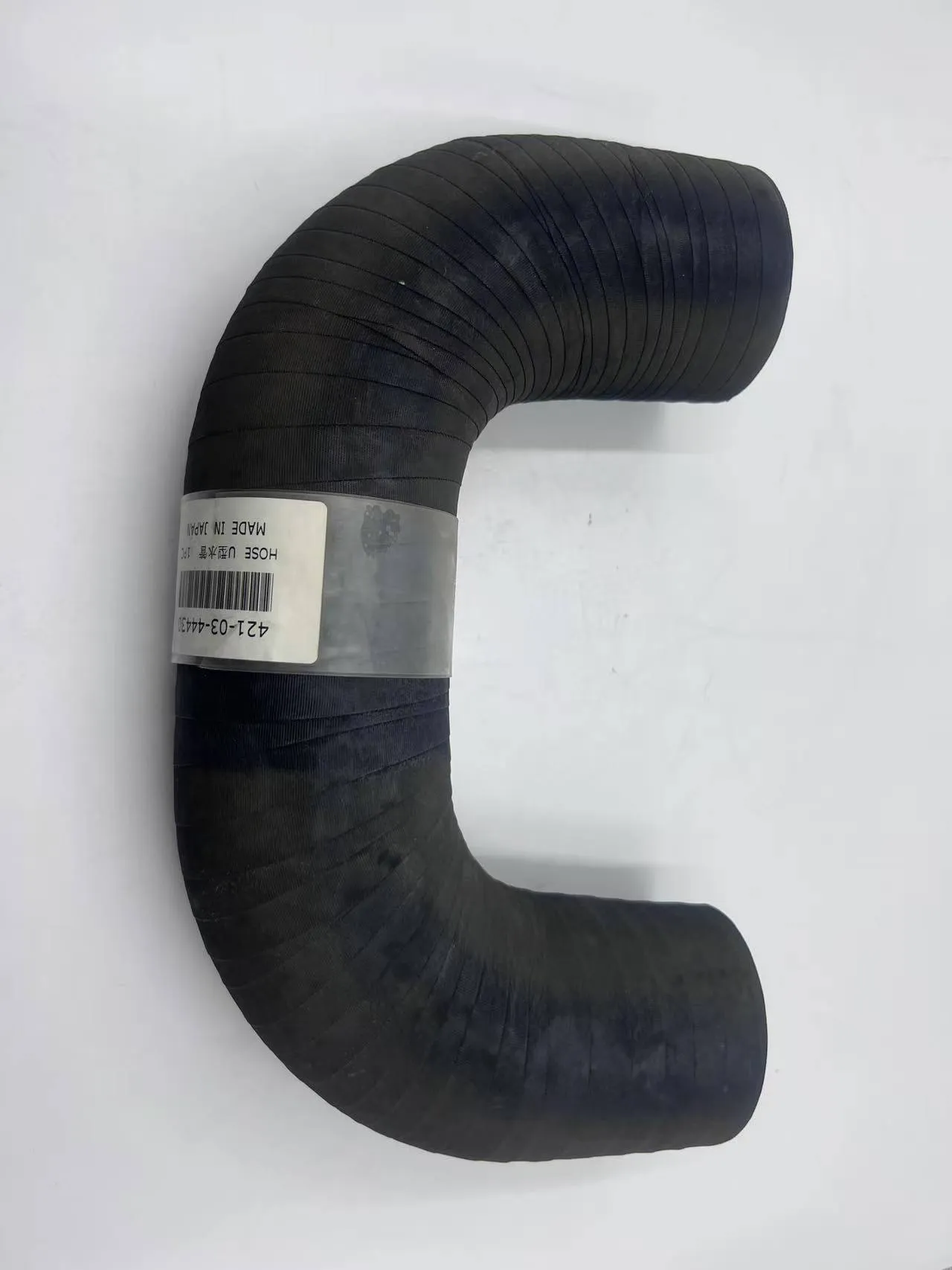 421-03-44430 • HOSE Applicable: Komatsu WA loader series
 -
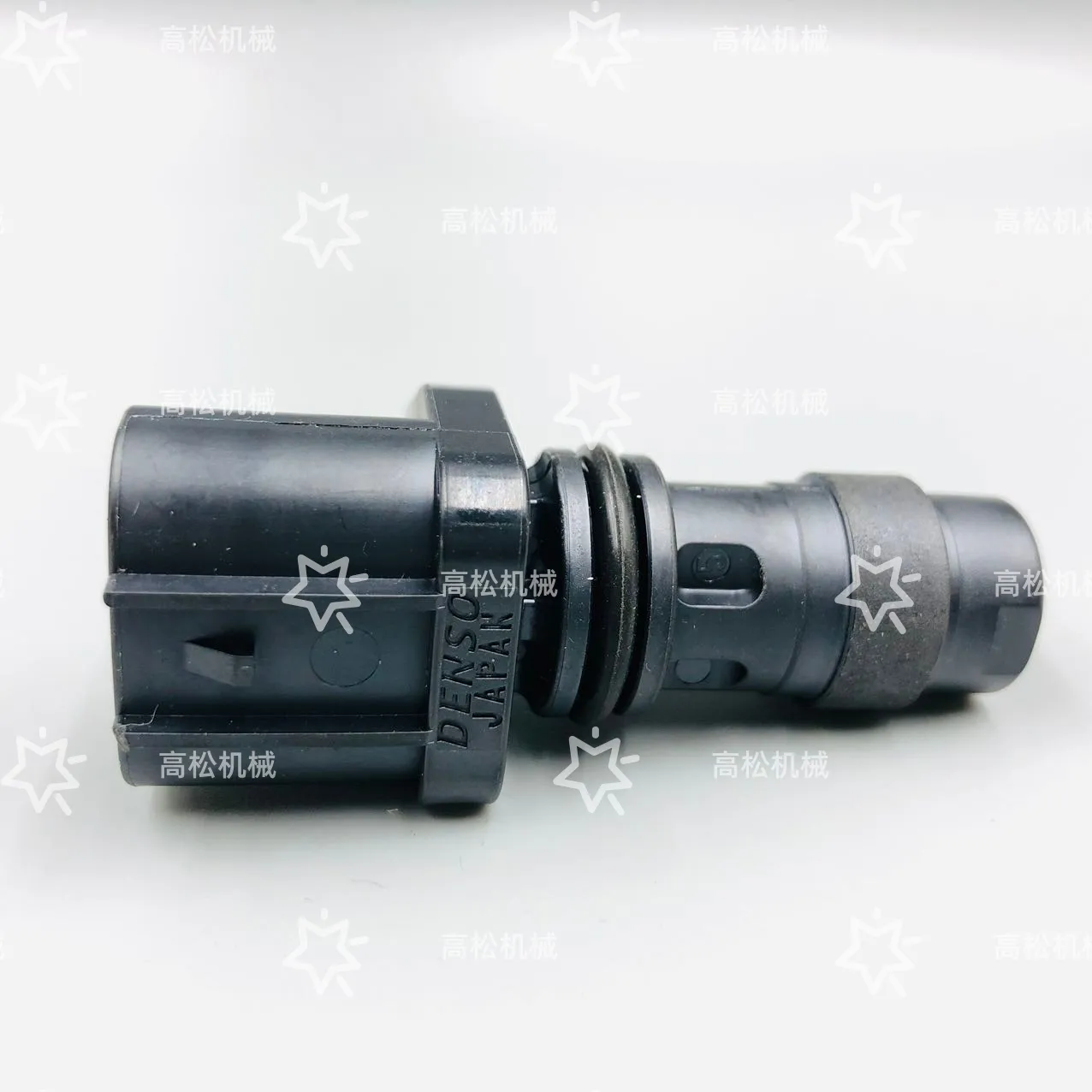 ND949979-1300 Camshaft Position Sensor for Komatsu Excavator PC400-8 PC450-8
 -
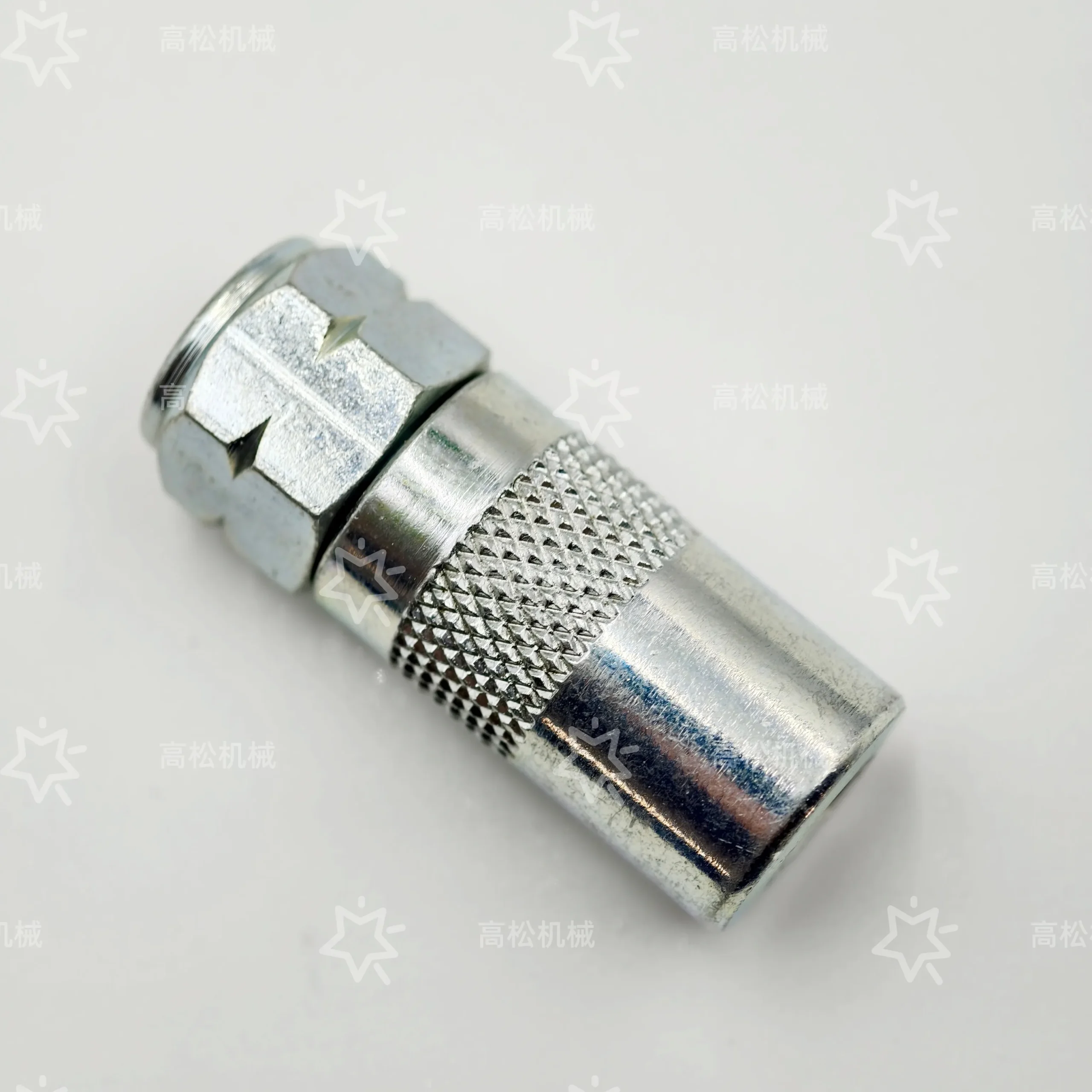 209-68-11640 Komatsu Coupling Assembly
 -
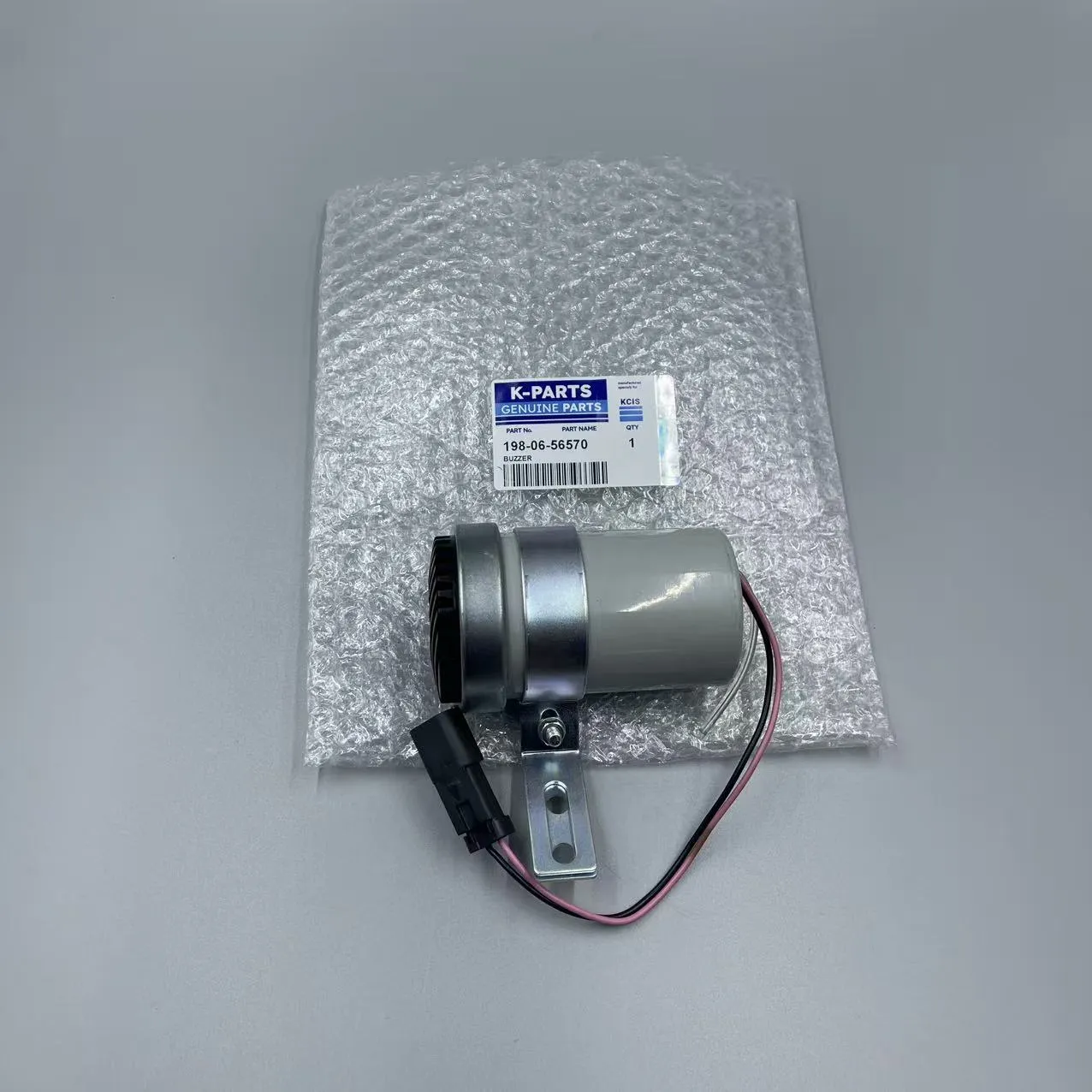 Buzzer198-06-56570
 -
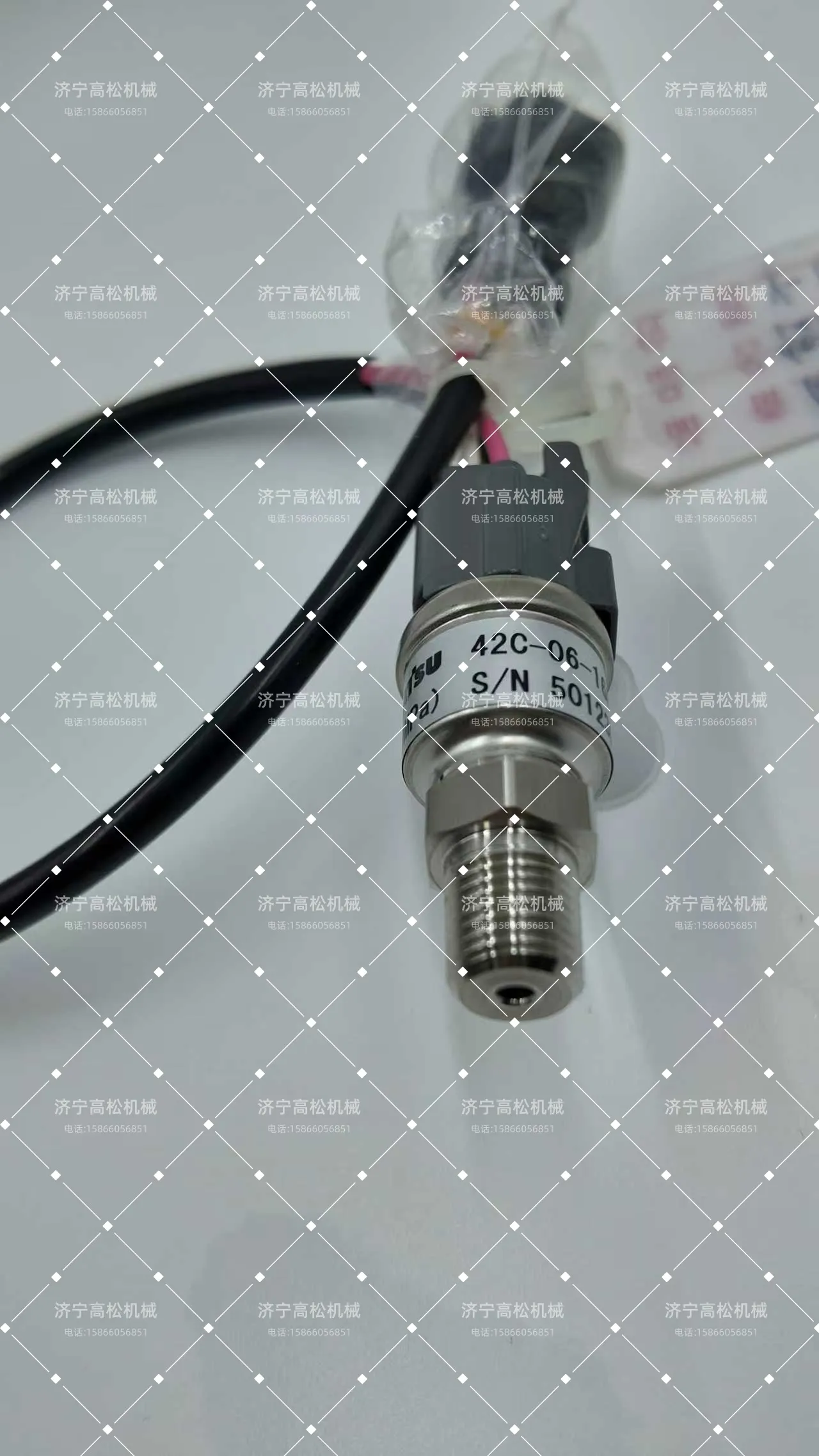 7861-93-1680 Pressure Sensor For Komatsu WA1200 SDA12V140E
 -
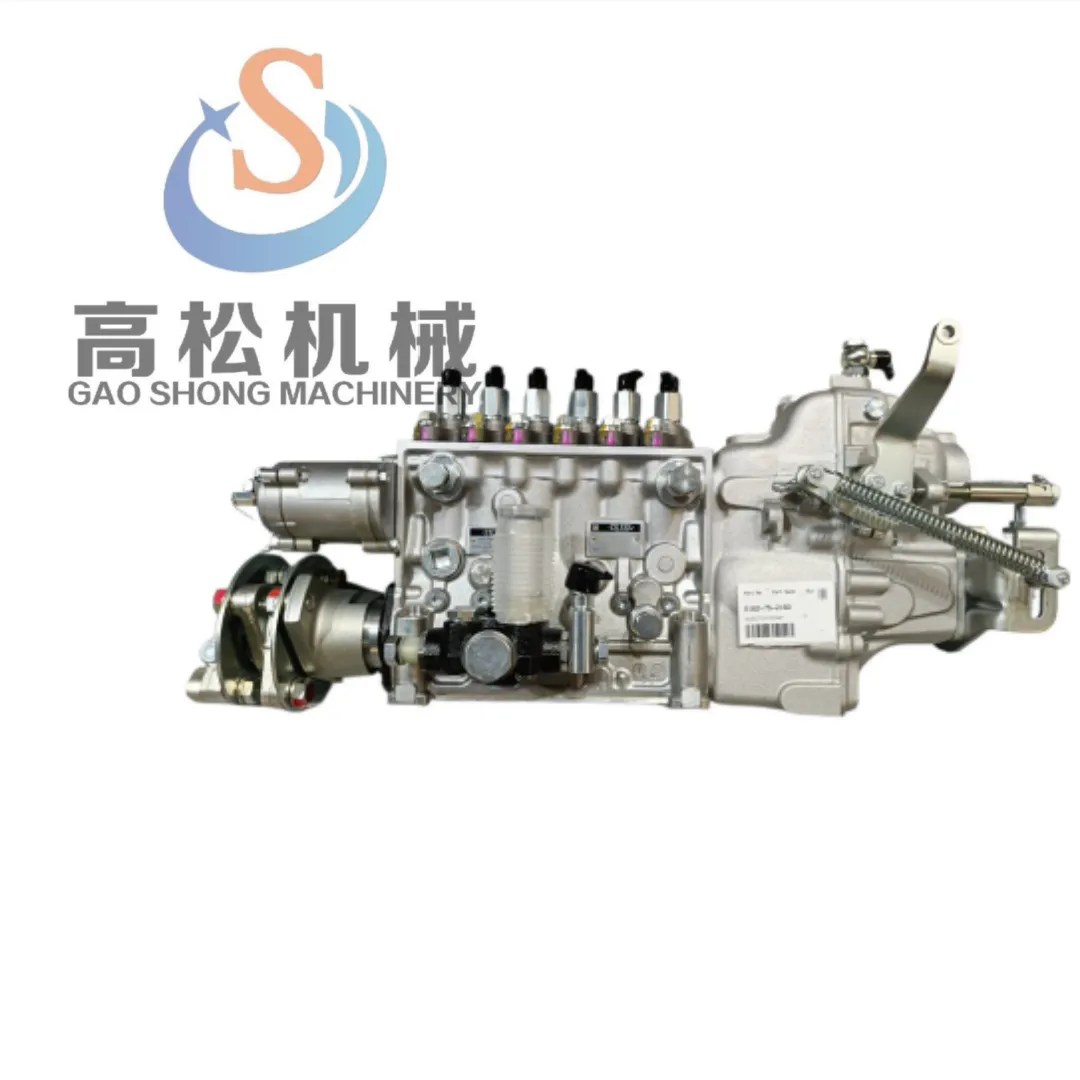 Engine Fuel Injection Pump 6162-75-2160 for SA6D170E
 -
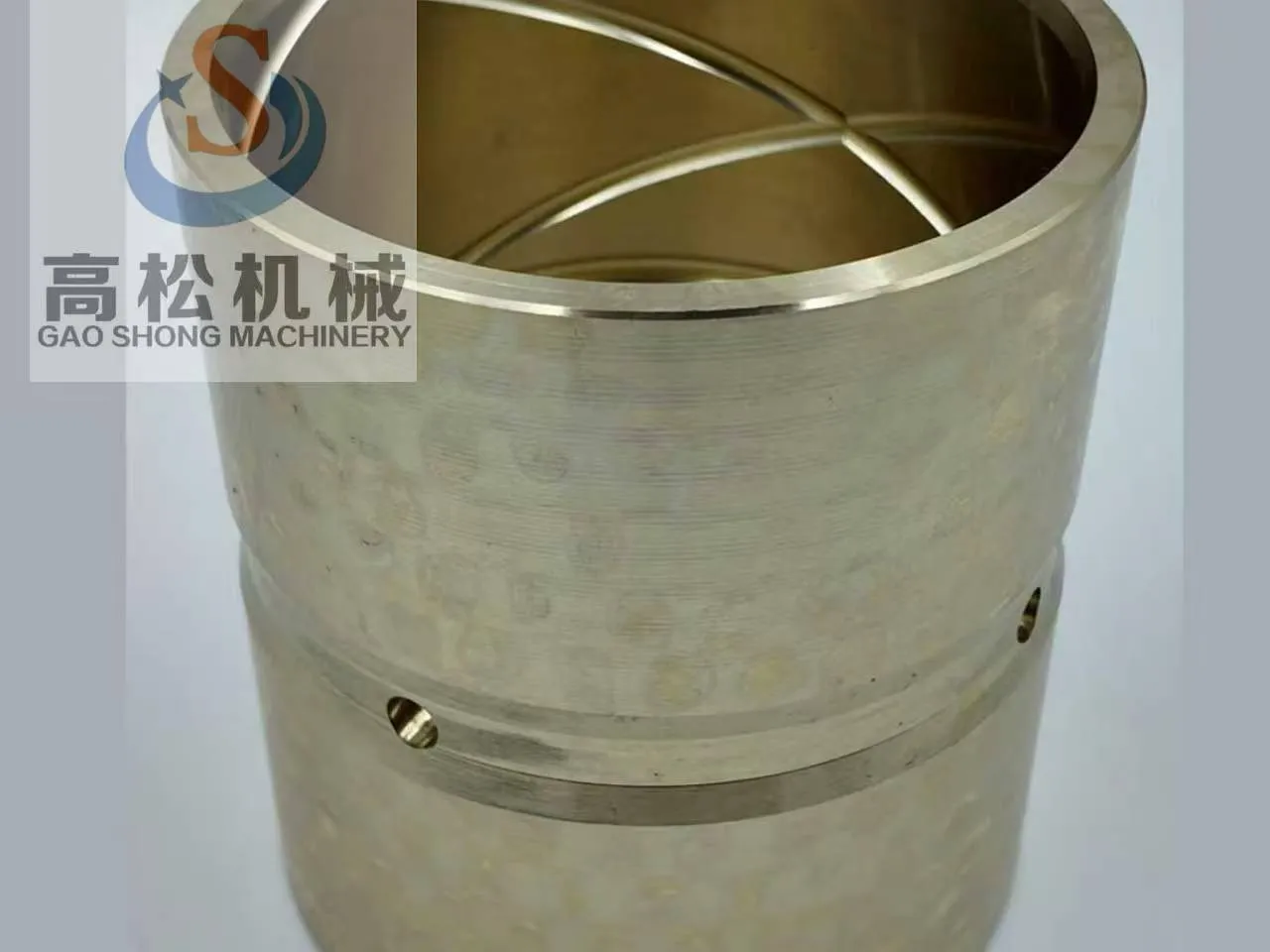 207-70-61610 Bushing For Excavator Komatsu PC300LC-7 PC300-8 PC300LC-7L PC300-7 PC350-7
 -
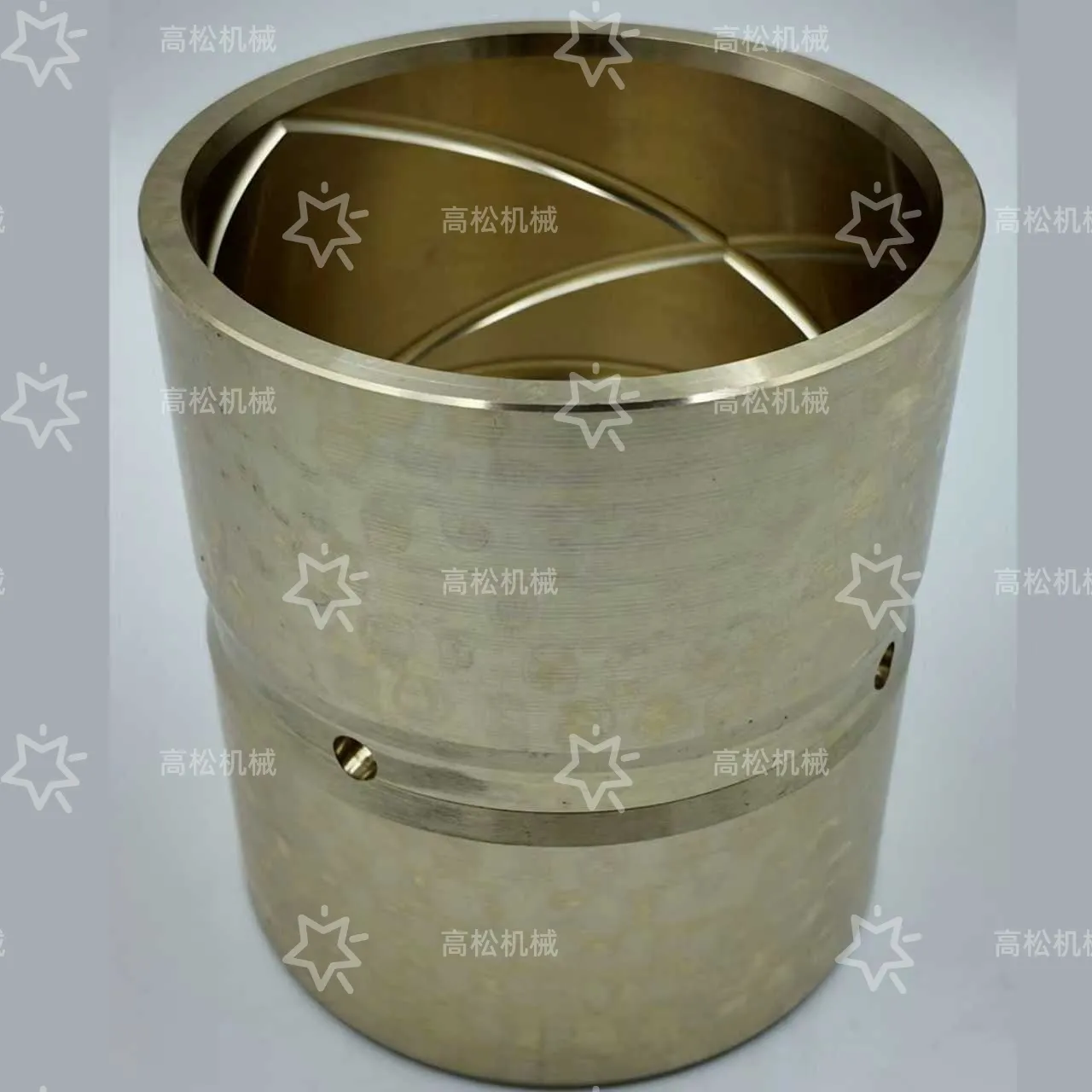 BUSHING 207-70-61610 for KOMATSU PC350-7 PC300LC-7 PC300-8 PC300LC-7L PC300-7
 -
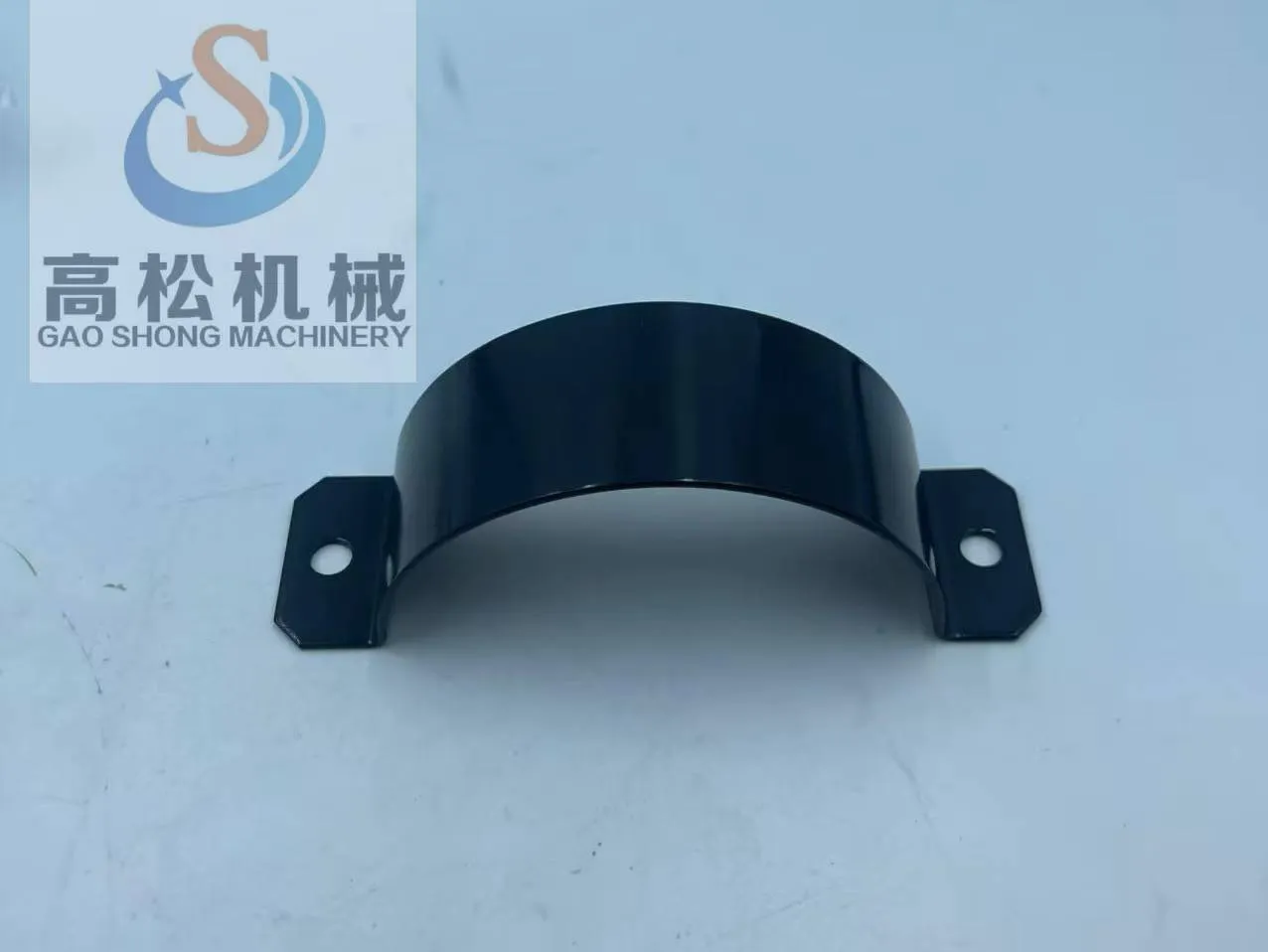 569-40-83470 Komatsu Genuine Bracket, Applicable Model: HD405-7, In-stock Promotional Price