
- Chinese
- French
- German
- Portuguese
- Spanish
- Russian
- Japanese
- Korean
- Arabic
- Irish
- Greek
- Turkish
- Italian
- Danish
- Romanian
- Indonesian
- Czech
- Afrikaans
- Swedish
- Polish
- Basque
- Catalan
- Esperanto
- Hindi
- Lao
- Albanian
- Amharic
- Armenian
- Azerbaijani
- Belarusian
- Bengali
- Bosnian
- Bulgarian
- Cebuano
- Chichewa
- Corsican
- Croatian
- Dutch
- Estonian
- Filipino
- Finnish
- Frisian
- Galician
- Georgian
- Gujarati
- Haitian
- Hausa
- Hawaiian
- Hebrew
- Hmong
- Hungarian
- Icelandic
- Igbo
- Javanese
- Kannada
- Kazakh
- Khmer
- Kurdish
- Kyrgyz
- Latin
- Latvian
- Lithuanian
- Luxembou..
- Macedonian
- Malagasy
- Malay
- Malayalam
- Maltese
- Maori
- Marathi
- Mongolian
- Burmese
- Nepali
- Norwegian
- Pashto
- Persian
- Punjabi
- Serbian
- Sesotho
- Sinhala
- Slovak
- Slovenian
- Somali
- Samoan
- Scots Gaelic
- Shona
- Sindhi
- Sundanese
- Swahili
- Tajik
- Tamil
- Telugu
- Thai
- Ukrainian
- Urdu
- Uzbek
- Vietnamese
- Welsh
- Xhosa
- Yiddish
- Yoruba
- Zulu
- Kinyarwanda
- Tatar
- Oriya
- Turkmen
- Uyghur





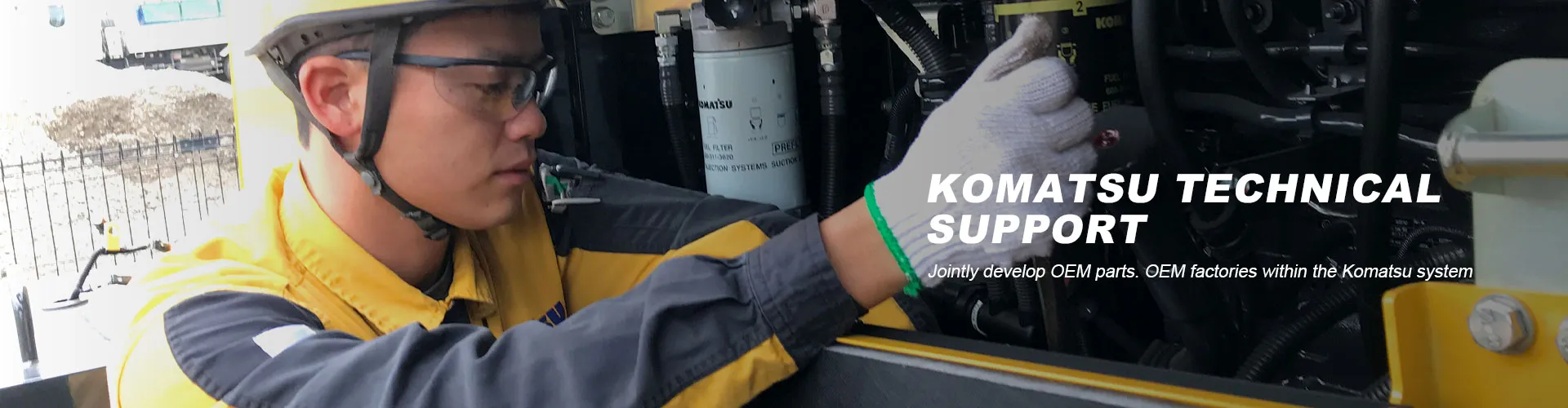
Komatsu HD465 parts
When someone searches for 'Komatsu HD465 parts', they're usually in a bind. The machine is down, production is halted, and the pressure is on. There's a common misconception that all parts labeled for the HD465 are created equal, or that the OEM channel is always the slow, expensive but only safe choice. Having dealt with these 85-ton truck parts for years, I can tell you the reality is far more nuanced. It's a landscape filled with good deals, bad surprises, and critical judgment calls that separate a smooth fix from a costly mistake.
The Core Challenge: Genuine vs. Aftermarket for a Workhorse
The HD465 is a beast, often running in punishing cycles. The parts that take the real beating—final drive components, brake systems, the hydraulic pumps for the dump body—these are where you can't afford to cut corners. I've seen operations try to save a few thousand on a non-OEM transmission clutch pack, only to have it fail within 400 hours, causing secondary damage that cost more than the original genuine part. The logic isn't always buy Komatsu or bust, but you need to know which battles to fight. For instance, with something like a cab filter or a standard hydraulic hose, a high-quality aftermarket from a known supplier is perfectly sensible. The risk is low.
Where it gets tricky is with parts that have proprietary tolerances or metallurgy. Komatsu's HD465 parts for the steering clutch or the planetaries in the wheel hubs have specifications that are hard to replicate perfectly. I recall a batch of aftermarket axle shafts that looked identical, even down to the stamping. But under thermal cycling, the material fatigue set in faster. The failure wasn't catastrophic or immediate; it was a hairline crack that led to a total shaft snap months later, at the worst possible time. That's the hidden cost.
This is precisely where a hybrid supplier model becomes invaluable. A company like Jining Gaosong Construction Machinery Co., Ltd. operates in that critical space. Being an OEM product supplier within the Komatsu system means they have legitimate access to genuine parts pipelines. But their role as a third-party sales company addressing supply challenges is the key. They aren't just an alternative; they're a bypass for regional bottlenecks. If you've ever been told a genuine cylinder block is on a 90-day backorder from the official channel, you know the desperation that sets in. A supplier with their profile can often locate that same genuine part in another network or offer a vetted, high-quality alternative with full transparency, which is sometimes the only pragmatic solution.
The Pitfalls of the Direct Fit Promise
Another real-world headache is the direct fit promise. Many parts suppliers' catalogs will list a component for the HD465-5, HD465-6, and HD465-7 as interchangeable. Sometimes they are. Often, there are subtle differences in bolt patterns, sensor ports, or sealing surfaces that only reveal themselves during installation. I wasted half a day once on a water pump that matched the old one visually, but the impeller was cast differently, leading to a 15% drop in coolant flow and chronic overheating under load. The part fit, but it didn't function.
This is where experience and a supplier's technical depth matter more than a glossy website. You need someone who will ask for your machine's serial number range, not just the model. A good supplier will know that a certain serial number break on the HD465-6 introduced a different type of piston ring, or that the earlier models had a different flange on the torque converter. When I engage with a source, I'm listening for these probing questions. If they don't ask, I get nervous. The team at Takematsu Machinery (their online portal at https://www.takematsumachinery.com) has consistently asked for that serial number detail upfront. It shows a practice-oriented approach, not just a parts-listing approach.
Their company intro stating they help solve parts supply challenges in certain countries rings true from my interactions. It's not just about having a warehouse; it's about understanding the logistical and regulatory knots that can trap a critical part in customs or in a port halfway across the world. They've facilitated solutions for clients in regions where direct OEM distribution is thin, sometimes bundling genuine Komatsu parts with compatible wear items to get a machine back online faster and keep it running.
Cost vs. Value: The Total Lifecycle Calculation
Everyone focuses on the purchase price of a part. The real metric should be cost-per-operating-hour. A genuine Komatsu HD465 cylinder head might be 2.5 times the price of a pattern part. But if the pattern part fails in 8,000 hours and takes the injectors with it, while the genuine one runs for 16,000 hours, the math flips entirely. This is the professional judgment call. For non-critical, high-wear items like cutting edges on the dump body or seat cushions, going for value is smart. For the engine's core assemblies or the swing transmission, the risk profile demands OEM or OEM-equivalent quality.
I've learned this through expensive lessons. We once opted for a full set of aftermarket valve train components for an HD465 engine rebuild. The price was irresistible. The valves, springs, and lifters all seemed fine. The failure point was the keepers—the tiny, cheap locks that hold the valves in place. Their metallurgy was poor, and they wore prematurely, causing a valve to drop. The resulting engine destruction cost ten times what we saved. Now, for internal engine parts, I either go genuine or I source from a rebuilder who uses certified, traceable materials. There's no third option.
This is the niche that a specialized supplier fills. They can provide the genuine Komatsu head, but they might also offer a rebuilt exchange unit that uses a genuine casting but refurbished internals, at a different price point. The value is in presenting the options clearly, with honest data on expected life. A supplier embedded in the Komatsu system but operating with third-party flexibility is positioned to offer these kinds of pragmatic, total-cost solutions rather than just a price list.
Logistics and the Time is Downtime Reality
In parts, availability is just as crucial as quality. An absolutely perfect part that arrives in three weeks is useless if the machine is costing $5,000 a day in lost production. The supply chain for HD465 components is global and fragile. A strike at a port, a shortage of raw materials, or even a model being phased out can create insane lead times.
Having multiple channels is a survival tactic. The official dealer is your first call, but they can be constrained by corporate inventory policies. This is where establishing a relationship with a capable third-party supplier pays dividends. I've had situations where the dealer quoted 45 days for a hub assembly. A call to a supplier like Jining Gaosong, who understands the urgency, resulted in them locating a unit in a different regional stockpile and getting it on a plane in 72 hours. Yes, the freight was astronomical, but it was a fraction of the downtime cost. Their operational model is built for these fire drills.
It's not magic; it's network and focus. They aren't trying to sell parts for every machine brand under the sun. Their focus on Komatsu, and by extension models like the HD465, means they develop deeper inventories and connections for those specific lines. When you visit their site, you see that focus. It's a tool, not a brochure. You get the sense they're in the trenches with you, trying to solve the same machine-down problem.
Final Thoughts: Building a Reliable Parts Strategy
So, what's the takeaway for anyone managing HD465 fleets? Don't have a single-source strategy. Build a tiered supply chain. Your primary relationship is with your Komatsu dealer—nurture it. But your secondary, equally critical relationship should be with a reliable, technically competent third-party supplier who specializes in Komatsu and operates with transparency. They are your insurance policy against backorders, your consultant for cost-value trade-offs, and your lifeline in a genuine emergency.
Look for suppliers who ask detailed questions about your machine and your failure. Avoid those who just email a PDF catalog back. The right partner will discuss application, service history, and even offer insights on common failure modes for your specific operating environment. They become an extension of your maintenance team.
In the end, managing HD465 parts procurement is about risk management and practical wisdom. It's acknowledging that while the Komatsu brand on the part is often the gold standard, the path to getting that part—or a suitable, reliable alternative—into your machine requires a more flexible, networked approach. It's about finding those partners who understand the difference between selling a widget and solving a problem. From my experience, that's where the real value in this industry lies.
Related Products
Related Products
Best Selling Products
Best Selling Products-
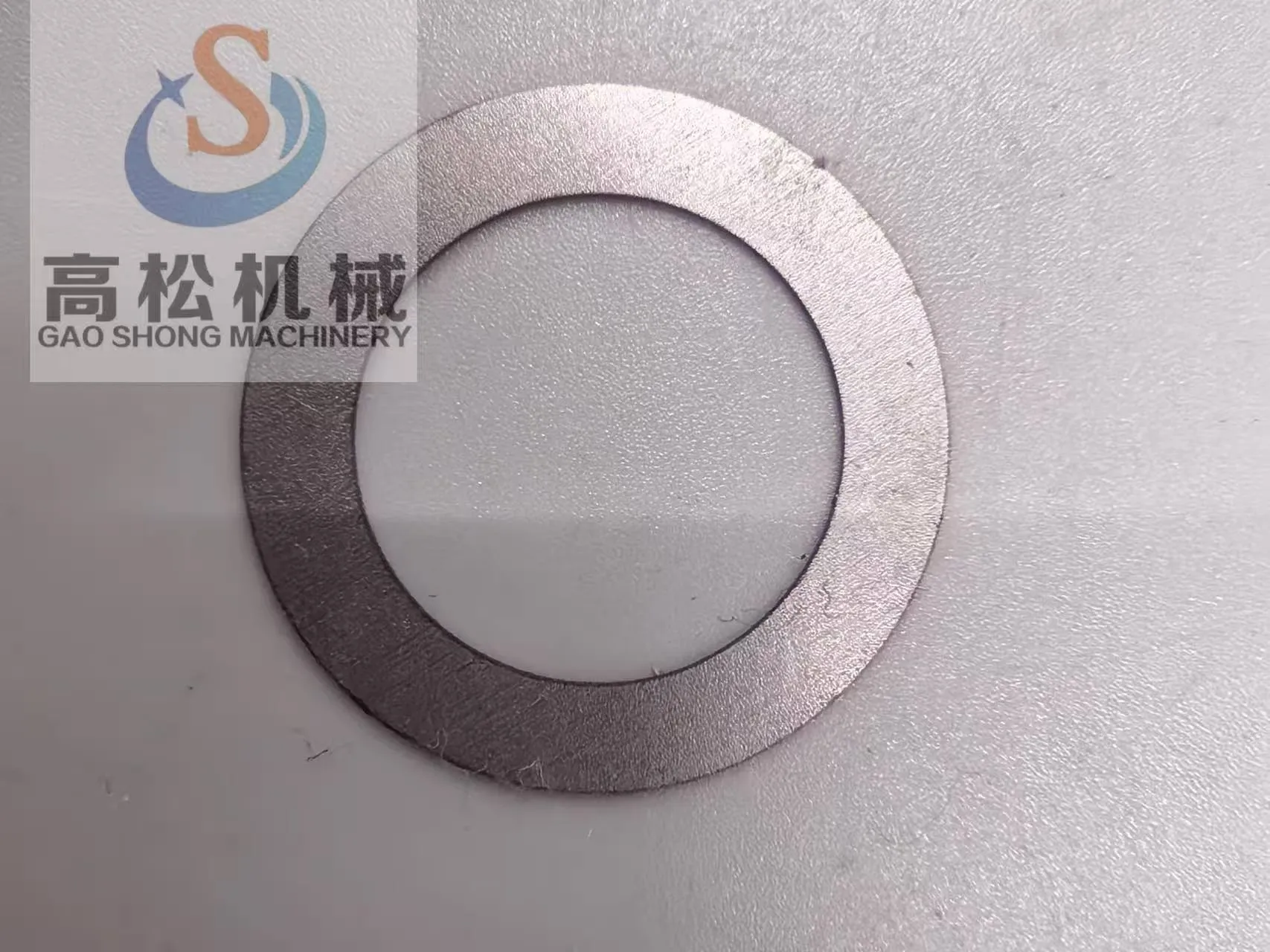 195-40-31530 Compatible with models D375, D275, Komatsu original gaskets.
 -
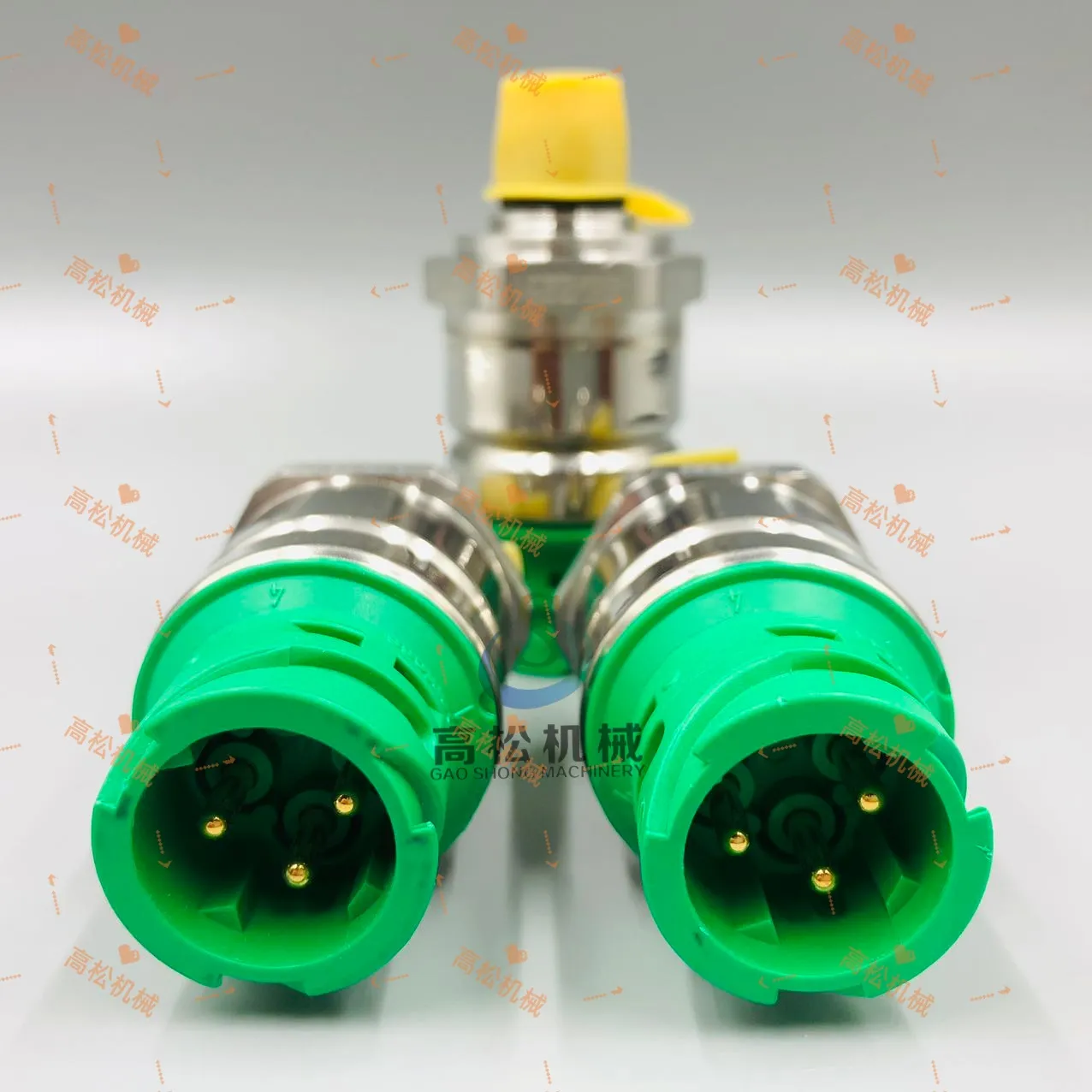 Pressure Sensor for Komatsu HM400 SAA6D140E WA500 6560-61-7201 6560617201
 -
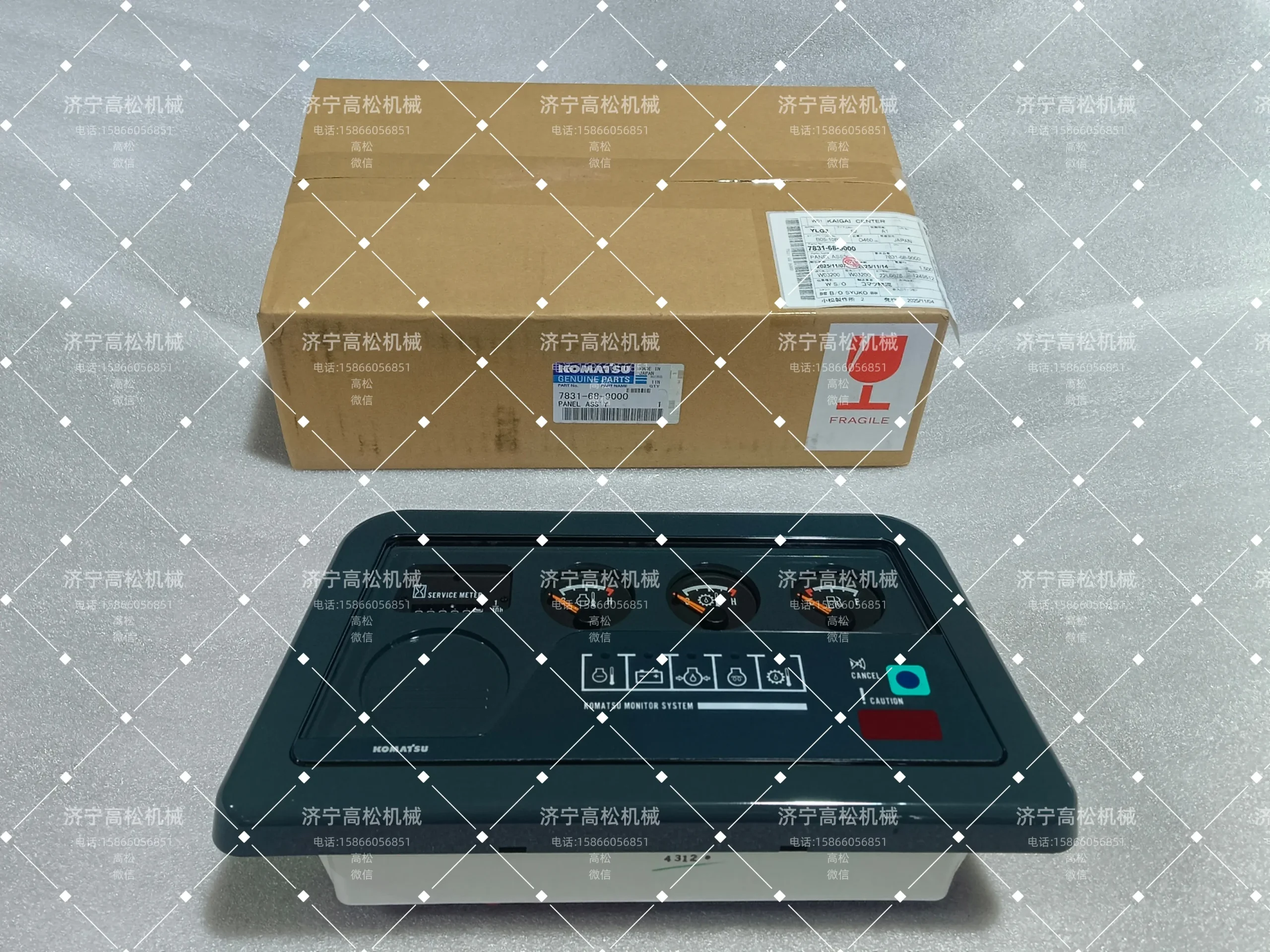 Komatsu 7831-68-9000 PANEL ASS’Y, price for… — Pricing.Parts
 -
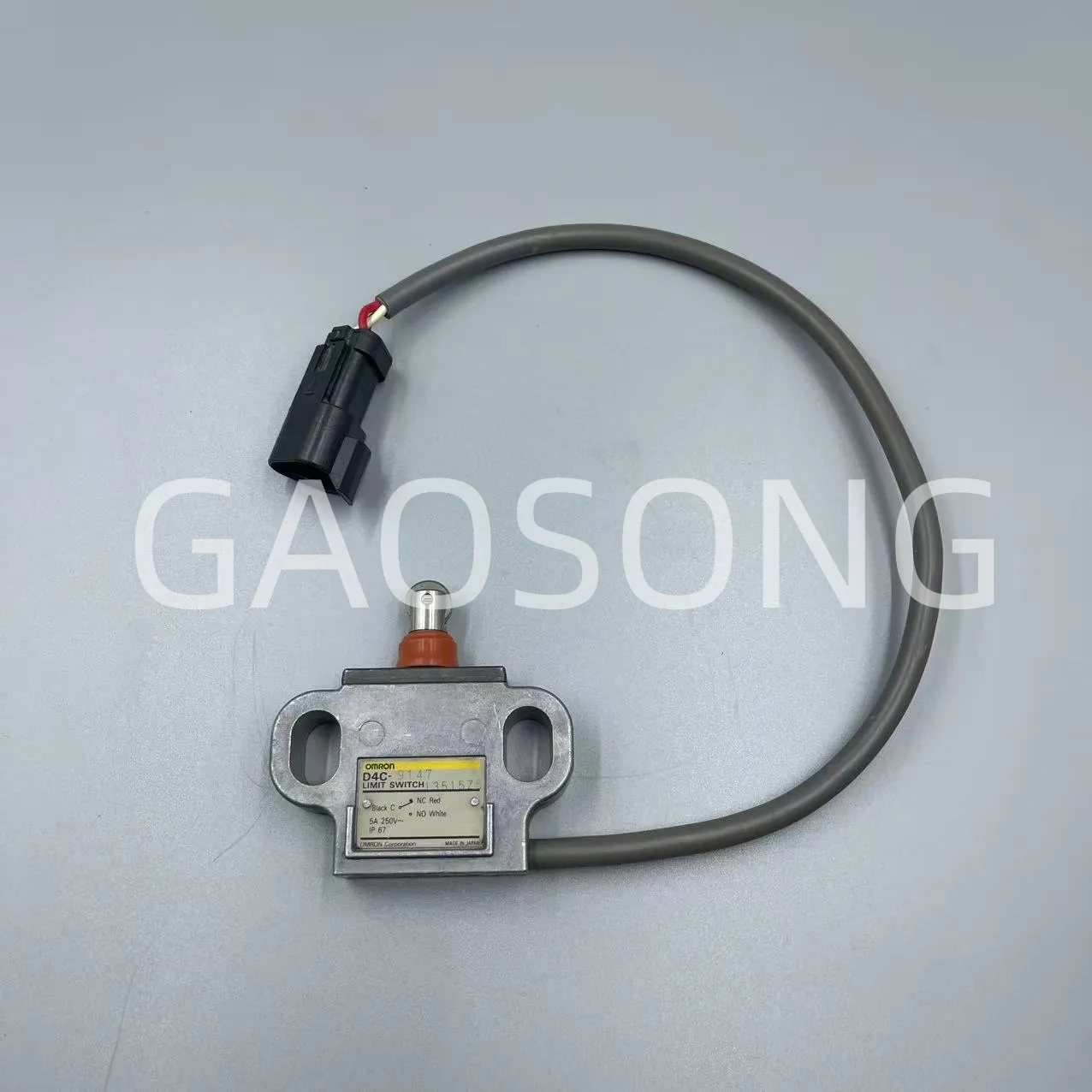 11Y-06-22150 SWITCH-Komatsu Original Factory
 -
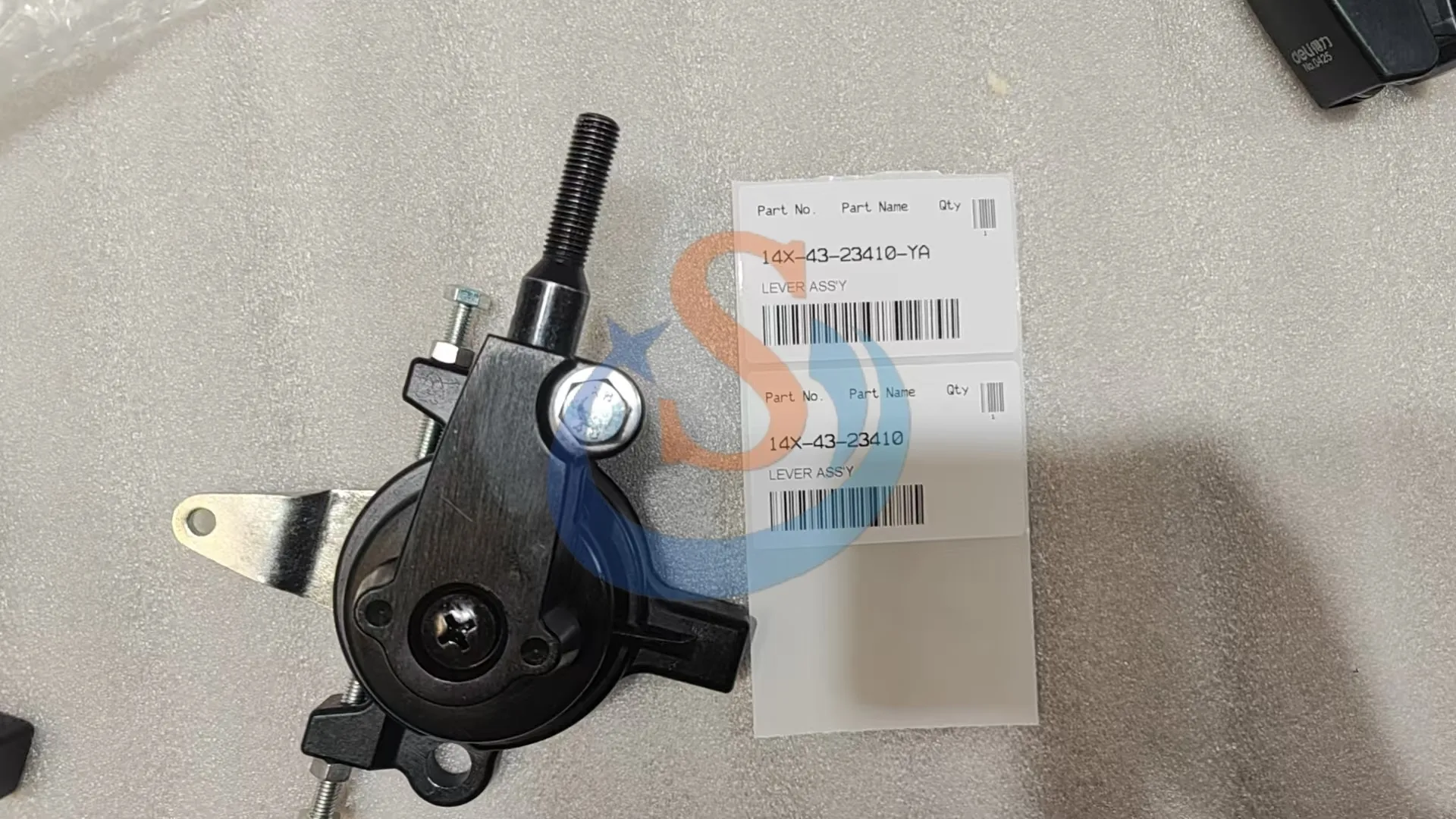 14X-43-23410,LEVER ASS’Y,D65PX,D85E,D65E
 -
 235-44-19120 Yoke (Komatsu)
 -
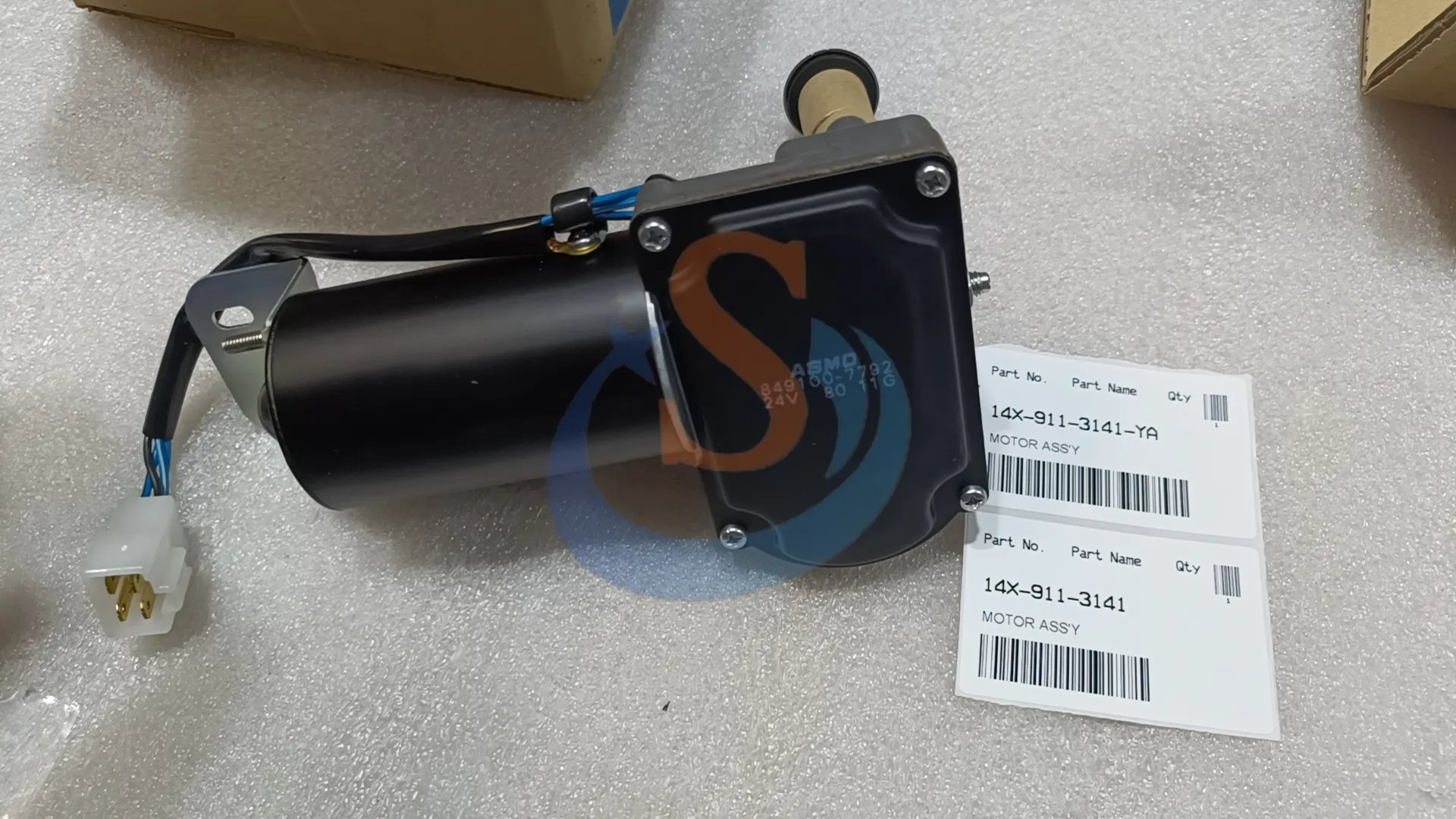 14X-911-3141,WIPER MOTOR ASS’Y,D155A,D375A,D65PX
 -
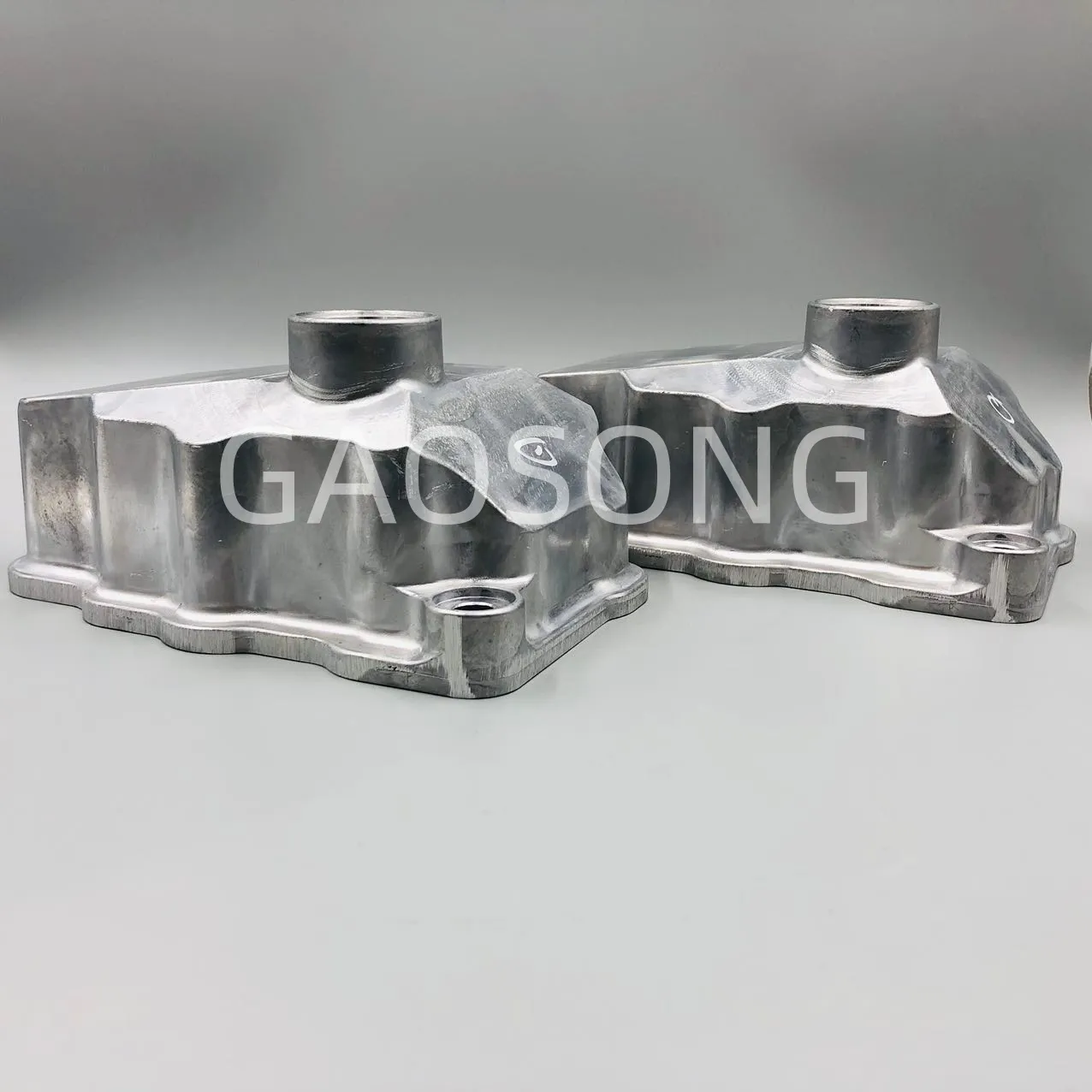 6251-11-8150 Komatsu Cover, Rocker Arm Housing
 -
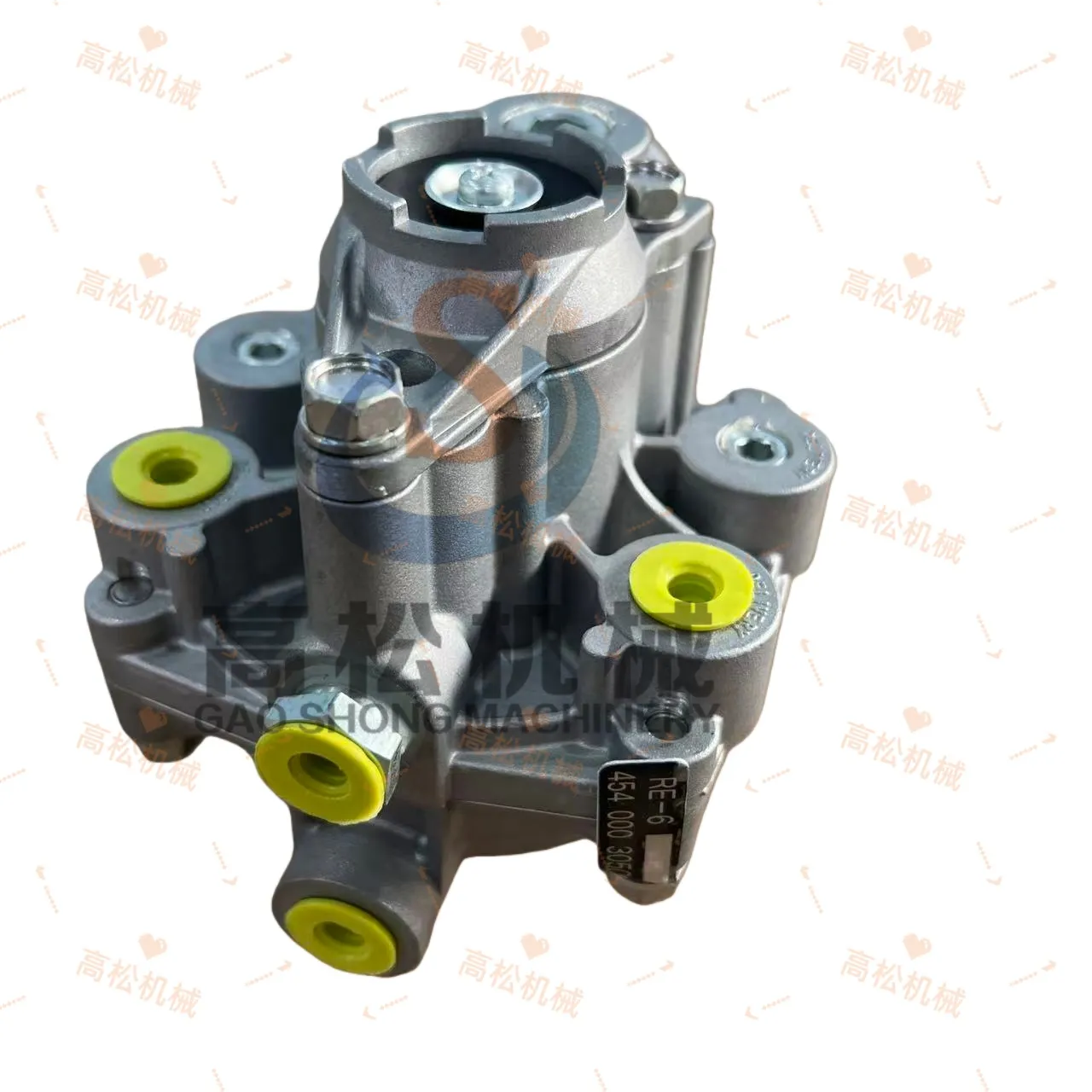 HD785 HD985HD465 HD605-5 HD255-5 561-35-61601RELAY VALVE ASS’Y
 -
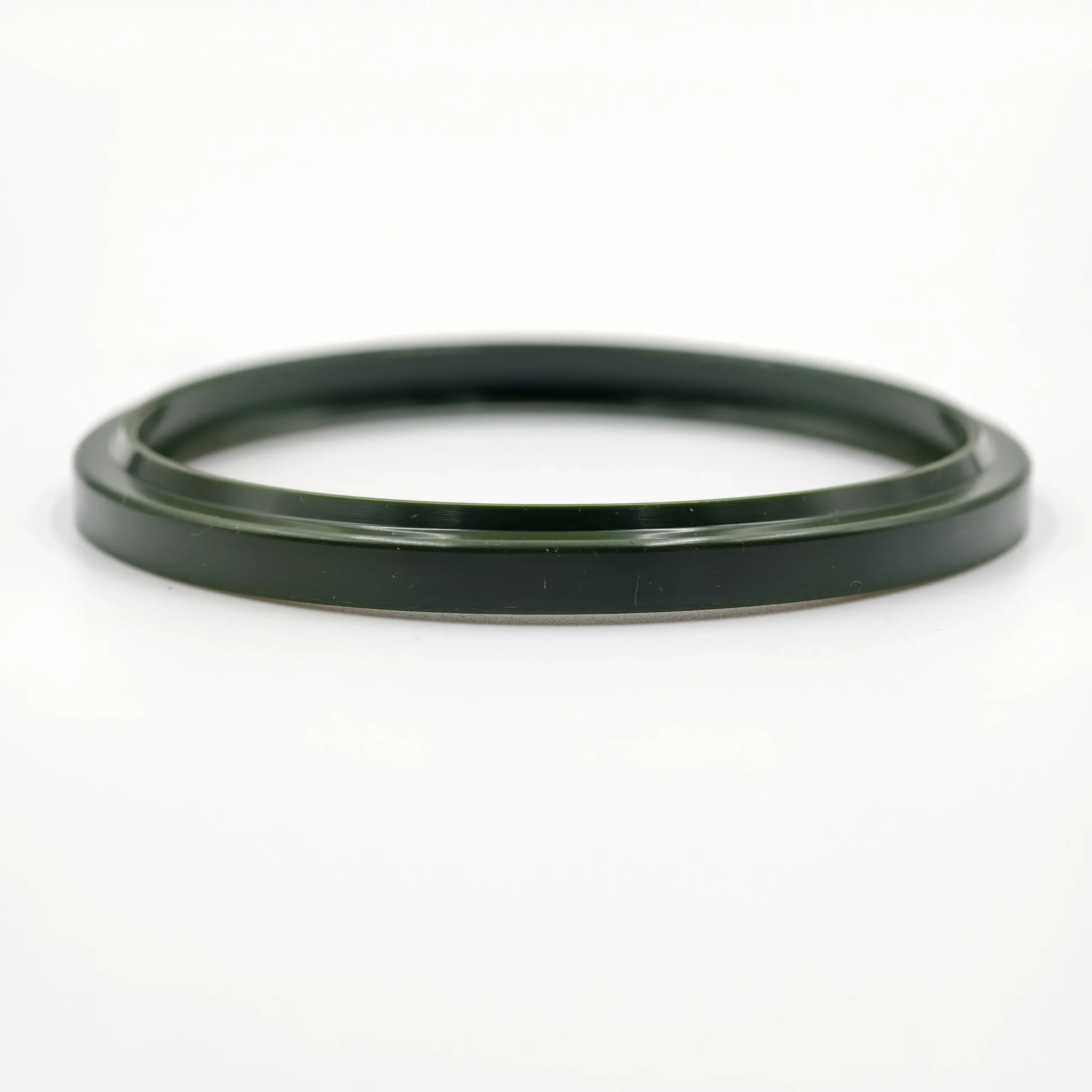
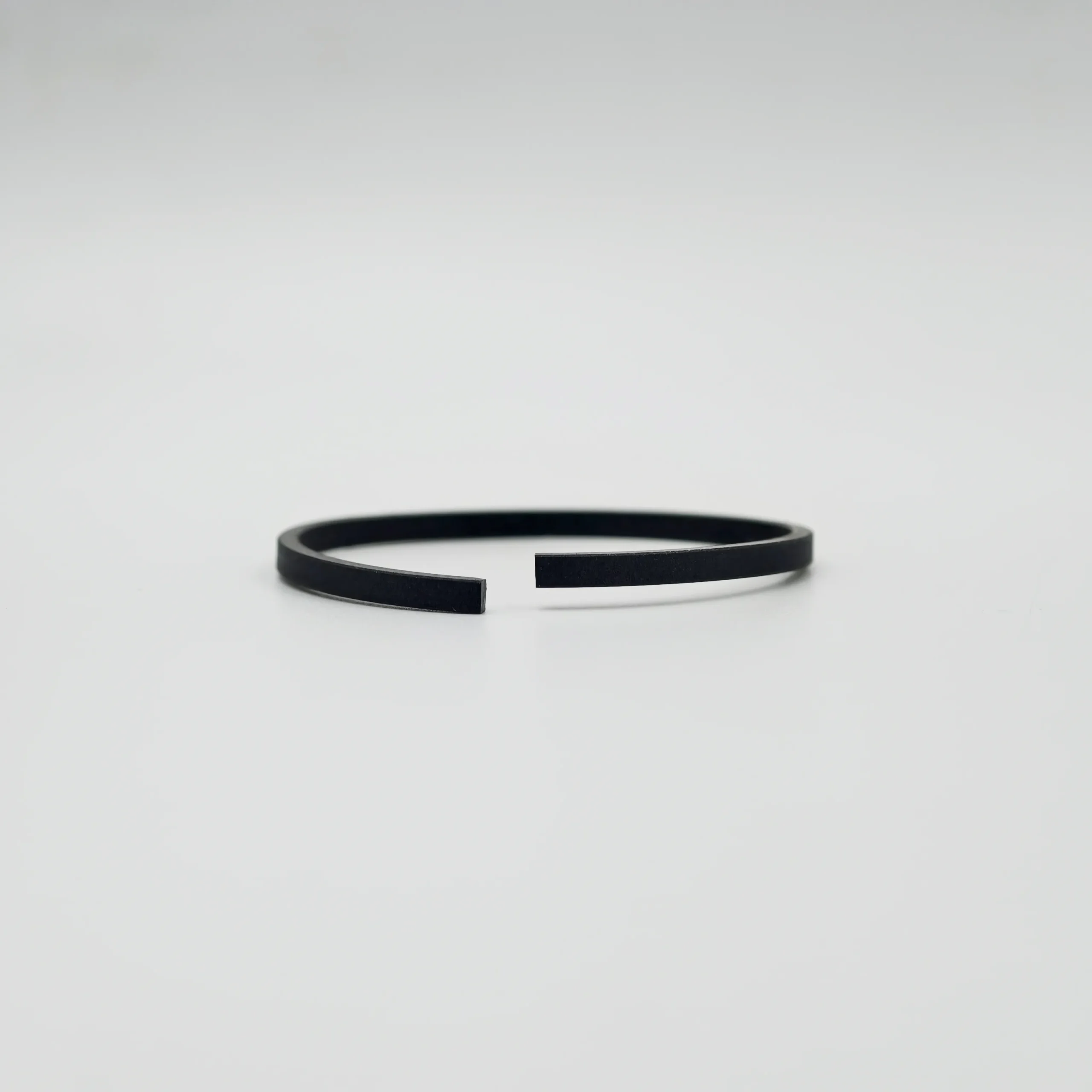 56D-15-19250 RING
 -
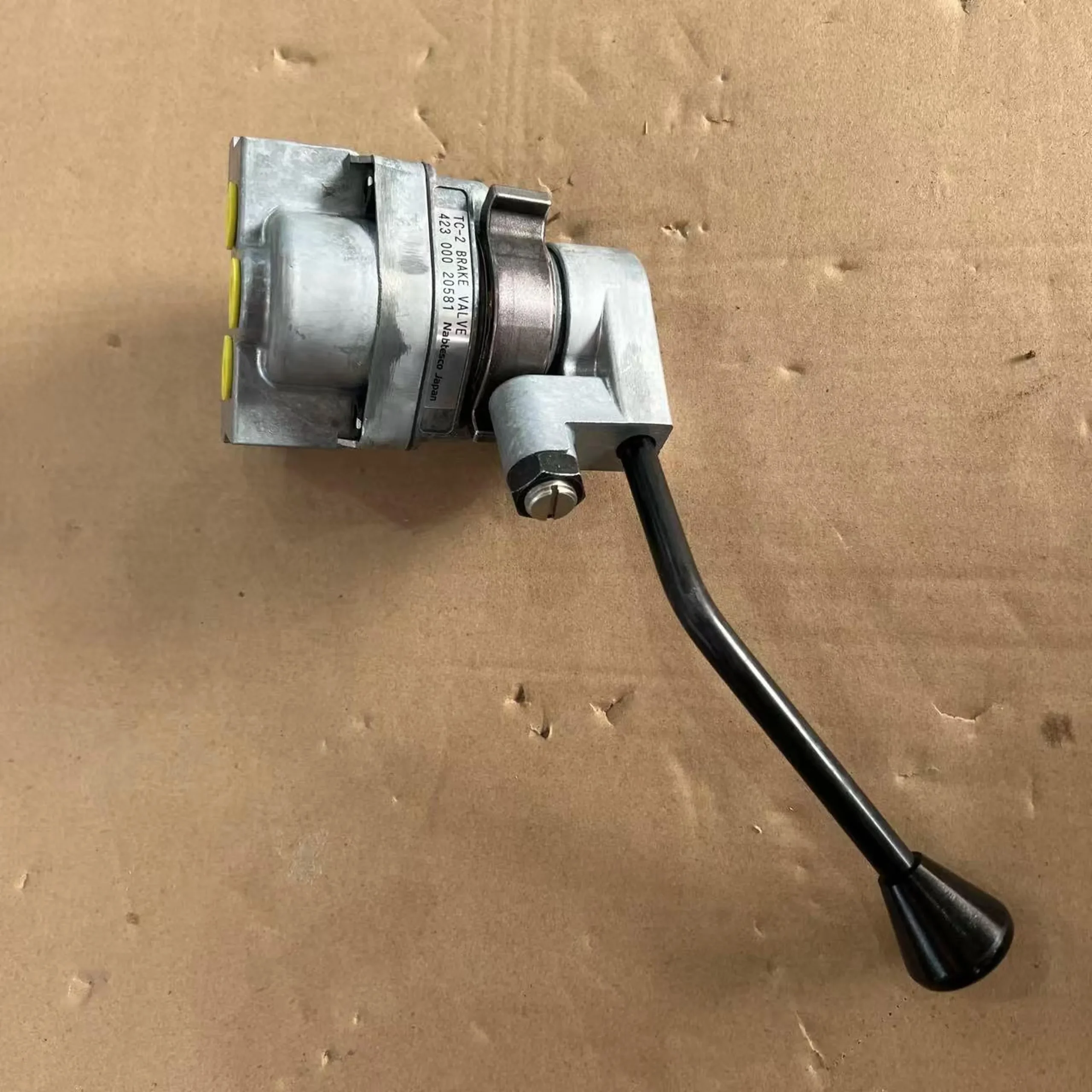 Brand New and Original RETARDER VALVE ASS’Y 561-35-62203 Valve Assembly for komatsu HD605-5 HD465-5 HD405-6 Dump Trucks
 -
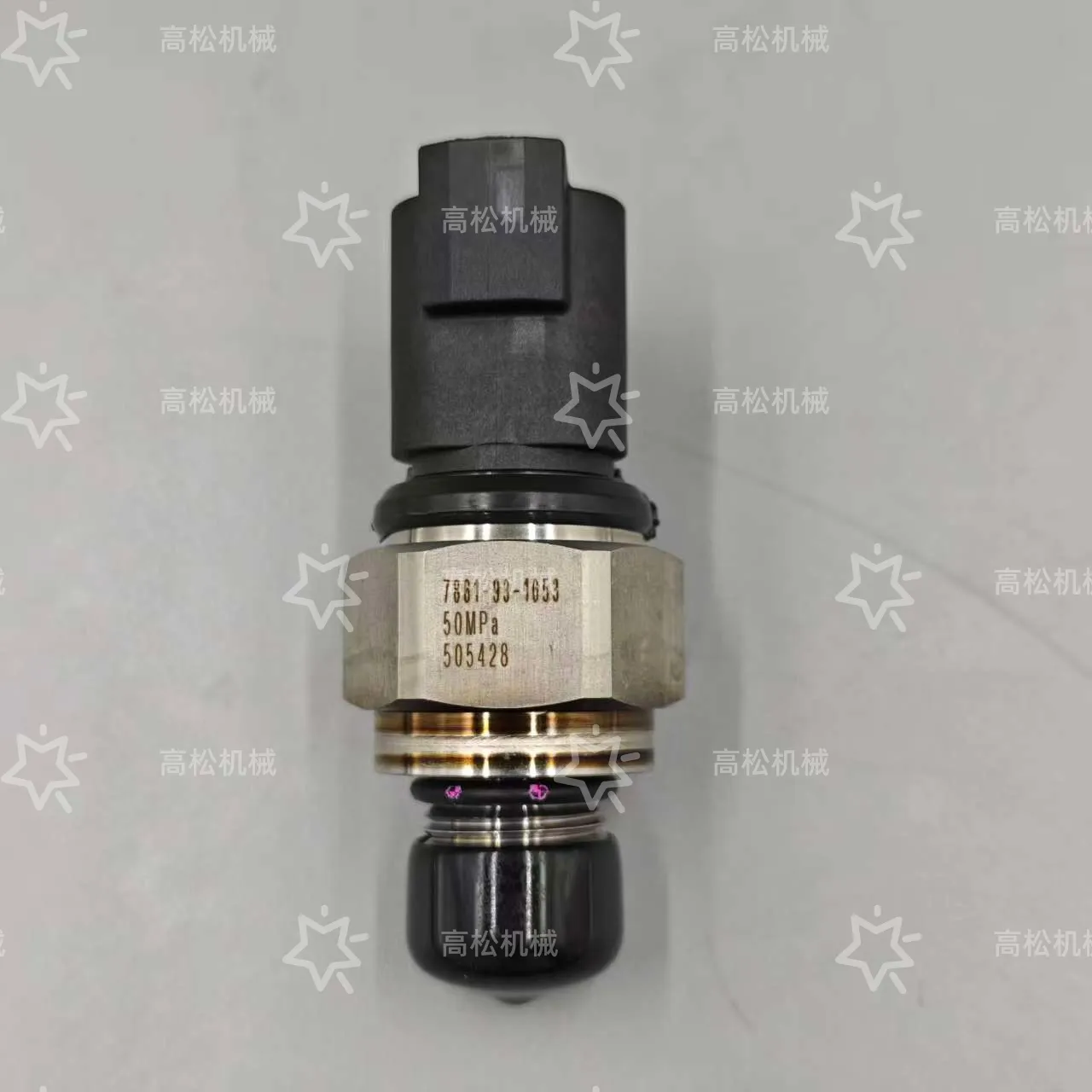 7861-93-1653 7861-93-1652 7861-93-1650 HYDRAULIC PUMP SENSOR for PC300-7