
- Chinese
- French
- German
- Portuguese
- Spanish
- Russian
- Japanese
- Korean
- Arabic
- Irish
- Greek
- Turkish
- Italian
- Danish
- Romanian
- Indonesian
- Czech
- Afrikaans
- Swedish
- Polish
- Basque
- Catalan
- Esperanto
- Hindi
- Lao
- Albanian
- Amharic
- Armenian
- Azerbaijani
- Belarusian
- Bengali
- Bosnian
- Bulgarian
- Cebuano
- Chichewa
- Corsican
- Croatian
- Dutch
- Estonian
- Filipino
- Finnish
- Frisian
- Galician
- Georgian
- Gujarati
- Haitian
- Hausa
- Hawaiian
- Hebrew
- Hmong
- Hungarian
- Icelandic
- Igbo
- Javanese
- Kannada
- Kazakh
- Khmer
- Kurdish
- Kyrgyz
- Latin
- Latvian
- Lithuanian
- Luxembou..
- Macedonian
- Malagasy
- Malay
- Malayalam
- Maltese
- Maori
- Marathi
- Mongolian
- Burmese
- Nepali
- Norwegian
- Pashto
- Persian
- Punjabi
- Serbian
- Sesotho
- Sinhala
- Slovak
- Slovenian
- Somali
- Samoan
- Scots Gaelic
- Shona
- Sindhi
- Sundanese
- Swahili
- Tajik
- Tamil
- Telugu
- Thai
- Ukrainian
- Urdu
- Uzbek
- Vietnamese
- Welsh
- Xhosa
- Yiddish
- Yoruba
- Zulu
- Kinyarwanda
- Tatar
- Oriya
- Turkmen
- Uyghur






Komatsu haul truck parts
When you hear 'Komatsu haul truck parts', the immediate image is often a pristine, boxed component straight from the OEM factory. That's the ideal. The reality on the ground, especially in regions with complex supply chains or older fleets, is a different beast altogether. It's not just about ordering a part; it's about understanding lead times, cross-referencing superseded numbers, and knowing which aftermarket solution actually holds up under a 300-ton payload. Many assume genuine parts are always the best and only answer, but that thinking can stall a site for weeks. The real expertise lies in mapping the legitimate alternatives without compromising machine integrity.
The OEM Promise vs. The On-Site Clock
There's no debating the engineering behind a genuine Komatsu part. For critical components like the final drive planetary set or the hoist cylinder assembly, going OEM is rarely a question. But the promise hinges on availability. I've seen projects where the wait for a sanctioned transmission control module was quoted at 14 weeks. Fourteen weeks with a $3 million truck sitting idle. That's where the dogma breaks down. You start looking at the ecosystem around the OEM—authorized rebuilders, licensed component manufacturers, and yes, trusted third-party suppliers who have reverse-engineered the failure points of the original.
This isn't about cutting corners. It's about risk assessment. For a wear item like a radiator core or a bank of Komatsu haul truck parts like brake pad sensors, the performance delta between a top-tier alternative and the genuine part can be minimal, but the cost and time savings are substantial. The key is traceability and material certification. If a supplier can't provide that, they're off the list, no matter how good the price.
I recall a situation in a South American mine with a fleet of 930Es. They had chronic issues with a specific hydraulic valve bank. The genuine valves kept failing prematurely due to a local contaminant issue the original design wasn't handling. The solution didn't come from the main parts catalog. It came from a specialist fluid power company that worked with the site's maintenance team to modify the valve's tolerances. It was a hybrid solution—OEM housing, third-party internals—that finally solved it. The official distributor couldn't have offered that flexibility.
The Role of Specialized Third-Party Channels
This is where companies that operate within the Komatsu ecosystem, but with a different mandate, become crucial. Take a supplier like Jining Gaosong Construction Machinery Co., Ltd.. Their stated role is interesting: an OEM product supplier within Komatsu's system, and also a third-party sales company helping solve parts supply challenges in certain countries. That dual identity is telling. It means they can potentially access genuine pipelines but are also empowered to find solutions outside of them when the official channel is blocked or impractical.
Their approach, as I understand it from industry peers, isn't to undercut the distributor network but to fill the gaps it leaves. For example, in markets where Komatsu's direct logistics are thin, or for models that are phased out in major regions but still operational elsewhere, a company like this becomes a vital bridge. You might find them at https://www.takematsumachinery.com, not just listing parts, but providing cross-reference data and compatibility notes for legacy models that the main site has archived.
The value isn't just in the part on the shelf. It's in the knowledge of which serial number range of a 785-5 truck had a different wheel hub design, and therefore requires a specific kit. I've dealt with suppliers who just sell a part number, and others who ask for your machine's VIN and shift logs. The latter, often found in these specialized channels, prevents costly mis-shipments. Sending the wrong variant of a differential carrier across the world is a mistake you only make once.
Failures and the Lessons in a Box
Not every alternative part story has a happy ending. Early in my time, we tried a set of aftermarket dump body liners for a 960E. The hardness and abrasion resistance specs looked perfect on paper—even better than OEM. They wore out in half the expected time. The failure? The metallurgy was right, but the welding procedure used to attach the liner plates to the body substrate created micro-fractures under the intense, cyclical flexing of the haul body. It was a fabrication and application knowledge gap, not a material one.
That experience cemented a rule: for parts that are integral to the primary structural or load-bearing function, the supplier must understand the application dynamics, not just the blueprint. Now, when evaluating a source for something like a pivotal Komatsu haul truck parts category—say, suspension struts or the frame itself—I dig into their testing protocols. Do they just do lab fatigue tests, or do they have field data from similar operating conditions? The good third-party suppliers do.
Another common pitfall is the remanufactured label. It can mean anything from a cleaned-and-painted used part to a fully disassembled, laser-measured, and upgraded component. I learned to ask for the rebuild sheet. If a supplier of a reman Komatsu AC drive motor can't show you which windings were replaced and what class of insulation was used, walk away. The detail is everything.
Logistics: The Invisible Half of the Equation
You can have the perfect part, but if it's stuck in customs or arrives damaged, it's worthless. This is another area where localized, agile suppliers have an edge. The major OEM logistics are built for volume and predictability. A smaller, focused entity like Jining Gaosong, by virtue of solving parts supply challenges in certain countries, likely has established, nimble freight and clearance channels for their target markets. They're built for the one-off, urgent shipment that a mega-distribution center isn't optimized to handle.
I've had better luck with these specialists getting a critical pump into a remote site in Africa. They used a combination of air freight to a hub and then a pre-vetted local courier, with all the carnets pre-filled. The official channel wanted to ship it sea freight to the national capital. It would have taken months. For non-critical parts, sea freight is fine. For a downed truck, every day is a massive cost. Their entire business model is predicated on understanding that pressure.
Packaging is a tell-tale sign of quality. A genuine or high-grade alternative part for a haul truck comes in packaging that can survive a war. Custom foam, heavy-duty crating, moisture-absorbing packets. When you see a precision component rattling around in a flimsy box, it speaks volumes about the supplier's understanding of the product's value and the rigors of its journey to site.
Synthesizing a Practical Sourcing Strategy
So, what's the takeaway? It's about building a layered supply strategy. Your first call should always be to the official Komatsu distributor for your region—for warranty coverage, for critical safety and drive-train components, and for technical bulletins. But your second call, or your first for legacy models or in supply-crunched scenarios, should be to a vetted, specialized third-party source that has proven its mettle.
This means doing your due diligence on companies that present themselves as problem-solvers within the ecosystem. Check their affiliations, ask for case studies or references from sites with similar equipment, and start with a low-risk, high-wear item to test their product quality and logistics. A company's website, like the one at takematsumachinery.com, should be a starting point for information, not a brochure. Look for technical depth, compatibility charts, and clear contact paths to engineers, not just salespeople.
Ultimately, managing Komatsu haul truck parts is a technical and logistical puzzle. The goal isn't brand purity; it's machine uptime. That requires a clear-eyed view of the entire landscape, from the OEM factory floor to the dusty maintenance bay at the pit, and leveraging every reliable channel in between to keep the trucks moving. The best practitioners I know aren't ideologues; they're pragmatic librarians of parts and partners, always ready with a Plan B and a clear reason why it might work.
Related Products
Related Products

Best Selling Products
Best Selling Products-
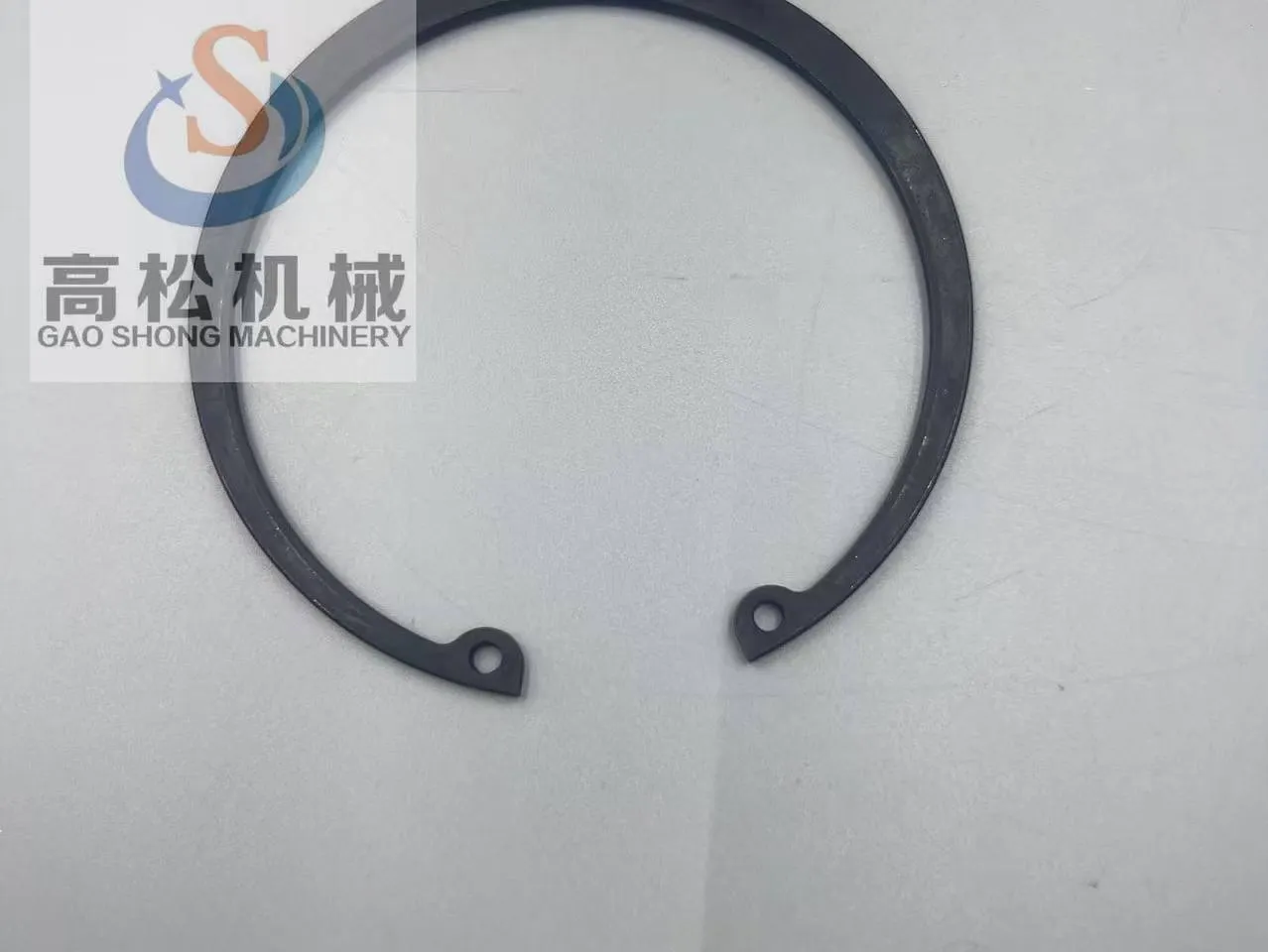 569-01-72600 569-01-62650 569-01-72610 Komatsu dump truck HD465-7 HD605-7 HD325-7 HD405-7 body drive shaft
 -
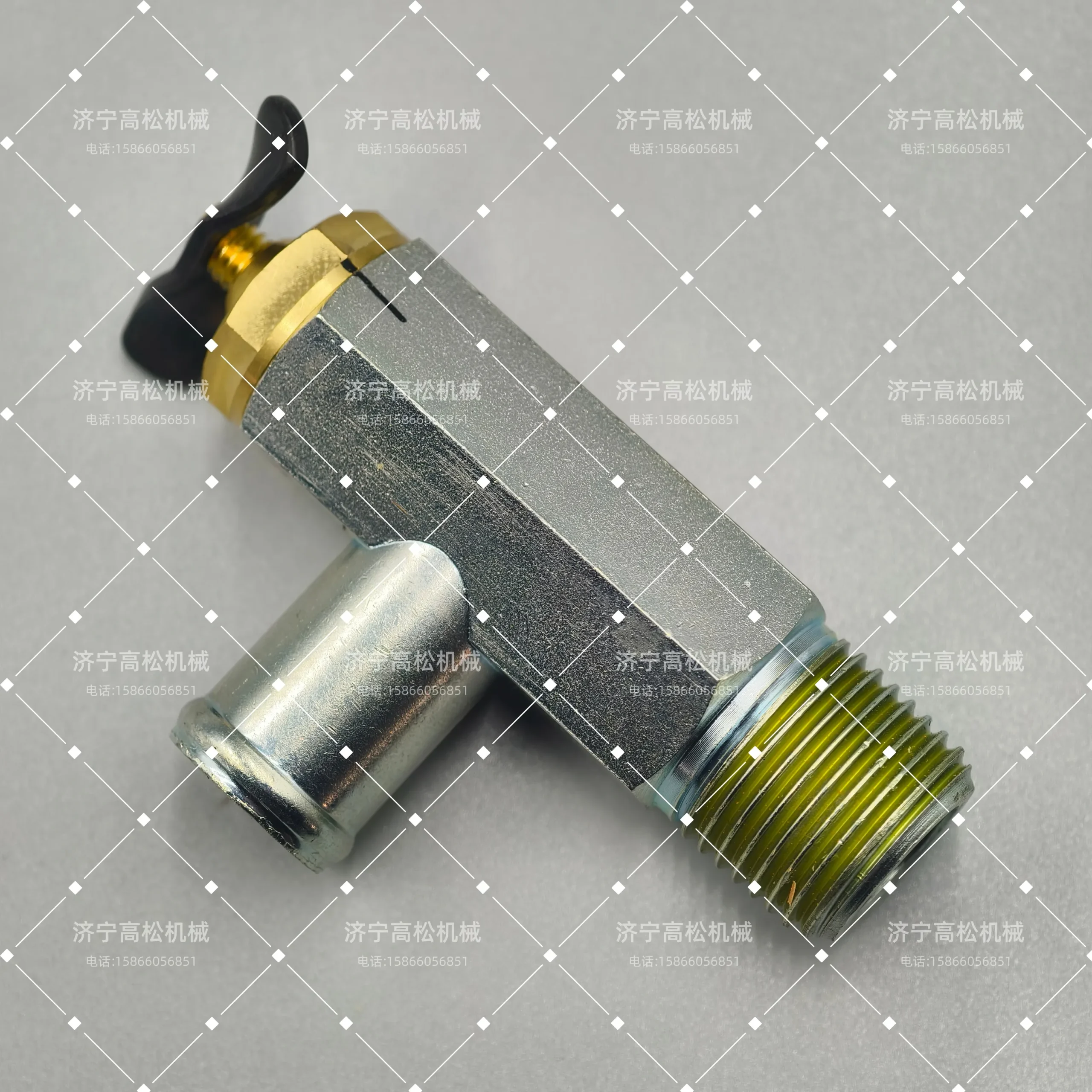 Komatsu 09482-10000 VALVE, HOSE, price for… — Pricing.Parts
 -
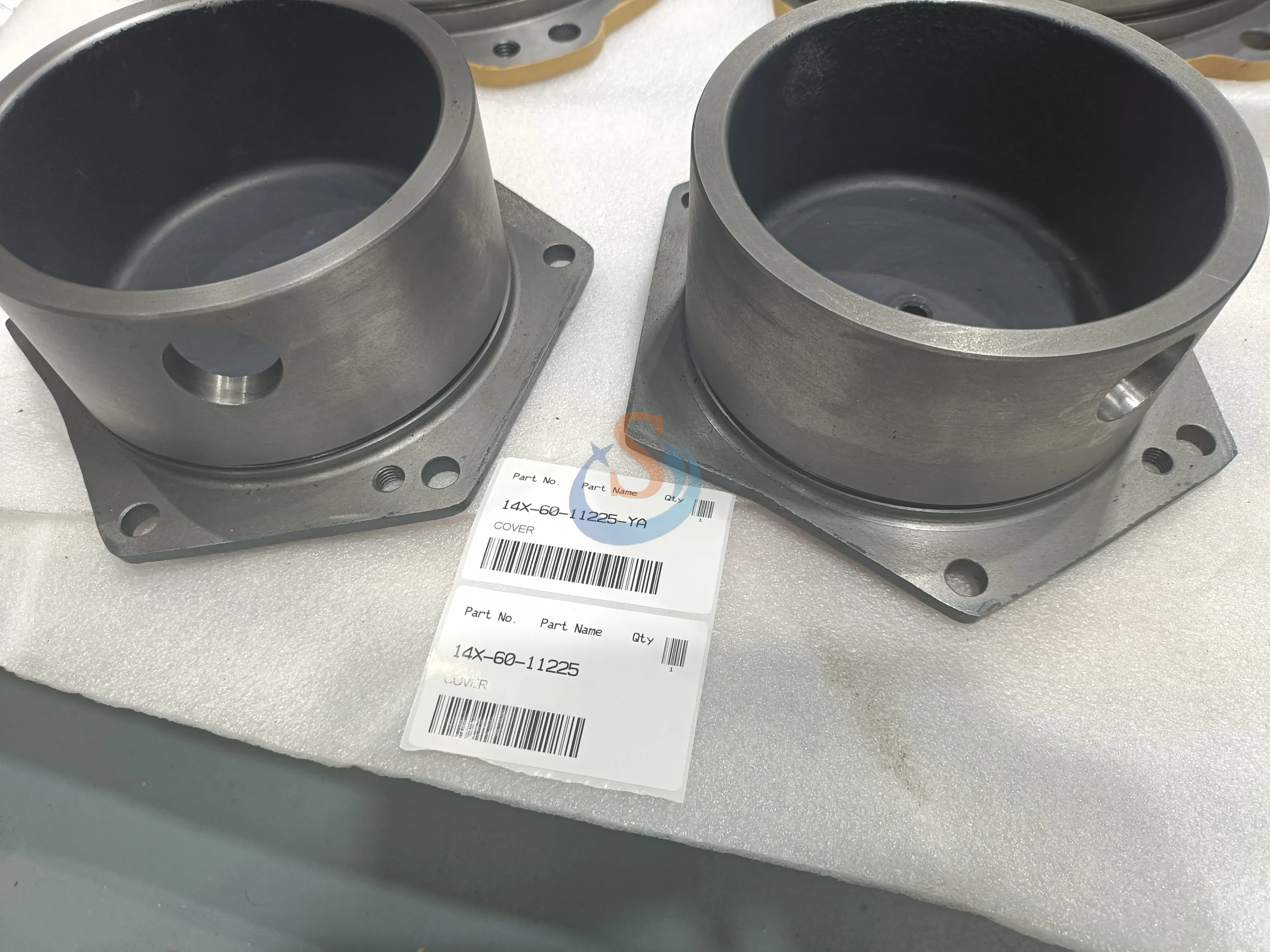 14X-60-11225,COVER,D65PX,D85ESS
 -
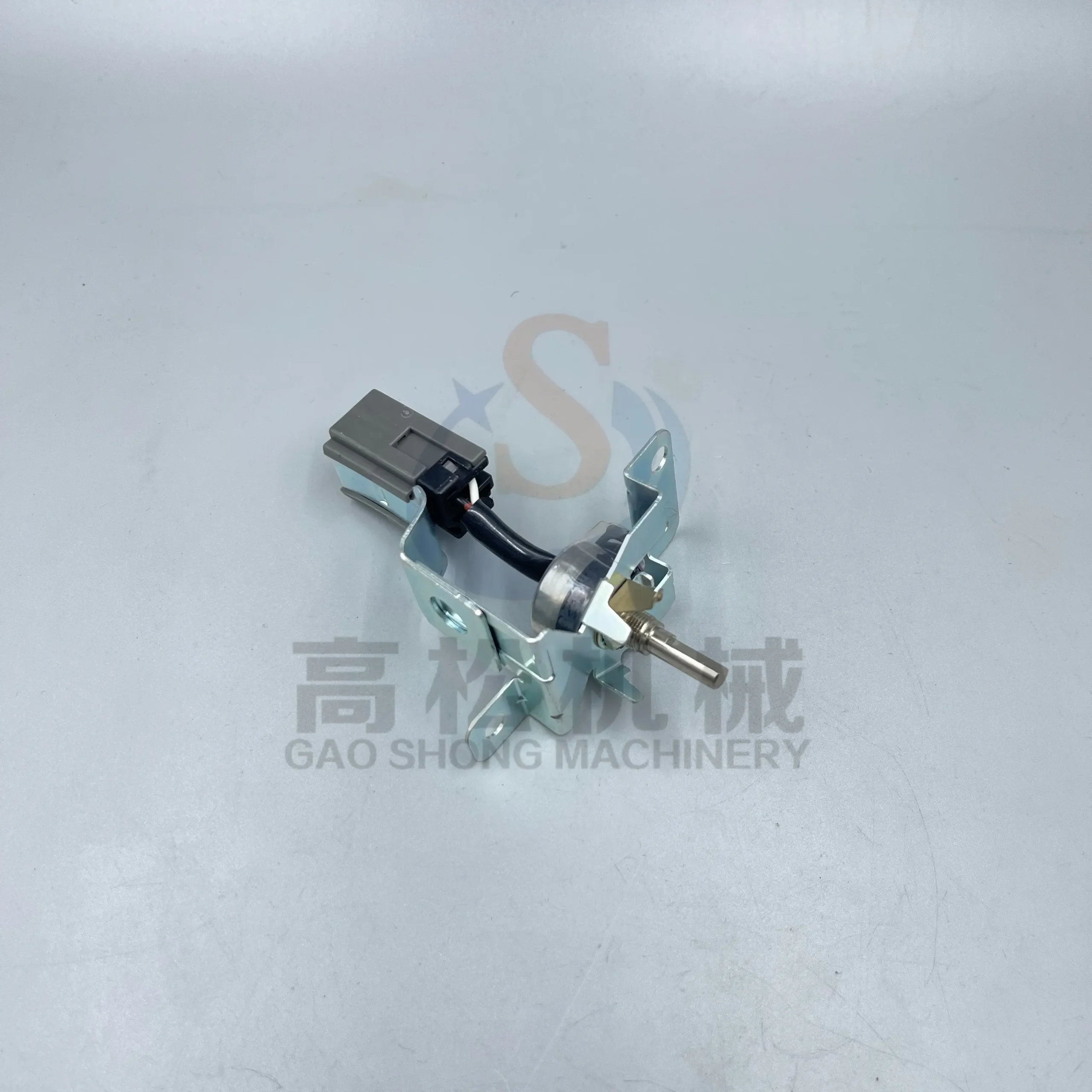 Throttle Knob 22U-06-22420
 -
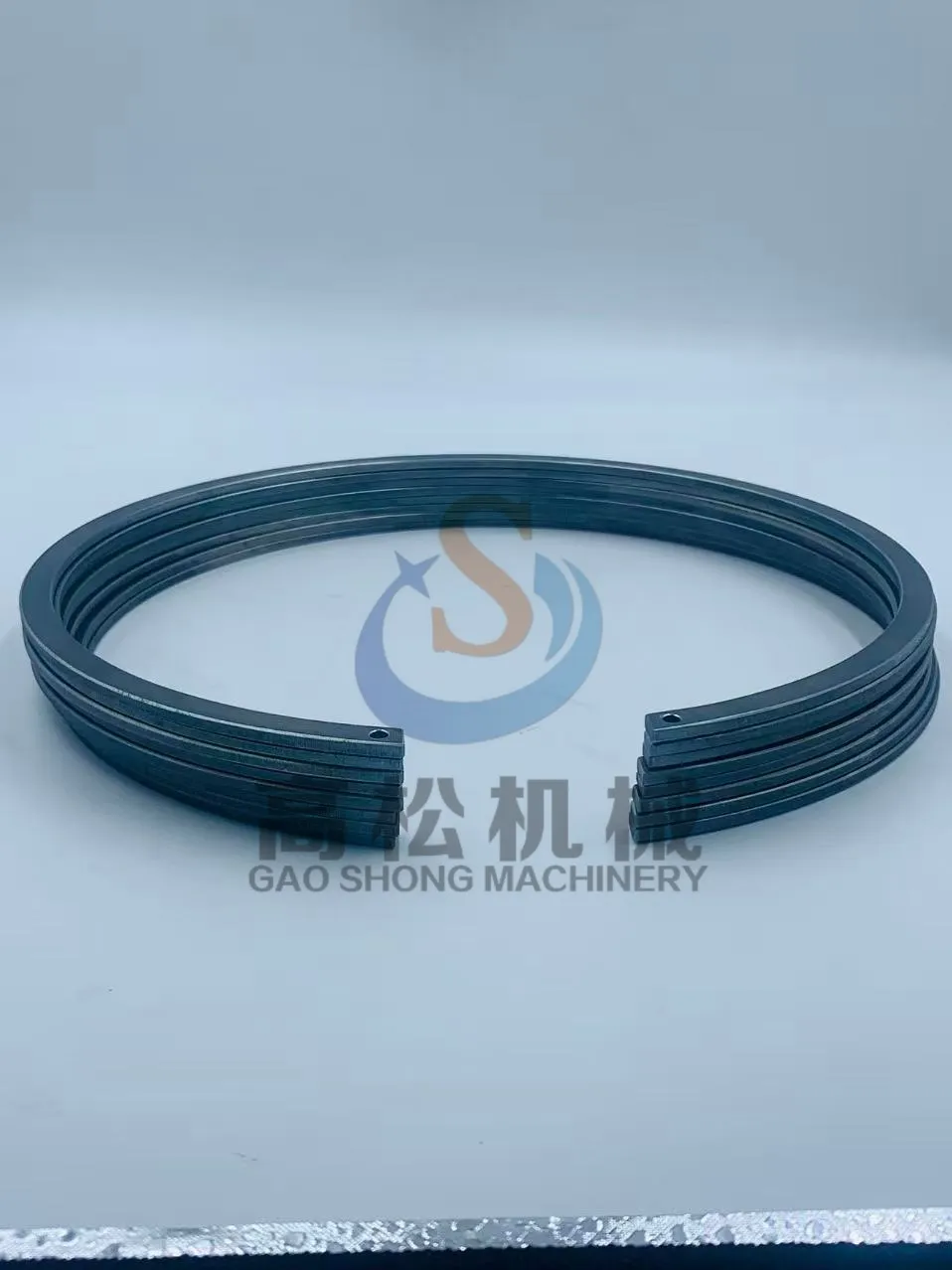 426-13-48281 SNAP RING KOMATSU
 -
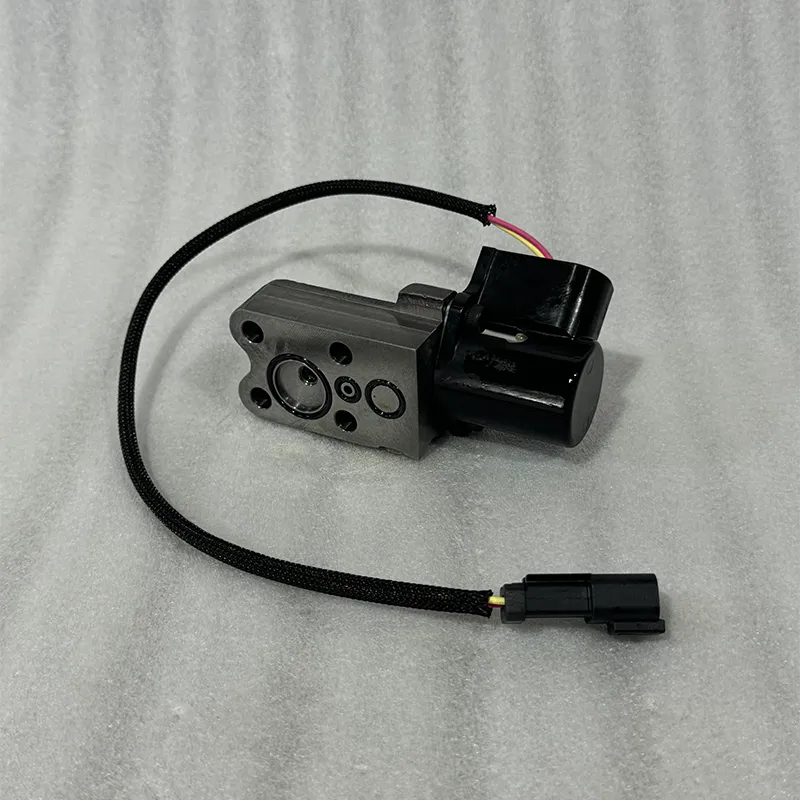 Original komatsu PC2000-8 Pilot Valve 708-7S-01330
 -
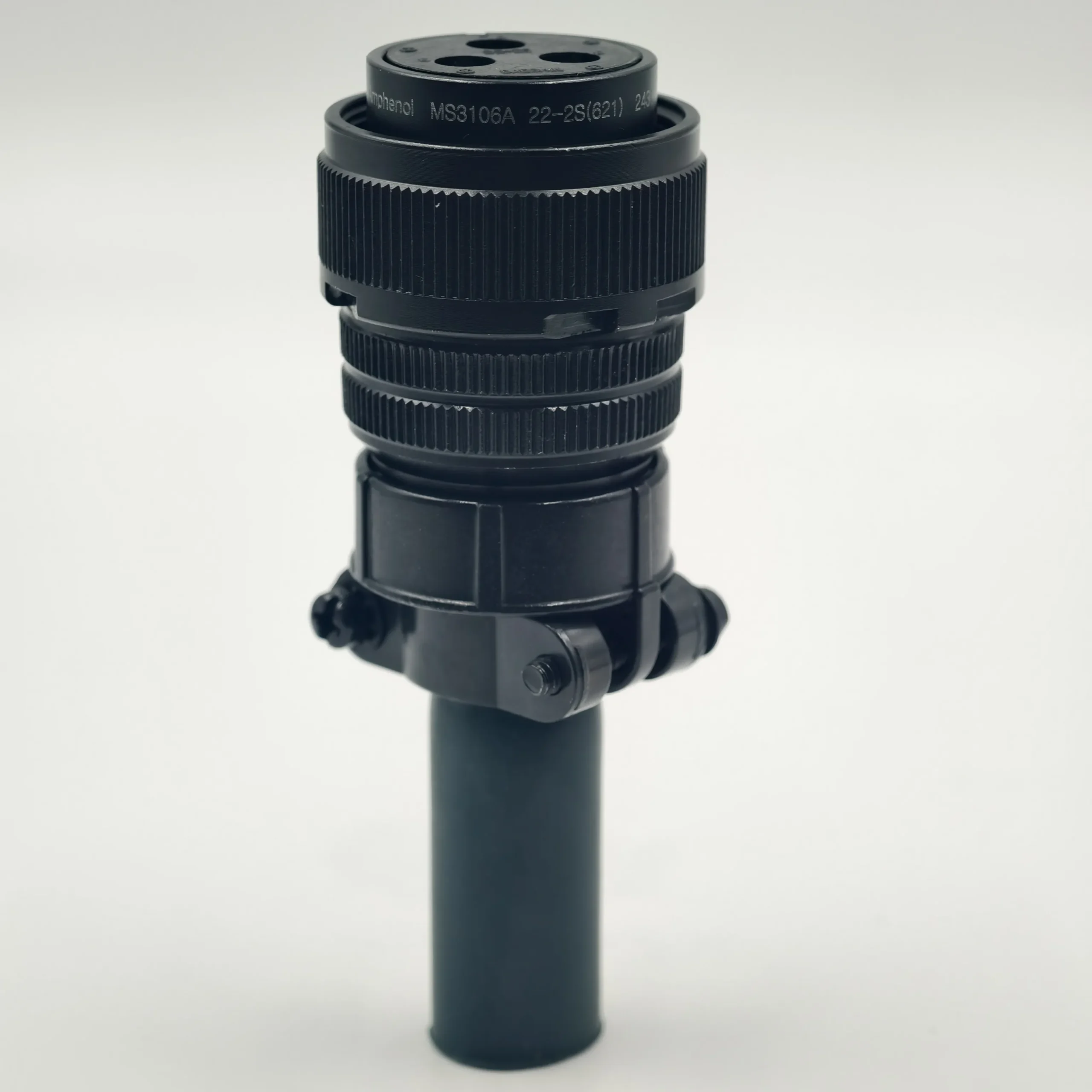 175-06-37871 PLUG(WITH HEATER) (Komatsu)
 -
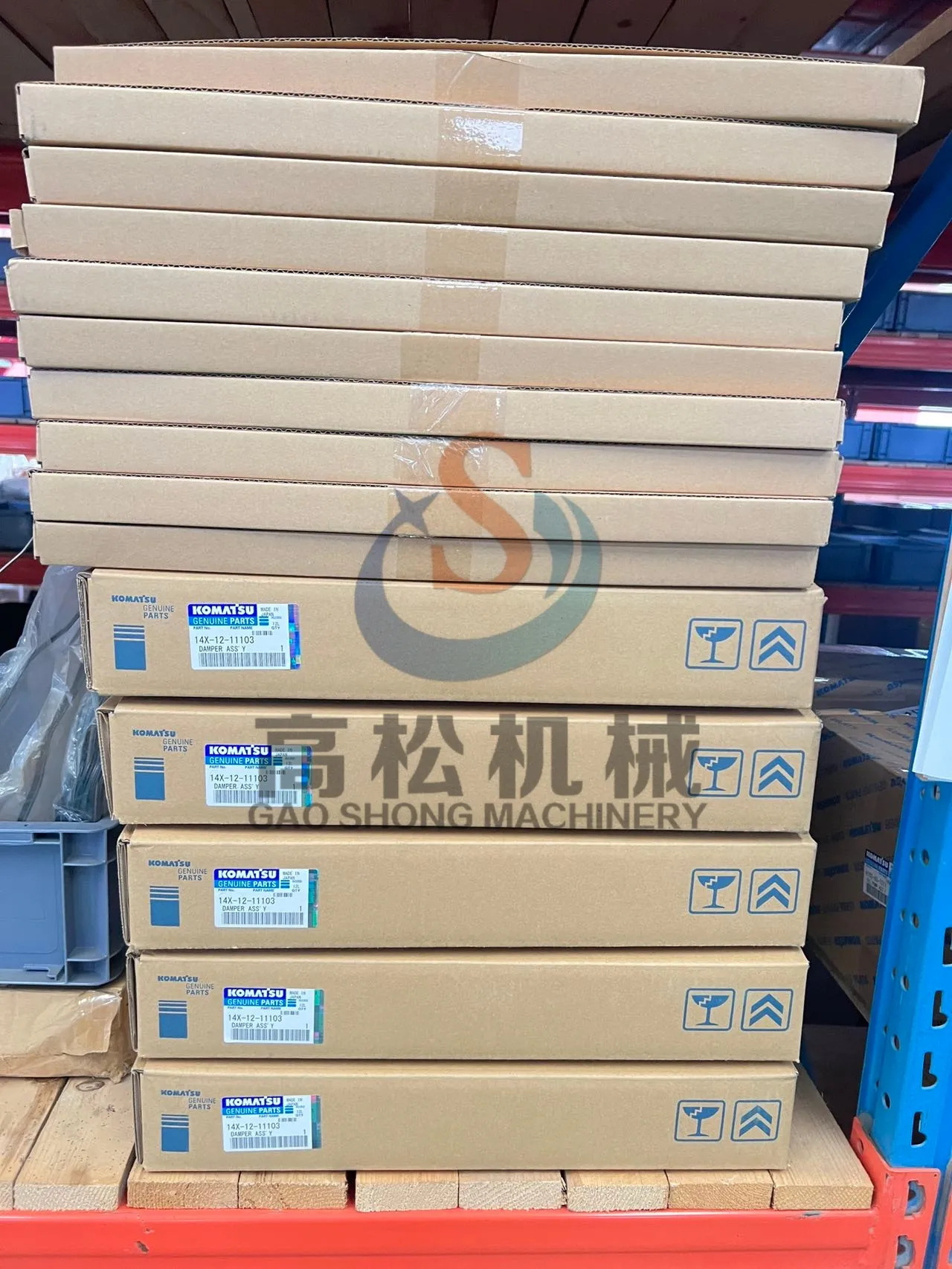 14X-12-11103 Komatsu Damper Disc Assembly
 -
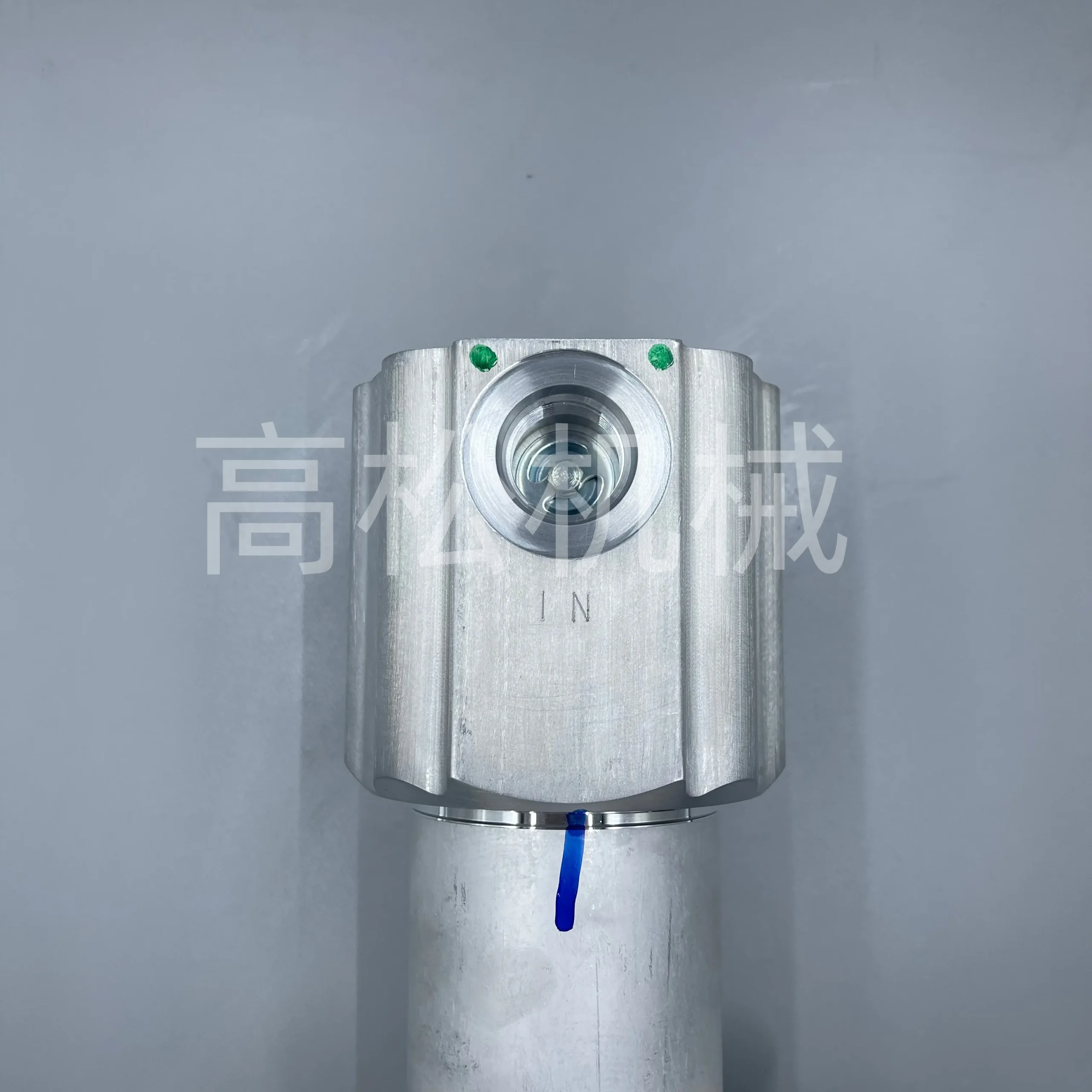 569-43-83911 Filter Assembly–Komatsu Original Factory
 -
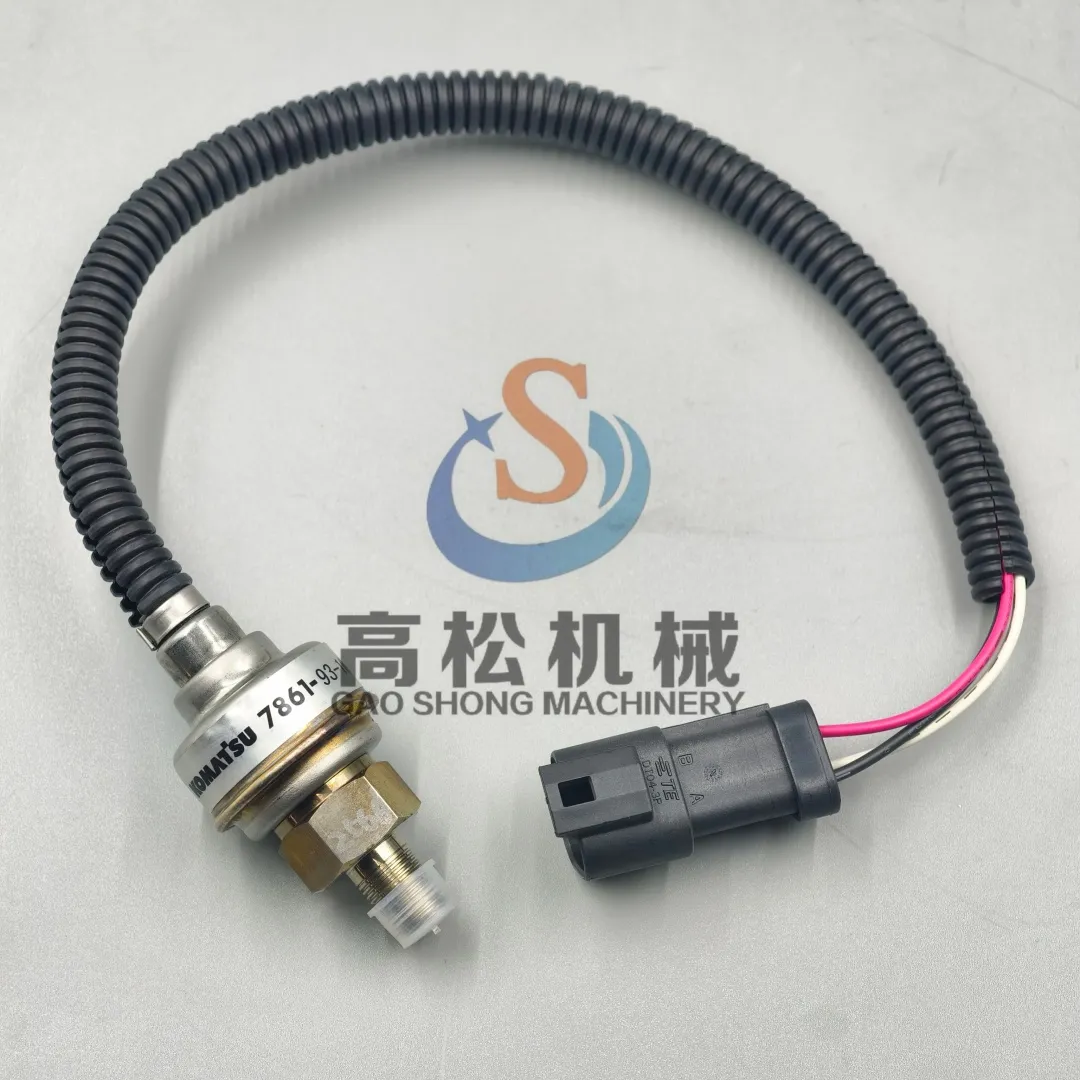 7861-93-1670 Main Pressure Sensor For Komatsu Bulldozers Parts D375 D475
 -
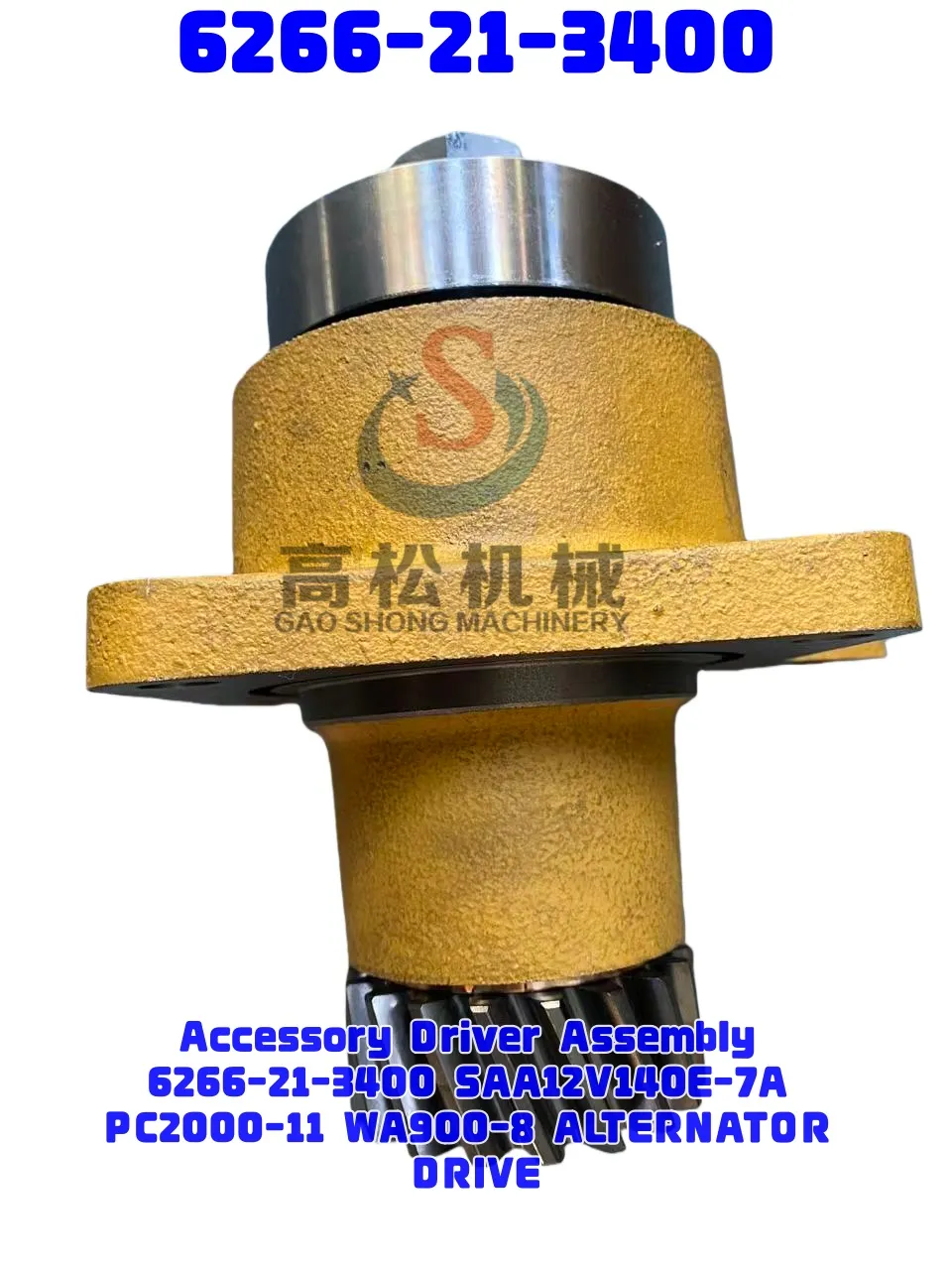 Accessory Driver Assembly 6266-21-3400 SAA12V140E-7A PC2000-11 WA900-8 ALTERNATOR DRIVE
 -
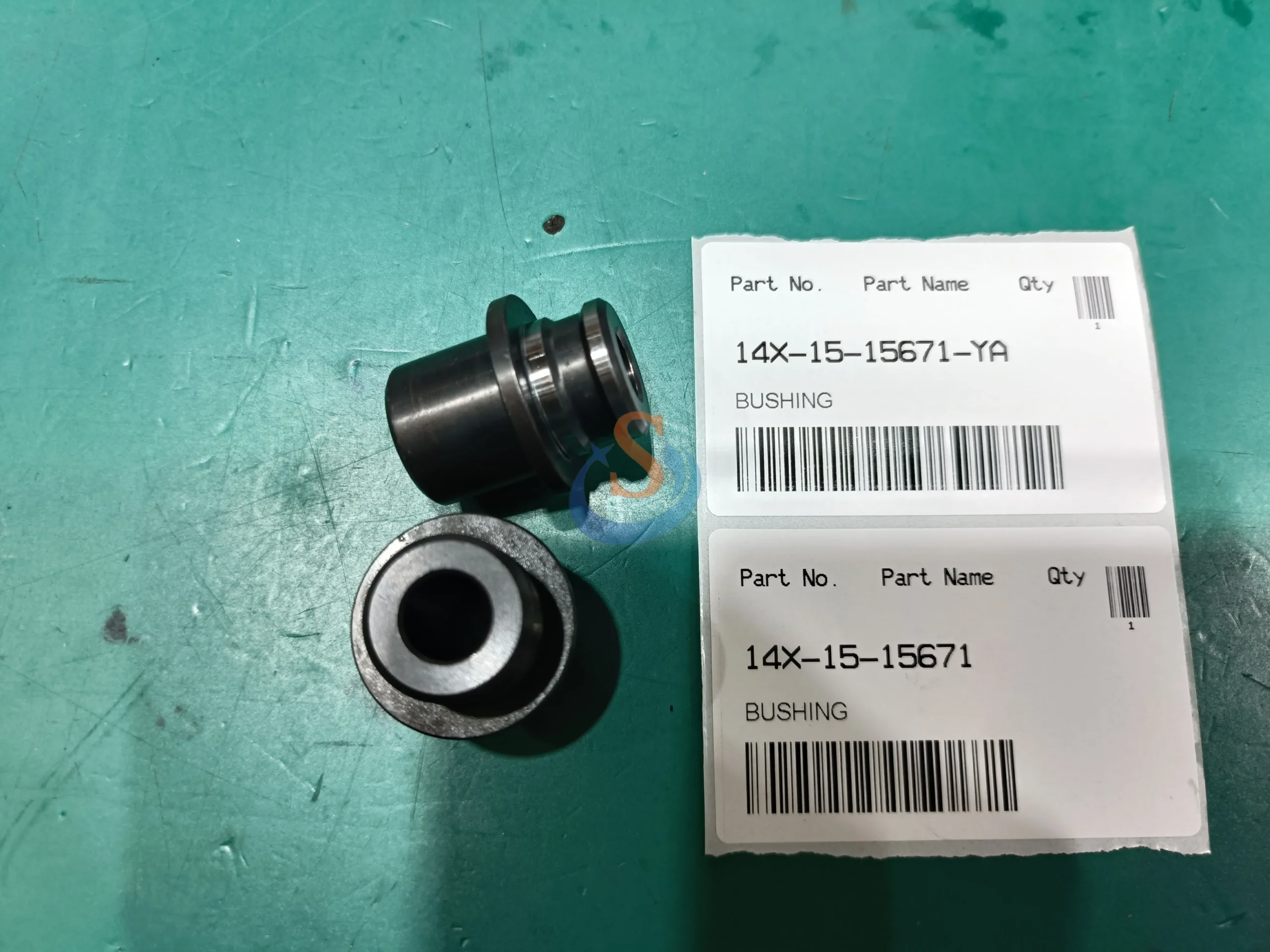 14X-15-15671 komatsu BUSHING D155A/D65EX