
- Chinese
- French
- German
- Portuguese
- Spanish
- Russian
- Japanese
- Korean
- Arabic
- Irish
- Greek
- Turkish
- Italian
- Danish
- Romanian
- Indonesian
- Czech
- Afrikaans
- Swedish
- Polish
- Basque
- Catalan
- Esperanto
- Hindi
- Lao
- Albanian
- Amharic
- Armenian
- Azerbaijani
- Belarusian
- Bengali
- Bosnian
- Bulgarian
- Cebuano
- Chichewa
- Corsican
- Croatian
- Dutch
- Estonian
- Filipino
- Finnish
- Frisian
- Galician
- Georgian
- Gujarati
- Haitian
- Hausa
- Hawaiian
- Hebrew
- Hmong
- Hungarian
- Icelandic
- Igbo
- Javanese
- Kannada
- Kazakh
- Khmer
- Kurdish
- Kyrgyz
- Latin
- Latvian
- Lithuanian
- Luxembou..
- Macedonian
- Malagasy
- Malay
- Malayalam
- Maltese
- Maori
- Marathi
- Mongolian
- Burmese
- Nepali
- Norwegian
- Pashto
- Persian
- Punjabi
- Serbian
- Sesotho
- Sinhala
- Slovak
- Slovenian
- Somali
- Samoan
- Scots Gaelic
- Shona
- Sindhi
- Sundanese
- Swahili
- Tajik
- Tamil
- Telugu
- Thai
- Ukrainian
- Urdu
- Uzbek
- Vietnamese
- Welsh
- Xhosa
- Yiddish
- Yoruba
- Zulu
- Kinyarwanda
- Tatar
- Oriya
- Turkmen
- Uyghur






Komatsu handle
When you hear 'Komatsu handle', you probably picture the standard control levers in an excavator cab. That's the common starting point, but in the field, that term starts to cover a lot more ground—from the actual joystick grips to the entire valve linkage assemblies, and even the aftermarket support ecosystem that keeps them moving. There's a persistent misconception that these are simple, off-the-shelf components. They're not. The real challenge isn't just the part itself, but matching its exact feedback, throw, and integration with the main control valve. A mismatch here doesn't just feel wrong; it can lead to pilot pressure issues and sluggish machine response. I've seen too many sites try to save a few bucks with a generic part, only to lose ten times that in downtime and fuel burn from an inefficient machine.
The Anatomy of Control and Where Things Go Wrong
Let's break down what we're actually talking about. The handle itself, the part the operator physically holds, is often just the tip of the iceberg. The more critical components are the linkage rods, the pilot valve cartridges it actuates, and the mounting bracket. The wear point is rarely the grip. It's usually the spherical bearing at the base of the lever or the internal seals in the pilot valve. A sloppy handle with too much free play is almost always traced back to that bearing housing wearing out, which then causes an imprecise signal to the valve.
I remember a specific case with a PC360-8 where the operator complained of mushy arm control. We replaced the handle assembly twice with non-OEM parts that 'fit', but the problem came back within weeks. The issue wasn't the replica lever; it was that the aftermarket linkage rod was a fraction of a millimeter too short. This prevented the pilot valve from opening fully, starving the main valve of its optimal signal pressure. The machine wasn't broken, but it was probably burning 15% more fuel to do the same work. That's the hidden cost.
This is where the distinction between a parts seller and a system specialist matters. A company like Jining Gaosong Construction Machinery Co., Ltd. operates in a unique space. As they note on their site https://www.takematsumachinery.com, they are both an OEM supplier within the Komatsu network and a third-party solutions provider. This dual role is crucial. It means they understand the exact OEM specifications and tolerances, but they're also pragmatically solving supply chain gaps in various markets. They're not just shipping a box with a Komatsu handle in it; they're often providing the specific sub-assembly or technical guidance to ensure it interfaces correctly with the rest of the machine's hydraulic control system.
The OEM vs. Aftermarket Tightrope
Walking the line between genuine and compatible parts is the daily reality for fleet managers. For critical control components, the OEM part is always the benchmark. Its metallurgy, seal quality, and machining tolerances are what the machine's hydraulics were tuned for. But what happens when you're in a remote location and the lead time for a genuine lever assembly is 12 weeks? You can't park a $300,000 excavator for three months.
This is the practical problem Jining Gaosong addresses. Their position as an OEM product supplier suggests direct access to Komatsu's manufacturing channels or approved blueprints. So, when they offer a third-party solution, it's likely reverse-engineered with a higher degree of fidelity than a generic workshop's copy. Their company focus on solving parts supply challenges in certain countries rings true. In some regions, the official distribution is thin, and logistics are a nightmare. A reliable third-party source that deeply understands the Komatsu system is invaluable.
However, 'OEM-quality' is a term thrown around too loosely. My rule of thumb? For the core pilot valve cartridge attached to the Komatsu handle, I push for genuine or the highest-tier certified replacement. For the lever, linkage, and brackets, a high-quality aftermarket from a specialist supplier can be a perfectly sound, cost-effective choice—provided there's technical backup. The failure mode here is usually mechanical wear, not a catastrophic hydraulic failure.
On-Site Diagnostics: Feeling the Problem
You learn more from feel than from a diagnostic code. A common test we do is to disconnect the linkage rod from the handle to the pilot valve. Manually actuate the pilot valve with a pair of pliers. If the machine function is then crisp and powerful, you've isolated the problem to the handle linkage assembly. If it's still sluggish, the problem is downstream (likely the main control valve or pumps). Another tell-tale sign is inconsistent operation. If the excavator's swing is fine but the bucket curl is lazy, you're likely looking at a problem specific to that one handle's circuit, not a system-wide hydraulic issue.
I recall a frustrating episode with a PC200-6 where the travel levers would intermittently lose response. We replaced sensors, checked pressures, and were about to dive into the main pump. On a hunch, we pulled the rubber boot off the base of the left-hand Komatsu handle. Found a cracked weld on the lever's internal actuator pin. It would only lose contact under a specific vibration frequency. A visual inspection missed it. It was only by feeling for lateral play that we found it. The lesson? Sometimes the simplest, most physical component is the culprit.
This is where having a supplier that gets the nuances is key. When you call to describe intermittent travel control on a Dash-6, a good technical salesperson will immediately ask about the handle's internal pin or the condition of the detent ball. They've seen the pattern before. That pattern recognition comes from being embedded in the ecosystem, not just from a parts catalog.
Beyond the Part: The Support That Matters
Ultimately, the part is a commodity. The support isn't. The real value of a supplier in this niche isn't just inventory, but their ability to provide cross-reference data, installation nuances, and failure mode analysis. For instance, does their replacement Komatsu handle assembly for a Dash-8 model include the updated, more durable bushing that Komatsu started using mid-production run? A generic parts house won't know that detail. A company operating as an OEM supplier and a third-party specialist might.
Looking at Jining Gaosong's stated role, their model seems built for this. They can likely provide the genuine article through OEM channels when needed, but also offer a validated alternative to keep machines running when logistics or cost preclude the first option. For a fleet manager, this creates a single point of contact for a spectrum of solutions. You're not just buying a lever; you're buying their accumulated insight into which solution fits your specific operational and financial reality.
The worst thing you can do is treat a control handle as a simple bolt-on. It's the primary translation point between the operator's intent and the machine's power. Getting it wrong degrades performance, increases operating costs, and frustrates your best operators. Getting it right means understanding the system, sourcing from knowledgeable partners, and always, always listening to what the machine—and the person in the seat—is telling you.
Related Products
Related Products

Best Selling Products
Best Selling Products-
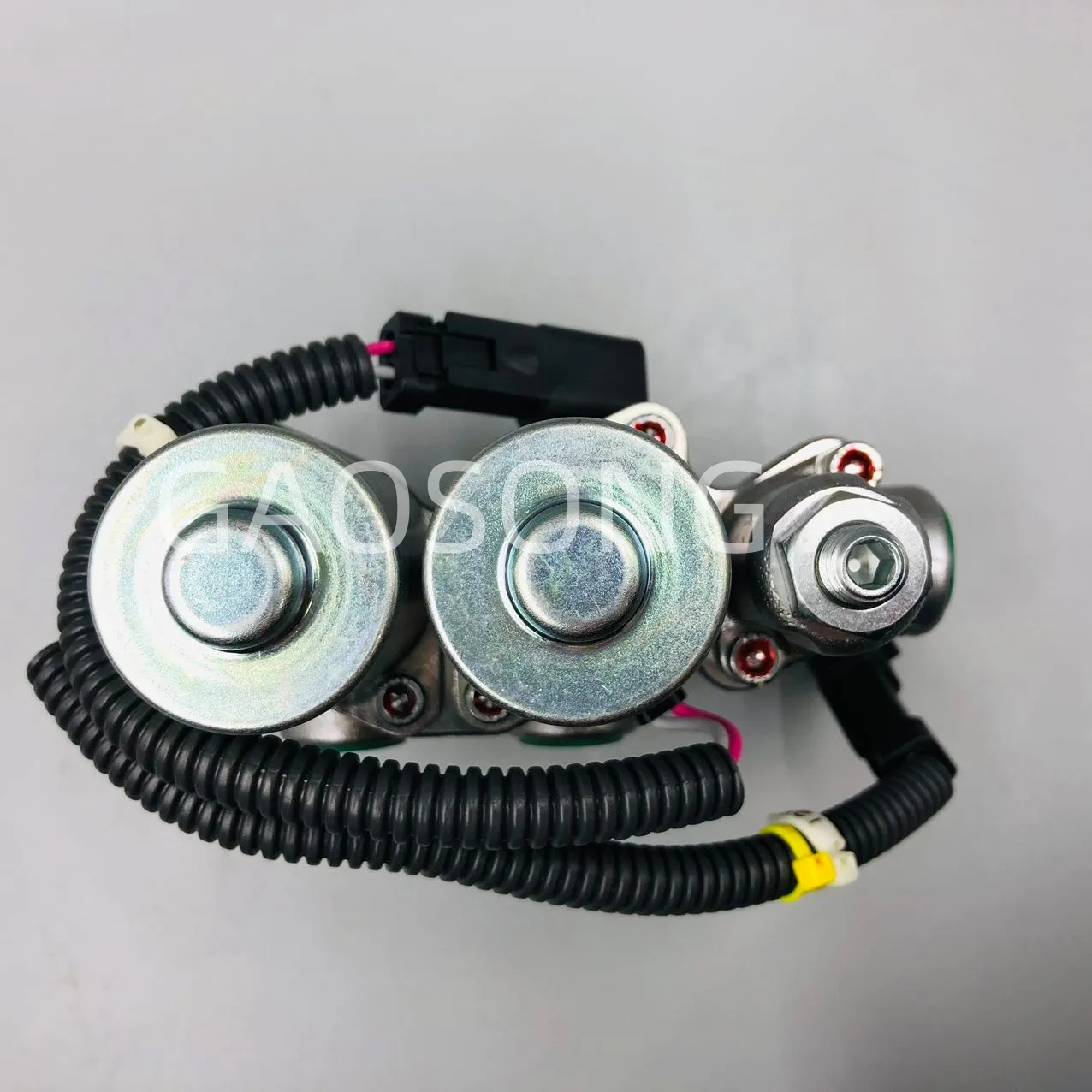 Pc45mr Pc50mr Solenoid Valve 22f-60-31600 Genuine Parts, High…
 -
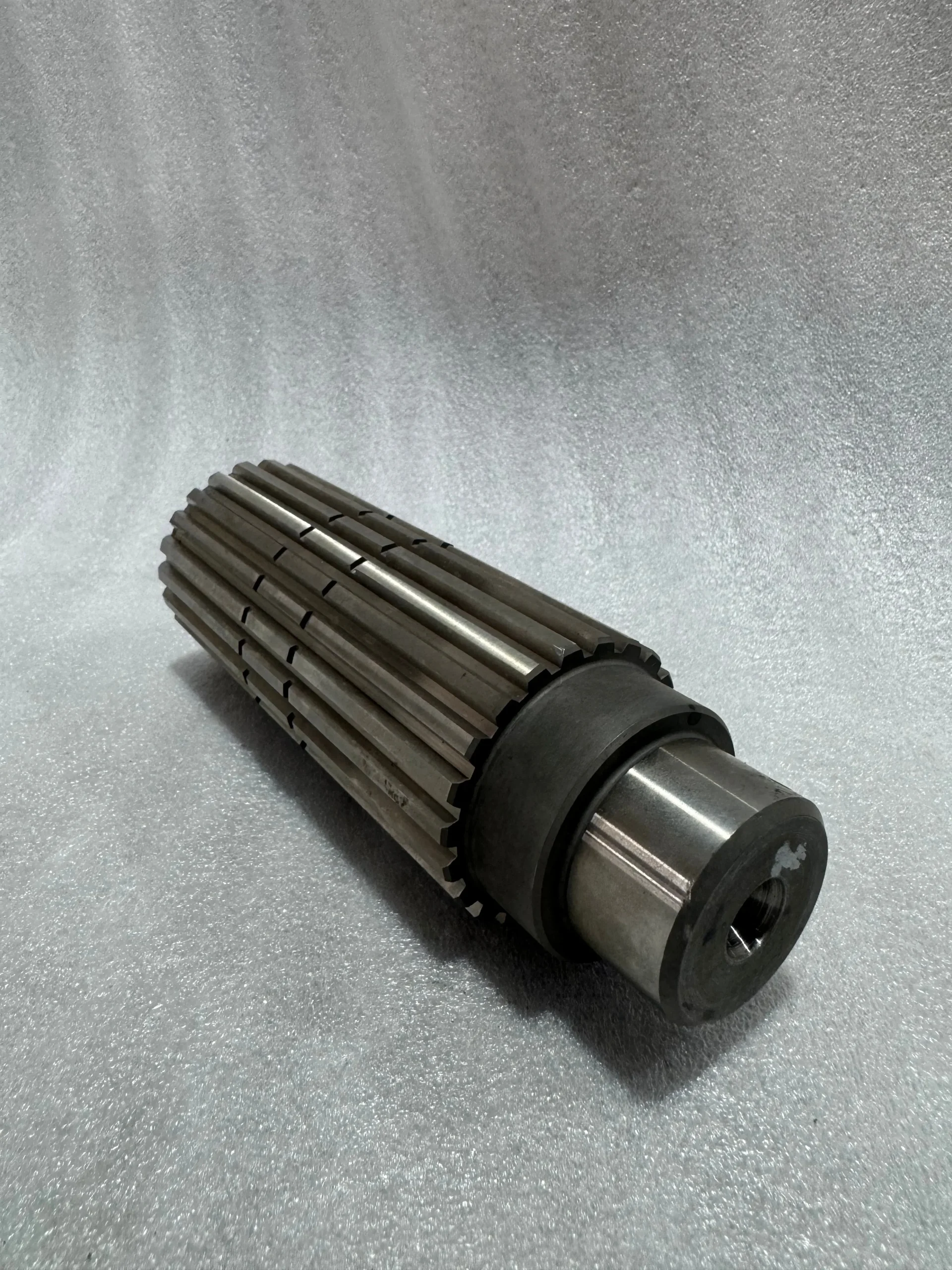 D65PX-15 Gear shaft 14X-12-11411
 -
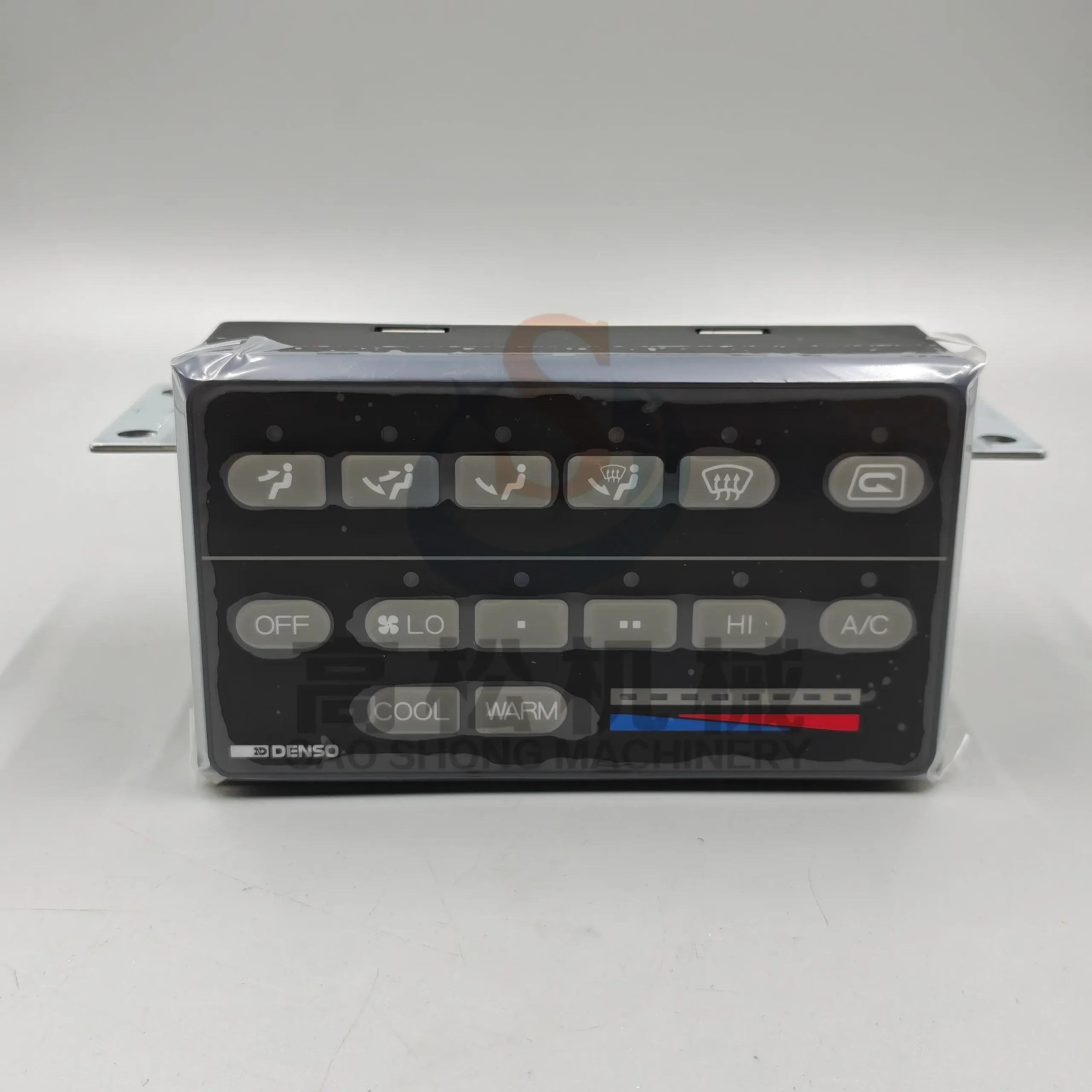 425-07-21121 Controller
 -
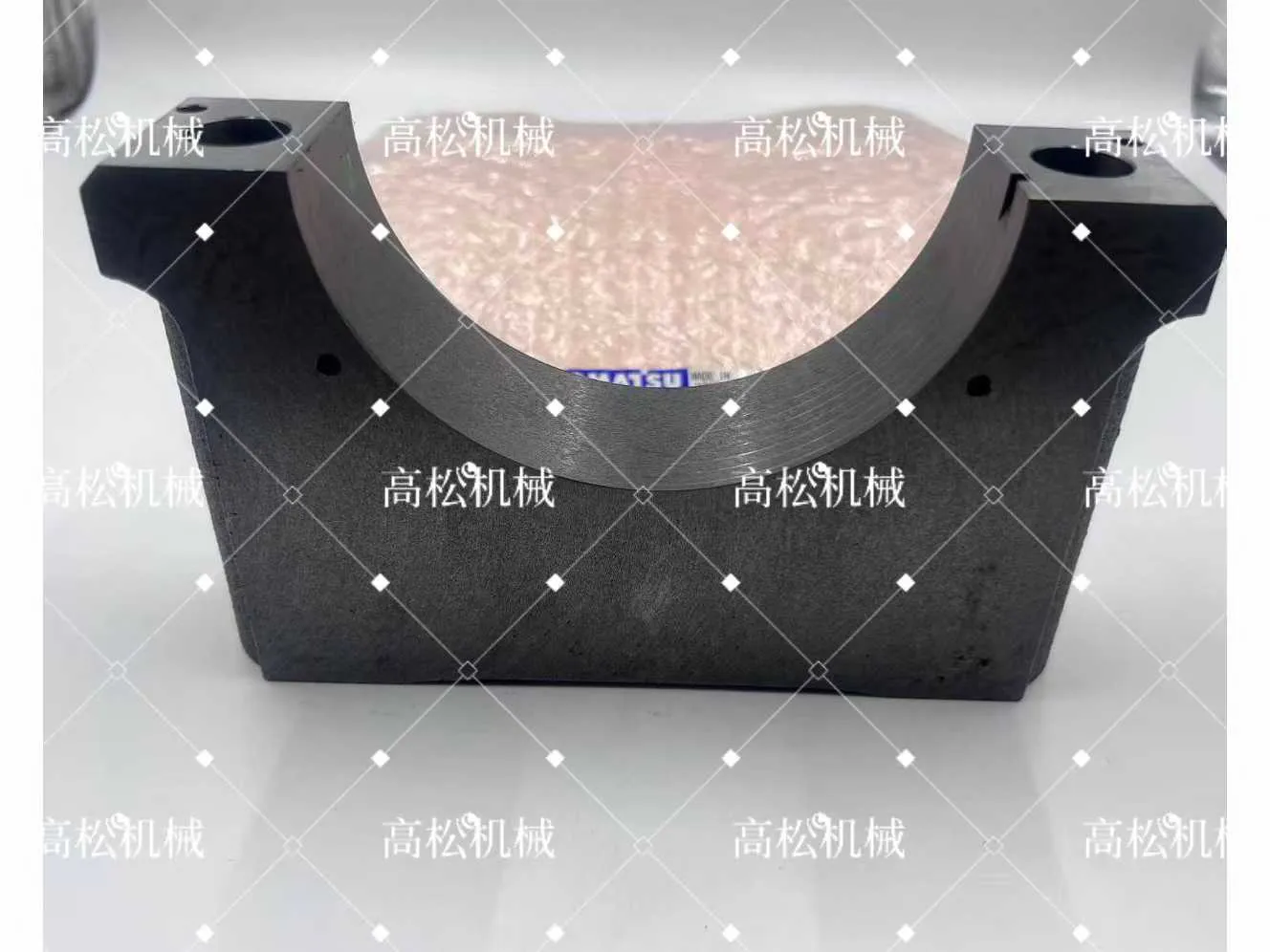 Komatsu Genuine CAP, MAIN METAL, WA470-3, 6150-29-1210
 -
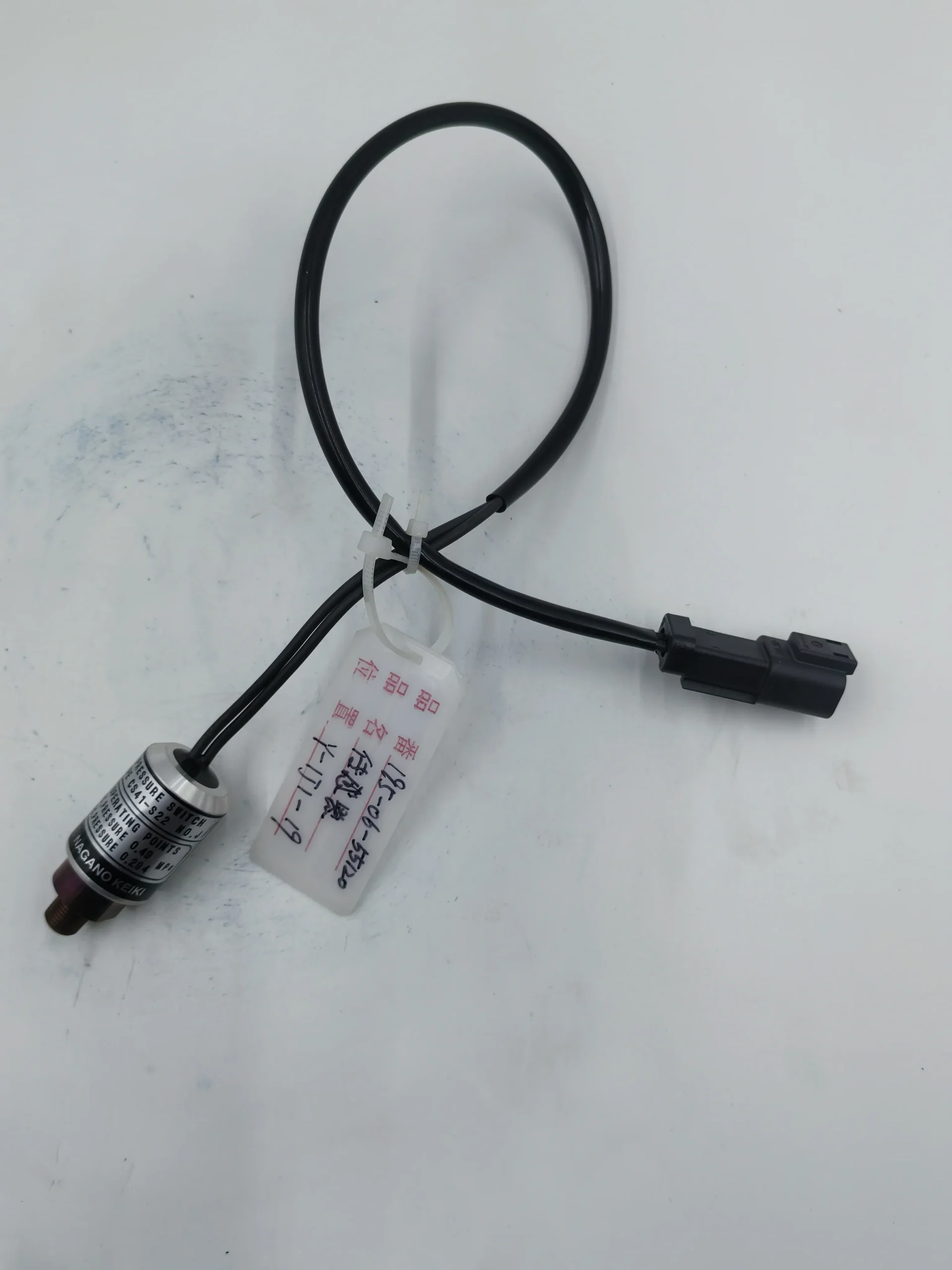 Electrical Parts 195-06-55120 Switch
 -
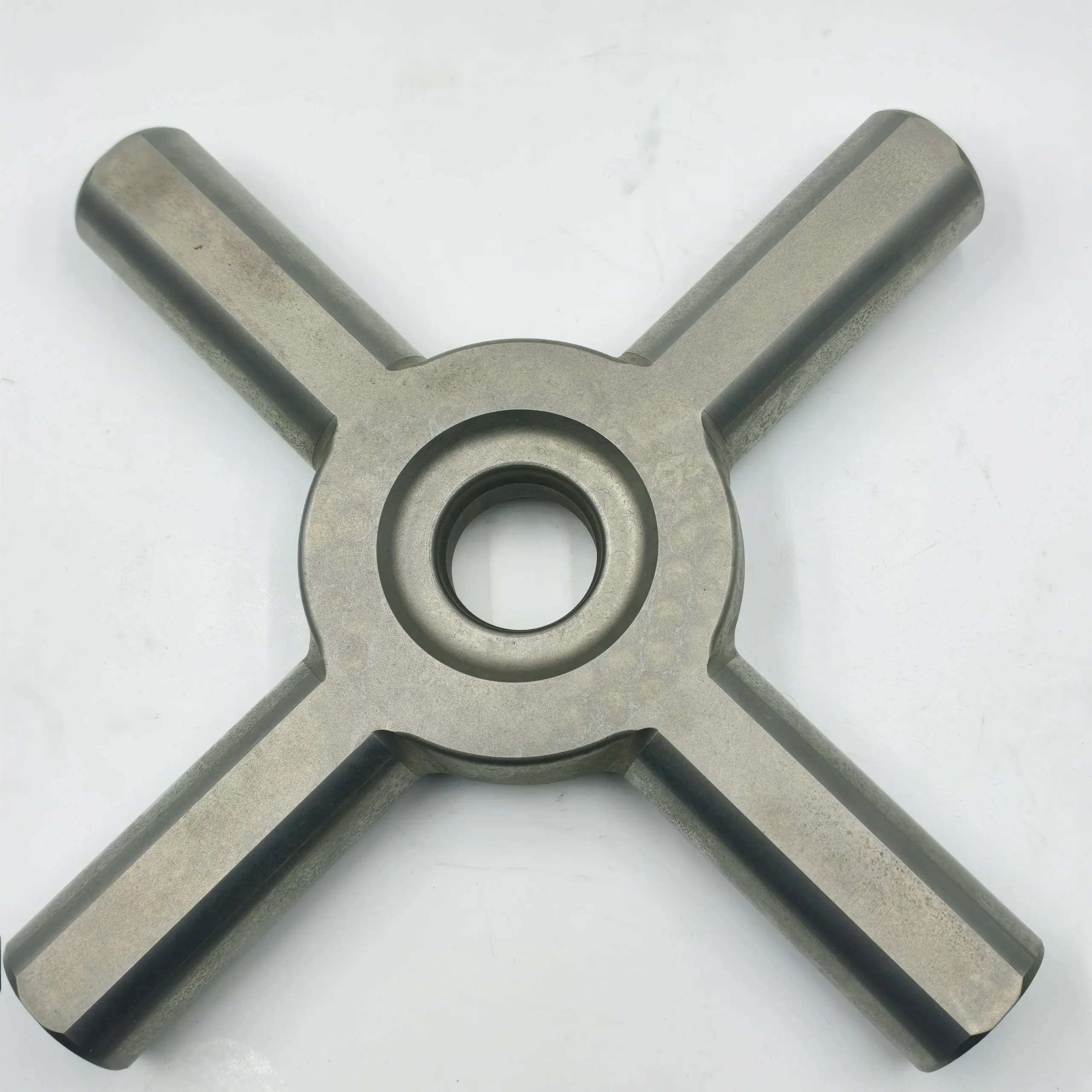 Komatsu Shaft 426-22-21410 for WA600-3 WF650T-3
 -
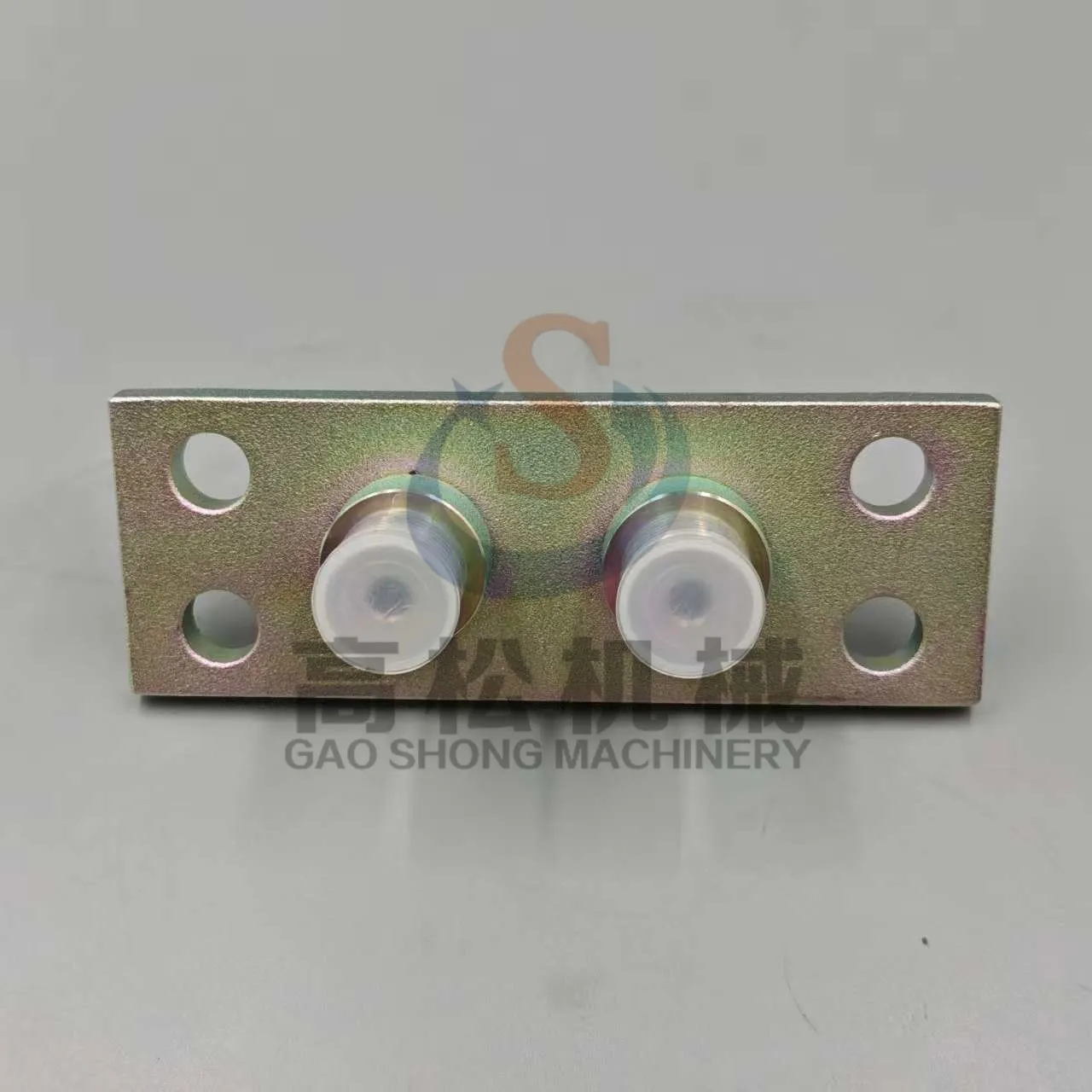 Komatsu D65EX-15 14Y-62-31411 BRACKET
 -
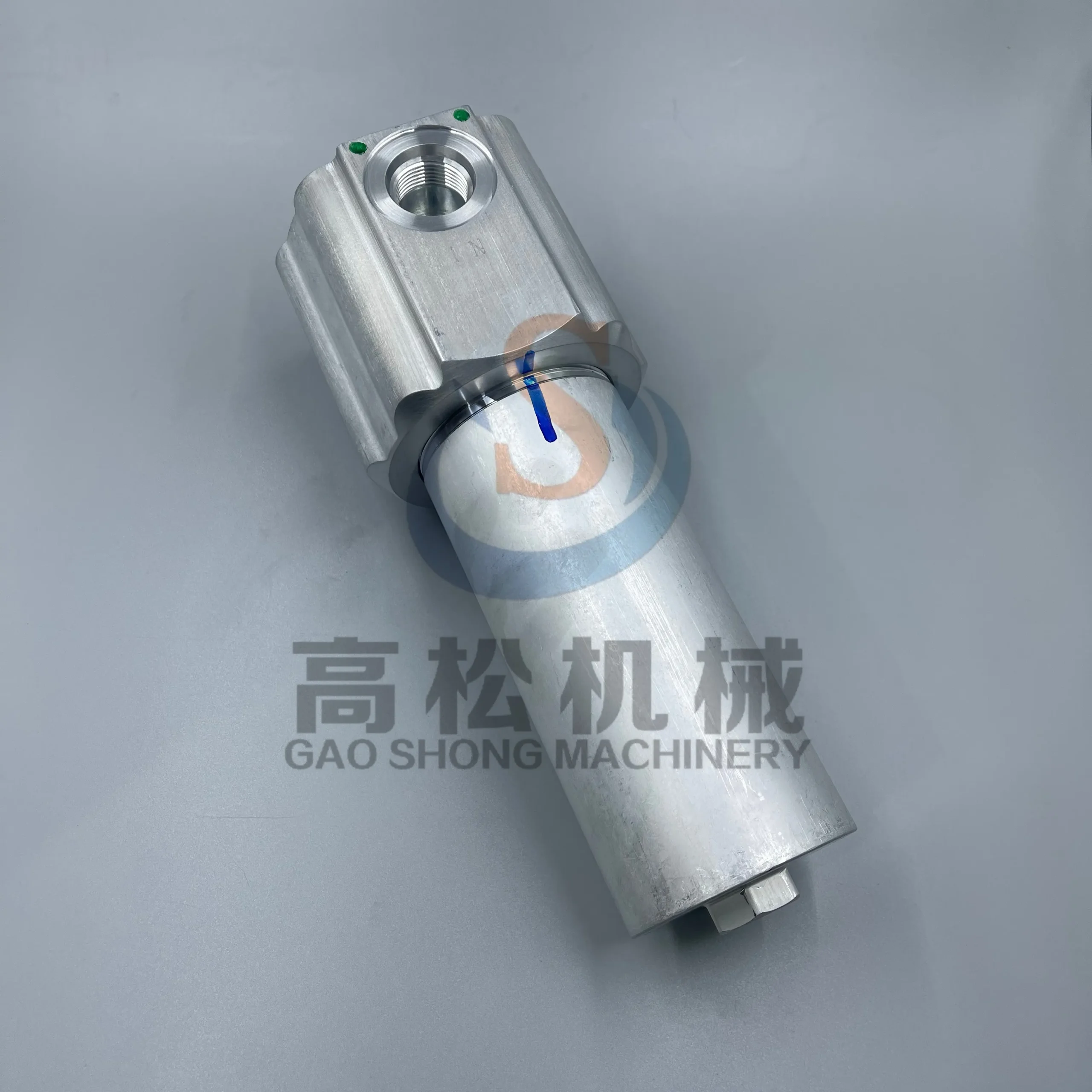 569-43-83911 Komatsu Filter Assembly
 -
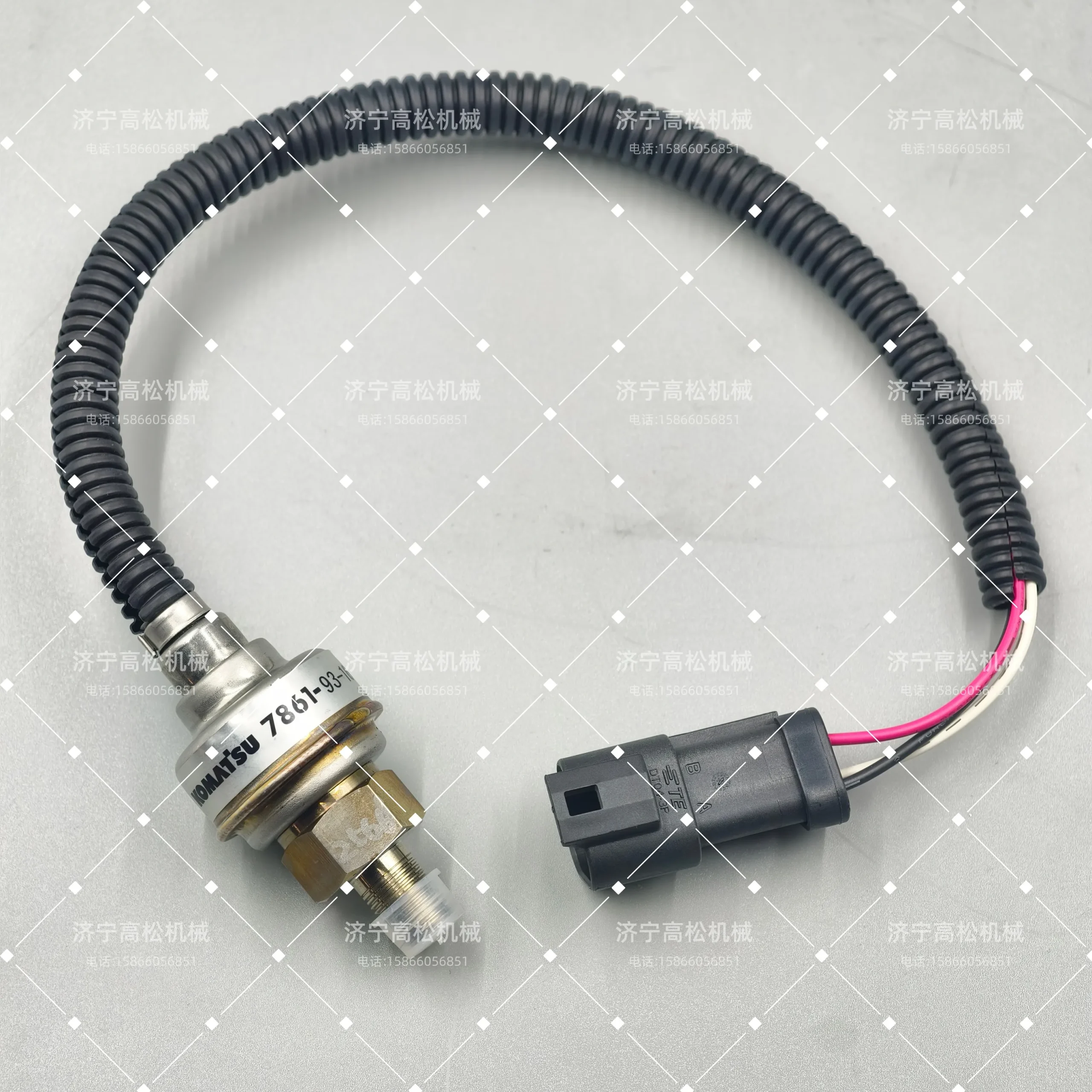 Construction Machinery Parts 7861-93-1670 for Komatsu Excavator…
 -
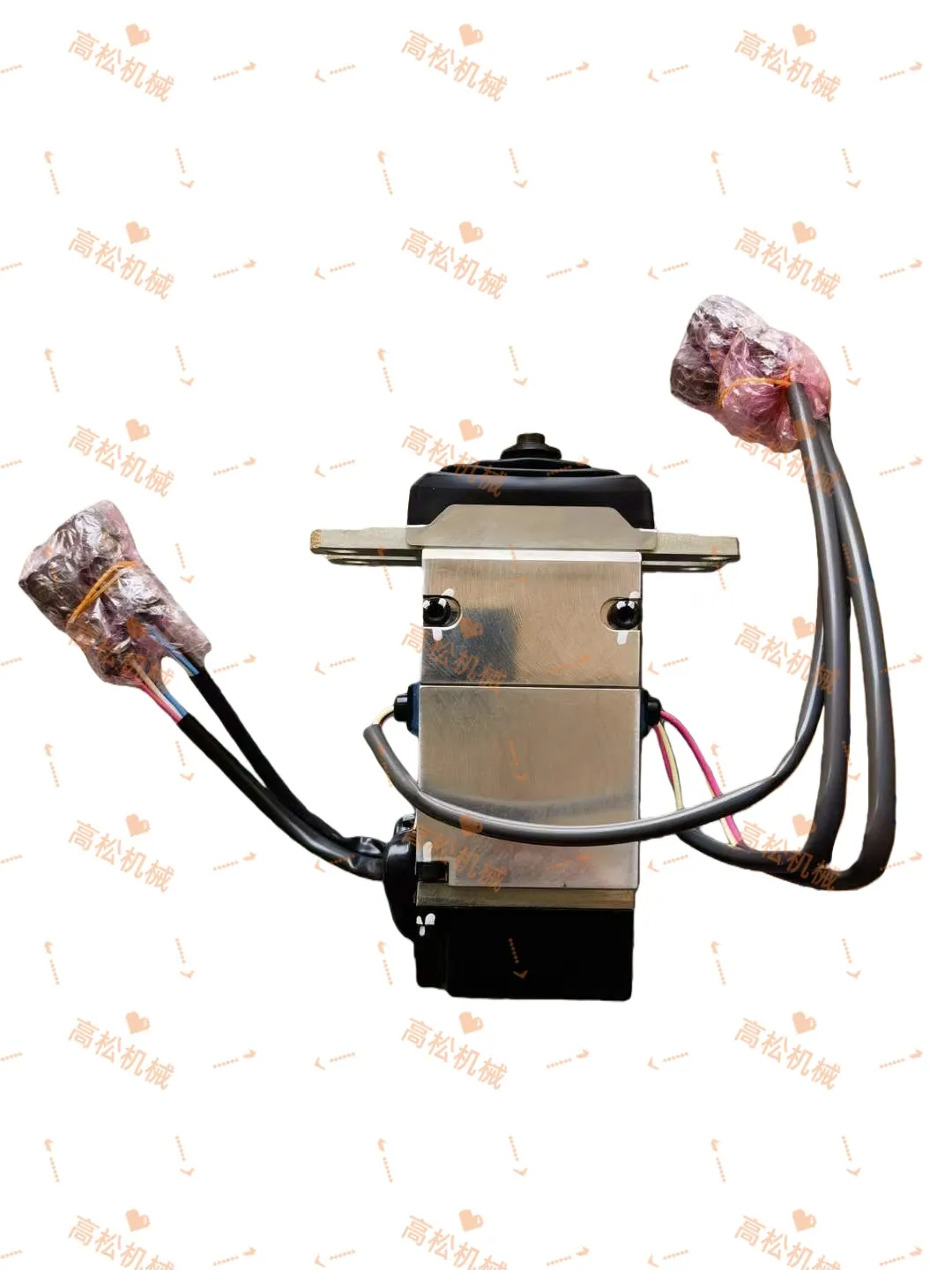 Komatsu Control lever 702-16-02144 for Wheel loader WA480-5H
 -
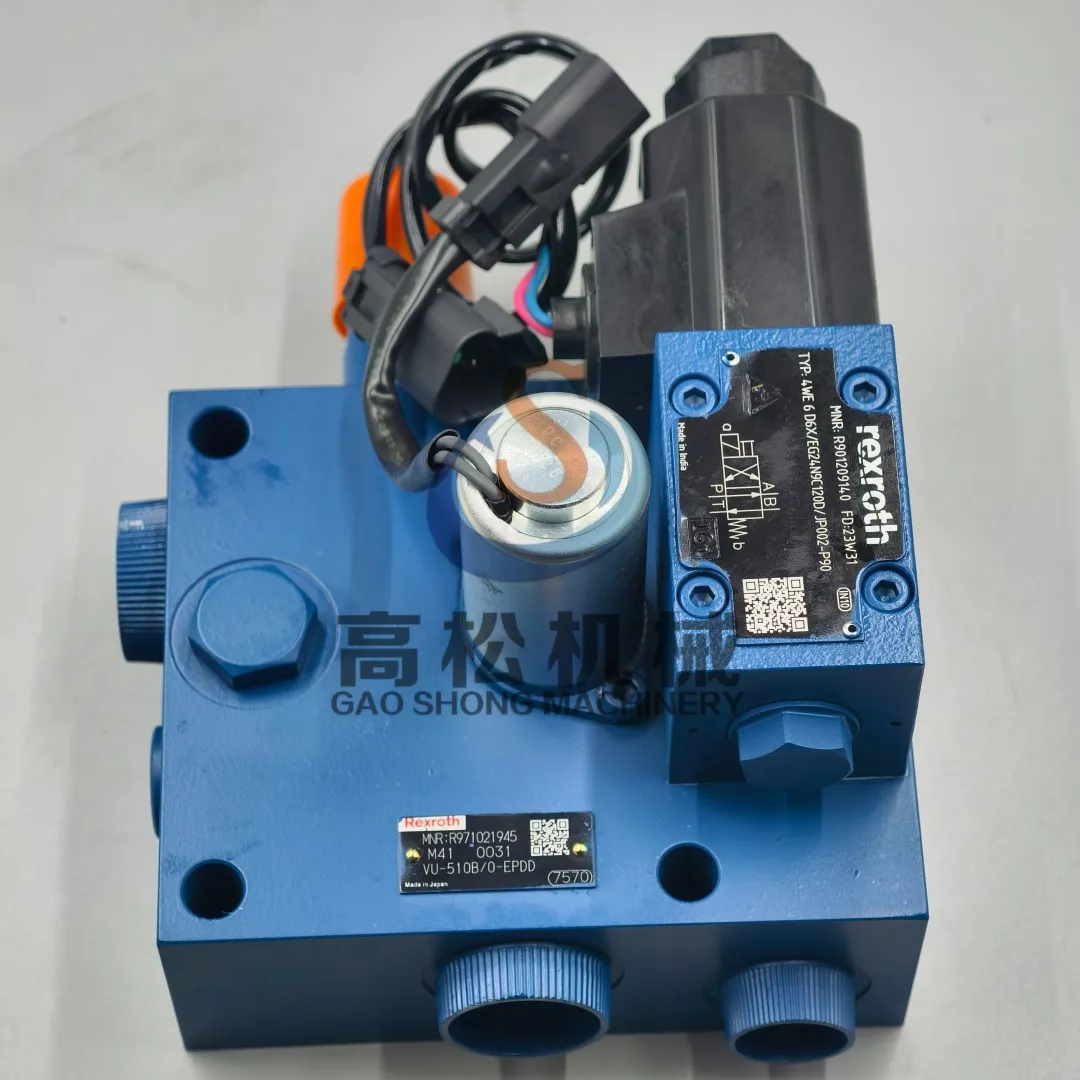 Valve Ass’y 56B-43-12402 56B-43-17340 For KOMATSU Dump Truck HD785 HD325 HD605
 -
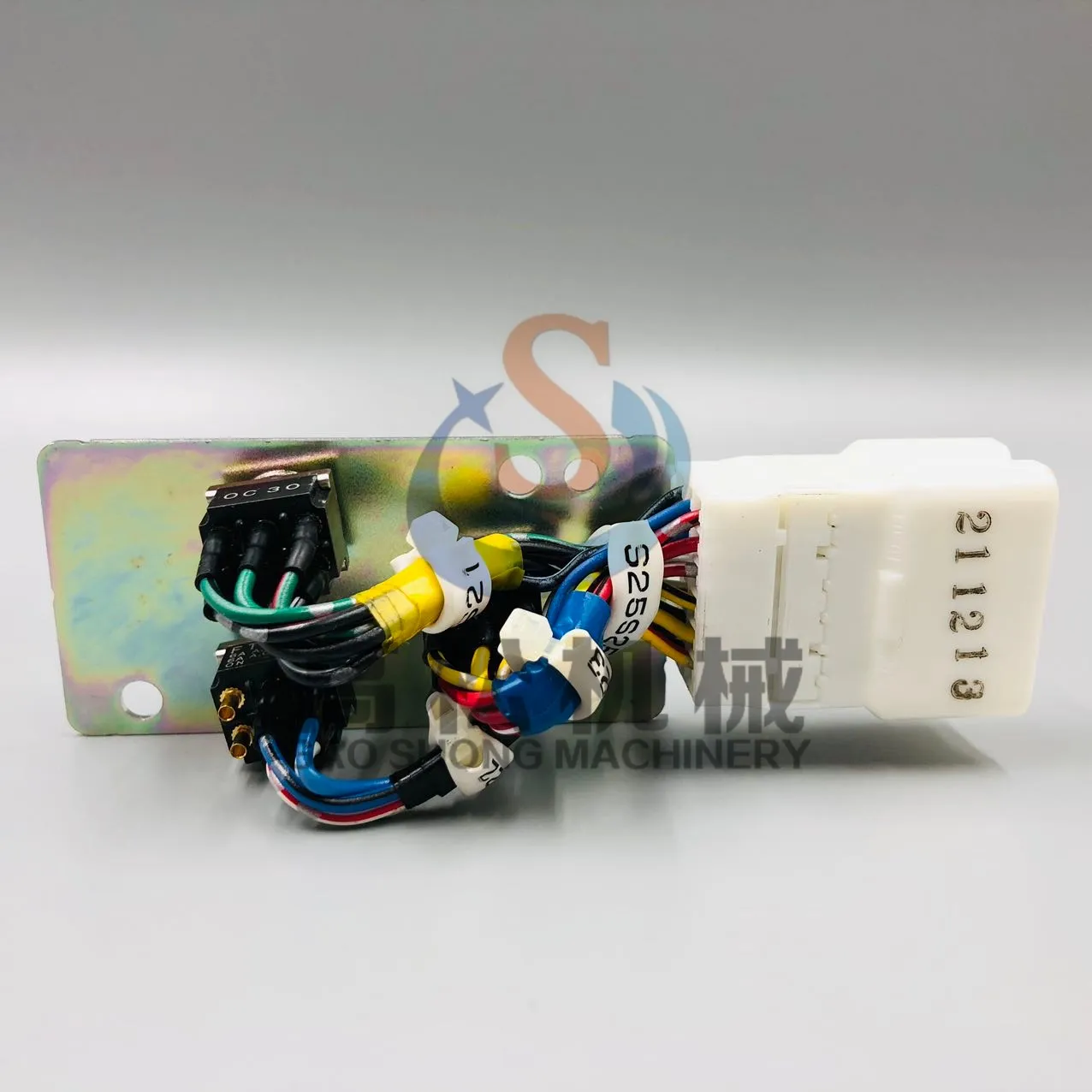 SWITCH ASS’Y 22U-06-22370 – KOMATSU