
- Chinese
- French
- German
- Portuguese
- Spanish
- Russian
- Japanese
- Korean
- Arabic
- Irish
- Greek
- Turkish
- Italian
- Danish
- Romanian
- Indonesian
- Czech
- Afrikaans
- Swedish
- Polish
- Basque
- Catalan
- Esperanto
- Hindi
- Lao
- Albanian
- Amharic
- Armenian
- Azerbaijani
- Belarusian
- Bengali
- Bosnian
- Bulgarian
- Cebuano
- Chichewa
- Corsican
- Croatian
- Dutch
- Estonian
- Filipino
- Finnish
- Frisian
- Galician
- Georgian
- Gujarati
- Haitian
- Hausa
- Hawaiian
- Hebrew
- Hmong
- Hungarian
- Icelandic
- Igbo
- Javanese
- Kannada
- Kazakh
- Khmer
- Kurdish
- Kyrgyz
- Latin
- Latvian
- Lithuanian
- Luxembou..
- Macedonian
- Malagasy
- Malay
- Malayalam
- Maltese
- Maori
- Marathi
- Mongolian
- Burmese
- Nepali
- Norwegian
- Pashto
- Persian
- Punjabi
- Serbian
- Sesotho
- Sinhala
- Slovak
- Slovenian
- Somali
- Samoan
- Scots Gaelic
- Shona
- Sindhi
- Sundanese
- Swahili
- Tajik
- Tamil
- Telugu
- Thai
- Ukrainian
- Urdu
- Uzbek
- Vietnamese
- Welsh
- Xhosa
- Yiddish
- Yoruba
- Zulu
- Kinyarwanda
- Tatar
- Oriya
- Turkmen
- Uyghur






Komatsu grease
When you hear 'Komatsu grease,' what comes to mind? For many, it's just another branded tube or cartridge, a commodity item you slap into a grease gun. That's the first mistake. It's not just a lubricant; it's a system component as critical as a hydraulic pump seal or a final drive gear. The assumption that any high-temperature lithium complex grease will do in a Komatsu excavator's swing circle is how you end up with premature wear and a $20,000 repair bill. I've seen it happen because someone wanted to save a few bucks per kilo on a non-OEM spec product. The reality is, Komatsu doesn't manufacture grease, but their specifications—like the often-cited KES 07.883 for extreme pressure—dictate a precise formulation for a reason. It's about matching the additive package to the metallurgy and operating pressures of their machinery. Ignoring that is playing with fire.
The Spec Sheet Isn't Marketing
Let's get into the weeds. People glance at a spec sheet, see NLGI Grade 2, and think they're done. That's like buying a car because it has four wheels. The devil is in the details like thickener type, base oil viscosity, and the specific anti-wear additives. For Komatsu's hydraulic shovel front linkages, the grease needs to resist washout from water and slurry while maintaining stability under massive shock loads. A generic moly-disulfide grease might seem similar, but if its dropping point is lower or its mechanical stability is poor, it'll simply squeeze out or channel, leaving metal-on-metal contact. I learned this the hard way on a PC360 project where we used a well-known commercial brand. After three weeks of wet conditions, the pin bosses showed fretting corrosion. The grease had emulsified and separated. Swapping back to the proper Komatsu-specified product stopped the issue cold. It wasn't cheaper, but it was cost-effective.
This is where a supplier's role becomes technical, not just logistical. A company like Jining Gaosong Construction Machinery Co., Ltd. understands this nuance. Being an OEM product supplier within the Komatsu system means they have access to the precise technical data and the correct formulations that bear the Komatsu specification, not just a logo. Their work in helping solve parts supply challenges in certain countries isn't just about moving boxes; it's about ensuring the right chemistry ends up in the right joint. When you're sourcing from their portal at https://www.takematsumachinery.com, you're theoretically tapping into that system knowledge, which is more valuable than the product itself.
There's also the compatibility nightmare. Mixing incompatible thickeners (like lithium complex and polyurea) can lead to a grease breakdown that's faster than if you used no grease at all. I always advise crews to do a full purge when switching grease types, even if it's a pain. The few hours of labor and wasted grease are nothing compared to a seized boom foot pin.
Application Realities: The Gun and The Heat
Specification is one battle; application is another. The best grease in the world is useless if it's not getting to the wear surface. High-pressure grease guns are standard, but the pressure setting matters. Too high, and you can blow out seals on older machines; too low, and you won't purge old, contaminated grease from the cavity. On a Komatsu dozer's track roller frames, you need to see fresh grease purging out to know you've displaced the dirt and water. If you don't, you're just topping up a contaminated system.
Then there's temperature. High-temperature on a spec sheet might mean 180°C. But in a real-world mining application, a dump truck wheel bearing near a brake rotor can see localized temps beyond that. The grease needs to carbonize slowly and not run out like water. I recall a case with a Komatsu 930E where we had chronic bearing failures on one truck. The grease met the spec, but the site's ambient temperature was consistently higher than the mine where the equipment was originally tested. The solution, worked out with a technical rep, was to move to a slightly higher viscosity base oil within the same specification family. It was a subtle shift, but it extended bearing life by about 30%. It's these on-the-ground adjustments that matter.
This is where the value of a specialized third-party sales company comes in. They've seen these regional and operational quirks. A supplier like Jining Gaosong, operating as a third-party sales channel for Komatsu, likely encounters varied climate and duty cycle challenges across different countries. Their feedback loop into the supply chain can sometimes facilitate access to these niche, application-tested variants that a local general supplier wouldn't even know exist.
Failures and Misdiagnoses
Not every failure is a grease problem, but grease is often the scapegoat. We had a mid-sized Komatsu excavator with recurring failures in the swing bearing. The grease was blamed, and we went through three different premium brands. The real issue? A slightly misaligned superstructure that created uneven loading on the bearing raceway. No grease could compensate for that. We fixed the alignment, went back to the standard Komatsu-spec grease, and the problem vanished. The lesson: Grease is a component in a system. Diagnose the system first.
Another common misdiagnosis is over-greasing. More is not better. In sealed joints, over-greasing creates excessive internal pressure, which can blow out lip seals or, in the worst case, cause housing cracks. The grease has nowhere to go, so it finds the path of least resistance. I've seen a slew ring seal fail spectacularly because a new mechanic thought if one pump is good, ten must be great. The cleanup and repair took a day. The manual exists for a reason—follow the interval and the number of strokes.
Conversely, under-greasing due to extended intervals is a silent killer. It's still coming out clean is a terrible metric. The grease in the channel might be clean, but the anti-wear additives at the friction point are long depleted. You're lubricating with base oil and thickener, which offers little protection. Sticking to Komatsu's recommended intervals, which are based on severe operating conditions, is the safest bet. If your conditions are milder, you can potentially extend them, but only based on used oil analysis from a sample of the purged grease—a step few take, but one that reveals everything.
The Economics of Genuine vs. Equivalent
This is the eternal debate. Is the Komatsu-branded grease in the white cartridge worth the 15-20% premium over a meets or exceeds equivalent from a major lubricant company? Sometimes yes, sometimes no. For critical, high-stress, or warranty-sensitive applications, I lean toward the genuine article. The chain of custody is clear. If there's a failure, there's no debate about whether the lubricant met the spec—it came from Komatsu's approved supply chain. For general-purpose zerk fittings on less critical points, a verified equivalent from a top-tier lubricant supplier is often perfectly fine.
The risk with equivalents is verification. Does the product data sheet list the exact Komatsu specification, or does it just list similar specs from other OEMs? KES 07.883 is not the same as Caterpillar's TO-4, though they may share similarities. A reliable supplier should be able to provide a cross-reference document or a statement of conformity. This is a key area where a dedicated parts supplier's expertise is crucial. Their business hinges on providing the correct match, not just the cheapest option.
In markets with supply chain fragility, the role of a company like Jining Gaosong becomes economic as much as technical. By providing an authorized alternative channel, they help stabilize availability and price. When a local distributor runs out of stock for months, having a trusted third-party source that understands the OEM system can keep a fleet running. Their company focus on solving parts supply challenges directly addresses this real-world pain point.
Final Thoughts: It's a Philosophy
At the end of the day, thinking about Komatsu grease correctly is about adopting a precision mindset. It's moving away from viewing it as a consumable and towards seeing it as a prescribed fluid with a specific job. It's about understanding that the grease gun is as important as the grease inside it. And it's about recognizing that your supply partner needs to be a technical resource, not just a warehouse.
The next time you order, look past the brand name on the tube. Look for the specification. Question the application method. Consider the operating environment. That's what separates a mechanic from a technician, and what turns a costly repair into a routine maintenance item. The machine's design engineers specified a lubrication regime for a reason; our job is to execute it with understanding, not just blind adherence.
And sometimes, that means paying a bit more upfront for the right product and the right advice from a source embedded in the OEM ecosystem. Because the cost of being wrong is never just the price of a grease cartridge. It's downtime, major component wear, and a hit to your own reputation for keeping equipment running. That's the real weight behind those two words: Komatsu grease.
Related Products
Related Products

Best Selling Products
Best Selling Products-
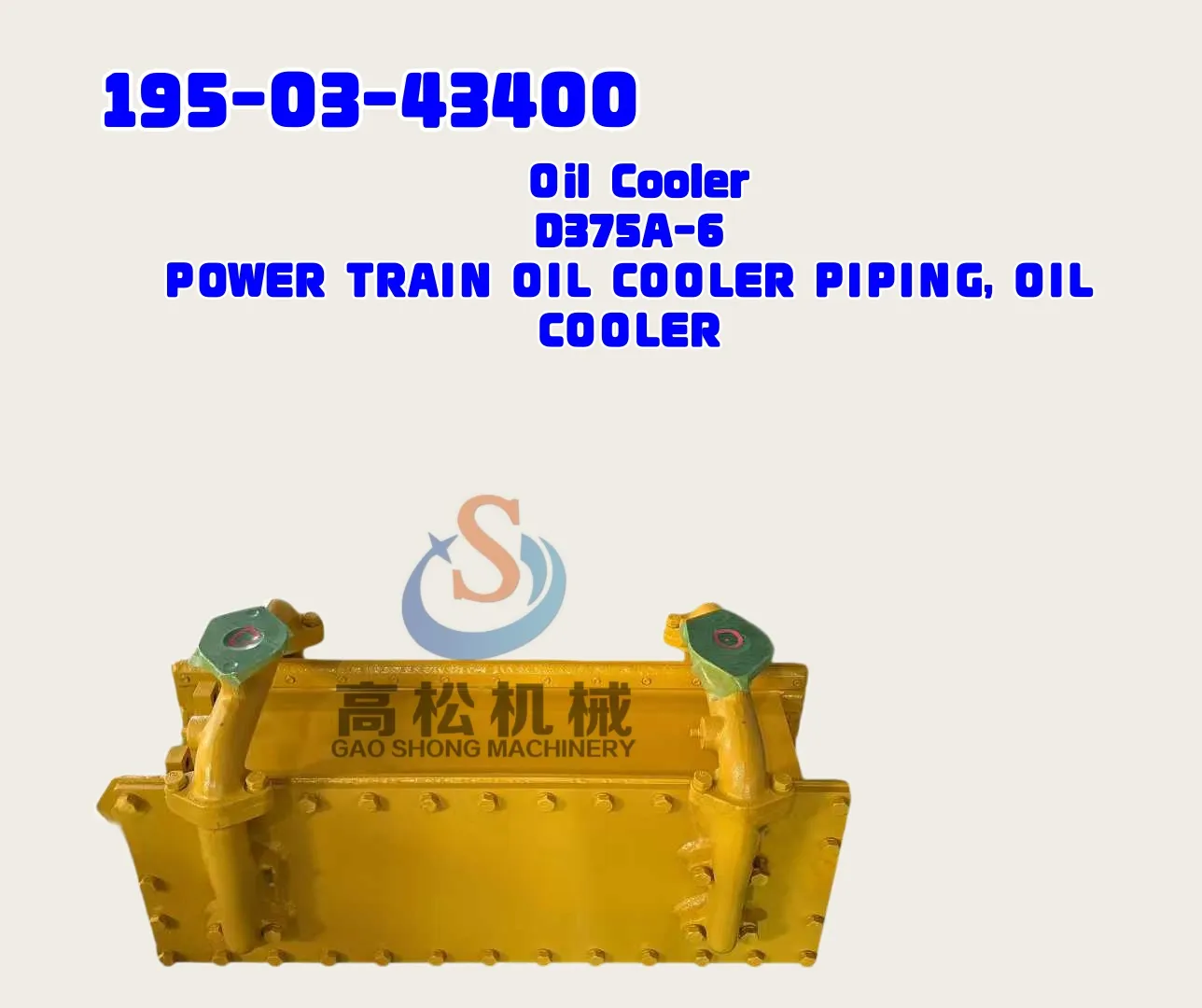 komatsu-part-195-03-43400 Oil Cooler D375A-6 D375A-6R POWER TRAIN OIL COOLER PIPING, OIL COOLER
 -
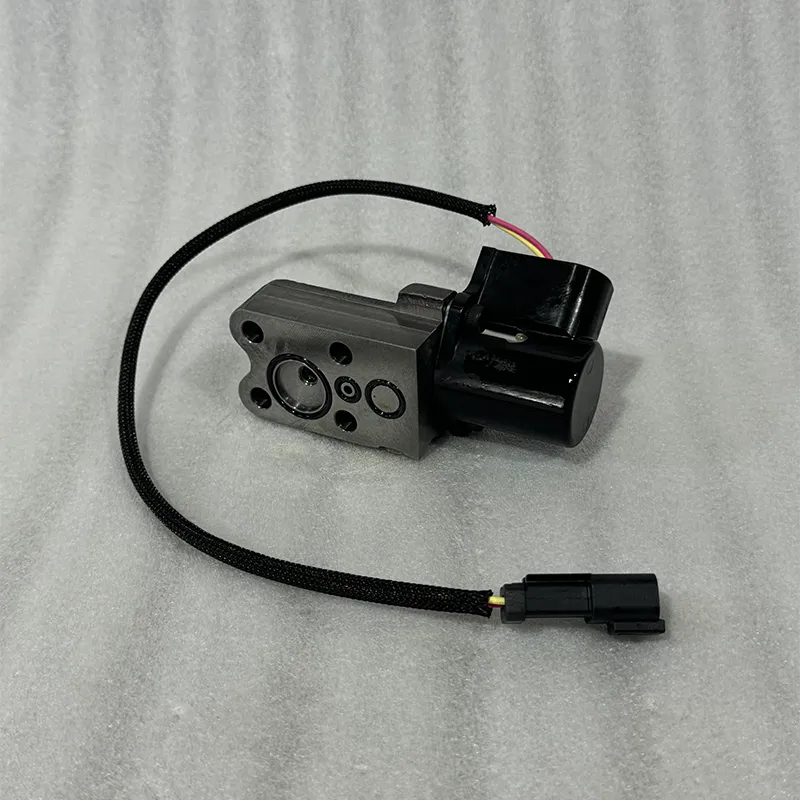 Original komatsu PC2000-8 Pilot Valve 708-7S-01330
 -
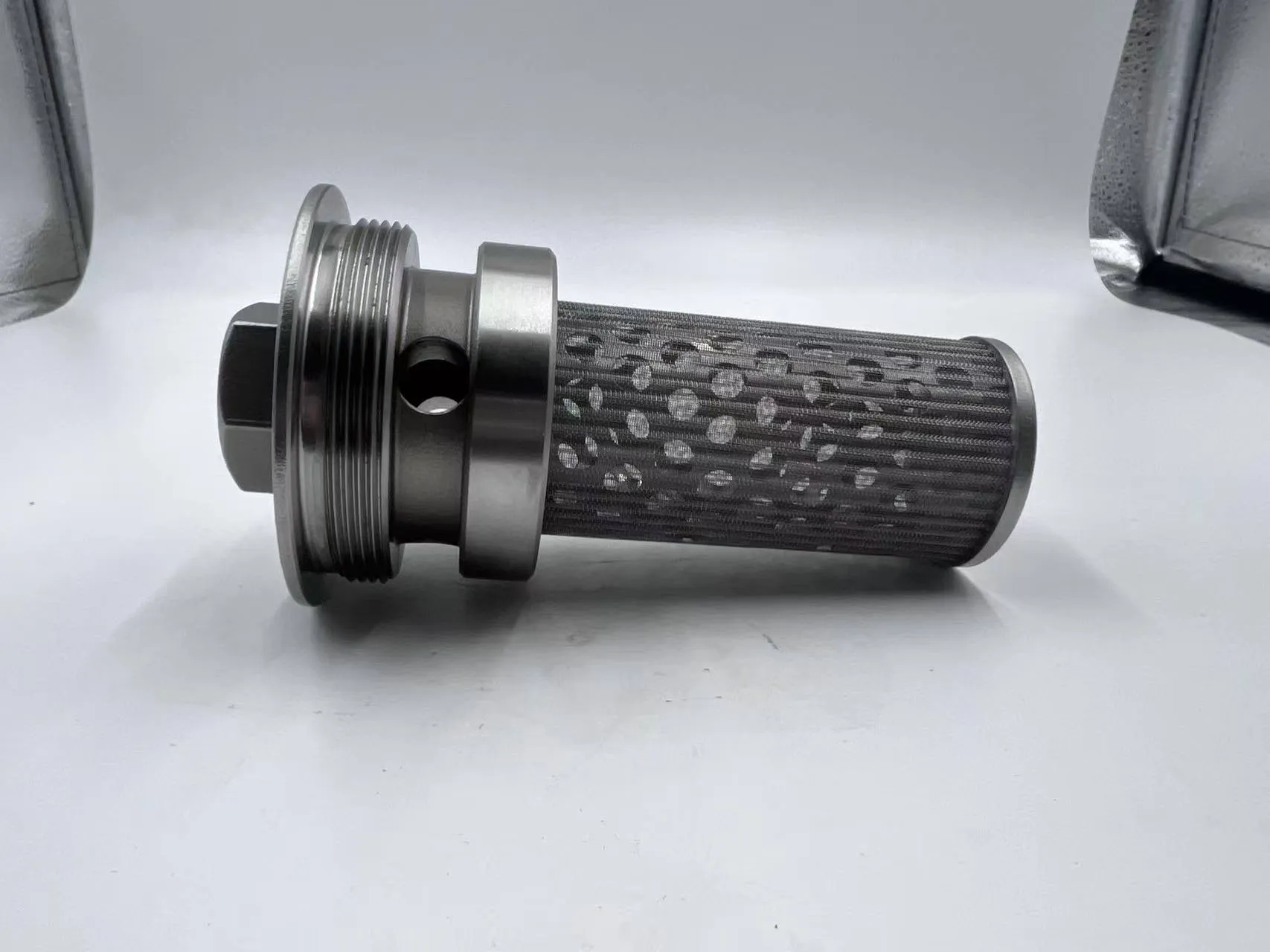 195-04-11150 STRAINER Suitable For Komatsu
 -
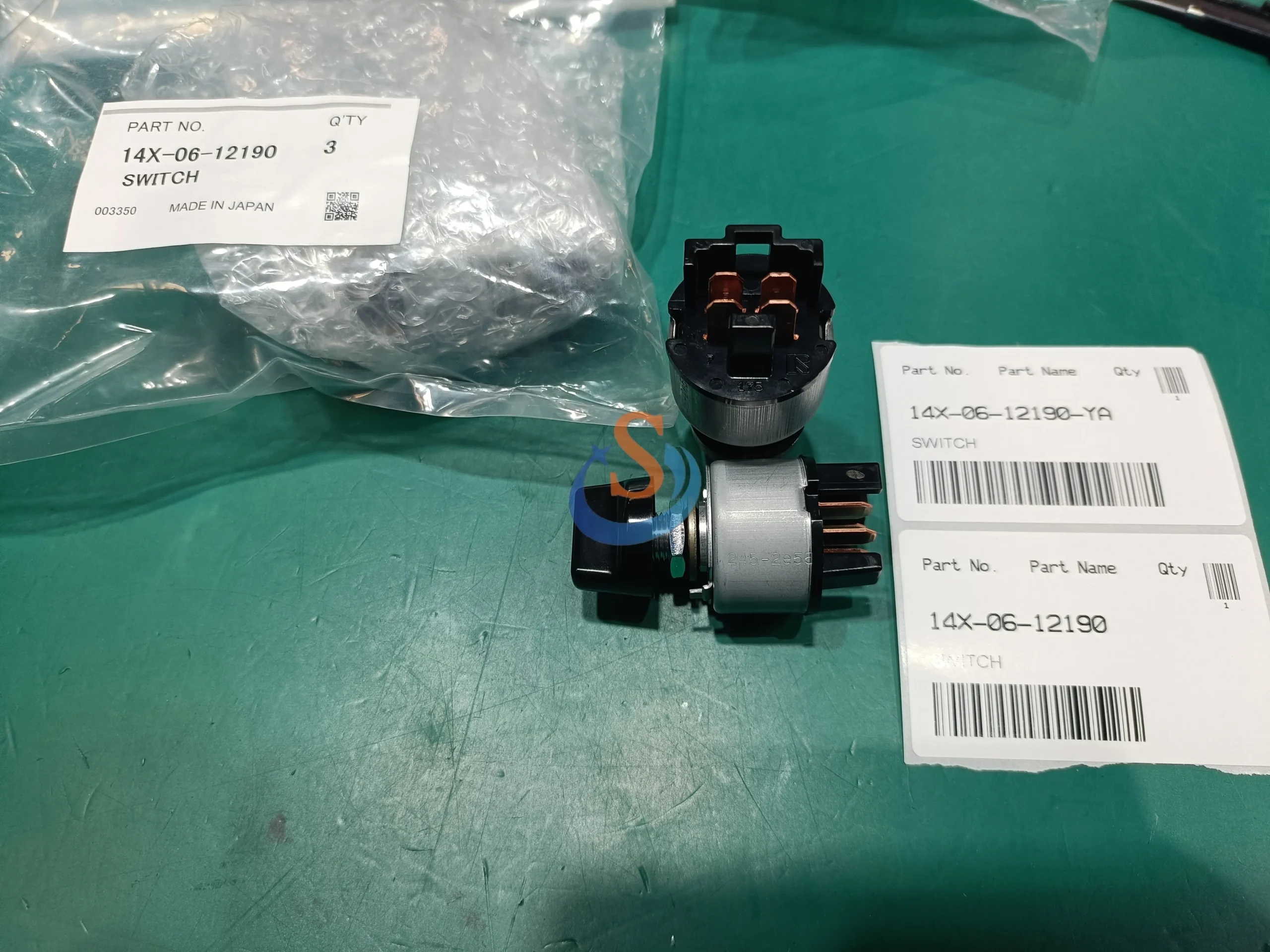 14X-06-12190 SWITCH D375A/D475A
 -
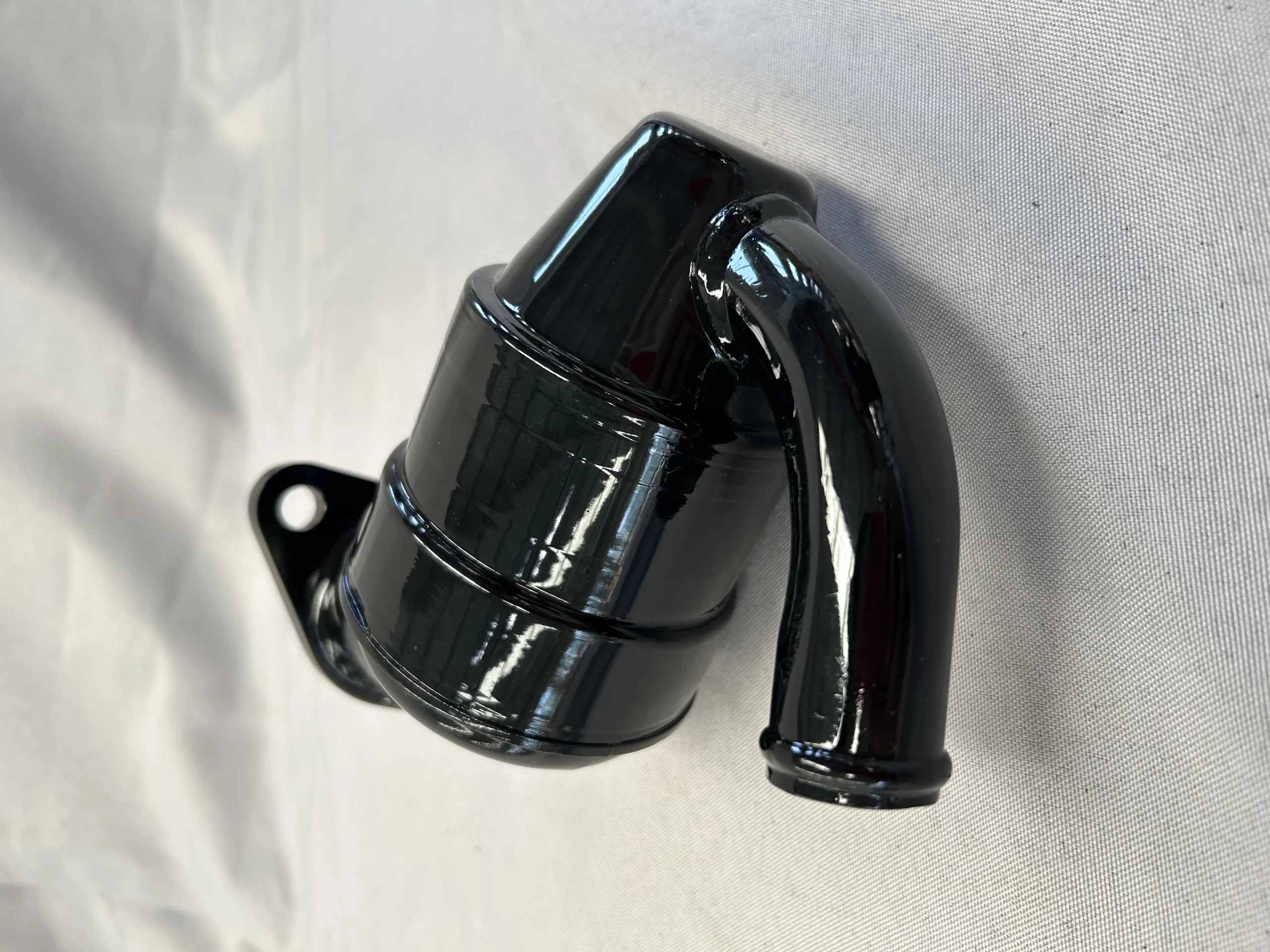 S6D170-1G Breathing Valve 6162-23-8510
 -
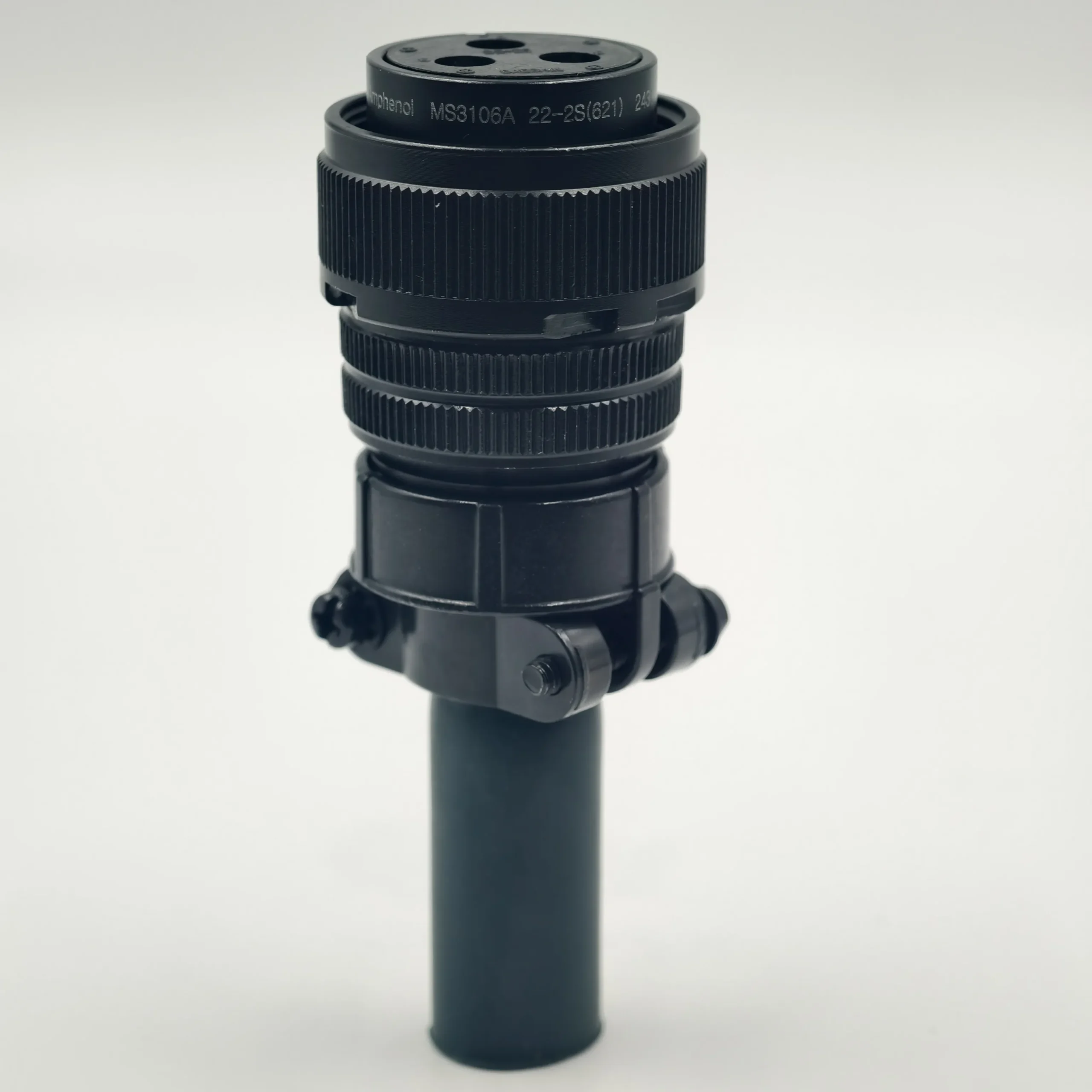 175-06-37871 PLUG(WITH HEATER) (Komatsu)
 -
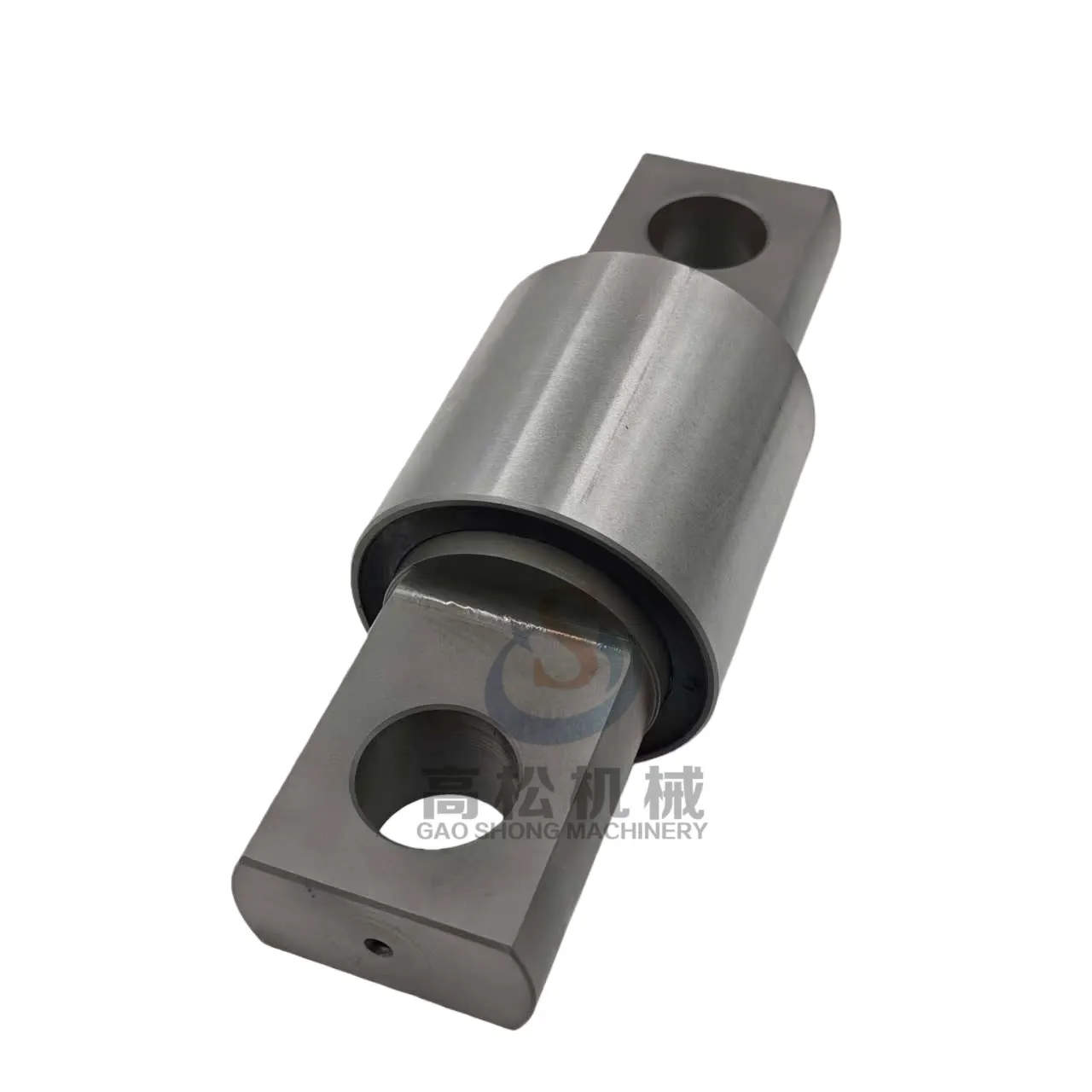 CUSHION HM400 DUMP TRUCK 56B-16-11211
 -
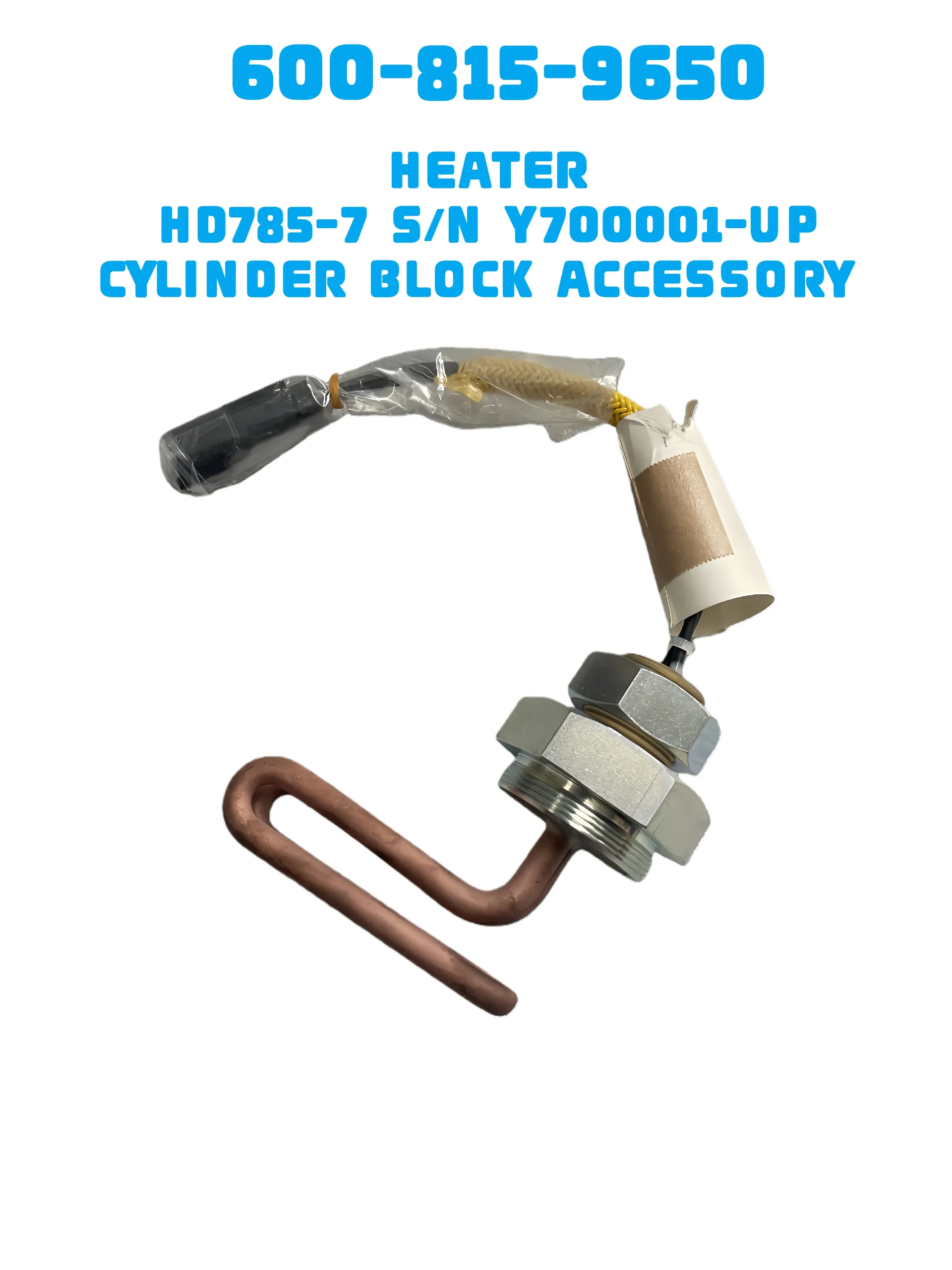 komatsu-part-600-815-9650 HEATER SAA12V140E-3B HD785-7 SAA12V140E-7 SAA12V140E-3D CYLINDER BLOCK ACCESSORY (OIL SENSOR¤ SWITCH AND WATER HEATER) OIL COOLER (COLD TERRAIN SPEC.) CYLINDER BLOCK ACCESSORY (FOR COLD AREA SPECIFICATION,ENGINE OIL PAN AND COOLANT HEATER) ENGINE OIL COOLER (FOR COLD AREA SPECIFICATION A (-30 DEG C),ENGINE OIL PAN AND COOLANT HEATER)
 -
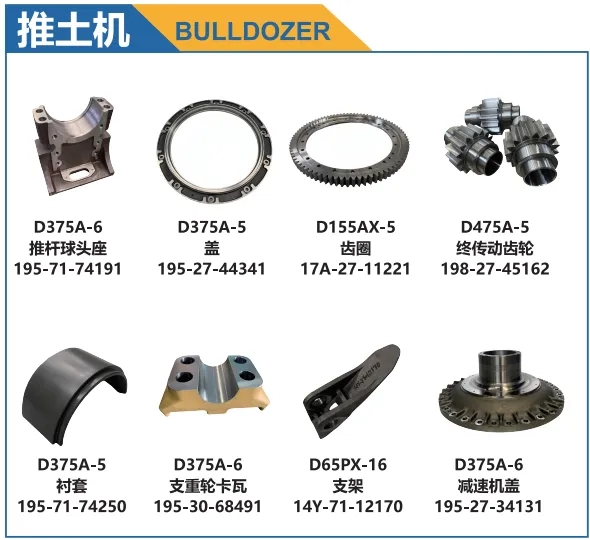 GAOSONG-Komatsu Full Range Parts Supply
 -
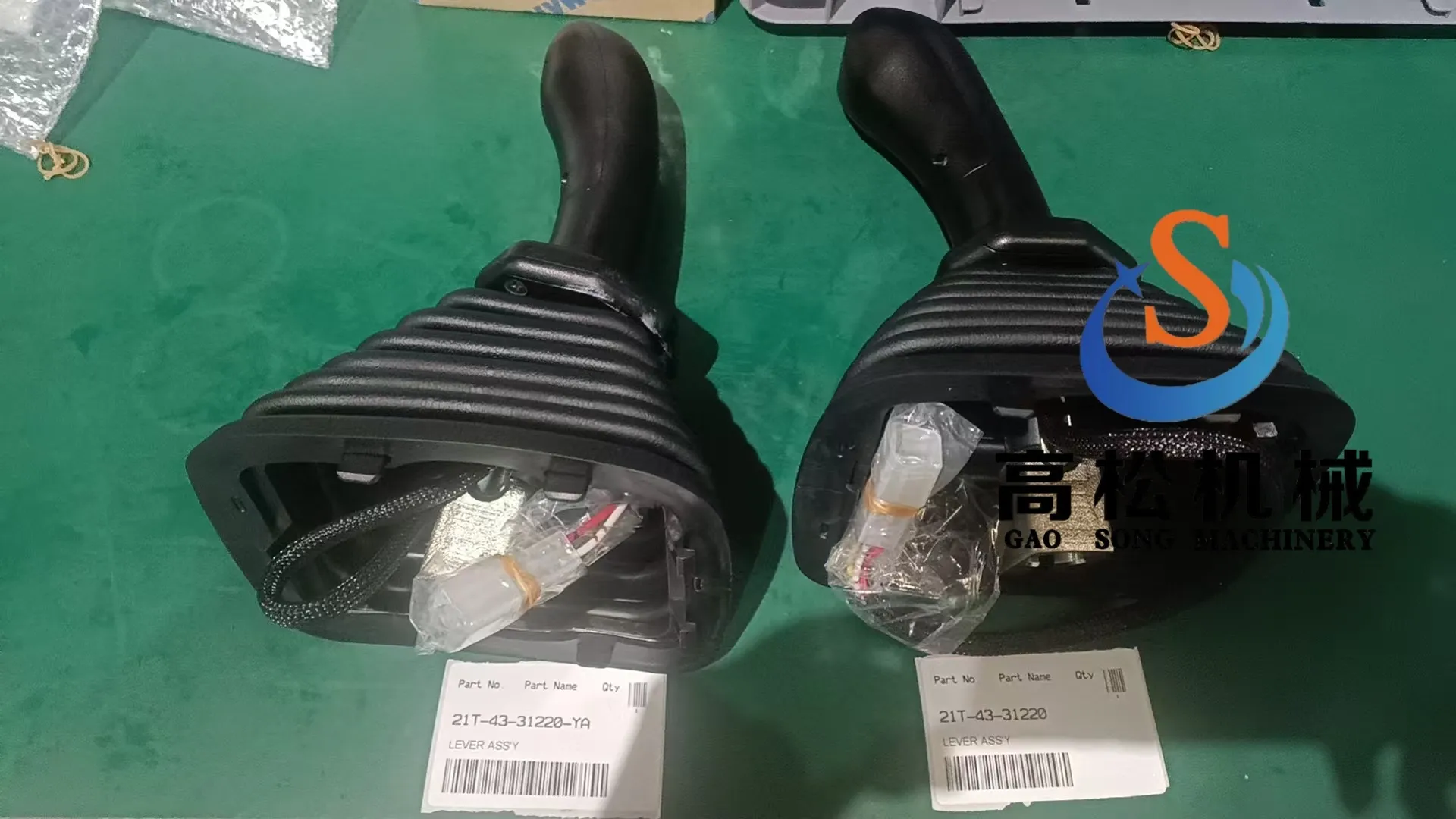 21T-43-31220 komatsu LEVER ASS’Y-PC2000-8
 -
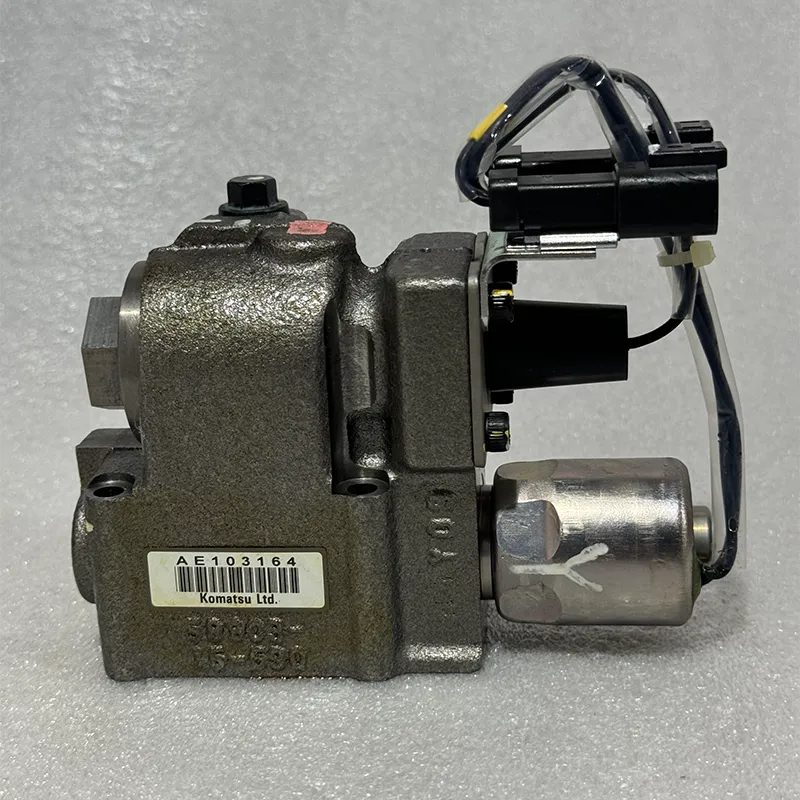 Original komatsu HD785-7 Valve 561-15-75701
 -
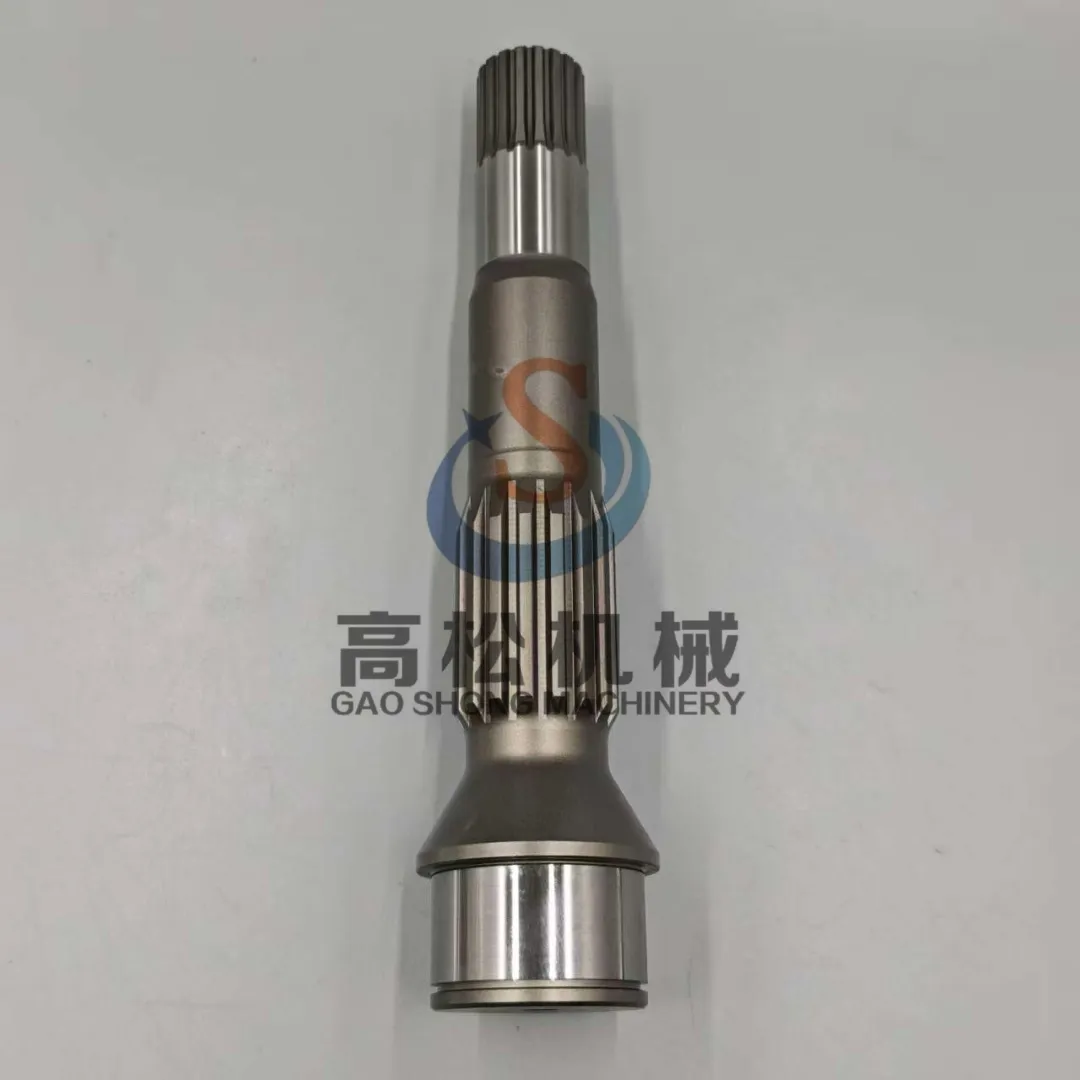 708-2G-12121 Shaft Drive L Fits Komatsu PC300-7 PC360-7 PC350-7 HPV140 Pump