
- Chinese
- French
- German
- Portuguese
- Spanish
- Russian
- Japanese
- Korean
- Arabic
- Irish
- Greek
- Turkish
- Italian
- Danish
- Romanian
- Indonesian
- Czech
- Afrikaans
- Swedish
- Polish
- Basque
- Catalan
- Esperanto
- Hindi
- Lao
- Albanian
- Amharic
- Armenian
- Azerbaijani
- Belarusian
- Bengali
- Bosnian
- Bulgarian
- Cebuano
- Chichewa
- Corsican
- Croatian
- Dutch
- Estonian
- Filipino
- Finnish
- Frisian
- Galician
- Georgian
- Gujarati
- Haitian
- Hausa
- Hawaiian
- Hebrew
- Hmong
- Hungarian
- Icelandic
- Igbo
- Javanese
- Kannada
- Kazakh
- Khmer
- Kurdish
- Kyrgyz
- Latin
- Latvian
- Lithuanian
- Luxembou..
- Macedonian
- Malagasy
- Malay
- Malayalam
- Maltese
- Maori
- Marathi
- Mongolian
- Burmese
- Nepali
- Norwegian
- Pashto
- Persian
- Punjabi
- Serbian
- Sesotho
- Sinhala
- Slovak
- Slovenian
- Somali
- Samoan
- Scots Gaelic
- Shona
- Sindhi
- Sundanese
- Swahili
- Tajik
- Tamil
- Telugu
- Thai
- Ukrainian
- Urdu
- Uzbek
- Vietnamese
- Welsh
- Xhosa
- Yiddish
- Yoruba
- Zulu
- Kinyarwanda
- Tatar
- Oriya
- Turkmen
- Uyghur






Komatsu grader wear parts
When you hear 'Komatsu grader wear parts', most guys immediately think of the blades, the end bits, the moldboard skins – the stuff that's obviously taking the beating. That's not wrong, but it's where the first big misconception sits. People order those high-visibility items, often from the OEM or the cheapest third-party they can find online, and think the job's done. The real wear story, the one that decides your machine's uptime and your final grading pass, is often hidden in the linkage, the circle drive, the hydraulic system feeding the moldboard. I've seen too many projects bleed money because they chased the shiny, hard steel and ignored the pins, bushings, and seals that let the whole assembly work. It's not just about abrasion; it's about maintaining geometry and force transmission. Once that goes, even a brand-new blade is just dragging metal.
The OEM System and the Gap in the Field
Being inside the Komatsu system, as an OEM product supplier, gives you a clear view of the design intent. The tolerances, the material specs for something like a circle gear or a lift cylinder rod – they're there for a reason. Komatsu designs these graders to work as a complete system. But here's the practical rub: in many regions, especially remote sites or countries with complex import logistics, getting that genuine part, for that specific serial number, within a timeframe that doesn't stall the entire operation, is the real challenge. The official network is impeccable, but its reach isn't infinite. That's where the supply chain breaks, and machines sit idle.
This is precisely the gap companies like ours, Jining Gaosong, operate in. Our role isn't to replace the OEM but to extend its reach. We supply OEM-spec parts into the system, but we also function as a third-party solution for those hard-to-reach places. The value isn't in undercutting Komatsu on price for a D155 blade – that's a race to the bottom. It's in having the right Komatsu grader wear parts, like a specific hinge shim kit or circle segment, available and deliverable to a mine in West Africa or a road project in Southeast Asia within days, not weeks. We're solving for time and accessibility, not just the component itself.
I remember a case with a GD825-5 working on a highway project. They had worn out the moldboard tilt cylinder mounts. Not the cylinder, the mounts on the mainframe. A seemingly minor part, but it was causing slop that ruined grade accuracy. The local Komatsu dealer quoted a 12-week lead time for the welded assembly. The site couldn't wait. We were able to source the OEM-grade casting and have it machined and heat-treated to the original drawing specs, using our channels within the system. We got it to them in three weeks with all the necessary hardware. It wasn't about bypassing anyone; it was about using our dual position to keep the machine working to Komatsu's standard.
Material Specs: Where Theory Meets Dirt
Let's talk about blades. AR400 steel isn't just AR400 steel. The hardness profile, the abrasion resistance, the way it withstands impact from hidden rock – there's a massive spectrum. A cheap aftermarket blade might meet the nominal hardness on paper, but it can wear unevenly, develop cracks at the bolt holes, or just lose its edge integrity far too quickly. You end up changing it twice as often, killing your efficiency. The OEM spec is a known quantity. When we supply wear parts, that's the baseline we work from. It has to perform in the field as the engineers intended.
But even with good material, failure happens. One lesson learned the hard way was with a batch of grader cutting edges for a sandy, abrasive soil application. We went with a standard OEM-spec high-carbon steel. They wore out faster than expected. The analysis showed it wasn't a material defect; the soil composition had a high silica content that was just exceptionally aggressive. The solution wasn't a harder steel, which could become brittle, but a different alloy mix that prioritized a specific type of abrasion resistance. We worked with the foundry to adjust the recipe. Now, for that specific region, we specify that variant. It's these nuances that catalog numbers don't tell you.
Another critical detail is the hardening process. Induction hardening on a circle drive gear gives you a hard, wear-resistant tooth surface with a tough, shock-absorbing core. Some replacements are through-hardened, making them brittle. They can snap a tooth under shock load. You have to know what you're looking at. When we evaluate a Komatsu grader wear parts source, we're not just checking dimensions; we're asking for metallurgical reports and heat treat charts. If they can't provide them, walk away. The cost of a failed gear isn't the part price; it's the downtime to pull the entire circle assembly.
The Hidden Cost of Secondary Wear Items
Everyone focuses on the ground-engaging tools. I want to talk about pins and bushings for a moment. The linkage on a motor grader is a constant-motion ballet. Every lift, tilt, and circle turn pivots on these components. When they wear, you lose precision. The moldboard drifts, you make extra passes to correct the grade, fuel burn goes up, and the final surface quality suffers. Using underspec pins – maybe they're a Rockwell point or two too soft – creates a cascading effect. They wear, which then wears out the more expensive housing they rotate in.
We pushed a kit for a GD655-5 that included not just the major blades but all the linkage wear items. A customer initially balked at the price. We convinced them to try it on one machine. Six months later, they reported a 15% reduction in fuel consumption on that unit compared to their others, simply because the grader was working efficiently, not fighting slop in the linkage. The blade life even improved because the cutting angle was maintained consistently. That's the holistic view of wear parts. It's not an expense; it's a systems investment.
Hydraulic components are another silent killer. Worn cylinder rods score seals, contaminating the entire hydraulic system. A leaking tilt cylinder isn't just a mess; it's a loss of power and control. Sourcing rod assemblies that have the proper chrome plating thickness and surface finish is non-negotiable. We've had to reject shipments where the plating was visibly thin or porous. It might fit, but it'll fail prematurely and take the seal pack with it. These are the judgments you make on the ground, with a part in your hand, not from a glossy brochure.
Logistics and the Practical Reality of Availability
Having the part is one thing. Getting it to the machine is another. Our website, https://www.takematsumachinery.com, is a front door, but the real work is in the logistics network. For certain countries, navigating customs, duties, and local regulations is 70% of the battle. We've built relationships with freight forwarders who specialize in heavy machinery parts. Sometimes, the solution is air-freighting a 200kg circle drive assembly because the cost of a grader sitting for a month dwarfs the freight bill. Other times, it's consolidating a container with parts for several customers in the same region to make the sea freight viable.
A failed experiment was trying to stock every single wear item for every grader model in a central warehouse. It tied up capital in slow-moving inventory and still didn't guarantee we had the right part when a niche request came in. We shifted to a hub-and-spoke model: core, high-turnover items (blades, common pins) stocked regionally, while specialized components are sourced from the OEM network or our certified partner factories on demand. This keeps our agility high and allows us to function effectively as that third-party sales company Komatsu itself can rely on to service challenging markets.
The feedback loop is crucial. When a site superintendent in South America tells us a certain scraper blade design is clogging in wet clay, we relay that to our technical team. Maybe we need to offer a different hole pattern or a more curved design as an option for that environment. This isn't just selling parts; it's adapting the wear management strategy to real-world conditions. That's the practical, hands-on layer you only get from being in the trenches with the customers.
Final Thought: It's About Uptime, Not Just Parts
At the end of the day, nobody on a job site wakes up excited about ordering Komatsu grader wear parts. They need the machine to cut grade, from shift start to shift end. Our entire purpose, whether acting as an OEM conduit or a third-party facilitator, is to be the invisible guarantee of that uptime. It means having the technical knowledge to diagnose a wear problem beyond the obvious, the supply chain muscle to deliver a solution, and the quality control rigor to ensure what we deliver won't create another problem down the line.
It's not a glamorous business. It's about grease, steel, and shipping documents. But when you get a message saying, The part fit perfectly, machine's back on line, that's the only metric that matters. The trust comes from consistently getting that right, in situations where the standard channels are stretched thin. That's the niche, and that's the reality of keeping Komatsu graders running anywhere in the world.
So next time you look at a wear parts list, don't just see a shopping list of components. See a system. Your system's health depends on every item on it, from the biggest blade to the smallest, cheapest bushing. Source them with that in mind.
Related Products
Related Products

Best Selling Products
Best Selling Products-
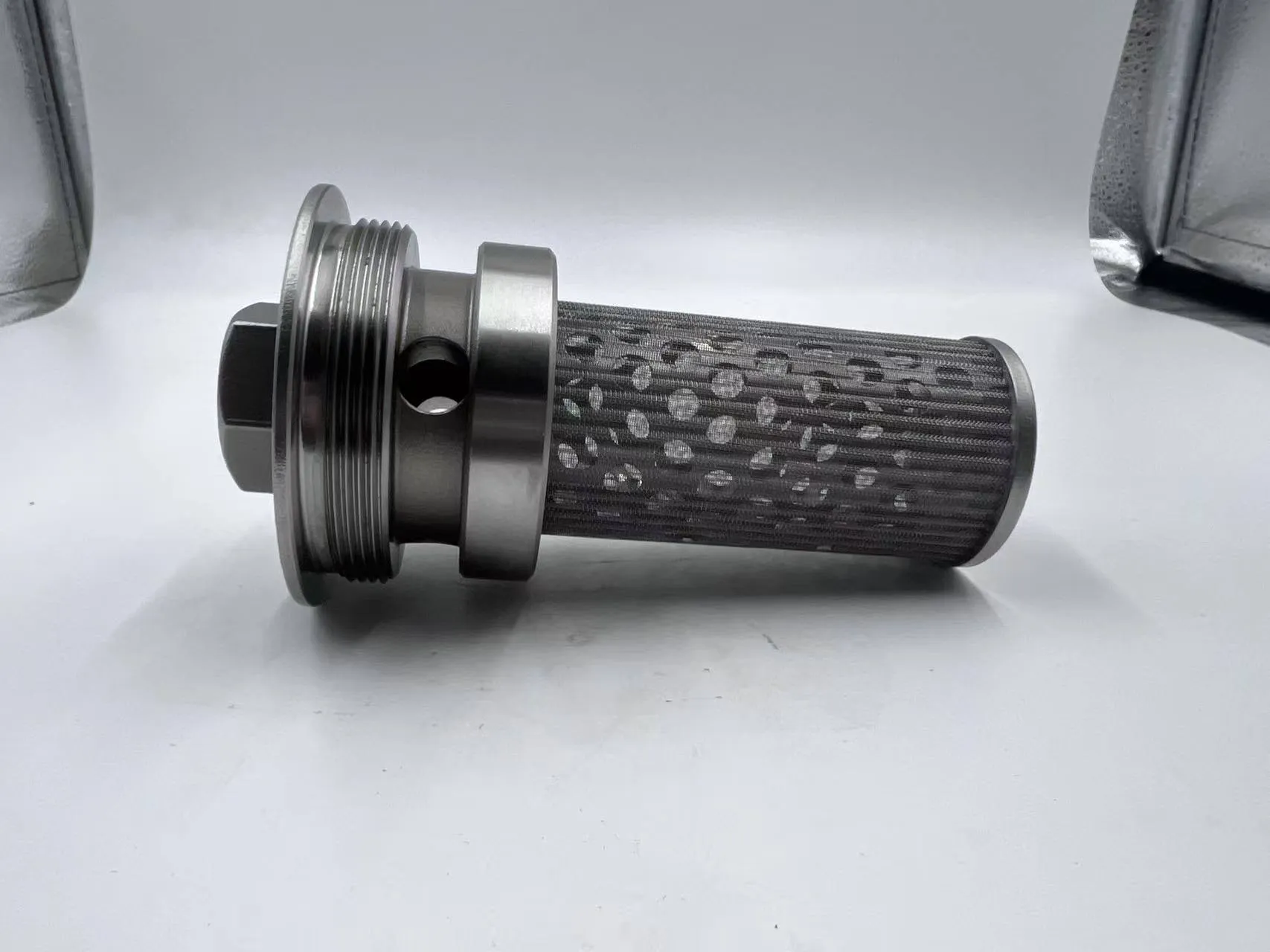 Hello friend 195-04-11150 17M-71-21530 17M-50-49290 is suitable for Komatsu Machinery
 -
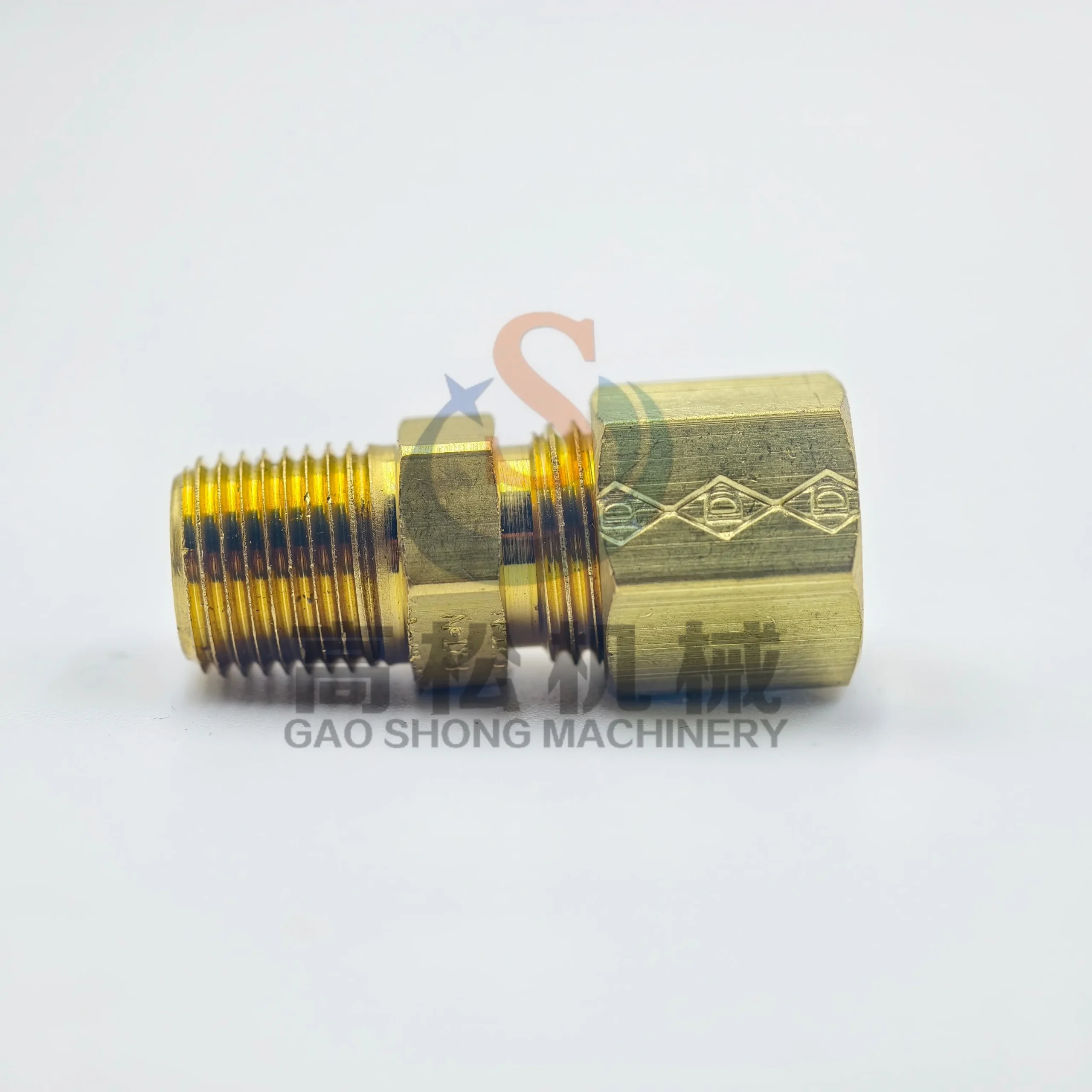 PC1250-8 Connector 21N-68-32320 For Auto Grease
 -
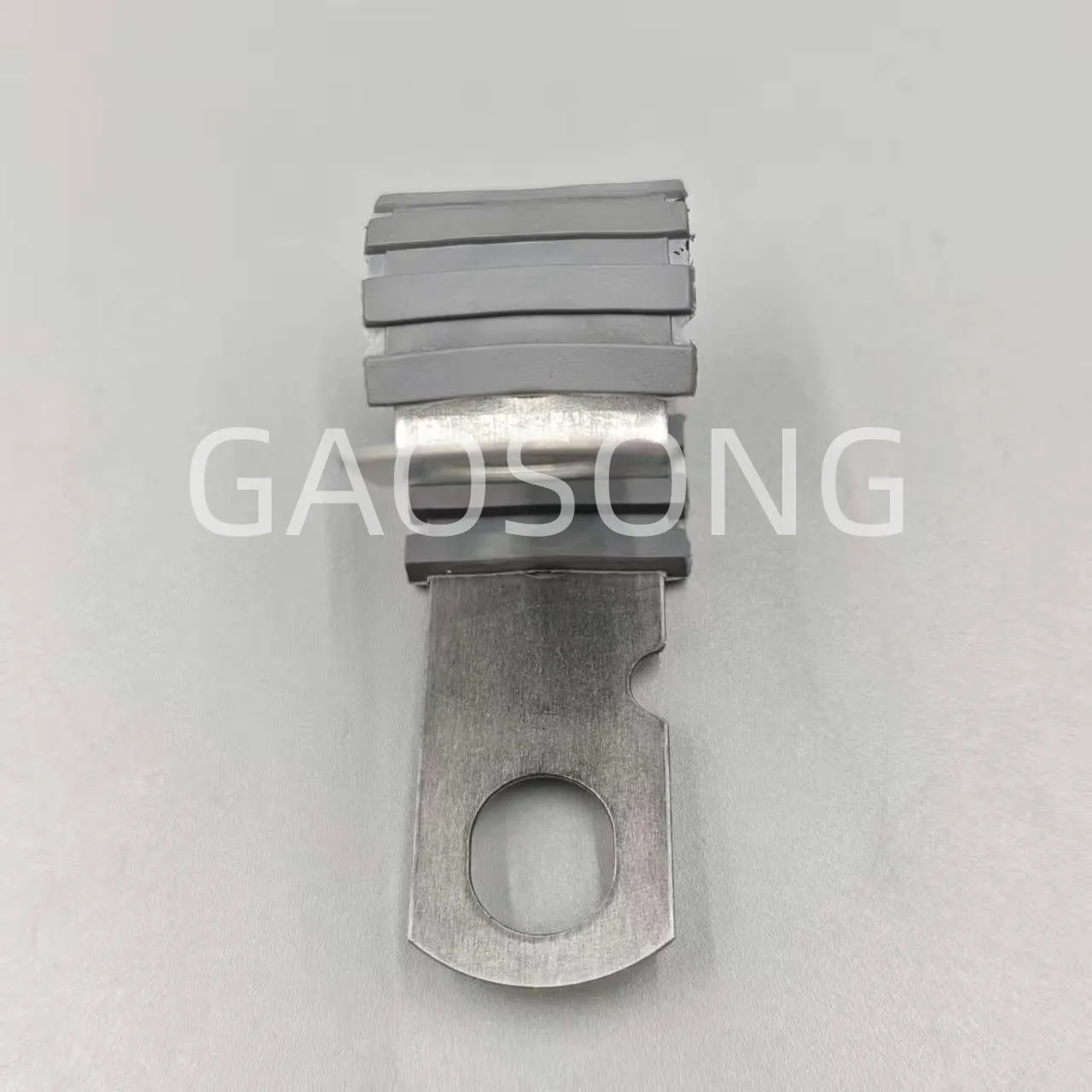 600-051-2180 CLIP-Komatsu Original Factory
 -
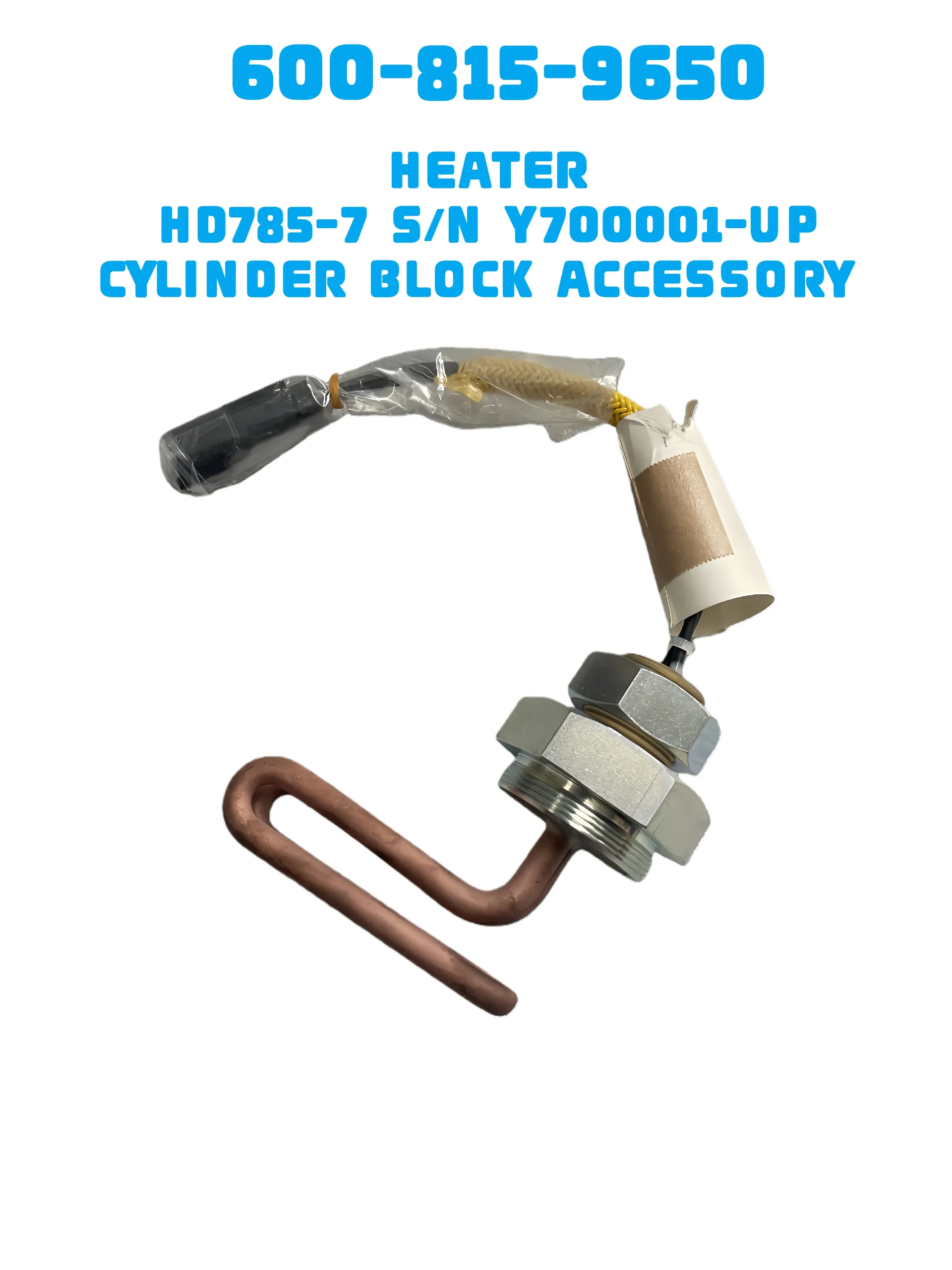 komatsu-part-600-815-9650 HEATER SAA12V140E-3B HD785-7 SAA12V140E-7 SAA12V140E-3D CYLINDER BLOCK ACCESSORY (OIL SENSOR¤ SWITCH AND WATER HEATER) OIL COOLER (COLD TERRAIN SPEC.) CYLINDER BLOCK ACCESSORY (FOR COLD AREA SPECIFICATION,ENGINE OIL PAN AND COOLANT HEATER) ENGINE OIL COOLER (FOR COLD AREA SPECIFICATION A (-30 DEG C),ENGINE OIL PAN AND COOLANT HEATER)
 -
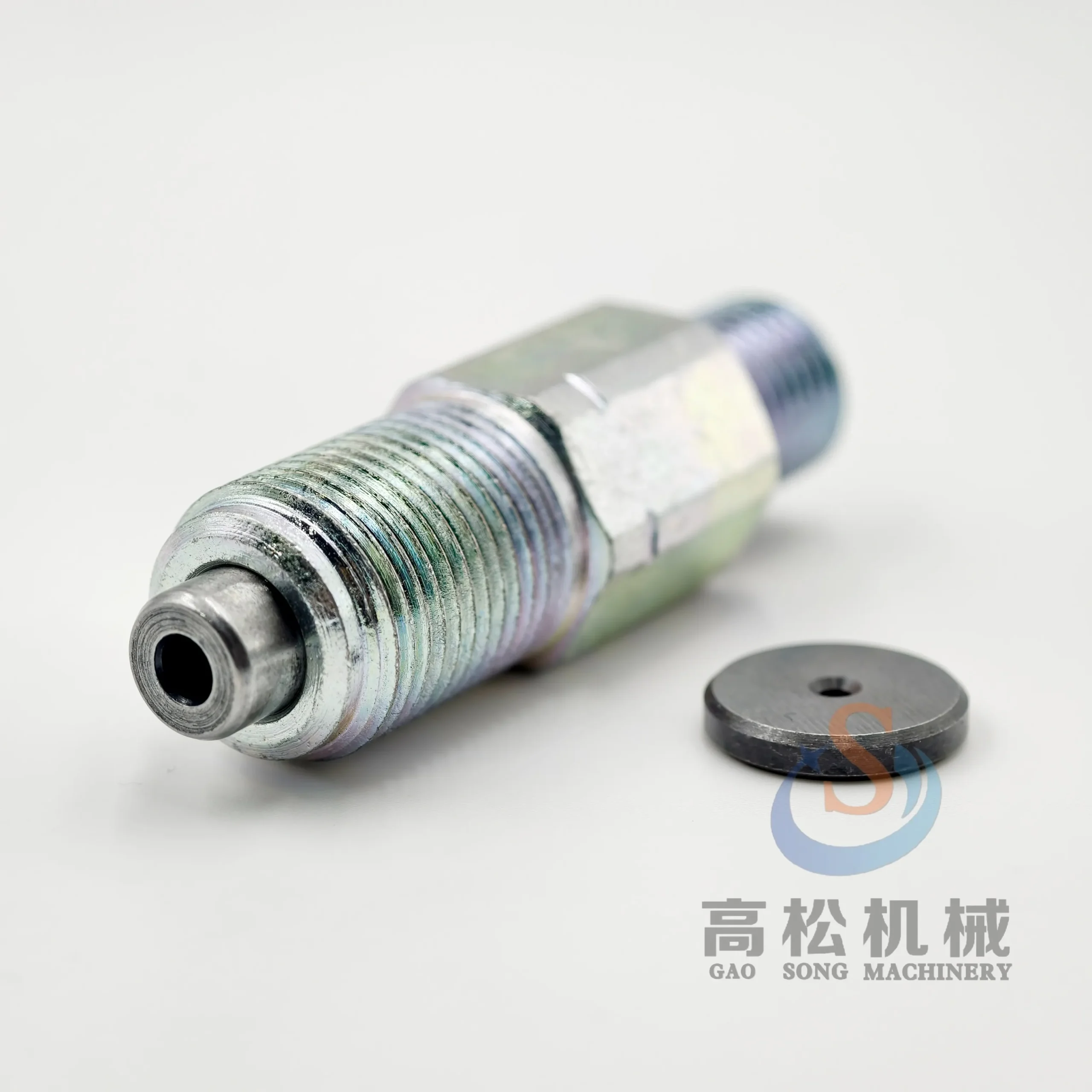 ND095400-0310 komatsu-parts LIMITER
 -
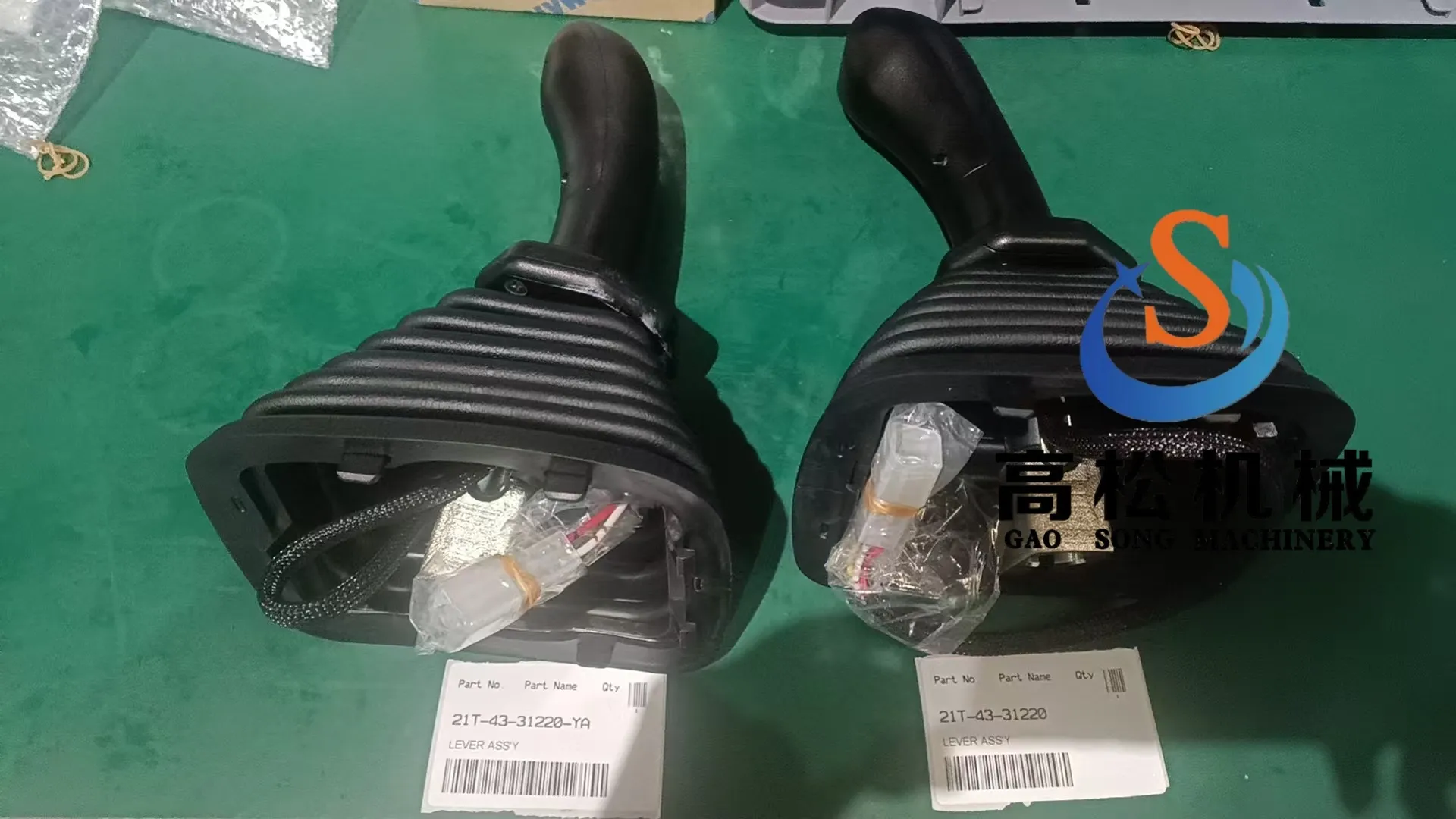 21T-43-31220 komatsu LEVER ASS’Y-PC2000-8
 -
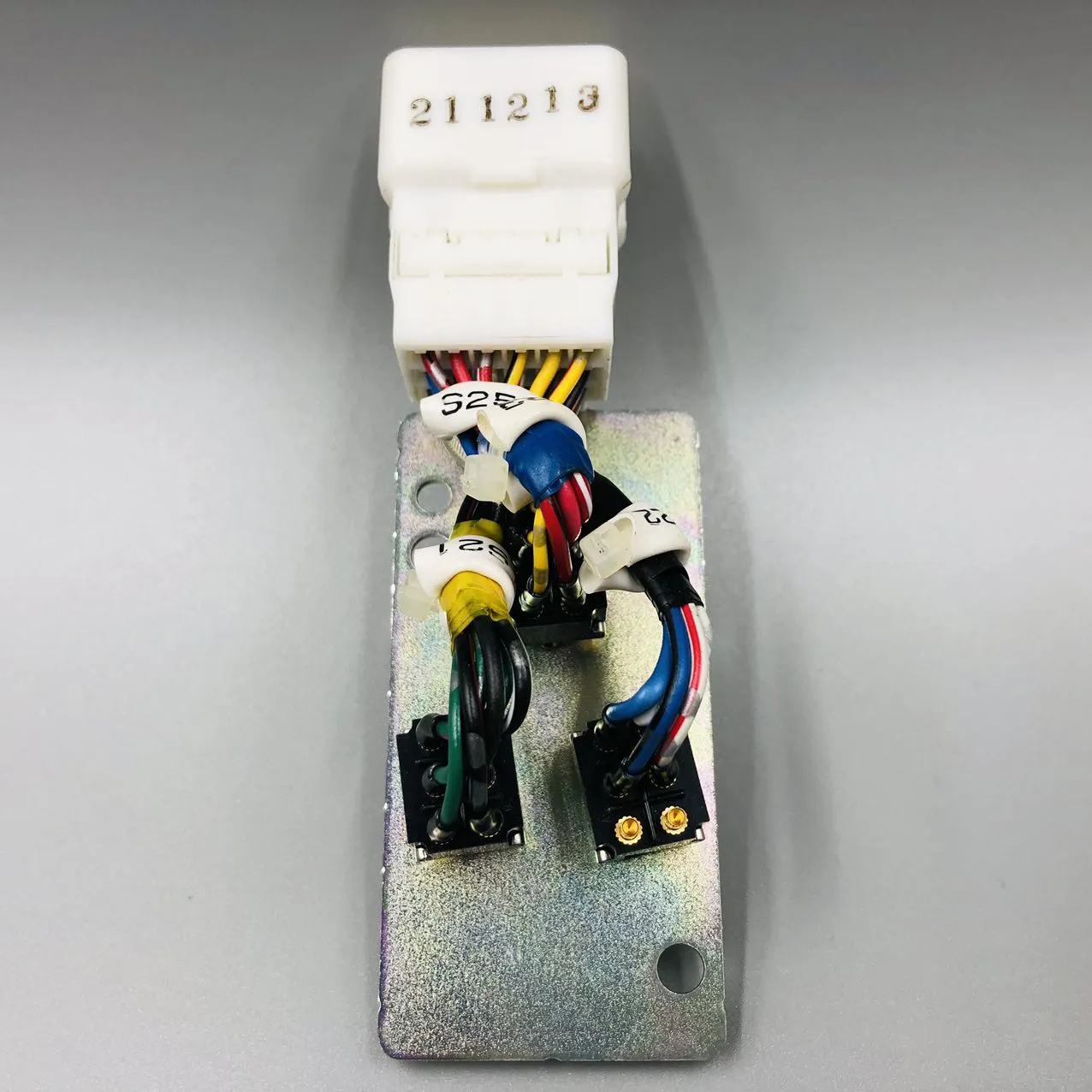 PC300-7 PC350-7 Switch Assy 22U-06-22370
 -
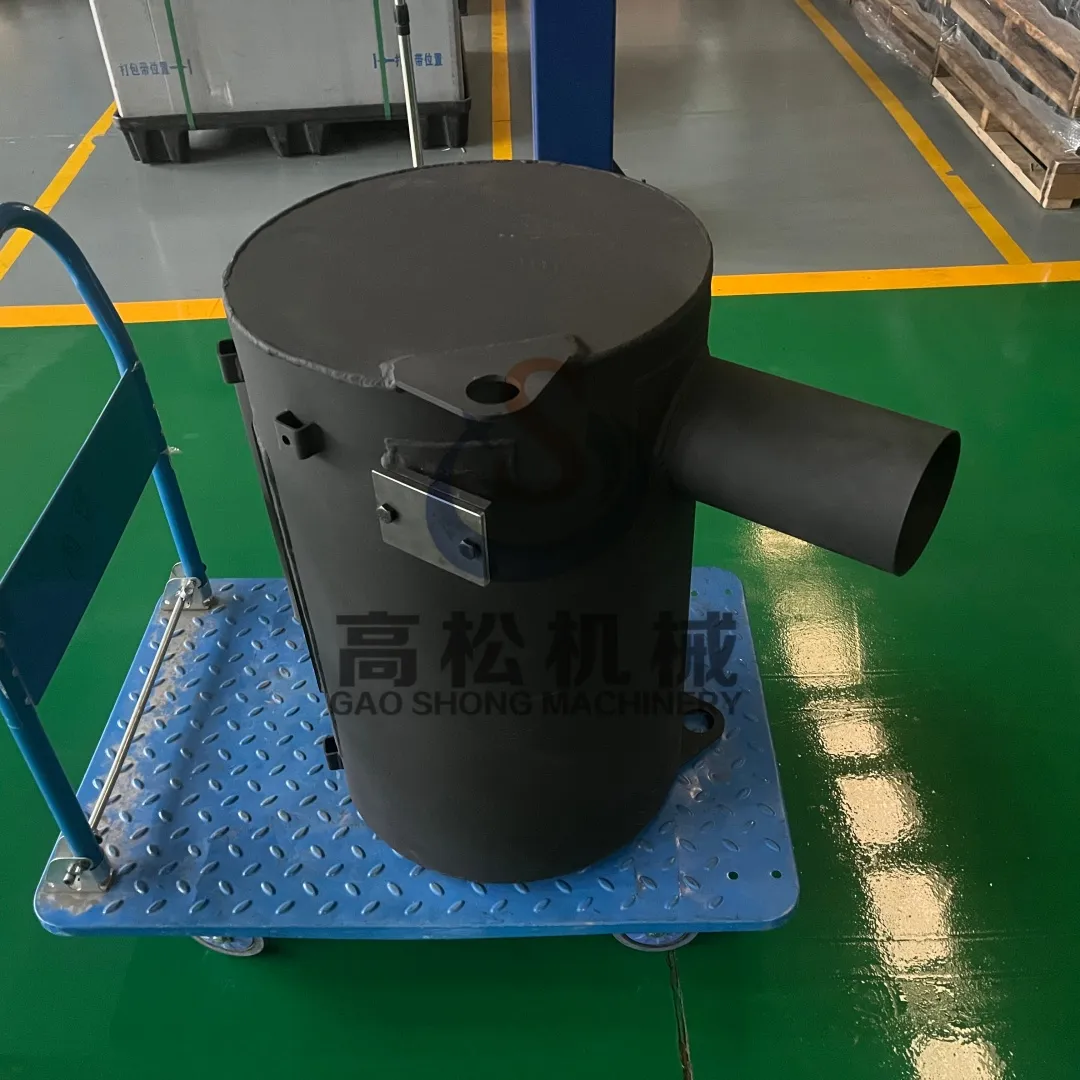 Muffler Silencer 6245-11-5500 for Komatsu Engine 6D170E-5 Excavator PC1250-8 PC1250-8R PC1250LC-8 PC1250SP-8 PC1250SP-8R
 -
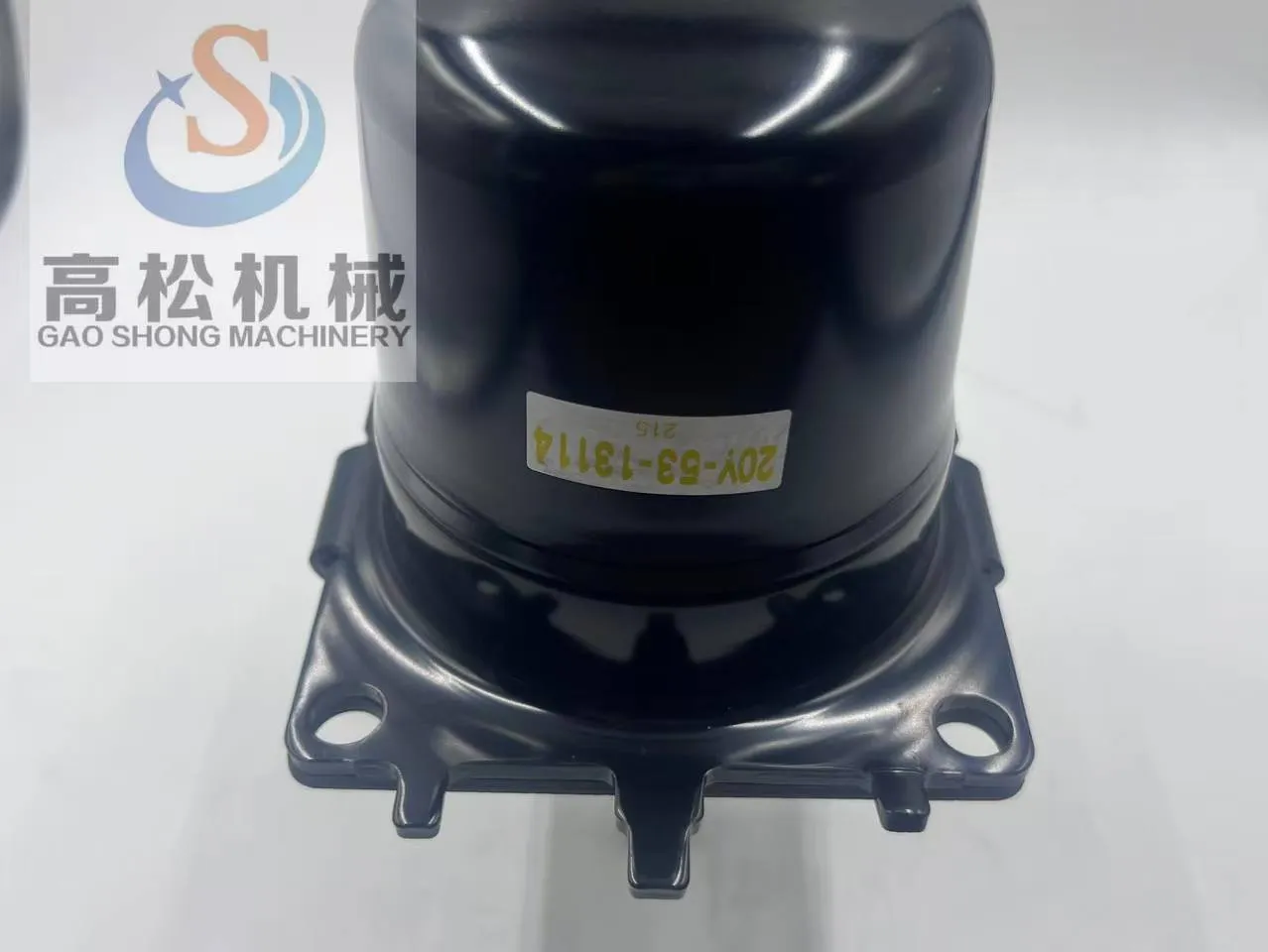 20Y-53-13114/20Y5313114 Buffer pad suitable for excavator PC200-8
 -
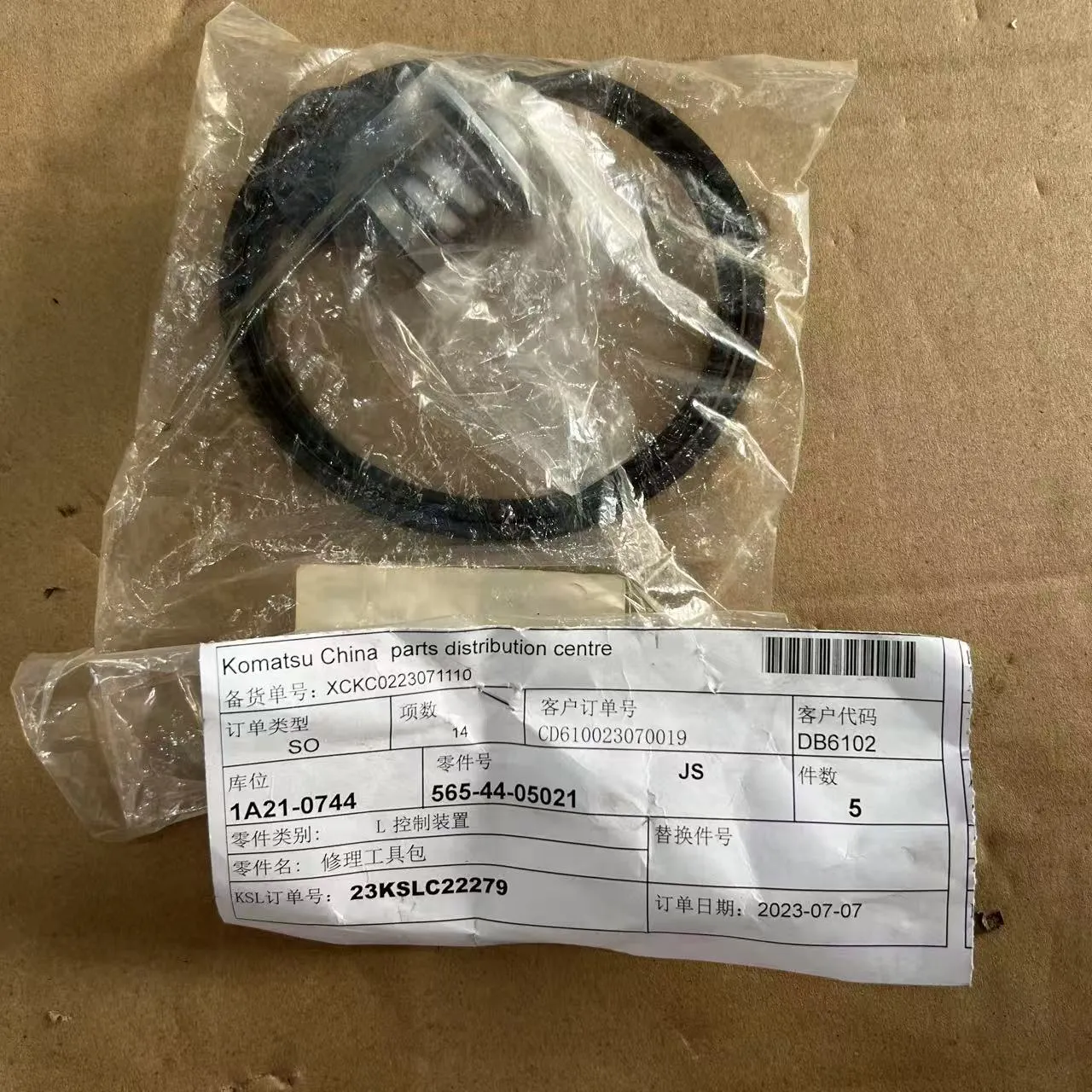 565-44-05021 Service Kit AIR relay
 -
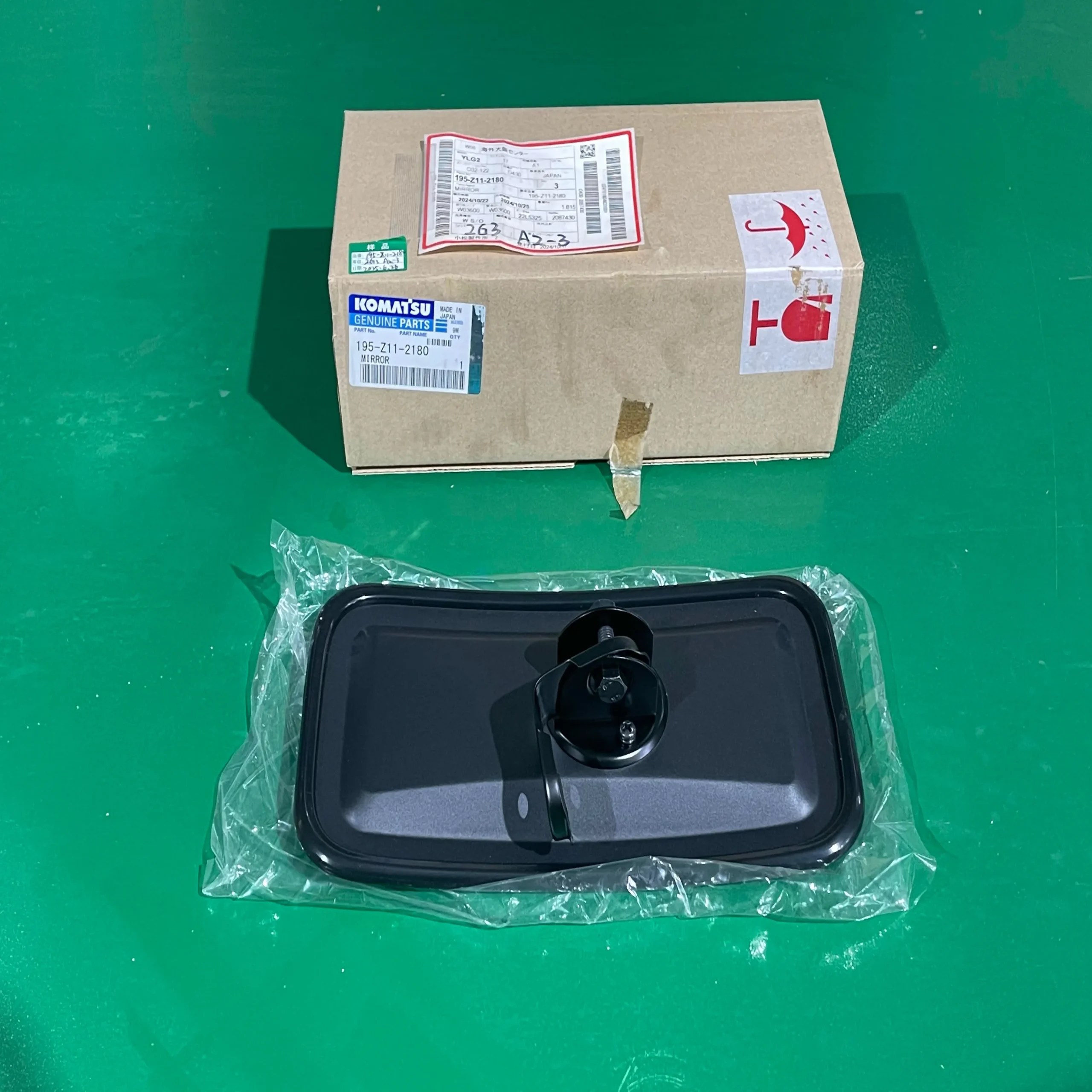 Komatsu bulldozer rearview mirror 195-Z11-2180
 -
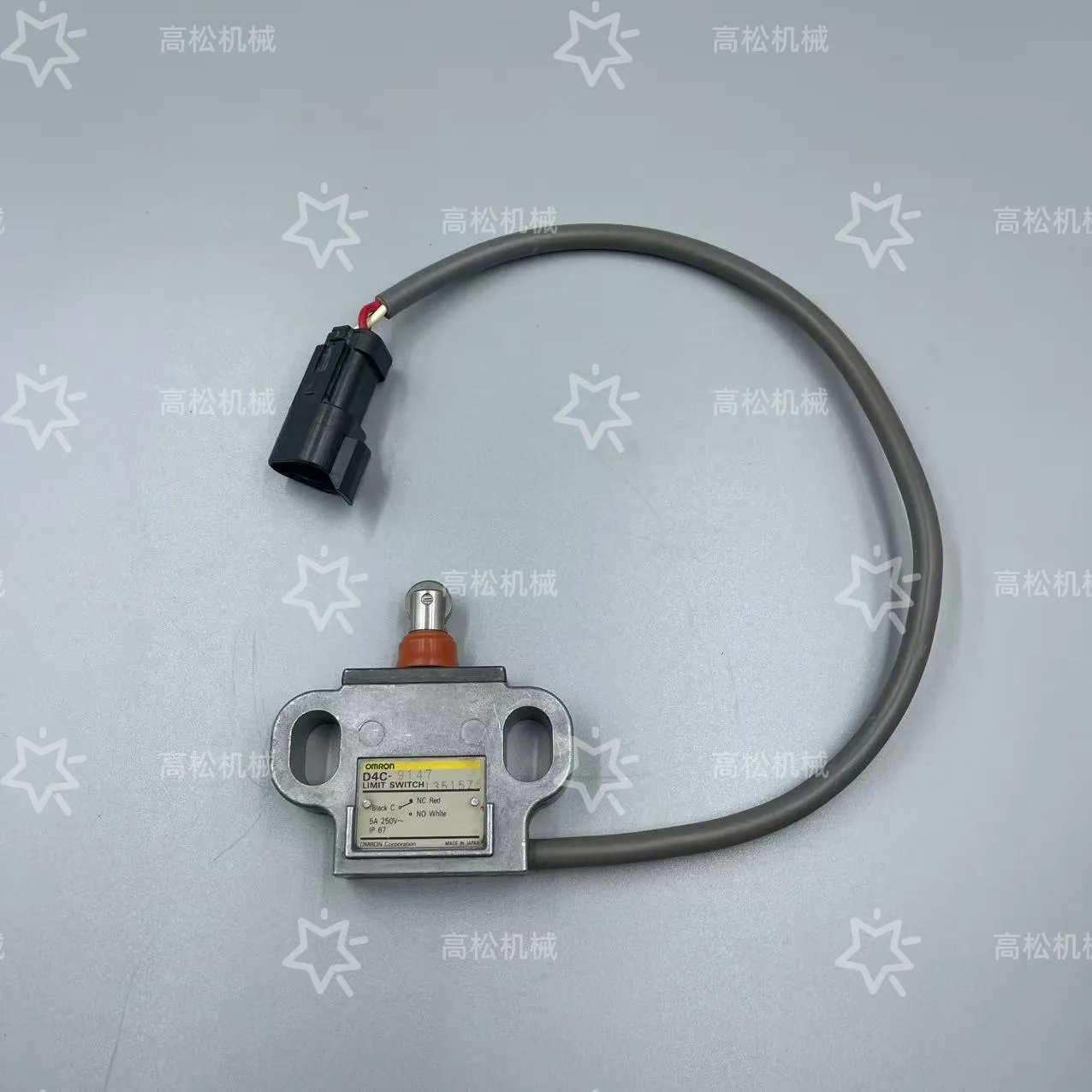 11Y-06-22150SWITCH 11Y-06-22150 for KOMATSU D65PX-16