
- Chinese
- French
- German
- Portuguese
- Spanish
- Russian
- Japanese
- Korean
- Arabic
- Irish
- Greek
- Turkish
- Italian
- Danish
- Romanian
- Indonesian
- Czech
- Afrikaans
- Swedish
- Polish
- Basque
- Catalan
- Esperanto
- Hindi
- Lao
- Albanian
- Amharic
- Armenian
- Azerbaijani
- Belarusian
- Bengali
- Bosnian
- Bulgarian
- Cebuano
- Chichewa
- Corsican
- Croatian
- Dutch
- Estonian
- Filipino
- Finnish
- Frisian
- Galician
- Georgian
- Gujarati
- Haitian
- Hausa
- Hawaiian
- Hebrew
- Hmong
- Hungarian
- Icelandic
- Igbo
- Javanese
- Kannada
- Kazakh
- Khmer
- Kurdish
- Kyrgyz
- Latin
- Latvian
- Lithuanian
- Luxembou..
- Macedonian
- Malagasy
- Malay
- Malayalam
- Maltese
- Maori
- Marathi
- Mongolian
- Burmese
- Nepali
- Norwegian
- Pashto
- Persian
- Punjabi
- Serbian
- Sesotho
- Sinhala
- Slovak
- Slovenian
- Somali
- Samoan
- Scots Gaelic
- Shona
- Sindhi
- Sundanese
- Swahili
- Tajik
- Tamil
- Telugu
- Thai
- Ukrainian
- Urdu
- Uzbek
- Vietnamese
- Welsh
- Xhosa
- Yiddish
- Yoruba
- Zulu
- Kinyarwanda
- Tatar
- Oriya
- Turkmen
- Uyghur






Komatsu grader parts
When you hear 'Komatsu grader parts,' the immediate assumption is often that it's a straightforward plug-and-play situation. That's the first misconception I'd clear up. In my years dealing with these machines, from the GD655 to the newer GD825 models, the part number is just the starting point. The real challenge begins with verifying the serial number break, the specific sub-assembly revision, and whether the part you're holding is truly a genuine OEM piece or a high-quality aftermarket alternative that won't cause a cascade of failures. Many operators think sourcing is the hard part; I'd argue verification and compatibility checks are where most projects stall.
The OEM System and Its Gaps
Officially, the Komatsu system is a closed loop. You go through the dealer, you get the part, you fit it. That's the theory. The reality on the ground, especially in regions with complex import regulations or where official dealer networks are sparse, is different. Machines keep working long after the initial warranty, and the demand for parts doesn't disappear—it often intensifies. This is where the official channels can develop bottlenecks, leading to weeks of downtime for a critical component like a moldboard cutting edge or a circle gear segment.
This gap is precisely where companies positioned as Komatsu grader parts specialists within the OEM framework operate. Take Jining Gaosong Construction Machinery Co., Ltd., for instance. Their stated role as an OEM product supplier within Komatsu's system and a third-party sales company makes sense when you've been in a pinch. They aren't a replacement for the main dealer but a parallel channel that addresses specific supply chain fractures. I've seen their listings pop up when searching for a specific final drive planetary set that was on backorder elsewhere.
The value isn't just in availability, but in the understanding of the system's constraints. They can often clarify if a part is a genuine Komatsu item from a specific factory run or an approved substitute that meets the OEM spec. This distinction is crucial. For a hydraulic pump on a grader, you might need the exact OEM unit. For a set of Komatsu grader parts like cab filters or generic seals, an approved alternative is not just acceptable but economically essential.
The Verification Dance: More Than a Part Number
Let me give you a concrete example. We needed a complete valve bank for the blade lift circuit on an older GD655-3. The part number from the manual was obsolete. A quick search on a portal like https://www.takematsumachinery.com showed a listing, but the description included three possible serial number ranges. This is the critical moment. The lazy route is to order based on the model alone. The correct, time-consuming route is to cross-reference the machine's S/N, take photos of the existing valve block's casting marks, and sometimes even measure port sizes.
I've made the mistake of assuming compatibility before. Ordered a circle drive motor for a GD825-1A, thinking the dash number was a minor revision. It physically bolted on, but the spline count was off by two. Cost us a week of downtime and shipping fees. Now, the process involves sending the machine's plate details and clear, well-lit photos of the failed component to the supplier. A competent supplier, one that genuinely deals in Komatsu grader parts daily, will ask for these details upfront. If they don't, it's a red flag.
This verification process is where the professional network matters. You start to recognize which suppliers have technical staff who understand the mechanical differences between series, not just warehouse staff pulling boxes. The description on Jining Gaosong's site mentioning they help solve parts supply challenges in certain countries hints at this deeper capability—it implies they're used to dealing with the identification hurdles that come with global machine distribution.
Quality Spectrum: From Genuine to Will It Work?
Not all parts wearing a Komatsu label are created equal. There are genuine parts from Komatsu factories, there are OEM supplier parts (which may be the same component sold without the Komatsu branding), and then there's the vast ocean of aftermarket. For critical wear items like grader blades, I've had surprisingly good results with certain aftermarket brands that use AR500 steel. They last nearly as long as the genuine article at a fraction of the cost. The key is traceability and material certification.
However, for precision components—think the entire steering metering pump or the electronic control modules for the automatic grade control system—the risk of using a non-genuine part skyrockets. The failure might not be immediate; it could be a gradual loss of pressure that wears out other, more expensive components. I tend to use a tiered approach: genuine for electronics and hydraulics cores, premium aftermarket for high-wear ground-engaging tools, and I'm very selective for everything in between.
This is another area where a supplier's positioning is telling. A company that is an OEM product supplier within the Komatsu system likely has access to that first tier of parts—the genuine or direct-factory equivalents. This is vital for those complex assemblies. You're not just buying a part; you're buying the assurance that the metallurgy, tolerances, and heat treatment match the machine's original design intent.
Logistics and the Real Cost of Downtime
A part's price tag is often the smallest part of its total cost. The real calculus is: Can you get it here by Thursday? A grader sitting idle on a road construction project isn't just missing work; it's holding up an entire crew. I've worked with suppliers who have great prices but ship everything surface mail from overseas, turning a two-day repair into a three-week ordeal.
Effective suppliers for Komatsu grader parts understand this pressure. They often maintain strategic stock in key regions or have established air freight partnerships. The ability to provide a realistic, tracked shipping timeline is as important as the part itself. When evaluating a source, I always ask for shipping options and typical transit times to my location before I even discuss price. A part that arrives a week earlier, even at a 15% premium, can save ten times that amount in project delays.
This logistical competence is a silent differentiator. A website might list a part, but the real test is in the communication after the order is placed. Can they provide a packing list with the correct part numbers and machine application? Do they understand Incoterms if it's an international shipment? These are the gritty details that separate a parts seller from a reliable partner in maintenance.
Building a Reliable Source, Not Just a Transaction
Ultimately, sourcing Komatsu grader parts is about building a shortlist of reliable channels. The official dealer is your first port of call for warranty work and complex technical queries. But for the day-to-day maintenance, rebuilds, and keeping older machines alive, you need a couple of trusted specialists. These are the suppliers who answer the phone on a Saturday, who can look at a blurry photo of a broken seal and know exactly what it is, and who are transparent about what is genuine, what is compatible, and what is a gamble.
Companies like the mentioned Jining Gaosong fill a specific niche in this ecosystem. They aren't trying to be everything to everyone. Their model, as described, targets a real pain point: parts supply challenges in certain countries. For a fleet manager in one of those regions, finding a supplier that navigates these complexities as part of its core business is invaluable. It means they've already done the hard work of understanding customs, local regulations, and the most common failure points for machines in that environment.
So, when you're next searching for a circle or a moldboard cylinder seal, look beyond the part number listing. Look for the evidence of practical experience. Look for the willingness to engage in the verification dance. The right supplier saves you more than money; they save you time, stress, and keep your machine's blade on the grade, where it belongs. That's the end goal of this whole exercise, after all.
Related Products
Related Products

Best Selling Products
Best Selling Products-
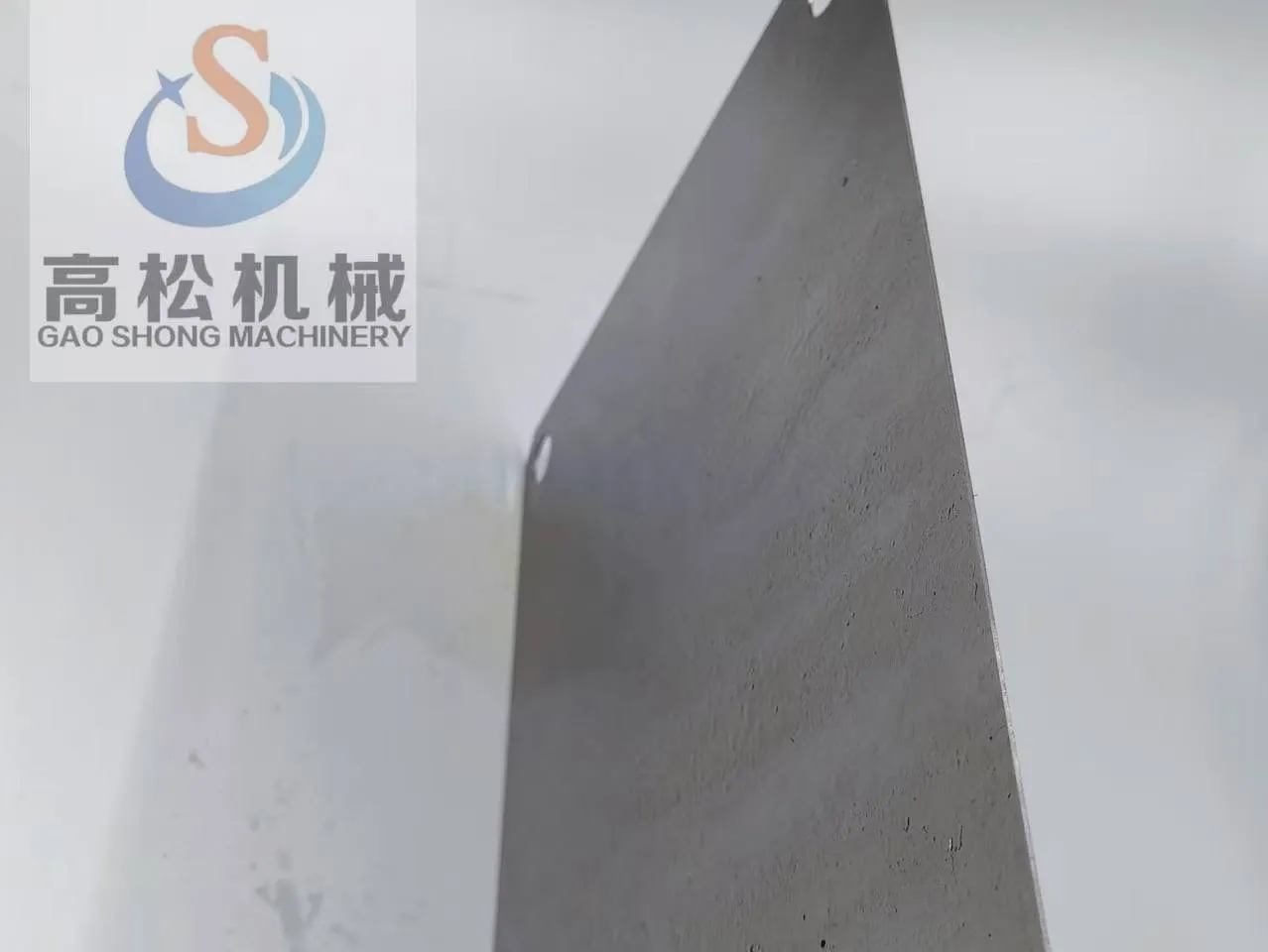 561-74-61540 Komatsu Shim Compatible Model: HD985. Available for immediate shipment.
 -
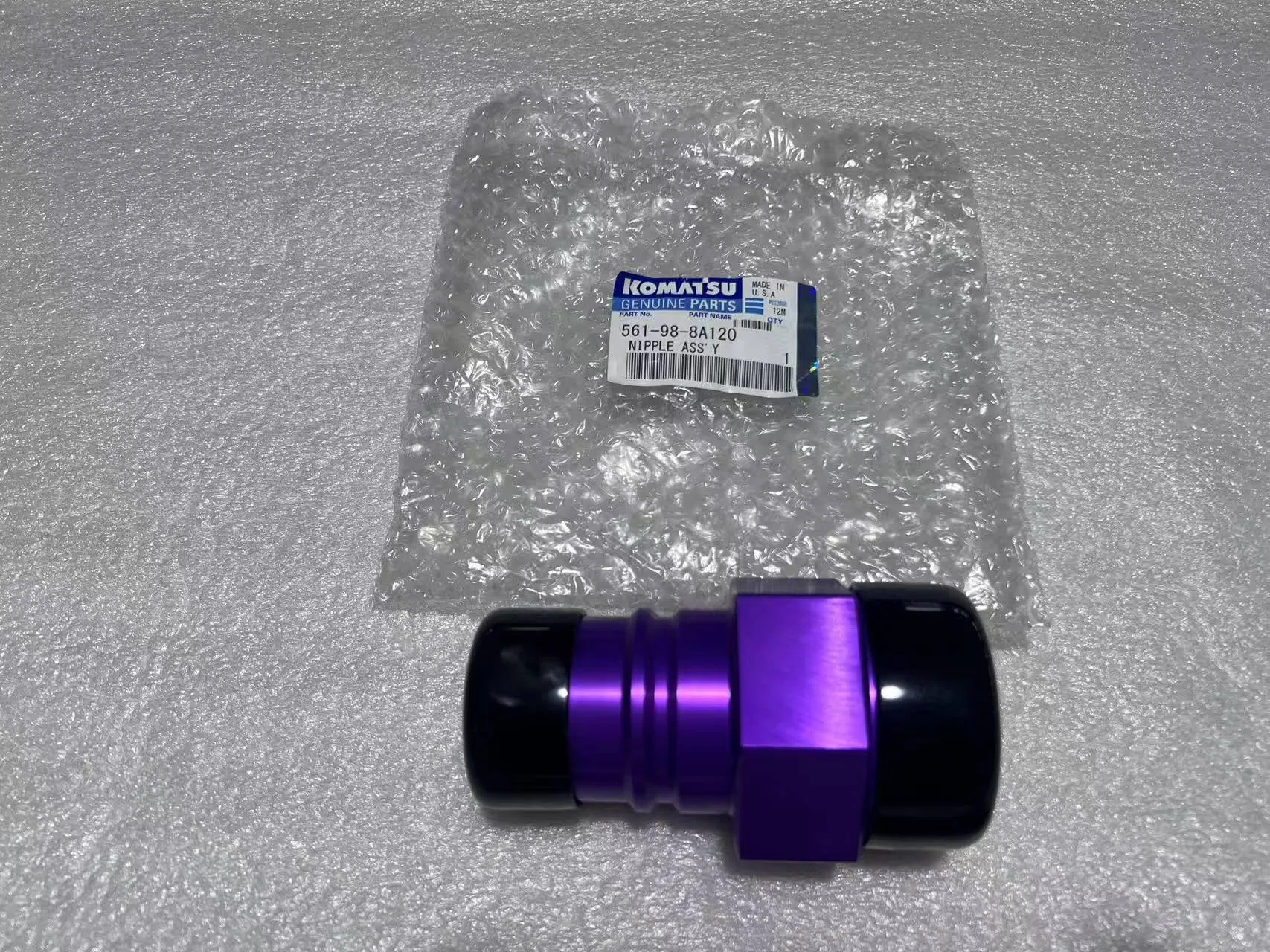 561-98-8A120 Komatsu Nipple Assembly
 -
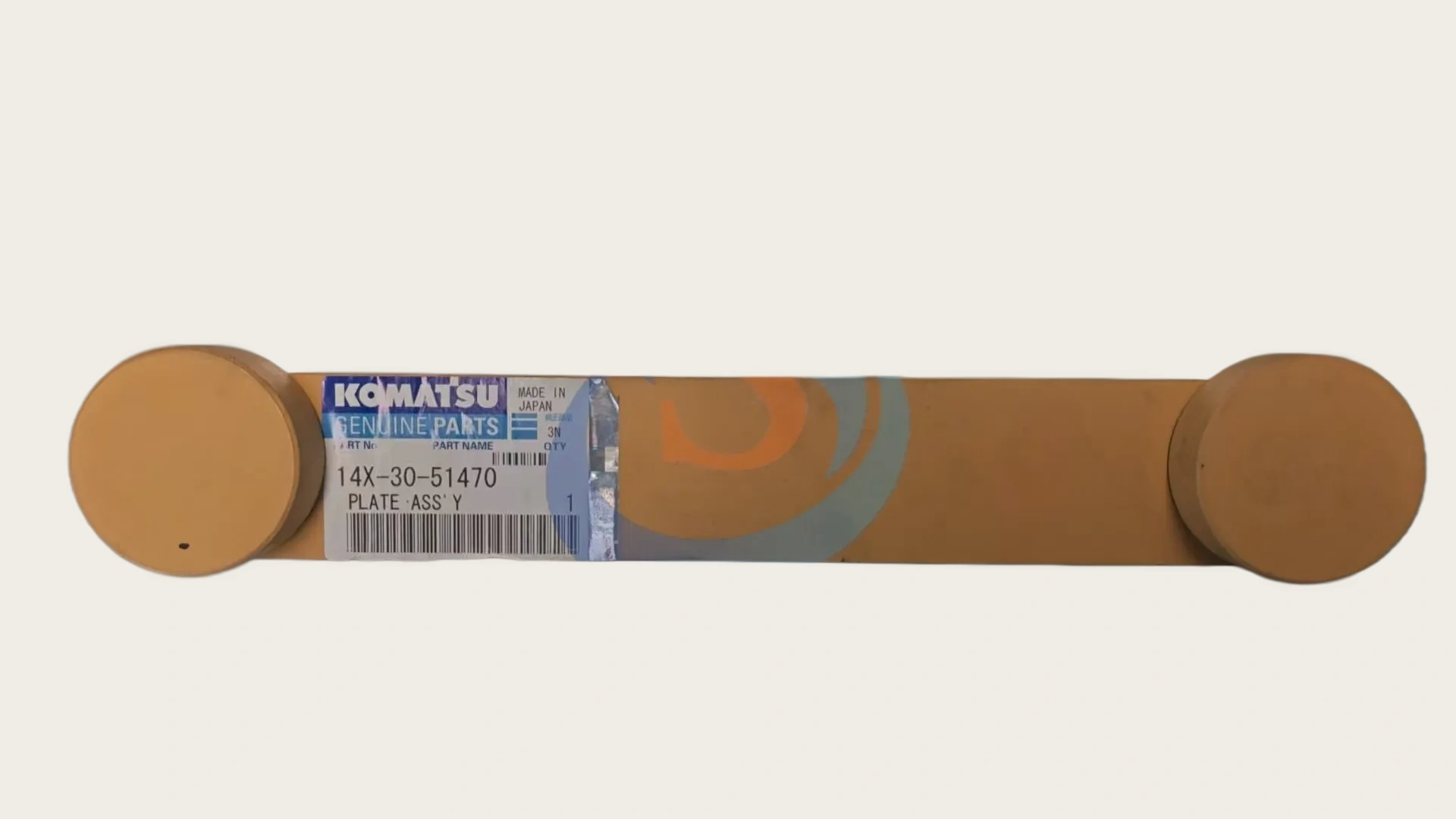 komatsu-part-14X-30-51470 Plate Assembly D65PX-16 D65WX-17 D65EXI-18 D65EX-18E0 FRONT IDLER
 -
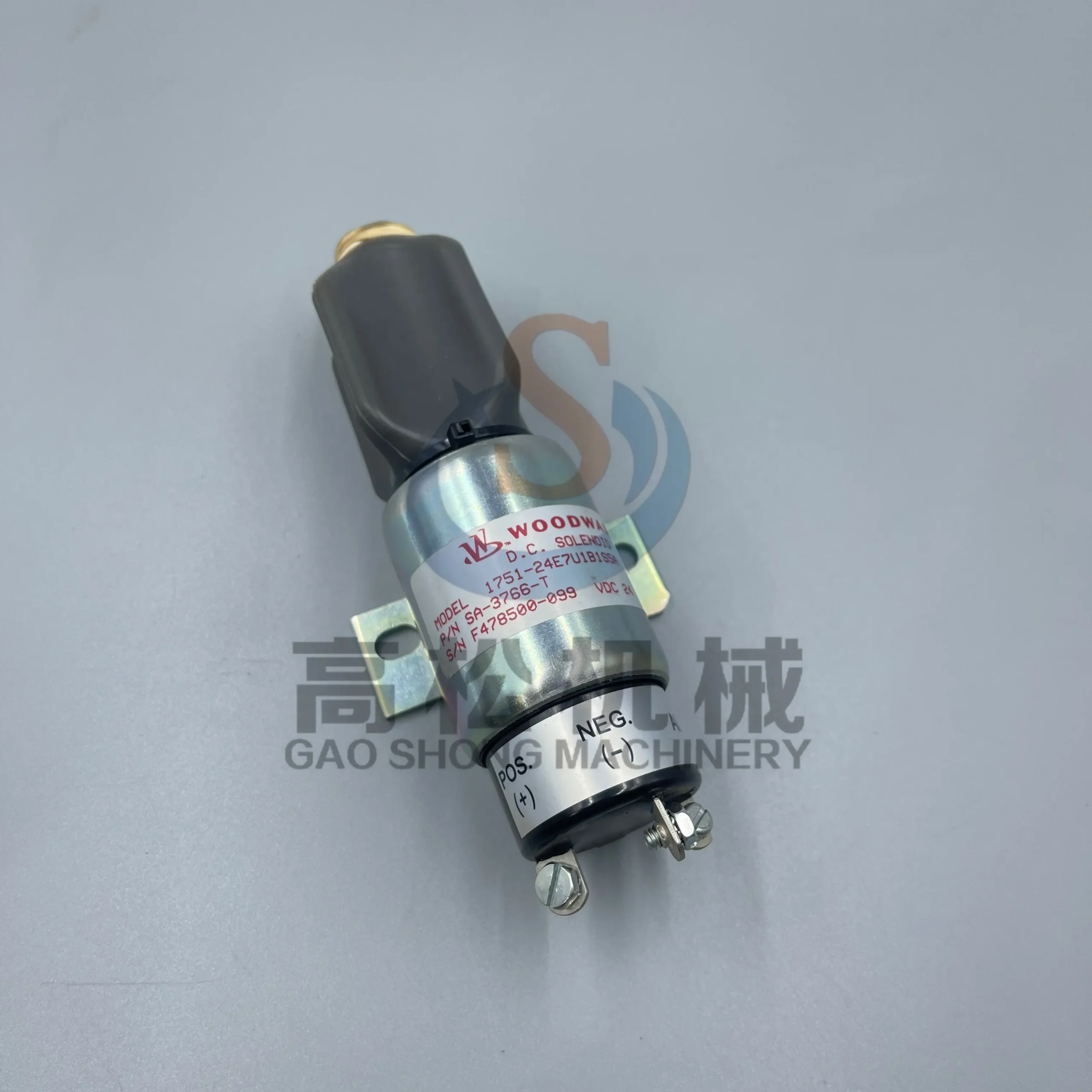 Stop Solenoid 600-815-7550
 -
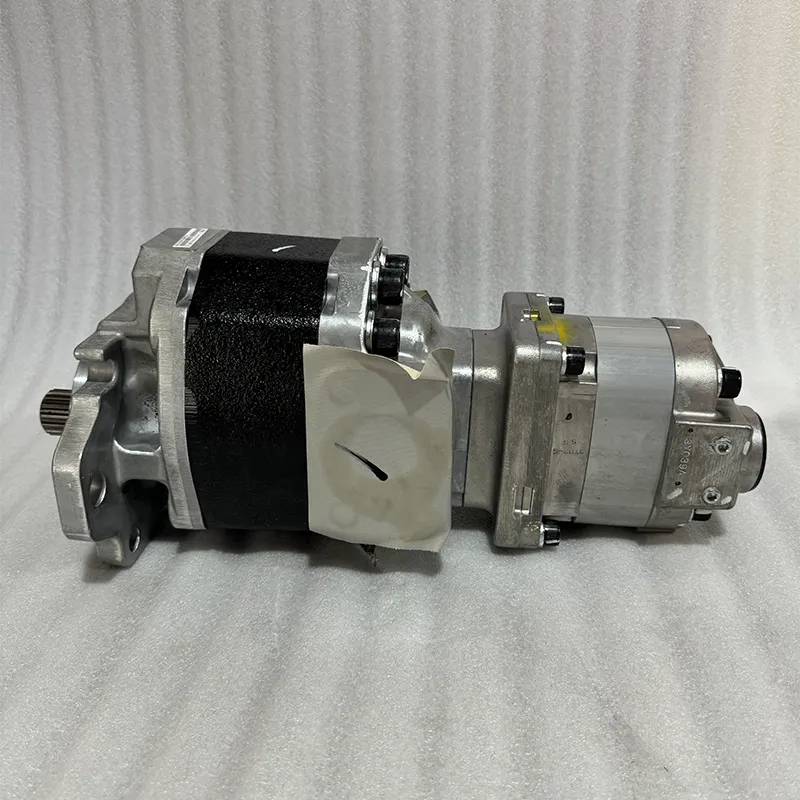 Original komatsu HD605-7R Gear Pump 705-95-05140
 -
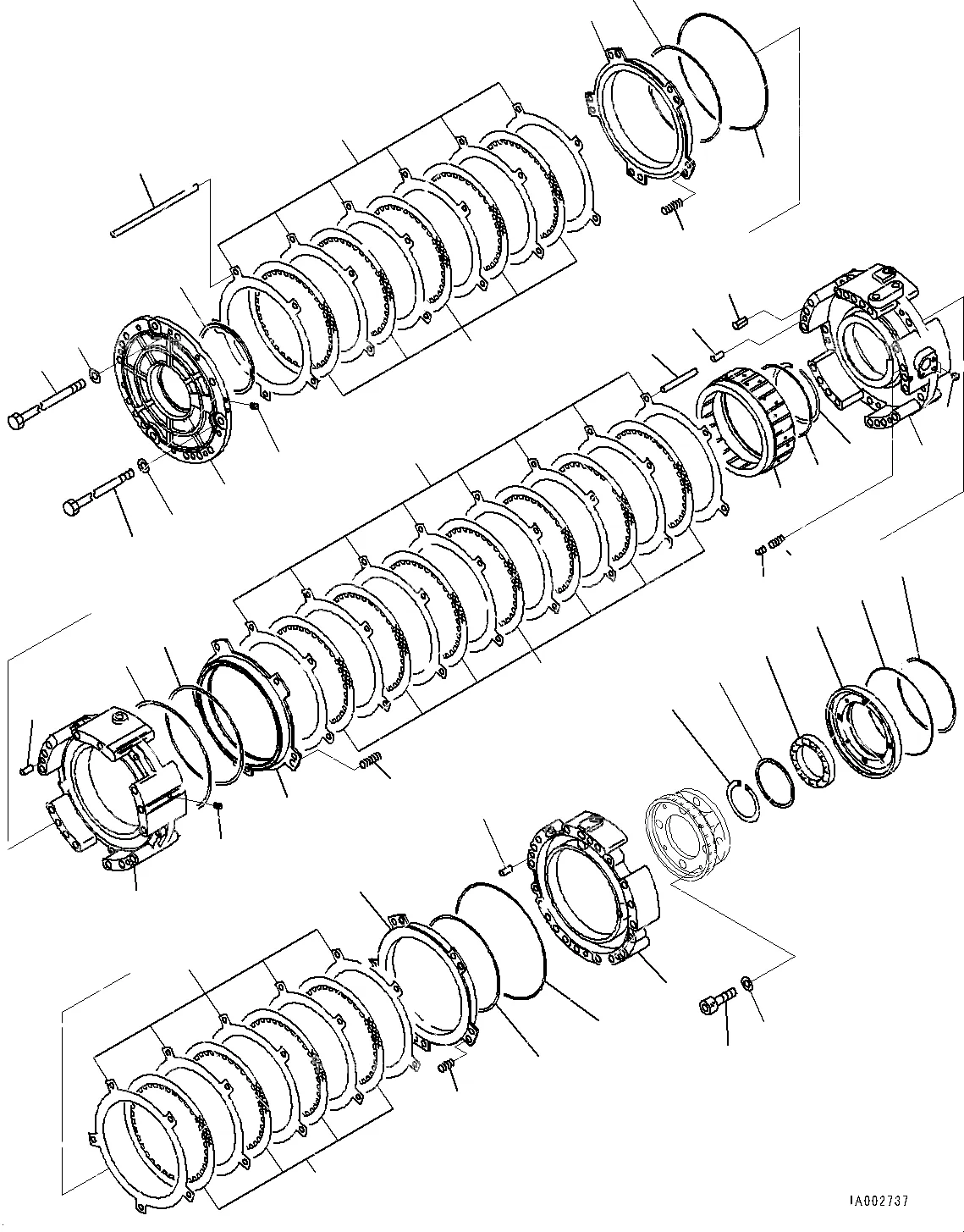 14X-15-19210 14X-15-19220 for D65 D68 D85 WA500 Bulldozer…
 -
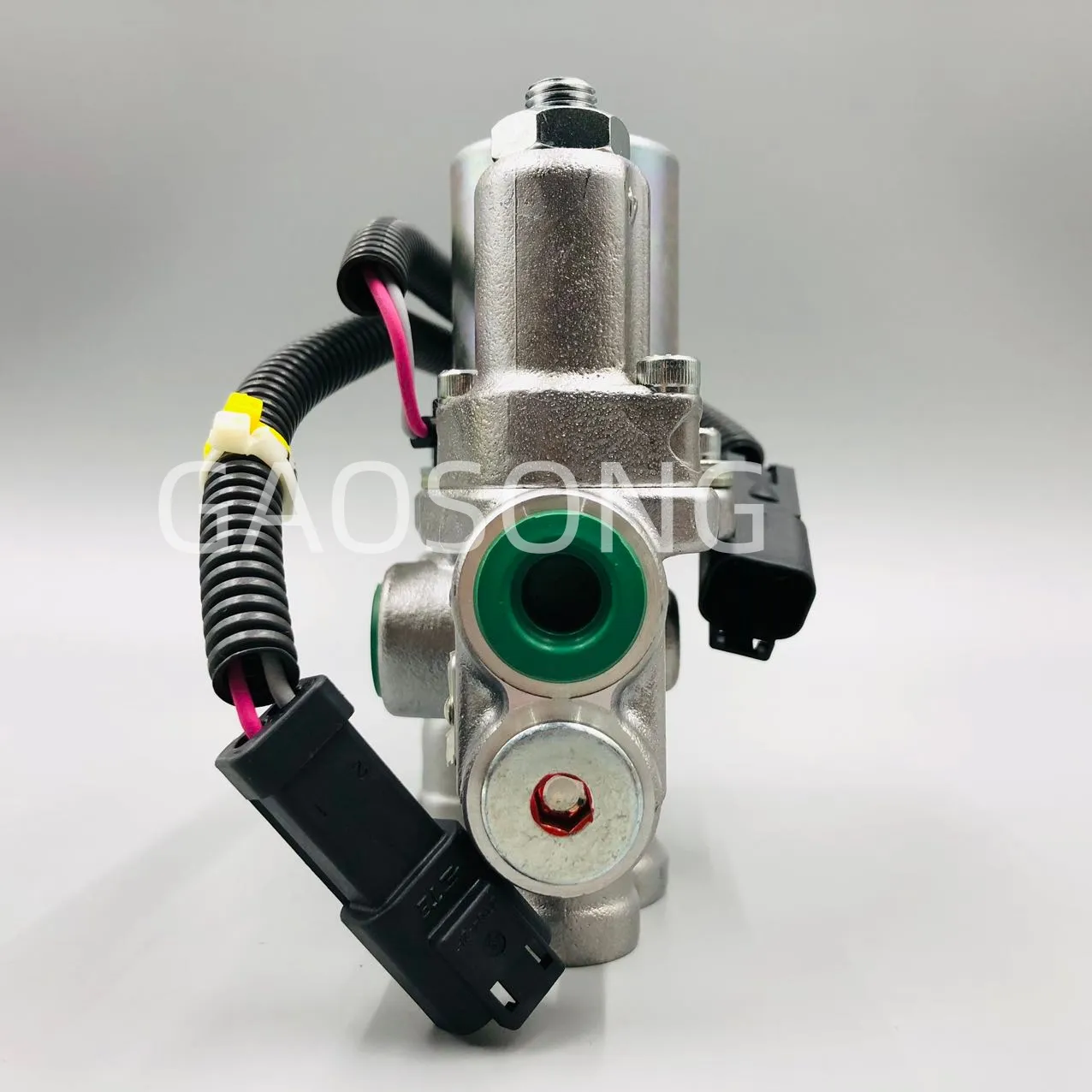 22F-60-31600 VALVE ASS’Y,(SEE FIG.Y1681-01A0).-Komatsu Original Factory
 -
 HD785-7 center exhaust manifold 6215-11-5172
 -
 20Y-03-22110-CAP-Komatsu Original Factory
 -
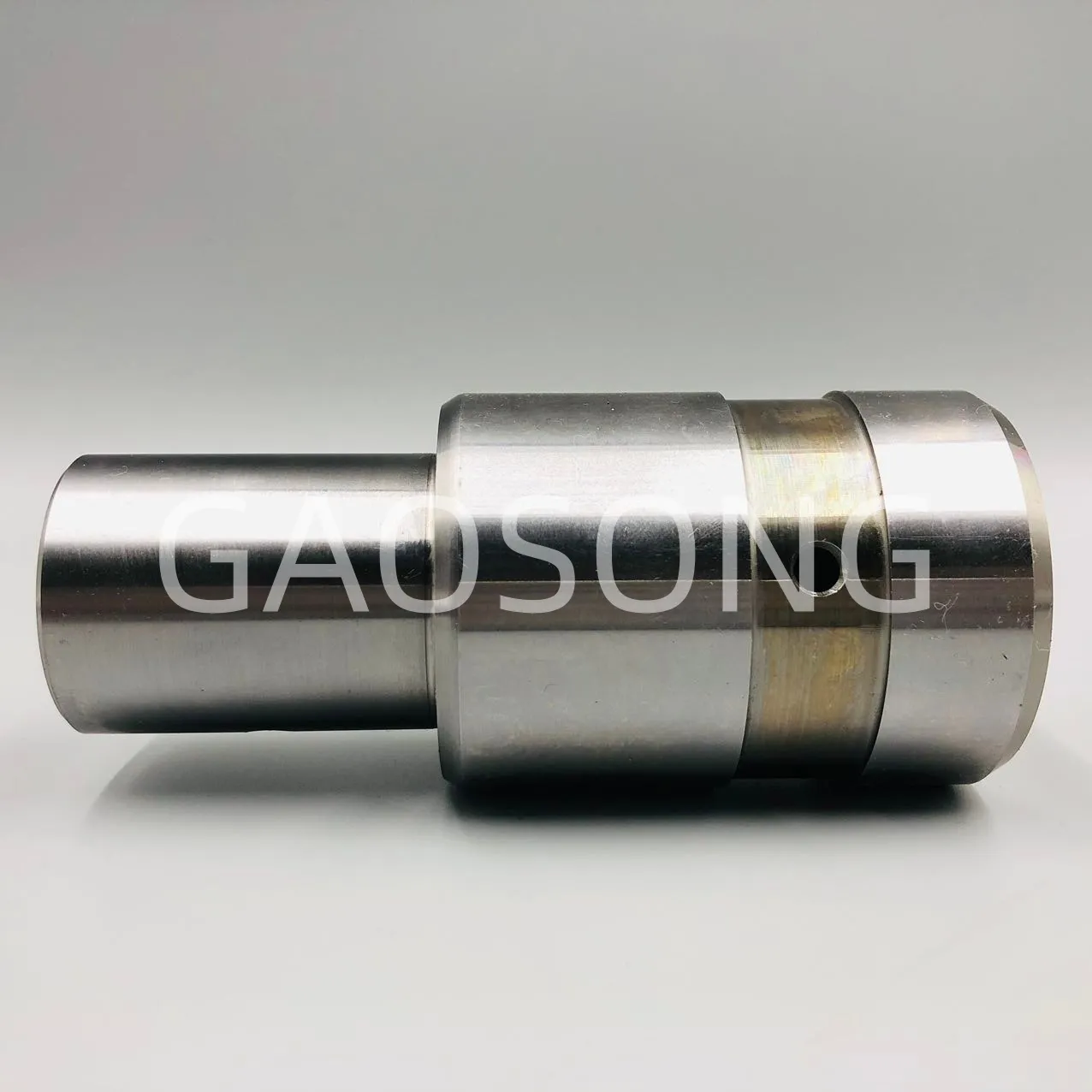 SHAFT 6240-61-4630 – KOMATSU
 -
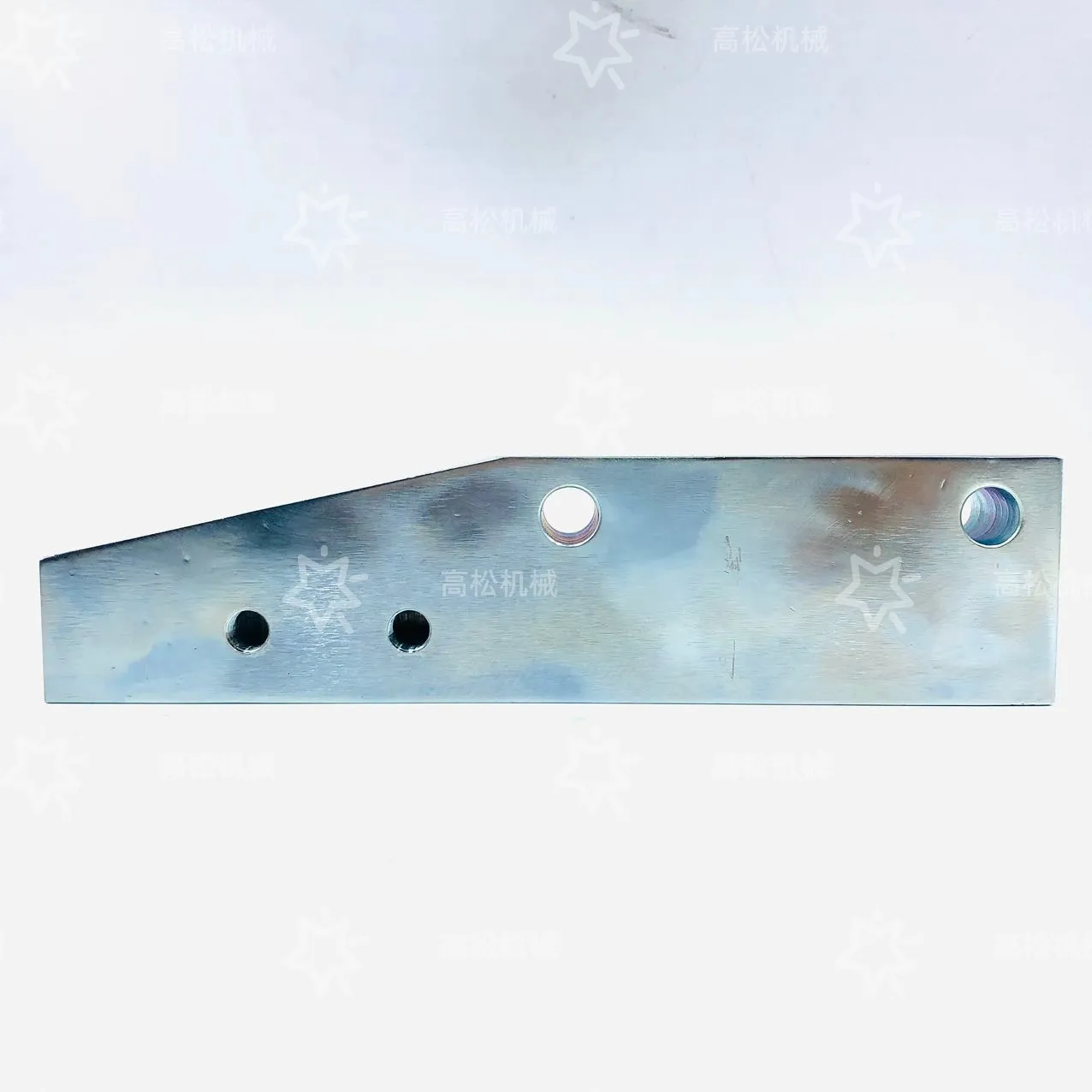 209-38-73281 BLOCK made to fit KOMATSU
 -
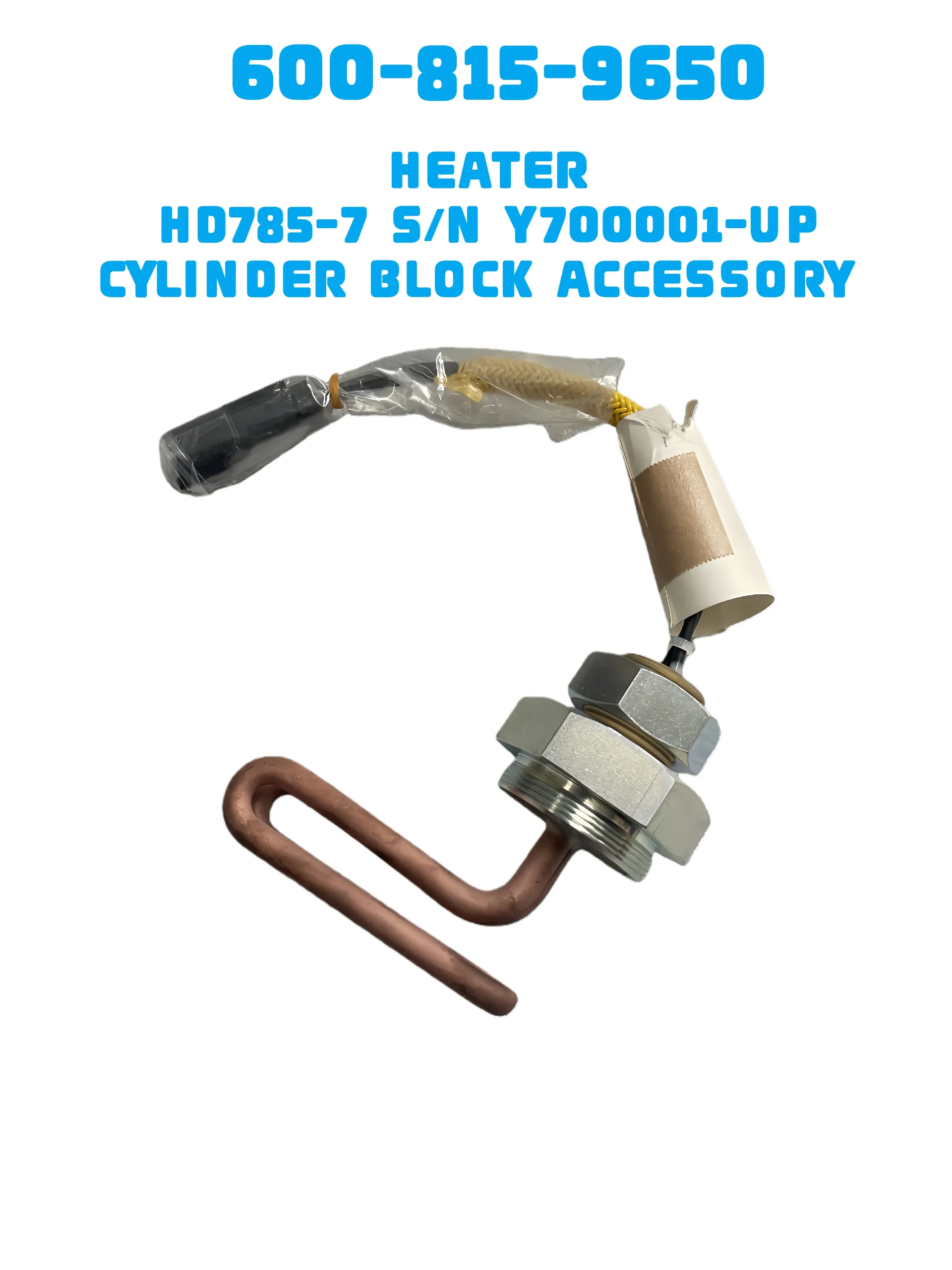 komatsu-part-600-815-9650 HEATER SAA12V140E-3B HD785-7 SAA12V140E-7 SAA12V140E-3D CYLINDER BLOCK ACCESSORY (OIL SENSOR¤ SWITCH AND WATER HEATER) OIL COOLER (COLD TERRAIN SPEC.) CYLINDER BLOCK ACCESSORY (FOR COLD AREA SPECIFICATION,ENGINE OIL PAN AND COOLANT HEATER) ENGINE OIL COOLER (FOR COLD AREA SPECIFICATION A (-30 DEG C),ENGINE OIL PAN AND COOLANT HEATER)