
- Chinese
- French
- German
- Portuguese
- Spanish
- Russian
- Japanese
- Korean
- Arabic
- Irish
- Greek
- Turkish
- Italian
- Danish
- Romanian
- Indonesian
- Czech
- Afrikaans
- Swedish
- Polish
- Basque
- Catalan
- Esperanto
- Hindi
- Lao
- Albanian
- Amharic
- Armenian
- Azerbaijani
- Belarusian
- Bengali
- Bosnian
- Bulgarian
- Cebuano
- Chichewa
- Corsican
- Croatian
- Dutch
- Estonian
- Filipino
- Finnish
- Frisian
- Galician
- Georgian
- Gujarati
- Haitian
- Hausa
- Hawaiian
- Hebrew
- Hmong
- Hungarian
- Icelandic
- Igbo
- Javanese
- Kannada
- Kazakh
- Khmer
- Kurdish
- Kyrgyz
- Latin
- Latvian
- Lithuanian
- Luxembou..
- Macedonian
- Malagasy
- Malay
- Malayalam
- Maltese
- Maori
- Marathi
- Mongolian
- Burmese
- Nepali
- Norwegian
- Pashto
- Persian
- Punjabi
- Serbian
- Sesotho
- Sinhala
- Slovak
- Slovenian
- Somali
- Samoan
- Scots Gaelic
- Shona
- Sindhi
- Sundanese
- Swahili
- Tajik
- Tamil
- Telugu
- Thai
- Ukrainian
- Urdu
- Uzbek
- Vietnamese
- Welsh
- Xhosa
- Yiddish
- Yoruba
- Zulu
- Kinyarwanda
- Tatar
- Oriya
- Turkmen
- Uyghur






Komatsu grader OEM parts
When you hear 'Komatsu grader OEM parts,' there's an immediate assumption of a clear, singular pipeline. In reality, that term masks a complex ecosystem of supply, quality tiers, and regional availability challenges that you only grasp after wrestling with procurement for a few years. The common mistake is equating 'OEM' solely with parts stamped and boxed by Komatsu Ltd. itself. In practice, especially in markets with import restrictions or legacy machine populations, the system relies heavily on certified suppliers within the Komatsu manufacturing network—true OEMs who build to spec but might not always ship under the Komatsu-branded box. This distinction isn't academic; it's the difference between a machine that's down for weeks and one that's back on grade.
The OEM Ecosystem and Where Companies Like Gaosong Fit
Komatsu's global operation is vast, and they don't forge every blade, mold every hose, or machine every hydraulic pump in-house. They have a tiered supplier system. Some of these suppliers are designated as OEM product manufacturers for specific components. A company like Jining Gaosong Construction Machinery Co., Ltd. operates within this gray area—or rather, this practical area. From what I've gathered and seen in their offerings, they position themselves as an OEM product supplier within the Komatsu system. This means they likely source from or are part of that authorized manufacturing network, providing parts that are functionally identical to what Komatsu would supply, but perhaps through a different logistical and commercial channel.
Their stated role as a third-party sales company for Komatsu addressing parts supply challenges in certain countries rings true to a specific pain point. I've dealt with projects in Southeast Asia and Africa where getting official channel parts for a GD825 grader was a 60-day proposition, if at all. A supplier functioning within the OEM framework but with more flexible distribution can cut that to two weeks. It's not about circumventing Komatsu; it's about filling the gaps in their global logistics, particularly for older models or in regions with complex customs. The website takematsumachinery.com reflects this niche—it's not trying to be komatsu.com, but it's offering the core components that keep the machines running.
The critical judgment call here is verifying the within the system claim. It comes down to documentation, metallurgy certificates, and traceability. A random aftermarket seller might have a blade that fits; a company like Gaosong, if they are what they say, should have the blade that matches the OEM grade of steel and hardness profile. You have to ask for those certs. Every time.
Real-World Application and the Fit-for-Purpose Test
Let's talk about a grader's circle and moldboard assembly. The wear parts here—end bits, cutting edges—are consumables. Using a genuine Komatsu-boxed edge on a municipal job might be overkill if you're grading soft soil. But on a mine haul road with abrasive material, the OEM-spec material composition is the only thing that gives you a viable cost-per-hour. The value of an OEM product supplier is they should offer that same spec material. I recall a job where we used a non-OEM edge from a local vendor; it wore down 40% faster and started deforming, causing an uneven grade. We switched to a source making the OEM claim (not unlike Gaosong's positioning), and the wear life normalized. It wasn't in a Komatsu box, but the performance was there.
This is where the third-party sales model shows its teeth. They often carry stock for models that Komatsu's main depots have phased out. Need a complete valve bank for a 1990s GD705? The official answer might be obsolete. A specialized supplier in the OEM network might still have the blueprints and the relationship with the original factory to produce a batch. That's solving a real challenge.
However, it's not all seamless. I've had experiences where a part arrived from a similar supplier and the porting thread was just slightly off—a metric vs. a parallel thread issue that wasn't in the spec sheet. It caused a half-day of downtime for re-tapping. That's the risk. The takeaway is that even with OEM-network parts, you must do a physical inspection against the old part before installation. Never assume.
Navigating Quality Verification and Common Pitfalls
The biggest pitfall is conflating OEM quality with OEM origin. A supplier can produce a part to OEM quality standards without being in the system, but the consistency is harder to guarantee. When evaluating a company like the one mentioned, you look for clues beyond the website. Do they list specific part numbers tied to Komatsu engineering drawings (like 20M-XX-XXXXX series)? Can they provide material test reports? Their website intro says they help solve supply challenges—a good sign is if they ask you for your machine serial number and the Komatsu part number upfront. That shows they understand the precision needed.
Another practical detail: packaging. Authentic Komatsu parts have distinct, robust packaging. OEM-network parts might come in plain, industrial boxes. Don't let that spook you. I once rejected a shipment of grader suspension cylinders because they came in unbranded boxes, only to later find out they were from a primary OEM supplier who simply doesn't invest in retail packaging. The cylinders were perfect. The lesson was to judge the part, not the box.
Price is, of course, a signal. If their price is 70% below Komatsu's, be very skeptical. If it's 20-30% below, that's more plausible for a network supplier saving on branding and layered distribution costs. That range feels right for the value proposition.
Strategic Sourcing and When to Choose This Path
So when does it make strategic sense to source Komatsu grader components through a channel like this? First, for legacy equipment. Second, for high-wear items where you're buying in bulk and need OEM performance without the premium branding cost. Third, and crucially, when you're in one of those certain countries with supply chain bottlenecks. Their stated mission aligns directly with this.
It's also wise for non-safety-critical components. I'd be more cautious with electronic control modules or critical brake system parts from any non-direct source. But for undercarriage components, blades, seals, and hydraulic lines—areas where the OEM spec is about material science and dimensions—a verified OEM-network supplier is a smart part of your maintenance strategy.
You develop a shortlist. You might have Komatsu direct for warranty work and critical assemblies, a global aftermarket brand for some items, and a dedicated OEM-system supplier like Jining Gaosong for the bulk of your mechanical wear parts and legacy support. It's about building a resilient, cost-effective parts ecosystem, not relying on a single source.
Concluding Thoughts: The Pragmatic View
At the end of the day, keeping a grader running is a pragmatic exercise. The label OEM parts is a promise of a certain standard. That standard can be delivered through Komatsu's direct channels or through their authorized manufacturing network. Companies that transparently occupy this space, as Jining Gaosong Construction Machinery appears to do, fulfill a necessary role. They reduce downtime in markets the mainline distribution can't efficiently serve.
The key is due diligence. Treat them as you would any critical vendor: audit their certifications, order a small batch first for evaluation, and cross-check the parts against your known-good components. The relationship, if verified, becomes a huge asset. It turns a supply challenge into a solved problem.
In this field, the proof is always on the job site, in the dirt, under the machine. A part either fits, lasts, and performs, or it doesn't. The origin story is secondary to that fundamental truth. The smart approach is to use every tool in the shed—including the specialized OEM-network suppliers—to make sure the grader is ready to work when you need it.
Related Products
Related Products
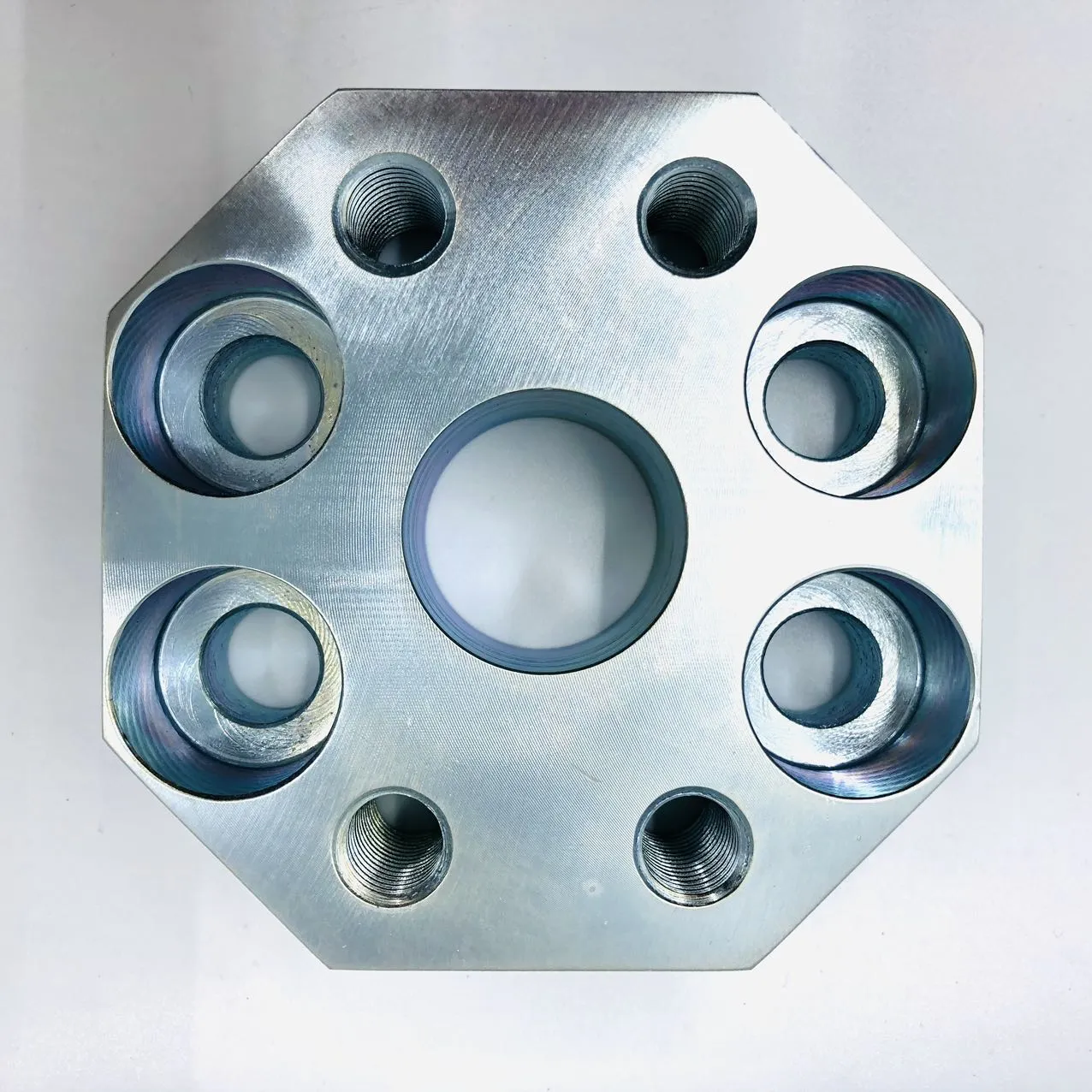
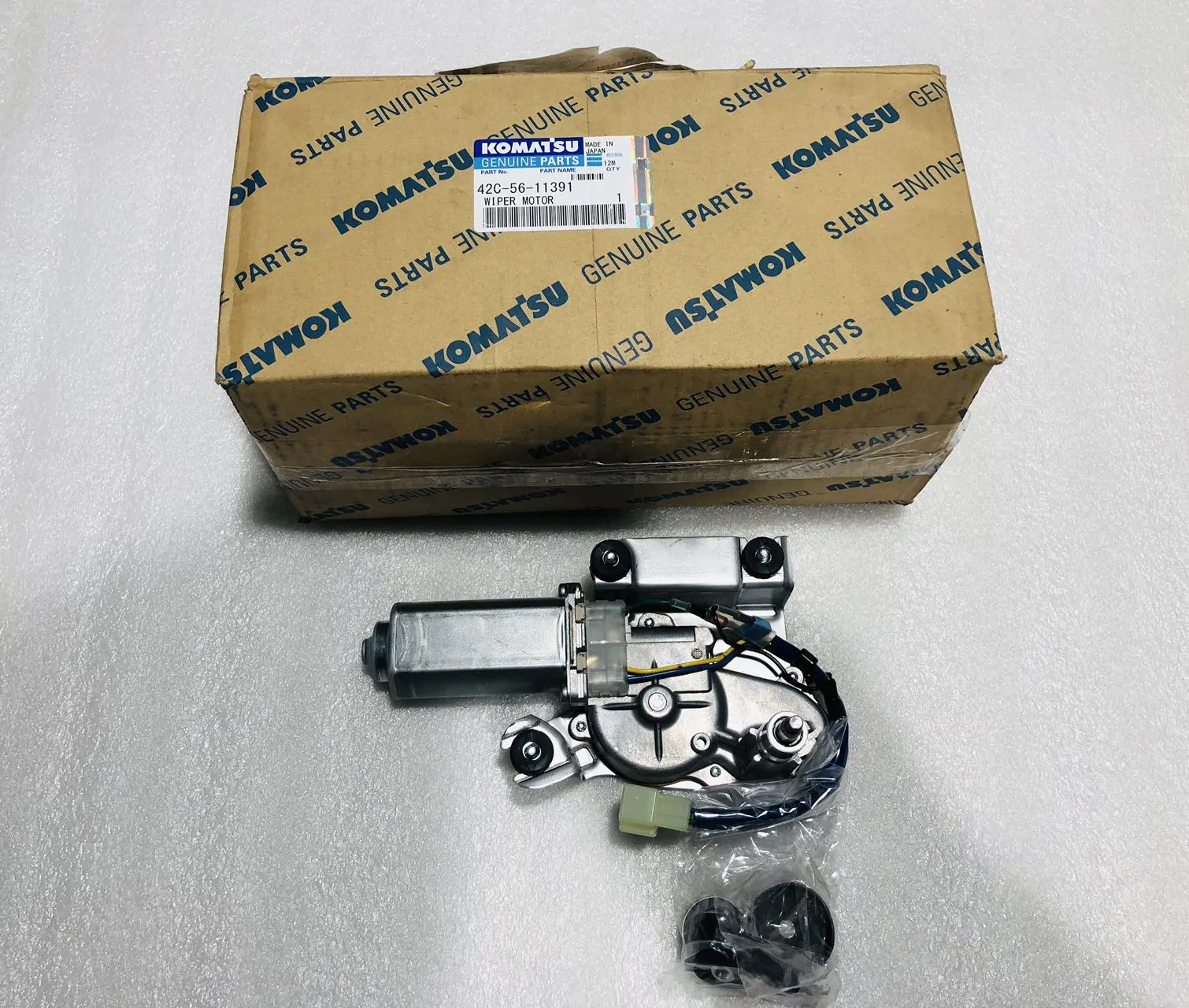

Best Selling Products
Best Selling Products-
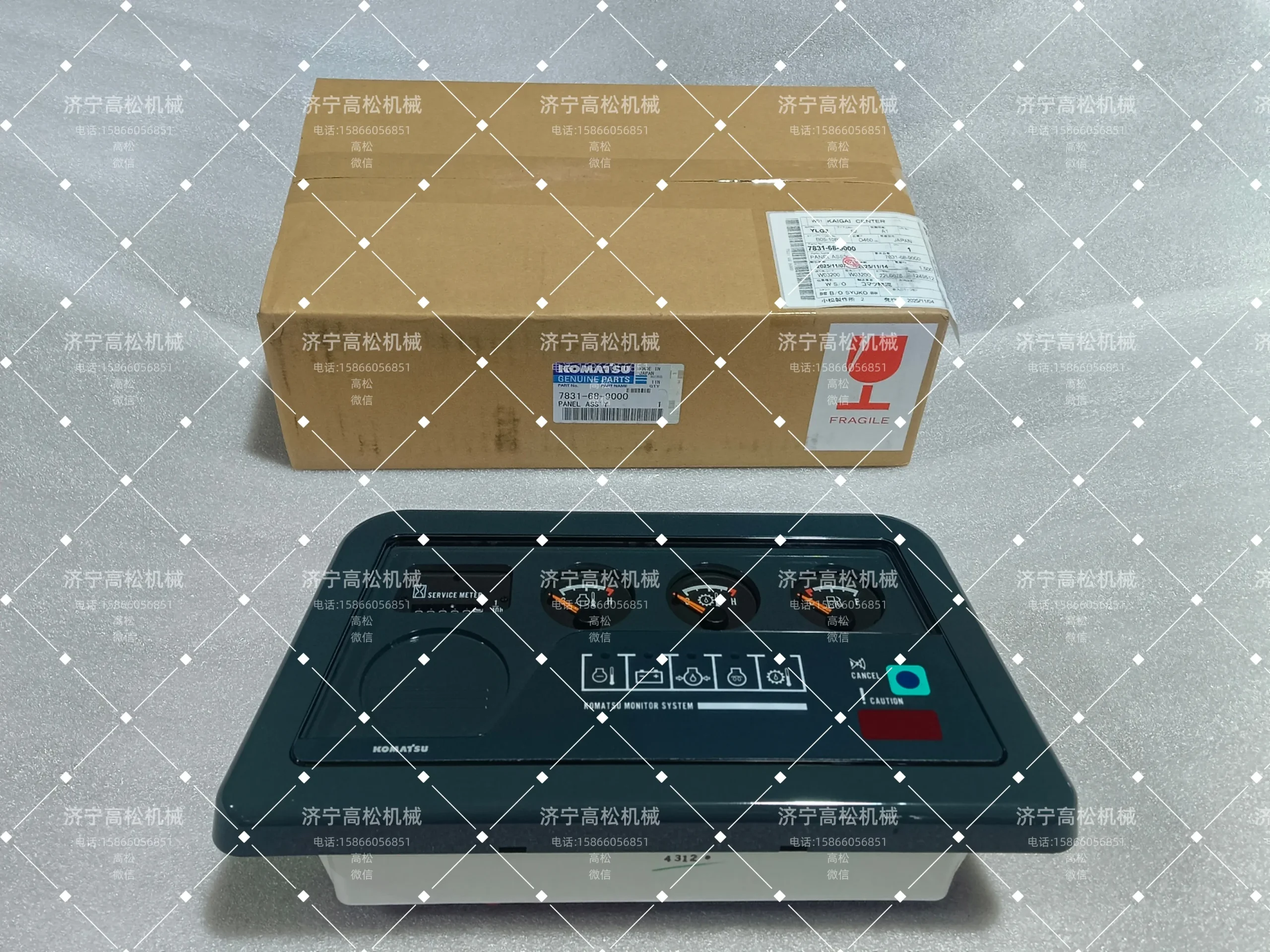 Komatsu 7831-68-9000 PANEL ASS’Y, price for… — Pricing.Parts
 -
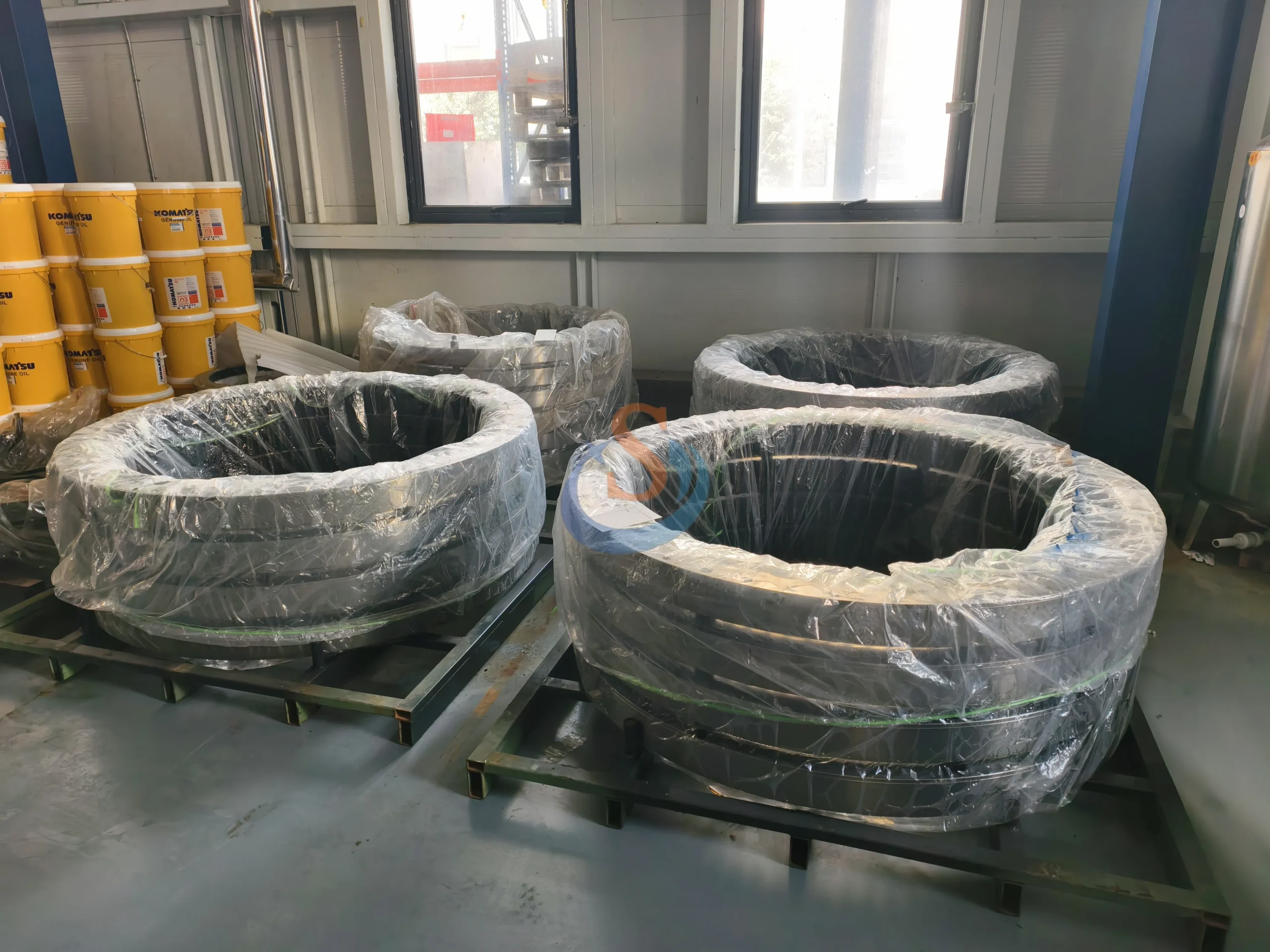 207-25-61100, SWING CIRCLE ASS’Y,PC300,PC360,PC350
 -
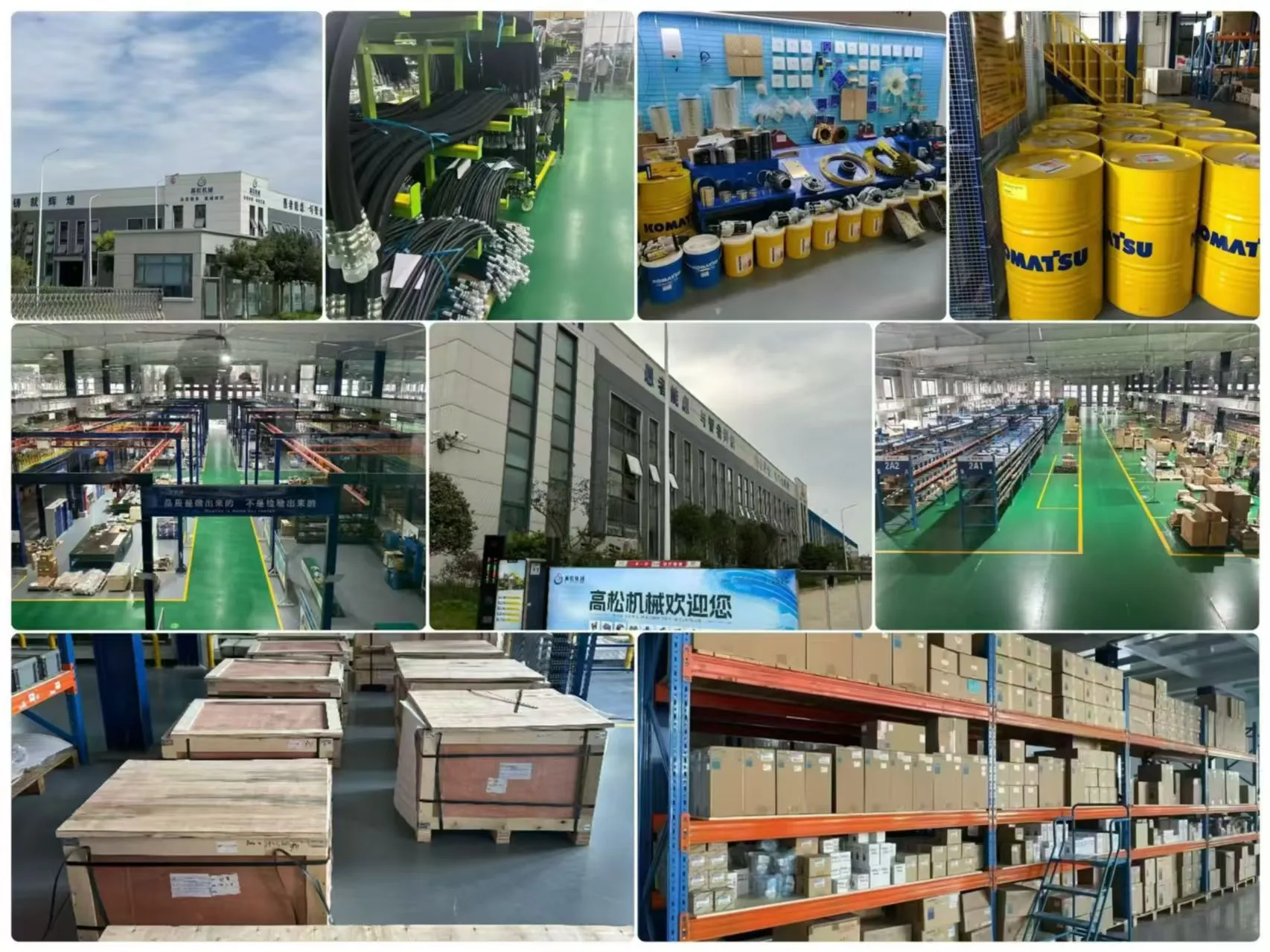 Komatsu 711-50-41520 Impeller for WA380-3 Wheel loader
 -
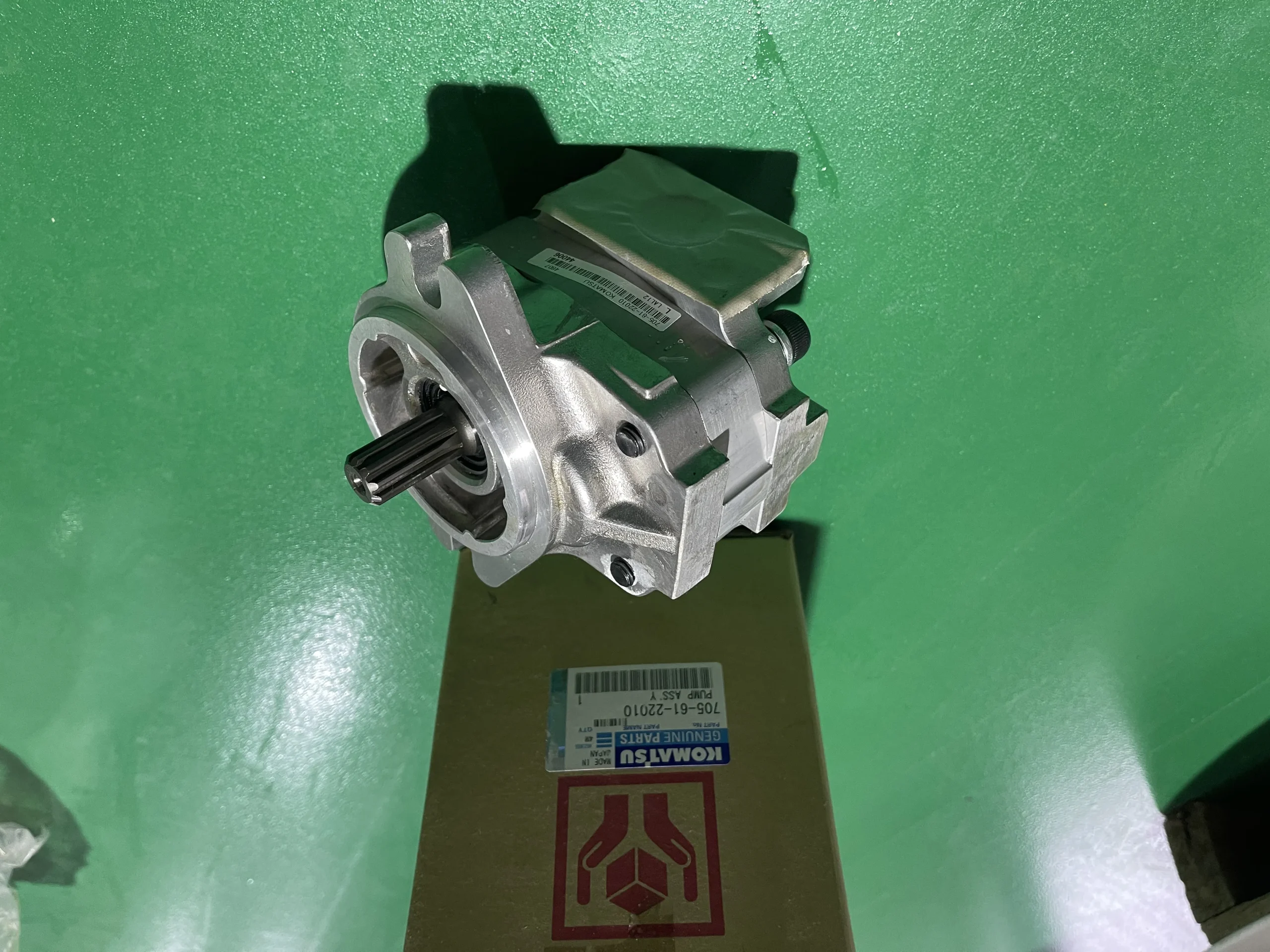 PUMP ASS’Y 705-61-22010 – KOMATSU
 -
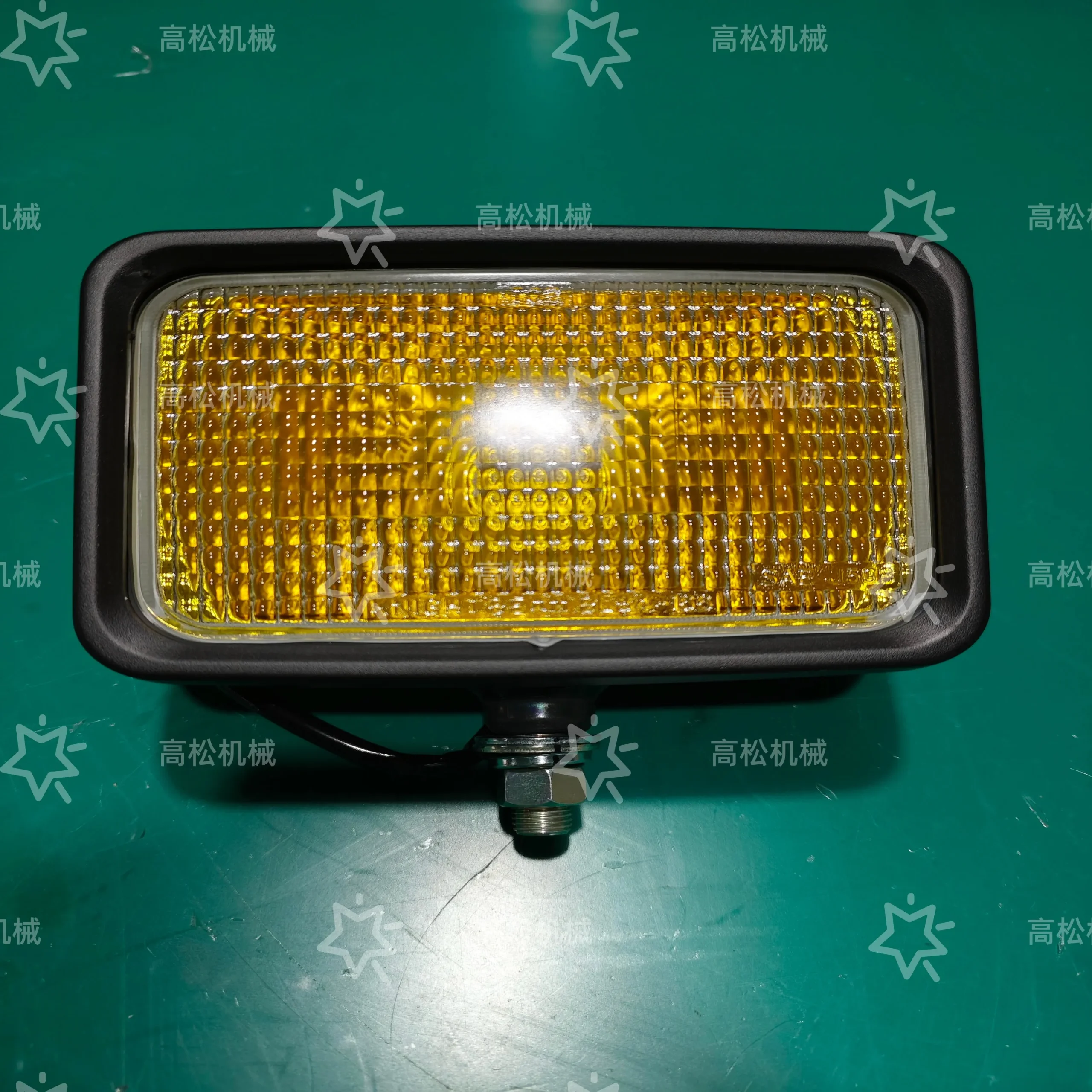 22T-06-24110Hd350 2 Front Light Lamp 22t 06 24110
 -
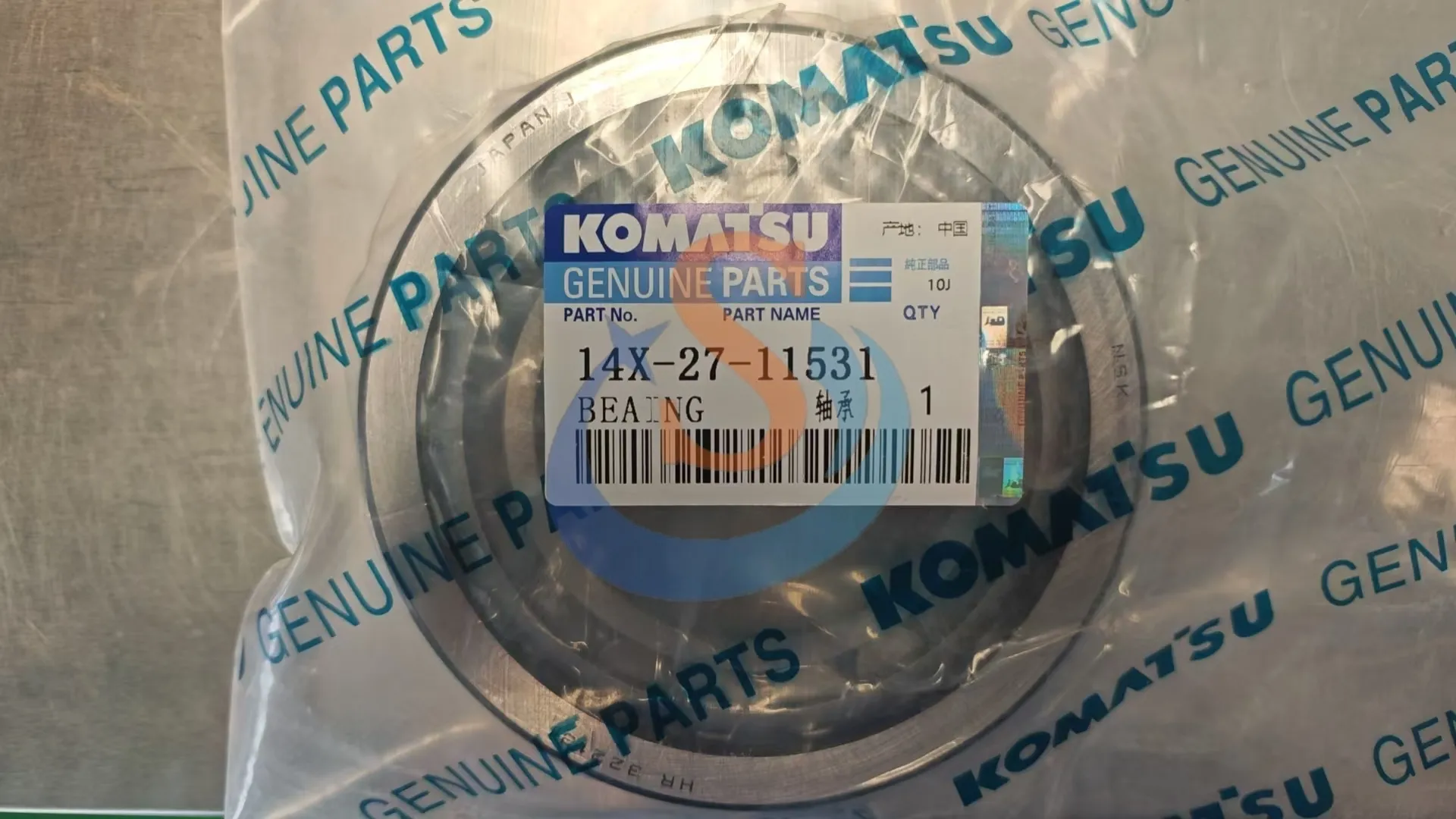 14X-27-11531,BEARING,D65P,D65EX,D65WX
 -
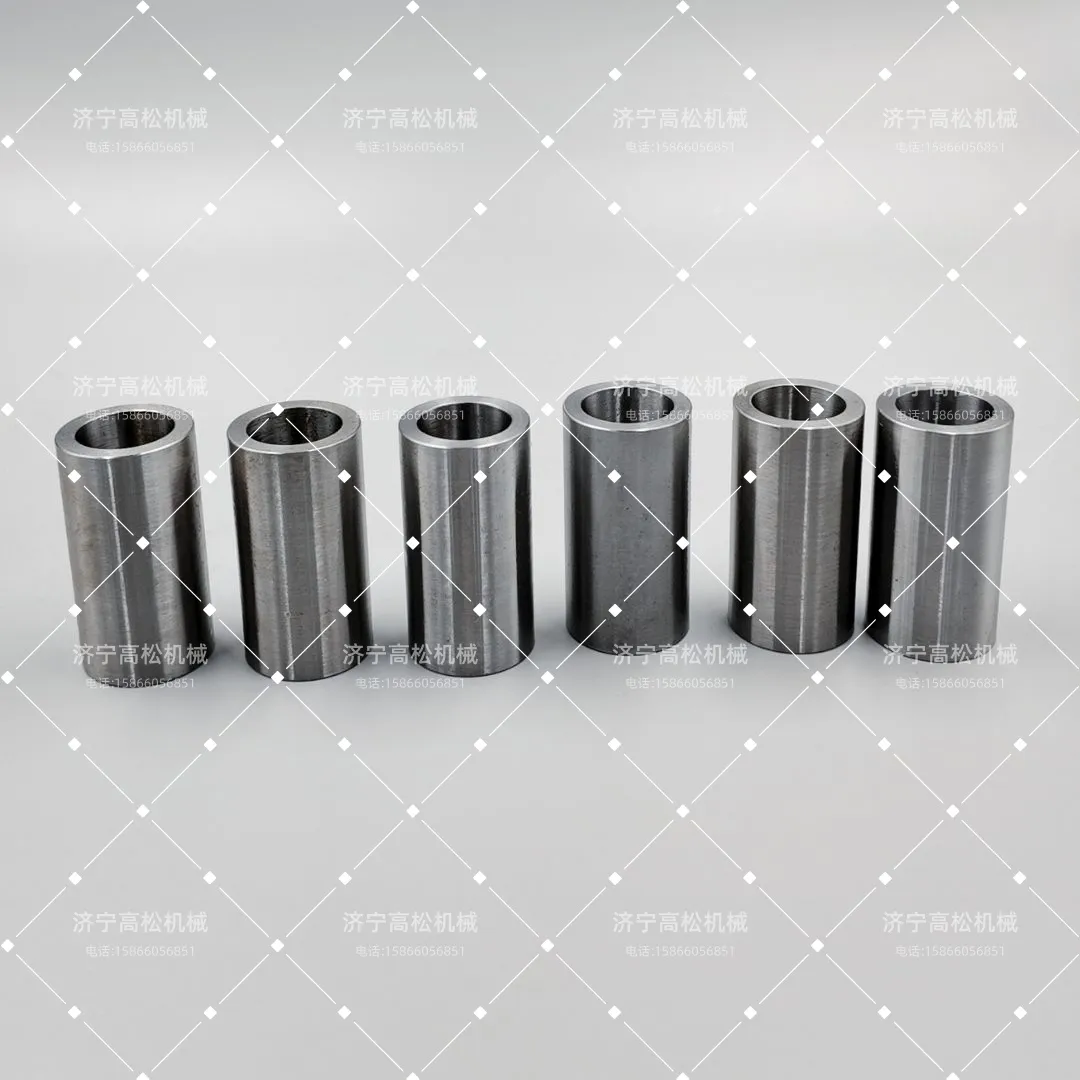 566-54-21910 Komatsu Bushing
 -
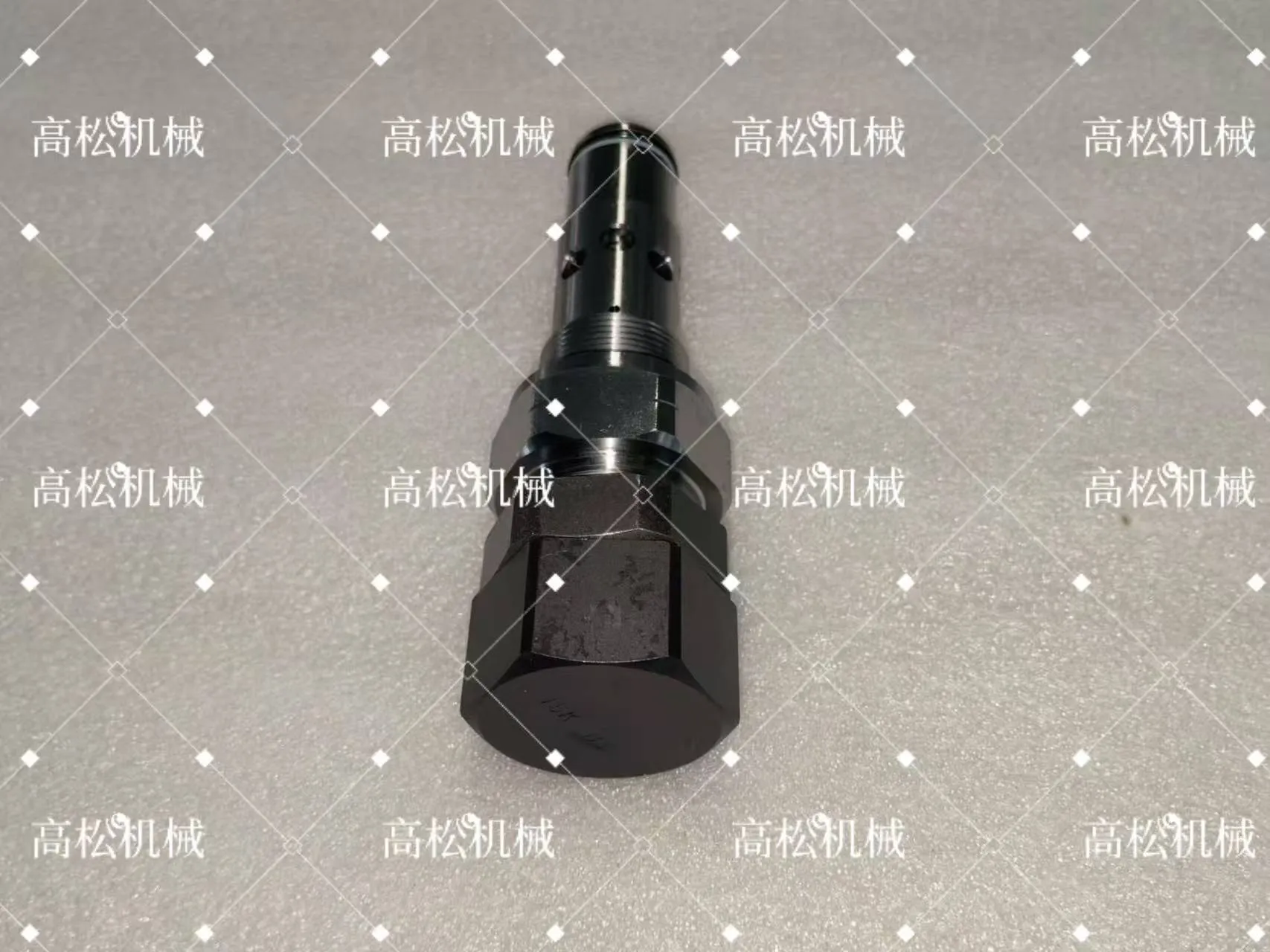 Komatsu original valve assembly, part no.702-75-01900, fits model PC750SE-7
 -
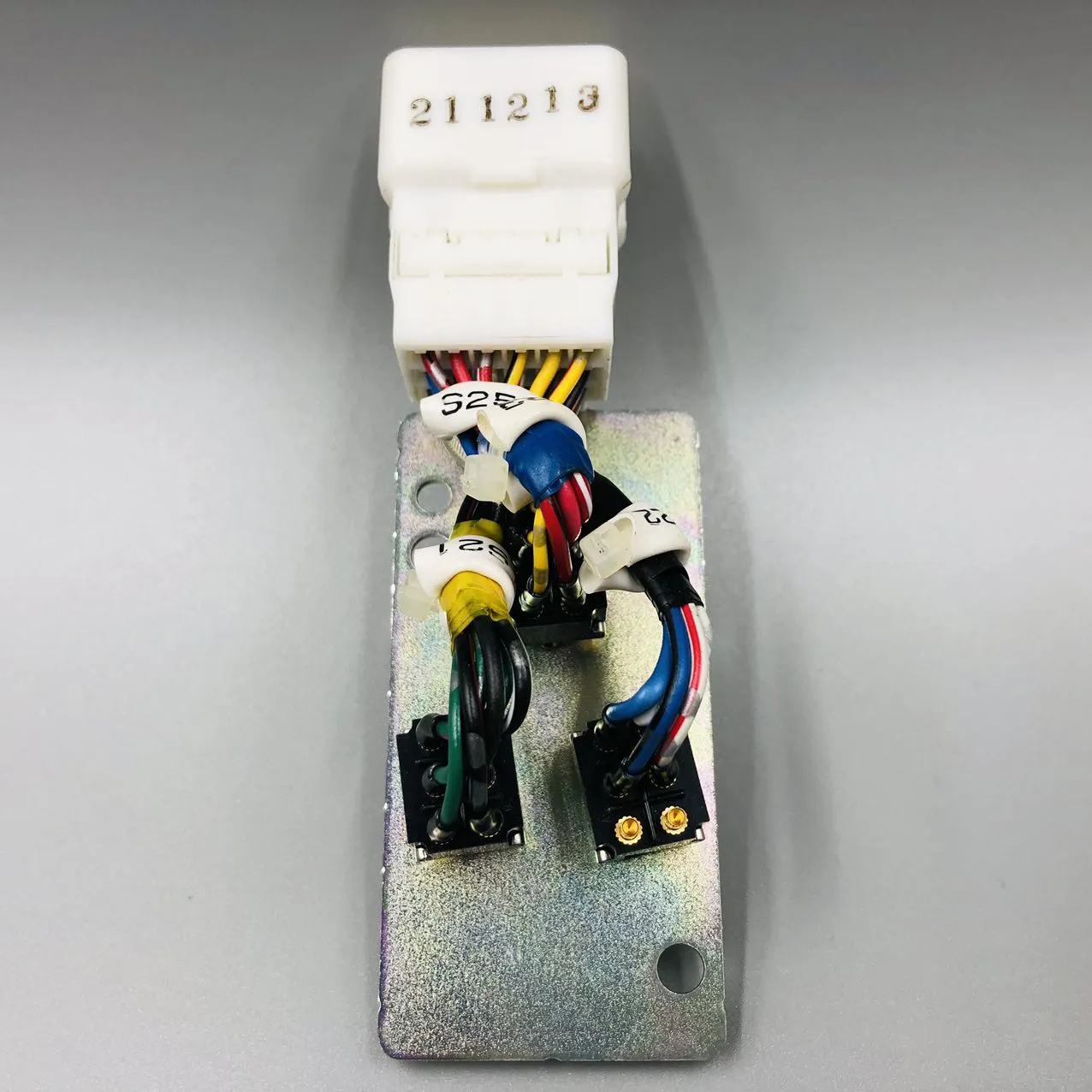 PC300-7 PC350-7 Switch Assy 22U-06-22370
 -
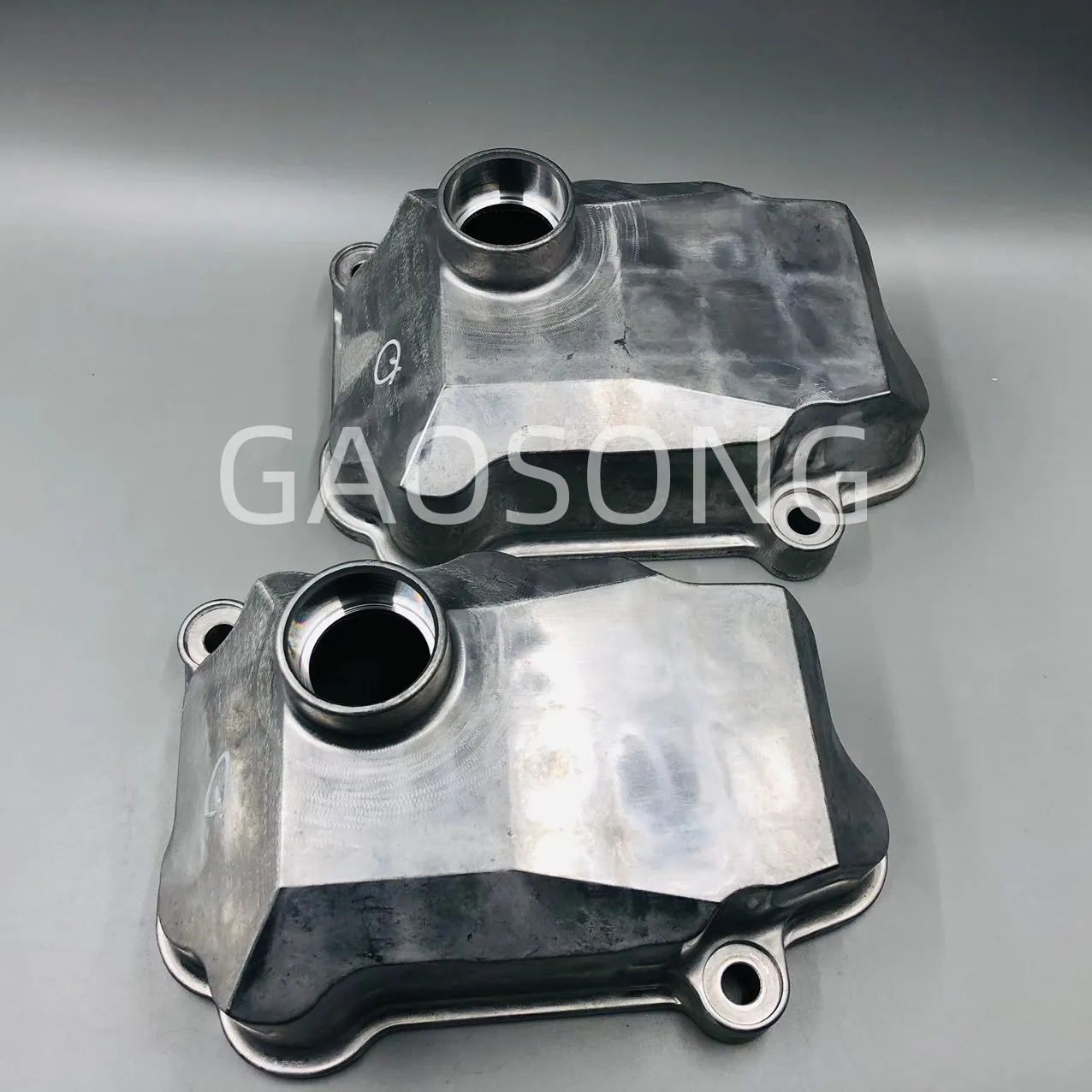 6251-11-8150 COVER, ROCKER ARM HOUSING-Komatsu Original Factory
 -
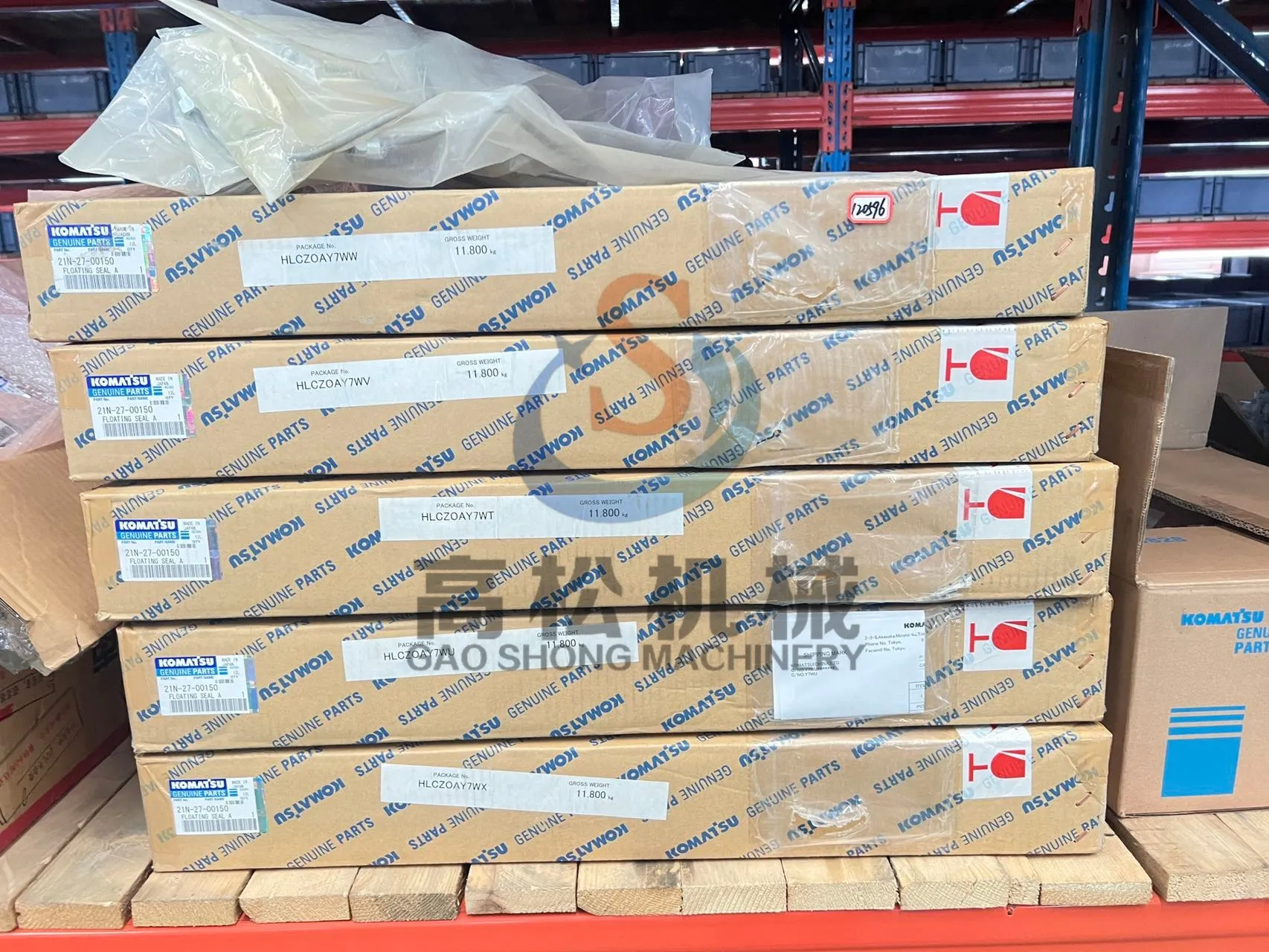 21N-27-00150 Komatsu Floating Seal Assembly
 -
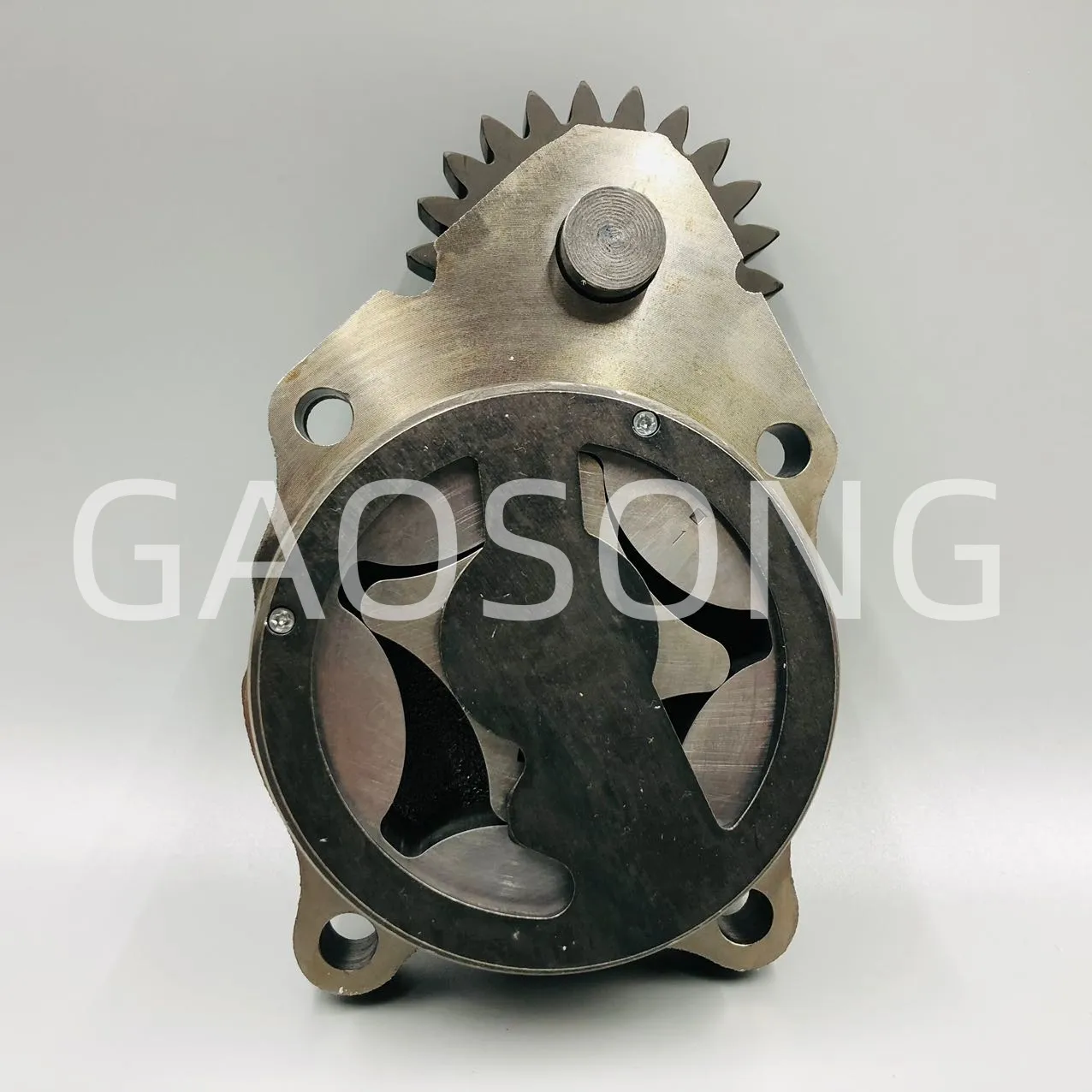 6754-51-1111 Pump Assembly, Oil-Komatsu Original Factory