
- Chinese
- French
- German
- Portuguese
- Spanish
- Russian
- Japanese
- Korean
- Arabic
- Irish
- Greek
- Turkish
- Italian
- Danish
- Romanian
- Indonesian
- Czech
- Afrikaans
- Swedish
- Polish
- Basque
- Catalan
- Esperanto
- Hindi
- Lao
- Albanian
- Amharic
- Armenian
- Azerbaijani
- Belarusian
- Bengali
- Bosnian
- Bulgarian
- Cebuano
- Chichewa
- Corsican
- Croatian
- Dutch
- Estonian
- Filipino
- Finnish
- Frisian
- Galician
- Georgian
- Gujarati
- Haitian
- Hausa
- Hawaiian
- Hebrew
- Hmong
- Hungarian
- Icelandic
- Igbo
- Javanese
- Kannada
- Kazakh
- Khmer
- Kurdish
- Kyrgyz
- Latin
- Latvian
- Lithuanian
- Luxembou..
- Macedonian
- Malagasy
- Malay
- Malayalam
- Maltese
- Maori
- Marathi
- Mongolian
- Burmese
- Nepali
- Norwegian
- Pashto
- Persian
- Punjabi
- Serbian
- Sesotho
- Sinhala
- Slovak
- Slovenian
- Somali
- Samoan
- Scots Gaelic
- Shona
- Sindhi
- Sundanese
- Swahili
- Tajik
- Tamil
- Telugu
- Thai
- Ukrainian
- Urdu
- Uzbek
- Vietnamese
- Welsh
- Xhosa
- Yiddish
- Yoruba
- Zulu
- Kinyarwanda
- Tatar
- Oriya
- Turkmen
- Uyghur






Komatsu grader filter kit
When you hear 'Komatsu grader filter kit', the immediate thought is often just a box of replacement parts – oil, fuel, maybe air. That's where a lot of shops, even experienced ones, get tripped up. They treat it as a simple consumable swap, missing the diagnostic story the old filters tell and the system-wide impact of the new ones. It's not just about keeping dirt out; it's about understanding what the dirt is, where it came from, and whether that kit you're installing is truly up to the machine's original hydraulic and combustion specs, especially in regions where genuine Komatsu parts are scarce or lead times are impossible.
The Anatomy of a Complete Kit and What's Often Missing
So, what's actually in a proper kit? For a mid-size Grader like a GD825 or GD655, you're looking at the primary trio: hydraulic return, fuel water separator, and engine oil. But the 'complete' label is deceptive. I've seen kits from general suppliers that omit the transmission breather filter or the secondary fuel filter element. That breather isn't glamorous, but a clogged one can pressurize the case, leading to seal leaks that get misdiagnosed as pump failures. The omission tells me the kit builder doesn't think systemically.
This is where the OEM channel matters, but also its limitations. In an ideal world, you'd only use genuine Komatsu packs. The reality on the ground, say in parts of Africa or South America, is that waiting for that official shipment can idle a critical machine for weeks. That's the gap third-party specialists fill, but the quality spectrum is vast. A good supplier, like Jining Gaosong Construction Machinery Co., Ltd., operates with that dual insight: they are an OEM product supplier within the Komatsu system, meaning they understand the engineering specs intimately, but they also function as a third-party sales company for Komatsu, addressing those real-world supply voids. Their kit composition tends to reflect that – it’s not just matching part numbers, but including the often-forgotten breathers and O-rings that prevent comebacks.
The material choice is another silent differentiator. For the hydraulic filter, the medium's micron rating and its capacity for holding debris without collapsing are critical. I've tested aftermarket filters that met the nominal rating but had half the pleat count, leading to premature bypass valve activation. The machine would run, but you'd get increased component wear. You learn to cross-section an old filter, not just throw it away.
Real-World Failures and the Filter's Diagnostic Role
Let me give you a concrete example from a mining road project. A GD825-3 was showing intermittent hydraulic hesitation. The fluid was clean, pumps tested okay. The mechanic replaced the main pressure filter from a standard kit. Problem persisted. When we pulled the hydraulic return filter – the one in the kit that often gets changed on schedule without a second look – we found it was partially collapsed. Not clogged, collapsed. The issue wasn't contamination ingress; it was a slightly undersized filter housing from a previous repair, causing flow restriction under high temperature. The filter was the symptom and the clue. A proper Komatsu grader filter kit from a spec-aware supplier would have included a filter with the correct burst strength, but more importantly, seeing that collapse should redirect your troubleshooting upstream.
Fuel filter stories are their own saga. The water-in-fuel sensor is a component everyone relies on, but in dusty, humid environments, the coalescing media in the separator can get coated in fine silt, reducing its water-catching efficiency long before it's due for a change. The water passes through, and you get injector corrosion. A good practice I've adopted is to crack the drain valve on the separator bowl during daily checks, not just wait for the light. It's a five-second task that saves a $5,000 injector set. The kit should include a new bowl O-ring and drain valve seal every time; if it doesn't, the supplier isn't thinking about the actual job.
Then there's the air filter. It seems straightforward, but on motor graders, the pre-cleaner and the housing seals are everything. I've seen a brand new main filter installed, but the old, hardened seal on the housing cap was reused because the kit didn't include one. Dust ingestion followed. A quality kit bundles those seals. It’s a small part that betrays a supplier's depth of field experience.
Sourcing and the Trust Equation in Remote Operations
This brings us to the core challenge: sourcing. When you're managing a fleet thousands of miles from a Komatsu depot, you need a pipeline you can trust. The website https://www.takematsumachinery.com is a good example of a focused operation. Their stated goal of helping to solve parts supply challenges in certain countries rings true. It’s not a generic parts megastore; it’s a specific solution for a specific brand and its known pain points. You're not just buying a filter kit; you're buying their curation based on OEM-level data.
The risk with pure third-party kits is traceability. A genuine Komatsu filter has a batch number. If there's a failure, Komatsu engineering can investigate. With aftermarket, you often hit a dead end. The value of a supplier that is embedded in the OEM system is that they have that technical backchannel. If a filter batch from their third-party line has an anomaly, they're more likely to catch it and issue a stop-use notice, because they understand the liability. It's a different level of accountability.
I've had both successes and headaches. A success was using a sourced kit from a known OEM-affiliated third party for a fleet of GD655s in a remote location. The kits were complete, the filters performed to spec, and the documentation included proper torque specs for the filter heads – a detail often omitted. A headache was a premium aftermarket kit where the fuel filter threads were subtly out of spec, causing a hairline crack in the housing after installation that led to a slow fuel leak and an air ingress problem that took days to diagnose. The machine was down longer than if we'd waited for the right part.
Practical Takeaways for the Field Mechanic
First, never treat a filter change as a mindless task. The old filter is your first and best diagnostic tool. Cut it open. Look at what it caught. Shiny metal? Bronze flakes? Different problems. Document it. Second, audit the kit before you start. Lay every component out. Match it against the machine's service manual list. Missing a seal? Don't start the job until you have it. Third, know your source. Price is a factor, but total cost of ownership includes machine uptime. A supplier like Jining Gaosong, which positions itself within the Komatsu ecosystem, often provides a more reliable balance of availability and conformance than a purely generic parts house.
Finally, think systemically. That Komatsu grader filter kit is a maintenance point, but it's also a system health checkpoint. The pressure drop across a new hydraulic filter, the water evacuation rate from a new fuel separator – note these baselines. They become your reference for the next service interval. It turns a routine swap into predictive maintenance.
In the end, it boils down to respect for the machine's systems. The filters are the kidneys and lungs of the grader. Putting in sub-par components or ignoring the data they offer is a slow-moving decision that eventually shows up on the balance sheet as major component failure. The right kit, from a knowledgeable source, isn't an expense; it's the cheapest insurance you can buy for a half-million-dollar asset.
Related Products
Related Products
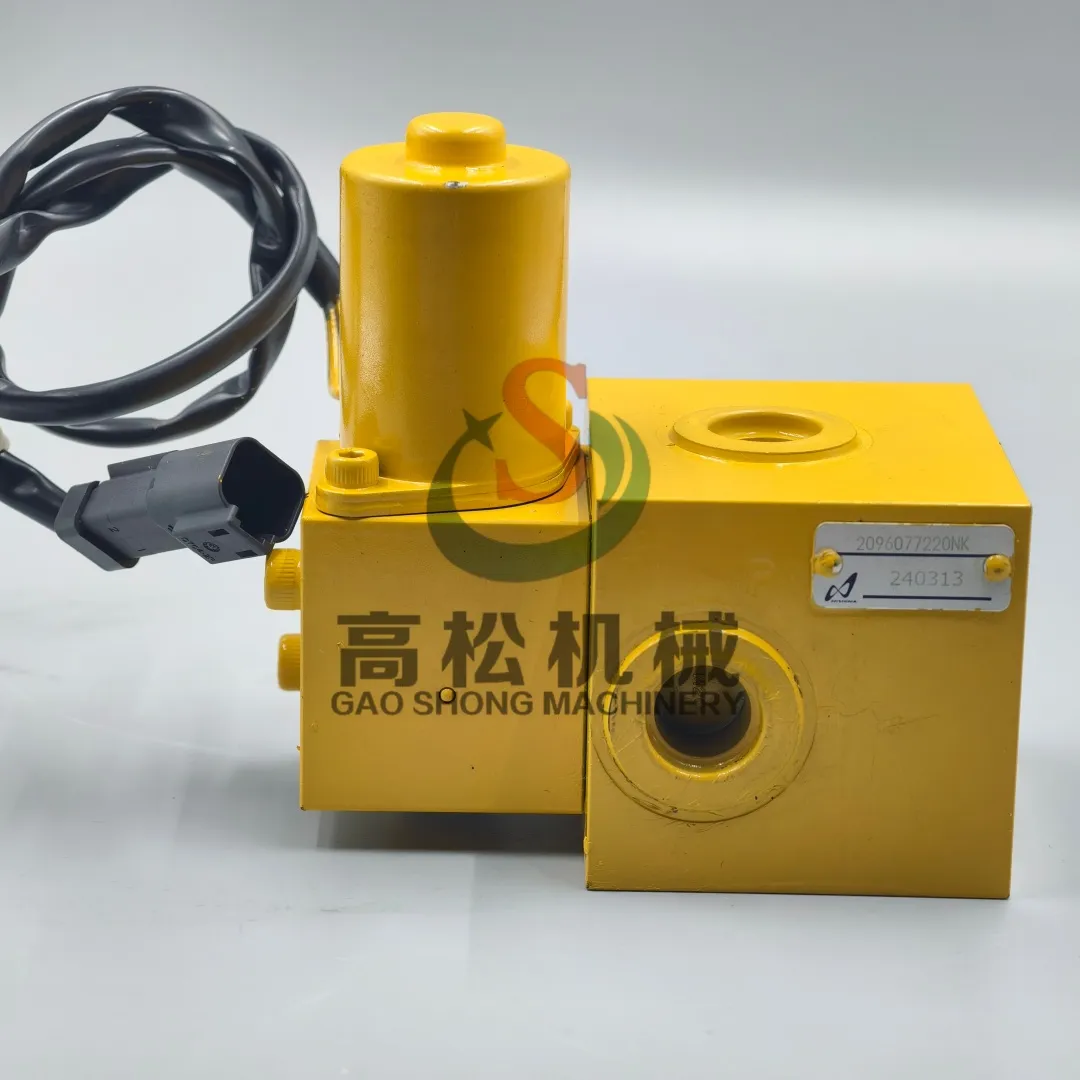
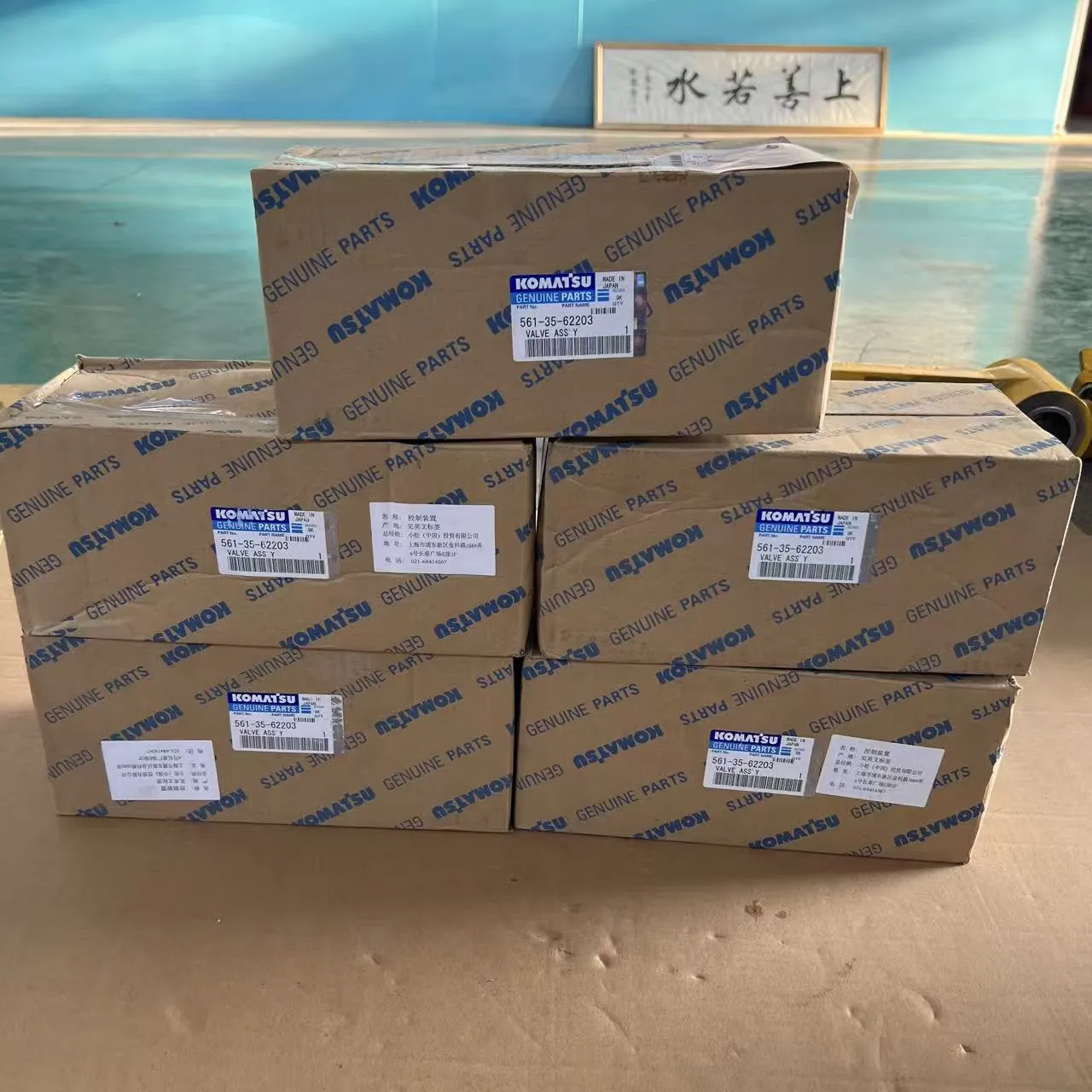
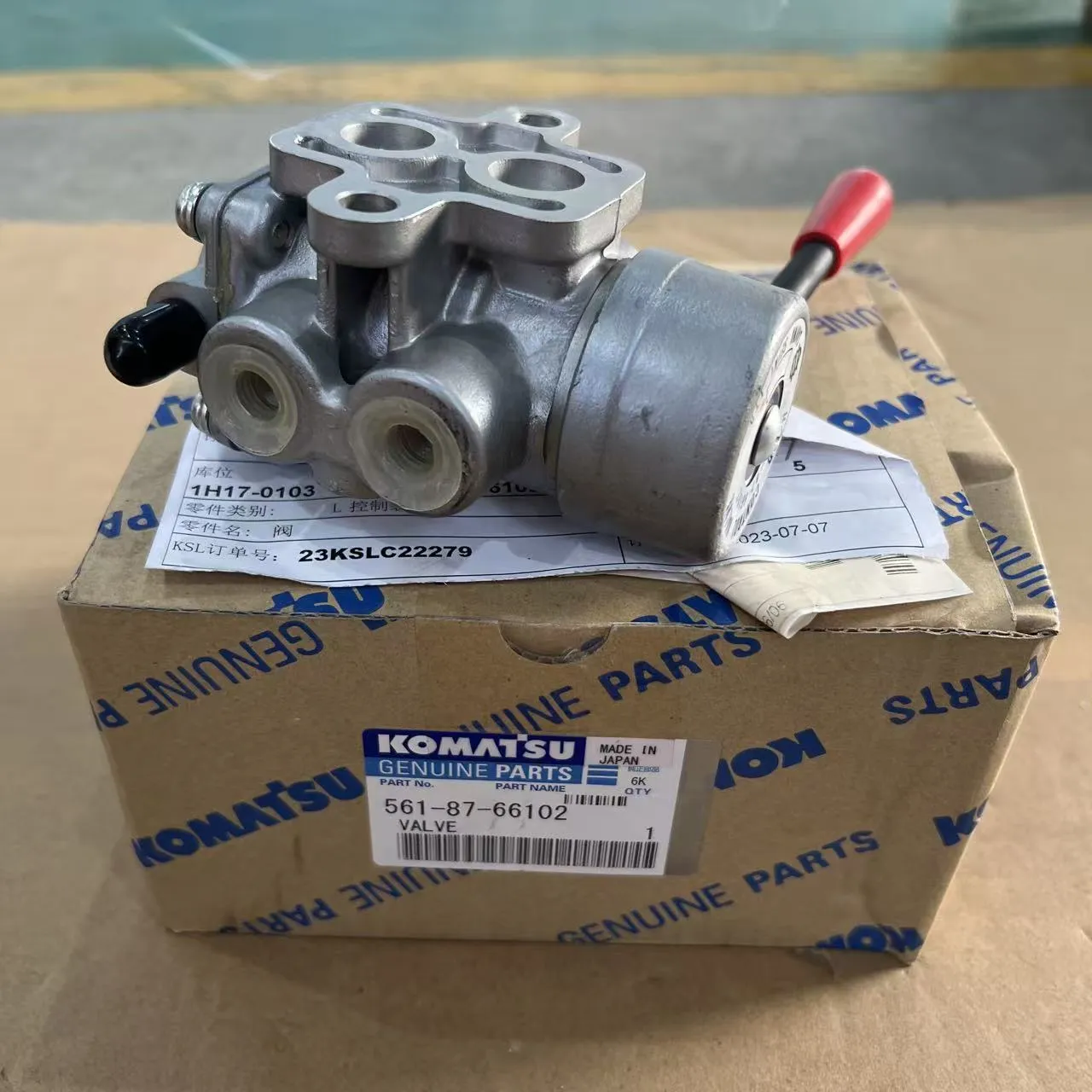
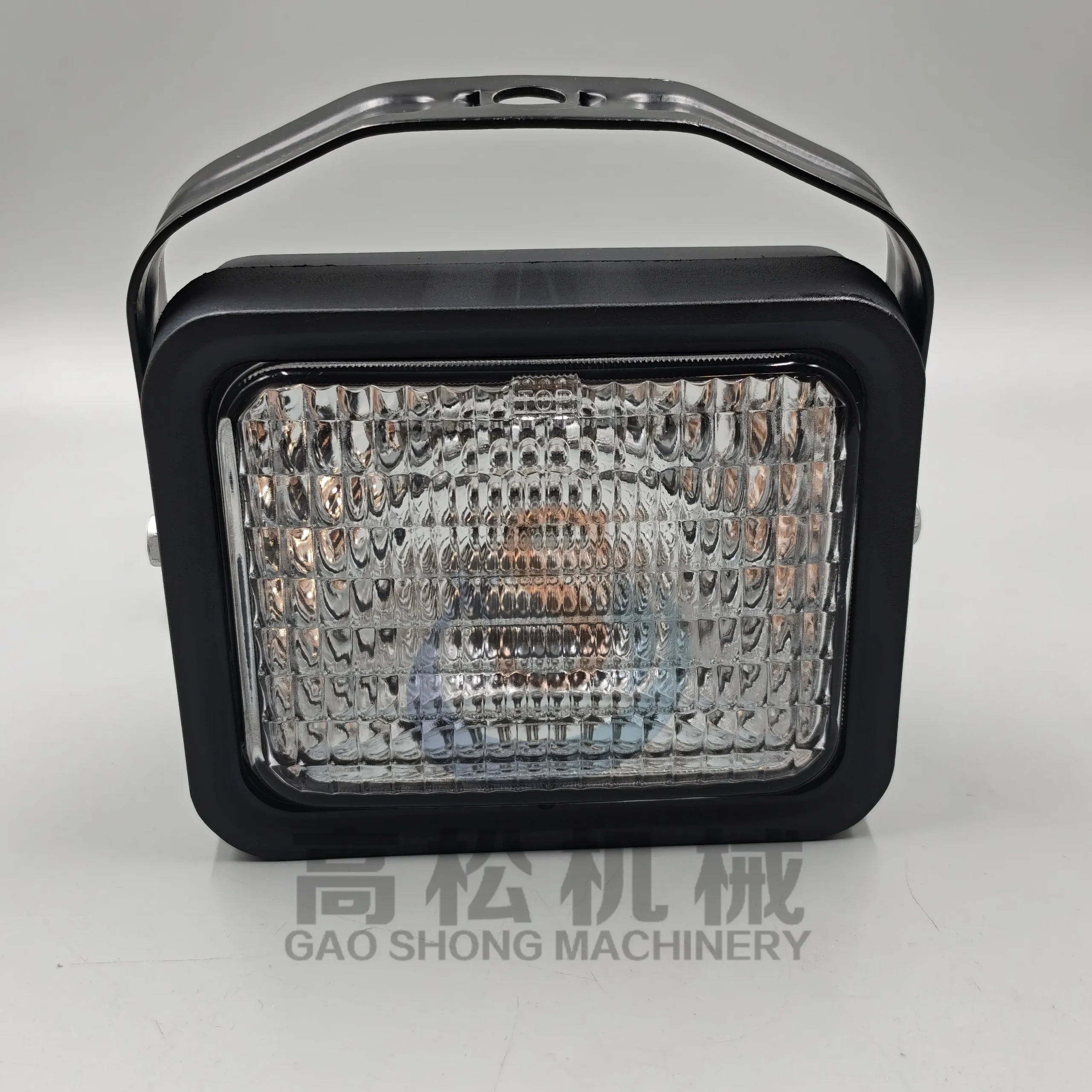

Best Selling Products
Best Selling Products-
 For Komatsu 702-21-07620 7022107620 High Quality Hydraulic…
 -
 Original original fuse 561-06-81610 for hd785-7 wheel loaders wa500-6 bulldozer parts bulldozer parts ass ‘y
 -
 Komatsu mechanical belt6219-61-3420
 -
 6693-22-5600 VALVE ASS’Y,OIL PAN DRAIN (Komatsu)
 -
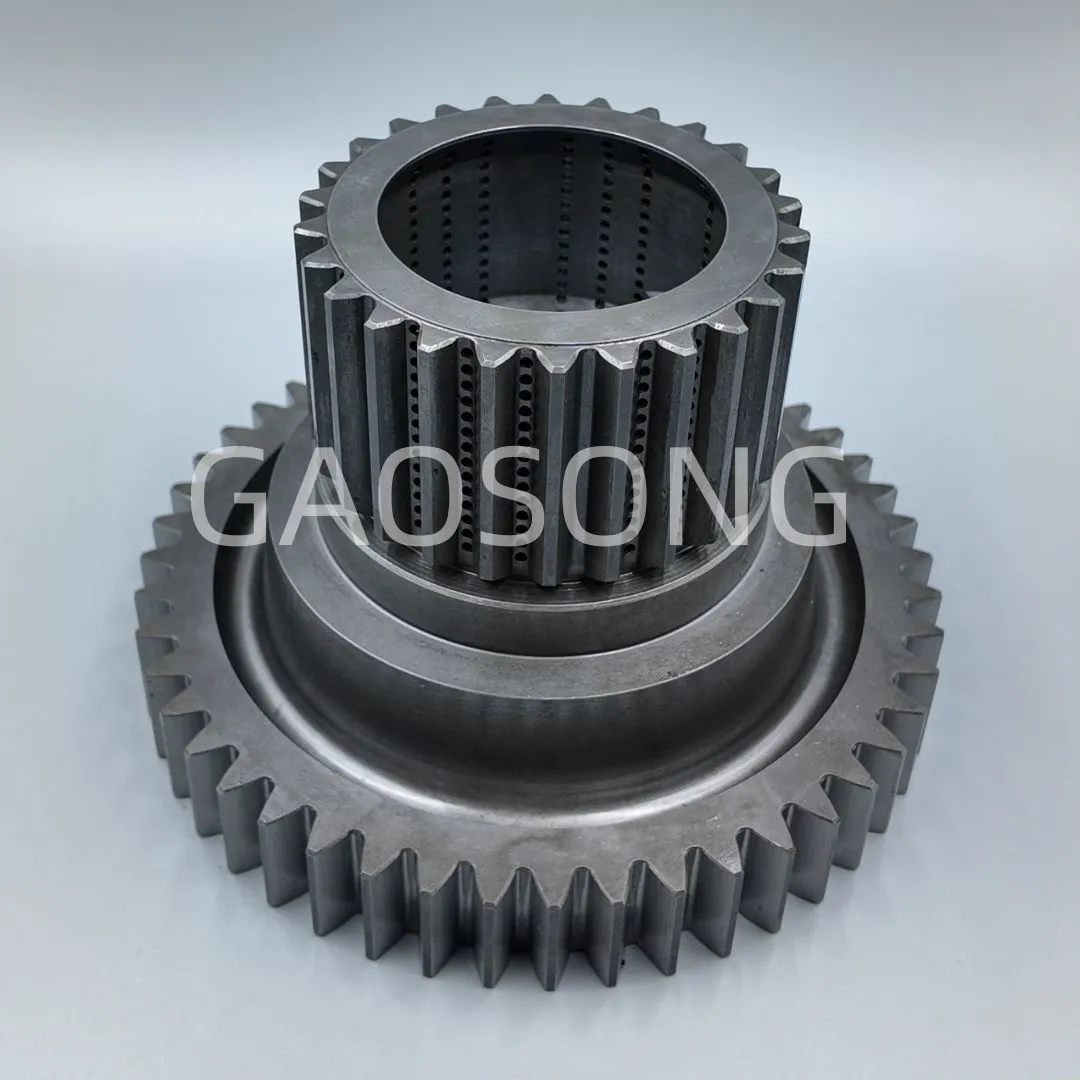 714-07-12420 •• GEAR¤ 48 TEETH,FORWARD–Komatsu Original Factory
 -
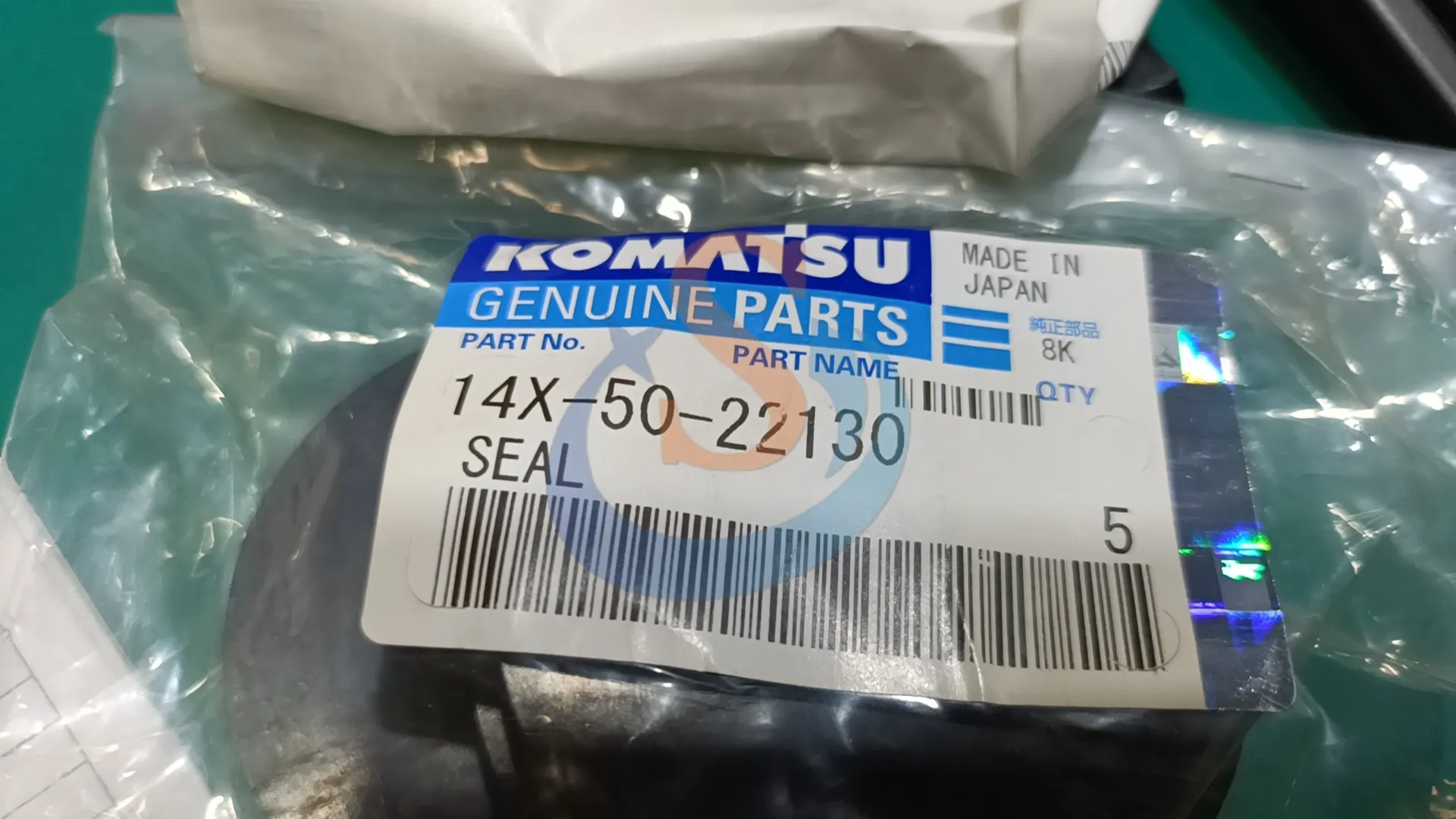 14X-50-22130,SEAL,D65PX,D65E,D85E
 -
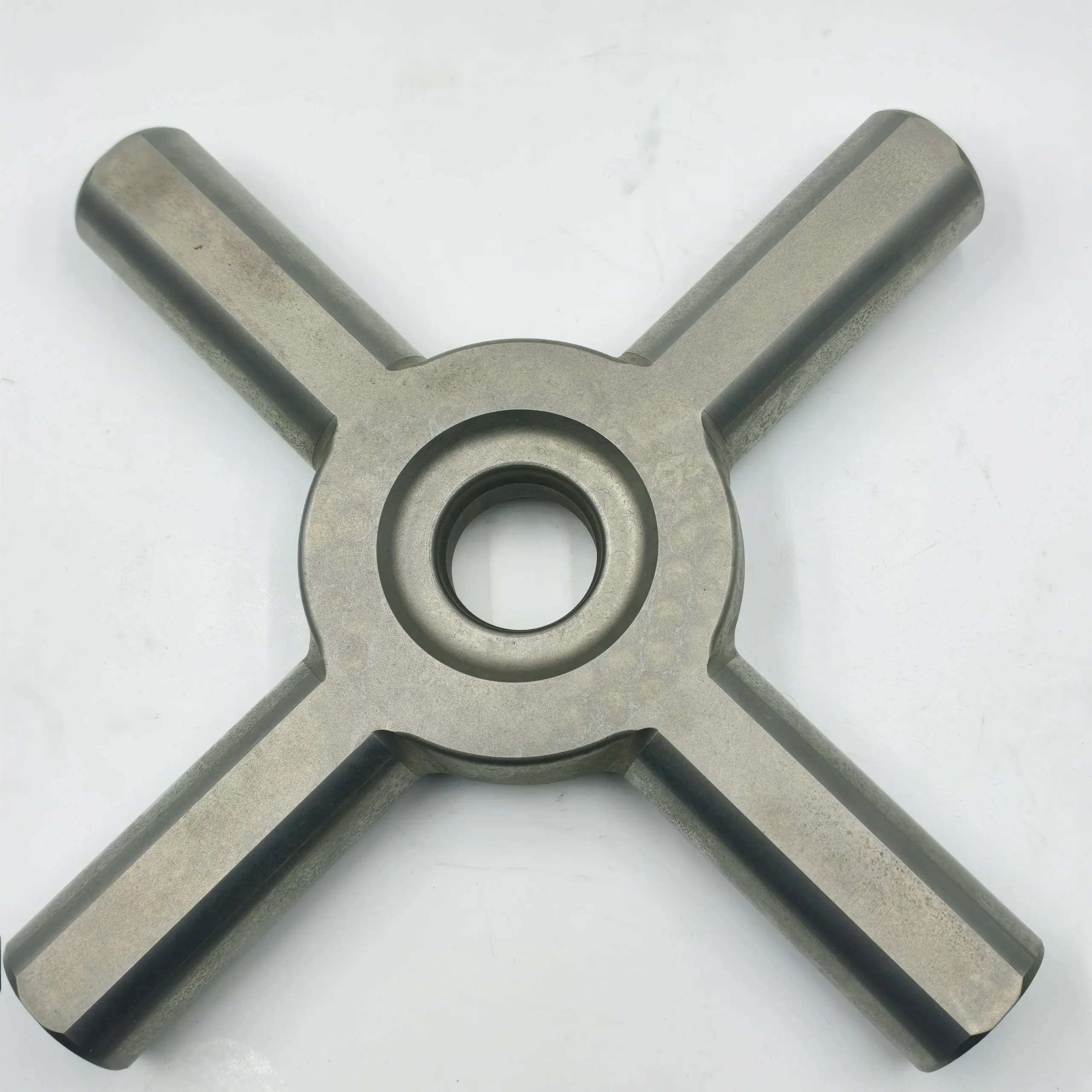 Komatsu Shaft 426-22-21410 for WA600-3 WF650T-3
 -
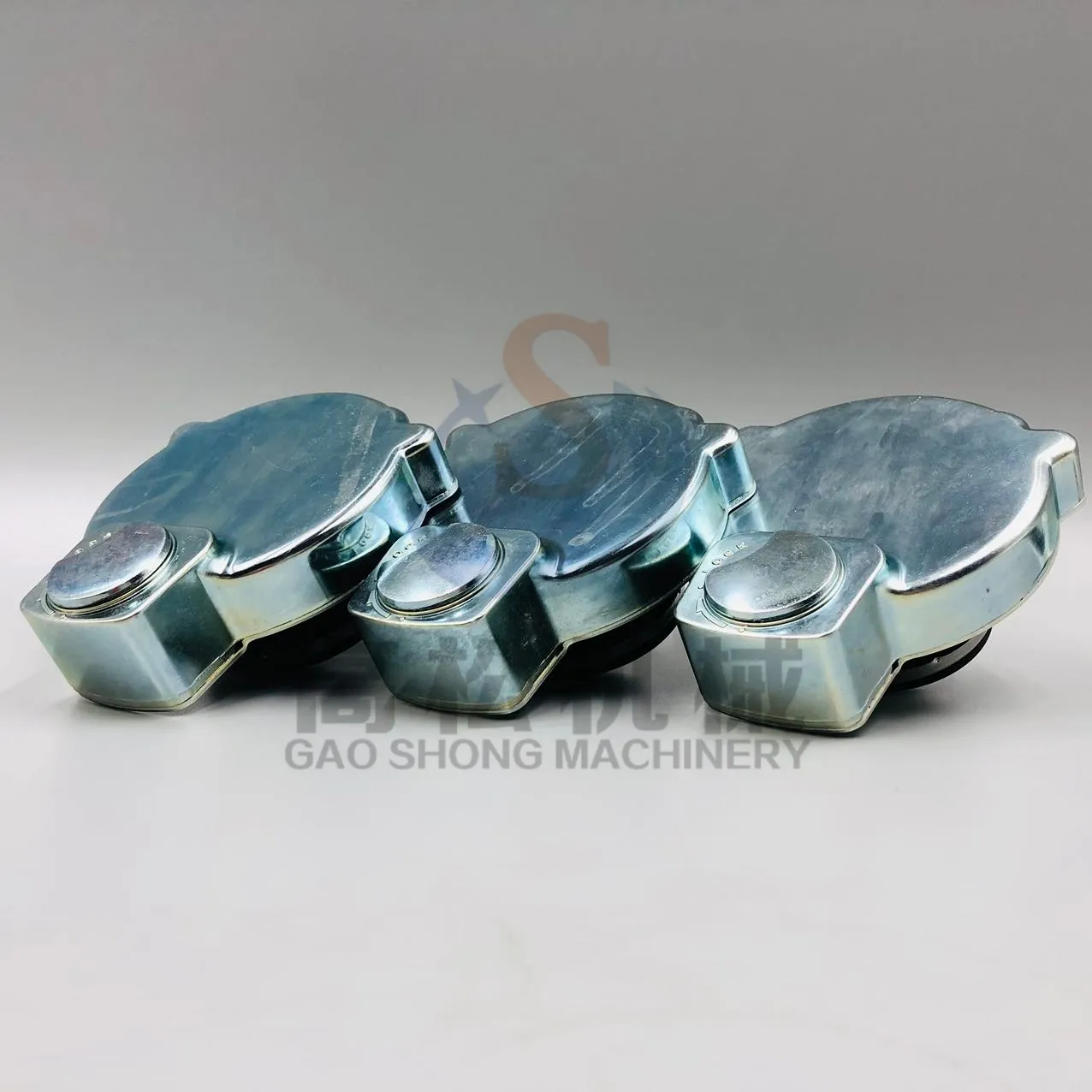 Komatsu fuel tank cap 17A-60-11310
 -
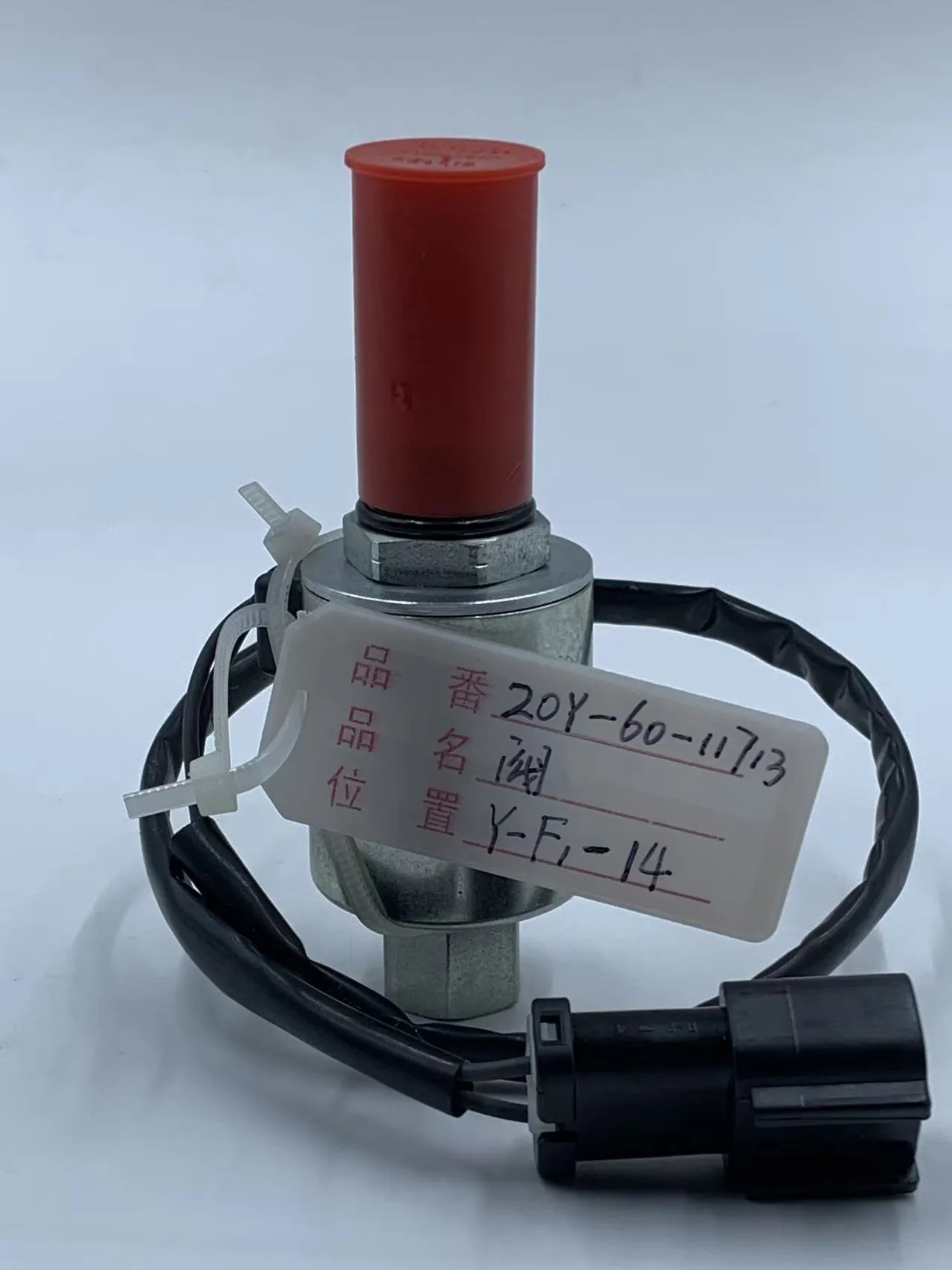 New Swing Solenoid Valve 20Y-60-11713 Excavator Parts for KOMATSU PC200-5 6D95
 -
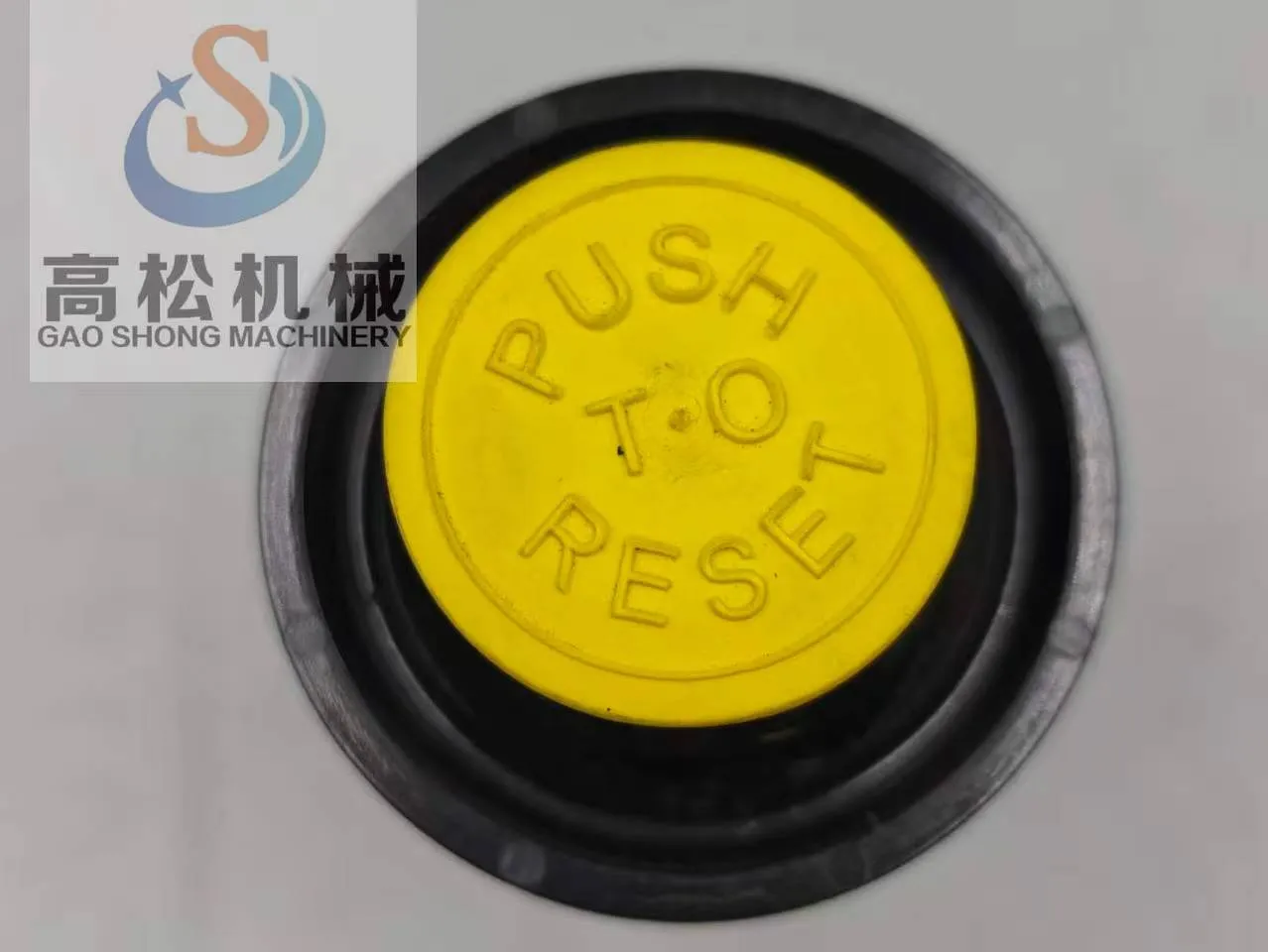 Komatsu GD405A-3 6D125E engine original factory engineering parts Indicator 08672-01000
 -
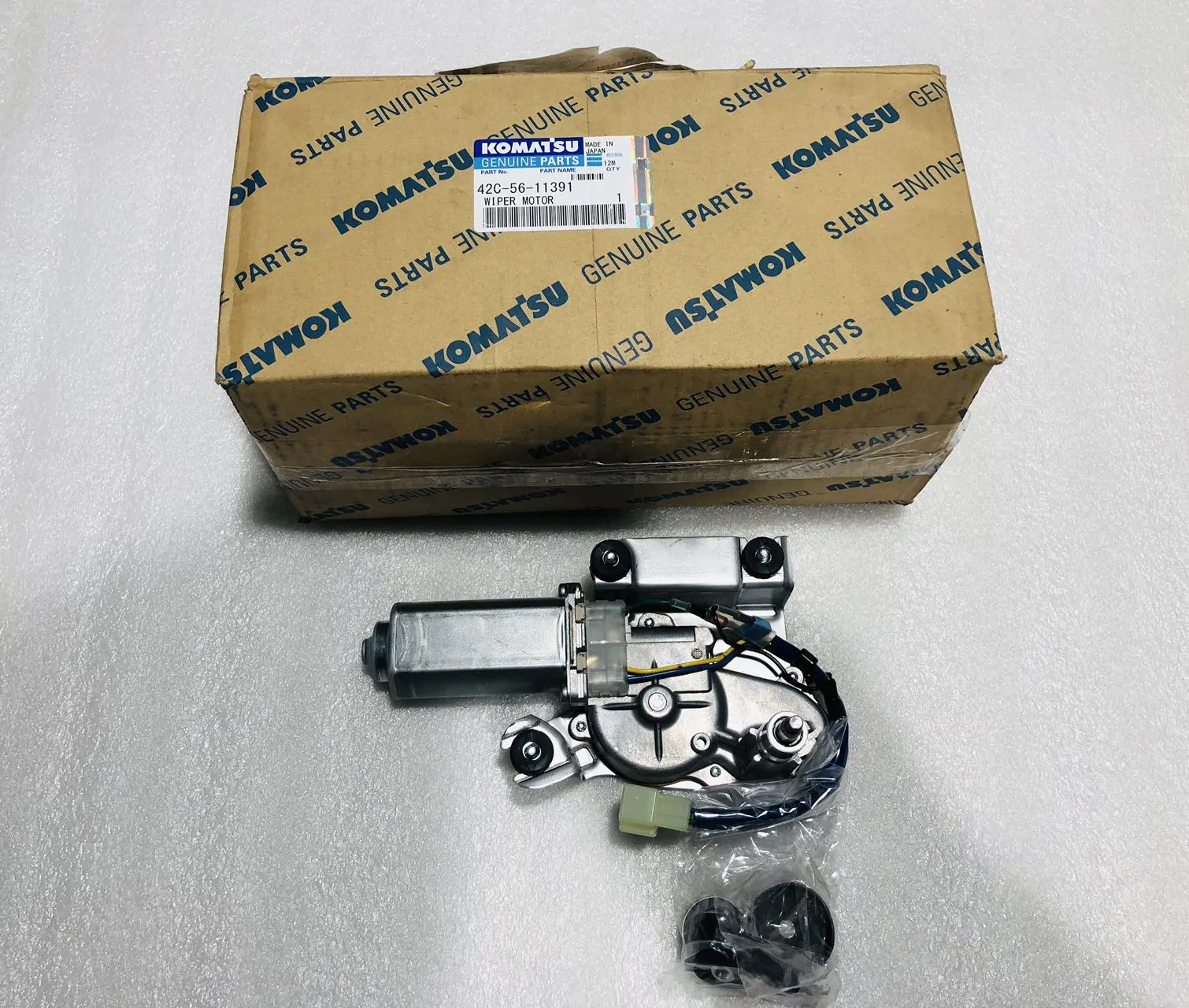 42C-56-11391Right windshield wiper motor assembly
 -
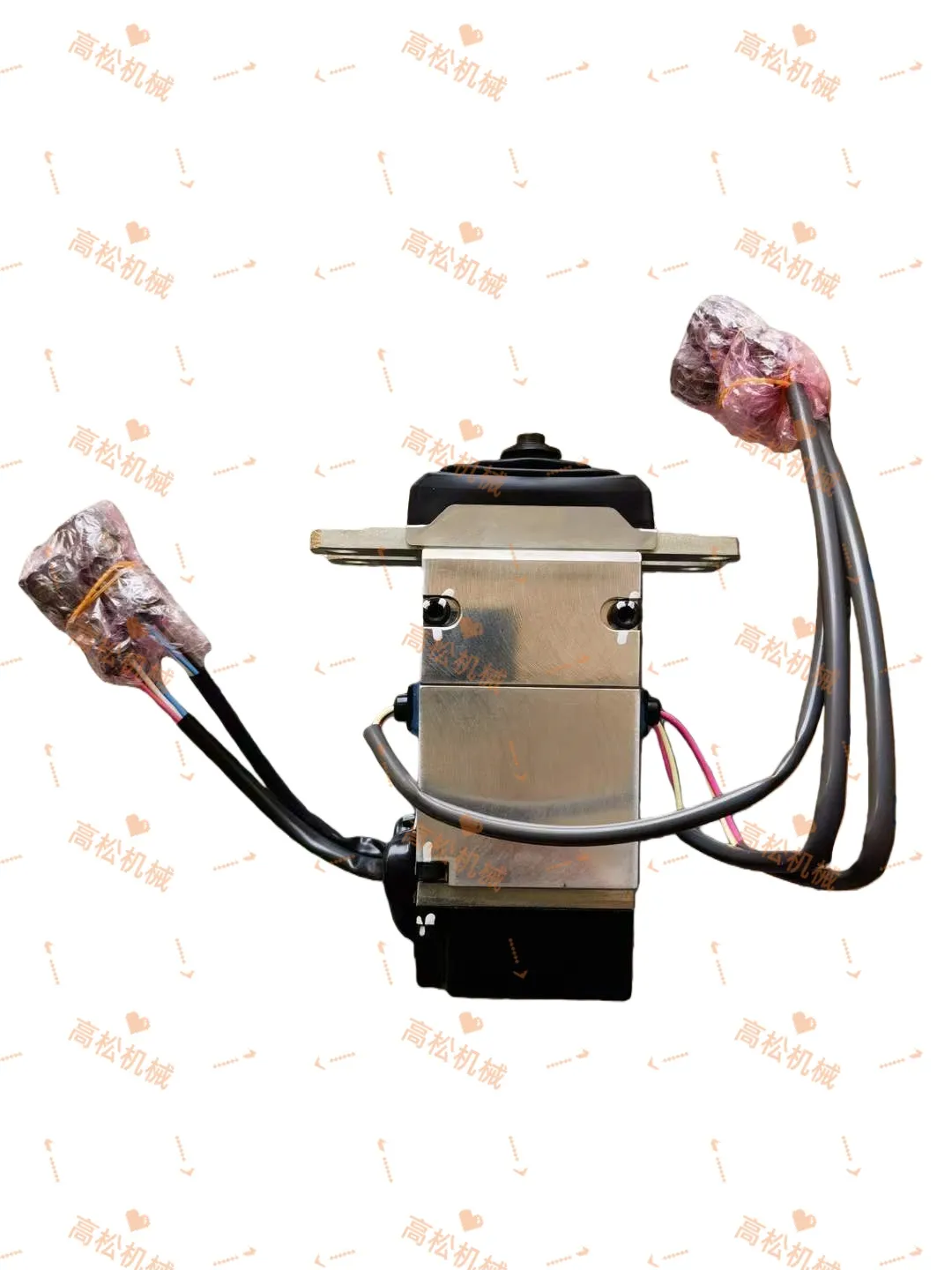 komatsu-part-702-16-02144 Lever Assembly D155A-6R D155AX-8E0 D475A-5E0 D85MS-15 D85EX-15E0 D65PX-18 D155AX-7 LEVER AND CONSOLE FLOOR FRAME TRAVEL CONTROL LEVER ROPS CAB, PCCS (PALM COMMAND CONTROL SYSTEM) LEVER