
- Chinese
- French
- German
- Portuguese
- Spanish
- Russian
- Japanese
- Korean
- Arabic
- Irish
- Greek
- Turkish
- Italian
- Danish
- Romanian
- Indonesian
- Czech
- Afrikaans
- Swedish
- Polish
- Basque
- Catalan
- Esperanto
- Hindi
- Lao
- Albanian
- Amharic
- Armenian
- Azerbaijani
- Belarusian
- Bengali
- Bosnian
- Bulgarian
- Cebuano
- Chichewa
- Corsican
- Croatian
- Dutch
- Estonian
- Filipino
- Finnish
- Frisian
- Galician
- Georgian
- Gujarati
- Haitian
- Hausa
- Hawaiian
- Hebrew
- Hmong
- Hungarian
- Icelandic
- Igbo
- Javanese
- Kannada
- Kazakh
- Khmer
- Kurdish
- Kyrgyz
- Latin
- Latvian
- Lithuanian
- Luxembou..
- Macedonian
- Malagasy
- Malay
- Malayalam
- Maltese
- Maori
- Marathi
- Mongolian
- Burmese
- Nepali
- Norwegian
- Pashto
- Persian
- Punjabi
- Serbian
- Sesotho
- Sinhala
- Slovak
- Slovenian
- Somali
- Samoan
- Scots Gaelic
- Shona
- Sindhi
- Sundanese
- Swahili
- Tajik
- Tamil
- Telugu
- Thai
- Ukrainian
- Urdu
- Uzbek
- Vietnamese
- Welsh
- Xhosa
- Yiddish
- Yoruba
- Zulu
- Kinyarwanda
- Tatar
- Oriya
- Turkmen
- Uyghur





Komatsu grader blade bolt
You see a lot of parts get glamorized in this business, but the blade bolt on a Komatsu grader? Most guys just see it as a chunk of metal you torque down and forget. That’s the first mistake. In my experience, treating a Komatsu grader blade bolt as a commodity item is a direct ticket to downtime. The nuance isn't in the bolt itself, but in the system it's part of—the load distribution, the wear pattern on the blade edge, and the specific stress cycles of grading versus sloping. I've seen operations try to save a few bucks with generic ISO-spec hardware, only to have the blade develop a shudder or, worse, a bolt shear under load because the tensile strength was off by a grade. It's never just a bolt.
The OEM Spec is a Blueprint, Not a Suggestion
When Komatsu engineers a grader, the blade assembly is calculated as a unit. The bolt isn't an afterthought; its material, heat treatment, and even the thread pitch are part of the shock absorption and load transfer design. A common pitfall is assuming any 10.9 or 12.9 grade bolt will do. It might, for a while. But the OEM bolt often has a specific yield strength and fatigue resistance tailored to the vibrational frequency of the grader's frame and the impact from the cutting edge. I recall a site manager insisting on a stronger aftermarket bolt he found. It was indeed harder, but more brittle. It lasted three weeks before a catastrophic failure cracked the bolt hole in the moldboard itself. The repair bill for that moldboard dwarfed any savings on parts.
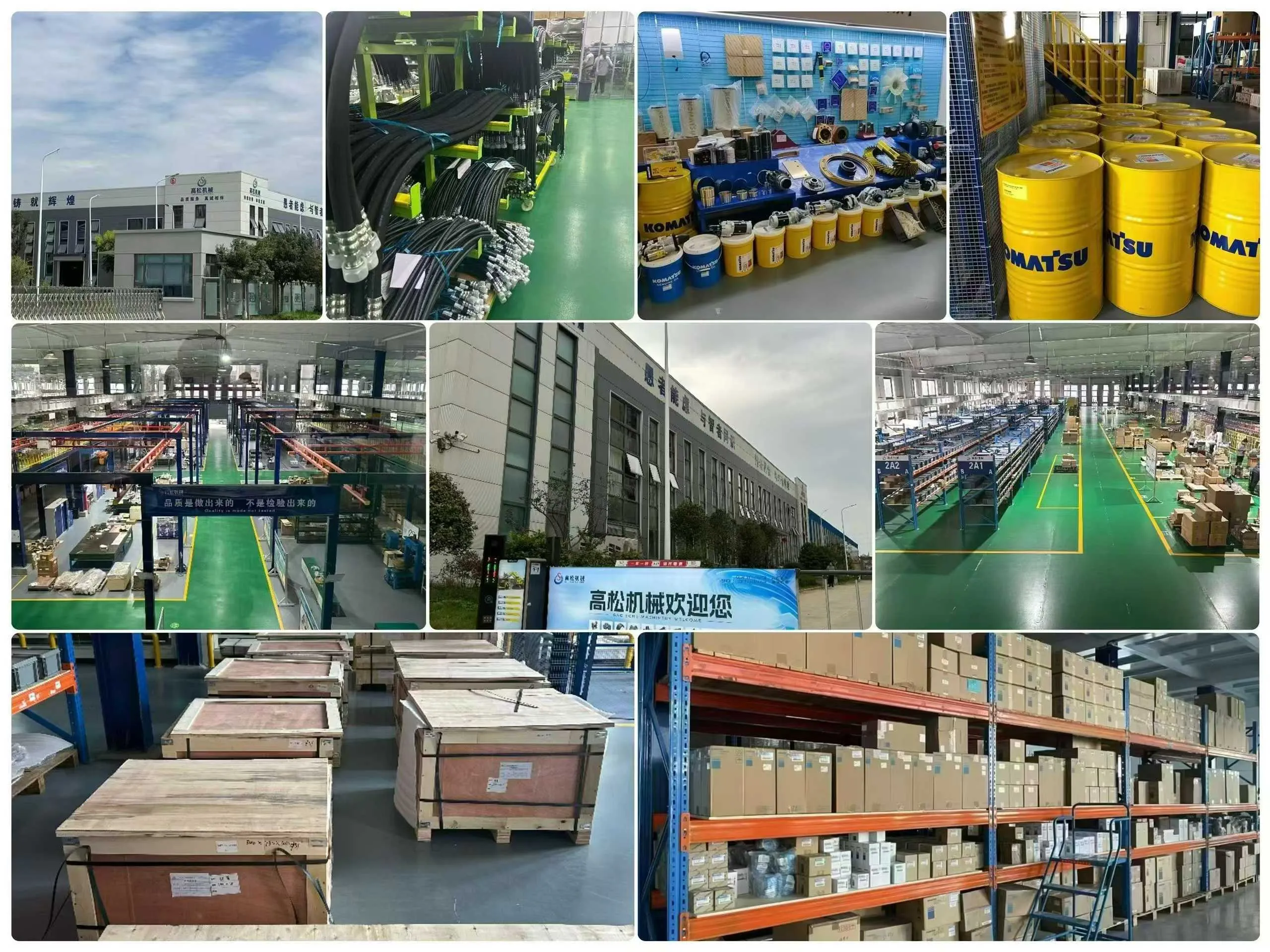
This is where the role of a genuine system supplier becomes critical. A company like Jining Gaosong Construction Machinery Co., Ltd. operates in a unique space. As they note on their site https://www.takematsumachinery.com, they are an OEM product supplier within Komatsu's system. This isn't just a marketing line. It means they have access to the same technical specifications and material standards that Komatsu uses. When you're sourcing a Komatsu grader blade bolt from them, you're not just buying a part that fits; you're buying the engineered performance that was part of the original design. For operations in regions where direct OEM supply chains are strained, this bridge is invaluable.
The difference often shows up in the details a parts catalog won't tell you. The plating on the bolt, for instance. Is it a standard zinc, or is it a thicker, corrosion-resistant coating meant for high-abrasion, wet environments? An OEM-spec bolt from a supplier like Gaosong will have that spec locked down. Using a sub-par bolt can lead to galvanic corrosion between the bolt and the moldboard, effectively welding them together. I've spent miserable hours with torches and induction heaters on seized bolts that should have been a simple swap.
Field Realities: Torque, Sequence, and the Feel
Let's talk about installation. The manual gives you a torque value. But on an older machine, where the moldboard has seen some wear and the seats might not be perfectly true, that torque value is just a starting point. The real procedure is about sequence and feel. You tighten in a star pattern, yes, but you also need to check the blade for any lift or gap as you go. A new, correct Komatsu grader blade bolt will pull down evenly. If it doesn't, that's a diagnostic tool itself—telling you something might be warped or packed with material.
I learned this the hard way early on. We had a GD825-5 that kept loosening bolts on one side. We replaced the bolts, torqued to spec, and it happened again. The issue wasn't the bolts. It was a slight deformation in the blade clamp from an unseen impact. We were just treating the symptom. The solution involved a careful dressing of the clamp surface and using the proper bolt as a gauge for correct seating. The bolt, in this case, was the canary in the coal mine.
Another practical headache is the availability of the specific length. Blades get worn down, cut down, rebuilt. The original bolt length might now be too long, leading to bottoming out, or too short, not engaging enough threads. A supplier that understands the system, like the one mentioned, can often provide guidance or the correct variant. Guessing here is risky. Too long, you damage threads in the moldboard. Too short, you risk stripping under load.
Beyond the Bolt: The System It Holds Together
Focusing solely on the bolt misses the point. You're really maintaining the integrity of the entire cutting edge system. The bolt clamps the blade to the moldboard, but it also positions the end bits and influences the angle of attack. A worn or incorrect bolt seat can allow the blade to shift minutely during operation, accelerating wear on both the blade and the bolt. It creates a feedback loop of failure.
When you work with a technical supplier, not just a parts vendor, you get access to this systemic understanding. The profile on https://www.takematsumachinery.com states they help solve parts supply challenges. From my perspective, the real value isn't just in having the part, but in having the right part with the contextual knowledge behind it. They're not just selling you a Komatsu grader blade bolt; they're enabling you to maintain the designed performance of your grader's most critical wear component.
For example, on a Komatsu GD715-5, the front and rear blade bolts can have different specs due to load variance. Mixing them up isn't catastrophic immediately, but it will create uneven wear patterns. A knowledgeable supplier will catch that in the order, or their system will specify the correct part number for the position. That's the difference between a transaction and a partnership.
Cost of Downtime vs. Cost of the Part
This is the calculus every site manager needs to make. A blade bolt might cost $X for an aftermarket part and $3X for an OEM-spec part from a certified supplier. The temptation is obvious. But factor in the labor for replacement (twice, if the cheap one fails), the risk of ancillary damage (stripped threads, damaged moldboard), and the hourly cost of a $500,000 grader sitting idle. Suddenly, the $3X bolt is the most economical choice on the board.
I've been on both sides of this equation. Pushing for good enough parts to keep the budget green, only to see the red ink of downtime later. The consistent performers, the fleets with the best availability, are almost religious about critical wear parts like these. They build relationships with suppliers who guarantee provenance and specification. They aren't just buying a bolt; they're buying reliability.
In regions where official distribution is thin, a company functioning as a third-party sales channel for Komatsu, as Gaosong describes, fills a vital role. They mitigate the supply challenge without compromising on the technical solution. For a maintenance lead, that means one less variable to worry about. You can trust that the Komatsu grader blade bolt in the box is the one that was meant to be there.
Final Take: It's a Precision Component
So, to wrap this up, the key shift is in perception. Stop thinking of it as a simple fastener. Start thinking of the Komatsu grader blade bolt as a precision, load-bearing component that is integral to your grader's productivity and your cost-per-hour metric. Its specification is a result of engineering, not convenience.
Sourcing it requires the same diligence as sourcing a hydraulic pump or a controller. You need a supplier that understands the ecosystem, not just the inventory number. That's where specialized entities come in. Their value isn't just in logistics, but in providing the correct engineered part, ensuring that what you install on the machine allows it to perform as Komatsu intended. It’s a small part with a disproportionately large job. Don't let its size fool you.
Next time you're ordering, look past the price and the picture. Look at the source. Ask about the spec. That extra five minutes of diligence is cheaper than a day of the machine down with a stripped moldboard. Trust me, I've learned that lesson so you don't have to.
Related Products
Related Products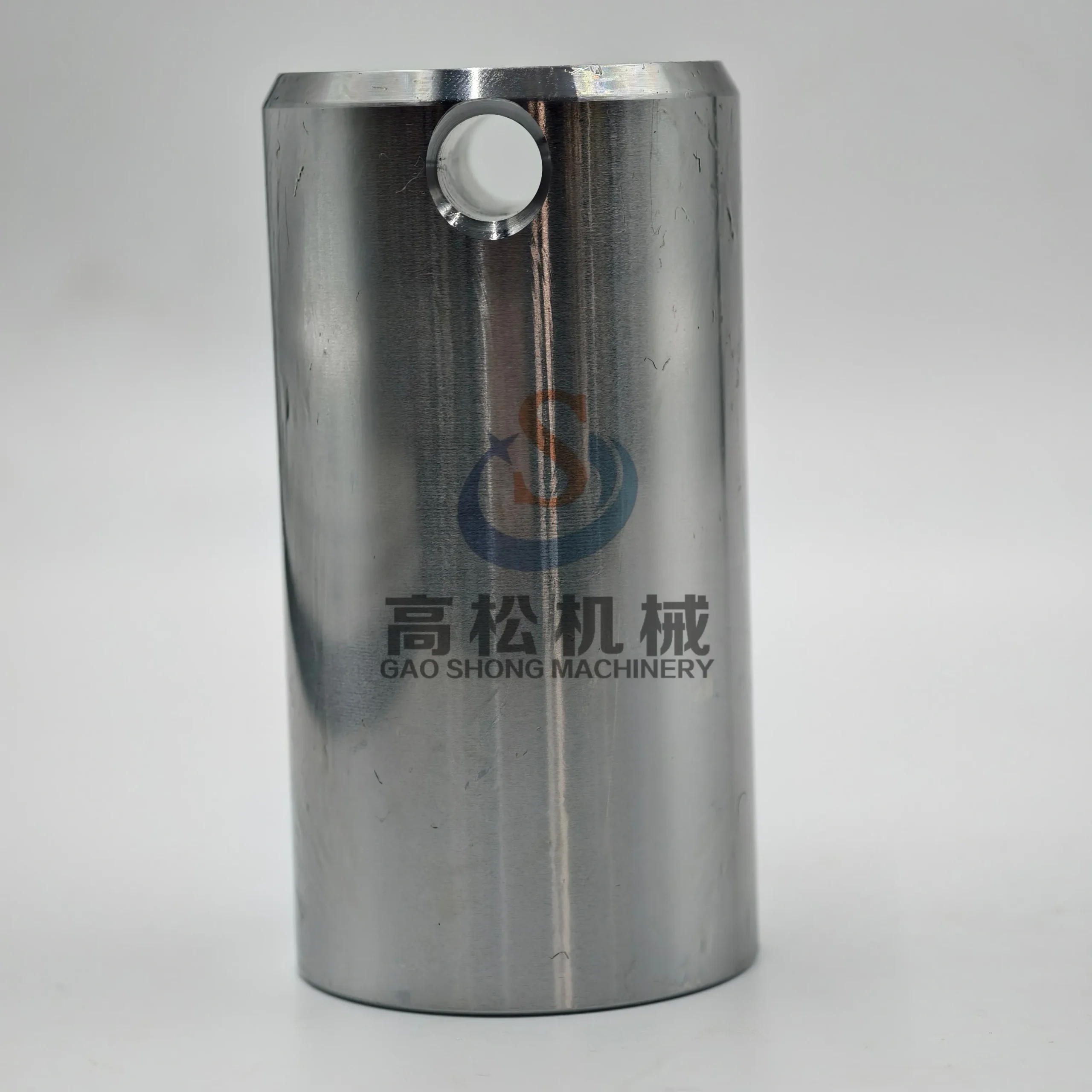
Best Selling Products
Best Selling Products-
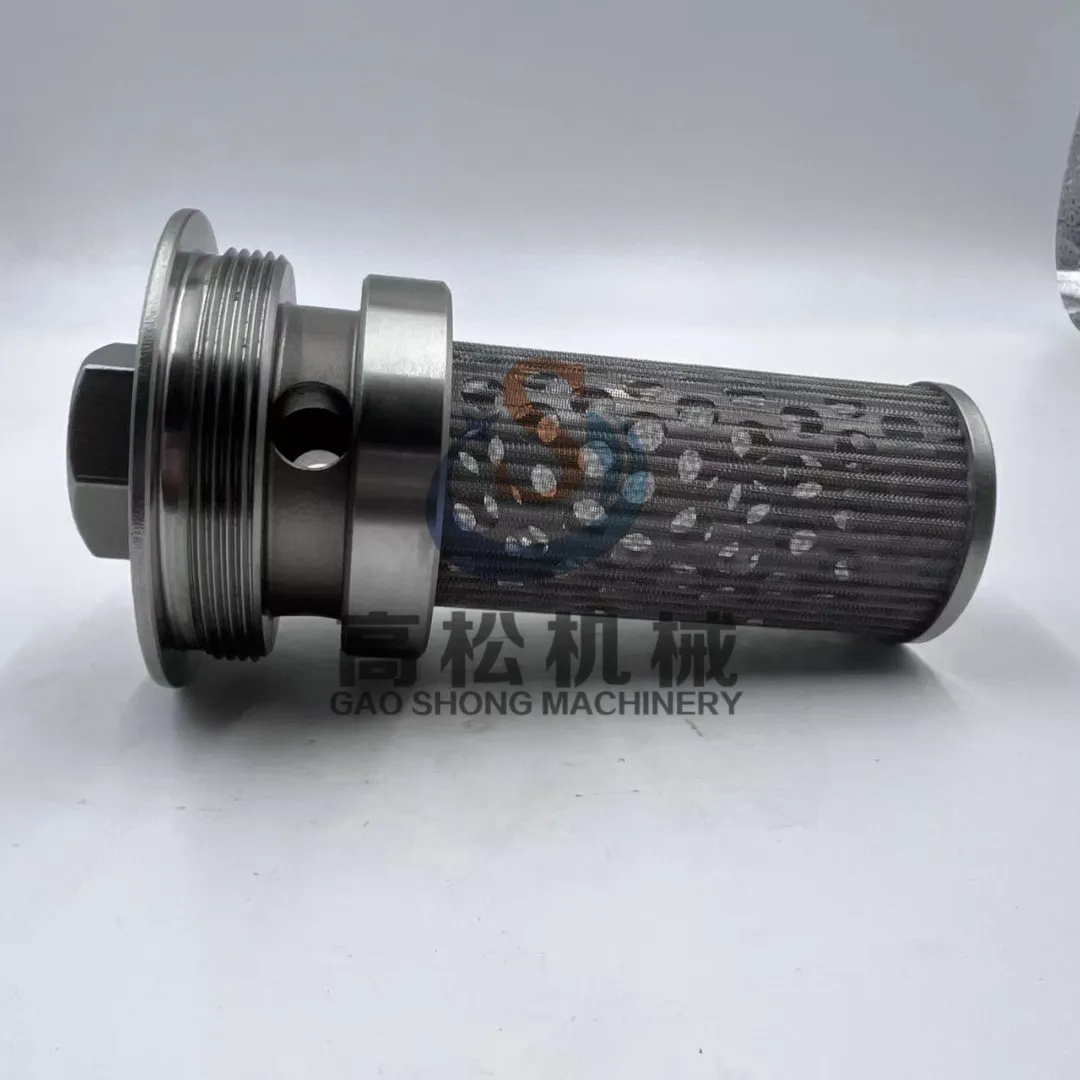 Komatsu 195-04-11150 Strainer 195041150
 -
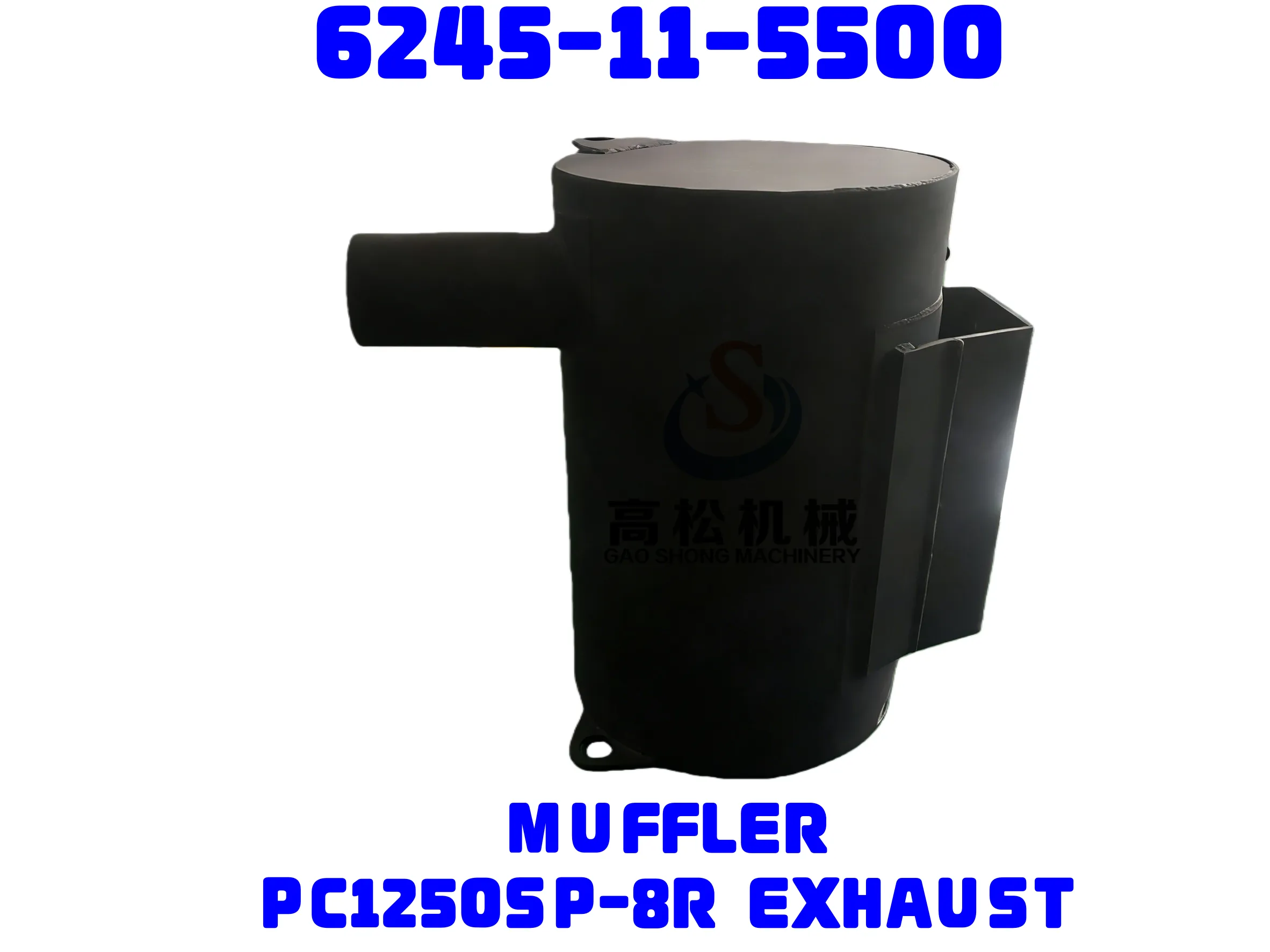 komatsu-part-6245-11-5500 MUFFLER PC1250-8R SAA6D170E-5CR MUFFLER MOUNTING (TROPICAL GROUND SPEC. 55ЯC EXHAUST (+55C SPEC.) EXHAUST MUFFLER
 -
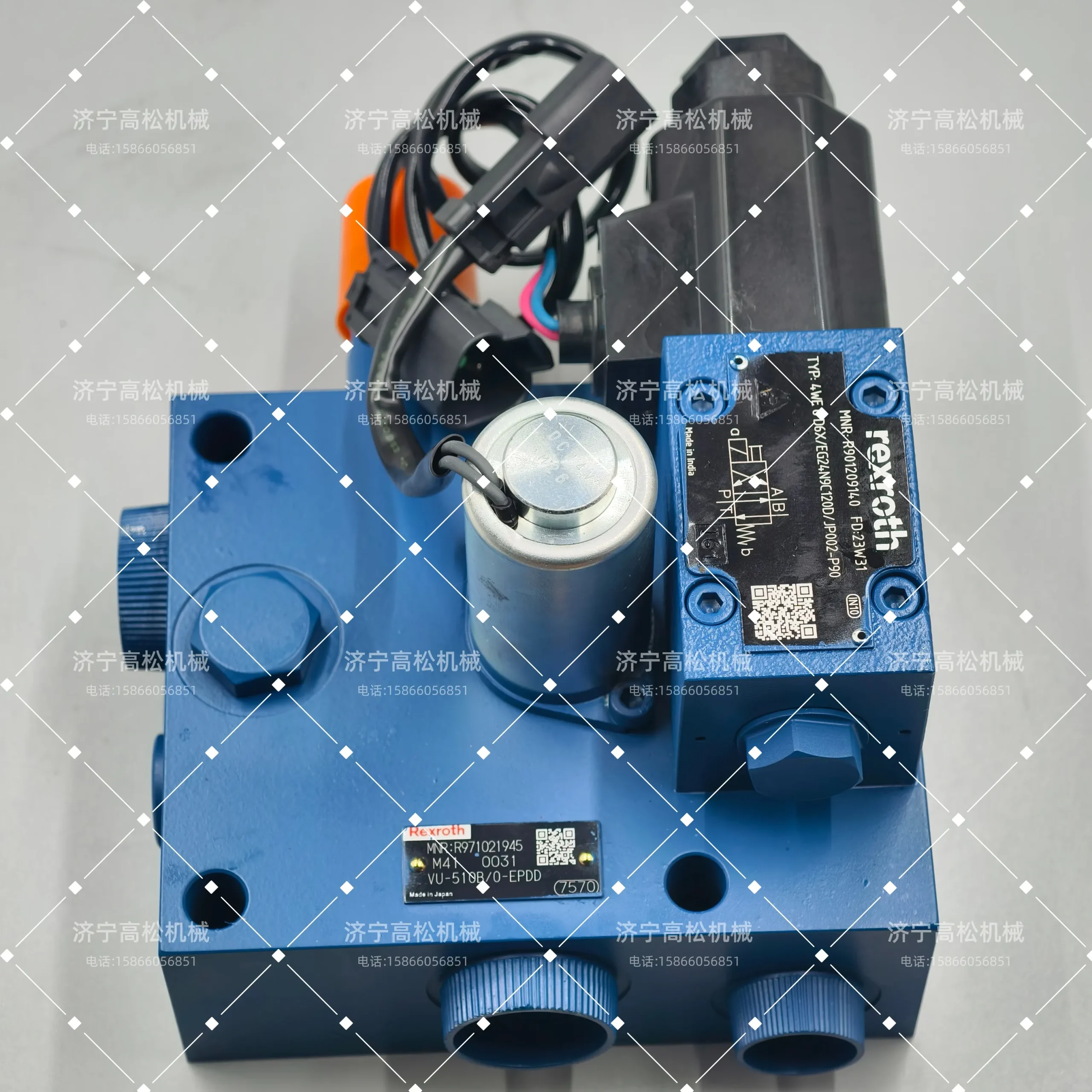 Dump Truck HD465-7EPC Valve Ass’y 56b-43-12402 56b4312402…
 -
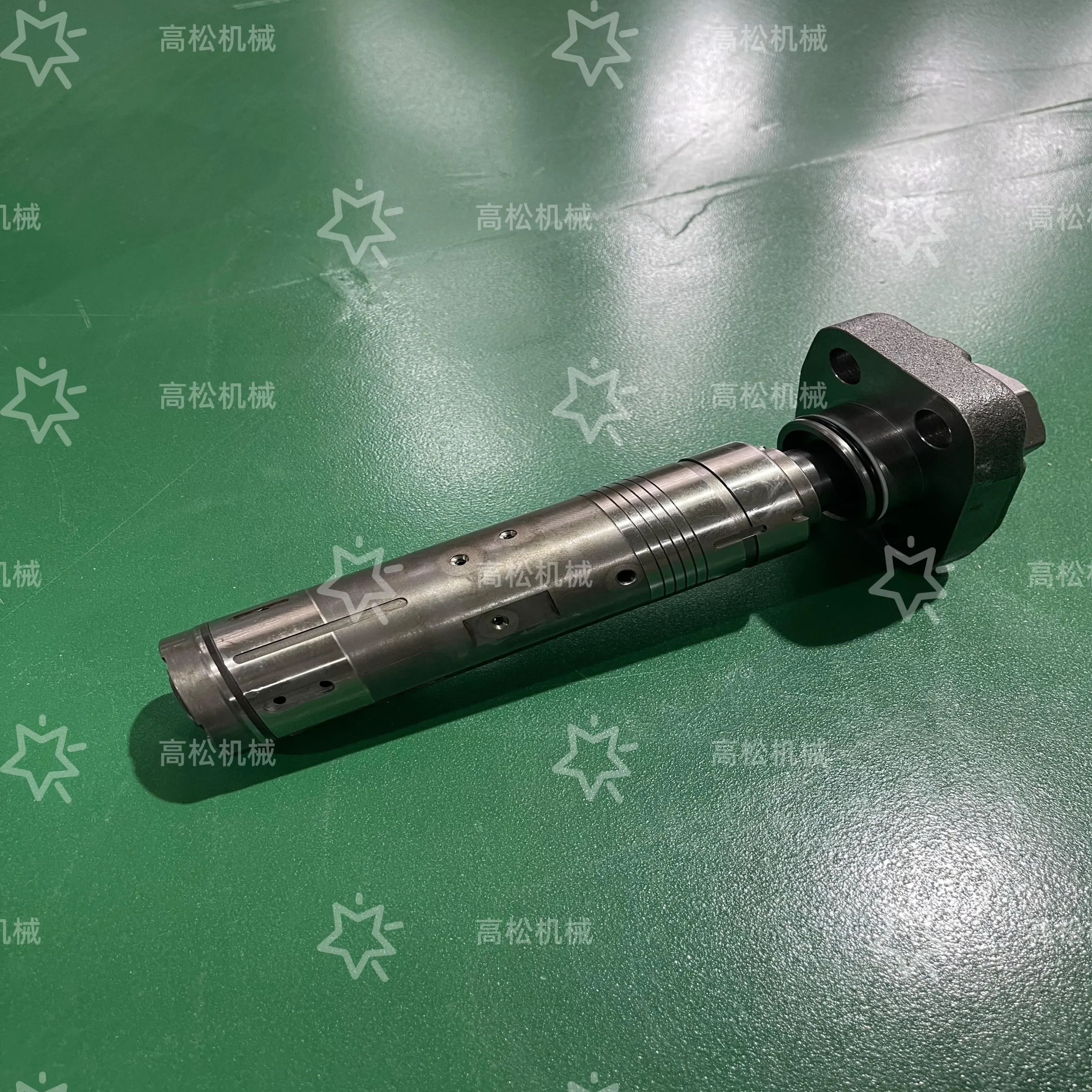 708-2H-03411valve ass’y,pc 708-2h-03411 – komatsu
 -
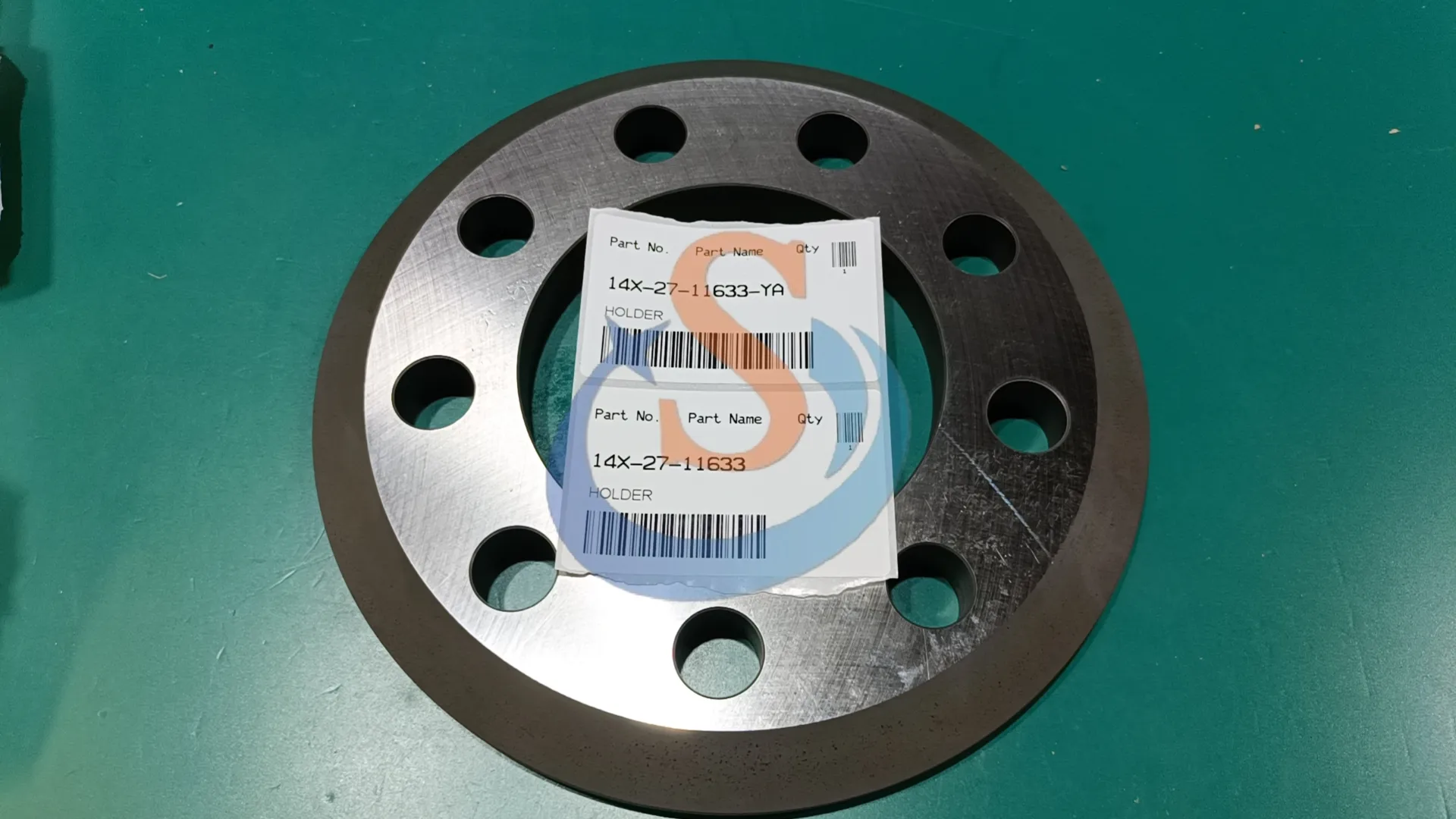 14X-27-11633,HOLDER,D65EX,D65WX,D85E
 -
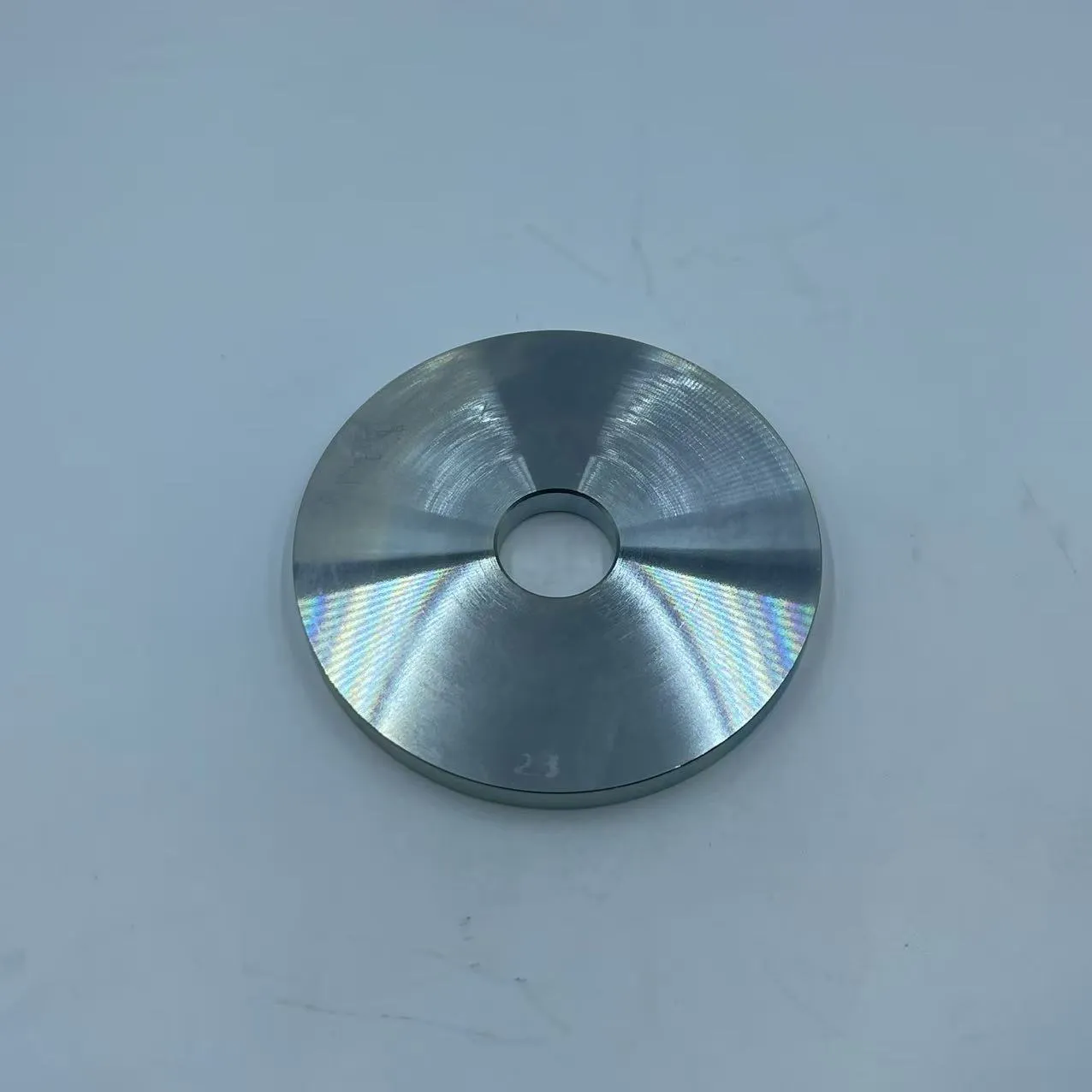 PLATE – 195-04-42170
 -
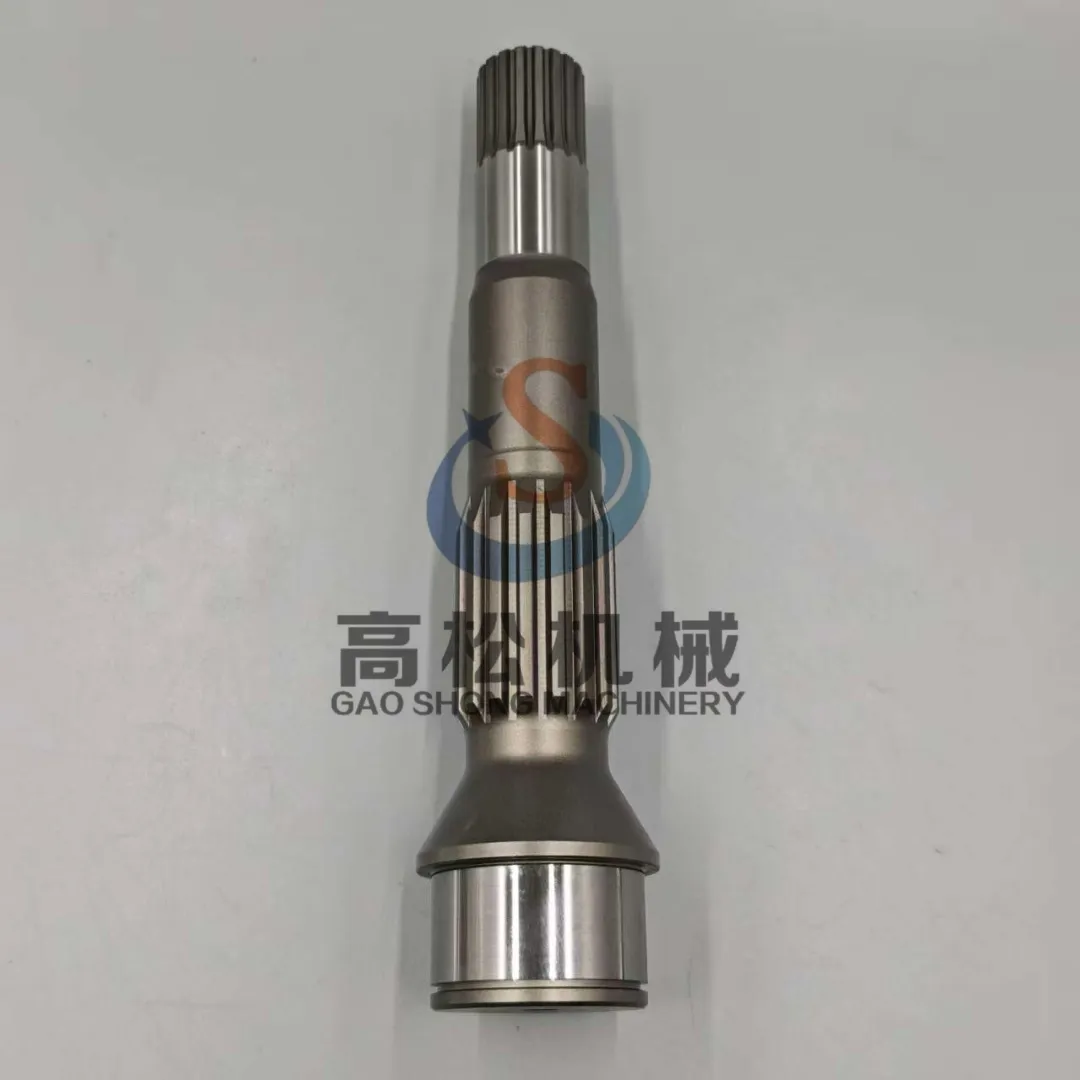 708-2G-12121 Shaft Drive L Fits Komatsu PC300-7 PC360-7 PC350-7 HPV140 Pump
 -
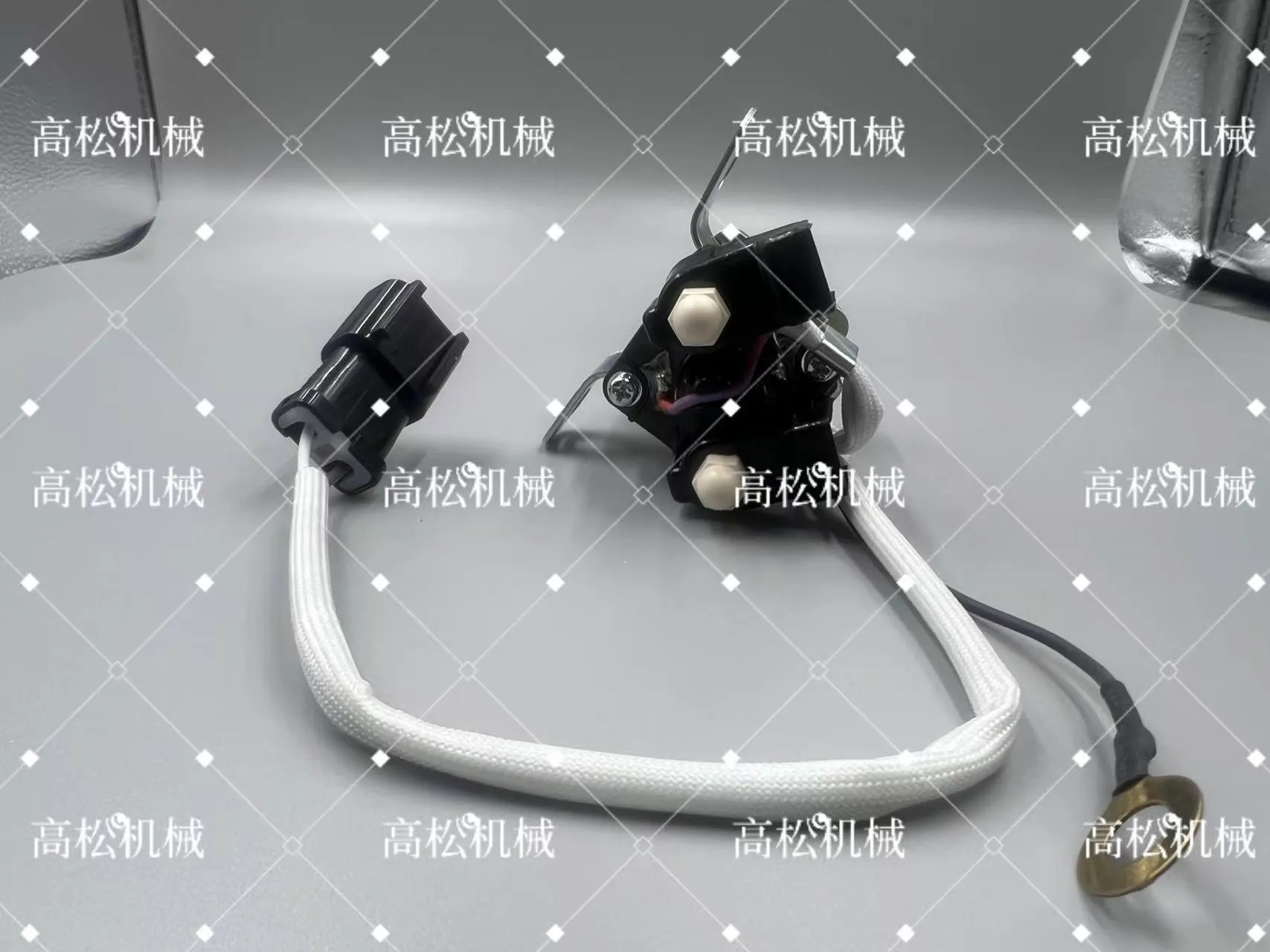 600-815-8941 Safety Relay for Komatsu PC60-7 PC200-6 PC200-8 PC138US-8 PC130-7
 -
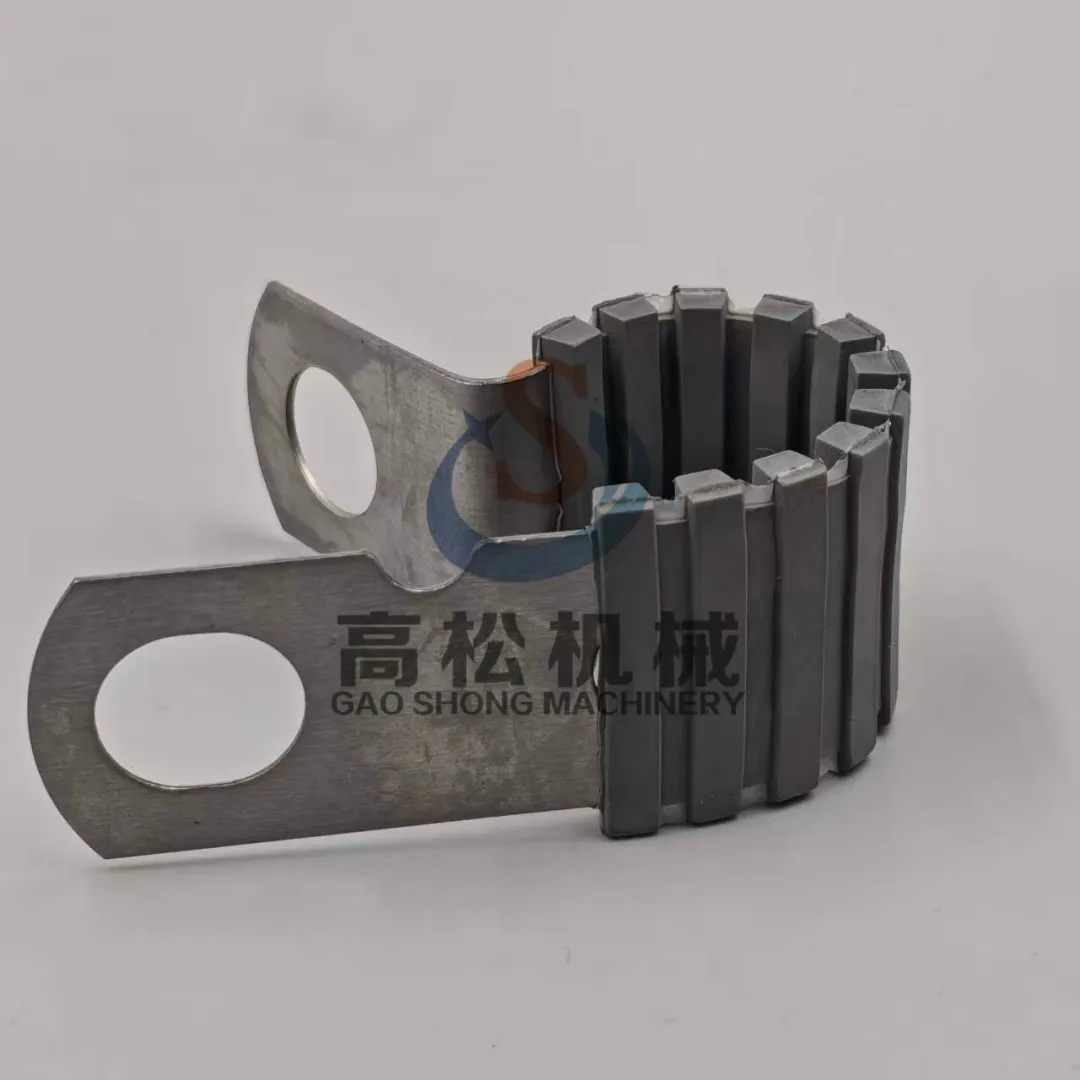 600-051-2180Spare part 600-051-2180 Clip (Komatsu)
 -
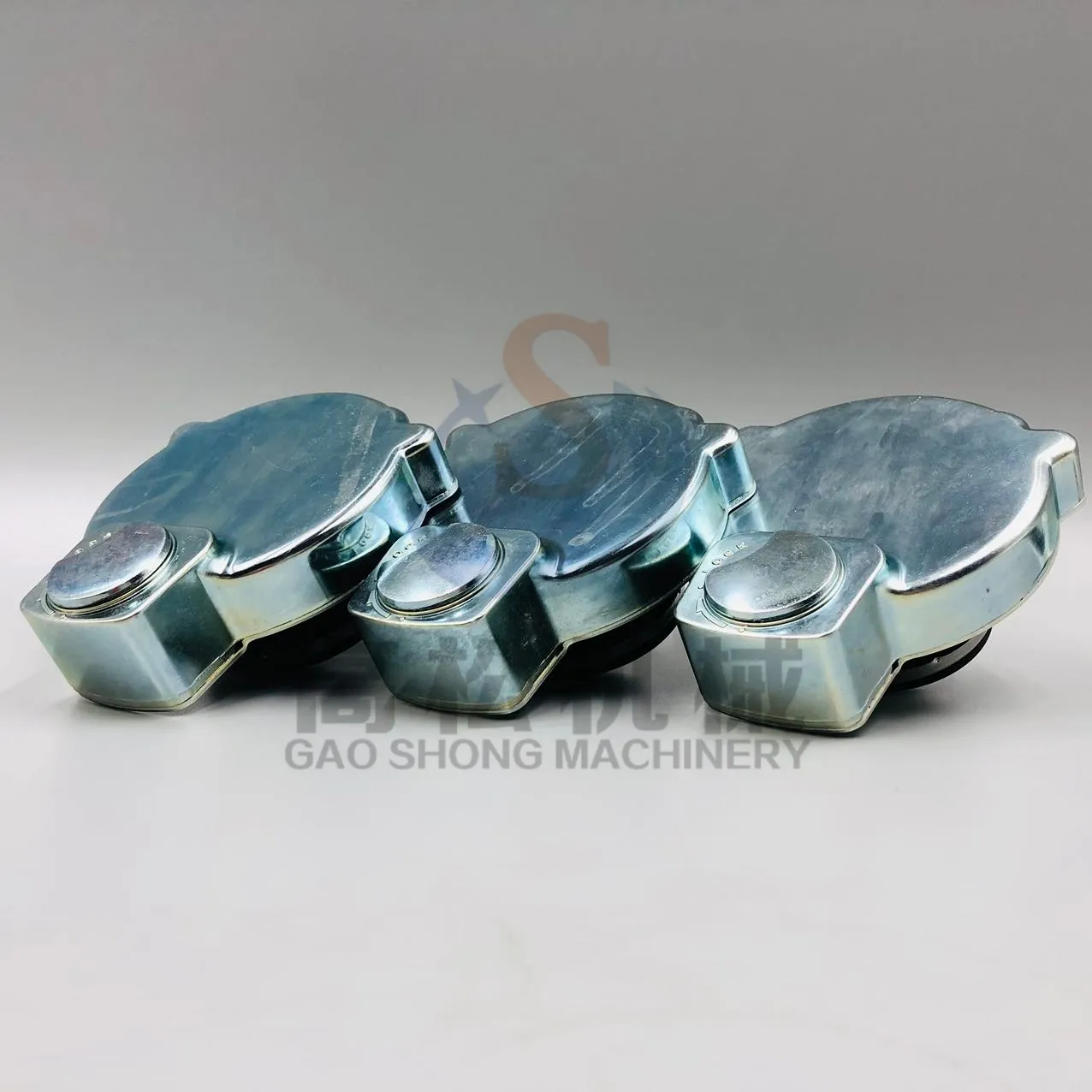 CAP ASS’Y 17A-60-11310 – KOMATSU
 -
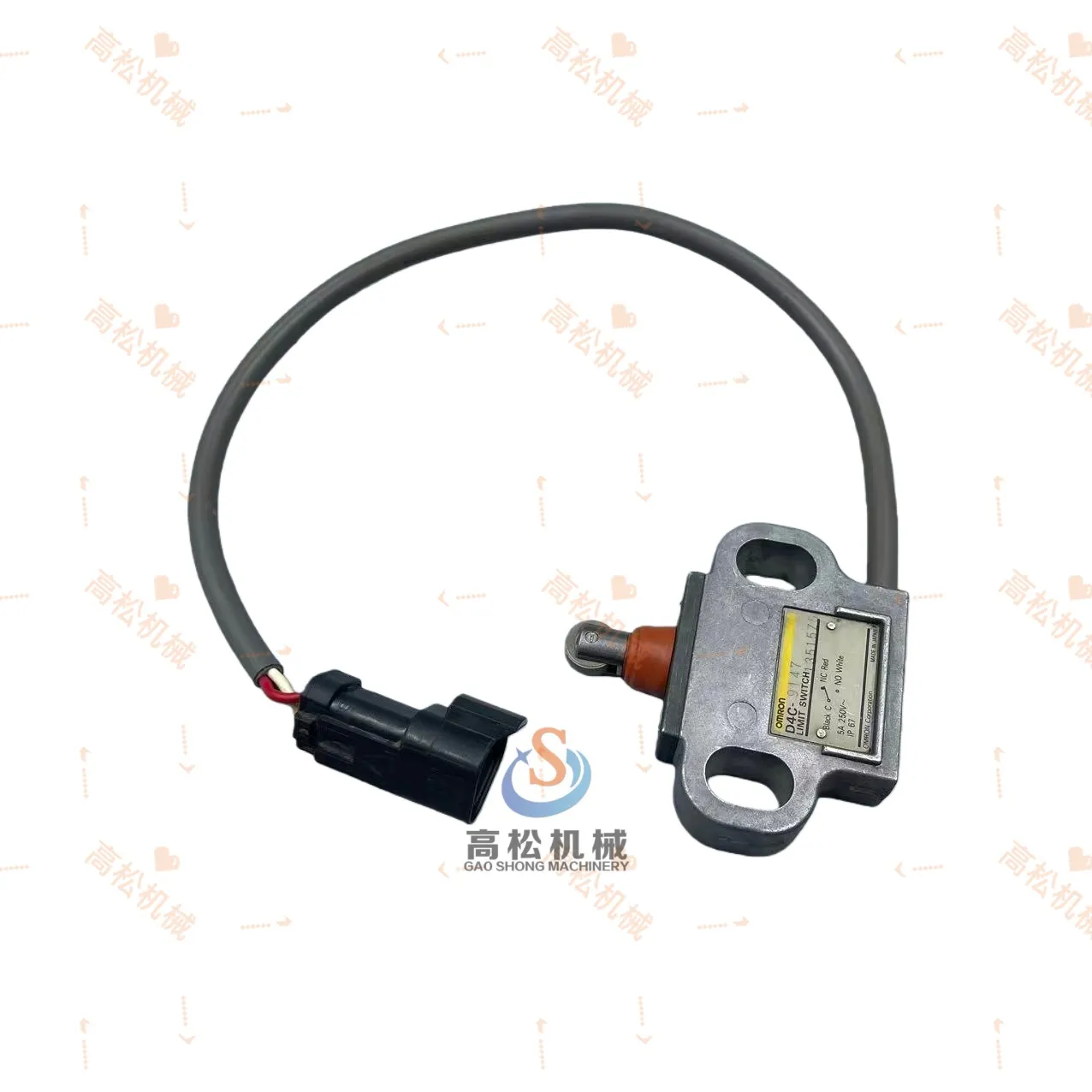 11Y-06-22150 SWITCH D31PX-21A S/N 50501-UP CENTER FLOOR Komatsu – 14X-06-12160, SWITCH
 -
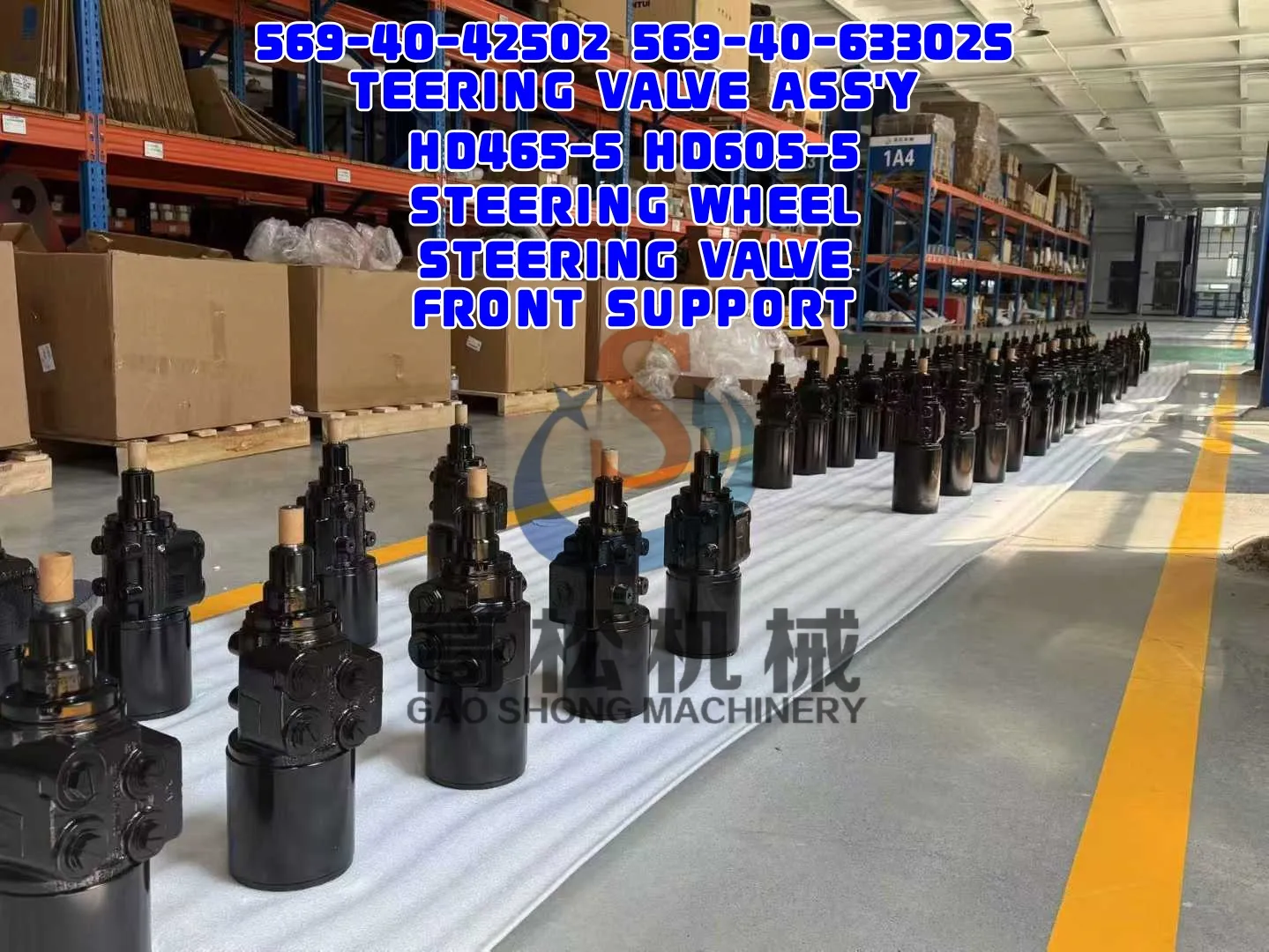 STEERING VALVE ASS’Y HD465-7 HD465-7R HD605-7E0 HD605-5 VALVE 569-40-42502 569-40-63302 FRONT SUPPORT (STEERING VALVE MOUNTING PARTS) STEERING WHEEL STEERING VALVE FRONT SUPPORT, INNER PARTS, STEERING VALVE