
- Chinese
- French
- German
- Portuguese
- Spanish
- Russian
- Japanese
- Korean
- Arabic
- Irish
- Greek
- Turkish
- Italian
- Danish
- Romanian
- Indonesian
- Czech
- Afrikaans
- Swedish
- Polish
- Basque
- Catalan
- Esperanto
- Hindi
- Lao
- Albanian
- Amharic
- Armenian
- Azerbaijani
- Belarusian
- Bengali
- Bosnian
- Bulgarian
- Cebuano
- Chichewa
- Corsican
- Croatian
- Dutch
- Estonian
- Filipino
- Finnish
- Frisian
- Galician
- Georgian
- Gujarati
- Haitian
- Hausa
- Hawaiian
- Hebrew
- Hmong
- Hungarian
- Icelandic
- Igbo
- Javanese
- Kannada
- Kazakh
- Khmer
- Kurdish
- Kyrgyz
- Latin
- Latvian
- Lithuanian
- Luxembou..
- Macedonian
- Malagasy
- Malay
- Malayalam
- Maltese
- Maori
- Marathi
- Mongolian
- Burmese
- Nepali
- Norwegian
- Pashto
- Persian
- Punjabi
- Serbian
- Sesotho
- Sinhala
- Slovak
- Slovenian
- Somali
- Samoan
- Scots Gaelic
- Shona
- Sindhi
- Sundanese
- Swahili
- Tajik
- Tamil
- Telugu
- Thai
- Ukrainian
- Urdu
- Uzbek
- Vietnamese
- Welsh
- Xhosa
- Yiddish
- Yoruba
- Zulu
- Kinyarwanda
- Tatar
- Oriya
- Turkmen
- Uyghur






Komatsu GPS system
When most people hear 'Komatsu GPS system,' they immediately think of the flashy 3D machine control displays or the promise of fully autonomous dozers. That's the marketing front. The real story, the one that actually matters on a dusty site or in a muddy pit, is about integration, uptime, and whether the system actually talks to everything else you own. There's a common misconception that it's a monolithic, plug-and-play solution. In practice, it's a sophisticated ecosystem of hardware and software, and its value is entirely dependent on how deeply it's woven into your operational fabric. I've seen too many contractors buy the box for the specs, only to find it becomes an expensive ornament because they didn't factor in the calibration needs, the base station logistics, or the operator buy-in.
The Core: It's a System, Not a Gadget
The heart isn't just the receiver on the machine's roof. It's the combination of the Komatsu GPS system with the iMC (intelligent Machine Control) on the excavators and dozers. The magic happens when the GPS positioning feeds directly into the machine's hydraulic control logic, allowing it to automatically achieve and hold grade. This isn't just guidance; it's execution. But here's the first practical hiccup: the system's accuracy is a function of your local correction signal. Relying on free satellite-based augmentation is fine for rough grading, but for fine finishes or tight tolerances, you need a local base station or a reliable VRS network subscription. That's an ongoing cost and a point of failure many overlook during procurement.
Another layer is the software backend, typically Komatsu's Komtrax or the newer Komconnect platforms. This is where data transforms into insight. You can see machine location, idle times, fuel consumption, and crucially, the productivity metrics tied to the GPS-guided work. However, getting a clean data flow requires all components to be on speaking terms. An older machine retrofitted with a third-party GPS system might feed location, but it won't integrate the hydraulic and implement data the way a factory-fitted iMC machine does. That distinction is critical for ROI calculations.
From a parts and support perspective, this complexity is where specialized suppliers become invaluable. A company like Jining Gaosong Construction Machinery Co., Ltd. operates in a unique niche. As an OEM product supplier within the Komatsu system and a third-party sales company, they understand the genuine parts chain but also the reality that certain regions face supply challenges. When a sensor on the Komatsu GPS array fails, you can't always wait for a standard international order. Having a technical partner who can navigate both the official channels and provide reliable alternative solutions is often what keeps a high-value asset from sitting idle for weeks.
On-Site Application and Operator Nuance
Deploying this tech changes the role of the operator. A seasoned hand might initially resist, feeling the machine is driving itself. The real skill shifts from manipulating levers to managing the system's inputs and interpreting its boundaries. For instance, the system needs a correctly designed 3D model to work against. I've seen projects delayed because the surface model had errors, and the dozer, faithfully following the bad data, dug a trench where a pad was supposed to be. The operator's new job is to be the final sanity check, understanding the plan view and cross-sections enough to spot when the digital instructions don't match the physical intent.
Then there's site calibration. You can't just turn it on. The machine's onboard systems need to be tied to the project's coordinate system. This involves setting up a control point, often using the base station, and teaching the machine its exact location. If this step is rushed or done incorrectly, everything that follows is off. It's a precise, sometimes tedious process that demands a technician or site engineer who really knows the workflow, not just the button sequence. This is another area where deep product knowledge, the kind a specialized supplier would have, prevents costly rework.
Maintenance of the physical components is another gritty detail. The GNSS antennas are tough but not indestructible. Tree branches, low-hanging structures, and even aggressive pressure washing can damage them. The cab-mounted display is a computer in a harsh environment—vibration, temperature extremes, and dust are its enemies. Proactive checks, like ensuring antenna cable connections are secure and displays are clean and properly ventilated, are part of the new maintenance checklist. It's no longer just about grease and hydraulics.
Integration Challenges and the Third-Party Reality
No fleet is 100% Komatsu. The ideal of a seamless, mixed-fleet site running on one software platform is still largely a dream. A Komatsu dozer with iMC might be cutting grade from a model, while a competitor's grader with a different brand of GPS system is doing final trimming. Often, they can't share the same design file directly. The workaround is usually to use a common data format like .csv or .dxf, but this adds steps and potential for error. The industry is moving toward more interoperability, but we're not there yet.
This is where the role of a company like Jining Gaosong becomes particularly relevant. Their position as a third-party sales company for Komatsu means they frequently encounter these integration puzzles in the field. They aren't just selling a box; they're often problem-solving how to make Komatsu's technology play nice (or at least play) with an existing mixed fleet. Their perspective is grounded in application, not just theory. For a contractor struggling with compatibility issues, that practical experience is more valuable than a standard manual.
Furthermore, their work in solving parts supply challenges in certain countries speaks directly to system uptime. If a critical controller for the GPS system fails, a multi-week lead time from an official channel can stall a project. A reliable third-party supplier with OEM-grade parts can bridge that gap, ensuring that the sophisticated system doesn't become a single point of failure for the entire machine's productivity. This support layer is an unsung but critical part of the technology's real-world viability.
Cost vs. Value: A Project-Specific Equation
The upfront cost of a Komatsu GPS system, especially iMC, is significant. Justifying it requires looking beyond the hardware. The value is in reduced survey stakes (and survey crew time), less rework, lower fuel consumption from optimized movement, and the ability to run machines with less-experienced operators while maintaining quality. But this payoff is not automatic. It's maximized on sites with complex grades, high accuracy requirements, and repetitive earthmoving tasks. Using it on a simple, bulk cut-and-fill site might not show a strong return.
There's also the hidden cost of training and support. You need at least one person on site—a foreman or engineer—who is deeply fluent in the office software (like Trimble Business Center or similar) to prepare models and troubleshoot. You also need mechanics or technicians who understand the system's diagnostics. Investing in the technology without investing in the people is a sure path to disappointment.
Finally, the residual value impact is positive but often unquantified. A late-model machine equipped with a fully functional, well-maintained integrated GPS system commands a higher resale price. It's seen as a premium, productivity-enhancing asset. This soft benefit helps amortize the initial investment over the machine's entire lifecycle, not just the first project.
Looking Ahead: Data and Autonomy
The system is increasingly a data generator. Every pass a dozer makes is a data point on material moved and time taken. The next frontier is using that data for predictive analytics and closer steps toward autonomy. Komatsu's efforts in autonomous haulage are well-known, but the path for earthmoving is trickier due to the less-structured environment. The current GPS system is the foundational sensor suite for that future.
However, the leap from advanced guidance to full autonomy requires a massive jump in sensor fusion—adding LiDAR, radar, and advanced computer vision to handle unpredictable site variables like groundwater seepage, changing material density, or the presence of workers and other equipment. The GPS provides the absolute position and the design intent, but the machine's eyes and brain need to handle the immediate surroundings. We're in an intermediate phase where the system does the heavy, repetitive thinking on grade, but the operator remains essential for situational awareness.
For suppliers and support networks, this evolution means staying ahead of the curve. It's not just about parts for today's GNSS receiver; it's about understanding the entire sensor and data architecture. A partner who grasps this trajectory, like one focused on both OEM and practical third-party support, is positioned to help clients navigate not just current repairs but future upgrades. The goal is to build a technology stack that isn't obsolete in three years, and that requires a deep, practical understanding of where the core Komatsu GPS system is heading.
Related Products
Related Products

Best Selling Products
Best Selling Products-
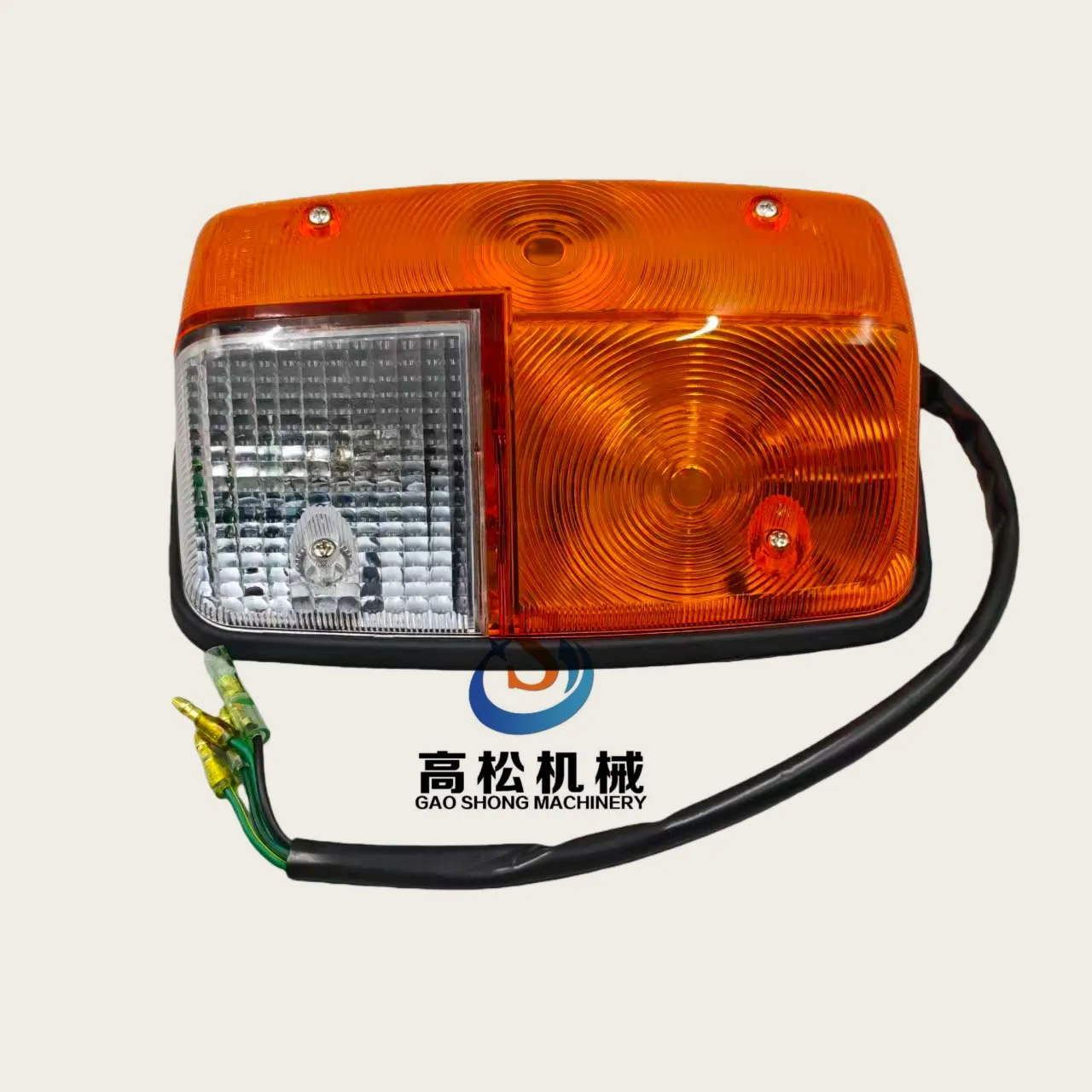 421-06-13401 Komatsu TURN SIGNAL AND PARKING
 -
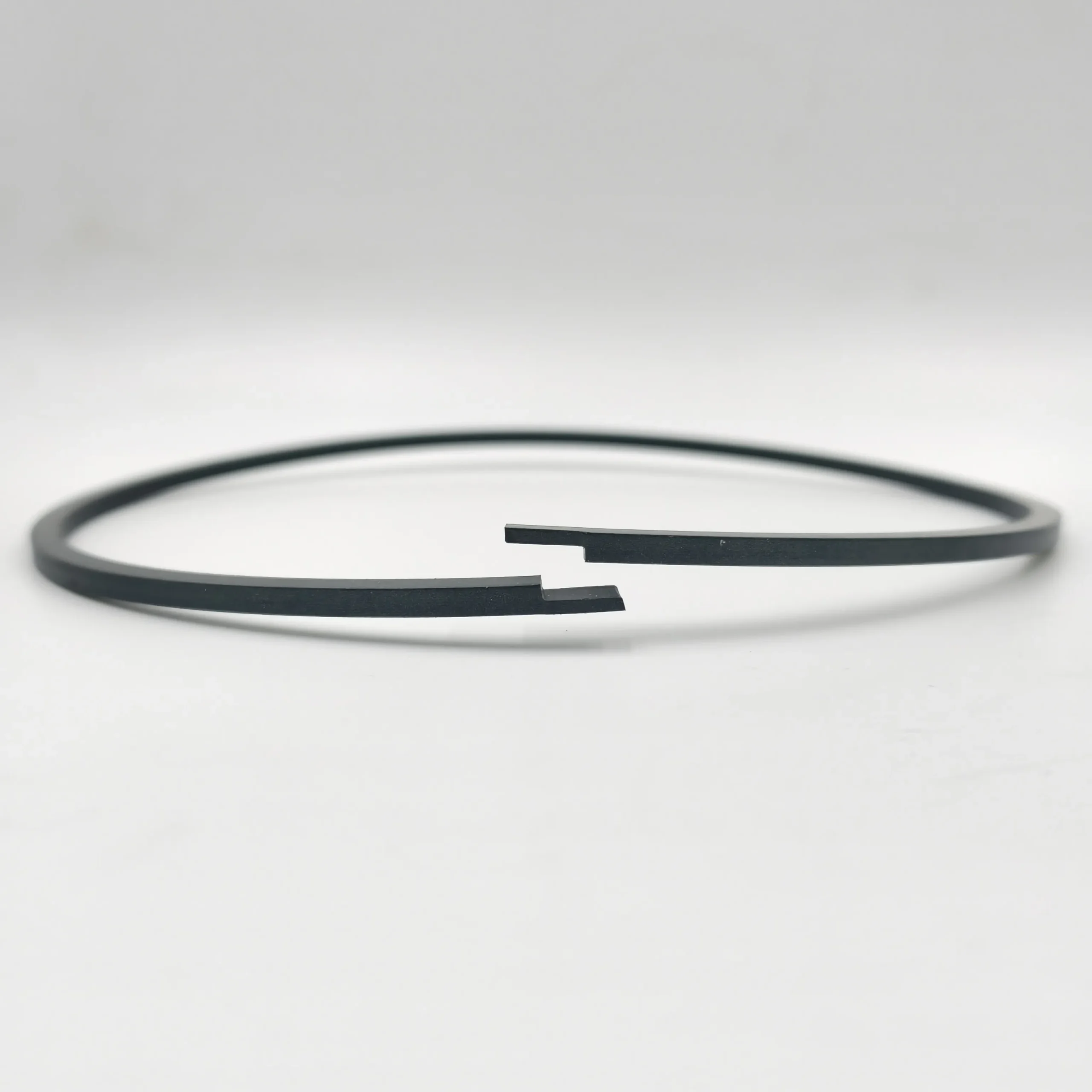 14X-15-29210 SEAL RING
 -
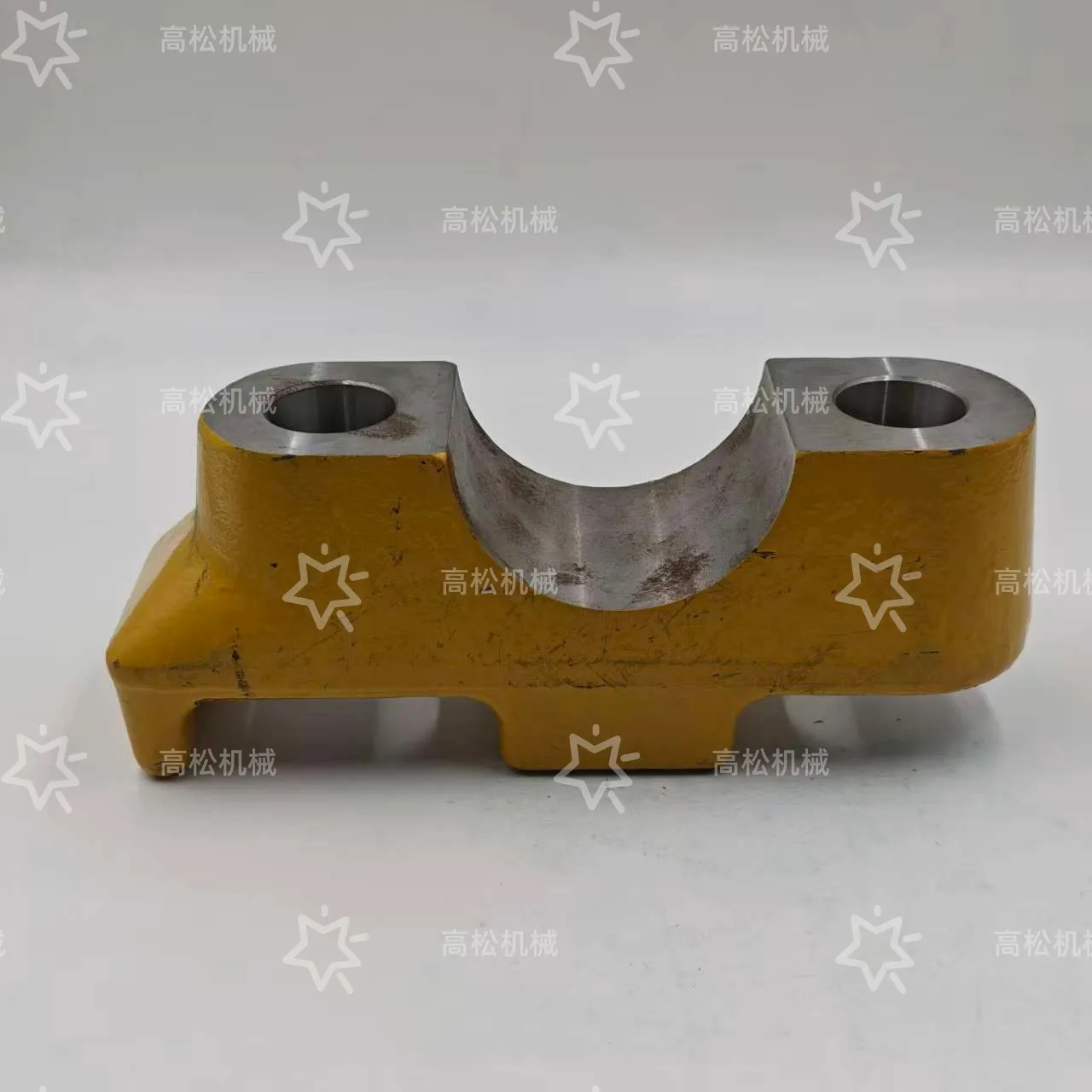 195-30-62141Komatsu Cap 195-30-62141
 -
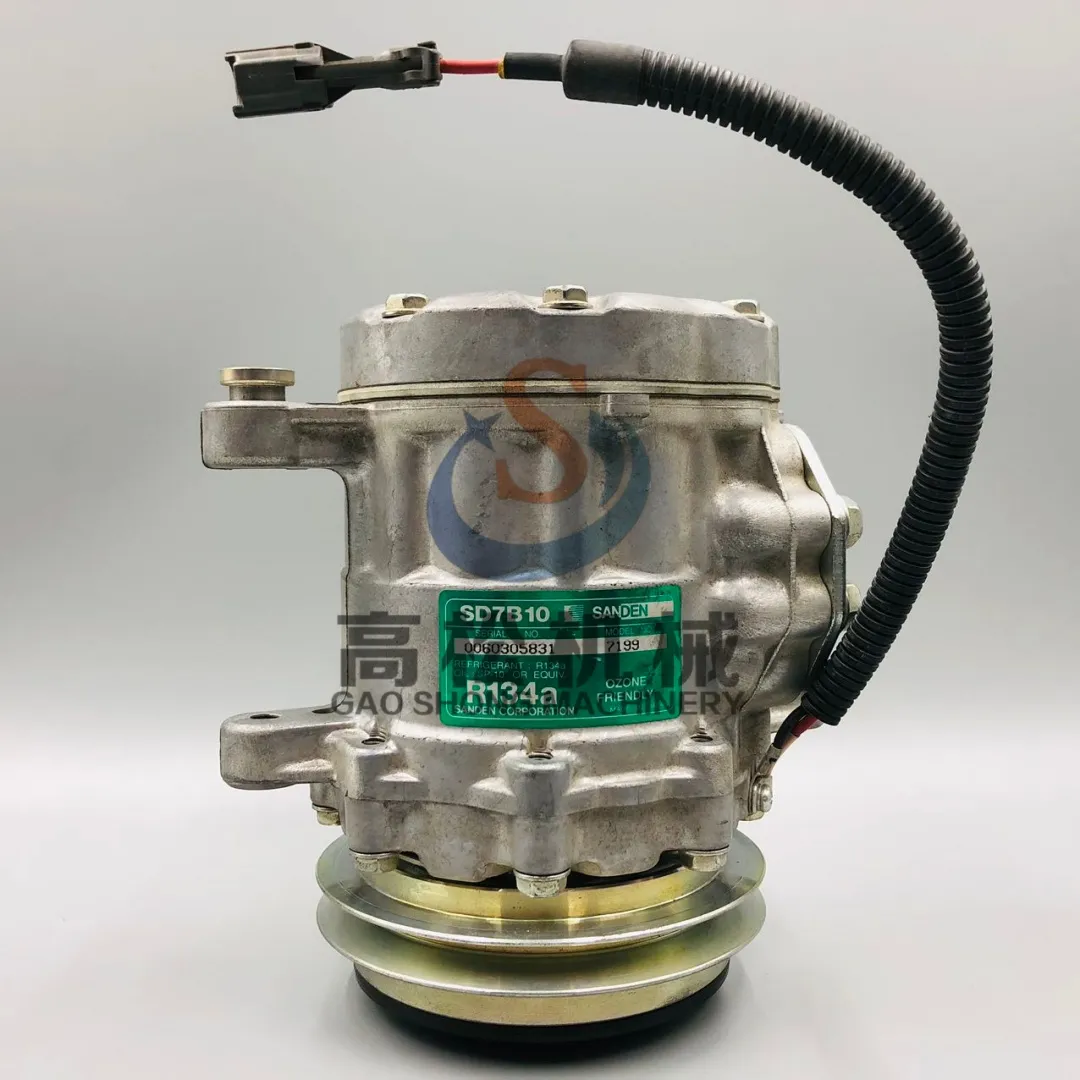 Disong 22L-979-2200 AIR CONDITIONER COMPRESSOR 22L-979-2200 for Excavator PC56-7
 -
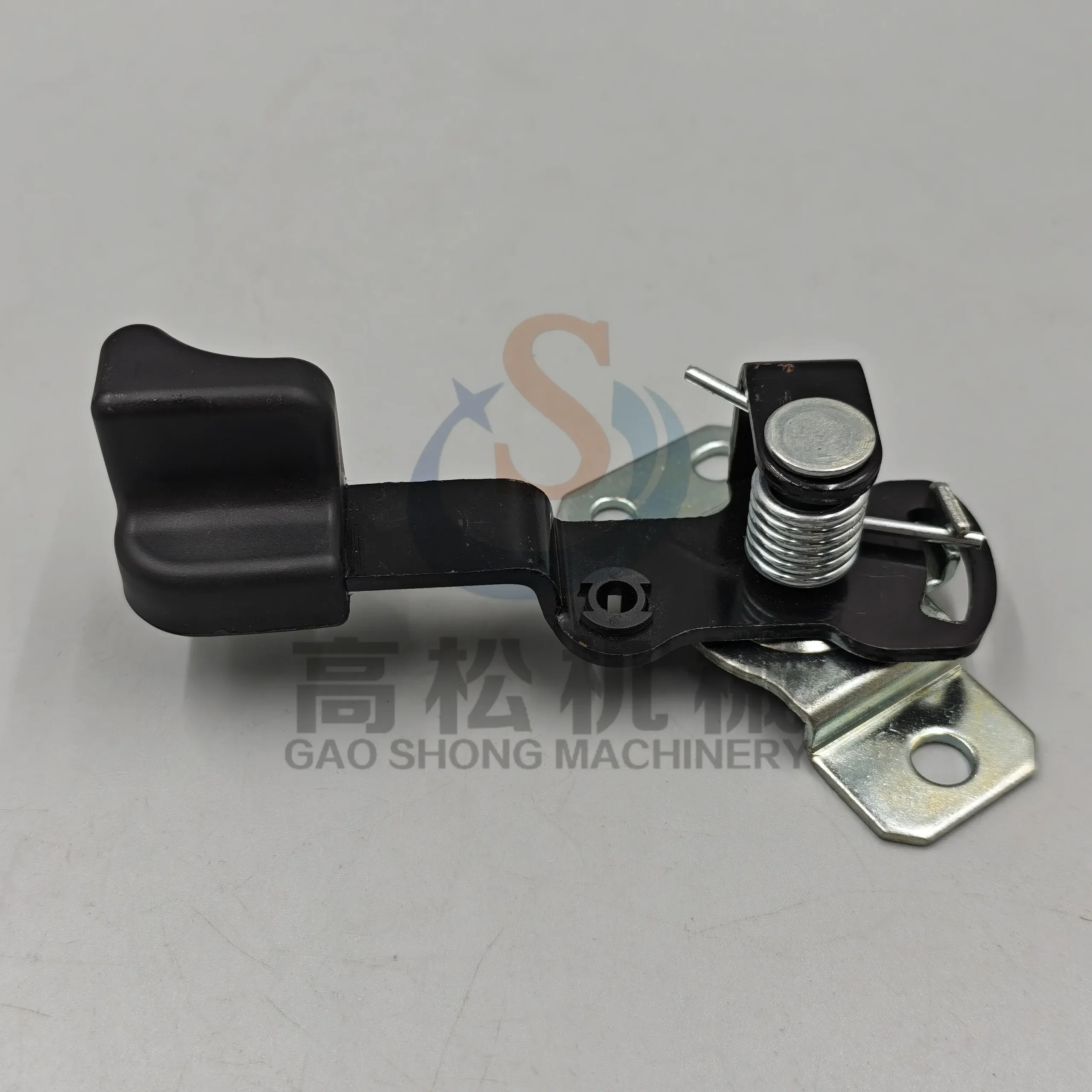 20Y-54-52300 Komatsu Handle Assembly
 -
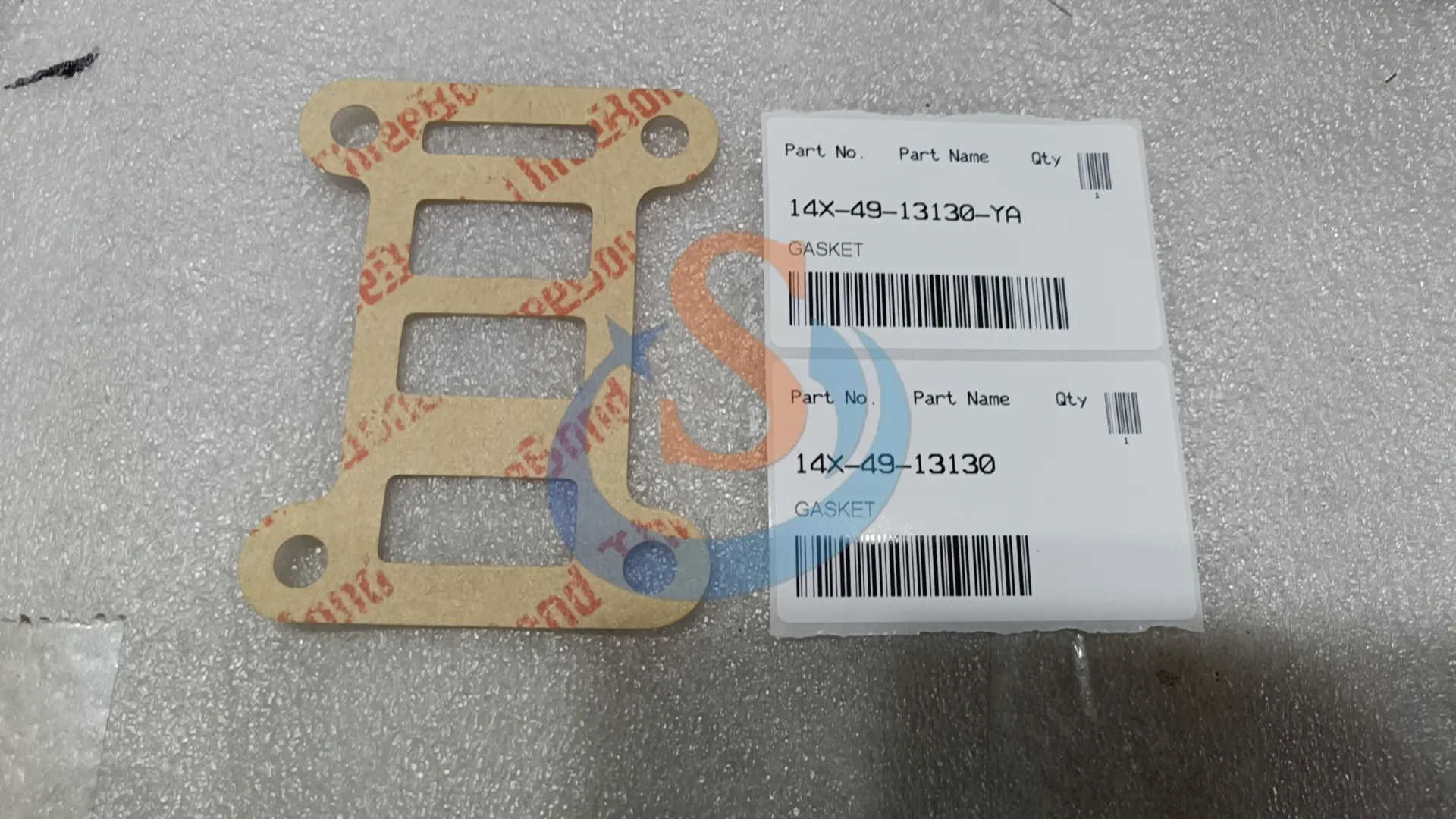 14X-49-13130,GASKET,D85ESS,D155A,D475A
 -
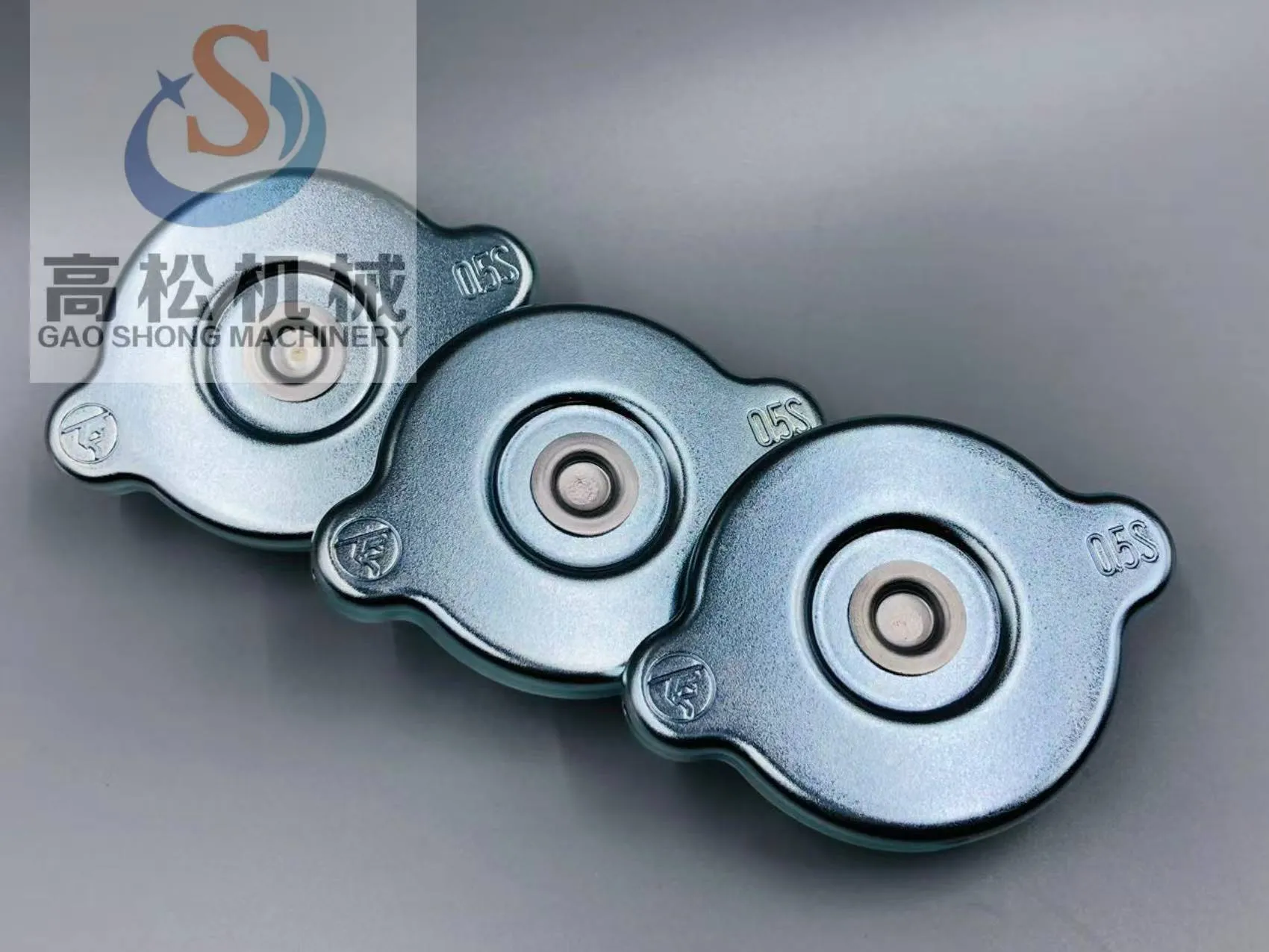 Cap of excavator radiator 20y-03-22110 for pc200-8 pc200-7
 -
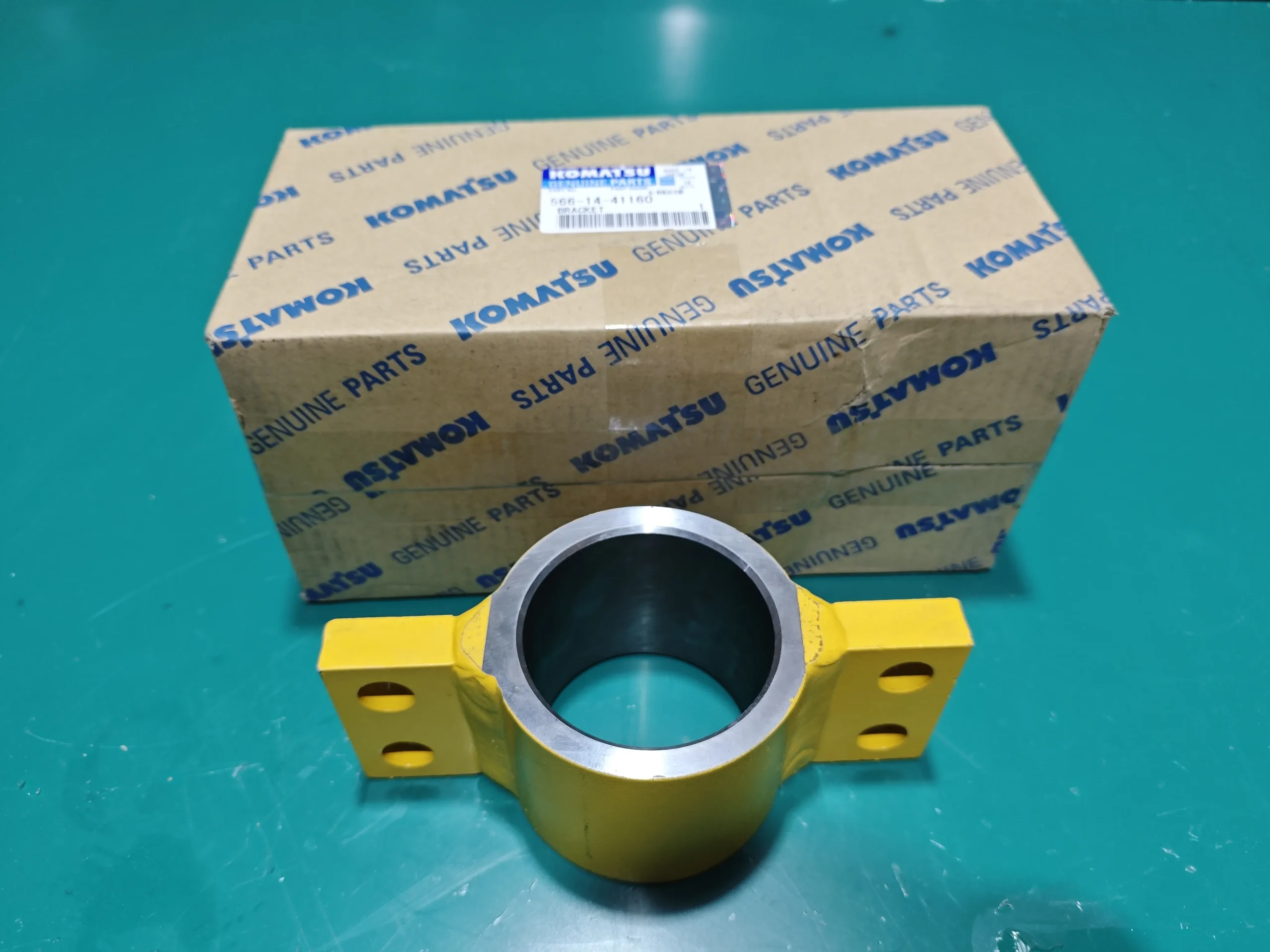 UrParts – Komatsu – Loader Parts – WA600-1H – 566-14-41160…
 -
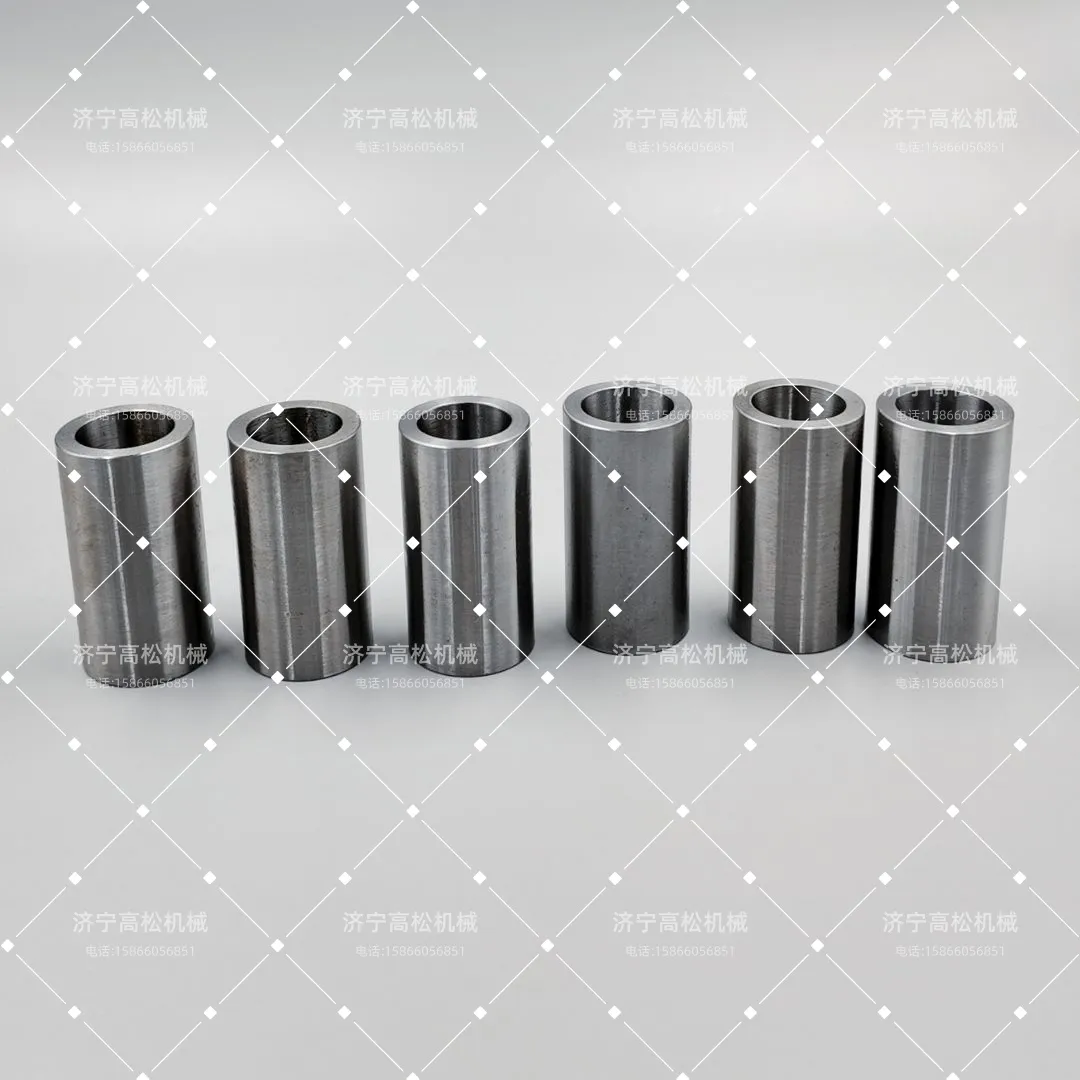 566-54-21910 Komatsu Bushing
 -
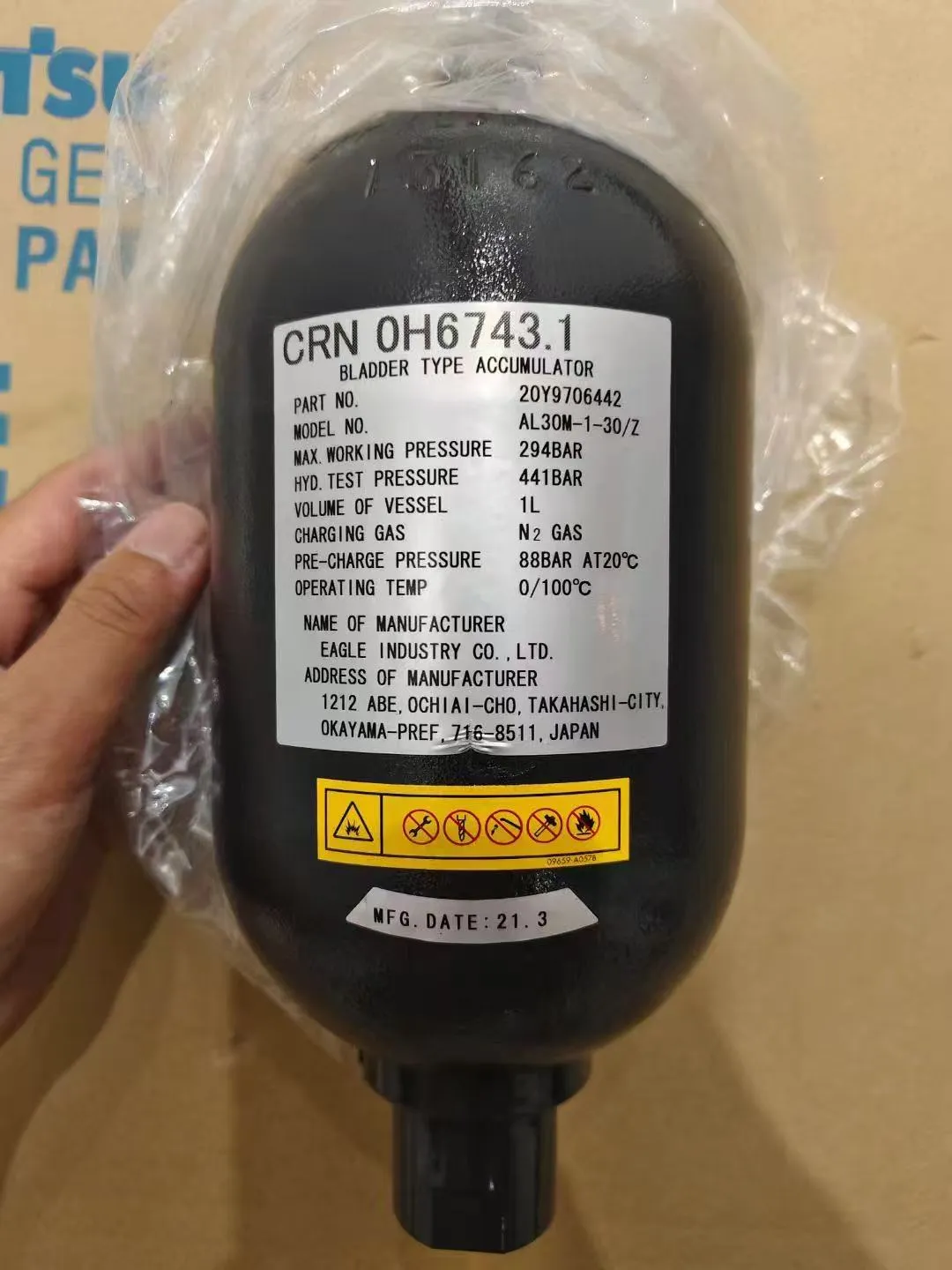 20Y-970-6442 Komatsu Accumulator Assembly
 -
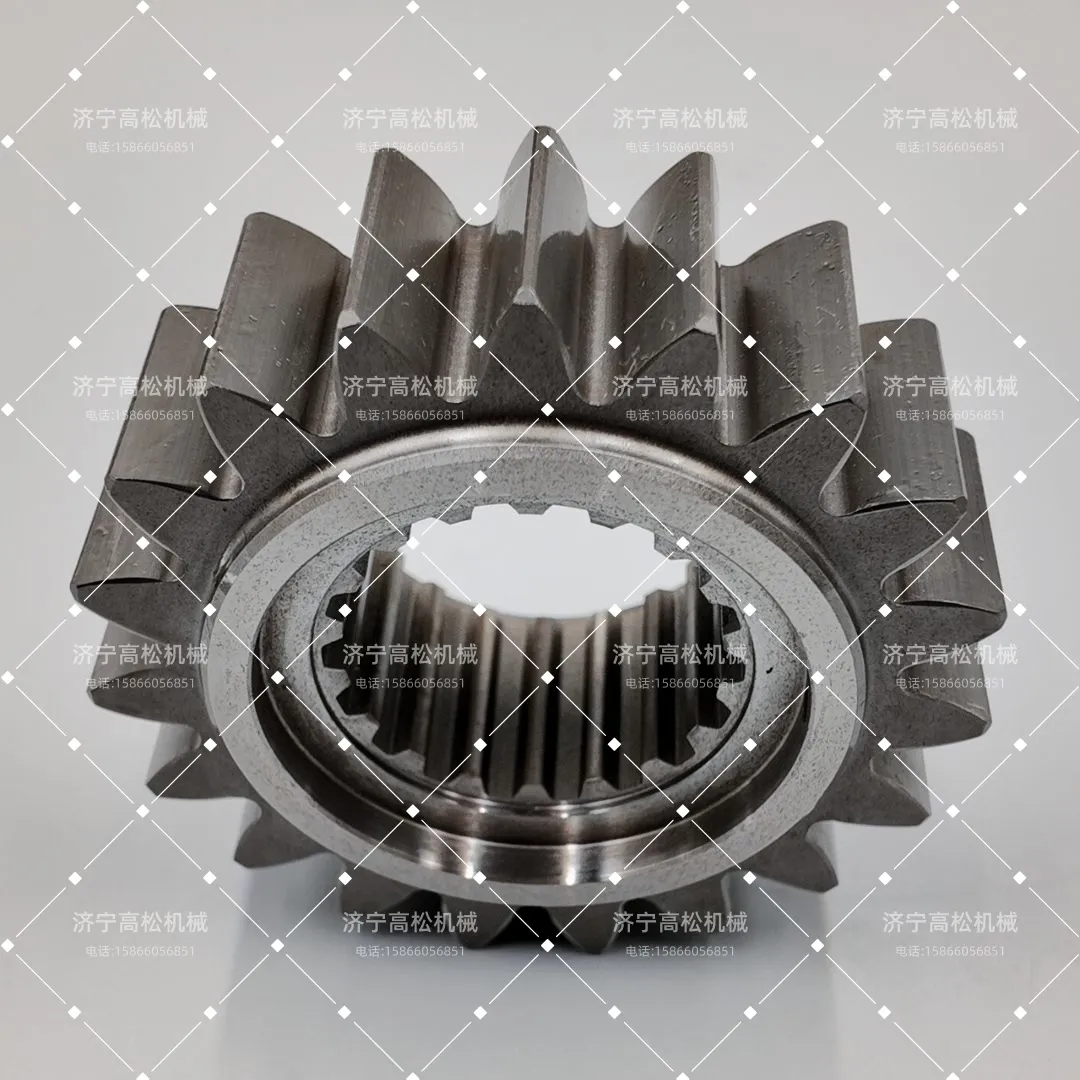 207-26-71510 Komatsu Gear
 -
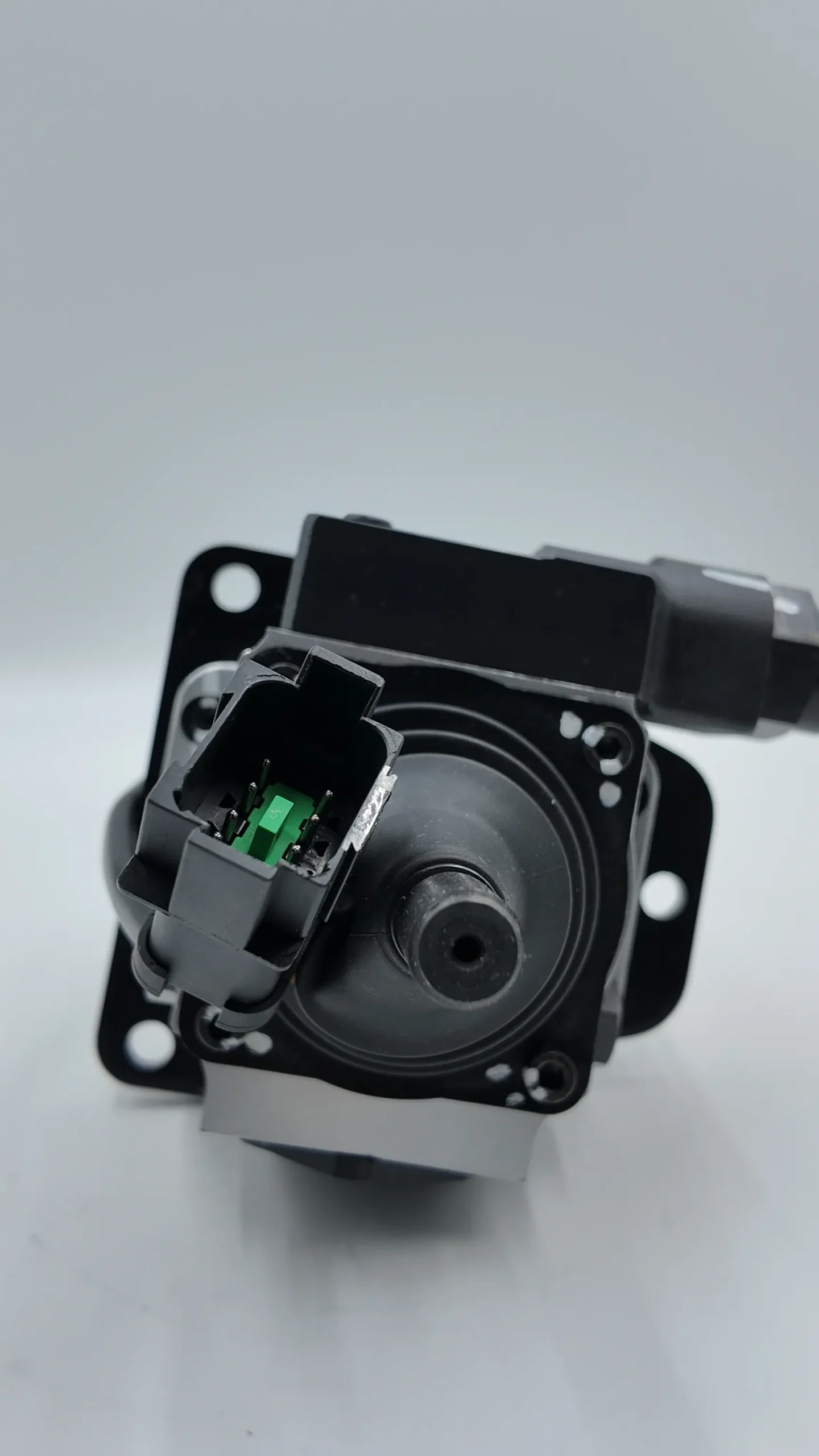 702-16-02290,702-16-02210,702-16-02212 LEVER ASS’Y Komatsu Original Factory