
- Chinese
- French
- German
- Portuguese
- Spanish
- Russian
- Japanese
- Korean
- Arabic
- Irish
- Greek
- Turkish
- Italian
- Danish
- Romanian
- Indonesian
- Czech
- Afrikaans
- Swedish
- Polish
- Basque
- Catalan
- Esperanto
- Hindi
- Lao
- Albanian
- Amharic
- Armenian
- Azerbaijani
- Belarusian
- Bengali
- Bosnian
- Bulgarian
- Cebuano
- Chichewa
- Corsican
- Croatian
- Dutch
- Estonian
- Filipino
- Finnish
- Frisian
- Galician
- Georgian
- Gujarati
- Haitian
- Hausa
- Hawaiian
- Hebrew
- Hmong
- Hungarian
- Icelandic
- Igbo
- Javanese
- Kannada
- Kazakh
- Khmer
- Kurdish
- Kyrgyz
- Latin
- Latvian
- Lithuanian
- Luxembou..
- Macedonian
- Malagasy
- Malay
- Malayalam
- Maltese
- Maori
- Marathi
- Mongolian
- Burmese
- Nepali
- Norwegian
- Pashto
- Persian
- Punjabi
- Serbian
- Sesotho
- Sinhala
- Slovak
- Slovenian
- Somali
- Samoan
- Scots Gaelic
- Shona
- Sindhi
- Sundanese
- Swahili
- Tajik
- Tamil
- Telugu
- Thai
- Ukrainian
- Urdu
- Uzbek
- Vietnamese
- Welsh
- Xhosa
- Yiddish
- Yoruba
- Zulu
- Kinyarwanda
- Tatar
- Oriya
- Turkmen
- Uyghur






Komatsu glass
When you hear 'Komatsu glass', the immediate thought is a windshield or a cab window for an excavator. That's the surface level. In the trenches, it's a different story. It's not just about the glass itself; it's about the supply chain headaches, the fitment nuances between a D61 and a D65, and the quiet realization that not every piece of glass with a Komatsu label comes from the same source. There's a whole ecosystem around it that most procurement guys don't see until a machine is down and the so-called 'OEM' part they ordered doesn't fit. That's where the real conversation starts.
The OEM Illusion and the Third-Party Reality
Here's a common pitfall: equating 'OEM quality' strictly with parts shipped directly from Komatsu factories. In the aftermarket, the lines are blurred. A company like Jining Gaosong Construction Machinery Co., Ltd. operates in that crucial gray area. They're an OEM product supplier within the Komatsu system, which means they manufacture components to Komatsu's specs and drawings. But they're also a third-party sales company. This dual role is key. It allows them to produce genuine-spec parts and then distribute them through alternative channels, often to regions where the official supply chain is slow or non-existent.
I've seen their setup. Visiting takematsumachinery.com, it's clear they're not just resellers. Their pitch is about solving parts supply challenges, which is the daily grind for anyone running older Komatsu fleets in, say, Africa or South America. You're not just buying a piece of Komatsu glass from them; you're buying a solution to a logistical blockade. The part might be physically identical to what's in the official kit, but its path to your warehouse is completely different, and sometimes that's the only path that works.
The nuance is in the details. A windshield for a PC200-8 isn't just a flat pane. It's the thickness, the curvature, the tint, the exact positioning of the mounting holes, and the sealant channel. When a supplier like Gaosong says they're within the Komatsu system, it implies access to those tolerances. The failure point, however, often isn't the glass—it's the rubber gasket that comes with it, or the lack of proper installation instructions. That's where third-party suppliers get tested. I've had cases where the glass was perfect, but the ancillary kit was off, leading to leaks and rework.
Fitment: Where Theory Meets the Machine
Nothing beats the sinking feeling of unboxing a new windshield and finding it's 5mm too wide. Catalog numbers lie, or more accurately, they don't account for machine wear, previous repairs, or subtle regional variations. A Komatsu glass part number might be universal, but the reality on a 15-year-old Komatsu dozer that's been welded back together is not.
This is where practical experience trumps the database. A good technical salesperson from a company like the one mentioned won't just read the number back to you. They'll ask for the machine's serial number, the year, and maybe even a photo of the old glass still in the frame. They've learned, probably the hard way, that for certain models like the HD785 truck or the older Dash-3 series excavators, you need that extra verification. Their website might not show this gritty process, but their service team lives it.
I recall a specific project in Indonesia. We needed a side window for a Komatsu WA500 wheel loader. The official distributor was quoting a 12-week lead time. We went through a third-party OEM supplier. The glass arrived in 3 weeks. The fit was 95% there. The issue? The predrilled holes for the latch mechanism were about 2mm out of alignment. We had to drill them out slightly. Was it ideal? No. But was the machine back operating 9 weeks sooner? Absolutely. That's the trade-off, and it's a calculated risk you learn to manage.
The Quality Conversation: Specs vs. Perception
Is it as good as the original? That's the eternal question. For Komatsu glass, the answer is more technical than subjective. The core metrics are optical clarity, impact resistance, and UV stability. A proper OEM-system manufacturer will use the same grade of laminated safety glass and the same PVB interlayer. The difference, if any, often sits in the edge finishing and the quality control for minor imperfections like barely visible bubbles at the very edge.
We ran a test once, not very scientific but telling. We took a official Komatsu cab glass and one from a reputable third-party OEM supplier, placed them side-by-side, and had our veteran mechanics look. Under scrutiny, one guy pointed out the etching—the Komatsu logo and part number. The official one was laser-etched, slightly crisper. The other was also etched, but perhaps not as deep. Functionally, zero difference. Perceptually, it mattered to some clients. For others, the 40% cost saving mattered more.
The real risk isn't with the glass itself, but with the certification. In some regulated markets, machinery needs certified safety glass. The official part comes with all that paperwork trail. A third-party part might have equivalent testing, but assembling that documentation can be a hassle. I've spent days chasing test reports from suppliers to satisfy a site safety officer. It's an invisible cost often forgotten in the initial purchase.
Logistics and the Unavailable Status
This is the core value proposition for companies like Jining Gaosong Construction Machinery Co., Ltd.. The official system is brilliant for current models and high-volume parts. But for older machines, or for countries without a strong Komatsu presence, the system says unavailable or quotes astronomical air freight costs. Their role as a third-party sales company is to bridge that gap. They aren't competing with Komatsu; they're patching the holes in the supply network.
Their website, takematsumachinery.com, explicitly states this mission. It's not marketing fluff. I've used them to source a front windshield for a Komatsu D155AX dozer that was phased out a decade ago. Komatsu's system had it on indefinite backorder. Gaosong had it in a warehouse in Shandong, manufactured during an old production run. It wasn't on a shelf in Tokyo, but it was on a shelf. That's the difference between a machine rusting in a yard and being back on the job in a month.
The challenge here is inventory transparency. You don't always know what they have until you ask. It's not Amazon. It's a relationship-based, query-driven process. You send an email with your desperate part number, and you wait for a reply that says Yes, we have that or We can make that within 4 weeks. That uncertainty is part of the deal when you're solving for unavailability.
Final Take: A Pragmatic Part of the Ecosystem
So, what's the verdict on Komatsu glass from the third-party OEM channel? It's a pragmatic, often essential, part of keeping global fleets running. It's not a black-and-white, genuine vs. counterfeit narrative. It's a spectrum of quality, availability, and service. A supplier embedded in the Komatsu system brings a level of assurance that a random aftermarket brand doesn't.
Would I specify it for a brand-new, under-warranty Komatsu 970? Probably not, I'd go direct. But for the vast majority of the world's aging iron, where downtime costs more than the part itself, this channel is a lifeline. Companies like Gaosong fulfill a specific, messy, and utterly critical niche. They're not just selling glass; they're selling time.
In the end, it comes down to a professional judgment call. You weigh the machine's value, the downtime cost, the site requirements, and the supplier's proven track record. You inspect the first piece that arrives like a hawk. And then you make a note—for that machine, for that part, that source worked. That's how the real-world parts database gets built, not from a catalog, but from experience, one piece of Komatsu glass at a time.
Related Products
Related Products

Best Selling Products
Best Selling Products-
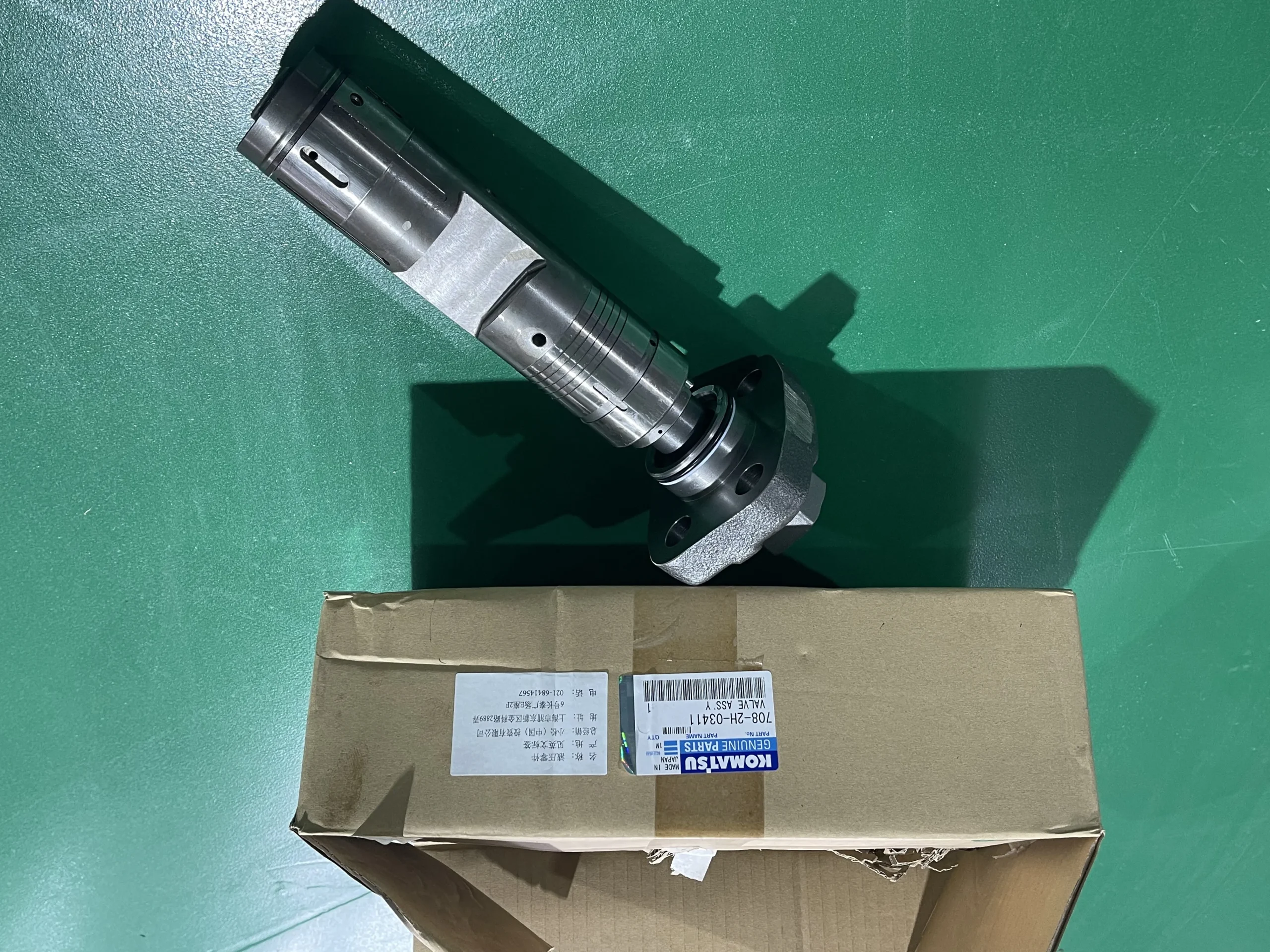 Relief Valve 708-2H-03411
 -
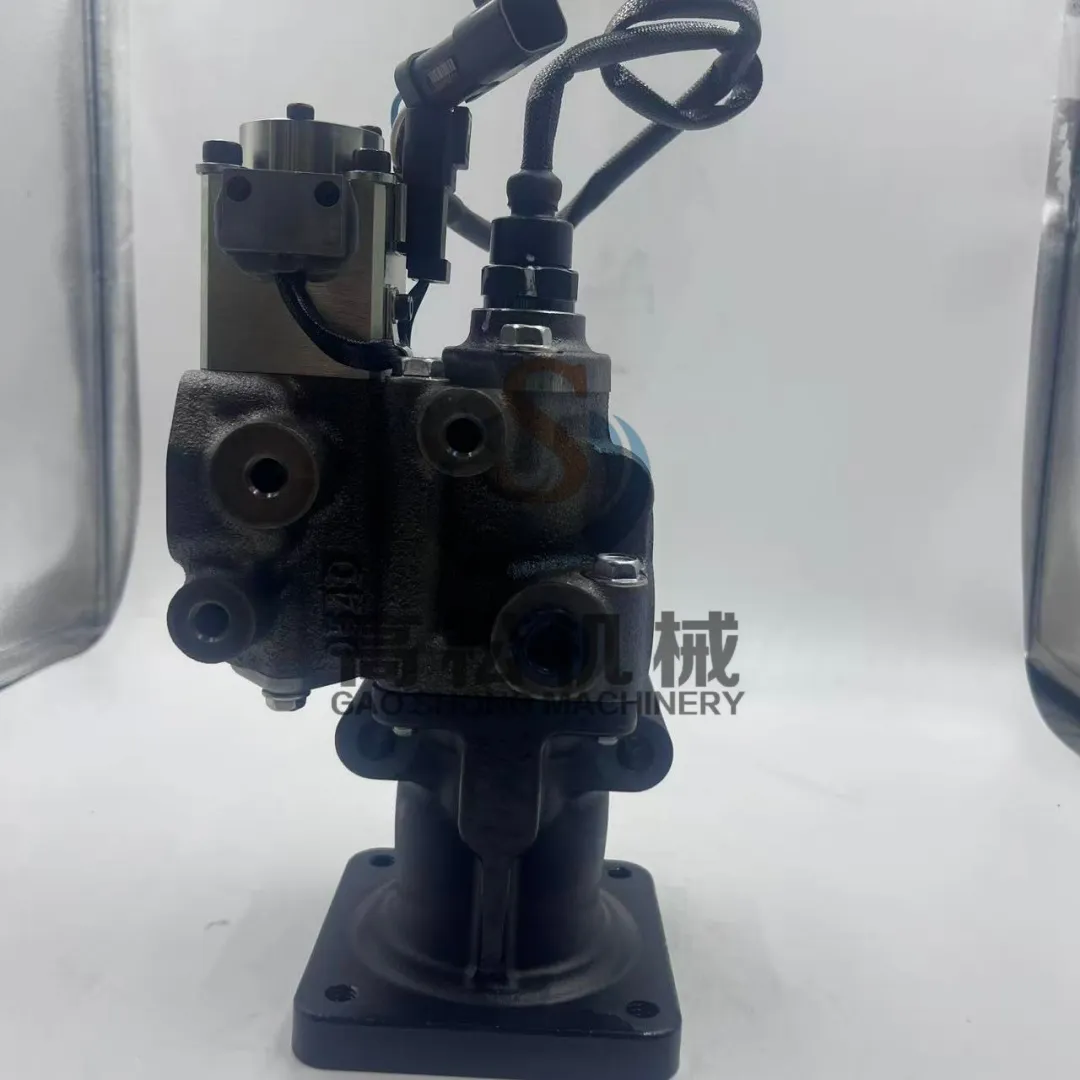 6261-41-9500 Komatsu Valve Assembly
 -
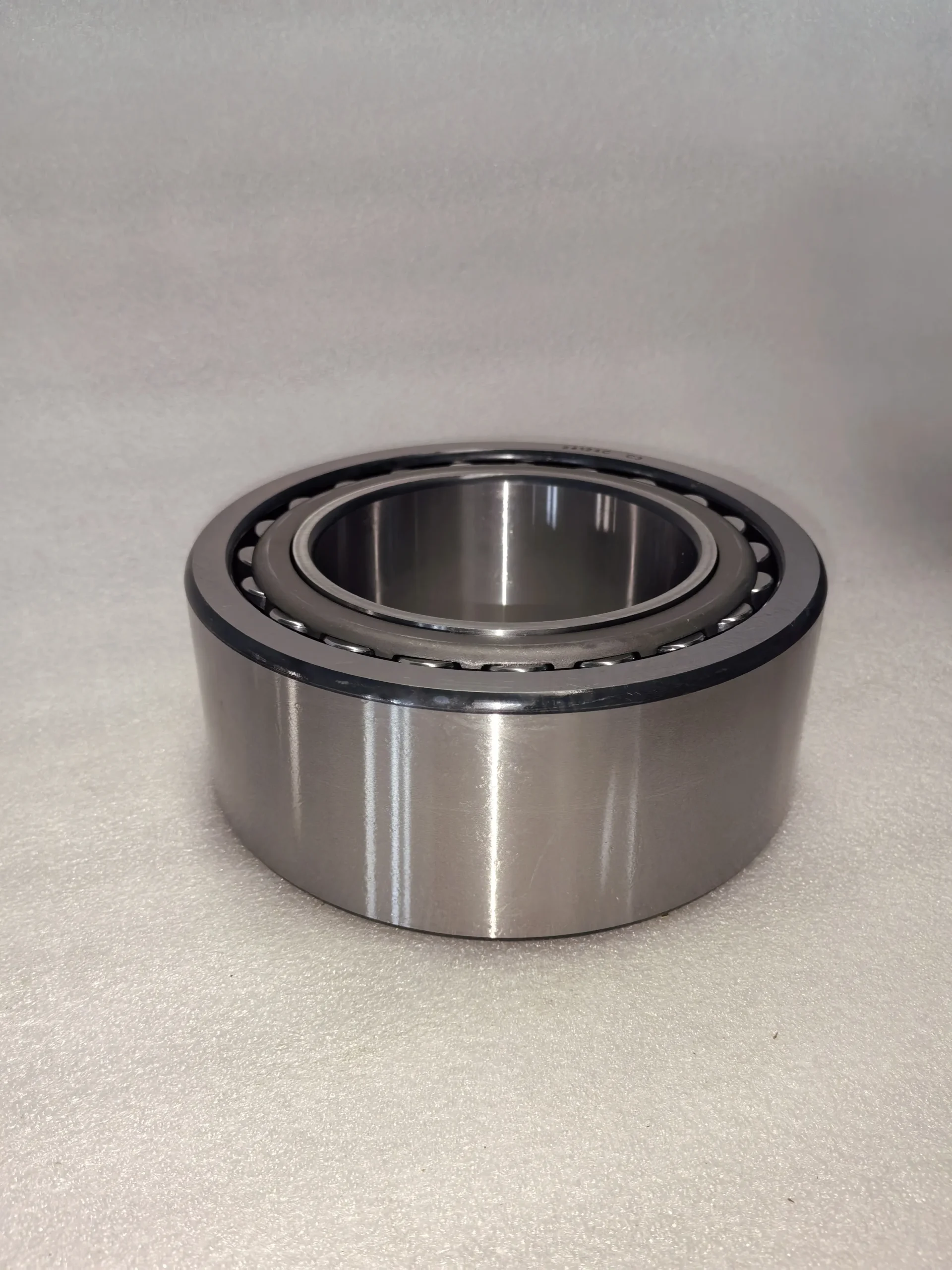 170-09-13250 Komatsu Bearing – Komatsu
 -
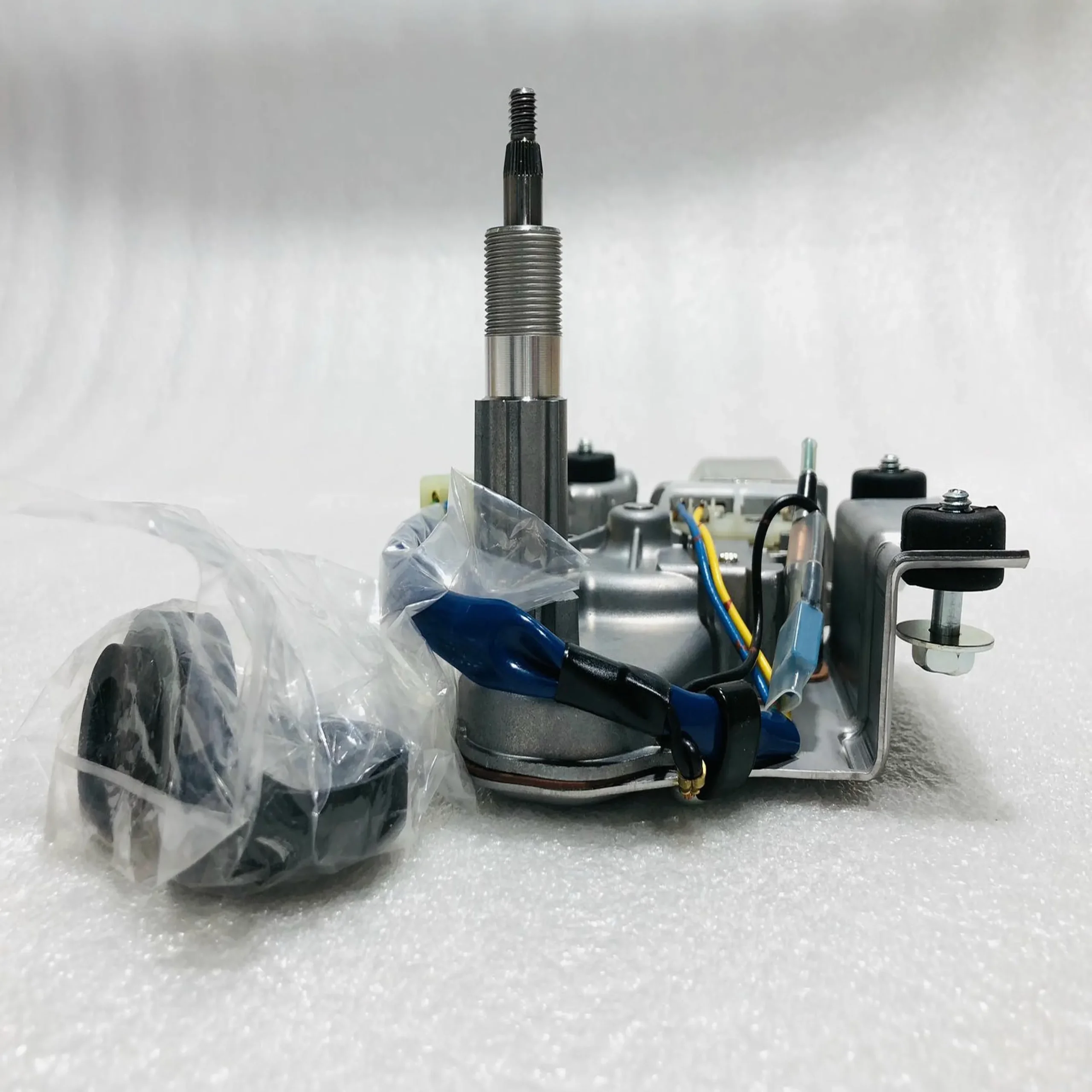 Komatsu grader GD555 wiper motor 42C-56-11391
 -
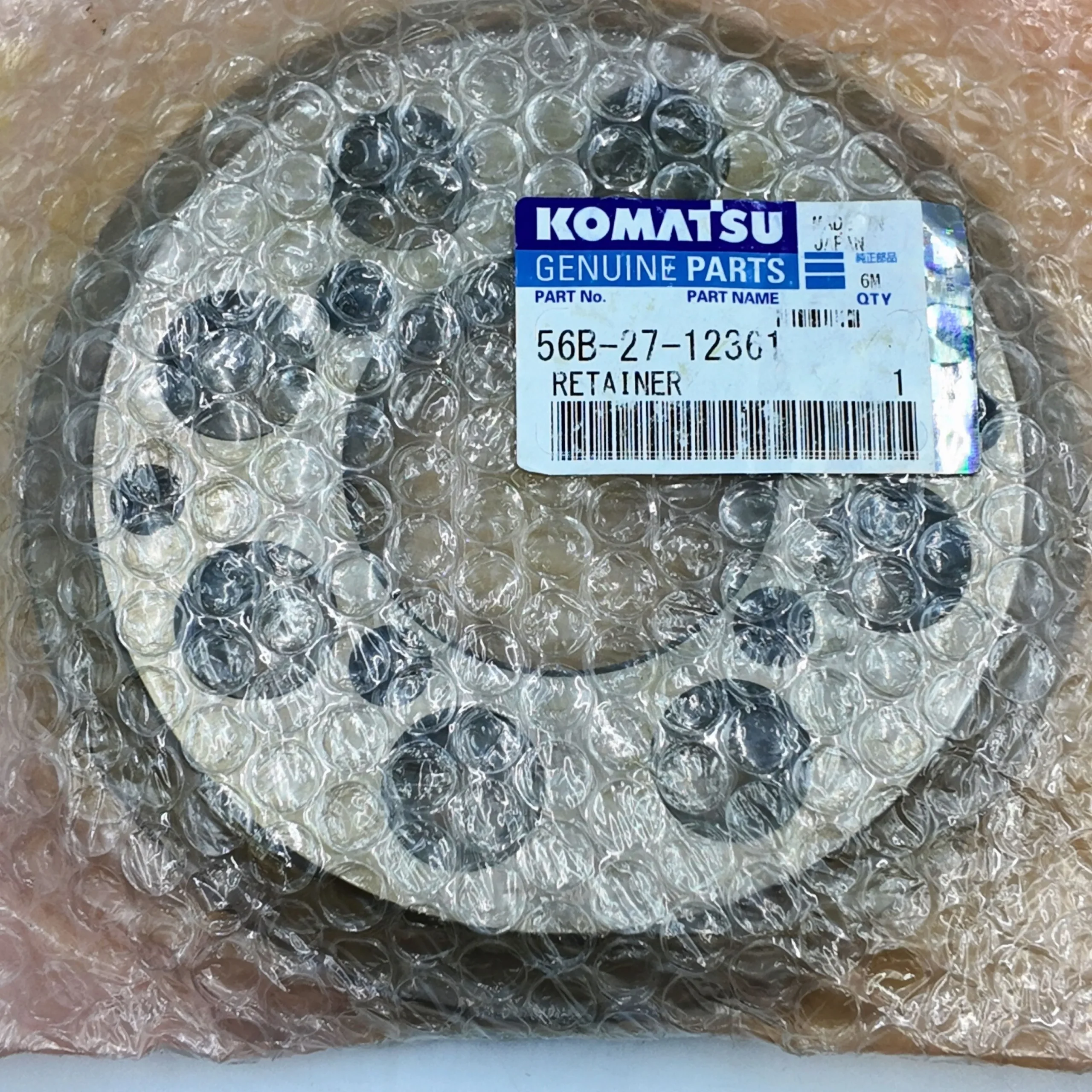 56B-27-12361•• RETAINER-Komatsu Original Factory
 -
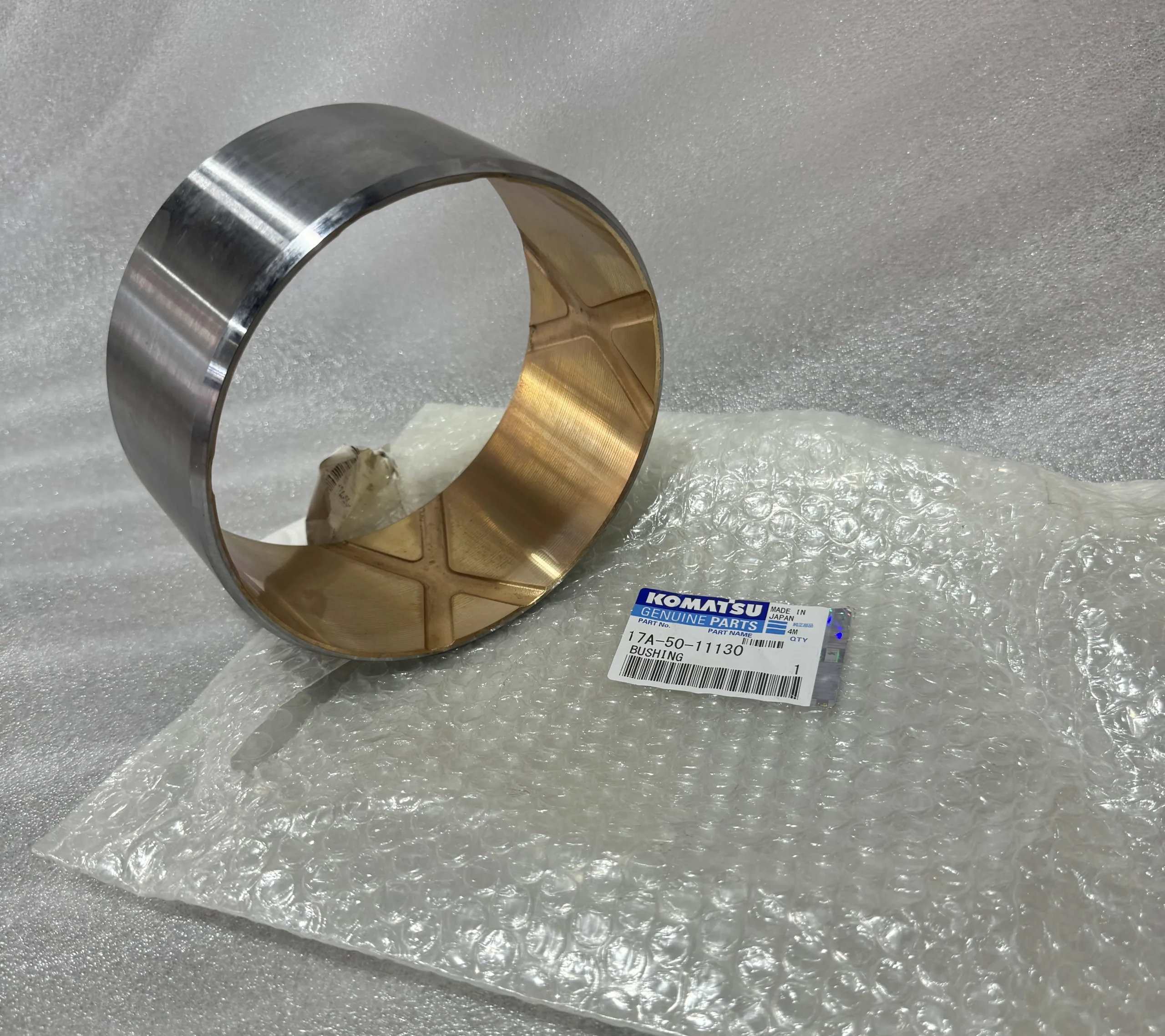 D155AX-3 Bushing 17A-50-11130
 -
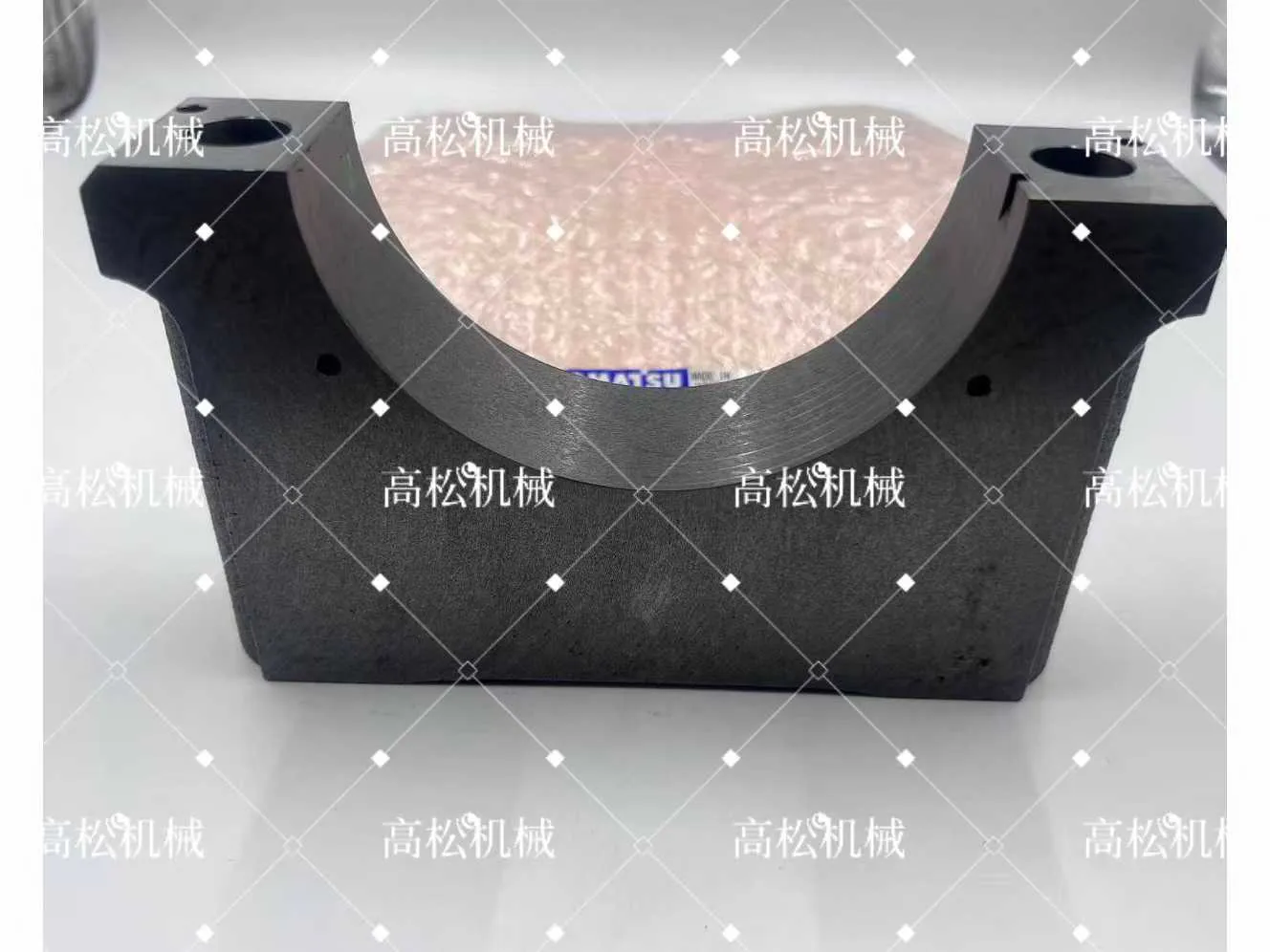 Komatsu Genuine CAP, MAIN METAL, WA470-3, 6150-29-1210
 -
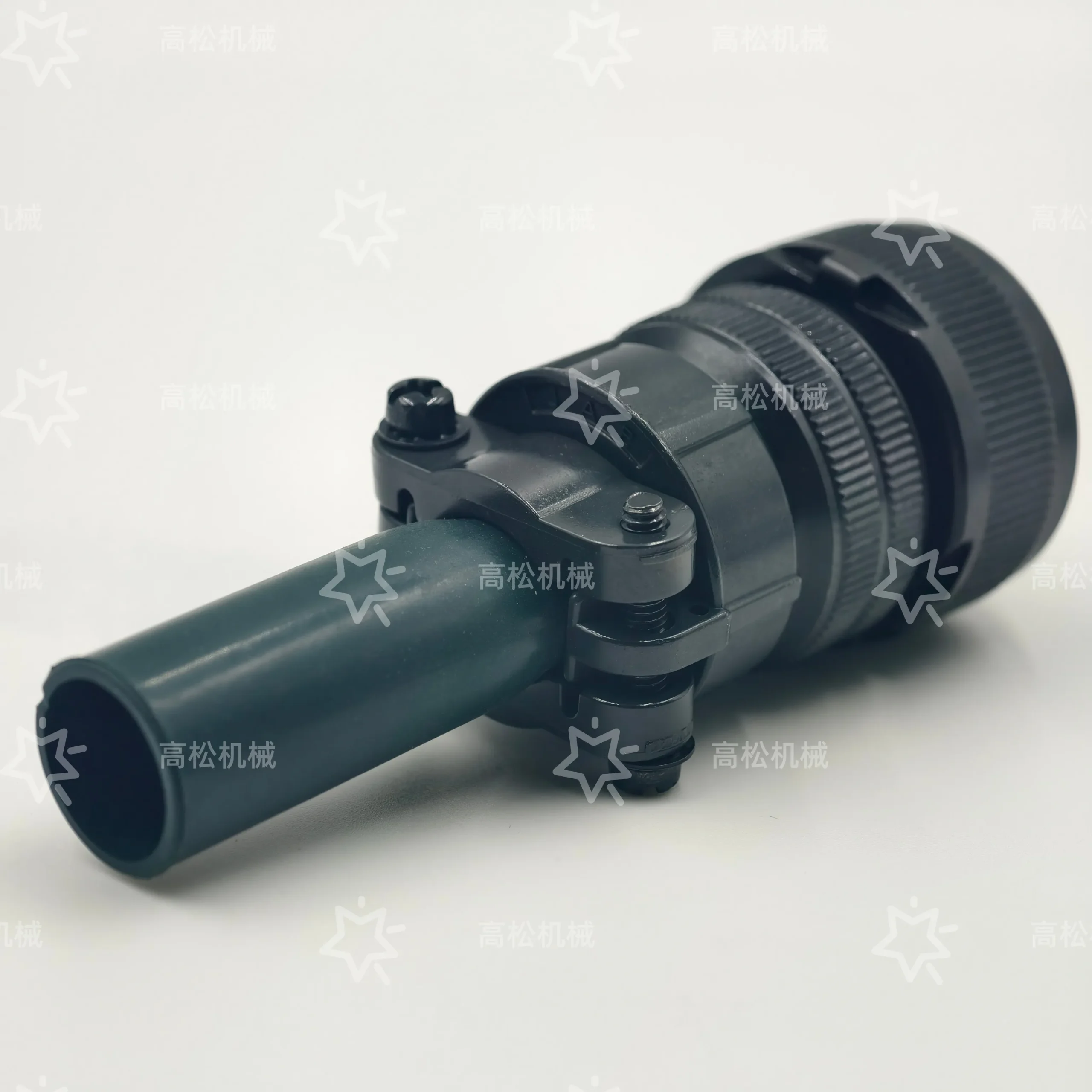 175-06-37871 Komatsu Plug
 -
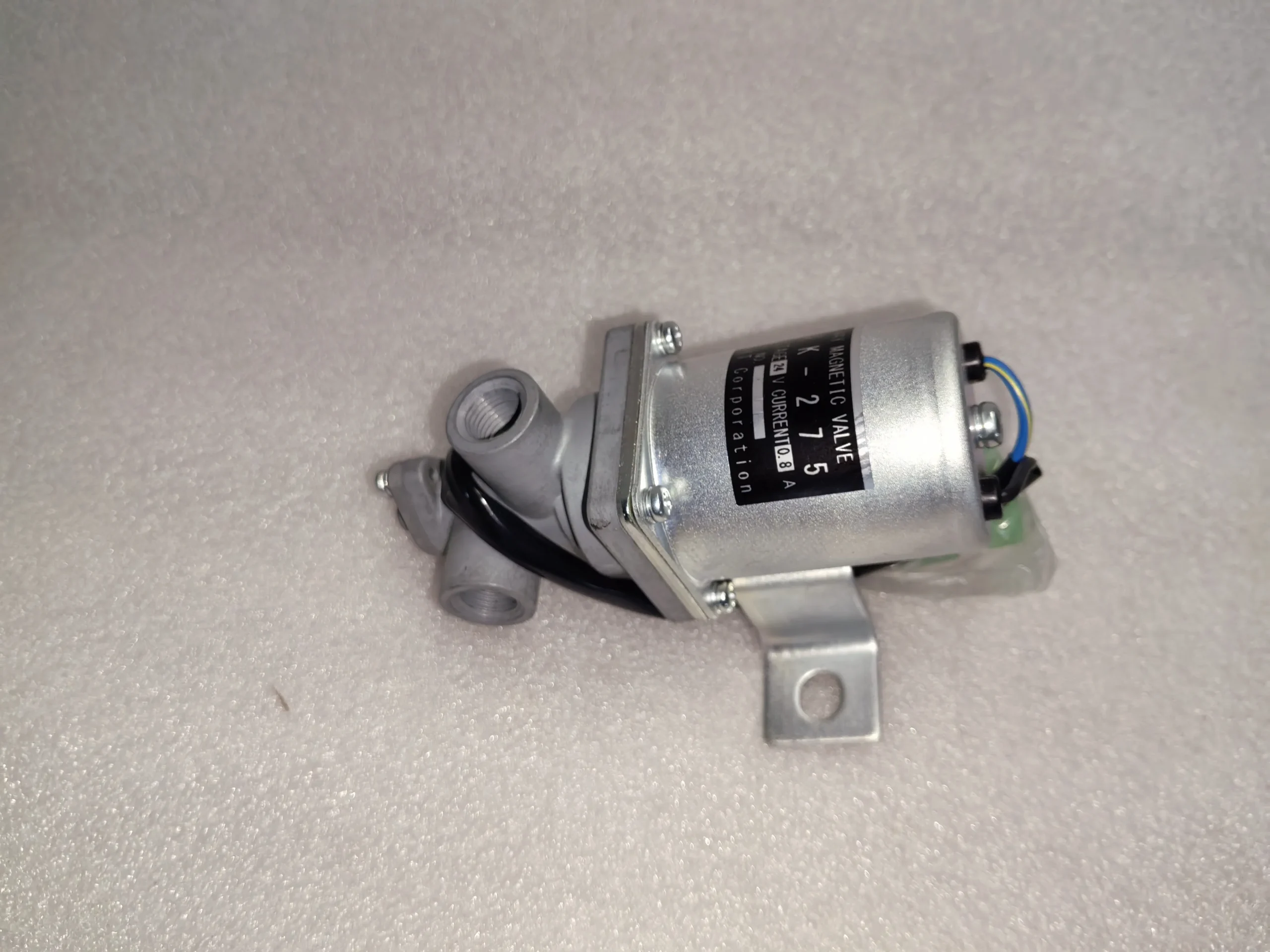 425-06-11150 VALVE Komatsu Original Factory
 -
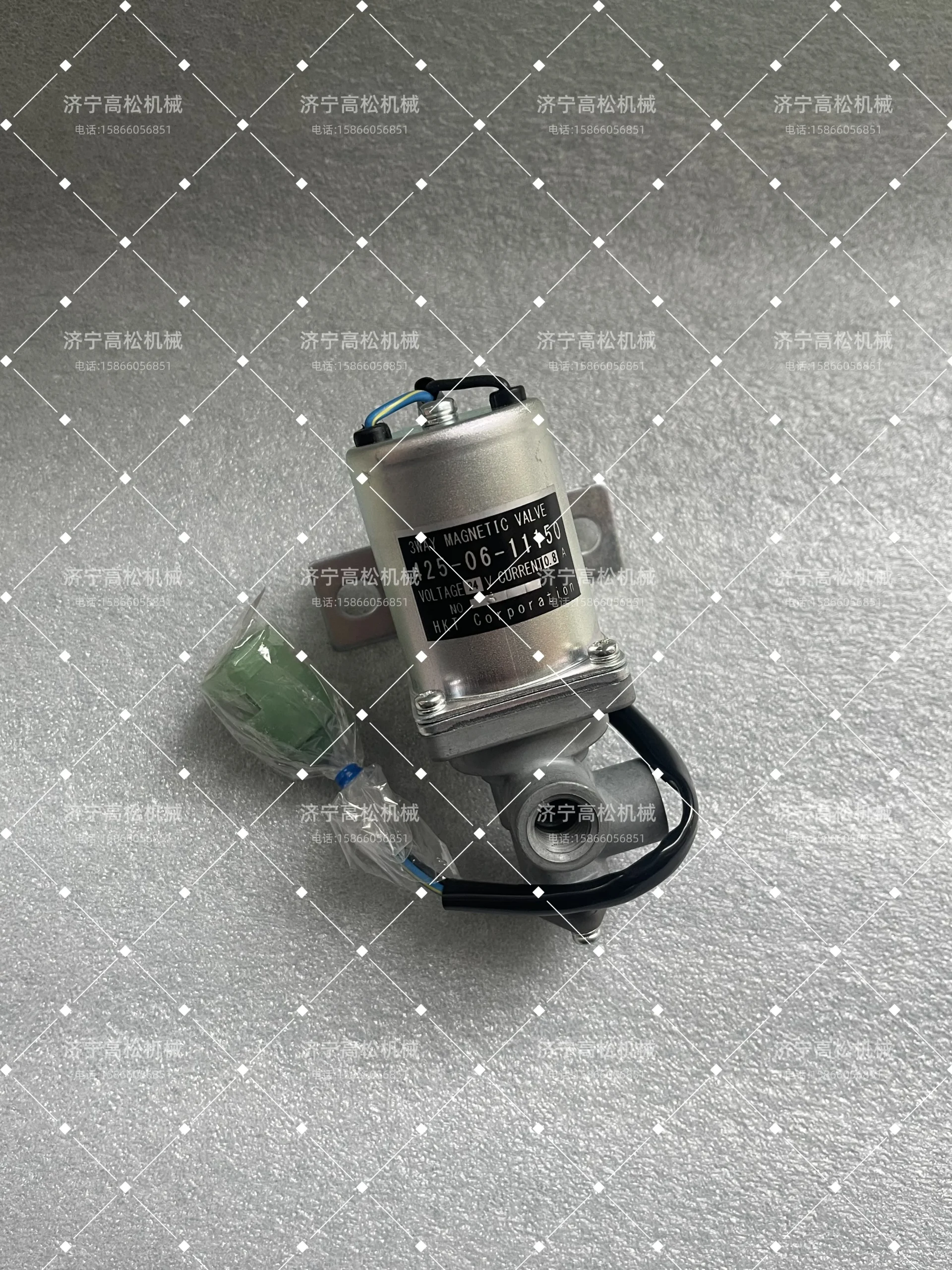 Reliable Cost-Effective Original New 425-06-11150 VALVE for…
 -
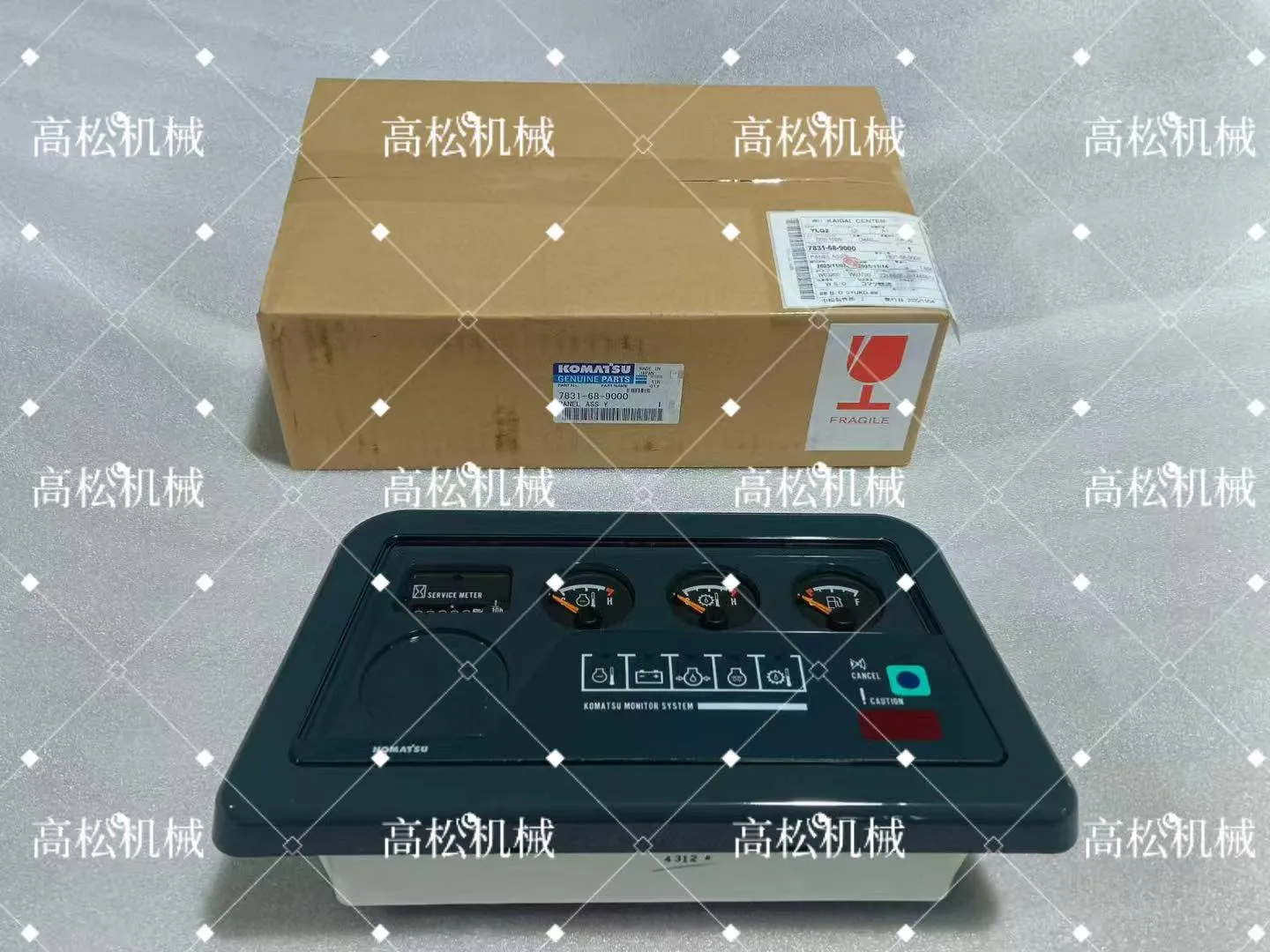 n-stock items. Part No.: 7831-68-9000. Genuine Komatsu panel. Suitable for D155 and D375 models.
 -
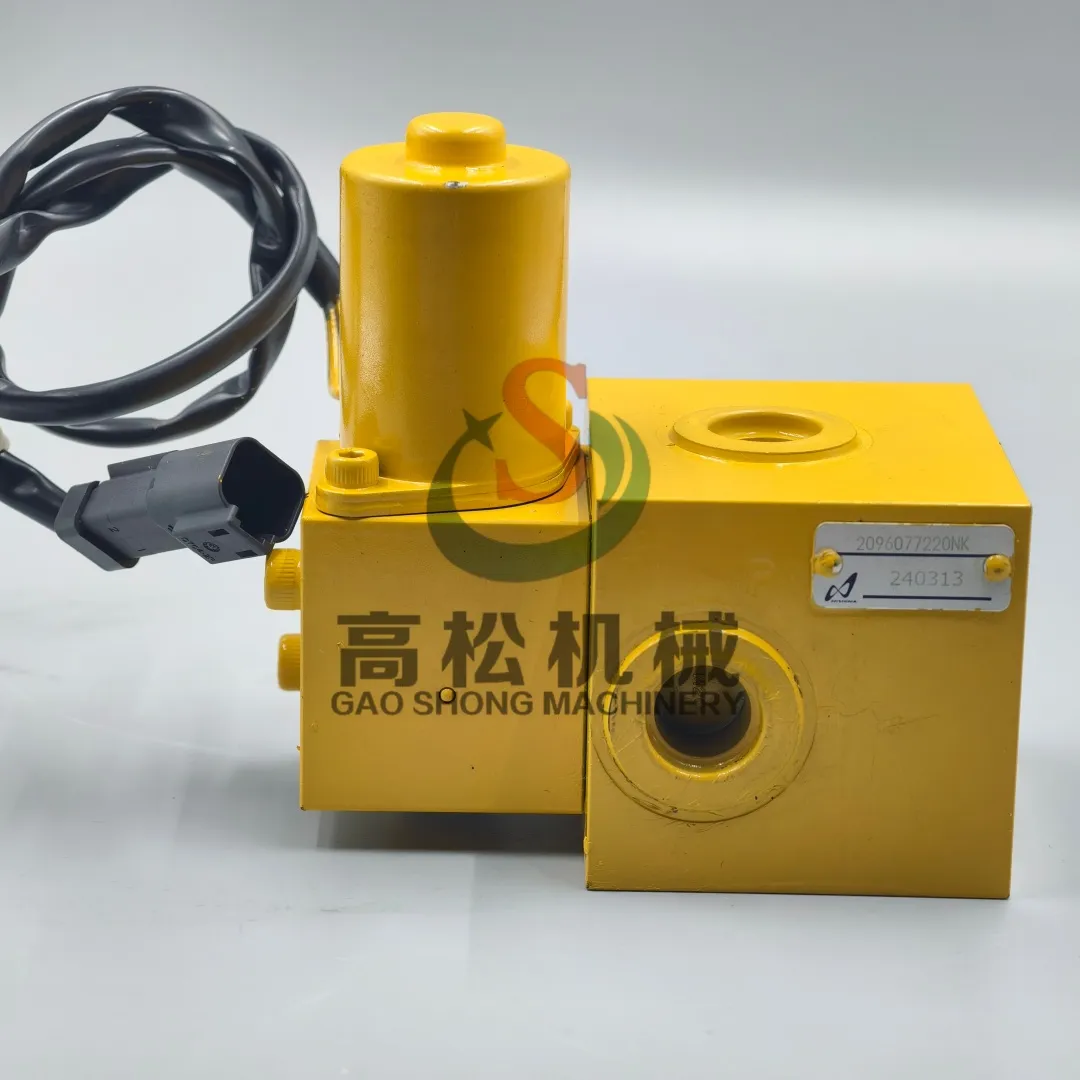 Solenoid Valve 209-60-77220 for PC1250-8 PC800-8 PC600-8 Excavator