
- Chinese
- French
- German
- Portuguese
- Spanish
- Russian
- Japanese
- Korean
- Arabic
- Irish
- Greek
- Turkish
- Italian
- Danish
- Romanian
- Indonesian
- Czech
- Afrikaans
- Swedish
- Polish
- Basque
- Catalan
- Esperanto
- Hindi
- Lao
- Albanian
- Amharic
- Armenian
- Azerbaijani
- Belarusian
- Bengali
- Bosnian
- Bulgarian
- Cebuano
- Chichewa
- Corsican
- Croatian
- Dutch
- Estonian
- Filipino
- Finnish
- Frisian
- Galician
- Georgian
- Gujarati
- Haitian
- Hausa
- Hawaiian
- Hebrew
- Hmong
- Hungarian
- Icelandic
- Igbo
- Javanese
- Kannada
- Kazakh
- Khmer
- Kurdish
- Kyrgyz
- Latin
- Latvian
- Lithuanian
- Luxembou..
- Macedonian
- Malagasy
- Malay
- Malayalam
- Maltese
- Maori
- Marathi
- Mongolian
- Burmese
- Nepali
- Norwegian
- Pashto
- Persian
- Punjabi
- Serbian
- Sesotho
- Sinhala
- Slovak
- Slovenian
- Somali
- Samoan
- Scots Gaelic
- Shona
- Sindhi
- Sundanese
- Swahili
- Tajik
- Tamil
- Telugu
- Thai
- Ukrainian
- Urdu
- Uzbek
- Vietnamese
- Welsh
- Xhosa
- Yiddish
- Yoruba
- Zulu
- Kinyarwanda
- Tatar
- Oriya
- Turkmen
- Uyghur






Komatsu genuine parts
Let's talk about Komatsu genuine parts. Everyone knows the term, but in the field, I've seen the understanding get pretty muddy. It's not just a box with a logo. The real distinction isn't in the marketing; it's in the metallurgy, the tolerances, and the failure modes you don't see until a machine is down in a remote site. The biggest mistake? Thinking the aftermarket has truly caught up on critical wear items. For some non-critical seals or hoses, maybe. But for a final drive gear or a hydraulic pump rotor? That's where the genuine spec makes or breaks your total cost of ownership. I've watched operations try to save 30% on a part, only to lose three times that in downtime and collateral damage.
The OEM Supplier Reality: A View from the Inside
This is where context from a supplier within the Komatsu system is crucial. Take Jining Gaosong Construction Machinery Co., Ltd.. Their position is telling: they are an OEM product supplier within the Komatsu system. This isn't just a distributor. It means they are part of the authorized manufacturing or supply chain for certain components or assemblies that meet Komatsu's engineering and quality protocols. They're inside the tent.
But here's the nuance that most miss. Being an OEM supplier doesn't automatically mean every part in their warehouse is stamped with the Komatsu logo for direct sale through Komatsu's primary channels. The system has layers. They might produce a sub-assembly that goes into a genuine part, or they might be authorized to sell certain genuine components directly into specific markets under particular agreements. This is key to understanding the global parts landscape.
Their dual role, as stated on their site https://www.takematsumachinery.com, clarifies it: We are an OEM product supplier within the Komatsu system, and we are also a third-party sales company for Komatsu, helping to solve parts supply challenges in certain countries. That second part—solving supply challenges—is the daily reality for many end-users outside major industrial hubs. It's about accessibility without compromising on the core specification.
Genuine vs. Genuine-Spec: The Grey Zone
This leads to the grey zone: parts that are Komatsu genuine parts by origin but move through parallel channels. They are not counterfeit. They are not will-fit aftermarket. They are often produced on the same lines as the parts going into Komatsu's central distribution but might have different packaging or documentation for their specific sales route. The material certificate and the heat treat batch are what you're really paying for.
I recall a situation with a PC360 pump. We had a genuine-spec alternative from a reputable manufacturer. It fit, it worked... for about 1200 hours. Then the swashplate wear pattern became erratic. The Komatsu genuine parts pump we finally sourced (through a channel like Gaosong's, actually) had a subtly different surface treatment on that critical interface. The OEM drawing called for a specific nitride depth the aftermarket part simply didn't replicate. The machine hours lost diagnosing the secondary hydraulic issues wiped out any part savings.
This is the professional judgment part: knowing when you can deviate and when you absolutely cannot. For a cabin filter or a lens cover, the risk is low. For anything involving the power train, hydraulics, or electronics that talk to the machine's controller, the risk escalates exponentially. The genuine tag here is a shorthand for system compatibility that goes beyond physical dimensions.
Solving Real-World Supply Chain Gaps
The promise to solve parts supply challenges in certain countries is not a small one. It's the core value of a company operating in this space. In parts of Africa or Southeast Asia, waiting for a part through standard channels can mean a 90-day plant shutdown. A supplier with direct access to the OEM pipeline can sometimes cut that to 3 weeks. That's not magic; it's logistics and existing inventory.
But it requires trust. How do you, as a fleet manager, verify the part you're getting through this third-party sales channel is truly genuine? It's not just about a sticker. It's about traceability. A proper supplier should provide, at minimum, the Komatsu part number, the manufacturing batch code, and the country of origin. You should be able to cross-reference this. Jining Gaosong, by virtue of its stated OEM supplier role, should have this data inherently. If they hesitate to provide it, that's a red flag.
The practical case is always in the crisis. A mining client in South America had a D375A-8 track frame crack. The local Komatsu dealer quoted a 4-month lead time for the genuine weldment. Through a network contact, we connected with a third-party sales company with OEM links—similar to the model described. They had a genuine frame, from a Komatsu-approved fabricator, in a bonded warehouse in Asia. It was shipped, cleared customs, and was being installed in 5 weeks. The cost was higher than an aftermarket frame, but the alternative was 4 months of lost production. The calculus was simple.
The Cost Conversation: Total Cost of Ownership is Real
This is where the rubber meets the road. The upfront price of a Komatsu genuine parts component is almost always higher. The finance department sees that line item immediately. The maintenance department feels the downstream effects months later. Justifying the genuine part requires translating reliability into currency.
You have to factor in: 1) Mean Time Between Failure (MTBF) – genuine parts typically have validated, longer lifecycles. 2) Collateral Damage Risk – a failed aftermarket cylinder rod can send debris through an entire hydraulic system. 3) Warranty Implications – using non-genuine parts on certain systems can void the OEM warranty on the larger assembly. 4) Resale Value – equipment with documented genuine part history fetches a premium.
I've built simple spreadsheets for clients comparing a cheap part that fails twice in 5000 hours versus a genuine part that lasts 8000 hours. When you add in the labor cost for two repairs, the fluid loss, the filter changes, and just 16 hours of machine downtime at their hourly rate, the genuine part often comes out cheaper on a cost-per-operating-hour basis. It's a hard sell initially, but the data usually wins.
Final Thoughts: A Matter of Philosophy
In the end, specifying Komatsu genuine parts is a maintenance philosophy. It's a decision to prioritize predictability and system integrity over short-term cash flow. For a company like Jining Gaosong Construction Machinery Co., Ltd., their entire model is built on validating that philosophy by providing a legitimate, traceable bridge to the OEM specification where the standard distribution chain is thin or slow.
They aren't selling a mystery box. They are selling a specific solution to a specific problem: access. The key for any buyer is to do the due diligence. Ask for the provenance of the critical parts. Build a relationship. Start with less critical components to test the supplier's reliability and documentation. The goal isn't dogmatic insistence on genuine for every single nut and bolt. It's about intelligent application, using trusted channels to get the right part that keeps the machine earning money, not sitting in the yard. That's the real-world, hands-dirty perspective on this whole game.
Related Products
Related Products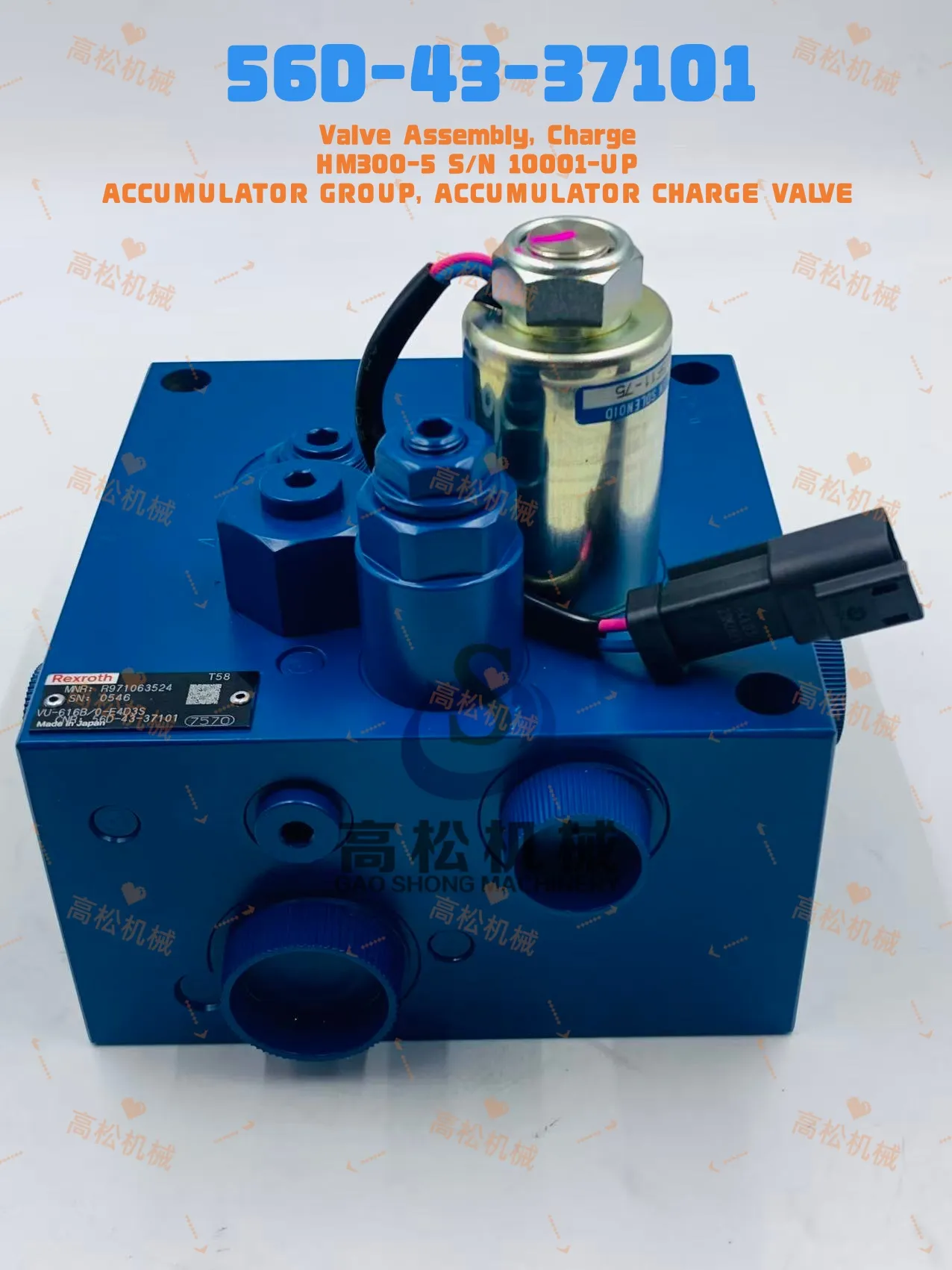
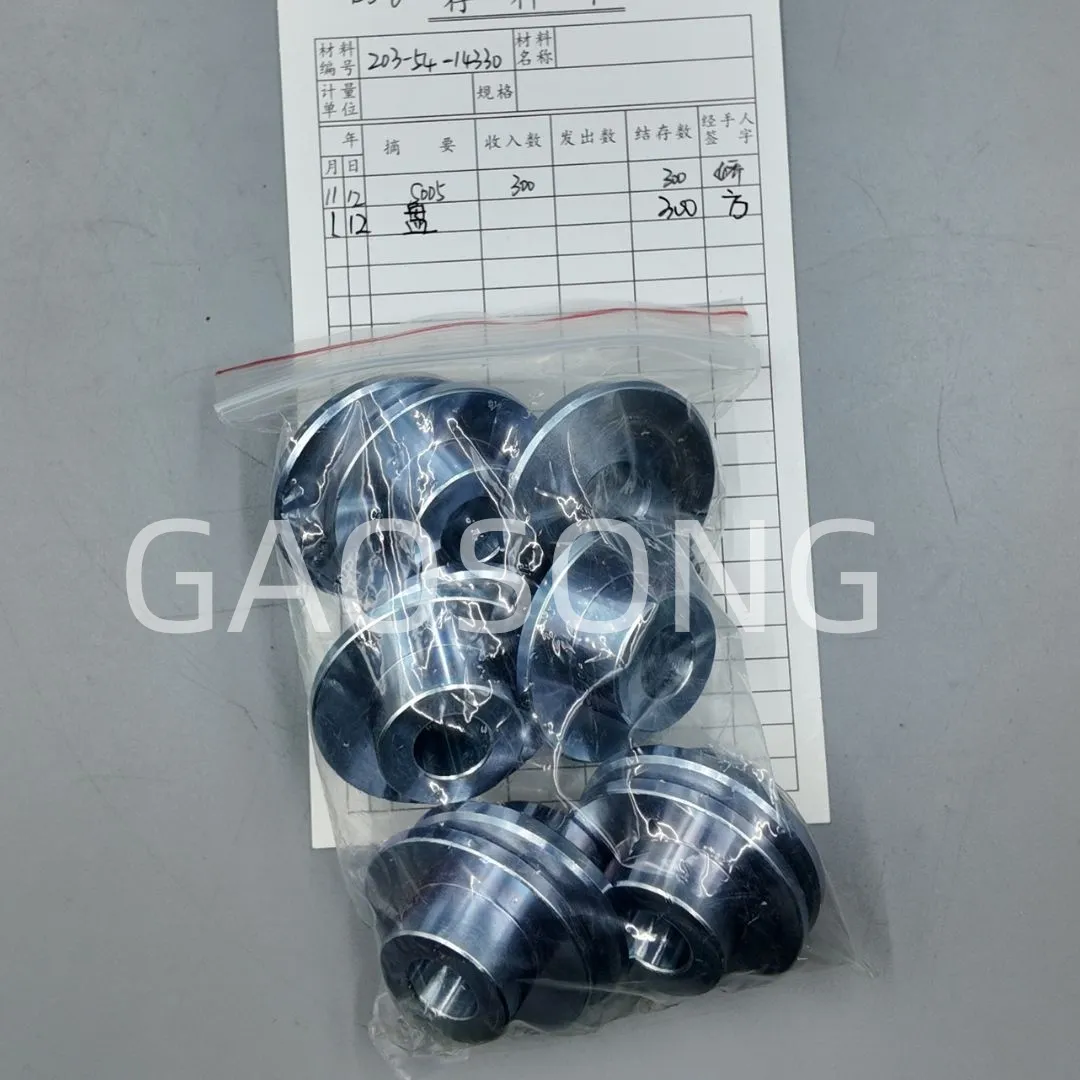
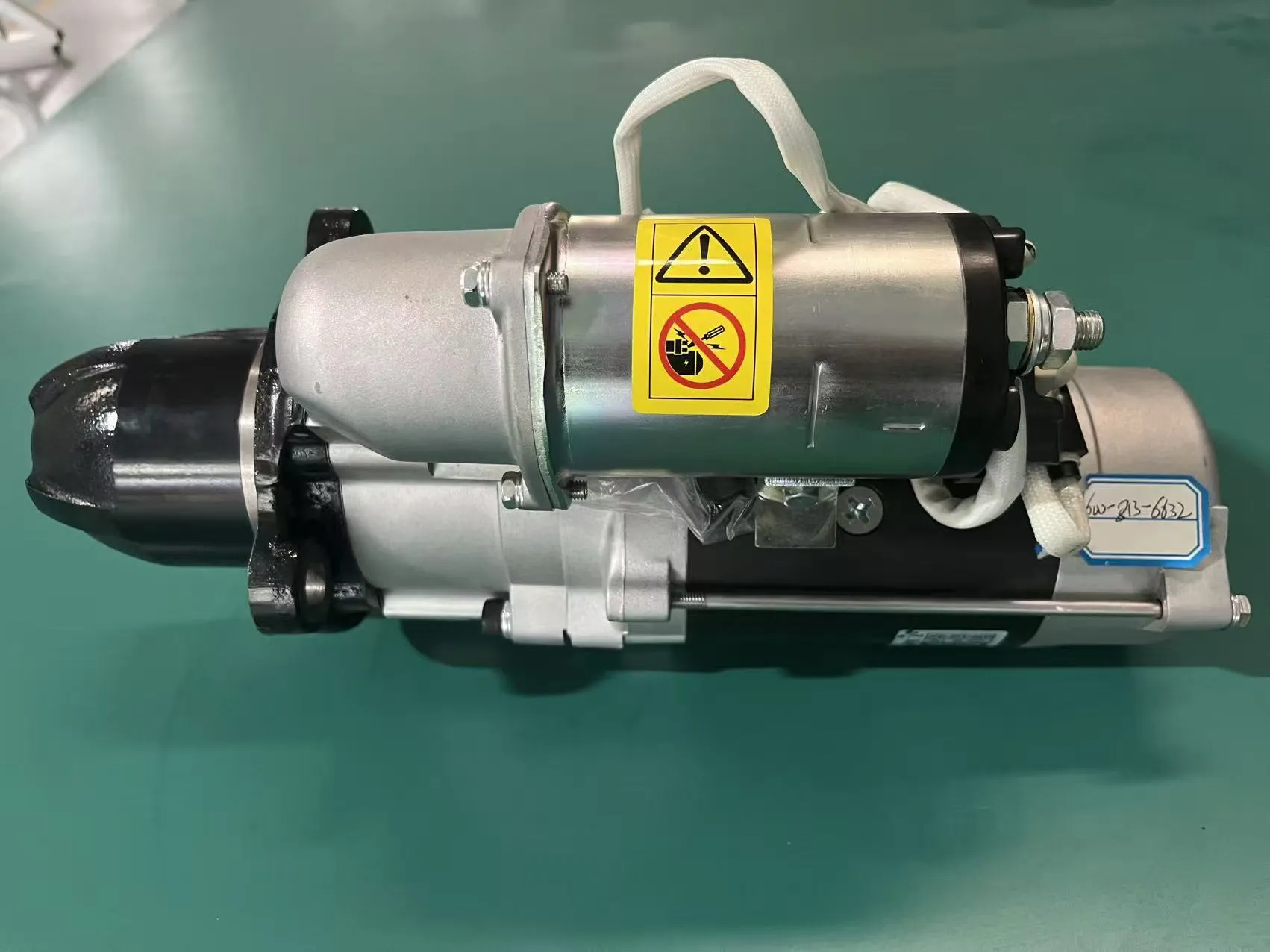
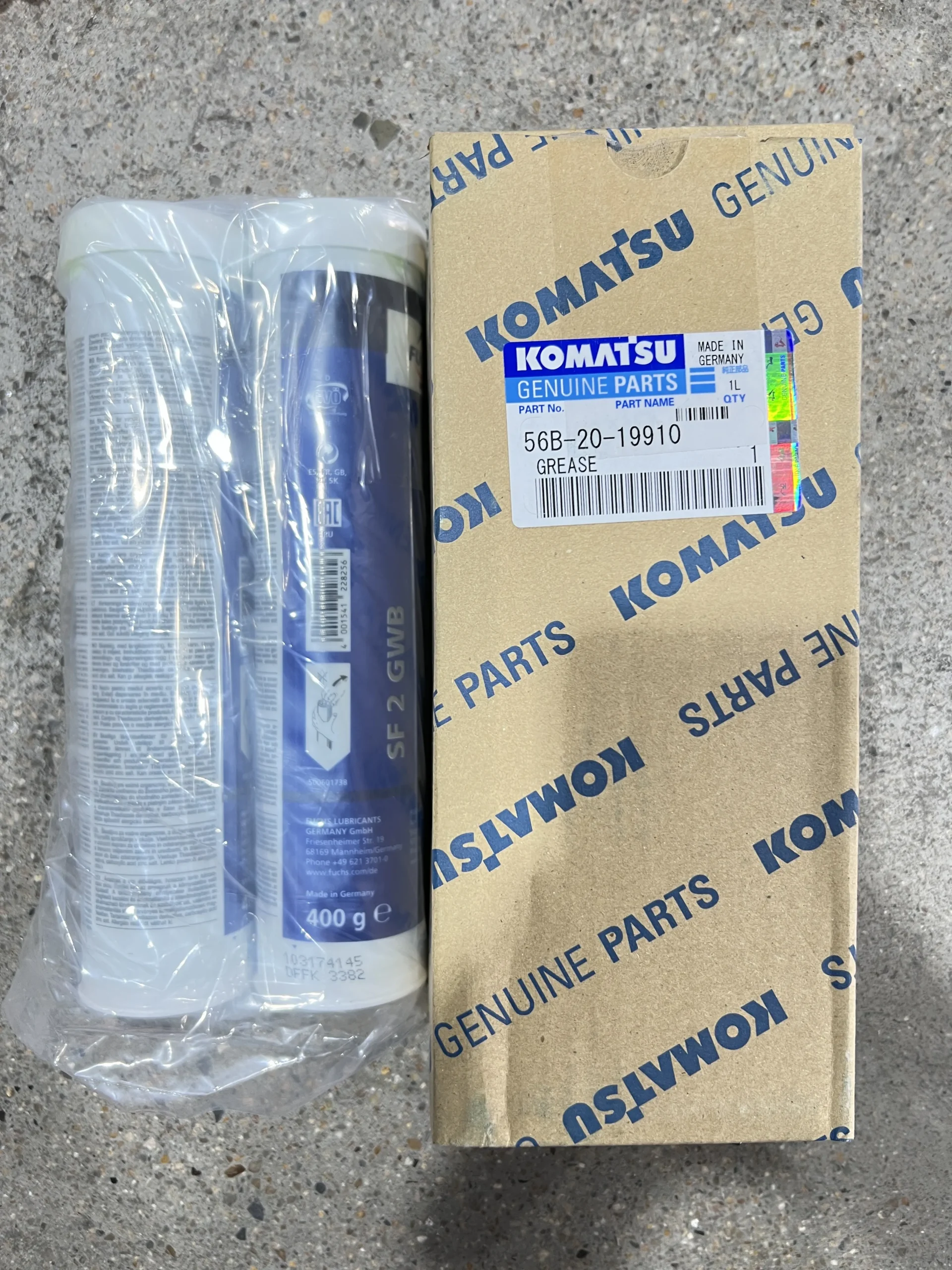

Best Selling Products
Best Selling Products-
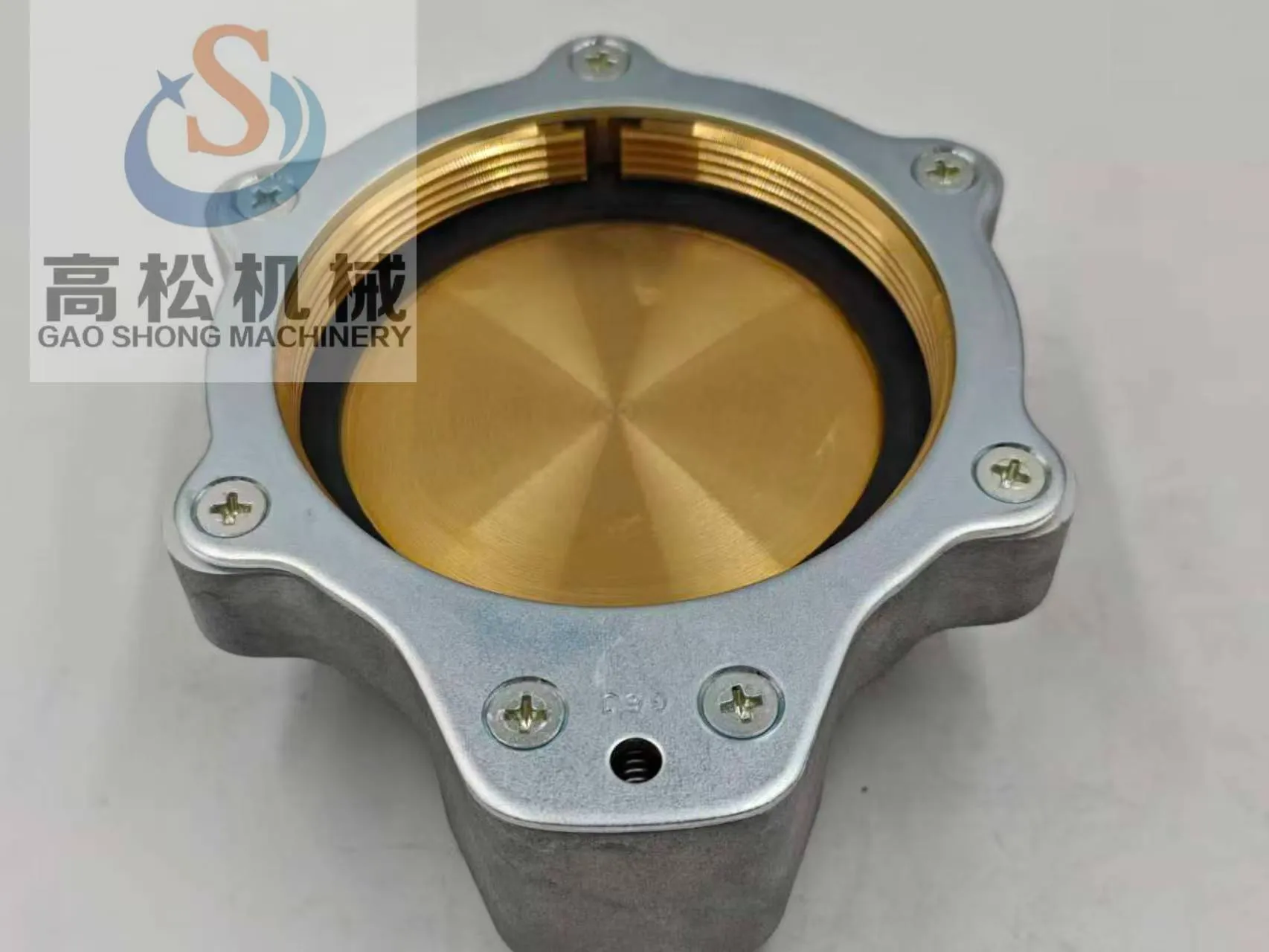 Original new water tank lid 07093-20000 lid suitable for bulldozer komatsu d85 d275
 -
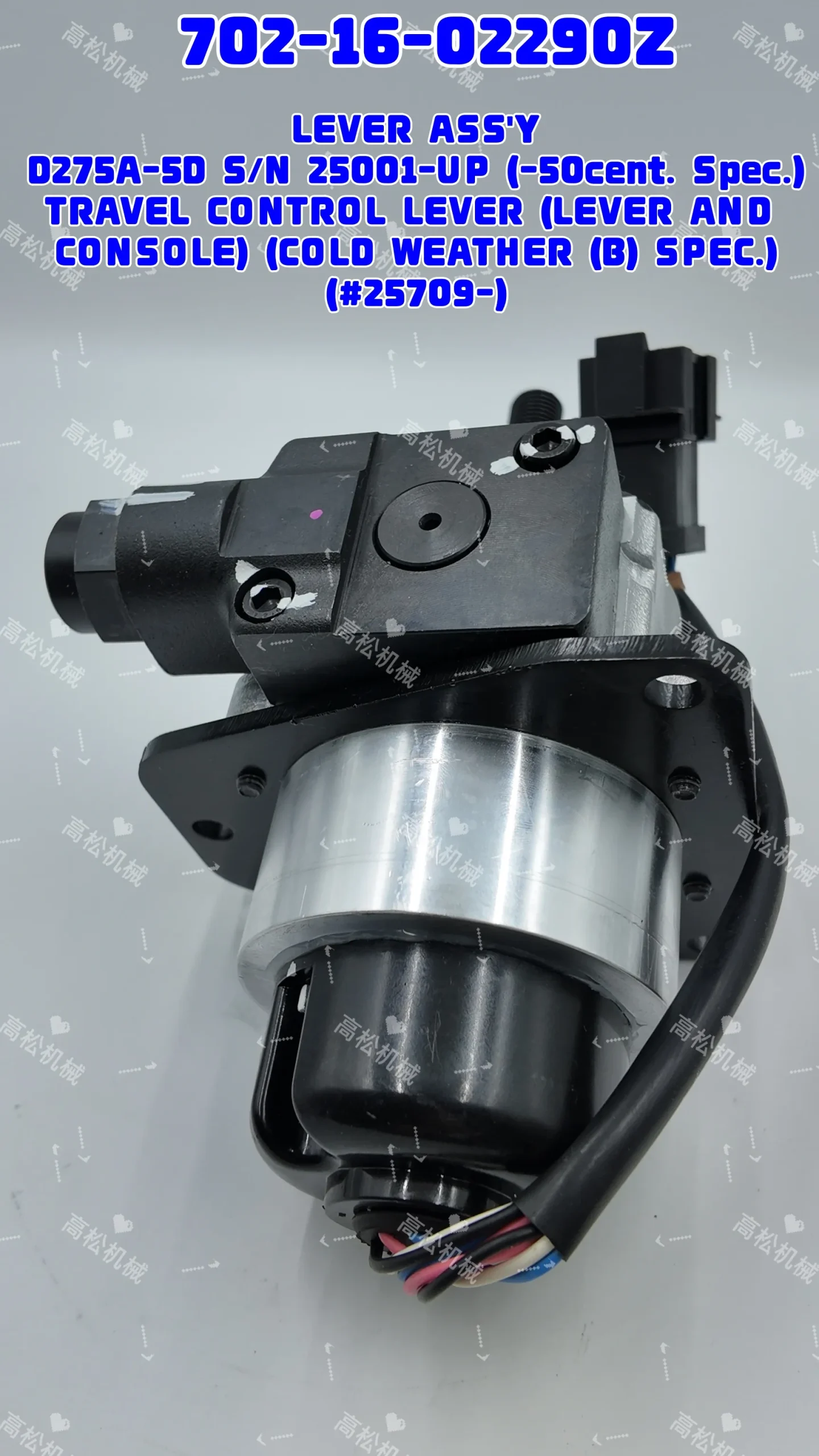 702-16-02290 Original Lever Assy for Bulldozer D275A-5r D65ex-16 D65px D155ax-6 in Stock
 -
 Seal Ring 195-15-39220 1951539220 For Komatsu Wheel Loaders WA500-6 WA700-1 Komatsu Dump Trucks HD985-5 HD785-7
 -
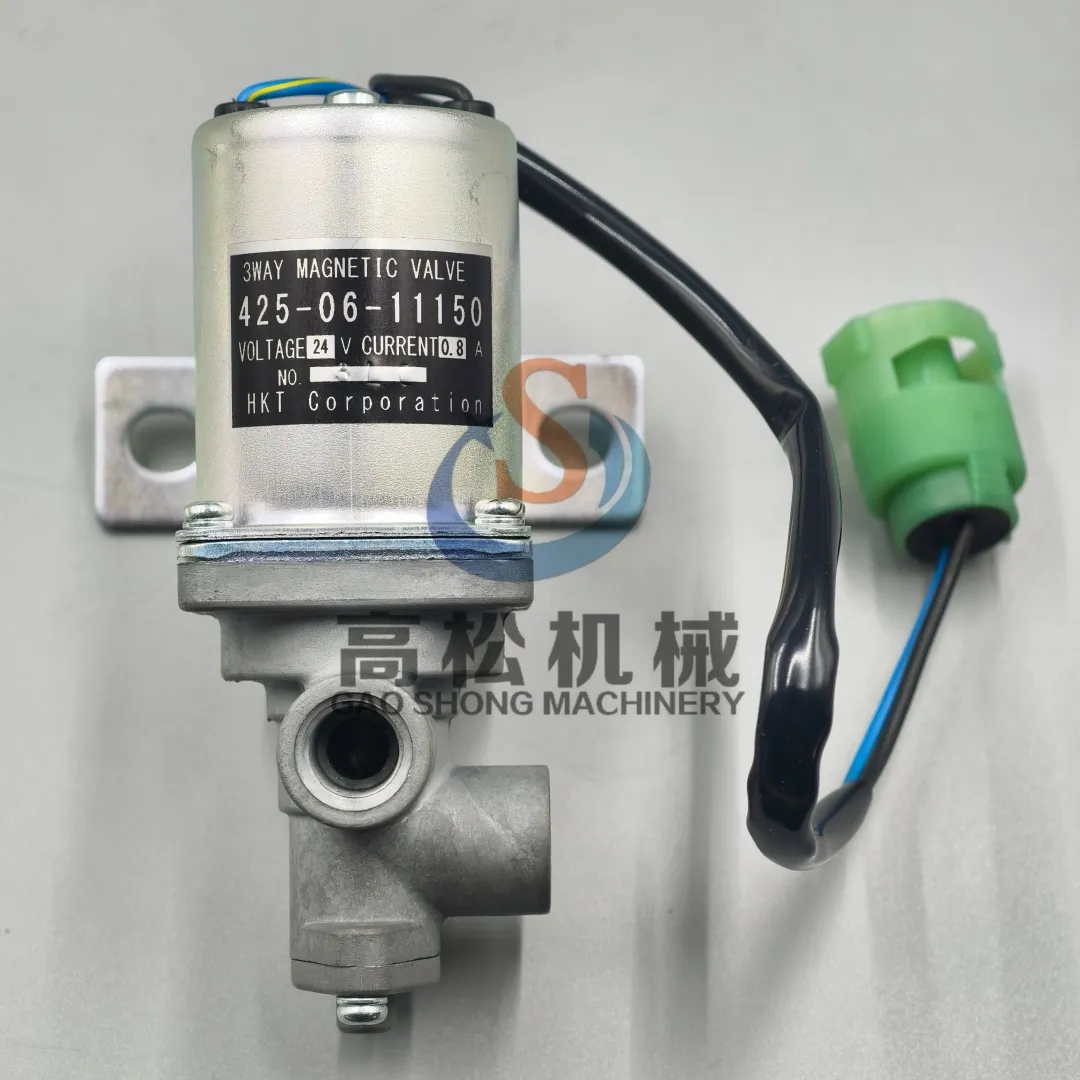 Komatsu Relay 425-06-11150 for Wheel loader WA600-1 12V
 -
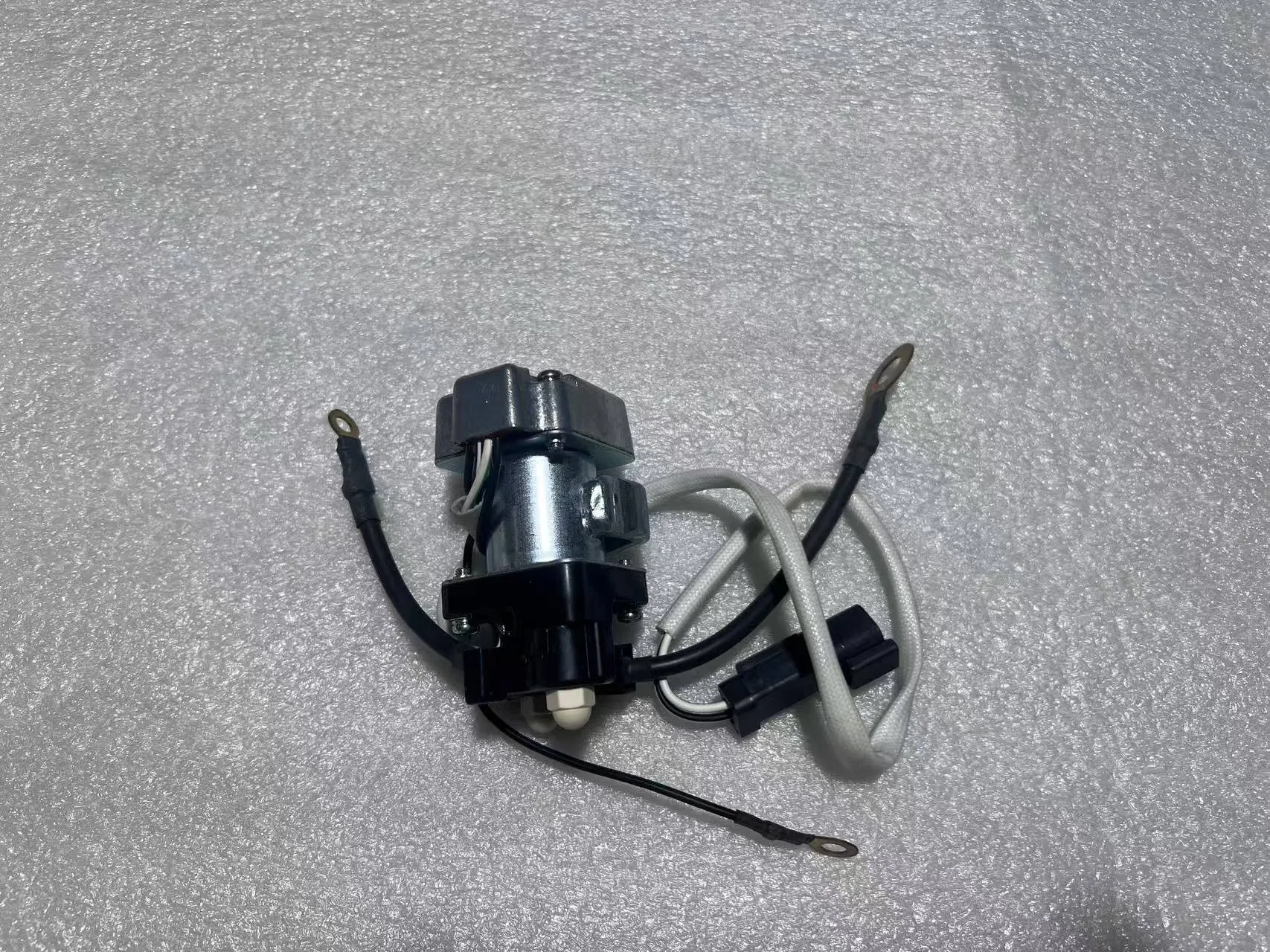 High-Quality Komatsu Spare Parts 421-06-11440 BREAKER for…
 -
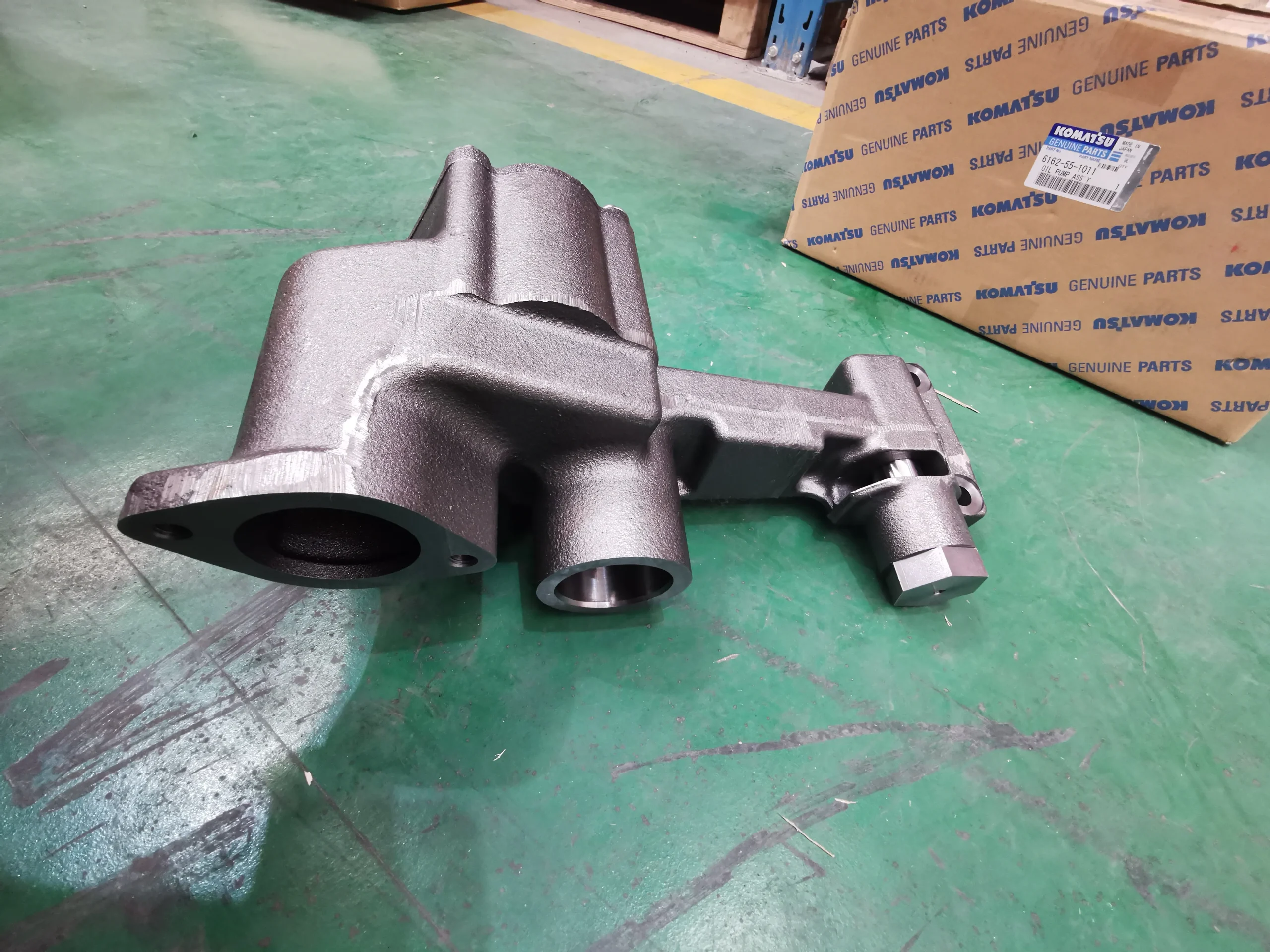 Supply Komatsu S6D170E-2A Oil Pump 6162-55-1011
 -
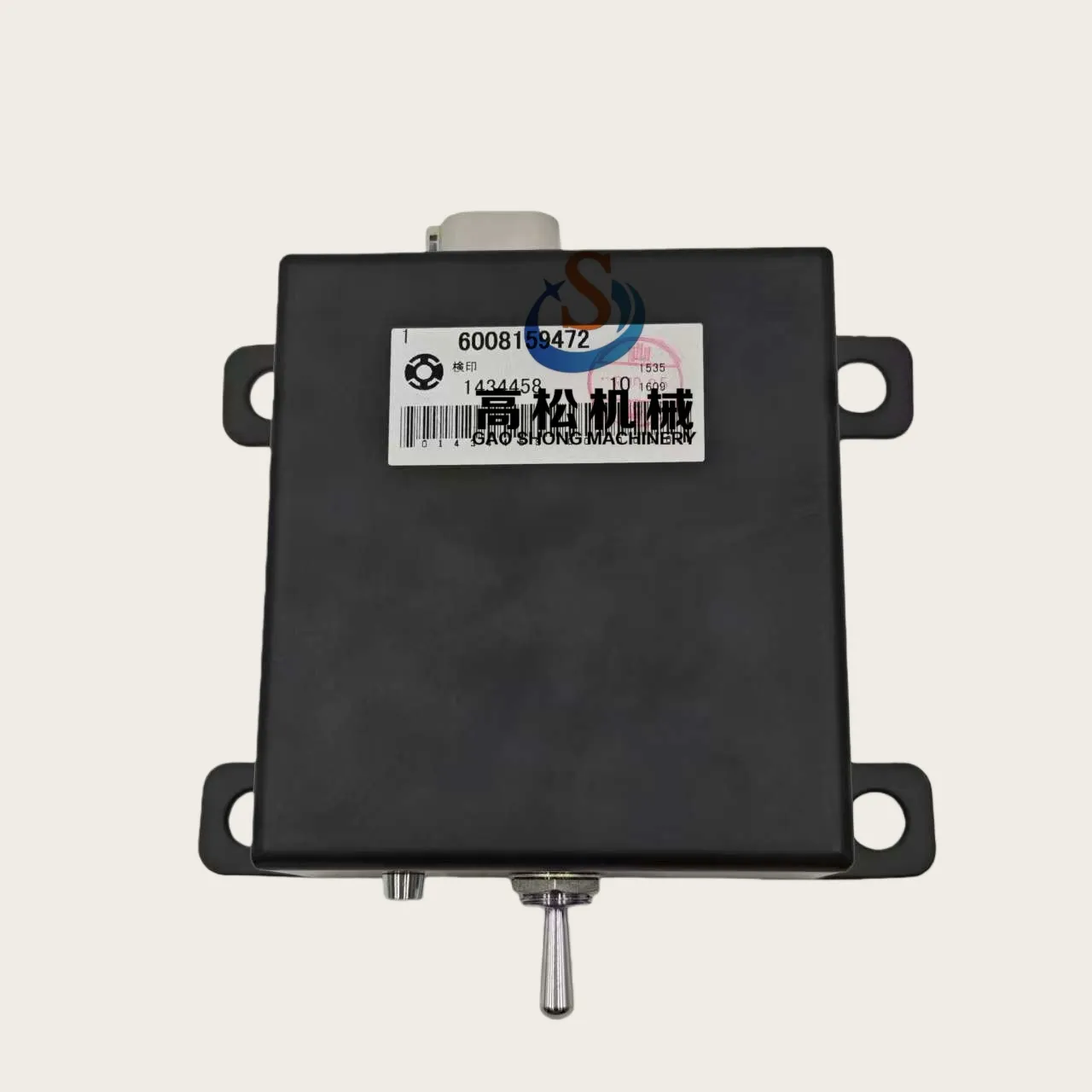 Switch 600-815-9472 D375A-6 WD600-6R HD605-7E1 HD465-7E1 HD785-7 SAA6D170E-5F ENGINE HOOD AND SIDE COVER GROUP, FUEL PRIMING PUMP SWITCH
 -
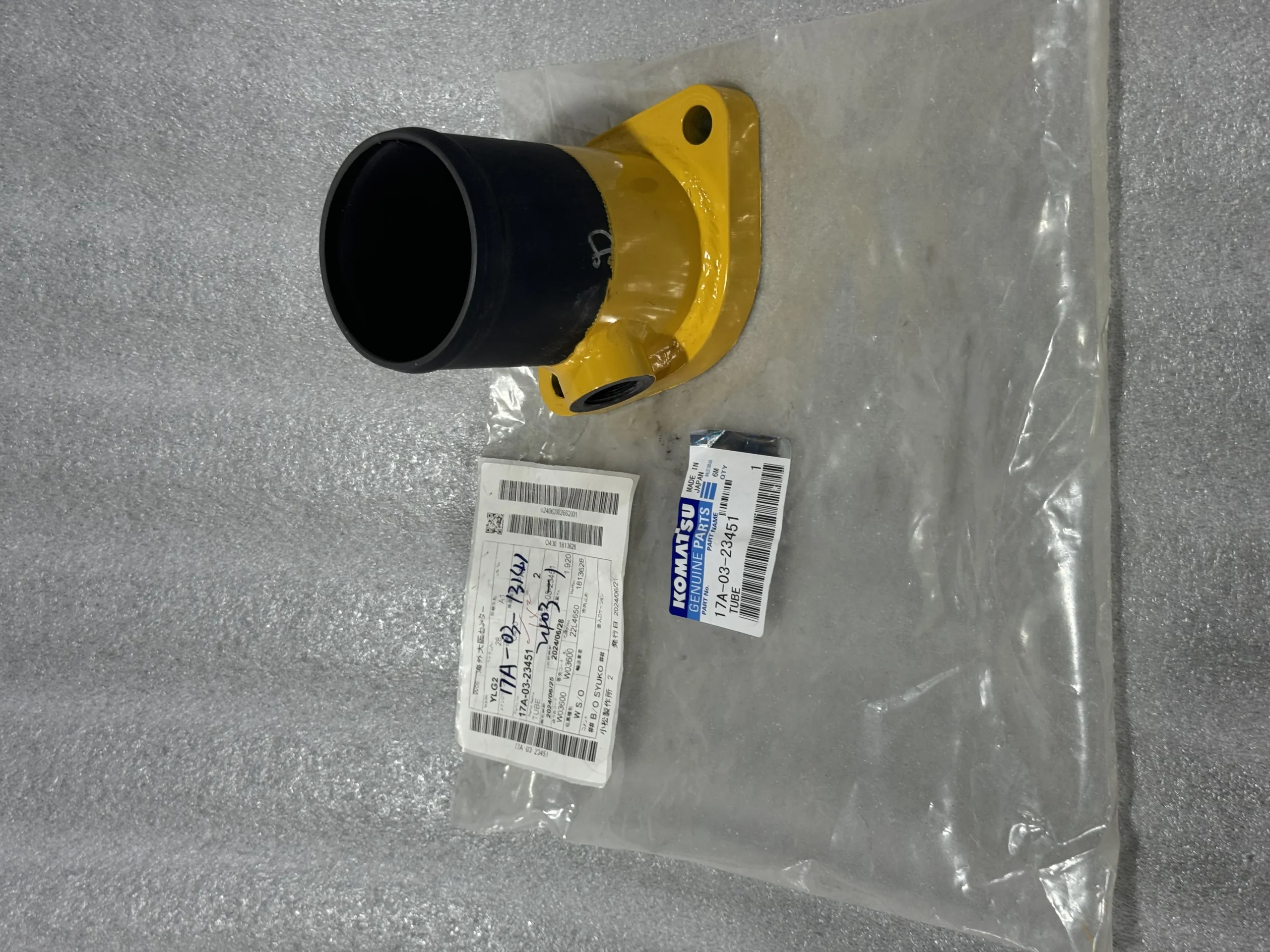 D155AX-5 Tube 17A-03-23451
 -
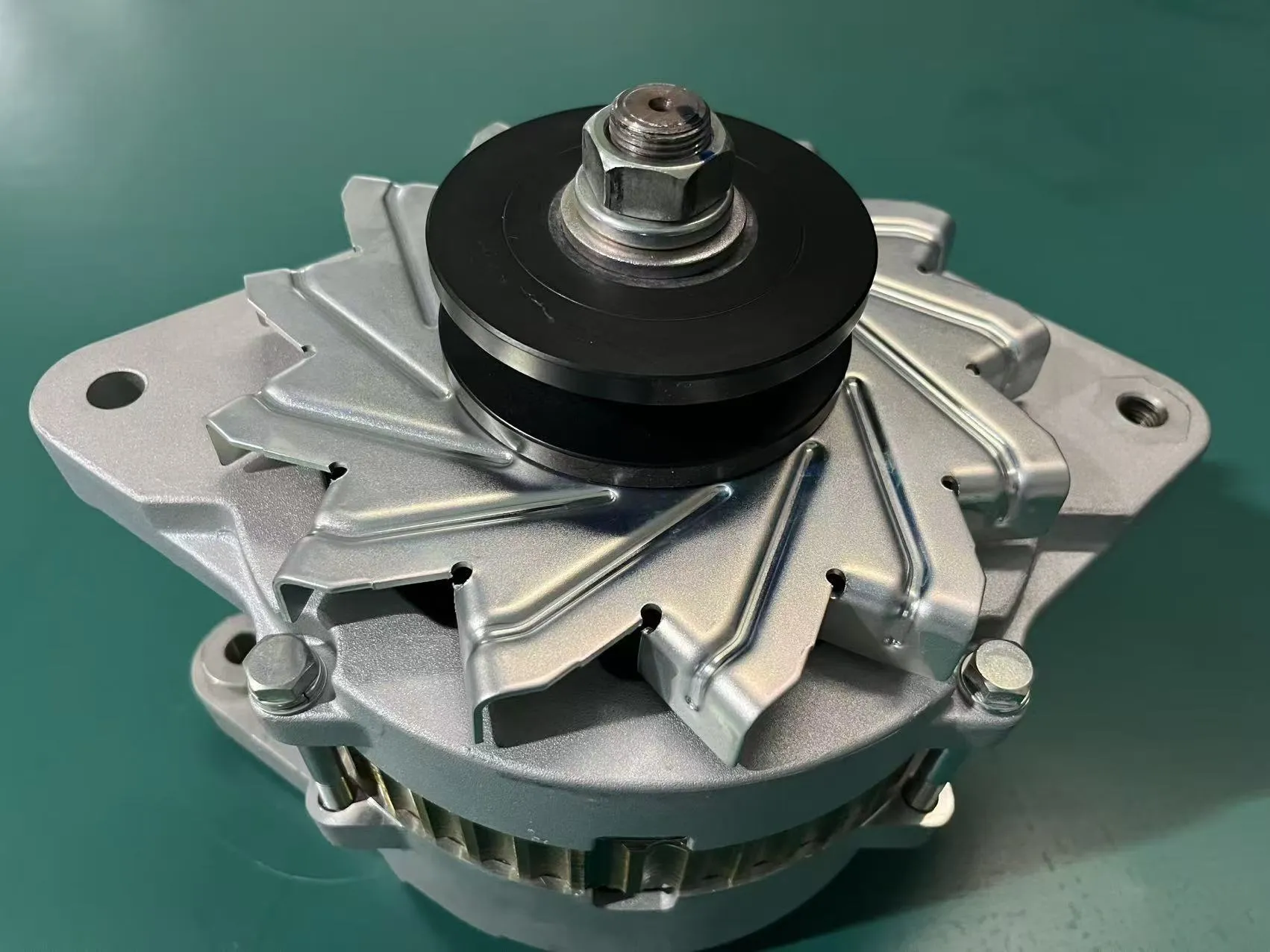 600-825-9332 Komatsu Alternator
 -
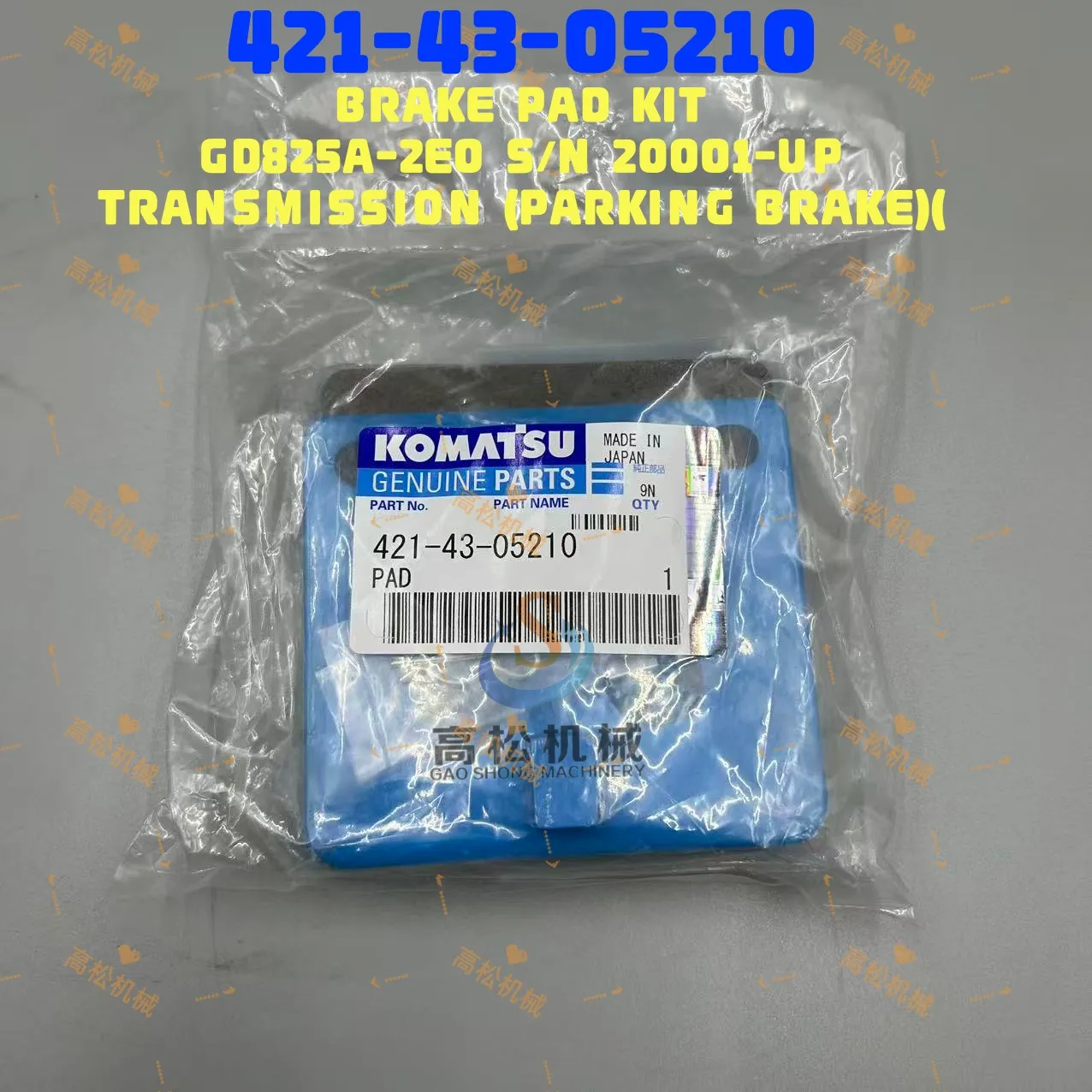 421-43-05210Brake pad kit 421-43-05210 for Komatsu GD825A-2 GD825A-2E0
 -
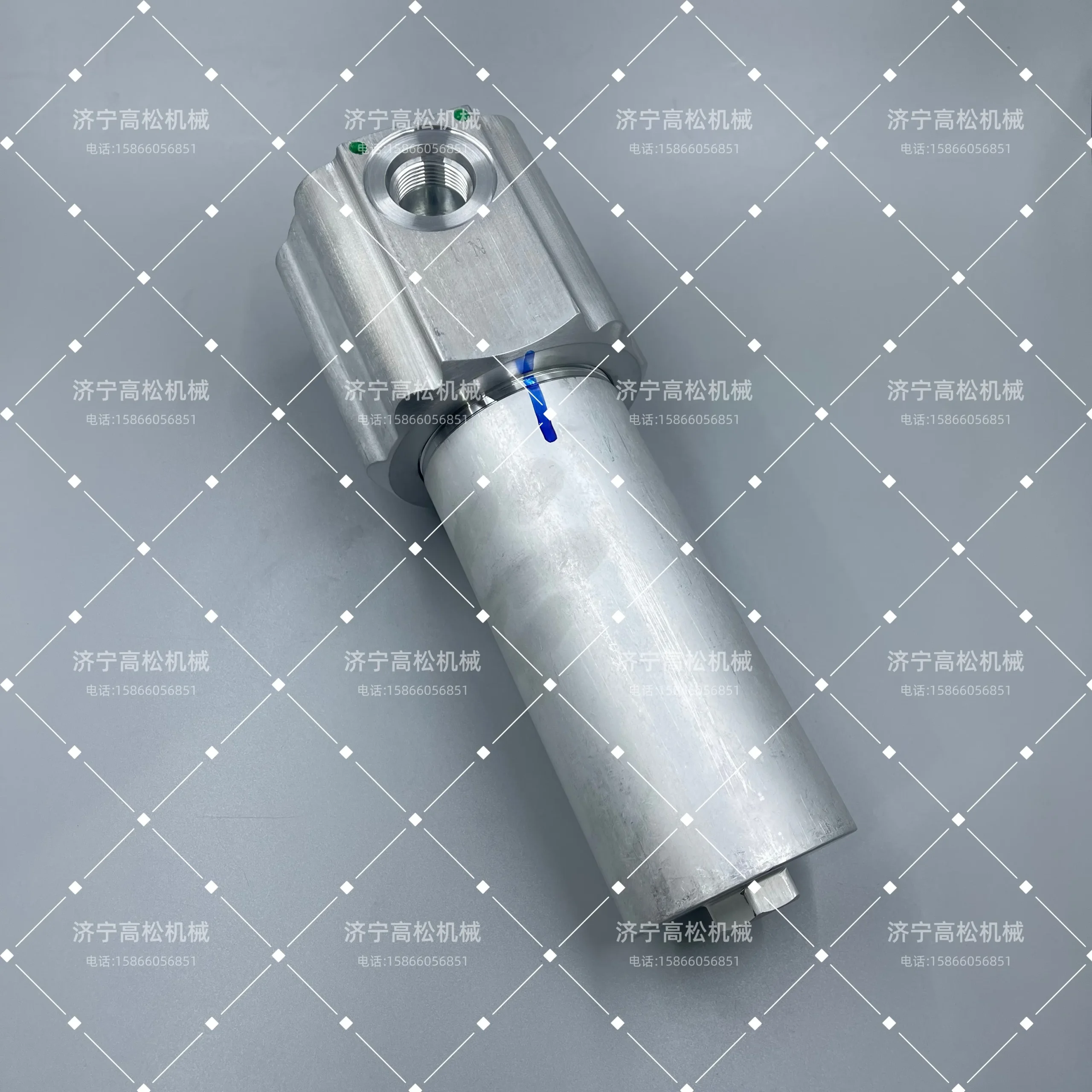 Filter Assembly 569-43-83911 for Komatsu HD785 Dump Trucks
 -
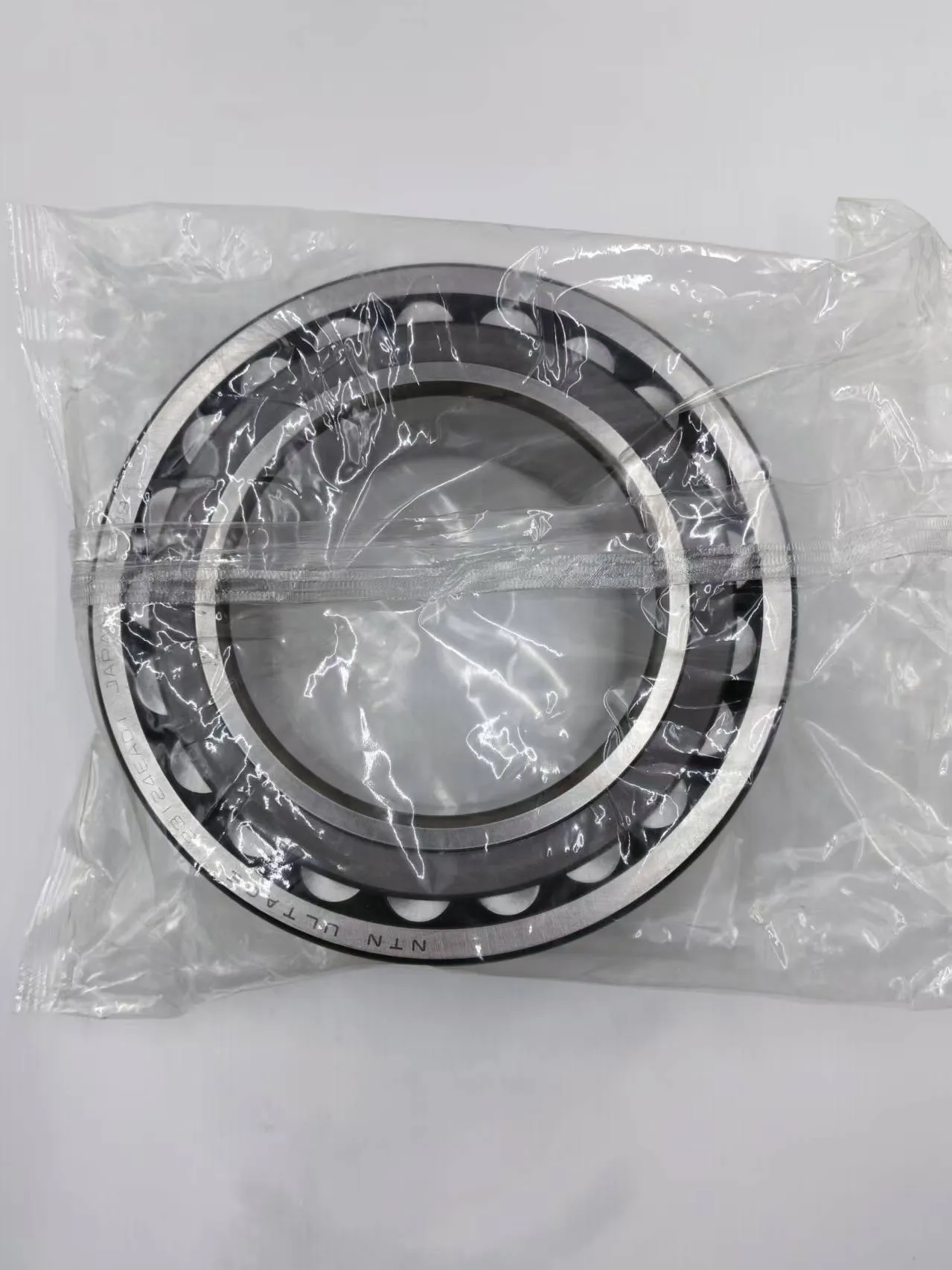 208-26-71530 Bearing for Komatsu PC450 PC460 PC500 Excavator Swing Drive Bearing Reducer Bearing
Related Search
Related Search- used komatsu dozer parts
- 421-43-27920
- OEM AND ORIGINAL KOMATSU BUSHING 707-46-14010
- OEM AND ORIGINAL KOMATSU WIRING HARNESS 21N-06-41132
- s6d125e 2 komatsu engine
- Komatsu engine overhaul kit
- OEM AND ORIGINAL KOMATSU BEARING 208-26-71540
- OEM AND ORIGINAL KOMATSU BEARING 426-46-12167
- komatsu pc50mr 2 hydraulic pump
- komatsu parts book com