
- Chinese
- French
- German
- Portuguese
- Spanish
- Russian
- Japanese
- Korean
- Arabic
- Irish
- Greek
- Turkish
- Italian
- Danish
- Romanian
- Indonesian
- Czech
- Afrikaans
- Swedish
- Polish
- Basque
- Catalan
- Esperanto
- Hindi
- Lao
- Albanian
- Amharic
- Armenian
- Azerbaijani
- Belarusian
- Bengali
- Bosnian
- Bulgarian
- Cebuano
- Chichewa
- Corsican
- Croatian
- Dutch
- Estonian
- Filipino
- Finnish
- Frisian
- Galician
- Georgian
- Gujarati
- Haitian
- Hausa
- Hawaiian
- Hebrew
- Hmong
- Hungarian
- Icelandic
- Igbo
- Javanese
- Kannada
- Kazakh
- Khmer
- Kurdish
- Kyrgyz
- Latin
- Latvian
- Lithuanian
- Luxembou..
- Macedonian
- Malagasy
- Malay
- Malayalam
- Maltese
- Maori
- Marathi
- Mongolian
- Burmese
- Nepali
- Norwegian
- Pashto
- Persian
- Punjabi
- Serbian
- Sesotho
- Sinhala
- Slovak
- Slovenian
- Somali
- Samoan
- Scots Gaelic
- Shona
- Sindhi
- Sundanese
- Swahili
- Tajik
- Tamil
- Telugu
- Thai
- Ukrainian
- Urdu
- Uzbek
- Vietnamese
- Welsh
- Xhosa
- Yiddish
- Yoruba
- Zulu
- Kinyarwanda
- Tatar
- Oriya
- Turkmen
- Uyghur





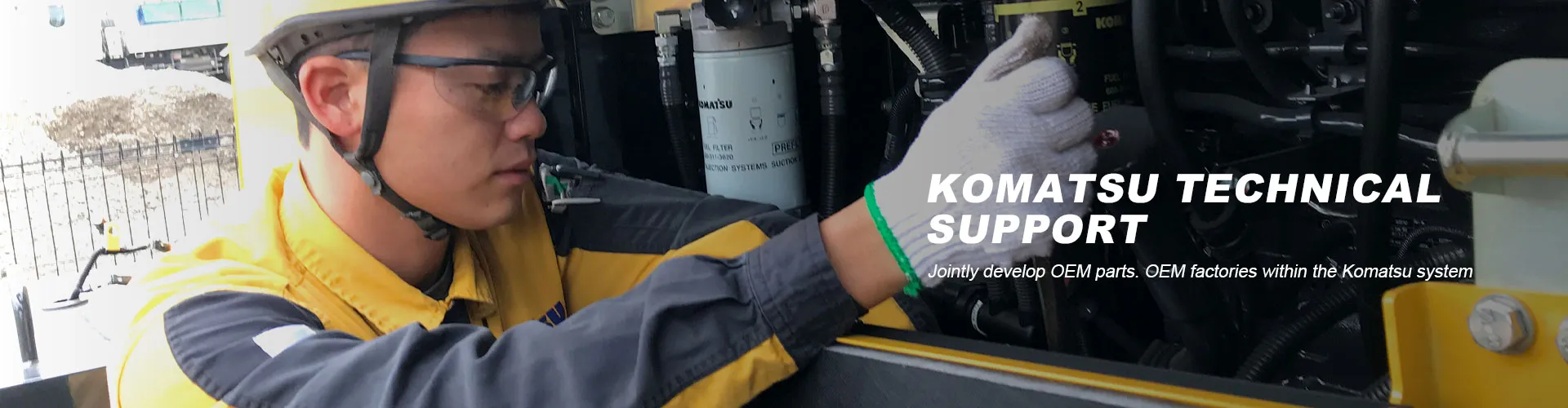
Komatsu genuine engine parts
When you hear 'Komatsu genuine engine parts,' what comes to mind? For a lot of guys, it's just a price tag. The immediate reaction is to look for an alternative, something cheaper that 'looks the same.' I get it. Budgets are tight. But after years of dealing with the aftermath—the unexpected downtime, the collateral damage to adjacent components—I've come to see that initial price as a dangerously incomplete metric. The real cost is buried in the machine's uptime. There's a pervasive idea that for non-critical components, maybe a filter or a hose clamp, the origin doesn't matter. That's where the trouble often starts, a small compromise that snowballs.
The OEM Promise and the On-Ground Reality
Working with an OEM supplier like Jining Gaosong Construction Machinery Co., Ltd. changes the perspective. Their role isn't just to sell a box with a Komatsu logo. It's about providing the exact metallurgy, the precise bearing clearance, the specific heat treatment that the engine designers in Japan specified. I remember a SAA6D140E-3 engine overhaul where we used a set of aftermarket piston rings. They matched the dimensions, sure. But within 400 hours, we had excessive oil consumption and blow-by. The material couldn't handle the same thermal cycling. We tore it down again, and this time sourced the Komatsu genuine engine parts through a reliable channel. The difference wasn't just in the part; it was in the complete kit with the correct cylinder liner honing pattern specs included—details an aftermarket box never provides.
This is where the value of a company positioned within the Komatsu system shows. They aren't a general parts reseller. They understand the build sheets. When you order a gasket set for a Komatsu 320D, you're not just getting gaskets; you're getting the right thickness for that serial number range, the correct sealant pre-applied in the factory-specified areas. It eliminates guesswork. I've spent afternoons cross-referencing aftermarket catalogs, trying to match a part number, only to find subtle variations in bolt hole patterns or port sizes. Time you never get back.
The website, https://www.takematsumachinery.com, frames it well: solving parts supply challenges. It's not just about having a part in stock. It's about having the right part, with traceability. In certain regions, getting a genuine Komatsu fuel injection pump can take weeks through standard channels. A supplier that operates as a third-party sales company for Komatsu can navigate that logistics maze, leveraging different regional warehouses. I've seen them cut a 45-day wait down to 10 for a critical SDA6D140 turbocharger assembly. That's 35 days of production saved.
Where Genuine Makes or Breaks the Job
Let's talk about the heart of it: the cylinder head and valvetrain. This is non-negotiable territory for me. I once tried to save money on a rebuilt head for a PC300-6. The head itself was fine, but the valve stem seals were a generic brand. They hardened prematurely in the exhaust ports, leading to oil seepage and eventual coke buildup on the valve guides. The result? Burned valves and a second, full teardown. The labor cost alone wiped out any savings ten times over. The Komatsu genuine engine parts for that valvetrain come with seals made of a specific fluorocarbon material designed for the exact exhaust gas temperatures of that engine. It's a detail you only appreciate after failing without it.
Similarly, with connecting rod and main bearings. The OEM bearings have a very specific aluminum-tin overlay thickness and micro-groove pattern for oil distribution. An aftermarket bearing might have the same basic dimensions, but the overlay can be softer or harder, leading to premature wear or even spun bearings under high load. It's a risk you feel in your gut when you're the one assembling the bottom end. Using the genuine parts from a trusted source like Gaosong isn't about brand loyalty; it's about predictability. You know the crush height, the clearance, and the fatigue life will match the engine's original design intent.
Even smaller components, like sensors and senders. A genuine Komatsu coolant temperature sensor isn't just a thermistor; its resistance curve across the temperature range is calibrated to the specific engine control module's programming. A generic sensor might read 'close enough' at 80°C, but its curve could diverge at the critical high-temp warning range, causing late or false alarms. I've chased phantom overheating issues that traced back to a $50 aftermarket sensor. The machine's computer was getting bad data from a part that 'fit.'
The Logistics of Trust: More Than a Warehouse
Having a parts supplier is one thing. Having a partner who understands the pressure of a downed machine is another. The description of Jining Gaosong as helping to solve parts supply challenges in certain countries resonates deeply. It's not just about shipping from a central hub. It's about having networks. I recall needing a crankshaft position sensor for a D65EX-12 in a remote location. The local Komatsu dealer had it on a 3-month backorder from Japan. Our contact at Gaosong identified an alternative stock in their Singapore linked warehouse and had it air-freighted to site in 5 days. They understood the machine couldn't move without it.
This logistical agility is a force multiplier. It turns a catastrophic downtime event into a manageable hiccup. They operate with the knowledge base of an OEM supplier—knowing part number supersessions, interchangeability across models, and common failure points—but with the flexibility of a third-party to find solutions outside rigid corporate channels. For older models, like the venerable D85A-12, this is invaluable. Genuine parts still exist, but they aren't sitting on every shelf.
The relationship becomes proactive over time. A good supplier will look at your fleet list and flag parts that are becoming obsolete or have long lead times, suggesting you carry one on the shelf before you need it. It shifts the conversation from transactional panic to strategic maintenance planning. That's the hidden value of working with a specialized partner, not just a parts website.
Cost Analysis: The Full Picture
So, back to the price. Let's do a real-world breakdown on a common job: a top-end overhaul on a Komatsu WA320-5 loader. The aftermarket kit might be 40% cheaper upfront. But factor in the extra 4-5 hours of labor for potential fitment issues (chasing coolant leaks from a slightly off water gasket, adjusting valve lash because the rocker arms have different wear characteristics), the risk of a premature failure within 12 months, and the associated secondary downtime. Suddenly, the math changes.
The genuine parts package, sourced efficiently, provides a known quantity. The gaskets seal correctly the first time. The valves seat properly with minimal lapping. The job gets done in the book time, and you have confidence in the warranty and the expected lifecycle. For a machine earning revenue, that predictability is worth a premium. It's not about always choosing the most expensive option; it's about choosing the most cost-effective over the total lifespan of the repair. The Komatsu genuine engine parts consistently win that calculation on core engine components.
There are areas where I might compromise—non-structural bolts, some hydraulic fittings, maybe a fan belt in a pinch if the genuine one is weeks out. But the core rotating assembly, the fuel system, the cooling system components? That's where the genuine label carries its weight. It's the difference between a repair and a reliable, long-term fix.
Final Thoughts: A Matter of Philosophy
In the end, specifying Komatsu genuine parts, especially for the engine, is a philosophy of maintenance. It's a decision to prioritize long-term machine health and total cost of ownership over short-term budget line items. It requires a supplier who gets that philosophy, one who acts as a bridge between the manufacturer's specifications and the dusty, urgent reality of the jobsite.
Companies like Jining Gaosong Construction Machinery Co., Ltd. fill a critical niche. They have the technical depth of an OEM partner and the practical, problem-solving drive of a third-party. When you're on their site at takematsumachinery.com, you're not just browsing a catalog; you're accessing a segment of Komatsu's ecosystem designed for resilience. They help you navigate the parts landscape, ensuring the critical components—the ones that keep the heart of the machine beating—are right.
So next time that parts quote comes in, don't just see two numbers. See the two different paths ahead: one of known reliability, and one of hidden variables. For the engine, the path is usually clear. You're not just buying a part; you're buying the research, the testing, and the certainty that comes with it. And in this business, certainty is a commodity you can't afford to be without.
Related Products
Related Products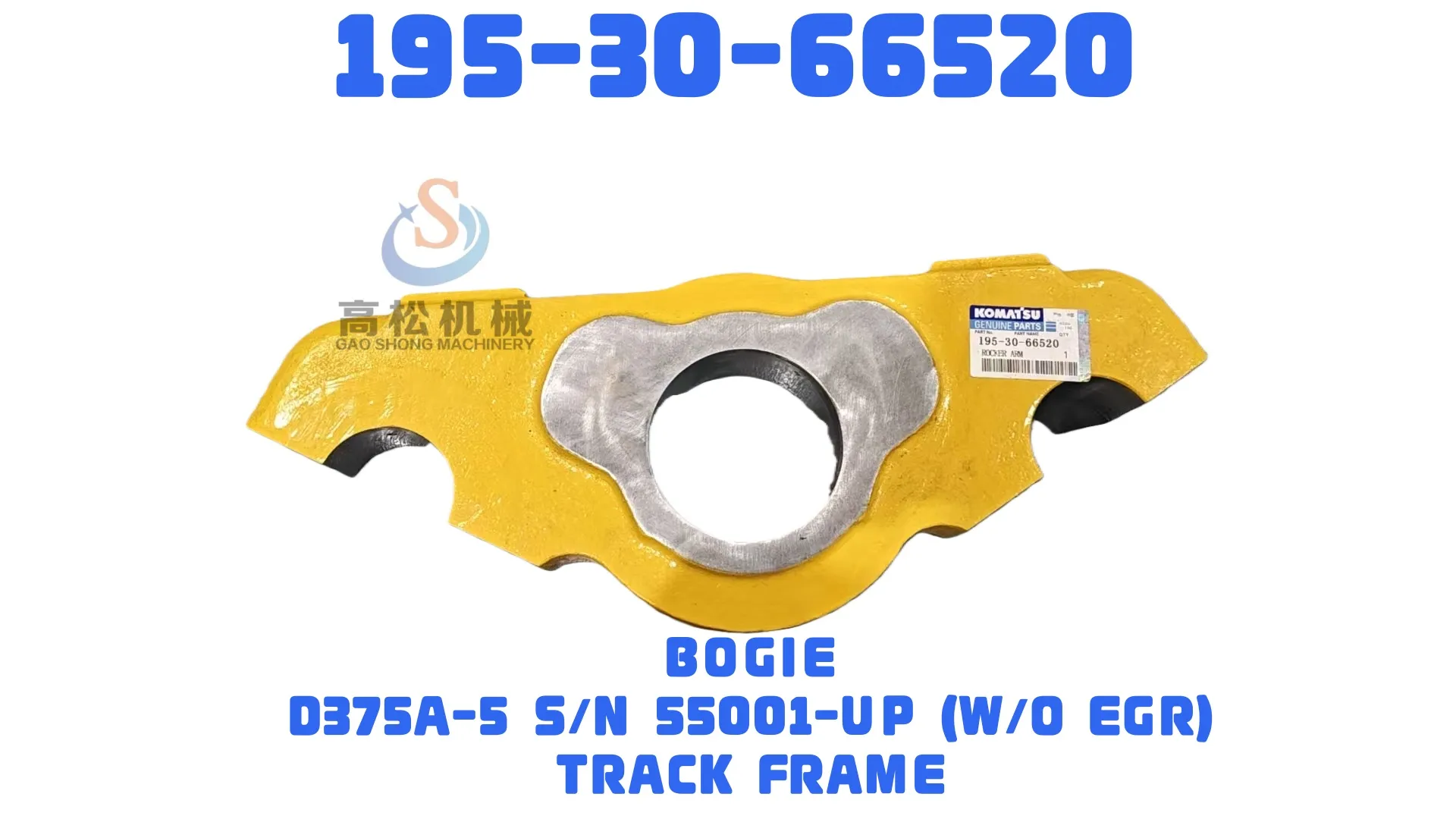
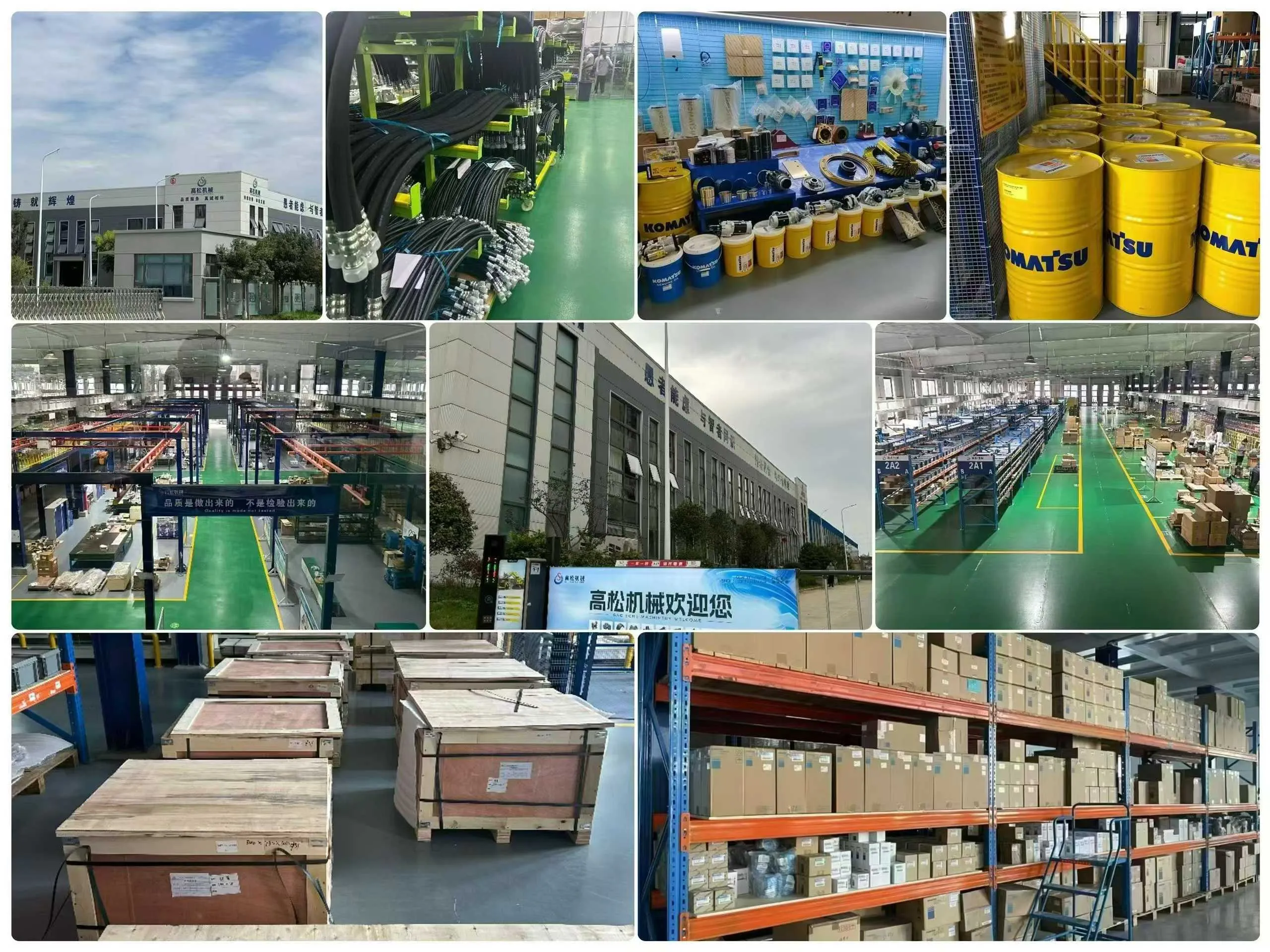
Best Selling Products
Best Selling Products-
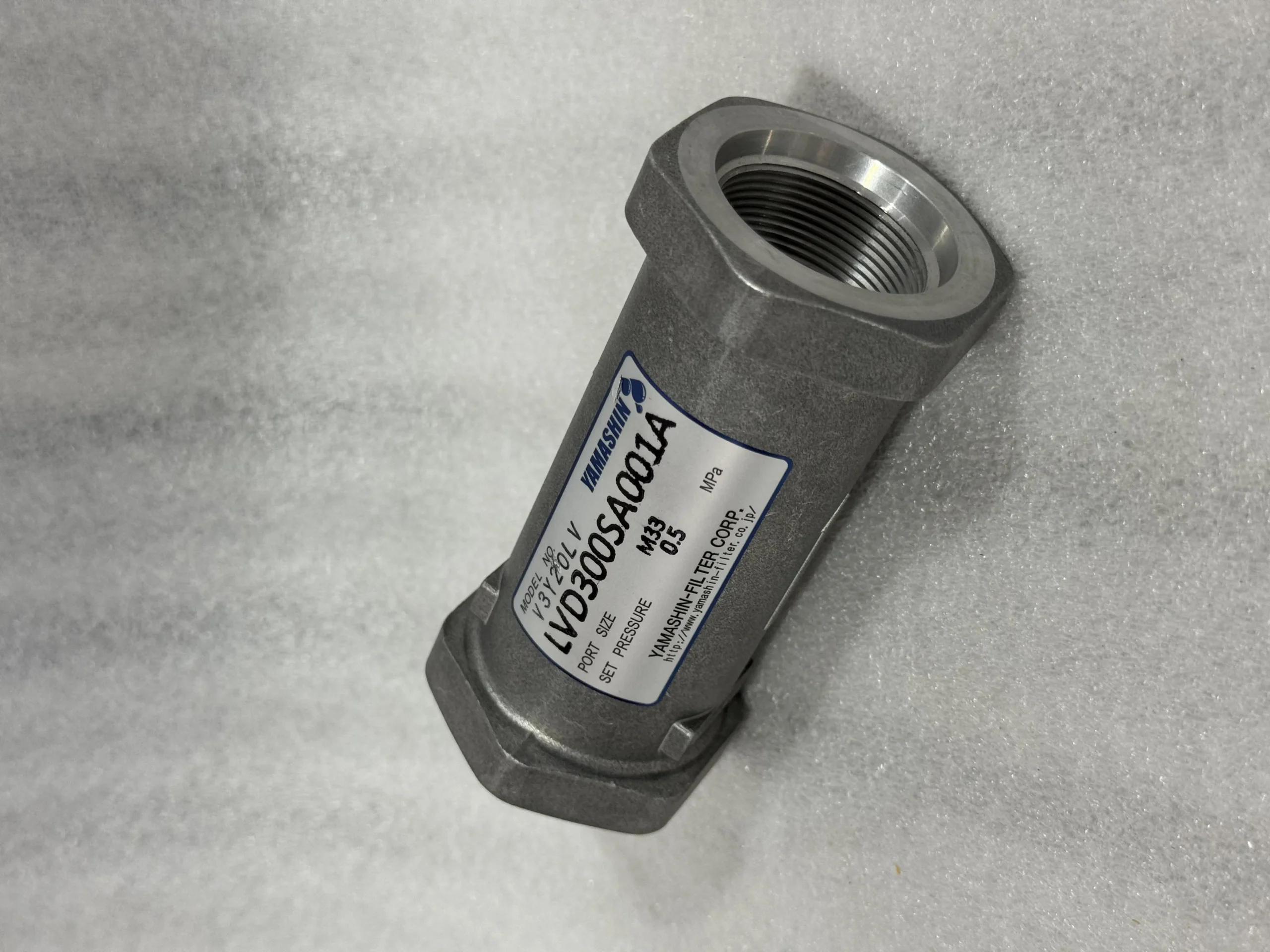 D155A-6 Radiator Valve Assembly 20S-62-16160
 -
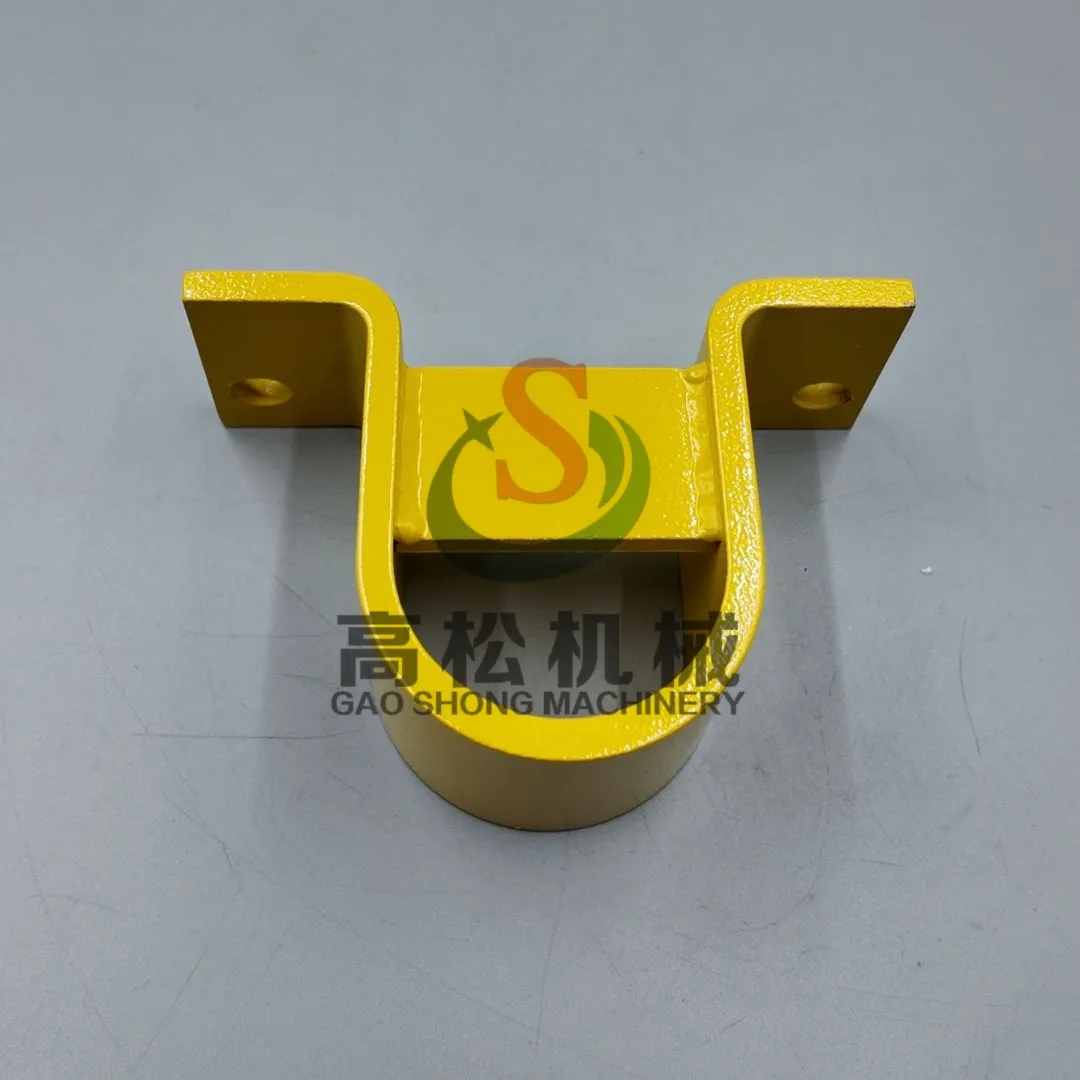 COVER 425-04-21430 for a WA500-3 komatsu original
 -
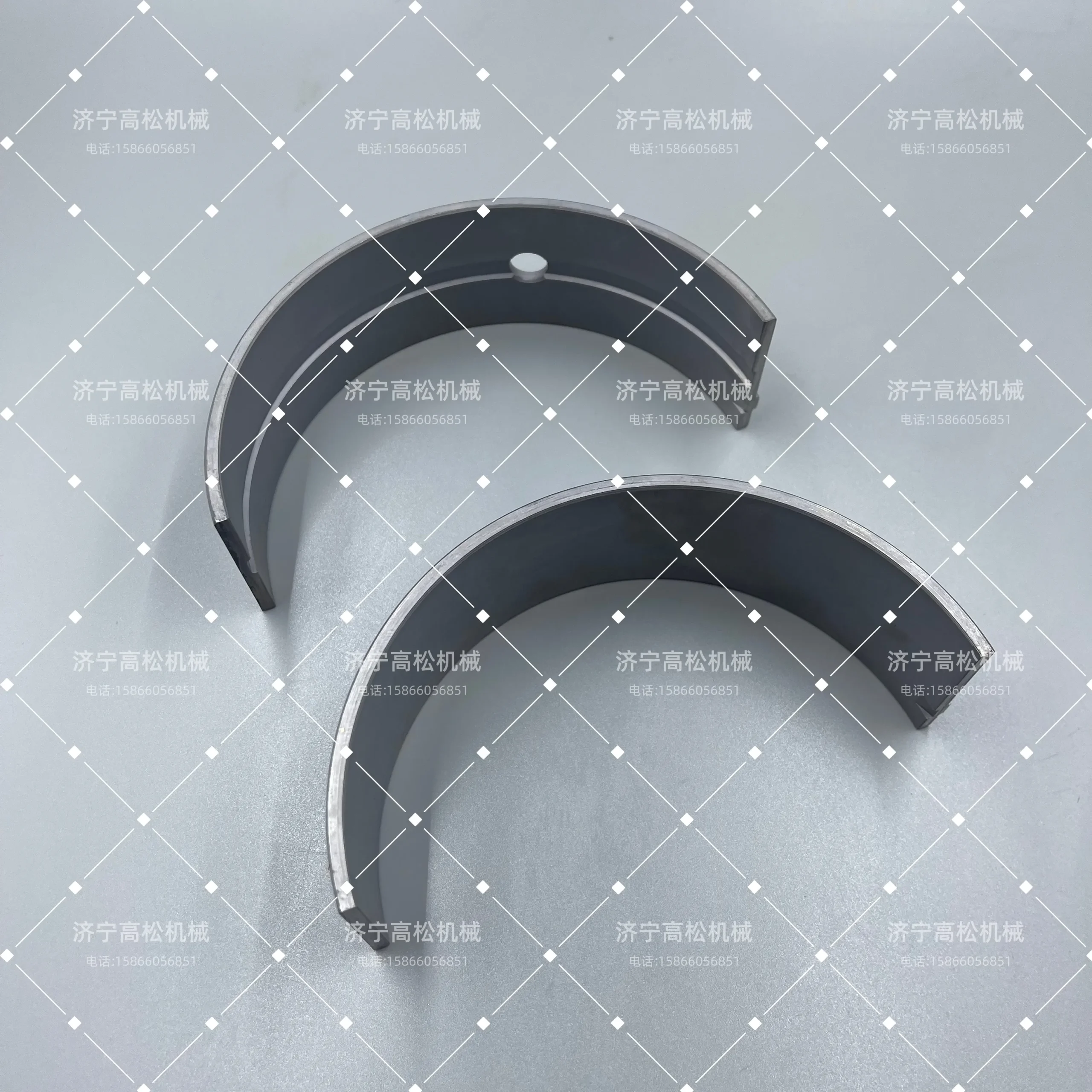 Komatsu Main Bearing STD – 6162-23-8010
 -
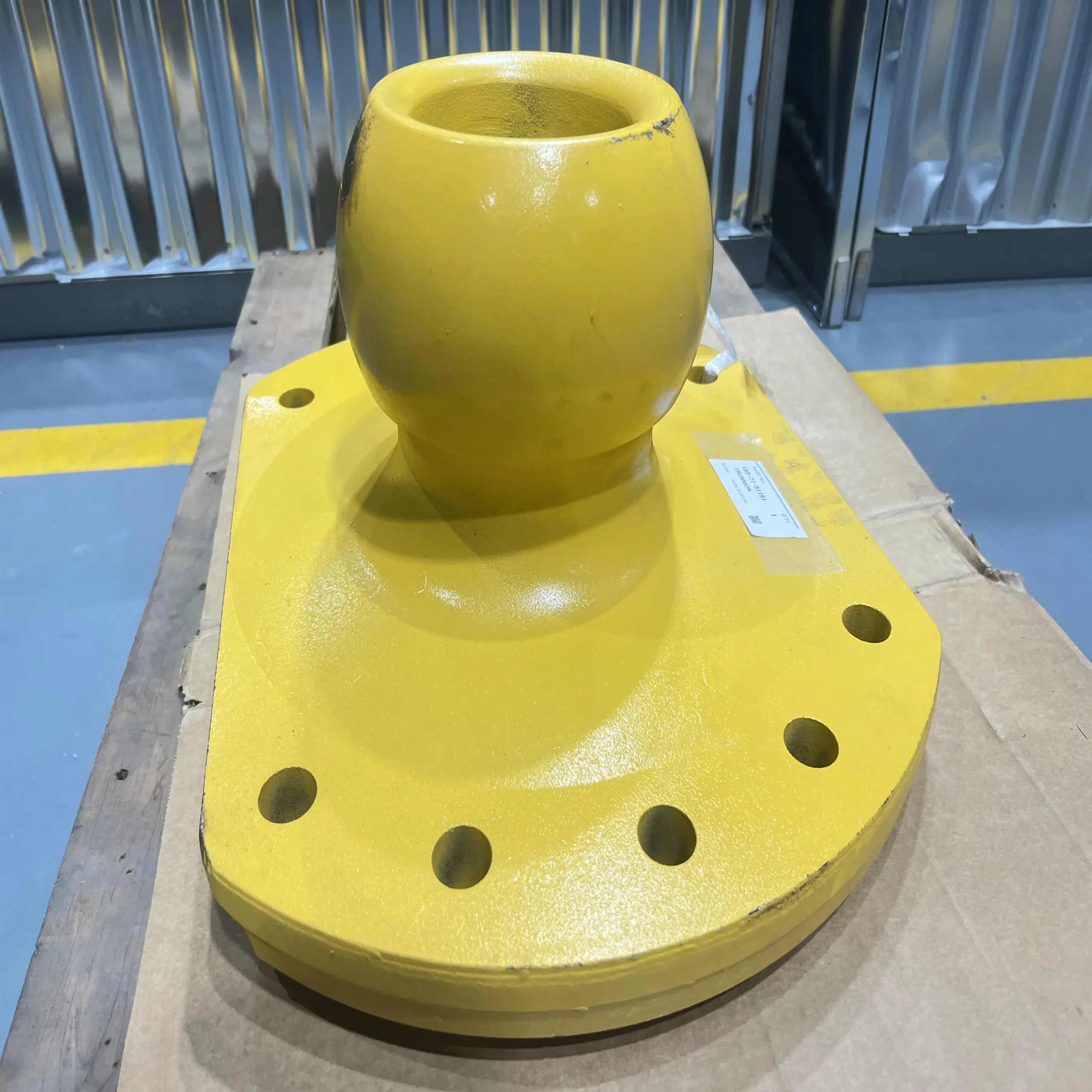 Suitable for Komatsu D375 pin/195-30-62100/195-71-51191/195-71-00342
 -
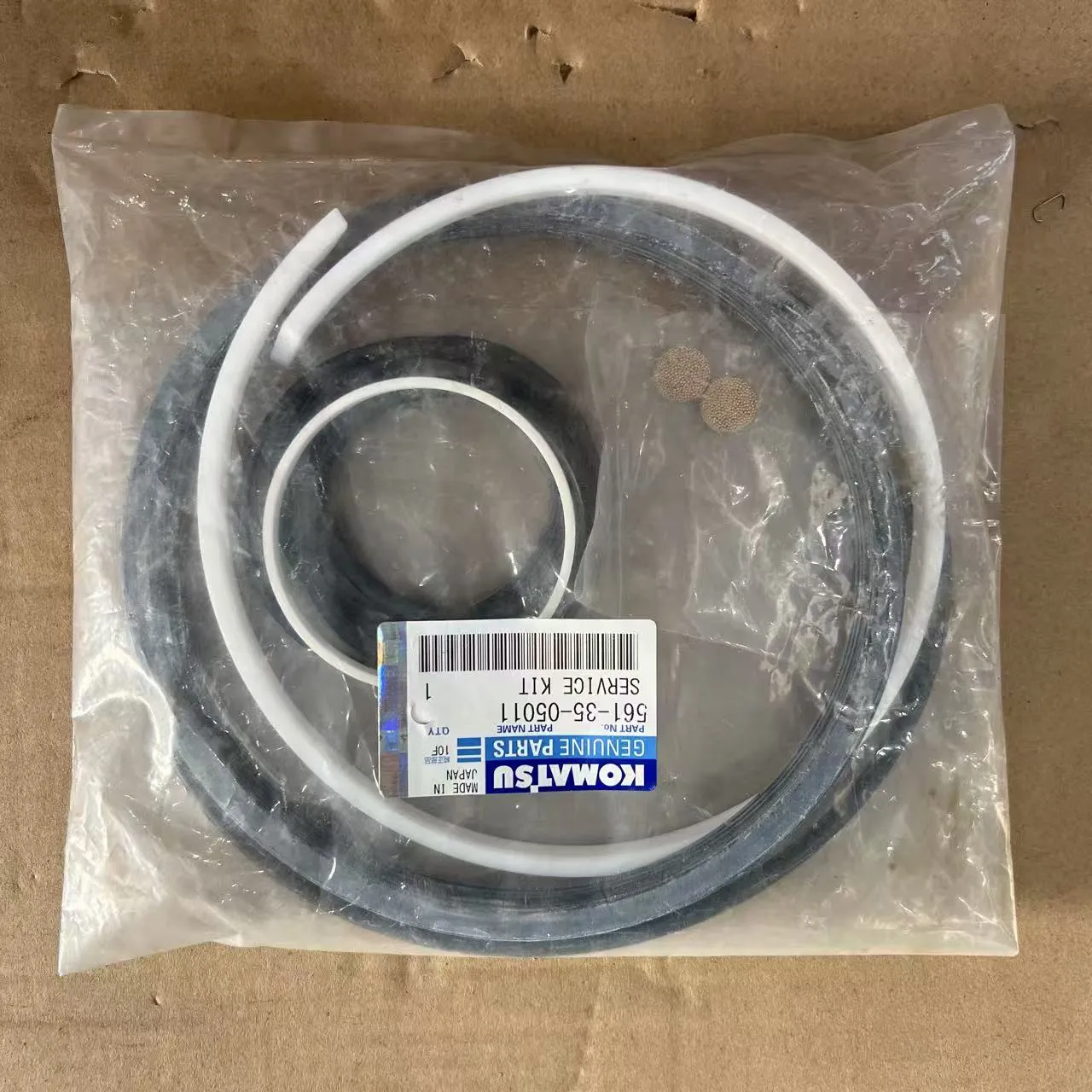 SERVICE KIT – 561-35-05011
 -
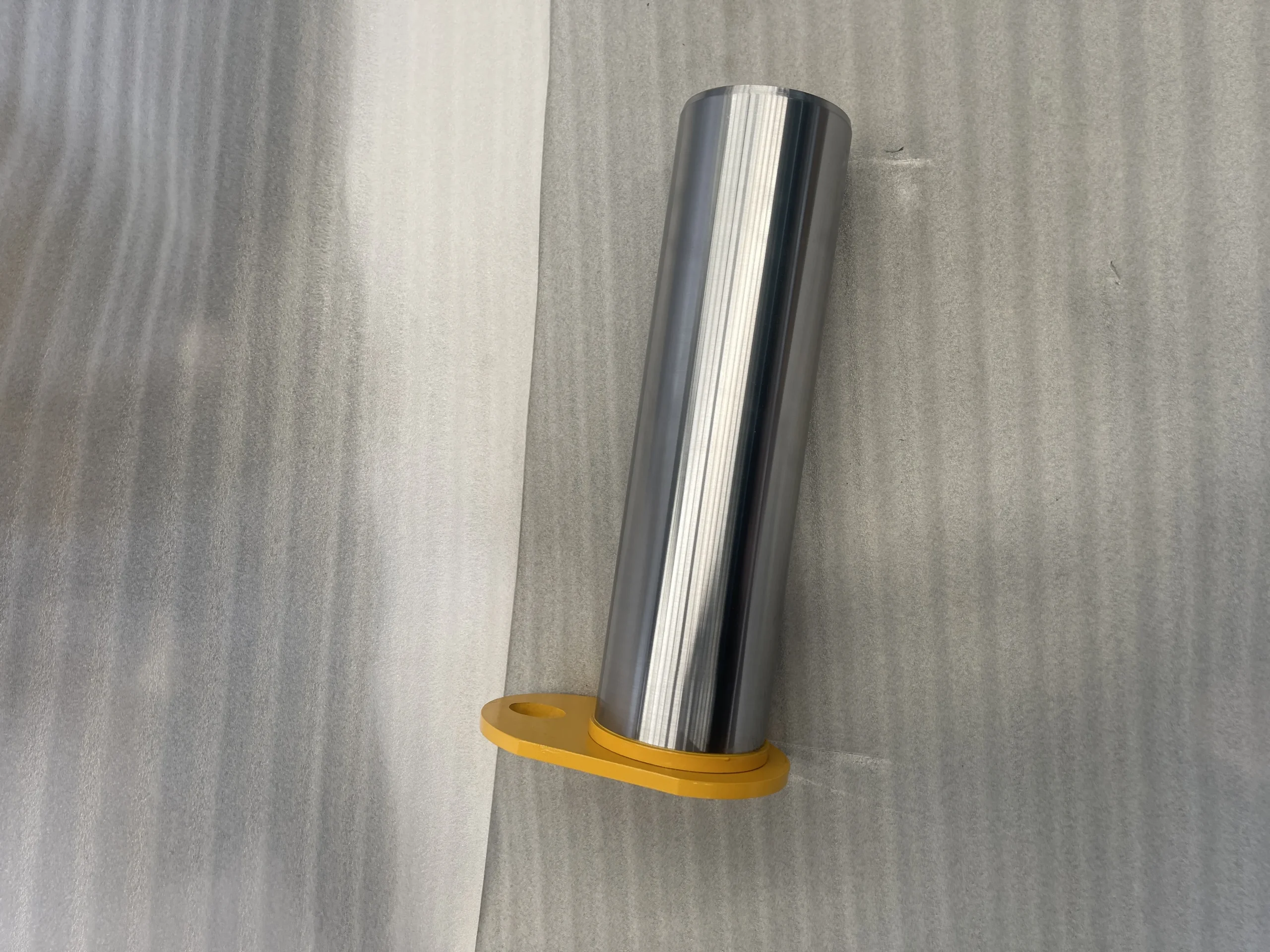 WA600-6 pin 426-70-31960
 -
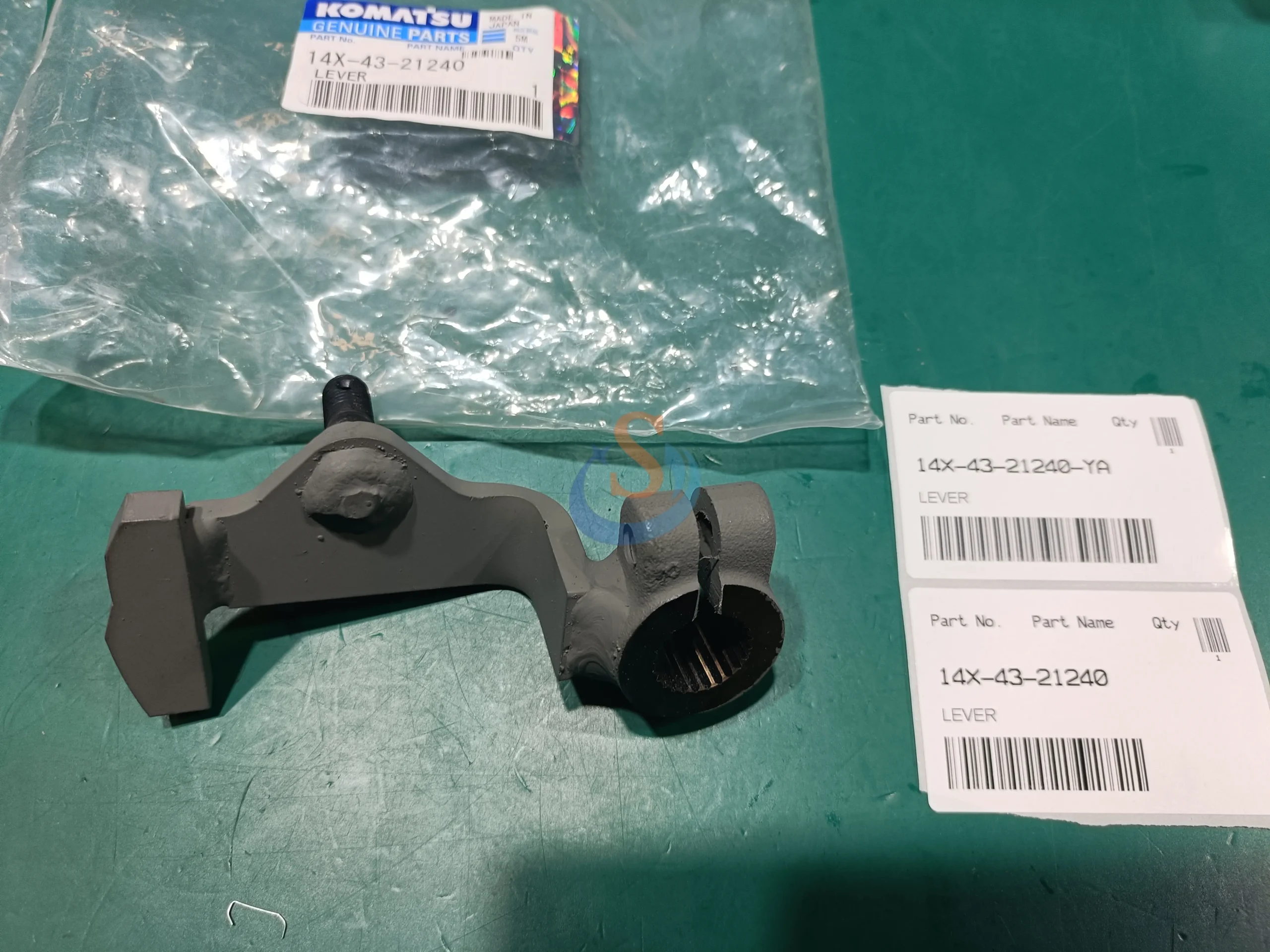 14X-43-21240,LEVER
 -
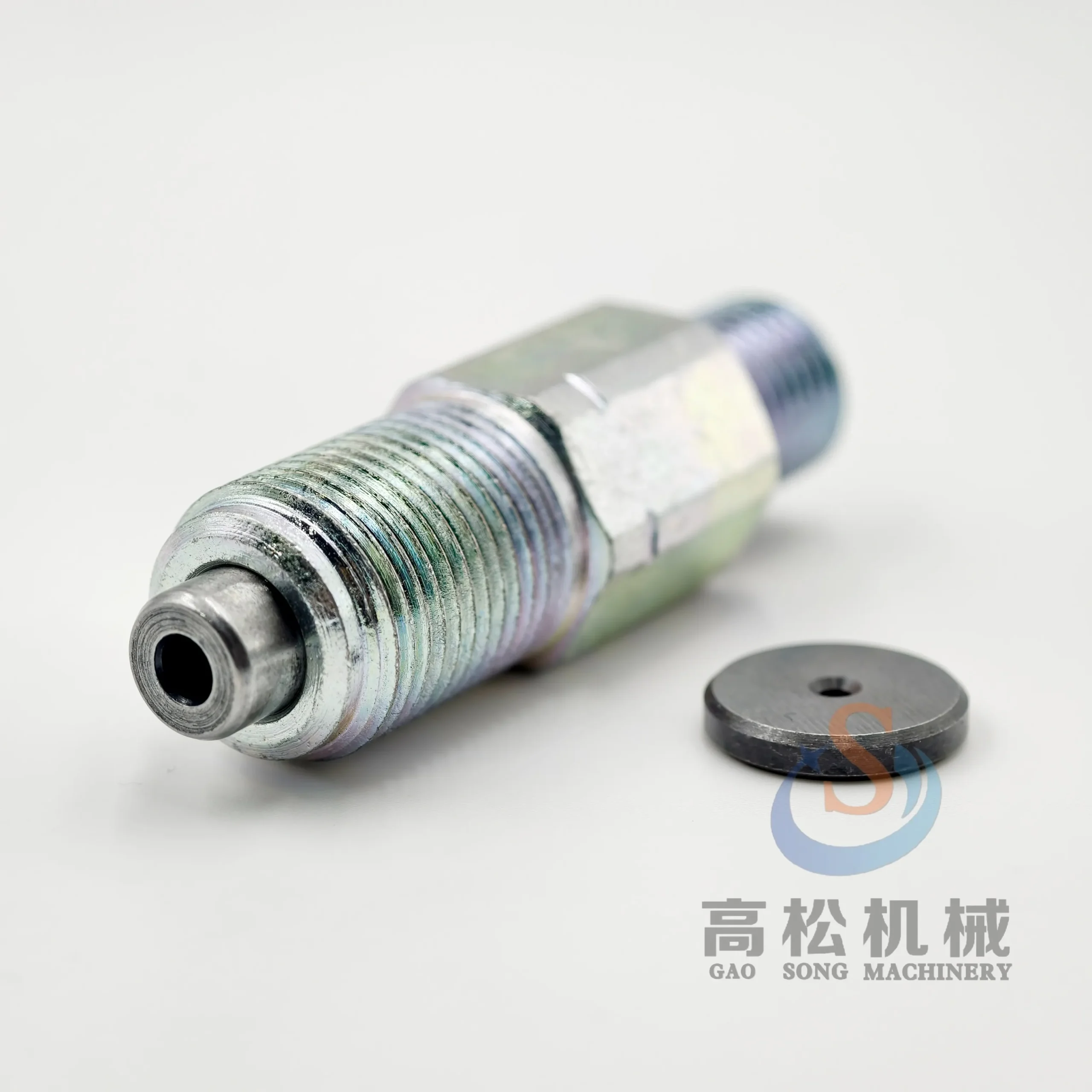 ND095400-0310 komatsu-parts LIMITER
 -
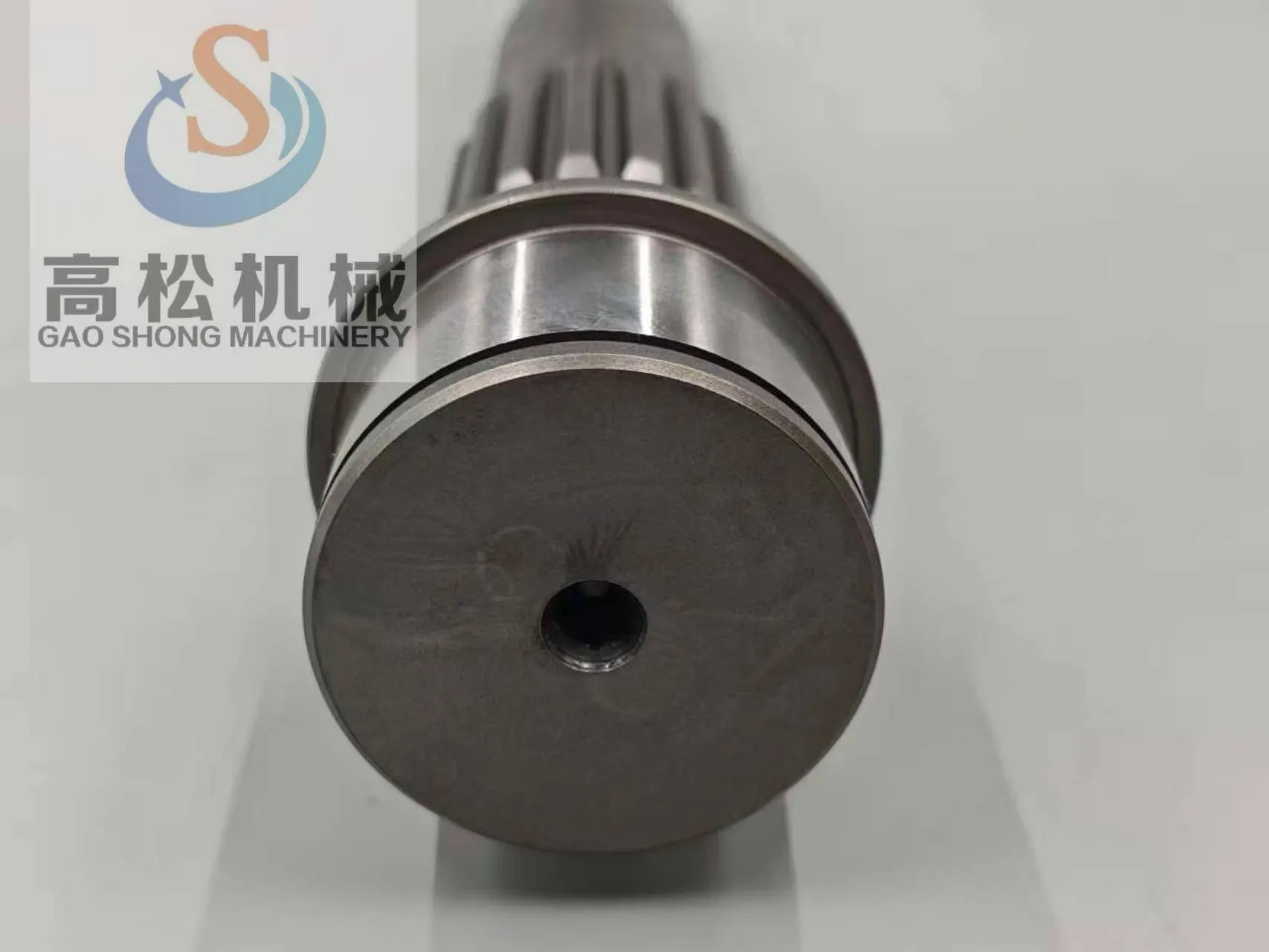 Hydraulic pump original parts 708-2g-12121 708-2g-04153 708-2g-04151 708-2g-03710 708-2g-03910 for pc300-7 excavator
 -
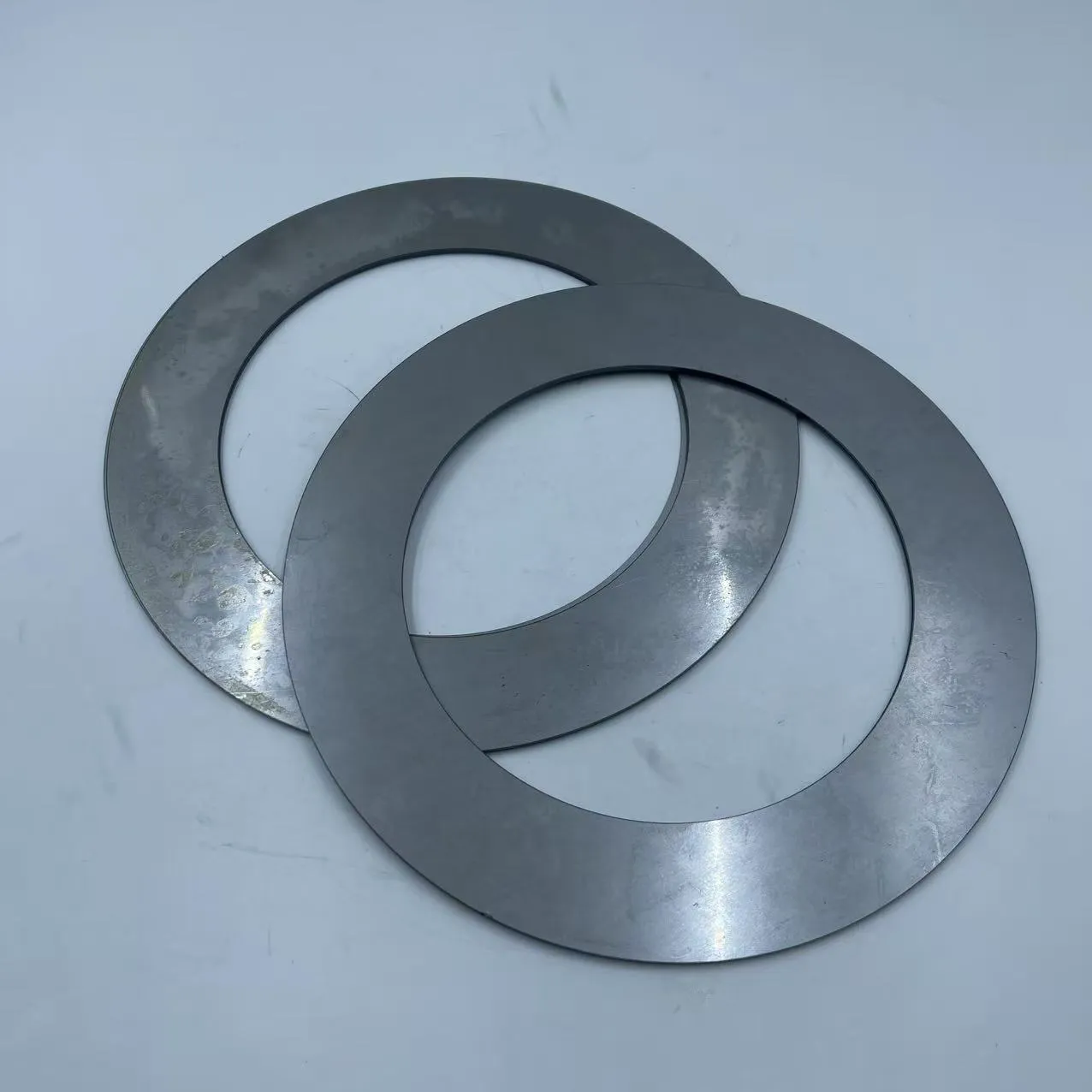 209-939-0070 Komatsu Shim Assembly PC800SE-8EO PC850SE-8EO
 -
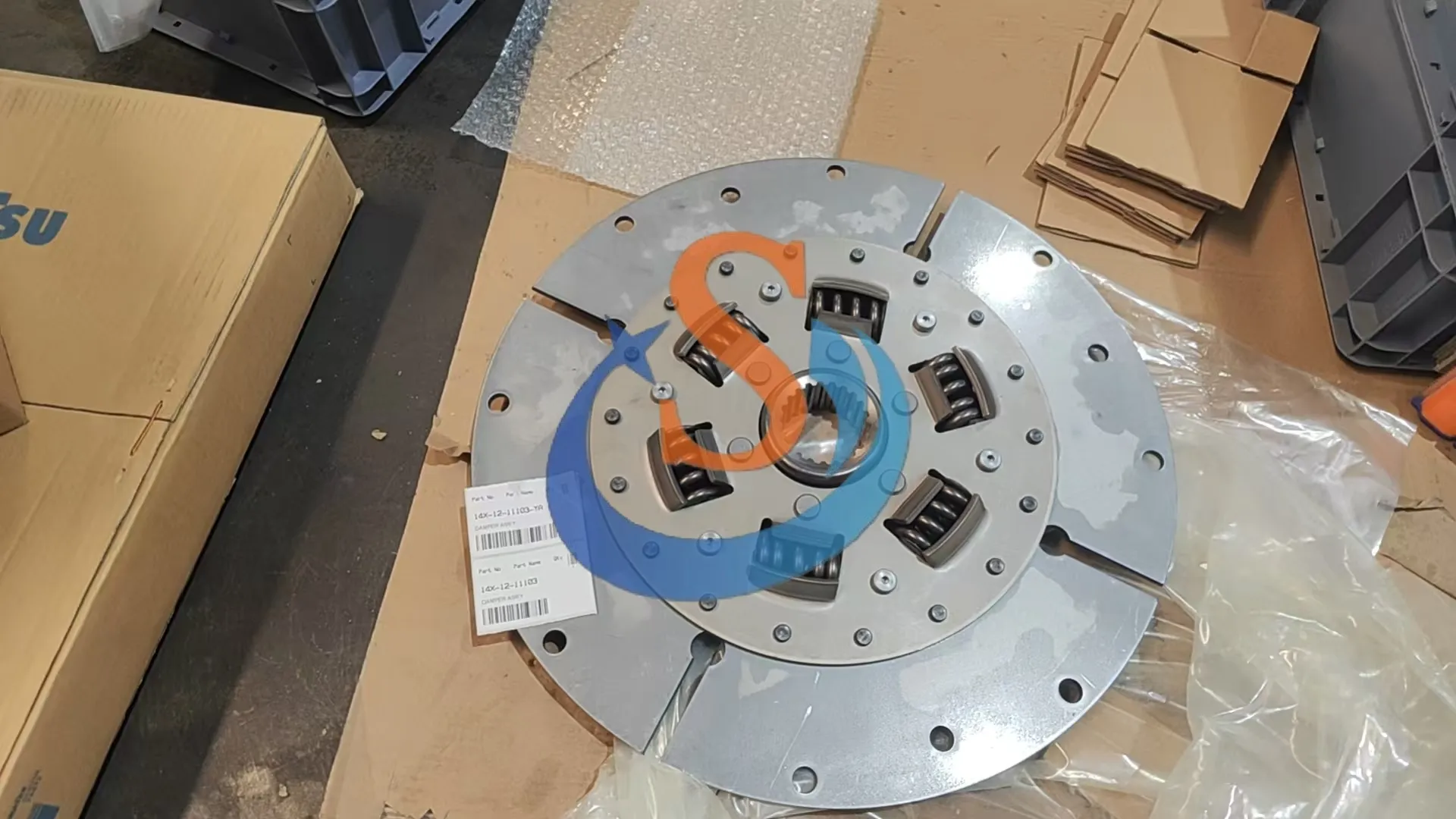 14X-12-11103 Damper Disc ASS’Y D65/D85
 -
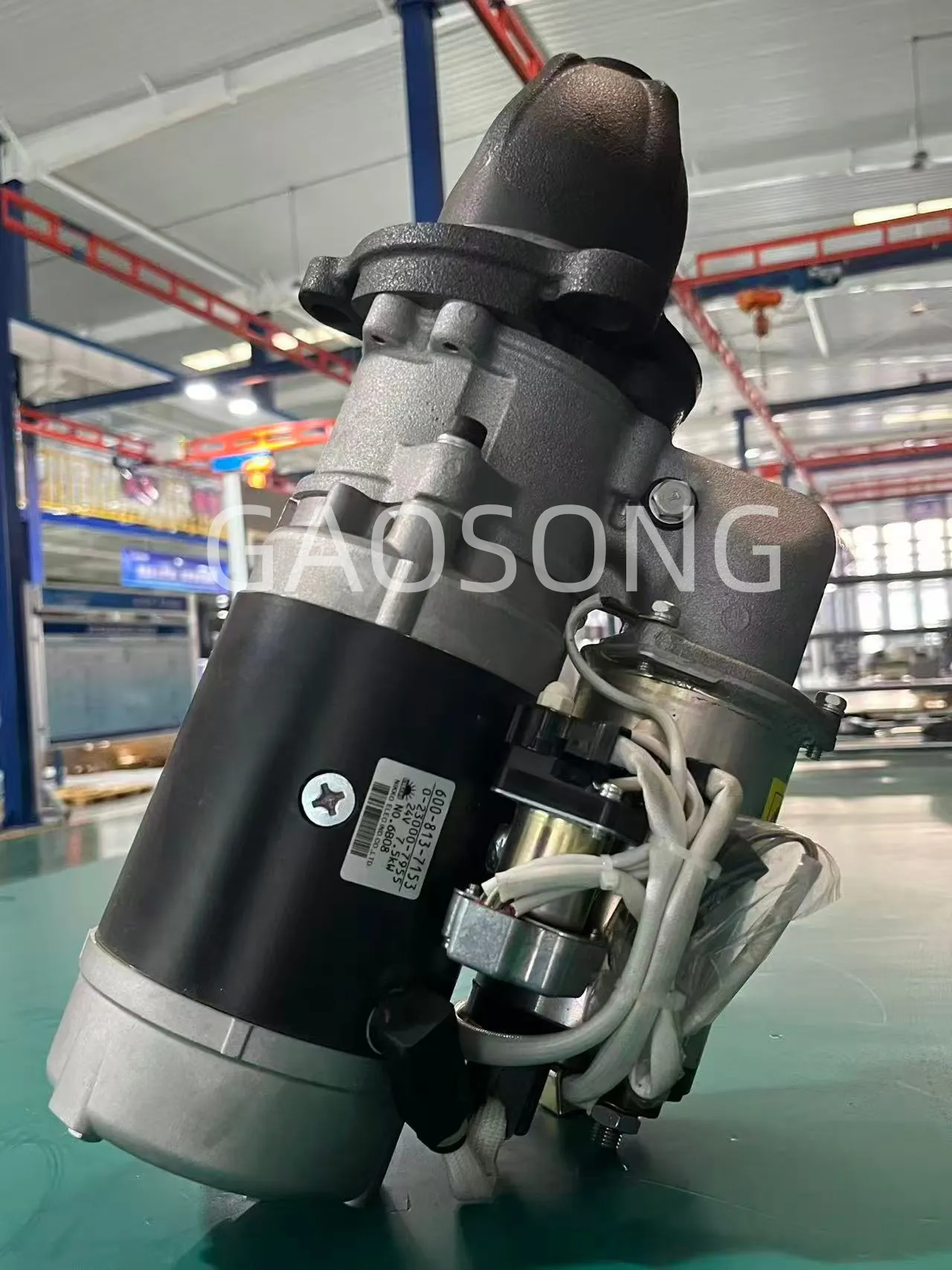 600-813-7153 Starting Motor, -Komatsu Original Factory