
- Chinese
- French
- German
- Portuguese
- Spanish
- Russian
- Japanese
- Korean
- Arabic
- Irish
- Greek
- Turkish
- Italian
- Danish
- Romanian
- Indonesian
- Czech
- Afrikaans
- Swedish
- Polish
- Basque
- Catalan
- Esperanto
- Hindi
- Lao
- Albanian
- Amharic
- Armenian
- Azerbaijani
- Belarusian
- Bengali
- Bosnian
- Bulgarian
- Cebuano
- Chichewa
- Corsican
- Croatian
- Dutch
- Estonian
- Filipino
- Finnish
- Frisian
- Galician
- Georgian
- Gujarati
- Haitian
- Hausa
- Hawaiian
- Hebrew
- Hmong
- Hungarian
- Icelandic
- Igbo
- Javanese
- Kannada
- Kazakh
- Khmer
- Kurdish
- Kyrgyz
- Latin
- Latvian
- Lithuanian
- Luxembou..
- Macedonian
- Malagasy
- Malay
- Malayalam
- Maltese
- Maori
- Marathi
- Mongolian
- Burmese
- Nepali
- Norwegian
- Pashto
- Persian
- Punjabi
- Serbian
- Sesotho
- Sinhala
- Slovak
- Slovenian
- Somali
- Samoan
- Scots Gaelic
- Shona
- Sindhi
- Sundanese
- Swahili
- Tajik
- Tamil
- Telugu
- Thai
- Ukrainian
- Urdu
- Uzbek
- Vietnamese
- Welsh
- Xhosa
- Yiddish
- Yoruba
- Zulu
- Kinyarwanda
- Tatar
- Oriya
- Turkmen
- Uyghur






komatsu generator parts
When most people hear 'Komatsu generator parts', they immediately think of the official, boxed components from Komatsu dealers. That's the ideal, sure. But on the ground, especially in regions with supply chain gaps or for older models, that path isn't always open. There's a whole ecosystem around keeping these power units running, and it often involves navigating between genuine OEM, quality aftermarket, and frankly, some questionable alternatives. The real skill isn't just in ordering a part number; it's in knowing which route to take for a specific situation—balancing downtime, cost, and long-term reliability. I've seen too many projects stall because someone insisted on a 'genuine-only' policy when a certified alternative was sitting on a shelf nearby, or conversely, because a cheap copy failed catastrophically six months in.
The OEM Reality and the Third-Party Bridge
Let's be clear: Komatsu designs and specs their parts for a reason. For critical components like the Komatsu generator parts in the fuel injection system—think plungers and barrels for the DPK pumps on older 6D140 engines—deviating from OEM can be a gamble. The tolerances are microscopic. I recall a rebuild where we used a non-OEM rotor head for the alternator end. It fit, it worked... for about 400 hours. Then, a subtle imbalance led to bearing wear that took out the stator. The cost saving was wiped out tenfold. That experience cemented a rule: for rotating assemblies and precision fuel parts, pay the premium or find a source that guarantees OEM-equivalent metallurgy and machining.
This is where the role of companies operating within the Komatsu system but addressing supply gaps becomes critical. A supplier like Jining Gaosong Construction Machinery Co., Ltd. exemplifies this model. They position themselves as an OEM product supplier within the Komatsu system and a third-party sales company. In practice, what this often means is they have access to genuine channels for some items and have vetted alternative sources for others, specifically to solve parts supply challenges in certain countries, as their site states. They're not a random parts reseller; they're a bridge. For a project manager in a remote location, knowing a source like https://www.takematsumachinery.com can mean the difference between a three-week shutdown and getting a compatible voltage regulator air-freighted in three days.
The nuance is in their dual role. Being an OEM product supplier within the Komatsu system suggests they might handle genuine components for certain models or regions. The third-party sales arm is likely where they source or manufacture non-OEM but compliant parts. The key for a buyer is to ask the right questions: Is this a Komatsu-branded part from the factory line, or is it a third-party part you certify as meeting OEM spec? A reputable supplier will be transparent. I've used their listings to cross-reference part numbers for S6D140 engine gasket kits, finding they often have a breakdown of which pieces are genuine and which are high-grade replacements.
Common Pitfalls with Cooling and Electrical Components
Generators live and die by their cooling systems and voltage output. Here's where generic parts can fool you. Take radiator caps. Seems trivial, right? A Komatsu genset often runs at a specific pressure setting. A generic cap with a close-but-not-exact pressure rating can lead to overheating under peak load or, conversely, not pressurizing the system enough, leading to localized boiling and cavitation. We learned this after chasing an intermittent overheating issue on a 500kVA set. Swapped thermostats, flushed the rad—no fix. Finally, someone checked the new 'equivalent' cap we'd installed months prior. It was 4 psi off spec. Problem solved.
On the electrical side, Komatsu generator parts like AVRs (Automatic Voltage Regulators) and excitation systems are another minefield. The circuit boards are proprietary. A 'compatible' AVR might regulate voltage okay under a steady load, but its response time to a large motor startup surge could be sluggish, causing a dip that trips sensitive equipment. I lean towards repaired or remanufactured genuine units from specialists for these. Sometimes, the board just has a blown capacitor or thyristor, and a proper repair is more reliable than a new, untested clone.
Then there's the simple stuff: belts, hoses, filters. This is where I'm less dogmatic. A high-grade, dimensionally identical belt from a known manufacturer like Gates or Dayco is perfectly acceptable. The same goes for fuel and oil filters that meet the ISO cleanliness standards. The trap is using a filter without the proper bypass valve setting. A Komatsu oil filter has a specific spring pressure for its bypass. Too weak, and you bypass too early, sending dirty oil into the engine. Too strong, and you risk collapsing the filter media if it's cold. Always match the spec, not just the thread size.
The Model-Specific Quirks You Only Learn On-Site
Komatsu's generator line evolved alongside their engine families. Parts for an older set powered by a 6D125 engine aren't always interchangeable with a 6D140, even if they look similar. The fan hub assembly is a classic example. The bolt pattern might match, but the balance and weight could be off by a few grams—enough to cause harmonic vibration over time. I keep a personal log of these quirks. For instance, on the Komatsu generator parts for the control panel of mid-2000s models, the PCB for the fault indicator often has a specific solder joint that fails. Knowing that, you don't replace the whole board; you reflow the joint.
Another on-site lesson: serial number ranges matter more than the general model. Komatsu makes running changes. A fuel lift pump for a Genset model XYZ, serials up to 12345, might have a different mounting flange than serials after that. I've been burned by this, assuming the part number from a general catalog would fit. Now, the serial number is the first thing I check, even before opening the parts book. Suppliers who understand this, like those focusing on solving supply challenges, will ask for your serial number upfront. It's a sign they know the depth of the product line.
Documentation is a related headache. Sometimes, the best source for a wiring diagram or torque spec for a Komatsu generator parts assembly isn't the main manual but a service bulletin. Having a relationship with a supplier who has access to that technical library, not just a parts catalog, is invaluable. It turns a transaction into a troubleshooting partnership.
Balancing Cost, Urgency, and Machine Longevity
This is the daily calculus. A mining site with a downed 750kVA prime power genset is losing money by the minute. Waiting two weeks for a genuine exhaust manifold might not be an option. Here, a certified, fabricated manifold from a trusted third-party becomes the rational choice. You install it with the understanding it might have a shorter service life, but it gets the operation running. You then order the genuine part as a spare for the next outage. This tiered approach to parts inventory—critical spares genuine, wear items from quality alternatives—is how smart fleets are managed.
Companies like Jining Gaosong Construction Machinery Co., Ltd. exist to facilitate this exact strategy. Their model as a third-party sales company within the Komatsu ecosystem suggests they can offer these pragmatic solutions. You might get a genuine Komatsu head gasket from them alongside a high-quality, non-OEM set of valve stem seals for the same engine overhaul. They help you execute that balanced approach, especially when the official channel is slow or non-existent in your region.
The failure is in being rigid. I've seen mechanics refuse to install a perfectly good, non-OEM water pump, opting to wait weeks, while the engine sits exposed to dust and humidity—causing more potential damage than the alternative part ever would. The judgment call is everything: Is this part failure-critical? Does it interface with a precision system? What's the true cost of downtime? Sometimes, the 'less perfect' part is the most professional choice for the situation.
Sourcing and Verification in the Real World
So, how do you actually find and verify these parts? Googling a part number is step one, but step two is forensic. For any critical component, I ask the supplier for material certifications or test reports. A reputable one for Komatsu generator parts will have them for things like crankshafts or cylinder liners. I also look for suppliers who provide clear, high-resolution photos of the actual part, not just a stock image. You can often spot quality issues in the casting finish, machining marks, or packaging.
Building a shortlist of reliable bridges is key. A website like https://www.takematsumachinery.com becomes a node in that network. Their stated mission directly addresses the pain point. The next step is to test them with a non-urgent but specific order. Ask for a seal kit for a Komatsu SAA6D140E-5 generator engine. See how quickly they confirm the part, if they ask for your serial number, what shipping options they offer, and how the parts are packaged upon arrival. That first order tells you more than any sales pitch.
Finally, network with other engineers and site managers. The best recommendations for parts sources come from word-of-mouth in the field. Who did you use for that hard-to-find governor linkage for your Komatsu genset? The answers often lead you to these hybrid suppliers who operate in the space between the factory and the aftermarket, providing the pragmatic glue that keeps equipment running in the real world. It's less about brand purity and more about sustainable uptime.
Related Products
Related Products

Best Selling Products
Best Selling Products-
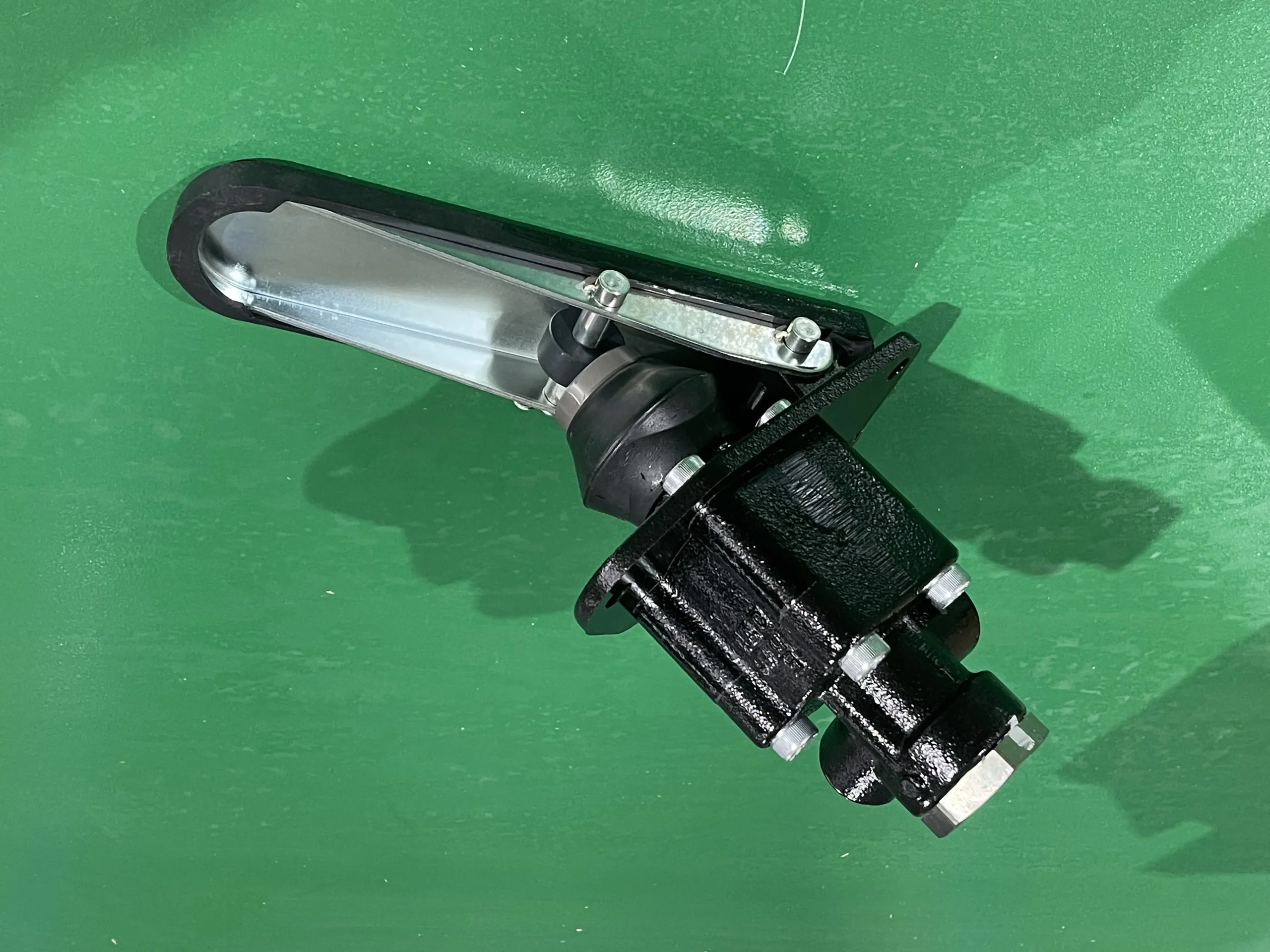 425-43-37200 Komatsu VALVE ASS’Y
 -
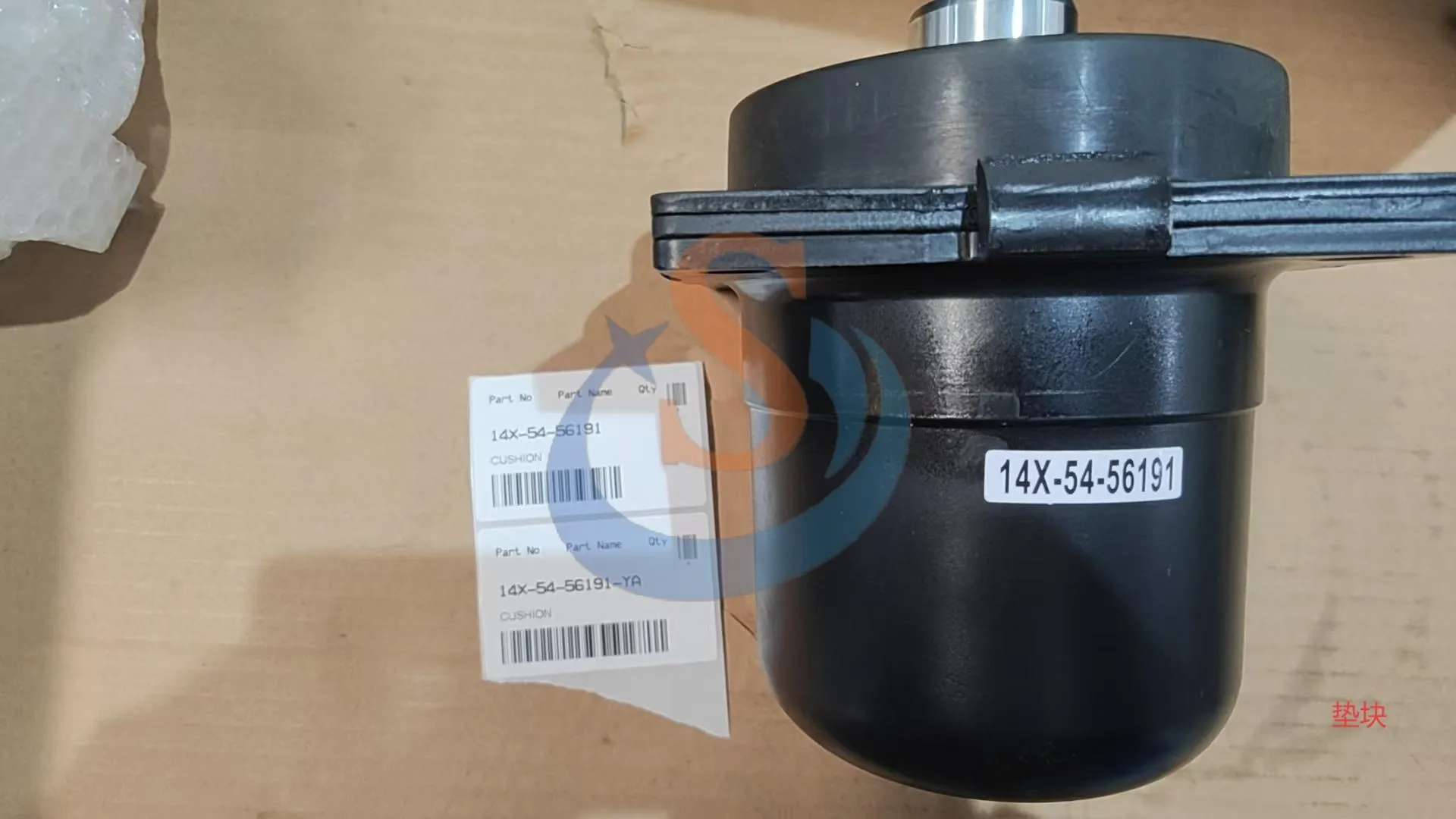 14X-54-56191,Cushion,D65PX,D65WX,D85EX
 -
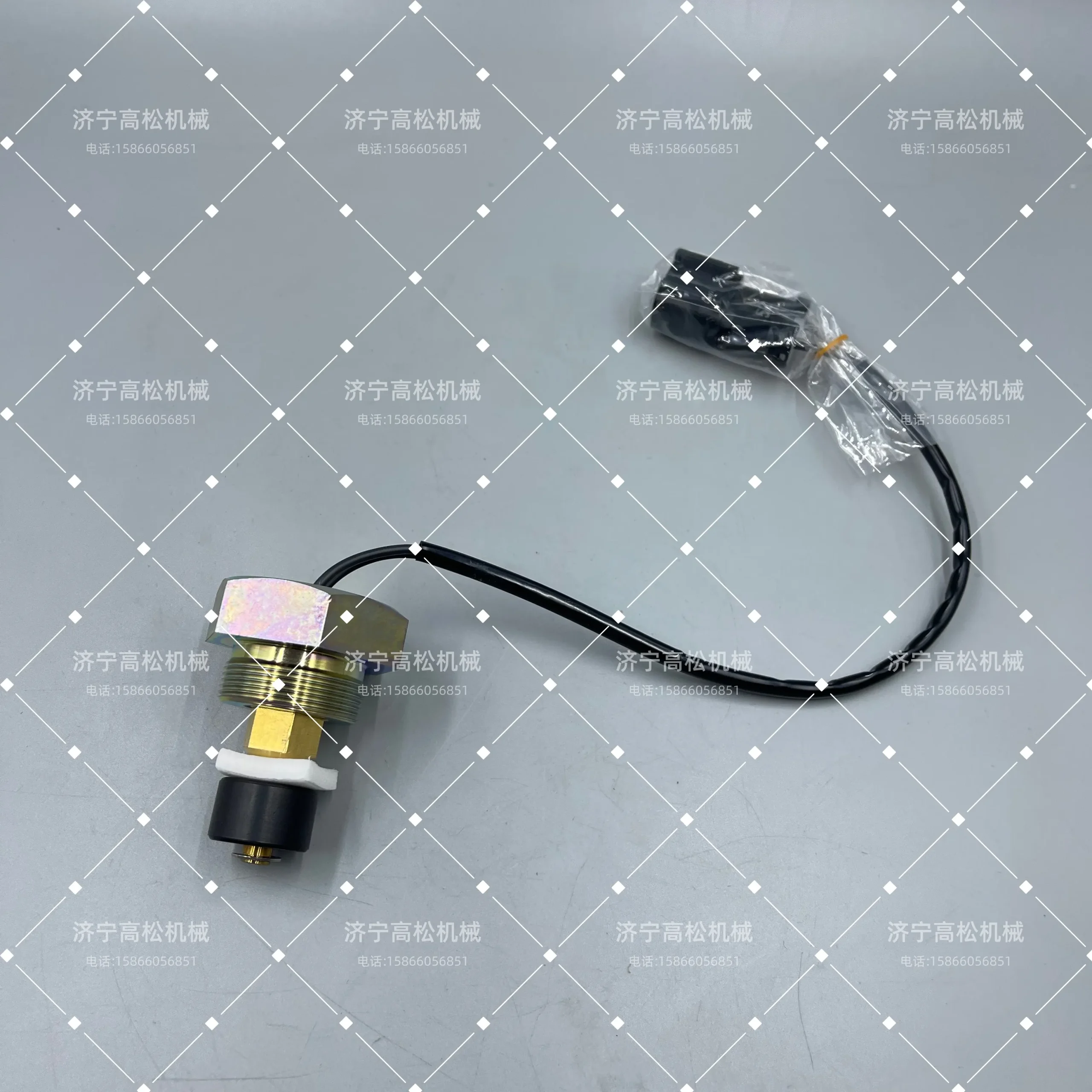 Sensor 7861-92-4500 for KOMATSU WA350-3A-S China…
 -
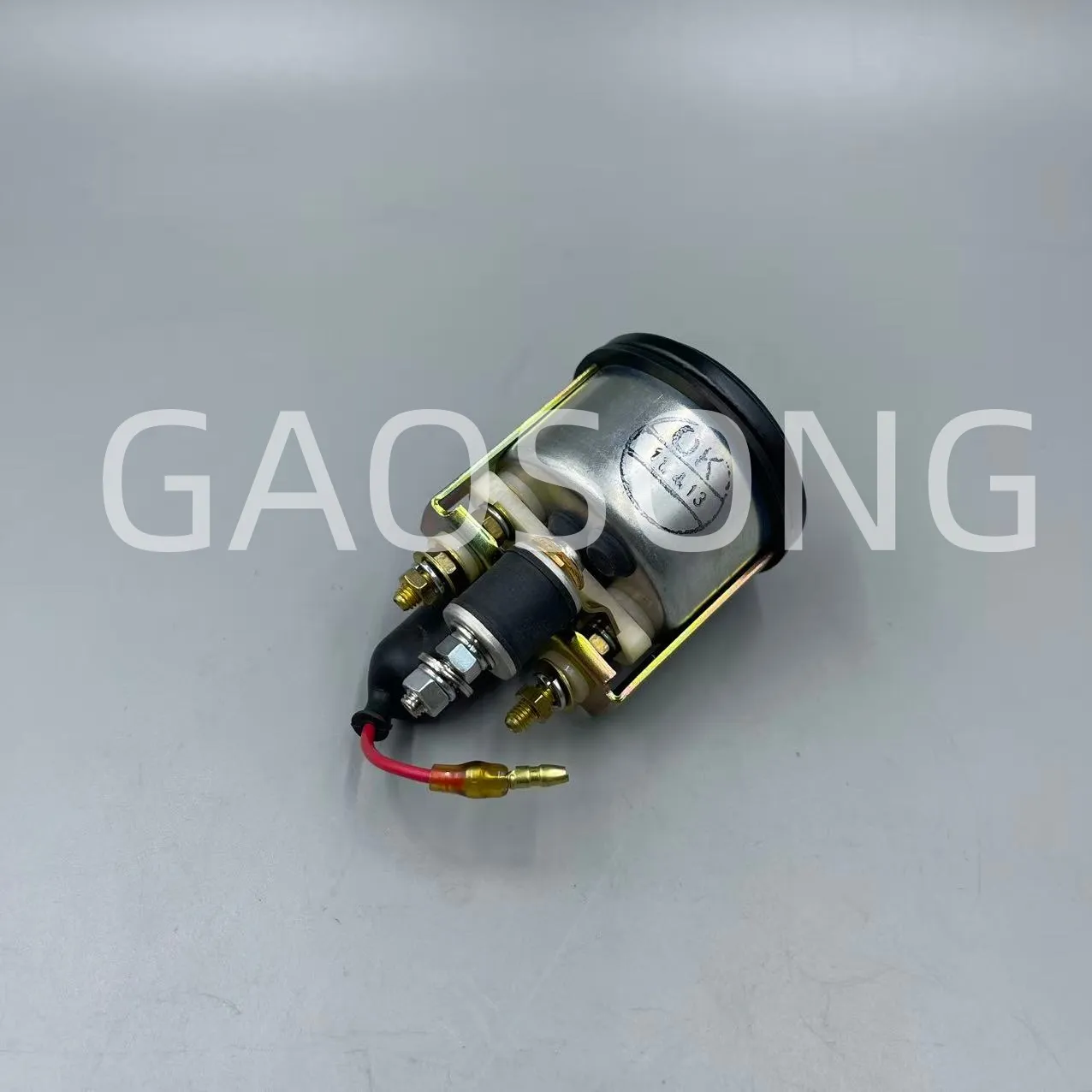 195-06-23110 GAUGE,WATER TEMPERATURE-Komatsu Original Factory
 -
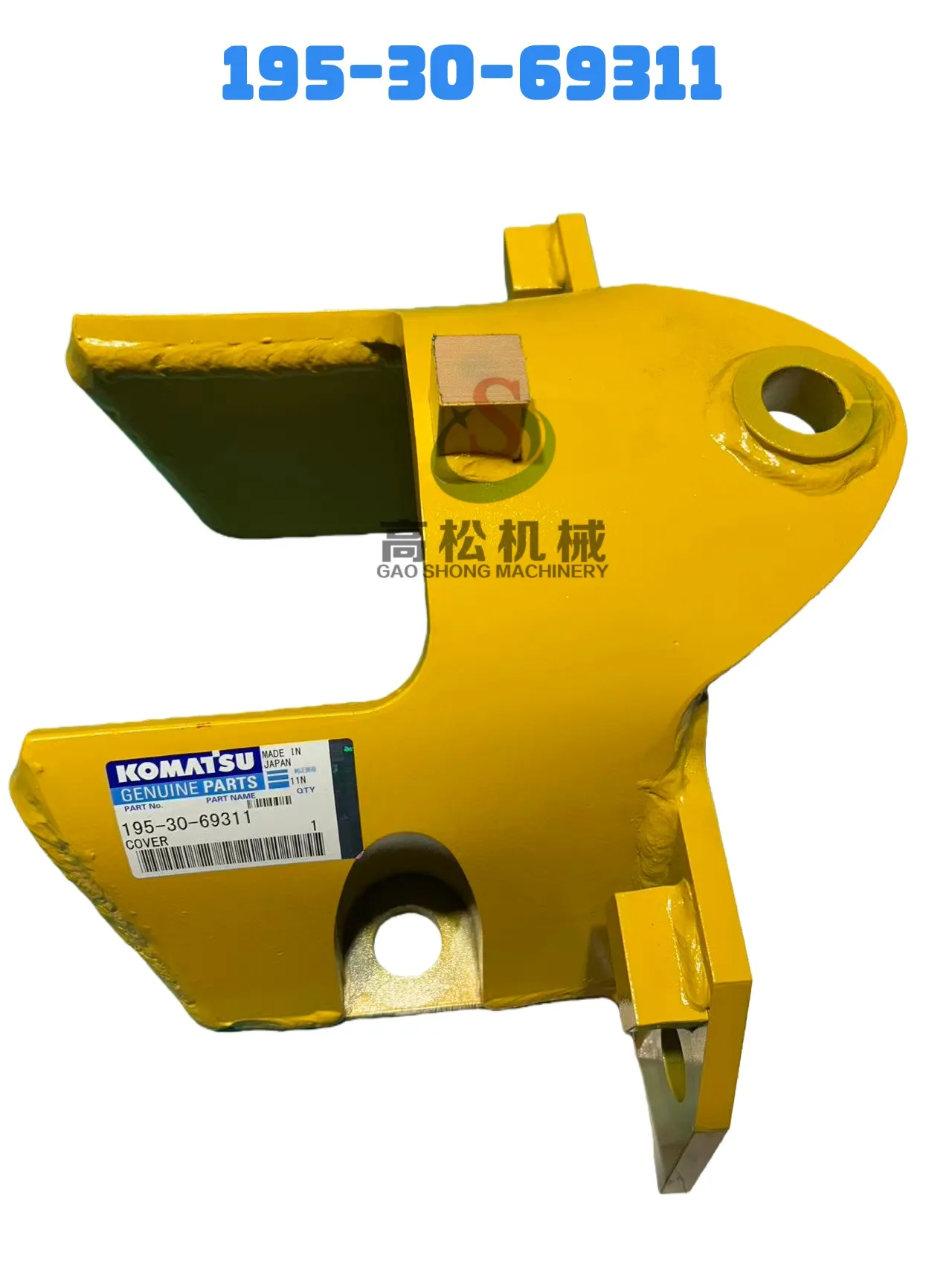 komatsu parts195-30-69311 COVER D375A-5 D375A-6 D375AI-8 D375A-8E0 TRACK FRAME
 -
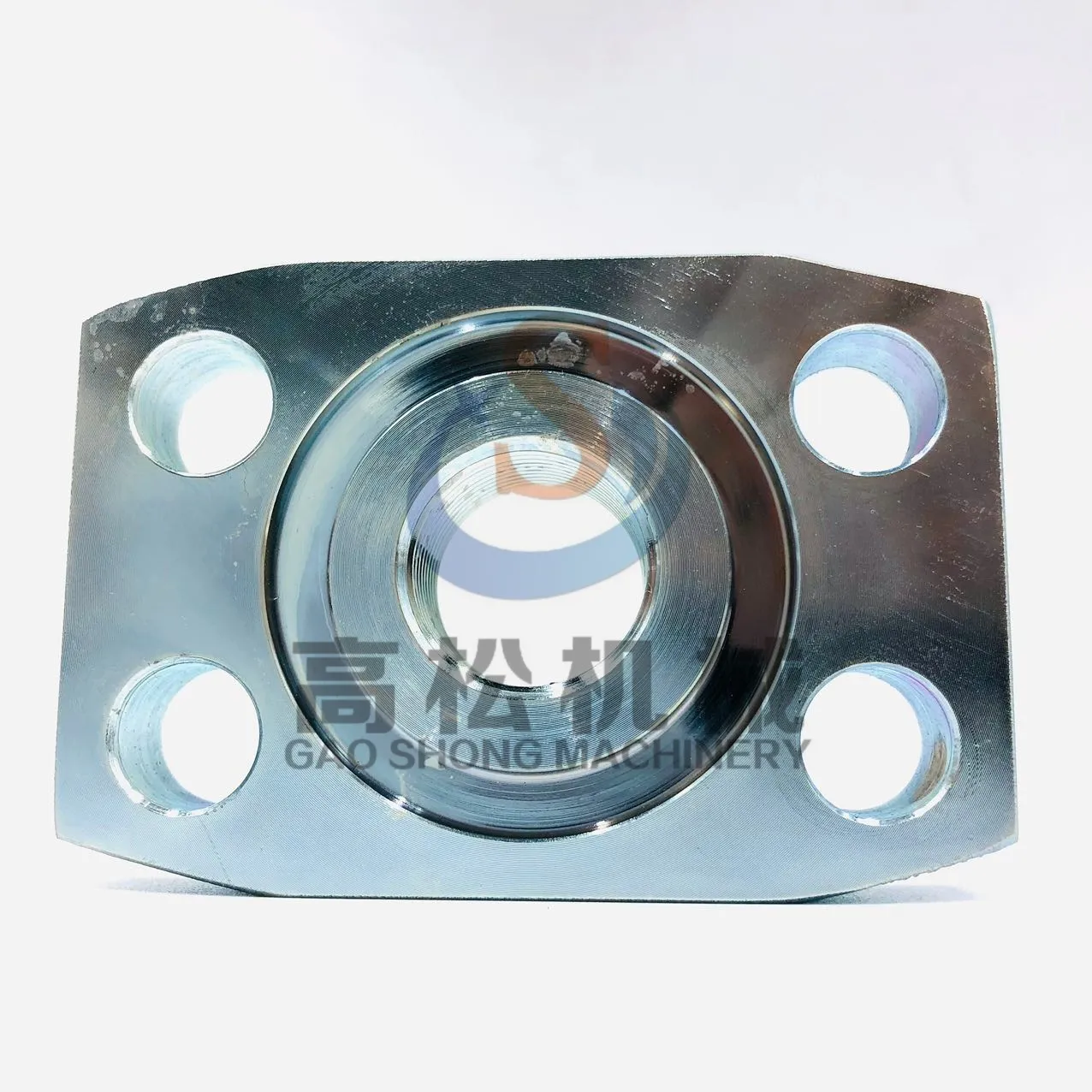 Spare part 21N-38-12310 Flange (Komatsu)
 -
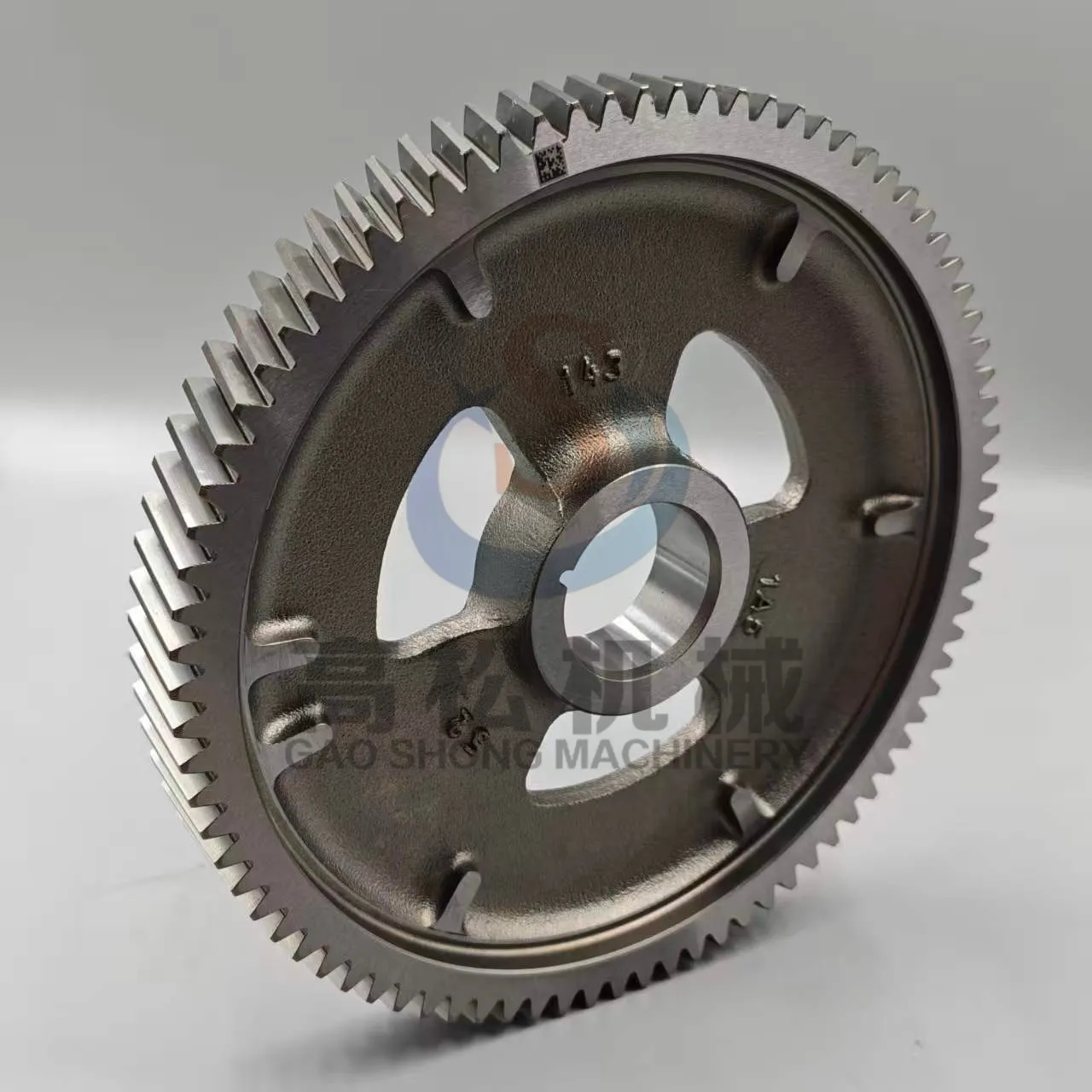 GEAR 6745-41-1131 – KOMATSU
 -
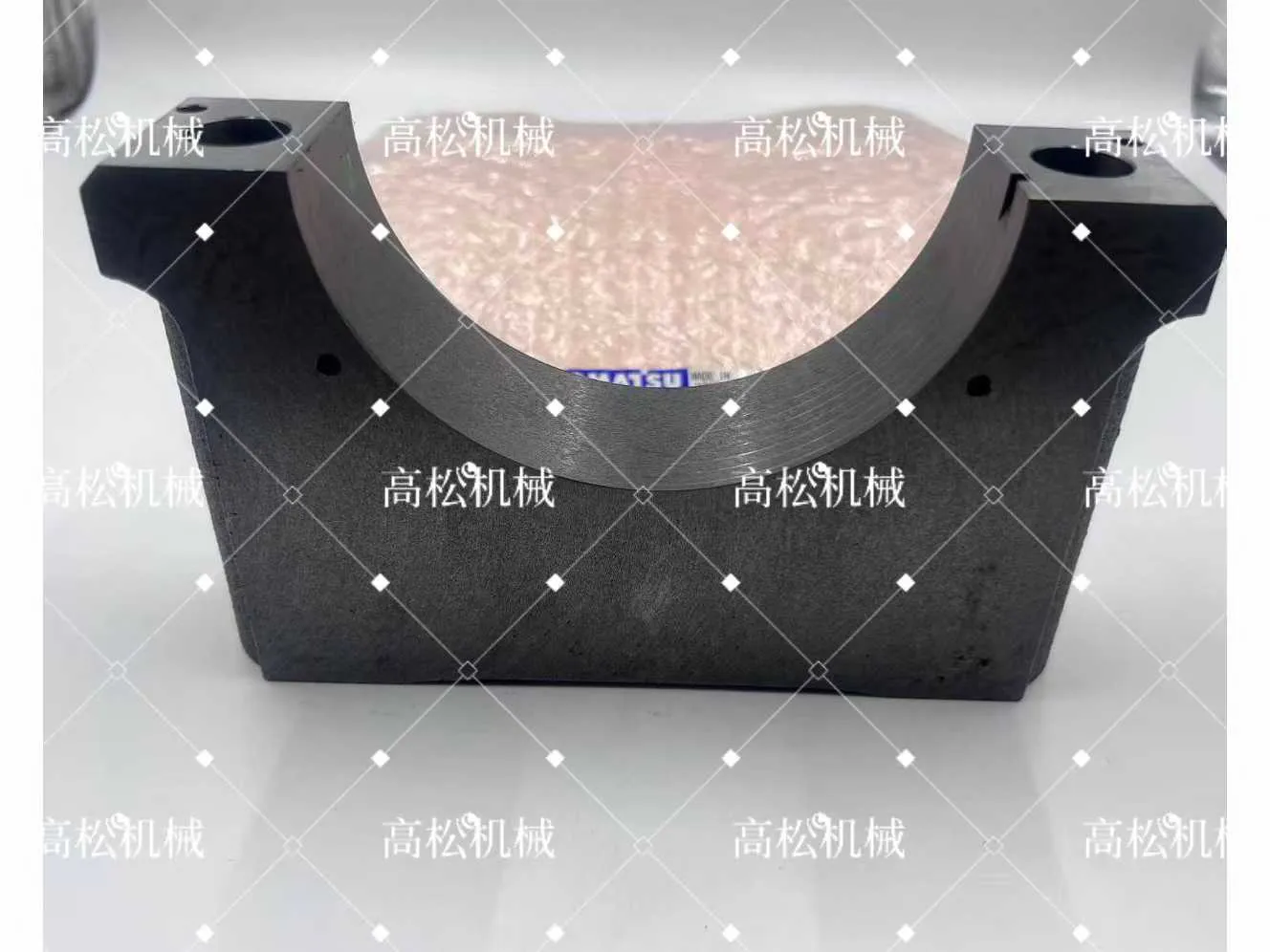 Komatsu Genuine CAP, MAIN METAL, WA470-3, 6150-29-1210
 -
208-26-71170 Komatsu CARRIER PC400-7 SWING MACHINERY ASS’Y 400-7 400-8 450-7 490-10 550-8 1250-8
-
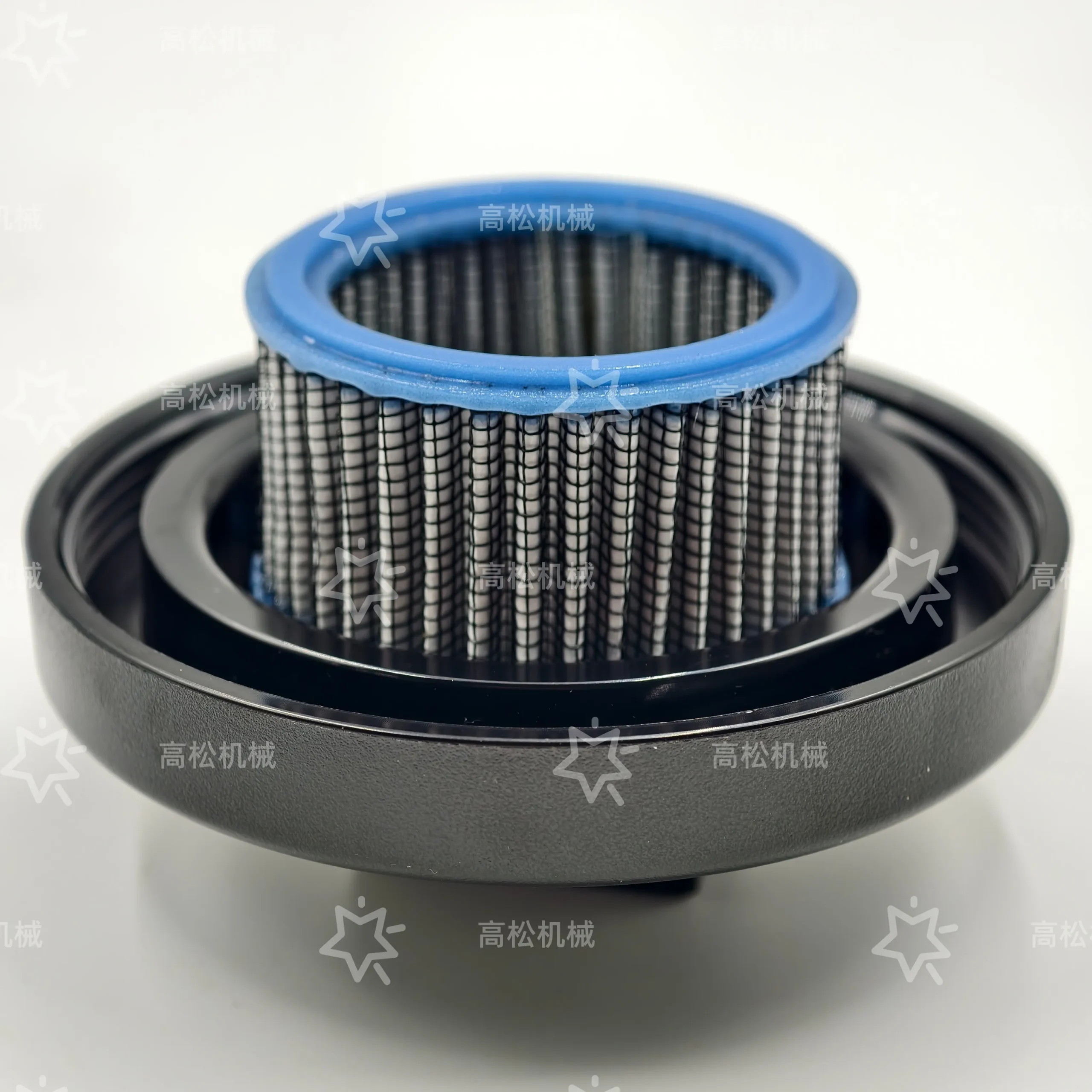 21T-04-31170 Komatsu Cap Assembly
 -
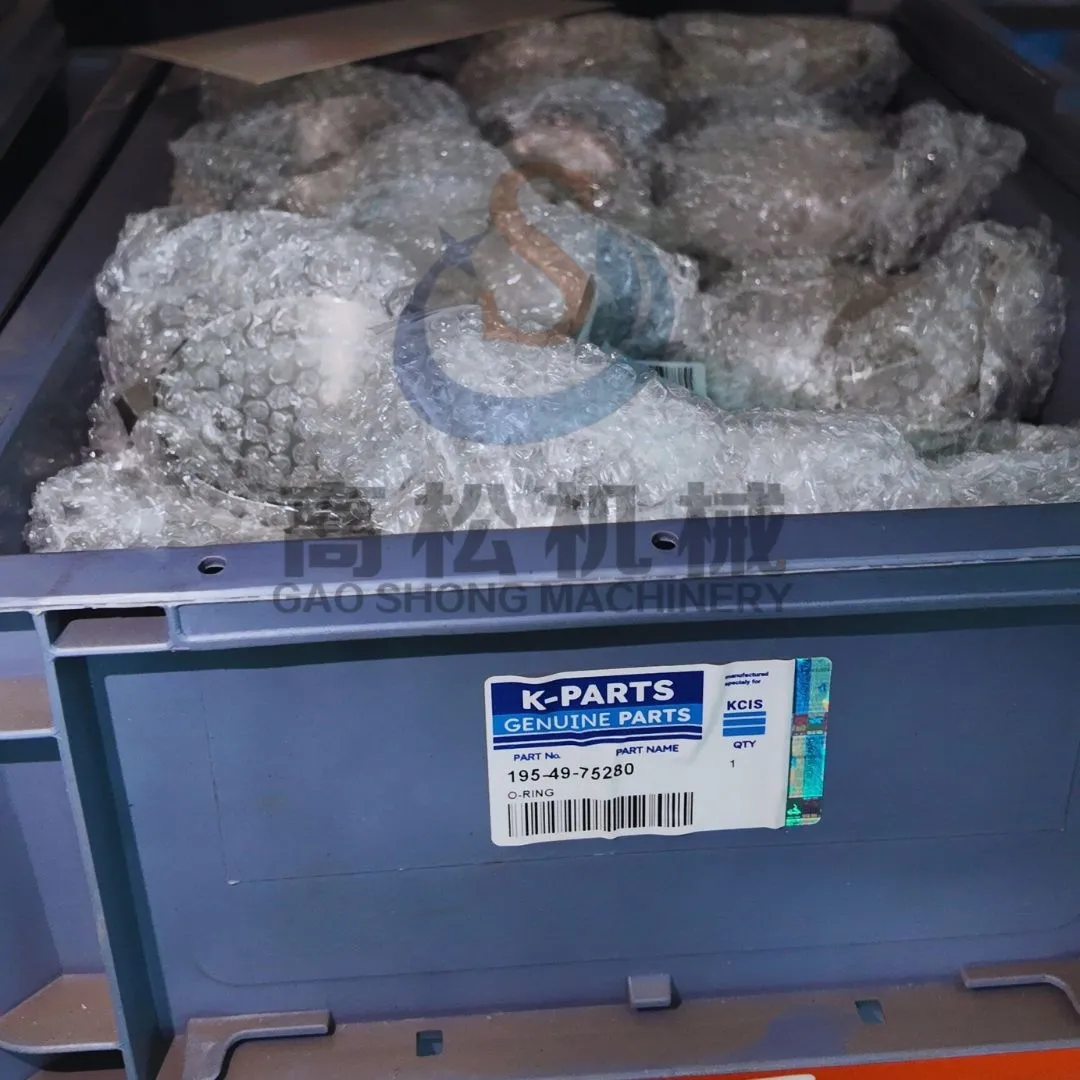 195-49-75280 Komatsu O-ring
 -
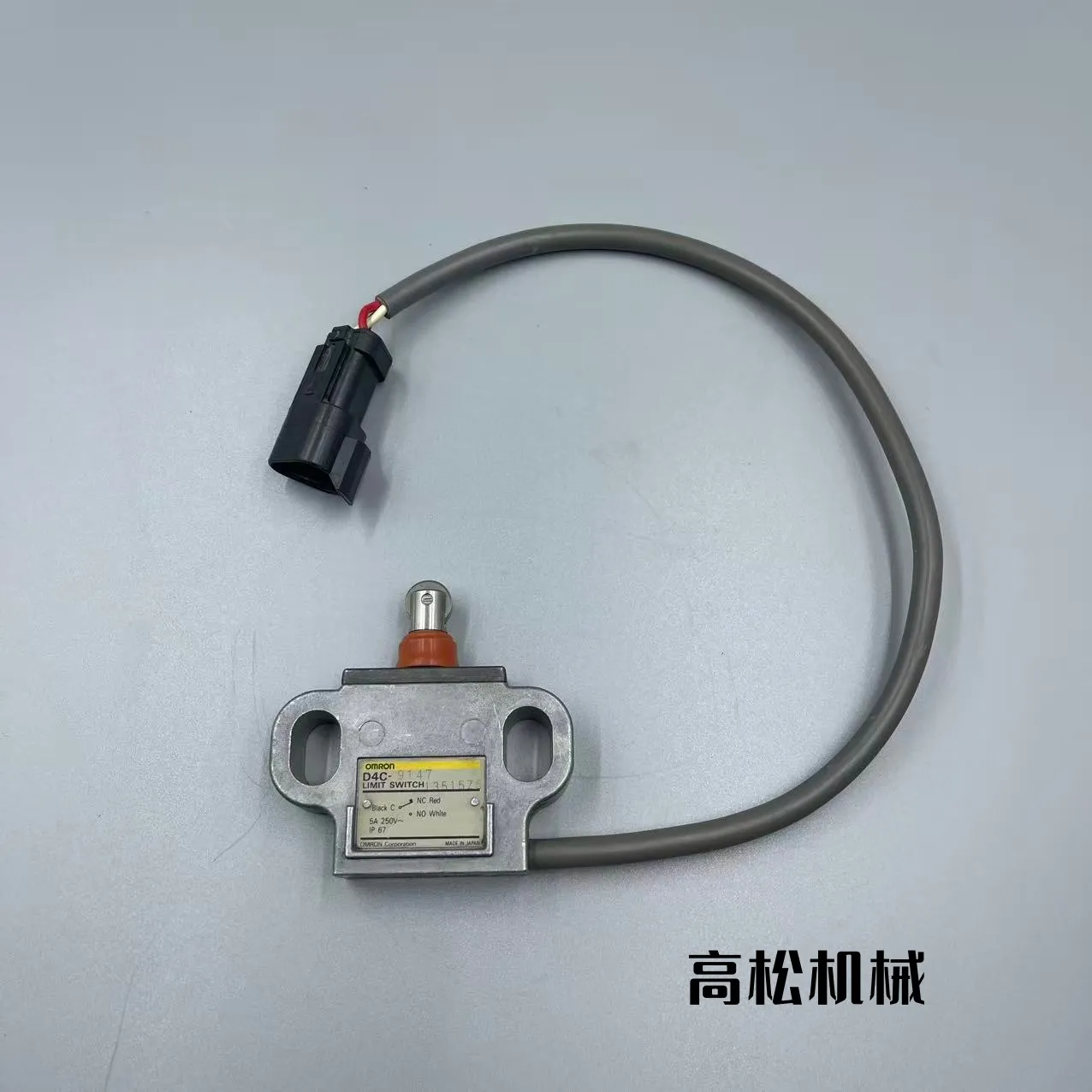 11Y-06-22150-SWITCH Komatsu Original Factory