
- Chinese
- French
- German
- Portuguese
- Spanish
- Russian
- Japanese
- Korean
- Arabic
- Irish
- Greek
- Turkish
- Italian
- Danish
- Romanian
- Indonesian
- Czech
- Afrikaans
- Swedish
- Polish
- Basque
- Catalan
- Esperanto
- Hindi
- Lao
- Albanian
- Amharic
- Armenian
- Azerbaijani
- Belarusian
- Bengali
- Bosnian
- Bulgarian
- Cebuano
- Chichewa
- Corsican
- Croatian
- Dutch
- Estonian
- Filipino
- Finnish
- Frisian
- Galician
- Georgian
- Gujarati
- Haitian
- Hausa
- Hawaiian
- Hebrew
- Hmong
- Hungarian
- Icelandic
- Igbo
- Javanese
- Kannada
- Kazakh
- Khmer
- Kurdish
- Kyrgyz
- Latin
- Latvian
- Lithuanian
- Luxembou..
- Macedonian
- Malagasy
- Malay
- Malayalam
- Maltese
- Maori
- Marathi
- Mongolian
- Burmese
- Nepali
- Norwegian
- Pashto
- Persian
- Punjabi
- Serbian
- Sesotho
- Sinhala
- Slovak
- Slovenian
- Somali
- Samoan
- Scots Gaelic
- Shona
- Sindhi
- Sundanese
- Swahili
- Tajik
- Tamil
- Telugu
- Thai
- Ukrainian
- Urdu
- Uzbek
- Vietnamese
- Welsh
- Xhosa
- Yiddish
- Yoruba
- Zulu
- Kinyarwanda
- Tatar
- Oriya
- Turkmen
- Uyghur






Komatsu gear pump
When most people in this field hear 'Komatsu gear pump', they immediately think of the main hydraulic pump on an excavator. That's not wrong, but it's a simplification that causes a lot of misdiagnosis in the field. The reality is more nuanced. Komatsu uses gear pumps for more than just the primary hydraulics; you'll find them in swing drives, pilot systems, and even in some cooling circuit applications on older models. The common mistake is blaming the main Komatsu gear pump for every pressure drop, when often it's a smaller, secondary unit or a completely different component. I've seen too many mechanics waste hours swapping out a perfectly good main pump, only to find the issue was a worn pilot pump starving the control system. It's this kind of hands-on, sometimes frustrating, experience that shapes a real understanding of these components.
Beyond the Part Number: Identifying the Real Component
Let's talk specifics. Take the common PC200-8 model. It doesn't just have one gear pump. You've got the main hydraulic pump (which is actually a variable piston pump, not a gear pump – see the confusion?), but then you have the gear pump for the pilot system, often a small, dedicated unit. Its failure mode is distinct: slow operation, unresponsive controls, but the main digging force might still seem okay. The part number is key, but so is knowing its location on the machine. I recall a job where we had intermittent pilot pressure loss. The schematics pointed to the pump, but after replacing it, the problem persisted. Turns out, the spline coupling connecting the pump to the gearbox was partially stripped. It would engage fine sometimes, then slip under load. The lesson? Never assume the pump body is the only failure point.
Then there's the challenge of cross-referencing and equivalents. The OEM part, say, , is what everyone wants. But in many markets, getting that exact part with the Komatsu logo is a months-long ordeal. This is where the ecosystem of suppliers comes in. Some aftermarket units are excellent, with hardened gears that outlast the originals in abrasive conditions. Others are junk that will fail within 200 hours. The difference isn't always in the price; it's in the metallurgy and the precision of the side plates. You learn to identify the good ones by the machining marks, the quality of the casting, and even the type of sealant used.
This leads me to a practical observation from dealing with companies like Jining Gaosong Construction Machinery Co., Ltd.. Their role is interesting. As an OEM product supplier within the Komatsu system, they have access to genuine channels, but their value often lies in solving the in-between problems. A customer might need a pump for a Komatsu WA320 loader that's been working in a remote mining site. The official channel is backlogged. A company like Gaosong, operating via https://www.takematsumachinery.com, can often navigate this by offering a compatible OEM-spec unit or a verified alternative that meets the operational urgency without compromising the machine's integrity. They're not just selling a part; they're providing a supply chain solution for certain countries, which is a diplomatic way of saying regions where logistics and official dealer networks are a constant challenge.
The Failure Analysis: Reading the Wear Patterns
Teardown is where the truth is revealed. A failed Komatsu gear pump tells a story. Uniform wear on the gear faces and housing? That's often just age and high hours. But scoring on one side of the housing? That points to contamination – a failed filter, a breach in the system. Finding brass particles mixed with steel? That's the kiss of death; it means the pump's bushing or bearing has disintegrated, sending debris through the entire circuit. In one catastrophic case, a failed pilot pump sent metal through the control valve block, multiplying the repair cost tenfold.
The most common killer is cavitation, and it's frequently misdiagnosed as pump failure. The symptom is noise – a high-pitched whine – and loss of pressure. The inexperienced will swap the pump, only to have the new one fail in the same way. The root cause is usually on the inlet side: a collapsed suction hose, a clogged strainer, or oil with too high viscosity in cold weather. I've made this mistake myself early on. Replaced a noisy pump on a cold morning, started the machine, and the whine came right back. Felt like an idiot. The fix was simply switching to a proper low-temperature hydraulic oil and checking the suction line.
Another subtle point is pressure setting. These pumps often have an integral relief valve. If that valve is set too high from a previous repair, or if someone has cranked it down trying to solve a different problem, it puts immense stress on the gears and shaft. I always check the relief pressure with a gauge during diagnosis. It's a five-minute step that can save a thousand-dollar part.
The Compatibility and Will It Fit? Game
This is a major pain point in the field. Komatsu models evolve, and pumps change. The physical mounting flange might look identical between a Dash-6 and a Dash-8 machine, but the shaft spline count or rotation direction could be different. I've seen mechanics force-install a pump only to discover it's turning backwards when the engine starts. The result is zero pressure and a potentially damaged unit.
Suppliers who understand this are worth their weight in gold. When you look at a portal like https://www.takematsumachinery.com, the useful information isn't just a list of part numbers. It's the technical notes: Fits PC300-5, PC300-6, but requires adapter plate for PC300-3. Or, Interchangeable with OEM number X, but outlet port thread is BSPP not ORS. This level of detail shows the supplier has real-world installation experience. Jining Gaosong's positioning as a specialist within the Komatsu ecosystem suggests they deal with these nuances daily, bridging the gap between the official OEM catalog and the messy reality of a repair bay in, say, a Southeast Asian port or an African mine.
Then there's the seal kit. Never, ever reuse seals on a gear pump rebuild. The O-rings and shaft seals are designed for specific clearances. After a rebuild, those clearances are different, even if slightly. A new seal kit is non-negotiable. Using an old seal might hold pressure on the bench test, but it will leak under the heat and vibration of operation. It's a small cost that guarantees the job is done right.
Operational Context and Choosing the Right Solution
Not every machine needs a genuine, gold-plated OEM pump. The application dictates the choice. For a critical machine in a 24/7 mining operation, yes, you pay the premium for the certified part with full traceability. But for an older machine in a secondary role, like a site service loader, a high-quality aftermarket or OEM-spec pump from a reliable supplier is the economically rational choice. The goal is uptime, not purity.
This is where the value proposition of a company like Jining Gaosong Construction Machinery Co., Ltd. becomes clear. They aren't just an alternative; they are a flexible node in the supply chain. They can source the genuine article when it's absolutely necessary, but they can also provide a robust, cost-effective solution that keeps the machine running when the official pipeline is clogged. Their company line about solving parts supply challenges in certain countries is the core of their business. It means they understand the delays, the customs headaches, and the urgency of a downed machine.
I remember a specific case with a Komatsu D61 dozer. The steering clutch pump failed. The local dealer quoted a 12-week lead time. The machine was blocking a main access road. Through a network contact, we found a supplier who could get an OEM-equivalent pump to us in 10 days. It wasn't a Komatsu-branded box, but the pump had the correct port configuration, rotation, and pressure rating. We installed it with a new filter and fluid flush. That was five years ago. I drove past that site recently, and the same dozer was still working. The pump? Still going. It proves that the right part isn't always the one with the original logo.
Concluding Thoughts: It's About the System
Ultimately, focusing solely on the Komatsu gear pump as a component is a trap. It's a vital piece, but it's a piece of a system. Its health is dictated by the quality of the oil, the integrity of the filters, the condition of the suction line, and the settings of the valves it feeds. The best practice is systematic: diagnose the symptom, trace it through the circuit, and verify conditions before condemning the pump.
The supply side has evolved too. It's no longer just dealer vs. aftermarket. There's a middle layer of technically competent suppliers who operate with OEM knowledge but with third-party flexibility. For professionals in the field, developing relationships with these kinds of resources is as important as knowing how to read a hydraulic schematic. They provide options.
So, when you next face a gear pump issue, look beyond the obvious. Check the simple things first. Understand what that specific pump actually does on that specific machine. And when you need to source a replacement, know that the ecosystem has players who exist to solve the practical problem of downtime, not just sell a boxed part. That's the real-world knowledge that keeps machinery moving.
Related Products
Related Products

Best Selling Products
Best Selling Products-
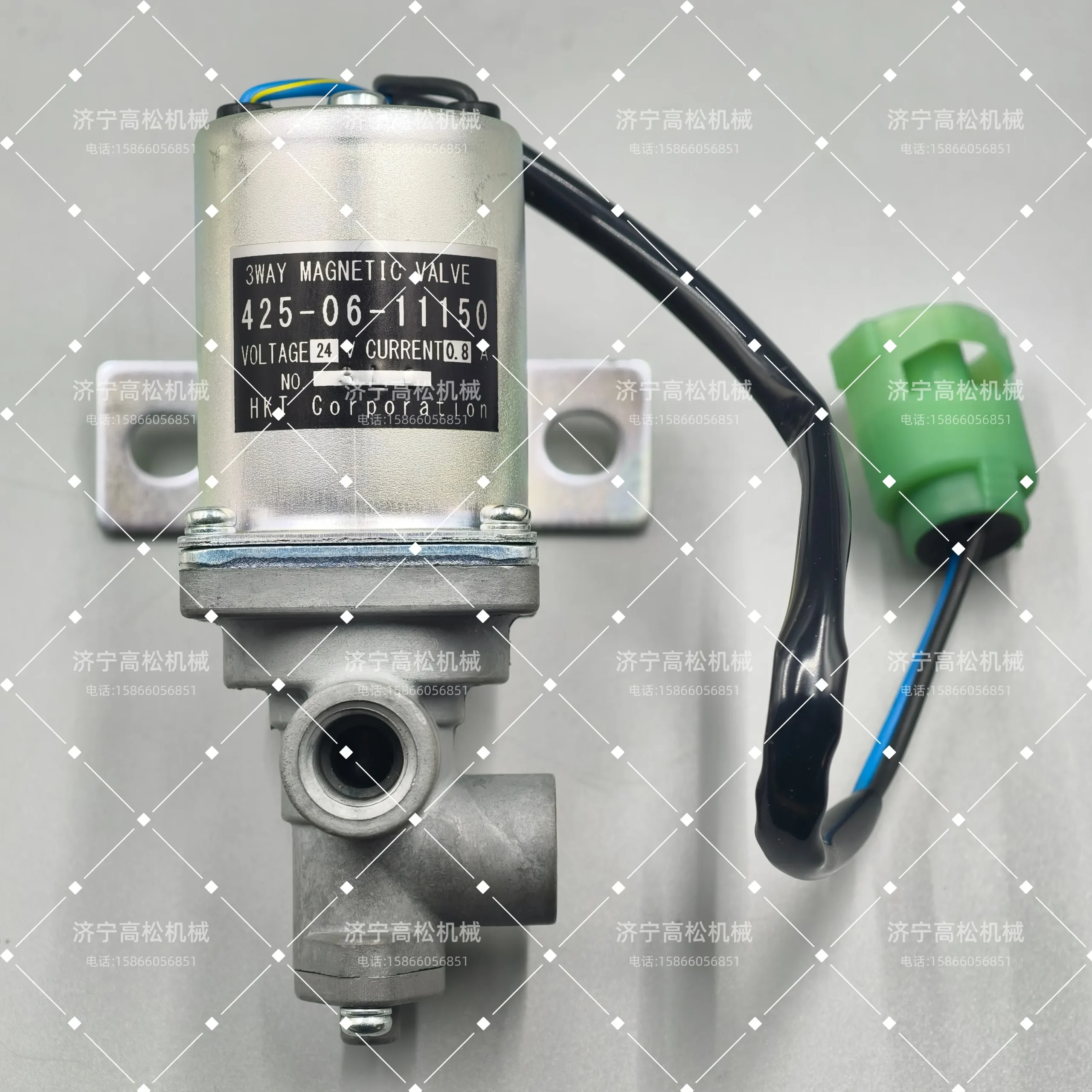 425-06-11150 Komatsu VALVE, PARKING BRAKE
 -
 Komatsu 21N-68-32320 CONNECTOR-Komatsu Original Factory CONNECTOR PC1250SP-8R PC1800-6 PC1100SP-6 PC2000-8
 -
 425-04-21430 Komatsu Cover
 -
 22U-06-22370 Switch Assembly
 -
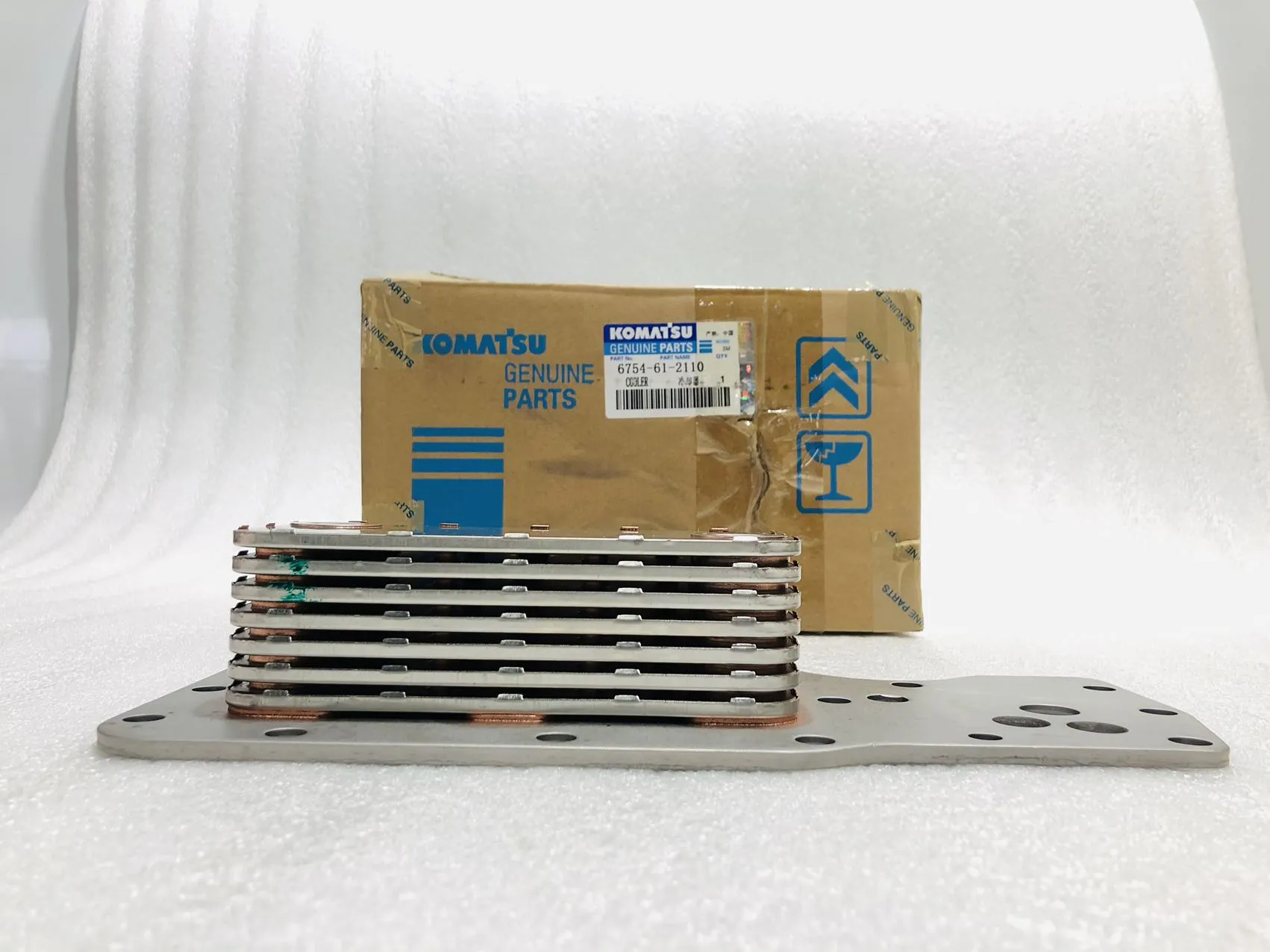 OIL COOLER 6754-61-2110 For Komatsu Engine SAA6D107E PC200-8
 -
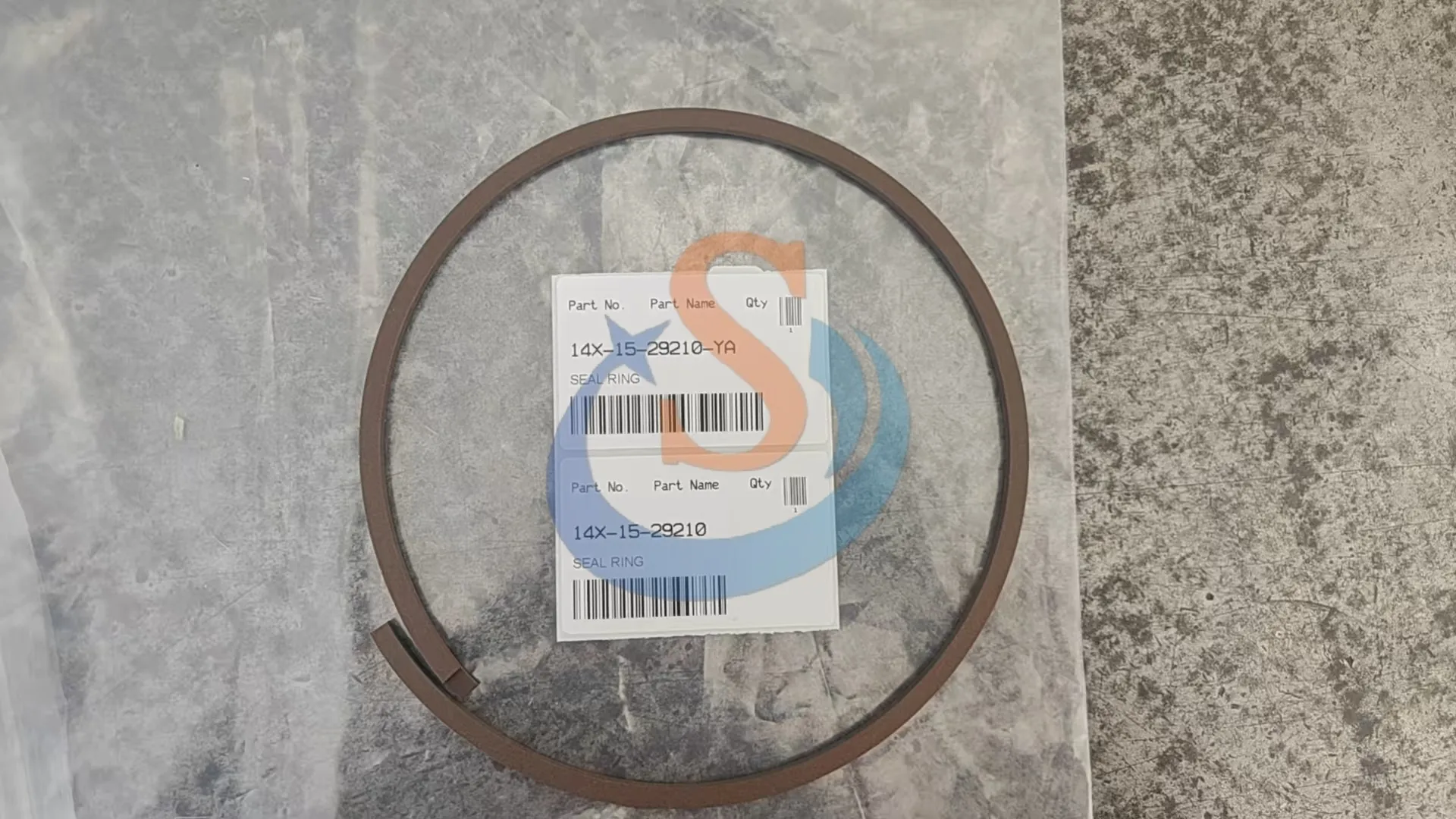 14X-15-29210,SEAL RING,D65PX,D85ESS-2,HD605-7R
 -
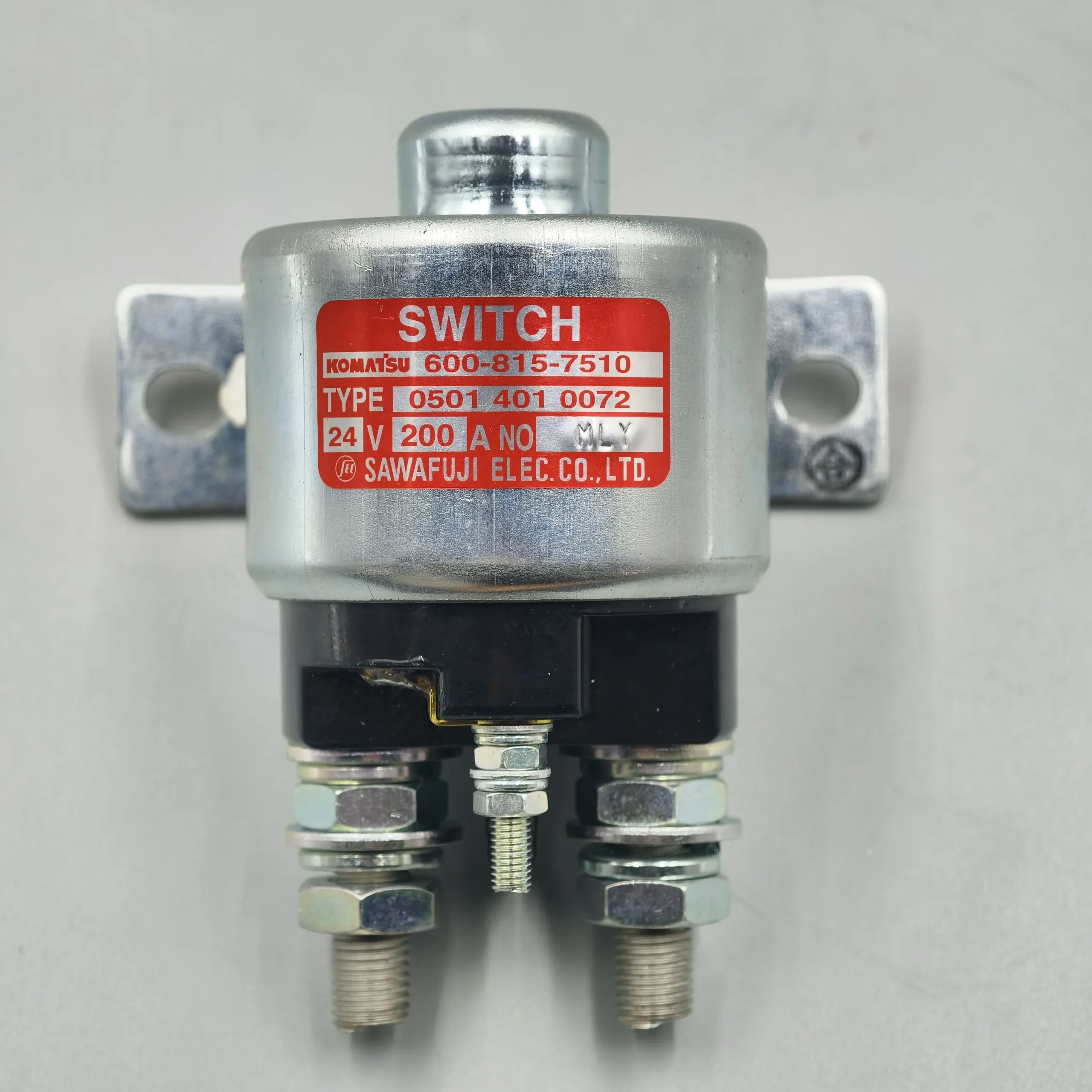 Accessories D375A-5 Switch Heater 600-815-7510 6008157510
 -
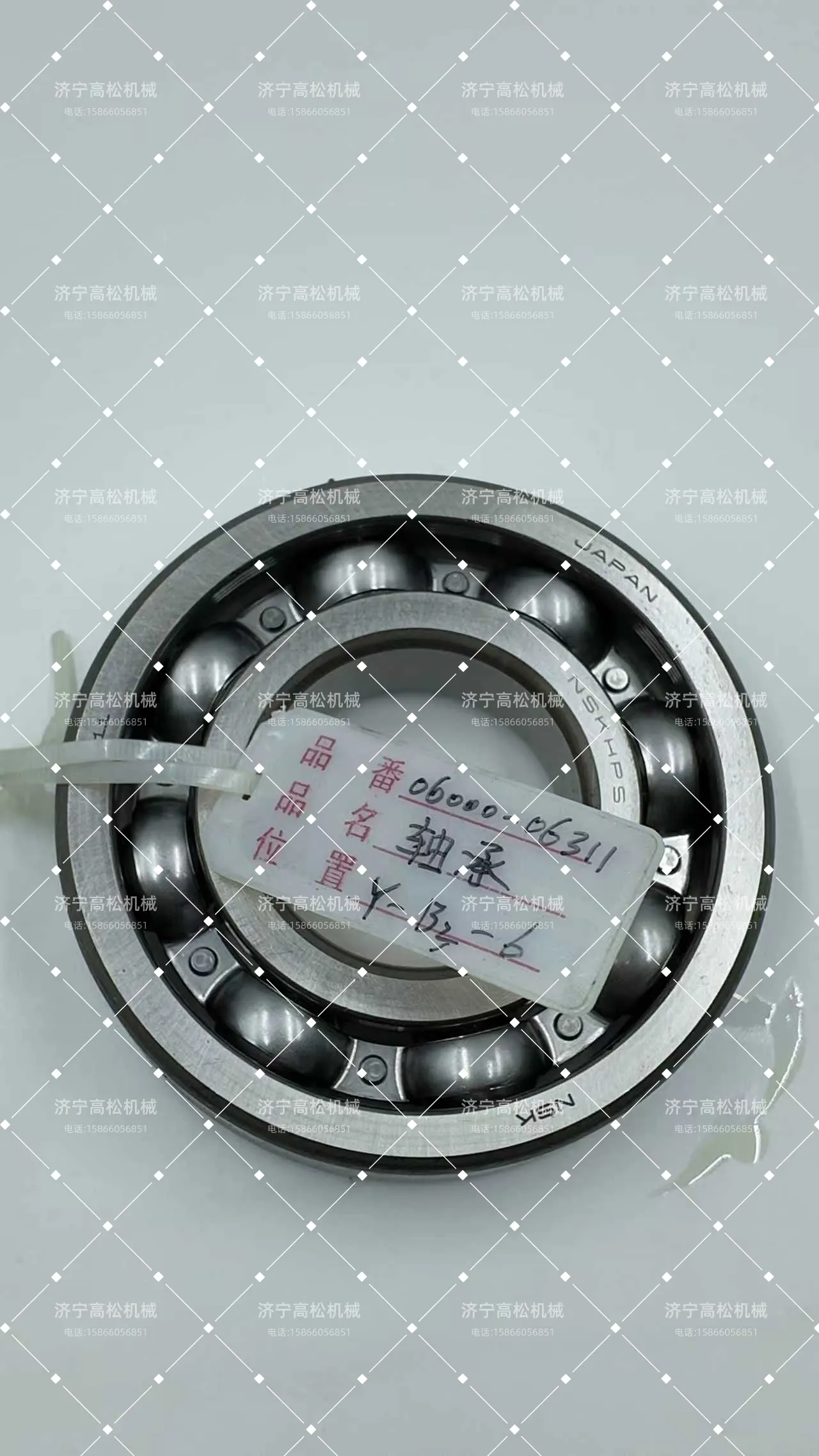 Custom KOMATSU Bulldozer Slewing Gearbox Bearing 06000-06311…
 -
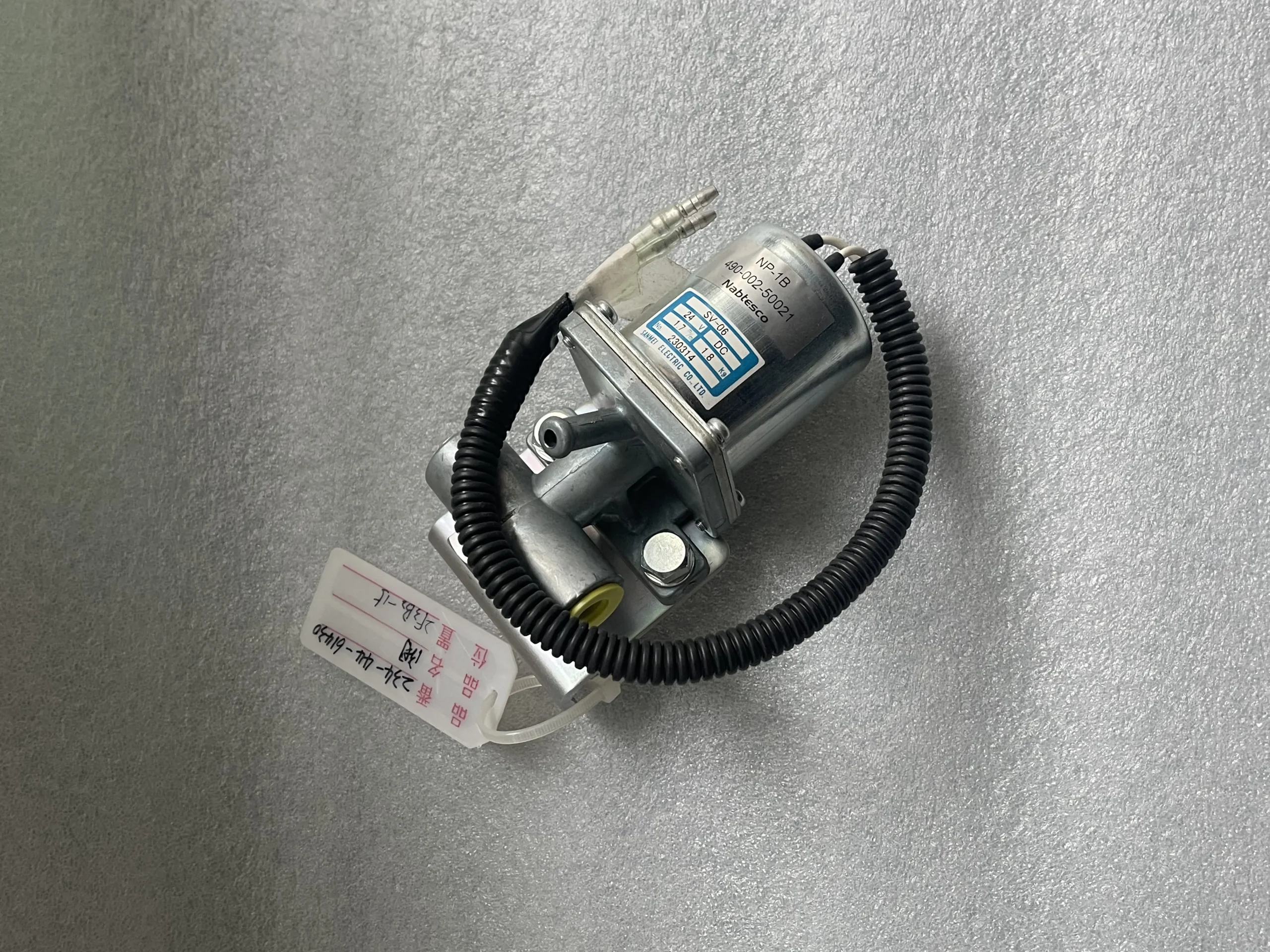 VALVE 234-44-61430
 -
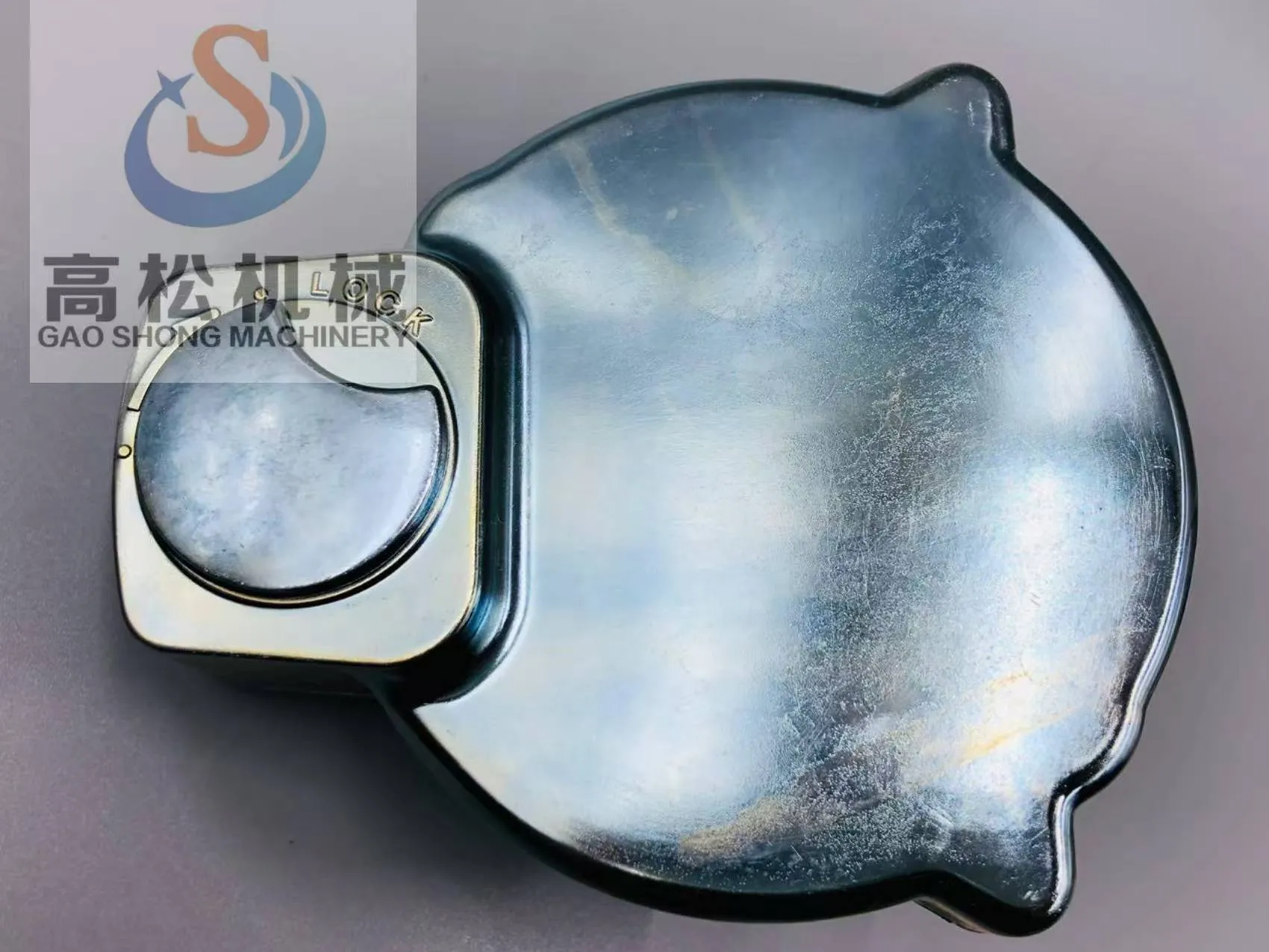 17a-60-11310 hydraulic excavator tank cap compatible with p300-8 and p350-8 construction equipment
 -
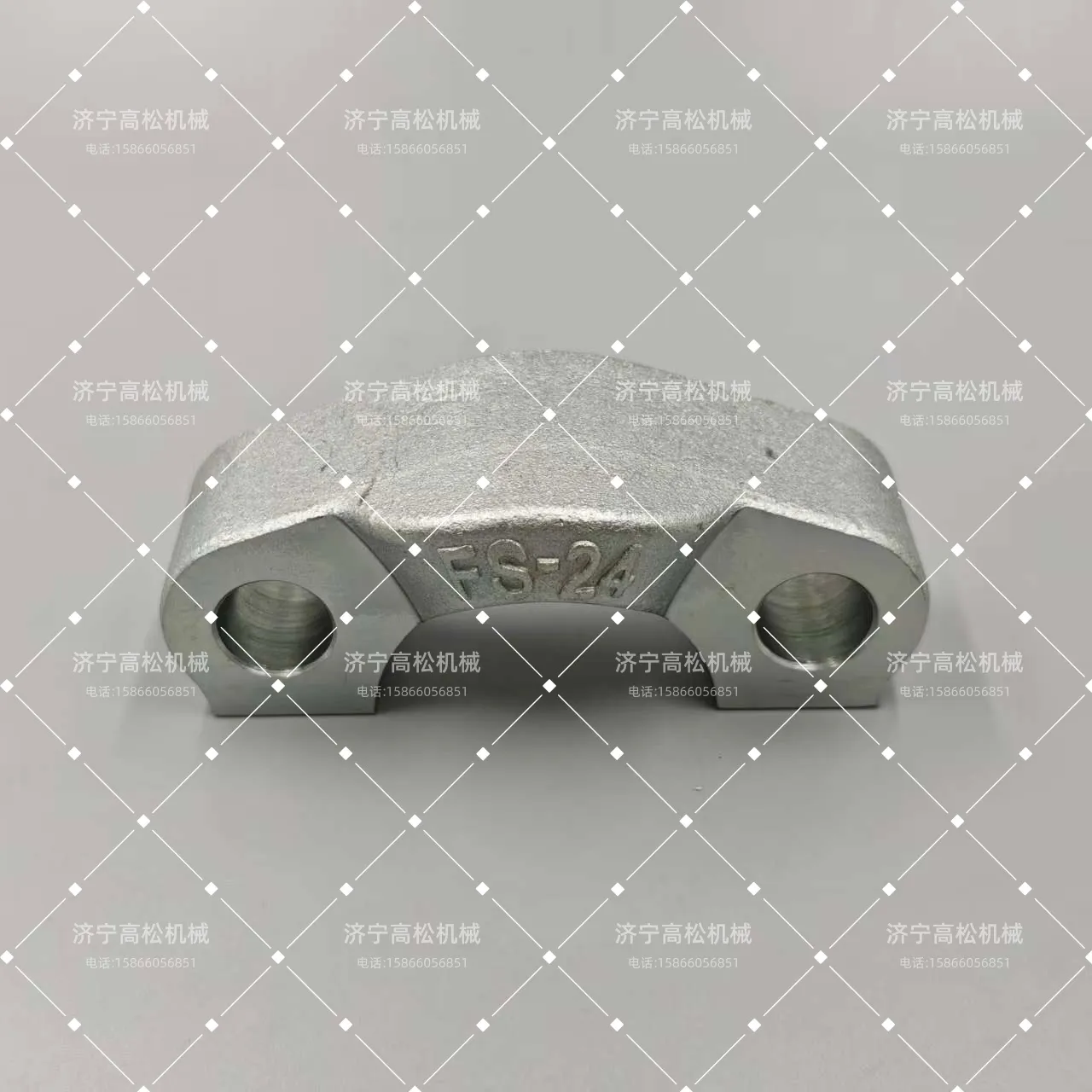 FLANGE 07371-51470 – KOMATSU Part catalog
 -
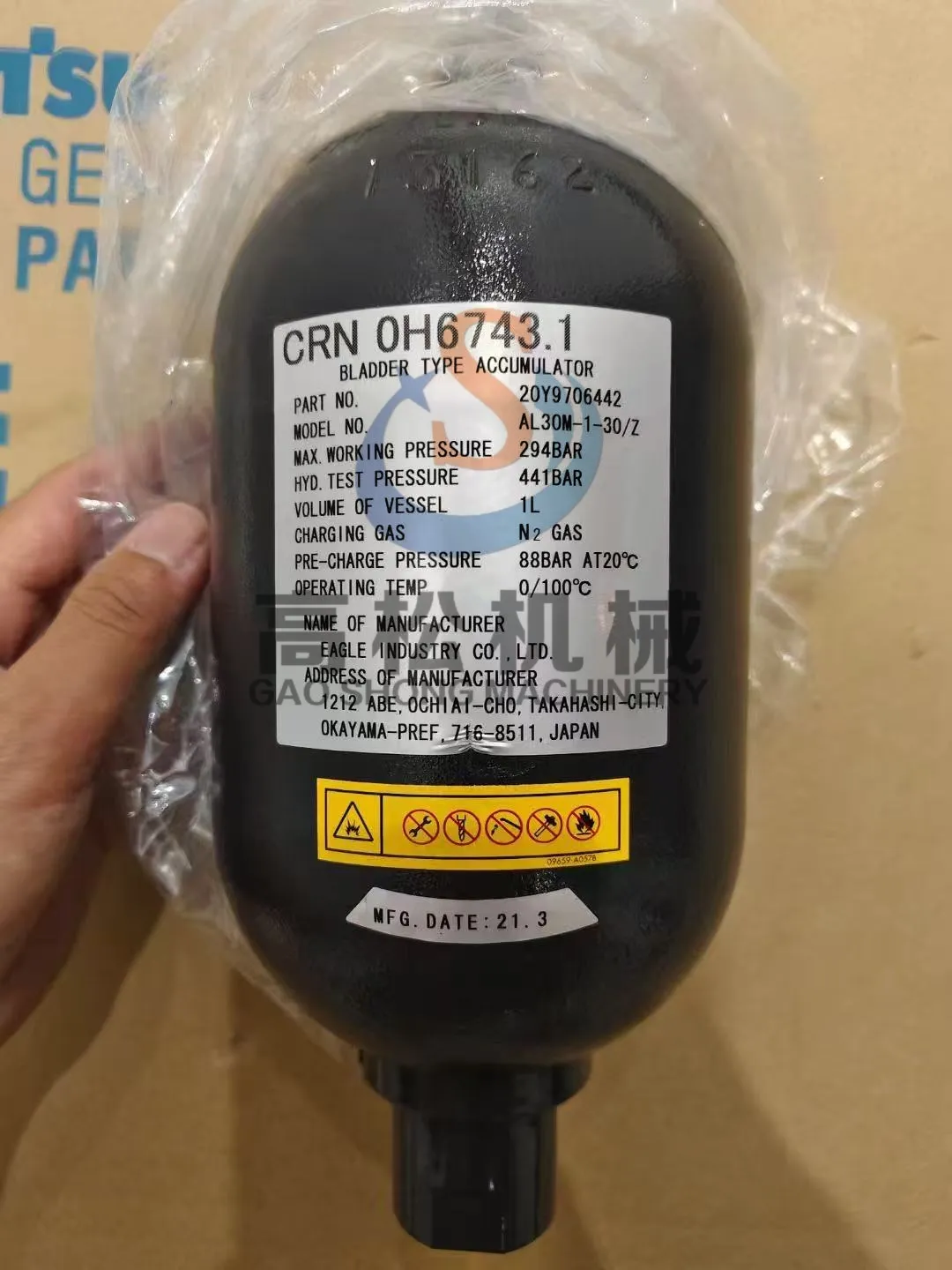 20Y-970-6442 Komatsu Accumulator Assembly