
- Chinese
- French
- German
- Portuguese
- Spanish
- Russian
- Japanese
- Korean
- Arabic
- Irish
- Greek
- Turkish
- Italian
- Danish
- Romanian
- Indonesian
- Czech
- Afrikaans
- Swedish
- Polish
- Basque
- Catalan
- Esperanto
- Hindi
- Lao
- Albanian
- Amharic
- Armenian
- Azerbaijani
- Belarusian
- Bengali
- Bosnian
- Bulgarian
- Cebuano
- Chichewa
- Corsican
- Croatian
- Dutch
- Estonian
- Filipino
- Finnish
- Frisian
- Galician
- Georgian
- Gujarati
- Haitian
- Hausa
- Hawaiian
- Hebrew
- Hmong
- Hungarian
- Icelandic
- Igbo
- Javanese
- Kannada
- Kazakh
- Khmer
- Kurdish
- Kyrgyz
- Latin
- Latvian
- Lithuanian
- Luxembou..
- Macedonian
- Malagasy
- Malay
- Malayalam
- Maltese
- Maori
- Marathi
- Mongolian
- Burmese
- Nepali
- Norwegian
- Pashto
- Persian
- Punjabi
- Serbian
- Sesotho
- Sinhala
- Slovak
- Slovenian
- Somali
- Samoan
- Scots Gaelic
- Shona
- Sindhi
- Sundanese
- Swahili
- Tajik
- Tamil
- Telugu
- Thai
- Ukrainian
- Urdu
- Uzbek
- Vietnamese
- Welsh
- Xhosa
- Yiddish
- Yoruba
- Zulu
- Kinyarwanda
- Tatar
- Oriya
- Turkmen
- Uyghur






Komatsu GD825 parts
When you're dealing with Komatsu GD825 parts, especially for the older graders, the first thing you realize is that the supply chain isn't as straightforward as the manuals make it seem. A common pitfall is assuming all aftermarket options are equal, or worse, that OEM parts are always available off the shelf. The reality on the ground, particularly in regions with import challenges, is a constant juggle between spec, availability, and cost. Having sourced these for projects from mining roads to large-scale site prep, the GD825's drivetrain and blade control components often become the critical path items that dictate downtime.
The Core Challenge: Authenticity vs. Availability
Let's talk about the blade lift cylinder rebuild kits. You can find a dozen listings online, but the seal quality variance is staggering. I've seen kits where the polyurethane compounds just don't hold up to the constant pressure cycling, failing within 200 hours. The OEM kit from Komatsu is, of course, the benchmark, but the lead time last year for a specific seal ring was pushing 16 weeks from Japan. That's not downtime; that's a project killer.
This gap is where the role of a certified supplier within the Komatsu system becomes crucial. It's not just about having a box with a logo. It's about having the technical drawings and material specs to validate alternatives. A company like Jining Gaosong Construction Machinery Co., Ltd. positions itself in that niche. They mention being an OEM product supplier within the Komatsu system and a third-party sales company. In practice, this often means they can access genuine OEM pipelines for some items while engineering reliable alternatives for others, specifically to solve parts supply challenges in certain countries. Their site, https://www.takematsumachinery.com, reflects this dual approach, though you have to dig into specific part requests to see the value.
For instance, a frequent failure point is the pivot shaft and bushing for the moldboard circle. The OEM part is a single, costly assembly. A reliable third-party solution might offer a hardened chrome shaft with a sintered bronze bushing as separate units, which is actually more serviceable in the field. The trick is knowing which components you can decouple like this without affecting the machine's geometry and which you absolutely cannot.
Drivetrain Specifics: More Than Just Gears
The GD825's transmission and final drive are robust, but when they go, it's expensive. The aftermarket is flooded with remanufactured torque converters. Here's a hard-learned lesson: a truly reman'd unit should have a completely re-profiled impeller and turbine, not just cleaned and balanced. I once opted for a cheaper option that just had new bearings and seals. The efficiency loss was noticeable in high-load grading, and it overheated within a month. You're not saving money; you're buying another rebuild sooner.
This is where having a supplier with direct OEM lineage matters. They understand the performance tolerances. A proper supplier won't just sell you a part; they should be able to tell you the stall speed spec for your machine's serial number range and match the converter to it. That level of detail separates part changers from actual solutions providers.
Planetary gear sets in the final drives are another area. The temptation is to replace only the damaged planet gears. Don't. The sun gear and ring gear wear in a pattern together. Replacing one without the others leads to premature meshing failures. A good source will insist on selling the kit or at least strongly advise it. It's a sign they've seen the failures happen in the field, not just in a catalog.
The Hydraulic Maze: Control Valves and Pumps
Hydraulic issues on the GD825 often get misdiagnosed as pump failures when it's usually the control valve stack. The pilot system valves, especially for the all-wheel drive and blade articulation, get gummed up. Aftermarket valve rebuild kits exist, but the spool tolerances are critical. A few microns off and you get internal leakage, slow response, and phantom movements.
I recall a job in a dusty environment where the blade would slowly sag overnight. We replaced the pump twice to no avail. The problem was a scored spool in the lock valve, which a standard seal kit couldn't fix. We needed a whole valve body. A supplier with Komatsu system knowledge knew that particular valve was on a long backorder but had a cross-reference to a valve from a later model that could be adapted with a new port bracket. That kind of practical knowledge is invaluable.
For the main hydraulic pump, the debate is rebuild vs. exchange. An exchange unit from a trusted source is often better than a field rebuild unless you have a certified shop. The reason? The housing itself can wear where the rotating group sits. A proper exchange core has been machined and sleeved back to spec. A field rebuild just puts new internals into a worn housing, leading to early failure again.
Filters and Fluids: The Overlooked Fundamentals
It sounds basic, but using the wrong hydraulic filter can cause more damage than a failed pump. The GD825's system requires a filter with a specific bypass valve pressure rating and media designed for the anti-wear additives in Komatsu fluids. A generic filter might look the same but can collapse internally or not filter to the required micron level. I've pulled apart pumps full of glitter because someone used a cheap, off-brand filter.
The same goes for fluids. There's a reason Komatsu specifies their own DTO fluid for the transmission and drive train. It's not just about viscosity; it's about the friction modifier package for the wet clutches. Using a generic TO-4 fluid can lead to chatter in the directional clutches and eventually, burnt plates. A knowledgeable parts supplier will ask about your fluid regimen when you're buying clutch packs. If they don't, they're just order-takers.
This attention to consumables is a good litmus test for a supplier's depth. A company like Jining Gaosong, by being embedded in the Komatsu ecosystem, would be expected to push the genuine filters and fluids, or at the very least, have a rigorously tested alternative that meets the exact OEM specifications, not just the generic industry standard.
Sourcing Strategy: Building a Reliable Pipeline
So, how do you actually manage this? You can't have every part on the shelf. The strategy is to identify the critical, long-lead items for your specific operation and secure a pipeline for those first. For a GD825 used in heavy clay, the circle drive gears and moldboard cutting edges are high-wear. For one used in rocky conditions, ripper shanks and lift cylinder rod guards are consumables.
Building a relationship with a supplier that understands this operational context is key. You want to be able to send them a serial number and a description of the work (mainly fine grading, abrasive dust) and have them recommend not just the part, but maybe a different material option. For example, they might suggest a boron steel cutting edge over standard carbon steel for longer life in abrasive conditions, even if it's not the original part number.
This is the promised value of a partner like the one described. Their model as an OEM supplier and third-party solver means they should, in theory, offer the genuine part when it's non-negotiable (like an engine ECM) and a vetted, contextual alternative when it's appropriate (like a wear plate or hose assembly). The goal is minimizing machine-off time with reliable components, not just selling a piece of metal. The final check is always in the field: does the part fit, does it last, and does it perform? Everything else is just talk.
Related Products
Related Products

Best Selling Products
Best Selling Products-
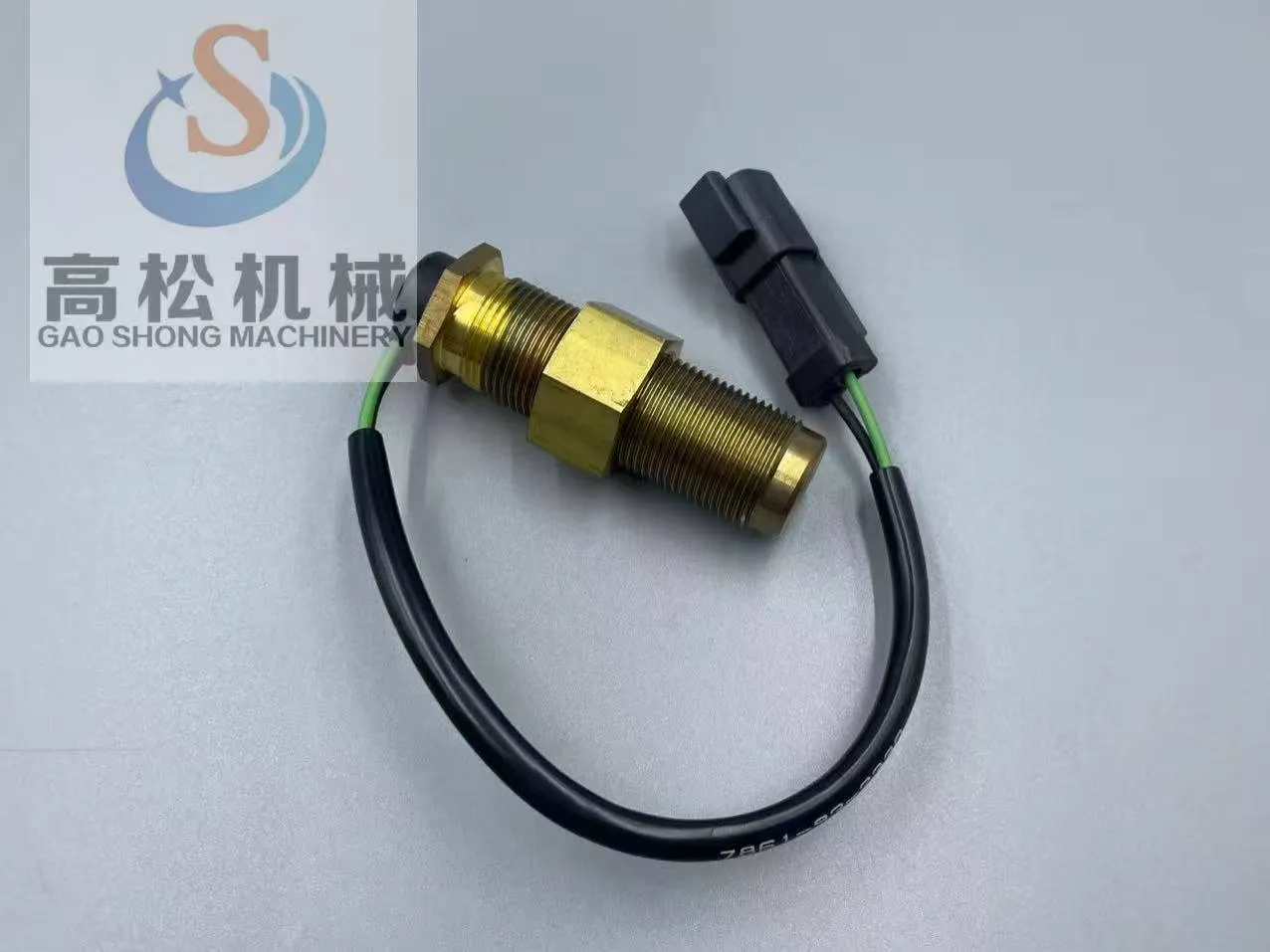 PC130-7 PC300-7 Engine Speed Sensor 7861-93-2330
 -
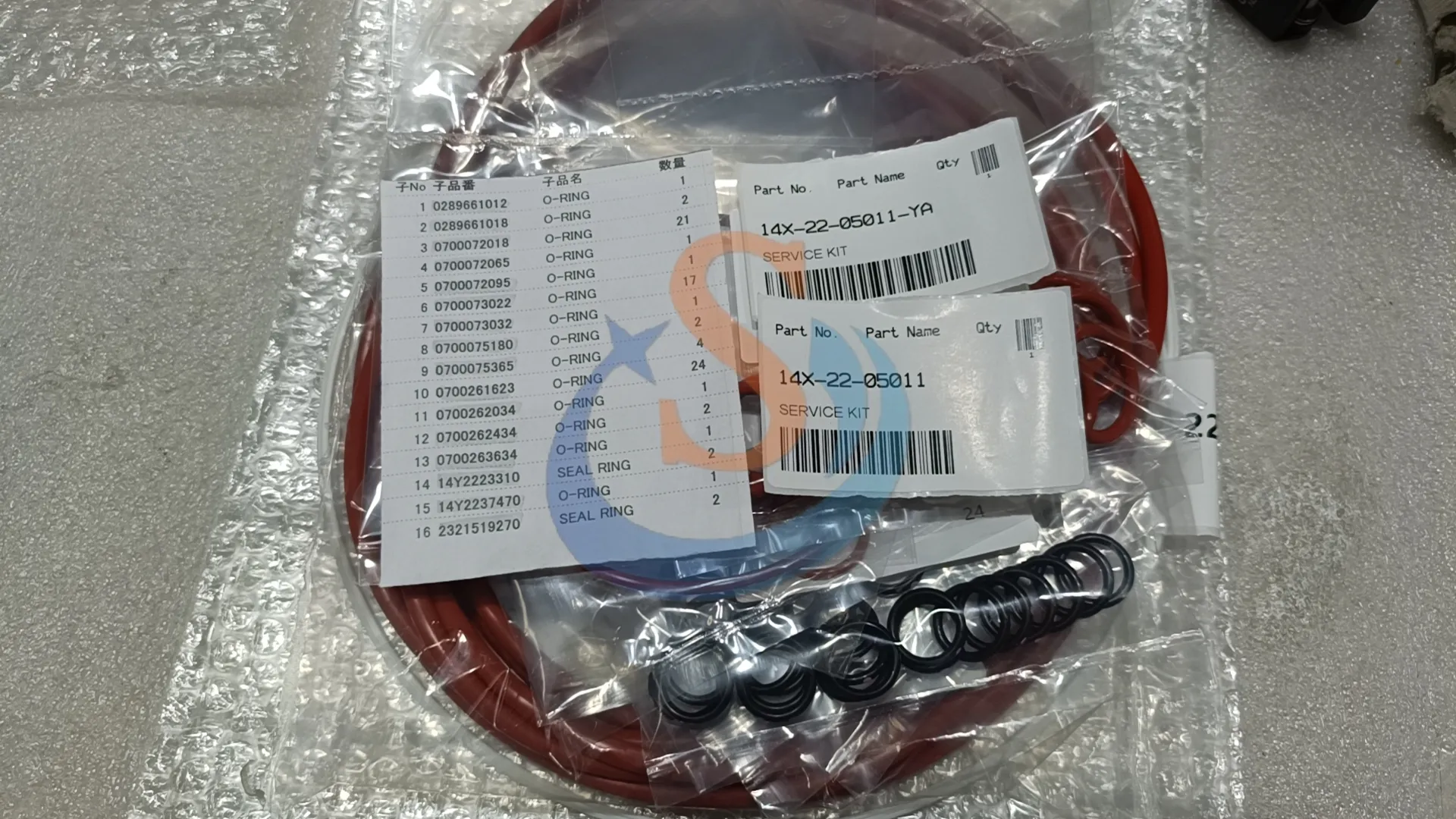 14X-22-05011,SERVICE KIT,D65PX,D65EX,D65WX
 -
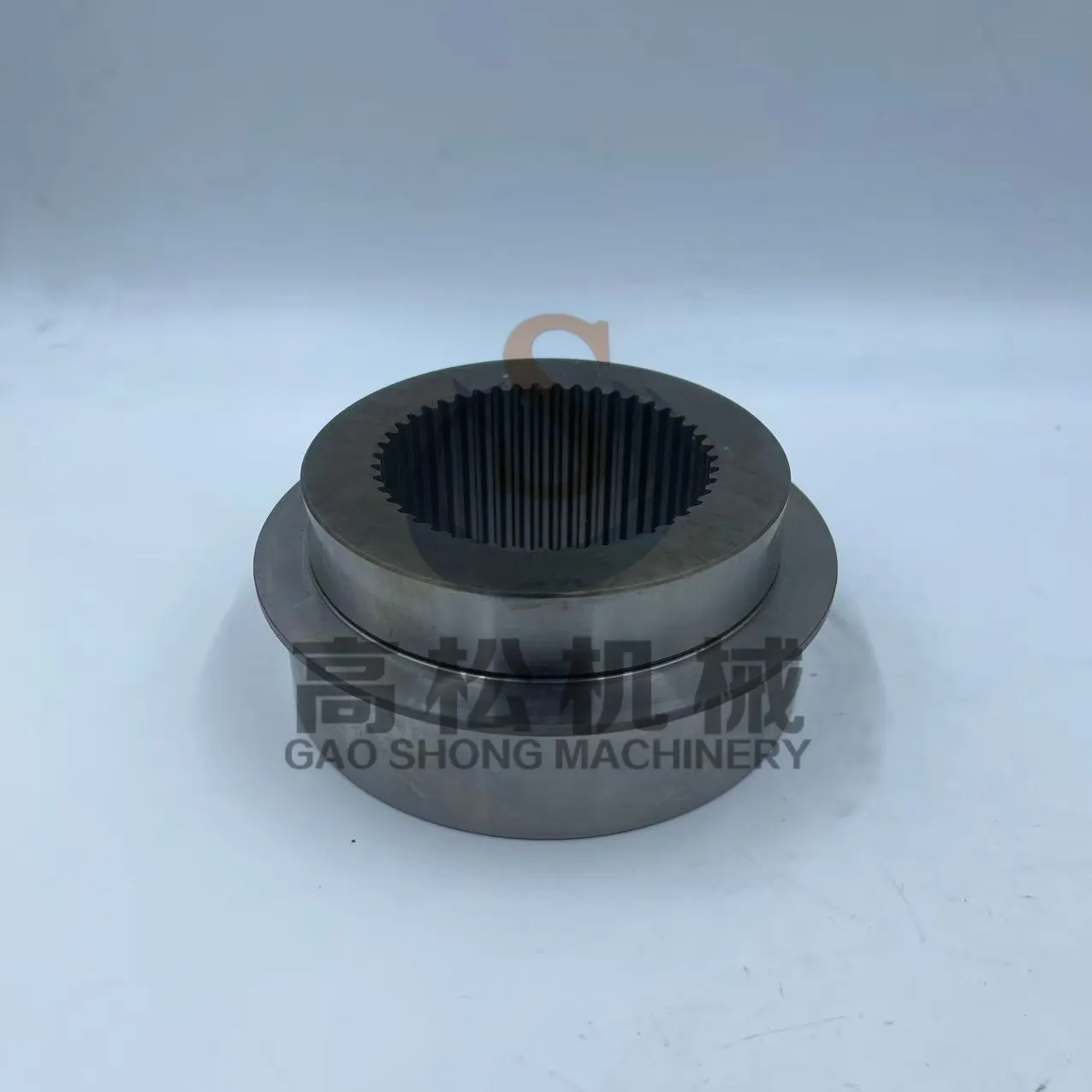 Komatsu 195-15-82570 Spacer
 -
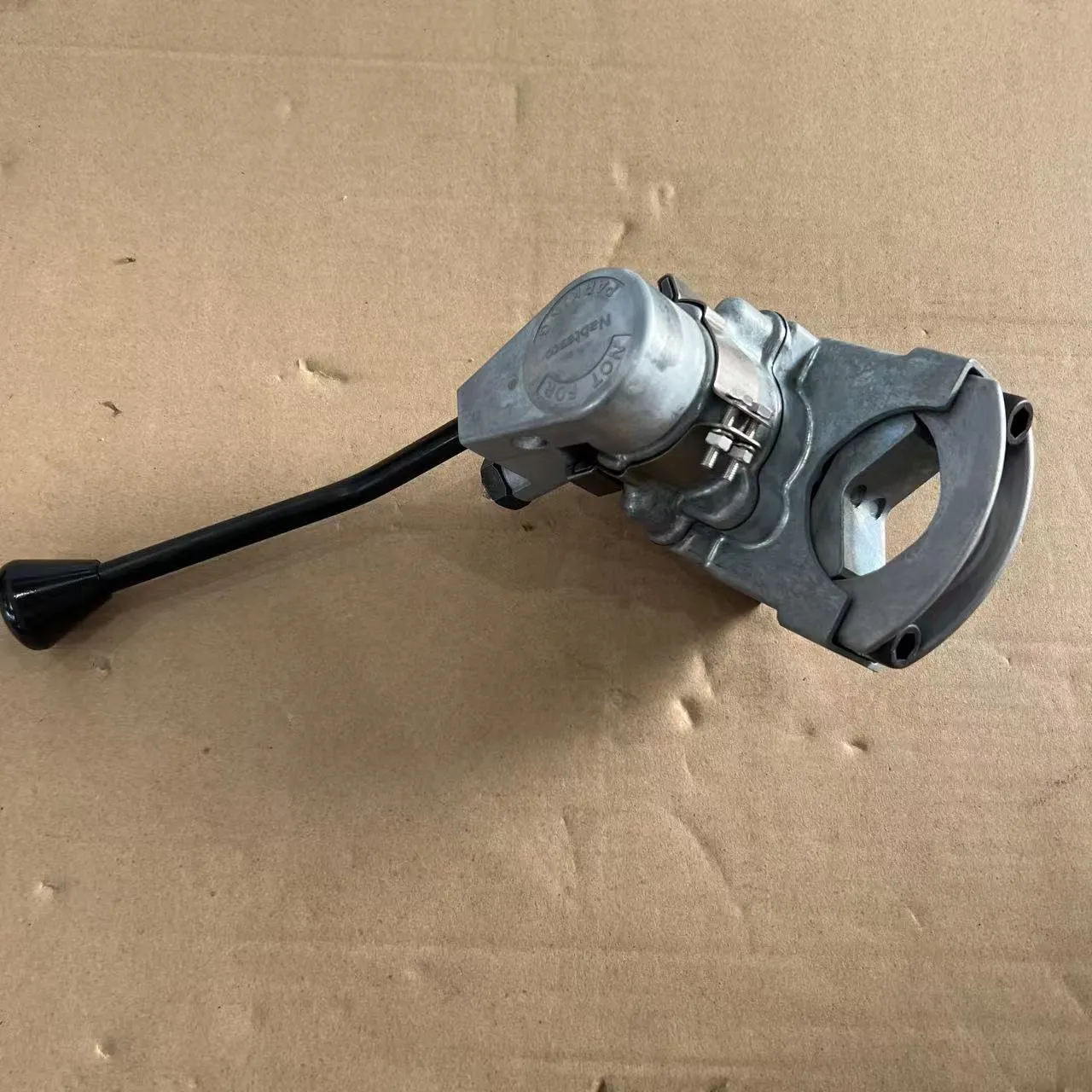 Hd785-5 Retarder 561-35-62203 For Dump Truck Original Parts, High…
 -
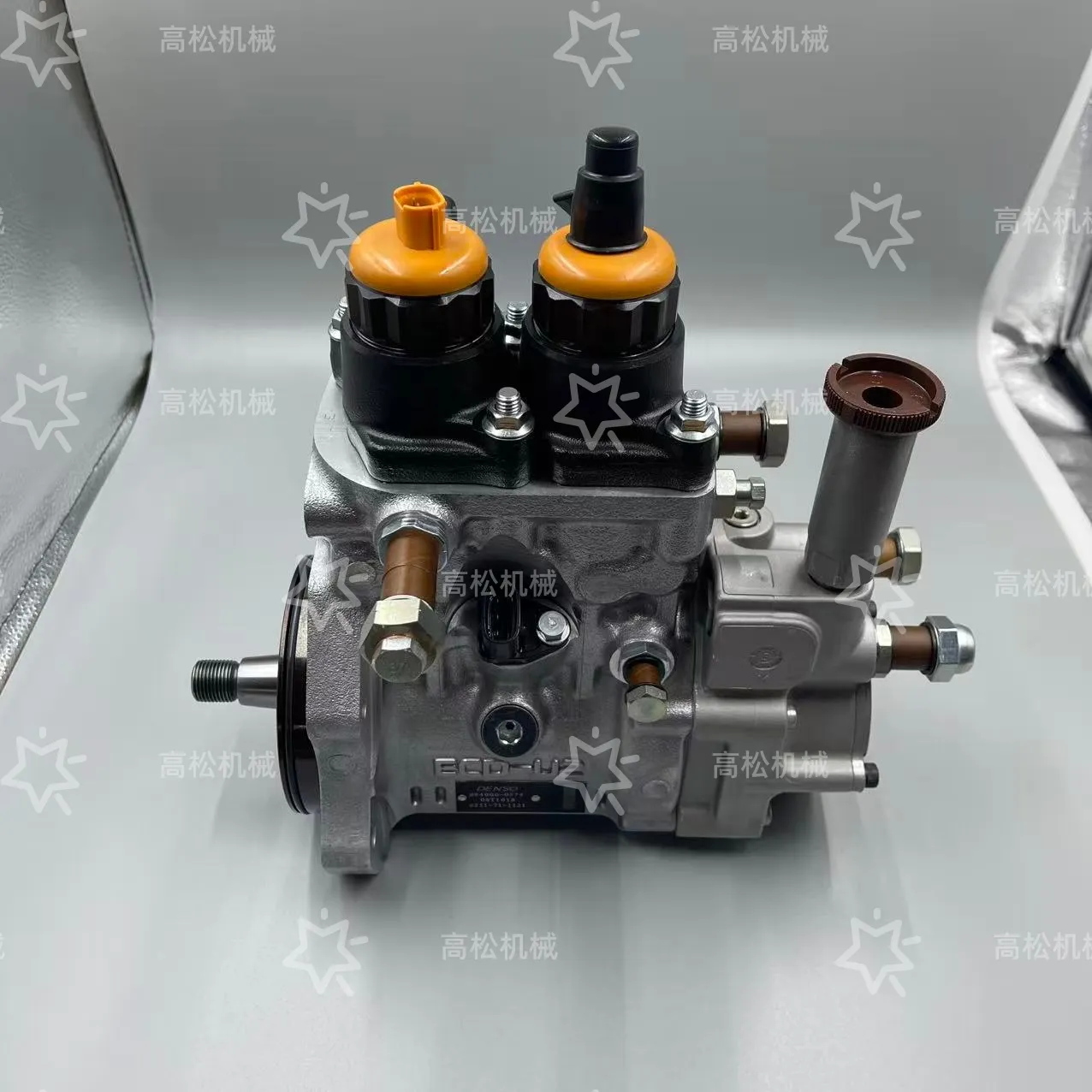 Fuel Injection Pump For Komatsu PC400-8 6251-71-1120 6251-71-1121 094000-057
 -
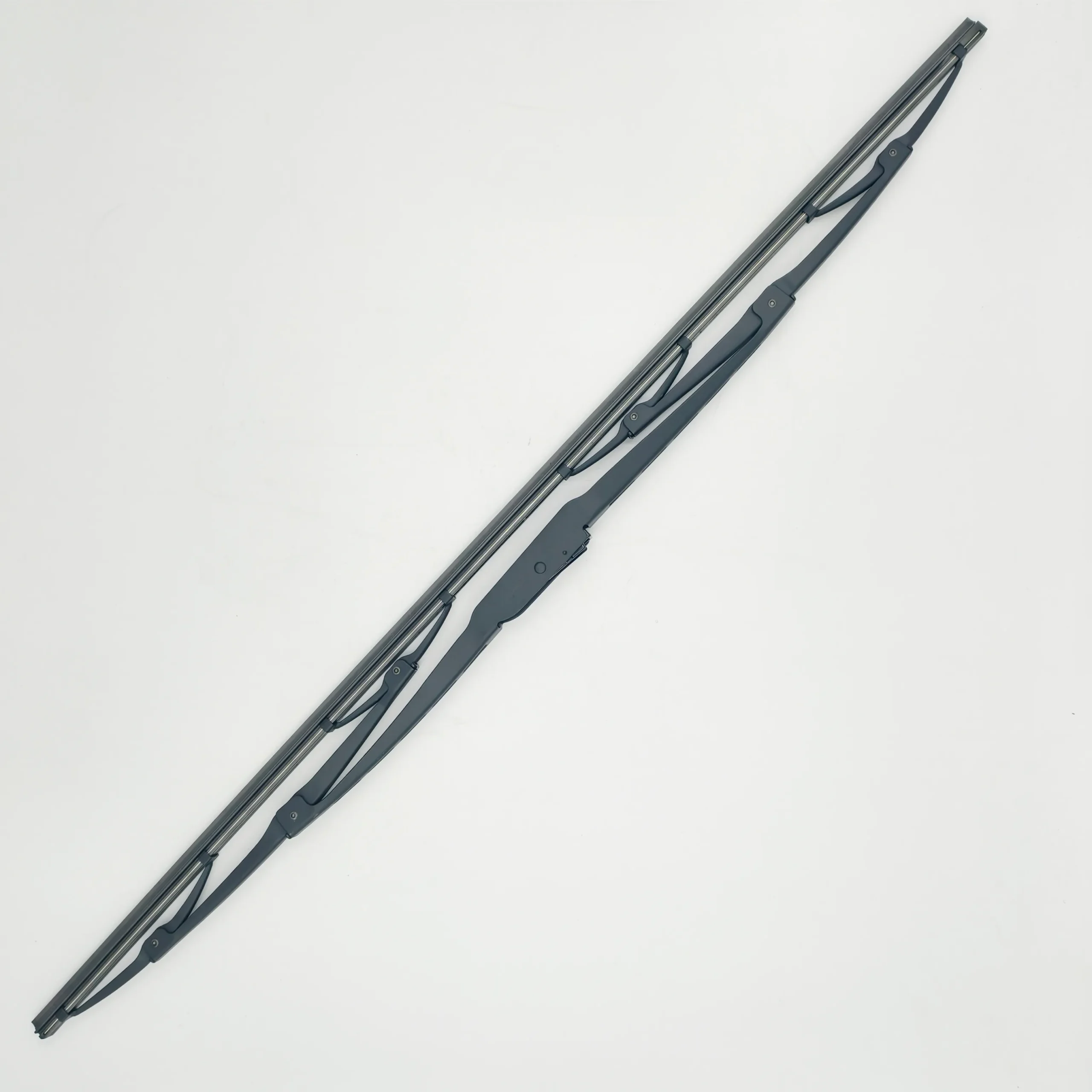 56B-54-13240 BLADE, WIPER
 -
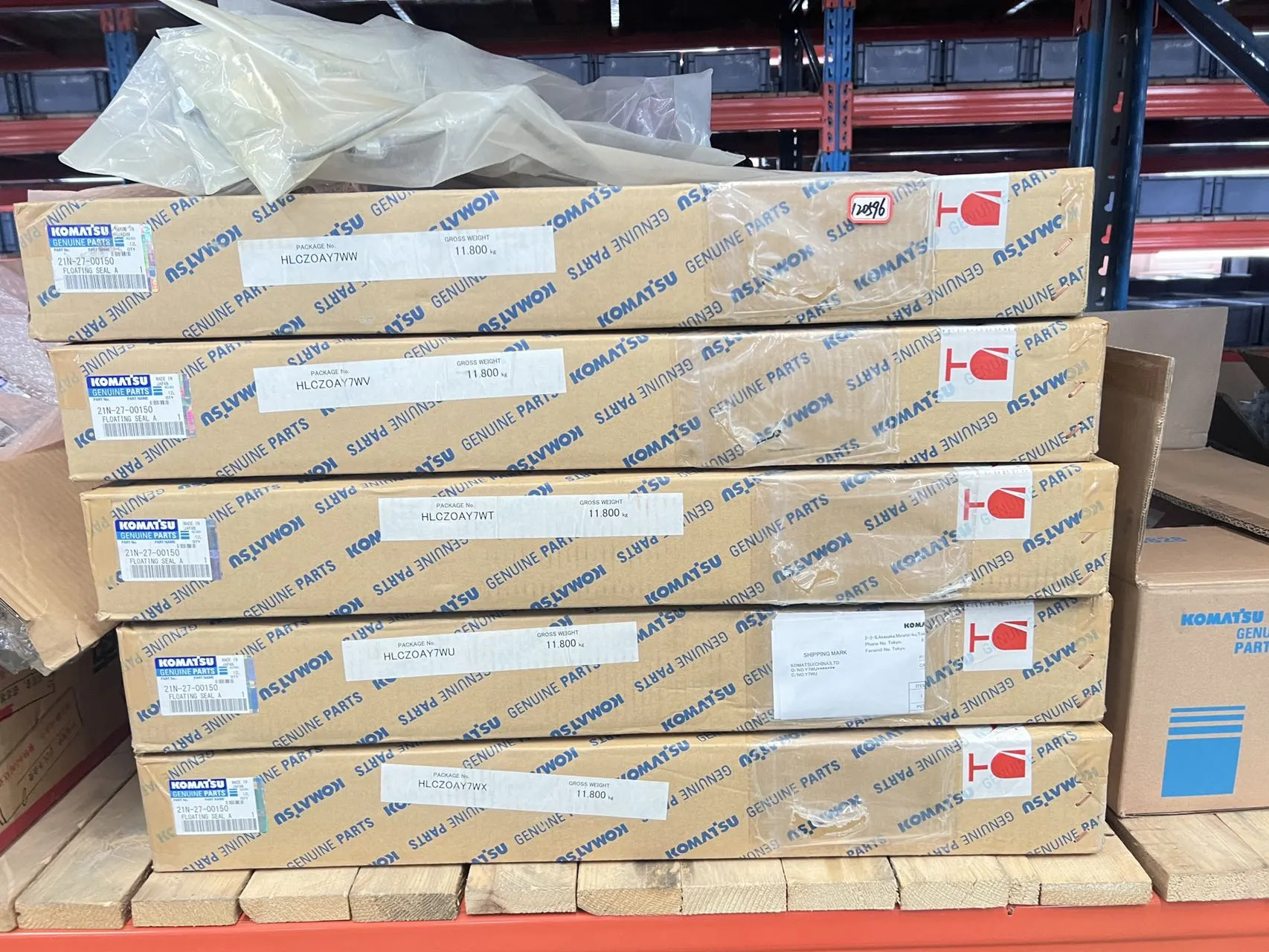 21N-27-00150 floating seal for Komastu PC1250-8 EXCAVATOR
 -
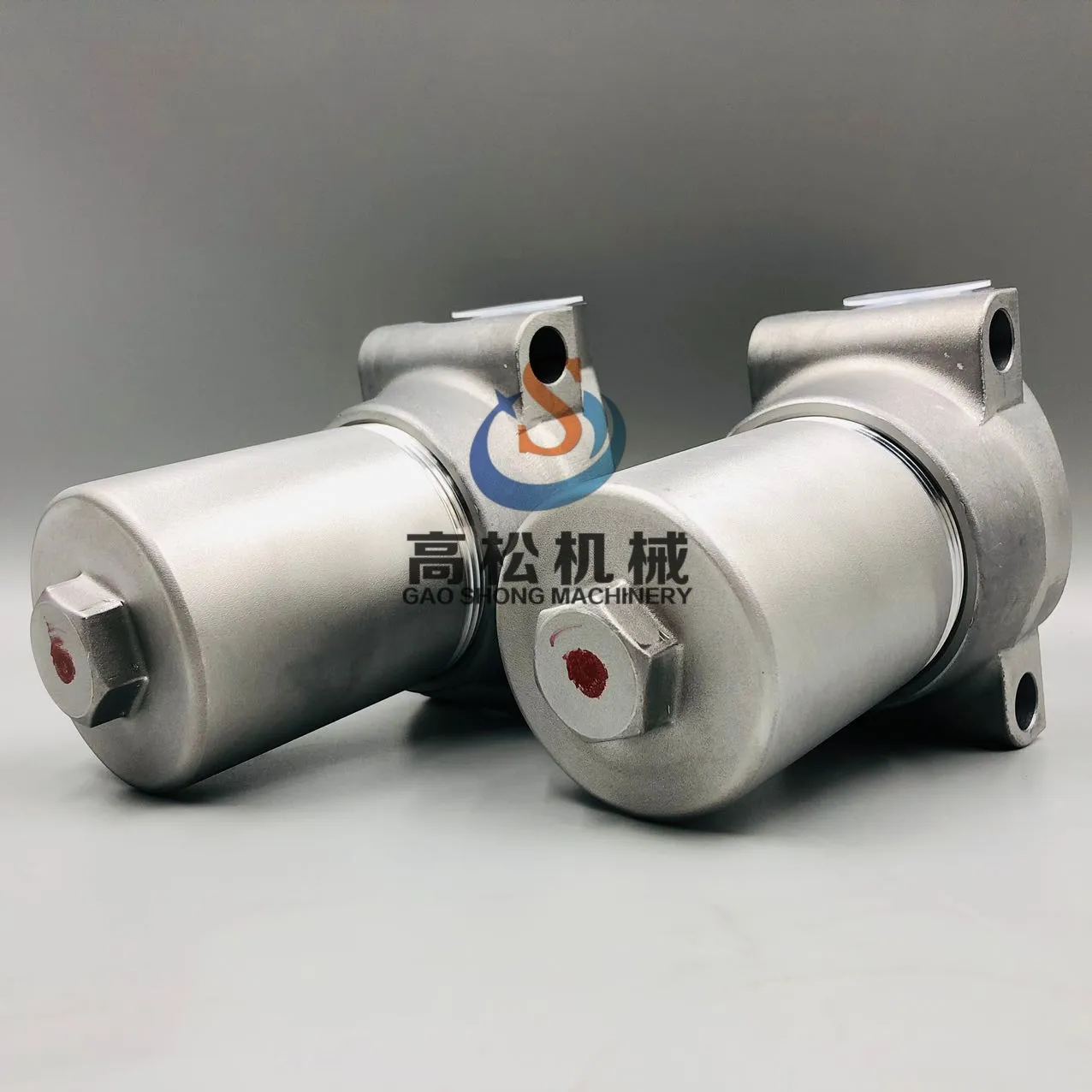 Komatsu Filter 20Y-62-51681 for Crawler excavator PC210LC-8 Filter Assembly 20Y-62-51681
 -
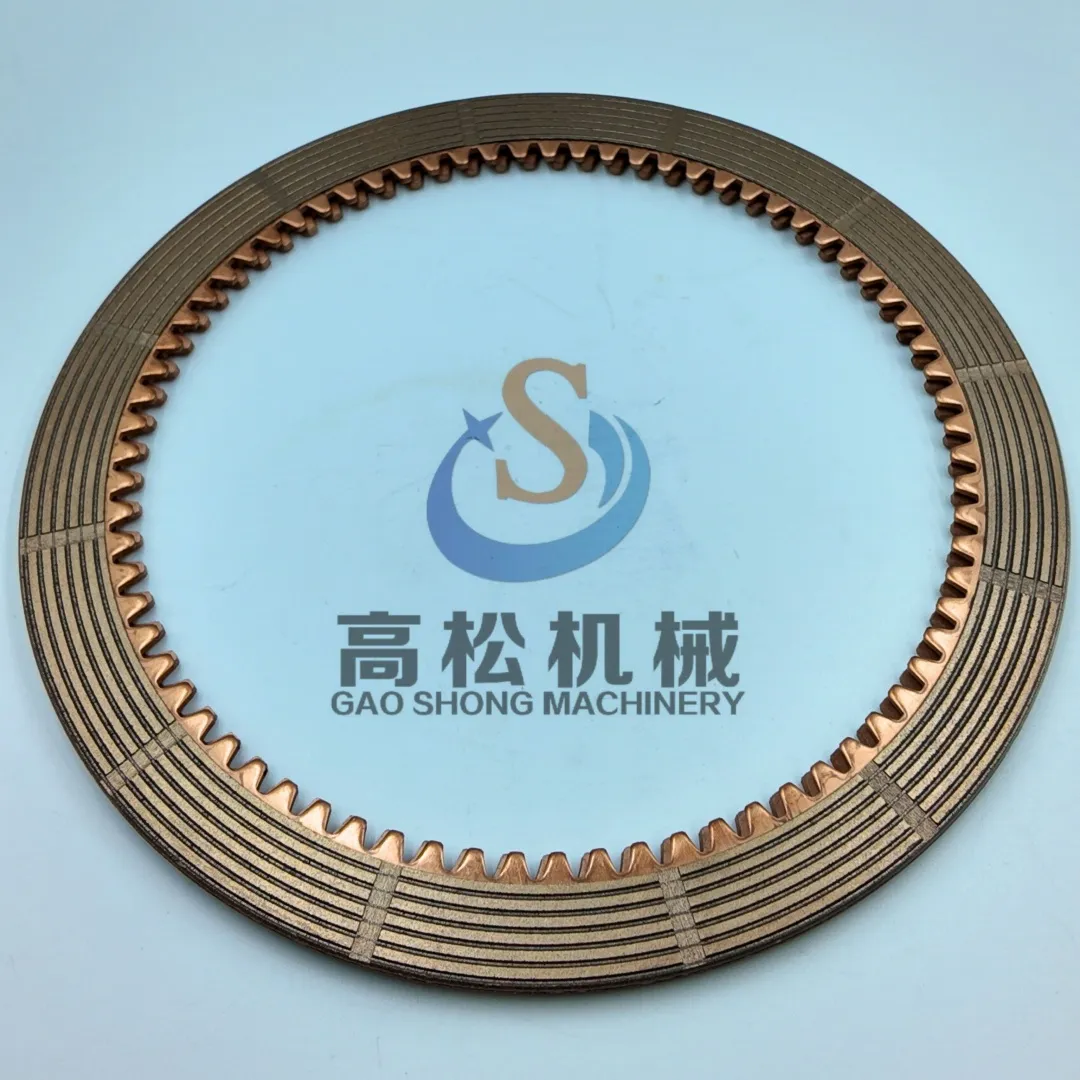 23S-15-12710 – DISC FRICTION – FITS KOMATSU
 -
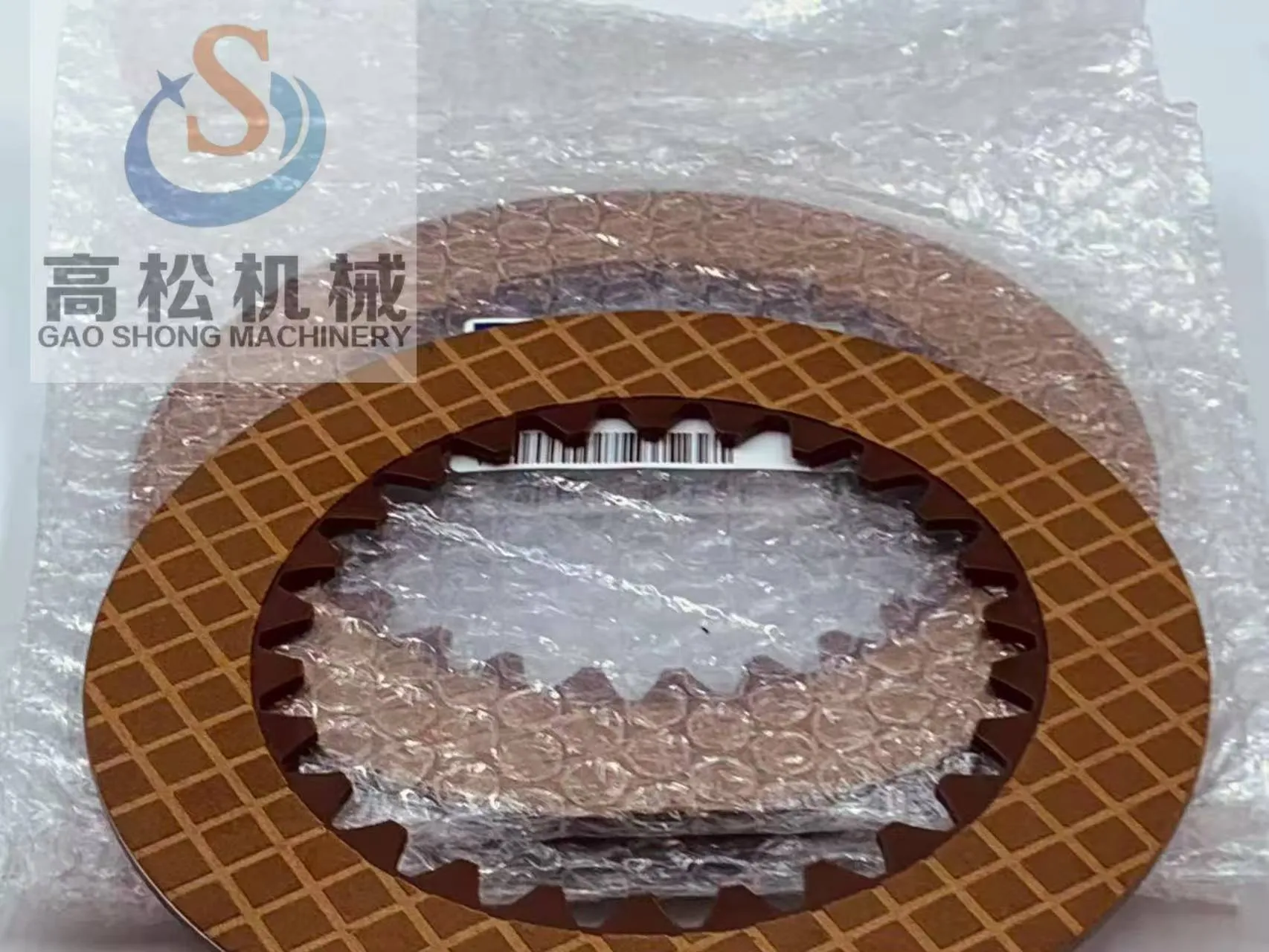 14-07-40010 714-07-48540 421-62-45450 spare parts for front loader wa470-6 hydraulic transformer and coupling transmission 714-07-49731
 -
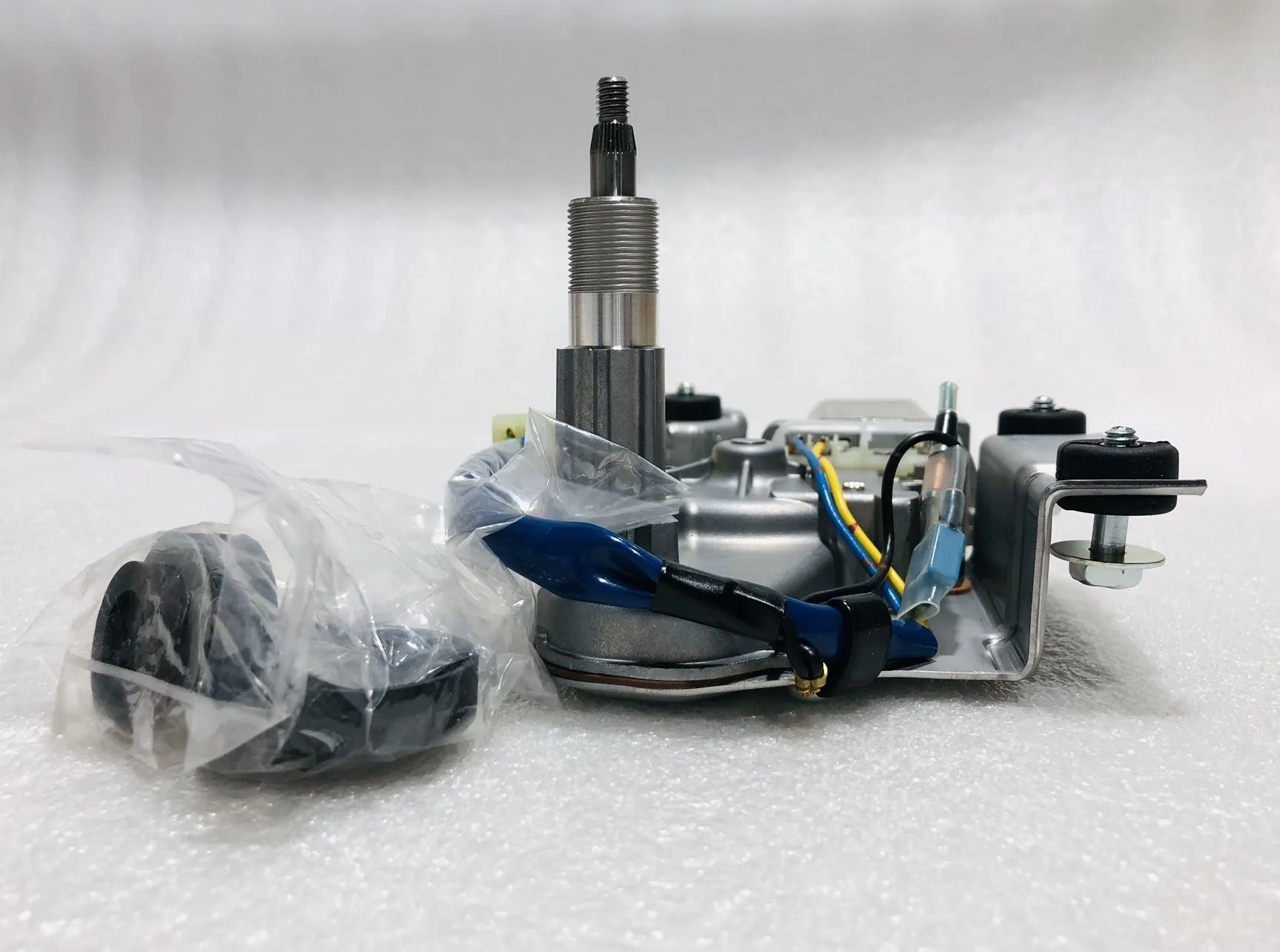 23B-951-2610 Komatsu MOTOR,WIPER
 -
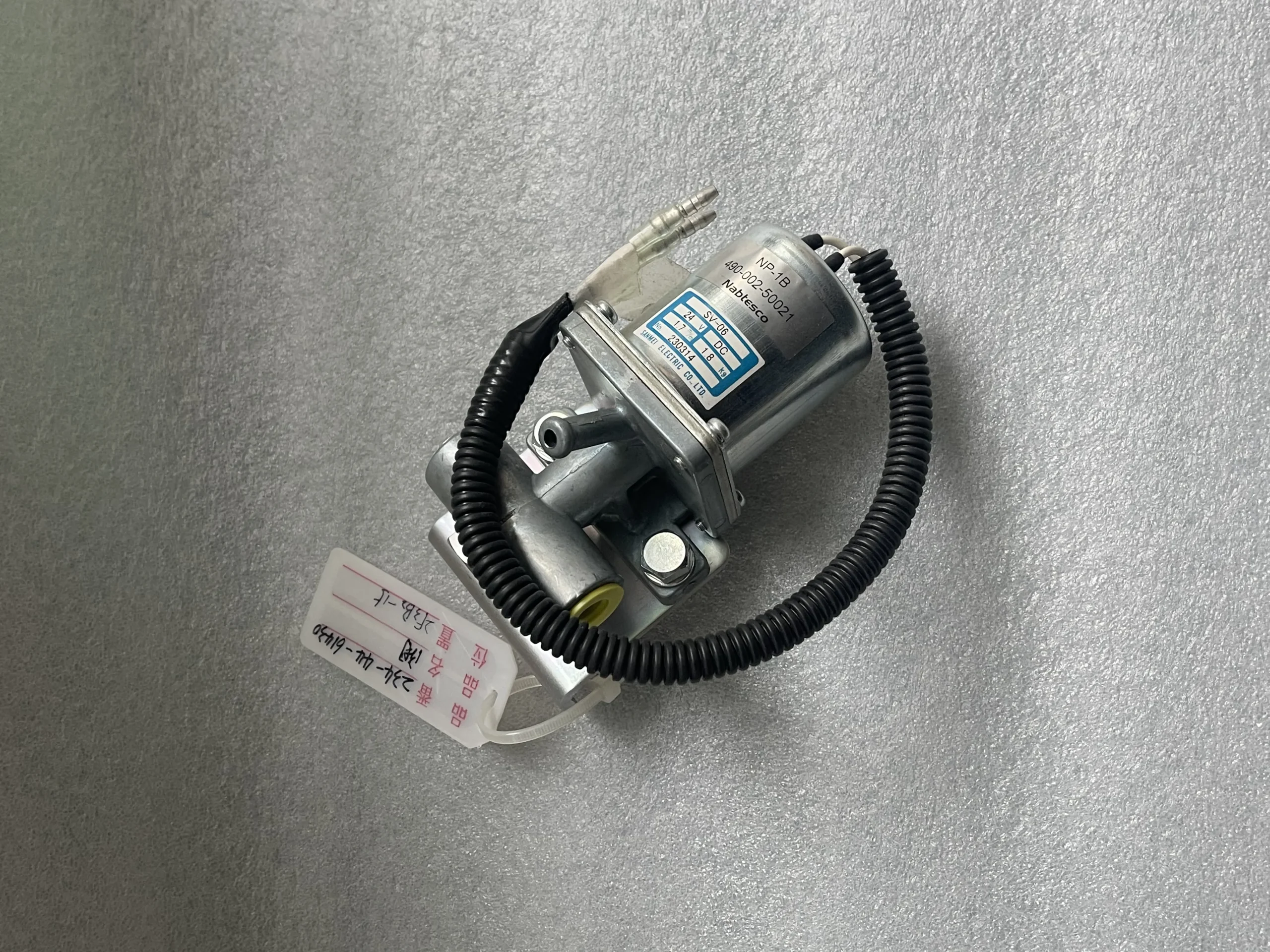 SOLENOID VALVE 234-44-61430 for GD705/825