
- Chinese
- French
- German
- Portuguese
- Spanish
- Russian
- Japanese
- Korean
- Arabic
- Irish
- Greek
- Turkish
- Italian
- Danish
- Romanian
- Indonesian
- Czech
- Afrikaans
- Swedish
- Polish
- Basque
- Catalan
- Esperanto
- Hindi
- Lao
- Albanian
- Amharic
- Armenian
- Azerbaijani
- Belarusian
- Bengali
- Bosnian
- Bulgarian
- Cebuano
- Chichewa
- Corsican
- Croatian
- Dutch
- Estonian
- Filipino
- Finnish
- Frisian
- Galician
- Georgian
- Gujarati
- Haitian
- Hausa
- Hawaiian
- Hebrew
- Hmong
- Hungarian
- Icelandic
- Igbo
- Javanese
- Kannada
- Kazakh
- Khmer
- Kurdish
- Kyrgyz
- Latin
- Latvian
- Lithuanian
- Luxembou..
- Macedonian
- Malagasy
- Malay
- Malayalam
- Maltese
- Maori
- Marathi
- Mongolian
- Burmese
- Nepali
- Norwegian
- Pashto
- Persian
- Punjabi
- Serbian
- Sesotho
- Sinhala
- Slovak
- Slovenian
- Somali
- Samoan
- Scots Gaelic
- Shona
- Sindhi
- Sundanese
- Swahili
- Tajik
- Tamil
- Telugu
- Thai
- Ukrainian
- Urdu
- Uzbek
- Vietnamese
- Welsh
- Xhosa
- Yiddish
- Yoruba
- Zulu
- Kinyarwanda
- Tatar
- Oriya
- Turkmen
- Uyghur





Komatsu gasket
When you hear 'Komatsu gasket', the immediate thought for most is a simple, flat seal—a commodity item. That's the first mistake. In my years dealing with parts supply, especially in markets with fragmented distribution, I've seen that mindset lead to more downtime than a failed pump. A gasket isn't just a piece of material; it's a system interface. The OEM spec isn't just about dimensions; it's about compression rates, thermal cycling resilience, and fluid compatibility specific to Komatsu's hydraulic and engine systems. I recall a contractor insisting on a generic 'equivalent' for a PC200 pump gasket. It held for about 80 hours before weeping started, leading to contamination and a repair bill five times the cost of the correct OEM-sourced part. That's the reality the term 'Komatsu gasket' should evoke.
The OEM Illusion and the Supply Chain Gap
There's a common belief that if you have a Komatsu machine, you get parts directly from Komatsu. It's not that simple. For dealers in major markets, sure. But in many regions—Southeast Asia, parts of Africa, South America—the official supply chain can be thin or slow. This is where the real challenges emerge. You need a Komatsu gasket for a D61EX dozer, the machine is down, and the local dealer's system shows a six-week lead time. What do you do? This gap is where companies operating within the Komatsu ecosystem but addressing these logistical realities become critical. They aren't just resellers; they are supply chain problem-solvers.
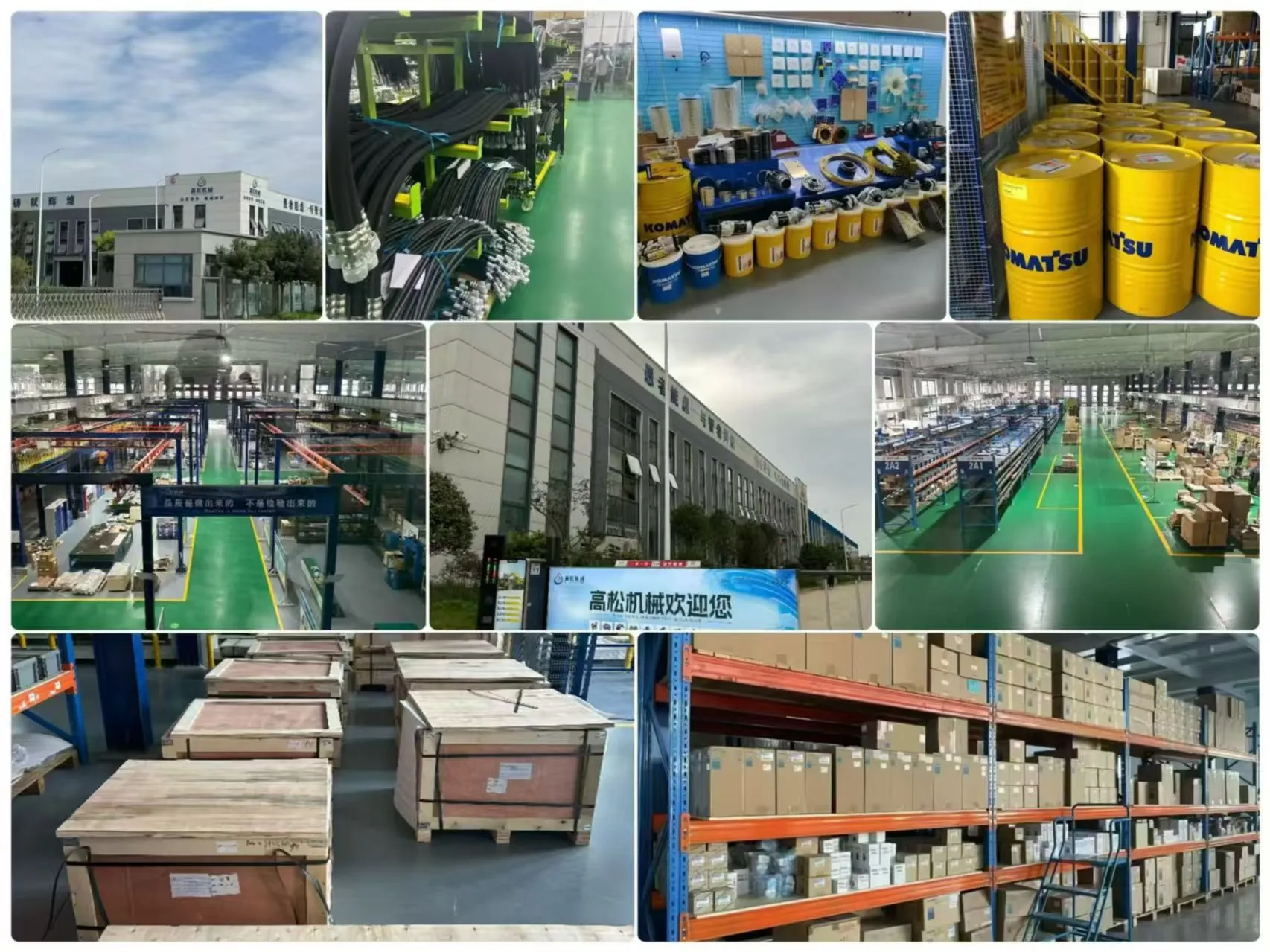
I've worked with entities like Jining Gaosong Construction Machinery Co., Ltd. Their position is interesting. They describe themselves as an OEM product supplier within the Komatsu system and a third-party sales company. That dual role is key. It means they have access to genuine OEM production channels for certain components, likely including these critical sealing interfaces, while also having the flexibility to navigate around official distribution bottlenecks. Their site, https://www.takematsumachinery.com, frames it as helping to solve parts supply challenges in certain countries. That's the professional understatement for we keep machines running when the standard pipeline fails.
The nuance is in what OEM product supplier within the Komatsu system entails. It doesn't necessarily mean Komatsu stamps their logo on it. It often means they are a certified producer for specific, non-strategic components, or they source from the same tier-1 suppliers Komatsu uses. For a Komatsu gasket, this is everything. The material composition from the approved supplier, the curing process, the stamping tolerances—these are what make it a genuine interface part, not just a look-alike.
Material Memory: More Than Just Rubber or Cork
Let's get technical for a moment. A common failure point is assuming all black rubber gaskets are the same. A Komatsu engine head gasket versus a hydraulic valve cover gasket face entirely different environments. One deals with combustion gases, extreme thermal gradients, and high pressure. The other deals with hydraulic oil, constant pressure, and potential for chemical degradation. The OEM specs dictate specific nitrile compounds, fluorocarbon layers, or multi-layer steel (MLS) constructions.
I remember evaluating a batch of aftermarket gaskets for a Komatsu 6D114 engine. On the surface, they looked perfect. But the rubber felt slightly harder, less pliable. Installing them, the torque-to-yield process felt off. We proceeded, and within a short period, we had compression leaks. The failure analysis pointed to the material's memory and recovery rate being out of spec. It couldn't handle the heat cycles. It wasn't a Komatsu gasket; it was a replica that failed at the material science level.
This is where the value of a supplier embedded in the system shows. They understand these specifications are not arbitrary. They're the result of Komatsu's engineering validation. When Jining Gaosong supplies such a part, the implication is that this material pedigree is intact. You're not buying a shape; you're buying a performance profile validated for that specific assembly.
Logistics as a Critical Spec
Having the right part is one battle; having it there is another. In construction, downtime cost calculations are brutal. A service truck waiting for a gasket for a stalled excavator is money burning. A reliable third-party supplier's real product is often speed and certainty.
Their operational model—like the one hinted at by Jining Gaosong's focus on challenging countries—involves strategic stocking. They might hold inventory of high-failure-rate or long-lead-time gaskets for common models like the PC series excavators or the WA wheel loaders. They've done the analysis to know which Komatsu gasket will be needed, where, and when the official channel will be clogged.
I've seen this work in practice. A mining operation in a remote location had a hydraulic tank leak on a Komatsu HD785 truck. The local Komatsu affiliate had no ETA. A call to a specialized third-party supplier with Komatsu system access had the correct, system-compliant gasket on a charter flight within 48 hours. The cost was higher for freight, but the alternative was a $50,000/day production loss. That's solving a supply challenge.
The Pitfall of Good Enough
The biggest temptation is to go generic during a crisis. Sometimes it works. Often, it doesn't. The failure might not be catastrophic; it might be a slow seep that introduces dirt into a hydraulic system, causing valve spool wear that manifests months later as sluggish operation. By then, no one links it back to the $20 gasket.
A disciplined approach is to audit your critical spares. Which gaskets are true show-stoppers? For me, anything between major hydraulic components (pump, control valves, cylinders) or in the engine's top end (head, injector sleeves) must be genuine or system-approved. Flange gaskets for less critical fluid lines might have more flexibility, but even then, the fluid compatibility is non-negotiable.
This is the professional judgment call. It's not always buy the most expensive. It's understanding the risk profile of each sealing point. A supplier that provides clarity on the provenance of their parts—whether it's direct from an OEM line or from a vetted partner factory—enables that judgment. The description OEM product supplier within the Komatsu system is a signal of that provenance.
Convergence: The Practical Takeaway
So, what does this mean for someone holding a failed gasket? First, the part number is just the starting point. Cross-reference it, but understand what it represents. Second, evaluate the downtime cost. If it's high, your priority is securing a part with guaranteed compatibility and the shortest reliable lead time.
Entities that fill the niche between the global OEM and the local market, like the model described by Jining Gaosong, exist for this calculus. They aren't replacing the official dealer network; they are supplementing it where it's weak. Their value is in depth of knowledge—knowing that the Komatsu gasket for a specific serial number range had a material change, and supplying the correct iteration.
Ultimately, dealing with Komatsu parts, down to the humble gasket, is about managing risk. The risk of failure, the risk of downtime, the risk of collateral damage. The right supplier is a risk mitigation partner. They provide the assurance that the part in the box will perform as the engineering drawings intended, and they get it to you when you're against the clock. That's the unspoken benchmark. Everything else is just a piece of material.
Related Products
Related Products
Best Selling Products
Best Selling Products-
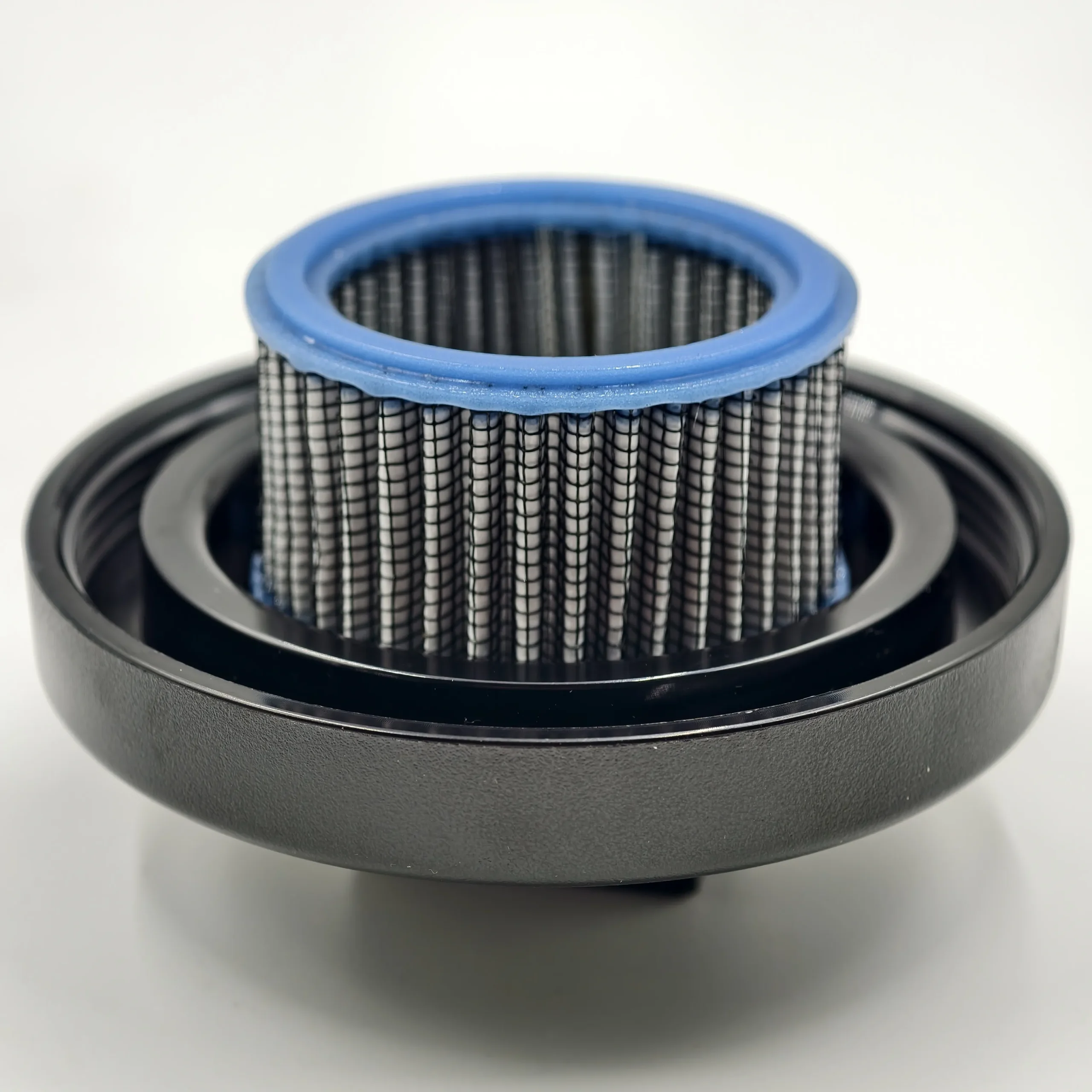 21T-04-31170 Komatsu Cap Assembly
 -
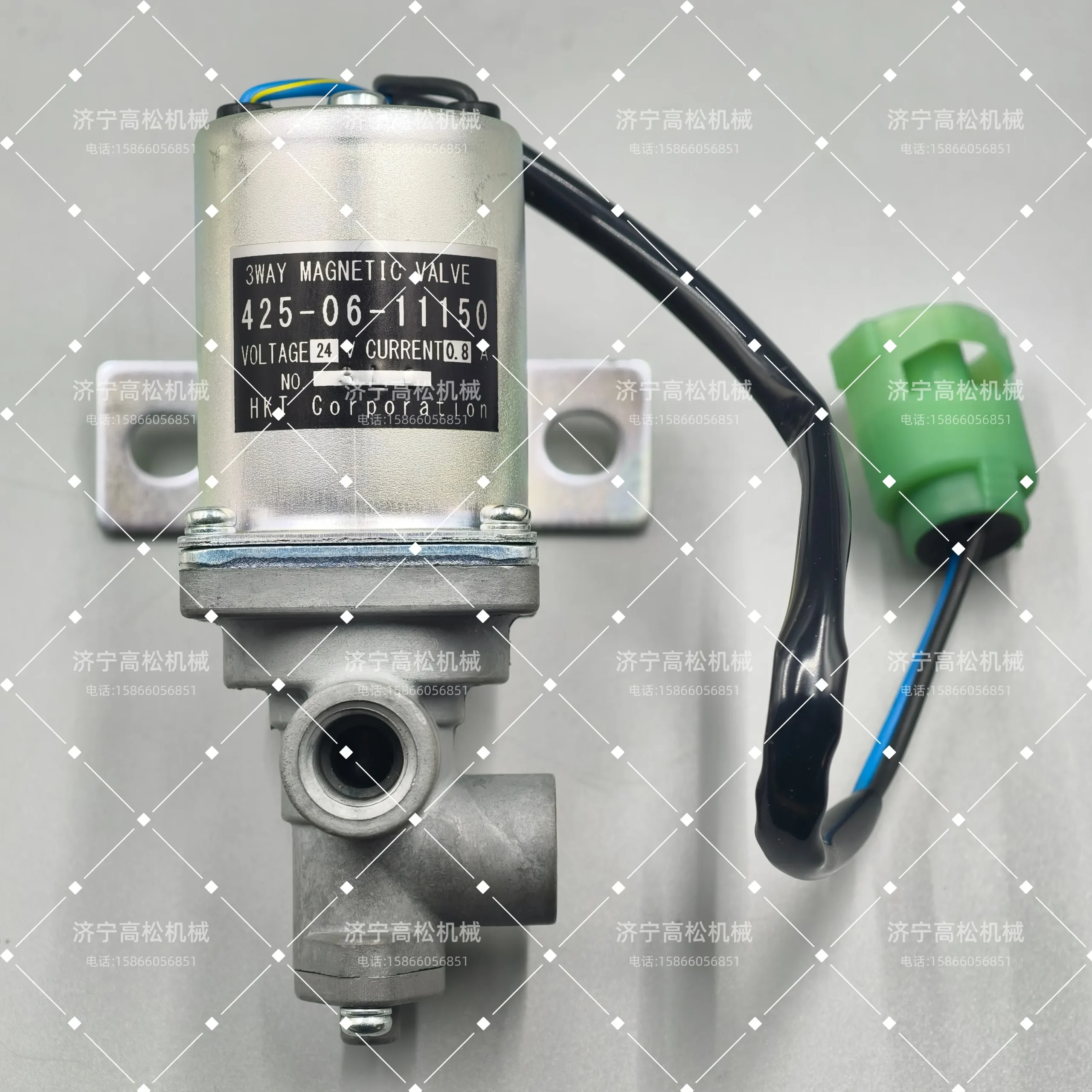 425-06-11150 Komatsu VALVE, PARKING BRAKE
 -
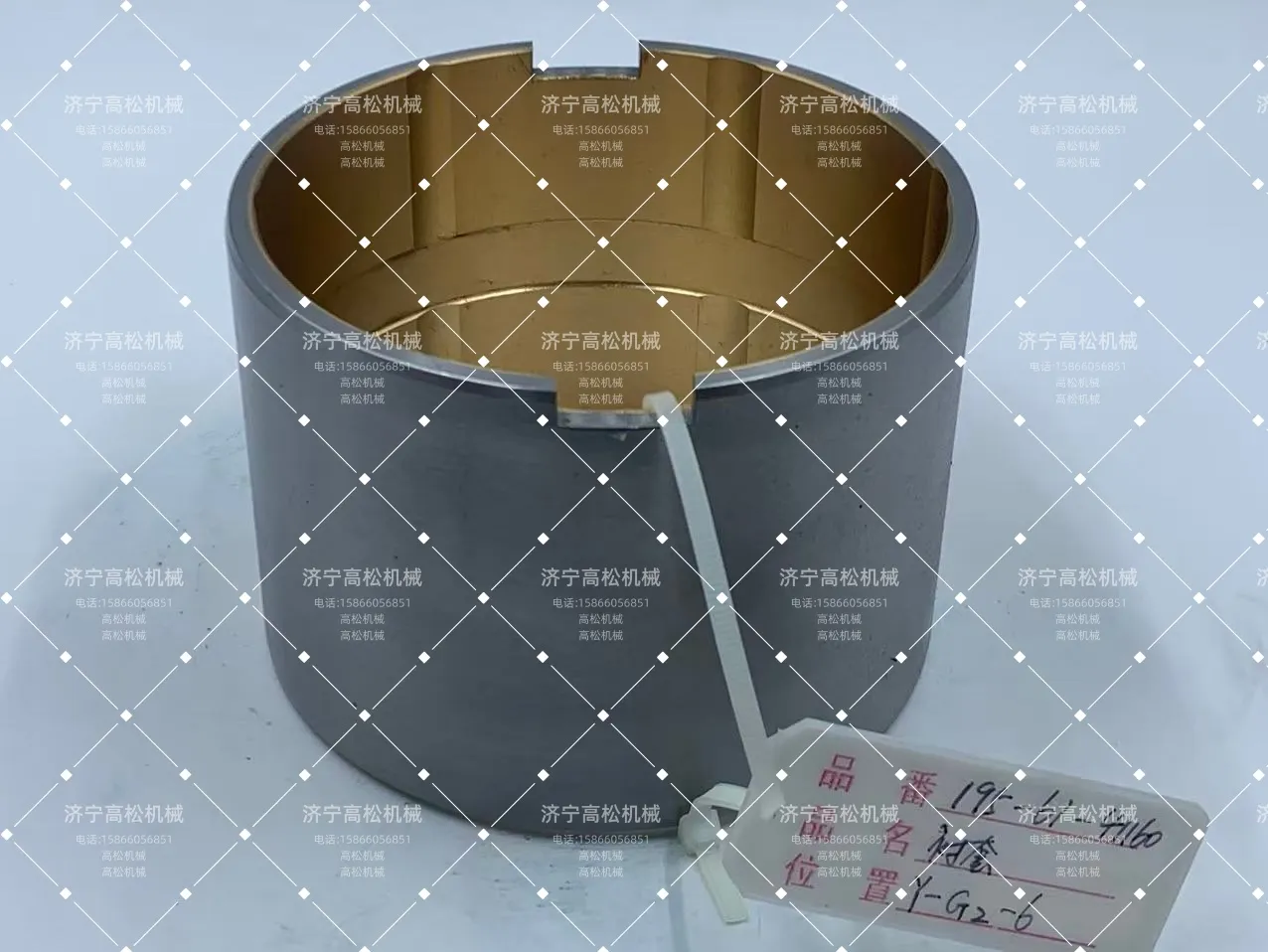 Komatsu original D375A-1 Sleeve 195-61-41160 – Jining Gaosong…
 -
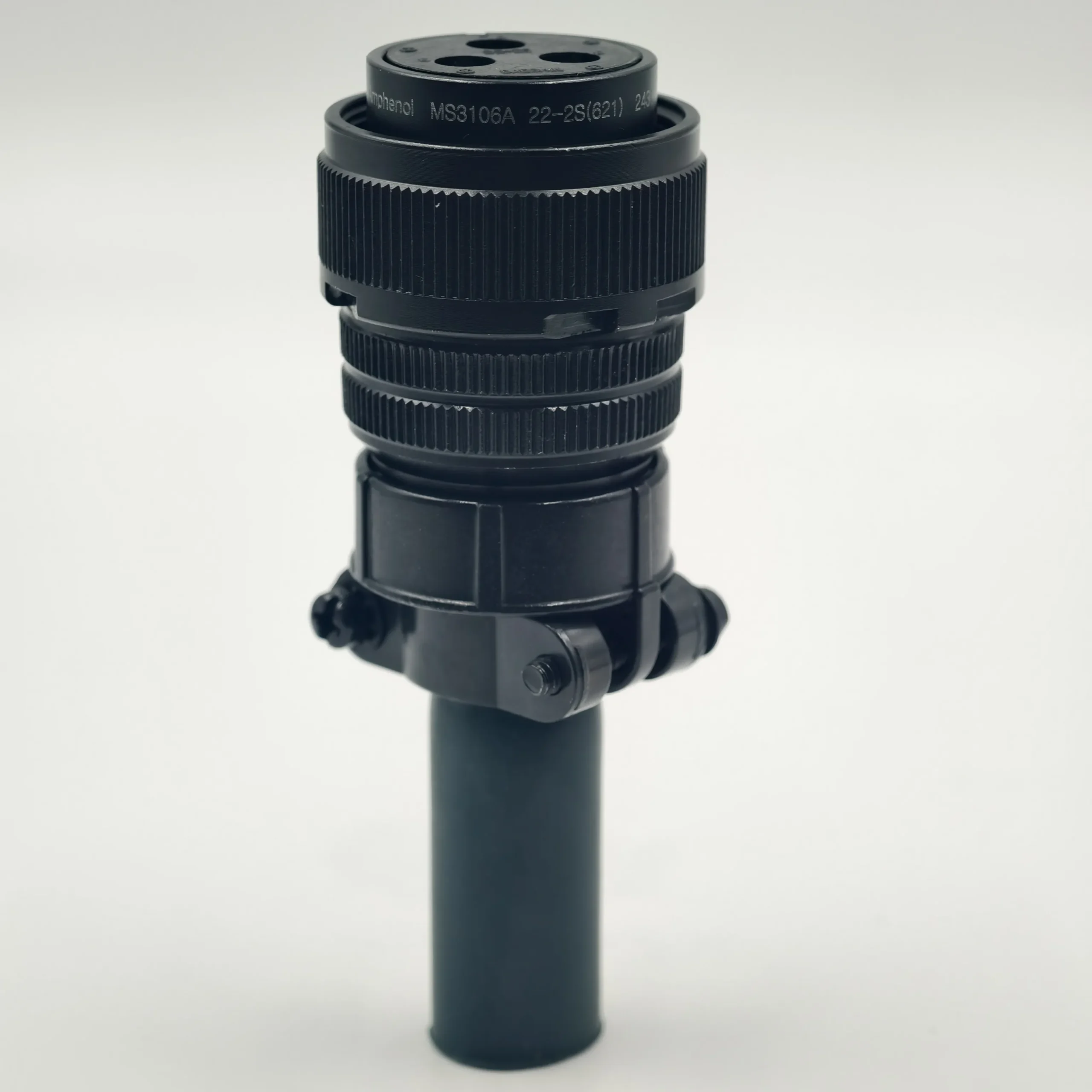 175-06-37871 PLUG(WITH HEATER) (Komatsu)
 -
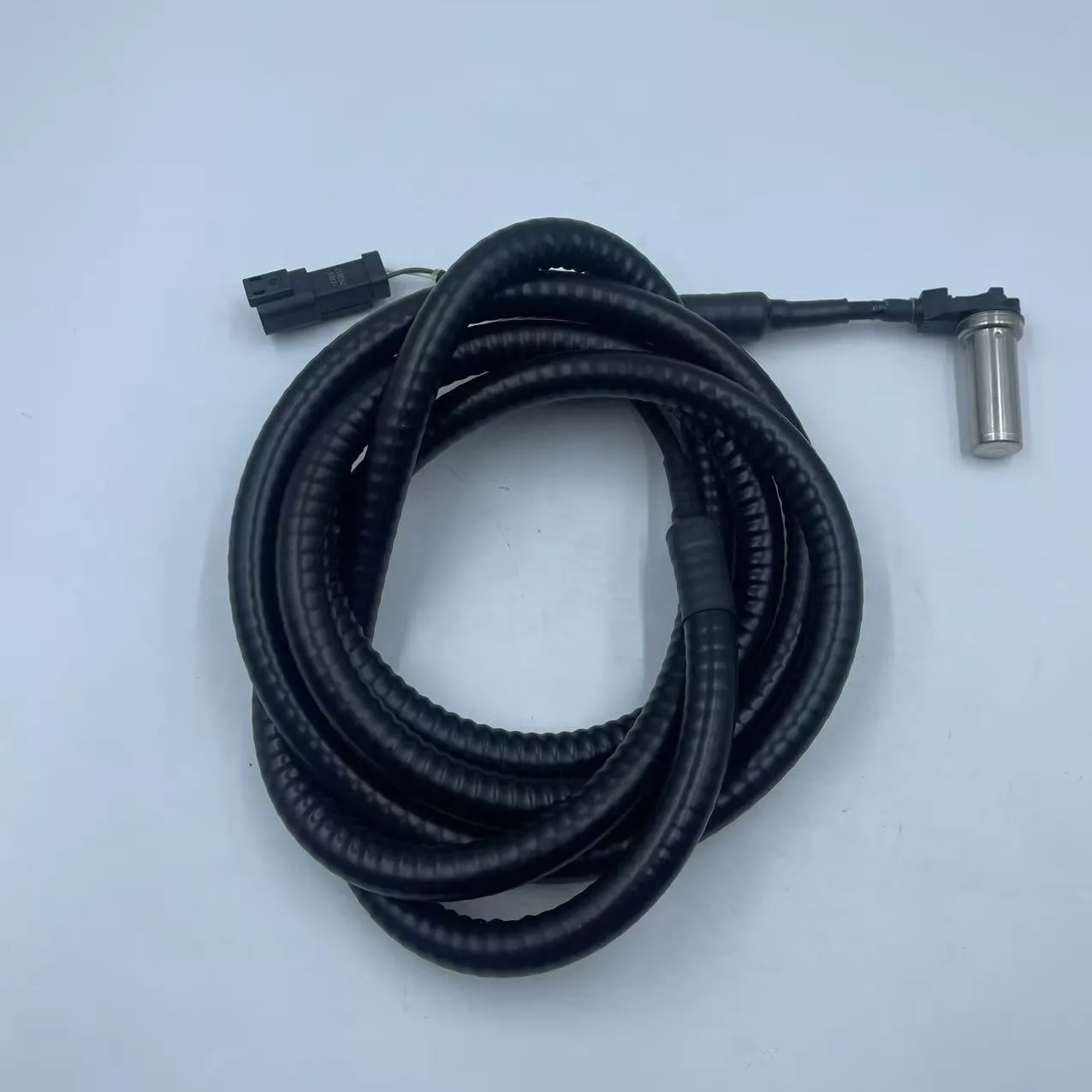 ZGZJYBL Sensor for Komatsu HD785-7 Dump Truck 566-88-66143 5668866143
 -
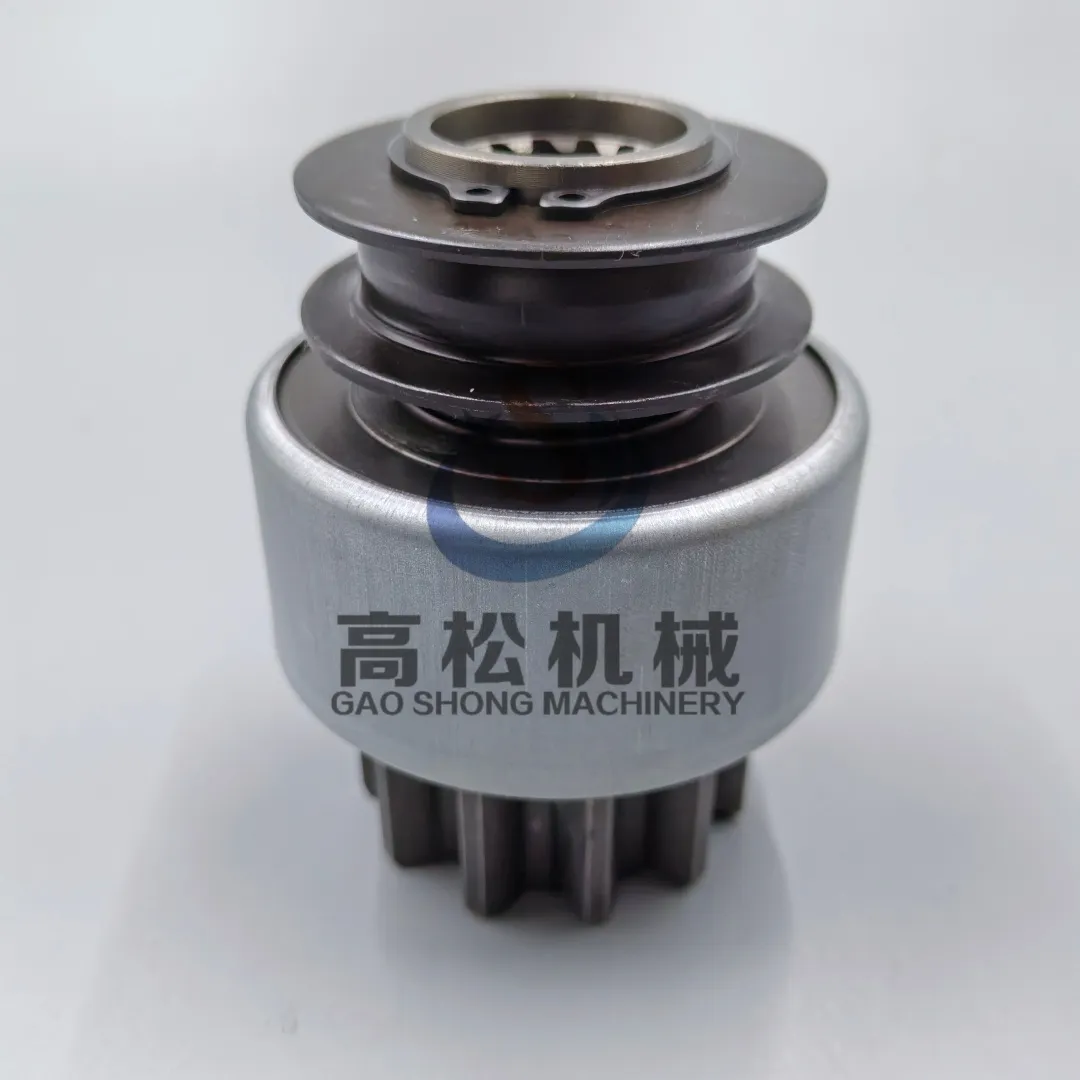 KD0-23500-1024 Komatsu CLUTCH ASS’Y
 -
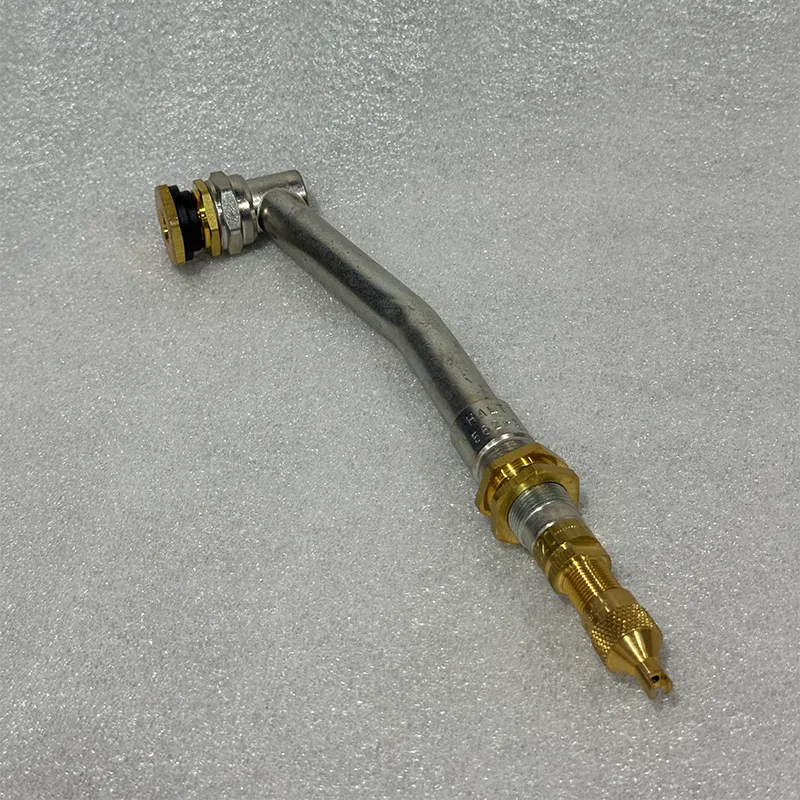 Original komatsu HD1500-8 Valve 562-30-3A210
 -
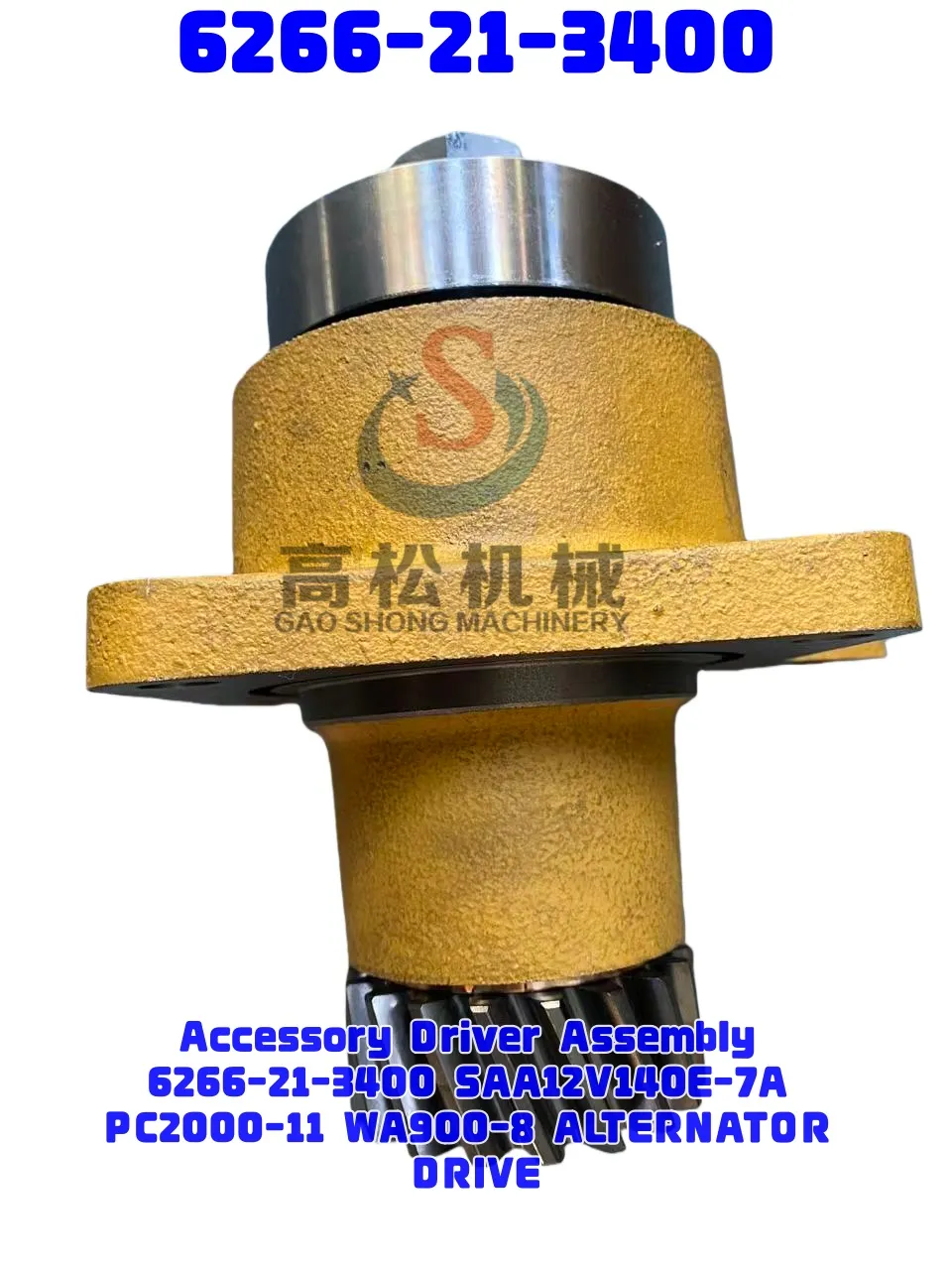 Accessory Driver Assembly 6266-21-3400 SAA12V140E-7A PC2000-11 WA900-8 ALTERNATOR DRIVE
 -
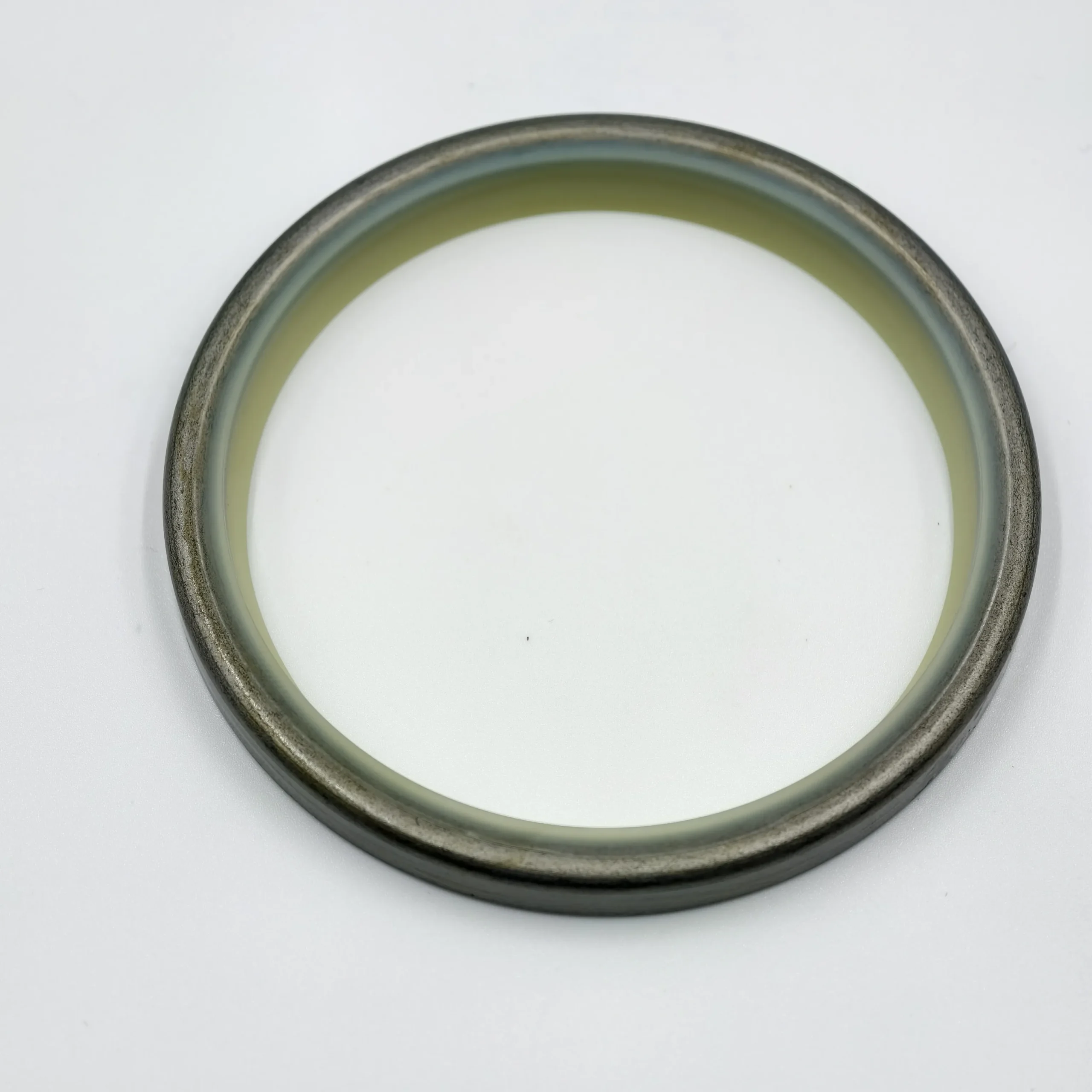 Komatsu 17M-50-24360 Seal, price for original and… — Pricing.Parts
 -
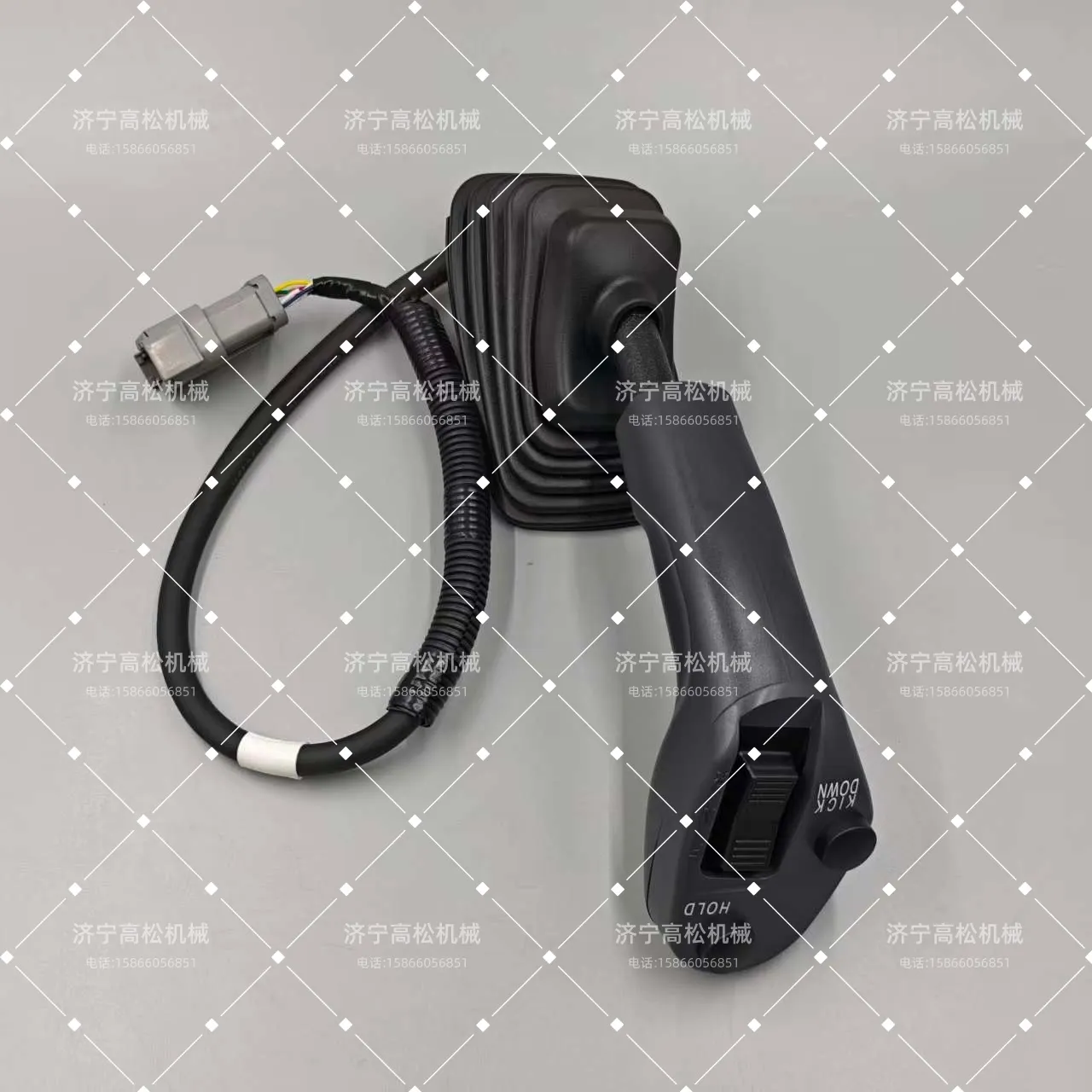 Original Brand New LEVER ASSEMBLY 423-V91-4144 for Komatsu…
 -
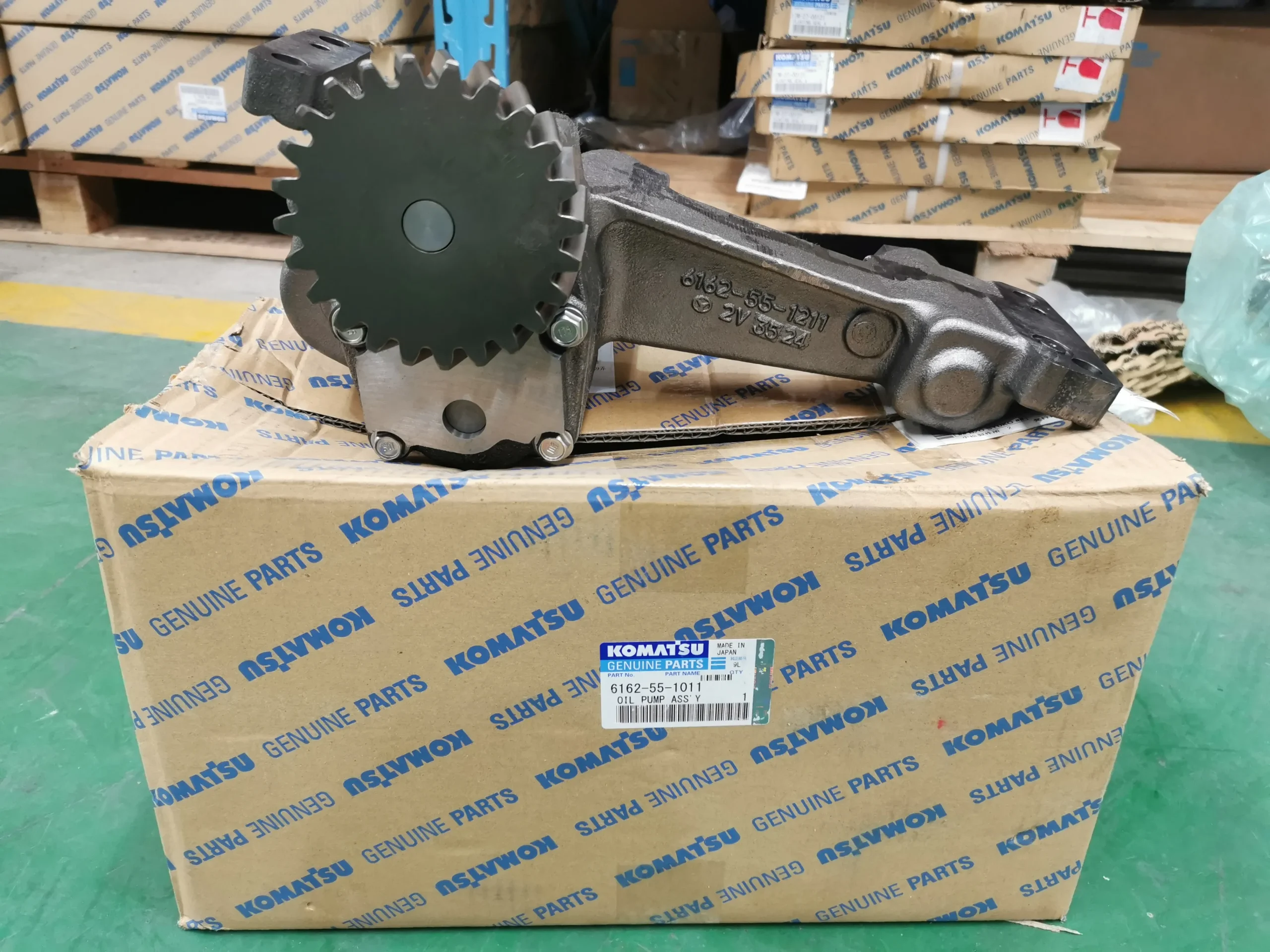 S6D170E-2A Oil Pump 6162-55-1011
 -
 Komatsu Filter 20Y-62-51681 for Crawler excavator PC210LC-8 Filter Assembly 20Y-62-51681